

Processing of collagen based biomaterials and the resulting materials properties
Open accessThe DOI matches its Crossref record; 514 of the 514 references it cites were found in a registry or an index.
Abstract
Collagen, the most abundant extracellular matrix protein in animal kingdom belongs to a family of fibrous proteins, which transfer load in tissues and which provide a highly biocompatible environment for cells. This high biocompatibility makes collagen a perfect biomaterial for implantable medical products and scaffolds for in vitro testing systems. To manufacture collagen based solutions, porous sponges, membranes and threads for surgical and dental purposes or cell culture matrices, collagen rich tissues as skin and tendon of mammals are intensively processed by physical and chemical means. Other tissues such as pericardium and intestine are more gently decellularized while maintaining their complex collagenous architectures. Tissue processing technologies are organized as a series of steps, which are combined in different ways to manufacture structurally versatile materials with varying properties in strength, stability against temperature and enzymatic degradation and cellular response. Complex structures are achieved by combined technologies. Different drying techniques are performed with sterilisation steps and the preparation of porous structures simultaneously. Chemical crosslinking is combined with casting steps as spinning, moulding or additive manufacturing techniques. Important progress is expected by using collagen based bio-inks, which can be formed into 3D structures and combined with live cells. This review will give an overview of the technological principles of processing collagen rich tissues down to collagen hydrolysates and the methods to rebuild differently shaped products. The effects of the processing steps on the final materials properties are discussed especially with regard to the thermal and the physical properties and the susceptibility to enzymatic degradation. These properties are key features for biological and clinical application, handling and metabolization.
Overview
The claims and statistics of this paper haven’t been checked yet.
Free: it reads the open-access text and checks the first 5 claims that cite a source we can check. Create a free account to check every claim.
Integrity signals
Registry
Cites
Statistics
Figures
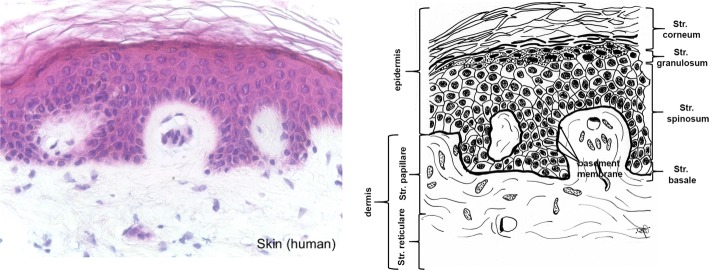
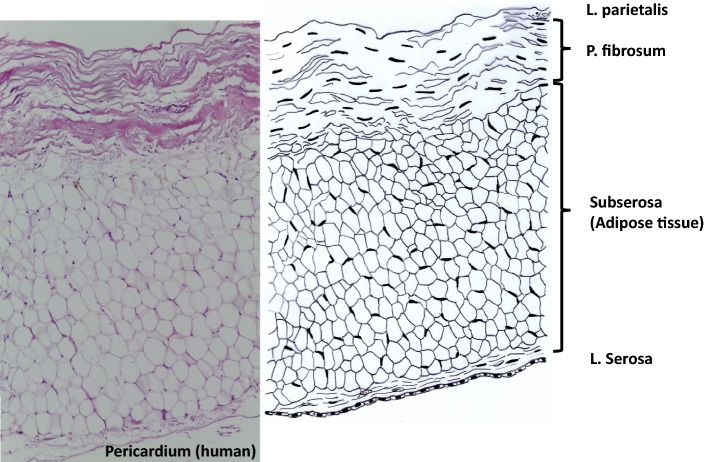
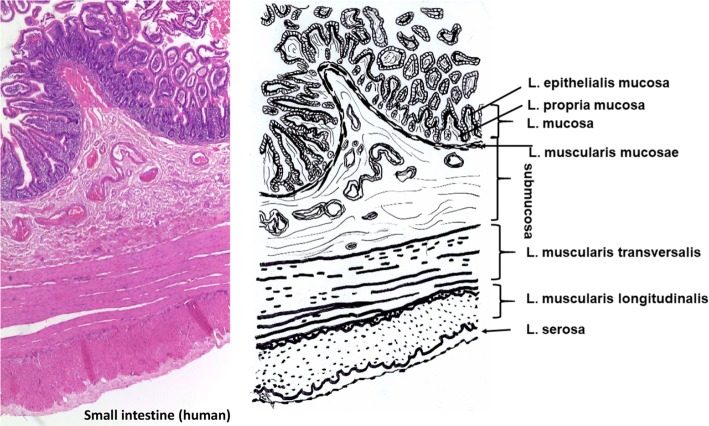
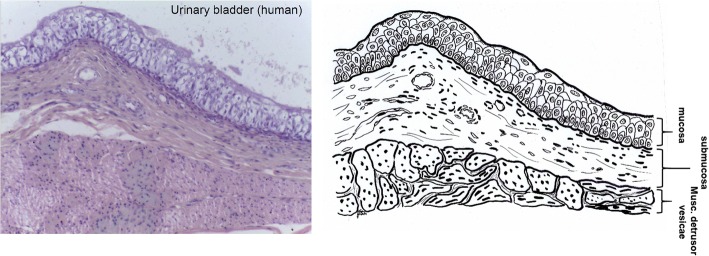
Verification
Claims the paper makes
The claims and statistics of this paper haven’t been checked yet.
Free: it reads the open-access text and checks the first 5 claims that cite a source we can check. Create a free account to check every claim.
Claims other papers make about this one
Each is checked against this paper’s own text: does it say what the citing paper says it does?
The source backs part of the claim, not all of it — or backs it for a different population, condition or comparison.
In the citing paper
“which can be associated with the reduction of lipid-soluble components, leaving behind only the denatured ECM molecules and water-soluble substances [65].”
From Effects of Various Decellularization Methods for the Development of Decellularized Extracellular Matrix from Tilapia (Oreochromis niloticus) Viscera (2024) · cites this paper as [65]
Experimental — accuracy not yet measured
Self-check
Percentages, sums and reported differences re-computed from the paper’s own numbers.
The self-check needs the paper’s full text.
Citations
Cites
1 retracted
Thompson, J. A., Haudenschild, C. C., Anderson, K. D., DiPietro, J. M., Anderson, W. F., & Maciag, T. (1989) · Proceedings of the National Academy of Sciences · doi:10.1073/pnas.86.20.7928 · Cited by 138
RetractedMolecular Mechanisms of Stress-Responsive Changes in Collagen and Elastin Networks in Skin
Aziz, J., Shezali, H., Radzi, Z., Yahya, N. A., Abu Kassim, N. H., Czernuszka, J., & Rahman, M. T. (2016) · Skin Pharmacology and Physiology · doi:10.1159/000447017 · Cited by 7,323
Collagen Structure and Stability
Shoulders, M. D., & Raines, R. T. (2009) · Annual Review of Biochemistry · doi:10.1146/annurev.biochem.77.032207.120833 · Cited by 3,923 · cited 1×
“Oxidation of lysine and hydroxylysine by lysyloxidase initiates the formation of the various natural enzyme-derived crosslinks [62, 508].”
BackgroundPolymers for 3D Printing and Customized Additive Manufacturing
Ligon, S. C., Liska, R., Stampfl, J., Gurr, M., & Mülhaupt, R. (2017) · Chemical Reviews · doi:10.1021/acs.chemrev.7b00074 · Cited by 3,741 · cited 1×
“Though metals and ceramics are processed as well, polymers are the most intensively utilized materials class [283].”
BackgroundAn overview of tissue and whole organ decellularization processes
Crapo, P. M., Gilbert, T. W., & Badylak, S. F. (2011) · Biomaterials · doi:10.1016/j.biomaterials.2011.01.057 · Cited by 3,591 · cited 7×
“The exact impact is unclear, however [20].”
BackgroundInfluentialMatrix Metalloproteinases: A Review
Birkedal-Hansen, H., Moore, W. G. I., Bodden, M. K., Windsor, L. J., Birkedal-Hansen, B., DeCarlo, A., & Engler, J. A. (1993) · Critical Reviews in Oral Biology & Medicine · doi:10.1177/10454411930040020401 · Cited by 2,970
Perfusion-decellularized matrix: using nature's platform to engineer a bioartificial heart
Ott, H. C., Matthiesen, T. S., Goh, S.-K., Black, L. D., Kren, S. M., Netoff, T. I., & Taylor, D. A. (2008) · Nature Medicine · doi:10.1038/nm1684 · Cited by 2,650 · cited 1×
“These investigations aimed to save the complex structures of the organs, especially the vascular networks and the mechanical stability of the constructs [18, 23, 214, 218, 260, 261] and others.”
BackgroundThe status, challenges, and future of additive manufacturing in engineering
Gao, W., Zhang, Y., Ramanujan, D., Ramani, K., Chen, Y., Williams, C. B., Wang, C. C. L., Shin, Y. C., Zhang, S., & Zavattieri, P. D. (2015) · Computer-Aided Design · doi:10.1016/j.cad.2015.04.001 · Cited by 2,631
Electrospinning of Collagen Nanofibers
Matthews, J. A., Wnek, G. E., Simpson, D. G., & Bowlin, G. L. (2002) · Biomacromolecules · doi:10.1021/bm015533u · Cited by 2,251
Decellularization of tissues and organs
Gilbert, T. W., Sellaro, T. L., & Badylak, S. F. (2006) · Biomaterials · doi:10.1016/j.biomaterials.2006.02.014 · Cited by 2,222 · cited 2×
“Nevertheless, after one or repeated freeze–thaw cycles, decellularization comprises an intensive treatment with complexing agents, surfactants, also alkaline and acids and possibly enzymes [3, 4, 20, 21].”
Background
Research works printed but not linked: 9
- 29. International Consensus. Acellular matrices for the treatment of wounds-an expert working group review. London: Wounds International; 2010.
- 68. Burjanadze T, Kiziria E, Mikeladze S. Molecular mechanism for the phylogenetic change of thermostability of fibril- forming collagen. Evidence that (Gly-X-Hyp) triplets are main factors determining stability of collagen. Bull Georg Natl Acad Sci. 2010;4:137-41.
- Savic Z, Savic I. Sausage Casings. 2nd ed. Wien: VICTUS International; 2016.
- Landmann W. The machines in the tannery: a review of leather produciong machinery and equipment in current use. Liverpool: World Trades Pub; 2003.
- Nageotte J. Coagulation fibrillaire in vitro du collagène dissous dans un acide dilué. Hebd Seances Acad Sci. 1927;184:115.
- Kühn K. The classical collagens: types I, II and III in structure and function of collagen types. New York: Academic Press; 1987. p. 1–42.
- Schroepfer M. Influences on thermal stability of fibrous collagen—calorimetric investigations. In: Talk at 5th Freiberg collagen symposium. Freiberg. 2012.
- Oetjen G-W, Haseley P. Transplants, collagen. Weinheim: Wiley-VCH; 2004. p. 333–40.
- Ruef C, Harbarth S, Henry A, Pittet D. Sterilisation mit ethylenoxid: anwendungen und grenzen, swiss-noso–nosokomiale infekt. Spit. 1997;4:3–6.
Cited by
Items 201–300 of 538
Industrial Wastewater: Health Concern and Treatment Strategies
Singh, S., Sharma, A., & Malviya, R. (2021) · The Open Biology Journal · doi:10.2174/1874196702109010001 · Cited by 18
Accelerated vascularization of a novel collagen hydrogel dermal template
Weisel, A., Cohen, R., Spector, J. A., & Sapir, Y. (2022) · Journal of Tissue Engineering and Regenerative Medicine · doi:10.1002/term.3356 · Cited by 14
Citric Acid Cross-Linked Gelatin-Based Composites with Improved Microhardness
Taboun, A., Jovanović, M., Petrović, M., Stajčić, I., Pesic, I., Stojanović, D., & Radojević, V. J. (2024) · Polymers · doi:10.3390/polym16081077 · Cited by 13
Talebi, M., Ghale, R. A., Asl, R. M., & Tabandeh, F. (2025) · Carbohydrate Polymer Technologies and Applications · doi:10.1016/j.carpta.2025.100706 · Cited by 24
Shin, Y. H., Yun, H., Park, S. Y., Choi, S. J., Park, I., Min, B., & Kim, J. K. (2021) · Journal of Tissue Engineering and Regenerative Medicine · doi:10.1002/term.3249 · Cited by 15
“Collagen is a known biocompatible material that has been used as the main component of biomedical devices (Meyer, 2019).”
BackgroundOttenbacher, N., Alkildani, S., Koržinskas, T., Pissarek, J., Ulm, C., Jung, O., Sundag, B., Bellmann, O., Stojanović, S., Najman, S. J., et al. (2021) · Dentistry Journal · doi:10.3390/dj9110127 · Cited by 16
“, aldehyde fixatives, imides, and treatments such as hydration and radiation [32].”
BackgroundСухих, С. А., Носкова, С., Ivanova, S. A., Ulrikh, E., Izgaryshev, A., Larichev, T., Kozlova, O., Prosekov, A. Y., & Babich, O. (2021) · Applied Sciences · doi:10.3390/app112311511 · Cited by 13
“Enzymatic hydrolysis allows isolating glycosaminoglycans from secondary collagen-containing raw materials that are not covalently bound to proteoglycans [39].”
BackgroundResultInfluentialKlimek, K., Pałka, K., Truszkiewicz, W., Douglas, T., Nurzyńska, A., & Ginalska, G. (2022) · Cells · doi:10.3390/cells11203251 · Cited by 15
Morrison, R. A., Brookes, S., Puls, T. J., Cox, A. D., Gao, H., Liu, Y., & Voytik‐Harbin, S. L. (2023) · Biomaterials Science · doi:10.1039/d3bm00091e · Cited by 13
Faruqui, N., Williams, D. S., Briones, A., Kepiro, I. E., Ravi, J., Kwan, T. O. C., Mearns‐Spragg, A., & Ryadnov, M. G. (2023) · Materials Today Bio · doi:10.1016/j.mtbio.2023.100786 · Cited by 18
“Owing to such properties, the product is being applied in different areas including research and clinic proving the application versatility of the material as a stem of all collagens [80].”
BackgroundOrlandi, V., Dondero, L., Turrini, F., Atanasio, G. D. N., Grasso, F., Grasselli, E., & Boggia, R. (2023) · Molecules · doi:10.3390/molecules28227637 · Cited by 14
Dobenecker, B., Böswald, L. F., Reese, S., Steigmeier-Raith, S. I., Trillig, L., Oesser, S., Schunck, M., Meyer‐Lindenberg, A., & Hugenberg, J. (2024) · PLoS ONE · doi:10.1371/journal.pone.0308378 · Cited by 13
Palaniraj, S., Murugesan, R., & Narayan, S. (2022) · Journal of the Indian Chemical Society · doi:10.1016/j.jics.2022.100702 · Cited by 12
Amirrah, I. N., Zulkiflee, I., Wee, M. F. M. R., Masood, A., Siow, K. S., Motta, A., & Fauzi, M. B. (2023) · Materials · doi:10.3390/ma16072739 · Cited by 12
Szewczyk, A., Skwira, A., Ginter, M., Tajer, D., & Prokopowicz, M. (2020) · Polymers · doi:10.3390/polym13010053 · Cited by 12
Tihăuan, B.-M., Pîrcălăbioru, G. G., Axinie, M., Marinaș, I. C., Nicoară, A. C., Marutescu, L. G., Oprea, O., Matei, E., & Maier, S. S. (2022) · Polymers · doi:10.3390/polym14122430 · Cited by 18
“As other authors have mentioned, biodegradation plays a critical role in obtaining a desirable 3D scaffold [48,49].”
BackgroundCurrent Insights and Future Directions in Scar Management and Skin Regeneration
Szlachcikowska, D., Mazurek, K., Magiera, M., Jama, G., & Tabęcka-Łonczyńska, A. (2025) · International Journal of Molecular Sciences · doi:10.3390/ijms262110636 · Cited by 13
Altankhishig, B., Polan, M. A. A., Qiu, Y., Hasan, M. R., & Saito, T. (2021) · Materials · doi:10.3390/ma14040874 · Cited by 14
Lyu, H., Zhou, X., Qian, Y., Liu, X., Gopinathan, G., Pandya, M., Qin, C., Luan, X., & Diekwisch, T. G. H. (2022) · Biomaterials · doi:10.1016/j.biomaterials.2022.121819 · Cited by 11
Wang, Y., & Chen, Q. (2023) · Journal of Vinyl and Additive Technology · doi:10.1002/vnl.22034 · Cited by 12
Zhang, X., Zhan, X., Hu, C., Dong, Z., Luo, T., Li, H., Fan, X., Liang, J., Chen, Y., & Fan, Y. (2024) · Collagen and Leather · doi:10.1186/s42825-024-00167-5 · Cited by 12
“Traditional collagen sources, primarily derived from pig skin and bovine tendons, are associated with risks of viral contamination, impurities, and immunogenicity [31, 32].”
BackgroundDittfeld, C., Welzel, C., König, U., Jannasch, A., Alexiou, K., Blum, E., Bronder, S., Sperling, C., Maitz, M. F., & Tugtekin, S. (2023) · Biomaterials Advances · doi:10.1016/j.bioadv.2023.213328 · Cited by 13
Collagen-based biomaterials for tissue engineering applications
Amirthalingam, S., & Hwang, N. S.-Y. (2023) · Elsevier eBooks · doi:10.1016/b978-0-323-98827-8.00025-4 · Cited by 15
Biomechanical evaluation of patellar tendon repair using Krackow suture technique
Yen, C.-Y., Tsai, Y.-J., Hsiao, C., Kao, F., & Tu, Y. (2019) · BioMedical Engineering OnLine · doi:10.1186/s12938-019-0680-z · Cited by 11
Rung, S., Zhao, X., Chu, C., Yang, R., Qu, Y., & Man, Y. (2021) · Materials · doi:10.3390/ma14164660 · Cited by 14
“Without the addition of crosslinking agents, the membrane may not be able to provide sufficient support as well as the ability of regulating an immune microenvironment [3].”
BackgroundFoltz, K. M., Neto, A. E., Francisco, J. C., Simeoni, R. B., Miggiolaro, A. F. R. D. S., do Nascimento, T. G. F. D. C., Mogharbel, B. F., de Carvalho, K. A. T., Faria‐Neto, J. R., de Noronha, L., et al. (2022) · Life · doi:10.3390/life12070942 · Cited by 11
“The WJ presents a greater rigidity in relation to the amniotic membrane and bovine pericardium, besides being more resistant and easier to manipulate because it can be shaped to the structure to be grafted [10].”
BackgroundKerwald, J., Mitri, A. G. D., Delezuk, J. A. D. M., de Castilho, G. J., & Beppu, M. M. (2022) · Biomedical Materials & Devices · doi:10.1007/s44174-022-00021-4 · Cited by 11
Nanoparticle delivery through the BBB in central nervous system tuberculosis
Griego, A., Scarpa, E., Matteis, V. D., & Rizzello, L. (2023) · Ibrain · doi:10.1002/ibra.12087 · Cited by 10
“3 6 However, the advancement of knowledge in the life sciences, combined with the progression of new ways to manipulate matter, has yielded new and more sophisticated versions of biomaterials.”
BackgroundMulti-functional epoxides cross-linked collagen sponges for tissue engineering scaffolds
Zhang, Y., Yang, C., Gu, M., Zhang, X., Zhang, X., & Li, G. (2023) · Collagen and Leather · doi:10.1186/s42825-023-00137-3 · Cited by 10
“During the preparation process of collagen sponges, the raw materials, freeze-drying conditions, cross-linkers, would all affect the final structures and performances [28].”
BackgroundSawadkar, P., Mandakhbayar, N., Patel, K. D., Owji, N., Rajasekar, P., Sarama, R., Lee, J., Kim, H., Knowles, J. C., & García‐Gareta, E. (2024) · Macromolecular Bioscience · doi:10.1002/mabi.202400073 · Cited by 11
Vallecillo, C., Osorio, M. T., Infante, N., Ávalos, M. J., Vallecillo‐Rivas, M., Lynch, C. D., & Toledano, M. (2024) · Polymers · doi:10.3390/polym16223109 · Cited by 10
“The pericardium, thanks to its dense collagen structure, presents rigidity and resistance to appease the forces of the cardiac muscle [41].”
Responsive 3D Printed Microstructures Based on Collagen Folding and Unfolding
Mainik, P., Aponte-Santamaria, C. A., Fladung, M., Curticean, R., Wacker, I. U., Hofhaus, G., Bastmeyer, M., Schröder, R. R., Gräter, F., & Blasco, E. (2024) · Small · doi:10.1002/smll.202408597 · Cited by 10
Kasmi, N., Pieruccioni, L., Pitot, E., Fourquaux, I., Wodrinski, A., Gibot, L., & Fitremann, J. (2025) · Journal of Materials Chemistry B · doi:10.1039/d4tb02658f · Cited by 9
Type I Collagen Suspension Induces Neocollagenesis and Myodifferentiation in Fibroblasts In Vitro
Lombardi, F., Palumbo, P., Augello, F. R., Giusti, I., Dolo, V., Guerrini, L., Cifone, M. G., Giuliani, M., & Cinque, B. (2020) · BioMed Research International · doi:10.1155/2020/6093974 · Cited by 15
“For these reasons, extracted animal collagen has remained the standard for use in both research and clinical fields [28, 72, 73].”
BackgroundA review on collagen as a food supplement
Musayeva, F., Özcan, S., & Kaynak, M. S. (2022) · Journal of Pharmaceutical Technolgy · doi:10.37662/jpt.2022.1012432 · Cited by 18
Hoshi, M., Taira, M., Sawada, T., Hachinohe, Y., Hatakeyama, W., Takafuji, K., Takemoto, S., & Kondo, H. (2022) · Materials · doi:10.3390/ma15248802 · Cited by 10
Man-Made Bio-based and Biodegradable Fibers for Textile Applications
Var, C., & Palamutçu, S. (2024) · Sustainable textiles · doi:10.1007/978-3-031-51362-6_10 · Cited by 12
Live long and active: Polypeptide-mediated assembly of antibody variable fragments
Lee, C., Choi, M., & MacKay, J. A. (2020) · Advanced Drug Delivery Reviews · doi:10.1016/j.addr.2020.10.017 · Cited by 11
“Due to their mechanical properties, collagens are marketed predominantly for tissue engineering [45]; furthermore, their derivatives are explored in fusion with other recombinant polypeptides [46].”
BackgroundIezzi, G., Lillo, F. D., Furlani, M., Degidi, M., Piattelli, A., & Giuliani, A. (2021) · Symmetry · doi:10.3390/sym13071126 · Cited by 9
“Indeed, one of the main known functions of the collagen bundles is to take over the mechanical load [30]: the bundles thickness determines whether fibers may creep (like in lung, nerves or cornea) or transfer high loads (like in tendons) [31].”
BackgroundRen, Y., Liu, L., Xiong, X. B., Krastev, R., Smeets, R., Rimashevskiy, D. V., Schnettler, R., Alkildani, S., Emmert, S., Jung, O., et al. (2023) · International Journal of Molecular Sciences · doi:10.3390/ijms24033007 · Cited by 9
“The manufacturing process to obtain collagen is quite complex due to the structural and compositional complexity of mammalian tissues [17].”
BackgroundPerez-Estenaga, I., Chevalier, M. T., Peña, E., Abizanda, G., Alsharabasy, A. M., Larequi, E., Cilla, M., Pérez, M. M., Gurtubay, J., Castro, M., et al. (2023) · ACS Applied Materials & Interfaces · doi:10.1021/acsami.3c04245 · Cited by 10
Ramasubbu, K., Venkatraman, G., Ramanathan, G., Dhanasekar, S., & Rajeswari, V. D. (2024) · Life Sciences · doi:10.1016/j.lfs.2024.122640 · Cited by 11
Shape‐Versatile Fixed Cellular Materials for Multiple Target Immunomodulation
Sousa, A. R., Cunha, A. F., Santos‐Coquillat, A., Estrada, B. H., Spiller, K. L., Barão, M., Rodrigues, A. F., Simões, S. M. N., Vilaça, A., Ferreira, L., et al. (2024) · Advanced Materials · doi:10.1002/adma.202405367 · Cited by 10
Polymer-based biosensor for estrogenic endocrine-disrupting chemicals in water
Rozi, N., Zaid, M. H. M., Tahrim, N. A., Ikeda, M., & Hanifah, S. A. (2020) · International Journal of Environmental & Analytical Chemistry · doi:10.1080/03067319.2020.1746776 · Cited by 9
Prospects for multimodal visualisation of biological tissues using fluorescence imaging
Tuchina, D. K., Meerovich, I. G., Sindeeva, O. A., Zherdeva, V. V., Kazachkina, N. I., Solovyev, I. D., Savitsky, A. P., Bogdanov, A. A., Jr., & Tuchin, V. V. (2021) · Quantum Electronics · doi:10.1070/qel17512 · Cited by 11
Protein-Based Systems for Topical Antibacterial Therapy
Thapa, R. K., Grønlien, K. G., & Tønnesen, H. H. (2021) · Frontiers in Medical Technology · doi:10.3389/fmedt.2021.685686 · Cited by 9
Николаевна, Е. М., Semenycheva, L. L., Chasova, V. O., Bronnikova, I. I., Rubtsova, Y. P., Zakharychev, E. A., & Aleynik, D. Y. (2021) · Marine Drugs · doi:10.3390/md19090502 · Cited by 11
Selvakumar, G., Venu, D., Kuttalam, I., & Suguna, L. (2021) · Applied Biochemistry and Biotechnology · doi:10.1007/s12010-021-03762-y · Cited by 11
Mohamed, S. A. T., & Emin, N. (2023) · Biomedical Materials · doi:10.1088/1748-605x/ad12e2 · Cited by 8
“Cross-linking collagen scaffolds with natural/synthetic polymers or inorganic materials may solve this problem [26, 29].”
Hung, H., Shen, C., Wu, J., Yueh, C.-Y., Yang, M., Yang, Y., & Cheng, W.-Y. (2024) · International Journal of Molecular Sciences · doi:10.3390/ijms25137241 · Cited by 8
“…FN is a complex high-molecular-weight (470–500 kDa) glycoprotein localized [37], and collagen is a critical Since these molecules can stimulate angiogenesis in vitro and in vivo, they are widely used to study the ECM [39]. protein in human bodies with outstanding and biodegradability [38].”
BackgroundHasdar, M., Nalinanon, S., & Sriket, C. (2024) · Current Research in Nutrition and Food Science Journal · doi:10.12944/crnfsj.12.2.32 · Cited by 11
A novel lamellar structural biomaterial and its effect on bone regeneration
Cheng, G., Guo, S., Wang, N., Xiao, S., Jiang, B., & Ding, Y. (2020) · RSC Advances · doi:10.1039/d0ra05760f · Cited by 8
Magnetic Field Alignment, a Perspective in the Engineering of Collagen-Silica Composite Biomaterials
Debons, N., Matsumoto, K., Hirota, N., Coradin, T., Ikoma, T., & Aimé, C. (2021) · Biomolecules · doi:10.3390/biom11050749 · Cited by 9
“Many different processes have been used to shape collagen while preserving its native conformation [6], including extrusion [7], aerosols [8], electrospinning [9] and freeze-drying technologies [10].”
MethodKreß, S., Schaller‐Ammann, R., Feiel, J., Wegener, J., Priedl, J., Dietrich, W., Kasper, C., & Egger, D. (2022) · Cells · doi:10.3390/cells11030412 · Cited by 9
“Suwelack AG, Billerbeck, Germany) [18] or embedded in a 6% GelMA hydrogel, prepared as described by Pepelanova et al.”
MethodPulmonary Visceral Pleura Biomaterial: Elastin- and Collagen-Based Extracellular Matrix
Lu, X., Han, L., & Kassab, G. S. (2022) · Frontiers in Bioengineering and Biotechnology · doi:10.3389/fbioe.2022.796076 · Cited by 9
“It is known that the proportions of collagen and elastin are diverse in the ECM of various organs (Daamen et al., 2007; Meyer, 2019).”
BackgroundPoly-Methacrylic Acid Cross-Linked with Collagen Accelerates Diabetic Wound Closure
Coindre, V. F., Hu, Y., & Sefton, M. V. (2020) · ACS Biomaterials Science & Engineering · doi:10.1021/acsbiomaterials.0c01222 · Cited by 9
Optimal delipidation solvent to secure extracellular matrix from human perirenal adipose tissue
Chun, S. Y., Ha, Y., Yoon, B. H., Lee, E. H., Kim, B. M., Gil, H., Han, M., Kwon, T. G., Kim, B. S., & Lee, J. N. (2021) · Journal of Biomedical Materials Research Part A · doi:10.1002/jbm.a.37341 · Cited by 9
A review of recent advances in tissue engineering scaffolds for meniscus repair
Chen, Y., Xiao, J.-R.-M.-T., Zhu, X.-X., Ni, Z., Huang, S. P., Zhang, Z.-R., Zhang, Q., Yin, H., Zhang, Y., & Cai, L. (2025) · Injury · doi:10.1016/j.injury.2025.112283 · Cited by 7
An infection-responsive collagen-based wet-spun textile fibre for wound monitoring
Gorman, J., Brooker, C., Li, X., & Tronci, G. (2025) · Polymer · doi:10.1016/j.polymer.2025.129113 · Cited by 8
Preparation of hydroxyapatite/bioactive glass/collagen scaffolds for use in tissue engineering
Gomes, A. D. S., dos Santos, D. M. M., Dumont, M. R., Houmard, M., de Oliveira, A. A. R., & Nunes, E. H. M. (2023) · Journal of Non-Crystalline Solids · doi:10.1016/j.jnoncrysol.2023.122492 · Cited by 7
Rapid UV Photo-Cross-Linking of α-Lactalbumin Hydrogel Biomaterial To Enable Wound Healing
Huang, Y., Zhu, Q., Zhu, Y., Valencak, T. G., Han, Y., Ren, T., Guo, C., & Ren, D. (2023) · ACS Omega · doi:10.1021/acsomega.3c05793 · Cited by 8
Koo, T.-H., Lee, J. K., Grogan, S. P., Ra, H. J., & DʼLima, D. D. (2024) · Gels · doi:10.3390/gels10100619 · Cited by 7
“Oral collagen supplements are available as powder, liquid, pills, and gummies and are sourced from bovine, porcine, marine, and other sources [2,3].”
Phase separation drives the folding of recombinant collagen
Shen, M., Astapov, D., Fedorov, D. L., Välisalmi, T., Linder, M. B., & Aranko, A. S. (2024) · International Journal of Biological Macromolecules · doi:10.1016/j.ijbiomac.2024.137170 · Cited by 7
Yanai, A., Horie, A., Sakurai, A., Imakita, S., Nakamura, M., Ikeda, A., Shitanaka, S., Ohara, T., Nakakita, B., Ueda, A., et al. (2025) · Computers in Biology and Medicine · doi:10.1016/j.compbiomed.2025.110637 · Cited by 9
Staehlke, S., Springer, A., Freitag, T., Brief, J., & Nebe, B. J. (2020) · Dentistry Journal · doi:10.3390/dj8040127 · Cited by 7
“Therefore, it is used as a matrix for tissue engineering or as implantable medical product [31].”
MethodDu, H., Jiang, D., Song, G., Cao, C., Zhang, D., Yu, P., Lai, C., Guo, X., Zong, X., & Jin, X. (2021) · International Journal of Peptide Research and Therapeutics · doi:10.1007/s10989-020-10152-1 · Cited by 7
Brum, I. D. S., Elias, C. N., Nascimento, A. L. R., de Andrade, C. B. V., de Biasi, R. S., & de Carvalho, J. J. (2021) · Polymers · doi:10.3390/polym13234135 · Cited by 9
“Collagen is the most common extracellular protein matrix in the human body [3].”
BackgroundHoshi, M., Sawada, T., Hatakeyama, W., Taira, M., Hachinohe, Y., Takafuji, K., Kihara, H., Takemoto, S., & Kondo, H. (2022) · Materials · doi:10.3390/ma15031155 · Cited by 9
Oliveira, G. G., Gasparino, E., Castilha, L. D., Marengoni, N. G., Goes, E. S. D. R., de Almeida, F. L. A., Matiucci, M. A., Feihrmann, A. C., Granzoto, G. H., Casetta, J., et al. (2022) · The Scientific World JOURNAL · doi:10.1155/2022/4561404 · Cited by 7
“*us, their properties are similar to those of tendons to improve locomotion, as they perform a function analogous to tendons by transmitting the force of contraction to leather and thus allowing undulation when swimming (locomotion) [31].”
BackgroundStaehlke, S., Brief, J., Senz, V., Eickner, T., & Nebe, B. J. (2023) · Materials · doi:10.3390/ma16124203 · Cited by 8
“Our method was described elsewhere [46,47].”
Surface modification of collagen using low-energy noble gas ion implantation
Leveneur, J., Zhang, Y., Fiedler, H., Prabakar, S., Ru, E. C. L., & Kennedy, J. V. (2023) · Surface and Coatings Technology · doi:10.1016/j.surfcoat.2023.129768 · Cited by 8
Baloch, K. A., Patil, U., Yeşi̇lsu, A. F., & Benjakul, S. (2023) · Turkish Journal of Fisheries and Aquatic Sciences · doi:10.4194/trjfas24000 · Cited by 7
“Collagen is involved in cellular and tissue-level functions including tissue repair, immunological response, cellular communication, and migration (Meyer, 2019).”
Prade, I., Schröpfer, M., Seidel, C., Krumbiegel, C., Hille, T., Sonntag, F., Behrens, S., Schmieder, F., Voigt, B., & Meyer, M. (2022) · Biomaterials and Biosystems · doi:10.1016/j.bbiosy.2022.100067 · Cited by 10
Self-citationAron, J., Bual, R., Alimasag, J., Arellano, F., Baclayon, L., Bantilan, Z. C., Lumancas, G., Nisperos, M. J., Labares, M., Valle, K. D. D., et al. (2024) · International Journal of Biomaterials · doi:10.1155/2024/6148496 · Cited by 7
“Te frst major endothermic peak observed in all decellularized samples exhibited higher temperature when compared to the denaturation of collagen around International Journal of Biomaterials (35–40 ° C) [65].”
BackgroundResultInfluentialHydrogel‐Loaded Exosomes: A Promising Therapeutic Strategy for Musculoskeletal Disorders
Zhang, C., Zhou, X., Wang, D., Hao, L., Zeng, Z., & Su, L. (2023) · Journal of Clinical Pharmacy and Therapeutics · doi:10.1155/2023/1105664 · Cited by 7
“Common biological scafold materials include coral [90], bioactive glass [91, 92], biological ceramics [93, 94], metals [95–98], hydroxyapatite [99], and collagen [100, 101].”
Bio-based food packaging a sustainable alternative: availability, viability and legislation
Sharma, S., Sharma, S. K., & Vats, T. (2024) · Polymer Bulletin · doi:10.1007/s00289-024-05554-w · Cited by 8
Li, S., Xu, K. W., Sheng, H., Li, H., Zhang, X., Yu, C., Hu, H., Du, X., Li, Y., Dong, Y., et al. (2025) · Regenerative Biomaterials · doi:10.1093/rb/rbaf025 · Cited by 8
“Subsequent evaluations have been extended to animal models to ascertain the reparative potential of implanted collagen constructs [15, 18, 19, 22–24].”
Tissue Engineering in Cosmetics and Dermatology: A New Era of Innovation and Application
Golchin, A., Rahnama, M., Chapani, M. S., Shams, F., Rekabgardan, M., Poursalehi, Z., & Ranjbarvan, P. (2025) · The Open Dermatology Journal · doi:10.2174/0118743722398355250709053244 · Cited by 8
Huang, C., Li, J., Aou, X., He, H., Chu, Y., Gao, J., Le, H., Wang, X., Sun, H., Wang, H., et al. (2025) · Regenerative Biomaterials · doi:10.1093/rb/rbaf128 · Cited by 7
“The degradation process is not only central to the material’s re-storative functions—such as guiding cell migration, proliferation and differentiation [17]—but may also become a source of potential risks [18, 19].”
Núñez, K., Velasco-Merino, C., Asensio, M., Guerrero, J., & Merino, J. C. (2022) · Polymers · doi:10.3390/polym14173683 · Cited by 6
Development and intra-renal delivery of renal progenitor organoids for effective integration in vivo
Lim, D., Kim, I., Song, Q., Kim, J., Atala, A., Jackson, J. D., & Yoo, J. J. (2024) · Stem Cells Translational Medicine · doi:10.1093/stcltm/szae078 · Cited by 6
Flexible keratin hydrogels obtained by a reductive method
Ramos, M. L. P., Rivas, P. C., Ascolani, H., Cavallo, M., Bonino, F., de Luis, R. F., Guerbi, M. X., Michelini, F., Bernal, C., Martínez, J. M. L., et al. (2024) · Materials Chemistry Frontiers · doi:10.1039/d4qm00449c · Cited by 6
Collagen-based nanomaterials in drug delivery and biomedical applications
Vichare, R., Hossain, C. M., Ali, K. A., Dutta, D., Sneed, K., & Biswal, M. R. (2021) · Elsevier eBooks · doi:10.1016/b978-0-12-820874-8.00008-7 · Cited by 7
Production and Characterization of Micro-Collagen from Carp Scales Waste (Cyprinus carpio)
Oktarlina, R. Z., Bahri, S., & Adjeng, A. N. T. (2022) · Research Journal of Pharmacy and Technology · doi:10.52711/0974-360x.2022.00331 · Cited by 7
Veale, R. W. F., Kollmetz, T., Taghavi, N., Duston-Fursman, C. G., Beeson, M. T., Asefi, D., Chittock, H. D., Vikranth, A. S., Dowling, S. G., Dempsey, S. G., et al. (2022) · Journal of the mechanical behavior of biomedical materials/Journal of mechanical behavior of biomedical materials · doi:10.1016/j.jmbbm.2022.105620 · Cited by 6
Richard, N. S., Narayan, S., Sangamithra, N., Soniya, P., Subitha, P., Geeva, Chokkalingam, M., & Murugesan, R. (2023) · Emergent Materials · doi:10.1007/s42247-023-00534-8 · Cited by 6
“Collagen is an ideal biomaterial for implantable medical devices and scaffolds for in vitro testing systems because of its great biocompatibility [20].”
BackgroundSanli, A., Elibol, C., & Aydınoğlu, A. (2023) · Elsevier eBooks · doi:10.1016/b978-0-12-823797-7.00004-6 · Cited by 7
Salvante, E. R. G., Popoiu, A. V., Saxena, A. K., Popoiu, T. A., Boia, E. S., Cîmpean, A. M., Rus, F. Ș., Dorobanțu, F. R., & Chiș, M. (2024) · Bioengineering · doi:10.3390/bioengineering11050423 · Cited by 8
“Different collagen-based solutions are being created and manufactured, including matrices, porous sponges, membranes, and threads for surgical and dental applications [1].”
BackgroundPeri-Implant Mucosa Augmentation with an Acellular Collagen Matrix
Zafiropoulos, G., Al-Asfour, A. A., Abuzayeda, M., Kačarević, Ž. P., Murray, C. A., & Trajkovski, B. (2021) · Membranes · doi:10.3390/membranes11090698 · Cited by 6
“This might be due to variations in the collagen production process, which can alter clinical outcomes [24,25].”
BackgroundFabrication of a novel high-performance leather waste-based composite retention aid
You, Y., Zhang, J., & Sun, X. (2019) · RSC Advances · doi:10.1039/c9ra02407g · Cited by 6
Alarcón-Apablaza, J., Godoy, K., Jarpa–Parra, M., Garrido‐Miranda, K. A., & Fuentes, R. (2024) · Polymers · doi:10.3390/polym16243499 · Cited by 5
Demeuse, J., Mackowiak, A., Grifnée, E., Massonnet, P., Huyghebaert, L., Dubrowski, T., Peeters, S. D., Goff, C. M. L., & Cavalier, E. (2025) · Biomarker Insights · doi:10.1177/11772719251336274 · Cited by 7
Physicochemical and Mechanical Characterization of Commercial Collagen‐Based Wound Dressings
Verdolino, D. V., Warde, D. M., Thomason, H. A., Mace, K. A., & Cartmell, S. H. (2026) · Advanced NanoBiomed Research · doi:10.1002/anbr.202500263 · Cited by 8
Huang, L., Zhong, Y.-J., Zhang, X., Feng, Z.-R., Lai, Y.-C., Wu, H., & Mo, A. (2025) · BMC Oral Health · doi:10.1186/s12903-025-05443-2 · Cited by 5
“Barrier membranes, especially collagen membranes, are widely used in bone augmentation procedures to prevent soft tissue invasion and promote bone regeneration [4, 5].”
Vaez, M., Odlyha, M., Farzana, S., Lee, P., Hinz, B., & Bozec, L. (2025) · ACS Biomaterials Science & Engineering · doi:10.1021/acsbiomaterials.5c00120 · Cited by 5
Bioengineered Models of Nerve Regeneration
Thompson, M. J., & Frampton, J. P. (2025) · Advanced Materials Technologies · doi:10.1002/admt.202402062 · Cited by 8
Effects of radiation dose and nitrogen purge on collagen scaffold properties
Sant, N. J., Proffen, B. L., & Murray, M. M. (2021) · Journal of Biomaterials Applications · doi:10.1177/08853282211047683 · Cited by 6
Braun, J., Eckes, S., Kilb, M. F., Fischer, D., Eßbach, C., Rommens, P. M., Drees, P., Schmitz, K., Nickel, D., & Ritz, U. (2021) · Regenerative Biomaterials · doi:10.1093/rb/rbab059 · Cited by 6
“This endopeptidase is produced by fibroblasts and is responsible for collagen digestion [37, 38].”
BackgroundSilkworm Protein-Hydroxyapatite Blend Films for Tissue Engineering Applications
Dileepkumar, V. G., Santosh, M. S., Крутько, В. К., Musskaya, O. N., Glazov, I. E., Aramwit, P., & Reddy, N. (2022) · Fibers and Polymers · doi:10.1007/s12221-022-4706-y · Cited by 5
Novel 3D organotypic co-culture model of pleura
Metelmann, I., Kraemer, S., Steinert, M., Langer, S., Stock, P., & Kurow, O. (2022) · PLoS ONE · doi:10.1371/journal.pone.0276978 · Cited by 5
Metadata
- Authors
- Meyer, M.
- Affiliations
- Forschungsinstitut für Leder und Kunststoffbahnen (DE)
- Corresponding author
- Meyer, Michael
- ORCID
- Meyer, Michael
- Venue
- BioMedical Engineering OnLine
- Published
- 2019-03-18
- Volume
- 18
- Issue
- 1
- Pages
- 24-24
- ISSN
- 1475-925X (ISSN-L)
- PMC
- PMC6423854
- OpenAlex
- W2939654433
- Semantic Scholar
- 3b421ab6ace8ea0a3cb20ecbde76d6c9ab3688ce
- Cited by
- 539
- References
- 511
- Citations by year
- 2026: 46 · 2025: 63 · 2024: 82 · 2023: 76 · 2022: 119 · 2021: 88 · 2020: 54 · 2019: 10
- FWCI
- 4.30
- Type
- journal article
- Language
- en
- Open access
- gold
- doi.org
- Licence
- cc-by
- creativecommons.org/licenses/by/4.0/ (tdm)
- Locations
- BioMedical Engineering OnLine (publishedVersion, cc-by)
- Europe PMC (PubMed Central) (publishedVersion, cc-by)
- PubMed Central (publishedVersion, cc-by)
- PubMed (publishedVersion)
- DOAJ (DOAJ: Directory of Open Access Journals) (submittedVersion)
- Topics
- Physical Sciences › Materials Science › Biomaterials › Collagen: Extraction and Characterization
- Physical Sciences › Materials Science › Biomaterials › Silk-based biomaterials and applications
- Health Sciences › Medicine › Surgery › Tissue Engineering and Regenerative Medicine
- Keywords
- collagen, collagen-based biomaterials, decellularization, tissue processing, scaffolds, porous sponge, membranes, chemical crosslinking, drying methods, sterilization, enzymatic degradation, thermal stability, bioinks, 3D bioprinting, collagen peptides, biocompatibility
- MeSH terms
- Animals, Biocompatible Materials, Collagen, Humans, Materials Testing, Mechanical Phenomena
About these checks
Registry, retraction, Cites and statistics results are computed, not judged, with one exception: a printed reference that no index lists is read once by a model before it counts as a citation error. Claims are extracted by a model and kept only when their quote appears verbatim in the text; each cited source is then checked, with a model’s help, for whether it says what the claim relies on. Those verdicts can be wrong — read the claim’s quote and the cited source before relying on one.
Statistics and arithmetic are recomputed, not judged.
Confidence bands are shown only for fields calibrated on our annotated test set. None is calibrated yet, so no band is shown.
What counts as a claim ›How we measure confidence ›How we check this ›
Are you an author, or do you see a problem with this page? Request a review
Data sources
Bibliographic data: Semantic Scholar, OpenAlex, Crossref.
Contains information from the Semantic Scholar Academic Graph Datasets, made available under the ODC Attribution License (ODC-BY 1.0).
Semantic Scholar’s data is described in: Kinney, R., et al. (2023). The Semantic Scholar Open Data Platform. arXiv:2301.10140.
