

Processing of collagen based biomaterials and the resulting materials properties
Open accessThe DOI matches its Crossref record; 514 of the 514 references it cites were found in a registry or an index.
Abstract
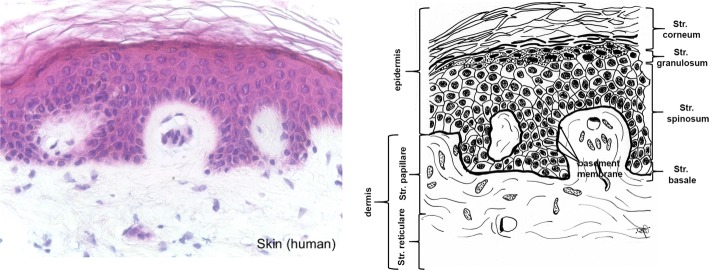
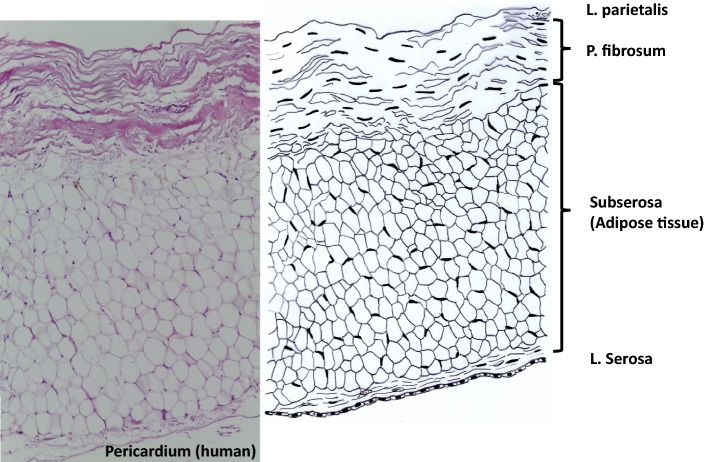
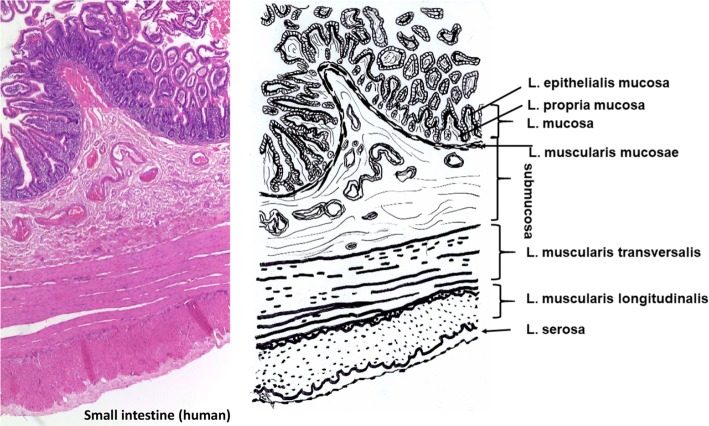
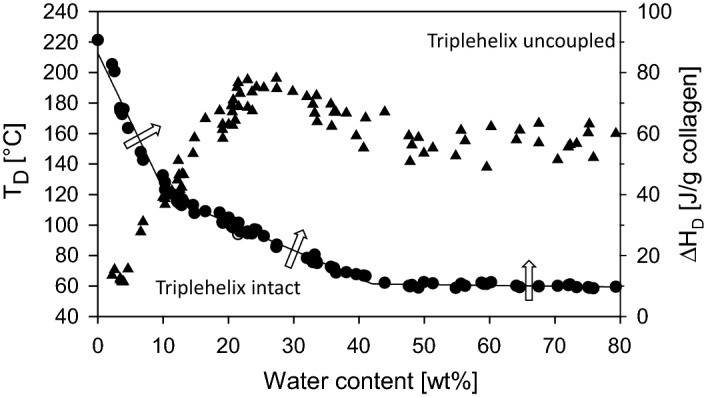
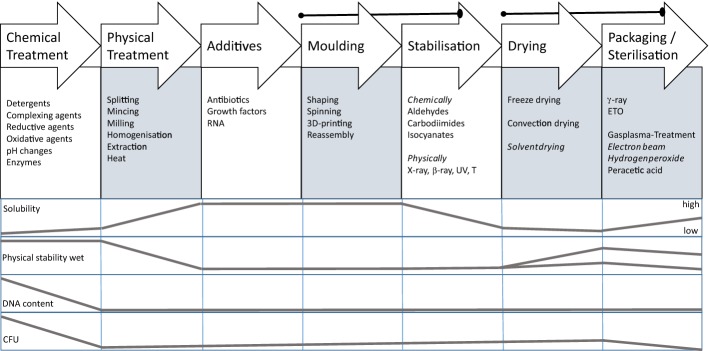
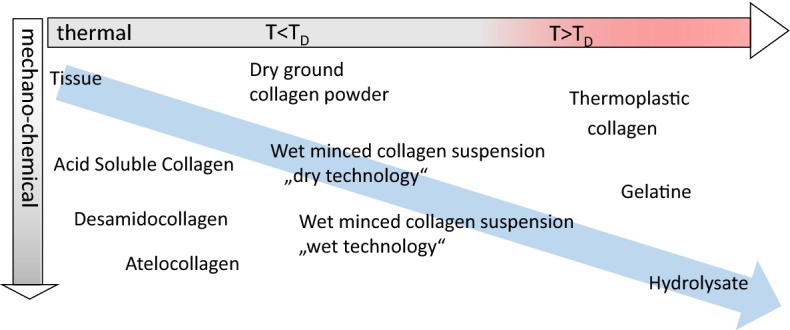
Collagen, the most abundant extracellular matrix protein in animal kingdom belongs to a family of fibrous proteins, which transfer load in tissues and which provide a highly biocompatible environment for cells. This high biocompatibility makes collagen a perfect biomaterial for implantable medical products and scaffolds for in vitro testing systems. To manufacture collagen based solutions, porous sponges, membranes and threads for surgical and dental purposes or cell culture matrices, collagen rich tissues as skin and tendon of mammals are intensively processed by physical and chemical means. Other tissues such as pericardium and intestine are more gently decellularized while maintaining their complex collagenous architectures. Tissue processing technologies are organized as a series of steps, which are combined in different ways to manufacture structurally versatile materials with varying properties in strength, stability against temperature and enzymatic degradation and cellular response. Complex structures are achieved by combined technologies. Different drying techniques are performed with sterilisation steps and the preparation of porous structures simultaneously. Chemical crosslinking is combined with casting steps as spinning, moulding or additive manufacturing techniques. Important progress is expected by using collagen based bio-inks, which can be formed into 3D structures and combined with live cells. This review will give an overview of the technological principles of processing collagen rich tissues down to collagen hydrolysates and the methods to rebuild differently shaped products. The effects of the processing steps on the final materials properties are discussed especially with regard to the thermal and the physical properties and the susceptibility to enzymatic degradation. These properties are key features for biological and clinical application, handling and metabolization.
Overview
The claims and statistics of this paper haven’t been checked yet.
Free: it reads the open-access text and checks the first 5 claims that cite a source we can check. Create a free account to check every claim.
Integrity signals
Registry
Cites
Statistics
Figures
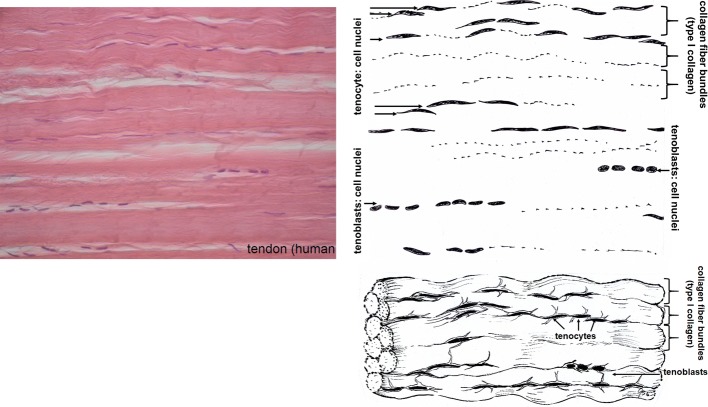
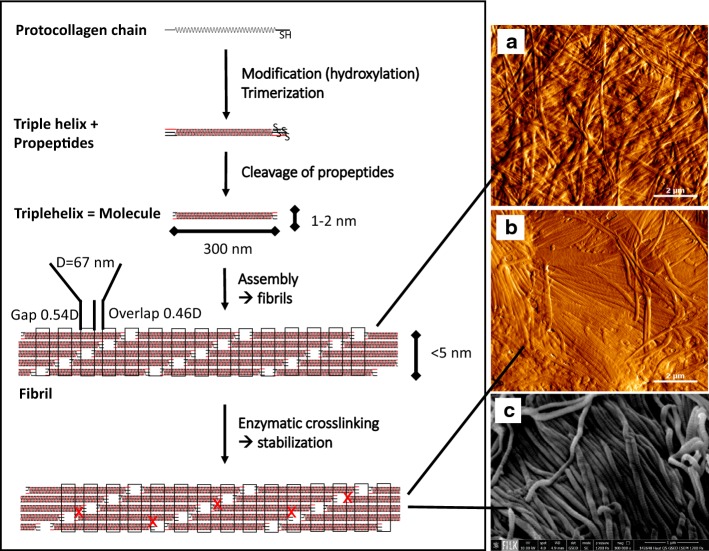
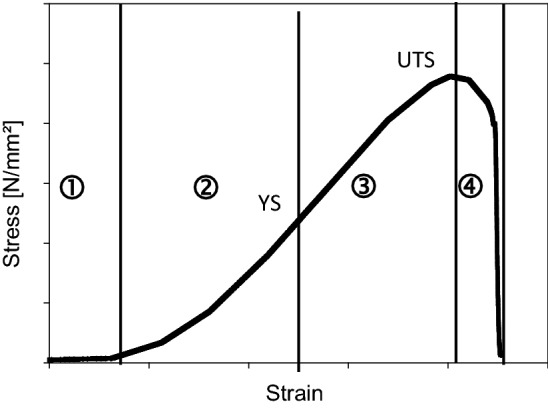
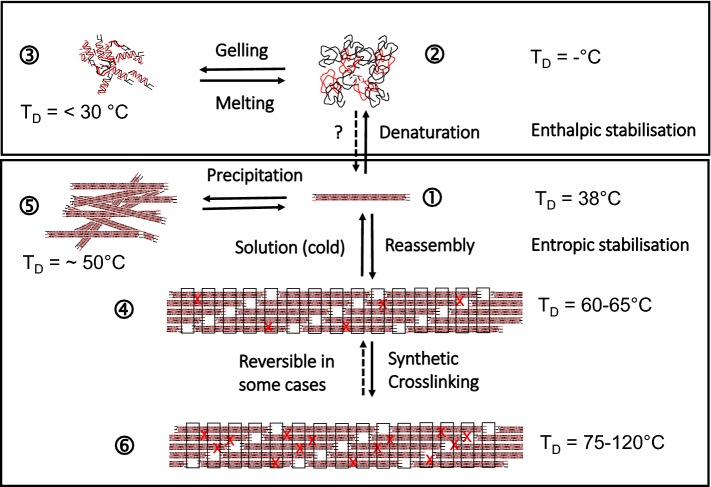
Verification
Claims the paper makes
The claims and statistics of this paper haven’t been checked yet.
Free: it reads the open-access text and checks the first 5 claims that cite a source we can check. Create a free account to check every claim.
Claims other papers make about this one
Each is checked against this paper’s own text: does it say what the citing paper says it does?
The source backs part of the claim, not all of it — or backs it for a different population, condition or comparison.
In the citing paper
“which can be associated with the reduction of lipid-soluble components, leaving behind only the denatured ECM molecules and water-soluble substances [65].”
From Effects of Various Decellularization Methods for the Development of Decellularized Extracellular Matrix from Tilapia (Oreochromis niloticus) Viscera (2024) · cites this paper as [65]
Experimental — accuracy not yet measured
Self-check
Percentages, sums and reported differences re-computed from the paper’s own numbers.
The self-check needs the paper’s full text.
Citations
Cites
1 retracted
Thompson, J. A., Haudenschild, C. C., Anderson, K. D., DiPietro, J. M., Anderson, W. F., & Maciag, T. (1989) · Proceedings of the National Academy of Sciences · doi:10.1073/pnas.86.20.7928 · Cited by 138
RetractedMolecular Mechanisms of Stress-Responsive Changes in Collagen and Elastin Networks in Skin
Aziz, J., Shezali, H., Radzi, Z., Yahya, N. A., Abu Kassim, N. H., Czernuszka, J., & Rahman, M. T. (2016) · Skin Pharmacology and Physiology · doi:10.1159/000447017 · Cited by 7,323
Collagen Structure and Stability
Shoulders, M. D., & Raines, R. T. (2009) · Annual Review of Biochemistry · doi:10.1146/annurev.biochem.77.032207.120833 · Cited by 3,923 · cited 1×
“Oxidation of lysine and hydroxylysine by lysyloxidase initiates the formation of the various natural enzyme-derived crosslinks [62, 508].”
BackgroundPolymers for 3D Printing and Customized Additive Manufacturing
Ligon, S. C., Liska, R., Stampfl, J., Gurr, M., & Mülhaupt, R. (2017) · Chemical Reviews · doi:10.1021/acs.chemrev.7b00074 · Cited by 3,741 · cited 1×
“Though metals and ceramics are processed as well, polymers are the most intensively utilized materials class [283].”
BackgroundAn overview of tissue and whole organ decellularization processes
Crapo, P. M., Gilbert, T. W., & Badylak, S. F. (2011) · Biomaterials · doi:10.1016/j.biomaterials.2011.01.057 · Cited by 3,591 · cited 7×
“The exact impact is unclear, however [20].”
BackgroundInfluentialMatrix Metalloproteinases: A Review
Birkedal-Hansen, H., Moore, W. G. I., Bodden, M. K., Windsor, L. J., Birkedal-Hansen, B., DeCarlo, A., & Engler, J. A. (1993) · Critical Reviews in Oral Biology & Medicine · doi:10.1177/10454411930040020401 · Cited by 2,970
Perfusion-decellularized matrix: using nature's platform to engineer a bioartificial heart
Ott, H. C., Matthiesen, T. S., Goh, S.-K., Black, L. D., Kren, S. M., Netoff, T. I., & Taylor, D. A. (2008) · Nature Medicine · doi:10.1038/nm1684 · Cited by 2,650 · cited 1×
“These investigations aimed to save the complex structures of the organs, especially the vascular networks and the mechanical stability of the constructs [18, 23, 214, 218, 260, 261] and others.”
BackgroundThe status, challenges, and future of additive manufacturing in engineering
Gao, W., Zhang, Y., Ramanujan, D., Ramani, K., Chen, Y., Williams, C. B., Wang, C. C. L., Shin, Y. C., Zhang, S., & Zavattieri, P. D. (2015) · Computer-Aided Design · doi:10.1016/j.cad.2015.04.001 · Cited by 2,631
Electrospinning of Collagen Nanofibers
Matthews, J. A., Wnek, G. E., Simpson, D. G., & Bowlin, G. L. (2002) · Biomacromolecules · doi:10.1021/bm015533u · Cited by 2,251
Decellularization of tissues and organs
Gilbert, T. W., Sellaro, T. L., & Badylak, S. F. (2006) · Biomaterials · doi:10.1016/j.biomaterials.2006.02.014 · Cited by 2,222 · cited 2×
“Nevertheless, after one or repeated freeze–thaw cycles, decellularization comprises an intensive treatment with complexing agents, surfactants, also alkaline and acids and possibly enzymes [3, 4, 20, 21].”
Background
Research works printed but not linked: 9
- 29. International Consensus. Acellular matrices for the treatment of wounds-an expert working group review. London: Wounds International; 2010.
- 68. Burjanadze T, Kiziria E, Mikeladze S. Molecular mechanism for the phylogenetic change of thermostability of fibril- forming collagen. Evidence that (Gly-X-Hyp) triplets are main factors determining stability of collagen. Bull Georg Natl Acad Sci. 2010;4:137-41.
- Savic Z, Savic I. Sausage Casings. 2nd ed. Wien: VICTUS International; 2016.
- Landmann W. The machines in the tannery: a review of leather produciong machinery and equipment in current use. Liverpool: World Trades Pub; 2003.
- Nageotte J. Coagulation fibrillaire in vitro du collagène dissous dans un acide dilué. Hebd Seances Acad Sci. 1927;184:115.
- Kühn K. The classical collagens: types I, II and III in structure and function of collagen types. New York: Academic Press; 1987. p. 1–42.
- Schroepfer M. Influences on thermal stability of fibrous collagen—calorimetric investigations. In: Talk at 5th Freiberg collagen symposium. Freiberg. 2012.
- Oetjen G-W, Haseley P. Transplants, collagen. Weinheim: Wiley-VCH; 2004. p. 333–40.
- Ruef C, Harbarth S, Henry A, Pittet D. Sterilisation mit ethylenoxid: anwendungen und grenzen, swiss-noso–nosokomiale infekt. Spit. 1997;4:3–6.
Cited by
Items 301–400 of 538
Александрович, М. П., Eremin, P. S., Михайлович, П. Н., Ринатовна, Г. И., Kostromina, E. Y., Greben, A. I., & Fesyun, A. D. (2023) · Bulletin of Rehabilitation Medicine · doi:10.38025/2078-1962-2023-22-2-42-51 · Cited by 5
Sales, A. F. S., Sousa, K. D. S. J., de Souza, A., Bonifácio, M., de Araújo, T. A. T., Cruz, M. D. A., Busanello-Costa, M., Ribeiro, D. A., Assis, L., Martignago, C. C. S., et al. (2024) · Marine Biotechnology · doi:10.1007/s10126-024-10295-y · Cited by 5
“As a biomaterial, collagen is biocompatible and bioactive and has low immunogenicity, making it extremely suitable for tissue engineering and regenerative medicine (Meyer 2019).”
Rusli, S., Lee, C.-H., Wu, P.-C., & Khung, Y. L. (2024) · Surfaces and Interfaces · doi:10.1016/j.surfin.2024.104146 · Cited by 5
Rakić, M., Malčić, A. I., Baraba, A., Agović, S. Č., Šošić, A., & Klarić, E. (2024) · Lasers in Medical Science · doi:10.1007/s10103-024-04040-z · Cited by 5
“…the separation of the collagen molecules in nonmineralized tissues leads to a decrease of the denaturation temperature by around 20 °C resulting in reduced thermal stability of assembled cross-linked collagen in tissue to soluble collagen thermal stability levels (around body temperature) [34].”
Biomedical applications of collagen: A Review
Rahman, M., Huda, M., Hasan, A., & Khan, M. (2024) · Review of Clinical Pharmacology and Pharmacokinetics - International Edition · doi:10.61873/kjdf4893 · Cited by 7
Colatusso, D. F., Bespalez, R., Dantas, L. R., Suss, P. H., Rocha, J. L. L., Casagrande, T. A. C., Loureiro, M. D. P., & Tuon, F. F. (2024) · Journal of Drug Delivery Science and Technology · doi:10.1016/j.jddst.2024.105729 · Cited by 5
de Souza, A., Amaral, G. O., Santo, G. D. E., Sousa, K. D. S. J., Martignago, C. C. S., Souza-Silva, L. C., de Lima, L. E., de Souza, D. V., Cruz, M. D. A., Ribeiro, D. A., et al. (2025) · Biomedical Materials · doi:10.1088/1748-605x/adad29 · Cited by 5
“As a biomaterial, Col is biocompatible, bioactive and has low immunogenicity, making it extremely suitable for tissue engineering and regenerative medicine [8].”
Rimann, M., Jüngel, A., Mousavi, S., Moeschlin, N., Calcagni, M., Wuertz‐Kozak, K., Brunner, F., Dudli, S., Distler, O., & Adlhart, C. (2022) · Cells · doi:10.3390/cells11030445 · Cited by 6
“To create 3D skin models, fibroblasts are first grown in the material to rebuild the dermal part of the skin [7], followed by seeding with keratinocytes to produce a stratified epidermis in an air-liquid interface culture [8–10].”
MethodUlfah, N., Santoso, S. R., Bargowo, L., Kurnia, S., & Prаhаsаnti, C. (2022) · Research Journal of Pharmacy and Technology · doi:10.52711/0974-360x.2022.00586 · Cited by 5
Firdayanti, W., Trilaksani, W., & Purwaningsih, S. (2023) · IOP Conference Series Earth and Environmental Science · doi:10.1088/1755-1315/1137/1/012047 · Cited by 5
Kausar, A. (2023) · Polymer-Plastics Technology and Materials · doi:10.1080/25740881.2023.2204923 · Cited by 9
“the spinneret tip and collector directly affect the morphology and fiber diameter.([128]) The”
BackgroundBiopolymers and their Application-Oriented Composites into a Circular Economy Context
Teijido, R. (2023) · Materials research foundations · doi:10.21741/9781644902639-4 · Cited by 4
Princ, A., Herrera, A., Ellinghaus, A., Leemhuis, H., Korus, G., Heschel, I., Günther, R., Görlitz, S., Klaumünzer, A., Duda, G. N., et al. (2026) · Acta Biomaterialia · doi:10.1016/j.actbio.2026.03.012 · Cited by 5
A salt-based method to adapt stiffness and biodegradability of porous collagen scaffolds
Versteegden, L. R. M., Sloff, M., Hoogenkamp, H. R., Pot, M. W., Pang, J., Hafmans, T. G. M., de Jong, T., Smit, T. H., Leeuwenburgh, S. C. G., Oosterwijk, E., et al. (2019) · RSC Advances · doi:10.1039/c9ra06651a · Cited by 4
Lavarian, H., Sigaroodi, F., Asadian, E., Ganjoury, C., Boroumand, S., & Khani, M. (2025) · Colloids and Surfaces B Biointerfaces · doi:10.1016/j.colsurfb.2025.115210 · Cited by 7
Szarek, P., & Ruberti, J. W. (2026) · Sub-cellular biochemistry/Subcellular biochemistry · doi:10.1007/978-3-032-05273-5_10 · Cited by 6
Effects of Short-Duration Ethanol Dehydration on Mechanical Properties of Porcine Pericardium
Inoue, T., Kanda, K., Yamanami, M., Kami, D., Gojo, S., & Yaku, H. (2020) · Annals of Thoracic and Cardiovascular Surgery · doi:10.5761/atcs.oa.20-00133 · Cited by 4
Mori, H., Tominaga, K., Shimogama, K., & Hara, M. (2022) · Radiation Physics and Chemistry · doi:10.1016/j.radphyschem.2022.110604 · Cited by 4
Olabi, M., & Wätzig, H. (2023) · Journal of Separation Science · doi:10.1002/jssc.202300516 · Cited by 4
Kim, M., Yeo, M., Lee, K., Park, M.-J., Han, G., Lee, C., Park, J., & Jung, B. (2023) · Tissue Engineering and Regenerative Medicine · doi:10.1007/s13770-023-00612-2 · Cited by 4
“Y, where X and Y can be either proline or hydroxyproline [61–63].”
Recent update: collagen extraction from marine resources as a promising natural antiaging
Isnaini, N., Prajaputra, V., Syafhira, T., Maryam, S., Arisa, I. I., Karina, S., Agustina, S., & Haridhi, H. A. (2024) · BIO Web of Conferences · doi:10.1051/bioconf/20248703020 · Cited by 4
One-Year Evaluation of High-Power Rapid Curing on Dentin Bond Strength
Klarić, E., Vukelja, J., Par, M., Tarle, Z., & Marović, D. (2024) · Materials · doi:10.3390/ma17102297 · Cited by 4
“The denaturation temperature of fully hydrated soluble collagen is near body temperature; it is considerably higher in disordered precipitated collagen (50 ◦ C), and even higher in assembled fibrous collagen tissue (~60 ◦ C) [26,27].”
Backgroundda Silva, M. C., da Silva, H. N., Lopes, D. D. S., Wanderley, W. F., Rosendo, R. A., da Penha, E. S., de Medeiros, L. A. D. M., Silva, S. M. D. L., & Fook, M. V. L. (2024) · Materials Research · doi:10.1590/1980-5373-mr-2024-0278 · Cited by 7
Luchristt, D., Weidner, A. C., & Siddiqui, N. Y. (2022) · International Urogynecology Journal · doi:10.1007/s00192-022-05159-9 · Cited by 3
“Moreover, when used for apical defects, the sourcing and processing of the different types of grafts varied, as did the associated immunological response [5, 6].”
BackgroundEvaluation of a hydroxyapatite-crosslinked fish gelatin membranes
Aili, R., Nakata, H., Miyasaka, M., Kuroda, S., Tamura, Y., Yokoi, T., Kawashita, M., Shimada, Y., Kasugai, S., & Marukawa, E. (2023) · Journal of Dental Sciences · doi:10.1016/j.jds.2023.07.016 · Cited by 4
“9,10 Fish gelatin is widely accepted by people of all religions and cultures and not associated with the risk of bovine spongiform encephalopathy (BSE) outbreaks.”
BackgroundLin, Y.-K., Liang, C., Lin, Y., Lin, T.-W., Vázquez, J. J., van Campen, A., & Chiang, C. (2023) · Journal of Functional Foods · doi:10.1016/j.jff.2023.105955 · Cited by 8
Bel’skaya, L. V., Sarf, E. A., Петрович, Ш. С., Postnova, T. V., & Kosenok, V. K. (2021) · Biological Trace Element Research · doi:10.1007/s12011-021-02710-5 · Cited by 4
Bioactive and Biodegradable Polymer-Based Composites
Gritsch, L., & Boccaccini, A. R. (2020) · Elsevier eBooks · doi:10.1016/b978-0-12-803581-8.12120-4 · Cited by 4
Valorization of sturgeon skin to produce biomedical-grade gelatin
Islam, M., Yunoki, S., Ura, K., & Takagi, Y. (2024) · Sustainable Chemistry and Pharmacy · doi:10.1016/j.scp.2024.101612 · Cited by 4
Dhandapani, V., Boabekoa, P., Borduas, M., & Vermette, P. (2024) · Journal of Biomedical Materials Research Part B Applied Biomaterials · doi:10.1002/jbm.b.35498 · Cited by 3
Šupová, M., Suchý, T., Vopálková, M., Novotná, P., Šulc, M., Hrdlička, Z., & Houška, M. (2025) · International Journal of Biological Macromolecules · doi:10.1016/j.ijbiomac.2025.146099 · Cited by 5
Assessing the Potential of Caprine Collagen Type I in the Development of Medical Devices
Sallent, I., Lopez, A. L., Aguirre‐Álvarez, G., & Zeugolis, D. I. (2025) · Biomacromolecules · doi:10.1021/acs.biomac.5c00309 · Cited by 6
“Considering that collagen preparations maintain memory of the tissue from which the collagen is extracted from, 17 − 20 we extracted, using the acid/ pepsin process that is known to increase yield and reduce collagen’s antigenicity and immunogenicity, 21 − 23 collagen type I from three different…”
Recent Advancements in Biopolymer‐Based Composites for Medical Applications
Shrimali, I., Karbalaeimahdi, A., Chundawat, N. S., & Chauhan, N. P. S. (2025) · Polymers for Advanced Technologies · doi:10.1002/pat.70415 · Cited by 5
“To get around some of its drawbacks, like its low mechanical strength and potential for immunological reactions, researchers must modify or combine it with other materials [159].”
Seeing through collagen: integrative pro-regenerative corneal implants for clearer future
Huang, X., Islam, M. M., Watson, S. L., & Patra, H. K. (2026) · npj Regenerative Medicine · doi:10.1038/s41536-026-00471-0 · Cited by 6
“These technologies aim to enable the collagen-based material to be manufactured with suitable mechanical toughness, biocompatibility, transparency, appropriate biodegradability, along with clinical compliance via intensive chemical, mechanical, and physical treatment, or a combination process 51 .”
More, M. P., Patil, S., Ghodke, S., Patil, P. O., Jain, R. D., Dandekar, P. P., & Deshmukh, P. K. (2021) · Journal of materials research/Pratt's guide to venture capital sources · doi:10.1557/s43578-021-00359-3 · Cited by 3
Ventura, B., Ashton, D. M., Clarke, E., Hartnell, N., Haubruck, P., Hefferan, S. A., Little, C. B., & Blaker, C. L. (2022) · Biomedical Materials & Devices · doi:10.1007/s44174-022-00046-9 · Cited by 4
“…and breakdown rates are key considerations in the development of tendon and ligament biomaterials, particularly after processes such as decellularization, crosslinking and sterilization which can alter the overall structure, mechanical strength and degradation susceptibility of materials [9].”
Virtual Reality in Laparoscopic Colorectal Surgery Training
Varlas, V. N., Roxana Georgiana, B. O. R. S., CRETOIU, R., Carp-Velişcu, A., Mehedințu, C., & Cîrstoiu, M. M. (2023) · MAEDICA – a Journal of Clinical Medicine · doi:10.26574/maedica.2023.18.3.477 · Cited by 4
Banerjee, K., Mathew, C., Inbasekar, C., & Fathima, N. N. (2024) · Journal of the mechanical behavior of biomedical materials/Journal of mechanical behavior of biomedical materials · doi:10.1016/j.jmbbm.2024.106772 · Cited by 3
Huynh, N., Dios, K. D., Tran, T. S., & Nguyen, T. V. (2024) · Journal of Bone and Mineral Metabolism · doi:10.1007/s00774-024-01558-8 · Cited by 4
“One such gene is the collagen type I α1 gene (COLIA1), a vital contributor to the bone’s protein composition within the collagen superfamily [13].”
Wertheimer, S., Habayib, L., Nudelman, R., Richter, S. E., & Rami, H.-A. (2025) · Mechanics of Advanced Materials and Structures · doi:10.1080/15376494.2025.2468374 · Cited by 5
Goat Skin (Capra aegagruss Erxleben, 1777): a Promising and Sustainable Source of Collagen
de Vasconcelos, J. M. P. B. L., Neri, R. C. A., de Barros, A. V., da Silva, C. E. S., Galindo-Izquierdo, M., de Veras, B. O., Bezerra, R. D. S., & de Oliveira, M. B. M. (2025) · Applied Biochemistry and Biotechnology · doi:10.1007/s12010-025-05242-z · Cited by 3
Dietrich, S., Lykhachova, O. V., Cheng, X., Godehardt, M., Kronenberger, M., Meyer, M., Neusius, D., Orlik, J., Schladitz, K., Schulz, H., et al. (2021) · Materials · doi:10.3390/ma14081894 · Cited by 3
“The meso-structure of leather is known to be anisotropic [4,31].”
BackgroundSelf-citationKumar, S., Nayak, D., Kumar, S., Khan, M., Rastogi, R., & Samant, V. (2021) · Asian Journal of Medical Sciences · doi:10.3126/ajms.v12i8.37077 · Cited by 3
Synthesis of Fibrin-Type I Collagen Biomaterials via an Acidic Gel
Wang, K., Camman, M., Mosser, G., Haye, B., Trichet, L., & Coradin, T. (2022) · Molecules · doi:10.3390/molecules27072099 · Cited by 4
Electrospun Collagen Based Nanofibrous Mats for Wound Healing: An Integrative Review
Kulkarni, M., Gangal, A. R., Khare, S. S., Mundada, H. G., Gawade, A. R., & Pujari, R. (2022) · Biosciences Biotechnology Research Asia · doi:10.13005/bbra/3006 · Cited by 3
Formulation of a thermo-sensitive hydro-gel for ulcerative colitis treatment
Kuppusamy, S. (2022) · Bioinformation · doi:10.6026/97320630018925 · Cited by 4
Faverani, L. P., Astaneh, S. H., da Costa, M. G., Delanora, L. A., Neto, T. J. D. L., Barbosa, S., Ariani, M. D., Takoudis, C. G., & Sukotjo, C. (2023) · Journal of Functional Biomaterials · doi:10.3390/jfb14030120 · Cited by 3
“Collagen is the most abundant protein in the animal kingdom; moreover, it is one of the main elements present in different parts of the human body, mainly in bones and skin [15,16].”
BackgroundAn Engineered Dermal Substitute with Mesenchymal Stem Cells Enhances Cutaneous Wound Healing
Xie, J., Wang, J., Wang, X., Chen, M., Yao, B., Dong, Y., Li, X., Yang, Q., Tredget, E. E., Xu, R., et al. (2023) · Tissue Engineering Part A · doi:10.1089/ten.tea.2023.0071 · Cited by 5
“Fibrous collagen retains its high-level structure such as fiber bundles after processing, while acid-soluble collagen has reduced molecular weight, 41 and thereby matrix formed by each collagen exhibits evident difference in mechanical property and pore structure.”
Collagen - a highly developed and abundant fibrous protein: synthesis and characterization
Chakraborty, R., Asthana, A., Singh, A. K., Adhikari, R., & Susan, M. A. B. H. (2023) · Elsevier eBooks · doi:10.1016/b978-0-323-99853-6.00013-9 · Cited by 3
Fofiu, A., Tripon, R. G., Bățagă, T., & Chirilă, T. V. (2023) · Orthopedic Research and Reviews · doi:10.2147/orr.s421106 · Cited by 3
БИОРЕЗОРБИРУЕМЫЕ КОСТНЫЕ МАТЕРИАЛЫ: СОСТОЯНИЕ В РОССИЙСКОЙ ФЕДЕРАЦИИ
Вишневского», Ф. «. Х. И. А. Н., & Губочкина, А. А. (2023) · Trace Elements in Medicine (Moscow) · doi:10.19112/2413-6174-2023-24-4-3-18 · Cited by 4
Effect of amniotic membrane/collagen scaffolds on laryngeal cartilage repair
Iravani, K., Mousavi, S., Owji, S. M., Sani, M., & Owji, S. H. (2024) · Laryngoscope Investigative Otolaryngology · doi:10.1002/lio2.1222 · Cited by 4
“36,37 Because of having mesenchymal stem cells, the AM can be used as a source of stem cells in regenerative medicine.”
BackgroundReview about the Application of Biocompatible Materials in Oral Cavity Drug Delivery Systems
Ram, M., Jakhmola, P., Deshmukh, S. V., & Dhatrak, P. N. (2024) · Journal of Physics Conference Series · doi:10.1088/1742-6596/2837/1/012034 · Cited by 2
“As a result, it is essential to carefully examine a few factors, such as high biocompatibility, biodegradability, and lack of toxicity, before classifying a substance as a biomaterial [18][19].”
Veerabahu, S., Ethirajulu, S., Gunasekaran, S., Janarthanan, U. K., & Gomathi, S. (2022) · Cleaner Materials · doi:10.1016/j.clema.2022.100077 · Cited by 3
Flexible Sensing Systems for Cancer Diagnostics
Brooks, A. K., Chakravarty, S., & Yadavalli, V. K. (2022) · Advances in experimental medicine and biology · doi:10.1007/978-3-031-04039-9_11 · Cited by 6
Reinforcing the aneurysmal aorta by additional layering: old and new strategies to prevent rupture
Chirilă, T. V. (2024) · Exploration of Cardiology · doi:10.37349/ec.2024.00027 · Cited by 2
Shalom, S., Kuznetsova, E., Shchori, G. S., Sasson, S., Frides, N., Nouman, A., & Rosenfeld, D. (2025) · Advanced Electronic Materials · doi:10.1002/aelm.202500105 · Cited by 2
Genta, M., Peressotti, S., Lara, R. P., Goding, J. A., & Green, R. A. (2025) · Advanced Functional Materials · doi:10.1002/adfm.202522306 · Cited by 3
Li, Q., Jiang, J., Jin, J., Wuqing, 洪. H., Zhu, S., & Liu, Y. (2025) · Optics & Laser Technology · doi:10.1016/j.optlastec.2025.113983 · Cited by 2
Krymchenko, R., Kutluoğlu, G. C., Manikowski, D., Doberenz, C., Boekema, B. K. H. L., van Kuppevelt, T. H., & Daamen, W. F. (2026) · International Journal of Biological Macromolecules · doi:10.1016/j.ijbiomac.2026.150684 · Cited by 3
Engineering biomedical membranes for guided bone regeneration
Li, X., Lv, H., Mou, Y., Xiu, W., Han, L., Chu, Z., & Dong, H. (2026) · Advanced Membranes · doi:10.1016/j.advmem.2026.100215 · Cited by 7
Alesawy, D. M., Askar, N. A. E.-L., Abdel-Rasoul, M. A., & Amer, H. A.-F. (2020) · Acta Scientific Orthopaedics · doi:10.31080/asor.2021.04.0256 · Cited by 1
Roy, H., Gummadi, A., & Nandi, S. (2021) · Springer eBooks · doi:10.1007/978-981-16-2677-7_16 · Cited by 3
Bayarjargal, M., Lkhagvamaa, E., Zolzaya, B., Altantulga, E.-A., Oyuntuya, B., Tudev, G.-E., & Narmandakh, A. (2021) · Atlantis Highlights in Chemistry and Pharmaceutical Sciences/Atlantis highlights in chemistry and pharmaceutical sciences · doi:10.2991/ahcps.k.211004.004 · Cited by 3
“The average elastin content observed in cattle and horse Ligamentum nuchae (yellow ligament or paddywhack) was up to 70% in contrast to the skin [5].”
BackgroundAl-Dabbagh, W. J., Al-Mashhadane, F., & Al–Saraj, A. (2022) · Military Medical Science Letters · doi:10.31482/mmsl.2022.032 · Cited by 2
Dąbrowska, K. Z., Turek, A., Grzejda, R., & Kobielarz, M. (2022) · Acta of Bioengineering and Biomechanics · doi:10.37190/abb-02119-2022-01 · Cited by 2
Correlation between Mechanical Properties and Collagen Degeneration in Fibrous Tissue
Yagi, I., KOIKE, K., Kato, E., Uchida, S., Kakihana, T., & Sunakawa, H. (2023) · Annual International Conference of the IEEE Engineering in Medicine and Biology Society (EMBC) · doi:10.1109/embc40787.2023.10341084 · Cited by 2
“…of traction is considered due to the loss of water in the sample due to traction, which brings the collagen fibers closer together or between fiber bundles, increasing the resistance [11]. fibrillar luminescence appeared in the fluorescence images, and the total fluorescence intensity increased.”
BackgroundLarue, L., Michely, L., Moreno, X., Pirès, R., Pawlak, A., Grande, D., & Belbekhouche, S. (2024) · Materials Advances · doi:10.1039/d3ma01140b · Cited by 2
Sasidharan, A. (2024) · Springer eBooks · doi:10.1007/978-981-97-2562-5_2 · Cited by 3
Bio-materials Used to Enhance Bone Healing in Implant Dentistry – A Review from the Past to Current
Prasanth, B. S. K., Dhanasekaran, A. S., Renuka, T., Khan, F., Begum, S. A., Srutheesri, Karpagam, N., & John, R. R. B. (2024) · Advances in Human Biology · doi:10.4103/aihb.aihb_57_24 · Cited by 3
Biodegradation and Compostability of Sustainable Polymers
Oliveira, R. N., & McGuinness, G. B. (2024) · Elsevier eBooks · doi:10.1016/b978-0-443-15738-7.00085-4 · Cited by 2
Chen, B., Lin, S., Yang, X., Cai, S., Qiao, K., Tang, H., Xu, M., Su, Y., Liu, S., Liu, Z., et al. (2024) · Food Science & Nutrition · doi:10.1002/fsn3.4559 · Cited by 3
Functionalized nanoclays in bioactive materials
Ain, N. U., & Masood, F. (2025) · Elsevier eBooks · doi:10.1016/b978-0-443-15894-0.00024-0 · Cited by 2
van Bochove, B., van Dommelen, L. H. A., Macarez, A., Ankoné, M. J. K., Versteeg, E. M. M., van Kuppevelt, T. H., Daamen, W. F., Poot, A. A., & Grijpma, D. W. (2025) · Biomacromolecules · doi:10.1021/acs.biomac.5c00971 · Cited by 2
Airway Fibroblast Secretory Products Enhance Cell Migration
Jaulin, N., Idrus, R. B. H., Saim, A. B., Wan‐Ibrahim, W. I., Abdul‐Rahman, P. S., & Lokanathan, Y. (2021) · Current Proteomics · doi:10.2174/1570164618666210823094105 · Cited by 2
(2021) · Biointerface Research in Applied Chemistry · doi:10.33263/briac122.19982012 · Cited by 2
“In general, collagen-based wound dressing materials boost wound healing owing to its matrix formation in tissue growth, semi-permeability of membranes, hemostatic properties[28].”
Interplay between angiogenesis and neurogenesis in nerve regeneration
Namini, M. S., Ebrahimi‐Barough, S., Daneshimehr, F., & Ai, J. (2022) · Elsevier eBooks · doi:10.1016/b978-0-12-821867-9.00017-2 · Cited by 4
Suurs, P., van den Brand, H., Farawu, K., Daamen, W. F., & Barbut, S. (2022) · Food Structure · doi:10.1016/j.foostr.2022.100305 · Cited by 2
Abdalla, N. M., Aziz, F. M. A. E., Deghady, A. A. M., Abaza, M., & Ellakany, W. I. (2024) · Egyptian Liver Journal · doi:10.1186/s43066-024-00316-9 · Cited by 2
“Collagen is an important protein in mammals, accounting for 25–30% of the total protein [20], and the main structure of the extracellular matrix.”
BackgroundXia, Y., Zhou, R., Wang, S., Teng, L., Zhang, X., Guo, Z., Xu, Y., & Liu, W. (2024) · International Journal of Biological Macromolecules · doi:10.1016/j.ijbiomac.2024.131636 · Cited by 2
Picaut, L., Trichet, L., Hélary, C., Ducourthial, G., Bonnin, M.-A., Haye, B., Ronsin, O. J. J., Schanne‐Klein, M., Duprez, D., Baumberger, T., et al. (2021) · ACS Biomaterials Science & Engineering · doi:10.1021/acsbiomaterials.0c01273 · Cited by 2
Three-Dimensional Collagen Matrix Scaffold Implantation as a Liver Regeneration Strategy
León-Mancilla, B. H., Martínez‐Castillo, M., Medina‐Ávila, Z., Pérez‐Torres, A., García-Loya, J., Alfaro, A., Barba, M. C. P., & Gutiérrez‐Reyes, G. (2021) · Journal of Visualized Experiments · doi:10.3791/62697 · Cited by 3
Chu, C., Rung, S., Yang, R., Man, Y., & Qu, Y. (2020) · bioRxiv (Cold Spring Harbor Laboratory) · doi:10.1101/2020.10.03.325068 · Cited by 2
“Without the addition of crosslinking agents, the integrity of the membrane may not be able to maintain throughout the entire process of bone regeneration to provide sufficient support (Meyer, 2019).”
BackgroundColatusso, D. F., Dantas, L. R., Suss, P. H., Rocha, J. L. L., Loureiro, M. D. P., & Tuon, F. F. (2023) · Preprints.org · doi:10.20944/preprints202307.0646.v1 · Cited by 2
Design, Synthesis, and Photo-Responsive Properties of a Collagen Model Peptide Bearing an Azobenzene
Sato, D., Goto, H., Ishizaki, Y., Narimatsu, T., & Kato, T. (2022) · Organics · doi:10.3390/org3040027 · Cited by 1
Pillo, M. K. D., Montagner, P. G., Teixeira, L. N., & Martinez, E. F. (2022) · Journal of Stomatology Oral and Maxillofacial Surgery · doi:10.1016/j.jormas.2022.101372 · Cited by 1
Heavy metals and organic pollutants during thermochemical conversion of solid waste
Yuan, H. (2025) · Elsevier eBooks · doi:10.1016/b978-0-443-29291-0.00013-2 · Cited by 4
Gandhi, Y. (2025) · Journal of Maxillofacial and Oral Surgery · doi:10.1007/s12663-025-02612-2 · Cited by 1
Phee, M., Bowden, W., Euston, S. R., Hems, S., Willoughby, N. A., & Stewart, K. (2025) · Journal of Chemical Technology & Biotechnology · doi:10.1002/jctb.70001 · Cited by 1
Jung, O., Burckhardt, K., Stammkötter, S., BARRIENTOS, M. M., Reinholdt, C., Andreeva, T. D., STOŠIĆ, M. R., Stojanović, S., Najman, S. J., Krastev, R., et al. (2025) · In Vivo · doi:10.21873/invivo.14051 · Cited by 7
“Thus, these results showed that the puri f ication and/or decellularization processes of both analyzed materials have been successfully applied to ensure optimal collagen nativity, which is favored for the associated tissue reactions and desired biocompatibility (59, 60).”
Collagen scaffold anisotropy and static tension maintain human tendon cell phenotype in culture
Sallent, I., Pugliese, E., Kearns, S. R., Kelly, J. L., Bayon, Y., & Zeugolis, D. I. (2025) · Biomaterials Advances · doi:10.1016/j.bioadv.2025.214483 · Cited by 3
Artificial Intelligence in Collagen‐based Biomaterials
Akhter, Z., & Prabakar, S. (2025) · ChemistrySelect · doi:10.1002/slct.202504704 · Cited by 2
Menéndez-Tasé, S., Gaeta-Leal, E., Téllez‐Medina, D. I., Maruri, D. T., López‐Villegas, E. O., Calderón‐Domínguez, G., Gallardo‐Velázquez, T., Osorio-Revilla, G. I., Botello, M. T. H., & Hernández-Martínez, D. M. (2025) · Marine Drugs · doi:10.3390/md23110432 · Cited by 1
“The first endothermic peak, 53.40 ◦ C (SC) and 46.88 ◦ C (BC), is related both to the denaturation temperature (Td) of collagen in the film, which involves the breakdown of its triple helical structure [7], and to the loss of bound water [53].”
InfluentialNoori, S., Norouz, F., Halabian, R., Aghamollaei, H., Eftekhari, E., & Salimi, A. (2025) · Tissue and Cell · doi:10.1016/j.tice.2025.103292 · Cited by 1
Kahraman, C. C., Sardroudi, N. P., Eski, H., & Zengin, A. C. A. (2025) · Renewable Energy and Environmental Sustainability · doi:10.1051/rees/2025003 · Cited by 1
RNA-Seq of Gingival Fibroblasts Grown on Collagen Membranes and Hyaluronic Acid
Panahipour, L., Huang, X., & Gruber, R. (2026) · Journal of Functional Biomaterials · doi:10.3390/jfb17020057 · Cited by 1
“Despite this extensive processing, it is essential to preserve the biological and biomechanical properties to prevent immunological reactions while maintaining structural integrity [13].”
Bhati, H., Saraswat, J., Verma, A. K., & Patel, R. (2026) · ACS Biomaterials Science & Engineering · doi:10.1021/acsbiomaterials.6c00182 · Cited by 1
Luo, Y., Jin, J., Ding, W., Li, H., Zhu, X., Yuan, M., Zhu, S., Wang, W., & Zhang, Y. (2026) · Regenerative Biomaterials · doi:10.1093/rb/rbag092 · Cited by 1
“…degree and degradation kinetics of the composite were not directly quantified in this study, prior investigations of collagen-based biomaterials have shown that moderate cross-linking can substantially reduce enzymatic degradation and support scaffold stability under physiological conditions [24].”
Chirilă, T. V., Suzuki, S., Parisot, M., Koba, M., Manta, A., & Harkin, D. G. (2026) · Open Journal of Ophthalmology · doi:10.4236/ojoph.2026.162018 · Cited by 2
Zhang, M., Yiku, L., Yang, Y., (109188), Y. C., Chen, L., Zhao, G., & Ding, C. (2026) · Materials & Design · doi:10.1016/j.matdes.2026.116340 · Cited by 1
Metadata
- Authors
- Meyer, M.
- Affiliations
- Forschungsinstitut für Leder und Kunststoffbahnen (DE)
- Corresponding author
- Meyer, Michael
- ORCID
- Meyer, Michael
- Venue
- BioMedical Engineering OnLine
- Published
- 2019-03-18
- Volume
- 18
- Issue
- 1
- Pages
- 24-24
- ISSN
- 1475-925X (ISSN-L)
- PMC
- PMC6423854
- OpenAlex
- W2939654433
- Semantic Scholar
- 3b421ab6ace8ea0a3cb20ecbde76d6c9ab3688ce
- Cited by
- 539
- References
- 511
- Citations by year
- 2026: 46 · 2025: 63 · 2024: 82 · 2023: 76 · 2022: 119 · 2021: 88 · 2020: 54 · 2019: 10
- FWCI
- 4.30
- Type
- journal article
- Language
- en
- Open access
- gold
- doi.org
- Licence
- cc-by
- creativecommons.org/licenses/by/4.0/ (tdm)
- Locations
- BioMedical Engineering OnLine (publishedVersion, cc-by)
- Europe PMC (PubMed Central) (publishedVersion, cc-by)
- PubMed Central (publishedVersion, cc-by)
- PubMed (publishedVersion)
- DOAJ (DOAJ: Directory of Open Access Journals) (submittedVersion)
- Topics
- Physical Sciences › Materials Science › Biomaterials › Collagen: Extraction and Characterization
- Physical Sciences › Materials Science › Biomaterials › Silk-based biomaterials and applications
- Health Sciences › Medicine › Surgery › Tissue Engineering and Regenerative Medicine
- Keywords
- collagen, collagen-based biomaterials, decellularization, tissue processing, scaffolds, porous sponge, membranes, chemical crosslinking, drying methods, sterilization, enzymatic degradation, thermal stability, bioinks, 3D bioprinting, collagen peptides, biocompatibility
- MeSH terms
- Animals, Biocompatible Materials, Collagen, Humans, Materials Testing, Mechanical Phenomena
About these checks
Registry, retraction, Cites and statistics results are computed, not judged, with one exception: a printed reference that no index lists is read once by a model before it counts as a citation error. Claims are extracted by a model and kept only when their quote appears verbatim in the text; each cited source is then checked, with a model’s help, for whether it says what the claim relies on. Those verdicts can be wrong — read the claim’s quote and the cited source before relying on one.
Statistics and arithmetic are recomputed, not judged.
Confidence bands are shown only for fields calibrated on our annotated test set. None is calibrated yet, so no band is shown.
What counts as a claim ›How we measure confidence ›How we check this ›
Are you an author, or do you see a problem with this page? Request a review
Data sources
Bibliographic data: Semantic Scholar, OpenAlex, Crossref.
Contains information from the Semantic Scholar Academic Graph Datasets, made available under the ODC Attribution License (ODC-BY 1.0).
Semantic Scholar’s data is described in: Kinney, R., et al. (2023). The Semantic Scholar Open Data Platform. arXiv:2301.10140.
