

The DOI matches its Crossref record; 78 of the 80 references it cites were found in a registry or an index; none of the 172 sources its claims cite is checked for support yet.
Barriers for conducting clinical trials in developing countries—A systematic review
Open accessAbstract
BACKGROUND: Clinical trials for identification of efficient and effective new diagnostic and treatment modalities are needed to address disproportionately high burden of communicable (e.g., HIV/AIDS, tuberculosis, and malaria) and non-communicable diseases (e.g., diabetes) in developing countries. However, gross under-representation in global clinical trial platforms contributes to sustained health inequity in these countries. We reviewed the literature on barriers facing clinical researchers in developing countries for conducting clinical trials in their countries. METHODS: Literature indexed in PubMed, Embase, CINAHL and Web of Science, WHO Global Health Library were searched. Grey literature was also searched. Search key words included barriers, challenges, clinical trials and developing countries. Articles within the scope of this review were appraised by two reviewers. RESULTS: Ten studies, which are reported in 15 papers, were included in this review. Following critical review we identified five unifying themes for barriers. Barriers for conducting clinical trials included lack of financial and human capacity, ethical and regulatory system obstacles, lack of research environment, operational barriers and competing demands. CONCLUSION AND RECOMMENDATION: There were substantial barriers at system, organization and individual level. We propose that to address this problem, instituting a system for wider implementation of local investigator-initiated trials is warranted. These trials are more applicable to local populations because they build on local healthcare knowledge. They are more demand-led, influence policy and responsive to a country's needs because they are driven by a local or national agenda.
Overview
AI snapshot
Written from the paper’s full text.
TL;DR
This systematic review identifies five unifying barriers to conducting clinical trials in developing countries: lack of financial and human capacity, ethical and regulatory obstacles, lack of research environment, operational barriers, and competing demands. The authors argue that wider implementation of local investigator-initiated trials is warranted to address these system-, organization-, and individual-level barriers.
Key findings
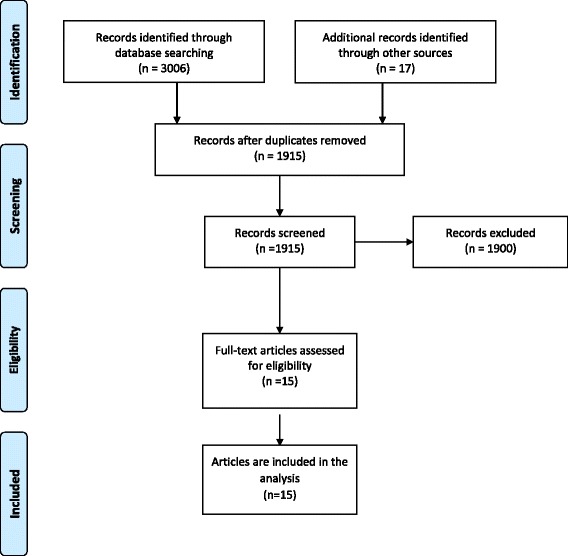
- Ten studies reported in 15 papers were included; 1,915 titles/abstracts were screened and 1,900 were excluded as out of scope.
- Five barrier themes were identified: lack of financial and human capacity; ethical and regulatory system obstacles; lack of research environment; operational barriers; and competing demands.
- Lack of funding was reported across all included articles except two studies conducted in Saudi Arabia; lack of skilled personnel and lack of awareness/motivation were also reported as human-capacity barriers.
- Of four quantitative studies, one was high quality, two medium, and one low; one medium-quality study had a 23% response rate (92/404), and the low-quality study had a 27% response rate.
- The paper states that less than 20% of clinical trials are conducted in developing countries and only 1% of recently discovered drugs target tropical diseases.
Methods
- Systematic review following PRISMA, searching PubMed, Embase, CINAHL, Web of Science, and WHO Global Health Library, plus grey literature sources including ProQuest Dissertations and Theses and Google Scholar.
- Eligibility: empirical, peer-reviewed studies published in English between 1995 and October 2015 that reported barriers/challenges for conducting clinical trials in developing countries; commentaries, editorials, and literature reviews were excluded.
- Two reviewers independently screened, appraised quality using adapted Newcastle-Ottawa criteria for quantitative studies and Kuper criteria for qualitative studies, and synthesized findings using thematic analysis/synthesis.
Limitations
- Stated: most developing countries were hardly represented; barriers may vary by context, so findings may not reflect any specific country; limited articles meant similarities and differences among developing countries were not examined; most included studies were qualitative with small samples and narrow participant diversity; non-English papers were excluded because translation was not feasible.
- Evident: only 10 studies (15 papers) met inclusion criteria, and the authors did not conduct a meta-synthesis because of diverse settings and methodological approaches.
- Evident: quality assessment found one low-quality quantitative study with high risk of selection bias and low response rate, and one qualitative study/proposal did not describe key qualitative aspects such as approach, data collection, analysis, and interpretation.
Model-written summary. Check it against the paper before relying on it.
Integrity signals
Registry
Cites
Statistics
Figures
Verification
Claims the paper makes
72 Not checked yet · 13 Own result · 10 Own method · 10 Own interpretation · 9 No basis given
A result the paper reports from its own data — it cites no other source for it, so there is none to check. The quote shows it is in the paper.
In the paper
“Following critical review we identified five unifying themes for barriers. Barriers for conducting clinical trials included lack of financial and human capacity, ethical and regulatory system obstacles, lack of research environment, operational barriers and competing demands.”
§ Barriers for conducting clinical trials in developing countries- a systematic review > Abstract > Results
plain- Asserted: passes — The authors put it forward as true.
- Checkable: passes — It can be checked against evidence.
- Load-bearing: passes — The paper’s conclusions depend on it.
- Based: passes — The paper gives a reason why it holds.
None of the sources cited for this claim have been checked yet.
In the paper
“Absence of suitable research infrastructure was stated by many articles [45, 47–50].”
§ Barriers for conducting clinical trials in developing countries- a systematic review > Results > Barriers to conducting clinical trials
What the sources say
- Not checked yetcites [45] Zegers-Hochschild F. Barriers to conducting clinical research in reproductive medicine: Latin America. Fertil Steril. 2011;96:802–4. source
- Not checked yetcites [47] Ranasinghe I, Rong Y, Du X, et al. System barriers to the evidence-based Care of Acute Coronary Syndrome (ACS) patients in China: a qualitative analysis. Heart, Lung Circ. 2011;20:S217. source
- Not checked yetcites [48] Franzen SR, Chandler C, Enquselassie F, et al. Understanding the investigators: a qualitative study investigating the barriers and enablers to the implementation of local investigator-initiated clinical trials in Ethiopia. BMJ Open. 2013;3:e003616. source
- Not checked yetcites [49] Franzen SR, Chandler C, Atashili J, Angus B, Lang T. Barriers and enablers of locally led clinical trials in Ethiopia and Cameroon: a prospective, qualitative study. Lancet. 2013;382:14. source
- Not checked yetcites [50] Cardoso A, Breugelmans G, Manville C, Chataway J, Cochrane G, Snodgrass J. Africa mapping: current state of health research on poverty-related and neglected infectious diseases in sub-Saharan Africa.[internet]. 2014 [cited 2015 Jun 28].
plain- Asserted: passes — The authors put it forward as true.
- Checkable: passes — It can be checked against evidence.
- Load-bearing: unclear — It is unclear whether the paper’s conclusions depend on it.
- Based: passes — The paper gives a reason why it holds.
In the paper
“Of the medium quality studies, one had a low response rate (92 out of 404–23%) [51].”
§ Barriers for conducting clinical trials in developing countries- a systematic review > Results > Quality of included studies
What the sources say
- Not checked yetcites [51] Gómez HL, Pinto JA, Castañeda C, Vallejos CS. Current barriers for developing clinical research in Latin America: a cross-sectional survey of medical oncologists. Clin Res. 2015;1:22–8.
plain- Asserted: passes — The authors put it forward as true.
- Checkable: passes — It can be checked against evidence.
- Load-bearing: unclear — It is unclear whether the paper’s conclusions depend on it.
- Based: passes — The paper gives a reason why it holds.
None of the sources cited for this claim have been checked yet.
In the paper
“Four articles reported that the presence of unskilled authorities in the review process posed a barrier to conducting clinical trials [42, 45, 48, 49].”
§ Barriers for conducting clinical trials in developing countries- a systematic review > Results > Barriers to conducting clinical trials
What the sources say
- Not checked yetcites [42] Pai H. Barriers to conducting clinical research in reproductive medicine: India. Fertil Steril. 2011;96:809–10. source
- Not checked yetcites [45] Zegers-Hochschild F. Barriers to conducting clinical research in reproductive medicine: Latin America. Fertil Steril. 2011;96:802–4. source
- Not checked yetcites [48] Franzen SR, Chandler C, Enquselassie F, et al. Understanding the investigators: a qualitative study investigating the barriers and enablers to the implementation of local investigator-initiated clinical trials in Ethiopia. BMJ Open. 2013;3:e003616. source
- Not checked yetcites [49] Franzen SR, Chandler C, Atashili J, Angus B, Lang T. Barriers and enablers of locally led clinical trials in Ethiopia and Cameroon: a prospective, qualitative study. Lancet. 2013;382:14. source
plaindirect- Asserted: passes — The authors put it forward as true.
- Checkable: passes — It can be checked against evidence.
- Load-bearing: unclear — It is unclear whether the paper’s conclusions depend on it.
- Based: passes — The paper gives a reason why it holds.
None of the sources cited for this claim have been checked yet.
In the paper
“Limited capacity in terms of funding were reported in all except two [52, 53] studies conducted in Saudi Arabia [52, 53].”
§ Barriers for conducting clinical trials in developing countries- a systematic review > Results > Barriers to conducting clinical trials
What the sources say
- Not checked yetcites [52] Sulthan N. Perception of clinical research among clinical investigators in Saudi Arabia. Asian J. Pharm. Clin. Res. 2015;8:243–6.
- Not checked yetcites [53] Al-Dorzi HM, Naidu B, Khokhar S, White D, Arabi YM. Research experience, interest and perceived barriers of clinical staff working at the intensive care department of a tertiary care academic hospital in Saudi Arabia. Middle East J Anesthesiol. 2013;22:301–7.
plain- Asserted: passes — The authors put it forward as true.
- Checkable: passes — It can be checked against evidence.
- Load-bearing: unclear — It is unclear whether the paper’s conclusions depend on it.
- Based: passes — The paper gives a reason why it holds.
The paper states this without a source or data behind it here, so there is nothing to check it against. The quote shows it is in the paper.
In the paper
“The time from initiation of all regulatory procedures to the actual start of the trial was very long.”
§ Barriers for conducting clinical trials in developing countries- a systematic review > Results > Barriers to conducting clinical trials
plain- Asserted: passes — The authors put it forward as true.
- Checkable: passes — It can be checked against evidence.
- Load-bearing: passes — The paper’s conclusions depend on it.
- Based: passes — The paper gives a reason why it holds.
None of the sources cited for this claim have been checked yet.
In the paper
“Delays in regulatory and ethical review were mentioned in most articles [40, 42, 45, 46, 48, 49, 52].”
§ Barriers for conducting clinical trials in developing countries- a systematic review > Results > Barriers to conducting clinical trials
What the sources say
- Not checked yetcites [40] Seruga B, Sadikov A, Cazap EL, et al. Barriers and challenges to global clinical cancer research. Oncologist. 2014;19:61–7. source
- Not checked yetcites [42] Pai H. Barriers to conducting clinical research in reproductive medicine: India. Fertil Steril. 2011;96:809–10. source
- Not checked yetcites [45] Zegers-Hochschild F. Barriers to conducting clinical research in reproductive medicine: Latin America. Fertil Steril. 2011;96:802–4. source
- Not checked yetcites [46] Siegfried N, Volmink J, Dhansay A. Does South Africa need a national clinical trials support unit? SAMJ: S. Afr. Med. J. 2010;100:521–4. source
- Not checked yetcites [48] Franzen SR, Chandler C, Enquselassie F, et al. Understanding the investigators: a qualitative study investigating the barriers and enablers to the implementation of local investigator-initiated clinical trials in Ethiopia. BMJ Open. 2013;3:e003616. source
- Not checked yetcites [49] Franzen SR, Chandler C, Atashili J, Angus B, Lang T. Barriers and enablers of locally led clinical trials in Ethiopia and Cameroon: a prospective, qualitative study. Lancet. 2013;382:14. source
- Not checked yetcites [52] Sulthan N. Perception of clinical research among clinical investigators in Saudi Arabia. Asian J. Pharm. Clin. Res. 2015;8:243–6.
plain- Asserted: passes — The authors put it forward as true.
- Checkable: passes — It can be checked against evidence.
- Load-bearing: unclear — It is unclear whether the paper’s conclusions depend on it.
- Based: passes — The paper gives a reason why it holds.
None of the sources cited for this claim have been checked yet.
In the paper
“Over-complex and unreasonably strict ethical and regulatory systems were also reported in some articles [48, 49, 51].”
§ Barriers for conducting clinical trials in developing countries- a systematic review > Results > Barriers to conducting clinical trials
What the sources say
- Not checked yetcites [48] Franzen SR, Chandler C, Enquselassie F, et al. Understanding the investigators: a qualitative study investigating the barriers and enablers to the implementation of local investigator-initiated clinical trials in Ethiopia. BMJ Open. 2013;3:e003616. source
- Not checked yetcites [49] Franzen SR, Chandler C, Atashili J, Angus B, Lang T. Barriers and enablers of locally led clinical trials in Ethiopia and Cameroon: a prospective, qualitative study. Lancet. 2013;382:14. source
- Not checked yetcites [51] Gómez HL, Pinto JA, Castañeda C, Vallejos CS. Current barriers for developing clinical research in Latin America: a cross-sectional survey of medical oncologists. Clin Res. 2015;1:22–8.
plain- Asserted: passes — The authors put it forward as true.
- Checkable: passes — It can be checked against evidence.
- Load-bearing: unclear — It is unclear whether the paper’s conclusions depend on it.
- Based: passes — The paper gives a reason why it holds.
In the paper
“For the majority of questions, all except one study [41] scored “good” for most criteria.”
§ Barriers for conducting clinical trials in developing countries- a systematic review > Results > Quality of included studies
What the sources say
- Not checked yetcites [41] Schlaff WD. Barriers to conducting clinical research in reproductive medicine around the world. Fertil Steril. 2011;96:801. source
plain- Asserted: passes — The authors put it forward as true.
- Checkable: passes — It can be checked against evidence.
- Load-bearing: unclear — It is unclear whether the paper’s conclusions depend on it.
- Based: passes — The paper gives a reason why it holds.
None of the sources cited for this claim have been checked yet.
In the paper
“Some articles reported difficulty in patient recruitment [40, 44, 47] as a barrier for conducting clinical trials.”
§ Barriers for conducting clinical trials in developing countries- a systematic review > Results > Barriers to conducting clinical trials
What the sources say
- Not checked yetcites [40] Seruga B, Sadikov A, Cazap EL, et al. Barriers and challenges to global clinical cancer research. Oncologist. 2014;19:61–7. source
- Not checked yetcites [44] Chen Z-J. Barriers to conducting clinical research in reproductive medicine: China. Fertil Steril. 2011;96:811–2. source
- Not checked yetcites [47] Ranasinghe I, Rong Y, Du X, et al. System barriers to the evidence-based Care of Acute Coronary Syndrome (ACS) patients in China: a qualitative analysis. Heart, Lung Circ. 2011;20:S217. source
plain- Asserted: passes — The authors put it forward as true.
- Checkable: passes — It can be checked against evidence.
- Load-bearing: unclear — It is unclear whether the paper’s conclusions depend on it.
- Based: passes — The paper gives a reason why it holds.
- Probably not a substantial claim. 37
- It may state two separate claims as one. 43
The paper states this without a source or data behind it here, so there is nothing to check it against. The quote shows it is in the paper.
In the paper
“Finally, as the key findings were similar across studies, we chose to present and discuss the unifying themes and include both for the quantitative and qualitative studies in each theme.”
§ Barriers for conducting clinical trials in developing countries- a systematic review > Methods > Data extraction and synthesis
plain- Asserted: passes — The authors put it forward as true.
- Checkable: passes — It can be checked against evidence.
- Load-bearing: passes — The paper’s conclusions depend on it.
- Based: passes — The paper gives a reason why it holds.
Probably not a substantial claim.
A result the paper reports from its own data — it cites no other source for it, so there is none to check. The quote shows it is in the paper.
In the paper
“Ten studies, which are reported in 15 papers, were included in this review.”
§ Barriers for conducting clinical trials in developing countries- a systematic review > Abstract > Results
plain- Asserted: passes — The authors put it forward as true.
- Checkable: passes — It can be checked against evidence.
- Load-bearing: fails — The paper’s conclusions may not depend on it.
- Based: passes — The paper gives a reason why it holds.
Probably not a substantial claim. The paper’s conclusions may not depend on it.
A result the paper reports from its own data — it cites no other source for it, so there is none to check. The quote shows it is in the paper.
In the paper
“Of the four quantitative studies, one study was high quality, two were medium quality and one was low quality.”
§ Barriers for conducting clinical trials in developing countries- a systematic review > Results > Quality of included studies
plain- Asserted: passes — The authors put it forward as true.
- Checkable: passes — It can be checked against evidence.
- Load-bearing: unclear — It is unclear whether the paper’s conclusions depend on it.
- Based: passes — The paper gives a reason why it holds.
It may state two separate claims as one.
In the paper
“The study considered to be of low quality showed a high risk of selection bias secondary to purposive sampling procedure for participant selection as well as a low response rate (27%). Moreover, a comparison between respondents and non-respondents was not provided as demographic data were obtained only for the respondents [40]”
§ Barriers for conducting clinical trials in developing countries- a systematic review > Results > Quality of included studies
What the sources say
- Not checked yetcites [40] Seruga B, Sadikov A, Cazap EL, et al. Barriers and challenges to global clinical cancer research. Oncologist. 2014;19:61–7. source
plaindirect- Asserted: passes — The authors put it forward as true.
- Checkable: passes — It can be checked against evidence.
- Load-bearing: unclear — It is unclear whether the paper’s conclusions depend on it.
- Based: passes — The paper gives a reason why it holds.
It may state two separate claims as one.
None of the sources cited for this claim have been checked yet.
In the paper
“Describing the exact period was not common but one study stated that it was not uncommon for grants to expire before all approvals were in place.”
§ Barriers for conducting clinical trials in developing countries- a systematic review > Results > Barriers to conducting clinical trials
plain- Asserted: passes — The authors put it forward as true.
- Checkable: passes — It can be checked against evidence.
- Load-bearing: fails — The paper’s conclusions may not depend on it.
- Based: passes — The paper gives a reason why it holds.
Probably not a substantial claim. The paper’s conclusions may not depend on it.
In the paper
“In the other study, sample size was not justified and there is no description of the sampling strategy [52].”
§ Barriers for conducting clinical trials in developing countries- a systematic review > Results > Quality of included studies
What the sources say
- Not checked yetcites [52] Sulthan N. Perception of clinical research among clinical investigators in Saudi Arabia. Asian J. Pharm. Clin. Res. 2015;8:243–6.
plain- Asserted: passes — The authors put it forward as true.
- Checkable: passes — It can be checked against evidence.
- Load-bearing: unclear — It is unclear whether the paper’s conclusions depend on it.
- Based: passes — The paper gives a reason why it holds.
It may state two separate claims as one.
A result the paper reports from its own data — it cites no other source for it, so there is none to check. The quote shows it is in the paper.
In the paper
“Financial and human capital barriers were reported across all articles.”
§ Barriers for conducting clinical trials in developing countries- a systematic review > Results > Barriers to conducting clinical trials
plain- Asserted: passes — The authors put it forward as true.
- Checkable: passes — It can be checked against evidence.
- Load-bearing: unclear — It is unclear whether the paper’s conclusions depend on it.
- Based: passes — The paper gives a reason why it holds.
It may state two separate claims as one.
None of the sources cited for this claim have been checked yet.
In the paper
“The proposal [41] which led to publication of participants’ views from each represented country [42–45] did not present some important aspects of qualitative studies: the specific qualitative approach was not described and the research report did not describe the process of data collection, analysis and interpretation”
§ Barriers for conducting clinical trials in developing countries- a systematic review > Results > Quality of included studies
What the sources say
- Not checked yetcites [41] Schlaff WD. Barriers to conducting clinical research in reproductive medicine around the world. Fertil Steril. 2011;96:801. source
- Not checked yetcites [42] Pai H. Barriers to conducting clinical research in reproductive medicine: India. Fertil Steril. 2011;96:809–10. source
- Not checked yetcites [43] Aboulghar M. Barriers to conducting clinical research in reproductive medicine: Egypt. Fertil Steril. 2011;96:805–6. source
- Not checked yetcites [44] Chen Z-J. Barriers to conducting clinical research in reproductive medicine: China. Fertil Steril. 2011;96:811–2. source
- Not checked yetcites [45] Zegers-Hochschild F. Barriers to conducting clinical research in reproductive medicine: Latin America. Fertil Steril. 2011;96:802–4. source
plain- Asserted: passes — The authors put it forward as true.
- Checkable: passes — It can be checked against evidence.
- Load-bearing: unclear — It is unclear whether the paper’s conclusions depend on it.
- Based: passes — The paper gives a reason why it holds.
It may state two separate claims as one.
None of the sources cited for this claim have been checked yet.
In the paper
“Regarding human capacity, both lack of skilled personnel [40, 42, 44, 45, 48–50, 52, 53] and lack of awareness and of motivation to participate [43, 45, 48, 49, 52, 53] were reported as barriers.”
§ Barriers for conducting clinical trials in developing countries- a systematic review > Results > Barriers to conducting clinical trials
What the sources say
- Not checked yetcites [40] Seruga B, Sadikov A, Cazap EL, et al. Barriers and challenges to global clinical cancer research. Oncologist. 2014;19:61–7. source
- Not checked yetcites [42] Pai H. Barriers to conducting clinical research in reproductive medicine: India. Fertil Steril. 2011;96:809–10. source
- Not checked yetcites [44] Chen Z-J. Barriers to conducting clinical research in reproductive medicine: China. Fertil Steril. 2011;96:811–2. source
- Not checked yetcites [45] Zegers-Hochschild F. Barriers to conducting clinical research in reproductive medicine: Latin America. Fertil Steril. 2011;96:802–4. source
- Not checked yetcites [48] Franzen SR, Chandler C, Enquselassie F, et al. Understanding the investigators: a qualitative study investigating the barriers and enablers to the implementation of local investigator-initiated clinical trials in Ethiopia. BMJ Open. 2013;3:e003616. source
- Not checked yetcites [49] Franzen SR, Chandler C, Atashili J, Angus B, Lang T. Barriers and enablers of locally led clinical trials in Ethiopia and Cameroon: a prospective, qualitative study. Lancet. 2013;382:14. source
- Not checked yetcites [50] Cardoso A, Breugelmans G, Manville C, Chataway J, Cochrane G, Snodgrass J. Africa mapping: current state of health research on poverty-related and neglected infectious diseases in sub-Saharan Africa.[internet]. 2014 [cited 2015 Jun 28].
- Not checked yetcites [52] Sulthan N. Perception of clinical research among clinical investigators in Saudi Arabia. Asian J. Pharm. Clin. Res. 2015;8:243–6.
- Not checked yetcites [53] Al-Dorzi HM, Naidu B, Khokhar S, White D, Arabi YM. Research experience, interest and perceived barriers of clinical staff working at the intensive care department of a tertiary care academic hospital in Saudi Arabia. Middle East J Anesthesiol. 2013;22:301–7.
- Not checked yetcites [43] Aboulghar M. Barriers to conducting clinical research in reproductive medicine: Egypt. Fertil Steril. 2011;96:805–6. source
plain- Asserted: passes — The authors put it forward as true.
- Checkable: passes — It can be checked against evidence.
- Load-bearing: unclear — It is unclear whether the paper’s conclusions depend on it.
- Based: passes — The paper gives a reason why it holds.
It may state two separate claims as one.
None of the sources cited for this claim have been checked yet.
In the paper
“Four [40, 47, 51, 53] of the ten included studies reported findings from health professionals, the remaining six studies involved health researchers [41–46, 48–50, 52].”
§ Barriers for conducting clinical trials in developing countries- a systematic review > Results > Comparison of barriers by stakeholders
What the sources say
- Not checked yetcites [40] Seruga B, Sadikov A, Cazap EL, et al. Barriers and challenges to global clinical cancer research. Oncologist. 2014;19:61–7. source
- Not checked yetcites [47] Ranasinghe I, Rong Y, Du X, et al. System barriers to the evidence-based Care of Acute Coronary Syndrome (ACS) patients in China: a qualitative analysis. Heart, Lung Circ. 2011;20:S217. source
- Not checked yetcites [51] Gómez HL, Pinto JA, Castañeda C, Vallejos CS. Current barriers for developing clinical research in Latin America: a cross-sectional survey of medical oncologists. Clin Res. 2015;1:22–8.
- Not checked yetcites [53] Al-Dorzi HM, Naidu B, Khokhar S, White D, Arabi YM. Research experience, interest and perceived barriers of clinical staff working at the intensive care department of a tertiary care academic hospital in Saudi Arabia. Middle East J Anesthesiol. 2013;22:301–7.
- Not checked yetcites [41] Schlaff WD. Barriers to conducting clinical research in reproductive medicine around the world. Fertil Steril. 2011;96:801. source
- Not checked yetcites [42] Pai H. Barriers to conducting clinical research in reproductive medicine: India. Fertil Steril. 2011;96:809–10. source
- Not checked yetcites [43] Aboulghar M. Barriers to conducting clinical research in reproductive medicine: Egypt. Fertil Steril. 2011;96:805–6. source
- Not checked yetcites [44] Chen Z-J. Barriers to conducting clinical research in reproductive medicine: China. Fertil Steril. 2011;96:811–2. source
- Not checked yetcites [45] Zegers-Hochschild F. Barriers to conducting clinical research in reproductive medicine: Latin America. Fertil Steril. 2011;96:802–4. source
- Not checked yetcites [46] Siegfried N, Volmink J, Dhansay A. Does South Africa need a national clinical trials support unit? SAMJ: S. Afr. Med. J. 2010;100:521–4. source
plain- Asserted: passes — The authors put it forward as true.
- Checkable: passes — It can be checked against evidence.
- Load-bearing: unclear — It is unclear whether the paper’s conclusions depend on it.
- Based: passes — The paper gives a reason why it holds.
It may state two separate claims as one.
None of the sources cited for this claim have been checked yet.
In the paper
“With the exception of concerns around time [40, 48, 51, 53], reported barriers for conducting clinical trials were similar between these two groups, with financial and human barriers being the most common in both groups.”
§ Barriers for conducting clinical trials in developing countries- a systematic review > Results > Comparison of barriers by stakeholders
What the sources say
- Not checked yetcites [40] Seruga B, Sadikov A, Cazap EL, et al. Barriers and challenges to global clinical cancer research. Oncologist. 2014;19:61–7. source
- Not checked yetcites [48] Franzen SR, Chandler C, Enquselassie F, et al. Understanding the investigators: a qualitative study investigating the barriers and enablers to the implementation of local investigator-initiated clinical trials in Ethiopia. BMJ Open. 2013;3:e003616. source
- Not checked yetcites [51] Gómez HL, Pinto JA, Castañeda C, Vallejos CS. Current barriers for developing clinical research in Latin America: a cross-sectional survey of medical oncologists. Clin Res. 2015;1:22–8.
- Not checked yetcites [53] Al-Dorzi HM, Naidu B, Khokhar S, White D, Arabi YM. Research experience, interest and perceived barriers of clinical staff working at the intensive care department of a tertiary care academic hospital in Saudi Arabia. Middle East J Anesthesiol. 2013;22:301–7.
plain- Asserted: passes — The authors put it forward as true.
- Checkable: passes — It can be checked against evidence.
- Load-bearing: unclear — It is unclear whether the paper’s conclusions depend on it.
- Based: passes — The paper gives a reason why it holds.
It may state two separate claims as one.
None of the sources cited for this claim have been checked yet.
In the paper
“Lack of research materials for conducting clinical trials [40, 46, 47] and lack of conducive scientific atmosphere (including policy) [43, 45, 50] were also reported.”
§ Barriers for conducting clinical trials in developing countries- a systematic review > Results > Barriers to conducting clinical trials
What the sources say
- Not checked yetcites [40] Seruga B, Sadikov A, Cazap EL, et al. Barriers and challenges to global clinical cancer research. Oncologist. 2014;19:61–7. source
- Not checked yetcites [46] Siegfried N, Volmink J, Dhansay A. Does South Africa need a national clinical trials support unit? SAMJ: S. Afr. Med. J. 2010;100:521–4. source
- Not checked yetcites [47] Ranasinghe I, Rong Y, Du X, et al. System barriers to the evidence-based Care of Acute Coronary Syndrome (ACS) patients in China: a qualitative analysis. Heart, Lung Circ. 2011;20:S217. source
- Not checked yetcites [43] Aboulghar M. Barriers to conducting clinical research in reproductive medicine: Egypt. Fertil Steril. 2011;96:805–6. source
- Not checked yetcites [45] Zegers-Hochschild F. Barriers to conducting clinical research in reproductive medicine: Latin America. Fertil Steril. 2011;96:802–4. source
- Not checked yetcites [50] Cardoso A, Breugelmans G, Manville C, Chataway J, Cochrane G, Snodgrass J. Africa mapping: current state of health research on poverty-related and neglected infectious diseases in sub-Saharan Africa.[internet]. 2014 [cited 2015 Jun 28].
plain- Asserted: passes — The authors put it forward as true.
- Checkable: passes — It can be checked against evidence.
- Load-bearing: unclear — It is unclear whether the paper’s conclusions depend on it.
- Based: passes — The paper gives a reason why it holds.
It may state two separate claims as one.
None of the sources cited for this claim have been checked yet.
In the paper
“There were, however, a considerable variation regarding lack of time as a barrier, with most (3 out of 4) studies that reported views of health professionals [40, 51, 53] putting more emphasis on lack of time and only one study [48] that involved clinical researchers reporting lack of time as a barrier.”
§ Barriers for conducting clinical trials in developing countries- a systematic review > Results > Comparison of barriers by stakeholders
What the sources say
- Not checked yetcites [40] Seruga B, Sadikov A, Cazap EL, et al. Barriers and challenges to global clinical cancer research. Oncologist. 2014;19:61–7. source
- Not checked yetcites [51] Gómez HL, Pinto JA, Castañeda C, Vallejos CS. Current barriers for developing clinical research in Latin America: a cross-sectional survey of medical oncologists. Clin Res. 2015;1:22–8.
- Not checked yetcites [53] Al-Dorzi HM, Naidu B, Khokhar S, White D, Arabi YM. Research experience, interest and perceived barriers of clinical staff working at the intensive care department of a tertiary care academic hospital in Saudi Arabia. Middle East J Anesthesiol. 2013;22:301–7.
- Not checked yetcites [48] Franzen SR, Chandler C, Enquselassie F, et al. Understanding the investigators: a qualitative study investigating the barriers and enablers to the implementation of local investigator-initiated clinical trials in Ethiopia. BMJ Open. 2013;3:e003616. source
plain- Asserted: passes — The authors put it forward as true.
- Checkable: passes — It can be checked against evidence.
- Load-bearing: unclear — It is unclear whether the paper’s conclusions depend on it.
- Based: passes — The paper gives a reason why it holds.
It may state two separate claims as one.
A result the paper reports from its own data — it cites no other source for it, so there is none to check. The quote shows it is in the paper.
In the paper
“The Embase search returned the highest number of publications (1076). Web of Science, PubMed, Cinhal and WHO Global Health Library returned 760, 712, 267 and 191 publications respectively.”
§ Barriers for conducting clinical trials in developing countries- a systematic review > Results
plain- Asserted: passes — The authors put it forward as true.
- Checkable: passes — It can be checked against evidence.
- Load-bearing: fails — The paper’s conclusions may not depend on it.
- Based: passes — The paper gives a reason why it holds.
Probably not a substantial claim. The paper’s conclusions may not depend on it. It may state two separate claims as one.
None of the sources cited for this claim have been checked yet.
In the paper
“Regarding health conditions, six (60%) of included studies assessed barriers of conducting clinical trials on non-specific health conditions. The remaining four studies assessed barriers to conducting clinical trials in cancer [40, 51], reproductive disease [41] and acute coronary syndrome [47].”
§ Barriers for conducting clinical trials in developing countries- a systematic review > Results > Selected studies
What the sources say
- Not checked yetcites [40] Seruga B, Sadikov A, Cazap EL, et al. Barriers and challenges to global clinical cancer research. Oncologist. 2014;19:61–7. source
- Not checked yetcites [51] Gómez HL, Pinto JA, Castañeda C, Vallejos CS. Current barriers for developing clinical research in Latin America: a cross-sectional survey of medical oncologists. Clin Res. 2015;1:22–8.
- Not checked yetcites [41] Schlaff WD. Barriers to conducting clinical research in reproductive medicine around the world. Fertil Steril. 2011;96:801. source
- Not checked yetcites [47] Ranasinghe I, Rong Y, Du X, et al. System barriers to the evidence-based Care of Acute Coronary Syndrome (ACS) patients in China: a qualitative analysis. Heart, Lung Circ. 2011;20:S217. source
plain- Asserted: passes — The authors put it forward as true.
- Checkable: passes — It can be checked against evidence.
- Load-bearing: unclear — It is unclear whether the paper’s conclusions depend on it.
- Based: passes — The paper gives a reason why it holds.
It may state two separate claims as one.
None of the sources cited for this claim have been checked yet.
In the paper
“After removing duplicates, the topic and abstracts of 1915 published articles were screened to check if they were eligible for this review. 1900 articles were excluded as they were out of the scope of this review (see Fig. 1), leaving ten studies reported in fifteen papers to be analysed [40–53].”
§ Barriers for conducting clinical trials in developing countries- a systematic review > Results
What the sources say
- Not checked yetcites [40] Seruga B, Sadikov A, Cazap EL, et al. Barriers and challenges to global clinical cancer research. Oncologist. 2014;19:61–7. source
- Not checked yetcites [41] Schlaff WD. Barriers to conducting clinical research in reproductive medicine around the world. Fertil Steril. 2011;96:801. source
- Not checked yetcites [42] Pai H. Barriers to conducting clinical research in reproductive medicine: India. Fertil Steril. 2011;96:809–10. source
- Not checked yetcites [43] Aboulghar M. Barriers to conducting clinical research in reproductive medicine: Egypt. Fertil Steril. 2011;96:805–6. source
- Not checked yetcites [44] Chen Z-J. Barriers to conducting clinical research in reproductive medicine: China. Fertil Steril. 2011;96:811–2. source
- Not checked yetcites [45] Zegers-Hochschild F. Barriers to conducting clinical research in reproductive medicine: Latin America. Fertil Steril. 2011;96:802–4. source
- Not checked yetcites [46] Siegfried N, Volmink J, Dhansay A. Does South Africa need a national clinical trials support unit? SAMJ: S. Afr. Med. J. 2010;100:521–4. source
- Not checked yetcites [47] Ranasinghe I, Rong Y, Du X, et al. System barriers to the evidence-based Care of Acute Coronary Syndrome (ACS) patients in China: a qualitative analysis. Heart, Lung Circ. 2011;20:S217. source
- Not checked yetcites [48] Franzen SR, Chandler C, Enquselassie F, et al. Understanding the investigators: a qualitative study investigating the barriers and enablers to the implementation of local investigator-initiated clinical trials in Ethiopia. BMJ Open. 2013;3:e003616. source
- Not checked yetcites [49] Franzen SR, Chandler C, Atashili J, Angus B, Lang T. Barriers and enablers of locally led clinical trials in Ethiopia and Cameroon: a prospective, qualitative study. Lancet. 2013;382:14. source
plain- Asserted: passes — The authors put it forward as true.
- Checkable: passes — It can be checked against evidence.
- Load-bearing: passes — The paper’s conclusions depend on it.
- Based: passes — The paper gives a reason why it holds.
It may state two separate claims as one.
None of the sources cited for this claim have been checked yet.
In the paper
“Of ten articles included studies, six used qualitative methods [41, 46–50] such as focus group discussion and individual interviews, and four articles [40, 51–53] used quantitative methods.”
§ Barriers for conducting clinical trials in developing countries- a systematic review > Results > Selected studies
What the sources say
- Not checked yetcites [41] Schlaff WD. Barriers to conducting clinical research in reproductive medicine around the world. Fertil Steril. 2011;96:801. source
- Not checked yetcites [46] Siegfried N, Volmink J, Dhansay A. Does South Africa need a national clinical trials support unit? SAMJ: S. Afr. Med. J. 2010;100:521–4. source
- Not checked yetcites [47] Ranasinghe I, Rong Y, Du X, et al. System barriers to the evidence-based Care of Acute Coronary Syndrome (ACS) patients in China: a qualitative analysis. Heart, Lung Circ. 2011;20:S217. source
- Not checked yetcites [48] Franzen SR, Chandler C, Enquselassie F, et al. Understanding the investigators: a qualitative study investigating the barriers and enablers to the implementation of local investigator-initiated clinical trials in Ethiopia. BMJ Open. 2013;3:e003616. source
- Not checked yetcites [49] Franzen SR, Chandler C, Atashili J, Angus B, Lang T. Barriers and enablers of locally led clinical trials in Ethiopia and Cameroon: a prospective, qualitative study. Lancet. 2013;382:14. source
- Not checked yetcites [50] Cardoso A, Breugelmans G, Manville C, Chataway J, Cochrane G, Snodgrass J. Africa mapping: current state of health research on poverty-related and neglected infectious diseases in sub-Saharan Africa.[internet]. 2014 [cited 2015 Jun 28].
- Not checked yetcites [40] Seruga B, Sadikov A, Cazap EL, et al. Barriers and challenges to global clinical cancer research. Oncologist. 2014;19:61–7. source
- Not checked yetcites [51] Gómez HL, Pinto JA, Castañeda C, Vallejos CS. Current barriers for developing clinical research in Latin America: a cross-sectional survey of medical oncologists. Clin Res. 2015;1:22–8.
- Not checked yetcites [52] Sulthan N. Perception of clinical research among clinical investigators in Saudi Arabia. Asian J. Pharm. Clin. Res. 2015;8:243–6.
- Not checked yetcites [53] Al-Dorzi HM, Naidu B, Khokhar S, White D, Arabi YM. Research experience, interest and perceived barriers of clinical staff working at the intensive care department of a tertiary care academic hospital in Saudi Arabia. Middle East J Anesthesiol. 2013;22:301–7.
plain- Asserted: passes — The authors put it forward as true.
- Checkable: passes — It can be checked against evidence.
- Load-bearing: fails — The paper’s conclusions may not depend on it.
- Based: passes — The paper gives a reason why it holds.
Probably not a substantial claim. The paper’s conclusions may not depend on it. It may state two separate claims as one.
None of the sources cited for this claim have been checked yet.
In the paper
“Two of the studies included in this review [40, 41] were global studies. Though these studies had a global focus, they assessed and clearly presented their results regarding barriers and facilitators of clinical trials in developing countries.”
§ Barriers for conducting clinical trials in developing countries- a systematic review > Results > Selected studies
What the sources say
- Not checked yetcites [40] Seruga B, Sadikov A, Cazap EL, et al. Barriers and challenges to global clinical cancer research. Oncologist. 2014;19:61–7. source
- Not checked yetcites [41] Schlaff WD. Barriers to conducting clinical research in reproductive medicine around the world. Fertil Steril. 2011;96:801. source
boosted- Asserted: passes — The authors put it forward as true.
- Checkable: passes — It can be checked against evidence.
- Load-bearing: unclear — It is unclear whether the paper’s conclusions depend on it.
- Based: passes — The paper gives a reason why it holds.
It may state two separate claims as one.
None of the sources cited for this claim have been checked yet.
In the paper
“One study [41] included seven countries (four from low and middle income countries (LMIC) and three from high income countries (HIC)), with a separate publication of the responses from each of the representatives of included countries. Therefore, we included the four papers from LMIC [42–45].”
§ Barriers for conducting clinical trials in developing countries- a systematic review > Results > Selected studies
What the sources say
- Not checked yetcites [41] Schlaff WD. Barriers to conducting clinical research in reproductive medicine around the world. Fertil Steril. 2011;96:801. source
- Not checked yetcites [42] Pai H. Barriers to conducting clinical research in reproductive medicine: India. Fertil Steril. 2011;96:809–10. source
- Not checked yetcites [43] Aboulghar M. Barriers to conducting clinical research in reproductive medicine: Egypt. Fertil Steril. 2011;96:805–6. source
- Not checked yetcites [44] Chen Z-J. Barriers to conducting clinical research in reproductive medicine: China. Fertil Steril. 2011;96:811–2. source
- Not checked yetcites [45] Zegers-Hochschild F. Barriers to conducting clinical research in reproductive medicine: Latin America. Fertil Steril. 2011;96:802–4. source
plain- Asserted: passes — The authors put it forward as true.
- Checkable: passes — It can be checked against evidence.
- Load-bearing: unclear — It is unclear whether the paper’s conclusions depend on it.
- Based: passes — The paper gives a reason why it holds.
It may state two separate claims as one.
A result the paper reports from its own data — it cites no other source for it, so there is none to check. The quote shows it is in the paper.
In the paper
“In addition, several other themes emerged from the research literature: ethical and regulatory system obstacles, lack of research environment, operational barriers, and competing demands.”
§ Barriers for conducting clinical trials in developing countries- a systematic review > Discussion
plain- Asserted: passes — The authors put it forward as true.
- Checkable: passes — It can be checked against evidence.
- Load-bearing: passes — The paper’s conclusions depend on it.
- Based: passes — The paper gives a reason why it holds.
It may state two separate claims as one.
The paper states this without a source or data behind it here, so there is nothing to check it against. The quote shows it is in the paper.
In the paper
“Lengthy ethical and regulatory review time created delays in implementing grants and sometimes led grants to expire before recruitment started.”
§ Barriers for conducting clinical trials in developing countries- a systematic review > Discussion
plaindirect- Asserted: passes — The authors put it forward as true.
- Checkable: passes — It can be checked against evidence.
- Load-bearing: passes — The paper’s conclusions depend on it.
- Based: passes — The paper gives a reason why it holds.
It may state two separate claims as one.
In the paper
“A recent review indicated that about one-third of 509 clinical trials sponsored by US-based companies from 1995 to 2005 were conducted outside the USA, many in poor and low-income countries [19], without targeting diseases prevalent in these countries.”
§ Barriers for conducting clinical trials in developing countries- a systematic review > Introduction
What the sources say
- Not checked yetcites [19] Glickman SW, McHutchison JG, Peterson ED, et al. Ethical and scientific implications of the globalization of clinical research. N Engl J Med. 2009;360:816–23. source
hedged- Asserted: passes — The authors put it forward as true.
- Checkable: passes — It can be checked against evidence.
- Load-bearing: passes — The paper’s conclusions depend on it.
- Based: passes — The paper gives a reason why it holds.
It may state two separate claims as one.
What the paper did — it cites no source for this, so there is none to check. The quote shows it is in the paper.
In the paper
“Through the group discussion, abstracted key concepts and subsequent themes were examined and changes made as necessary. This process was repeated until consensus was reached regarding the sufficiency and appropriateness of the themes and subthemes developed to explain barriers for conducting clinical trials in developing countries.”
§ Barriers for conducting clinical trials in developing countries- a systematic review > Methods > Data extraction and synthesis
plain- Asserted: passes — The authors put it forward as true.
- Checkable: passes — It can be checked against evidence.
- Load-bearing: fails — The paper’s conclusions may not depend on it.
- Based: passes — The paper gives a reason why it holds.
Probably not a substantial claim. The paper’s conclusions may not depend on it.
What the paper did — it cites no source for this, so there is none to check. The quote shows it is in the paper.
In the paper
“Eligible papers were assessed by two independent reviewers (CMA, JN) for methodological validity prior to inclusion in the review.”
§ Barriers for conducting clinical trials in developing countries- a systematic review > Methods > Assessment of methodological quality
plain- Asserted: passes — The authors put it forward as true.
- Checkable: passes — It can be checked against evidence.
- Load-bearing: passes — The paper’s conclusions depend on it.
- Based: passes — The paper gives a reason why it holds.
Probably not a substantial claim.
In the paper
“Critical appraisal of qualitative studies was made using criteria proposed by Kuper [35].”
§ Barriers for conducting clinical trials in developing countries- a systematic review > Methods > Assessment of methodological quality
What the sources say
- Not checked yetcites [35] Kuper A, Lingard L, Levinson W. Critically appraising qualitative research. BMJ. 2008;337:a1035–a. source
plain- Asserted: passes — The authors put it forward as true.
- Checkable: passes — It can be checked against evidence.
- Load-bearing: fails — The paper’s conclusions may not depend on it.
- Based: passes — The paper gives a reason why it holds.
Probably not a substantial claim. The paper’s conclusions may not depend on it.
What the paper did — it cites no source for this, so there is none to check. The quote shows it is in the paper.
In the paper
“Titles and abstracts of all the retrieved bibliographic records were screened two independent reviewers (CMA, JN).”
§ Barriers for conducting clinical trials in developing countries- a systematic review > Methods > Search strategy
plain- Asserted: passes — The authors put it forward as true.
- Checkable: passes — It can be checked against evidence.
- Load-bearing: fails — The paper’s conclusions may not depend on it.
- Based: passes — The paper gives a reason why it holds.
Probably not a substantial claim. The paper’s conclusions may not depend on it.
What the paper did — it cites no source for this, so there is none to check. The quote shows it is in the paper.
In the paper
“Any disagreements that arose between the reviewers were resolved through discussion, or with a third reviewer (GM).”
§ Barriers for conducting clinical trials in developing countries- a systematic review > Methods > Assessment of methodological quality
plain- Asserted: passes — The authors put it forward as true.
- Checkable: passes — It can be checked against evidence.
- Load-bearing: fails — The paper’s conclusions may not depend on it.
- Based: passes — The paper gives a reason why it holds.
Probably not a substantial claim. The paper’s conclusions may not depend on it. It may state two separate claims as one.
What the paper did — it cites no source for this, so there is none to check. The quote shows it is in the paper.
In the paper
“First two reviewers (CM and JN) independently identified key concepts, then compared and analyzed them to identify predominant/recurrent themes across studies.”
§ Barriers for conducting clinical trials in developing countries- a systematic review > Methods > Data extraction and synthesis
plain- Asserted: passes — The authors put it forward as true.
- Checkable: passes — It can be checked against evidence.
- Load-bearing: passes — The paper’s conclusions depend on it.
- Based: passes — The paper gives a reason why it holds.
Probably not a substantial claim. It may state two separate claims as one.
In the paper
“These countries host nearly 90% of the worldwide burden of disease, most of which comprises preventable infectious diseases [2].”
§ Barriers for conducting clinical trials in developing countries- a systematic review > Introduction
What the sources say
- Not checked yetcites [2] Murray CJ, Lopez AD. Global comparative assessments in the health sector: disease burden, expenditures and intervention packages. 1994.
plain- Asserted: passes — The authors put it forward as true.
- Checkable: passes — It can be checked against evidence.
- Load-bearing: fails — The paper’s conclusions may not depend on it.
- Based: passes — The paper gives a reason why it holds.
Probably not a substantial claim. The paper’s conclusions may not depend on it. It may state two separate claims as one.
In the paper
“A systematic review of barriers for conducting clinical trials by clinicians in developed countries identified several major barriers. These include time constraints, lack of staff and training, worry about the impact on the doctor-patient relationship, concern for patients, loss of professional autonomy, difficulty with the consent procedure, lack of rewards and recognition, and an insufficiently”
§ Barriers for conducting clinical trials in developing countries- a systematic review > Introduction
What the sources say
- Not checked yetcites [24] Ross S, Grant A, Counsell C, Gillespie W, Russell I, Prescott R. Barriers to participation in randomised controlled trials: a systematic review. J Clin Epidemiol. 1999;52:1143–56. source
plain- Asserted: passes — The authors put it forward as true.
- Checkable: passes — It can be checked against evidence.
- Load-bearing: fails — The paper’s conclusions may not depend on it.
- Based: passes — The paper gives a reason why it holds.
Probably not a substantial claim. The paper’s conclusions may not depend on it. It may state two separate claims as one.
A conclusion the paper draws from its own results — it cites no other source for it, so there is none to check. The quote shows it is in the paper.
In the paper
“They are more demand-led, influence policy and responsive to a country’s needs because they are driven by a local or national agenda.”
§ Barriers for conducting clinical trials in developing countries- a systematic review > Abstract > Conclusion and recommendation
plaindirect- Asserted: passes — The authors put it forward as true.
- Checkable: passes — It can be checked against evidence.
- Load-bearing: passes — The paper’s conclusions depend on it.
- Based: fails — The paper may give no reason why it holds.
Probably not a substantial claim. The paper may give no reason why it holds. It may state two separate claims as one.
In the paper
“Barriers for conducting clinical trial vary between countries, and barriers to conducting clinical trials not normally considered by research institutes (local structural, infrastructural, and procedural aspects) may affect investigators more in poorer settings than in developed countries [25].”
§ Barriers for conducting clinical trials in developing countries- a systematic review > Introduction
What the sources say
- Not checked yetcites [25] Govindarajan R, Young JW, Harless CL, Hutchins LF. Barriers to clinical trials vary according to the type of trial and the institution. J. Clin. Oncol. : J. Am. Soc. Clin. Oncol. 2007;25:1633–4. author reply 4 source
hedgedconditional- Asserted: passes — The authors put it forward as true.
- Checkable: passes — It can be checked against evidence.
- Load-bearing: passes — The paper’s conclusions depend on it.
- Based: passes — The paper gives a reason why it holds.
It may state two separate claims as one.
None of the sources cited for this claim have been checked yet.
In the paper
“These countries are under-represented in research due to lack of commercial viability and research capacity [6, 7]”
§ Barriers for conducting clinical trials in developing countries- a systematic review > Introduction
What the sources say
- Not checked yetcites [6] Røttingen J-A, Chamas C, Goyal L, Harb H, Lagrada L, Mayosi BM. Securing the public good of health research and development for developing countries. Bull World Health Organ. 2012;90:398–400. source
- Not checked yetcites [7] Moon S, Bermudez J, Hoen E. Innovation and access to medicines for neglected populations: could a treaty address a broken pharmaceutical R&D system? PLoS Med. 2012;9:e1001218. source
plaindirect- Asserted: passes — The authors put it forward as true.
- Checkable: passes — It can be checked against evidence.
- Load-bearing: passes — The paper’s conclusions depend on it.
- Based: passes — The paper gives a reason why it holds.
It may state two separate claims as one.
In the paper
“Quality of each selected quantitative study was assessed using criteria adapted from the Newcastle-Ottawa scale for cross-sectional studies [34].”
§ Barriers for conducting clinical trials in developing countries- a systematic review > Methods > Assessment of methodological quality
What the sources say
- Not checked yetcites [34] Auad APHADOCMMPAPM. Quality assessment criteria used for cross-sectional studies through a modified version of Newcastle-Ottawa scale for observational studies. 2014.
plain- Asserted: passes — The authors put it forward as true.
- Checkable: passes — It can be checked against evidence.
- Load-bearing: fails — The paper’s conclusions may not depend on it.
- Based: passes — The paper gives a reason why it holds.
Probably not a substantial claim. The paper’s conclusions may not depend on it.
None of the sources cited for this claim have been checked yet.
In the paper
“This review is prepared based on the Preferred Reporting Items for Systematic Reviews and Meta- Analyses (PRISMA) statement checklist and flow diagram [30], modified for health service reviews [31].”
§ Barriers for conducting clinical trials in developing countries- a systematic review > Methods
What the sources say
- Not checked yetcites [30] Moher D, Liberati A, Tetzlaff J, Altman DG, Group P. Reprint—preferred reporting items for systematic reviews and meta-analyses: the PRISMA statement. Phys Ther. 2009;89:873–80. source
- Not checked yetcites [31] Liberati A, Altman DG, Tetzlaff J, et al. The PRISMA statement for reporting systematic reviews and meta-analyses of studies that evaluate health care interventions: explanation and elaboration. Ann Intern Med. 2009;151:W-65–94. source
plain- Asserted: passes — The authors put it forward as true.
- Checkable: passes — It can be checked against evidence.
- Load-bearing: fails — The paper’s conclusions may not depend on it.
- Based: passes — The paper gives a reason why it holds.
Probably not a substantial claim. The paper’s conclusions may not depend on it.
In the paper
“In 2015, a review findings regarding the distribution of global clinical trials was released [33]. This report concluded that despite the overall increase in clinical trials over the last two decades, the progress of clinical trials in developing countries was particularly slow and challenging.”
§ Barriers for conducting clinical trials in developing countries- a systematic review > Methods > Eligibility criteria
What the sources say
- Not checked yetcites [33] Li R, Barnes M, Aldinger C, Bierer B. Global clinical trials: ethics, harmonization and commitments to transparency. Global Health. 2015;4(1):2. http://harvardpublichealthreview.org/global-clinical-trials-ethics-harmonization-and-commitments-to-transparency/ . source
plain- Asserted: passes — The authors put it forward as true.
- Checkable: passes — It can be checked against evidence.
- Load-bearing: fails — The paper’s conclusions may not depend on it.
- Based: passes — The paper gives a reason why it holds.
Probably not a substantial claim. The paper’s conclusions may not depend on it. It may state two separate claims as one.
What the paper did — it cites no source for this, so there is none to check. The quote shows it is in the paper.
In the paper
“To avoid potential restrictions (from using predetermined themes) and to allow the possibility of including emergent key concepts, we used the study findings themselves to conduct a thematic analysis.”
§ Barriers for conducting clinical trials in developing countries- a systematic review > Methods > Data extraction and synthesis
plaindirect- Asserted: passes — The authors put it forward as true.
- Checkable: passes — It can be checked against evidence.
- Load-bearing: passes — The paper’s conclusions depend on it.
- Based: passes — The paper gives a reason why it holds.
Probably not a substantial claim. It may state two separate claims as one.
In the paper
“In the early 1990’s, the commission stated that the rapid expansion of country-specific health research to meet health needs of these countries was a necessity to encourage better health status for more people in settings with sometimes severely limited resources [32].”
§ Barriers for conducting clinical trials in developing countries- a systematic review > Methods > Eligibility criteria
What the sources say
- Not checked yetcites [32] Evans JR. Essential national health research: a key to equity in development. Mass Medical Soc. N Engl J Med. 1990;323(13):913–5. source
plaindirect- Asserted: passes — The authors put it forward as true.
- Checkable: passes — It can be checked against evidence.
- Load-bearing: fails — The paper’s conclusions may not depend on it.
- Based: passes — The paper gives a reason why it holds.
Probably not a substantial claim. The paper’s conclusions may not depend on it.
In the paper
“In 1995, WHO published Guidelines for Good Clinical Practice [11], the world’s first standard for reporting clinical trials.”
§ Barriers for conducting clinical trials in developing countries- a systematic review > Methods > Eligibility criteria
What the sources say
- Not checked yetcites [11] WHO Expert Committee. Guidelines for good clinical practice (GCP) for trials on pharmaceutical products, the use of essential drugs. Sixth report of the WHO expert committee. Geneva: WHO Technical Report Series; 1995.
plain- Asserted: passes — The authors put it forward as true.
- Checkable: passes — It can be checked against evidence.
- Load-bearing: passes — The paper’s conclusions depend on it.
- Based: passes — The paper gives a reason why it holds.
It may state two separate claims as one.
In the paper
“In India for example, though there are half a million physicians with 50–60 physicians per 100,000 people, fewer than 200 have been trained in Good Clinical Practice (GCP) [55].”
§ Barriers for conducting clinical trials in developing countries- a systematic review > Discussion
What the sources say
- Not checked yetcites [55] Nundy S, Gulhati CM. A new colonialism? Conducting clinical trials in India. N Engl J Med. 2005;352:1633–6. source
plain- Asserted: passes — The authors put it forward as true.
- Checkable: passes — It can be checked against evidence.
- Load-bearing: unclear — It is unclear whether the paper’s conclusions depend on it.
- Based: passes — The paper gives a reason why it holds.
It may state two separate claims as one.
In the paper
“Another systematic review identified barriers as system-organization barriers (time involvement and resource issues), trial design-related barriers, and physician-related barriers [56].”
§ Barriers for conducting clinical trials in developing countries- a systematic review > Discussion
What the sources say
- Not checked yetcites [56] Fayter D, Mcdaid C, Ritchie G, Stirk L, Eastwood A. Systematic review of barriers, modifiers and benefits involved in participation in cancer clinical trials. Geneva: University of York; 2006.
plain- Asserted: passes — The authors put it forward as true.
- Checkable: passes — It can be checked against evidence.
- Load-bearing: fails — The paper’s conclusions may not depend on it.
- Based: passes — The paper gives a reason why it holds.
Probably not a substantial claim. The paper’s conclusions may not depend on it. It may state two separate claims as one.
In the paper
“The purpose of the quality assessment was not to establish thresholds below which studies were excluded, rather to distinguish between studies in terms of overall contribution to the review [36].”
§ Barriers for conducting clinical trials in developing countries- a systematic review > Methods > Assessment of methodological quality
What the sources say
- Not checked yetcites [36] Lorenc T, Petticrew M, Whitehead M, et al. Quality assessment for the systematic review of qualitative evidence. 2014.
plain- Asserted: passes — The authors put it forward as true.
- Checkable: passes — It can be checked against evidence.
- Load-bearing: fails — The paper’s conclusions may not depend on it.
- Based: passes — The paper gives a reason why it holds.
Probably not a substantial claim. The paper’s conclusions may not depend on it. It may state two separate claims as one.
None of the sources cited for this claim have been checked yet.
In the paper
“Ethical and regulatory issues, administrative issues, lack of finance, lack of infrastructure, poor data quality, and lack of training curricula focusing on clinical research were the major bottlenecks [58, 59].”
§ Barriers for conducting clinical trials in developing countries- a systematic review > Discussion
What the sources say
- Not checked yetcites [58] Mbuagbaw L, Thabane L, Ongolo-Zogo P, Lang T. The challenges and opportunities of conducting a clinical trial in a low resource setting: the case of the Cameroon mobile phone SMS (CAMPS) trial, an investigator initiated trial. Trials. 2011;12:145. source
- Not checked yetcites [59] Julka P. Clinical trials in India: dilemmas for developing countries. Issues Clin Res. 2007:69–71.
plaindirect- Asserted: passes — The authors put it forward as true.
- Checkable: passes — It can be checked against evidence.
- Load-bearing: passes — The paper’s conclusions depend on it.
- Based: passes — The paper gives a reason why it holds.
It may state two separate claims as one.
None of the sources cited for this claim have been checked yet.
In the paper
“This is reflective of the 10/90 gap, in which less than 10% of health research funds in the world are directed toward problems that affect 90% of the world’s population, and an even smaller percentage go to fund researchers and health problems indigenous to developing countries [6, 7, 61].”
§ Barriers for conducting clinical trials in developing countries- a systematic review > Discussion
What the sources say
- Not checked yetcites [6] Røttingen J-A, Chamas C, Goyal L, Harb H, Lagrada L, Mayosi BM. Securing the public good of health research and development for developing countries. Bull World Health Organ. 2012;90:398–400. source
- Not checked yetcites [7] Moon S, Bermudez J, Hoen E. Innovation and access to medicines for neglected populations: could a treaty address a broken pharmaceutical R&D system? PLoS Med. 2012;9:e1001218. source
- Not checked yetcites [61] Research GFfH. The 10/90 report on health research 2000. Geneva: Global Forum for Health Research c/o World Health Organization; 2000.
plain- Asserted: passes — The authors put it forward as true.
- Checkable: passes — It can be checked against evidence.
- Load-bearing: unclear — It is unclear whether the paper’s conclusions depend on it.
- Based: passes — The paper gives a reason why it holds.
It may state two separate claims as one.
In the paper
“By contrast, a systematic review related to physician barriers in RCTs for cancer and other illnesses in the developed world identified lack of time as a major barrier [24].”
§ Barriers for conducting clinical trials in developing countries- a systematic review > Discussion
What the sources say
- Not checked yetcites [24] Ross S, Grant A, Counsell C, Gillespie W, Russell I, Prescott R. Barriers to participation in randomised controlled trials: a systematic review. J Clin Epidemiol. 1999;52:1143–56. source
plain- Asserted: passes — The authors put it forward as true.
- Checkable: passes — It can be checked against evidence.
- Load-bearing: fails — The paper’s conclusions may not depend on it.
- Based: passes — The paper gives a reason why it holds.
Probably not a substantial claim. The paper’s conclusions may not depend on it.
In the paper
“The authors reported that the regulatory processes in resource limited countries hinder the efficient implementation of multi-site clinical trials, delaying research important to the health of populations in these countries and costing millions of dollars a year.”
§ Barriers for conducting clinical trials in developing countries- a systematic review > Discussion
What the sources say
- Not checked yetcites [60] Ndebele P, Blanchard-Horan C, Shahkolahi A, Sanne I. Regulatory challenges associated with conducting multi-country clinical trials in resource-limited settings. J. Acquir. Immune Defic. Syndr. (1999). 2014;65:S29. source
plaindirect- Asserted: passes — The authors put it forward as true.
- Checkable: passes — It can be checked against evidence.
- Load-bearing: passes — The paper’s conclusions depend on it.
- Based: passes — The paper gives a reason why it holds.
Probably not a substantial claim. It may state two separate claims as one.
In the paper
“only 1% of the recently discovered drugs are aimed at management of tropical diseases [55]”
§ Barriers for conducting clinical trials in developing countries- a systematic review > Discussion
What the sources say
- Not checked yetcites [55] Nundy S, Gulhati CM. A new colonialism? Conducting clinical trials in India. N Engl J Med. 2005;352:1633–6. source
plain- Asserted: passes — The authors put it forward as true.
- Checkable: passes — It can be checked against evidence.
- Load-bearing: fails — The paper’s conclusions may not depend on it.
- Based: passes — The paper gives a reason why it holds.
Probably not a substantial claim. The paper’s conclusions may not depend on it.
In the paper
“Such human resource development requires relatively stable, well-resourced research and higher education institutes, and well established science governance systems, which is not the case in developing countries [62].”
§ Barriers for conducting clinical trials in developing countries- a systematic review > Discussion
What the sources say
- Not checked yetcites [62] Gaillard J. Measuring Research and Development in developing countries main characteristics and implications for the Frascati manual. Sci. Technol. Soc. 2010;15:77–111. source
plaindirect- Asserted: passes — The authors put it forward as true.
- Checkable: passes — It can be checked against evidence.
- Load-bearing: passes — The paper’s conclusions depend on it.
- Based: passes — The paper gives a reason why it holds.
It may state two separate claims as one.
None of the sources cited for this claim have been checked yet.
In the paper
“The number of registered international clinical trials that include India have increased by 30% each year for the past three consecutive years for many of the reasons outlined above [79, 80].”
§ Barriers for conducting clinical trials in developing countries- a systematic review > Discussion
What the sources say
- Not checked yetcites [79] Jain R, Stern D. Effective utilisation of India for global clinical trials. J. Clin. Stud. 2011;3:30–64.
- Not checked yetcites [80] Bhowmik D, Biswajit C, Jaiswal J, Tripathi K. Recent emerging hub for global clinical research in India. J. Glob. Pharma Technol. 2010;2(1):30–44.
plaindirect- Asserted: passes — The authors put it forward as true.
- Checkable: passes — It can be checked against evidence.
- Load-bearing: fails — The paper’s conclusions may not depend on it.
- Based: passes — The paper gives a reason why it holds.
Probably not a substantial claim. The paper’s conclusions may not depend on it.
- Rests on an assumption: India is one of the world’s fastest-growing clinical research destinations.
In the paper
“For example, one systematic review regarding barriers for participation of doctors in clinical trials in developed countries identified lack of time as a major barrier [24].”
§ Barriers for conducting clinical trials in developing countries- a systematic review > Discussion
What the sources say
- Not checked yetcites [24] Ross S, Grant A, Counsell C, Gillespie W, Russell I, Prescott R. Barriers to participation in randomised controlled trials: a systematic review. J Clin Epidemiol. 1999;52:1143–56. source
plain- Asserted: passes — The authors put it forward as true.
- Checkable: passes — It can be checked against evidence.
- Load-bearing: fails — The paper’s conclusions may not depend on it.
- Based: passes — The paper gives a reason why it holds.
Probably not a substantial claim. The paper’s conclusions may not depend on it.
In the paper
“The Global Forum for Health Research report emphasized that strengthening research capacity in developing countries is one of the most effective and sustainable ways of advancing health and development in these countries and of helping correct the 10/90 gap in health research [61].”
§ Barriers for conducting clinical trials in developing countries- a systematic review > Discussion
What the sources say
- Not checked yetcites [61] Research GFfH. The 10/90 report on health research 2000. Geneva: Global Forum for Health Research c/o World Health Organization; 2000.
plaindirect- Asserted: passes — The authors put it forward as true.
- Checkable: passes — It can be checked against evidence.
- Load-bearing: fails — The paper’s conclusions may not depend on it.
- Based: passes — The paper gives a reason why it holds.
Probably not a substantial claim. The paper’s conclusions may not depend on it. It may state two separate claims as one.
In the paper
“A recent review indicated that about one-third of 509 clinical trials sponsored by US-based companies from 1995 to 2005 were conducted outside the USA, many in poor and low-income countries [19].”
§ Barriers for conducting clinical trials in developing countries- a systematic review > Discussion
What the sources say
- Not checked yetcites [19] Glickman SW, McHutchison JG, Peterson ED, et al. Ethical and scientific implications of the globalization of clinical research. N Engl J Med. 2009;360:816–23. source
hedged- Asserted: passes — The authors put it forward as true.
- Checkable: passes — It can be checked against evidence.
- Load-bearing: unclear — It is unclear whether the paper’s conclusions depend on it.
- Based: passes — The paper gives a reason why it holds.
It may state two separate claims as one.
In the paper
“For example in Europe, because of the substantial increase in costs and administrative burdens for implementation, international collaboration in academia-driven clinical research has decreased [71].”
§ Barriers for conducting clinical trials in developing countries- a systematic review > Discussion
What the sources say
- Not checked yetcites [71] Druml C, Singer E, Wolzt M. Report of the 1st meeting of the “Vienna initiative to save European academic research (VISAER)”. Wien Klin Wochenschr. 2006;118:Suppl 1–12. source
plaindirect- Asserted: passes — The authors put it forward as true.
- Checkable: passes — It can be checked against evidence.
- Load-bearing: fails — The paper’s conclusions may not depend on it.
- Based: passes — The paper gives a reason why it holds.
Probably not a substantial claim. The paper’s conclusions may not depend on it.
A conclusion the paper draws from its own results — it cites no other source for it, so there is none to check. The quote shows it is in the paper.
In the paper
“These are all very important barriers for sponsors and researchers as they may directly influence the time and budget allocated to run trials.”
§ Barriers for conducting clinical trials in developing countries- a systematic review > Discussion
hedgedconditional- Asserted: passes — The authors put it forward as true.
- Checkable: passes — It can be checked against evidence.
- Load-bearing: fails — The paper’s conclusions may not depend on it.
- Based: passes — The paper gives a reason why it holds.
Probably not a substantial claim. The paper’s conclusions may not depend on it.
None of the sources cited for this claim have been checked yet.
In the paper
“Other studies also reported numbers of qualified researchers not reaching critical mass, inadequate research infrastructure, and inconsistent and limited funding opportunities [64, 65] as factors that hampered the conduct of research in these countries.”
§ Barriers for conducting clinical trials in developing countries- a systematic review > Discussion
What the sources say
- Not checked yetcites [64] Whitworth JA, Kokwaro G, Kinyanjui S, et al. Strengthening capacity for health research in Africa. Lancet. 2008;372:1590–3. source
- Not checked yetcites [65] Zumla A, Huggett J, Dheda K, Green C, Kapata N, Mwaba P. Trials and tribulations of an African-led research and capacity development programme: the case for EDCTP investments. Tropical Med Int Health. 2010;15:489–94.
plaindirect- Asserted: passes — The authors put it forward as true.
- Checkable: passes — It can be checked against evidence.
- Load-bearing: unclear — It is unclear whether the paper’s conclusions depend on it.
- Based: passes — The paper gives a reason why it holds.
It may state two separate claims as one.
In the paper
“Besides, they are more likely to influence policy and sustainably link research to action [78].”
§ Barriers for conducting clinical trials in developing countries- a systematic review > Discussion
What the sources say
- Not checked yetcites [78] Zucker D, Schmid C, McIntosh M, D'Agostino R, Selker H, Lau J. Combining single patient (N-of-1) trials to estimate population treatment effects and to evaluate individual patient responses to treatment. J Clin Epidemiol. 1997;50:401–10. source
hedgedcorrelational- Asserted: passes — The authors put it forward as true.
- Checkable: passes — It can be checked against evidence.
- Load-bearing: passes — The paper’s conclusions depend on it.
- Based: passes — The paper gives a reason why it holds.
It may state two separate claims as one.
What the paper did — it cites no source for this, so there is none to check. The quote shows it is in the paper.
In the paper
“It is obvious that most of the developing countries were hardly represented in the literature.”
§ Barriers for conducting clinical trials in developing countries- a systematic review > Discussion
boosted- Asserted: passes — The authors put it forward as true.
- Checkable: passes — It can be checked against evidence.
- Load-bearing: passes — The paper’s conclusions depend on it.
- Based: fails — The paper may give no reason why it holds.
Probably not a substantial claim. The paper may give no reason why it holds.
None of the sources cited for this claim have been checked yet.
In the paper
“Other studies also reported lengthy or ill-defined approval processes, significant bureaucracy, and lack of regulatory staff with expertise in reviewing [66, 67].”
§ Barriers for conducting clinical trials in developing countries- a systematic review > Discussion
What the sources say
- Not checked yetcites [66] Kochhar S. Challenges and impact of conducting vaccine trials in Asia and Africa: new Technologies in Emerging Markets, October 16th-18th 2012; world vaccine congress, Lyon. Hum. Vacci. Immunother. 2013;9:924–7. source
- Not checked yetcites [67] Gupta S, Nag S, Dawood S. Challenges and opportunities in the design and implementation of breast cancer clinical trials in developing countries. Clin. Investig. 2012;2:579–87. source
plain- Asserted: passes — The authors put it forward as true.
- Checkable: passes — It can be checked against evidence.
- Load-bearing: unclear — It is unclear whether the paper’s conclusions depend on it.
- Based: passes — The paper gives a reason why it holds.
It may state two separate claims as one.
None of the sources cited for this claim have been checked yet.
In the paper
“European experience showed that over-management and over-regulation might negatively affect research and how important it is to harmonize and not overregulate the field of clinical research [68, 69].”
§ Barriers for conducting clinical trials in developing countries- a systematic review > Discussion
What the sources say
- Not checked yetcites [68] Hearn J, Sullivan R. The impact of the ‘clinical trials’ directive on the cost and conduct of non-commercial cancer trials in the UK. Eur J Cancer. 2007;43:8–13. source
- Not checked yetcites [69] Sullivan R. The good, the bad, and the ugly: effect of regulations on cancer research. Lancet Oncol. 2008;9:2–3. source
hedgedconditional- Asserted: passes — The authors put it forward as true.
- Checkable: passes — It can be checked against evidence.
- Load-bearing: fails — The paper’s conclusions may not depend on it.
- Based: passes — The paper gives a reason why it holds.
Probably not a substantial claim. The paper’s conclusions may not depend on it. It may state two separate claims as one.
A conclusion the paper draws from its own results — it cites no other source for it, so there is none to check. The quote shows it is in the paper.
In the paper
“However, we believe the rigorous compilation of stakeholder view and experiences lays the foundation to guide future studies.”
§ Barriers for conducting clinical trials in developing countries- a systematic review > Discussion
plaindirect- Asserted: passes — The authors put it forward as true.
- Checkable: fails — It may be too vague to check against evidence.
- Load-bearing: passes — The paper’s conclusions depend on it.
- Based: passes — The paper gives a reason why it holds.
Probably not a substantial claim. It may be too vague to check against evidence.
A conclusion the paper draws from its own results — it cites no other source for it, so there is none to check. The quote shows it is in the paper.
In the paper
“Similarly, concerns may be different for foreign led versus local investigator initiated trials.”
§ Barriers for conducting clinical trials in developing countries- a systematic review > Conclusion
hedgedconditional- Asserted: passes — The authors put it forward as true.
- Checkable: passes — It can be checked against evidence.
- Load-bearing: passes — The paper’s conclusions depend on it.
- Based: fails — The paper may give no reason why it holds.
Probably not a substantial claim. The paper may give no reason why it holds.
A conclusion the paper draws from its own results — it cites no other source for it, so there is none to check. The quote shows it is in the paper.
In the paper
“Barriers may vary widely depending on the context in which the clinical trials are conducted.”
§ Barriers for conducting clinical trials in developing countries- a systematic review > Discussion
hedgedconditional- Asserted: passes — The authors put it forward as true.
- Checkable: fails — It may be too vague to check against evidence.
- Load-bearing: passes — The paper’s conclusions depend on it.
- Based: passes — The paper gives a reason why it holds.
Probably not a substantial claim. It may be too vague to check against evidence.
What the paper did — it cites no source for this, so there is none to check. The quote shows it is in the paper.
In the paper
“Most of the included studies were qualitative studies with small sample size and narrow diversity of participants.”
§ Barriers for conducting clinical trials in developing countries- a systematic review > Discussion
plain- Asserted: passes — The authors put it forward as true.
- Checkable: passes — It can be checked against evidence.
- Load-bearing: passes — The paper’s conclusions depend on it.
- Based: passes — The paper gives a reason why it holds.
It may state two separate claims as one.
A conclusion the paper draws from its own results — it cites no other source for it, so there is none to check. The quote shows it is in the paper.
In the paper
“There are several inter-country differences in culture, socioeconomic and political contexts, therefore our findings may not reflect the situation in any specific country.”
§ Barriers for conducting clinical trials in developing countries- a systematic review > Discussion
hedgedconditional- Asserted: passes — The authors put it forward as true.
- Checkable: passes — It can be checked against evidence.
- Load-bearing: fails — The paper’s conclusions may not depend on it.
- Based: passes — The paper gives a reason why it holds.
Probably not a substantial claim. The paper’s conclusions may not depend on it.
- Rests on an assumption: There are several inter-country differences in culture, socioeconomic and political contexts.
What the paper did — it cites no source for this, so there is none to check. The quote shows it is in the paper.
In the paper
“We excluded papers which were not written in English. This is because the cost of translation was not feasible.”
§ Barriers for conducting clinical trials in developing countries- a systematic review > Discussion
plaindirect- Asserted: passes — The authors put it forward as true.
- Checkable: passes — It can be checked against evidence.
- Load-bearing: passes — The paper’s conclusions depend on it.
- Based: passes — The paper gives a reason why it holds.
Probably not a substantial claim.
What the paper did — it cites no source for this, so there is none to check. The quote shows it is in the paper.
In the paper
“Because of the limited number of articles in the review, our analysis did not examine the similarities and differences between barriers among the different developing countries.”
§ Barriers for conducting clinical trials in developing countries- a systematic review > Discussion
plaindirect- Asserted: passes — The authors put it forward as true.
- Checkable: passes — It can be checked against evidence.
- Load-bearing: passes — The paper’s conclusions depend on it.
- Based: passes — The paper gives a reason why it holds.
Probably not a substantial claim.
The paper relies on this without support.
Scarce resources in developing countries are nearly all spent on program implementation, and allocating funds for research is almost out of the equation in most development plans.
“Scarce resources in developing countries are nearly all spent on program implementation, and allocating funds for research is almost out of the equation in most development plans.”
The paper relies on this without support.
Medical schools and teaching hospitals in LMIC have poorly prepared their graduates to conduct scientific trials and clinical research.
“Medical schools and teaching hospitals in LMIC have poorly prepared their graduates to conduct scientific trials and clinical research.”
The paper relies on this without support.
Most clinicians around the world have competing priorities that require them to engage in caring for patients.
“It is well known that most clinicians around the world have competing priorities that require them to engaging on caring for patients.”
The paper relies on this without support.
Physicians in the developing world are already overstretched with responsibilities of patient care.
“Physicians in the developing world are already overstretched with responsibilities of patient care.”
The paper relies on this without support.
The availability of large numbers of tertiary qualified workers and the relatively low salary base in developing countries reduces the cost of running clinical trials.
“Moreover, the availability of large numbers of tertiary qualified workers and the relatively low salary base in these countries reduces the cost of running clinical trials.”
The paper relies on this without support.
International clinical trials often cost less than they do in the US.
“One reason for outsourcing is that international clinical trials often cost less than they do in the US.”
The paper relies on this without support.
There are several inter-country differences in culture, socioeconomic and political contexts.
“There are several inter-country differences in culture, socioeconomic and political contexts”
The paper relies on this without support.
India is one of the world’s fastest-growing clinical research destinations.
“For example, India is one of the world’s fastest-growing clinical research destinations.”
Claims other papers make about this one
Each is checked against this paper’s own text: does it say what the citing paper says it does?
In the citing paper
“Moreover, biobanking and repository research are being scrutinized and restricted more harshly [196,197].”
From Recent Advances in Therapeutics for the Treatment of Alzheimer’s Disease (2024) · cites this paper as [197]
In the citing paper
“One of the regulatory obstacles in creating DMTs for AD is the insufficient knowledge and ability of regional regulatory organizations, in addition to post-study medication administration and sustained treatment supply.”
From Recent Advances in Therapeutics for the Treatment of Alzheimer’s Disease (2024) · cites this paper as [197]
In the citing paper
“Moreover, there are several review levels with conflicting results and different guidelines for participant reimbursement for trial-related injuries.”
From Recent Advances in Therapeutics for the Treatment of Alzheimer’s Disease (2024) · cites this paper as [197]
Self-check
Percentages, sums and reported differences re-computed from the paper’s own numbers.
Each contradiction between two passages listed here was confirmed by an independent check.
Rated minor: it would not touch a result — a value no result rests on, a p-value that stays on the same side of the significance level, or a conflict that is clerical, resolved elsewhere in the paper, or outside its own findings.
In the paper
§ Barriers for conducting clinical trials in developing countries- a systematic review > References
“9. Mbuagbaw L Thabane L Ongolo-Zogo P Lang T The challenges and opportunities of conducting a clinical trial in a low resource setting: the case of the Cameroon mobile phone SMS (CAMPS) trial, an investigator initiated trial Trials 2011 12 1 10.1186/1745-6215-12-1 21658262 PMC3138444”
§ Barriers for conducting clinical trials in developing countries- a systematic review > References
“58. Mbuagbaw L Thabane L Ongolo-Zogo P Lang T The challenges and opportunities of conducting a clinical trial in a low resource setting: the case of the Cameroon mobile phone SMS (CAMPS) trial, an investigator initiated trial Trials 2011 12 145 10.1186/1745-6215-12-145 21658262 PMC3138444”
Citations
Cites
Liberati, A., Altman, D. G., Tetzlaff, J., Mulrow, C., Gøtzsche, P. C., Ioannidis, J. P. A., Clarke, M., Devereaux, P. J., Kleijnen, J., & Moher, D. (2009) · PLoS Medicine · doi:10.1371/journal.pmed.1000100 · Cited by 28,164 · cited 1×
“This review is prepared based on the Preferred Reporting Items for Systematic Reviews and Meta- Analyses (PRISMA) statement checklist and flow diagram [30], modified for health service reviews [31].”
MethodLiberati, A., Altman, D. G., Tetzlaff, J., Mulrow, C., Gøtzsche, P. C., Ioannidis, J. P. A., Clarke, M., Devereaux, P. J., Kleijnen, J., & Moher, D. (2009) · Annals of Internal Medicine · doi:10.7326/0003-4819-151-4-200908180-00136 · Cited by 10,349
Methods for the thematic synthesis of qualitative research in systematic reviews
Thomas, J., & Harden, A. (2008) · BMC Medical Research Methodology · doi:10.1186/1471-2288-8-45 · Cited by 9,312
Global status report on noncommunicable diseases 2010.
Alwan, A. (2011) · Cited by 8,494
Reprint—Preferred Reporting Items for Systematic Reviews and Meta-Analyses: The PRISMA Statement
Moher, D., Liberati, A., Tetzlaff, J., Altman, D. G., & and the PRISMA Group (2009) · Physical Therapy · doi:10.1093/ptj/89.9.873 · Cited by 2,486 · cited 2×
“This review is prepared based on the Preferred Reporting Items for Systematic Reviews and Meta- Analyses (PRISMA) statement checklist and flow diagram [30], modified for health service reviews [31].”
MethodDivision, U. P. (1991) · Cited by 1,434
Using meta ethnography to synthesise qualitative research: a worked example
Britten, N., Campbell, R., Pope, C., Donovan, J., Morgan, M., & Pill, R. (2002) · Journal of Health Services Research & Policy · doi:10.1258/135581902320432732 · Cited by 1,110 · cited 1×
“However, due to the widely diverse settings as well as variations in methodological approaches across studies (which are important considerations in developing a more generalized model [38, 39]), we did not conduct a meta-synthesis.”
BackgroundWhat Makes Clinical Research in Developing Countries Ethical? The Benchmarks of Ethical Research
Emanuel, E. J., Wendler, D., Killen, J., & Grady, C. (2004) · The Journal of Infectious Diseases · doi:10.1086/381709 · Cited by 966
Barriers to Participation in Randomised Controlled Trials
Ross, S., Grant, A., Counsell, C., Gillespie, W., Russell, I., & Prescott, R. (1999) · Journal of Clinical Epidemiology · doi:10.1016/s0895-4356(99)00141-9 · Cited by 907 · cited 1×
“These include time constraints, lack of staff and training, worry about the impact on the doctor-patient relationship, concern for patients, loss of professional autonomy, difficulty with the consent procedure, lack of rewards and recognition, and an insufficiently interesting question [24].”
BackgroundThe Ethics of Clinical Research in the Third World
Angell, M. (1997) · New England Journal of Medicine · doi:10.1056/nejm199709183371209 · Cited by 863
Research works printed but not linked: 3
- United Nations. World population prospect. 2015.
- Sulthan N. Perception of clinical research among clinical investigators in Saudi Arabia. Asian J. Pharm. Clin. Res. 2015;8:243–6.
- Jain R, Stern D. Effective utilisation of India for global clinical trials. J. Clin. Stud. 2011;3:30–64.
Cited by
Sorted by citations
Items 301–400 of 405
Mesko, S. M., & Gomez, D. R. (2021) · International Journal of Radiation Oncology*Biology*Physics · doi:10.1016/j.ijrobp.2020.09.062
Social-Emotional Development of Children in Asia: A Systematic ReviewPreprint
Yong, G. H., Lin, M., Toh, T. H., & Marsh, N. V. (2021) · Research Square · doi:10.21203/rs.3.rs-761125/v1
Bryzgalova-Plan, E. A., Kovshova, M. V., Larina, L. B., et al. (2021) · Lecture notes in networks and systems · doi:10.1007/978-3-030-77000-6_164
The barriers of scientific research in physiotherapy
Alsiri, N., Alansari, F. H., & Sadeq, A. H. (2022) · Journal of Taibah University Medical Sciences · doi:10.1016/j.jtumed.2022.02.004
“A lack of motivation has been found to prevent other clinicians in other developing countries from conducting research.(6,8) When the participants were asked about whether they had conducted a research study themselves, more than half (52.”
BackgroundInfluentialAre We Scared of Clinical Trials if Not Sufficiently Informed and Educated?
Burnazović-Ristić, L., Todic, A., Kapo, S. M., Kusturica, J., Kulo, A., Loga-Zec, S., Aganović-Mušinović, I., & Todić, M. (2022) · Advances in Medical Education and Practice · doi:10.2147/amep.s375904
Ensayos clínicos en Honduras: consideraciones éticas
Solano, J., Garner, O., García, J., et al. (2022) · Innovare Revista de ciencia y tecnología · doi:10.5377/innovare.v11i3.15359
Russian Clinical Research Market: Problems and Prospects
Tsarikov, I. I., & Miheenko, S. V. (2023) · Information and Innovations · doi:10.31432/1994-2443-2022-17-4-65-77
Khunger, A., Chauhan, A., Kaushik, A. K., et al. (2023) · Elsevier eBooks · doi:10.1016/b978-0-12-821240-0.00010-x
Exploring the conduct and reporting of qualitative research in trials using mixed methods
Clement, C. (2023) · Cronfa (Swansea University) · doi:10.23889/suthesis.62588
Global Neurosurgery Research Committee: Mini Strategic Plan
Thango, N. S., Kolias, A. G., & Park, K. B. (2023) · JOURNAL OF GLOBAL NEUROSURGERY · doi:10.51437/jgns.v3i1.45
Managing epidermolysis bullosa in a resource poor environment (Preprint)Preprint
Wilson, A., & Murrell, D. F. (2023) · doi:10.2196/preprints.50423
(2023) · International Research Journal of Modernization in Engineering Technology and Science · doi:10.56726/irjmets43403
Loomba, A. P. S. (2023) · International Journal of Human Rights in Healthcare · doi:10.1108/ijhrh-05-2023-0036
Postigo, A. (2023) · Asian Development Bank Institute eBooks · doi:10.56506/aaam1285
Kaddoura, R., Elbejjani, M., Tamim, H., Mahfoud, Z. R., Salameh, P., Mirza, F., & Charafeddine, L. (2023) · Research Square · doi:10.21203/rs.3.rs-3332264/v1
Kaddoura, R., Elbejjani, M., Tamim, H., Mahfoud, Z. R., Salameh, P., Mirza, F., & Charafeddine, L. (2023) · Research Square · doi:10.21203/rs.3.rs-3332264/v2
Petitt, Z., Trillo-Ordonez, Y., Kelkar, Y., Shakir, M., Ott, M., Patel, Y., Agwu, C., Khalafallah, A. M., Mullikin, A., Tang, A., et al. (2023) · World Neurosurgery · doi:10.1016/j.wneu.2023.11.079
Towards the Healthcare of the Future. A Delphi Consensus on Environmental Sustainability Issues
Mas, F. D., Previtali, P., Denicolai, S., et al. (2023) · New paradigms in healthcare · doi:10.1007/978-3-031-47623-5_15
AlHasan, A. J. M. S. (2024) · doi:10.58974/bjss/azbc035
Staibano, P., McKechnie, T., Thabane, A., et al. (2024) · medRxiv · doi:10.1101/2024.04.25.24306353
Alleyne-Mike, K., Glod, J. W., Cuffie, E., et al. (2024) · JCO Global Oncology · doi:10.1200/go.24.00050
Technology transfer of a dried blood virus neutralization assay to a GAVI-eligible countryPreprint
Obodai, E., Terstappen, J., Mensah, J. Y., et al. (2024) · medRxiv · doi:10.1101/2024.07.23.24310857
Pediatric Type 1 Diabetes: A Bibliometric Analysis of the 100 Most-cited Publications
Dayal, D., Gupta, B. M., Mamdapur, G. M. N., Vaishya, R., Gupta, A., & Bansal, M. (2024) · Journal of Diabetology · doi:10.4103/jod.jod_77_24
Ndambo, M. K., Ndambo, T. B., & Manda‐Taylor, L. (2024) · Human Resources for Health · doi:10.1186/s12960-024-00938-5
“Most of these deaths are clustered in developing countries [9–11] and comprise preventable infectious diseases [12, 13].”
BackgroundInfluentialProceedings from the First Onco Summit: LATAM Chapter, 19–20 May 2023, Rio de Janeiro, Brazil
Hungria, V., Sureda, A. M., Campelo, G., Salvino, M. A., & Ramasamy, K. (2024) · Cancers · doi:10.3390/cancers16173063 · Cited by 1
“Clinical trial designs should be improved by expanding the inclusion criteria to suit different ethnicities, geographies, and patient groups [111–114].”
BackgroundInfluentialKanchan, P., Vaibhav, S., Bhumika, D., et al. (2024) · Research Journal of Science and Technology · doi:10.52711/2349-2988.2024.00037
Stimuli-responsive nanocarriers in clinical translation
Shah, M. R., Jabri, T., & Khalid, M. (2024) · Elsevier eBooks · doi:10.1016/b978-0-443-22389-1.00012-2
Aloudah, N. M., & Shaman, A. M. (2024) · Pharmacy · doi:10.3390/pharmacy12060167
Opawoye, A., Kwaghe, V., Habib, Z. G., et al. (2024) · Contemporary Clinical Trials · doi:10.1016/j.cct.2024.107743
Staibano, P., McKechnie, T., Thabane, A., Olteanu, D., Nanji, K., Zhang, H., Lunny, C., Au, M., Gupta, M. K., Pasternak, J. D., et al. (2024) · PLoS ONE · doi:10.1371/journal.pone.0303315
Forty years of research trends in long-acting injectable antipsychotics: A bibliometric analysis
Mert, A., & Mert, T. S. (2025) · Australasian Psychiatry · doi:10.1177/10398562251313929
“36 Pharmaceutical companies involvement in both group may raise con fl ict-of-interest concerns.”
MedTransTab: Advancing Medical Cross-Table Tabular Data Generation
Chen, Y., Guo, Q., You, S., et al. (2025) · doi:10.1145/3701551.3703501
Obodai, E., Terstappen, J., Mensah, J. Y., et al. (2025) · BMJ Global Health · doi:10.1136/bmjgh-2024-016916
Global Authorship Representation in Otolaryngology Clinical Trials
Yang, H., Huynh, J. D., Moffatt, C., Patterson, R. H., Xu, M. J., & John, M. A. S. (2025) · Laryngoscope Investigative Otolaryngology · doi:10.1002/lio2.70092
“This trend is also seen more broadly in medicine, as research has shown that fewer than 20% of clinical trials are conducted in developing countries [26].”
Inequalities in access to industry‐funded interventional phase I– IV drug trials in epilepsy
Hoepner, R., Betancourt, A. X. L., Marti, S., & Seiler, A. (2025) · Epilepsia Open · doi:10.1002/epi4.70076
“18,19 In the case of epilepsy, specific constraints include a short-age of qualified specialists and the absence of adequate equipment, such as neuroimaging scanners and electro-encephalograms, particularly in low-income countries.”
Malijan, G. M., Chen, M., Ong, G. X., Cerrado, J. P. B., & Park, K. (2025) · The Lancet Regional Health - Western Pacific · doi:10.1016/j.lanwpc.2025.101602
Bickton, F. M., Sutherland, J., Kalonde, P. K., Namanja, A., Lupton-Smith, A. R., Li, T., Banda, G. T., Allwood, B., Habib, G. M., Gosselink, R., et al. (2025) · Journal of Cardiopulmonary Rehabilitation and Prevention · doi:10.1097/hcr.0000000000000959
Carrandi, A., Beane, A., Aryal, D., Lemyre, F. C., Charles‐Nelson, A., Citarella, B. W., Fazla, F., Grove, A., Haniffa, R., Hashmi, M., et al. (2025) · Research Square · doi:10.21203/rs.3.rs-6264788/v1
Linh, D. T., Ngo, Q.-M. T., Ngan, T. T., et al. (2025) · Research in Clinical Pharmacy · doi:10.59931/rcp.25.0002
Khumalo, P., Mackenzie, L., Carey, M. L., & Sanson‐Fisher, R. (2025) · Journal of Cancer Policy · doi:10.1016/j.jcpo.2025.100624
Lansingh, V. C., López-Star, E. M., Gallo, J. E., Tuttle, J. J., & Banuet-Martínez, M. (2025) · Medical Reference Services Quarterly · doi:10.1080/02763869.2025.2533771
“50 In addition, published studies on local underserved populations can guide and enhance outreach efforts.”
Rojas, L., Sánchez, N., Ceballos, J., Robles, A., Badillo, C. A., Abello, V., Bonilla, C., Mantilla, W. A., Zuluaga, J. A., Lopes, G. D. L., Jr., et al. (2025) · Cancer Medicine · doi:10.1002/cam4.71099
“Achieving this requires addressing key barriers to conducting CTs, including limited financial and human resources, challenges within ethical and regulatory frameworks, an underdeveloped research environment, operational inefficiencies, and competing priorities [39].”
Chen, Y., Zhu, S., Zhu, H., et al. (2025) · BMC Medical Education · doi:10.1186/s12909-025-07570-4
Identifying Barriers for Hospital Staff to Participate in Clinical Research: A Cross-Sectional Study
Sabry, R. M., Soliman, H. M. H., Hussein, R., Mahdy, E. A., & Hassan, W. Y. (2025) · European Journal of Theoretical and Applied Sciences · doi:10.59324/ejtas.2025.3(5).04
Systems Immunology and Omics Data from Developing Countries Are Needed to Inform Vaccine Development
Mussá, T. (2025) · Springer eBooks · doi:10.1007/978-3-031-94540-3_12
Katama, E. N., Gallagher, K. E., Shah, A. S. V., Nokes, D. J., & McAllister, D. (2025) · Wellcome Open Research · doi:10.12688/wellcomeopenres.24913.1
Jia, Y., Wu, P., Jiang, Y., Yao, Y., Long, Y., Liu, J., Wang, S., Yang, Z., Wang, W., Wang, Y., et al. (2025) · Med · doi:10.1016/j.medj.2025.100878
Mapping Eight Decades of Vaccination Social Science: Bibliometric Analysis of Global Research Trends
Iwu, C. J., Nkereuwem, O., Iwu, C. D., Mazingisa, A. V., Jaca, A., Ndwandwe, D. E., & Wiysonge, C. S. (2025) · Vaccines · doi:10.3390/vaccines13111138
Thango, N. S., Baticulon, R. E., Barthélemy, E. J., et al. (2025) · WFNS Journal · doi:10.1055/a-2737-7914
Biased decisions of Large Language Models (LLM): Computer control agents and the decoy effect
Bösch, K. (2026) · Journal of Behavioral and Experimental Economics · doi:10.1016/j.socec.2026.102641
Simbaña‐Rivera, K., Jaramillo-Aguilar, D. S., Arteaga, V. H. A., & Estupiñán, J. R. (2025) · BMC Medical Ethics · doi:10.1186/s12910-025-01351-w
“This gap reflects not only infra-structural limitations but also the absence of mandatory cross-referencing between REC approvals and international trial registries, resulting in underreporting and diminished global visibility [28].”
Patel, L. N., Gurumurthy, M., Bronson, G., et al. (2024) · Figshare · doi:10.6084/m9.figshare.26563324
Hasani, W. S. R., Muhamad, N. A., Hanis, T. M., Maamor, N. H., Chen, X. W., Omar, M. A., Cheng Kueh, Y., Karim, Z. A., Hassan, M. R. A., & Musa, K. I. (2023) · Figshare · doi:10.6084/m9.figshare.23972930
Ainembabazi, P., Castelnuovo, B., Okoboi, S., et al. (2021) · Figshare · doi:10.6084/m9.figshare.16683075
Monisha, J., & Madhan, B. (2025) · Journal of Oral Biology and Craniofacial Research · doi:10.1016/j.jobcr.2025.12.008
“14,15 SRMAs are often less resource-intensive and more rewarding alternatives, especially as a publication exercise or citation metrics builder.”
Renwick, L., Brooks, H. L., Keliat, B. A., Wulandari, D., Fadilah, R., Diorarta, R., Suherman, Addison, G., Bee, P., Lovell, K., et al. (2026) · PLoS ONE · doi:10.1371/journal.pone.0338371
Burgoine, K. L., Okello, F., Abongo, G., Akot, E., Isabirye, L., Caleb, D., Nakiyemba, A., Napyo, A. K., Hagmann, C. F., Namuyonga, J., et al. (2026) · BMC Medical Research Methodology · doi:10.1186/s12874-026-02765-9
“This is particularly important in low-resource settings, where research capacity may be limited [15].”
Batista, J. P. B., Teixeira, M. M., Torre, C., Sepodes, B. M. N., Abecasis, A. B., & Mota‐Filipe, H. (2026) · BMJ Open · doi:10.1136/bmjopen-2025-105490
Bowman, S., McKinstry, C., & Howie, L. M. (2026) · Behavioral Sciences · doi:10.3390/bs16010115
“…conducted in countries classified as developing economies according to the OECD were excluded because mental healthcare and education systems may be considerably different in those countries and access to basic health and education services can be limited (Alemayehu et al., 2018; OECD, 2012).”
Nan, W., Chai, X., He, Y., Song, J., Cao, T., He, Q., Zhu, S., Jia, Y., Si, J., Yang, Y., et al. (2026) · Cyborg and Bionic Systems · doi:10.34133/cbsystems.0539
“…controlled trials represent the gold standard for validating therapeutic efficacy; however, it is imperative to distinguish the primary objective of this study—namely, the identification of acute mechanistic biomarkers of responsiveness—from large-scale clinical efficacy trials [ 56 , 57 ].”
Rubino, D. M., Mooney, V., van de Walle, V., et al. (2026) · Contemporary Clinical Trials Communications · doi:10.1016/j.conctc.2026.101611
Neto, F. L., Costa, R. T. S., Villarino, A. F., et al. (2026) · medRxiv · doi:10.64898/2026.02.08.26345855
Global analysis of clinical trials for children and adolescents with CNS tumors
Mikkelsen, M. K., Pham, L. T. D., Sotelo, C., et al. (2026) · Neuro-Oncology Pediatrics · doi:10.1093/neuped/wuag008
Representation in global pediatric neuro-oncology publications: Insights into equity
Licona, S., Mikkelsen, M. K., Qaddoumi, I. A., et al. (2026) · Neuro-Oncology Pediatrics · doi:10.1093/neuped/wuag007
Carrandi, A., Beane, A., Aryal, D., Lemyre, F. C., Charles‐Nelson, A., Citarella, B. W., Fazla, F., Grove, A., Haniffa, R., Hashmi, M., et al. (2026) · Research Square · doi:10.21203/rs.3.rs-6264788/v2
Barriers and Facilitators to Conducting Clinical Trials in Developing Countries: A Systematic Review
Akuffo‐Addo, E., & Boisvert, J. (2026) · Journal of Racial and Ethnic Health Disparities · doi:10.1007/s40615-026-02878-3
Strategies to improve regional representation in heart failure randomized controlled clinical trials
Baudry, G., Monzo, L., Newton, R. A. V., Li, G., Petrie, M. C., Girerd, N., Mebazaa, A., Garaygordobil, D. A., Mocumbi, A. O., Rohwedder, K., et al. (2026) · Nature Cardiovascular Research · doi:10.1038/s44161-026-00779-6
Saito, H., Inada, M., Miike, S., Yoshida, M., Tsuzuki, S., Ichimura, Y., Ohki, U., Kimura, N., Yoshimi, I., Kawano, K., et al. (2026) · BMC Infectious Diseases · doi:10.1186/s12879-026-13039-6
“The clinical trial infrastructure of LMICs should be strengthened in the inter-pandemic period from an inclusiveness standpoint [27, 28].”
Business & Human Rights : imprese transnazionali e tutela del diritto alla salute
Scocca, G. (2019) · theses.fr (ABES) · doi:10.70675/e5f4f8aczf7e4z4e8fza271z6a259cdcf22b
Joseph, K. S., Mvalo, T., Shilkofski, N. A., et al. (2026) · BMJ Paediatrics Open · doi:10.1136/bmjpo-2025-004256
“25 Secondary objectives included evaluating consent refusal rates, participant attrition, intervention safety and treatment failure.”
Sah, S., & Anand, S. (2026) · Indian Journal of Tuberculosis · doi:10.1016/j.ijtb.2026.04.010
Angulo-Lozano, J. C., Calvillo-Ramirez, A., Noyola‐Perez, A., Cojuc‐Konigsberg, G., Alfaro, H. A. V., Anceno, A., Suzman, E., Sanchez-Musi, L. F., Ponce, C. F. M. S., Pichardo-Rojas, P. S., et al. (2026) · Current Urology Reports · doi:10.1007/s11934-026-01330-7 · Cited by 1
Overcoming research challenges in sub-Saharan Africa: insights from the PREECARDIA study
Turé, R., Damasceno, A. A. M., Rodrigues, A., et al. (2026) · International Journal of Epidemiology · doi:10.1093/ije/dyag058
A Community‐Led Approach to Enhancing Informed Consent for Individuals With Vision Impairment
O’Hare, F., Foran, D., Saunders, T., Eckstein, L., Wells, G., Talko, D., Lee, K., Somerville, S., Simons, D., King, G., et al. (2026) · Diversity & Inclusion Research · doi:10.1002/dvr2.70058 · Cited by 1
Trends and gaps in obstetric RCTs: a systematic mapping review from January, 2013, to May, 2025
Li, W., Feng, Q., Spratt, W., Mol, B. W., Li, W., & Reddy, M. (2026) · The Lancet Obstetrics Gynaecology & Women s Health · doi:10.1016/s3050-5038(26)00074-9
Trends in adjunctive treatment of MRONJ: a bibliometric study of the 100 most cited articles
Calderipe, C. B., Soares, A. C., Ribeiro, M. T. L., et al. (2026) · Lasers in Dental Science · doi:10.1007/s41547-026-00341-4
Globalization of clinical trials: participation, development and future directions
Medina, L. G., Pettaway, C. A., & Spiess, P. E. (2026) · Current Opinion in Urology · doi:10.1097/mou.0000000000001405
Africa’s Regulatory Revolution: How Harmonized Regulation Can Transform Global Clinical Trials
Balinda, H., Tchafa, A., & Tchafa, F. (2026) · Open Access Journal of Clinical Trials · doi:10.2147/oajct.s599551
Dawson, L., & Smith, H. J. (2026) · Developing World Bioethics · doi:10.1111/dewb.70036
Firth, C., Das, N. K., Khatri, E., et al. (2026) · Human Vaccines & Immunotherapeutics · doi:10.1080/21645515.2026.2683762
Ahmed-Momoh, J. (2026) · International Journal of Clinical Trials · doi:10.18203/2349-3259.ijct20261847
Kouli, A., Al‐Bitar, A., AlMardini, L. A., et al. (2026) · JCO Global Oncology · doi:10.1200/go-26-00095
Development of a Complement Hemolysis Assay Using Aldehyde-Modified Human ErythrocytesPreprint
Pollo, B. A. L., King, R. A., Climacosa, F. M. M., et al. (2026) · bioRxiv (Cold Spring Harbor Laboratory) · doi:10.64898/2026.06.16.732604
“Such cells would address the reproducibility, sourcing, and ethical limitations of existing methods, particularly in regions with restricted access to animal-derived materials and facilities [16,17].”
Noronha, N. B., Cherian, J. J., Kumar, G., Anand, T., Roy, S., Turuk, A., Gangwar, M., Chalisserry, E. P., Sinha, S., Poomali, A., et al. (2026) · BMC Medical Ethics · doi:10.1186/s12910-026-01489-1
Azzolina, D., Scisciola, V., Stendardo, M., Iervolino, D., Pedarzani, E., Comoretto, R. I., Murri, M. B., & Gregori, D. (2026) · BMJ Open · doi:10.1136/bmjopen-2025-101527
“21 22 In deprived contexts, barriers to conducting clinical trials include a lack of financial and human resources, ethical and regulatory obstacles, inadequate research environments, operational challenges and competing demands, which particularly impact innovative experimental research.”
Alepere, J., Akullo, S., Apio, P. O., Atim, B., Beaton, A., Grobler, A., Kitooleko, S. M., Nalubwama, H., Ndagire, E., Okello, E., et al. (2026) · Frontiers in Cardiovascular Medicine · doi:10.3389/fcvm.2026.1851733
Carrandi, A., Beane, A., Aryal, D., Lemyre, F. C., Charles‐Nelson, A., Citarella, B. W., Fazla, F., Grove, A., Haniffa, R., Hashmi, M., et al. (2026) · Research Square · doi:10.21203/rs.3.rs-6264788/v3
Towards Equitable AI for Healthcare in Africa: Why Representative Data Matter
Abhadiomhen, S. E., & Oyibo, K. (2026) · Lecture notes of the Institute for Computer Sciences, Social Informatics and Telecommunications Engineering · doi:10.1007/978-3-032-33957-7_32
Regulatory evaluation and toxicological considerations of approved and emerging psoriasis therapies
Kesharwani, P., Paliwal, T., Vishwapriya, A. K., et al. (2026) · Next research. · doi:10.1016/j.nexres.2026.102303
Innovation at the Time of AI and Environmental Crisis
Crimi, A. (2026) · Sustainable development goals series · doi:10.1007/978-3-032-21563-5_4
Effects of burn care educational programs for nurses and nursing students: A systematic review
Lee, D., Park, I. H., & Suh, E. E. (2026) · Nurse Education Today · doi:10.1016/j.nedt.2026.107373
Doan, T., Le, T., Nguyen, H., et al. (2026) · Journal of Global Surgery (ONE) · doi:10.52648/jogs.1300
Ibitoye, O. F., Muliira, J. K., Lazarus, E. R., Anyango, J. F., & Matua, G. A. (2026) · Belitung Nursing Journal · doi:10.33546/bnj.4650 · Cited by 1
“…are reported in the broader oncology clinical trial literature, where limited funding, human capacity constraints, personnel shortages, and burdensome regulations often hinder the implementation of experimental designs in resource-limited settings (Alemayehu et al., 2018; Eldridge et al., 2025).”
Lopes, J. F., Albuquerque, P. C., Araújo, E., et al. (2026) · Scientometrics · doi:10.1007/s11192-026-05781-0
“Clinical trials typically have clearly defined leadership hierarchies that may disadvantage LMIC (Alemayehu et al., 2018), raising concerns about unequal benefit-sharing, particularly in scientifically vulnerable contexts (Alemayehu et al., 2018; Grover et al., 2017).”
Ndayishimiye, P., Wangamati, C. K., Mukanyangezi, M. F., & Bernabe, R. D. L. C. (2026) · Open Research Europe · doi:10.12688/openreseurope.24125.1
Characteristics of Authorized Clinical Trials in Peru, 2017–2025: A National Registry-Based Study
Mendoza-Aucaruri, L., Acevedo-Cahuana, A. G., Villalba-Ugarte, F. P., et al. (2026) · Therapeutic Innovation & Regulatory Science · doi:10.1007/s43441-026-01040-9
Research Ethics and IRB Practice in Bangladeshi Medical Colleges: Strengthening the Review Process
Shahid, S. M. A. (2026) · TAJ Journal of Teachers Association · doi:10.70818/taj.v39i03.0859
Adhikari, B., Dysoley, L., Ean, M., Vattanak, H., Soviet, U., Mishra, A., Cassidy-Seyoum, S. A., Wynberg, E., Tripura, R., Thriemer, K., et al. (2026) · Tropical Medicine and Health · doi:10.1186/s41182-026-01069-4 · Cited by 1
“While this has increased opportunities to generate locally relevant evidence, clinical research in LMICs also faces social, cultural, political, and infrastructural challenges that influence community engagement and trial implementation [2, 4–6].”
Metadata
- Authors
- Alemayehu, C., Mitchell, G., & Nikles, J.
- Affiliations
- The University of Queensland (AU)
- Corresponding author
- Alemayehu, Chalachew
- Venue
- International Journal for Equity in Health
- Published
- 2018-03-22
- Volume
- 17
- Issue
- 1
- Pages
- 37-37
- ISSN
- 1475-9276 (ISSN-L)
- PMC
- PMC5863824
- OpenAlex
- W2799784802
- Semantic Scholar
- fc66121908db044c0655688161c7a8dd746c3eca
- Cited by
- 406
- References
- 80
- Citations by year
- 2026: 65 · 2025: 74 · 2024: 70 · 2023: 62 · 2022: 47 · 2021: 48 · 2020: 25 · 2019: 15
- FWCI
- 3.99
- Type
- journal article
- Language
- en
- Open access
- gold
- doi.org
- Licence
- Locations
- International Journal for Equity in Health (publishedVersion, cc-by)
- Europe PMC (PubMed Central) (publishedVersion, cc-by)
- PubMed Central (publishedVersion, cc-by)
- PubMed (publishedVersion)
- DOAJ (DOAJ: Directory of Open Access Journals) (submittedVersion, cc-by-sa)
- Funders
- University of Queensland
- Topics
- Health Sciences › Medicine › Public Health, Environmental and Occupational Health › Global Health and Surgery
- Health Sciences › Medicine › Public Health, Environmental and Occupational Health › Health and Medical Research Impacts
- Health Sciences › Medicine › Public Health, Environmental and Occupational Health › Ethics in Clinical Research
- Keywords
- barriers to clinical trials, developing countries, investigator-initiated trials, research capacity, research environment, health disparities, underrepresentation in clinical trials, operational barriers, competing demands
- MeSH terms
- Attitude to Health, Clinical Trials as Topic, Communication Barriers, Developing Countries, Humans, Research Support as Topic
About these checks
Registry, retraction, Cites and statistics results are computed, not judged, with one exception: a printed reference that no index lists is read once by a model before it counts as a citation error. Claims are extracted by a model and kept only when their quote appears verbatim in the text; each cited source is then checked, with a model’s help, for whether it says what the claim relies on. Those verdicts can be wrong — read the claim’s quote and the cited source before relying on one.
A language model drew the claims from the paper on 2026-10-10, under version 3 of the claim definition (model deepseek-v4.1-flash, prompt extract-v3).
A second model labelled each claim on 2026-10-10 (model jev-1.13-20260917, definition revision gold-guideline-v0.2).
Statistics and arithmetic are recomputed, not judged.
Confidence bands are shown only for fields calibrated on our annotated test set. None is calibrated yet, so no band is shown.
What counts as a claim ›How we measure confidence ›How we check this ›
Are you an author, or do you see a problem with this page? Request a review
