

Mechanisms of receptor tyrosine kinase activation in cancer
Open accessThe DOI matches its Crossref record; 199 of the 199 references it cites were found in a registry or an index.
Abstract
Receptor tyrosine kinases (RTKs) play an important role in a variety of cellular processes including growth, motility, differentiation, and metabolism. As such, dysregulation of RTK signaling leads to an assortment of human diseases, most notably, cancers. Recent large-scale genomic studies have revealed the presence of various alterations in the genes encoding RTKs such as EGFR, HER2/ErbB2, and MET, amongst many others. Abnormal RTK activation in human cancers is mediated by four principal mechanisms: gain-of-function mutations, genomic amplification, chromosomal rearrangements, and / or autocrine activation. In this manuscript, we review the processes whereby RTKs are activated under normal physiological conditions and discuss several mechanisms whereby RTKs can be aberrantly activated in human cancers. Understanding of these mechanisms has important implications for selection of anti-cancer therapies.
Overview
The claims and statistics of this paper haven’t been checked yet.
Free: it reads the open-access text and checks the first 5 claims that cite a source we can check. Create a free account to check every claim.
Integrity signals
Registry
Cites
Statistics
Figures
Verification
Claims the paper makes
The claims and statistics of this paper haven’t been checked yet.
Free: it reads the open-access text and checks the first 5 claims that cite a source we can check. Create a free account to check every claim.
Claims other papers make about this one
Each is checked against this paper’s own text: does it say what the citing paper says it does?
The source backs part of the claim, not all of it — or backs it for a different population, condition or comparison.
In the citing paper
“KRAS-mutant tumors are often insensitive to KRAS-targeted therapy due to feedback reactivation of upstream RTKs, which are crucial for cancer cell signaling [62, 63].”
From Differential Response and Resistance to KRAS-Targeted Therapy (2025) · cites this paper as [63]
Experimental — accuracy not yet measured
Self-check
Percentages, sums and reported differences re-computed from the paper’s own numbers.
The self-check needs the paper’s full text.
Citations
Cites
Gefitinib or Carboplatin–Paclitaxel in Pulmonary Adenocarcinoma
Mok, T. S., Wu, Y.-L., Thongprasert, S., Yang, C.-H., Chu, D.-T., Saijo, N., Sunpaweravong, P., Han, B., Margono, B., Ichinose, Y., et al. (2009) · New England Journal of Medicine · doi:10.1056/nejmoa0810699 · Cited by 8,261
The protein kinase complement of the human genome
Manning, G., Whyte, D. B., Martinez, R., Hunter, T., & Sudarsanam, S. (2002) · Science · doi:10.1126/science.1075762 · Cited by 8,145 · cited 1×
“There are 58 known RTKs in humans [1, 2], and all RTKs share a similar protein structure comprised of an extracellular ligand binding domain, a single transmembrane helix, and an intracellular region that contains a juxtamembrane regulatory region, a tyrosine kinase domain (TKD) and a carboxyl (C-) terminal tail [3].”
Cell Signaling by Receptor Tyrosine Kinases
Lemmon, M. A., & Schlessinger, J. (2010) · Cell · doi:10.1016/j.cell.2010.06.011 · Cited by 7,929
Vogelstein, B., Papadopoulos, N., Velculescu, V. E., Zhou, S., Diaz, L. A., & Kinzler, K. W. (2013) · Science · doi:10.1126/science.1235122 · Cited by 7,863
Comprehensive molecular profiling of lung adenocarcinoma
The Cancer Genome Atlas Research Network (2014) · Nature · doi:10.1038/nature13385 · Cited by 5,732
Gefitinib or Chemotherapy for Non–Small-Cell Lung Cancer with Mutated EGFR
Maemondo, M., Inoue, A., Kobayashi, K., Sugawara, S., Oizumi, S., Isobe, H., Gemma, A., Harada, M., Yoshizawa, H., Kinoshita, I., et al. (2010) · New England Journal of Medicine · doi:10.1056/nejmoa0909530 · Cited by 5,525
Osimertinib in Untreated EGFR -Mutated Advanced Non–Small-Cell Lung Cancer
Soria, J.-C., Ohe, Y., Vansteenkiste, J., Reungwetwattana, T., Chewaskulyong, B., Lee, K. H., Dechaphunkul, A., Imamura, F., Nogami, N., Kurata, T., et al. (2018) · New England Journal of Medicine · doi:10.1056/nejmoa1713137 · Cited by 5,508 · cited 1×
“Novel approaches have been shown to effectively overcome acquired resistance, including the development of second-generation [191, 192] and third-generation inhibitors [193, 194] and the combinational use of TKIs with monoclonal antibodies against the same target [195].”
Rosell, R., Carcereny, E., Gervais, R., Vergnenegre, A., Massuti, B., Felip, E., Palmero, R., Garcia-Gomez, R., Pallares, C., Sanchez, J. M., et al. (2012) · The Lancet Oncology · doi:10.1016/s1470-2045(11)70393-x · Cited by 5,489
Identification of the transforming EML4–ALK fusion gene in non-small-cell lung cancer
Soda, M., Choi, Y. L., Enomoto, M., Takada, S., Yamashita, Y., Ishikawa, S., Fujiwara, S.-I., Watanabe, H., Kurashina, K., Hatanaka, H., et al. (2007) · Nature · doi:10.1038/nature05945 · Cited by 5,439 · cited 3×
“Instead, such proteins typically localize to the cytoplasm, as is the case for the EML4-ALK fusion protein [124].”
Trastuzumab plus Adjuvant Chemotherapy for Operable HER2-Positive Breast Cancer
Romond, E. H., Perez, E. A., Bryant, J., Suman, V. J., Geyer, C. E., Davidson, N. E., Tan-Chiu, E., Martino, S., Paik, S., Kaufman, P. A., et al. (2005) · New England Journal of Medicine · doi:10.1056/nejmoa052122 · Cited by 5,356 · cited 1×
“cetuximab in lung cancer [181], panitumumab in colon cancer [182], cetuximab in head and neck cancer [183], trastuzumab and pertuzumab in breast cancer [184, 185].”
Druker, B. J., Talpaz, M., Resta, D. J., Peng, B., Buchdunger, E., Ford, J. M., Lydon, N. B., Kantarjian, H., Capdeville, R., Ohno-Jones, S., et al. (2001) · New England Journal of Medicine · doi:10.1056/nejm200104053441401 · Cited by 5,243 · cited 6×
“Notably, the first tyrosine kinase inhibitor developed and approved by the US Food and Drug Administration (FDA) – imatinib – targets the ABL kinase and has revolutionized the treatment of patients with CML [100, 101].”
InfluentialThe Somatic Genomic Landscape of Glioblastoma
Brennan, C. W., Verhaak, R. G. W., McKenna, A., Campos, B., Noushmehr, H., Salama, S. R., Zheng, S., Chakravarty, D., Sanborn, J. Z., Berman, S. H., et al. (2013) · Cell · doi:10.1016/j.cell.2013.09.034 · Cited by 5,016
Anaplastic Lymphoma Kinase Inhibition in Non–Small-Cell Lung Cancer
Kwak, E. L., Bang, Y.-J., Camidge, D. R., Shaw, A. T., Solomon, B., Maki, R. G., Ou, S.-H. I., Dezube, B. J., Jänne, P. A., Costa, D. B., et al. (2010) · New England Journal of Medicine · doi:10.1056/nejmoa1006448 · Cited by 4,446 · cited 2×
“cancer [133], RET in lung and thyroid cancer [134– 137], ROS1 in GBM [138], lung cancer [139], and IMT [106], EGFR in lung cancer [117], and NTRK in IMT”
Trastuzumab-Induced Hepatotoxicity: A Case Report
Vucicevic, D., Carey, E. J., & Karlin, N. J. (2013) · Breast Care · doi:10.1159/000346844 · Cited by 4,415
Mitsudomi, T., Morita, S., Yatabe, Y., Negoro, S., Okamoto, I., Tsurutani, J., Seto, T., Satouchi, M., Tada, H., Hirashima, T., et al. (2010) · The Lancet Oncology · doi:10.1016/s1470-2045(09)70364-x · Cited by 4,090
Zhou, C., Wu, Y.-L., Chen, G., Feng, J., Liu, X.-Q., Wang, C., Zhang, S., Wang, J., Zhou, S., Ren, S., et al. (2011) · The Lancet Oncology · doi:10.1016/s1470-2045(11)70184-x · Cited by 4,081
EGFR Mutation and Resistance of Non–Small-Cell Lung Cancer to Gefitinib
Kobayashi, S., Boggon, T. J., Dayaram, T., Jänne, P. A., Kocher, O., Meyerson, M., Johnson, B. E., Eck, M. J., Tenen, D. G., & Halmos, B. (2005) · New England Journal of Medicine · doi:10.1056/nejmoa044238 · Cited by 3,964 · cited 1×
“through either acquired genomic alterations [186, 187] or activation of critical signaling pathways [188–190].”
Cell Signaling by Receptor Tyrosine Kinases
Schlessinger, J. (2000) · Cell · doi:10.1016/s0092-8674(00)00114-8 · Cited by 3,774 · cited 2×
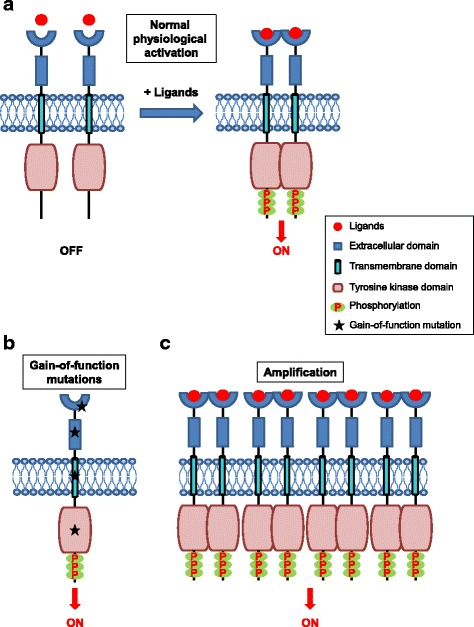
“For most RTKs, the resultant conformational changes enable trans-autophosphorylation of each TKD and release of the cis-autoinhibition [6].”
Platinum-Based Chemotherapy plus Cetuximab in Head and Neck Cancer
Vermorken, J. B., Mesia, R., Rivera, F., Remenar, E., Kawecki, A., Rottey, S., Erfan, J., Zabolotnyy, D., Kienzer, H.-R., Cupissol, D., et al. (2008) · New England Journal of Medicine · doi:10.1056/nejmoa0802656 · Cited by 3,726 · cited 1×
“cetuximab in lung cancer [181], panitumumab in colon cancer [182], cetuximab in head and neck cancer [183], trastuzumab and pertuzumab in breast cancer [184, 185].”
O'Brien, S. G., Guilhot, F., Larson, R. A., Gathmann, I., Baccarani, M., Cervantes, F., Cornelissen, J. J., Fischer, T., Hochhaus, A., Hughes, T., et al. (2003) · New England Journal of Medicine · doi:10.1056/nejmoa022457 · Cited by 3,570 · cited 6×
“Notably, the first tyrosine kinase inhibitor developed and approved by the US Food and Drug Administration (FDA) – imatinib – targets the ABL kinase and has revolutionized the treatment of patients with CML [100, 101].”
InfluentialSequist, L. V., Yang, J. C.-H., Yamamoto, N., O'Byrne, K., Hirsh, V., Mok, T., Geater, S. L., Orlov, S., Tsai, C.-M., Boyer, M., et al. (2013) · Journal of Clinical Oncology · doi:10.1200/jco.2012.44.2806 · Cited by 3,228
(2012) · Hepatogastroenterology · doi:10.5754/hge12469 · Cited by 3,178
Epidermal growth factor receptor mutations in lung cancer
Sharma, S. V., Bell, D. W., Settleman, J., & Haber, D. A. (2007) · Nature Reviews Cancer · doi:10.1038/nrc2088 · Cited by 3,170
Yu, H. A., Arcila, M. E., Rekhtman, N., Sima, C. S., Zakowski, M. F., Pao, W., Kris, M. G., Miller, V. A., Ladanyi, M., & Riely, G. J. (2013) · Clinical Cancer Research · doi:10.1158/1078-0432.ccr-12-2246 · Cited by 2,454 · cited 1×
“For example, MET amplification and HER2 amplification can be detected in EGFR-mutant lung cancers that become resistant to EGFR tyrosine kinase inhibitor therapy [93].”
Yayon, A., Klagsbrun, M., Esko, J. D., Leder, P., & Ornitz, D. M. (1991) · Cell · doi:10.1016/0092-8674(91)90512-w · Cited by 2,440
Fusion of a Kinase Gene, ALK , to a Nucleolar Protein Gene, NPM , in Non-Hodgkin's Lymphoma
Morris, S. W., Kirstein, M. N., Valentine, M. B., Dittmer, K. G., Shapiro, D. N., Saltman, D. L., & Look, A. T. (1994) · Science · doi:10.1126/science.8122112 · Cited by 2,409 · cited 2×
“form the NPM-ALK fusion oncoprotein [102], which is found in approximately 50% of anaplastic large cell lymphoma (ALCL) [103].”
Kinase Mutations and Imatinib Response in Patients With Metastatic Gastrointestinal Stromal Tumor
Heinrich, M. C., Corless, C. L., Demetri, G. D., Blanke, C. D., von Mehren, M., Joensuu, H., McGreevey, L. S., Chen, C.-J., Van den Abbeele, A. D., Druker, B. J., et al. (2003) · Journal of Clinical Oncology · doi:10.1200/jco.2003.04.190 · Cited by 2,299 · cited 5×
“Other RTK amplifications have also been reported in human cancers, including FGFR1 in lung and breast cancer [82, 83], FGFR3 in breast and bladder cancer [84, 85], ERBB4 in breast and gastric cancer [86, 87], FLT3 in colon cancer [88], KIT in melanoma and GIST [89, 90], and PDGFRA in GBM [91].”
InfluentialAZD9291 in EGFR Inhibitor–Resistant Non–Small-Cell Lung Cancer
Jänne, P. A., Yang, J. C.-H., Kim, D.-W., Planchard, D., Ohe, Y., Ramalingam, S. S., Ahn, M.-J., Kim, S.-W., Su, W.-C., Horn, L., et al. (2015) · New England Journal of Medicine · doi:10.1056/nejmoa1411817 · Cited by 2,116
Crizotinib in ROS1-Rearranged Non–Small-Cell Lung Cancer
Shaw, A. T., Ou, S.-H. I., Bang, Y.-J., Camidge, D. R., Solomon, B. J., Salgia, R., Riely, G. J., Varella-Garcia, M., Shapiro, G. I., Costa, D. B., et al. (2014) · New England Journal of Medicine · doi:10.1056/nejmoa1406766 · Cited by 1,964
The Conformational Plasticity of Protein Kinases
Huse, M., & Kuriyan, J. (2002) · Cell · doi:10.1016/s0092-8674(02)00741-9 · Cited by 1,752 · cited 1×
“FGFR, IR, and IGF-1R receptors are autoinhibited by the activation loop, which directly contacts the active site of the kinase and disrupts ATP and substrate binding [21, 22].”
An allosteric mechanism for activation of the kinase domain of epidermal growth factor receptor
Zhang, X., Gureasko, J., Shen, K., Cole, P. A., & Kuriyan, J. (2006) · Cell · doi:10.1016/j.cell.2006.05.013 · Cited by 1,650 · cited 5×
“of an asymmetric dimer between two receptor molecules [9].”
InfluentialROS1 Rearrangements Define a Unique Molecular Class of Lung Cancers
Bergethon, K., Shaw, A. T., Ignatius Ou, S.-H., Katayama, R., Lovly, C. M., McDonald, N. T., Massion, P. P., Siwak-Tapp, C., Gonzalez, A., Fang, R., et al. (2012) · Journal of Clinical Oncology · doi:10.1200/jco.2011.35.6345 · Cited by 1,555
Self-citationRAF inhibitor resistance is mediated by dimerization of aberrantly spliced BRAF(V600E)
Poulikakos, P. I., Persaud, Y., Janakiraman, M., Kong, X., Ng, C., Moriceau, G., Shi, H., Atefi, M., Titz, B., Gabay, M. T., et al. (2011) · Nature · doi:10.1038/nature10662 · Cited by 1,454 · cited 1×
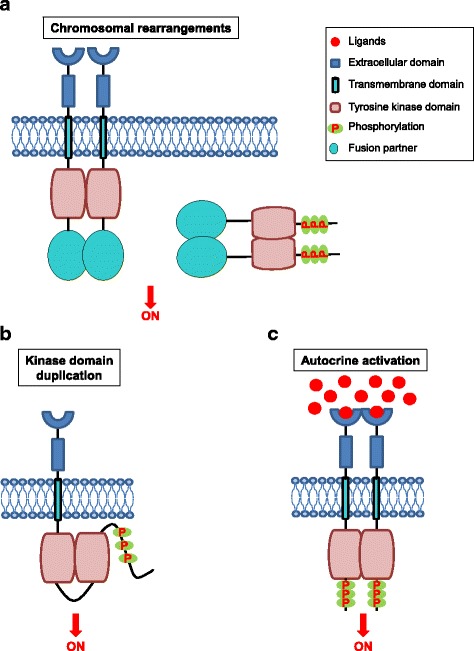
“With respect to BRAF-KDD, most of the genomic breakpoints occur in intron 9 of BRAF, which generates a truncated protein that dimerize in a RAS-independent manner [148].”
BIBW2992, an irreversible EGFR/HER2 inhibitor highly effective in preclinical lung cancer models
Li, D., Ambrogio, L., Shimamura, T., Kubo, S., Takahashi, M., Chirieac, L. R., Padera, R. F., Shapiro, G. I., Baum, A., Himmelsbach, F., et al. (2008) · Oncogene · doi:10.1038/onc.2008.109 · Cited by 1,447
Adjuvant Pertuzumab and Trastuzumab in Early HER2-Positive Breast Cancer
von Minckwitz, G., Procter, M., de Azambuja, E., Zardavas, D., Benyunes, M., Viale, G., Suter, T., Arahmani, A., Rouchet, N., Clark, E., et al. (2017) · New England Journal of Medicine · doi:10.1056/nejmoa1703643 · Cited by 1,411 · cited 1×
“cetuximab in lung cancer [181], panitumumab in colon cancer [182], cetuximab in head and neck cancer [183], trastuzumab and pertuzumab in breast cancer [184, 185].”
Pirker, R., Pereira, J. R., Szczesna, A., von Pawel, J., Krzakowski, M., Ramlau, R., Vynnychenko, I., Park, K., Yu, C.-T., Ganul, V., et al. (2009) · The Lancet · doi:10.1016/s0140-6736(09)60569-9 · Cited by 1,351 · cited 1×
“cetuximab in lung cancer [181], panitumumab in colon cancer [182], cetuximab in head and neck cancer [183], trastuzumab and pertuzumab in breast cancer [184, 185].”
RET, ROS1 and ALK fusions in lung cancer
Takeuchi, K., Soda, M., Togashi, Y., Suzuki, R., Sakata, S., Hatano, S., Asaka, R., Hamanaka, W., Ninomiya, H., Uehara, H., et al. (2012) · Nature Medicine · doi:10.1038/nm.2658 · Cited by 1,320 · cited 2×
“Likewise, oncogenic tyrosine kinase fusions involving ROS1 have been identified in ~ 1% of NSCLCs [112], as well as in IMTs, cholangiocarcinoma, and GBM [94, 113].”
Buchdunger, E., Cioffi, C. L., Law, N., Stover, D., Ohno-Jones, S., Druker, B. J., & Lydon, N. B. (2000) · The Journal of Pharmacology and Experimental Therapeutics · doi:10.1016/s0022-3565(24)38879-2 · Cited by 1,274 · cited 5×
“Other RTK amplifications have also been reported in human cancers, including FGFR1 in lung and breast cancer [82, 83], FGFR3 in breast and bladder cancer [84, 85], ERBB4 in breast and gastric cancer [86, 87], FLT3 in colon cancer [88], KIT in melanoma and GIST [89, 90], and PDGFRA in GBM [91].”
InfluentialCrystal Structure of the Complex of Human Epidermal Growth Factor and Receptor Extracellular Domains
Ogiso, H., Ishitani, R., Nureki, O., Fukai, S., Yamanaka, M., Kim, J.-H., Saito, K., Sakamoto, A., Inoue, M., Shirouzu, M., et al. (2002) · Cell · doi:10.1016/s0092-8674(02)00963-7 · Cited by 1,227 · cited 1×
“The extracellular regions of the ErbB receptors family include four subdomains (I-IV) [16].”
Schlessinger, J., Plotnikov, A. N., Ibrahimi, O. A., Eliseenkova, A. V., Yeh, B. K., Yayon, A., Linhardt, R. J., & Mohammadi, M. (2000) · Molecular Cell · doi:10.1016/s1097-2765(00)00073-3 · Cited by 1,199 · cited 1×
“For example, the FGFR family of RTKs uses heparin or heparan sulfate as accessory molecules in this mode [11, 12].”
Yun, C.-H., Boggon, T. J., Li, Y., Woo, M. S., Greulich, H., Meyerson, M., & Eck, M. J. (2007) · Cancer Cell · doi:10.1016/j.ccr.2006.12.017 · Cited by 1,192 · cited 1×
“These mutations hyperactivate the kinase and, subsequently, its downstream signaling, conferring oncogenic properties [32, 36, 37].”
Nolen, B., Taylor, S., & Ghosh, G. (2004) · Molecular Cell · doi:10.1016/j.molcel.2004.08.024 · Cited by 1,167 · cited 1×
“FGFR, IR, and IGF-1R receptors are autoinhibited by the activation loop, which directly contacts the active site of the kinase and disrupts ATP and substrate binding [21, 22].”
The protein tyrosine kinase family of the human genome
Robinson, D. R., Wu, Y.-M., & Lin, S.-F. (2000) · Oncogene · doi:10.1038/sj.onc.1203957 · Cited by 1,167 · cited 1×
“There are 58 known RTKs in humans [1, 2], and all RTKs share a similar protein structure comprised of an extracellular ligand binding domain, a single transmembrane helix, and an intracellular region that contains a juxtamembrane regulatory region, a tyrosine kinase domain (TKD) and a carboxyl (C-) terminal tail [3].”
Heinrich, M. C., Griffith, D. J., Druker, B. J., Wait, C. L., Ott, K. A., & Zigler, A. J. (2000) · Blood · doi:10.1182/blood.v96.3.925 · Cited by 1,071
Coffin, C. M., Hornick, J. L., & Fletcher, C. D. M. (2007) · American Journal of Surgical Pathology · doi:10.1097/01.pas.0000213393.57322.c7 · Cited by 1,006 · cited 1×
“Most notably, ALK rearrangements occur in approximately 3–7% of NSCLCs [104], approximately 50% of all inflammatory myofibroblastic tumors (IMTs) [105, 106], 10% of Spitzoid neoplasms [107], as well as small percentages in colon cancer [94, 108, 109], thyroid cancer [94, 110], and several other types of malignancies […”
A novel approach in the treatment of cancer: targeting the epidermal growth factor receptor.
Ciardiello, F., & Tortora, G. (2001) · PubMed · Cited by 977
The landscape of kinase fusions in cancer
Stransky, N., Cerami, E., Schalm, S., Kim, J. L., & Lengauer, C. (2014) · Nature Communications · doi:10.1038/ncomms5846 · Cited by 968 · cited 6×
“Likewise, oncogenic tyrosine kinase fusions involving ROS1 have been identified in ~ 1% of NSCLCs [112], as well as in IMTs, cholangiocarcinoma, and GBM [94, 113].”
InfluentialIrreversible inhibitors of the EGF receptor may circumvent acquired resistance to gefitinib
Kwak, E. L., Sordella, R., Bell, D. W., Godin-Heymann, N., Okimoto, R. A., Brannigan, B. W., Harris, P. L., Driscoll, D. R., Fidias, P., Lynch, T. J., et al. (2005) · Proceedings of the National Academy of Sciences · doi:10.1073/pnas.0502860102 · Cited by 952
An Open-and-Shut Case? Recent Insights into the Activation of EGF/ErbB Receptors
Burgess, A. W., Cho, H.-S., Eigenbrot, C., Ferguson, K. M., Garrett, T. P. J., Leahy, D. J., Lemmon, M. A., Sliwkowski, M. X., Ward, C. W., & Yokoyama, S. (2003) · Molecular Cell · doi:10.1016/s1097-2765(03)00350-2 · Cited by 909 · cited 1×
“With the dimerization arm exposed, the extracellular region of the receptor dimerizes [18], inducing intracellular conformational changes so that they can enable kinase activation [9].”
KIT as a Therapeutic Target in Metastatic Melanoma
Carvajal, R. D. (2011) · JAMA · doi:10.1001/jama.2011.746 · Cited by 888 · cited 6×
“Other RTK amplifications have also been reported in human cancers, including FGFR1 in lung and breast cancer [82, 83], FGFR3 in breast and bladder cancer [84, 85], ERBB4 in breast and gastric cancer [86, 87], FLT3 in colon cancer [88], KIT in melanoma and GIST [89, 90], and PDGFRA in GBM [91].”
InfluentialCrizotinib in ALK-Rearranged Inflammatory Myofibroblastic Tumor
Butrynski, J. E., D'Adamo, D. R., Hornick, J. L., Dal Cin, P., Antonescu, C. R., Jhanwar, S. C., Ladanyi, M., Capelletti, M., Rodig, S. J., Ramaiya, N., et al. (2010) · New England Journal of Medicine · doi:10.1056/nejmoa1007056 · Cited by 870 · cited 5×
“Likewise, oncogenic tyrosine kinase fusions involving ROS1 have been identified in ~ 1% of NSCLCs [112], as well as in IMTs, cholangiocarcinoma, and GBM [94, 113].”
InfluentialIdentification of new ALK and RET gene fusions from colorectal and lung cancer biopsies
Lipson, D., Capelletti, M., Yelensky, R., Otto, G., Parker, A., Jarosz, M., Curran, J. A., Balasubramanian, S., Bloom, T., Brennan, K. W., et al. (2012) · Nature Medicine · doi:10.1038/nm.2673 · Cited by 869 · cited 2×
“First, the regulatory unit of the fusion partner dictates the expression of the fusion, placing the tyrosine kinase oncoprotein under the endogenous promoter of the fusion partner [108, 126].”
Drilon, A., Siena, S., Ou, S.-H. I., Patel, M., Ahn, M. J., Lee, J., Bauer, T. M., Farago, A. F., Wheler, J. J., Liu, S. V., et al. (2017) · Cancer Discovery · doi:10.1158/2159-8290.cd-16-1237 · Cited by 826 · cited 1×
“[140], lung [141], kidney [141], colon [140, 141] and other types of cancer [141].”
Chromosome aberrations in solid tumors
Albertson, D. G., Collins, C., McCormick, F., & Gray, J. W. (2003) · Nature Genetics · doi:10.1038/ng1215 · Cited by 812
The FGFR Landscape in Cancer: Analysis of 4,853 Tumors by Next-Generation Sequencing
Helsten, T., Elkin, S., Arthur, E., Tomson, B. N., Carter, J., & Kurzrock, R. (2016) · Clinical Cancer Research · doi:10.1158/1078-0432.ccr-14-3212 · Cited by 808 · cited 1×
“cluding FGFR1 in lung and breast cancer [82, 83], FGFR3 in breast and bladder cancer [84, 85], ERBB4 in breast and gastric cancer [86, 87], FLT3 in colon cancer [88], KIT in melanoma and GIST [89, 90], and PDGFRA in GBM [91].”
Marchetti, A., Martella, C., Felicioni, L., Barassi, F., Salvatore, S., Chella, A., Camplese, P. P., Iarussi, T., Mucilli, F., Mezzetti, A., et al. (2005) · Journal of Clinical Oncology · doi:10.1200/jco.2005.08.043 · Cited by 788
Identification of Targetable FGFR Gene Fusions in Diverse Cancers
Wu, Y.-M., Su, F., Kalyana-Sundaram, S., Khazanov, N., Ateeq, B., Cao, X., Lonigro, R. J., Vats, P., Wang, R., Lin, S.-F., et al. (2013) · Cancer Discovery · doi:10.1158/2159-8290.cd-13-0050 · Cited by 744 · cited 1×
“Second, most fusion partners contribute an oligomerization domain, which promotes ligand independent constitutive activation of the kinase [94, 127, 128].”
Kinase fusions are frequent in Spitz tumours and spitzoid melanomas
Wiesner, T., He, J., Yelensky, R., Esteve-Puig, R., Botton, T., Yeh, I., Lipson, D., Otto, G., Brennan, K., Murali, R., et al. (2014) · Nature Communications · doi:10.1038/ncomms4116 · Cited by 649 · cited 12×
“Amplification of many RTKs occurs in a variety of human cancers, such as EGFR, ERBB2 and MET [80].”
InfluentialGene duplication as a mechanism of genomic adaptation to a changing environment
Kondrashov, F. A. (2012) · Proceedings of the Royal Society B: Biological Sciences · doi:10.1098/rspb.2012.1108 · Cited by 645 · cited 1×
“In nature, gene duplication is one method by which species introduce genetic novelty or redundancy, thereby allowing them to adapt to various environmental conditions [147].”
Finlay, M. R. V., Anderton, M., Ashton, S., Ballard, P., Bethel, P. A., Box, M. R., Bradbury, R. H., Brown, S. J., Butterworth, S., Campbell, A., et al. (2014) · Journal of Medicinal Chemistry · doi:10.1021/jm500973a · Cited by 636 · cited 1×
“Novel approaches have been shown to effectively overcome acquired resistance, including the development of second-generation [191, 192] and third-generation inhibitors [193, 194] and the combinational use of TKIs with monoclonal antibodies against the same target [195].”
Structural Basis for the Autoinhibition and STI-571 Inhibition of c-Kit Tyrosine Kinase
Mol, C. D., Dougan, D. R., Schneider, T. R., Skene, R. J., Kraus, M. L., Scheibe, D. N., Snell, G. P., Zou, H., Sang, B.-C., & Wilson, K. P. (2004) · Journal of Biological Chemistry · doi:10.1074/jbc.m403319200 · Cited by 635 · cited 1×
“KIT and Eph receptors are regulated by juxtamembrane autoinhibition, in which the juxtamembrane region interacts with components within the active site of the kinase—thereby stabilizing an inactive state [20, 23].”
Mechanism for Activation of the EGF Receptor Catalytic Domain by the Juxtamembrane Segment
Jura, N., Endres, N. F., Engel, K., Deindl, S., Das, R., Lamers, M. H., Wemmer, D. E., Zhang, X., & Kuriyan, J. (2009) · Cell · doi:10.1016/j.cell.2009.04.025 · Cited by 606 · cited 1×
“Phosphorylation of the activation loop is not involved in this mechanism [24, 25].”
A Novel ALK Secondary Mutation and EGFR Signaling Cause Resistance to ALK Kinase Inhibitors
Sasaki, T., Koivunen, J., Ogino, A., Yanagita, M., Nikiforow, S., Zheng, W., Lathan, C., Marcoux, J. P., Du, J., Okuda, K., et al. (2011) · Cancer Research · doi:10.1158/0008-5472.can-11-1340 · Cited by 597 · cited 1×
“through either acquired genomic alterations [186, 187] or activation of critical signaling pathways [188–190].”
Impact of the physical microenvironment on tumor progression and metastasis
Spill, F., Reynolds, D. S., Kamm, R. D., & Zaman, M. H. (2016) · Current Opinion in Biotechnology · doi:10.1016/j.copbio.2016.02.007 · Cited by 581 · cited 1×
“Several notable advances have been made during the last decade in the recognition of the importance of tumor microenvironment, especially tumor vasculature and tumor stroma [165].”
van den Bent, M. J., Brandes, A. A., Rampling, R., Kouwenhoven, M. C. M., Kros, J. M., Carpentier, A. F., Clement, P. M., Frenay, M., Campone, M., Baurain, J.-F., et al. (2009) · Journal of Clinical Oncology · doi:10.1200/jco.2008.17.5984 · Cited by 575 · cited 1×
“In contrast to lung cancer patients with EGFR TKD mutations, GBM patients with EGFR ECD mutations have shown disappointing clinical outcomes when treated with the EGFR TKIs, erlotinib and gefitinib [48, 49].”
RET Fusions Define a Unique Molecular and Clinicopathologic Subtype of Non–Small-Cell Lung Cancer
Wang, R., Hu, H., Pan, Y., Li, Y., Ye, T., Li, C., Luo, X., Wang, L., Li, H., Zhang, Y., et al. (2012) · Journal of Clinical Oncology · doi:10.1200/jco.2012.44.1477 · Cited by 546
Phase II Trial of Sorafenib in Metastatic Thyroid Cancer
Kloos, R. T., Ringel, M. D., Knopp, M. V., Hall, N. C., King, M., Stevens, R., Liang, J., Wakely, P. E., Vasko, V. V., Saji, M., et al. (2009) · Journal of Clinical Oncology · doi:10.1200/jco.2008.18.2717 · Cited by 541
Spatial control of EGF receptor activation by reversible dimerization on living cells
Chung, I., Akita, R., Vandlen, R., Toomre, D., Schlessinger, J., & Mellman, I. (2010) · Nature · doi:10.1038/nature08827 · Cited by 538 · cited 1×
“For EGFR and many other RTKs, monomers predominate before ligand-binding [13].”
Worby, C. A., & Dixon, J. E. (2014) · Annual Review of Biochemistry · doi:10.1146/annurev-biochem-082411-113907 · Cited by 535
Albertson, D. G. (2006) · Trends in Genetics · doi:10.1016/j.tig.2006.06.007 · Cited by 527 · cited 14×
“Amplification of many RTKs occurs in a variety of human cancers, such as EGFR, ERBB2 and MET [80].”
InfluentialSmart drugs: Tyrosine kinase inhibitors in cancer therapy
Shawver, L. K., Slamon, D., & Ullrich, A. (2002) · Cancer Cell · doi:10.1016/s1535-6108(02)00039-9 · Cited by 522 · cited 1×
“These inhibitors specifically target the ATP-binding site of the intracellular TKD [180].”
Pandini, G., Frasca, F., Mineo, R., Sciacca, L., Vigneri, R., & Belfiore, A. (2002) · Journal of Biological Chemistry · doi:10.1074/jbc.m202766200 · Cited by 500 · cited 1×
“For the insulin receptor (IR), dimers predominate even without ligands [14, 15].”
Engelman, J. A., Jänne, P. A., Mermel, C., Pearlberg, J., Mukohara, T., Fleet, C., Cichowski, K., Johnson, B. E., & Cantley, L. C. (2005) · Proceedings of the National Academy of Sciences · doi:10.1073/pnas.0409773102 · Cited by 493
RET/PTC Rearrangement in Thyroid Tumors
Nikiforov, Y. E. (2002) · Endocrine Pathology · doi:10.1385/ep:13:1:03 · Cited by 489 · cited 1×
“RET kinase fusions have been recurrently detected in NSCLC and thyroid cancers [94, 114, 115].”
Ju, Y. S., Lee, W.-C., Shin, J.-Y., Lee, S., Bleazard, T., Won, J.-K., Kim, Y. T., Kim, J.-I., Kang, J.-H., & Seo, J.-S. (2012) · Genome Research · doi:10.1101/gr.133645.111 · Cited by 484
Drilon, A., Rekhtman, N., Arcila, M., Wang, L., Ni, A., Albano, M., Van Voorthuysen, M., Somwar, R., Smith, R. S., Montecalvo, J., et al. (2016) · The Lancet Oncology · doi:10.1016/s1470-2045(16)30562-9 · Cited by 484
Response to Cabozantinib in Patients with RET Fusion-Positive Lung Adenocarcinomas
Drilon, A., Wang, L., Hasanovic, A., Suehara, Y., Lipson, D., Stephens, P., Ross, J., Miller, V., Ginsberg, M., Zakowski, M. F., et al. (2013) · Cancer Discovery · doi:10.1158/2159-8290.cd-13-0035 · Cited by 464
Inflammatory Myofibroblastic Tumors Harbor Multiple Potentially Actionable Kinase Fusions
Lovly, C. M., Gupta, A., Lipson, D., Otto, G., Brennan, T., Chung, C. T., Borinstein, S. C., Ross, J. S., Stephens, P. J., Miller, V. A., et al. (2014) · Cancer Discovery · doi:10.1158/2159-8290.cd-14-0377 · Cited by 455 · cited 11×
“Likewise, oncogenic tyrosine kinase fusions involving ROS1 have been identified in ~ 1% of NSCLCs [112], as well as in IMTs, cholangiocarcinoma, and GBM [94, 113].”
Self-citationDrilon, A., Nagasubramanian, R., Blake, J. F., Ku, N., Tuch, B. B., Ebata, K., Smith, S., Lauriault, V., Kolakowski, G. R., Brandhuber, B. J., et al. (2017) · Cancer Discovery · doi:10.1158/2159-8290.cd-17-0507 · Cited by 439
HER-2 Testing in Breast Cancer Using Parallel Tissue-Based Methods
Yaziji, H. (2004) · JAMA · doi:10.1001/jama.291.16.1972 · Cited by 438 · cited 1×
“Overexpression of RTKs has been found in a variety of human cancers: EGFR in GBM [62], lung [63], esophageal [64] and thyroid cancer [65]; HER2/ErbB2 in lung [66], bladder [67], breast [68] and gastric cancer [69, 70]; and MET in lung [71] and gastric cancer [72].”
Kinase mutations in human disease: interpreting genotype–phenotype relationships
Lahiry, P., Torkamani, A., Schork, N. J., & Hegele, R. A. (2010) · Nature Reviews Genetics · doi:10.1038/nrg2707 · Cited by 420 · cited 1×
“These conserved residues (D, F, and G) play key roles in ATP binding and catalytic activity [30, 31].”
SH2 domains, interaction modules and cellular wiring
Pawson, T., Gish, G. D., & Nash, P. (2001) · Trends in Cell Biology · doi:10.1016/s0962-8924(01)02154-7 · Cited by 408 · cited 1×
“These domains bind to specific phosphotyrosine residues within the receptor and engage downstream mediators that propagate critical cellular signaling pathways [7].”
Jänne, P. A., Engelman, J. A., & Johnson, B. E. (2005) · Journal of Clinical Oncology · doi:10.1200/jco.2005.09.985 · Cited by 405
Autocrine, paracrine and juxtacrine signaling by EGFR ligands
Singh, A. B., & Harris, R. C. (2005) · Cellular Signalling · doi:10.1016/j.cellsig.2005.03.026 · Cited by 400 · cited 1×
““Autocrine” refers to the situation that the target cells are secreting cells themselves [149].”
Regulation of receptor tyrosine kinase signaling by protein tyrosine phosphatases
Östman, A. (2001) · Trends in Cell Biology · doi:10.1016/s0962-8924(01)01990-0 · Cited by 383 · cited 1×
“Under normal physiologic conditions, the level of RTK activity is tightly balanced by the mechanisms described above and by additional molecules, including tyrosine phosphatases [27].”
Inhibitor-Sensitive FGFR1 Amplification in Human Non-Small Cell Lung Cancer
Dutt, A., Ramos, A. H., Hammerman, P. S., Mermel, C., Cho, J., Sharifnia, T., Chande, A., Tanaka, K. E., Stransky, N., Greulich, H., et al. (2011) · PLoS ONE · doi:10.1371/journal.pone.0020351 · Cited by 369 · cited 1×
“cluding FGFR1 in lung and breast cancer [82, 83], FGFR3 in breast and bladder cancer [84, 85], ERBB4 in breast and gastric cancer [86, 87], FLT3 in colon cancer [88], KIT in melanoma and GIST [89, 90], and PDGFRA in GBM [91].”
Lee, J. C., Vivanco, I., Beroukhim, R., Huang, J. H. Y., Feng, W. L., DeBiasi, R. M., Yoshimoto, K., King, J. C., Nghiemphu, P., Yuza, Y., et al. (2006) · PLoS Medicine · doi:10.1371/journal.pmed.0030485 · Cited by 367 · cited 12×
“Likewise, oncogenic tyrosine kinase fusions involving ROS1 have been identified in ~ 1% of NSCLCs [112], as well as in IMTs, cholangiocarcinoma, and GBM [94, 113].”
InfluentialJanjigian, Y. Y., Smit, E. F., Groen, H. J. M., Horn, L., Gettinger, S., Camidge, D. R., Riely, G. J., Wang, B., Fu, Y., Chand, V. K., et al. (2014) · Cancer Discovery · doi:10.1158/2159-8290.cd-14-0326 · Cited by 362 · cited 1×
“Novel approaches have been shown to effectively overcome acquired resistance, including the development of second-generation [191, 192] and third-generation inhibitors [193, 194] and the combinational use of TKIs with monoclonal antibodies against the same target [195].”
Structural Basis for Activation of the Receptor Tyrosine Kinase KIT by Stem Cell Factor
Yuzawa, S., Opatowsky, Y., Zhang, Z., Mandiyan, V., Lax, I., & Schlessinger, J. (2007) · Cell · doi:10.1016/j.cell.2007.05.055 · Cited by 359 · cited 4×
“Ligand simultaneously binds to two sites (subdomain I and subdomain III) within the extracellular region of one receptor, rather than spanning two separate receptors as seen for NGF [8], SCF [10], or FGF receptor [17].”
InfluentialSpatial regulation of receptor tyrosine kinases in development and cancer
Casaletto, J. B., & McClatchey, A. I. (2012) · Nature Reviews Cancer · doi:10.1038/nrc3277 · Cited by 359
Inhibition of the EGF receptor by binding of MIG6 to an activating kinase domain interface
Zhang, X., Pickin, K. A., Bose, R., Jura, N., Cole, P. A., & Kuriyan, J. (2007) · Nature · doi:10.1038/nature05998 · Cited by 357
Vivanco, I., Robins, H. I., Rohle, D., Campos, C., Grommes, C., Nghiemphu, P. L., Kubek, S., Oldrini, B., Chheda, M. G., Yannuzzi, N., et al. (2012) · Cancer Discovery · doi:10.1158/2159-8290.cd-11-0284 · Cited by 343
Wybenga-Groot, L. E., Baskin, B., Ong, S. H., Tong, J., Pawson, T., & Sicheri, F. (2001) · Cell · doi:10.1016/s0092-8674(01)00496-2 · Cited by 338 · cited 2×
“Before activation, the TKD is in a condition of cis-autoinhibition by certain intra-molecular interactions unique for each receptor [19, 20].”
HER-2/neu Amplification Is an Independent Prognostic Factor in Gastric Cancer
Park, D. I., Yun, J. W., Park, J. H., Oh, S. J., Kim, H. J., Cho, Y. K., Sohn, C. I., Jeon, W. K., Kim, B. I., Yoo, C. H., et al. (2006) · Digestive Diseases and Sciences · doi:10.1007/s10620-005-9057-1 · Cited by 329 · cited 1×
“Overexpression of RTKs has been found in a variety of human cancers: EGFR in GBM [62], lung [63], esophageal [64] and thyroid cancer [65]; HER2/ErbB2 in lung [66], bladder [67], breast [68] and gastric cancer [69, 70]; and MET in lung [71] and gastric cancer [72].”
The Juxtamembrane Region of the EGF Receptor Functions as an Activation Domain
Red Brewer, M., Choi, S. H., Alvarado, D., Moravcevic, K., Pozzi, A., Lemmon, M. A., & Carpenter, G. (2009) · Molecular Cell · doi:10.1016/j.molcel.2009.04.034 · Cited by 317
EML4-ALK Rearrangement in Non-Small Cell Lung Cancer and Non-Tumor Lung Tissues
Martelli, M. P., Sozzi, G., Hernandez, L., Pettirossi, V., Navarro, A., Conte, D., Gasparini, P., Perrone, F., Modena, P., Pastorino, U., et al. (2009) · The American Journal of Pathology · doi:10.2353/ajpath.2009.080755 · Cited by 317 · cited 1×
“Third, the fusion partner also determines subcellular localization of the fusion [129, 130], and this may have profound effects on the protein interactions that the fusion encounters, affecting activation, signaling, function, and c b a”
Wehrman, T., He, X., Raab, B., Dukipatti, A., Blau, H., & Garcia, K. C. (2007) · Neuron · doi:10.1016/j.neuron.2006.09.034 · Cited by 314 · cited 2×
“Ligand simultaneously binds to two sites (subdomain I and subdomain III) within the extracellular region of one receptor, rather than spanning two separate receptors as seen for NGF [8], SCF [10], or FGF receptor [17].”
EGFR protein overexpression and gene amplification in squamous cell carcinomas of the esophagus
Hanawa, M., Suzuki, S., Dobashi, Y., Yamane, T., Kono, K., Enomoto, N., & Ooi, A. (2006) · International Journal of Cancer · doi:10.1002/ijc.21454 · Cited by 298 · cited 2×
“While gene amplification is the major mechanism which leads to overexpression of RTKs, additional mechanisms of RTK overexpression include transcriptional/translational enhancement [74, 75], oncogenic viruses [64], derailment of normal regulatory mechanisms such as loss of phosphatases [76] or other negative regulator…”
Selvaggi, G., Novello, S., Torri, V., Leonardo, E., De Giuli, P., Borasio, P., Mossetti, C., Ardissone, F., Lausi, P., & Scagliotti, G. V. (2004) · Annals of Oncology · doi:10.1093/annonc/mdh011 · Cited by 292 · cited 1×
“Overexpression of RTKs has been found in a variety of human cancers: EGFR in GBM [62], lung [63], esophageal [64] and thyroid cancer [65]; HER2/ErbB2 in lung [66], bladder [67], breast [68] and gastric cancer [69, 70]; and MET in lung [71] and gastric cancer [72].”
LRIG1 restricts growth factor signaling by enhancing receptor ubiquitylation and degradation
Gur, G., Rubin, C., Katz, M., Amit, I., Citri, A., Nilsson, J., Amariglio, N., Henriksson, R., Rechavi, G., Hedman, H., et al. (2004) · The EMBO Journal · doi:10.1038/sj.emboj.7600342 · Cited by 291
DNA Topoisomerase II in Therapy-Related Acute Promyelocytic Leukemia
Mistry, A. R., Felix, C. A., Whitmarsh, R. J., Mason, A., Reiter, A., Cassinat, B., Parry, A., Walz, C., Wiemels, J. L., Segal, M. R., et al. (2005) · New England Journal of Medicine · doi:10.1056/nejmoa042715 · Cited by 281 · cited 1×
“Several risk factors have been considered to contribute to the gene fusion events, including exposure to ionizing radiation [120, 121], topoisomerase poisons [122] and oxidative stress [123], but the precise molecular mechanisms remain elusive.”
Sun, T., Aceto, N., Meerbrey, K. L., Kessler, J. D., Zhou, C., Migliaccio, I., Nguyen, D. X., Pavlova, N. N., Botero, M., Huang, J., et al. (2011) · Cell · doi:10.1016/j.cell.2011.02.003 · Cited by 276 · cited 1×
“While gene amplification is the major mechanism which leads to overexpression of RTKs, additional mechanisms of RTK overexpression include transcriptional/translational enhancement [74, 75], oncogenic viruses [64], derailment of normal regulatory mechanisms such as loss of phosphatases [76] or other negative regulator…”
Soos, M. A., Field, C. E., & Siddle, K. (1993) · Biochemical Journal · doi:10.1042/bj2900419 · Cited by 275 · cited 1×
“For the insulin receptor (IR), dimers predominate even without ligands [14, 15].”
Predictive value of EGFR and HER2 overexpression in advanced non-small-cell lung cancer
Hirsch, F. R., Varella-Garcia, M., & Cappuzzo, F. (2009) · Oncogene · doi:10.1038/onc.2009.199 · Cited by 273 · cited 1×
“Overexpression of RTKs has been found in a variety of human cancers: EGFR in GBM [62], lung [63], esophageal [64] and thyroid cancer [65]; HER2/ErbB2 in lung [66], bladder [67], breast [68] and gastric cancer [69, 70]; and MET in lung [71] and gastric cancer [72].”
FGFR1 Emerges as a Potential Therapeutic Target for Lobular Breast Carcinomas
Reis-Filho, J. S., Simpson, P. T., Turner, N. C., Lambros, M. B., Jones, C., Mackay, A., Grigoriadis, A., Sarrio, D., Savage, K., Dexter, T., et al. (2006) · Clinical Cancer Research · doi:10.1158/1078-0432.ccr-06-1164 · Cited by 270 · cited 1×
“cluding FGFR1 in lung and breast cancer [82, 83], FGFR3 in breast and bladder cancer [84, 85], ERBB4 in breast and gastric cancer [86, 87], FLT3 in colon cancer [88], KIT in melanoma and GIST [89, 90], and PDGFRA in GBM [91].”
RAS-MAPK dependence underlies a rational polytherapy strategy in EML4-ALK–positive lung cancer
Hrustanovic, G., Olivas, V., Pazarentzos, E., Tulpule, A., Asthana, S., Blakely, C. M., Okimoto, R. A., Lin, L., Neel, D. S., Sabnis, A., et al. (2015) · Nature Medicine · doi:10.1038/nm.3930 · Cited by 267
Self-citationAutocrine growth of small cell lung cancer mediated by coexpression of c-kit and stem cell factor.
Krystal, G. W., Hines, S. J., & Organ, C. P. (1996) · PubMed · Cited by 266
Mig6 is a negative regulator of EGF receptor–mediated skin morphogenesis and tumor formation
Ferby, I., Reschke, M., Kudlacek, O., Knyazev, P., Pantè, G., Amann, K., Sommergruber, W., Kraut, N., Ullrich, A., Fässler, R., et al. (2006) · Nature Medicine · doi:10.1038/nm1401 · Cited by 263 · cited 2×
“Loss of Errfi1 in mice leads to abnormal activation of EGFR signaling and is associated with a high incidence of neoplastic lesions [178].”
Regulation of Axl receptor tyrosine kinase expression by miR-34a and miR-199a/b in solid cancer
Mudduluru, G., Ceppi, P., Kumarswamy, R., Scagliotti, G. V., Papotti, M., & Allgayer, H. (2011) · Oncogene · doi:10.1038/onc.2011.13 · Cited by 252
Structural analysis of receptor tyrosine kinases
Hubbard, S. R. (1999) · Progress in Biophysics and Molecular Biology · doi:10.1016/s0079-6107(98)00047-9 · Cited by 239 · cited 1×
“There are 58 known RTKs in humans [1, 2], and all RTKs share a similar protein structure comprised of an extracellular ligand binding domain, a single transmembrane helix, and an intracellular region that contains a juxtamembrane regulatory region, a tyrosine kinase domain (TKD) and a carboxyl (C-) terminal tail [3].”
Structural interactions of fibroblast growth factor receptor with its ligands
Stauber, D. J., DiGabriele, A. D., & Hendrickson, W. A. (2000) · Proceedings of the National Academy of Sciences · doi:10.1073/pnas.97.1.49 · Cited by 231 · cited 1×
“Ligand simultaneously binds to two sites (subdomain I and subdomain III) within the extracellular region of one receptor, rather than spanning two separate receptors as seen for NGF [8], SCF [10], or FGF receptor [17].”
Amatschek, S., Koenig, U., Auer, H., Steinlein, P., Pacher, M., Gruenfelder, A., Dekan, G., Vogl, S., Kubista, E., Heider, K.-H., et al. (2004) · Cancer Research · doi:10.1158/0008-5472.can-03-2361 · Cited by 230 · cited 1×
“also downregulated or silenced in skin, breast, pancreatic and ovarian carcinomas [178, 179].”
RET Oncogene Activation in Papillary Thyroid Carcinoma
Tallini, G., Asa, S. L., & Fuller, G. N. (2001) · Advances in Anatomic Pathology · doi:10.1097/00125480-200111000-00005 · Cited by 223 · cited 1×
“Mutations within ECD of other RTKs have also been reported, including RET in thyroid cancer [53] and KIT in gastro-”
MiR-145 inhibits cell proliferation of human lung adenocarcinoma by targeting EGFR and NUDT1
Cho, W. C., Chow, A. S., & Au, J. S. (2011) · RNA Biology · doi:10.4161/rna.8.1.14259 · Cited by 220
Franceschi, E., Cavallo, G., Lonardi, S., Magrini, E., Tosoni, A., Grosso, D., Scopece, L., Blatt, V, Urbini, B., Pession, A., et al. (2007) · British Journal of Cancer · doi:10.1038/sj.bjc.6603669 · Cited by 211 · cited 1×
“In contrast to lung cancer patients with EGFR TKD mutations, GBM patients with EGFR ECD mutations have shown disappointing clinical outcomes when treated with the EGFR TKIs, erlotinib and gefitinib [48, 49].”
Blakely, C. M., Pazarentzos, E., Olivas, V., Asthana, S., Yan, J. J., Tan, I., Hrustanovic, G., Chan, E., Lin, L., Neel, D. S., et al. (2015) · Cell Reports · doi:10.1016/j.celrep.2015.03.012 · Cited by 204
Discovery of the Philadelphia chromosome: a personal perspective
Nowell, P. C. (2007) · Journal of Clinical Investigation · doi:10.1172/jci31771 · Cited by 200 · cited 1×
“The first tyrosine kinase fusion identified was BCR-ABL, which derived from translocation t(9,22) – the so called ‘Philadelphia Chromosome’ – which fuses the gene encoding the ABL1 tyrosine kinase on chromosome 9 to the BCR gene on chromosome 22, to form the BCR-ABL fusion oncoprotein [97].”
The ABL-BCR fusion gene is expressed in chronic myeloid leukemia
Melo, J., Gordon, D., Cross, N., & Goldman, J. (1993) · Blood · doi:10.1182/blood.v81.1.158.158 · Cited by 197 · cited 1×
“BCR-ABL is characteristically found in patients with chronic myelogenous leukemia (CML) and in some patients with acute lymphoblastic leukemia [98, 99].”
The Quest for the 1p36 Tumor Suppressor
Bagchi, A., & Mills, A. A. (2008) · Cancer Research · doi:10.1158/0008-5472.can-07-2095 · Cited by 196
Transcriptional Activation of the Human Epidermal Growth Factor Receptor Promoter by Human p53
Ludes-Meyers, J. H., Subler, M. A., Shivakumar, C. V., Munoz, R. M., Jiang, P., Bigger, J. E., Brown, D. R., Deb, S. P., & Deb, S. (1996) · Molecular and Cellular Biology · doi:10.1128/mcb.16.11.6009 · Cited by 182 · cited 1×
“While gene amplification is the major mechanism which leads to overexpression of RTKs, additional mechanisms of RTK overexpression include transcriptional/translational enhancement [74, 75], oncogenic viruses [64], derailment of normal regulatory mechanisms such as loss of phosphatases [76] or other negative regulator…”
Robertson, S. C., Meyer, A. N., Hart, K. C., Galvin, B. D., Webster, M. K., & Donoghue, D. J. (1998) · Proceedings of the National Academy of Sciences · doi:10.1073/pnas.95.8.4567 · Cited by 181 · cited 1×
“cysteine residues, allowing abnormal receptor dimerization through intermolecular disulfide bonding [52].”
Autocrine activation of the MET receptor tyrosine kinase in acute myeloid leukemia
Kentsis, A., Reed, C., Rice, K. L., Sanda, T., Rodig, S. J., Tholouli, E., Christie, A., Valk, P. J. M., Delwel, R., Ngo, V., et al. (2012) · Nature Medicine · doi:10.1038/nm.2819 · Cited by 179 · cited 1×
“2c) [150], and autocrine activation of various RTKs has been well characterized in diverse cancers, including TGFα-EGFR [151], HGF-MET [152, 153], and SCF-KIT autocrine loops [154–156].”
Kim, K. C., Koh, Y. W., Chang, H.-M., Kim, T. H., Yook, J. H., Kim, B. S., Jang, S. J., & Park, Y. S. (2011) · Annals of Surgical Oncology · doi:10.1245/s10434-011-1695-2 · Cited by 175
Structure of the Tie2 RTK Domain
Shewchuk, L. M., Hassell, A. M., Ellis, B., Holmes, W. D., Davis, R., Horne, E., Kadwell, S. H., McKee, D. D., & Moore, J. T. (2000) · Structure · doi:10.1016/s0969-2126(00)00516-5 · Cited by 168 · cited 2×
“Before activation, the TKD is in a condition of cis-autoinhibition by certain intra-molecular interactions unique for each receptor [19, 20].”
The Receptor Tyrosine Kinase AXL in Cancer Progression
Rankin, E., & Giaccia, A. (2016) · Cancers · doi:10.3390/cancers8110103 · Cited by 168 · cited 2×
“AXL is highly expressed within tumor associated macrophages where AXL may promote immunosuppressive and pre-neoplasia phenotypes [167].”
In vitro irradiation is able to cause RET oncogene rearrangement.
Ito, T., Seyama, T., Iwamoto, K. S., Hayashi, T., Mizuno, T., Tsuyama, N., Dohi, K., Nakamura, N., & Akiyama, M. (1993) · PubMed · Cited by 163
Gibson, T. B., Ranganathan, A., & Grothey, A. (2006) · Clinical Colorectal Cancer · doi:10.3816/ccc.2006.n.01 · Cited by 162 · cited 1×
“cetuximab in lung cancer [181], panitumumab in colon cancer [182], cetuximab in head and neck cancer [183], trastuzumab and pertuzumab in breast cancer [184, 185].”
Ménard, S., Casalini, P., Campiglio, M., Pupa, S. M., Agresti, R., & Tagliabue, E. (2001) · Annals of Oncology · doi:10.1093/annonc/12.suppl_1.s15 · Cited by 149 · cited 1×
“Overexpression of RTKs has been found in a variety of human cancers: EGFR in GBM [62], lung [63], esophageal [64] and thyroid cancer [65]; HER2/ErbB2 in lung [66], bladder [67], breast [68] and gastric cancer [69, 70]; and MET in lung [71] and gastric cancer [72].”
Mechanism for activation of mutated epidermal growth factor receptors in lung cancer
Red Brewer, M., Yun, C.-H., Lai, D., Lemmon, M. A., Eck, M. J., & Pao, W. (2013) · Proceedings of the National Academy of Sciences · doi:10.1073/pnas.1220050110 · Cited by 148 · cited 2×
“These mutations hyperactivate the kinase and, subsequently, its downstream signaling, conferring oncogenic properties [32, 36, 37].”
Fujimoto, N., Wislez, M., Zhang, J., Iwanaga, K., Dackor, J., Hanna, A. E., Kalyankrishna, S., Cody, D. D., Price, R. E., Sato, M., et al. (2005) · Cancer Research · doi:10.1158/0008-5472.can-05-1977 · Cited by 146 · cited 1×
“For example, ligand/receptor autocrine loops renders EGFR-mutant lung cancer cells less sensitive to EGFR TKI inhibition [157].”
EGFR Fusions as Novel Therapeutic Targets in Lung Cancer
Konduri, K., Gallant, J.-N., Chae, Y. K., Giles, F. J., Gitlitz, B. J., Gowen, K., Ichihara, E., Owonikoko, T. K., Peddareddigari, V., Ramalingam, S. S., et al. (2016) · Cancer Discovery · doi:10.1158/2159-8290.cd-16-0075 · Cited by 144 · cited 7×
“If the genomic breakpoint occurs downstream of the exons encoding the full kinase domain (with preservation of the ECD, TMD, and JMD), then the resultant fusion protein will function as a membrane-bound receptor, such as the case for the EGFR-RAD51 fusion protein [117].”
Self-citationHa, S. Y., Lee, J., Kang, S. Y., Do, I., Ahn, S., Park, J. O., Kang, W. K., Choi, M.-G., Sohn, T. S., Bae, J. M., et al. (2013) · Modern Pathology · doi:10.1038/modpathol.2013.108 · Cited by 135 · cited 1×
“Overexpression of RTKs has been found in a variety of human cancers: EGFR in GBM [62], lung [63], esophageal [64] and thyroid cancer [65]; HER2/ErbB2 in lung [66], bladder [67], breast [68] and gastric cancer [69, 70]; and MET in lung [71] and gastric cancer [72].”
Molecular Biology of Anaplastic Lymphoma Kinase–Positive Anaplastic Large-Cell Lymphoma
Kutok, J. L., & Aster, J. C. (2002) · Journal of Clinical Oncology · doi:10.1200/jco.2002.12.033 · Cited by 130
Rodríguez‐Antona, C., Pallares, J., Montero‐Conde, C., Inglada‐Pérez, L., Castelblanco, E., Landa, I., Leskelä, S., Leandro-Garcia, L. J., López-Jiménez, E. A., Letón, R., et al. (2009) · Endocrine Related Cancer · doi:10.1677/erc-08-0304 · Cited by 127 · cited 1×
“Overexpression of RTKs has been found in a variety of human cancers: EGFR in GBM [62], lung [63], esophageal [64] and thyroid cancer [65]; HER2/ErbB2 in lung [66], bladder [67], breast [68] and gastric cancer [69, 70]; and MET in lung [71] and gastric cancer [72].”
Gallant, J.-N., Sheehan, J. H., Shaver, T. M., Bailey, M., Lipson, D., Chandramohan, R., Brewer, M. R., York, S. J., Kris, M. G., Pietenpol, J. A., et al. (2015) · Cancer Discovery · doi:10.1158/2159-8290.cd-15-0654 · Cited by 126 · cited 3×
“We also found that EGFR-KDD occurred in other types of human tumors, including gliomas, sarcoma and Wilms’ tumor [143].”
Self-citationIdentification of Anaplastic Lymphoma Kinase as a Potential Therapeutic Target in Ovarian Cancer
Ren, H., Tan, Z.-P., Zhu, X., Crosby, K., Haack, H., Ren, J.-M., Beausoleil, S., Moritz, A., Innocenti, G., Rush, J., et al. (2012) · Cancer Research · doi:10.1158/0008-5472.can-11-3931 · Cited by 124 · cited 1×
“Most notably, ALK rearrangements occur in approximately 3–7% of NSCLCs [104], approximately 50% of all inflammatory myofibroblastic tumors (IMTs) [105, 106], 10% of Spitzoid neoplasms [107], as well as small percentages in colon cancer [94, 108, 109], thyroid cancer [94, 110], and several other types of malignancies […”
López‐Ginés, C., Gil‐Benso, R., Ferrer-Luna, R., Benito, R., Serna, E., Gonzalez-Darder, J. M., Quilis-Quesada, V., Monleón, D., Celda, B., & Cerdá‐Nicolás, M. (2010) · Modern Pathology · doi:10.1038/modpathol.2010.62 · Cited by 123 · cited 13×
“Likewise, oncogenic tyrosine kinase fusions involving ROS1 have been identified in ~ 1% of NSCLCs [112], as well as in IMTs, cholangiocarcinoma, and GBM [94, 113].”
InfluentialSholl, L. M., Yeap, B. Y., Iafrate, A. J., Holmes-Tisch, A. J., Chou, Y.-P., Wu, M.-T., Goan, Y.-G., Su, L., Benedettini, E., Yu, J., et al. (2009) · Cancer Research · doi:10.1158/0008-5472.can-09-2477 · Cited by 122 · cited 1×
“For example, EGFR amplification was found to occur preferentially on the mutated allele in EGFR-mutant lung cancer [92].”
Novel Germline Mutation in the Transmembrane Domain of HER2 in Familial Lung Adenocarcinomas
Yamamoto, H., Higasa, K., Sakaguchi, M., Shien, K., Soh, J., Ichimura, K., Furukawa, M., Hashida, S., Tsukuda, K., Takigawa, N., et al. (2013) · JNCI Journal of the National Cancer Institute · doi:10.1093/jnci/djt338 · Cited by 121 · cited 11×
“HER2 V659 mutations are also found in a patient with Li-Fraumeni syndrome [56].”
InfluentialGattei, V., Degan, M., Gloghini, A., Iuliis, A. D., Improta, S., Rossi, F. M., Aldinucci, D., Perin, V., Serraino, D., Babare, R., et al. (1997) · Blood · doi:10.1182/blood.v89.6.2048 · Cited by 117
Crizotinib in ROS1-Rearranged Non–Small-Cell Lung Cancer
Shaw, A. T., & Solomon, B. (2015) · New England Journal of Medicine · doi:10.1056/nejmc1415359 · Cited by 114
Eph Receptor Tyrosine Kinases in Tumor and Tumor Microenvironment
Brantley‐Sieders, D. M., Schmidt, S. K., Parker, M. A., & Chen, J. (2004) · Current Pharmaceutical Design · doi:10.2174/1381612043383160 · Cited by 111 · cited 1×
“Members of the Eph receptor family mediate cell-cell interaction in tumor stroma and tumor vasculature [166].”
A Detailed Clinicopathologic Study of ALK-translocated Papillary Thyroid Carcinoma
Chou, A. S. Y., Fraser, S., Toon, C. W., Clarkson, A., Sioson, L., Farzin, M., Cussigh, C., Aniss, A. M., O’Neill, C. J., Watson, N., et al. (2014) · The American Journal of Surgical Pathology · doi:10.1097/pas.0000000000000368 · Cited by 110 · cited 1×
“Most notably, ALK rearrangements occur in approximately 3–7% of NSCLCs [104], approximately 50% of all inflammatory myofibroblastic tumors (IMTs) [105, 106], 10% of Spitzoid neoplasms [107], as well as small percentages in colon cancer [94, 108, 109], thyroid cancer [94, 110], and several other types of malignancies […”
Novel ALK inhibitors in clinical use and development
Iragavarapu, C., Mustafa, M., Akinleye, A., Furqan, M., Mittal, V., Cang, S., & Liu, D. (2015) · Journal of Hematology & Oncology · doi:10.1186/s13045-015-0122-8 · Cited by 108 · cited 4×
“ALCL: Anaplastic large cell lymphoma;; CML: Chronic myelogenous leukemia; ECD: Extracellular domain; FDA: Food and Drug Administration; GBM: Glioblastoma; GIST: Gastrointestinal stromal tumor; IMT: Inflammatory myofibroblastic tumor; IR: Insulin receptor; JMD: Juxtamembrane domain; KDD: Kinase domain duplication; NGS:…”
InfluentialOu, S.-H. I., Schrock, A. B., Bocharov, E. V., Klempner, S. J., Haddad, C. K., Steinecker, G., Johnson, M., Gitlitz, B. J., Chung, J., Campregher, P. V., et al. (2017) · Journal of Thoracic Oncology · doi:10.1016/j.jtho.2016.11.2224 · Cited by 105 · cited 9×
“Likewise, oncogenic tyrosine kinase fusions involving ROS1 have been identified in ~ 1% of NSCLCs [112], as well as in IMTs, cholangiocarcinoma, and GBM [94, 113].”
InfluentialYan, Y., Luo, Y.-C., Wan, H.-Y., Wang, J., Zhang, P.-P., Liu, M., Li, X., Li, S., & Tang, H. (2012) · Hepatology · doi:10.1002/hep.26071 · Cited by 104
Chmielecki, J., Ross, J. S., Wang, K., Frampton, G. M., Palmer, G. A., Ali, S. M., Palma, N., Morosini, D., Miller, V. A., Yelensky, R., et al. (2015) · The Oncologist · doi:10.1634/theoncologist.2014-0234 · Cited by 100 · cited 11×
“HER2 V659 mutations are also found in a patient with Li-Fraumeni syndrome [56].”
InfluentialC-Kit and Its Ligand Stem Cell Factor: Potential Contribution to Prostate Cancer Bone Metastasis
Wiesner, C., Nabha, S. M., Bonfil, R. D., dos Santos, E. B., Yamamoto, H., Meng, H., Melchior, S., Bittinger, F., Thüroff, J. W., Vessella, R. L., et al. (2008) · Neoplasia · doi:10.1593/neo.08618 · Cited by 95
Tyrosine kinase gene fusions in cancer: translating mechanisms into targeted therapies
Medves, S., & Demoulin, J. (2012) · Journal of Cellular and Molecular Medicine · doi:10.1111/j.1582-4934.2011.01415.x · Cited by 95 · cited 1×
“These conserved residues (D, F, and G) play key roles in ATP binding and catalytic activity [30, 31].”
miR-219-5p Inhibits Receptor Tyrosine Kinase Pathway by Targeting EGFR in Glioblastoma
Rao, S. A. M., Arivazhagan, A., Pandey, P., Santosh, V., Hegde, A. S., Chandramouli, B. A., & Somasundaram, K. (2013) · PLoS ONE · doi:10.1371/journal.pone.0063164 · Cited by 95 · cited 1×
“repressing EGFR expression by directly binding to its 3’-UTR [161].”
Bocharov, E. V., Lesovoy, D. M., Pavlov, K. V., Pustovalova, Y. E., Bocharova, O. V., & Arseniev, A. S. (2016) · Biochimica et Biophysica Acta (BBA) - Biomembranes · doi:10.1016/j.bbamem.2016.02.023 · Cited by 95 · cited 1×
“These mutations disrupt specific proteinprotein and protein-lipid interactions within the HER2 TMD that are essential for proper receptor dimerization [57].”
Transcription-Dependent Epidermal Growth Factor Receptor Activation by Hepatocyte Growth Factor
Reznik, T. E., Sang, Y., Ma, Y., Abounader, R., Rosen, E. M., Xia, S., & Laterra, J. (2008) · Molecular Cancer Research · doi:10.1158/1541-7786.mcr-07-0236 · Cited by 94
Xu, L., Nilsson, M. B., Saintigny, P., Cascone, T., Herynk, M. H., Du, Z., Nikolinakos, P. G., Yang, Y., Prudkin, L., Liu, D., et al. (2010) · Oncogene · doi:10.1038/onc.2010.16 · Cited by 93
Self-citationMechanisms of chromosomal rearrangement in the human genome
Tsai, A. G., & Lieber, M. R. (2010) · BMC Genomics · doi:10.1186/1471-2164-11-s1-s1 · Cited by 93 · cited 1×
“Several risk factors have been considered to contribute to the gene fusion events, including exposure to ionizing radiation [120, 121], topoisomerase poisons [122] and oxidative stress [123], but the precise molecular mechanisms remain elusive.”
Mizuno, T., Kyoizumi, S., Suzuki, T., Iwamoto, K. S., & Seyama, T. (1997) · Oncogene · doi:10.1038/sj.onc.1201313 · Cited by 93
Mechanistic insights into the activation of oncogenic forms of EGF receptor
Wang, Z., Longo, P. A., Tarrant, M. K., Kim, K., Head, S., Leahy, D. J., & Cole, P. A. (2011) · Nature Structural & Molecular Biology · doi:10.1038/nsmb.2168 · Cited by 92 · cited 3×
“These mutations hyperactivate the kinase and, subsequently, its downstream signaling, conferring oncogenic properties [32, 36, 37].”
Genomewide loss of heterozygosity and its clinical associations in non small cell lung cancer
Tseng, R., Chang, J., Hsien, F., Chang, Y., Hsiao, C., Chen, J., Chen, C., Jou, Y., & Wang, Y. (2005) · International Journal of Cancer · doi:10.1002/ijc.21178 · Cited by 91 · cited 1×
“MIG6 has been described to be mutated in different human cancers [176, 177].”
Maiti, G. P., Mondal, P., Mukherjee, N., Ghosh, A., Ghosh, S., Dey, S., Chakrabarti, J., Roy, A. K., Biswas, J., Roychoudhury, S., et al. (2013) · PLoS ONE · doi:10.1371/journal.pone.0063440 · Cited by 90 · cited 1×
“While gene amplification is the major mechanism which leads to overexpression of RTKs, additional mechanisms of RTK overexpression include transcriptional/translational enhancement [74, 75], oncogenic viruses [64], derailment of normal regulatory mechanisms such as loss of phosphatases [76] or other negative regulator…”
Blockage of a miR-21/EGFR regulatory feedback loop augments anti-EGFR therapy in glioblastomas
Zhang, K.-L., Han, L., Chen, L., Shi, Z., Yang, M., Ren, Y., Chen, L., Zhang, J., Pu, P., & Kang, C. (2013) · Cancer Letters · doi:10.1016/j.canlet.2013.08.043 · Cited by 90
Receptor tyrosine kinase mutations in developmental syndromes and cancer: two sides of the same coin
McDonell, L. M., Kernohan, K. D., Boycott, K. M., & Sawyer, S. L. (2015) · Human Molecular Genetics · doi:10.1093/hmg/ddv254 · Cited by 86 · cited 1×
“Constitutive activation may confer oncogenic properties upon normal cells and trigger RTK-induced oncogenesis [29].”
RET/PCM-1: a novel fusion gene in papillary thyroid carcinoma
Corvi, R., Berger, N., Balczon, R., & Romeo, G. (2000) · Oncogene · doi:10.1038/sj.onc.1203772 · Cited by 86 · cited 1×
“Third, the fusion partner also determines subcellular localization of the fusion [129, 130], and this may have profound effects on the protein interactions that the fusion encounters, affecting activation, signaling, function, and c b a”
The Stem Cell Factor–c-kit System and Mast Cells in Human Pancreatic Cancer
Esposito, I., Kleeff, J. H., Bischoff, S. C., Fischer, L., Collecchi, P., Iorio, M. C., Bevilacqua, G., Büchler, M. W., & Frieß, H. (2002) · Laboratory Investigation · doi:10.1097/01.lab.0000036875.21209.f9 · Cited by 86
ROS1 Fusions in Cancer: A Review
Uguen, A., & Braekeleer, M. D. (2016) · Future Oncology · doi:10.2217/fon-2016-0050 · Cited by 83 · cited 11×
“Likewise, oncogenic tyrosine kinase fusions involving ROS1 have been identified in ~ 1% of NSCLCs [112], as well as in IMTs, cholangiocarcinoma, and GBM [94, 113].”
InfluentialNoh, K., Lee, M., Lee, S. E., Song, J., Shin, H., Kim, Y. J., Oh, D. Y., Jung, K., Sung, M., Kim, M., et al. (2017) · The Journal of Pathology · doi:10.1002/path.4950 · Cited by 82 · cited 1×
“Another characteristic of kinase fusions is the occurrence of multiple fusion partners within the same disease [94, 106, 125].”
Zhang, Y., Kim, J., Mueller, A. C., Dey, B., Yang, Y., Lee, D.-H., Hachmann, J. T., Finderle, S., Park, D. M., Christensen, J. G., et al. (2014) · Cell Death and Differentiation · doi:10.1038/cdd.2013.196 · Cited by 77 · cited 1×
“Recent data has demonstrated that RTKs, such as MET, EGFR, and PDGFR, regulate microRNA-134 in GBM, while microRNA-134 acts as a tumor-suppressive hub and controls KRAS and STAT5B expression levels [162].”
Hyman, D. M., Laetsch, T. W., Kummar, S., DuBois, S. G., Farago, A. F., Pappo, A. S., Demetri, G. D., El-Deiry, W. S., Lassen, U. N., Dowlati, A., et al. (2017) · Journal of Clinical Oncology · doi:10.1200/jco.2017.35.18_suppl.lba2501 · Cited by 76 · cited 1×
“The fusion proteins have been reported as potent actionable targets in adult and children with TRK fusion positive cancers [116].”
Brummer, T., Schmitz‐Peiffer, C., & Daly, R. J. (2010) · FEBS Journal · doi:10.1111/j.1742-4658.2010.07865.x · Cited by 75
BRAF Duplications and MAPK Pathway Activation Are Frequent in Gliomas of the Optic Nerve Proper
Rodríguez, F. J., Ligon, A. H., Horkayne‐Szakaly, I., Rushing, E. J., Ligon, K. L., Vena, N., Garcia, D. I., Cameron, J. D., & Eberhart, C. G. (2012) · Journal of Neuropathology & Experimental Neurology · doi:10.1097/nen.0b013e3182656ef8 · Cited by 71 · cited 1×
“BRAF-KDD has been reported in gliomas and advanced acinic cell tumor [144, 145].”
Ross, T. S., & Gilliland, D. G. (1999) · Journal of Biological Chemistry · doi:10.1074/jbc.274.32.22328 · Cited by 69
Gialeli, C., Nikitovic, D., Kletsas, D., Theocharis, A. D., Tzanakakis, G. N., & Karamanos, N. K. (2014) · Current Pharmaceutical Design · doi:10.2174/13816128113199990592 · Cited by 60 · cited 8×
“Many other RTKs have been shown to be important in the tumor microenvironment, including VEGFR [169, 170] and PDGFR [171].”
InfluentialYi, S. W., & Tsao, M. (2000) · Neoplasia · doi:10.1038/sj.neo.7900080 · Cited by 59 · cited 1×
“2c) [150], and autocrine activation of various RTKs has been well characterized in diverse cancers, including TGFα-EGFR [151], HGF-MET [152, 153], and SCF-KIT autocrine loops [154–156].”
Prognostic relevance of receptor tyrosine kinase expression in breast cancer: A meta-analysis
Templeton, A. J., Díez-González, L., Ace, O., Vera-Badillo, F., Šeruga, B., Jordán, J., Amir, E., Pandiella, A., & Ocaña, A. (2014) · Cancer Treatment Reviews · doi:10.1016/j.ctrv.2014.08.003 · Cited by 58 · cited 1×
“Regardless of mechanism, overexpression of RTKs has been associated with poor outcomes in some cancer patients, such as EGFR and HER3 in breast cancer [79].”
Cappuzzo, F., Sacconi, A., Landi, L. M., Ludovini, V., Biagioni, F., D’Incecco, A., Capodanno, A., Salvini, J., Corgna, E., Cupini, S., et al. (2013) · Clinical Colorectal Cancer · doi:10.1016/j.clcc.2013.11.006 · Cited by 58 · cited 1×
“The microRNA signature (MiR-99a/Let-7c/miR-125b) may serve as biomarker for prognosis of patients with colorectal cancer treated with anti-EGFR antibodies [164].”
Diamond, J., Goldman, J. M., & Melo, J. V. (1995) · Blood · doi:10.1182/blood.v85.8.2171.bloodjournal8582171 · Cited by 54 · cited 1×
“BCR-ABL is characteristically found in patients with chronic myelogenous leukemia (CML) and in some patients with acute lymphoblastic leukemia [98, 99].”
Serra, V., Vivancos, A. P., Puente, X. S., Felip, E., Silberschmidt, D., Caratù, G., Parra, J.-L., Mattos‐Arruda, L. D., Grueso, J., Hernández‐Losa, J., et al. (2013) · Cancer Discovery · doi:10.1158/2159-8290.cd-13-0132 · Cited by 53 · cited 2×
“In in vitro models, HER2 V659E exhibits sensitivity to two TKIs - lapatinib [56] and afatinib [59], indicating TMD mutations could serve as actionable therapeutic targets.”
Frequent Gene Amplification Predicts Poor Prognosis in Gastric Cancer
Shi, J., Yao, D., Liu, W., Wang, N., Lv, H., He, N., Shi, B., Hou, P., & Ji, M. (2012) · International Journal of Molecular Sciences · doi:10.3390/ijms13044714 · Cited by 52 · cited 1×
“cluding FGFR1 in lung and breast cancer [82, 83], FGFR3 in breast and bladder cancer [84, 85], ERBB4 in breast and gastric cancer [86, 87], FLT3 in colon cancer [88], KIT in melanoma and GIST [89, 90], and PDGFRA in GBM [91].”
Amplification of the PDGFRA, KIT and KDR genes in glioblastoma: a population-based study
Nobusawa, S., Stawski, R. S., Kim, Y.-H., Nakazato, Y., & Ohgaki, H. (2011) · Neuropathology · doi:10.1111/j.1440-1789.2011.01204.x · Cited by 52 · cited 12×
“Likewise, oncogenic tyrosine kinase fusions involving ROS1 have been identified in ~ 1% of NSCLCs [112], as well as in IMTs, cholangiocarcinoma, and GBM [94, 113].”
InfluentialGattei, V., Celetti, A., Cerrato, A., Degan, M., Iuliis, A. D., Rossi, F. M., Chiappetta, G., Consales, C., Improta, S., Zagonel, V., et al. (1997) · PubMed · doi:10.1182/blood.v89.8.2925 · Cited by 48
Arjona, D., Bello, M. J., Alonso, M. E., Amiñoso, C., Isla, A., de Campos, J. M., Sarasa, J. L., Gutierrez, M., Villalobo, A., & REY, J. A. (2005) · Neuropathology and Applied Neurobiology · doi:10.1111/j.1365-2990.2005.00653.x · Cited by 48 · cited 11×
“Likewise, oncogenic tyrosine kinase fusions involving ROS1 have been identified in ~ 1% of NSCLCs [112], as well as in IMTs, cholangiocarcinoma, and GBM [94, 113].”
InfluentialPrognostic value of ERBB4 expression in patients with triple negative breast cancer
Kim, J.-Y., Jung, H. H., Do, I.-G., Bae, S., Lee, S. K., Kim, S. W., Lee, J. E., Nam, S. J., Ahn, J. S., Park, Y. H., et al. (2016) · BMC Cancer · doi:10.1186/s12885-016-2195-3 · Cited by 44 · cited 1×
“cluding FGFR1 in lung and breast cancer [82, 83], FGFR3 in breast and bladder cancer [84, 85], ERBB4 in breast and gastric cancer [86, 87], FLT3 in colon cancer [88], KIT in melanoma and GIST [89, 90], and PDGFRA in GBM [91].”
KIT overexpression and amplification in gastrointestinal stromal tumors (GISTs)
Tabone‐Eglinger, S., Théou–Anton, N., Woźniak, A., Saffroy, R., Deville, L., Julié, C., Callard, P., Lavergne‐Slove, A., Dêbiec‐Rychter, M., Lemoine, A., et al. (2005) · Biochimica et Biophysica Acta (BBA) - Molecular Basis of Disease · doi:10.1016/j.bbadis.2005.03.011 · Cited by 43 · cited 6×
“Other RTK amplifications have also been reported in human cancers, including FGFR1 in lung and breast cancer [82, 83], FGFR3 in breast and bladder cancer [84, 85], ERBB4 in breast and gastric cancer [86, 87], FLT3 in colon cancer [88], KIT in melanoma and GIST [89, 90], and PDGFRA in GBM [91].”
InfluentialFibroblast growth factor receptor (FGFR) gene amplifications are rare events in bladder cancer
Fischbach, A., Rogler, A., Erber, R., Stoehr, R., Poulsom, R., Heidenreich, A., Schneevoigt, B., Hauke, S., Hartmann, A., Knuechel, R., et al. (2015) · Histopathology · doi:10.1111/his.12473 · Cited by 42 · cited 1×
“cluding FGFR1 in lung and breast cancer [82, 83], FGFR3 in breast and bladder cancer [84, 85], ERBB4 in breast and gastric cancer [86, 87], FLT3 in colon cancer [88], KIT in melanoma and GIST [89, 90], and PDGFRA in GBM [91].”
Wu, R., Connolly, D., Ngelangel, C., Bosch, F., Muñoz, N., & Cho, K. R. (2000) · Oncogene · doi:10.1038/sj.onc.1203934 · Cited by 37 · cited 1×
“Point mutations in the FGFR3 ECD (specifically, S249C) were reported in carcinomas of the uterine cervix [51].”
Tumor endothelial markers as a target in cancer
Ribatti, D., Ranieri, G., Basile, A., Azzariti, A., Paradiso, A., & Vacca, A. (2012) · Expert Opinion on Therapeutic Targets · doi:10.1517/14728222.2012.725047 · Cited by 36 · cited 1×
“Many other RTKs have been shown to be important in the tumor microenvironment, including VEGFR [169, 170] and PDGFR [171].”
MicroRNAs: Non-coding fine tuners of receptor tyrosine kinase signalling in cancer
Donzelli, S., Cioce, M., Muti, P. C., Strano, S., Yarden, Y., & Blandino, G. (2016) · Seminars in Cell and Developmental Biology · doi:10.1016/j.semcdb.2015.12.020 · Cited by 32
Huang, Q., Snyder, D., Chu, P. G., Gaal, K. K., Chang, K. L., & Weiss, L. M. (2010) · Leukemia · doi:10.1038/leu.2010.272 · Cited by 29
Yamamoto, H., Toyooka, S., Ninomiya, T., Matsumoto, S., Kanai, M., Tomida, S., Kiura, K., Muto, M., Suzawa, K., Desmeules, P., et al. (2017) · The Oncologist · doi:10.1634/theoncologist.2017-0345 · Cited by 28
RET Rearrangements in Lung Adenocarcinoma and Radiation
Đačić, S., Luvison, A., Evdokimova, V. N., Kelly, L. M., Siegfried, J. M., Villaruz, L. C., Socinski, M. A., & Nikiforov, Y. E. (2013) · Journal of Thoracic Oncology · doi:10.1097/jto.0000000000000015 · Cited by 26 · cited 1×
“RET kinase fusions have been recurrently detected in NSCLC and thyroid cancers [94, 114, 115].”
Hyman, D. M., Laetsch, T. W., Kummar, S., DuBois, S. G., Farago, A. F., Pappo, A. S., Demetri, G. D., El-Deiry, W. S., Lassen, U. N., Dowlati, A., et al. (2017) · Journal of Clinical Oncology · doi:10.1200/jco.2017.35.15_suppl.lba2501 · Cited by 26
Lai, A. Z., Schrock, A. B., Erlich, R., Ross, J. S., Miller, V. A., Yakirevich, E., Ali, S. M., & Braiteh, F. (2017) · The Oncologist · doi:10.1634/theoncologist.2016-0376 · Cited by 26 · cited 1×
“Most notably, ALK rearrangements occur in approximately 3–7% of NSCLCs [104], approximately 50% of all inflammatory myofibroblastic tumors (IMTs) [105, 106], 10% of Spitzoid neoplasms [107], as well as small percentages in colon cancer [94, 108, 109], thyroid cancer [94, 110], and several other types of malignancies […”
Clinical Response to Sorafenib in a Patient with Metastatic Colorectal Cancer and FLT3 Amplification
Moreira, R. B., Peixoto, R. D., & Cruz, M. R. (2015) · Case Reports in Oncology · doi:10.1159/000375483 · Cited by 25 · cited 1×
“cluding FGFR1 in lung and breast cancer [82, 83], FGFR3 in breast and bladder cancer [84, 85], ERBB4 in breast and gastric cancer [86, 87], FLT3 in colon cancer [88], KIT in melanoma and GIST [89, 90], and PDGFRA in GBM [91].”
EGF receptor activation by heterologous mechanisms
Carraway, K. L., & Sweeney, C. A. (2002) · Cancer Cell · doi:10.1016/s1535-6108(02)00076-4 · Cited by 24
Autocrine growth factors and solid tumor malignancy.
Walsh, J. H., Karnes, W. E., Cuttitta, F. F., & Walker, A. (1991) · PubMed Central · Cited by 21
Klempner, S. J., Bordoni, R. E., Gowen, K. A., Kaplan, H. G., Stephens, P. J., Ou, S. I., & Ali, S. M. (2015) · JAMA Oncology · doi:10.1001/jamaoncol.2015.4437 · Cited by 21 · cited 1×
“BRAF-KDD has been reported in gliomas and advanced acinic cell tumor [144, 145].”
Novel GOPC(FIG)-ROS1 fusion in a pediatric high-grade glioma survivor
Kiehna, E. N., Arnush, M., Tamrazi, B., Cotter, J. A., Hawes, D., Robison, N. J., Fong, C. Y., Estrine, D. B., Han, J., & Biegel, J. A. (2017) · Journal of Neurosurgery Pediatrics · doi:10.3171/2017.2.peds16679 · Cited by 21 · cited 12×
“Likewise, oncogenic tyrosine kinase fusions involving ROS1 have been identified in ~ 1% of NSCLCs [112], as well as in IMTs, cholangiocarcinoma, and GBM [94, 113].”
InfluentialAllelic imbalance at 1p36 in the pathogenesis of human hepatocellular carcinoma.
Koshikawa, K., Nomoto, S., Yamashita, K., Ishigure, K., Takeda, S., & Nakao, A. (2004) · PubMed · Cited by 14
Evaluation of Circulating Endothelial Precursor Cells in Cancer Patients
Bertolini, F., Mancuso, P., Benayoun, L., Gingis‐Velitski, S., & Shaked, Y. (2012) · Methods in molecular biology · doi:10.1007/978-1-61779-943-3_14 · Cited by 10 · cited 1×
“Many other RTKs have been shown to be important in the tumor microenvironment, including VEGFR [169, 170] and PDGFR [171].”
Double Trouble: Kinase domain duplication as a new path to drug resistance
Chen, H.-Y., Brady, D. C., & Villanueva, J. (2016) · Pigment Cell & Melanoma Research · doi:10.1111/pcmr.12508 · Cited by 8 · cited 2×
“Intragenic partial duplication is a type of chromosomal rearrangement that confers cancer cells the ability to acquire new protein isoforms [142].”
Gay, L., Pavlick, D. C., Chung, J., Ramkissoon, S., Daniel, S., Elvin, J. A., Severson, E. A., Bivona, T. G., Reckamp, K. L., Klempner, S. J., et al. (2017) · Annals of Oncology · doi:10.1093/annonc/mdx391 · Cited by 6
Self-citation
Research works printed but not linked: 1
- Soria JC, Ohe Y, Vansteenkiste J, Reungwetwattana T, Chewaskulyong B, Lee KH, et al. Osimertinib in untreated EGFR-mutated advanced non-small-cell lung cancer. N Engl J Med. 2018;378:113-25. · DOI · Paper page
Cited by
Targeting the RAS/RAF/MAPK pathway for cancer therapy: from mechanism to clinical studies
Bahar, M. E., Kim, H. J., & Kim, D. R. (2023) · Signal Transduction and Targeted Therapy · doi:10.1038/s41392-023-01705-z · Cited by 888
“64 Beyond RAS mutations, disruptions of RAS upstream components can also impact RAF activation.”
BackgroundMolecular targeted therapy for anticancer treatment
Min, H.-Y., & Lee, H.-Y. (2022) · Experimental & Molecular Medicine · doi:10.1038/s12276-022-00864-3 · Cited by 569
ImmunoPET: Concept, Design, and Applications
Wei, W., Rosenkrans, Z. T., Liu, J., Huang, G., Luo, Q.-Y., & Cai, W. (2020) · Chemical Reviews · doi:10.1021/acs.chemrev.9b00738 · Cited by 484
Drug repurposing for cancer therapy
Xia, Y., Sun, M., Huang, H., & Jin, W.-L. (2024) · Signal Transduction and Targeted Therapy · doi:10.1038/s41392-024-01808-1 · Cited by 443
“70 The phosphatidylinositol 3-kinase/protein kinase B (PI3K/AKT), mammalian target of rapamycin (mTOR), 71 and mitogen-activated protein kinases/ extracellular signal-regulated kinase (MAPK/ERK) pathways have all been implicated in sustaining proliferative signaling.”
BackgroundZhong, Q., Xiao, X., Qiu, Y., Xu, Z., Chen, C., Chong, B., Zhao, X., Hai, S., Li, S., An, Z., et al. (2023) · MedComm · doi:10.1002/mco2.261 · Cited by 442
Metadata
- Authors
- Du, Z., & Lovly, C. M.
- Affiliations
- Vanderbilt University Medical Center (US)
- Vanderbilt-Ingram Cancer Center (US)
- Corresponding author
- Lovly, Christine M.
- Venue
- Molecular Cancer
- Published
- 2018-02-19
- Volume
- 17
- Issue
- 1
- Pages
- 58-58
- ISSN
- 1476-4598 (ISSN-L)
- PMC
- PMC5817791
- OpenAlex
- W2795353688
- Cited by
- 1,066
- References
- 199
- Citations by year
- 2026: 87 · 2025: 166 · 2024: 213 · 2023: 176 · 2022: 152 · 2021: 142 · 2020: 88 · 2019: 31 · 2018: 9
- FWCI
- 7.12
- Type
- journal article
- Language
- en
- Open access
- gold
- doi.org
- Licence
- cc-by
- creativecommons.org/licenses/by/4.0/ (tdm)
- creativecommons.org/licenses/by/4.0/ (vor)
- Locations
- Molecular Cancer (publishedVersion, cc-by)
- PubMed Central (publishedVersion, cc-by)
- PubMed (publishedVersion)
- DOAJ (DOAJ: Directory of Open Access Journals) (submittedVersion, cc-by-sa)
- Funders
- National Institutes of Health (R01CA121210, P01CA129243, U10CA180864, P30CA068485-13S5)
- Topics
- Health Sciences › Medicine › Oncology › HER2/EGFR in Cancer Research
- Life Sciences › Biochemistry, Genetics and Molecular Biology › Molecular Biology › Protein Kinase Regulation and GTPase Signaling
- Life Sciences › Biochemistry, Genetics and Molecular Biology › Cancer Research › Cancer Mechanisms and Therapy
- Keywords
- receptor tyrosine kinase, receptor tyrosine kinase signaling, cancer, gain-of-function mutations, gene amplification, chromosomal rearrangements, autocrine activation, EGFR, human epidermal growth factor receptor 2, MET, cancer therapy
- MeSH terms
- Animals, Cell Transformation, Neoplastic, Enzyme Activation, Humans, Ligands, Mutation, Neoplasms, Phosphorylation, Protein Binding, Signal Transduction, Gene Expression Regulation, Neoplastic, Receptor Protein-Tyrosine Kinases, Protein Kinase Inhibitors, Protein Interaction Domains and Motifs, Protein Multimerization, Molecular Targeted Therapy
About these checks
Registry, retraction, Cites and statistics results are computed, not judged, with one exception: a printed reference that no index lists is read once by a model before it counts as a citation error. Claims are extracted by a model and kept only when their quote appears verbatim in the text; each cited source is then checked, with a model’s help, for whether it says what the claim relies on. Those verdicts can be wrong — read the claim’s quote and the cited source before relying on one.
Statistics and arithmetic are recomputed, not judged.
Confidence bands are shown only for fields calibrated on our annotated test set. None is calibrated yet, so no band is shown.
What counts as a claim ›How we measure confidence ›How we check this ›
Are you an author, or do you see a problem with this page? Request a review
Data sources
Bibliographic data: Semantic Scholar, OpenAlex, Crossref.
Contains information from the Semantic Scholar Academic Graph Datasets, made available under the ODC Attribution License (ODC-BY 1.0).
Semantic Scholar’s data is described in: Kinney, R., et al. (2023). The Semantic Scholar Open Data Platform. arXiv:2301.10140.
