

CAFs secreted exosomes promote metastasis and chemotherapy resistance by enhancing cell stemness and epithelial-mesenchymal transition in colorectal cancer
Open accessThe DOI matches its Crossref record; 40 of the 40 references it cites were found in a registry or an index.
Abstract
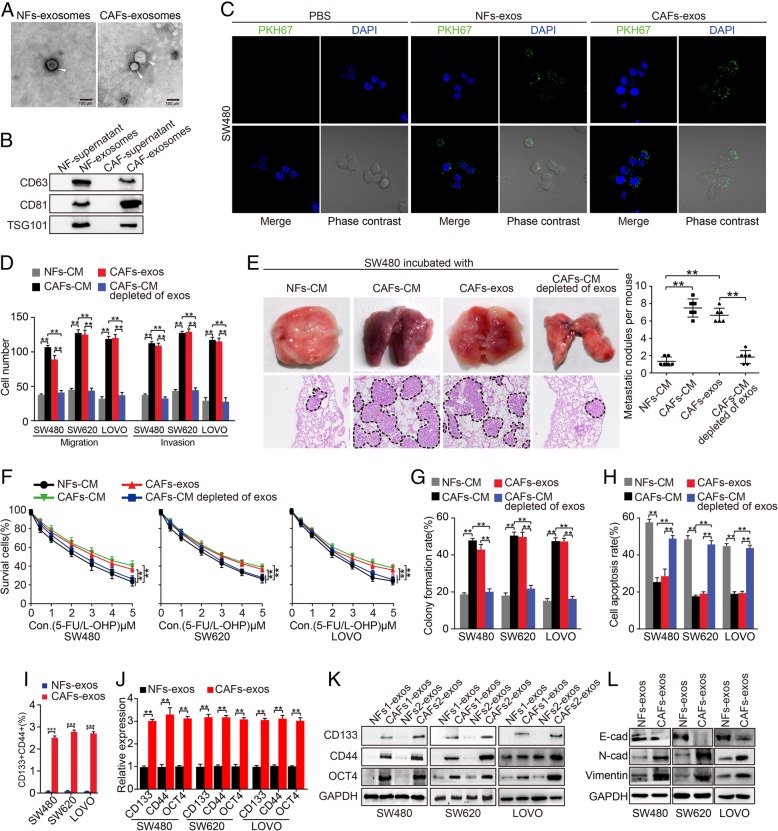
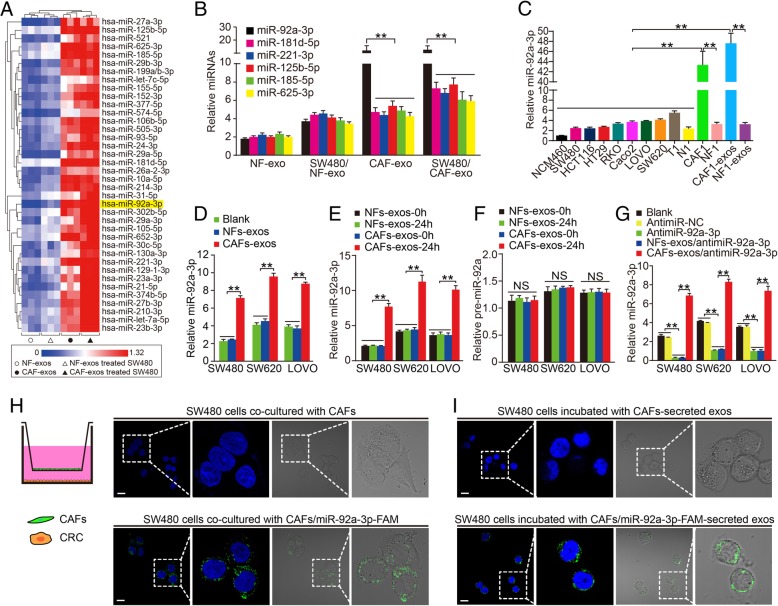
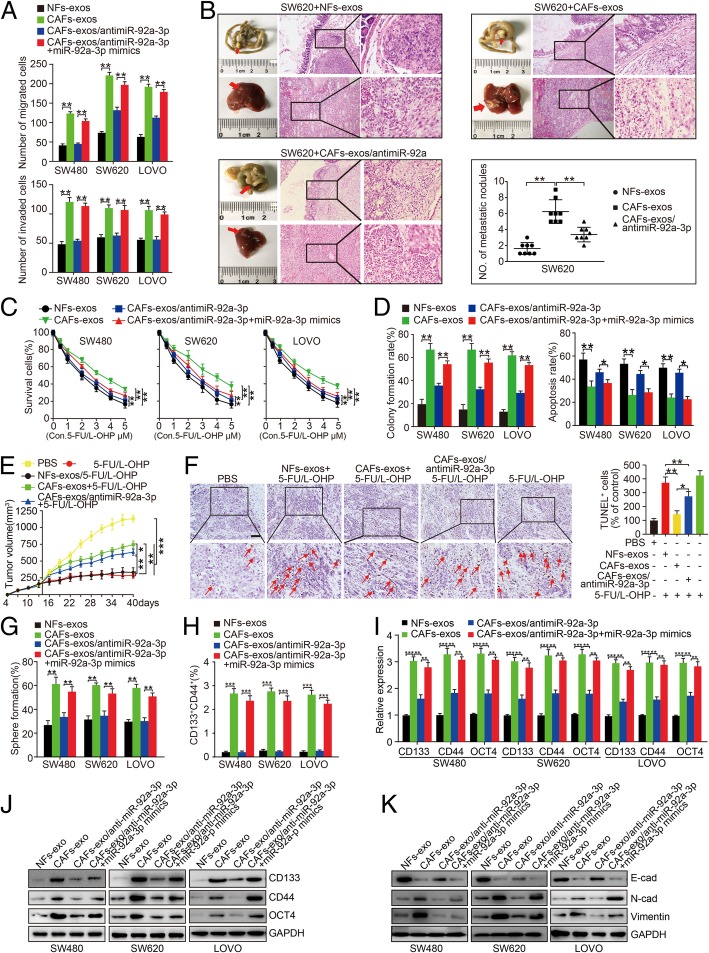
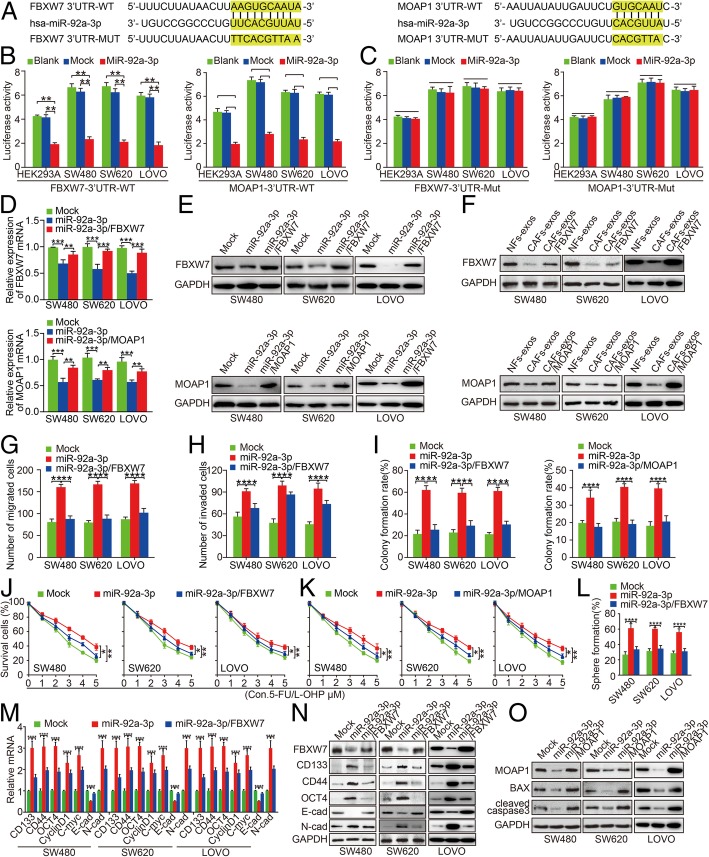
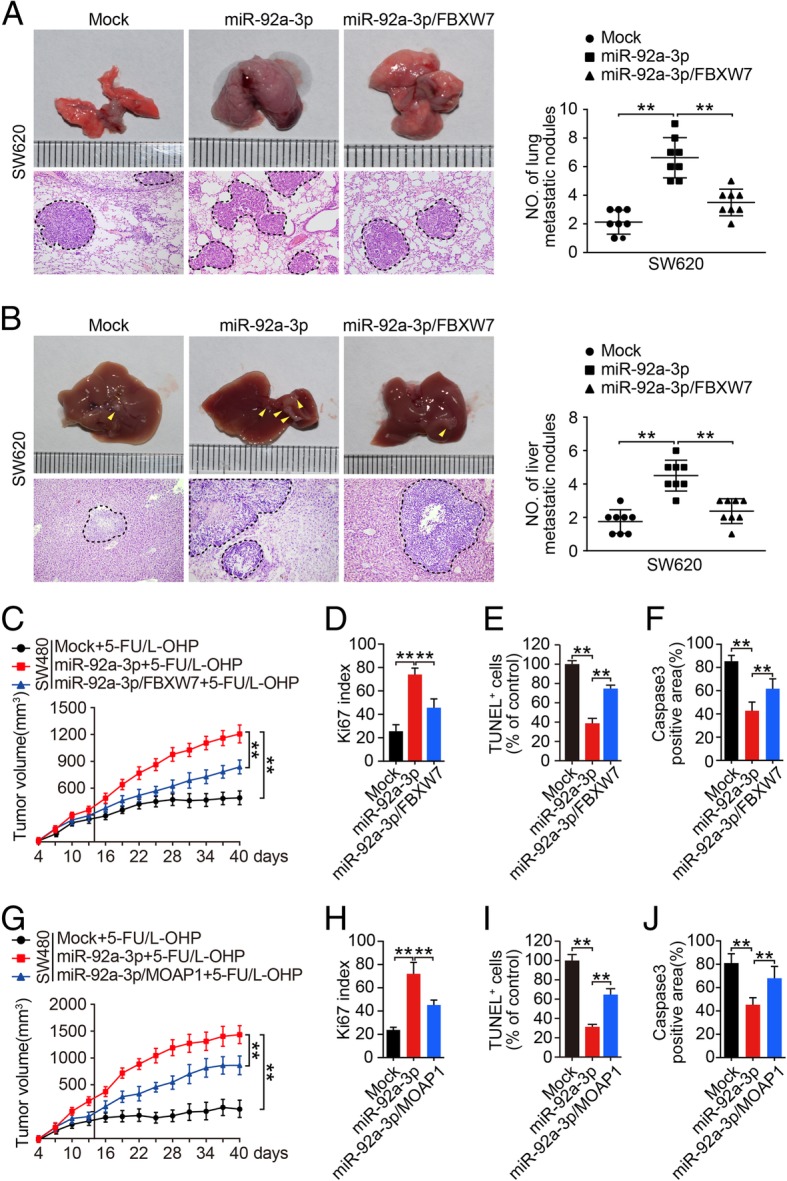
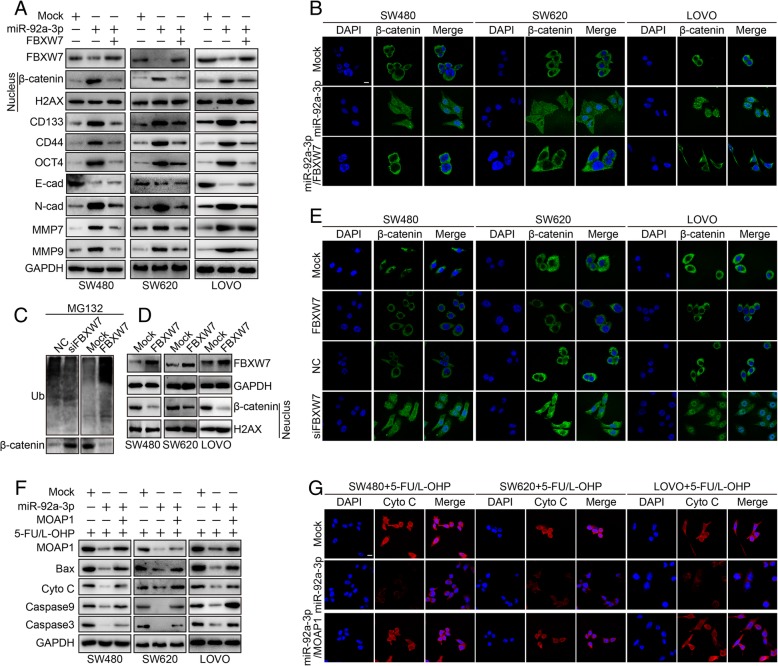
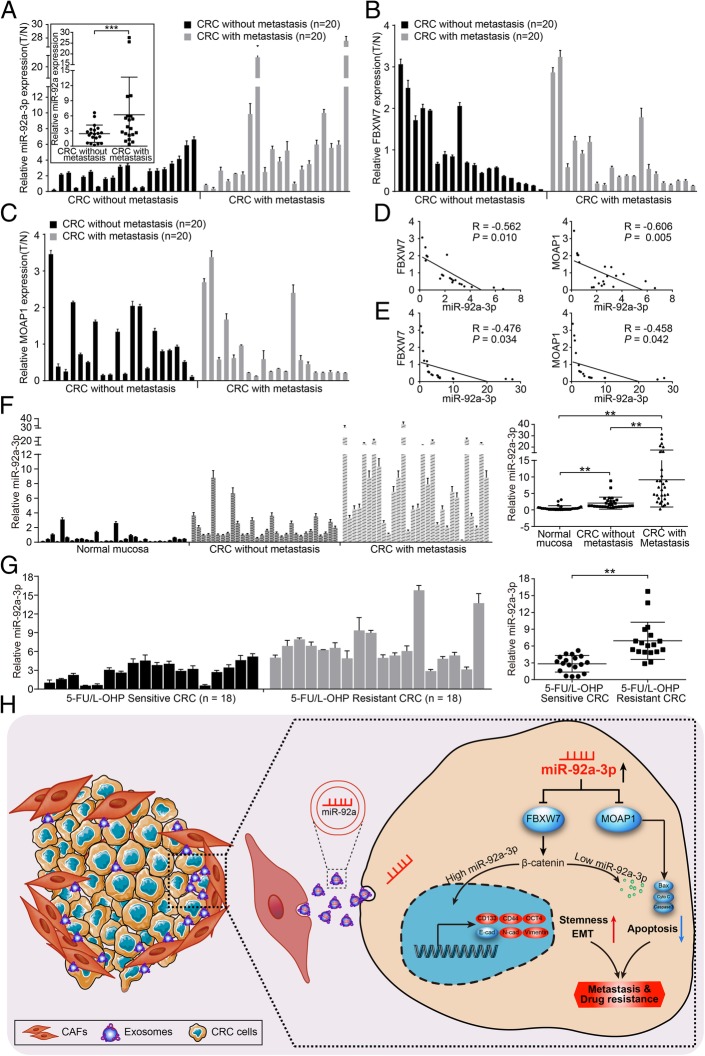
BACKGROUND: Cancer associated fibroblasts (CAFs) are key stroma cells that play dominant roles in tumor progression. However, the CAFs-derived molecular determinants that regulate colorectal cancer (CRC) metastasis and chemoresistance have not been fully characterized. METHODS: CAFs and NFs were obtained from fresh CRC and adjacent normal tissues. Exosomes were isolated from conditioned medium and serum of CRC patients using ultracentrifugation method and ExoQuick Exosome Precipitation Solution kit, and characterized by transmission electronic microscopy, nanosight and western blot. MicroRNA microarray was employed to identify differentially expressed miRNAs in exosomes secreted by CAFs or NFs. The internalization of exosomes, transfer of miR-92a-3p was observed by immunofluorescence. Boyden chamber migration and invasion, cell counting kit-8, flow cytometry, plate colony formation, sphere formation assays, tail vein injection and primary colon cancer liver metastasis assays were employed to explore the effect of NFs, CAFs and exosomes secreted by them on epithelial-mesenchymal transition, stemness, metastasis and chemotherapy resistance of CRC. Luciferase report assay, real-time qPCR, western blot, immunofluorescence, and immunohistochemistry staining were employed to explore the regulation of CRC metastasis and chemotherapy resistance by miR-92a-3p, FBXW7 and MOAP1. RESULTS: CAFs promote the stemness, epithelial-mesenchymal transition (EMT), metastasis and chemotherapy resistance of CRC cells. Importantly, CAFs exert their roles by directly transferring exosomes to CRC cells, leading to a significant increase of miR-92a-3p level in CRC cells. Mechanically, increased expression of miR-92a-3p activates Wnt/β-catenin pathway and inhibits mitochondrial apoptosis by directly inhibiting FBXW7 and MOAP1, contributing to cell stemness, EMT, metastasis and 5-FU/L-OHP resistance in CRC. Clinically, miR-92a-3p expression is significantly increased in CRC tissues and negatively correlated with the levels of FBXW7 and MOAP1 in CRC specimens, and high expression of exosomal miR-92a-3p in serum was highly linked with metastasis and chemotherapy resistance in CRC patients. CONCLUSIONS: CAFs secreted exosomes promote metastasis and chemotherapy resistance of CRC. Inhibiting exosomal miR-92a-3p provides an alternative modality for the prediction and treatment of metastasis and chemotherapy resistance in CRC.
Overview
The claims and statistics of this paper haven’t been checked yet.
Free: it reads the open-access text and checks the first 5 claims that cite a source we can check. Create a free account to check every claim.
Integrity signals
Registry
Cites
Statistics
Figures
Verification
Claims the paper makes
The claims and statistics of this paper haven’t been checked yet.
Free: it reads the open-access text and checks the first 5 claims that cite a source we can check. Create a free account to check every claim.
Claims other papers make about this one
Each is checked against this paper’s own text: does it say what the citing paper says it does?
The source backs part of the claim, not all of it — or backs it for a different population, condition or comparison.
In the citing paper
“Targeting these exosomes can effectively reduce autophagy activity and reverse CRC chemotherapy sensitivity [299,300,301].”
From Drug Resistance in Colorectal Cancer: From Mechanism to Clinic (2022) · cites this paper as [299]
Experimental — accuracy not yet measuredThe source backs part of the claim, not all of it — or backs it for a different population, condition or comparison.
In the citing paper
“A series of studies have shown that CAF-derived exosomes, such as miR-92a-3p, H19 and CCAL, promote CRC EMT and lead to CRC metastasis and chemotherapy resistance by activating the Wnt/β-catenin pathway.”
From Drug Resistance in Colorectal Cancer: From Mechanism to Clinic (2022) · cites this paper as [299]
Experimental — accuracy not yet measured
Self-check
Percentages, sums and reported differences re-computed from the paper’s own numbers.
The self-check needs the paper’s full text.
Citations
Cites
Bartel (2004) · doi:10.1016/s0092-8674(04)00045-5 · Cited by 34,714
MicroRNAs: Target Recognition and Regulatory Functions
Bartel, D. P. (2009) · Cell · doi:10.1016/j.cell.2009.01.002 · Cited by 20,068
Microenvironmental regulation of tumor progression and metastasis
Quail, D. F., & Joyce, J. A. (2013) · Nature Medicine · doi:10.1038/nm.3394 · Cited by 7,994
Global Cancer Incidence and Mortality Rates and Trends—An Update
Torre, L. A., Siegel, R. L., Ward, E. M., & Jemal, A. (2016) · Cancer Epidemiology, Biomarkers & Prevention · doi:10.1158/1055-9965.epi-15-0578 · Cited by 3,692
Tournigand, C., André, T., Achille, E., Lledo, G., Flesh, M., Mery-Mignard, D., Quinaux, E., Couteau, C., Buyse, M., Ganem, G., et al. (2004) · Journal of Clinical Oncology · doi:10.1200/jco.2004.05.113 · Cited by 2,915
Pancreatic cancer exosomes initiate pre-metastatic niche formation in the liver
Costa-Silva, B., Aiello, N. M., Ocean, A. J., Singh, S., Zhang, H., Thakur, B. K., Becker, A., Hoshino, A., Mark, M. T., Molina, H., et al. (2015) · Nature Cell Biology · doi:10.1038/ncb3169 · Cited by 2,692
The cancer stem cell: premises, promises and challenges
Clevers, H. (2011) · Nature Medicine · doi:10.1038/nm.2304 · Cited by 1,923
Cancer-secreted miR-105 destroys vascular endothelial barriers to promote metastasis
Zhou, W., Fong, M. Y., Min, Y., Somlo, G., Liu, L., Palomares, M. R., Yu, Y., Chow, A., O’Connor, S. T. F., Chin, A. R., et al. (2014) · Cancer Cell · doi:10.1016/j.ccr.2014.03.007 · Cited by 1,476
Migrating cancer stem cells — an integrated concept of malignant tumour progression
Brabletz, T., Jung, A., Spaderna, S., Hlubek, F., & Kirchner, T. (2005) · Nature Reviews Cancer · doi:10.1038/nrc1694 · Cited by 1,352 · cited 1×
“Cancer stem cells (CSCs) are self-renewable cell types that contribute to initiation, metastasis, relapse, and chemotherapy resistance of cancer cells [22, 23].”
BackgroundExosomes Mediate Stromal Mobilization of Autocrine Wnt-PCP Signaling in Breast Cancer Cell Migration
Luga, V., Zhang, L., Viloria-Petit, A. M., Ogunjimi, A. A., Inanlou, M. R., Chiu, E., Buchanan, M., Hosein, A. N., Basik, M., & Wrana, J. L. (2012) · Cell · doi:10.1016/j.cell.2012.11.024 · Cited by 1,311
Cited by
Items 101–200 of 785
Exosomes and Their Role in Cancer Progression
Liu, Y., Shi, K., Chen, Y., Wu, X., Chen, Z., Cao, K., Tao, Y., Chen, X., Liao, J., & Zhou, J. (2021) · Frontiers in Oncology · doi:10.3389/fonc.2021.639159 · Cited by 77
“Source of exosomes Molecular Type Step of tumorigenesis Action type References Metastatic breast cancer cells miR-105 miRNA Tumor microenvironmental remodeling A regulator of migration through targeting the tight junction protein ZO-1 (25) Cancerassociated fibroblast derived exosomes nutrients amino acids, lipids, and…”
BackgroundInfluentialPan, S., Deng, Y., Fu, J. F., Zhang, Y., Zhang, Z., & Qin, X. (2022) · International Journal of Oncology · doi:10.3892/ijo.2022.5304 · Cited by 69
“Fibroblasts were isolated from surgically resected CRC (named cancer‐associated fibroblasts, CAFs) and adjacent‐normal tissues (named adjacent‐normal fibroblasts; NFs) in cohort 1 as previously described (14,31).”
BackgroundMethodRetractedExosomes Regulate the Epithelial–Mesenchymal Transition in Cancer
Jiang, J., Li, J., Zhou, X., Zhao, X., Huang, B., & Qin, Y. (2022) · Frontiers in Oncology · doi:10.3389/fonc.2022.864980 · Cited by 67
Potential mechanisms of cancer-associated fibroblasts in therapeutic resistance
Zhao, Z., Li, T., Sun, L. L., Yuan, Y., & Zhu, Y. (2023) · Biomedicine & Pharmacotherapy · doi:10.1016/j.biopha.2023.115425 · Cited by 76
Tumor-Derived Extracellular Vesicles Regulate Cancer Progression in the Tumor Microenvironment
Bao, Q., Huang, Q., Chen, Y., Wang, Q., Sang, R., Wang, L., Xie, Y., & Chen, W. (2022) · Frontiers in Molecular Biosciences · doi:10.3389/fmolb.2021.796385 · Cited by 75
Ansari, M. A., Thiruvengadam, M., Venkidasamy, B., Alomary, M. N., Salawi, A., Chung, I.-M., Shariati, M. A., & Rebezov, M. (2022) · Seminars in Cancer Biology · doi:10.1016/j.semcancer.2022.04.005 · Cited by 63
Peppicelli, S., Calorini, L., Bianchini, F., Papucci, L., Magnelli, L., & Andreucci, E. (2024) · Cellular Oncology · doi:10.1007/s13402-024-00969-z · Cited by 85
Nie, F., Sun, X., Sun, J., Zhang, J., & Wang, Y. (2025) · Cell Death Discovery · doi:10.1038/s41420-025-02593-8 · Cited by 99
“Cancer-associated fi broblasts (CAFs) can bridge EMT and stemness by releasing miR-92a-3p-enriched exosomes, which drive tumor cell stemness and EMT [111].”
Luo, G., Zhang, Y., Wu, Z., Zhang, L., Liang, C. Y., & Chen, X. (2021) · Acta Biochimica et Biophysica Sinica · doi:10.1093/abbs/gmab023 · Cited by 67
Exosomal Non-coding RNAs-Mediated Crosstalk in the Tumor Microenvironment
Chen, Q., Li, Y., Liu, Y., Xu, W., & Zhu, X. (2021) · Frontiers in Cell and Developmental Biology · doi:10.3389/fcell.2021.646864 · Cited by 73
Self-citationNedaeinia, R., Najafgholian, S., Salehi, R., Goli, M., Ranjbar, M., Nickho, H., Javanmard, S. H., Ferns, G. A., & Manian, M. (2024) · Cell Death Discovery · doi:10.1038/s41420-024-02146-5 · Cited by 78
“These CAF signals reveal distinct characteristics as the disease advances and may be the target of anticancer therapy.”
BackgroundCell Heterogeneity and Phenotypic Plasticity in Metastasis Formation: The Case of Colon Cancer
Teeuwssen, M., & Fodde, R. (2019) · Cancers · doi:10.3390/cancers11091368 · Cited by 73
“Last, cancer cells can ingest exosomes secreted by CAFs thereby activating intracellular pathways known to trigger EMT [89].”
Li, Q., He, G., Yu, Y., Li, X., Peng, X., & Yang, L. (2024) · Stem Cell Research & Therapy · doi:10.1186/s13287-024-04061-z · Cited by 64
“Hu and colleagues discovered that miR-92a-3p in CAF-secreted exosomes targets FBXW7 and MOAP1 in tumor cells, enhancing β-catenin expression, tumor stemness, and EMT, while inhibiting apoptosis and leading to metastasis and chemoresistance in CRC [81].”
Small extracellular vesicles: Non-negligible vesicles in tumor progression, diagnosis, and therapy
Zhou, X., Jia, Y. H., Mao, C., & Liu, S. (2023) · Cancer Letters · doi:10.1016/j.canlet.2023.216481 · Cited by 70
Multifunctional role of microRNAs in mesenchymal stem cell-derived exosomes in treatment of diseases
Xu, H., Chen, L., Zhou, S., Li, Y., & Xiang, C. C. (2020) · World Journal of Stem Cells · doi:10.4252/wjsc.v12.i11.1276 · Cited by 65
Cancer stem cells in colorectal cancer and the association with chemotherapy resistance
Lei, X., He, Q., Li, Z., Zou, Q., Xu, P., Yu, H., Ding, Y., & Zhu, W. (2021) · Medical Oncology · doi:10.1007/s12032-021-01488-9 · Cited by 71
Self-citationDzobo, K., & Sinkala, M. (2021) · OMICS A Journal of Integrative Biology · doi:10.1089/omi.2021.0025 · Cited by 69
“Furthermore, extensive studies have shown that stromal cells such as cancer-associated fibroblasts (CAFs), CAMs, and ECM impact tumor cells’ response to therapy, including chemotherapy (Hu et al., 2019; Senthebane et al., 2018).”
Metastasis-associated fibroblasts: an emerging target for metastatic cancer
Wang, Z., Liu, J., Huang, H., Ye, M., Li, X., Wu, R., Liu, H., & Song, Y. (2021) · Biomarker Research · doi:10.1186/s40364-021-00305-9 · Cited by 72
“Growing evidence has shown that CAFs can facilitate the progression of metastatic tumors by depositing and remodeling the ECM [6–9], thereby promoting the malignant phenotype of tumor cells [10–13], increasing the resistance of metastasizing tumors to current therapy [12, 14] and modulating other cells in the TME [15–…”
BackgroundWang, H., Huang, H., Wang, L., Liu, Y., Wang, M., Zhao, S., Lu, G., & Kang, X. (2021) · Aging · doi:10.18632/aging.103556 · Cited by 59
“Exosomes can be also secreted by cancer-associated fibroblasts (CAFs), which involves in the process of tumor metastasis and chemoresistance of cancer cells [9, 10].”
BackgroundGao, L.-F., Zhong, Y., Long, T., Wang, X., Zhu, J., Wang, X., Hu, Z., & Li, Z. (2022) · Journal of Experimental & Clinical Cancer Research · doi:10.1186/s13046-022-02300-w · Cited by 66
“Evidence from both clinical and basic studies has revealed a strong association between the number of CAFs and poor clinical outcomes in several types of cancer, including breast cancer [4], cervical cancer [5], lung cancer [6], cholangiocarcinoma [7], and colorectal cancer (CRC) [8, 9].”
ResultExosomes-mediated tumor metastasis through reshaping tumor microenvironment and distant niche
Luo, X., Li, Y., Hua, Z., Xue, X., Wang, X., Pang, M., Xiao, C., Zhao, H., Lü, A., & Liu, Y. (2022) · Journal of Controlled Release · doi:10.1016/j.jconrel.2022.11.050 · Cited by 65
Wang, J., Li, X., Zhao, X., Yuan, S., Dou, H., Cheng, T., Huang, T., Lv, Z., Tu, Y., Shi, Y., et al. (2024) · Journal of Nanobiotechnology · doi:10.1186/s12951-024-02893-8 · Cited by 74
“Of importance, there are multiple miRNAs involved in cell proliferation, migration, and angiogenesis among the top 20 miRNAs, such as let-7i-5p [39, 40], miR-21-5p [41–43], miR92a-3p [44, 45], miR-122-5p [46, 47], and miR182-5p [48, 49] (Fig.”
BackgroundGu, C., Lu, H., & Qian, Z. (2020) · Biochemical and Biophysical Research Communications · doi:10.1016/j.bbrc.2020.04.142 · Cited by 60
Li, Y., Chen, Y., Miao, L., Wang, Y., Yu, M., Yan, X., Zhao, Q., Cai, H., Xiao, Y., & Huang, G. (2020) · Cancer Letters · doi:10.1016/j.canlet.2020.10.032 · Cited by 64
Ham, I., Lee, D., & Hur, H. (2021) · Cancers · doi:10.3390/cancers13051172 · Cited by 64
Targeting Colorectal Cancer Stem Cells as an Effective Treatment for Colorectal Cancer
Ma, Y., Li, W., Liu, Y., Shi, Y., Lin, Q., & Fu, D. (2020) · Technology in Cancer Research & Treatment · doi:10.1177/1533033819892261 · Cited by 64
“Bone morphogenetic protein 4 can cause undifferentiated tumor cells to lose tumorigenicity, and tumors that lose tumorigenicity will undergo apoptosis, change cell proliferation cycle, or cell morphology changes.(88) Table 2.”
BackgroundGanig, N., Baenke, F., Thepkaysone, M.-L., Lin, K., Rao, V. S., Wong, F. C., Polster, H., Schneider, M., Helm, D., Pecqueux, M., et al. (2021) · Cancers · doi:10.3390/cancers13061351 · Cited by 63
Bioinformatic analysis reveals an exosomal miRNA-mRNA network in colorectal cancer
Ma, J., Wang, P., Huang, L., Qiao, J., & Li, J. (2021) · BMC Medical Genomics · doi:10.1186/s12920-021-00905-2 · Cited by 69
“A previous study conducted by Hu and his colleagues demonstrated that exosomal miR-92a-3p was significantly associated with metastasis and chemotherapy resistance in CRC, which may be used for the prediction of prognosis in CRC [31].”
BackgroundThe multi-molecular mechanisms of tumor-targeted drug resistance in precision medicine
Li, X., Li, M., Huang, M., Lin, Q., Fang, Q., Liu, J., Chen, X., Liu, L., Zhan, X., Shan, H., et al. (2022) · Biomedicine & Pharmacotherapy · doi:10.1016/j.biopha.2022.113064 · Cited by 63
Self-citationShi, H. S., Huang, S., Qin, M., Xue, X., Guo, X., Jiang, L., Hong, H., Fang, J. C., & Gao, L. (2021) · Frontiers in Cell and Developmental Biology · doi:10.3389/fcell.2021.676319 · Cited by 66
“Recently, studies have demonstrated that CAF-derived exosomes boosted the metastasis and invasion of colorectal cancer (Hu et al., 2019) and endometrial cancer cells (Li et al.”
BackgroundChemotherapy-induced metastasis: molecular mechanisms and clinical therapies
Su, J.-X., Li, S.-J., Zhou, X., Zhang, Z., Yu, Y., Liu, S.-L., & Qi, Q. (2023) · Acta Pharmacologica Sinica · doi:10.1038/s41401-023-01093-8 · Cited by 59
“Specifically, increased expression of miR92a-3p activates the Wnt/β-catenin pathway and inhibits mitochondrial apoptosis by directly inhibiting interaction between F-Box and WD Repeat Domain Containing 7 (FBXW7) and Modulator of apoptosis protein1 (MOAP1), thereby contributing to cancer progression [44].”
BackgroundInfluentialYang, P., Zhang, D., Wang, T., Ji, J., Jin, C., Peng, C., Tan, Y., Zhou, J., Wang, L., Feng, Y., et al. (2022) · Cell Death and Disease · doi:10.1038/s41419-022-05240-7 · Cited by 58
“In CRC, CAFs-secreted exosomal miR-92a-3p confers metastasis [16].”
BackgroundResultThe role of exosomal lncRNAs in cancer biology and clinical management
Zhang, W.-W., Wang, Q., Yang, Y. A., Zhou, S., Zhang, P., & Feng, T. (2021) · Experimental & Molecular Medicine · doi:10.1038/s12276-021-00699-4 · Cited by 61
Shi, L., Cao, Y., Yuan, W., Guo, J. K., & Sun, G. (2022) · Cell Death and Disease · doi:10.1038/s41419-022-04908-4 · Cited by 55
Lin, Z., Li, G., Jiang, K., Li, Z., & Liu, T. (2024) · Molecular Cancer · doi:10.1186/s12943-024-02106-8 · Cited by 68
“Mechanically, exosomal miR-92a-3p directly activated the Wnt/β-catenin signaling pathway and inhibited the expression of FBXW7 and MOAP [52].”
BackgroundEpithelial-Mesenchymal Transition and MicroRNAs in Colorectal Cancer Chemoresistance to FOLFOX
Escalante, P. I., Quiñones, L. A., & Contreras, H. R. (2021) · Pharmaceutics · doi:10.3390/pharmaceutics13010075 · Cited by 59
“Non-cancer cells in the tumor tissue may also show some degree of transition, including cancer-associated fibroblasts that may also contribute to the diversity of miRs [63].”
BackgroundInfluentialQian, L., Yang, X., Li, S., Zhao, H., Gao, Y., Zhao, S., Lv, X., Zhang, X., Li, L., Zhai, L., et al. (2021) · Cell Death Discovery · doi:10.1038/s41420-021-00489-x · Cited by 48
Cancer-Associated Fibroblast Functions as a Road-Block in Cancer Therapy
De, P. K., Aske, J. C., & Dey, N. (2021) · Cancers · doi:10.3390/cancers13205246 · Cited by 59
Sensi, F., D’Angelo, E., Piccoli, M., Pavan, P. G., Mastrotto, F., Caliceti, P., Biccari, A., Corallo, D., Urbani, L., Fassan, M., et al. (2020) · Cancers · doi:10.3390/cancers12030681 · Cited by 57
Cancer-Associated Fibroblasts: Epigenetic Regulation and Therapeutic Intervention in Breast Cancer
Lee, Y. T., Tan, Y. J., Falasca, M., & Oon, C. E. (2020) · Cancers · doi:10.3390/cancers12102949 · Cited by 51
“TDEs are extracellular vesicles that are secreted by the cancer cells or the stroma to transport various bioactive molecules including DNA, microRNAs, proteins, lipids, and metabolites, to facilitate intercellular communication between neighbouring or distant cells [68,69].”
BackgroundWang, Y., Cen, A., Yang, Y., Ye, H., Li, J., Liu, S., & Zhao, L. (2021) · Molecular Therapy — Nucleic Acids · doi:10.1016/j.omtn.2021.02.027 · Cited by 54
“HUVEC cells were fixed with 4% paraformaldehyde and visualized under a laser scanning confocal microscope (LSCM).(45)”
MethodEmerging Role of Extracellular Vesicles and Cellular Communication in Metastasis
Forder, A., Hsing, C.-Y., Trejo, J., & Garnis, C. (2021) · Cells · doi:10.3390/cells10123429 · Cited by 55
“EVs released by CAFs transfer the protein Wnt to cancer cells, promoting de-differentiation into a CSC phenotype, or can transfer miR-92a-3p to promote Wnt signaling [61,62].”
BackgroundZhang, H., Steed, A., Co, M., & Chen, X. (2021) · Cancer Drug Resistance · doi:10.20517/cdr.2021.32 · Cited by 50
Loh, J. J., & Ma, S. (2021) · Frontiers in Cell and Developmental Biology · doi:10.3389/fcell.2021.727640 · Cited by 54
Zhang, Y., Yin, C., Wei, C., Xia, S., Zhu, Q., Zhang, X., Yu, B., Zhou, J. Y., & Wang, R. (2022) · Pharmacological Research · doi:10.1016/j.phrs.2022.106534 · Cited by 55
Liquid biopsy in pancreatic cancer – Current perspective and future outlook
Zhao, Y., Tang, J., Jiang, K., Liu, S.-Y., Aicher, A., & Heeschen, C. (2023) · Biochimica et Biophysica Acta (BBA) - Reviews on Cancer · doi:10.1016/j.bbcan.2023.188868 · Cited by 62
Kang, S. H., Oh, S. Y., Lee, K.-Y., Lee, H., Kim, M.-S., Kwon, T., Kim, J., Lee, S., Choi, S., & Hong, S. (2023) · Theranostics · doi:10.7150/thno.87329 · Cited by 55
“The role of CAFs in tumor drug resistance has attracted increasing attention, and they play an important role in the regulation of tumor drug resistance mediated by EVs [26, 51-53].”
BackgroundLi, Y., Sui, S., & Goel, A. (2024) · Seminars in Cancer Biology · doi:10.1016/j.semcancer.2024.02.001 · Cited by 54
The Emerging Role of Exosomes in Cancer Chemoresistance
Li, J., Gao, N., Gao, Z., Liu, W., Pang, B., Dong, X., Li, Y., & Fan, T. (2021) · Frontiers in Cell and Developmental Biology · doi:10.3389/fcell.2021.737962 · Cited by 54
The Role of Exosomal Non-Coding RNAs in Colorectal Cancer Drug Resistance
Lampropoulou, D. I., Pliakou, E., Aravantinos, G., Filippou, D. K., & Gazouli, M. (2022) · International Journal of Molecular Sciences · doi:10.3390/ijms23031473 · Cited by 57
“miR-92a-3p ↑ exosomes CAFs isolated from tissues and serum samples (i) CAF-derived exosomes transfer miR-92a-3p enhancing cell stemness, EMT, metastasis and chemoresistance (ii) Overexpression of exosomal miR-92a-3p in serum is highly linked with metastasis and chemoresistance Prognostic value/Therapy monitoring bioma…”
BackgroundInfluentialTumor-Derived Exosomes Modulate Primary Site Tumor Metastasis
Bai, S., Wang, Z., Wang, M., Li, J., Wei, Y., Xu, R., & Du, J. (2022) · Frontiers in Cell and Developmental Biology · doi:10.3389/fcell.2022.752818 · Cited by 60
Wnt-Independent and Wnt-Dependent Effects of APC Loss on the Chemotherapeutic Response
Stefanski, C. D., & Prosperi, J. R. (2020) · International Journal of Molecular Sciences · doi:10.3390/ijms21217844 · Cited by 59
“In CRC cells, CAFs transfer exosomes to increase miR-92a-3p, which activates Wnt signaling, preventing mitochondrial apoptosis and increasing stemness, EMT, and 5-FU/Oxaliplatin resistance [100].”
BackgroundFang, Z., Xu, J., Zhang, B., Wang, W., Liu, J., Liang, C., Hua, J., Meng, Q., Yu, X., & Shi, S. (2020) · Journal of Hematology & Oncology · doi:10.1186/s13045-020-00988-x · Cited by 49
Self-citationTumor-secreted exosomal Wnt2B activates fibroblasts to promote cervical cancer progression
Liang, L.-J., Yang, Y., Wei, W.-F., Wu, X., Yan, R.-M., Zhou, C.-F., Chen, X., Wu, S., Wang, W., & Fan, L. (2021) · Oncogenesis · doi:10.1038/s41389-021-00319-w · Cited by 53
Self-citationDu, J., Meng, X., Yang, M., Chen, G., Li, J., Zhu, Z., Wu, X., Hu, W., Tian, M., Li, T., et al. (2025) · Advanced Science · doi:10.1002/advs.202410918 · Cited by 58
Anti‐angiogenesis in colorectal cancer therapy
Yang, Z., Zhang, X., Bai, X., Xi, X., Liu, W., & Zhong, W. (2024) · Cancer Science · doi:10.1111/cas.16063 · Cited by 57
Fotsitzoudis, C., Koulouridi, A., Messaritakis, I., Konstantinidis, T., Gouvas, N., Tsiaoussis, J., & Souglakos, J. (2022) · Cancers · doi:10.3390/cancers14184394 · Cited by 46
Liu, B., Zhang, B., Qi, J., Zhou, H., Tan, L., Huang, J., Huang, J., Fang, X., Gong, L., Luo, J., et al. (2023) · Proceedings of the National Academy of Sciences · doi:10.1073/pnas.2307914120 · Cited by 46
Wang, S., Du, P., Cao, Y., Ma, J., Yang, X. F., Yu, Z., & Yang, Y. (2022) · Cell Death Discovery · doi:10.1038/s41420-022-01163-6 · Cited by 50
“6 CAFs secreted exosomal miR-1290 promoted PC cell stemness and EMT.”
BackgroundInfluentialYuan, S., Mu, W., Liu, S., Liu, M., Xia, Z., Liang, S., Gao, T., Fu, S., Liu, J., Huang, X., et al. (2023) · ACS Nano · doi:10.1021/acsnano.3c02272 · Cited by 50
Imodoye, S. O., Adedokun, K. A., & Bello, I. O. (2024) · Histochemistry and Cell Biology · doi:10.1007/s00418-023-02258-6 · Cited by 50
“In turn, MMPs degrade the extracellular matrix and increase its stiffness to enhance cell migration, invasion, metastasis, EMT, and stemness (Hu et al. 2019).”
Wang, Z., Li, Z., Wu, Q., Li, C., Li, J., Zhang, Y., Wang, C., Sun, S., & Sun, S. (2020) · Cell Death and Disease · doi:10.1038/s41419-020-02903-1 · Cited by 52
Extracellular MicroRNAs as Intercellular Mediators and Noninvasive Biomarkers of Cancer
Ortíz-Quintero, B. (2020) · Cancers · doi:10.3390/cancers12113455 · Cited by 51
CPEB3 functions as a tumor suppressor in colorectal cancer via JAK/STAT signaling
Fang, Y., Zhong, Q., Wang, Y., Gu, C.-C., Liu, S., Li, A., & Yan, Q. (2020) · Aging · doi:10.18632/aging.103893 · Cited by 45
“Despite improvements in treatment, patients with advanced tumors still suffer from unsatisfactory prognosis [1, 2].”
BackgroundCD36 and Its Role in Regulating the Tumor Microenvironment
Liao, X., Yan, S., Li, J., Jiang, C., Huang, S., Liu, S., Zou, X., Zhang, G., Zou, J., & Liu, Q. (2022) · Current Oncology · doi:10.3390/curroncol29110642 · Cited by 51
“For example, CAFs were shown to secrete miR-92a-3p factor to promote metastasis and induce chemoresistance in colorectal cancer [55].”
BackgroundDana, P., Thumrongsiri, N., Tanyapanyachon, P., Chonniyom, W., Punnakitikashem, P., & Saengkrit, N. (2022) · Nanomaterials · doi:10.3390/nano13010107 · Cited by 53
Roles of exosomes in metastatic colorectal cancer
Lafitte, M., Lecointre, C., & Roche, S. (2019) · American Journal of Physiology-Cell Physiology · doi:10.1152/ajpcell.00218.2019 · Cited by 46
A Snapshot of The Tumor Microenvironment in Colorectal Cancer: The Liquid Biopsy
Herrera, M., Galindo-Pumariño, C., García‐Barberán, V., & Peña, C. (2019) · International Journal of Molecular Sciences · doi:10.3390/ijms20236016 · Cited by 50
“In this study, high levels of miR-92a-3p in exosomes of plasma from CRC patients were associated with metastatic disease and chemotherapy resistance [105].”
BackgroundLi, C., & Li, X. (2022) · Contrast Media & Molecular Imaging · doi:10.1155/2022/2878557 · Cited by 48
“indicated the high correlation of the highly expressed exosomemiR-92a-3p with the metastasis and chemotherapy resistance in CRC patients [9].”
BackgroundEmerging diversity in extracellular vesicles and their roles in cancer
Sohal, I. S., & Kasinski, A. L. (2023) · Frontiers in Oncology · doi:10.3389/fonc.2023.1167717 · Cited by 50
Impact of KRAS mutation on the tumor microenvironment in colorectal cancer
Zhou, Y., Kuang, Y., Wang, C., Yu, Y., Pan, L., & Hu, X. (2024) · International Journal of Biological Sciences · doi:10.7150/ijbs.88779 · Cited by 56
“Cancer-associated fibroblasts have been shown to directly secrete exosomes, promoting chemical resistance and CRC metastasis by increasing CRC cell stemness and promoting epithelial– mesenchymal transformation [84].”
BackgroundBarathan, M., Zulpa, A. K., Ng, S. L., Lokanathan, Y., Ng, M. H., & Law, J. X. (2024) · International Journal of Molecular Sciences · doi:10.3390/ijms25137470 · Cited by 55
“…cells) promotes EMT, and inhibits apoptosis, metastasis, and chemoresistance by activating the Wnt/ β -catenin pathway, suppressing FBXW7 and MOAP1 [135] Exosomal p-STAT3 promotes chemoresistance [136] Promote tumor proliferation Exosomal miR-2149-5p, miR-6737-5p, and miR-6819-5 promote tumor…”
BackgroundFang, H., Dai, W., Gu, R., Zhang, Y., Li, J., Luo, W., Tong, S., Han, L., Wang, Y., Jiang, C., et al. (2024) · Journal of Hematology & Oncology · doi:10.1186/s13045-024-01643-5 · Cited by 59
“For instance, Hu’s work discovered that CRC cells could uptake exosomes containing miR-92a-3p, secreted by CAFs, inducing epithelial-mesenchymal transition (EMT) and facilitating the metastasis of CRC [14].”
Sun, T., Yin, Y., Jin, H., Liu, H., & Tian, W. (2021) · The Kaohsiung Journal of Medical Sciences · doi:10.1002/kjm2.12449 · Cited by 44
“Intriguingly, halting the secretion of exosomal miR-19b using gw4869 could modulate oxaliplatin sensitivity in CRC.22 Therefore, we postulated that the regulatory role of miR-19b in the process of radio-resistance and CSC stemness maintenance was elicited through the delivery of EXOs.”
BackgroundInfluentialPan, S., Sun, S., Liu, B., & Hou, Y. (2022) · Journal of Translational Internal Medicine · doi:10.2478/jtim-2022-0013 · Cited by 52
Liu, C., Zhou, X., Qian, L., Zeng, H., Sun, Q., Chen, Y., Wu, D., & Liu, L. (2020) · Oncogene · doi:10.1038/s41388-020-01521-7 · Cited by 42
Serum Exosomal miR-377-3p and miR-381-3p as Diagnostic Biomarkers in Colorectal Cancer
Wang, L., Song, X., Yu, M., Niu, L., Zhao, Y., Tang, Y., Zheng, B., Song, X., & Xie, L. (2021) · Future Oncology · doi:10.2217/fon-2021-1130 · Cited by 45
WNT Signaling in Stem Cells: A Look into the Non-Canonical Pathway
Sarabia-Sánchez, M. Á., & Robles‐Flores, M. (2023) · Stem Cell Reviews and Reports · doi:10.1007/s12015-023-10610-5 · Cited by 52
Cancer-derived exosomes as novel biomarkers in metastatic gastrointestinal cancer
Zhong, D., Wang, Z., Ye, Z., Wang, Y., & Cai, X. (2024) · Molecular Cancer · doi:10.1186/s12943-024-01948-6 · Cited by 47
“…Cell culture fluid miR-181b-3p downregulate SNX2 expression promote metastasis [111] serum miR-92a-3p inhibit FBXW7 and MOAP1 promote metastasis [104] Cell culture fluid miR-27b-3p activate STAT3 pathway promote metastasis [113] Cell culture fluid miR-203a-3p inhibit the Src/PKC/ GSK-3β promote…”
BackgroundRahmati, S., Moeinafshar, A., & Rezaei, N. (2024) · Journal of Translational Medicine · doi:10.1186/s12967-024-05267-8 · Cited by 48
“EVs derived from diverse cells in CRC microenvironment have been implicated in initiating metastasis and driving EMT [34–36].”
BackgroundInfluentialUnderstanding pre-metastatic niche formation: implications for colorectal cancer liver metastasis
Li, Y., Wang, H., Mao, D., Che, X., Chen, Y., & Liu, Y. (2025) · Journal of Translational Medicine · doi:10.1186/s12967-025-06328-2 · Cited by 59
Liu, Y., Zhuang, X. P., Cai, D. L., Cao, C., Gu, Q. S., Liu, X. N., Zheng, B. B., Guan, B. J., Yu, L., Li, J. K., et al. (2021) · Journal of Experimental & Clinical Cancer Research · doi:10.1186/s13046-020-01813-6 · Cited by 45
Extracellular vesicle-orchestrated crosstalk between cancer-associated fibroblasts and tumors
He, C., Wang, L., Li, L., & Zhu, G. (2021) · Translational Oncology · doi:10.1016/j.tranon.2021.101231 · Cited by 45
“The role of CAFs in tumor drug resistance has attracted increasing attention, and they play an important role in the regulation of tumor drug resistance mediated by EVs [85].”
BackgroundQu, Z., Yang, K., Luo, B., & Zhang, F. (2022) · Experimental Cell Research · doi:10.1016/j.yexcr.2022.113266 · Cited by 42
Huang, L., Wang, F., Wang, X., Su, C., Wu, S., Yang, C., Luo, M., Zhang, J., & Fu, L. (2022) · MedComm · doi:10.1002/mco2.191 · Cited by 48
Self-citationTumor Microenvironment as a Therapeutic Target in Melanoma Treatment
Kharouf, N., Flanagan, T. W., Hassan, S.-Y., Shalaby, H., Khabaz, M., Hassan, S.-L., Megahed, M., Haïkel, Y., Santourlidis, S., & Hassan, M. (2023) · Cancers · doi:10.3390/cancers15123147 · Cited by 54
Zhao, J., Lin, H., Huang, K., & Shen, L. (2022) · Cell Death Discovery · doi:10.1038/s41420-022-01116-z · Cited by 47
“Besides, CAFs-EVs also possess the ability to enhance epithelial-mesenchymal transition (EMT) and facilitate metastasis of CRC cells by increasing cell stemness [11].”
BackgroundKotelevets, L., & Chastre, E. (2023) · Cancers · doi:10.3390/cancers15041107 · Cited by 43
“MiR-92a-3p targets FBXW7 and MOAP1, leading to the activation of the Wnt signaling pathway and the inhibition of mitochondrial apoptosis, respectively, whereas CCAL activates Wnt signaling through interaction with the RNA binding protein HuR and the stabilization of β -catenin transcripts [88,111].”
Gastrointestinal cancer drug resistance: the role of exosomal miRNAs
Salehi, M., Vafadar, A., Khatami, S. H., Taheri‐Anganeh, M., Vakili, O., Savardashtaki, A., Negahdari, B., Naeli, P., Behrouj, H., Ghasemi, H., et al. (2021) · Molecular Biology Reports · doi:10.1007/s11033-021-07007-3 · Cited by 45
“In conclusion, their research describes the miR-32-5p transported through exosomes from resistant cells, stimulates the PI3K/Akt signaling, and result in MDR in HCC through angiogenesis and EMT [80].”
BackgroundInfluentialWang, Z., Feng, C., Liu, H., Meng, T., Huang, W., Song, K., & Wang, Y. (2023) · World Journal of Stem Cells · doi:10.4252/wjsc.v15.i5.476 · Cited by 42
Recent advances of exosomal circRNAs in cancer and their potential clinical applications
Yi, Q., Yue, J., Liu, Y., Shi, H., Sun, W., Feng, J., & Sun, W. (2023) · Journal of Translational Medicine · doi:10.1186/s12967-023-04348-4 · Cited by 41
“Cancer-associated fibroblasts (CAFs) promote chemotherapy resistance of tumor cells via delivering microRNAs through exosomes [24].”
BackgroundKnipper, K., Lyu, S. I., Quaas, A., Bruns, C. J., & Schmidt, T. (2023) · International Journal of Molecular Sciences · doi:10.3390/ijms241713482 · Cited by 46
“This results in the activation of the Wnt pathway [29].”
BackgroundZeng, W., Liu, H., Mao, Y., Jiang, S., Hao, Y., Zhang, Z., Wang, M., & Zong, Z. (2024) · International Journal of Oncology · doi:10.3892/ijo.2024.5673 · Cited by 49
“Exosomes in the TME act as carriers of molecular delivery exerting indirect effects on MDSC expansion, formation of an immunosuppressive environment (48), cancer cell growth and invasion (207,208) and therapy resistance (209), and direct promotion of CRC cell stemness through S100A9 (210).”
BackgroundHan, L., Wang, S., Wei, C., Fang, Y., Huang, S., Yin, T., Xiong, B., & Yang, C. (2021) · Expert Reviews in Molecular Medicine · doi:10.1017/erm.2021.13 · Cited by 44
Intimate communications within the tumor microenvironment: stromal factors function as an orchestra
Cheng, B., Yu, Q., & Wang, W. (2023) · Journal of Biomedical Science · doi:10.1186/s12929-022-00894-z · Cited by 51
“It was found that all CAF-derived lncRNA CCAL (colorectal cancer-associated lncRNA) [44], lncRNA H19 [43], and miR-92a-3p [42] transferred via exosomes can activate the Wnt/βcatenin pathway in CRC, then suppress cell apoptosis, promote cell stemness, and/or confer resistance to chemotherapy.”
BackgroundSelf-citationZhang, K., Zhai, Z., Yu, S., & Tao, Y. (2021) · Journal of Cancer · doi:10.7150/jca.52338 · Cited by 41
“area in research concerning cancer invasion and tumor microenvironment (TME), both of which play pivotal roles in tumor progression [6].”
BackgroundNaito, Y., Yoshioka, Y., & Ochiya, T. (2022) · Cancer Cell International · doi:10.1186/s12935-022-02784-8 · Cited by 44
Huang, J., Tsang, W. Y., Li, Z., & Guan, X. (2023) · Cellular and Molecular Gastroenterology and Hepatology · doi:10.1016/j.jcmgh.2023.07.001 · Cited by 44
“CAF-derived exosomes promote metastasis and chemotherapy resistance of CRC.(63) In addition, they have prognostic value in colon cancer patients.”
BackgroundExosomal microRNAs in regulation of tumor cells resistance to apoptosis
Salehi, M., Kamali, M. J., Arab, D., Safaeian, N., Ashuori, Z., Maddahi, M., Latifi, N., & Jahromi, A. M. (2024) · Biochemistry and Biophysics Reports · doi:10.1016/j.bbrep.2024.101644 · Cited by 52
“…degradation of β -catenin and inhibiting mitochondrial function, FBXW7 and MOAP1 restore the inhibition of cell stemness and promote cell apoptosis [90]. miR-34 and miR-145 are well-established anti-oncogenic miRNAs that exert regulatory control over various proto-oncogenes, thereby inhibiting the…”
Background
Metadata
- Authors
- Hu, J. L., Wang, W., Lan, X. L., Zeng, Z. C., Liang, Y. S., Yan, Y. R., Song, F. Y., Wang, F. F., Zhu, X. H., Liao, W. J., Liao, W. T., Ding, Y. Q., & Liang, L.
- Affiliations
- Key Laboratory of Guangdong Province (CN)
- Nanfang Hospital (CN)
- Venue
- Molecular Cancer
- Published
- 2019-05-07
- Volume
- 18
- Issue
- 1
- Pages
- 91-91
- ISSN
- 1476-4598 (ISSN-L)
- PMC
- PMC6503554
- OpenAlex
- W2947891482
- Cited by
- 773
- References
- 40
- Citations by year
- 2026: 63 · 2025: 96 · 2024: 136 · 2023: 127 · 2022: 157 · 2021: 118 · 2020: 64 · 2019: 12
- FWCI
- 29.85
- Type
- journal article
- Language
- en
- Open access
- gold
- doi.org
- Licence
- cc-by
- creativecommons.org/licenses/by/4.0/ (tdm)
- Locations
- Molecular Cancer (publishedVersion, cc-by)
- PubMed Central (publishedVersion, cc-by)
- PubMed (publishedVersion)
- DOAJ (DOAJ: Directory of Open Access Journals) (submittedVersion, cc-by-sa)
- Funders
- National Basic Research Program of China (973 Program, 2015CB554002)
- National Natural Science Foundation of China (81672821, 81272759, 81472313, 81401927)
- Topics
- Life Sciences › Biochemistry, Genetics and Molecular Biology › Molecular Biology › Extracellular vesicles in disease
- Health Sciences › Medicine › Oncology › Cancer Cells and Metastasis
- Life Sciences › Biochemistry, Genetics and Molecular Biology › Cancer Research › MicroRNA in disease regulation
- Keywords
- colorectal cancer, cancer-associated fibroblasts, exosomes, miR-92a-3p, epithelial-mesenchymal transition, cancer stemness, metastasis, chemoresistance, FBXW7, Wnt/β-catenin signaling, mitochondrial apoptosis
- MeSH terms
- Cancer-Associated Fibroblasts, F-Box-WD Repeat-Containing Protein 7, Animals, Humans, Liver Neoplasms, Neoplasm Transplantation, Colorectal Neoplasms, Up-Regulation, Gene Expression Regulation, Neoplastic, Drug Resistance, Neoplasm, MicroRNAs, Cell Line, Tumor, Adaptor Proteins, Signal Transducing, Apoptosis Regulatory Proteins, Mice, Exosomes, Epithelial-Mesenchymal Transition, Wnt Signaling Pathway
About these checks
Registry, retraction, Cites and statistics results are computed, not judged, with one exception: a printed reference that no index lists is read once by a model before it counts as a citation error. Claims are extracted by a model and kept only when their quote appears verbatim in the text; each cited source is then checked, with a model’s help, for whether it says what the claim relies on. Those verdicts can be wrong — read the claim’s quote and the cited source before relying on one.
Statistics and arithmetic are recomputed, not judged.
Confidence bands are shown only for fields calibrated on our annotated test set. None is calibrated yet, so no band is shown.
What counts as a claim ›How we measure confidence ›How we check this ›
Are you an author, or do you see a problem with this page? Request a review
Data sources
Bibliographic data: Semantic Scholar, OpenAlex, Crossref.
Contains information from the Semantic Scholar Academic Graph Datasets, made available under the ODC Attribution License (ODC-BY 1.0).
Semantic Scholar’s data is described in: Kinney, R., et al. (2023). The Semantic Scholar Open Data Platform. arXiv:2301.10140.
