

CAFs secreted exosomes promote metastasis and chemotherapy resistance by enhancing cell stemness and epithelial-mesenchymal transition in colorectal cancer
Open accessThe DOI matches its Crossref record; 40 of the 40 references it cites were found in a registry or an index.
Abstract
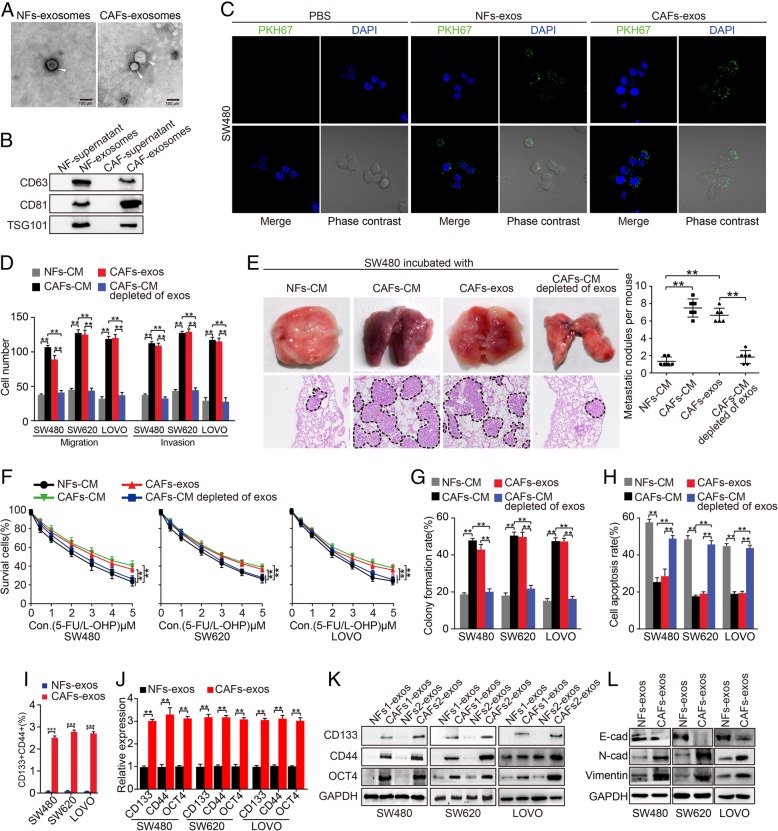
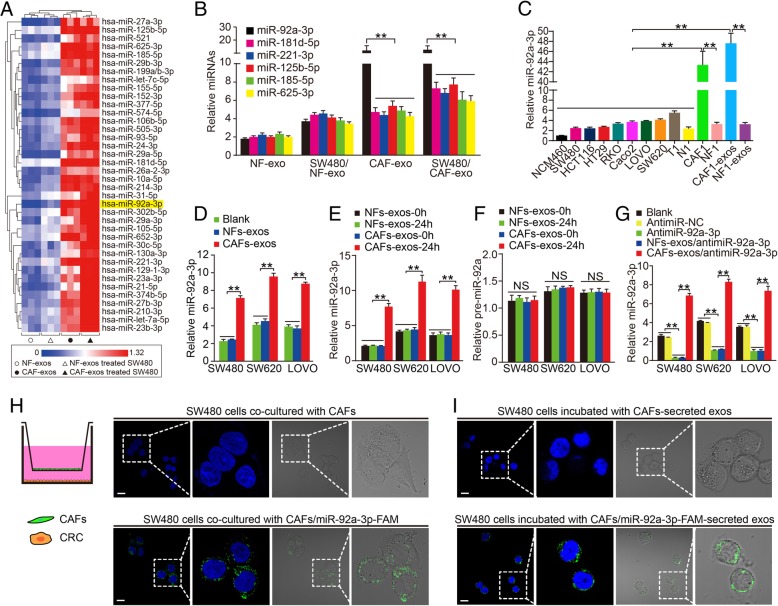
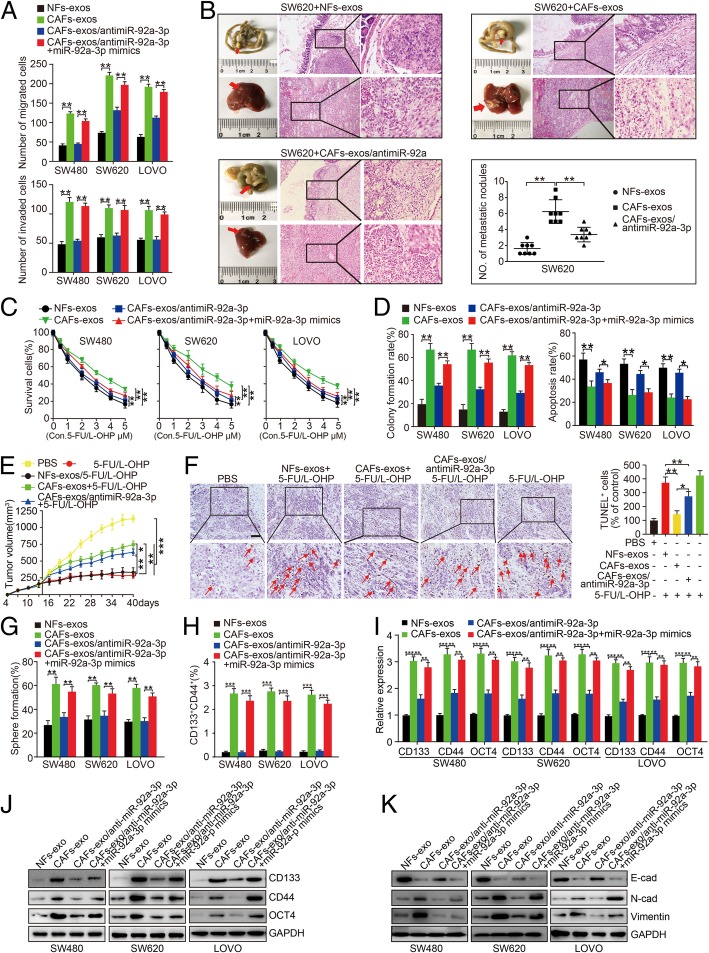
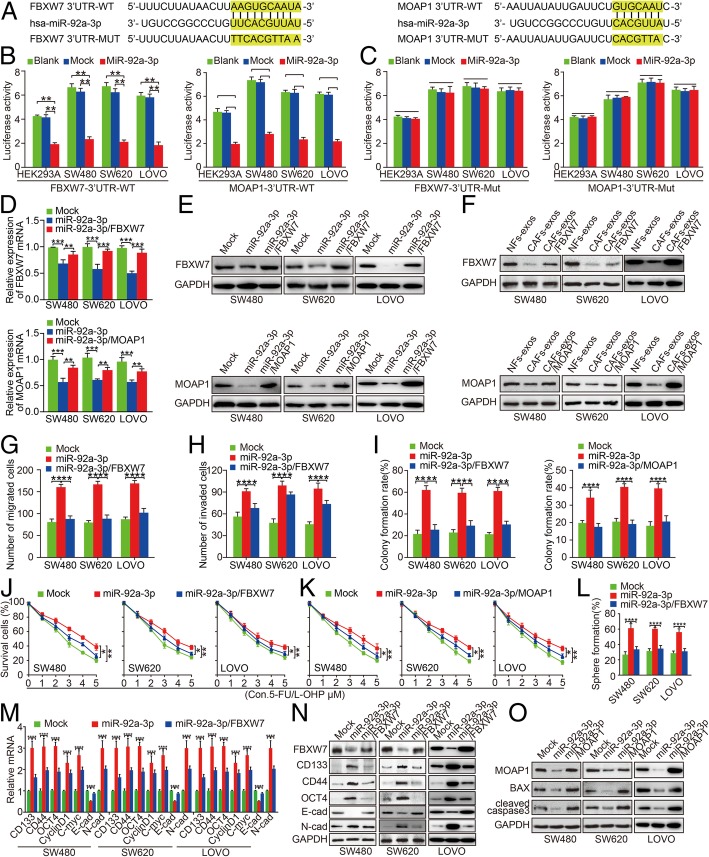
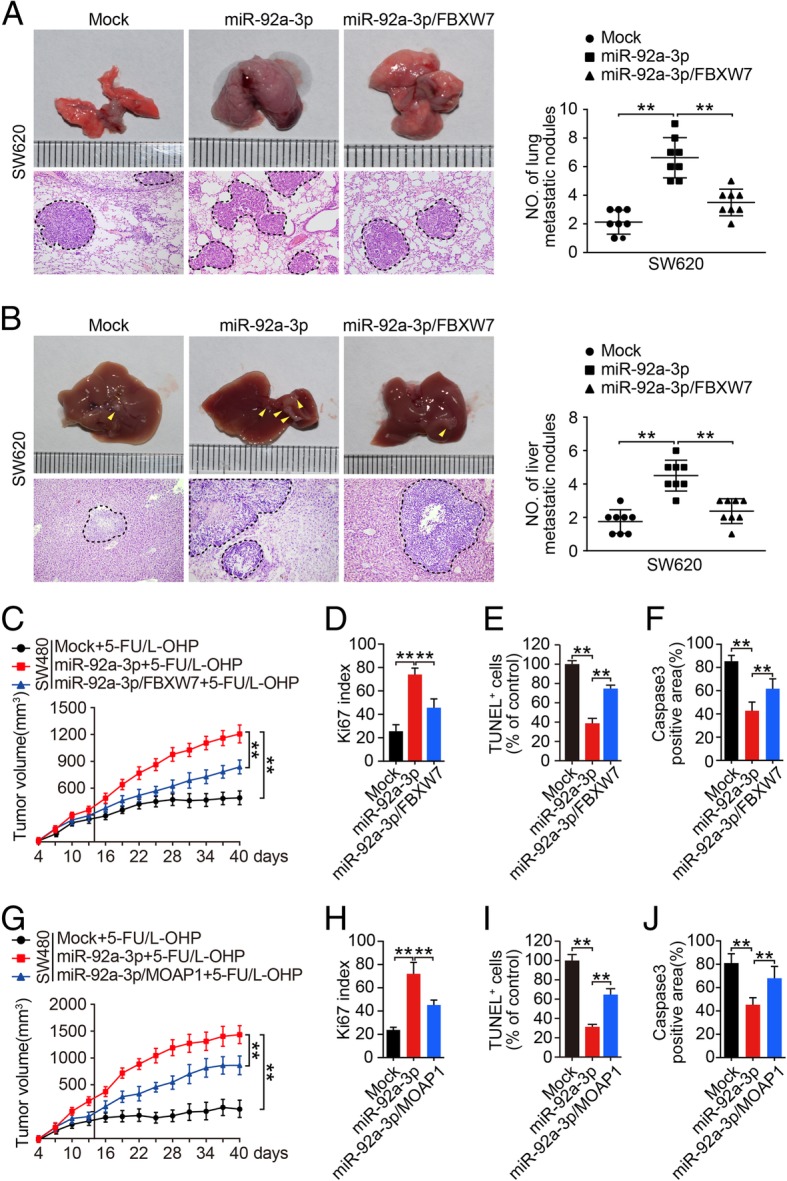
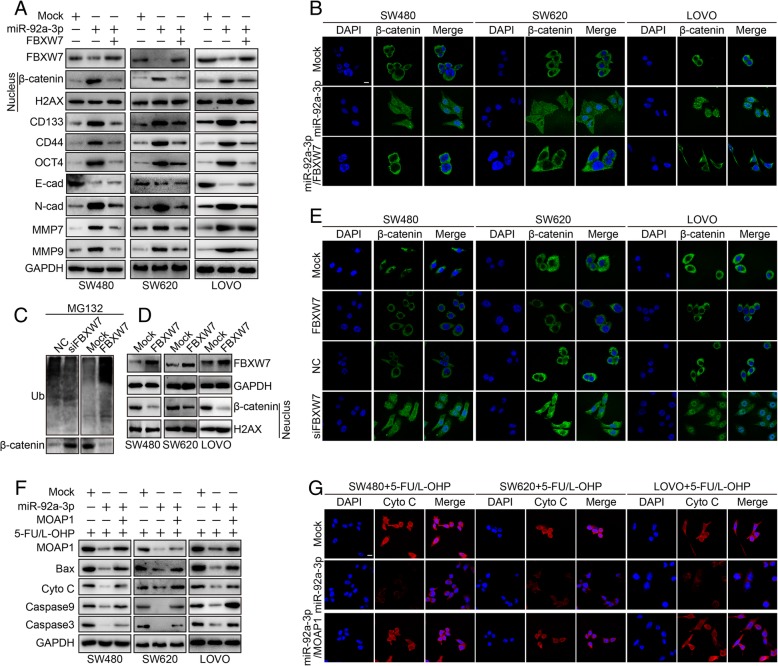
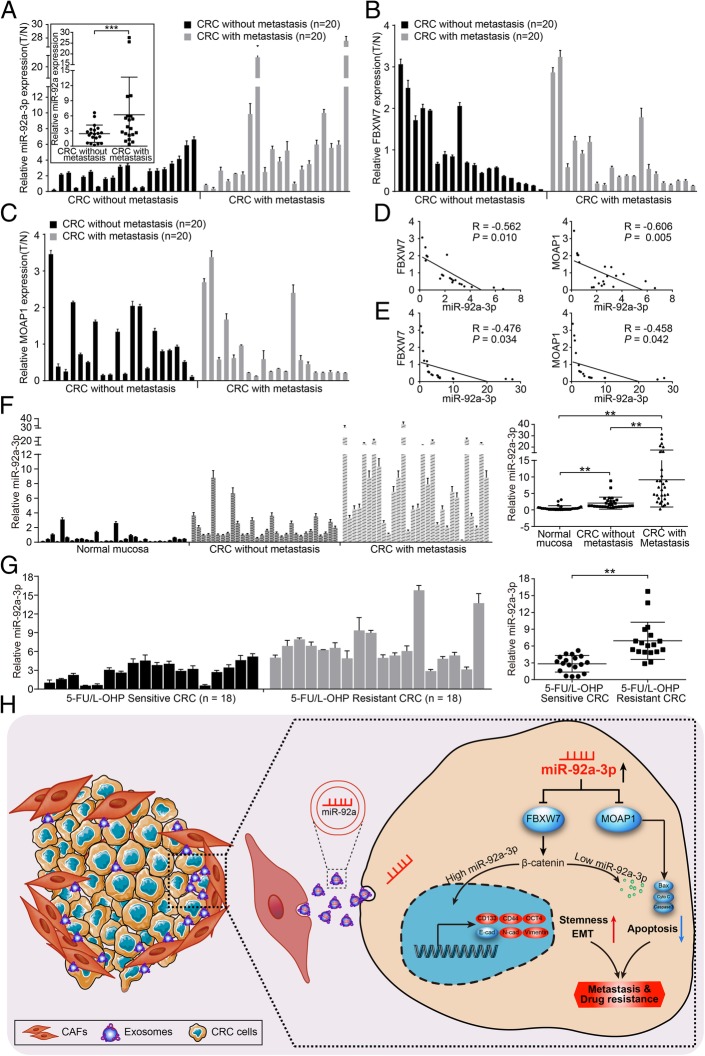
BACKGROUND: Cancer associated fibroblasts (CAFs) are key stroma cells that play dominant roles in tumor progression. However, the CAFs-derived molecular determinants that regulate colorectal cancer (CRC) metastasis and chemoresistance have not been fully characterized. METHODS: CAFs and NFs were obtained from fresh CRC and adjacent normal tissues. Exosomes were isolated from conditioned medium and serum of CRC patients using ultracentrifugation method and ExoQuick Exosome Precipitation Solution kit, and characterized by transmission electronic microscopy, nanosight and western blot. MicroRNA microarray was employed to identify differentially expressed miRNAs in exosomes secreted by CAFs or NFs. The internalization of exosomes, transfer of miR-92a-3p was observed by immunofluorescence. Boyden chamber migration and invasion, cell counting kit-8, flow cytometry, plate colony formation, sphere formation assays, tail vein injection and primary colon cancer liver metastasis assays were employed to explore the effect of NFs, CAFs and exosomes secreted by them on epithelial-mesenchymal transition, stemness, metastasis and chemotherapy resistance of CRC. Luciferase report assay, real-time qPCR, western blot, immunofluorescence, and immunohistochemistry staining were employed to explore the regulation of CRC metastasis and chemotherapy resistance by miR-92a-3p, FBXW7 and MOAP1. RESULTS: CAFs promote the stemness, epithelial-mesenchymal transition (EMT), metastasis and chemotherapy resistance of CRC cells. Importantly, CAFs exert their roles by directly transferring exosomes to CRC cells, leading to a significant increase of miR-92a-3p level in CRC cells. Mechanically, increased expression of miR-92a-3p activates Wnt/β-catenin pathway and inhibits mitochondrial apoptosis by directly inhibiting FBXW7 and MOAP1, contributing to cell stemness, EMT, metastasis and 5-FU/L-OHP resistance in CRC. Clinically, miR-92a-3p expression is significantly increased in CRC tissues and negatively correlated with the levels of FBXW7 and MOAP1 in CRC specimens, and high expression of exosomal miR-92a-3p in serum was highly linked with metastasis and chemotherapy resistance in CRC patients. CONCLUSIONS: CAFs secreted exosomes promote metastasis and chemotherapy resistance of CRC. Inhibiting exosomal miR-92a-3p provides an alternative modality for the prediction and treatment of metastasis and chemotherapy resistance in CRC.
Overview
The claims and statistics of this paper haven’t been checked yet.
Free: it reads the open-access text and checks the first 5 claims that cite a source we can check. Create a free account to check every claim.
Integrity signals
Registry
Cites
Statistics
Figures
Verification
Claims the paper makes
The claims and statistics of this paper haven’t been checked yet.
Free: it reads the open-access text and checks the first 5 claims that cite a source we can check. Create a free account to check every claim.
Claims other papers make about this one
Each is checked against this paper’s own text: does it say what the citing paper says it does?
The source backs part of the claim, not all of it — or backs it for a different population, condition or comparison.
In the citing paper
“Targeting these exosomes can effectively reduce autophagy activity and reverse CRC chemotherapy sensitivity [299,300,301].”
From Drug Resistance in Colorectal Cancer: From Mechanism to Clinic (2022) · cites this paper as [299]
Experimental — accuracy not yet measuredThe source backs part of the claim, not all of it — or backs it for a different population, condition or comparison.
In the citing paper
“A series of studies have shown that CAF-derived exosomes, such as miR-92a-3p, H19 and CCAL, promote CRC EMT and lead to CRC metastasis and chemotherapy resistance by activating the Wnt/β-catenin pathway.”
From Drug Resistance in Colorectal Cancer: From Mechanism to Clinic (2022) · cites this paper as [299]
Experimental — accuracy not yet measured
Self-check
Percentages, sums and reported differences re-computed from the paper’s own numbers.
The self-check needs the paper’s full text.
Citations
Cites
Bartel (2004) · doi:10.1016/s0092-8674(04)00045-5 · Cited by 34,714
MicroRNAs: Target Recognition and Regulatory Functions
Bartel, D. P. (2009) · Cell · doi:10.1016/j.cell.2009.01.002 · Cited by 20,068
Microenvironmental regulation of tumor progression and metastasis
Quail, D. F., & Joyce, J. A. (2013) · Nature Medicine · doi:10.1038/nm.3394 · Cited by 7,994
Global Cancer Incidence and Mortality Rates and Trends—An Update
Torre, L. A., Siegel, R. L., Ward, E. M., & Jemal, A. (2016) · Cancer Epidemiology, Biomarkers & Prevention · doi:10.1158/1055-9965.epi-15-0578 · Cited by 3,692
Tournigand, C., André, T., Achille, E., Lledo, G., Flesh, M., Mery-Mignard, D., Quinaux, E., Couteau, C., Buyse, M., Ganem, G., et al. (2004) · Journal of Clinical Oncology · doi:10.1200/jco.2004.05.113 · Cited by 2,915
Pancreatic cancer exosomes initiate pre-metastatic niche formation in the liver
Costa-Silva, B., Aiello, N. M., Ocean, A. J., Singh, S., Zhang, H., Thakur, B. K., Becker, A., Hoshino, A., Mark, M. T., Molina, H., et al. (2015) · Nature Cell Biology · doi:10.1038/ncb3169 · Cited by 2,692
The cancer stem cell: premises, promises and challenges
Clevers, H. (2011) · Nature Medicine · doi:10.1038/nm.2304 · Cited by 1,923
Cancer-secreted miR-105 destroys vascular endothelial barriers to promote metastasis
Zhou, W., Fong, M. Y., Min, Y., Somlo, G., Liu, L., Palomares, M. R., Yu, Y., Chow, A., O’Connor, S. T. F., Chin, A. R., et al. (2014) · Cancer Cell · doi:10.1016/j.ccr.2014.03.007 · Cited by 1,476
Migrating cancer stem cells — an integrated concept of malignant tumour progression
Brabletz, T., Jung, A., Spaderna, S., Hlubek, F., & Kirchner, T. (2005) · Nature Reviews Cancer · doi:10.1038/nrc1694 · Cited by 1,352 · cited 1×
“Cancer stem cells (CSCs) are self-renewable cell types that contribute to initiation, metastasis, relapse, and chemotherapy resistance of cancer cells [22, 23].”
BackgroundExosomes Mediate Stromal Mobilization of Autocrine Wnt-PCP Signaling in Breast Cancer Cell Migration
Luga, V., Zhang, L., Viloria-Petit, A. M., Ogunjimi, A. A., Inanlou, M. R., Chiu, E., Buchanan, M., Hosein, A. N., Basik, M., & Wrana, J. L. (2012) · Cell · doi:10.1016/j.cell.2012.11.024 · Cited by 1,311
Cited by
Items 401–500 of 785
Timofeeva, A. V., Fedorov, I. S., Pirogova, M. M., Vasilchenko, O. N., Chagovets, V. V., Ezhova, E. L. S., Zabelina, T., Shmakov, R. G., & Sukhikh, G. T. (2021) · Life · doi:10.3390/life11040270 · Cited by 16
“Increased expression of miR-92a-3p contributes to the EMT and metastasis in colorectal cancer through activation of the Wnt/β-catenin pathway and inhibition of mitochondrial apoptosis [68] as well as in hepatocellular carcinoma and malignant retinoblastoma through the PTEN/Akt pathway [69,70].”
BackgroundBrunel, A., Bégaud, G., Auger, C., Durand, S., Battu, S., Bessette, B., & Verdier, M. (2021) · Cells · doi:10.3390/cells10061330 · Cited by 17
Cai, Z., Suo, L., & Huang, Z. (2021) · Frontiers in Medicine · doi:10.3389/fmed.2021.658926 · Cited by 13
Mammes, A., Pasquier, J., Mammes, O., Conti, M., Douard, R., & Loric, S. (2021) · World Journal of Gastrointestinal Oncology · doi:10.4251/wjgo.v13.i11.1561 · Cited by 16
Irradiated Cell-Derived Exosomes Transmit Essential Molecules Inducing Radiation Therapy Resistance
Li, Y., Huang, L., Chen, Y., Shi, Y., Ze, Y., & Yao, Y. (2022) · International Journal of Radiation Oncology*Biology*Physics · doi:10.1016/j.ijrobp.2022.01.036 · Cited by 15
Simón, L., Sanhueza, S., Gaete‐Ramírez, B., Varas‐Godoy, M., & Quest, A. F. G. (2022) · Frontiers in Oncology · doi:10.3389/fonc.2022.897205 · Cited by 21
“This signaling pathway is also targeted by miR-92a-3p-containing EVs from CAFs in chemoresistant colorectal cancer cells (106).”
BackgroundOptimization of endometrial cancer organoids establishment by cancer-associated fibroblasts
Wu, Y.-L., Li, J., Sulaiman, Z., Liu, Q., Wang, C., Liu, S., Gao, Z., & Cheng, Z. (2022) · Neoplasma · doi:10.4149/neo_2022_211110n1597 · Cited by 13
Mechanisms of drug resistance in breast cancer liver metastases: Dilemmas and opportunities
Yan, C., Zhao, M., Wei, Y.-N., & Zhao, X. (2023) · Molecular Therapy — Oncolytics · doi:10.1016/j.omto.2023.02.001 · Cited by 17
“Ultimately, mitochondria-associated apoptosis is inhibited, thereby promoting tumor progression and chemoresistance.(54) Cancer stem cells (CSCs) also play a key role in drug resistance.”
BackgroundZhang, Y., Zhang, Z., Pan, H., Chang, D., & Lin, Y. (2023) · Microchemical Journal · doi:10.1016/j.microc.2023.108621 · Cited by 15
Gherman, A., Bălăcescu, L., Popa, C., Cainap, C. I., Vlad, C. I., Cainap, S. S., & Bălăcescu, O. (2023) · International Journal of Molecular Sciences · doi:10.3390/ijms241310622 · Cited by 14
“Moreover, miR-92a can activate the Wnt/β-catenin pathway and inhibits mitochondrial apoptosis by directly targeting FBXW7 and MOAP1 and mediating 5-FU/L-OHP resistance in CRC [18].”
BackgroundMethodPrieto‐García, E., Díaz-García, C. V., Agudo-López, A., Pardo, V., García‐Consuegra, I., Asensio, S. M., Alonso, M., Pérez, C., Gómez, C. F., Adeva, J., et al. (2021) · Biomedicines · doi:10.3390/biomedicines9040364 · Cited by 16
“Thus, it has been shown that EVs from fibroblasts promote invasive and chemoresistant behaviors in cancer cells [44,45], whereas EVs from tumor cells can reprogram fibroblasts into CAFs.”
BackgroundYue, T., Liu, X., Zuo, S., Zhu, J., Li, J., Liu, Y., Chen, S., & Wang, P. (2022) · Frontiers in Cell and Developmental Biology · doi:10.3389/fcell.2021.799278 · Cited by 13
Kayamori, K., Katsube, K., Hirai, H., Harada, H., & Ikeda, T. (2023) · Laboratory Investigation · doi:10.1016/j.labinv.2023.100228 · Cited by 13
Exosomes in tumor‐stroma crosstalk: Shaping the immune microenvironment in colorectal cancer
Zhang, Y., Huo, M., Li, W., Zhang, H., Liu, Q., Jiang, J., Fu, Y., & Huang, C. (2024) · The FASEB Journal · doi:10.1096/fj.202302297r · Cited by 16
“85 For example, exosomal lncRNA H19 derived by CAFs promoted the stemness of CSCs and the chemoresistance of CRC cells in vitro and in vivo. lncRNA H19 activated the β - catenin pathway by acting as a competing endogenous RNA sponge for miR-141 in CRC, while miR-141 significantly inhibited the…”
BackgroundAnalysis of Tumor-Derived Exosomes by Nanoscale Flow Cytometry
López-Pacheco, C. P., Bedoya-López, A., Olguín‐Alor, R., & Soldevila, G. (2020) · Methods in molecular biology · doi:10.1007/978-1-0716-0759-6_11 · Cited by 14
Exosomal microRNAs: Pleiotropic Impacts on Breast Cancer Metastasis and Their Clinical Perspectives
Tang, L.-B., Ma, S.-X., Chen, Z., Huang, Q.-Y., Wu, L., Wang, Y., Zhao, R., & Xiong, L. (2021) · Biology · doi:10.3390/biology10040307 · Cited by 17
The Molecular Networks of microRNAs and Their Targets in the Drug Resistance of Colon Carcinoma
Crudele, F., Bianchi, N., Astolfi, A., Grassilli, S., Brugnoli, F., Terrazzan, A., Bertagnolo, V., Negrini, M., Frassoldati, A., & Volinia, S. (2021) · Cancers · doi:10.3390/cancers13174355 · Cited by 13
“It promoted stemness, metastasis, 5-FU and L-OHP resistance and inhibited mitochondrial apoptosis mediators, such as F-box and WD repeat domain containing 7 (FBXW7) and the modulator of apoptosis 1 (MOAP1) [65].”
BackgroundHuang, H., Zhong, P., Zhang, J., Chen, X., Chen, J., Tian, L., & Wu, Q. (2022) · Bioengineered · doi:10.1080/21655979.2022.2037379 · Cited by 13
“4), treated with immunofluorescence staining and viewed by a fluorescence microscope (LSM880, Zeiss, Germany) [26,27].”
MethodInfluentialWang, M., Zhuoma, C., Liu, X., Huang, Q., Cai, G., Sang, G., Zhou, L. F., Du, H.-D., & Wu, C. (2022) · Head & Neck · doi:10.1002/hed.27155 · Cited by 16
“Exosomes released by CAFs can regulate the TME and promote stem-like properties of cancer cells, such as invasion, clonogenicity, chemoresistance, and radioresistance.(8,9) We previously reported that conditioned medium (CM) from laryngeal squamous cell carcinoma (LSCC) CAFs could stimulate the proliferation, migratio…”
BackgroundCui, G., Wang, C., Liu, J., Shon, K., Gu, R., Chang, C., Ren, L., Wei, F., & Sun, Z. (2022) · Frontiers in Genetics · doi:10.3389/fgene.2022.995644 · Cited by 16
“Previous studies have revealed that M2 macrophage-derived exosomes (MDE) and cancer-associated fibroblasts related exosomes regulated the migration and invasion of CRC cells (Hu et al., 2019; Lan et al., 2019), circulating exosome microRNAs can also reflect pathological changes in COAD patients (Ogata-Kawata et al.”
ResultPliakou, E., Lampropoulou, D. I., Dovrolis, N., Chrysikos, D., Filippou, D. K., PAPADIMITRIOU, C. A., Vezakis, A. I., Aravantinos, G., & Gazouli, M. (2022) · International Journal of Molecular Sciences · doi:10.3390/ijms24010046 · Cited by 20
“Moreover, consistent with our results, miR-92a-3p has been linked with 5-FU/oxaliplatin resistance in CRC [64].”
ResultValcz, G., Buzás, E. I., Sebestyén, A. R., Krenács, T., Szállási, Z., Igaz, P., & Molnar, B. A. (2020) · Cancers · doi:10.3390/cancers12082324 · Cited by 15
“CAF-derived sEV miR-92a-3p caused an increased nuclear β-catenin expression in colorectal carcinoma cells with the appearance of CSC markers and several processes associated with EMT, such as the E-cadherin to N-cadherin switch [95].”
BackgroundDai, W., Liu, Y., Zhang, T., Huang, Z. L., Xu, X., Zhao, Z., Liu, J., Zhai, E., Cai, S., & Chen, J. (2023) · Oncogenesis · doi:10.1038/s41389-023-00448-4 · Cited by 14
Pu, Q., & Gao, H. (2023) · Cancers · doi:10.3390/cancers15225493 · Cited by 14
“In turn, CAFs can foster drug resistance in tumor cells by releasing cellular exosomes [156].”
BackgroundMetastasis and cancer associated fibroblasts: taking it up a NOTCH
Ghosh, A., & Mitra, A. K. (2024) · Frontiers in Cell and Developmental Biology · doi:10.3389/fcell.2023.1277076 · Cited by 15
Exosomes—Promising Carriers for Regulatory Therapy in Oncology
Jóźwicka, T. M., Erdmańska, P. M., Stachowicz-Karpińska, A., Olkiewicz, M., & Jóźwicki, W. (2024) · Cancers · doi:10.3390/cancers16050923 · Cited by 13
“The role of CAFs in the EMT process and desmosomal remodeling has also been demonstrated in colorectal cancer [29,53].”
BackgroundInfluentialDhungel, N., & Dragoi, A. (2024) · Frontiers in Molecular Biosciences · doi:10.3389/fmolb.2024.1379971 · Cited by 13
Liu, H., Sun, T., & Song, Q. (2024) · Oncology Research Featuring Preclinical and Clinical Cancer Therapeutics · doi:10.32604/or.2024.054141 · Cited by 12
Chen, H., Xu, X., Li, J., Yu, X. M., Li, X., Zhang, K., Jiang, H., Liu, X., & Li, M. (2024) · Frontiers in Pharmacology · doi:10.3389/fphar.2024.1491400 · Cited by 21
Xu, Y., Zhang, Y., Song, K., Liu, J., Zhao, R., Zhang, X., Pei, L., Li, M., Chen, Z., Zhang, C., et al. (2024) · Nucleic Acids Research · doi:10.1093/nar/gkae994 · Cited by 14
Nanomaterials in cancer immunotherapy: targeting cancer-associated fibroblasts
Zhang, Z., & Chen, L. (2025) · Cancer Nanotechnology · doi:10.1186/s12645-024-00302-1 · Cited by 15
“For instance, CAFs have been shown to transfer exosomes to colorectal cancer cells (CRC), significantly increasing the levels of miR-92a-3p, which leads to metastasis and chemotherapy resistance in CRC patients (Hu et al. 2019).”
van der Merwe, M., Myburgh, K. H., Garnis, C., Towle, R. M., & Engelbrecht, A. (2025) · Gene · doi:10.1016/j.gene.2025.149467 · Cited by 13
Cancer-associated fibroblasts in gynecological malignancies: are they really allies of the enemy?
Villegas‐Pineda, J. C., Ramírez-de-Arellano, A., Bueno-Urquiza, L. J., Lizarazo-Taborda, M. D. R., & Pereira-Suárez, A. L. (2023) · Frontiers in Oncology · doi:10.3389/fonc.2023.1106757 · Cited by 13
Arakawa, Y., Itoh, S., Fukazawa, Y., Ishiguchi, H., Kohmoto, J., Hironishi, M., Ito, H., & Kihira, T. (2020) · Brain Research · doi:10.1016/j.brainres.2020.147035 · Cited by 13
Cancer cell's internal and external warriors: Autophagosomes and exosomes
Subramanian, V. A., Bairwa, R. K., Sharma, P. K., & Bissa, B. (2022) · Life Sciences · doi:10.1016/j.lfs.2022.120552 · Cited by 13
Sun, Z., Li, J., Tong, Y., Li, Z., Zhou, X., Li, H., Wang, C., Du, L., & Jiang, Y. (2022) · Biosensors · doi:10.3390/bios12070533 · Cited by 12
“Colorectal cancer (CRC)-associated miR-92a-3p extracted from exosomes served as the target in view of its high abundance in exosomes [37].”
BackgroundKottmann, V., Nienhaus, M., Drees, P., Gercek, E., & Ritz, U. (2026) · Biochimica et Biophysica Acta (BBA) - Reviews on Cancer · doi:10.1016/j.bbcan.2026.189551 · Cited by 16
Li, J., Mo, R., & Zheng, L. (2021) · Journal of Cancer · doi:10.7150/jca.61967 · Cited by 11
“In addition, exosomes secreted by cancer-associated-fibroblasts enhanced tumor cell proliferation and chemoresistance by upregulating miR-92a-3p expression levels [23].”
BackgroundExtracellular Vesicles and Cell Pathways Involved in Cancer Chemoresistance
Console, L., & Scalise, M. (2022) · Life · doi:10.3390/life12050618 · Cited by 13
“miRNA Lung cancer Cisplatin [14,15] Gemcitabine [16] Gefitinib [17,18] Methotrexate [3,19] Gastric cancer Paclitaxel [20] Cisplatin [20] Doxorubicin [21] Breast cancer Paclitaxel [22] Doxorubicin [22] Docetaxel [23,24] Gemcitabine [24] CDK4/6 inhibitor [25] Epirubicin [24] Head and neck cancer Cisplatin [26,27] Pancre…”
BackgroundInfluentialLiu, J., Xu, X., Li, Y., Xu, J., Zhao, R., Liu, S., Wu, J., Zhang, L., & Zhang, B. (2023) · Biomaterials Science · doi:10.1039/d3bm00254c · Cited by 12
Wu, J., Wang, X., Li, Z., Yi, X., Hu, D., Wang, Q., & Zhong, T. (2024) · Cell Cycle · doi:10.1080/15384101.2024.2311501 · Cited by 11
“In CRC, Hu’s team detected that a high expression of CAF-sEVs miR-92a-3p in serum samples associated with metastasis and chemoresistance [121].”
BackgroundExosomes promote pre-metastatic niche formation in colorectal cancer
Si, G., Chen, X., Li, Y., & Yuan, X. (2024) · Heliyon · doi:10.1016/j.heliyon.2024.e27572 · Cited by 15
“Increased expression of miR-92a-3p contributed to EMT, metastasis, cell stemness and 5-FU/L-OHP resistance in CRC by directly inhibiting MOAP1 and FBXW7, thereby activating the Wnt/ β -protein route and suppressing mitochondrial apoptosis [47].”
BackgroundExtracellular vesicles and the “six Rs” in radiotherapy
Ripoll-Viladomiu, I., Prina‐Mello, A., Movia, D., & Marignol, L. H. (2024) · Cancer Treatment Reviews · doi:10.1016/j.ctrv.2024.102799 · Cited by 13
Role of vascular endothelium and exosomes in cancer progression and therapy (Review)
Dai, Y., Yao, Y., He, Y., & Hu, X. (2024) · International Journal of Oncology · doi:10.3892/ijo.2024.5712 · Cited by 11
“CAF‑induced activation of the Wnt signaling pathway enhances cell stemness, promotes EMT, the develop‑ ment of metastasis and resistance to chemotherapy in CRC by upregulating miR‑92a‑3p expression (118).”
Aquino, A., & Franzese, O. (2025) · Cancers · doi:10.3390/cancers17091547 · Cited by 13
“Exosomal RNAs such as miR-21, miR-143, miR-378e, and miR-92a-3p, found in CAF-derived exosomes, promote EMT and drug resistance in different cancer models [126–129].”
Li, S., Zhou, X., Feng, H., Huang, K., Chen, M., Lin, M., Lin, H., Deng, Z., Chen, Y., Liao, W., et al. (2025) · Cell Proliferation · doi:10.1111/cpr.70062 · Cited by 15
Self-citationKang, Y.-H., Wang, J., Lee, J., Lee, N., & Son, C. (2022) · Frontiers in Pharmacology · doi:10.3389/fphar.2022.909331 · Cited by 14
“However, the many aspects of chemotherapy resistance in CRC and the transition to the metastatic phenotype are still unclear (Hu et al., 2019).”
BackgroundWang, Y., Liang, H., & Zheng, J. (2022) · Pathology - Research and Practice · doi:10.1016/j.prp.2022.154159 · Cited by 12
Li, Q., Li, J., Wang, K., Liao, L., Li, Y., Liang, H., Huang, C., Gan, J., Dong, X., Hu, Y., et al. (2023) · Cellular and Molecular Gastroenterology and Hepatology · doi:10.1016/j.jcmgh.2023.05.007 · Cited by 14
“Hepatic SMPD3 Preserves the Anti-CRLM Properties of LR-Derived Exosomes by Maintaining Their Pro-apoptotic and Antiinvasive Activities Exosomes are essential for parenchyma cells to interact with metastatic cancer cells.(42,46) SMPD3 is known to control the release of exosomes by producing CER,(24,25,29) but the”
BackgroundCioce, M., Fumagalli, M. R., Donzelli, S., Goeman, F., Canu, V., Rutigliano, D., Orlandi, G., Sacconi, A., Pulito, C., Palcau, A. C., et al. (2023) · Journal of Experimental & Clinical Cancer Research · doi:10.1186/s13046-023-02754-6 · Cited by 12
“to the 5‐FU elicited increase of IL‐6 Cancer associated fibroblasts (CAFs) are known to highly contribute to the chemotherapy response, in CRC and other cancer settings [44].”
BackgroundComprehensive analysis of CXCL14 uncovers its role during liver metastasis in colon cancer
Zhou, L., Zhang, Y., Wei, M., Du, K., Lin, J., & Wei, L. (2023) · BMC Gastroenterology · doi:10.1186/s12876-023-02896-z · Cited by 14
“Hu et al. noticed that the exosomes secreted by CAFs could promote colon cancer metastasis and chemotherapy resistance by mediating the EMT process and tumor stemness [43].”
BackgroundParallels between the extracellular matrix roles in developmental biology and cancer biology
Yuzhalin, A. E. (2021) · Seminars in Cell and Developmental Biology · doi:10.1016/j.semcdb.2021.09.010 · Cited by 11
Exosomes: The Role in Tumor Tolerance and the Potential Strategy for Tumor Therapy
Lv, Y., Du, X., Tang, W., Yang, Q., & Gao, F. (2023) · Pharmaceutics · doi:10.3390/pharmaceutics15020462 · Cited by 11
“Exosomal miR-92a-3p, isolated from cancer-associated fibroblasts (CAFs), inhibited FBXW7 and MOAP1 expression, increased cell stemness, and induced EMT and 5-FU resistance [44].”
BackgroundThe cross talk of ubiquitination and chemotherapy tolerance in colorectal cancer
Rong, Z., Zheng, K., Chen, J., & Jin, X. (2024) · Journal of Cancer Research and Clinical Oncology · doi:10.1007/s00432-024-05659-9 · Cited by 11
“In contrast, FBXW7 inhibition by miR-92a-3p reduces mitochondrial apoptosis and induced resistance (Hu et al. 2019).”
BackgroundHu, S., Qin, J., Ding, M., Gao, R. C., Xiao, Q., Lou, J., Chen, Y., Wang, S., & Pan, Y. (2024) · Biochimica et Biophysica Acta (BBA) - Molecular Basis of Disease · doi:10.1016/j.bbadis.2024.167535 · Cited by 11
Zhang, W., Fan, H., Chen, B.-J., Wang, H., Pang, X., Mao, L., Liang, X., & Tang, Y. (2024) · Heliyon · doi:10.1016/j.heliyon.2024.e39133 · Cited by 14
“The published literature has demonstrated that both NFs and CAFs are capable of secreting molecules that have the potential to facilitate tumor invasion and metastasis [35 – 37].”
BackgroundZhou, M., Niu, H., Lu, D., Zhang, H., Luo, D., Yu, Z., Huang, G., Li, J., Xiong, C., Tang, Q., et al. (2024) · Journal of Ethnopharmacology · doi:10.1016/j.jep.2024.118998 · Cited by 11
The impact of POSTN on tumor cell behavior and the tumor microenvironment in lung adenocarcinoma
Sun, D., Lu, J., Tian, H., Li, H., Chen, X., Feng, H., Yang, W., Yu, J., & Chen, D. (2024) · International Immunopharmacology · doi:10.1016/j.intimp.2024.113713 · Cited by 13
Gorría, T., Sierra-Boada, M., Rojas, M., Figueras, C., Marín, S., Madurga, S., Cascante, M., & Maurel, J. (2025) · Cancers · doi:10.3390/cancers17030498 · Cited by 14
“It therefore appears that CAFs in MSI cancer do not help to promote the proinflammatory state of the TME [77] and may even be part of a tumor evasion mechanism and a resistance mechanism to immunotherapy-based therapies [72].”
Yao, N., Fu, Y., Wang, T. Z., Qin, J., Cao, Y., Shi, M., Ma, F., Shen, B., & Jiang, L. (2025) · Cancer Letters · doi:10.1016/j.canlet.2025.217898 · Cited by 14
Association between germline variants and somatic mutations in colorectal cancer
Barfield, R., Qu, C., Steinfelder, R. S., Zeng, C., Harrison, T. A., Brezina, S., Buchanan, D. D., Campbell, P. T., Casey, G., Gallinger, S., et al. (2022) · Scientific Reports · doi:10.1038/s41598-022-14408-2 · Cited by 10
Liu, B., Yin, X., Jiang, G., Li, Y., Jiang, Z., Qiang, L., Chen, N., Fan, Y., Shen, C., Dai, L., et al. (2022) · Cancers · doi:10.3390/cancers14143326 · Cited by 10
Cancer-associated fibroblasts subtypes and role in invasion and metastasis of gastric cancer
Zhang, M., Guan, W., Li, J., Li, L.-X., Wang, K.-Z., Wang, R., & Wang, L. (2022) · Neoplasma · doi:10.4149/neo_2022_220513n511 · Cited by 10
Molecular Subtypes, microRNAs and Immunotherapy Response in Metastatic Colorectal Cancer
Gherman, A., Bolunduț, D., Ecea, R., Bălăcescu, L., Curcean, S., Dina, C., Bălăcescu, O., & Cainap, C. I. (2024) · Medicina · doi:10.3390/medicina60030397 · Cited by 16
“Higher levels were associated with a lack of response [33].”
BackgroundExtracellular vesicles and cancer stemness in hepatocellular carcinoma – is there a link?
Tian, L., Lu, J., & Ng, I. O. (2024) · Frontiers in Immunology · doi:10.3389/fimmu.2024.1368898 · Cited by 11
Li, T., Liu, W., Chun, W., Wang, M., Hui, W., Lu, J., & Gao, F. (2022) · Journal of Immunology Research · doi:10.1155/2022/5164265 · Cited by 11
Chiangjong, W., & Chutipongtanate, S. (2022) · OpenNano · doi:10.1016/j.onano.2022.100085 · Cited by 10
Niu, Y., Yang, W., Qian, H., & Sun, Y. (2022) · Cancer Cell International · doi:10.1186/s12935-022-02766-w · Cited by 13
Liu, J., Bao, B., Li, T., Yang, Z., Du, Y., Zhang, R., Xin, J., Hao, J., Wang, G., Bi, H., et al. (2024) · Journal of Translational Medicine · doi:10.1186/s12967-024-05288-3 · Cited by 13
“A previous study has shown that increased expression of miR-92a-3p activates the Wnt/β-catenin pathway, thereby inhibiting the suppression of apoptosis in mitochondria [13].”
BackgroundBudayr, O. M., Miller, B. C., & Nguyen, J. (2024) · Journal of Controlled Release · doi:10.1016/j.jconrel.2024.12.011 · Cited by 9
Exosomes in bridging macrophage-fibroblast polarity and cancer stemness
Mortezaee, K. (2025) · Medical Oncology · doi:10.1007/s12032-025-02774-6 · Cited by 9
“Besides, mitochondrial apoptosis of tumor cells is hampered after exposure to the high miR-92a-3p level, which corresponds to clinical resistance of CRC to chemotherapy and highly correlated with progression toward metastasis [36].”
Hsu, C., El‐Sehrawy, A. A. M. A., Baig, M. R., Al-Khafaji, Z. K. A., Saidaloevich, M. S., Patel, P. N., Ganesan, S., Arora, V., Shukla, S. K., & Nayak, P. P. (2025) · Experimental Cell Research · doi:10.1016/j.yexcr.2025.114867 · Cited by 15
Use of Personalized Biomarkers in Metastatic Colorectal Cancer and the Impact of AI
Volovăț, S. R., Augustin, I. G., Zob, D., Boboc, D., Amurariti, F., Volovat, C. D., Ştefănescu, C., Stolniceanu, C. R., Ciocoiu, M., Dumitras, E. A., et al. (2022) · Cancers · doi:10.3390/cancers14194834 · Cited by 12
“miR-92a-3p High 5-FU and oxaliplatin CAF-derived exosomes transfer miR-92a-3p, enhancing cell stemness, EMT, metastasis and chemoresistance qRT-PCR [185]”
BackgroundMethodInfluentialGao, T., Fan, H., Wang, J., & Wang, R. (2022) · Advances in Interventional Cardiology · doi:10.5114/aic.2023.124797 · Cited by 9
“After 48 h, the Dual-Luciferase Reporter Assay System kit (Promega, USA) was implemented to detect luciferase activity [24].”
MethodMicroRNAs and colorectal cancer: clinical potential and regulatory networks
Osei, G. Y., Adu‐Amankwaah, J., Koomson, S., Beletaa, S., Asiamah, E. A., Smith‐Togobo, C., & Razak, S. R. A. (2023) · Molecular Biology Reports · doi:10.1007/s11033-023-08810-w · Cited by 9
“CAFs, a major component of the stromal cells, are known to secrete pro-inflammatory cytokines and matrix metalloproteinases that promote angiogenesis and invasion, thereby promoting CRC progression [11].”
BackgroundZhang, W., Hu, X., & Jiang, Z. (2022) · Cells · doi:10.3390/cells11111780 · Cited by 9
“CAF-derived sEVs inhibit mitochondrial apoptosis by promoting EMT in CRC cells and promoting the expression of miR-92a-3p in CRC cells, thereby activating the Wnt/β-linked protein pathway and promoting CRC metastasis [68].”
BackgroundLRRC8A is responsible for exosome biogenesis and volume regulation in colon cancer cells
Zhang, H., Cui, S., Jing, Z., Fu, G., Liu, R., Zhao, W., Xu, L., Yu, L., Bai, Y., Lv, C., et al. (2023) · Biochemical Journal · doi:10.1042/bcj20220614 · Cited by 9
Pourali, G., Zafari, N., Fiuji, H., Batra, J., Nazari, E., Khazaei, M., Hassanian, S. M., Vahabi, M., Kiani, M. A., Ghayour‐Mobarhan, M., et al. (2023) · Cytokine & Growth Factor Reviews · doi:10.1016/j.cytogfr.2023.08.001 · Cited by 12
Jia, Y., Feng, G., Chen, S., Li, W., Jia, Z., Wang, J., Li, H., Hong, S., & Dai, F. (2024) · Journal of Cancer · doi:10.7150/jca.94630 · Cited by 12
“Recent studies have also shown that CAFs secreted exosomal miR-92a-3p promote metastasis and chemotherapy resistance of CRC [66].”
BackgroundZhang, X., Zhang, C., Zhang, Z., & Zhang, X. (2025) · Frontiers in Immunology · doi:10.3389/fimmu.2025.1628573 · Cited by 13
Molavand, M., Majidinia, M., & Yousefi, B. (2025) · IUBMB Life · doi:10.1002/iub.70074 · Cited by 10
“This resistance was primarily attributed to the upregulation of miR- 92a-3p [85].”
Role of the tumor microenvironment in chemotherapy resistance in ovarian cancer and targeted therapy
Qi, R., Yang, J., Shen, S., Yu, Y., & Yang, Q. (2025) · Journal of Ovarian Research · doi:10.1186/s13048-025-01927-5 · Cited by 12
“In addition, CAFs transmit information to tumor cells through the secretion of sEVs, enhancing the stemness and EMT capabilities of tumor cells, thereby promoting tumor metastasis and chemotherapy resistance [44].”
Xu, C., Li, T., Zhang, L., Zhang, Q., Cai, S., Fu, Q., & Zhang, S. (2026) · Neoplasia · doi:10.1016/j.neo.2025.101267 · Cited by 11
“In CRC, CAFs can prime cancer cells to increase stemness before chemotherapy [17]. secrete mediators that inhibit cell death (18), and induce chemoresistance through exosome-mediated signaling [16,18].”
Wu, X., Zhou, A., Zhang, Y., He, J., Chen, K., Ning, X., & Xu, Y. (2023) · ACS Applied Materials & Interfaces · doi:10.1021/acsami.2c19638 · Cited by 8
Gao, C., Liu, F., Ye, Q., & Guo, A. (2023) · Journal of Oncology · doi:10.1155/2023/1424589 · Cited by 11
“indicated that CAFs could secret the exosome miR-92a-3p that was engulfed by colon cancer cells, further activatingWnt/β-catenin pathway and inhibiting mitochondrial apoptosis, leading to metastasis and chemotherapy resistance [18].”
BackgroundPan‐cancer analysis of the oncogenic role of HNRNPR in human tumors
Yang, Y., Sun, J., & Xiang, Z. (2023) · Cell Biology International · doi:10.1002/cbin.12027 · Cited by 9
“Through in vitro and in vivo experiments, we determined that HNRNPR played a crucial role in the progression of HCC, and was involved in the EMT process.”
BackgroundInfluentialLiu, Y., Chen, M., & Wu, B. (2023) · Assay and Drug Development Technologies · doi:10.1089/adt.2022.099 · Cited by 8
Cancer-Associated Fibroblasts: Major Co-Conspirators in Tumor Development
Singh, S., Singh, A. P., & Mitra, R. (2024) · Cancers · doi:10.3390/cancers16010211 · Cited by 10
“Among the most prevalent miRNAs found in CAF exosomes across different tumors are miR-21, miR378-e, miR-148, and miR-92a-3p, known to be involved in EMT and therapeutic resistance mechanisms [35].”
BackgroundLiu, Q., Yao, F., Wu, L., Xu, T., Na, J., Shen, Z., Liu, X., Shi, W., Zhao, Y., & Liao, Y. (2024) · Clinical & Translational Oncology · doi:10.1007/s12094-024-03492-7 · Cited by 9
Li, W., Xing, X., Shen, C., & Hu, C. (2024) · Heliyon · doi:10.1016/j.heliyon.2024.e30808 · Cited by 11
“…saline (PBS), and the complete medium was replaced with exosome-free medium (Gibco) for 48 h. Conditioned medium (CM) was collected to be passed through a 0.22-μ m filter, and exosomes were extracted from the CM through differential ultracentrifugation, as previously described [35,36].”
MethodInfluentialLyu, K., Tang, B., Huang, B., Xu, Z., Liu, T., Fang, R., Li, Y., Chen, Y., Chen, L., Zhang, M., et al. (2024) · Carcinogenesis · doi:10.1093/carcin/bgae030 · Cited by 8
Advances in the study of cancer metastasis and calcium signaling as potential therapeutic targets
Cui, C., Zhang, Y., Liu, G., Zhang, S., Zhang, J., & Wang, X. (2021) · Exploration of Targeted Anti-tumor Therapy · doi:10.37349/etat.2021.00046 · Cited by 12
“Secondly, metastatic cancer cells exhibit enhanced survival ability and resistance to most chemo- and radio-therapy that are highly efficient in certain primary nonmetastatic cancer cells [11, 12].”
BackgroundXiao, W., Zhou, H., Chen, B., Shen, B., & Zhou, J. (2021) · Genes & Genomics · doi:10.1007/s13258-021-01141-9 · Cited by 10
Wang, Q., Zhang, X., Du, K., Wu, X., Zhou, Y., Chen, D., & Zeng, L. (2022) · Frontiers in Oncology · doi:10.3389/fonc.2022.1059253 · Cited by 9
“Multi-faceted responses by CAFs to stress in tumor environments allow them not only to adapt to tough conditions but also to enhance pro-tumorigenic behavior (5).”
BackgroundJin, A., Ding, L., Yang, W., Liu, T., Chen, W., Li, T., Zhang, C.-Y., Pan, B., Qiu, S., Zhou, J., et al. (2022) · BMC Gastroenterology · doi:10.1186/s12876-022-02594-2 · Cited by 9
Roles of exosome-derived non-coding RNA in tumor micro-environment and its clinical application
Dou, Q., Wang, J., Yang, Y., & Zhuo, W. (2023) · Journal of Zhejiang University (Medical Sciences) · doi:10.3724/zdxbyxb-2023-0056 · Cited by 10
“到结直肠癌细胞来发挥其作用,导致结直肠癌细 胞中 miR-92a-3p 水平显著升高。miR-92a-3p 表 达增加激活 Wnt/β-连环蛋白通路,抑制线粒体凋 亡并促进结直肠癌细胞干性[20]。 1.”
Immune Regulation and Immune Therapy in Melanoma: Review with Emphasis on CD155 Signalling
Wu, L., Park, S.-H., Jakobsson, H., Shackleton, M. J., & Möller, A. (2024) · Cancers · doi:10.3390/cancers16111950 · Cited by 10
“Immunoregulation in tumour microenvironment of Activation of cancer-associated fi broblasts (CAFs) triggers extracellular matrix (ECM) remodelling, which subsequently facilitates tumour cell proliferation [59,60] and epithelial–mesenchymal transition (EMT) [61,62]. melanoma.”
BackgroundFarzam, O. R., Eslami, S., Jafarizadeh, A., Alamdari, S. G., Dabbaghipour, R., Nobari, S. A., & Baradaran, B. (2024) · Gene · doi:10.1016/j.gene.2024.149141 · Cited by 10
Cancer associated fibroblasts in tumors: focusing on solid tumors and hematological malignancies
Pan, C., Zheng, L., & Wang, J. (2025) · Frontiers in Oncology · doi:10.3389/fonc.2025.1596947 · Cited by 9
Li, J., Huang, Y. Y., Fu, L., Shi, M., Hu, G., Du, F., Wang, Z., Xiao, Y., Zhang, Y., & Li, Y. (2025) · International Journal of Oncology · doi:10.3892/ijo.2025.5774 · Cited by 13
“Through the CELF2/WWOX axis, miR‑625‑3p promotes cell EMT and chemoresistance in CRC (232,233).”
Influential
Metadata
- Authors
- Hu, J. L., Wang, W., Lan, X. L., Zeng, Z. C., Liang, Y. S., Yan, Y. R., Song, F. Y., Wang, F. F., Zhu, X. H., Liao, W. J., Liao, W. T., Ding, Y. Q., & Liang, L.
- Affiliations
- Key Laboratory of Guangdong Province (CN)
- Nanfang Hospital (CN)
- Venue
- Molecular Cancer
- Published
- 2019-05-07
- Volume
- 18
- Issue
- 1
- Pages
- 91-91
- ISSN
- 1476-4598 (ISSN-L)
- PMC
- PMC6503554
- OpenAlex
- W2947891482
- Cited by
- 773
- References
- 40
- Citations by year
- 2026: 63 · 2025: 96 · 2024: 136 · 2023: 127 · 2022: 157 · 2021: 118 · 2020: 64 · 2019: 12
- FWCI
- 29.85
- Type
- journal article
- Language
- en
- Open access
- gold
- doi.org
- Licence
- cc-by
- creativecommons.org/licenses/by/4.0/ (tdm)
- Locations
- Molecular Cancer (publishedVersion, cc-by)
- PubMed Central (publishedVersion, cc-by)
- PubMed (publishedVersion)
- DOAJ (DOAJ: Directory of Open Access Journals) (submittedVersion, cc-by-sa)
- Funders
- National Basic Research Program of China (973 Program, 2015CB554002)
- National Natural Science Foundation of China (81672821, 81272759, 81472313, 81401927)
- Topics
- Life Sciences › Biochemistry, Genetics and Molecular Biology › Molecular Biology › Extracellular vesicles in disease
- Health Sciences › Medicine › Oncology › Cancer Cells and Metastasis
- Life Sciences › Biochemistry, Genetics and Molecular Biology › Cancer Research › MicroRNA in disease regulation
- Keywords
- colorectal cancer, cancer-associated fibroblasts, exosomes, miR-92a-3p, epithelial-mesenchymal transition, cancer stemness, metastasis, chemoresistance, FBXW7, Wnt/β-catenin signaling, mitochondrial apoptosis
- MeSH terms
- Cancer-Associated Fibroblasts, F-Box-WD Repeat-Containing Protein 7, Animals, Humans, Liver Neoplasms, Neoplasm Transplantation, Colorectal Neoplasms, Up-Regulation, Gene Expression Regulation, Neoplastic, Drug Resistance, Neoplasm, MicroRNAs, Cell Line, Tumor, Adaptor Proteins, Signal Transducing, Apoptosis Regulatory Proteins, Mice, Exosomes, Epithelial-Mesenchymal Transition, Wnt Signaling Pathway
About these checks
Registry, retraction, Cites and statistics results are computed, not judged, with one exception: a printed reference that no index lists is read once by a model before it counts as a citation error. Claims are extracted by a model and kept only when their quote appears verbatim in the text; each cited source is then checked, with a model’s help, for whether it says what the claim relies on. Those verdicts can be wrong — read the claim’s quote and the cited source before relying on one.
Statistics and arithmetic are recomputed, not judged.
Confidence bands are shown only for fields calibrated on our annotated test set. None is calibrated yet, so no band is shown.
What counts as a claim ›How we measure confidence ›How we check this ›
Are you an author, or do you see a problem with this page? Request a review
Data sources
Bibliographic data: Semantic Scholar, OpenAlex, Crossref.
Contains information from the Semantic Scholar Academic Graph Datasets, made available under the ODC Attribution License (ODC-BY 1.0).
Semantic Scholar’s data is described in: Kinney, R., et al. (2023). The Semantic Scholar Open Data Platform. arXiv:2301.10140.
