

CAFs secreted exosomes promote metastasis and chemotherapy resistance by enhancing cell stemness and epithelial-mesenchymal transition in colorectal cancer
Open accessThe DOI matches its Crossref record; 40 of the 40 references it cites were found in a registry or an index.
Abstract
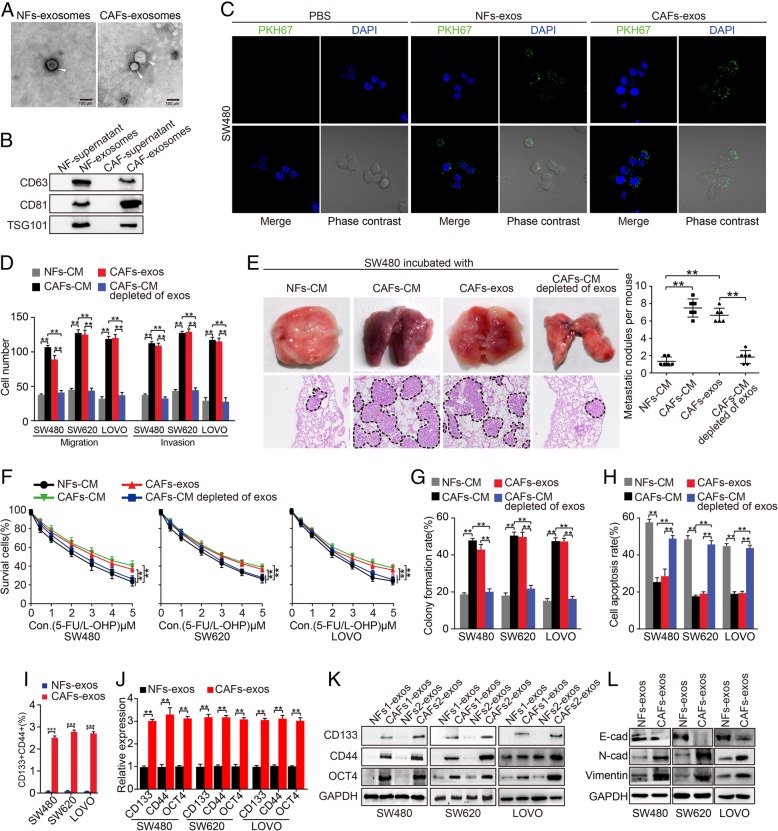
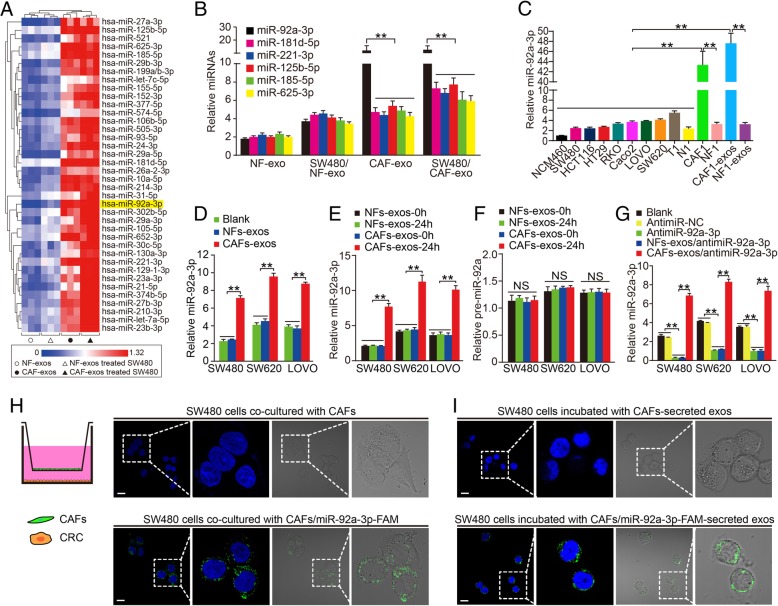
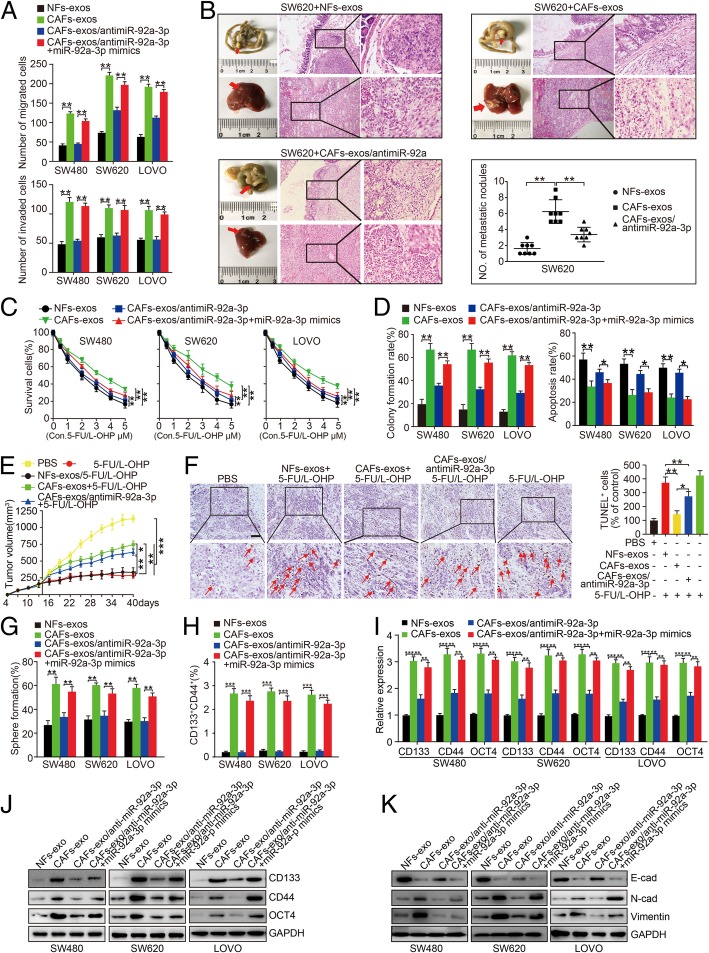
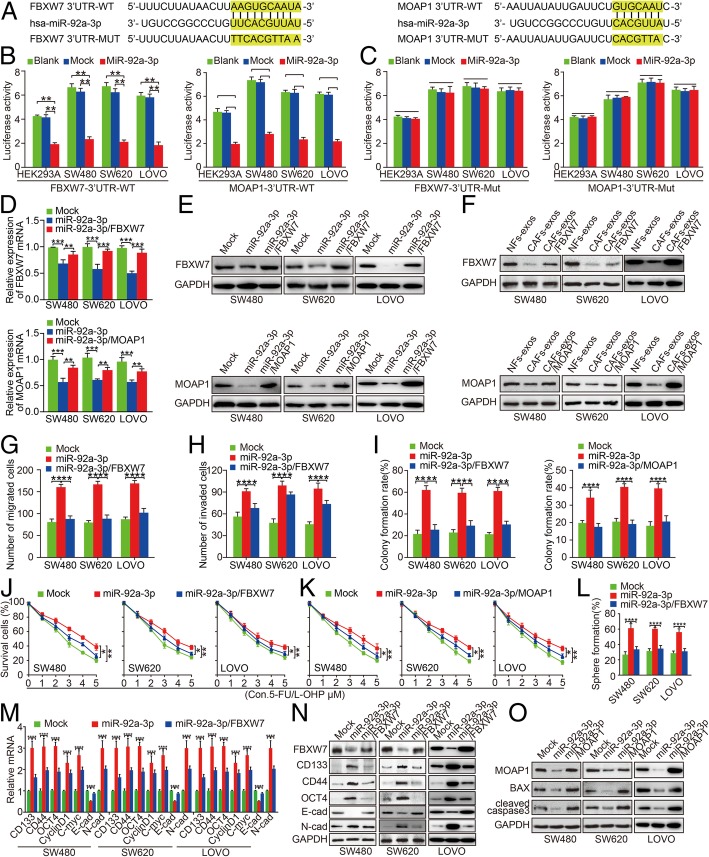
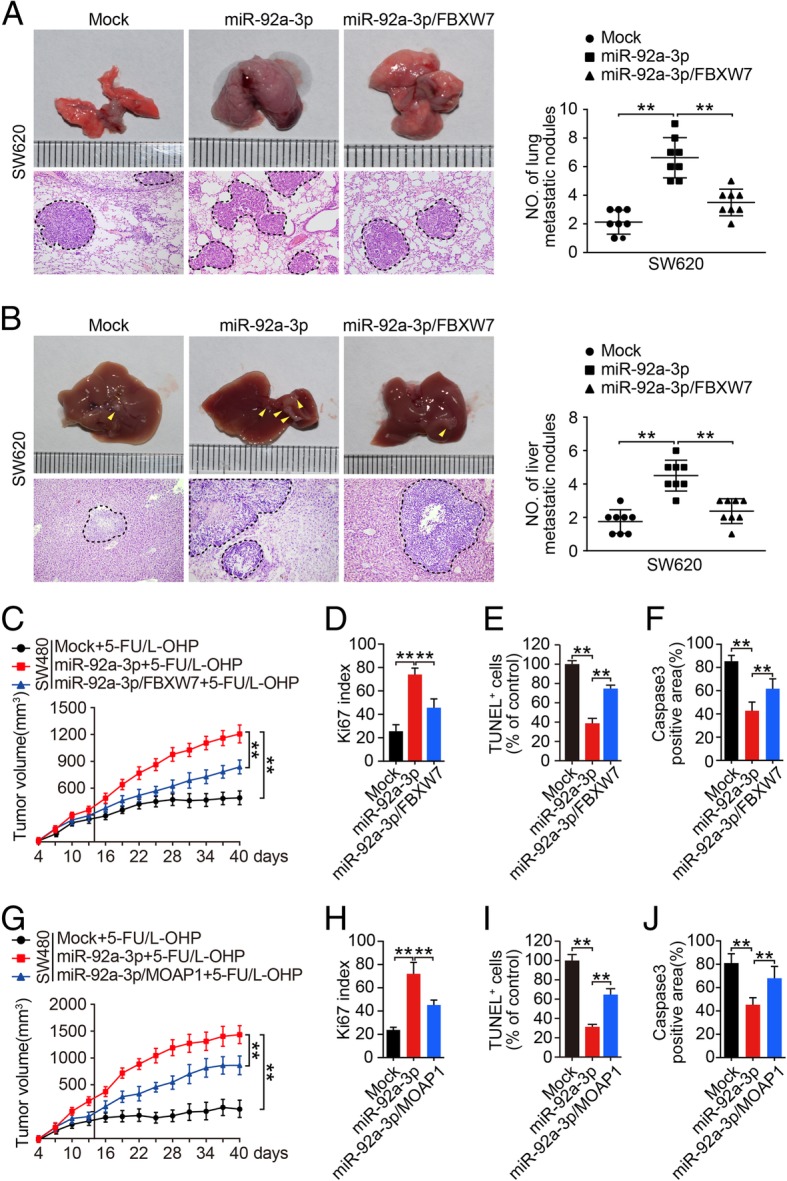
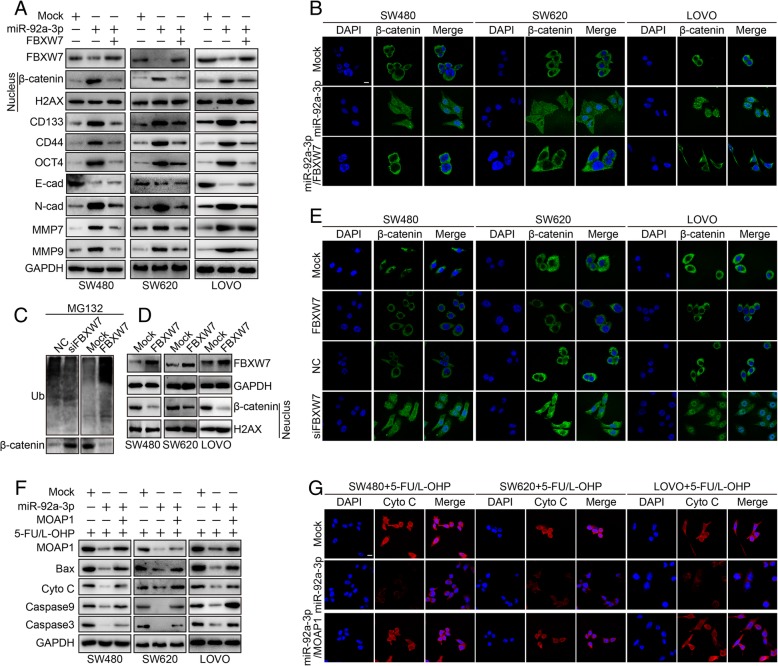
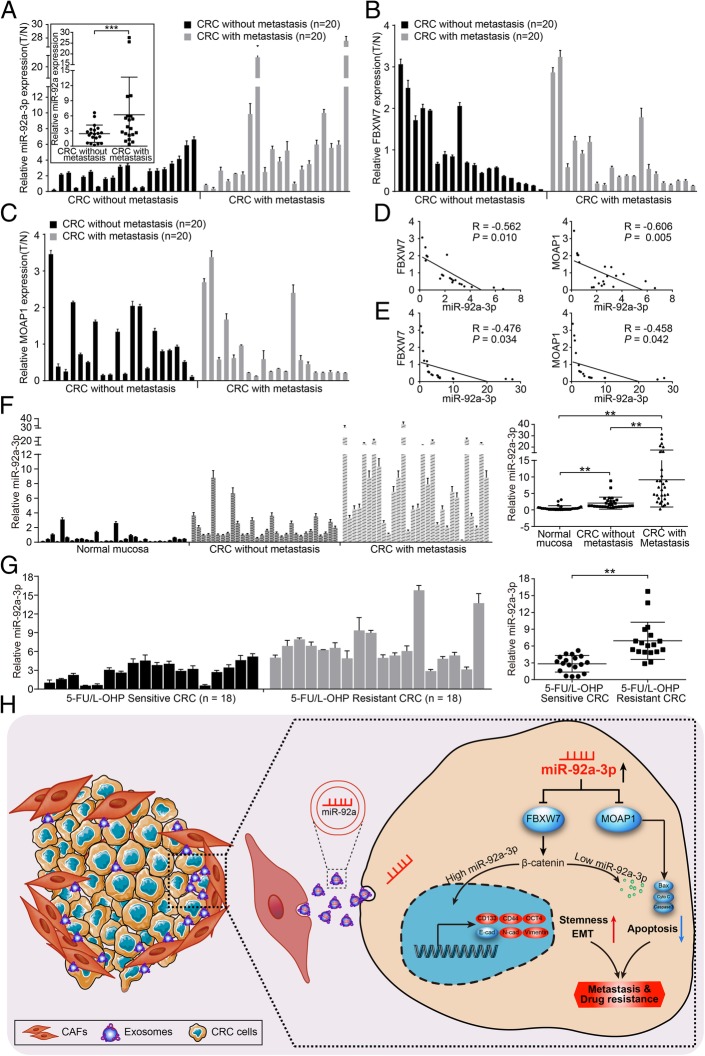
BACKGROUND: Cancer associated fibroblasts (CAFs) are key stroma cells that play dominant roles in tumor progression. However, the CAFs-derived molecular determinants that regulate colorectal cancer (CRC) metastasis and chemoresistance have not been fully characterized. METHODS: CAFs and NFs were obtained from fresh CRC and adjacent normal tissues. Exosomes were isolated from conditioned medium and serum of CRC patients using ultracentrifugation method and ExoQuick Exosome Precipitation Solution kit, and characterized by transmission electronic microscopy, nanosight and western blot. MicroRNA microarray was employed to identify differentially expressed miRNAs in exosomes secreted by CAFs or NFs. The internalization of exosomes, transfer of miR-92a-3p was observed by immunofluorescence. Boyden chamber migration and invasion, cell counting kit-8, flow cytometry, plate colony formation, sphere formation assays, tail vein injection and primary colon cancer liver metastasis assays were employed to explore the effect of NFs, CAFs and exosomes secreted by them on epithelial-mesenchymal transition, stemness, metastasis and chemotherapy resistance of CRC. Luciferase report assay, real-time qPCR, western blot, immunofluorescence, and immunohistochemistry staining were employed to explore the regulation of CRC metastasis and chemotherapy resistance by miR-92a-3p, FBXW7 and MOAP1. RESULTS: CAFs promote the stemness, epithelial-mesenchymal transition (EMT), metastasis and chemotherapy resistance of CRC cells. Importantly, CAFs exert their roles by directly transferring exosomes to CRC cells, leading to a significant increase of miR-92a-3p level in CRC cells. Mechanically, increased expression of miR-92a-3p activates Wnt/β-catenin pathway and inhibits mitochondrial apoptosis by directly inhibiting FBXW7 and MOAP1, contributing to cell stemness, EMT, metastasis and 5-FU/L-OHP resistance in CRC. Clinically, miR-92a-3p expression is significantly increased in CRC tissues and negatively correlated with the levels of FBXW7 and MOAP1 in CRC specimens, and high expression of exosomal miR-92a-3p in serum was highly linked with metastasis and chemotherapy resistance in CRC patients. CONCLUSIONS: CAFs secreted exosomes promote metastasis and chemotherapy resistance of CRC. Inhibiting exosomal miR-92a-3p provides an alternative modality for the prediction and treatment of metastasis and chemotherapy resistance in CRC.
Overview
The claims and statistics of this paper haven’t been checked yet.
Free: it reads the open-access text and checks the first 5 claims that cite a source we can check. Create a free account to check every claim.
Integrity signals
Registry
Cites
Statistics
Figures
Verification
Claims the paper makes
The claims and statistics of this paper haven’t been checked yet.
Free: it reads the open-access text and checks the first 5 claims that cite a source we can check. Create a free account to check every claim.
Claims other papers make about this one
Each is checked against this paper’s own text: does it say what the citing paper says it does?
The source backs part of the claim, not all of it — or backs it for a different population, condition or comparison.
In the citing paper
“Targeting these exosomes can effectively reduce autophagy activity and reverse CRC chemotherapy sensitivity [299,300,301].”
From Drug Resistance in Colorectal Cancer: From Mechanism to Clinic (2022) · cites this paper as [299]
Experimental — accuracy not yet measuredThe source backs part of the claim, not all of it — or backs it for a different population, condition or comparison.
In the citing paper
“A series of studies have shown that CAF-derived exosomes, such as miR-92a-3p, H19 and CCAL, promote CRC EMT and lead to CRC metastasis and chemotherapy resistance by activating the Wnt/β-catenin pathway.”
From Drug Resistance in Colorectal Cancer: From Mechanism to Clinic (2022) · cites this paper as [299]
Experimental — accuracy not yet measured
Self-check
Percentages, sums and reported differences re-computed from the paper’s own numbers.
The self-check needs the paper’s full text.
Citations
Cites
Bartel (2004) · doi:10.1016/s0092-8674(04)00045-5 · Cited by 34,714
MicroRNAs: Target Recognition and Regulatory Functions
Bartel, D. P. (2009) · Cell · doi:10.1016/j.cell.2009.01.002 · Cited by 20,068
Microenvironmental regulation of tumor progression and metastasis
Quail, D. F., & Joyce, J. A. (2013) · Nature Medicine · doi:10.1038/nm.3394 · Cited by 7,994
Global Cancer Incidence and Mortality Rates and Trends—An Update
Torre, L. A., Siegel, R. L., Ward, E. M., & Jemal, A. (2016) · Cancer Epidemiology, Biomarkers & Prevention · doi:10.1158/1055-9965.epi-15-0578 · Cited by 3,692
Tournigand, C., André, T., Achille, E., Lledo, G., Flesh, M., Mery-Mignard, D., Quinaux, E., Couteau, C., Buyse, M., Ganem, G., et al. (2004) · Journal of Clinical Oncology · doi:10.1200/jco.2004.05.113 · Cited by 2,915
Pancreatic cancer exosomes initiate pre-metastatic niche formation in the liver
Costa-Silva, B., Aiello, N. M., Ocean, A. J., Singh, S., Zhang, H., Thakur, B. K., Becker, A., Hoshino, A., Mark, M. T., Molina, H., et al. (2015) · Nature Cell Biology · doi:10.1038/ncb3169 · Cited by 2,692
The cancer stem cell: premises, promises and challenges
Clevers, H. (2011) · Nature Medicine · doi:10.1038/nm.2304 · Cited by 1,923
Cancer-secreted miR-105 destroys vascular endothelial barriers to promote metastasis
Zhou, W., Fong, M. Y., Min, Y., Somlo, G., Liu, L., Palomares, M. R., Yu, Y., Chow, A., O’Connor, S. T. F., Chin, A. R., et al. (2014) · Cancer Cell · doi:10.1016/j.ccr.2014.03.007 · Cited by 1,476
Migrating cancer stem cells — an integrated concept of malignant tumour progression
Brabletz, T., Jung, A., Spaderna, S., Hlubek, F., & Kirchner, T. (2005) · Nature Reviews Cancer · doi:10.1038/nrc1694 · Cited by 1,352 · cited 1×
“Cancer stem cells (CSCs) are self-renewable cell types that contribute to initiation, metastasis, relapse, and chemotherapy resistance of cancer cells [22, 23].”
BackgroundExosomes Mediate Stromal Mobilization of Autocrine Wnt-PCP Signaling in Breast Cancer Cell Migration
Luga, V., Zhang, L., Viloria-Petit, A. M., Ogunjimi, A. A., Inanlou, M. R., Chiu, E., Buchanan, M., Hosein, A. N., Basik, M., & Wrana, J. L. (2012) · Cell · doi:10.1016/j.cell.2012.11.024 · Cited by 1,311
Cited by
Wnt/β-catenin signalling: function, biological mechanisms, and therapeutic opportunities
Liu, J., Xiao, Q., Xiao, J., Niu, C., Li, Y., Zhang, X., Zhou, Z., Shu, G., & Yin, G. (2022) · Signal Transduction and Targeted Therapy · doi:10.1038/s41392-021-00762-6 · Cited by 2,519
“Highly expressed miR-92a-3p reduces the ubiquitin-mediated degradation of β-catenin by directly inhibiting FBXW7 and MOAP1 and promoting the progression of colorectal cancer (CRC).(55) MiR-182-5p directly inhibits the expression of FOXO3a, preventing its binding to β-catenin, enhancing the interaction between β-cateni…”
BackgroundTong, X., Tang, R., Xiao, M., Xu, J., Wang, W., Zhang, B., Liu, J., Yu, X., & Shi, S. (2022) · Journal of Hematology & Oncology · doi:10.1186/s13045-022-01392-3 · Cited by 883
“CAFs is crucial in cancer progression by contributing to the promotion of the EMT, cancer metastasis and chemotherapy resistance [158, 159].”
BackgroundSelf-citationWnt signaling in colorectal cancer: Pathogenic role and therapeutic target
Zhao, H., Ming, T., Tang, S., Ren, S., Yang, H., Liu, M., Tao, Q., & Xu, H. (2022) · Molecular Cancer · doi:10.1186/s12943-022-01616-7 · Cited by 857
“In terms of mechanism, the increased expression of miR-92a-3p activates the Wnt/β-catenin pathway, inhibits mitochondrial apoptosis by directly inhibiting FBXW7 and MOAP1, and promotes the stem cell, EMT, and metastasis of colorectal cancer cells [128].”
BackgroundSignaling pathways in cancer-associated fibroblasts and targeted therapy for cancer
Wu, F., Yang, J., Liu, J., Wang, Y., Mu, J., Zeng, Q., Deng, S., & Zhou, H. (2021) · Signal Transduction and Targeted Therapy · doi:10.1038/s41392-021-00641-0 · Cited by 773
Application of exosomes as liquid biopsy in clinical diagnosis
Zhou, B., Xu, K., Zheng, X., Chen, T., Wang, J., Song, Y., Shao, Y., & Zheng, S. (2020) · Signal Transduction and Targeted Therapy · doi:10.1038/s41392-020-00258-9 · Cited by 685
“Recently, Hu et al.(58) revealed another mechanism of liver metastasis of CRC via cancer-associated fibroblast-derived exosomes, which elevated the expression of miR-92a-3p and enhanced epithelial-mesenchymal transition and cell stemness in CRC cells.”
BackgroundThe biology, function, and applications of exosomes in cancer
Liu, J., Ren, L., Li, S., Li, W., Zheng, X., Yang, Y., Fu, W., Yi, J., Wang, J., & Du, G. (2021) · Acta Pharmaceutica Sinica B · doi:10.1016/j.apsb.2021.01.001 · Cited by 561
Emerging role of exosomes in cancer progression and tumor microenvironment remodeling
Paskeh, M. D. A., Entezari, M., Mirzaei, S., Zabolian, A., Saleki, H., Naghdi, M. J., Sabet, S., Khoshbakht, M. A., Hashemi, M., Hushmandi, K., et al. (2022) · Journal of Hematology & Oncology · doi:10.1186/s13045-022-01305-4 · Cited by 563
Isolation and characterization of exosomes for cancer research
Zhu, L., Sun, H.-T., Wang, S., Huang, S.-L., Zheng, Y., Wang, C.-Q., Hu, B.-Y., Qin, W., Zou, T.-T., Fu, Y., et al. (2020) · Journal of Hematology & Oncology · doi:10.1186/s13045-020-00987-y · Cited by 520
“CAFs can promote chemotherapy resistance in CRCs by increasing the miR-92a-3p level in the recipient cells via secretion of exosomes loaded with miR-92a-3p [137].”
BackgroundUnveiling the mechanisms and challenges of cancer drug resistance
Khan, S. U., Fatima, K., Aisha, S., & Malik, F. (2024) · Cell Communication and Signaling · doi:10.1186/s12964-023-01302-1 · Cited by 417
“…(stromal cells) : are activated fibroblasts, abundantly associated with cancerous cells in the TME, a variety of oncogenic cues like growth factors, chemokines, exosomes, etc. contributed by CAFs allow cancer cells to undergo EMT, evade therapies and potentiate them for tumor relapse [241–244].”
BackgroundColorectal liver metastasis: molecular mechanism and interventional therapy
Zhou, H., Liu, Z., Wang, Y., Wen, X., Amador, E. H., Yuan, L., Ran, X., Xiong, L., Ran, Y., Chen, W., et al. (2022) · Signal Transduction and Targeted Therapy · doi:10.1038/s41392-022-00922-2 · Cited by 298
“Moreover, exosomal miRNAs are secreted by cancer-associated fibroblasts (CAFs), then they are transferred to CRC cells.(98) Mechanistically, miR-92a-3p inhibits mitochondrial apoptosis by activating the Wnt/β-catenin pathway and inhibiting FBXW7 and MOAP1, thereby enhancing stemness, EMT, metastasis and 5-FU/ L-OHP re…”
BackgroundSignaling pathways in cancer‐associated fibroblasts: recent advances and future perspectives
Fang, Z., Meng, Q., Xu, J., Wang, W., Zhang, B., Liu, J., Liang, C., Hua, J., Zhao, Y., Yu, X., et al. (2023) · Cancer Communications · doi:10.1002/cac2.12392 · Cited by 280
Self-citationRoles of cancer-associated fibroblasts (CAFs) in anti- PD-1/PD-L1 immunotherapy for solid cancers
Pei, L., Liu, Y., Liu, L., Gao, S., Gao, X., Feng, Y., Sun, Z., Zhang, Y., & Wang, C. (2023) · Molecular Cancer · doi:10.1186/s12943-023-01731-z · Cited by 257
“In addition, miR-92a-3p is also taken up by CRC cells to increase its internal expression level, thereby activating the Wnt/β-catenin pathway and directly inhibiting the downstream targets FBXW7 and MOAP1, ultimately attenuating mitochondrial apoptosis and increasing tumor aggressiveness and chemotherapy resistance [1…”
BackgroundTransforming Growth Factor-β Signaling in Fibrotic Diseases and Cancer-Associated Fibroblasts
Shi, X., Young, C. D., Zhou, H., & Wang, X.-J. (2020) · Biomolecules · doi:10.3390/biom10121666 · Cited by 243
The Role of Cancer-Associated Fibroblasts in Cancer Invasion and Metastasis
Asif, P. J., Longobardi, C., Hahne, M., & Medema, J. P. (2021) · Cancers · doi:10.3390/cancers13184720 · Cited by 248
“This miRNA targets FBXW7 and MOAP1, whose overexpression enhances mitochondrial apoptosis and inhibition of stemness, reverting migration, invasion, and therapeutic resistance [77].”
BackgroundLi, Q., Lai, Q., He, C., Fang, Y., Yan, Q., Zhang, Y., Wang, X., Gu, C., Wang, Y., Ye, L., et al. (2019) · Journal of Experimental & Clinical Cancer Research · doi:10.1186/s13046-019-1330-9 · Cited by 232
“The process known as epithelial to mesenchymal transition (EMT) is a key mechanism in the invasiveness and metastatic drive in most cases of carcinoma [6].”
BackgroundParadoxical effects of chemotherapy on tumor relapse and metastasis promotion
D’Alterio, C., Scala, S., Sozzi, G., Roz, L., & Bertolini, G. (2020) · Seminars in Cancer Biology · doi:10.1016/j.semcancer.2019.08.019 · Cited by 219
Feng, B., Wu, J., Shen, B., Jiang, F., & Feng, J. (2022) · Cancer Cell International · doi:10.1186/s12935-022-02599-7 · Cited by 210
“Further study indicates that CAFs contribute to cancer stemness, EMT, metastasis, and 5-FU/L-OHP resistance by directly transferring exosomes to cancer cells, which leads to a significant increase of miR-92a-3p and activation of Wnt/β-catenin pathway, hence inhibiting mitochondrial apoptosis by directly inhibiting F-b…”
BackgroundTissue‐derived extracellular vesicles in cancers and non‐cancer diseases: Present and future
Li, S., Man, Q., Gao, X., Lin, H., Wang, J., Su, F., Wang, H., Bu, L., Liu, B., & Chen, G. (2021) · Journal of Extracellular Vesicles · doi:10.1002/jev2.12175 · Cited by 202
Yang, B., Feng, X., Liu, H., Tong, R., Wu, J., Li, C., Yu, H., Chen, Y., Cheng, Q., Chen, J., et al. (2020) · Oncogene · doi:10.1038/s41388-020-01450-5 · Cited by 189
“MiR92a-3p also plays its oncogenic role in gastric cancer [36], colorectal cancer [37] and breast cancer [38].”
BackgroundSelf-citationExosomes as potential sources of biomarkers in colorectal cancer
Xiao, Y., Zhong, J., Zhong, B., Huang, J., Jiang, L., Jiang, Y., Yuan, J., Sun, J., Dai, L., Yang, C., et al. (2020) · Cancer Letters · doi:10.1016/j.canlet.2020.01.033 · Cited by 187
Liu, Z., Guo, C., Dang, Q., Wang, L., Liu, L., Weng, S., Xu, H., Lu, T., Sun, Z., & Han, X. (2022) · eBioMedicine · doi:10.1016/j.ebiom.2021.103750 · Cited by 181
Tumor heterogeneity: preclinical models, emerging technologies, and future applications
Proietto, M., Crippa, M., Damiani, C., Pasquale, V., Sacco, E., Vanoni, M., & Gilardi, M. (2023) · Frontiers in Oncology · doi:10.3389/fonc.2023.1164535 · Cited by 172
Targeted Delivery of Drugs and Genes Using Polymer Nanocarriers for Cancer Therapy
Xia, W., Tao, Z., Zhu, B., Zhang, W., Liu, C., Chen, S., & Song, M. (2021) · International Journal of Molecular Sciences · doi:10.3390/ijms22179118 · Cited by 173
“However, traditional therapies are only effective for some early malignant tumors [27–29], and the main reasons for eventual failure of tumor treatment are metastasis [30], recurrence [31], heterogeneity [32], chemotherapy resistance [33], and avoidance of immune surveillance [34].”
BackgroundThe Role of Tumor-Stroma Interactions in Drug Resistance Within Tumor Microenvironment
Ni, Y., Zhou, X., Yang, J., Shi, H., Li, H., Zhao, X., & Ma, X. (2021) · Frontiers in Cell and Developmental Biology · doi:10.3389/fcell.2021.637675 · Cited by 168
Yang, S.-S., Ma, S., Dou, H., Liu, F., Zhang, S.-Y., Jiang, C., Xiao, M., & Huang, Y.-X. (2020) · Experimental Cell Research · doi:10.1016/j.yexcr.2020.111983 · Cited by 169
Xu, G., Zhang, B., Ye, J., Cao, S., Shi, J., Zhao, Y., Wang, Y., Sang, J., Yao, Y., Guan, W., et al. (2019) · International Journal of Biological Sciences · doi:10.7150/ijbs.33750 · Cited by 166
“Our findings indicate that exosomal miR-139 derived from gastric CAFs could inhibit the progression and metastasis of gastric cancer by targeting MMP11 in TME.”
BackgroundInfluentialThe Wnt Signalling Pathway: A Tailored Target in Cancer
Koni, M., Pinnarò, V., & Brizzi, M. F. (2020) · International Journal of Molecular Sciences · doi:10.3390/ijms21207697 · Cited by 162
“miR-92a-3p CRC EVs Upregulated cancer progression stemness EMT drug resistance [73]”
BackgroundInfluentialDrug Resistance in Colorectal Cancer: From Mechanism to Clinic
Wang, Q., Shen, X., Chen, G., & Du, J. (2022) · Cancers · doi:10.3390/cancers14122928 · Cited by 160
Cancer-secreted exosomal miR-21-5p induces angiogenesis and vascular permeability by targeting KRIT1
He, Q., Ye, A., Ye, W., Liao, X., Qin, G., Xu, Y., Yin, Y., Luo, H., Yi, M., Xian, L., et al. (2021) · Cell Death & Disease · doi:10.1038/s41419-021-03803-8 · Cited by 159
Dynamic liquid biopsy components as predictive and prognostic biomarkers in colorectal cancer
Raza, A., Khan, A. Q., Inchakalody, V. P., Mestiri, S., Yoosuf, Z. S. K. M., Bedhiafi, T., El-Ella, D. M. A., Taib, N., Hydrose, S., Akbar, S., et al. (2022) · Journal of Experimental & Clinical Cancer Research · doi:10.1186/s13046-022-02318-0 · Cited by 176
Glaviano, A., Lau, H., Carter, L. M., Lee, E. H. C., Lam, H. Y., Okina, E., Tan, D. J. J., Tan, W., Ang, H. L., Carbone, D., et al. (2025) · Journal of Hematology & Oncology · doi:10.1186/s13045-024-01634-6 · Cited by 183
Clinical significance of FBXW7 loss of function in human cancers
Fan, J., Bellon, M., Ju, M., Zhao, L., Wei, M., Fu, L., & Nicot, C. (2022) · Molecular Cancer · doi:10.1186/s12943-022-01548-2 · Cited by 169
“Recent genome sequencing studies suggest that as much as 16% of CRC patients demonstrate mutation(s) in FBXW7 [99].”
BackgroundInfluentialRole of Epithelial to Mesenchymal Transition in Colorectal Cancer
Lu, J., Kornmann, M., & Traub, B. (2023) · International Journal of Molecular Sciences · doi:10.3390/ijms241914815 · Cited by 167
Exosomal transfer of p-STAT3 promotes acquired 5-FU resistance in colorectal cancer cells
Zhang, Q., Liu, R., Chan, K., Hu, J., Zhang, J., Wei, L., Tan, H., Yang, X., & Liu, H. (2019) · Journal of Experimental & Clinical Cancer Research · doi:10.1186/s13046-019-1314-9 · Cited by 148
Self-citationExtracellular Vesicles in Cancer Drug Resistance: Roles, Mechanisms, and Implications
Yang, Q., Xu, J. B., Gu, J., Shi, H., Zhang, J., Zhang, J., Chen, Z., Fang, X., Zhu, T., & Zhang, X. (2022) · Advanced Science · doi:10.1002/advs.202201609 · Cited by 162
Zhou, L., Li, J., Tang, Y., & Yang, M. (2021) · Journal of Translational Medicine · doi:10.1186/s12967-020-02648-7 · Cited by 135
“The activated fibroblasts are often called cancer-associated fibroblasts (CAFs), which are currently identified as one of the most active cell types of the tumor microenvironment (TME) [5].”
BackgroundInfluentialExtracellular vesicles and particles impact the systemic landscape of cancer
Lucotti, S., Kenific, C. M., Zhang, H., & Lyden, D. C. (2022) · The EMBO Journal · doi:10.15252/embj.2021109288 · Cited by 155
Pan, S., Zhan, Y., Chen, X., Wu, B., & Liu, B. (2019) · Frontiers in Oncology · doi:10.3389/fonc.2019.00613 · Cited by 144
“Cancer-associated fibroblasts also contribute to chemotherapy resistance in the cancer microenvironment (16).”
BackgroundPeng, Z., Ye, M., Ding, H., Feng, Z., & Hu, K. (2022) · Journal of Translational Medicine · doi:10.1186/s12967-022-03510-8 · Cited by 135
“Our study indicated that iCAFs up-regulated EMT signature, while tumor cells lacked of an EMT marker, suggesting that EMT may be driven by fibroblasts rather than tumor cells [19, 33, 34].”
BackgroundCancer-associated fibroblasts: The chief architect in the tumor microenvironment
Sarkar, M., Nguyen, T., Gundre, E., Ogunlusi, O., El-Sobky, M. H., Giri, B., & Sarkar, T. R. (2023) · Frontiers in Cell and Developmental Biology · doi:10.3389/fcell.2023.1089068 · Cited by 166
“For example, miR92a-3p expression was dramatically elevated in colorectal cancer (CRC) cells following phagocytosis of CAFs-derived exosomes (Hu et al., 2019).”
BackgroundThe c-Myc/miR-27b-3p/ATG10 regulatory axis regulates chemoresistance in colorectal cancer
Sun, W., Li, J., Zhou, L., Han, J., Liu, R., Zhang, H., Ning, T., Gao, Z., Liu, B., Chen, X., et al. (2020) · Theranostics · doi:10.7150/thno.37621 · Cited by 144
“In addition to oxaliplatin, 5-Fu also serves as the backbone of systemic combination chemotherapy in CRC treatment [25].”
BackgroundThe key roles of cancer stem cell-derived extracellular vesicles
Su, C., Zhang, J., Yarden, Y., & Fu, L. (2021) · Signal Transduction and Targeted Therapy · doi:10.1038/s41392-021-00499-2 · Cited by 148
“showed that CAFs-derived exosomes enhanced the stemness and resistance of colorectal cancer cells.(136,137) Therefore, EVs-mediated cross talk between the tumor and microenvironment is an important manner by which resistance can be transferred to sensitive cancer cells.”
BackgroundHe, J., Qiu, Z., Fan, J., Xie, X., Sheng, Q., & Sui, X. (2024) · Signal Transduction and Targeted Therapy · doi:10.1038/s41392-024-01891-4 · Cited by 160
Guo, T., & Xu, J. (2024) · Cancer and Metastasis Reviews · doi:10.1007/s10555-024-10186-7 · Cited by 158
“Additionally, CAF-secreted exosomes have been shown to sustain cell stemness in various cancers [97, 98].”
BackgroundLu, L., Huang, J., Mo, J., Da, X., Li, Q., Fan, M., & Lü, H. (2022) · Cellular & Molecular Biology Letters · doi:10.1186/s11658-022-00309-9 · Cited by 132
“CAFs are key determinants that contribute to growth, invasion, metastasis, and therapy resistance of human cancer by exosome mediated cellular communication [33].”
BackgroundCancer-Associated Fibroblasts: Versatile Players in the Tumor Microenvironment
Ganguly, D., Chandra, R., Karalis, J. D., Teke, M. E., Aguilera, T. A., Maddipati, R., Wachsmann, M., Ghersi, D., Siravegna, G., Zeh, H. J., et al. (2020) · Cancers · doi:10.3390/cancers12092652 · Cited by 136
Mitochondrial function and gastrointestinal diseases
Haque, P. S., Kapur, N., Barrett, T. A., & Theiss, A. L. (2024) · Nature Reviews Gastroenterology & Hepatology · doi:10.1038/s41575-024-00931-2 · Cited by 166
“254).”
From gatekeepers to providers: regulation of immune functions by cancer-associated fibroblasts
Arpinati, L., & Scherz‐Shouval, R. (2023) · Trends in cancer · doi:10.1016/j.trecan.2023.01.007 · Cited by 140
Dou, R., Liu, K., Yang, C., Zheng, J., Shi, D., Lin, X., Chen, W., Zhang, C., Fang, Y., Huang, S., et al. (2021) · Clinical and Translational Medicine · doi:10.1002/ctm2.595 · Cited by 129
“The phosphorylated levels in HCT116 cells that underwent EMT were up-regulated, and STAT3 was highly activated in two mesenchymal CRC cell lines as well (SW480, SW620) (Figure 5G).”
Wu, X., Que, H., Li, Q., & Wei, X. (2025) · Molecular Cancer · doi:10.1186/s12943-025-02363-1 · Cited by 178
“The examples mentioned before, including p53 -induced 5-FU resistance [48], Sec62-induced drug resistance [119] and CAFs-induced 5-FU/L-OHP resistance via Wnt/β-catenin signaling [59] are all discovered in CRC.”
The Emerging Roles of Exosomes as EMT Regulators in Cancer
Kim, H., Lee, S., Shin, E., Seong, K. M., Jin, Y. W., Youn, H., & Youn, B. (2020) · Cells · doi:10.3390/cells9040861 · Cited by 134
“In another study, it was reported that miR-92a in fibroblast-derived exosomes activates the Wnt/β-catenin signaling pathway and induces EMT in colorectal cancer cells [44].”
BackgroundRoles of exosomes in immunotherapy for solid cancers
Lyu, C., Sun, H., Sun, Z., Liu, Y., & Wang, Q. (2024) · Cell Death and Disease · doi:10.1038/s41419-024-06494-z · Cited by 132
“In colorectal cancer (CRC), exosomal miR-92a-3p derived from CAFs activated the Wnt/ β -catenin pathway and inhibited mitochondrial apoptosis by attenuating the expression of FBXW7 and MOAP1, thereby promoting cell stemness, EMT, metastasis, and chemotherapy resistance [101].”
BackgroundThe cancer exosomes: Clinical implications, applications and challenges
Tang, Z., Li, D., Hou, S., & Zhu, X. M. (2019) · International Journal of Cancer · doi:10.1002/ijc.32762 · Cited by 118
“1b).(15) Inhibiting CAF-derived exosomal RNAs provides an alternative modality for the prediction and treatment of therapy resistance in cancer.”
BackgroundSelf-citationShan, G., Zhou, X., Gu, J., Zhou, D., Cheng, W., Wu, H., Wang, Y., Tang, T., & Wang, X. (2021) · Cellular Oncology · doi:10.1007/s13402-020-00500-0 · Cited by 114
Determinants and functions of CAFs secretome during cancer progression and therapy
Linares, J., Marín-Jiménez, J. A., Badia-Ramentol, J., & Calon, A. (2021) · Frontiers in Cell and Developmental Biology · doi:10.3389/fcell.2020.621070 · Cited by 110
“Similar to cancer cell-derived EVs, CAF-derived EVs contain commonly miRNA, which has been described to promote migration and resistance to treatment in several tumors (Dourado et al., 2019; Hu et al., 2019; Qin et al., 2019; Sun et al., 2019; Wang J.-W. et al., 2019).”
BackgroundYang, F., Yan, Y., Yang, Y., Hong, X., Wang, M., Yang, Z., Liu, B., & Ye, L. (2020) · Cellular Signalling · doi:10.1016/j.cellsig.2020.109675 · Cited by 110
Self-citationRetractedZhu, Y., Li, X., Wang, L., Hong, X., & Yang, J. (2022) · Frontiers in Endocrinology · doi:10.3389/fendo.2022.988295 · Cited by 125
Novel strategies to reverse chemoresistance in colorectal cancer
Ma, S., Zhang, J., Yan, T., Miao, M., Cao, Y., Cao, Y., Zhang, L., & Li, L. (2023) · Cancer Medicine · doi:10.1002/cam4.5594 · Cited by 108
Tumor-derived extracellular vesicles: The metastatic organotropism drivers
Rezaie, J., Ahmadi, M., Gavgani, R. R., Mojarad, B., Mahbubfam, S., Shaban, S. A., Shadi, K., Berenjabad, N. J., & Etemadi, T. (2021) · Life Sciences · doi:10.1016/j.lfs.2021.120216 · Cited by 110
Zhou, X., Han, J., Zuo, A., Ba, Y., Liu, S., Xu, H., Zhang, Y., Weng, S., Zhou, Z., Liu, L., et al. (2024) · Molecular Cancer · doi:10.1186/s12943-024-02180-y · Cited by 127
Yang, H., Sun, B., Fan, L., Ma, W., Xu, K., Hall, S. R. R., Wang, Z., Schmid, R. A., Peng, R., Marti, T. M., et al. (2022) · Theranostics · doi:10.7150/thno.69590 · Cited by 116
“Particularly, CAFs also represent one of the major sources secreting exosomes in cancer [17].”
BackgroundChen, X., Liu, Y., Zhang, Q., Liu, B., Cheng, Y., Zhang, Y., Sun, Y., & Liu, J. (2020) · Molecular Therapy — Nucleic Acids · doi:10.1016/j.omtn.2020.11.003 · Cited by 109
“Increasing evidence demonstrates that cancer-associated fibroblasts (CAFs), a major cellular component of the cancer stroma, can promote the progression of CRC.7 In addition, CAF-derived exosomes (CAF-exo) are reported to cause CRC cell chemoresistance.8 Exosomes are a group of nanometer-sized membrane vesicles releas…”
BackgroundInfluentialThe roles of exosomes in cancer drug resistance and its therapeutic application
Li, S., Yi, M., Dong, B., Jiao, Y., Luo, S., & Wu, K. (2020) · Clinical and Translational Medicine · doi:10.1002/ctm2.257 · Cited by 107
The Role of the Tumor Microenvironment and Treatment Strategies in Colorectal Cancer
Chen, Y., Zheng, X., & Wu, C. (2021) · Frontiers in Immunology · doi:10.3389/fimmu.2021.792691 · Cited by 116
“The mechanism is dependent on increased expression of miR-92a-3p, which directly inhibits Fbxw7 and moap1 and activates Wnt/bCatenin pathway to inhibit mitochondrial apoptosis and promote stem cell differentiation, the EMT, metastasis and 5-FU/L-OHP resistance in CRC cells (50).”
BackgroundPotential roles and prognostic significance of exosomes in cancer drug resistance
Mostafazadeh, M., Samadi, N., Kahroba, H., Baradaran, B., Haiaty, S., & Nouri, M. (2021) · Cell & Bioscience · doi:10.1186/s13578-020-00515-y · Cited by 98
“Colorectal cancer miR-92a-3p (5-Fu/Oxaliplatin) [55]”
BackgroundDrug resistance in colorectal cancer: An epigenetic overview
Luo, M., Yang, X., Chen, H.-N., Nice, E. C., & Huang, C. (2021) · Biochimica et Biophysica Acta (BBA) - Reviews on Cancer · doi:10.1016/j.bbcan.2021.188623 · Cited by 94
Exosomes as Drug Carriers in Anti-Cancer Therapy
Chen, L., Wang, L., Zhu, L., Xu, Z., Liu, Y., Li, Z., Zhou, J., & Luo, F. (2022) · Frontiers in Cell and Developmental Biology · doi:10.3389/fcell.2022.728616 · Cited by 92
“revealed that cancer-associated fibroblasts secrete exosomes, which promote metastasis and chemoresistance of colorectal cancer (Hu et al., 2019).”
BackgroundThe Role of Cancer-Associated Fibroblasts and Extracellular Vesicles in Tumorigenesis
Shoucair, I., Mello, F. W., Jabalee, J., Maleki, S., & Garnis, C. (2020) · International Journal of Molecular Sciences · doi:10.3390/ijms21186837 · Cited by 96
“Hu (2019) [86] CRC sEVs (exosomes); 50–100 nm Ultracentrifugation; precipitation via ExoQuick Exosome kit miR-92a-3p CAF-derived exosomes promote growth, invasion, metastasis, and chemotherapy (5-FU/L-OHP) resistance in CRC; CAF-derived exosome mediated transfer of miR-92a-3p activates Wnt/β-catenin pathway and inhibi…”
BackgroundPeng, S., Li, Y., Huang, M., Tang, G., Xie, Y., Chen, D., Hu, Y., Yu, T., Cai, J. Q., Yuan, Z., et al. (2022) · International Journal of Biological Sciences · doi:10.7150/ijbs.68484 · Cited by 101
“Although CAFs have recently been suggested to play a tumor-suppressive role [41, 42], CAFs also play dominant roles in tumor cell growth, metastasis and chemoresistance as well as tumor immune escape [43, 44].”
BackgroundThe role of extracellular vesicles in the transfer of drug resistance competences to cancer cells
Xavier, C. P. R., Belisario, D. C., Rebelo, R., Assaraf, Y. G., Giovannetti, E., Kopecka, J., & Vasconcelos, M. H. (2022) · Drug Resistance Updates · doi:10.1016/j.drup.2022.100833 · Cited by 106
Fan, J., Zhou, Z., Luo, Y., Luo, Q., Chen, S., Zhao, J., & Chen, Q.-R. (2021) · Neoplasia · doi:10.1016/j.neo.2021.05.004 · Cited by 90
Sabouni, E., Nejad, M. M., Mojtabavi, S., Khoshdooz, S., Mojtabavi, M., Nadafzadeh, N., Nikpanjeh, N., Mirzaei, S., Hashemi, M., Aref, A. R., et al. (2023) · Biomedicine & Pharmacotherapy · doi:10.1016/j.biopha.2023.114395 · Cited by 99
Drug resistance and tumor immune microenvironment: An overview of current understandings (Review)
Liu, Y., Liang, J., Zhang, Y., & Guo, Q. (2024) · International Journal of Oncology · doi:10.3892/ijo.2024.5684 · Cited by 107
“…i) They can deliver molecules that may induce drug resistance: CAF‑derived exosomes carry microRNAs (miRNAs or miRs), which can alter the gene expression profile of tumor cells and promote drug resistance by downregulating tumor suppressor genes or upregulating drug‑resistance‑related genes (147).”
BackgroundWang, S., Hu, Y., Lv, X., Li, B., Gu, D., Li, Y., Sun, Y. J., & Su, Y. (2019) · Clinical Science · doi:10.1042/cs20190589 · Cited by 90
Tong, Y., Yang, L., Yu, C., Zhu, W., Zhou, X., Xiong, Y., Wang, W., Ji, F.-Z., He, D., & Cao, X. (2020) · Molecular Therapy — Oncolytics · doi:10.1016/j.omto.2020.05.014 · Cited by 89
“CAFs occupy a central position in the TME and have been reported to create suitable conditions for the progression of cancer cells.(38,39) Furthermore, they are often the key factors that foster the resistance to therapy, whether it is chemotherapy, RT, or targeted approaches.”
BackgroundSelf-citationZhou, Y., Tang, W., Zhuo, H., Zhu, D., Rong, D., Sun, J., & Song, J. (2022) · Bioengineered · doi:10.1080/21655979.2022.2032972 · Cited by 89
“CAFs and their exosomes have been shown to be involved in tumor progression and chemoresistance in a variety of malignancy [22,35,36].”
BackgroundZhang, Y., Zhao, J., Ding, M., Su, Y., Cui, D., Jiang, C., Zhao, S., Jia, G., Wang, X., Ruan, Y., et al. (2020) · Journal of Experimental & Clinical Cancer Research · doi:10.1186/s13046-020-01761-1 · Cited by 98
Zhan, Y., Du, J.-X., Min, Z., Ma, L., Zhang, W., Zhu, W., & Liu, Y. (2021) · Cell Death Discovery · doi:10.1038/s41420-021-00506-z · Cited by 88
Dangerous Liaisons: Circulating Tumor Cells (CTCs) and Cancer-Associated Fibroblasts (CAFs)
Hurtado, P., Martínez-Peña, I., & Piñeiro, R. (2020) · Cancers · doi:10.3390/cancers12102861 · Cited by 97
Exosomes and cancer: from molecular mechanisms to clinical applications
Jafari, A., Babajani, A., Abdollahpour‐Alitappeh, M., Ahmadi, N., & Rezaei–Tavirani, M. (2021) · Medical Oncology · doi:10.1007/s12032-021-01491-0 · Cited by 93
Yan, Z., Sheng, Z., Zheng, Y., Feng, R., Xiao, Q., Shi, L., Li, H., Yin, C., Luo, H., Hao, C., et al. (2021) · Cell Death and Disease · doi:10.1038/s41419-021-04409-w · Cited by 80
Self-citationCuproptosis: unveiling a new frontier in cancer biology and therapeutics
Feng, Y., Yang, Z., Wang, J., & Hai, Z. (2024) · Cell Communication and Signaling · doi:10.1186/s12964-024-01625-7 · Cited by 98
“Cancer-asso-ciated fibroblasts play a pivotal role in the advancement of cancer by fostering epithelial-mesenchymal transition, metastasis, and resistance to chemotherapy [154, 155].”
BackgroundZeng, X., Ward, S. E., Zhou, J., & Cheng, A. S. L. (2021) · Cancers · doi:10.3390/cancers13102418 · Cited by 88
“CAFs can also directly transferred exosomes (containing miR-92a-3p) to CRC cells, which subsequently activated Wnt/βcatenin pathway and inhibited mitochondrial apoptosis, contributing to cell stemness, EMT, metastasis, and 5-FU/L-OHP resistance in CRC [52].”
BackgroundEmerging Role of Cancer-Associated Fibroblasts-Derived Exosomes in Tumorigenesis
Peng, L., Wang, D., Han, Y., Huang, T., He, X., Wang, J., & Ou, C. (2022) · Frontiers in Immunology · doi:10.3389/fimmu.2021.795372 · Cited by 83
“have reported that CAF-derived exosomes can be directly transferred to CRC cells, which significantly increases the level of miR-92a-3p, contributing to cell stemness, EMT, metastasis, and fluorouracil/oxaliplatin resistance in CRC (25).”
BackgroundInfluentialPeng, Z., Tong, Z., Ren, Z., Ye, M., & Hu, K. (2023) · Molecular Medicine · doi:10.1186/s10020-023-00665-y · Cited by 91
Exosomes in the tumor microenvironment: Promoting cancer progression
Jin, Y., Xing, J., Xu, K., Liu, D., & Zhuo, Y. (2022) · Frontiers in Immunology · doi:10.3389/fimmu.2022.1025218 · Cited by 93
Modulation of macrophage metabolism as an emerging immunotherapy strategy for cancer
Dussold, C., Zilinger, K., Turunen, J. R., Heimberger, A. B., & Miska, J. M. (2024) · Journal of Clinical Investigation · doi:10.1172/jci175445 · Cited by 89
“A phase II study has been initiated to investigate the effects of combining nivolumab, tadalafil, and oral vancomycin in patients diagnosed with refractory primary hepatocellular carcinoma or liver-dominant metastatic cancer originating from colorectal or pancreatic cancers (148).”
Exosomal miRNAs: the tumor's trojan horse in selective metastasis
Bayat, M., & Nahand, J. S. (2024) · Molecular Cancer · doi:10.1186/s12943-024-02081-0 · Cited by 92
Tumor Immune Microenvironment and Immunotherapy in Brain Metastasis From Non-Small Cell Lung Cancer
Wang, Y.-C., Chen, R., Wa, Y., Ding, S., Yang, Y., Liao, J., Tong, L., & Xiao, G. (2022) · Frontiers in Immunology · doi:10.3389/fimmu.2022.829451 · Cited by 89
“Evidence of fibroblastic entities and their presence in the brain is limited, though fibroblasts are linked to the progression and metastasis of many cancers (77) for their pro-angiogenic and immunosuppressive effects.”
BackgroundJiang, Y., Wang, K., Lu, X., Wang, Y., & Chen, J. (2021) · Molecular Immunology · doi:10.1016/j.molimm.2021.10.002 · Cited by 80
Colorectal cancer: Metabolic interactions reshape the tumor microenvironment
Chen, J., Zhu, H., Yin, Y., Jia, S., & Luo, X. (2022) · Biochimica et Biophysica Acta (BBA) - Reviews on Cancer · doi:10.1016/j.bbcan.2022.188797 · Cited by 85
Han, S., Wang, D., Huang, Y., Zeng, Z., Xu, P., Xiong, H., Ke, Z., Zhang, Y., Hu, Y., Wang, F., et al. (2022) · Journal of Experimental & Clinical Cancer Research · doi:10.1186/s13046-022-02556-2 · Cited by 80
“al showed that exosomal miR-92a-3p secreted by cancer-associated fibroblasts facilitated the stemness, EMT, metastasis, and chemotherapy resistance of CRC cells through Wnt/βcatenin axis [44].”
BackgroundSelf-citationExtracellular Vesicles: New Endogenous Shuttles for miRNAs in Cancer Diagnosis and Therapy?
Martellucci, S., Orefice, N. S., Angelucci, A., Luce, A., Caraglia, M., & Zappavigna, S. (2020) · International Journal of Molecular Sciences · doi:10.3390/ijms21186486 · Cited by 77
Key signal transduction pathways and crosstalk in cancer: Biological and therapeutic opportunities
Fu, D., Hu, Z., Xu, X., Dai, X., & Liu, Z. (2022) · Translational Oncology · doi:10.1016/j.tranon.2022.101510 · Cited by 91
Revisiting the role of cancer-associated fibroblasts in tumor microenvironment
Lan, X., Li, W., Zhao, K., Wang, J., Li, S., & Hai, Z. (2025) · Frontiers in Immunology · doi:10.3389/fimmu.2025.1582532 · Cited by 84
“They also indirectly facilitate the recruitment and stemness of myeloid-derived suppressor cells through FAP-dependent mechanisms (146).”
Self-citationExtracellular vesicles in cancer therapy
Wang, S. E. (2022) · Seminars in Cancer Biology · doi:10.1016/j.semcancer.2022.06.001 · Cited by 74
Chen, C., Liu, J., Lin, X., Xiang, A., Ye, Q., Guo, J., Tao, R., Xu, J., & Hu, S. (2024) · Cell Death Discovery · doi:10.1038/s41420-024-01958-9 · Cited by 80
“In many cancer types, CAFs exhibit distinct characteristics and behaviors that facilitate the development of tumors [10 – 12].”
BackgroundExosomal Transfer of Macrophage-Derived miR-223 Confers Doxorubicin Resistance in Gastric Cancer
Gao, H., Ma, J., Cheng, Y., & Zheng, P. (2020) · OncoTargets and Therapy · doi:10.2147/ott.s283542 · Cited by 73
Zhu, G.-X., Gao, D., Shao, Z., Chen, L., Ding, W., & Yu, Q. (2020) · Molecular Medicine Reports · doi:10.3892/mmr.2020.11744 · Cited by 78
Zhang, H., Shi, Y., Liu, J., Wang, H., Wang, P., Wu, Z., Li, L., Gu, L., Cao, P., Wang, G., et al. (2021) · Journal of Cellular and Molecular Medicine · doi:10.1111/jcmm.15765 · Cited by 70
Metadata
- Authors
- Hu, J. L., Wang, W., Lan, X. L., Zeng, Z. C., Liang, Y. S., Yan, Y. R., Song, F. Y., Wang, F. F., Zhu, X. H., Liao, W. J., Liao, W. T., Ding, Y. Q., & Liang, L.
- Affiliations
- Key Laboratory of Guangdong Province (CN)
- Nanfang Hospital (CN)
- Venue
- Molecular Cancer
- Published
- 2019-05-07
- Volume
- 18
- Issue
- 1
- Pages
- 91-91
- ISSN
- 1476-4598 (ISSN-L)
- PMC
- PMC6503554
- OpenAlex
- W2947891482
- Cited by
- 773
- References
- 40
- Citations by year
- 2026: 63 · 2025: 96 · 2024: 136 · 2023: 127 · 2022: 157 · 2021: 118 · 2020: 64 · 2019: 12
- FWCI
- 29.85
- Type
- journal article
- Language
- en
- Open access
- gold
- doi.org
- Licence
- cc-by
- creativecommons.org/licenses/by/4.0/ (tdm)
- Locations
- Molecular Cancer (publishedVersion, cc-by)
- PubMed Central (publishedVersion, cc-by)
- PubMed (publishedVersion)
- DOAJ (DOAJ: Directory of Open Access Journals) (submittedVersion, cc-by-sa)
- Funders
- National Basic Research Program of China (973 Program, 2015CB554002)
- National Natural Science Foundation of China (81672821, 81272759, 81472313, 81401927)
- Topics
- Life Sciences › Biochemistry, Genetics and Molecular Biology › Molecular Biology › Extracellular vesicles in disease
- Health Sciences › Medicine › Oncology › Cancer Cells and Metastasis
- Life Sciences › Biochemistry, Genetics and Molecular Biology › Cancer Research › MicroRNA in disease regulation
- Keywords
- colorectal cancer, cancer-associated fibroblasts, exosomes, miR-92a-3p, epithelial-mesenchymal transition, cancer stemness, metastasis, chemoresistance, FBXW7, Wnt/β-catenin signaling, mitochondrial apoptosis
- MeSH terms
- Cancer-Associated Fibroblasts, F-Box-WD Repeat-Containing Protein 7, Animals, Humans, Liver Neoplasms, Neoplasm Transplantation, Colorectal Neoplasms, Up-Regulation, Gene Expression Regulation, Neoplastic, Drug Resistance, Neoplasm, MicroRNAs, Cell Line, Tumor, Adaptor Proteins, Signal Transducing, Apoptosis Regulatory Proteins, Mice, Exosomes, Epithelial-Mesenchymal Transition, Wnt Signaling Pathway
About these checks
Registry, retraction, Cites and statistics results are computed, not judged, with one exception: a printed reference that no index lists is read once by a model before it counts as a citation error. Claims are extracted by a model and kept only when their quote appears verbatim in the text; each cited source is then checked, with a model’s help, for whether it says what the claim relies on. Those verdicts can be wrong — read the claim’s quote and the cited source before relying on one.
Statistics and arithmetic are recomputed, not judged.
Confidence bands are shown only for fields calibrated on our annotated test set. None is calibrated yet, so no band is shown.
What counts as a claim ›How we measure confidence ›How we check this ›
Are you an author, or do you see a problem with this page? Request a review
Data sources
Bibliographic data: Semantic Scholar, OpenAlex, Crossref.
Contains information from the Semantic Scholar Academic Graph Datasets, made available under the ODC Attribution License (ODC-BY 1.0).
Semantic Scholar’s data is described in: Kinney, R., et al. (2023). The Semantic Scholar Open Data Platform. arXiv:2301.10140.
