

CAFs secreted exosomes promote metastasis and chemotherapy resistance by enhancing cell stemness and epithelial-mesenchymal transition in colorectal cancer
Open accessThe DOI matches its Crossref record; 40 of the 40 references it cites were found in a registry or an index.
Abstract
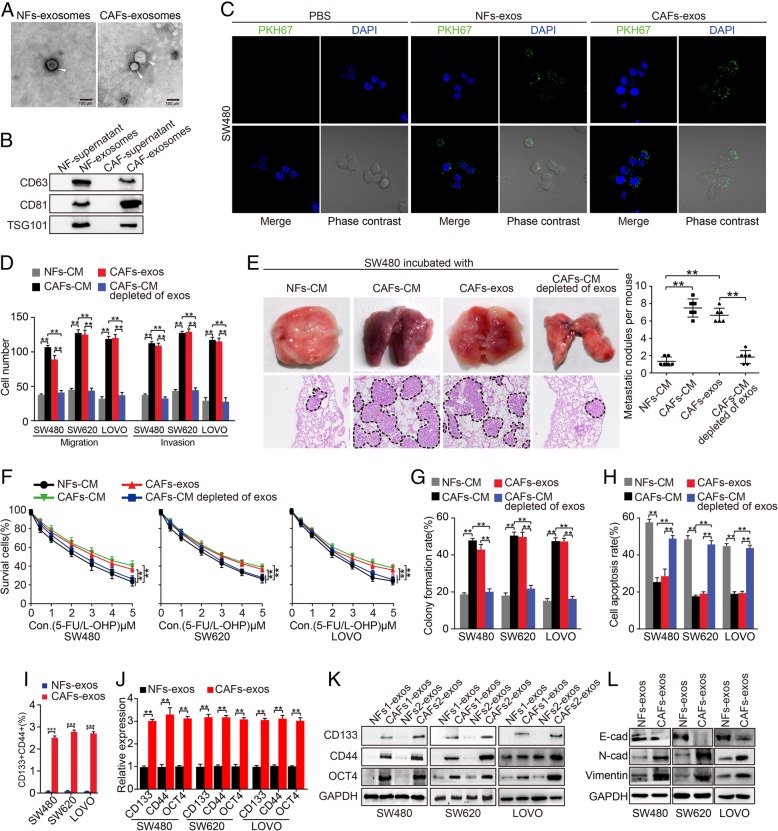
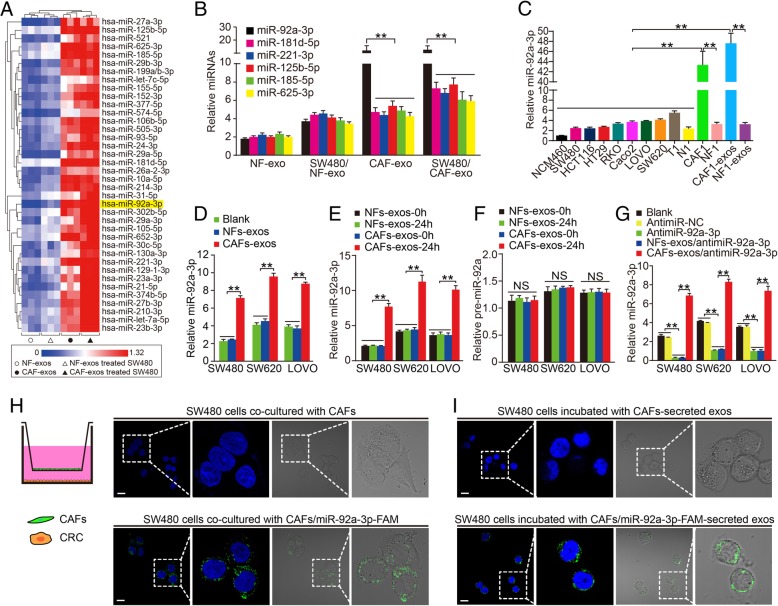
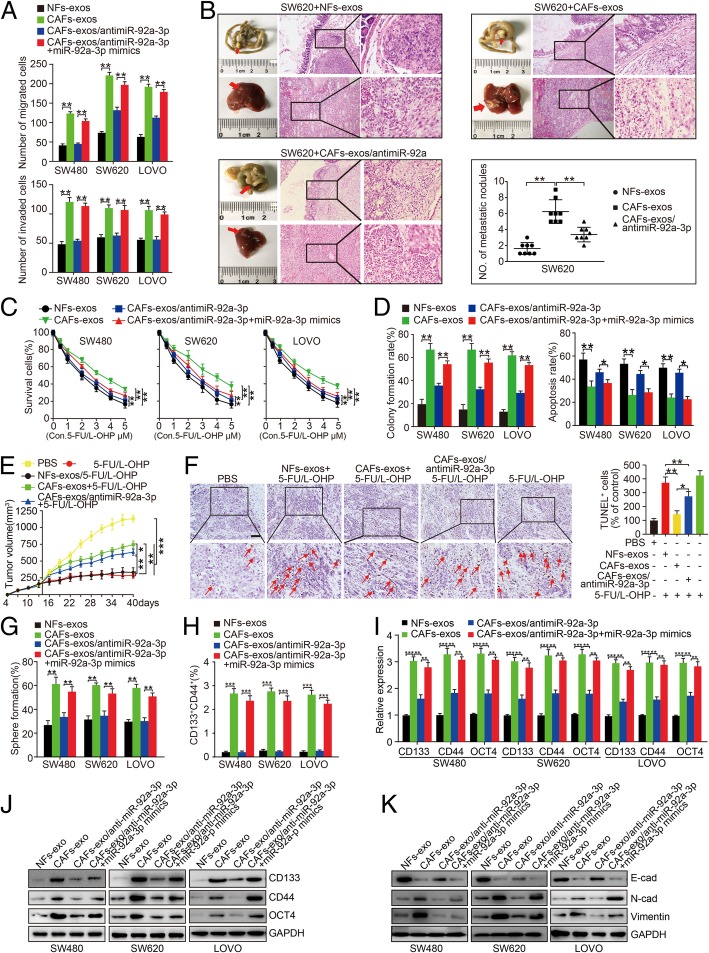
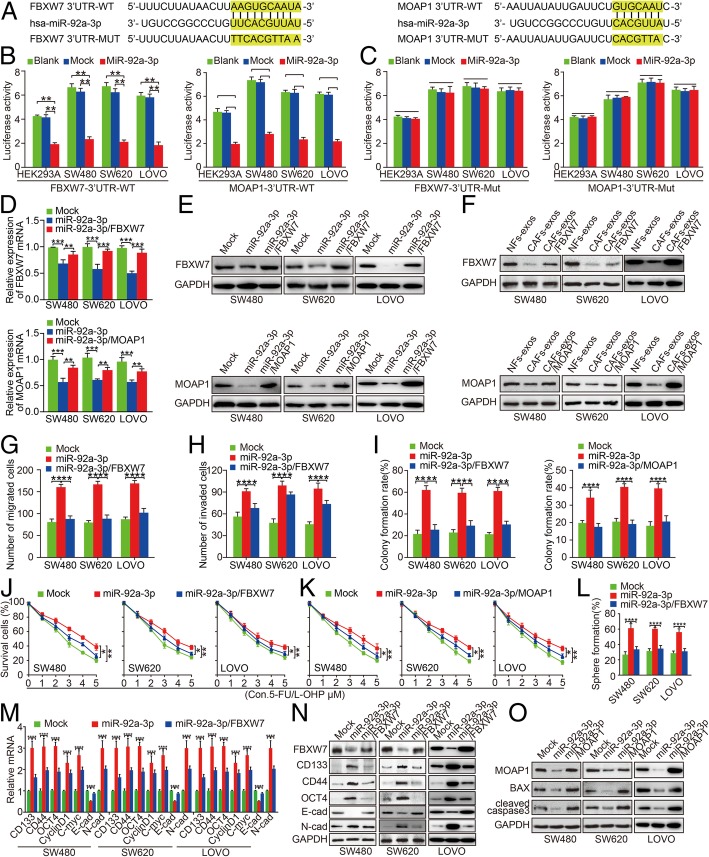
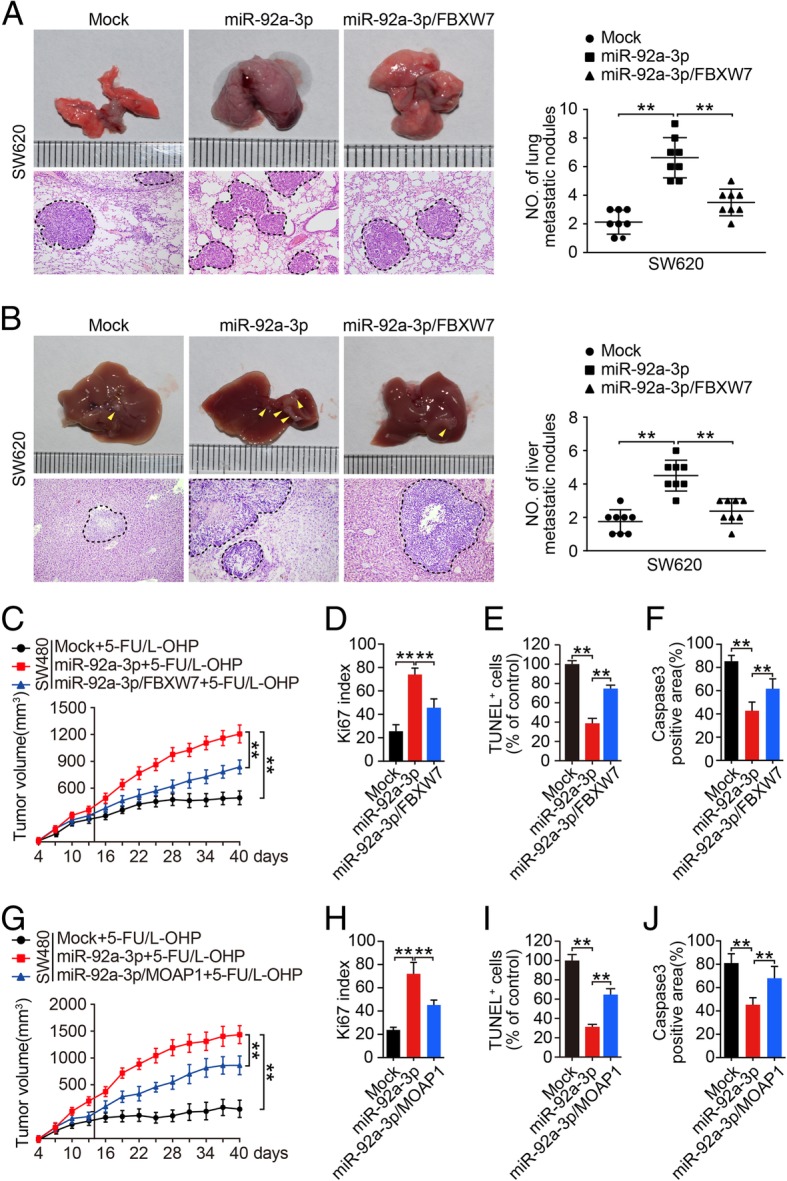
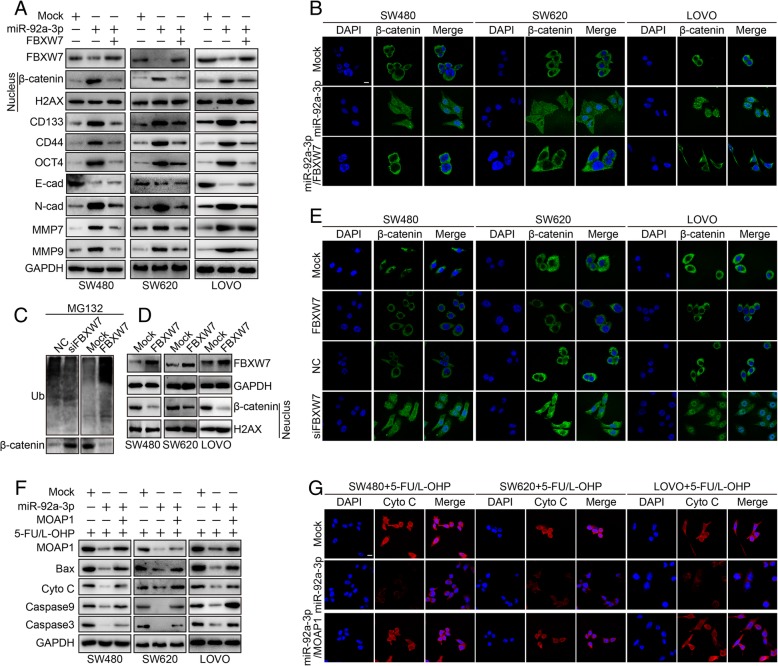
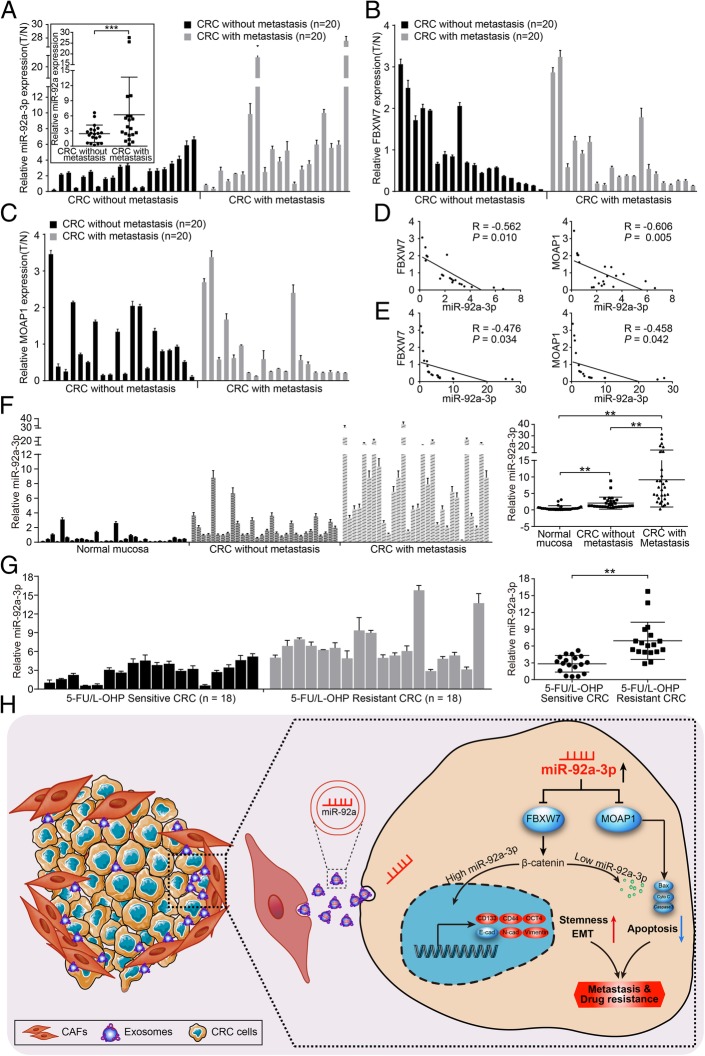
BACKGROUND: Cancer associated fibroblasts (CAFs) are key stroma cells that play dominant roles in tumor progression. However, the CAFs-derived molecular determinants that regulate colorectal cancer (CRC) metastasis and chemoresistance have not been fully characterized. METHODS: CAFs and NFs were obtained from fresh CRC and adjacent normal tissues. Exosomes were isolated from conditioned medium and serum of CRC patients using ultracentrifugation method and ExoQuick Exosome Precipitation Solution kit, and characterized by transmission electronic microscopy, nanosight and western blot. MicroRNA microarray was employed to identify differentially expressed miRNAs in exosomes secreted by CAFs or NFs. The internalization of exosomes, transfer of miR-92a-3p was observed by immunofluorescence. Boyden chamber migration and invasion, cell counting kit-8, flow cytometry, plate colony formation, sphere formation assays, tail vein injection and primary colon cancer liver metastasis assays were employed to explore the effect of NFs, CAFs and exosomes secreted by them on epithelial-mesenchymal transition, stemness, metastasis and chemotherapy resistance of CRC. Luciferase report assay, real-time qPCR, western blot, immunofluorescence, and immunohistochemistry staining were employed to explore the regulation of CRC metastasis and chemotherapy resistance by miR-92a-3p, FBXW7 and MOAP1. RESULTS: CAFs promote the stemness, epithelial-mesenchymal transition (EMT), metastasis and chemotherapy resistance of CRC cells. Importantly, CAFs exert their roles by directly transferring exosomes to CRC cells, leading to a significant increase of miR-92a-3p level in CRC cells. Mechanically, increased expression of miR-92a-3p activates Wnt/β-catenin pathway and inhibits mitochondrial apoptosis by directly inhibiting FBXW7 and MOAP1, contributing to cell stemness, EMT, metastasis and 5-FU/L-OHP resistance in CRC. Clinically, miR-92a-3p expression is significantly increased in CRC tissues and negatively correlated with the levels of FBXW7 and MOAP1 in CRC specimens, and high expression of exosomal miR-92a-3p in serum was highly linked with metastasis and chemotherapy resistance in CRC patients. CONCLUSIONS: CAFs secreted exosomes promote metastasis and chemotherapy resistance of CRC. Inhibiting exosomal miR-92a-3p provides an alternative modality for the prediction and treatment of metastasis and chemotherapy resistance in CRC.
Overview
The claims and statistics of this paper haven’t been checked yet.
Free: it reads the open-access text and checks the first 5 claims that cite a source we can check. Create a free account to check every claim.
Integrity signals
Registry
Cites
Statistics
Figures
Verification
Claims the paper makes
The claims and statistics of this paper haven’t been checked yet.
Free: it reads the open-access text and checks the first 5 claims that cite a source we can check. Create a free account to check every claim.
Claims other papers make about this one
Each is checked against this paper’s own text: does it say what the citing paper says it does?
The source backs part of the claim, not all of it — or backs it for a different population, condition or comparison.
In the citing paper
“Targeting these exosomes can effectively reduce autophagy activity and reverse CRC chemotherapy sensitivity [299,300,301].”
From Drug Resistance in Colorectal Cancer: From Mechanism to Clinic (2022) · cites this paper as [299]
Experimental — accuracy not yet measuredThe source backs part of the claim, not all of it — or backs it for a different population, condition or comparison.
In the citing paper
“A series of studies have shown that CAF-derived exosomes, such as miR-92a-3p, H19 and CCAL, promote CRC EMT and lead to CRC metastasis and chemotherapy resistance by activating the Wnt/β-catenin pathway.”
From Drug Resistance in Colorectal Cancer: From Mechanism to Clinic (2022) · cites this paper as [299]
Experimental — accuracy not yet measured
Self-check
Percentages, sums and reported differences re-computed from the paper’s own numbers.
The self-check needs the paper’s full text.
Citations
Cites
Bartel (2004) · doi:10.1016/s0092-8674(04)00045-5 · Cited by 34,714
MicroRNAs: Target Recognition and Regulatory Functions
Bartel, D. P. (2009) · Cell · doi:10.1016/j.cell.2009.01.002 · Cited by 20,068
Microenvironmental regulation of tumor progression and metastasis
Quail, D. F., & Joyce, J. A. (2013) · Nature Medicine · doi:10.1038/nm.3394 · Cited by 7,994
Global Cancer Incidence and Mortality Rates and Trends—An Update
Torre, L. A., Siegel, R. L., Ward, E. M., & Jemal, A. (2016) · Cancer Epidemiology, Biomarkers & Prevention · doi:10.1158/1055-9965.epi-15-0578 · Cited by 3,692
Tournigand, C., André, T., Achille, E., Lledo, G., Flesh, M., Mery-Mignard, D., Quinaux, E., Couteau, C., Buyse, M., Ganem, G., et al. (2004) · Journal of Clinical Oncology · doi:10.1200/jco.2004.05.113 · Cited by 2,915
Pancreatic cancer exosomes initiate pre-metastatic niche formation in the liver
Costa-Silva, B., Aiello, N. M., Ocean, A. J., Singh, S., Zhang, H., Thakur, B. K., Becker, A., Hoshino, A., Mark, M. T., Molina, H., et al. (2015) · Nature Cell Biology · doi:10.1038/ncb3169 · Cited by 2,692
The cancer stem cell: premises, promises and challenges
Clevers, H. (2011) · Nature Medicine · doi:10.1038/nm.2304 · Cited by 1,923
Cancer-secreted miR-105 destroys vascular endothelial barriers to promote metastasis
Zhou, W., Fong, M. Y., Min, Y., Somlo, G., Liu, L., Palomares, M. R., Yu, Y., Chow, A., O’Connor, S. T. F., Chin, A. R., et al. (2014) · Cancer Cell · doi:10.1016/j.ccr.2014.03.007 · Cited by 1,476
Migrating cancer stem cells — an integrated concept of malignant tumour progression
Brabletz, T., Jung, A., Spaderna, S., Hlubek, F., & Kirchner, T. (2005) · Nature Reviews Cancer · doi:10.1038/nrc1694 · Cited by 1,352 · cited 1×
“Cancer stem cells (CSCs) are self-renewable cell types that contribute to initiation, metastasis, relapse, and chemotherapy resistance of cancer cells [22, 23].”
BackgroundExosomes Mediate Stromal Mobilization of Autocrine Wnt-PCP Signaling in Breast Cancer Cell Migration
Luga, V., Zhang, L., Viloria-Petit, A. M., Ogunjimi, A. A., Inanlou, M. R., Chiu, E., Buchanan, M., Hosein, A. N., Basik, M., & Wrana, J. L. (2012) · Cell · doi:10.1016/j.cell.2012.11.024 · Cited by 1,311
Cited by
Items 501–600 of 785
Zhang, J., Wu, Y., Wang, Y., & Zeng, H. (2025) · Experimental Cell Research · doi:10.1016/j.yexcr.2025.114866 · Cited by 7
Wu, Z., & Ju, Q. (2022) · Frontiers in Oncology · doi:10.3389/fonc.2022.888276 · Cited by 9
“found that the exosomes secreted by CAFs led to the increased expression of miR-92a-3p in CRC through the Wnt/b-Catenin signaling pathway to promote cell stem, EMT and metastasis in CRC (64).”
BackgroundZhang, M., Lu, Y., Wang, L., Mao, Y., Hu, X., & Chen, Z. (2022) · Cancers · doi:10.3390/cancers15010100 · Cited by 7
“In addition, sEVs plays an important role in tumor metastasis, immune evasion, and tumor r sistance mechanisms (Figure 2) [38,39].”
BackgroundWądzyńska, J., Simiczyjew, A., Pietraszek‐Gremplewicz, K., Kot, M., Ziętek, M., Matkowski, R., & Nowak, D. (2023) · Biochimica et Biophysica Acta (BBA) - Molecular Cell Research · doi:10.1016/j.bbamcr.2023.119549 · Cited by 8
Wang, Q., Zhang, Y., Li, C., Wang, Y., Wu, L., Wang, X.-R., Huang, T., Liu, G.-L., Chen, X., Yu, Q., et al. (2023) · Aging · doi:10.18632/aging.205263 · Cited by 7
Chang, Y., Gao, X., Jiang, Y., Wang, J., Liu, L., Yan, J., Huang, G., & Yang, H. (2024) · Frontiers in Pharmacology · doi:10.3389/fphar.2024.1257941 · Cited by 7
Wang, X., Chen, B., Zhang, H., Peng, L., Liu, X., Zhang, Q., Wang, X., Peng, S., Wang, K., & Liao, L. (2024) · International Journal of Surgery · doi:10.1097/js9.0000000000001360 · Cited by 11
“[29] reported that CAFs-secreted exosomes increased miR-92a-3p level in colon cancer cells, activated the Wnt/ β -catenin pathway, inhibited mitochondrial apoptosis, and ultimately promoted metastasis and chemotherapy resistance of colorectal cancer.”
BackgroundCancer spreading patterns based on epithelial-mesenchymal plasticity
Wang, R., & Yan, Z. (2024) · Frontiers in Cell and Developmental Biology · doi:10.3389/fcell.2024.1259953 · Cited by 8
Zhou, H., Li, C., Ren, Y., Wang, W.-A., Zhuang, J., Ren, Y., Shen, L., & Chen, Y. (2024) · Biochemical Pharmacology · doi:10.1016/j.bcp.2024.116234 · Cited by 8
Self-citationLi, C., Weng, J., Yang, L., Gong, H., & Liu, Z. (2024) · Frontiers in Immunology · doi:10.3389/fimmu.2024.1378305 · Cited by 10
Dysregulation of exosomal miRNAs and their related genes in head and neck cancer patients
Rizwan, M., Mahjabeen, I., Ashraf, N. S., Arshad, M., Haris, M. S., & Kayani, M. A. (2024) · Future Oncology · doi:10.1080/14796694.2024.2351355 · Cited by 7
Ma, M., Chu, J., Zhuo, C., Xiong, X., Gu, W., Li, H., Xu, M., & Huang, D. (2025) · APOPTOSIS · doi:10.1007/s10495-024-02063-z · Cited by 9
Chen, L., Zhang, K., Sun, J. H., Tang, J., & Zhou, J. (2021) · OncoTargets and Therapy · doi:10.2147/ott.s312003 · Cited by 7
Omar, I. S., Jamil, A. H. A., Adenan, N. A. M., & Chung, I. (2022) · PLoS ONE · doi:10.1371/journal.pone.0270830 · Cited by 7
“However, the presence of cancer-associated fibroblasts (CAFs) has been associated with chemoresistance in many cancers including breast, lung and colorectal cancers [13, 14].”
BackgroundThe role of noncoding RNAs in the tumor microenvironment of hepatocellular carcinoma
Yang, Q., Tian, H., Guo, Z., Ma, Z., & Wang, G. (2023) · Acta Biochimica et Biophysica Sinica · doi:10.3724/abbs.2023231 · Cited by 8
“CAFs were identified as key contributors to the promotion of human cancer growth, invasion, metastasis, and therapy resistance through exosome-mediated cellular communication [80].”
BackgroundLi, S., Weng, J., Xiao, C., Lu, J. N., Cao, W., Song, F., He, Z., Zhang, P., Zhu, Z., & Xu, J. (2023) · Cancer Reports · doi:10.1002/cnr2.1904 · Cited by 13
“26,27 During the growth and metastasis of HCC, the vascular system and immune TME are influenced by VEGF.”
BackgroundSelf-citationFunction of macrophage-derived exosomes in chronic liver disease: From pathogenesis to treatment
Xiang, S.-Y., Deng, K., Yang, D., Yang, P., & Zhou, Y. (2023) · World Journal of Hepatology · doi:10.4254/wjh.v15.i11.1196 · Cited by 9
FAM65A as a novel prognostic biomarker in human tumors reveal by a pan-cancer analysis
Liang, W., Mo, C., Wei, J., Chen, W., Gong, W., Shi, J., Hou, X., Li, C., Deng, Y., & Ou, M. (2021) · Discover Oncology · doi:10.1007/s12672-021-00456-z · Cited by 8
“It is noteworthy that CAFs secreted exosomes promote metastasis and chemotherapy resistance of colorectal cancer [30, 31].”
BackgroundLin, W., Lin, C., Lin, Y., Yang, W., Twu, Y., Teng, H., & Hwang, W. (2022) · Cellular Oncology · doi:10.1007/s13402-022-00711-7 · Cited by 8
Wang, R. Y., Li, W., Lv, Y., Ba, W., Jiang, Y., Li, X., & Jin, F. (2025) · Advanced Science · doi:10.1002/advs.202501792 · Cited by 6
Exosomal long noncoding RNAs and microRNAs in colorectal cancer
Yen, Y., Chu, T., & Tseng, R. (2025) · Tzu Chi Medical Journal · doi:10.4103/tcmj.tcmj_62_25 · Cited by 8
“Exosomal miRNAs such as miR‑21 [37] and miR‑92a [62] have shown promise in detecting early‑stage CRC, but large‑scale clinical validation is necessary [21].”
InfluentialF-box proteins in cancer: from cancer cells to the tumor microenvironment
Cheng, J., Liu, O., Bin, X., & Tang, Z. (2025) · Cell Communication and Signaling · doi:10.1186/s12964-025-02445-z · Cited by 9
“FBXW7 was suppressed in response to CAFs-derived exosomes, which restrained the elimination of its substrates such as β-catenin, contributing to a series of cancer cell malignant features, including stemness, EMT, metastasis and drug resistance [140].”
Chen, J., Wang, Z., Zhu, B., & Guan, G. (2025) · Frontiers in Cell and Developmental Biology · doi:10.3389/fcell.2025.1687485 · Cited by 9
Lee, M.-J., Shin, M., Lee, S., Liu, S., Lee, S.-N., & Choi, J. (2026) · Materials Today Bio · doi:10.1016/j.mtbio.2026.102866 · Cited by 7
“Immune-derived exosomal miRNAs, such as miR-155 and miR-21, mirror the balance between antitumor inflammation and immunosuppressive signaling, showing elevated levels in circulation even before overt tumor formation [71,72].”
Jiang, H., & Xu, B. (2026) · Critical Reviews in Oncology/Hematology · doi:10.1016/j.critrevonc.2026.105189 · Cited by 9
The Function, Underlying Mechanism and Clinical Potential of Exosomes in Colorectal Cancer
Jinhong, H., Ma, S., Zhao, Y., Wang, B., Ding, S., & Hu, Y. (2023) · Frontiers in Bioscience-Landmark · doi:10.31083/j.fbl2811302 · Cited by 8
“In CRC cells, miR-92a-3p directly targets FBXW7 and MOAP1 , ultimately promoting the stemness, EMT, metastasis, and chemotherapy resistance of CRC cells [110].”
BackgroundLiu, Y., Wang, Y., Yu, Z., & Wang, Z. (2024) · Heliyon · doi:10.1016/j.heliyon.2024.e30301 · Cited by 7
“EXs are extracellular vesicles formed by lipid bilayers that facilitate intercellular communication by carrying various types of molecules and enhance chemo-resistance and radioresistance by modifying gene expression in recipient tumor cells [21].”
BackgroundChen, Z., Chen, W., Lin, K.-H., Chen, X., Lin, G., Li, Y., & Cui, C. (2024) · Journal of Gastroenterology and Hepatology · doi:10.1111/jgh.16713 · Cited by 7
“Promyelocytic leukemia protein (PML), a tumor suppressor protein speci fi cally located in the punctiform nucleus structure be-tween chromatin, 22 is downregulated in various tumor tissues, including CC. 23 PML downregulation has been reported to promote tumor growth and metastasis in multiple cancers.”
InfluentialShi, R., Zhang, N., Li, H., Hu, Z., Zhong, C., Du, W., & Yang, X. (2025) · Discover Oncology · doi:10.1007/s12672-025-01825-8 · Cited by 7
Wei, J., Lu, Y., Lu, J., Wang, Z., Yan, Y., Liang, B., Qian, S., Ni, J., Yang, Y., Huang, S., et al. (2025) · Frontiers in Genetics · doi:10.3389/fgene.2025.1476092 · Cited by 7
Self-citationLan, H., Yan, W., Huang, X., Cui, J., & Hou, H. (2025) · Frontiers in Pharmacology · doi:10.3389/fphar.2025.1545762 · Cited by 6
“For example, in colorectal cancer, CAFs secrete exosomes that activate the Wnt signaling pathway in tumor cells, contributing to chemoresistance (Hu et al., 2015; Hu et al., 2019), although the speci fi c CAF subtypes responsible for this effect remain unclear.”
Zheng, M., Liu, L., Cui, H., Zhao, Y., Chen, W., Bai, S., Wang, P., Wang, Y., Li, Y., Wang, R., et al. (2025) · Cellular Oncology · doi:10.1007/s13402-025-01085-2 · Cited by 12
“Previous findings have revealed that CAFs can promote tumor progression by secreting EVs [21].”
InfluentialWnt Signaling Pathway Is among the Drivers of Liver Metastasis
Samaržija, I. (2021) · Livers · doi:10.3390/livers1040015 · Cited by 6
“Mechanistically, CAFs promote the transferring of exosomes to CRC cells, leading to an increase of miR-92a-3p level in CRC cells, which activates the Wnt/β-catenin pathway and inhibits mitochondrial apoptosis contributing to cell stemness, EMT, metastasis, and 5-FU/L-OHP resistance [162].”
BackgroundState-of-the-Art: Exosomes in Colorectal Cancer
Dang, Y., Zhang, S., Wang, Y., Zhao, G., Chen, C., & Jiang, W. (2021) · Current Cancer Drug Targets · doi:10.2174/1568009621666211110094442 · Cited by 7
The extracellular RNA and drug resistance in cancer: a narrative review
Cao, M. (2023) · ExRNA · doi:10.21037/exrna-22-19 · Cited by 9
The most likely but largely ignored triggering factor for breast (or all) cancer invasion
Man, Y., Mannion, C. M., Stojadinovic, A., Peoples, G. E., Cho, W. C. S., Fu, S. W., Tan, X., Hsiao, Y.-H., Liu, A., Semczuk, A., et al. (2023) · Journal of Cancer · doi:10.7150/jca.82291 · Cited by 6
“Compared to previously proposed theories of breast cancer invasion [20-53], our hypothesis is distinct in two main respects: (1) our hypothesis is entirely based on morphological, molecular, and immunohistochemical data from studies on human breast tissues with detailed clinic records and follow-up data, and (2) our h…”
BackgroundResultZhong, L., Meng, X., Huang, J., Hao, W., & Zuo, Y. (2023) · Chinese Clinical Oncology · doi:10.21037/cco-23-97 · Cited by 7
Kang, C., Duo, Y., Zheng, L., Zhao, N., Wang, J., Liu, Z., Qiu, L., & Bi, F. (2023) · Biochemical and Biophysical Research Communications · doi:10.1016/j.bbrc.2023.149403 · Cited by 7
Emerging Roles of Small Extracellular Vesicles in Gastrointestinal Cancer Research and Therapy
Schneider, N., Hermann, P. C., Eiseler, T., & Seufferlein, T. T. W. (2024) · Cancers · doi:10.3390/cancers16030567 · Cited by 7
“Despite improvements in targeted treatments and immunotherapy, chemotherapy still is a mainstay in CRC treatment. sEVs secreted from cancer-associated fibroblasts (CAFs) promote chemoresistance in CRC by enhancing both stemness and EMT [86].”
BackgroundNon-coding RNAs in exosomes and adipocytes cause fat loss during cancer cachexia
Du, G., Zhang, Y., Hu, S., Zhou, X., & Li, Y. (2021) · Non-coding RNA Research · doi:10.1016/j.ncrna.2021.04.001 · Cited by 8
“inhibit the development and metastasis of cancer under the transmission of exosomes [23,24], but also affects other cells including skeletal muscle cells, adipocytes, throughout the body to induce skeletal muscle mass loss and fat loss [25,26].”
BackgroundRole of N6-Methyladenosine Methylation Regulators in the Drug Therapy of Digestive System Tumours
Xia, Z., Kong, F., Wang, K., & Zhang, X. (2022) · Frontiers in Pharmacology · doi:10.3389/fphar.2022.908079 · Cited by 7
Qian, Y. H., Zhao, X., Wu, F., Wang, X., & Chen, T. (2025) · Experimental Cell Research · doi:10.1016/j.yexcr.2025.114498 · Cited by 5
Jia, H., Liu, X., Wang, G., Yu, Y., Wang, N., Zhang, T., Hao, L., Zhang, W., & Yu, G. (2025) · BioFactors · doi:10.1002/biof.70012 · Cited by 6
“40 The mechanisms by which CAFs facilitate CRC metastasis include EMT, angiogenesis, ECM remodeling, their own metastasis, and the secretion of cytokines and exosomes, which activate multiple signaling pathways that promote metastasis.”
An Introduction to Cell Signalling Pathways and Their Dysregulation in Cancer
Talath, S., Wali, A. F., El‐Tanani, M., Al-Dhaheri, Y., Jain, P., & Mottershead, R. (2025) · Springer eBooks · doi:10.1007/978-981-96-2763-9_1 · Cited by 9
Biswas, S., Kanodia, R., Seervi, S., Kaur, R., Shukla, S., Singh, S., Banerjee, J., & Banerjee, S. (2025) · Experimental Cell Research · doi:10.1016/j.yexcr.2025.114580 · Cited by 6
Exosomes serve as molecular diagnostic biomarkers and carriers for tissue engineering applications
Zhang, Z., Cao, H., & Li, X. (2025) · Materials Today Communications · doi:10.1016/j.mtcomm.2025.112978 · Cited by 8
Chen, L., Li, X., Zhao, S., Hao, M., Wang, H., Zhou, Z., Xiong, X., Yuan, D., Luo, P., Wang, L., et al. (2025) · Pharmaceuticals · doi:10.3390/ph18091378 · Cited by 8
“Epithelial–mesenchymal transition (EMT) plays a pivotal role in tumor invasion and metastasis, as it facilitates tumor cell migration, invasion, and dissemination [29,30].”
Gao, H., Nishikubo, H., Ma, D., Pan, J., Sano, T., Imanishi, D., Sakuma, T., Fan, C., & Yashiro, M. (2025) · International Journal of Molecular Sciences · doi:10.3390/ijms26199695 · Cited by 6
Liu, D., Yi, H.-W., & Yi, C. (2025) · Antioxidants · doi:10.3390/antiox14121413 · Cited by 7
“From the TME, fibroblast-derived exosomal miRNA-92a-3p induces drug resistance and tumor growth via Wnt/ β -catenin signaling [100]; HJURP-containing exosomes enhance glutamine metabolism and TCA flux, inducing drug resistance [101] (Figure 3B, top).”
Wang, S.-H., Jiang, J.-X., Zheng, K., Zhang, S.-J., Chen, T.-D., & Wang, Z. (2025) · Journal of Translational Medicine · doi:10.1186/s12967-025-07539-3 · Cited by 7
“These intercellular interactions facilitate the exchange of bioactive molecules through exosomes that act as critical mediators of tumor-stroma crosstalk [23].”
Tumor Cell Plasticity in Cancer: Signaling Pathways and Pharmaceutical Interventions
Sun, S., Sun, Y., Lan, L., Luan, S., Zhou, J. R., Deng, J., Yuan, Y., & Wu, Z. (2025) · MedComm · doi:10.1002/mco2.70541 · Cited by 8
“Moreover, CAF can directly transfer exosomes to CRC cells, leading to Wnt/ β -catenin pathway activation and mitochondrial apoptosis inhibition, finally induce EMT and stemness of CRC [ 250 ].”
Yang, L., Akbarabadi, P., & Babashah, S. (2026) · Biochimica et Biophysica Acta (BBA) - Reviews on Cancer · doi:10.1016/j.bbcan.2026.189545 · Cited by 6
Tian, S., Liu, J., Yang, X., & Guo, J. (2026) · Frontiers in Immunology · doi:10.3389/fimmu.2026.1783222 · Cited by 5
Role of extracellular vesicles in cancer: implications in immunotherapeutic resistance
Wang, S., Wang, Z., Liu, M., & Sun, X. (2025) · Frontiers in Immunology · doi:10.3389/fimmu.2025.1581635 · Cited by 14
The Role of CAF‐derived Vitronectin in Promoting Colorectal Cancer Progression and Immunosuppression
Yu, J., Xiu, M., Yu, S., Chen, Z., Li, Y., & Gao, Y. (2025) · Advanced Science · doi:10.1002/advs.202505769 · Cited by 13
Zhang, Y., Cao, Y., zhenlie, C., zihan, Q., kaiyu, Q., & Liu, T. (2022) · Acta Biochimica et Biophysica Sinica · doi:10.3724/abbs.2022040 · Cited by 6
“Previous studies also indicated that CARM1 is associated with several crucial molecular processes, including RNA processing, transcriptional activation [14], tumor cell apoptosis, cell growth and progression [15,16].”
BackgroundLi, J., Wang, Z., Liu, W., Tan, L., Yu, Y., Liu, D., Wei, Z., & Zhang, S. (2023) · Cancer Biomarkers · doi:10.3233/cbm-220250 · Cited by 6
“Lipid metabolism may be involved in cancer-related cell proliferation, inflammation, drug resistance, tumor immune escape, and apoptosis [21,22].”
Chan, C.-Y., Ni, Y.-C., Nguyen, H. D., Wu, Y.-F., & Lee, K. (2023) · Current Issues in Molecular Biology · doi:10.3390/cimb45090469 · Cited by 6
FBXW7 in gastrointestinal cancers: from molecular mechanisms to therapeutic prospects
Wang, W., Liu, X., Zhao, L., Jiang, K., Yu, Z., Yang, R., Zhou, W., Cui, J., & Liang, T. (2024) · Frontiers in Pharmacology · doi:10.3389/fphar.2024.1505027 · Cited by 6
Self-citationCheng, W., Liu, S., He, J., Li, H., Liu, X., Hu, Z., Wang, X., Wu, Z., Xu, G., Liu, W., et al. (2025) · Biochemical and Biophysical Research Communications · doi:10.1016/j.bbrc.2025.151323 · Cited by 7
Jia, J., Zhang, H., Zhang, H., Liu, W., & Shu, M. (2020) · Archives of Medical Research · doi:10.1016/j.arcmed.2019.12.018 · Cited by 5
The Biological Effect of Small Extracellular Vesicles on Colorectal Cancer Metastasis
Wang, X., Huang, D., Wu, J., Li, Z., Yi, X., & Zhong, T. (2022) · Cells · doi:10.3390/cells11244071 · Cited by 5
“Colorectal cancer miR-92a-3p CAFs and serum from CRC Activate Wnt/β-catenin pathway contributing to cell stemness, EMT, metastasis and in CRC Promote metastasis [50]”
BackgroundCai, H., Lin, Y., Wu, Y., Wang, Y., Li, S., Zhang, Y., Zhuang, J., Liu, X., & Guan, G. (2024) · Heliyon · doi:10.1016/j.heliyon.2024.e28673 · Cited by 8
“One study indicated that CAFs promote the EMT of colorectal cancer cells by exosome-mediated intercellular communication [34].”
BackgroundLiu, M., Li, T.-Z., & Xu, C. (2025) · Biochimica et Biophysica Acta (BBA) - General Subjects · doi:10.1016/j.bbagen.2025.130796 · Cited by 6
Yang, Y., Liu, R., Lv, H., Zhao, Y., Wang, X., Wang, Z., Li, J., & Shi, D. (2025) · Journal of Controlled Release · doi:10.1016/j.jconrel.2025.114113 · Cited by 7
García‐Rodríguez, J. L., Korsgaard, U., Vissing, S. M., Paasch, T. P., Semenova, M., Vendelbo, S. L., Jensby, E. F., Williams, H. L., Salachan, P. V., Brandt, C. B., et al. (2025) · Communications Biology · doi:10.1038/s42003-025-08799-x · Cited by 13
Zhao, J., Zhang, J., Liu, J., & Zan, L. (2025) · Medical Oncology · doi:10.1007/s12032-025-03063-y · Cited by 4
“In colon cancer, exosomal transfer of miR-92a-3p from CAFs facilitates stemness, epithelial-mesenchymal transition (EMT), metastasis and 5-Fu resistance by suppressing FBXW7 and MOAP1 [20].”
Shen, Y., Sun, Y., Li, X., Wang, Y., Huang, T., Li, T., Zhu, Y.-Z., Hu, L., & Xu, C. S. (2026) · Cancer Drug Resistance · doi:10.20517/cdr.2025.189 · Cited by 7
Pang, S., Chen, B., Li, Y., Wu, S., & Chen, L. (2024) · Cytotechnology · doi:10.1007/s10616-024-00617-2 · Cited by 4
“Previous evidence has suggested that miR-92a-3p could promote EMT in cancer progression (Hu et al. 2019; Yang et al. 2020).”
Tumor cell‐derived vaccines: Advances, challenges, and future prospects
Lu, J., Yu, M., Shi, X., Zhao, Y., Irwin, D. M., Zhang, X., Zhang, Y., Zhu, Q., Tai, Z., & Chen, Z. (2025) · Interdisciplinary medicine · doi:10.1002/inmd.70056 · Cited by 4
Song, Y., Yao, L., Wang, X., Sun, H., Du, C., Song, C., Fu, J., Wu, Y., Huang, H., Wang, C., et al. (2022) · Applied Bionics and Biomechanics · doi:10.1155/2022/6124374 · Cited by 4
RetractedWang, Z., Feng, C., Liu, H., Meng, T., Huang, W., Song, K., & Wang, Y. (2022) · World Journal of Stem Cells · doi:10.4252/wjsc.v14.i10.777 · Cited by 4
Li, J., Hou, H., Sun, J., Ding, Z., Xu, Y., & Li, G. (2023) · Functional & Integrative Genomics · doi:10.1007/s10142-023-01032-0 · Cited by 5
“…to tissue homeostasis (LeBleu and Neilson 2020), CAFs promote tumor progression by facilitating tumor proliferation, invasion, metastasis, drug resistance, and immunosuppression (Kalluri 2016; D'Arcangelo et al. 2020; Elyada et al. 2019; Hu et al. 2019; Uchihara et al. 2020; Özdemir et al. 2014).”
RetractedQuenching thirst with poison? Paradoxical effect of anticancer drugs
Chai, K., Wang, C., Zhou, J., Mu, W., Gao, M., Fan, Z., & Lv, G. (2023) · Pharmacological Research · doi:10.1016/j.phrs.2023.106987 · Cited by 11
Role of Exosomal Non-Coding RNA in the Tumour Microenvironment of Genitourinary System Tumours
Wu, S., Mu, C., Sun, J.-J., Hu, X., & Yao, Y. (2023) · Technology in Cancer Research & Treatment · doi:10.1177/15330338231198348 · Cited by 6
“33 Exosome-mediated transfer of miR-193a-3p, Mir-210-3p and miR-5100 can promote the invasion of lung cancer cells by activating EMT induced by STAT3 signal.”
BackgroundWang, F., Li, Z., Xu, T., Zhang, Q., Ma, T., Li, S., & Wang, X. (2024) · Journal of Cancer Research and Clinical Oncology · doi:10.1007/s00432-023-05548-7 · Cited by 7
“…et al. 2021; Zhu et al. 2019), angiogenesis (Unterleuthner et al. 2020; Pape et al. 2020), immunosuppression (Li et al. 2019), metastasis, and drug resistance (Hu et al. 2019) in CRC. CAF has several sub-types, among which inflammatory CAF (iCAF) and myofibroblast CAF (myCAF) have been studied.”
BackgroundSelf-citationShao, M., Gao, Y., Xu, X., Shi, J., Wang, Z., & Du, J. (2024) · Biomedicine & Pharmacotherapy · doi:10.1016/j.biopha.2024.117576 · Cited by 4
Exosomal microRNAs in cancer metastasis: A bridge between tumor micro and macroenvironment
Saadh, M. J., Khalifehsoltani, A., Hussein, A. H. A., Allela, O. Q. B., Sameer, H. N., Rizaev, J. A., Hameed, H. G., Idan, A. H., & Alsaikhan, F. (2024) · Pathology - Research and Practice · doi:10.1016/j.prp.2024.155666 · Cited by 9
Cai, W., Tao, X., Liu, X., & Fu, C. Y. (2024) · Discover Oncology · doi:10.1007/s12672-024-01545-5 · Cited by 5
“Cancer-associated fibroblasts activate the Wnt/β-catenin signaling pathway, inhibiting the expression of apoptosis regulator 1 and F-box/ WD repeat-containing protein 7, thereby suppressing mitochondrial apoptosis and enhancing the resistance of CRC cells to the chemotherapeutic agent 5-FU [37].”
Fundamental and Clinical Applications of Materials Based on Cancer-Associated Fibroblasts in Cancers
Mu, J., Gao, S., Yang, J., Wu, F., & Zhou, H. (2021) · International Journal of Molecular Sciences · doi:10.3390/ijms222111671 · Cited by 4
“For instance, CAFs can prevent the penetration of chemotherapeutic drugs by synthesizing ECMs, promote the growth and metabolism of tumor cells by paracrine signaling/exosome secretion, and prevent the eradication of tumors by therapeutic agents [4,5].”
Methods for the Detection of Circulating Biomarkers in Cancer Patients
Mondelo‐Macía, P., Rodríguez‐Ces, A. M., Suárez‐Cunqueiro, M. M., & Muinelo‐Romay, L. (2022) · Advances in experimental medicine and biology · doi:10.1007/978-3-031-04039-9_21 · Cited by 5
Study of Drug Resistance in Chemotherapy Induced by Extracellular Vesicles on a Microchip
Fang, T., Lu, W. J., Zhang, J., Ge, K., Chen, Z., Wang, M., & Yao, B. (2022) · Analytical Chemistry · doi:10.1021/acs.analchem.2c04330 · Cited by 5
Multidimensional analysis to elucidate the possible mechanism of bone metastasis in breast cancer
Yao, K., Zhu, X., Zhao, T., Shiyao, L., Lichen, J., Zhang, W., Li, Y., Jinlong, T., Xiao-yan, D., Zhang, J., et al. (2023) · BMC Cancer · doi:10.1186/s12885-023-11588-6 · Cited by 4
“In colon cancer, Hu et al. found that exosomes secreted by CAFs could enhance chemotherapy resistance and metastasis ability by regulating EMT pathways and tumor stemness [51].”
BackgroundSelf-citationEscalante, P. I., Quiñones, L. A., & Contreras, H. R. (2024) · Frontiers in Pharmacology · doi:10.3389/fphar.2024.1376638 · Cited by 4
Cell-in-cell phenomena across the tree of life
Kapsetaki, S. E., Cisneros, L. H., & Maley, C. C. (2024) · Scientific Reports · doi:10.1038/s41598-024-57528-7 · Cited by 5
“Interestingly, exosomes can be ingested by cancer cells 61 .”
BackgroundLiu, J., Gao, S., Liu, X., Dong, J., Zhen, D., & Liu, Y. (2025) · Frontiers in Oncology · doi:10.3389/fonc.2025.1540643 · Cited by 8
Jing, Y., Yang, N., Yu, S.-X., Qi, H., Yu, T., Chen, X., Wei, S., Zou, W., & Wang, J. (2025) · Stem Cells International · doi:10.1155/sci/7889271 · Cited by 3
Liu, J., Zhang, Y., Liu, K., Shi, J., Yan, M., Xu, J., Liu, Y., & Zhang, S. (2025) · Cancer Cell International · doi:10.1186/s12935-025-04120-2 · Cited by 5
“…can transform PSCs from an active to [165, 182–184] Sever the link between cancer cells and stroma Target CAF-derived exosomes Preclinical [185–187] Inhibit CAF chemotherapy resistance and regulate CAF subsets Target the ECM Preclinical [46, 103] Change the cyto-skeletal structure a quiescent…”
Liu, J., Wang, K., Hao, Z., Fan, Q., Ma, S., & Xu, L. (2026) · Experimental Hematology and Oncology · doi:10.1186/s40164-025-00736-2 · Cited by 3
“Firstly, EVs could enhance cancer cell migration by enhancing the epithelial-mesenchymal transition (EMT) of various kinds of cancers, including breast cancer [104, 105], lung cancer [106], CRC [107], gastric cancer [108], melanoma [109], bladder cancer [110], and other kinds of cancers.”
Ye, H., Zhao, K., Cui, Y., Li, Z., Zhang, H., Zhong, M., Fan, C., Huang, H., Hawkins, N. J., Ward, R. L., et al. (2026) · Journal of Translational Medicine · doi:10.1186/s12967-026-07681-6 · Cited by 6
“Among its components, the tumor stroma is the most abundant compartment and orchestrates cross-communication within tumors, contributing to progression and therapy resistance [3].”
Zhang, S. X., chen, Z., Ma, C., Hu, J., Lin, S., Gao, J., & Chen, S. (2026) · Journal of Gastroenterology and Hepatology · doi:10.1111/jgh.70334 · Cited by 5
“For example, CAFs-Exo promote CRC metastasis, stemness, and chemoresistance by targeting FBXW7 and MOAP1, thereby activating Wnt/β-catenin signaling and inhibiting apoptosis [35].”
Self-citationLiquid Biopsy in Advanced Colorectal Cancer: Clinical Applications of Different Analytes
Delcuratolo, M. D., Modrego-Sánchez, A., Bungaro, M., Antón-Pascual, B., Terán, S., Dipace, V., Novello, S., García‐Carbonero, R., Passiglia, F., & Graválos-Castro, C. (2023) · Journal of Molecular Pathology · doi:10.3390/jmp4030013 · Cited by 5
Zhang, Z., Zhang, D., Su, K., Wu, D., Hu, Q., Jin, T., Ye, T., & Zhang, R. (2024) · Mutation research. Fundamental and molecular mechanisms of mutagenesis · doi:10.1016/j.mrfmmm.2024.111877 · Cited by 11
Farahani, M., & Ghazimoradi, M. H. (2024) · Pathology - Research and Practice · doi:10.1016/j.prp.2024.155576 · Cited by 4
Exosomal circ_001860 Promotes Colorectal Cancer Progression through the miR-582-5p/ZEB1 Axis
Huang, W., Li, J., Zhou, S., Li, Y., & Xia, Y. (2024) · Critical Reviews in Eukaryotic Gene Expression · doi:10.1615/critreveukaryotgeneexpr.2024054404 · Cited by 3
Exosomal signaling in gynecologic cancer development: The role of cancer-associated fibroblasts
Saadh, M. J., Allela, O. Q. B., Kareem, R. A., Chandra, M., Malathi, H., Nathiya, D., Kapila, I., Sameer, H. N., Hamad, A. K., Athab, Z. H., et al. (2024) · Pathology - Research and Practice · doi:10.1016/j.prp.2024.155766 · Cited by 3
Tumour immune cell infiltration and response to FOLFOX or FOLFIRI chemotherapy in colorectal cancer
Feng, J., Zhang, L., Liao, Z., Zou, Y. F., & Liu, R. (2026) · The Pharmacogenomics Journal · doi:10.1038/s41397-026-00403-7 · Cited by 3
Zhang, F., Chen, L., Li, H., Liu, N., Zhang, X., Peng, J., & Chen, J. (2022) · Open Medicine Journal · doi:10.2174/18742203-v9-e221103-2022-13 · Cited by 3
Studying Luminal, A and B subtypes of the breast cancer under paracrine secretion of fibroblasts
Jalilzadeh, N., Barough, N. B., Karami, M., Baghbanzadeh, A., & Velaei, K. (2023) · Bioimpacts · doi:10.34172/bi.2023.27591 · Cited by 3
“In accordance with our results obtained from morphology assessments, Hu et al on 2019 also reported that, in addition to chemoresistance, CAFs induced epithelial to mesenchymal transition in colorectal cancer cells.”
BackgroundResultTumor Microenvironment: Multiway Role in Drug Resistance
Hurrah, I. M., Mintoo, M. J., Fatima, K., Kousar, R., Mohiuddin, T., Wani, A., & Khan, S. U. (2024) · Springer eBooks · doi:10.1007/978-981-97-1666-1_5 · Cited by 3
Metadata
- Authors
- Hu, J. L., Wang, W., Lan, X. L., Zeng, Z. C., Liang, Y. S., Yan, Y. R., Song, F. Y., Wang, F. F., Zhu, X. H., Liao, W. J., Liao, W. T., Ding, Y. Q., & Liang, L.
- Affiliations
- Key Laboratory of Guangdong Province (CN)
- Nanfang Hospital (CN)
- Venue
- Molecular Cancer
- Published
- 2019-05-07
- Volume
- 18
- Issue
- 1
- Pages
- 91-91
- ISSN
- 1476-4598 (ISSN-L)
- PMC
- PMC6503554
- OpenAlex
- W2947891482
- Cited by
- 773
- References
- 40
- Citations by year
- 2026: 63 · 2025: 96 · 2024: 136 · 2023: 127 · 2022: 157 · 2021: 118 · 2020: 64 · 2019: 12
- FWCI
- 29.85
- Type
- journal article
- Language
- en
- Open access
- gold
- doi.org
- Licence
- cc-by
- creativecommons.org/licenses/by/4.0/ (tdm)
- Locations
- Molecular Cancer (publishedVersion, cc-by)
- PubMed Central (publishedVersion, cc-by)
- PubMed (publishedVersion)
- DOAJ (DOAJ: Directory of Open Access Journals) (submittedVersion, cc-by-sa)
- Funders
- National Basic Research Program of China (973 Program, 2015CB554002)
- National Natural Science Foundation of China (81672821, 81272759, 81472313, 81401927)
- Topics
- Life Sciences › Biochemistry, Genetics and Molecular Biology › Molecular Biology › Extracellular vesicles in disease
- Health Sciences › Medicine › Oncology › Cancer Cells and Metastasis
- Life Sciences › Biochemistry, Genetics and Molecular Biology › Cancer Research › MicroRNA in disease regulation
- Keywords
- colorectal cancer, cancer-associated fibroblasts, exosomes, miR-92a-3p, epithelial-mesenchymal transition, cancer stemness, metastasis, chemoresistance, FBXW7, Wnt/β-catenin signaling, mitochondrial apoptosis
- MeSH terms
- Cancer-Associated Fibroblasts, F-Box-WD Repeat-Containing Protein 7, Animals, Humans, Liver Neoplasms, Neoplasm Transplantation, Colorectal Neoplasms, Up-Regulation, Gene Expression Regulation, Neoplastic, Drug Resistance, Neoplasm, MicroRNAs, Cell Line, Tumor, Adaptor Proteins, Signal Transducing, Apoptosis Regulatory Proteins, Mice, Exosomes, Epithelial-Mesenchymal Transition, Wnt Signaling Pathway
About these checks
Registry, retraction, Cites and statistics results are computed, not judged, with one exception: a printed reference that no index lists is read once by a model before it counts as a citation error. Claims are extracted by a model and kept only when their quote appears verbatim in the text; each cited source is then checked, with a model’s help, for whether it says what the claim relies on. Those verdicts can be wrong — read the claim’s quote and the cited source before relying on one.
Statistics and arithmetic are recomputed, not judged.
Confidence bands are shown only for fields calibrated on our annotated test set. None is calibrated yet, so no band is shown.
What counts as a claim ›How we measure confidence ›How we check this ›
Are you an author, or do you see a problem with this page? Request a review
Data sources
Bibliographic data: Semantic Scholar, OpenAlex, Crossref.
Contains information from the Semantic Scholar Academic Graph Datasets, made available under the ODC Attribution License (ODC-BY 1.0).
Semantic Scholar’s data is described in: Kinney, R., et al. (2023). The Semantic Scholar Open Data Platform. arXiv:2301.10140.
