

Crosstalk between cancer‐associated fibroblasts and immune cells in the tumor microenvironment: new findings and future perspectives
Open accessThe DOI matches its Crossref record; 369 of the 369 references it cites were found in a registry or an index.
Abstract
Cancer-associated fibroblasts (CAFs), a stromal cell population with cell-of-origin, phenotypic and functional heterogeneity, are the most essential components of the tumor microenvironment (TME). Through multiple pathways, activated CAFs can promote tumor growth, angiogenesis, invasion and metastasis, along with extracellular matrix (ECM) remodeling and even chemoresistance. Numerous previous studies have confirmed the critical role of the interaction between CAFs and tumor cells in tumorigenesis and development. However, recently, the mutual effects of CAFs and the tumor immune microenvironment (TIME) have been identified as another key factor in promoting tumor progression. The TIME mainly consists of distinct immune cell populations in tumor islets and is highly associated with the antitumor immunological state in the TME. CAFs interact with tumor-infiltrating immune cells as well as other immune components within the TIME via the secretion of various cytokines, growth factors, chemokines, exosomes and other effector molecules, consequently shaping an immunosuppressive TME that enables cancer cells to evade surveillance of the immune system. In-depth studies of CAFs and immune microenvironment interactions, particularly the complicated mechanisms connecting CAFs with immune cells, might provide novel strategies for subsequent targeted immunotherapies. Herein, we shed light on recent advances regarding the direct and indirect crosstalk between CAFs and infiltrating immune cells and further summarize the possible immunoinhibitory mechanisms induced by CAFs in the TME. In addition, we present current related CAF-targeting immunotherapies and briefly describe some future perspectives on CAF research in the end.
Overview
The claims and statistics of this paper haven’t been checked yet.
Free: it reads the open-access text and checks the first 5 claims that cite a source we can check. Create a free account to check every claim.
Integrity signals
Registry
Cites
Statistics
Figures
Verification
Claims the paper makes
The claims and statistics of this paper haven’t been checked yet.
Free: it reads the open-access text and checks the first 5 claims that cite a source we can check. Create a free account to check every claim.
Claims other papers make about this one
Each is checked against this paper’s own text: does it say what the citing paper says it does?
The source backs part of the claim, not all of it — or backs it for a different population, condition or comparison.
In the citing paper
“CAFs recruit and polarize immune cells such as macrophages, neutrophils, T cells and DCs to a pro‐tumorigenic phenotype by secreting several cytokines, chemokines, and other effector molecules such as Interleukin 6 (IL‐6), and 8 (IL‐8), TGF‐β, CXCL12, CCL2, SDF‐1, VEGF, Indoleamine‐pyrrole 2,3‐dioxygenase (IDO) and tryptophan 2,3‐dioxygenase (TDO2) [27].”
From Tumor microenvironment signaling and therapeutics in cancer progression (2023) · cites this paper as [27]
Experimental — accuracy not yet measuredThe cited source says what the claim attributes to it.
In the citing paper
“substantial evidence indicating that CAFs can suppress anti-tumor immunity through interactions with immune effector cells, particularly CD8+ T cells 72.”
From TBX3 shapes an immunosuppressive microenvironment and induces immunotherapy resistance (2025) · cites this paper as [72]
Self-check
Percentages, sums and reported differences re-computed from the paper’s own numbers.
The self-check needs the paper’s full text.
Citations
Cites
1 retracted
Dou, D., Ren, X., Han, M., Xu, X., Ge, X., Gu, Y., & Wang, X. (2020) · Frontiers in Immunology · doi:10.3389/fimmu.2020.02026 · Cited by 175
RetractedMantovani, A., Allavena, P., Sica, A., & Balkwill, F. (2008) · Nature · doi:10.1038/nature07205 · Cited by 11,399 · cited 1×
“M1-type macrophages mainly behave as an antitumor role in the TIME by mediating antibody-dependent cellular cytotoxicity and producing ROS and tumor necrosis factor (TNF) [123], whereas M2-type macrophages exhibit tumor-promoting activity by contributing to the activation of tumor angiogenesis, immune suppression, inv…”
BackgroundThe basics of epithelial-mesenchymal transition
Kalluri, R., & Weinberg, R. A. (2009) · Journal of Clinical Investigation · doi:10.1172/jci39104 · Cited by 10,196
Microenvironmental regulation of tumor progression and metastasis
Quail, D. F., & Joyce, J. A. (2013) · Nature Medicine · doi:10.1038/nm.3394 · Cited by 7,994
Molecular Mechanisms of Stress-Responsive Changes in Collagen and Elastin Networks in Skin
Aziz, J., Shezali, H., Radzi, Z., Yahya, N. A., Abu Kassim, N. H., Czernuszka, J., & Rahman, M. T. (2016) · Skin Pharmacology and Physiology · doi:10.1159/000447017 · Cited by 7,323
The chemokine system in diverse forms of macrophage activation and polarization
MANTOVANI, A., SICA, A., SOZZANI, S., ALLAVENA, P., VECCHI, A., & LOCATI, M. (2004) · Trends in Immunology · doi:10.1016/j.it.2004.09.015 · Cited by 6,534 · cited 1×
“macrophages (TAMs) Macrophages that infiltrate tumors, known as tumorassociated macrophages (TAMs), are classified into two distinct subsets that are activated by different polarizing cytokines, termed M1 (lipopolysaccharide (LPS) alone or with Th1 cytokines) and M2 (Th2 cytokines) [122].”
BackgroundMolecular mechanisms and clinical applications of angiogenesis
Carmeliet, P., & Jain, R. K. (2011) · Nature · doi:10.1038/nature10144 · Cited by 5,467
TGFβ attenuates tumour response to PD-L1 blockade by contributing to exclusion of T cells
Mariathasan, S., Turley, S. J., Nickles, D., Castiglioni, A., Yuen, K., Wang, Y., Kadel III, E. E., Koeppen, H., Astarita, J. L., Cubas, R., et al. (2018) · Nature · doi:10.1038/nature25501 · Cited by 5,400
Macrophage plasticity, polarization, and function in health and disease
Shapouri‐Moghaddam, A., Mohammadian, S., Vazini, H., Taghadosi, M., Esmaeili, S., Mardani, F., Seifi, B., Mohammadi, A., Afshari, J. T., & Sahebkar, A. (2018) · Journal of Cellular Physiology · doi:10.1002/jcp.26429 · Cited by 4,930 · cited 5×
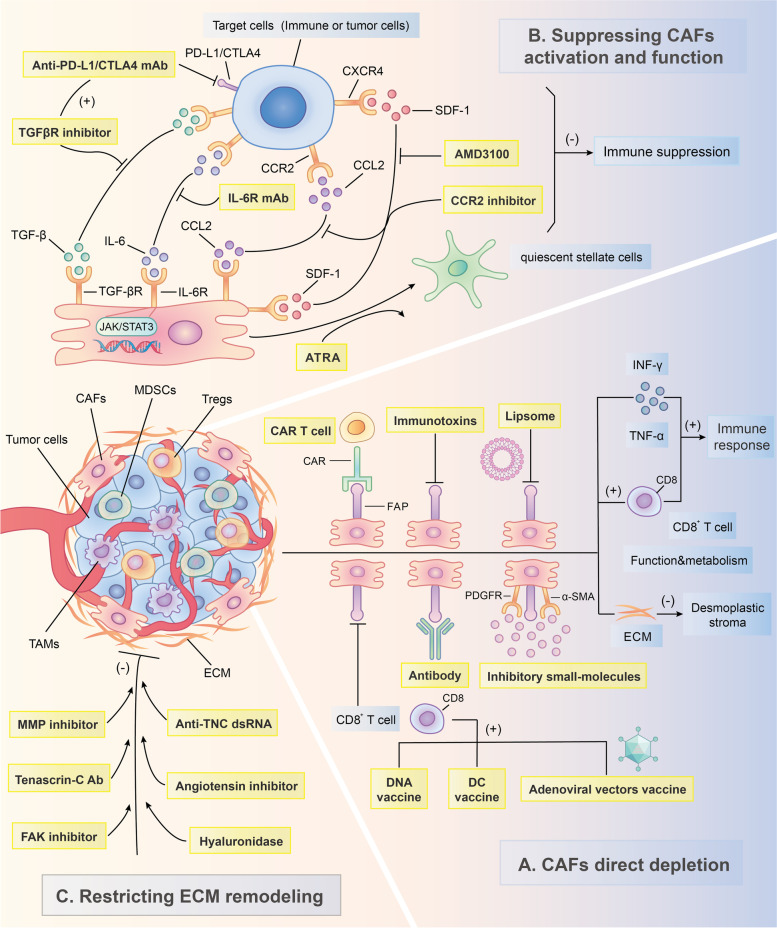
“The elimination of CAFs by FAP-targeting therapy can enhance the anticancer immune response mediated by high levels of certain inflammatory mediators, such as IFN-γ and TNF-α, and facilitate the toxic effects and metabolism of CD8 + T cells with a decreased desmoplastic stroma in the TME [224, 300, 301, 326].”
BackgroundInfluentialChen, W., Jin, W., Hardegen, N., Lei, K.-J., Li, L., Marinos, N., McGrady, G., & Wahl, S. M. (2003) · The Journal of Experimental Medicine · doi:10.1084/jem.20030152 · Cited by 4,699 · cited 2×
“[213], CAF-derived TGF-β can facilitate the differentiation of naïve T cells into CD4 + CD25 + Treg cells by inducing the expression of the Foxp3 gene in T lymphocytes.”
Background
Cited by
Items 901–1,000 of 1,003
Bai, W. (2023) · Heliyon · doi:10.1016/j.heliyon.2023.e22885 · Cited by 12
“Tumors are complex ecosystems that contain not only malignant cells but also immune components [12 – 15].”
BackgroundYing, H., Zhang, B., Cao, G., Wang, Y., & Zhang, X. (2023) · Translational Cancer Research · doi:10.21037/tcr-23-153 · Cited by 12
Self-citationGao, W., Liu, S., Wu, Y., Wei, W., Yang, Q., Li, W., Chen, H., Luo, A., Wang, Y., & Liu, Z. (2024) · EBioMedicine · doi:10.1016/j.ebiom.2024.105177 · Cited by 12
“49,50 Additionally, consistent with previous studies, 51,52 tumours with an in fl amed phenotype tend to be more responsive to immune checkpoint inhibitors.”
ResultPan-cancer analysis of the prognostic and immunological roles of SHP-1/ptpn6
Cui, P., Lian, J., Liu, Y., Zhang, D., Lin, Y., Lu, L., Ye, L., Chen, H., An, S., Huang, J., et al. (2024) · Scientific Reports · doi:10.1038/s41598-024-74037-9 · Cited by 12
“During tumor progression, a variety of immune cells are recruited into the microenvironment surrounding the tumor cells, infiltrate into the tumor and become tumor immune infiltration 20,39,40 .”
BackgroundLi, D., Chu, X., Liu, W., Ma, Y., Tian, X., & Yang, Y. (2024) · RNA Biology · doi:10.1080/15476286.2024.2440683 · Cited by 13
“The tumour immune microenvironment (TIME), comprising various immune cell populations from both innate and adaptive immunity along with immune regulatory factors, plays a critical role in tumour progression [3,4].”
Xu, J., Zhou, H., Liu, Z., Huang, Y., Zhang, Z., Zou, H., & Wang, Y. (2025) · Scientific Reports · doi:10.1038/s41598-025-97667-z · Cited by 12
Self-citationCheng, S.-H., Chiou, H.-Y. C., Wang, J., & Lin, M. (2023) · Cancers · doi:10.3390/cancers15092513 · Cited by 12
“CAF-derived cytokines/chemokines play a critical role in modulating the immune response and are associated with immunosuppressive TME [38].”
BackgroundHypoxic microenvironment in cancer: role in metabolic reprogramming
Sureka, N., Maheshwari, R., Agravat, A., Singhal, S., Zaman, S., Rishi, B., Siraj, F., Zaheer, S., & Misra, A. (2026) · Frontiers in Oncology · doi:10.3389/fonc.2026.1771365 · Cited by 11
Zhang, L., Xu, C., Wang, S., Ge, Q., Wang, X., Xiao, P., & Yao, Q. (2022) · Frontiers in Genetics · doi:10.3389/fgene.2022.1054152 · Cited by 11
“Recently, several studies have indicated that CAFs skew infiltrating tumor-associated macrophage (TAM) populations towards the M2 immunosuppressive phenotype (Mao et al., 2021).”
BackgroundTornaas, S., Kleftogiannis, D., Fromreide, S., Smeland, H. Y., Aarstad, H. J., Vintermyr, O. K., Akslen, L. A., Costea, D. E., & Dongre, H. (2024) · Heliyon · doi:10.1016/j.heliyon.2024.e31191 · Cited by 11
“These 39 surrounding cells include fibroblasts, pericytes, cells related to blood and vascular system, fat, and 40 nerve cells, as well as a myriad of immune cells such as T and B cells, natural killer (NK) cells, 41 myeloid-derived suppressor cells and macrophages [1, 2].”
BackgroundTang, R., Liu, M., Shu, Q., Chen, X., & Cai, L. (2024) · European Radiology · doi:10.1007/s00330-024-10843-z · Cited by 11
The role of targeting CDK4/6 in cancer immunotherapy
Sun, M., Dong, L., Wang, Y., Liu, C., Du, J., Wang, B., Xing, B., Yao, X., Ren, Y. Y., & Zhou, X. (2024) · Holistic Integrative Oncology · doi:10.1007/s44178-024-00100-0 · Cited by 11
“The TIME is a complex biosystem, comprises mainly tumor cells, surrounding immune and inflammatory cells, tumor-associated fibroblasts, and various cytokines and chemokines [32, 33].”
Shaikh, S., Dhar, H., Moorthy, M., Bhat, V., Basu, S., Banerjee, D., Mishra, D. K., Datta, S., & Mukherjee, G. (2024) · Journal of Translational Medicine · doi:10.1186/s12967-024-05511-1 · Cited by 11
“In the TME, CAFs interact with immune cells and other components via the secretion of various cytokines, chemokines, growth factors, and exosomes, to produce an immunosuppressive TME that enables cancer cells to evade the immune surveillance [33, 34].”
BackgroundLi, L., Wang, X., Jiang, M., Li, L., Wang, D., & Li, Y. (2024) · Biomedicine & Pharmacotherapy · doi:10.1016/j.biopha.2024.117420 · Cited by 11
Comparative transcriptome of normal and cancer-associated fibroblasts
Abikar, A., Mustafa, M., Athalye, R. R., Nadig, N., Tamboli, N., Babu, V., Keshavamurthy, R., & Ranganathan, P. (2024) · BMC Cancer · doi:10.1186/s12885-024-13006-x · Cited by 11
“The dynamic and reciprocal interactions between the tumor and its microenvironment influence cancer cell survival, local invasion, metastasis [3, 4], immune surveillance, angiogenesis [5] as well as response to therapy [6, 7].”
BackgroundGao, B., Hu, G., Sun, B., Li, W., & Yang, H. (2024) · Journal of Translational Medicine · doi:10.1186/s12967-024-05674-x · Cited by 11
“Dynamic remodeling of the TME plays a key role in tumor progression, and fibroblasts are considered key stromal cells involved in TME remodeling [20, 21].”
Stanniocalcin-1 in tumor immunity: acts via macrophages
Wang, L., Wang, J., Qiang, W., & Ge, W. (2024) · Frontiers in Immunology · doi:10.3389/fimmu.2024.1510182 · Cited by 11
Role of vascular endothelium and exosomes in cancer progression and therapy (Review)
Dai, Y., Yao, Y., He, Y., & Hu, X. (2024) · International Journal of Oncology · doi:10.3892/ijo.2024.5712 · Cited by 11
“EndoMT‑induced irregularities in the development, blood vessel formation, blood flow and openness of CAFs can directly or indirectly impact the entry and performance of TILs (110,111) (Fig.”
Exosomes in oral squamous cell carcinoma: functions, challenges, and potential applications
Zhao, B., Li, Z., & Li, R. (2025) · Frontiers in Oncology · doi:10.3389/fonc.2024.1502283 · Cited by 12
Wagner, B. J., Ettner-Sitter, A., Ihlo, N. A., Behr, M., Koelbl, S., Brunner, S. M., Weber, F., Rau, B., Schlitt, H. J., Brochhausen, C., et al. (2025) · Scientific Reports · doi:10.1038/s41598-025-87054-z · Cited by 11
Hu, Y., Yang, R., Ni, S., & Song, Z. (2025) · Frontiers in Immunology · doi:10.3389/fimmu.2024.1485053 · Cited by 11
Advanced Therapeutic Approaches for Metastatic Ovarian Cancer
Choe, S., Jeon, M., & Yoon, H. (2025) · Cancers · doi:10.3390/cancers17050788 · Cited by 11
“Ad-ditionally, NF-κ B signaling in the TME fosters immune evasion by polarizing macrophages into TAMs and inducing CAFs, both of which facilitate peritoneal dissemination [54,55].”
Small extracellular vesicles: crucial mediators for prostate cancer
Tang, S., Cheng, H., Zang, X., Tian, J., Ling, Z., Wang, L., Xu, W., & Jiang, J. (2025) · Journal of Nanobiotechnology · doi:10.1186/s12951-025-03326-w · Cited by 11
“Importantly, CAF-sEVs also contribute to the establishment of an immunosuppressive TME, enabling cancer cells to evade immune surveillance [121, 129].”
Innovative nanoparticle strategies for treating oral cancers
Irannejadrankouhi, S., Mivehchi, H., Eskandari-Yaghbastlo, A., Nejati, S. T., Emrahoglu, S., Nazarian, M., Zahedi, F., Madani, S., & Nabi‐Afjadi, M. (2025) · Medical Oncology · doi:10.1007/s12032-025-02728-y · Cited by 12
“CAFs also release TGF-β, which helps tumor cells become more invasive by inducing EMT, while simultaneously suppressing immune cells like CD8+ T cells and NK cells, weakening the body’s immune response [61, 62].”
Neutrophil extracellular traps in diseases of the female reproductive organs
Morawiec, M.-L., Kubina, R., Stępień, S., Smycz‐Kubańska, M., Królewska‐Daszczyńska, P., Ratajczak–Wrona, W., & Mielczarek‐Palacz, A. (2025) · Frontiers in Immunology · doi:10.3389/fimmu.2025.1589329 · Cited by 11
Zhao, J., Liu, M., Zhu, C., Li, Z., Liu, Z., Abulizi, D., Liu, S., Wang, X., Yang, H., & Hou, X. (2025) · Cellular Oncology · doi:10.1007/s13402-025-01067-4 · Cited by 12
“Nevertheless, recent studies suggest that CAFs play a pivotal role in orchestrating immune cell crosstalk in therapy resistance [29], underscoring the need for spatially resolved multi-omics to resolve how CAF-immune cell networks (e.g., LGALS9-TIM3 or SPP1 - PTGER4 axes) are spatially organized.”
Crosstalk of glutamine metabolism between cancer-associated fibroblasts and cancer cells
Chen, T., Xu, Y., Yang, F., Pan, Y., Ji, N., Li, J., Zeng, X. Y., Chen, Q., Jiang, L., & Shen, Y. (2025) · Cellular Signalling · doi:10.1016/j.cellsig.2025.111874 · Cited by 12
Chen, Z., Cheng, J., Li, Z., Huang, H., Ren, Y., Zhou, Y., Li, J., Zhang, Q., Duan, X., & Hu, Y. (2025) · Journal of Controlled Release · doi:10.1016/j.jconrel.2025.113877 · Cited by 11
The supporting role of Schwann cells in perineural invasion of pancreatic ductal adenocarcinoma
He, Y., Chen, Z., Yang, L., Qiao, S., Su, Z., Ding, F., Ding, F., Xin, F., Xiang, S., Lü, A., et al. (2025) · Frontiers in Pharmacology · doi:10.3389/fphar.2025.1540027 · Cited by 11
Yang, X., Luo, W., Wang, Y., Du, Y., & Yu, R. (2025) · Pharmaceutics · doi:10.3390/pharmaceutics17070937 · Cited by 11
“…process through multiple mechanisms: On one hand, they secrete potent CAF-activating factors (such as TGF-β and PDGF) to recruit and activate CAFs [30,31]; on the other hand, TAMs produce pro-angiogenic factors (such as VEGF, FGF2, and IL-8), and the resulting neovascularization not only supplies…”
Sharma, A., Sudan, S. K., Vikramdeo, K. S., Khan, M. A., Tahir, M., Carter, J. E., Kendall, T., Nelson, C. L., Singh, A. P., & Singh, S. (2025) · npj Breast Cancer · doi:10.1038/s41523-025-00799-8 · Cited by 11
“Cancer progression as well as the outcome of immune-and chemo-therapies is in fl uenced by the immune-active or suppressed state of the TME 36,37 .”
The Activity of Human NK Cells Towards 3D Heterotypic Cellular Tumor Model of Breast Cancer
Leonteva, A. A., Abdurakhmanova, M., Bogachek, M. V., Николаевна, Б. Т., Yurina, A. A., Troitskaya, O. S., Kulemzin, S. V., Richter, V. A., Kuligina, E. V., & Nushtaeva, A. A. (2025) · Cells · doi:10.3390/cells14141039 · Cited by 12
“By secreting various chemokines, cytokines and other effector molecules, CAFs directly inhibit immune cell-mediated antitumor immunity [66].”
Li, C., Xing, S., Zhang, D., Li, R., Li, Q., Luo, H., & Liu, F. (2025) · Journal of Translational Medicine · doi:10.1186/s12967-025-06878-5 · Cited by 11
“It has been previously demonstrated that the interference of cytokine secretion from cancer-associated fibroblasts is a key mechanism for the development of chemoresistance in cancer [81].”
Li, R., & Li, Y. (2025) · International Journal of Oncology · doi:10.3892/ijo.2025.5796 · Cited by 13
Overcoming cancer immunotherapy barriers via nanomaterial-mediated pyroptosis
Xie, J., Peng, B., Xiao, Y., Chen, X., Zhang, X., Chen, D., Song, L., Xu, M., Liao, W., & Zhang, X. (2025) · Journal of Materials Chemistry B · doi:10.1039/d5tb01024a · Cited by 11
Li, X., Zhu, M., & Dong, R. (2025) · Frontiers in Oncology · doi:10.3389/fonc.2025.1643235 · Cited by 11
Design of nano-delivery systems for pancreatic cancer immunotherapy
Fu, S., Gao, C., Yu, Q., Gong, R., Yang, Z., Zang, X., Shan, S., Mombrú, D., Romero, M., Mombrú, Á. W., et al. (2025) · Cancer Letters · doi:10.1016/j.canlet.2025.218098 · Cited by 11
Wang, H., Zhu, T., Yang, K., Xu, C., Zhang, Z., Liu, G., & Ren, H. (2025) · Frontiers in Oncology · doi:10.3389/fonc.2025.1702219 · Cited by 11
CAR-NK Engineering to Overcome TME Barriers
Islam, F., Pupovac, A., Boyd, R. L., & Trounson, A. O. (2025) · Cells · doi:10.3390/cells15010021 · Cited by 11
“Finally, local injection of CAR-NK cells to the tumor sites is a strategic delivery route that has consistently demonstrated to be both safe and effective in preclinical and clinical investigations [37,38] (Tables 1 and 2).”
Hepatic Fibrosis and Liver Cancer
Anton, A., Friedman, S. L., & Cogliati, B. (2025) · Seminars in Liver Disease · doi:10.1055/a-2779-4937 · Cited by 11
Engineering Immunity: Current Progress and Future Directions of CAR-T Cell Therapy
Sioud, M., & Casey, N. P. (2026) · International Journal of Molecular Sciences · doi:10.3390/ijms27020909 · Cited by 11
“Like M2 macrophages, CAFs suppress CAR-T cell activity by releasing immunosuppressive cytokines (e.g., IL-10, TGF-β ), secreting tumor-promoting growth factors, and depositing extracellular matrix components that hinder immune cell infiltration and facilitate metastasis [129].”
Mu, L., Han, Z., Yu, S., Wang, A., Chen, D., Kong, S., Gu, Y., Lin, X., Liu, A., Sun, R., et al. (2022) · Frontiers in Immunology · doi:10.3389/fimmu.2022.842524 · Cited by 11
Gao, C., Liu, F., Ye, Q., & Guo, A. (2023) · Journal of Oncology · doi:10.1155/2023/1424589 · Cited by 11
Chen, W., Deng, J., & Zhou, Y. (2023) · Medicine · doi:10.1097/md.0000000000033114 · Cited by 11
Jiang, Z., Ma, X., Luan, X., Liuyang, Z., Hong, Y., Dai, Y., Dong, Q., & Wang, G. (2023) · World Journal of Gastroenterology · doi:10.3748/wjg.v29.i23.3606 · Cited by 11
Yu, F., Deng, X., Zhong, Y., Guo, B., Zhang, X., & Wu, B. (2023) · Experimental Cell Research · doi:10.1016/j.yexcr.2023.113716 · Cited by 11
Li, C., Yuan, Y., Jiang, X., & Wang, Q. (2023) · Scientific Reports · doi:10.1038/s41598-023-40980-2 · Cited by 11
Integrative analysis identifies AKAP8L as an immunological and prognostic biomarker of pan-cancer
Zhou, L., Mei, J., Cao, R., Liu, X., Fu, B., Ma, M., Gong, B., Luo, L., Liu, Y., Zhu, Q., et al. (2023) · Aging · doi:10.18632/aging.205003 · Cited by 11
Mou, C.-Y., Zhang, L., Zhao, H., Huang, Z., Duan, Y., Zhao, Z., Ke, H., Du, J. C., Li, Q., & Zhou, J. T. (2023) · Frontiers in Immunology · doi:10.3389/fimmu.2023.1271466 · Cited by 11
Chmiel, P., Rychcik-Pazyrska, P., & Stec, R. (2023) · Cancers · doi:10.3390/cancers15215232 · Cited by 11
Quenching thirst with poison? Paradoxical effect of anticancer drugs
Chai, K., Wang, C., Zhou, J., Mu, W., Gao, M., Fan, Z., & Lv, G. (2023) · Pharmacological Research · doi:10.1016/j.phrs.2023.106987 · Cited by 11
TPD52L2 as a potential prognostic and immunotherapy biomarker in clear cell renal cell carcinoma
Wang, H., Liu, Z., Du, Y., Cheng, X., Gao, S., Gao, Y., & Shang, P. (2023) · Frontiers in Oncology · doi:10.3389/fonc.2023.1210910 · Cited by 11
“In the pathological process of malignant tumors, tumor cells and immune cells, stromal cells through mutual secretion of a variety of cytokines, achieve cellular communication to form a suppressive immune molecular network, and ultimately achieve the immune escape of tumor cells (9).”
BackgroundWei, J., Ge, X., Qian, Y., Jiang, K., Chen, X., Lu, W., Yang, H., Fu, D., Fang, Y., Zhou, X., et al. (2024) · Frontiers in Immunology · doi:10.3389/fimmu.2024.1291938 · Cited by 11
Yin, S.-Y., Liu, Y., Li, J.-P., & Liu, J. (2024) · International Journal of Genomics · doi:10.1155/2024/4123737 · Cited by 11
“Tumor cell-derived cytokines alter the biological composition of the stroma by a ff ecting nonparenchymal cells to induce angiogenesis and promote cancer-associated fi broblast (CAF) activation [14, 15].”
BackgroundSelf-citationFibroblasts: invigorated targets in pre-metastatic niche formation
Han, H., Qian, C., Song, M., Zhong, C., Zhao, Y., & Lu, Y. (2024) · International Journal of Biological Sciences · doi:10.7150/ijbs.87680 · Cited by 11
“…a large amount of collagen and fibronectin, CAFs are able to trigger the remodeling of ECM to impede the infiltration of immune cells and the penetration of anti-tumor agents into tumors, thereby assisting tumor cells to escape from the killing effects of immune cells and anti-tumor drugs[21].”
BackgroundESCO2’s oncogenic role in human tumors: a pan-cancer analysis and experimental validation
Huang, Y., Chen, D., Bai, Y., Zhang, Y., Zheng, Z., Fu, Q., Yi, B., Jiang, Y., Zhang, Z., & Zhu, J. (2024) · BMC Cancer · doi:10.1186/s12885-024-12213-w · Cited by 11
Li, W., Xing, X., Shen, C., & Hu, C. (2024) · Heliyon · doi:10.1016/j.heliyon.2024.e30808 · Cited by 11
“In the TME, the macrophage phenotype is influenced by the different types of cells surrounding it, including tumor cells and cancer-associated fibroblasts (CAFs) [14,52,53].”
BackgroundSui, P., Liu, X., Zhong, C., & Sha, Z. (2024) · Scientific Reports · doi:10.1038/s41598-024-61629-8 · Cited by 11
“The role of cancer-associated fibroblasts (CAFs) in the immune microenvironment was acknowledged by selecting marker genes ACTA2, FAP, PDGFRB, and NOTCH3 21–23 , aiding in dimensionality reduction for the clustering analysis, which identified five CAF clusters (Fig.”
BackgroundDing, C., Huang, H., Wu, D., Chen, C., Hua, Y., Liu, J., Li, Y., Liu, H., & Chen, J. (2024) · Frontiers in Immunology · doi:10.3389/fimmu.2024.1369073 · Cited by 11
Self-citationZhang, S., Li, D., Wang, H., Liu, B., Du, F., & Wang, Q. (2024) · Cell Biochemistry and Biophysics · doi:10.1007/s12013-024-01496-2 · Cited by 11
“…have revealed that CAFs might interplay with tumor-in fi ltrating immune cells (like macrophages) via secreting multiple cytokines, exosomes, and other effector molecules, resulting in the formation of an immunosuppressive TEM, which allows tumor cells to escape from immune system surveillance [32].”
Hu, S., Qin, J., Ding, M., Gao, R. C., Xiao, Q., Lou, J., Chen, Y., Wang, S., & Pan, Y. (2024) · Biochimica et Biophysica Acta (BBA) - Molecular Basis of Disease · doi:10.1016/j.bbadis.2024.167535 · Cited by 11
Li, J., Liu, Q., Zhang, T., & Du, Q. (2024) · Cancer Management and Research · doi:10.2147/cmar.s478426 · Cited by 11
Zeng, C., Xu, C., Wei, Y., Ma, F., & Wang, Y. (2025) · Journal of Cancer · doi:10.7150/jca.106029 · Cited by 11
Almeida, T. C., Silva, L. D. M. R., de Oliveira, A. M. B., Lopes, F. S. R., Sant’Anna, M. B., & Picolo, G. (2023) · International Journal of Biological Macromolecules · doi:10.1016/j.ijbiomac.2023.124892 · Cited by 11
Mao, S., Wu, D., Cheng, X., & Wu, J. (2024) · iScience · doi:10.1016/j.isci.2024.109861 · Cited by 10
Pan, Y., Ma, T., Chen, D., Wang, Y., Peng, Y., Lu, T., Yin, X., Li, H., Zhang, G., & Wang, X. (2024) · Journal of Ethnopharmacology · doi:10.1016/j.jep.2024.118656 · Cited by 10
Clinical applications of circulating biomarkers in non-small cell lung cancer
Oh, H.-J., Imam-Aliagan, A. B., Kim, Y.-B., Kim, H. J., Izaguirre, I. A., Sung, C. K., & Yim, H. (2024) · Frontiers in Cell and Developmental Biology · doi:10.3389/fcell.2024.1449232 · Cited by 10
Hoseini, Z. S., Zeinalilathori, S., Fathi‐karkan, S., Zeinali, S., Rahdar, A., Siddiqui, B., Kharaba, Z. J., & Pandey, S. (2024) · Journal of Drug Delivery Science and Technology · doi:10.1016/j.jddst.2024.106220 · Cited by 11
The influence of biophysical niche on tumor-associated macrophages in liver cancer
Zhang, Y., Rao, Y., Lu, J., Wang, J., Ker, D. F. E., Zhou, J., & Wang, D. M. (2024) · Hepatology Communications · doi:10.1097/hc9.0000000000000569 · Cited by 10
Myriad factors and pathways influencing tumor radiotherapy resistance
Mi, L., & Zhang, H. (2024) · Open Life Sciences · doi:10.1515/biol-2022-0992 · Cited by 11
“CAFs also diminish the e ffi cacy of radiotherapy by fostering an immunosuppressive environment enriched with immunosuppressive cells and inhibiting e ff ector immune cells [204,205].”
Zhan, Y., Weng, M., Guo, Y., Lv, D., Zhao, F., Yan, Z., Jiang, J., Xiao, Y., & Yao, L. (2024) · Frontiers in Immunology · doi:10.3389/fimmu.2024.1465638 · Cited by 10
Inosine Prevents Colorectal Cancer Progression by Inducing M1 Phenotypic Polarization of Macrophages
Ma, Y., Qian, X., Yu, Q., Dong, Y., Wang, J.-P., Liu, H., & Xiao, H. (2024) · Molecules · doi:10.3390/molecules30010123 · Cited by 10
“The TME comprises various cellular components, including tumor cells, infiltrating immune cells (macrophages, lymphocytes, dendritic cells, etc.), and mesenchymal cells (cancer-associated fibroblasts, endothelial cells, etc.) [11,12].”
Liu, H., Zhu, D., Jiang, D., Pang, H., & Yang, X. (2025) · Frontiers in Oncology · doi:10.3389/fonc.2024.1498854 · Cited by 10
Wang, J., Zhu, W., Li, X., Wu, Y., Ma, W., Wang, Y., Zhao, W., Wei, F., & Wang, W. (2025) · Frontiers in Pharmacology · doi:10.3389/fphar.2025.1500251 · Cited by 10
Self-citationLuanpitpong, S., Janan, M., Poohadsuan, J., Rodboon, N., Samart, P., Rungarunlert, S., & Issaragrisil, S. (2025) · PubMed Central · doi:10.2147/itt.s503984 · Cited by 10
“…inflammatory and myofibroblast markers, which are generally expressed on inflammatory CAFs (iCAFs) and myofibroblastic CAFs (myCAFs), respectively, 23,27 were determined by qPCR at 48 h. Figure 3B shows that UE6E7T-3 cells expressed higher mRNA levels of iCAF-like markers than WI-38-40 cells at…”
Upregulation of MMP3 Promotes Cisplatin Resistance in Ovarian Cancer
Rivera-Serrano, M., Flores‐Colón, M., Valiyeva, F., Meléndez, L. M., & Vivas‐Mejía, P. E. (2025) · International Journal of Molecular Sciences · doi:10.3390/ijms26094012 · Cited by 10
“Additionally, MMP3 can modulate the immune response, creating an immunosuppressive environment that allows tumor cells to evade immune detection [64].”
Chen, Q., Cai, R., Wang, Y., Liang, G.-H., Zhang, K.-M., Yang, X., Yang, D., Zhao, D., Zhu, X., Deng, R., et al. (2025) · Molecular Cancer · doi:10.1186/s12943-025-02342-6 · Cited by 10
“…have demonstrated that ECM and mCAFs can promote tumor progression both directly and indirectly, contributing to tumor malignant progression [48, 49]. mCAFs not only secrete numerous cytokines, including TGFβ, HGF, IL-6, CCL5, and MMP9, activating TGF-β, IL, and NF-κB signaling pathways [50],…”
Chen, S., Zhao, Y., Cao, M., Wang, P., Huang, H., Yang, Y., Liang, J., Chen, W., Bai, S., Zhou, Q., et al. (2025) · Journal for ImmunoTherapy of Cancer · doi:10.1136/jitc-2025-012144 · Cited by 10
“12 13 Therefore, understanding how CAFs modulate ECM and immune responses is critical for improving immuno-therapy outcomes.”
Zhang, B., Wang, R., Tao, S., Zhu, Y., Luo, W., Yang, Y., Li, Y., Zhou, K., & Zhao, Z. (2025) · The Journal of Immunology · doi:10.1093/jimmun/vkaf136 · Cited by 10
Self-citationMulti-organ-on-a-chip: Modeling strategy, method, and biomedical applications
Gao, X., Wang, T., Huang, W., Liu, C., Zhang, Z., Deng, Y., & Huang, J. (2025) · Biomicrofluidics · doi:10.1063/5.0282055 · Cited by 10
Cai, X., Peng, C.-R., Ding, C.-Y., Cui, Y., Gao, L., Xu, Z., Li, L., Zhang, J., & Li, T. (2025) · npj Precision Oncology · doi:10.1038/s41698-025-01125-y · Cited by 10
Li, T., Wang, Y., Zhu, J., Zhang, X., Zhang, X., Lei, L., Yang, L., Wang, P., Wang, Q., He, Z., et al. (2026) · Acta Biomaterialia · doi:10.1016/j.actbio.2026.01.014 · Cited by 10
Cho, H. J., Kwon, M., & Varner, J. A. (2026) · Clinical Cancer Research · doi:10.1158/1078-0432.ccr-25-2944 · Cited by 11
Lu, J., Chu, S., Wang, S., Wang, S., Yu, Z., Yan, Z., Ji, G., Zhou, H., Wang, J., & Zhu, C. (2026) · Frontiers in Cell and Developmental Biology · doi:10.3389/fcell.2026.1774215 · Cited by 11
“…insights from other cancers suggest that analogous mechanisms, such as CAF-derived EDA-fibronectin engaging pattern recognition receptors (e.g., TLR4) on TAMs and TAM-derived factors (e.g., IL-6, SDF-1) reciprocally activating CAFs, may be operative (Mao et al., 2021; Bhowmick et al., 2004).”
Zhao, H., Tian, H., Nuerbieke, T., Ma, K., Li, W., Niu, X., Li, J., Ashby, C. R., Chen, Z., Zhou, T., et al. (2026) · Cancer Letters · doi:10.1016/j.canlet.2026.218690 · Cited by 10
Targhazeh, N., Hutt, K. J., Winship, A., Reiter, R. J., & Yousefi, B. (2022) · Biochimie · doi:10.1016/j.biochi.2022.09.010 · Cited by 10
68Ga-HBED-CC-WL-12 PET in Diagnosing and Differentiating Pancreatic Cancers in Murine Models
Xiang, Q., Li, D., Cheng, C., Xu, K., & Zuo, C. (2023) · Pharmaceuticals · doi:10.3390/ph16010080 · Cited by 10
“In-depth studies of CAFs and immune microenvironment interactions might provide novel strategies for subsequent targeted immunotherapies [34].”
BackgroundLiu, Y., Wang, Z., Hao, H., Wang, Y.-P., & Hua, L. (2023) · Immunology · doi:10.1111/imm.13647 · Cited by 10
“Furthermore, CAFs have been shown to interact with tumour-infiltrating immune cells within the TIME by secreting growth factors, cytokines, chemokines and other effector molecules, consequently affecting the recruitment of immune cells to the TIME (Figure 2) [65, 66].”
BackgroundWang, Y., Lv, W., Yi, Y., Zhang, Q., Zhang, J., & Wu, Y. (2023) · Aging · doi:10.18632/aging.204685 · Cited by 10
Zhu, Y., Wang, C., Ma, Z., Li, F., Xu, C., Pan, W., & Liu, A. (2023) · Journal of Cancer · doi:10.7150/jca.83663 · Cited by 11
“In addition to tumor-derived exosomes, those secreted by tumor-associated macrophages (TAMs) and CAFs have also been found to be involved in the promotion of angiogenesis and metastasis[50-52].”
BackgroundPscheid, R., Drent, E., Wienke, J., Strijker, J. G. M., Throsby, M., & Molenaar, J. J. (2023) · The Journal of Immunology · doi:10.4049/jimmunol.2200573 · Cited by 10
Molecular imaging of pancreatic ductal adenocarcinoma
Huang, W., Huang, G., An, S., & Liu, J. (2023) · View · doi:10.1002/viw.20230029 · Cited by 10
Self-citationLi, Y., & Liu, F. (2023) · Frontiers in Immunology · doi:10.3389/fimmu.2023.1200249 · Cited by 10
Fibroblast subtypes in pancreatic cancer and pancreatitis: from mechanisms to therapeutic strategies
Huang, H., Lu, W., Zhang, X., Pan, J., Cao, F., & Li, W. (2023) · Cellular Oncology · doi:10.1007/s13402-023-00874-x · Cited by 10
Yue, Y., Cai, X., Lu, C., Sechi, L. A., Solla, P., & Li, S. (2023) · Frontiers in Immunology · doi:10.3389/fimmu.2023.1238312 · Cited by 10
“According to the results, we inferred an underlying extracellular matrix (ECM) remodeling process in cluster_2 subtype, which could in fl uence the recruitment and activity of immune cells (38).”
BackgroundKe, M., Zeng, L., Yang, C., & Yang, S. (2023) · International Journal of General Medicine · doi:10.2147/ijgm.s430408 · Cited by 10
“46,47 In this study, we conducted a comprehensive analysis of gene expression profiles associated with macrophage polarization in LUAD tissues.”
MethodWang, X., Chen, B., Zhang, H., Peng, L., Liu, X., Zhang, Q., Wang, X., Peng, S., Wang, K., & Liao, L. (2024) · International Journal of Surgery · doi:10.1097/js9.0000000000001360 · Cited by 11
“CAFs modi fi ed ECM creates a physical barrier for drug or therapeutic immune cell permeation, inhibiting their recruitment into cancer and subsequently reducing their opportunities to participate in the TME immune response [28] .”
BackgroundTang, R., Zhang, Z.-F., Xu, J., Wang, W. J., Meng, Q., Liu, Y., Du, Q., Liang, C., Hua, J., Zhang, B., et al. (2024) · Computational and Structural Biotechnology Journal · doi:10.1016/j.csbj.2024.04.021 · Cited by 10
“Therefore, recent studies have shifted focus to the communication and interactions among cells in the pancreatic cancer microenvironment[23,28,32].”
Self-citationHu, S., Xiao, Q., Gao, R. C., Qin, J., Nie, J., Chen, Y., Lou, J., Ding, M., Pan, Y., & Wang, S. (2024) · BMC Cancer · doi:10.1186/s12885-024-12251-4 · Cited by 10
“The study demonstrated that CAFs are not static but undergo dynamic changes during cancer development [42].”
BackgroundHu, P., Yan, T., Lv, S., Ye, M., Wu, M., Hua, F., & Xiao, B. (2024) · Tissue and Cell · doi:10.1016/j.tice.2024.102406 · Cited by 10
Metadata
- Authors
- Mao, X., Xu, J., Wang, W., Liang, C., Hua, J., Liu, J., Zhang, B., Meng, Q., Yu, X., & Shi, S.
- Affiliations
- Shanghai Medical College of Fudan University (CN)
- Corresponding author
- Meng, Qingcai
- Yu, Xianjun
- Shi, Si
- Venue
- Molecular Cancer
- Published
- 2021-10-11
- Volume
- 20
- Issue
- 1
- Pages
- 131-131
- ISSN
- 1476-4598 (ISSN-L)
- PMC
- PMC8504100
- OpenAlex
- W3205475594
- Cited by
- 2,290
- References
- 369
- Citations by year
- 2026: 379 · 2025: 596 · 2024: 647 · 2023: 459 · 2022: 202 · 2021: 6
- FWCI
- 40.37
- Type
- journal article
- Language
- en
- Open access
- gold
- doi.org
- Licence
- cc-by
- creativecommons.org/licenses/by/4.0 (tdm)
- creativecommons.org/licenses/by/4.0 (vor)
- Locations
- Molecular Cancer (publishedVersion, cc-by)
- Europe PMC (PubMed Central) (publishedVersion, other-oa)
- PubMed Central (publishedVersion, cc-by)
- PubMed (publishedVersion)
- DOAJ (DOAJ: Directory of Open Access Journals) (submittedVersion, cc-by-sa)
- Funders
- national natural science foundation of china (81802352, 81772555, 81902428)
- china national funds for distinguished young scientists (81625016)
- shanghai rising-star program (20QA1402100)
- Topics
- Health Sciences › Medicine › Oncology › Cancer Immunotherapy and Biomarkers
- Life Sciences › Immunology and Microbiology › Immunology › Immune cells in cancer
- Health Sciences › Medicine › Oncology › Cancer Cells and Metastasis
- Keywords
- cancer-associated fibroblasts, tumor microenvironment, tumor immune microenvironment, tumor-infiltrating immune cells, immunosuppression, tumor immune evasion, extracellular matrix remodeling, chemoresistance, tumor angiogenesis, metastasis, exosomes, cytokines and chemokines
- MeSH terms
- Cancer-Associated Fibroblasts, Tumor-Associated Macrophages, Animals, Cell Communication, Disease Susceptibility, Gene Expression Regulation, Humans, Immune System, Immunity, Innate, Neoplasm Metastasis, Neoplasms, Biomarkers, Tumor, Signal Transduction, Lymphocytes, Tumor-Infiltrating, Adaptive Immunity, Tumor Microenvironment, Neoplasm Grading
About these checks
Registry, retraction, Cites and statistics results are computed, not judged, with one exception: a printed reference that no index lists is read once by a model before it counts as a citation error. Claims are extracted by a model and kept only when their quote appears verbatim in the text; each cited source is then checked, with a model’s help, for whether it says what the claim relies on. Those verdicts can be wrong — read the claim’s quote and the cited source before relying on one.
Statistics and arithmetic are recomputed, not judged.
Confidence bands are shown only for fields calibrated on our annotated test set. None is calibrated yet, so no band is shown.
What counts as a claim ›How we measure confidence ›How we check this ›
Are you an author, or do you see a problem with this page? Request a review
Data sources
Bibliographic data: Semantic Scholar, OpenAlex, Crossref.
Contains information from the Semantic Scholar Academic Graph Datasets, made available under the ODC Attribution License (ODC-BY 1.0).
Semantic Scholar’s data is described in: Kinney, R., et al. (2023). The Semantic Scholar Open Data Platform. arXiv:2301.10140.
