

Crosstalk between cancer‐associated fibroblasts and immune cells in the tumor microenvironment: new findings and future perspectives
Open accessThe DOI matches its Crossref record; 369 of the 369 references it cites were found in a registry or an index.
Abstract
Cancer-associated fibroblasts (CAFs), a stromal cell population with cell-of-origin, phenotypic and functional heterogeneity, are the most essential components of the tumor microenvironment (TME). Through multiple pathways, activated CAFs can promote tumor growth, angiogenesis, invasion and metastasis, along with extracellular matrix (ECM) remodeling and even chemoresistance. Numerous previous studies have confirmed the critical role of the interaction between CAFs and tumor cells in tumorigenesis and development. However, recently, the mutual effects of CAFs and the tumor immune microenvironment (TIME) have been identified as another key factor in promoting tumor progression. The TIME mainly consists of distinct immune cell populations in tumor islets and is highly associated with the antitumor immunological state in the TME. CAFs interact with tumor-infiltrating immune cells as well as other immune components within the TIME via the secretion of various cytokines, growth factors, chemokines, exosomes and other effector molecules, consequently shaping an immunosuppressive TME that enables cancer cells to evade surveillance of the immune system. In-depth studies of CAFs and immune microenvironment interactions, particularly the complicated mechanisms connecting CAFs with immune cells, might provide novel strategies for subsequent targeted immunotherapies. Herein, we shed light on recent advances regarding the direct and indirect crosstalk between CAFs and infiltrating immune cells and further summarize the possible immunoinhibitory mechanisms induced by CAFs in the TME. In addition, we present current related CAF-targeting immunotherapies and briefly describe some future perspectives on CAF research in the end.
Overview
The claims and statistics of this paper haven’t been checked yet.
Free: it reads the open-access text and checks the first 5 claims that cite a source we can check. Create a free account to check every claim.
Integrity signals
Registry
Cites
Statistics
Figures
Verification
Claims the paper makes
The claims and statistics of this paper haven’t been checked yet.
Free: it reads the open-access text and checks the first 5 claims that cite a source we can check. Create a free account to check every claim.
Claims other papers make about this one
Each is checked against this paper’s own text: does it say what the citing paper says it does?
The source backs part of the claim, not all of it — or backs it for a different population, condition or comparison.
In the citing paper
“CAFs recruit and polarize immune cells such as macrophages, neutrophils, T cells and DCs to a pro‐tumorigenic phenotype by secreting several cytokines, chemokines, and other effector molecules such as Interleukin 6 (IL‐6), and 8 (IL‐8), TGF‐β, CXCL12, CCL2, SDF‐1, VEGF, Indoleamine‐pyrrole 2,3‐dioxygenase (IDO) and tryptophan 2,3‐dioxygenase (TDO2) [27].”
From Tumor microenvironment signaling and therapeutics in cancer progression (2023) · cites this paper as [27]
Experimental — accuracy not yet measuredThe cited source says what the claim attributes to it.
In the citing paper
“substantial evidence indicating that CAFs can suppress anti-tumor immunity through interactions with immune effector cells, particularly CD8+ T cells 72.”
From TBX3 shapes an immunosuppressive microenvironment and induces immunotherapy resistance (2025) · cites this paper as [72]
Self-check
Percentages, sums and reported differences re-computed from the paper’s own numbers.
The self-check needs the paper’s full text.
Citations
Cites
1 retracted
Dou, D., Ren, X., Han, M., Xu, X., Ge, X., Gu, Y., & Wang, X. (2020) · Frontiers in Immunology · doi:10.3389/fimmu.2020.02026 · Cited by 175
RetractedMantovani, A., Allavena, P., Sica, A., & Balkwill, F. (2008) · Nature · doi:10.1038/nature07205 · Cited by 11,399 · cited 1×
“M1-type macrophages mainly behave as an antitumor role in the TIME by mediating antibody-dependent cellular cytotoxicity and producing ROS and tumor necrosis factor (TNF) [123], whereas M2-type macrophages exhibit tumor-promoting activity by contributing to the activation of tumor angiogenesis, immune suppression, inv…”
BackgroundThe basics of epithelial-mesenchymal transition
Kalluri, R., & Weinberg, R. A. (2009) · Journal of Clinical Investigation · doi:10.1172/jci39104 · Cited by 10,196
Microenvironmental regulation of tumor progression and metastasis
Quail, D. F., & Joyce, J. A. (2013) · Nature Medicine · doi:10.1038/nm.3394 · Cited by 7,994
Molecular Mechanisms of Stress-Responsive Changes in Collagen and Elastin Networks in Skin
Aziz, J., Shezali, H., Radzi, Z., Yahya, N. A., Abu Kassim, N. H., Czernuszka, J., & Rahman, M. T. (2016) · Skin Pharmacology and Physiology · doi:10.1159/000447017 · Cited by 7,323
The chemokine system in diverse forms of macrophage activation and polarization
MANTOVANI, A., SICA, A., SOZZANI, S., ALLAVENA, P., VECCHI, A., & LOCATI, M. (2004) · Trends in Immunology · doi:10.1016/j.it.2004.09.015 · Cited by 6,534 · cited 1×
“macrophages (TAMs) Macrophages that infiltrate tumors, known as tumorassociated macrophages (TAMs), are classified into two distinct subsets that are activated by different polarizing cytokines, termed M1 (lipopolysaccharide (LPS) alone or with Th1 cytokines) and M2 (Th2 cytokines) [122].”
BackgroundMolecular mechanisms and clinical applications of angiogenesis
Carmeliet, P., & Jain, R. K. (2011) · Nature · doi:10.1038/nature10144 · Cited by 5,467
TGFβ attenuates tumour response to PD-L1 blockade by contributing to exclusion of T cells
Mariathasan, S., Turley, S. J., Nickles, D., Castiglioni, A., Yuen, K., Wang, Y., Kadel III, E. E., Koeppen, H., Astarita, J. L., Cubas, R., et al. (2018) · Nature · doi:10.1038/nature25501 · Cited by 5,400
Macrophage plasticity, polarization, and function in health and disease
Shapouri‐Moghaddam, A., Mohammadian, S., Vazini, H., Taghadosi, M., Esmaeili, S., Mardani, F., Seifi, B., Mohammadi, A., Afshari, J. T., & Sahebkar, A. (2018) · Journal of Cellular Physiology · doi:10.1002/jcp.26429 · Cited by 4,930 · cited 5×
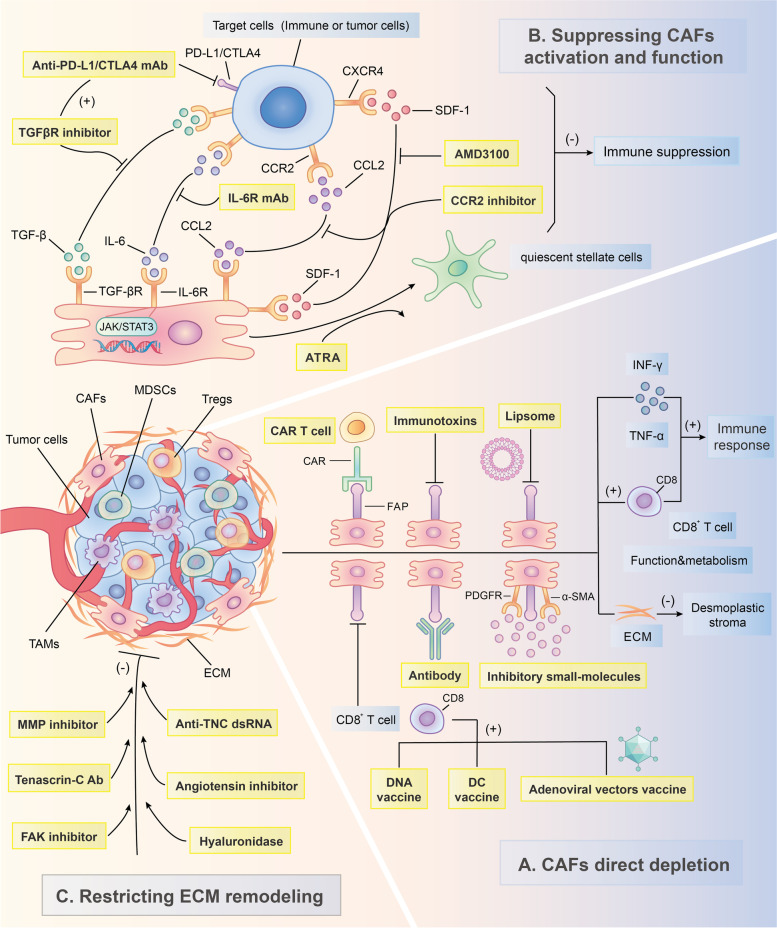
“The elimination of CAFs by FAP-targeting therapy can enhance the anticancer immune response mediated by high levels of certain inflammatory mediators, such as IFN-γ and TNF-α, and facilitate the toxic effects and metabolism of CD8 + T cells with a decreased desmoplastic stroma in the TME [224, 300, 301, 326].”
BackgroundInfluentialChen, W., Jin, W., Hardegen, N., Lei, K.-J., Li, L., Marinos, N., McGrady, G., & Wahl, S. M. (2003) · The Journal of Experimental Medicine · doi:10.1084/jem.20030152 · Cited by 4,699 · cited 2×
“[213], CAF-derived TGF-β can facilitate the differentiation of naïve T cells into CD4 + CD25 + Treg cells by inducing the expression of the Foxp3 gene in T lymphocytes.”
Background
Cited by
Items 301–400 of 1,003
Gou, Z., Li, J., Liu, J., & Yang, N. (2024) · Frontiers in Cell and Developmental Biology · doi:10.3389/fcell.2024.1378302 · Cited by 38
Self-citationAngiotensin receptor blocker attacks armored and cold tumors and boosts immune checkpoint blockade
Mei, J., Chu, J., Yang, K. G., Luo, Z., Yang, J., Xu, J., Li, Q., Zhang, Y., Zhang, Q., Wan, M., et al. (2024) · Journal for ImmunoTherapy of Cancer · doi:10.1136/jitc-2024-009327 · Cited by 38
Self-citationZhu, B., Fan, L., Yu, J., Liang, Z., Ke, X., Wang, Y., Song, Z., Li, Z., Li, G., & Guo, Y. (2024) · Biochimica et Biophysica Acta (BBA) - Molecular Cell Research · doi:10.1016/j.bbamcr.2024.119871 · Cited by 38
RNA modifications in the tumor microenvironment: insights into the cancer-immunity cycle and beyond
Ding, Y.-P., Liu, C., & Yu, K. (2025) · Experimental Hematology and Oncology · doi:10.1186/s40164-025-00648-1 · Cited by 39
Reprogramming cellular senescence and aging clocks for advanced cancer immunotherapy
Yang, H., Liu, D., Qiu, L., Wang, R., Zhang, C., Yu, D., Zhong, Q., Yuki, N., Song, Z., Zhu, Τ., et al. (2025) · Molecular Cancer · doi:10.1186/s12943-025-02459-8 · Cited by 38
“A densely fibrotic stroma may thereby serve as a physical barrier to immune cells, preventing effector T cells and NK cells from contacting malignant cells [256].”
Rentschler, M., Braumüller, H., Briquez, P. S., & Wieder, T. (2022) · Cancers · doi:10.3390/cancers14061364 · Cited by 40
Tumor microenvironment manipulates chemoresistance in ovarian cancer (Review)
Zhang, Q., Ding, J., Wang, Y., He, L., & Xue, F. (2022) · Oncology Reports · doi:10.3892/or.2022.8313 · Cited by 38
Recent progress in nanocarrier-based drug delivery systems for antitumour metastasis
Peng, S., Yuan, X., Li, H., Wei, Y.-N., Zhou, B., Ding, G., & Bai, J. (2023) · European Journal of Medicinal Chemistry · doi:10.1016/j.ejmech.2023.115259 · Cited by 40
Sun, C., Zhang, K., Chen, N., Wan, J., Duan, X., Lou, X., Yao, X., Li, X., Wang, M., Gu, Z., et al. (2023) · Oncogenesis · doi:10.1038/s41389-023-00463-5 · Cited by 37
Zhang, X., Zhu, R., Yu, D., Wang, J., Yan, Y., & Xu, K. (2023) · Cell Proliferation · doi:10.1111/cpr.13592 · Cited by 38
The Application of Nanoparticles Targeting Cancer-Associated Fibroblasts
Huang, Q., Ge, Y., He, Y. T., Wu, J., Tong, Y., Shang, H., Liu, X., Ba, X., Xia, D., Peng, E., et al. (2024) · International Journal of Nanomedicine · doi:10.2147/ijn.s447350 · Cited by 37
“36 CAFs also secrete numerous pro-tumor factors such as vascular endothelial growth factor (VEGF), which stimulates angiogenesis and promotes tumor proliferation and metastasis.”
BackgroundNing, J., Ye, Y., Shen, H., Zhang, R., Li, H., Song, T., Zhang, R., Liu, P., Chen, G., Wang, H., et al. (2024) · Cell Reports Medicine · doi:10.1016/j.xcrm.2024.101505 · Cited by 38
The Tumor Stroma of Squamous Cell Carcinoma: A Complex Environment That Fuels Cancer Progression
Buruiană, A., Gheban, B., Gheban-Roşca, I. A., Georgiu, C., Crișan, D., & Crişan, M. (2024) · Cancers · doi:10.3390/cancers16091727 · Cited by 37
“…factors secreted by cancer cells (e.g., TGF-β , Platelet-Derived Growth Factor) [115], inflammatory cytokines such as IL-1 β , IL-6, and TNF-α [7,116], hypoxia [117], and direct interaction with cancer cells [118], although the are other sources of CAFs such as the bone marrow [119] and adipose…”
BackgroundShang, H., Lü, L., Fan, M., Lu, Y., Shi, X., & Lü, H. (2024) · International Immunopharmacology · doi:10.1016/j.intimp.2024.112282 · Cited by 37
The Triad of Sleep, Immunity, and Cancer: A Mediating Perspective
Lanza, G., Mogavero, M. P., Salemi, M., & Ferri, R. (2024) · Cells · doi:10.3390/cells13151246 · Cited by 40
“Additionally, the secretion of immunosuppressive cytokines like TGF-β and IL-10 further dampens immune responses [28].”
BackgroundAdvancing osteoarthritis therapy with GMOCS hydrogel-loaded BMSCs-exos
Zhou, R., Guo, J., & Jin, Z. (2024) · Journal of Nanobiotechnology · doi:10.1186/s12951-024-02713-z · Cited by 37
Ren, H., Wang, M., Ma, X., An, L., Guo, Y., & Ma, H. (2024) · Biology Direct · doi:10.1186/s13062-024-00511-z · Cited by 37
“…activated CAFs can influence cancer cell proliferation, metastasis, immune escape, angiogenesis, therapeutic resistance and drug access by extracellular matrix (ECM) remodeling and production of soluble factors, such as growth factors, cytokines, chemokines or other effector molecules [5–8].”
BackgroundZhang, Y., Zhou, J., Wang, Y., Wu, Y., Li, Y., Wang, B., Liu, G., Gong, Q., Luo, K., & Jing, J. (2025) · Journal of Controlled Release · doi:10.1016/j.jconrel.2025.113606 · Cited by 37
Cai, H., Zhang, F., Xu, F., & Yang, C.-H. (2025) · Frontiers in Oncology · doi:10.3389/fonc.2025.1564226 · Cited by 38
“Cancer-associated fi broblasts (CAFs) can alter the availability of nutrients and secrete metabolic intermediates that fuel tumor growth (11).”
Zhao, Y., Mei, S., Huang, Y., Chen, J., Zhang, X., & Zhang, P. (2022) · Computational and Structural Biotechnology Journal · doi:10.1016/j.csbj.2022.11.025 · Cited by 37
Skin Cancer Microenvironment: What We Can Learn from Skin Aging?
D’Arino, A., Caputo, S., Eibenschutz, L., Piemonte, P., Buccini, P., Frascione, P., & Bellei, B. (2023) · International Journal of Molecular Sciences · doi:10.3390/ijms241814043 · Cited by 36
“A possible explanation might reside in CAF’s resistance to apoptosis that differently to normal fibroblasts tends to accumulate over time [73].”
BackgroundThe Role of the Transforming Growth Factor-β Signaling Pathway in Gastrointestinal Cancers
Matsuoka, T., & Yashiro, M. (2023) · Biomolecules · doi:10.3390/biom13101551 · Cited by 36
“[69,70].”
BackgroundGynecological cancer tumor Microenvironment: Unveiling cellular complexity and therapeutic potential
Garg, P., Ramisetty, S. K., Subbalakshmi, A. R., Krishna, B. M., Pareek, S., Mohanty, A. R., Kulkarni, P., Horne, D. A., Salgia, R., & Singhal, S. S. (2024) · Biochemical Pharmacology · doi:10.1016/j.bcp.2024.116498 · Cited by 36
Ielpo, S., Barberini, F., Moghaddam, F. D., Pesce, S., Cencioni, C., Spallotta, F., Ninno, A. D., Businaro, L., Marcenaro, E., Bei, R., et al. (2024) · Cancer Treatment Reviews · doi:10.1016/j.ctrv.2024.102843 · Cited by 36
Tumour-infiltrating lymphocyte therapy landscape: prospects and challenges
Chen, R., Johnson, J. E., Roudkoli, A. R., & Dudek, A. Z. (2025) · BMJ Oncology · doi:10.1136/bmjonc-2024-000566 · Cited by 36
Ai, J., Li, H., Zhang, M., Liu, J., Liu, L., & Sun, C. (2025) · International Journal of Biological Sciences · doi:10.7150/ijbs.121356 · Cited by 38
“Importantly, the persistent activation of CAFs and dysfunctional immune cells, among other factors, collectively drive extensive ECM remodeling, resulting in a marked increase in matrix stiffness [20, 26, 32, 51, 62].”
Self-citationThe extracellular matrix in inflammation and cancer
Zhang, W., Xiang, Y., Lu, C., Wang, F., Ren, H., Wu, H., & Yan, M. (2026) · Molecular Biomedicine · doi:10.1186/s43556-026-00415-6 · Cited by 38
The Role of Tumor Microenvironment in Invasion and Metastasis of Esophageal Squamous Cell Carcinoma
Zheng, S., Liu, B., & Guan, X. (2022) · Frontiers in Oncology · doi:10.3389/fonc.2022.911285 · Cited by 36
Zhao, Z., & Zhu, Y. (2023) · BMC Cancer · doi:10.1186/s12885-023-11011-0 · Cited by 37
Camorani, S., Caliendo, A., Morrone, E., Agnello, L., Martini, M., Cantile, M., Cerrone, M., Zannetti, A., Deda, M. L., Fedele, M., et al. (2024) · Journal of Experimental & Clinical Cancer Research · doi:10.1186/s13046-024-03014-x · Cited by 36
“…binds to the extracellular domain of platelet-derived growth factor receptor β (PDGFRβ), an established marker of stromal cells, including mesenchymal stem cells [30], cancer associated fibroblasts [31, 32], tumor-associated endothelial cells [33], immune cells [34, 35], and macrophages [36–38].”
BackgroundTumor-associated macrophages: Prognostic and therapeutic targets for cancer in humans and dogs
Brady, R. V., & Thamm, D. H. (2023) · Frontiers in Immunology · doi:10.3389/fimmu.2023.1176807 · Cited by 35
Xiong, Z., Yu, S.-L., Xie, Z., Zhuang, R., Peng, S., Wang, Q., Gao, Z., Li, B., Xie, J., Huang, H. W., et al. (2024) · iScience · doi:10.1016/j.isci.2024.109674 · Cited by 35
Chen, X., Ma, C., Li, Y., Liang, Y., Chen, T., Han, D., Luo, D., Zhang, N., Zhao, W., Wang, L., et al. (2024) · Oncogene · doi:10.1038/s41388-024-03030-3 · Cited by 35
Wei, R., Song, J., Pan, H., Liu, X., & Gao, J. (2024) · OncoImmunology · doi:10.1080/2162402x.2024.2352179 · Cited by 38
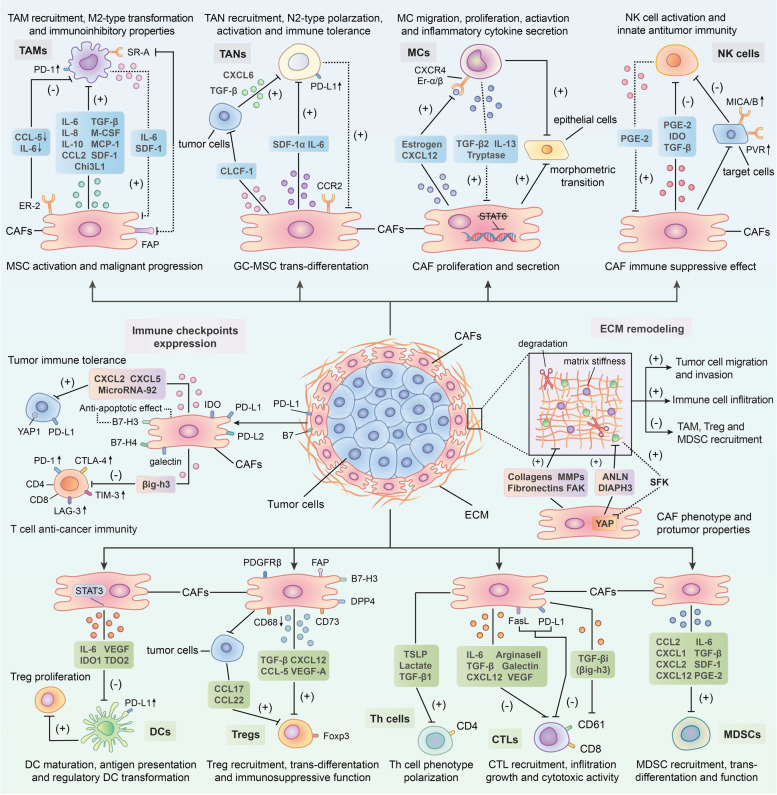
“9 In particular, CAFs essentially regulate macrophages by not only recruiting them and their precursors to tumor sites, 10 but also promote their differentiation toward the immunosuppressive and protumoral M2-like phenotype, 11 which is featured with anti-inflammatory response, angiogenesis, and…”
BackgroundMalik, S., Sureka, N., Ahuja, S., Aden, D., Zaheer, S., & Zaheer, S. (2024) · Cell Biology International · doi:10.1002/cbin.12226 · Cited by 36
“The interaction between M2 ‐ like TAMs and tumor ‐ associated cancer development (Mao et al., 2021; Wang, Xue, et al., 2022; Xiang & Miao, 2021; Xiong et al., 2022).”
Singer, M., Zhang, Z., Dayyani, F., Zhang, Z., Yaghmai, V., Choi, A., Valerin, J. B., Imagawa, D. K., & Abi‐Jaoudeh, N. (2024) · Cancers · doi:10.3390/cancers17010066 · Cited by 35
“The recruitment of CAFs and TAMs plays a crucial role in the extracellular matrix remodeling and tumor invasion facilitated by CAFs [97,98].”
Miari, K. E., & Williams, M. T. S. (2023) · British Journal of Pharmacology · doi:10.1111/bph.16028 · Cited by 37
“…suggested that the presence of cancer cells, and the plethora of cancer secreted factors, results in the establishment of distinct, highly heterogeneous stromal populations, the functions and cellular phenotypes of which will be largely context dependent (Gieniec et al., 2019; Mao et al., 2021).”
Immunoregulation by resveratrol; implications for normal tissue protection and tumour suppression
Lalani, A. R., Fakhari, F., Radgoudarzi, S., Rastegar‐Pouyani, N., Moloudi, K., Khodamoradi, E., Taeb, S., & Najafi, M. (2023) · Clinical and Experimental Pharmacology and Physiology · doi:10.1111/1440-1681.13760 · Cited by 35
“The secretions of these cells potentiate proliferation of Tregs and polarization of naïve cells such as stem cells, fibroblasts, macrophages and myeloid cells into CAFs, TAMs and MDSCs.(69,70) In addition to direct stimulation of immunosuppressive cells, release of immunosuppressive cytokines attenuates proliferation…”
BackgroundThe role of tumor metabolism in modulating T-Cell activity and in optimizing immunotherapy
Ganjoo, S., Gupta, P., Corbali, H. I., Nanez, S., Riad, T. S., Duong, L. K., Barsoumian, H. B., Masrorpour, F., Jiang, H., Welsh, J. W., et al. (2023) · Frontiers in Immunology · doi:10.3389/fimmu.2023.1172931 · Cited by 35
Lin, C., Chen, Y., Zhang, F., Zhu, P., Yu, L., & Chen, W. (2023) · Gut Pathogens · doi:10.1186/s13099-023-00554-z · Cited by 34
Self‐Adaptive Nanoregulator to Mitigate Dynamic Immune Evasion of Pancreatic Cancer
Pan, J., Lai, Y., Zhang, S., Zhang, H., Shan, Y., Huang, L., Wang, F., Yu, H., Xu, L., & Xu, Z. (2023) · Advanced Materials · doi:10.1002/adma.202305798 · Cited by 34
Katopodi, T., Petanidis, S., Anestakis, D., Charalampidis, C., Chatziprodromidou, I. P., Floros, G., Eskitzis, P., Zarogoulidis, P., Koulouris, C., Sevva, C. D., et al. (2024) · Frontiers in Immunology · doi:10.3389/fimmu.2023.1325360 · Cited by 34
Toward innovative approaches for exploring the mechanically regulated tumor-immune microenvironment
Kalli, M., & Stylianopoulos, T. (2024) · APL Bioengineering · doi:10.1063/5.0183302 · Cited by 34
Xue, X., Wang, X., Pang, M., Yu, L., Qian, J., Li, X., Tian, M., Lu, C. Y., Xiao, C., & Liu, Y. (2024) · Journal of Nanobiotechnology · doi:10.1186/s12951-024-02452-1 · Cited by 34
“1) [1, 27–29].”
BackgroundGan, L., Lü, T., Lu, Y., Song, H., Zhang, J., Zhang, K., Lu, S., Wu, X., Nie, F., Di, S., et al. (2024) · Journal for ImmunoTherapy of Cancer · doi:10.1136/jitc-2024-009111 · Cited by 34
Wang, M., Zhao, Y., Xu, K., Liu, C., Zhong, H., Wu, Y., Zhang, K., & Wei, S. (2025) · Frontiers in Immunology · doi:10.3389/fimmu.2025.1617968 · Cited by 34
Fan, C., Zhu, W., Chen, Y., Zhu, W., & Ding, J. (2025) · MedComm · doi:10.1002/mco2.70415 · Cited by 36
“Moreover, M2-TAMs induced by CAFs can upregulate PD-L1 expression and reduce phagocytosis of tumor cells, thereby promoting tumor progression [174].”
Tissue-Engineered 3D In Vitro Disease Models for High-Throughput Drug Screening
Huskin, G. N., Chen, J., Davis, T. J., & Jun, H. (2023) · Tissue Engineering and Regenerative Medicine · doi:10.1007/s13770-023-00522-3 · Cited by 34
“Specifically, cancer-associated fibroblasts (CAFs) have been reported to release soluble factors, such as cytokines and exosomes [34].”
BackgroundHe, J., Chen, Y., Zeng, F., Huang, Q., Zhang, H., Wang, S., Yu, S.-X., Pang, X., Liu, Y., Xu, X., et al. (2023) · Journal of Experimental & Clinical Cancer Research · doi:10.1186/s13046-023-02697-y · Cited by 36
Ding, Z., Sun, S., Wang, X., Yang, X., Shi, W., Huang, X., Xie, S., Mo, F., Hou, X., Liu, A., et al. (2023) · Journal of Hematology & Oncology · doi:10.1186/s13045-023-01507-4 · Cited by 34
Xu, G. J., Loberg, M. A., Gallant, J., Sheng, Q., Chen, S., Lehmann, B. D., Shaddy, S. M., Tigue, M. L., Phifer, C. J., Wang, L., et al. (2023) · Cell Genomics · doi:10.1016/j.xgen.2023.100409 · Cited by 33
Unveiling the role of osteosarcoma-derived secretome in premetastatic lung remodelling
Almeida, S. F. F., Santos, L., Sampaio-Ribeiro, G., Ferreira, H. R. S., Lima, N. R., Caetano, R., Abreu, M., Zuzarte, M., Ribeiro, A. S., Paiva, A. A., et al. (2023) · Journal of Experimental & Clinical Cancer Research · doi:10.1186/s13046-023-02886-9 · Cited by 33
“Cancer-associated fibroblasts (CAFs) are the most prominent stromal cells and serve as positive regulators of tumour growth at the primary tumour site by reprogramming the local micro-environment [73–75].”
BackgroundGallant, J. P., Hintz, H. M., Gunaratne, G. S., Breneman, M. T., Recchia, E. E., West, J. L., Ott, K. L., Héninger, E., Jackson, A. E., Luo, N. Y., et al. (2024) · Cancer Research Communications · doi:10.1158/2767-9764.crc-24-0248 · Cited by 33
“The rationale behind targeting FAP for therapy is based on the premise that eliminating CAFs will release the TME from the yoke of CAF-mediated immunosuppression and disrupt cellular crosstalk leading to the starvation of cancer cells (13, 17).”
Spirito, A. D., Balkhi, S., Vivona, V., & Mortara, L. (2025) · Exploration of Targeted Anti-tumor Therapy · doi:10.37349/etat.2025.1002304 · Cited by 33
Interplay between cancer-associated fibroblasts and dendritic cells: implications for tumor immunity
Mentucci, F. M., Ferrara, M. G., Ercole, A., Vittar, N. B. R., & Lamberti, M. J. (2025) · Frontiers in Immunology · doi:10.3389/fimmu.2025.1515390 · Cited by 33
Qiu, L., Zhao, X. Q., Yao, S., Fei, Y., Gong, Y., Zhou, Z., Jiao, S., & Xu, J. (2025) · npj Precision Oncology · doi:10.1038/s41698-025-00967-w · Cited by 33
Self-citationLiu, Q., Chen, Y., An, P., Rahman, K., Luan, X., & Zhang, H. (2022) · Phytomedicine · doi:10.1016/j.phymed.2022.154612 · Cited by 33
Exosome-transmitted circ IFNGR2 Modulates Ovarian Cancer Metastasis via miR-378/ST5 Axis
Chen, X., Ren, X., Jiaoting, E., Zhou, Y., & Bian, R. (2023) · Molecular and Cellular Biology · doi:10.1080/10985549.2022.2160605 · Cited by 34
Cancer‐associated fibroblasts: Is it a key to an intricate lock of tumorigenesis?
Aden, D., Zaheer, S., Ahluwalia, H., & Ranga, S. (2023) · Cell Biology International · doi:10.1002/cbin.12004 · Cited by 33
“…Hornburg et al., 2021; Sebastian et al., 2020). iCAF have an immune‐modulating function and is characterized by the secretion of numerous inflammatory cytokines including CXCL‐1, CXCL‐12, IL‐6, IL‐11 and LIF that promote tumor evasion by immunosuppression (Barrett & Puré, 2020; Mao et al., 2021).”
BackgroundAdvancement of anti‐LAG ‐3 in cancer therapy
Li, Y., Ju, M., Miao, Y., Zhao, L., Xing, L., & Wei, M. (2023) · The FASEB Journal · doi:10.1096/fj.202301018r · Cited by 34
“31,32 The LAG-3 receptor and its ligands are expressed on the surface of heterogeneous cells in the tumor microenvironment and form a complex organization for cell communication 33–36 (Figure 2).”
BackgroundZhang, L., Huang, S., & Yuan, Y. (2024) · Journal of Cancer Research and Clinical Oncology · doi:10.1007/s00432-024-05807-1 · Cited by 32
“Neoadjuvant chemotherapy has shown promise in personalized treatment of BC, but its effectiveness varies among individuals and can lead to drug resistance (Korde and Somerfield 2021; Mao et al. 2021; Sheikh et al. 2022).”
BackgroundMETI: deep profiling of tumor ecosystems by integrating cell morphology and spatial transcriptomics
Jiang, J., Liu, Y., Qin, J., Chen, J., Wu, J., Pizzi, M. P., Lazcano, R., Yamashita, K., Xu, Z., Pei, G., et al. (2024) · Nature Communications · doi:10.1038/s41467-024-51708-9 · Cited by 32
Advanced drug delivery platforms target cancer stem cells
Mazloomi, M., Doustmihan, A., Alimohammadvand, S., Hamishehkar, H., Hamblin, M. R., & Jahanban‐Esfahlan, R. (2025) · Asian Journal of Pharmaceutical Sciences · doi:10.1016/j.ajps.2025.101036 · Cited by 32
“It is well-known that various cytokines released by CAFs can accelerate tumor growth, invasion, metastasis and angiogenesis [ 60 ].”
Tan, S., Zhou, F., & Wu, X. (2025) · International Journal of Molecular Sciences · doi:10.3390/ijms26125583 · Cited by 209
“They not only directly promote tumorigenesis, metabolism, metastasis, and progression but also remodel the extracellular matrix and interact with immune cells [18–20].”
Thiery, J. (2022) · Exploration of Targeted Anti-tumor Therapy · doi:10.37349/etat.2022.00103 · Cited by 33
Shen, Y., Zou, Y., Bie, B., & Lv, Y. (2023) · Advanced Healthcare Materials · doi:10.1002/adhm.202301080 · Cited by 32
Mechanisms of Resistance to Immunotherapy in Hepatocellular Carcinoma
Manfredi, G. F., Celsa, C., John, C., Jones, C., Acuti, N., Scheiner, B., Fulgenzi, C. A. M., Korolewicz, J., Pinter, M., Gennari, A., et al. (2023) · Journal of Hepatocellular Carcinoma · doi:10.2147/jhc.s291553 · Cited by 33
The remodeling roles of lipid metabolism in colorectal cancer cells and immune microenvironment
Zhong, J., GUO, J., ZHANG, X., FENG, S., Di, W., WANG, Y., & ZHU, H. (2022) · Oncology Research Featuring Preclinical and Clinical Cancer Therapeutics · doi:10.32604/or.2022.027900 · Cited by 31
Hajiabadi, S., Alidadi, S., Farahi, Z. M., Seno, M. M. G., Farzin, H., & Haghparast, A. (2023) · Frontiers in Immunology · doi:10.3389/fimmu.2023.1258691 · Cited by 31
STING in cancer immunoediting: Modeling tumor-immune dynamics throughout cancer development
Zhang, X., Chen, Y., Liu, X., Li, G., Zhang, S., Zhang, Q., Cui, Z., Qin, M., Simon, H., Terzić, J., et al. (2025) · Cancer Letters · doi:10.1016/j.canlet.2024.217410 · Cited by 31
The plasticity of cancer-associated fibroblasts
Xia, Z., & Wever, O. D. (2025) · Trends in cancer · doi:10.1016/j.trecan.2025.04.012 · Cited by 32
Luo, J., Xiang, X., Gong, G., & Jiang, L. (2025) · Frontiers in Immunology · doi:10.3389/fimmu.2025.1617662 · Cited by 32
Review Article: Immune Landscape and Immunotherapy Options in Cervical Carcinoma
Kousar, K., Ahmad, T., Naseer, F., Kakar, S. J., & Anjum, S. (2022) · Cancers · doi:10.3390/cancers14184458 · Cited by 31
“They are involved in the modulation of the inflammation, differentiation, and proliferation of endothelial cells and deposition of the extracellular matrix (ECM) [20].”
BackgroundLi, C., Liu, D., Yang, S., & Hua, K. (2022) · Frontiers in Immunology · doi:10.3389/fimmu.2022.966291 · Cited by 31
Zeng, J., Peng, Y., Wang, D., Ayesha, K., & Chen, S. (2023) · Frontiers in Cell and Developmental Biology · doi:10.3389/fcell.2023.1123065 · Cited by 31
“CAFs in TME play an important role in regulating the antitumor activity of tumor-infiltrating immune cells, including innate and adaptive immune cells (Mao et al., 2021).”
BackgroundAhuja, S., Sureka, N., & Zaheer, S. (2024) · Apmis · doi:10.1111/apm.13447 · Cited by 30
“…growth factor (HGF), platelet-derived growth factor (PDGF), fibroblast growth factor 2 (FGF-2), stromal-derived factor-1 (SDF-1), and reactive oxygen species (ROS) are responsible for recruitment and transformation of quiescent fibroblasts to CAFs involving chloride intracellular channel 4 (38, 46).”
McClelland, S., Maxwell, P. J., Branco, C. M., Barry, S. T., Eberlein, C., & LaBonte, M. J. (2024) · Cancers · doi:10.3390/cancers16162797 · Cited by 30
Macena, Y. D. O., Cezar, M. E. N., Lira, C. B. F., Oliveira, L. B. D. M. D., Almeida, T. N., Costa, A., Araujo, B. M. D. D., Junior, D. D. A., Dantas, H. M., Mélo, E. C. D., et al. (2024) · Cancer and Metastasis Reviews · doi:10.1007/s10555-024-10233-3 · Cited by 30
“This alteration results in heightened mechanical stiffness and tissue fibrosis, establishing an environment favorable for the dissemination of tumor cells [4, 5, 10].”
Liu, X., Yang, J., Huang, S., Hong, Y., Zhu, Y., Wang, J., Wang, Y., Liang, T., & Bai, X. (2025) · Molecular Therapy · doi:10.1016/j.ymthe.2025.01.023 · Cited by 30
Insights into Sorafenib resistance in hepatocellular carcinoma: Mechanisms and therapeutic aspects
Yousef, E. H., Gayar, A. M. E., & El‐Magd, N. F. A. (2025) · Critical Reviews in Oncology/Hematology · doi:10.1016/j.critrevonc.2025.104765 · Cited by 30
Ruan, G., Wang, X., Ou, H., & Guo, D. (2025) · Frontiers in Immunology · doi:10.3389/fimmu.2025.1635771 · Cited by 30
Badran, O., Cohen, I., & Bar‐Sela, G. (2025) · Cells · doi:10.3390/cells14171398 · Cited by 31
“Additionally, pCAFs secrete a variety of cytokines and chemokines, including Interleukin-6 (IL-6), CXCL12, and transforming growth factor-beta (TGF-β ), which inhibit cytotoxic T-lymphocyte activity and attract immunosuppressive cells such as regulatory T cells (Tregs), TAMs, and MDSCs [73,74].”
Targeting inflammatory microenvironments: overcoming therapy resistance and immunosuppression
Zhou, Y., Bai, M., Chen, L., Han, H., Hou, S., Wang, X., Fan, P., Han, S., Chen, F., Li, J., et al. (2026) · Molecular Cancer · doi:10.1186/s12943-026-02583-z · Cited by 33
Comprehensive Landscape of RRM2 with Immune Infiltration in Pan-Cancer
Zhou, Z., Song, Q., Yang, Y., Wang, L., & Wu, Z. (2022) · Cancers · doi:10.3390/cancers14122938 · Cited by 30
“Stromal cells, tumor cells and infiltrating immune cells constitute the bulk of the TIME, a critical factor of tumor biology [34,35].”
BackgroundMakutani, Y., Kawakami, H., Tsujikawa, T., Yoshimura, K., Chiba, Y., Ito, A., Kawamura, J., Haratani, K., & Nakagawa, K. (2022) · Frontiers in Oncology · doi:10.3389/fonc.2022.956270 · Cited by 31
Biswal, S., Panda, M., Sahoo, R. K., Tripathi, S. K., & Biswal, B. K. (2023) · Archives of Oral Biology · doi:10.1016/j.archoralbio.2023.105697 · Cited by 30
Targeting anticancer immunity in oral cancer: Drugs, products, and nanoparticles
Qin, L., & Wu, J. (2023) · Environmental Research · doi:10.1016/j.envres.2023.116751 · Cited by 30
Chen, K., Ma, Y., Zhong, X., Lan, J., Di, L., Tian, X., Yang, Y., & Yang, Y. (2023) · Cancer Letters · doi:10.1016/j.canlet.2023.216586 · Cited by 30
In Vitro Three-Dimensional (3D) Models for Melanoma Immunotherapy
Nomdedeu‐Sancho, G., Gorkun, A. A., Mahajan, N., Willson, K., Schaaf, C. R., Votanopoulos, K. I., Atala, A., & Söker, S. (2023) · Cancers · doi:10.3390/cancers15245779 · Cited by 30
Hypoxia-Driven Changes in Tumor Microenvironment: Insights into Exosome-Mediated Cell Interactions
Wang, C., Xu, S., & Yang, X. J. (2024) · International Journal of Nanomedicine · doi:10.2147/ijn.s479533 · Cited by 31
Xu, H.-Z., Lin, X., Xu, Y., Xue, H., Lin, S., & Xu, T. (2023) · Frontiers in Immunology · doi:10.3389/fimmu.2023.1227150 · Cited by 29
Lee, C. M., Hwang, Y., Jeong, J. W., Kim, M., Lee, J., Bae, S. J., Ahn, S. G., & Fang, S. (2024) · Cell Death Discovery · doi:10.1038/s41420-023-01768-5 · Cited by 30
“7A, B).”
Sun, X., Wu, Y., Wang, X., Gao, X., Zhang, S., Sun, Z., Liu, R., & Hu, K. (2024) · Pharmaceutics · doi:10.3390/pharmaceutics16030345 · Cited by 29
Zhu, C., Lai, Y., Liu, C., Teng, L., Zhu, Y., Lin, X., Fu, X., Lai, Q., Liu, S., Zhou, X., et al. (2024) · Frontiers in Pharmacology · doi:10.3389/fphar.2024.1387243 · Cited by 30
Park, M., Jin, J., An, D. Y., Kim, D.-H., Lee, J., Yun, J. W., Hwang, I., Park, J. S., Kim, M. K., Lee, Y. M., et al. (2024) · Cancer Research · doi:10.1158/0008-5472.can-23-3933 · Cited by 29
Li, C., Wang, X., Xing, L., Chen, T., Li, W., Li, X., Wang, Y., Yang, C., & Yang, Q. (2024) · Phytomedicine · doi:10.1016/j.phymed.2024.156051 · Cited by 30
Qian, X., Yi, W., Yan, W., Cai, Y., Hu, S., Yan, D., Zhao, Z., Li, R. H., Wang, L., Xu, H., et al. (2025) · Advanced Materials · doi:10.1002/adma.202413289 · Cited by 30
Nano-drug delivery strategies affecting cancer-associated fibroblasts to reduce tumor metastasis
Zou, L., Xian, P., Pu, Q., Song, Y., Ni, S., Chen, L., & Hu, K. (2025) · Acta Pharmaceutica Sinica B · doi:10.1016/j.apsb.2025.02.040 · Cited by 29
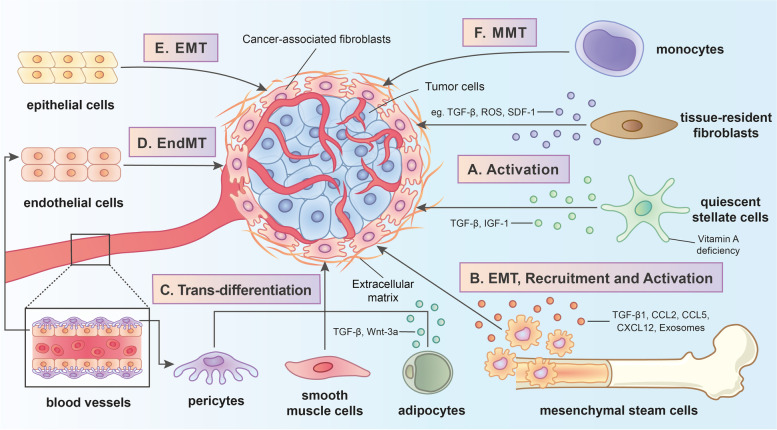
“Specifically, CAFs can be activated from various precursor cells, such as tissue-resident fibroblasts, quiescent stellate cells, epithelial cells, etc., via different signaling pathways 15,16 .”
Ravi, K., Zhang, Y., Sakala, L., Manoharan, T. J. M., Pockaj, B. A., LaBaer, J., Park, J. G., & Nikkhah, M. (2025) · Advanced Science · doi:10.1002/advs.202413457 · Cited by 29
Tumor Microenvironment Dynamics of Triple-Negative Breast Cancer Under Radiation Therapy
Niture, S. K., Ghosh, S., Jaboin, J. J., & Seneviratne, D. S. (2025) · International Journal of Molecular Sciences · doi:10.3390/ijms26062795 · Cited by 30
“The participation of activated and heterogenous CAFs in TME modulates TNBC tumor development [78].”
Metadata
- Authors
- Mao, X., Xu, J., Wang, W., Liang, C., Hua, J., Liu, J., Zhang, B., Meng, Q., Yu, X., & Shi, S.
- Affiliations
- Shanghai Medical College of Fudan University (CN)
- Corresponding author
- Meng, Qingcai
- Yu, Xianjun
- Shi, Si
- Venue
- Molecular Cancer
- Published
- 2021-10-11
- Volume
- 20
- Issue
- 1
- Pages
- 131-131
- ISSN
- 1476-4598 (ISSN-L)
- PMC
- PMC8504100
- OpenAlex
- W3205475594
- Cited by
- 2,290
- References
- 369
- Citations by year
- 2026: 379 · 2025: 596 · 2024: 647 · 2023: 459 · 2022: 202 · 2021: 6
- FWCI
- 40.37
- Type
- journal article
- Language
- en
- Open access
- gold
- doi.org
- Licence
- cc-by
- creativecommons.org/licenses/by/4.0 (tdm)
- creativecommons.org/licenses/by/4.0 (vor)
- Locations
- Molecular Cancer (publishedVersion, cc-by)
- Europe PMC (PubMed Central) (publishedVersion, other-oa)
- PubMed Central (publishedVersion, cc-by)
- PubMed (publishedVersion)
- DOAJ (DOAJ: Directory of Open Access Journals) (submittedVersion, cc-by-sa)
- Funders
- national natural science foundation of china (81802352, 81772555, 81902428)
- china national funds for distinguished young scientists (81625016)
- shanghai rising-star program (20QA1402100)
- Topics
- Health Sciences › Medicine › Oncology › Cancer Immunotherapy and Biomarkers
- Life Sciences › Immunology and Microbiology › Immunology › Immune cells in cancer
- Health Sciences › Medicine › Oncology › Cancer Cells and Metastasis
- Keywords
- cancer-associated fibroblasts, tumor microenvironment, tumor immune microenvironment, tumor-infiltrating immune cells, immunosuppression, tumor immune evasion, extracellular matrix remodeling, chemoresistance, tumor angiogenesis, metastasis, exosomes, cytokines and chemokines
- MeSH terms
- Cancer-Associated Fibroblasts, Tumor-Associated Macrophages, Animals, Cell Communication, Disease Susceptibility, Gene Expression Regulation, Humans, Immune System, Immunity, Innate, Neoplasm Metastasis, Neoplasms, Biomarkers, Tumor, Signal Transduction, Lymphocytes, Tumor-Infiltrating, Adaptive Immunity, Tumor Microenvironment, Neoplasm Grading
About these checks
Registry, retraction, Cites and statistics results are computed, not judged, with one exception: a printed reference that no index lists is read once by a model before it counts as a citation error. Claims are extracted by a model and kept only when their quote appears verbatim in the text; each cited source is then checked, with a model’s help, for whether it says what the claim relies on. Those verdicts can be wrong — read the claim’s quote and the cited source before relying on one.
Statistics and arithmetic are recomputed, not judged.
Confidence bands are shown only for fields calibrated on our annotated test set. None is calibrated yet, so no band is shown.
What counts as a claim ›How we measure confidence ›How we check this ›
Are you an author, or do you see a problem with this page? Request a review
Data sources
Bibliographic data: Semantic Scholar, OpenAlex, Crossref.
Contains information from the Semantic Scholar Academic Graph Datasets, made available under the ODC Attribution License (ODC-BY 1.0).
Semantic Scholar’s data is described in: Kinney, R., et al. (2023). The Semantic Scholar Open Data Platform. arXiv:2301.10140.
