

Crosstalk between cancer‐associated fibroblasts and immune cells in the tumor microenvironment: new findings and future perspectives
Open accessThe DOI matches its Crossref record; 369 of the 369 references it cites were found in a registry or an index.
Abstract
Cancer-associated fibroblasts (CAFs), a stromal cell population with cell-of-origin, phenotypic and functional heterogeneity, are the most essential components of the tumor microenvironment (TME). Through multiple pathways, activated CAFs can promote tumor growth, angiogenesis, invasion and metastasis, along with extracellular matrix (ECM) remodeling and even chemoresistance. Numerous previous studies have confirmed the critical role of the interaction between CAFs and tumor cells in tumorigenesis and development. However, recently, the mutual effects of CAFs and the tumor immune microenvironment (TIME) have been identified as another key factor in promoting tumor progression. The TIME mainly consists of distinct immune cell populations in tumor islets and is highly associated with the antitumor immunological state in the TME. CAFs interact with tumor-infiltrating immune cells as well as other immune components within the TIME via the secretion of various cytokines, growth factors, chemokines, exosomes and other effector molecules, consequently shaping an immunosuppressive TME that enables cancer cells to evade surveillance of the immune system. In-depth studies of CAFs and immune microenvironment interactions, particularly the complicated mechanisms connecting CAFs with immune cells, might provide novel strategies for subsequent targeted immunotherapies. Herein, we shed light on recent advances regarding the direct and indirect crosstalk between CAFs and infiltrating immune cells and further summarize the possible immunoinhibitory mechanisms induced by CAFs in the TME. In addition, we present current related CAF-targeting immunotherapies and briefly describe some future perspectives on CAF research in the end.
Overview
The claims and statistics of this paper haven’t been checked yet.
Free: it reads the open-access text and checks the first 5 claims that cite a source we can check. Create a free account to check every claim.
Integrity signals
Registry
Cites
Statistics
Figures
Verification
Claims the paper makes
The claims and statistics of this paper haven’t been checked yet.
Free: it reads the open-access text and checks the first 5 claims that cite a source we can check. Create a free account to check every claim.
Claims other papers make about this one
Each is checked against this paper’s own text: does it say what the citing paper says it does?
The source backs part of the claim, not all of it — or backs it for a different population, condition or comparison.
In the citing paper
“CAFs recruit and polarize immune cells such as macrophages, neutrophils, T cells and DCs to a pro‐tumorigenic phenotype by secreting several cytokines, chemokines, and other effector molecules such as Interleukin 6 (IL‐6), and 8 (IL‐8), TGF‐β, CXCL12, CCL2, SDF‐1, VEGF, Indoleamine‐pyrrole 2,3‐dioxygenase (IDO) and tryptophan 2,3‐dioxygenase (TDO2) [27].”
From Tumor microenvironment signaling and therapeutics in cancer progression (2023) · cites this paper as [27]
Experimental — accuracy not yet measuredThe cited source says what the claim attributes to it.
In the citing paper
“substantial evidence indicating that CAFs can suppress anti-tumor immunity through interactions with immune effector cells, particularly CD8+ T cells 72.”
From TBX3 shapes an immunosuppressive microenvironment and induces immunotherapy resistance (2025) · cites this paper as [72]
Self-check
Percentages, sums and reported differences re-computed from the paper’s own numbers.
The self-check needs the paper’s full text.
Citations
Cites
1 retracted
Dou, D., Ren, X., Han, M., Xu, X., Ge, X., Gu, Y., & Wang, X. (2020) · Frontiers in Immunology · doi:10.3389/fimmu.2020.02026 · Cited by 175
RetractedMantovani, A., Allavena, P., Sica, A., & Balkwill, F. (2008) · Nature · doi:10.1038/nature07205 · Cited by 11,399 · cited 1×
“M1-type macrophages mainly behave as an antitumor role in the TIME by mediating antibody-dependent cellular cytotoxicity and producing ROS and tumor necrosis factor (TNF) [123], whereas M2-type macrophages exhibit tumor-promoting activity by contributing to the activation of tumor angiogenesis, immune suppression, inv…”
BackgroundThe basics of epithelial-mesenchymal transition
Kalluri, R., & Weinberg, R. A. (2009) · Journal of Clinical Investigation · doi:10.1172/jci39104 · Cited by 10,196
Microenvironmental regulation of tumor progression and metastasis
Quail, D. F., & Joyce, J. A. (2013) · Nature Medicine · doi:10.1038/nm.3394 · Cited by 7,994
Molecular Mechanisms of Stress-Responsive Changes in Collagen and Elastin Networks in Skin
Aziz, J., Shezali, H., Radzi, Z., Yahya, N. A., Abu Kassim, N. H., Czernuszka, J., & Rahman, M. T. (2016) · Skin Pharmacology and Physiology · doi:10.1159/000447017 · Cited by 7,323
The chemokine system in diverse forms of macrophage activation and polarization
MANTOVANI, A., SICA, A., SOZZANI, S., ALLAVENA, P., VECCHI, A., & LOCATI, M. (2004) · Trends in Immunology · doi:10.1016/j.it.2004.09.015 · Cited by 6,534 · cited 1×
“macrophages (TAMs) Macrophages that infiltrate tumors, known as tumorassociated macrophages (TAMs), are classified into two distinct subsets that are activated by different polarizing cytokines, termed M1 (lipopolysaccharide (LPS) alone or with Th1 cytokines) and M2 (Th2 cytokines) [122].”
BackgroundMolecular mechanisms and clinical applications of angiogenesis
Carmeliet, P., & Jain, R. K. (2011) · Nature · doi:10.1038/nature10144 · Cited by 5,467
TGFβ attenuates tumour response to PD-L1 blockade by contributing to exclusion of T cells
Mariathasan, S., Turley, S. J., Nickles, D., Castiglioni, A., Yuen, K., Wang, Y., Kadel III, E. E., Koeppen, H., Astarita, J. L., Cubas, R., et al. (2018) · Nature · doi:10.1038/nature25501 · Cited by 5,400
Macrophage plasticity, polarization, and function in health and disease
Shapouri‐Moghaddam, A., Mohammadian, S., Vazini, H., Taghadosi, M., Esmaeili, S., Mardani, F., Seifi, B., Mohammadi, A., Afshari, J. T., & Sahebkar, A. (2018) · Journal of Cellular Physiology · doi:10.1002/jcp.26429 · Cited by 4,930 · cited 5×
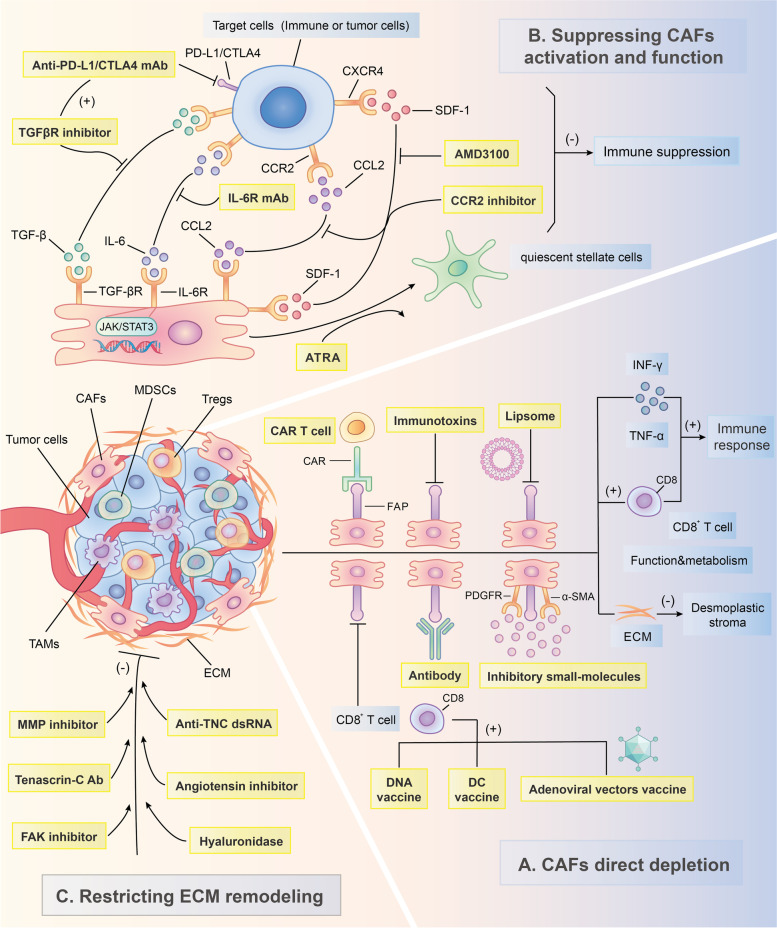
“The elimination of CAFs by FAP-targeting therapy can enhance the anticancer immune response mediated by high levels of certain inflammatory mediators, such as IFN-γ and TNF-α, and facilitate the toxic effects and metabolism of CD8 + T cells with a decreased desmoplastic stroma in the TME [224, 300, 301, 326].”
BackgroundInfluentialChen, W., Jin, W., Hardegen, N., Lei, K.-J., Li, L., Marinos, N., McGrady, G., & Wahl, S. M. (2003) · The Journal of Experimental Medicine · doi:10.1084/jem.20030152 · Cited by 4,699 · cited 2×
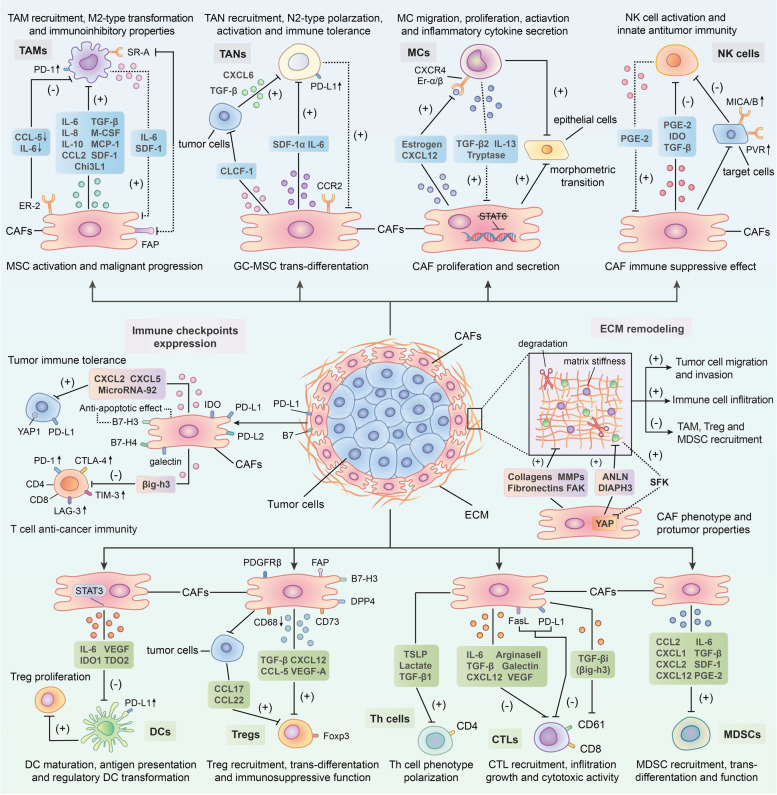
“[213], CAF-derived TGF-β can facilitate the differentiation of naïve T cells into CD4 + CD25 + Treg cells by inducing the expression of the Foxp3 gene in T lymphocytes.”
Background
Cited by
Items 501–600 of 1,003
Macrophage plasticity and function in cancer and pregnancy
Yin, T., Li, X., Li, Y., Zang, X., Liu, L., & Du, M. (2024) · Frontiers in Immunology · doi:10.3389/fimmu.2023.1333549 · Cited by 24
Liu, Y., Chen, H., Yan, X., Zhang, J., Deng, Z., Huang, M., Gu, J., & Zhang, J. (2024) · Cell Communication and Signaling · doi:10.1186/s12964-024-01489-x · Cited by 25
“Among TME stromal cells, cancer-associated fibroblasts (CAFs) are one of the most abundant cellular components [8, 9].”
BackgroundPark, J. G., Roh, P. R., Kang, M. W., Cho, S. W., Hwangbo, S., Jung, H. D., Kim, H. U., Kim, J. H., Yoo, J.-S., Han, J. W., et al. (2024) · Hepatology · doi:10.1097/hep.0000000000000772 · Cited by 24
“[18,19] Studies revealed the diverse dynamics of CAFs with various functions in pancreatic ductal adenocarcinoma, [20,21] breast cancer, [22,23] lung tumors, [24] and melanoma.”
The impact of the senescent microenvironment on tumorigenesis: Insights for cancer therapy
Zhang, W., Zhang, K., Shi, J., Qiu, H., Kan, C., Ma, Y., Hou, N., Han, F., & Sun, X. (2024) · Aging Cell · doi:10.1111/acel.14182 · Cited by 24
The involvement and application potential of exosomes in breast cancer immunotherapy
Wang, Y., Ma, Q., Wang, T., Xing, J., Li, Q., Wang, D., & Wang, G. (2024) · Frontiers in Immunology · doi:10.3389/fimmu.2024.1384946 · Cited by 24
Suzuki, Y., SATO, T. A., Sugimori, M., Kanemaru, Y., Onodera, S., Tsuchiya, H., Nakamori, Y., Tsuyuki, S., Ikeda, A., Ikeda, R., et al. (2024) · Scientific Reports · doi:10.1038/s41598-024-68061-y · Cited by 24
“CAFs establish an immunosuppressive TME by interacting with multiple types of immunosuppressive cells, including regulatory T cells (Tregs), bone marrow-derived suppressor cells (MDSCs), and tumor-associated macrophages (TAMs) 6 .”
Zeng, Y.-Y., Gu, Q., Li, D., Li, A.-X., Liu, R., Liang, J., & Liu, J. (2024) · Acta Pharmacologica Sinica · doi:10.1038/s41401-024-01355-z · Cited by 25
“Characteristics and advantages of immunocyte membranes Immune cells, crucial components of the immune system, including macrophages, lymphocytes, NK cells, and neutrophils, play vital roles in different stages of tumour progression [123].”
Self-citationChen, X., Zhao, W., Huang, Y., Luo, S., Tang, X.-B., & Yi, Q. (2024) · Scientific Reports · doi:10.1038/s41598-024-68788-8 · Cited by 24
“Within the TME, stromal and immune cells play pivotal roles in maintaining tissue homeostasis and influencing therapeutic outcomes 38 .”
BackgroundTargeting fibroblast activation protein with chimeric antigen receptor macrophages
Mao, Y., Chen, Y. M., Zhang, S., Zeng, Q., Wang, J., Sheng, C., & Chen, S. (2024) · Biochemical Pharmacology · doi:10.1016/j.bcp.2024.116604 · Cited by 24
Role of the TME in immune checkpoint blockade resistance of non-small cell lung cancer
Dai, Y., Tian, X., Ye, X., Gong, Y., Xu, L., & Jiao, L. (2024) · Cancer Drug Resistance · doi:10.20517/cdr.2024.166 · Cited by 24
Kim, E. Y., Abdul‐Ghafar, J., Chong, Y., & Yim, K. (2022) · Biomedicines · doi:10.3390/biomedicines10030708 · Cited by 24
“In this process, CAFs may be able to induce the polarization of TANs to an N2 phenotype by modulating tumor cells [6].”
BackgroundThe significance of targeting lysosomes in cancer immunotherapy
Xu, Y., Shao, B., & Zhang, Y. (2024) · Frontiers in Immunology · doi:10.3389/fimmu.2024.1308070 · Cited by 23
“CAFs are a distinct type of stromal cell found within the TME, acting as a supportive scaffold for the extracellular matrix of TME cells (163).”
BackgroundInfluentialYang, L., Xiong, L., & He, X. (2025) · Chemical & Biomedical Imaging · doi:10.1021/cbmi.5c00016 · Cited by 23
Wu, T., Li, X., Zheng, F., Liu, H., & Yu, Y. (2025) · Frontiers in Immunology · doi:10.3389/fimmu.2025.1560998 · Cited by 23
Isomoto, K., Haratani, K., Tsujikawa, T., Makutani, Y., Kawakami, H., Takeda, M., Yonesaka, K., Tanaka, K., Iwasa, T., Hayashi, H., et al. (2022) · Lung Cancer · doi:10.1016/j.lungcan.2022.10.012 · Cited by 23
Pancreatic Organoids: A Frontier Method for Investigating Pancreatic-Related Diseases
Liu, Y., Li, N., & Zhu, Y. (2023) · International Journal of Molecular Sciences · doi:10.3390/ijms24044027 · Cited by 23
Role of neutrophils on cancer cells and other immune cells in the tumor microenvironment
Zhong, J., Zong, S., Wang, J., Feng, M., Wang, J., Zhang, H., & Xiong, L. (2023) · Biochimica et Biophysica Acta (BBA) - Molecular Cell Research · doi:10.1016/j.bbamcr.2023.119493 · Cited by 23
Wang, Y., Chen, S., Xiao, X., Yang, F., Wang, J., Zong, H., Gao, Y., Huang, C., Xu, X., Fang, M., et al. (2023) · Precision Clinical Medicine · doi:10.1093/pcmedi/pbad021 · Cited by 25
Wang, H., Wei, L., Mao, D., Che, X., Ye, X., Liu, Y., & Chen, Y. (2023) · International Immunopharmacology · doi:10.1016/j.intimp.2023.111026 · Cited by 25
Jastrząb, P., Narejko, K., Car, H., & Wielgat, P. (2023) · Cancers · doi:10.3390/cancers15205103 · Cited by 23
Proteolytic remodeling of 3D bioprinted tumor microenvironments
Boroojeni, F. R., Naeimipour, S., Lifwergren, P., Abrahamsson, A. E., Dabrosin, C., Selegård, R., & Aili, D. (2023) · Biofabrication · doi:10.1088/1758-5090/ad17d1 · Cited by 23
“In cancer, proteases secreted by cancer cells, cancer associated fibroblasts (CAFs), and other non-malignant host cells in the tumor microenvironment (TME) are shaping the TME and contributing to the progression of the disease [6, 7].”
BackgroundZhang, C., Shen, Q., Gao, M., Li, J., & Pang, B. (2024) · Heliyon · doi:10.1016/j.heliyon.2024.e26061 · Cited by 23
“And it has a great influence on extracellular matrix remodeling and even chemoresistance [112].”
BackgroundUltrasound Tissue Engineering Technology for Regulating Immune Microenvironment
Li, X., Ding, X., He, Y., Yi, W., Zhu, Y., Wang, H., Liao, B., Han, X., & Bai, D. (2024) · Advanced Functional Materials · doi:10.1002/adfm.202400656 · Cited by 23
Li, D., Huang, P., Xia, L., Leng, W., & Qin, S. (2024) · International Immunopharmacology · doi:10.1016/j.intimp.2024.111836 · Cited by 24
Wu, J., Wang, W., Gao, L., Shao, X., & Wang, X. (2024) · Cancer · doi:10.1002/cncr.35270 · Cited by 23
Self-citationHan, F., Chen, S., Zhang, K., Zhang, K., Wang, M., & Wang, P. (2024) · Journal of Translational Medicine · doi:10.1186/s12967-024-05057-2 · Cited by 23
“They exert their influence through the secretion of growth factors, chemokines, cytokines, signaling molecules, and components of the extracellular matrix [16].”
BackgroundZhang, Q., Luo, Y., Qian, B., Cao, X., Xu, C., Guo, K., Wan, R., Jiang, Y., Wang, T., Mei, Z., et al. (2024) · Aging · doi:10.18632/aging.205800 · Cited by 23
“Stromal cells, fibroblasts and immune cells play important roles in regulating the TME during tumor progression [28].”
BackgroundSelf-citationKim, K. T., Lee, M. H., Shin, S., Cho, I., Kuk, J. C., Yun, J., & Choi, Y. Y. (2024) · Gastric Cancer · doi:10.1007/s10120-024-01567-6 · Cited by 25
“Within the TME, cancer-associated fibroblasts (CAFs) have emerged as key players influencing tumor growth, metastasis, and therapeutic resistance [15].”
Singh, D. D., Haque, S., Kim, Y., Han, I., & Yadav, D. K. (2024) · Frontiers in Immunology · doi:10.3389/fimmu.2024.1455211 · Cited by 23
Glycyrrhizic acid-based multifunctional nanoplatform for tumor microenvironment regulation
Xiao, M., Zhiqing, G. U. O., Yang, Y., Hu, C., CHENG, Q., ZHANG, C., Yihan, W. U., CHENG, Y., Lau, W.-M. B., Shamay, S. M. N., et al. (2024) · Chinese Journal of Natural Medicines · doi:10.1016/s1875-5364(24)60685-0 · Cited by 24
Cancer-associated fibroblasts: Versatile mediators in remodeling the tumor microenvironment
Zhang, Q., Wang, Y., & Liu, F. (2022) · Cellular Signalling · doi:10.1016/j.cellsig.2022.110567 · Cited by 23
The role and mechanism of compressive stress in tumor
Tan, M., Song, B., Zhao, X., & Du, J. (2024) · Frontiers in Oncology · doi:10.3389/fonc.2024.1459313 · Cited by 24
Combinational CAR T-cell therapy for solid tumors: Requisites, rationales, and trials
Misawa, K., Bhat, H., Adusumilli, P. S., & Hou, Z. (2024) · Pharmacology & Therapeutics · doi:10.1016/j.pharmthera.2024.108763 · Cited by 22
Imam, M., Ji, J., Zhang, Z., & Yan, S. (2025) · Frontiers in Pharmacology · doi:10.3389/fphar.2024.1493188 · Cited by 23
Kong, Z., Zhang, M., Yuan, H. S., Liu, J., Sang, H., Zhao, P., Xu, M., Zhu, C., & Zhang, G. (2025) · Communications Biology · doi:10.1038/s42003-025-08441-w · Cited by 22
“These interactions between cells in a dynamic system are responsible for tumor progression and distant metastasis 20,23 .”
Self-citationLiu, K., Cui, L., Li, C., Tang, C., Niu, Y., Ji, H., Bu, Y., & Chen, B. (2022) · Frontiers in Genetics · doi:10.3389/fgene.2022.922472 · Cited by 22
“Tumor cells make direct or indirect contact with various TIME components, with continuous and dynamic changes in the surrounding environment that allow them to evade the host immune surveillance (Mao et al., 2021; Liu et al., 2022).”
BackgroundHong, J. H., & Woo, I. S. (2023) · Cancer Letters · doi:10.1016/j.canlet.2023.216236 · Cited by 21
The Distinctive Features behind the Aggressiveness of Oral and Cutaneous Squamous Cell Carcinomas
Alonso-Juarranz, M., Mascaraque, M., Carrasco, E., Gracia‐Cazaña, T., Corcuera, Ó. D. L. S., Gilaberte, Y., González, S., Juarranz, Á., & Falahat, F. (2023) · Cancers · doi:10.3390/cancers15123227 · Cited by 22
Lin, C., He, J., Tong, X., & Song, L. (2023) · PLoS ONE · doi:10.1371/journal.pone.0288091 · Cited by 22
“Immune cell infiltration is a distinctive pattern of host immune response and is crucial for the development of tumors [45].”
BackgroundHe, D., Wang, L., Xu, J., Zhao, J., Bai, H., & Wang, J. (2023) · Frontiers in Immunology · doi:10.3389/fimmu.2023.1265865 · Cited by 22
Self-citationFei, B., Mo, Z., Yang, J., Wang, Z., & Li, S. (2023) · International Journal of Nanomedicine · doi:10.2147/ijn.s429884 · Cited by 22
“31,32 Furthermore, abnormal tumor blood vessel limited tumor infiltration of immune cells and also facilitated immune evasion.”
BackgroundLi, C., Yang, L., Zhang, Y., Hou, Q., Wang, S., Lu, S., Tao, Y., Hu, W., & Zhao, L. (2024) · Frontiers in Immunology · doi:10.3389/fimmu.2023.1307588 · Cited by 22
Ren, Y., Wu, R., Li, C., Liu, L., Li, L., Weng, S., Xu, H., Xing, Z., Zhang, Y., Wang, L., et al. (2024) · BMC Biology · doi:10.1186/s12915-024-01866-5 · Cited by 22
“Consisting predominantly of different immune cell populations, tumor immune microenvironment (TIME) exacts a profound impact on the clinical outcomes and immunotherapeutic response [5–7].”
BackgroundPu, H., Gao, C., Zou, Y., Zhao, L., Li, G., Liu, C., Zhao, L., Zheng, M., Sheng, G., Sun, X., et al. (2024) · International Immunopharmacology · doi:10.1016/j.intimp.2024.111888 · Cited by 22
Ruocco, M. R., Gisonna, A., Acampora, V., D'Agostino, A. G., Carrese, B., Santoro, J., Venuta, A., Nasso, R., Rocco, N., Russo, D., et al. (2024) · International Journal of Molecular Sciences · doi:10.3390/ijms25116224 · Cited by 22
“In particular, the cold tumor phenotype is characterized by an immune microenviroment that does not lead to a strong immune response [43].”
BackgroundWang, Y., Ding, W., Hao, W., Gong, L., Peng, Y., Zhang, J., Qian, Z., Xu, K., Cai, W., & Gao, Y. (2024) · iScience · doi:10.1016/j.isci.2024.110224 · Cited by 24
“36”
Ma, D., Wei, P., Liu, H., Hao, J., Chen, Z., Chu, Y., Li, Z., Shi, W., Yuan, Z., Cheng, Q., et al. (2024) · Journal of Translational Medicine · doi:10.1186/s12967-024-05854-9 · Cited by 22
“11B), essential for tumor metastasis [49–51].”
Ding, C., Wang, J., Wang, J., Niu, J., Xiahou, Z., Sun, Z., Zhao, Z., & Zeng, D. (2024) · Translational Oncology · doi:10.1016/j.tranon.2024.102255 · Cited by 22
“Furthermore, cancer-associated fibroblasts (CAFs) may interact with immune cells to create an immune-suppressive TME, enabling tumor cells to evade immune surveillance and promoting tumor progression [67].”
Gu, Y. F., Zhang, Z., Huang, H., Zhu, W., Liu, H., Zhang, R., Weng, N. P., & Sun, X. S. (2025) · Frontiers in Immunology · doi:10.3389/fimmu.2025.1528103 · Cited by 21
Garemilla, S. S. S., Gampa, S. C., & Garimella, S. V. (2025) · Medical Oncology · doi:10.1007/s12032-025-02754-w · Cited by 23
“Thirdly, CAFs can express immune checkpoint ligands such as PD-L1 and PD-L2, which interact with their receptors on T cells to induce T cell exhaustion and anergy [23].”
Overcoming therapy resistance in pancreatic cancer: challenges and emerging strategies
du Toit‐Thompson, T., Leck, L. Y. W., Gillson, J., Pavlakis, N., Gill, A. J., Samra, J. S., Mittal, A., & Sahni, S. (2025) · Advanced Drug Delivery Reviews · doi:10.1016/j.addr.2025.115647 · Cited by 22
Piwócka, O., Sterzyńska, K., Malińska, A., Suchorska, W. M., & Kulcenty, K. I. (2025) · Scientific Reports · doi:10.1038/s41598-025-12556-9 · Cited by 21
“In turn, tumor-associated macrophages (TAMs) shape the TME through their plasticity, exhibiting a spectrum of activation states often simplified into pro-inflammatory M1 and anti-inflammatory, tumor-promoting M2 phenotypes 12 .”
Hu, S., Qin, J., Gao, R. C., Xiao, Q., Liu, X., Pan, Y., & Wang, S. (2023) · Molecular Carcinogenesis · doi:10.1002/mc.23615 · Cited by 21
“4 Additionally, A study revealed that CAF ‐ secreted IGFBP7 promotes M2 polarization of macrophages, thereby enhancing tumor invasion and migration capabilities.”
BackgroundInfluentialGe, F., Zeng, C., Wang, J., Liu, X., Zheng, C., Zhang, H., Yang, L., Yang, B., Zhu, H., & He, Q. (2023) · Biochimica et Biophysica Acta (BBA) - Molecular Basis of Disease · doi:10.1016/j.bbadis.2023.166852 · Cited by 21
Unlocking the potential of the tumor microenvironment for cancer therapy
Tufail, M. (2023) · Pathology - Research and Practice · doi:10.1016/j.prp.2023.154846 · Cited by 23
Oncofetal reprogramming in tumor development and progression: novel insights into cancer therapy
Cao, J., Zhang, Z., Zhou, L., Luo, M., Li, L., Li, B., Nice, E. C., He, W., Zheng, S., & Huang, C. (2023) · MedComm · doi:10.1002/mco2.427 · Cited by 22
PDGF-BB accelerates TSCC via fibroblast lactates limiting miR-26a-5p and boosting mitophagy
Xu, J., Bian, L., You, D., Li, Z., Wang, T., Li, Y., Ren, X., & He, Y. (2024) · Cancer Cell International · doi:10.1186/s12935-023-03172-6 · Cited by 21
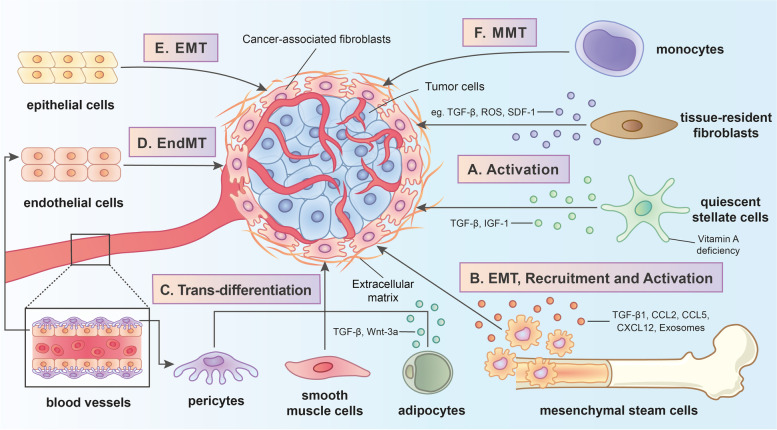
“CAFs can originate from various cell types, such as host fibroblasts, mesenchymal stem cells, epithelial cells, endothelial cells, and perivascular cells [3].”
BackgroundSelf-citationQian, Z.-Y., Pan, Y., Li, X., Chen, Y., Wu, H., Liu, Z., Košař, M., Bártek, J., Wang, Z., & Xu, R. (2024) · Science Bulletin · doi:10.1016/j.scib.2024.01.025 · Cited by 21
Gao, Y., Gong, Y., Lu, J., Hao, H., & Shi, X. (2024) · Frontiers in Immunology · doi:10.3389/fimmu.2024.1377722 · Cited by 21
He, Y., Wu, S., Rietveld, M. H., Vermeer, M. H., Cruz, L. J., Eich, C., & Ghalbzouri, A. E. (2024) · Biomaterials Advances · doi:10.1016/j.bioadv.2024.213831 · Cited by 21
Multi-omics pan-cancer analyses identify MCM4 as a promising prognostic and diagnostic biomarker
Li, Y., Gao, W., Yang, Z., Hu, Z., & Li, J. (2024) · Scientific Reports · doi:10.1038/s41598-024-57299-1 · Cited by 21
Research Progress of Fibroblasts in Human Diseases
Li, X., Li, N., Wang, Y., Han, Q., & Sun, B. (2024) · Biomolecules · doi:10.3390/biom14111478 · Cited by 21
The latest advances in liquid biopsy for lung cancer—a narrative review
She, W., Garitaonaindía, Y., & Lin, Y. (2024) · Translational Lung Cancer Research · doi:10.21037/tlcr-24-828 · Cited by 21
Mechanisms of breast cancer metastasis: the role of extracellular matrix
Chen, R., Zhang, R., Ke, F., Guo, X., Zeng, F., & Liu, Q. (2024) · Molecular and Cellular Biochemistry · doi:10.1007/s11010-024-05175-x · Cited by 21
“Typically, activated fibroblasts neither undergo apoptosis nor enter a quiescent status [147].”
Advances in immunotherapy and targeted therapy for pancreatic cancer
Zhou, X., Wang, X., Yang, S., & Huang, Z. (2024) · Oncology and Translational Medicine · doi:10.1097/ot9.0000000000000074 · Cited by 21
Complexity of Tumor Microenvironment: Therapeutic Role of Curcumin and Its Metabolites
Prasad, S., Saha, P., Chatterjee, B., Chaudhary, A. A., Lall, R., & Srivastava, A. K. (2022) · Nutrition and Cancer · doi:10.1080/01635581.2022.2096909 · Cited by 21
Skowron, M. A., Eul, K., Stephan, A., Ludwig, G. F., Wakileh, G. A., Bister, A., Söhngen, C., Raba, K., Petzsch, P., Poschmann, G., et al. (2022) · Molecular Oncology · doi:10.1002/1878-0261.13282 · Cited by 20
Targeting TGF-β: a promising strategy for cancer therapy
Himani, Kaur, C., Kumar, R., Mishra, R., & Singh, G. (2025) · Medical Oncology · doi:10.1007/s12032-025-02667-8 · Cited by 20
“CAFs also interact with various immune cells in the TME, such as tumor-associated macrophages (TAMs) and lymphocytes [28].”
Shifting Shapes: The Endothelial-to-Mesenchymal Transition as a Driver for Cancer Progression
Giordanengo, L., Proment, A., Botta, V., Picca, F., Munir, H., Tao, J., Olivero, M., Taulli, R., Bersani, F., Sangiolo, D., et al. (2025) · International Journal of Molecular Sciences · doi:10.3390/ijms26136353 · Cited by 20
“An additional way of EndMT regulation of tumor-infiltrating lymphocytes can be assumed by the transformation of ECs in CAFs, the altered angiogenesis and vessel perfusion and permeability [178].”
Zhang, Z., & Wu, Y. (2025) · Frontiers in Immunology · doi:10.3389/fimmu.2025.1641518 · Cited by 21
Wang, Y., Yue, B., Ni, H., Chen, J., Shi, R., Wang, Z., Dai, X., & Sheng, M. (2026) · Translational Oncology · doi:10.1016/j.tranon.2026.102682 · Cited by 22
“This reciprocal signaling establishes a CAF-macrophages axis that functions as a self-perpetuating feedback circuit, amplifying stromal fibrosis, suppressing T-cell infiltration, and promoting immune evasion[18].”
An, M., Yan, J., Liu, B., & Liu, Q. (2026) · 癌症:英文版 · doi:10.34133/cancomm.0023 · Cited by 20
“CAFs, major contributors to ECM deposition, secrete TGF-β to promote tumor growth, drive epithelial-to-mesenchymal transition, and suppress immune infiltration [ 67 , 69 ].”
From Anti-HER-2 to Anti-HER-2-CAR-T Cells: An Evolutionary Immunotherapy Approach for Gastric Cancer
Sun, J., Li, X., Chen, P., & Gao, Y. (2022) · Journal of Inflammation Research · doi:10.2147/jir.s368138 · Cited by 20
“However, the efficacy of CAR-T cells against sarcomas and other solid tumors is limited due to the immunosuppressive tumor microenvironment (TME).(28,29) Compared to conventional therapies, CAR-T cells can directly recognize antigens on the surface of tumor cells and kill tumor cells, thereby reducing the rejection re…”
BackgroundLi, Y., Zhu, X., Kong, M., Chen, S., Bao, J., & Ji, Y. (2022) · Pharmaceuticals · doi:10.3390/ph15111393 · Cited by 20
“The ECM is also dynamic and regulates the release of growth factors, cytokines, and chemokines, which have profound effects on cell proliferation, migration, and differentiation [34,35].”
BackgroundThe role of CRYAB in tumor prognosis and immune infiltration: A Pan-cancer analysis
Cheng, L., Zou, X., Wang, J., Zhang, J., Mo, Z., & Huang, H. (2023) · Frontiers in Surgery · doi:10.3389/fsurg.2022.1117307 · Cited by 20
Effect of metabolism on the immune microenvironment of breast cancer
Zhou, Y., Wang, H., Luo, Y., Tuo, B., Liu, X., & Li, T. (2023) · Biochimica et Biophysica Acta (BBA) - Reviews on Cancer · doi:10.1016/j.bbcan.2023.188861 · Cited by 20
Li, M., Zhou, B., & Zheng, C. J. (2023) · Frontiers in Cell and Developmental Biology · doi:10.3389/fcell.2023.1163314 · Cited by 20
Cells of the tumor microenvironment speak the Wnt language
Katanaev, V. L., Baldin, A. V., Denisenko, T. V., Silachev, D. N., Иванова, А. Е., Sukhikh, G. T., Jia, L., & Ashrafyan, L. A. (2023) · Trends in Molecular Medicine · doi:10.1016/j.molmed.2023.03.006 · Cited by 20
Jiang, Q., Lei, Z., Wang, Z., Wang, Q., Zhang, Z., Liu, X., Xing, B., Li, S., Guo, X., Liu, Y., et al. (2023) · Cancers · doi:10.3390/cancers15133375 · Cited by 20
“It was previously reported that fibroblasts could secrete exosomes to regulate the progression of tumor cells [30].”
BackgroundHelicobacter pylori–activated fibroblasts as a silent partner in gastric cancer development
Krzysiek-Mączka, G., Brzozowski, T., & Ptak‐Belowska, A. (2023) · Cancer and Metastasis Reviews · doi:10.1007/s10555-023-10122-1 · Cited by 22
EGCG: The antioxidant powerhouse in lung cancer management and chemotherapy enhancement
Sehgal, A. K., Bhat, M. A., Dogra, D., Rawat, S., & Dhatwalia, S. K. (2023) · Advances in Redox Research · doi:10.1016/j.arres.2023.100085 · Cited by 20
Feng, C., Yu, A., Wang, Z., Wang, K., Chen, J., Wu, Y., Deng, T., Chen, H., Hou, Y., Ma, S., et al. (2024) · Journal of Experimental & Clinical Cancer Research · doi:10.1186/s13046-023-02910-y · Cited by 20
“Previous studies have also demonstrated that PDPN serves as a suppressive element of T cells by restricting the viability and retention of CD4 + effector T cells [20, 39, 40].”
ResultZou, Y.-T., Li, J., Chai, J.-Y., Hu, Y., Zhang, W., & Zhang, Q. (2024) · Biochemical and Biophysical Research Communications · doi:10.1016/j.bbrc.2024.149513 · Cited by 20
Advances and challenges of first-line immunotherapy for non-small cell lung cancer: A review
Guo, H., Zhang, J., Qin, C., Yan, H., Luo, X., & Zhou, H. (2024) · Medicine · doi:10.1097/md.0000000000036861 · Cited by 20
Wang, H., Liu, S., Zhan, J., Liang, Y., & Zeng, X. (2024) · International Journal of Cancer · doi:10.1002/ijc.34921 · Cited by 20
Chen, Z., Ding, C., Chen, K., Gu, Y., Qiu, X., & Li, Q. (2024) · Scientific Reports · doi:10.1038/s41598-024-66414-1 · Cited by 20
Plant‐Derived Extracellular Vesicles as Potential Emerging Tools for Cancer Therapeutics
Ding, L., Chang, C., Liang, M., Dong, K., & Li, F. (2024) · Advanced Therapeutics · doi:10.1002/adtp.202400256 · Cited by 20
Du, F., Li, J., Zhong, X., Zhang, Z., & Zhao, Y. (2024) · Heliyon · doi:10.1016/j.heliyon.2024.e40118 · Cited by 20
“Presently, inhibiting the EndMT process primarily relies on regulating the TGF-β signaling pathway, and the production of MMPs has been established to be associated with TGF-β [69,180].”
Mechanism and therapeutic targets of circulating immune cells in diabetic retinopathy
Zhao, B., Zhao, Y., & Sun, X. (2024) · Pharmacological Research · doi:10.1016/j.phrs.2024.107505 · Cited by 21
Li, J., Zhang, W., Chen, L., Wang, X., Liu, J., Huang, Y., Qi, H., Chen, L., Wang, T., & Li, Q. (2024) · Biochimica et Biophysica Acta (BBA) - Reviews on Cancer · doi:10.1016/j.bbcan.2024.189225 · Cited by 20
Self-citationHuang, B., Zheng, S., Sudarshan, K., Mukkamala, R., Srinivasarao, M., Sardesai, T., Yang, X., Chu, H., & Low, P. S. (2025) · Frontiers in Immunology · doi:10.3389/fimmu.2025.1539265 · Cited by 20
Zhao, Z., Hu, Y., Li, H., Lü, T., He, X., Ma, Y., Huang, M., Li, M., Yang, L., & Shi, C. (2025) · Journal for ImmunoTherapy of Cancer · doi:10.1136/jitc-2024-010555 · Cited by 21
“14 Thus, CAFs are critical components of the immunologically “cold” TME and are considered a promising target to enhance the immunotherapy response.”
Li, H., Xia, D., Meng, L., Zhang, J., Chen, X., Zhuang, R., Huang, J., Li, Y., Fang, J., Zhang, X., et al. (2025) · Journal of Controlled Release · doi:10.1016/j.jconrel.2025.113678 · Cited by 20
Patient Derived Ex-Vivo Cancer Models in Drug Development, Personalized Medicine, and Radiotherapy
Zitter, R., Chugh, R. M., & Saha, S. (2022) · Cancers · doi:10.3390/cancers14123006 · Cited by 20
Nushtaeva, A. A., Ermakov, M. S., Abdurakhmanova, M., Troitskaya, O. S., Николаевна, Б. Т., Varlamov, M., Gayner, T. A., Richter, V. A., & Koval, O. A. (2023) · International Journal of Molecular Sciences · doi:10.3390/ijms24032494 · Cited by 20
Tsai, C., Hsu, Y., Chu, T.-Y., Hsu, P.-C., & Kuo, C. (2025) · Cancers · doi:10.3390/cancers17152590 · Cited by 19
“This chronic activation is characterized by sustained expression of α -smooth muscle actin, fibroblast activation protein, and secretion of a wide array of pro-tumorigenic cytokines, growth factors, and ECM components [31].”
Tumor heterogeneity: development, mechanisms, and therapeutic implications
Zhang, J., Li, H., Ru, S., Feng, H., Guo, J., Sun, D., Xiang, T., Xu, D., & Luo, Y. (2026) · Signal Transduction and Targeted Therapy · doi:10.1038/s41392-026-02749-7 · Cited by 21
“182 Understanding this cellular crosstalk is a central challenge in cancer biology (Fig.”
Paolis, V. D., Maiullari, F., Chirivì, M., Milan, M., Cordiglieri, C., Pagano, F., Manna, A. R. L., FALCO, E. D., Bearzi, C., Rizzi, R., et al. (2022) · International Journal of Molecular Sciences · doi:10.3390/ijms23147902 · Cited by 19
“Generally, the massive remodeling of the tECM is carried out by CAFs, but recent discoveries have shown that the continuous crosstalk with the other actors of the TME contributes to define the matrix molecular architecture, the physical structure, and mechanical properties [8].”
BackgroundCancer-associated fibroblasts as accomplices to confer therapeutic resistance in cancer
Wang, W., Cheng, B., & Yu, Q. (2022) · Cancer Drug Resistance · doi:10.20517/cdr.2022.67 · Cited by 19
Self-citationLu, C., & Zhang, C. (2022) · Clinical & Translational Oncology · doi:10.1007/s12094-022-02922-8 · Cited by 19
“CAFs are critical in the occurrence and progression of CRC [10, 11].”
BackgroundInfluential
Metadata
- Authors
- Mao, X., Xu, J., Wang, W., Liang, C., Hua, J., Liu, J., Zhang, B., Meng, Q., Yu, X., & Shi, S.
- Affiliations
- Shanghai Medical College of Fudan University (CN)
- Corresponding author
- Meng, Qingcai
- Yu, Xianjun
- Shi, Si
- Venue
- Molecular Cancer
- Published
- 2021-10-11
- Volume
- 20
- Issue
- 1
- Pages
- 131-131
- ISSN
- 1476-4598 (ISSN-L)
- PMC
- PMC8504100
- OpenAlex
- W3205475594
- Cited by
- 2,290
- References
- 369
- Citations by year
- 2026: 379 · 2025: 596 · 2024: 647 · 2023: 459 · 2022: 202 · 2021: 6
- FWCI
- 40.37
- Type
- journal article
- Language
- en
- Open access
- gold
- doi.org
- Licence
- cc-by
- creativecommons.org/licenses/by/4.0 (tdm)
- creativecommons.org/licenses/by/4.0 (vor)
- Locations
- Molecular Cancer (publishedVersion, cc-by)
- Europe PMC (PubMed Central) (publishedVersion, other-oa)
- PubMed Central (publishedVersion, cc-by)
- PubMed (publishedVersion)
- DOAJ (DOAJ: Directory of Open Access Journals) (submittedVersion, cc-by-sa)
- Funders
- national natural science foundation of china (81802352, 81772555, 81902428)
- china national funds for distinguished young scientists (81625016)
- shanghai rising-star program (20QA1402100)
- Topics
- Health Sciences › Medicine › Oncology › Cancer Immunotherapy and Biomarkers
- Life Sciences › Immunology and Microbiology › Immunology › Immune cells in cancer
- Health Sciences › Medicine › Oncology › Cancer Cells and Metastasis
- Keywords
- cancer-associated fibroblasts, tumor microenvironment, tumor immune microenvironment, tumor-infiltrating immune cells, immunosuppression, tumor immune evasion, extracellular matrix remodeling, chemoresistance, tumor angiogenesis, metastasis, exosomes, cytokines and chemokines
- MeSH terms
- Cancer-Associated Fibroblasts, Tumor-Associated Macrophages, Animals, Cell Communication, Disease Susceptibility, Gene Expression Regulation, Humans, Immune System, Immunity, Innate, Neoplasm Metastasis, Neoplasms, Biomarkers, Tumor, Signal Transduction, Lymphocytes, Tumor-Infiltrating, Adaptive Immunity, Tumor Microenvironment, Neoplasm Grading
About these checks
Registry, retraction, Cites and statistics results are computed, not judged, with one exception: a printed reference that no index lists is read once by a model before it counts as a citation error. Claims are extracted by a model and kept only when their quote appears verbatim in the text; each cited source is then checked, with a model’s help, for whether it says what the claim relies on. Those verdicts can be wrong — read the claim’s quote and the cited source before relying on one.
Statistics and arithmetic are recomputed, not judged.
Confidence bands are shown only for fields calibrated on our annotated test set. None is calibrated yet, so no band is shown.
What counts as a claim ›How we measure confidence ›How we check this ›
Are you an author, or do you see a problem with this page? Request a review
Data sources
Bibliographic data: Semantic Scholar, OpenAlex, Crossref.
Contains information from the Semantic Scholar Academic Graph Datasets, made available under the ODC Attribution License (ODC-BY 1.0).
Semantic Scholar’s data is described in: Kinney, R., et al. (2023). The Semantic Scholar Open Data Platform. arXiv:2301.10140.
