

Crosstalk between cancer‐associated fibroblasts and immune cells in the tumor microenvironment: new findings and future perspectives
Open accessThe DOI matches its Crossref record; 369 of the 369 references it cites were found in a registry or an index.
Abstract
Cancer-associated fibroblasts (CAFs), a stromal cell population with cell-of-origin, phenotypic and functional heterogeneity, are the most essential components of the tumor microenvironment (TME). Through multiple pathways, activated CAFs can promote tumor growth, angiogenesis, invasion and metastasis, along with extracellular matrix (ECM) remodeling and even chemoresistance. Numerous previous studies have confirmed the critical role of the interaction between CAFs and tumor cells in tumorigenesis and development. However, recently, the mutual effects of CAFs and the tumor immune microenvironment (TIME) have been identified as another key factor in promoting tumor progression. The TIME mainly consists of distinct immune cell populations in tumor islets and is highly associated with the antitumor immunological state in the TME. CAFs interact with tumor-infiltrating immune cells as well as other immune components within the TIME via the secretion of various cytokines, growth factors, chemokines, exosomes and other effector molecules, consequently shaping an immunosuppressive TME that enables cancer cells to evade surveillance of the immune system. In-depth studies of CAFs and immune microenvironment interactions, particularly the complicated mechanisms connecting CAFs with immune cells, might provide novel strategies for subsequent targeted immunotherapies. Herein, we shed light on recent advances regarding the direct and indirect crosstalk between CAFs and infiltrating immune cells and further summarize the possible immunoinhibitory mechanisms induced by CAFs in the TME. In addition, we present current related CAF-targeting immunotherapies and briefly describe some future perspectives on CAF research in the end.
Overview
The claims and statistics of this paper haven’t been checked yet.
Free: it reads the open-access text and checks the first 5 claims that cite a source we can check. Create a free account to check every claim.
Integrity signals
Registry
Cites
Statistics
Figures
Verification
Claims the paper makes
The claims and statistics of this paper haven’t been checked yet.
Free: it reads the open-access text and checks the first 5 claims that cite a source we can check. Create a free account to check every claim.
Claims other papers make about this one
Each is checked against this paper’s own text: does it say what the citing paper says it does?
The source backs part of the claim, not all of it — or backs it for a different population, condition or comparison.
In the citing paper
“CAFs recruit and polarize immune cells such as macrophages, neutrophils, T cells and DCs to a pro‐tumorigenic phenotype by secreting several cytokines, chemokines, and other effector molecules such as Interleukin 6 (IL‐6), and 8 (IL‐8), TGF‐β, CXCL12, CCL2, SDF‐1, VEGF, Indoleamine‐pyrrole 2,3‐dioxygenase (IDO) and tryptophan 2,3‐dioxygenase (TDO2) [27].”
From Tumor microenvironment signaling and therapeutics in cancer progression (2023) · cites this paper as [27]
Experimental — accuracy not yet measuredThe cited source says what the claim attributes to it.
In the citing paper
“substantial evidence indicating that CAFs can suppress anti-tumor immunity through interactions with immune effector cells, particularly CD8+ T cells 72.”
From TBX3 shapes an immunosuppressive microenvironment and induces immunotherapy resistance (2025) · cites this paper as [72]
Self-check
Percentages, sums and reported differences re-computed from the paper’s own numbers.
The self-check needs the paper’s full text.
Citations
Cites
1 retracted
Dou, D., Ren, X., Han, M., Xu, X., Ge, X., Gu, Y., & Wang, X. (2020) · Frontiers in Immunology · doi:10.3389/fimmu.2020.02026 · Cited by 175
RetractedMantovani, A., Allavena, P., Sica, A., & Balkwill, F. (2008) · Nature · doi:10.1038/nature07205 · Cited by 11,399 · cited 1×
“M1-type macrophages mainly behave as an antitumor role in the TIME by mediating antibody-dependent cellular cytotoxicity and producing ROS and tumor necrosis factor (TNF) [123], whereas M2-type macrophages exhibit tumor-promoting activity by contributing to the activation of tumor angiogenesis, immune suppression, inv…”
BackgroundThe basics of epithelial-mesenchymal transition
Kalluri, R., & Weinberg, R. A. (2009) · Journal of Clinical Investigation · doi:10.1172/jci39104 · Cited by 10,196
Microenvironmental regulation of tumor progression and metastasis
Quail, D. F., & Joyce, J. A. (2013) · Nature Medicine · doi:10.1038/nm.3394 · Cited by 7,994
Molecular Mechanisms of Stress-Responsive Changes in Collagen and Elastin Networks in Skin
Aziz, J., Shezali, H., Radzi, Z., Yahya, N. A., Abu Kassim, N. H., Czernuszka, J., & Rahman, M. T. (2016) · Skin Pharmacology and Physiology · doi:10.1159/000447017 · Cited by 7,323
The chemokine system in diverse forms of macrophage activation and polarization
MANTOVANI, A., SICA, A., SOZZANI, S., ALLAVENA, P., VECCHI, A., & LOCATI, M. (2004) · Trends in Immunology · doi:10.1016/j.it.2004.09.015 · Cited by 6,534 · cited 1×
“macrophages (TAMs) Macrophages that infiltrate tumors, known as tumorassociated macrophages (TAMs), are classified into two distinct subsets that are activated by different polarizing cytokines, termed M1 (lipopolysaccharide (LPS) alone or with Th1 cytokines) and M2 (Th2 cytokines) [122].”
BackgroundMolecular mechanisms and clinical applications of angiogenesis
Carmeliet, P., & Jain, R. K. (2011) · Nature · doi:10.1038/nature10144 · Cited by 5,467
TGFβ attenuates tumour response to PD-L1 blockade by contributing to exclusion of T cells
Mariathasan, S., Turley, S. J., Nickles, D., Castiglioni, A., Yuen, K., Wang, Y., Kadel III, E. E., Koeppen, H., Astarita, J. L., Cubas, R., et al. (2018) · Nature · doi:10.1038/nature25501 · Cited by 5,400
Macrophage plasticity, polarization, and function in health and disease
Shapouri‐Moghaddam, A., Mohammadian, S., Vazini, H., Taghadosi, M., Esmaeili, S., Mardani, F., Seifi, B., Mohammadi, A., Afshari, J. T., & Sahebkar, A. (2018) · Journal of Cellular Physiology · doi:10.1002/jcp.26429 · Cited by 4,930 · cited 5×
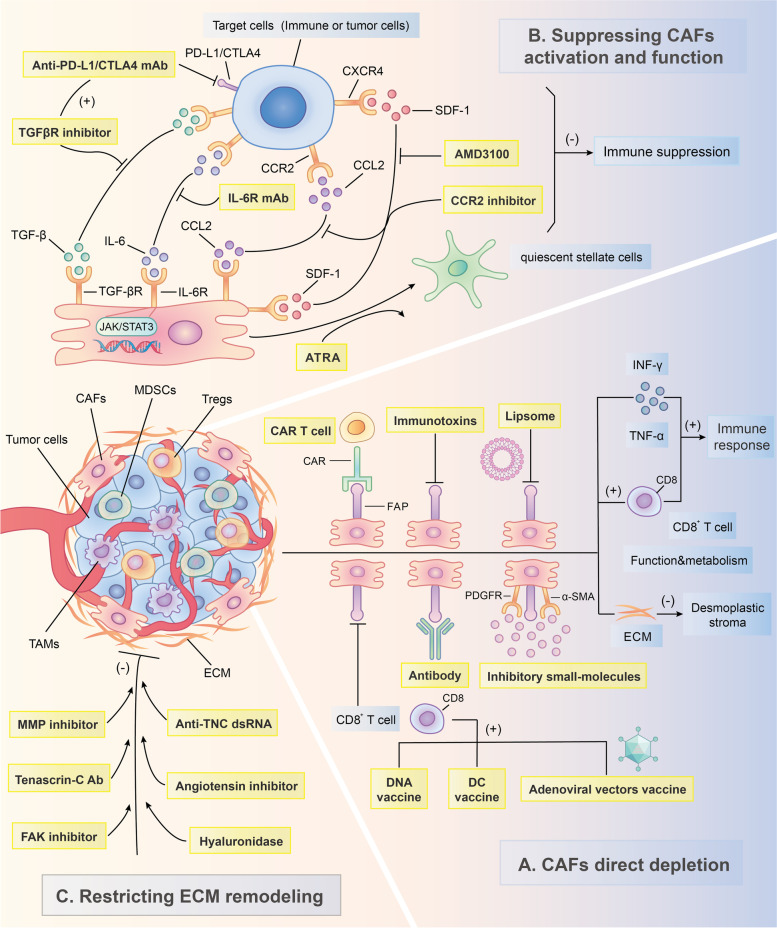
“The elimination of CAFs by FAP-targeting therapy can enhance the anticancer immune response mediated by high levels of certain inflammatory mediators, such as IFN-γ and TNF-α, and facilitate the toxic effects and metabolism of CD8 + T cells with a decreased desmoplastic stroma in the TME [224, 300, 301, 326].”
BackgroundInfluentialChen, W., Jin, W., Hardegen, N., Lei, K.-J., Li, L., Marinos, N., McGrady, G., & Wahl, S. M. (2003) · The Journal of Experimental Medicine · doi:10.1084/jem.20030152 · Cited by 4,699 · cited 2×
“[213], CAF-derived TGF-β can facilitate the differentiation of naïve T cells into CD4 + CD25 + Treg cells by inducing the expression of the Foxp3 gene in T lymphocytes.”
Background
Cited by
Items 401–500 of 1,003
Li, W., Wu, Y., Zhang, Y., Gao, W., Li, X., Luo, H., Lu, M., Liu, Z., & Luo, A. (2025) · Advanced Science · doi:10.1002/advs.202416523 · Cited by 29
Wang, K., Zhang, X., Li, A., Qiao, X., & Xu, Y. (2025) · Frontiers in Immunology · doi:10.3389/fimmu.2025.1545928 · Cited by 29
Andac-Aktas, A. B., & Calibasi‐Kocal, G. (2025) · Frontiers in Molecular Biosciences · doi:10.3389/fmolb.2025.1687556 · Cited by 29
Reprogramming the tumor microenvironment to overcome immunotherapy resistance in pancreatic cancer
Hui, X., Tian, X., Ding, S., Sun, A., Zhao, T., & Wang, H. (2025) · Frontiers in Immunology · doi:10.3389/fimmu.2025.1717062 · Cited by 30
Yin, Z., & Wang, L. (2023) · Annals of Medicine · doi:10.1080/07853890.2023.2180155 · Cited by 29
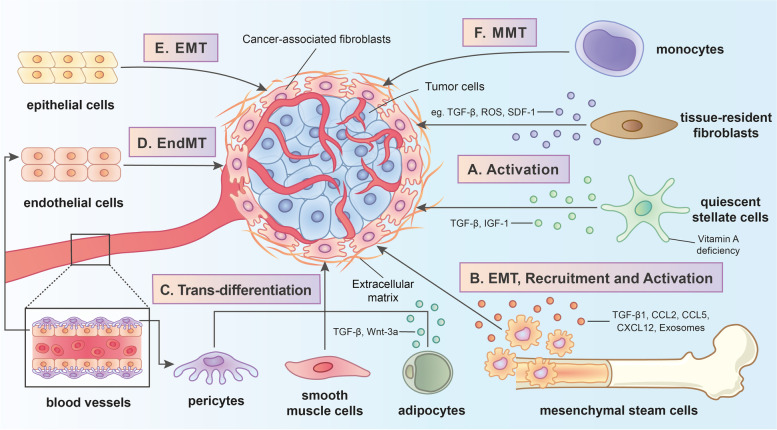
“The origin of CAFs, abnormal angiogenesis, perfusion and permeability mediated by EndoMT may influence the infiltration and function of TILs directly or indirectly [66,67].”
BackgroundMechanistic rationales for combining immunotherapy with radiotherapy
Chi, A., & Nguyen, N. P. (2023) · Frontiers in Immunology · doi:10.3389/fimmu.2023.1125905 · Cited by 29
Bandi, D. S. R., Sarvesh, S., Farran, B., Nagaraju, G. P., & El‐Rayes, B. F. (2023) · Cytokine & Growth Factor Reviews · doi:10.1016/j.cytogfr.2023.06.006 · Cited by 29
Salminen, A. (2023) · Biogerontology · doi:10.1007/s10522-023-10072-9 · Cited by 31
“This can be attributed to the presence of TGF-β and certain other cytokines and chemokines which have reciprocal effects on both myofibroblasts and immunosuppressive cells (Monteran and Erez 2019; Mhaidly and Mechta-Grigoriou 2020; Mao et al. 2021; Salminen 2023b).”
BackgroundNano-Drug Delivery Systems Targeting CAFs: A Promising Treatment for Pancreatic Cancer
Wang, M., Xue, W., Yuan, H., Wang, Z., & Yu, L. (2024) · International Journal of Nanomedicine · doi:10.2147/ijn.s451151 · Cited by 29
Dai, Z., Zhang, N., Zhou, R., Zhang, H., Zhang, L., Wang, Z., Zeng, W., Luo, P., Zhang, J., Liu, Z., et al. (2023) · Clinical Immunology · doi:10.1016/j.clim.2023.109345 · Cited by 28
Jin, Y., Jiang, J. F., Mao, W. B., Bai, M., Chen, Q., & Zhu, J. Y. (2024) · Cancer Letters · doi:10.1016/j.canlet.2024.216858 · Cited by 28
Tian, H., Zhu, N., Wang, H., Li, Y., Yang, Q., Chen, H., Zhou, Z., Tan, J., Zheng, H., Xie, J., et al. (2024) · Small · doi:10.1002/smll.202403428 · Cited by 28
Qiu, J., Ren, T., Liu, Q., Jiang, Q., Wu, T., Cheng, L. C., Yan, W., Qu, X., Han, X., & Hua, K. (2024) · Advanced Science · doi:10.1002/advs.202309755 · Cited by 28
Li, J., Song, J., Jia, L., Wang, M., Ji, X., Meng, R., & Zhou, D. (2024) · Biomolecules · doi:10.3390/biom14121519 · Cited by 29
Yao, Y., Zhang, J., Huang, K., Peng, Y., Cheng, S., Liu, S., Zhou, T., Chen, J.-H., Li, H., Zhao, Y., et al. (2025) · Journal of Nanobiotechnology · doi:10.1186/s12951-025-03165-9 · Cited by 29
A new era of cancer immunotherapy: vaccines and miRNAs
Sareen, G., Mohan, M., Mannan, A., Dua, K., & Singh, T. G. (2025) · Cancer Immunology Immunotherapy · doi:10.1007/s00262-025-04011-5 · Cited by 28
Pan-cancer spatial atlas of tertiary lymphoid structures
Cho, K. S., Liu, Y., Pei, G., Chen, J., Dai, Y., Liu, Y., Zhou, T., Bougoüin, A., Serrano, A., Wani, K., et al. (2026) · Science · doi:10.1126/science.adz2742 · Cited by 32
Tian, L., Long, F., Hao, Y., Li, B., Li, Y., Tang, Y., Li, J., Zhao, Q., Chen, J., & Liu, M. (2022) · Frontiers in Medicine · doi:10.3389/fmed.2022.880326 · Cited by 28
“Increasing evidence has revealed that CAFs aremajor contributors to ECM remodeling in the TME (14, 39, 40).”
BackgroundSong, J., Ruze, R., Chen, Y., Xu, R., Yin, X., Wang, C., Xu, Q., & Zhao, Y. (2022) · BMC Cancer · doi:10.1186/s12885-022-09983-6 · Cited by 28
“Previous studies have shown that the immune microenvironment plays a pivotal role in the progression of PC [45, 47, 48].”
BackgroundCheng, Z., Wang, S., Xu, S., Du, B., Li, X., & Li, Y. (2023) · Journal of Clinical Medicine · doi:10.3390/jcm12020577 · Cited by 28
Exosomes: Mediators in microenvironment of colorectal cancer
Yao, J., Chen, Y., & Lin, Z. (2023) · International Journal of Cancer · doi:10.1002/ijc.34471 · Cited by 28
Cancer-associated fibroblasts promote malignant phenotypes of prostate cancer cells via autophagy
Liu, X., Tang, J., Peng, L., Nie, H.-B., Zhang, Y., & Liu, P. (2023) · APOPTOSIS · doi:10.1007/s10495-023-01828-2 · Cited by 28
The immune escape mechanism of nasopharyngeal carcinoma
Li, X., Guo, Y., Xiao, M., & Zhang, W. (2023) · The FASEB Journal · doi:10.1096/fj.202201628rr · Cited by 28
The role of immunosuppressive myofibroblasts in the aging process and age-related diseases
Salminen, A. (2023) · Journal of Molecular Medicine · doi:10.1007/s00109-023-02360-1 · Cited by 28
“In fact, there exists an extensive bi-directional communication between tissue fibroblasts and the immune system, not only in the tumor microenvironment but also in many other inflammatory and fibrotic conditions [57–59].”
Integrative analysis of cancer-associated fibroblast signature in gastric cancer
Zhao, Z., Mak, T. K., Shi, Y., Li, K., Huo, M., & Zhang, C. (2023) · Heliyon · doi:10.1016/j.heliyon.2023.e19217 · Cited by 31
PKM2 is a potential prognostic biomarker and related to immune infiltration in lung cancer
Yin, L., Shi, J., Zhang, J., Lin, X., Jiang, W., Zhu, Y., Song, Y., Lu, Y., & Ma, Y. (2023) · Scientific Reports · doi:10.1038/s41598-023-49558-4 · Cited by 28
“The composition and activity of infiltrating immune cells within the tumor microenvironment play a crucial role in shaping the immune response and have significant implications for the clinical prognosis of cancer patients 29 .”
BackgroundWang, K., Chen, X., Lin, P., Wu, J., Huang, Q., Chen, Z., Tian, J., Wang, H., Tian, Y., Shi, M.-Y., et al. (2024) · Advanced Science · doi:10.1002/advs.202400611 · Cited by 28
Su, Z., Lu, C., Zhang, F., Liu, H., Li, M., Qiao, M., Zou, X., Luo, D., Li, H., He, M. Y., et al. (2024) · Journal of Cellular Physiology · doi:10.1002/jcp.31344 · Cited by 28
“CAFs are the essential components of the TME and are known to promote cancer progression and metastasis (Q. Li et al., 2022; X. Mao et al., 2021).”
Liquid–liquid phase separation in diseases
Zhang, X., Lin, Y., Zhang, W., Zhang, Y., Wu, Q. J., Li, C., Wu, M., & Huang, Y. (2024) · MedComm · doi:10.1002/mco2.640 · Cited by 27
“291 Then, whether modulation of immune cells by LLPS and attenuation of their action with tumor-promoting factors by immune components can inhibit cancer growth and invasion in the tumor microenvironment.”
BackgroundTargeting esophageal carcinoma: molecular mechanisms and clinical studies
Wang, W., Ye, L., Li, H., Mao, W., & Xu, X. (2024) · MedComm · doi:10.1002/mco2.782 · Cited by 27
“56 They also encourage M2 phenotype polarization in macrophages, enhancing tumorigenic conditions.”
BackgroundSelf-citationGrowth Hormone Action as a Target in Cancer: Significance, Mechanisms, and Possible Therapies
Basu, R., Boguszewski, C. L., & Kopchick, J. J. (2024) · Endocrine Reviews · doi:10.1210/endrev/bnae030 · Cited by 28
Ni, G., Sun, Y., Jia, H., Xiahou, Z., Li, Y., Zhao, F. Q., & Zang, H. (2025) · Translational Oncology · doi:10.1016/j.tranon.2025.102280 · Cited by 27
Xu, W., Yang, H., Xu, K., Zhu, A., Hall, S. R. R., Jia, Y., Zhao, B., Zhang, E., Liu, G., Xu, J., et al. (2025) · Clinical and Translational Medicine · doi:10.1002/ctm2.70281 · Cited by 27
Self-citationHe, J. N., Gao, Y., Sun, Z., & Liu, S. (2025) · Frontiers in Immunology · doi:10.3389/fimmu.2025.1529403 · Cited by 27
Zhu, Z., Zhang, K., Wu, W., Zhou, J., Zhang, M., Chen, J., Han, J., Wang, N., Li, B., Weng, W., et al. (2025) · Research · doi:10.34133/research.0950 · Cited by 27
“Functional analyses further demonstrated that CAF-derived migrasomes activate pro-angiogenic signaling pathways, thereby facilitating tumor vascularization and supporting cancer cell proliferation and dissemination—findings that align with previous studies on CAF-mediated angiogenesis [ 39 – 41 ].”
A novel 12-gene prognostic signature in breast cancer based on the tumor microenvironment
Zhu, J., Shen, Y., Wang, L., Qiao, J., Zhao, Y., & Wang, Q. (2022) · Annals of Translational Medicine · doi:10.21037/atm-21-6748 · Cited by 27
Liang, Q., Peng, J., Xu, Z., Li, Z., Jiang, F., Ouyang, L., Wu, S., Fu, C., Liu, Y., Liu, Y., et al. (2022) · Frontiers in Genetics · doi:10.3389/fgene.2022.943006 · Cited by 27
“investigated one, which contributes to the occurrence and development of cancer through diverse aspects (Mao et al., 2021).”
BackgroundYan, W., Lang, T., Yuan, W., Yin, Q., & Li, Y. (2022) · Acta Pharmacologica Sinica · doi:10.1038/s41401-022-00976-6 · Cited by 27
Safe engineering of cancer-associated fibroblasts enhances checkpoint blockade immunotherapy
Geng, S., Xiang, T., Zhang, Y., Guo, P., Zhang, H., Zhang, Z., Gu, M., Zhang, K., Song, H., Shi, J., et al. (2023) · Journal of Controlled Release · doi:10.1016/j.jconrel.2023.02.041 · Cited by 27
Self-citationThe Regulation and Double-Edged Roles of the Deubiquitinase OTUD5
Fu, L., Lu, K., Jiao, Q., Chen, X., & Jia, F. (2023) · Cells · doi:10.3390/cells12081161 · Cited by 27
Shakhpazyan, N. K., Михалева, Л. М., Bedzhanyan, A. L., Sadykhov, N. K., Midiber, K. Y., Konyukova, A. K., Kontorshchikov, A. S., Maslenkina, K. S., & Orekhov, A. N. (2023) · Biomedicines · doi:10.3390/biomedicines11092411 · Cited by 27
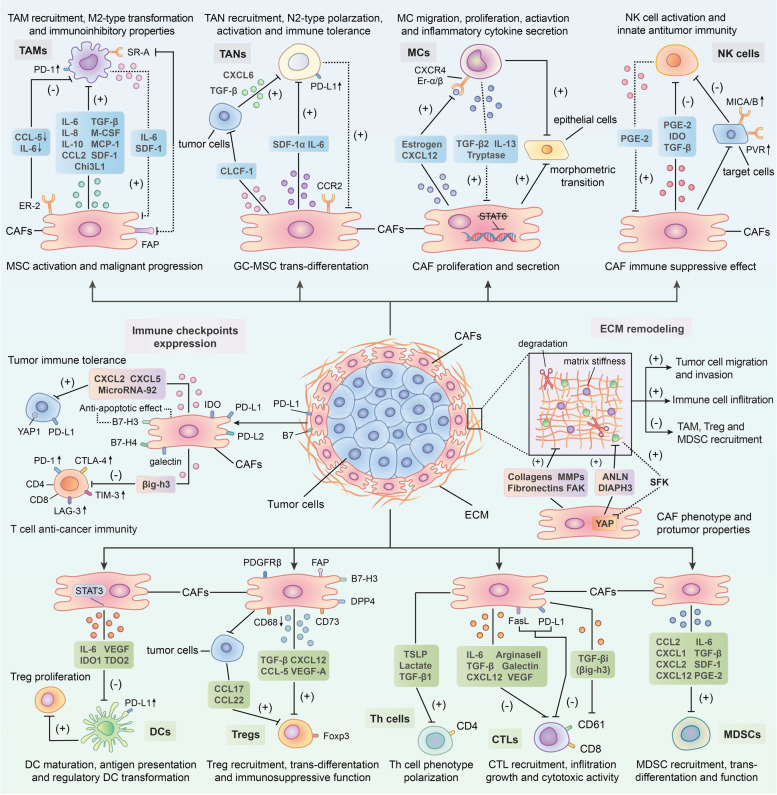
“Notably, stromal cells, chiefly CAFs, secrete immunosuppressive factors such as transforming growth factor-beta (TGF-β) and interleukin10 (IL-10), which inhibit T cell activity while enhancing regulatory T cell (Treg) functions [81,82].”
BackgroundAfshar, K., Sanaei, M., Ravari, M. S., Pourbagheri‐Sigaroodi, A., & Bashash, D. (2023) · Cell Biochemistry and Function · doi:10.1002/cbf.3846 · Cited by 27
“103 Indeed, studies on mouse models have reported that CAFs elimination is associated with more fast ‐ growing tumors.”
BackgroundLiu, Y., Chen, X., Xu, Y., Yang, T., Wang, H., Wang, Z., Hu, Z., Chen, L., Zhang, Z., & Wu, Y. (2023) · Journal of Molecular Medicine · doi:10.1007/s00109-023-02399-0 · Cited by 27
Novel insights into HBV‐hepatocellular carcinoma at single‐cell sequencing
Yin, D., Zhou, T., Xia, X., Chang, H., Liu, Z., Li, Q., Shu, Y., & Xu, H. (2023) · MedComm – Oncology · doi:10.1002/mog2.60 · Cited by 27
Cancer-Associated Fibroblast Heterogeneity in Malignancy with Focus on Oral Squamous Cell Carcinoma
Arebro, J., Lee, C.-M., Bennewith, K. L., & Garnis, C. (2024) · International Journal of Molecular Sciences · doi:10.3390/ijms25021300 · Cited by 28
“It is, however, known that CAFs regulate and enable the pro-tumor activity of TME immune cells both directly and indirectly via the ECM and secretion of cytokines such as IL-6 [39,78,90–92].”
BackgroundGlycogen synthase kinase-3: A potential immunotherapeutic target in tumor microenvironment
Liang, J., Yu, M., Li, Y., Zhao, L., & Wei, Q. (2024) · Biomedicine & Pharmacotherapy · doi:10.1016/j.biopha.2024.116377 · Cited by 27
Chen, S., He, Y., Huang, X., Shen, Y., Zou, Q., Yang, G., Fu, L., Liu, Q., & Luo, D. (2024) · Journal of Nanobiotechnology · doi:10.1186/s12951-024-02612-3 · Cited by 28
“TAMs transition from M1 to M2 polarization in response to tumor development, a shift that supports tumor growth and immune evasion [13, 14].”
BackgroundQin, C., Li, T., Chen, L., Zhao, B., Li, Z., Zhao, Y., & Wang, W. (2024) · Cancer Cell International · doi:10.1186/s12935-024-03456-5 · Cited by 27
“Exosomes contain proteins, metabolites, and nucleic acids, making them a vital mediator in regulating distant cell-cell communication [28] (Fig.”
BackgroundSelf-citationBioactive sphingolipids as emerging targets for signal transduction in cancer development
Jia, W., Yuan, J., Zhang, J., Li, S., Lin, W., & Cheng, B. (2024) · Biochimica et Biophysica Acta (BBA) - Reviews on Cancer · doi:10.1016/j.bbcan.2024.189176 · Cited by 27
Exosomes in triple negative breast cancer: From bench to bedside
Tang, W., Xia, M. H., Liao, Y., Fang, Y., Wen, G., & Zhong, J. (2021) · Cancer Letters · doi:10.1016/j.canlet.2021.12.009 · Cited by 27
Niu, L., Wang, Q., Feng, F., Yang, W., Xie, Z., Zheng, G., Zhou, W., Duan, L., Du, K., Li, Y., et al. (2023) · Biochimica et Biophysica Acta (BBA) - Molecular Basis of Disease · doi:10.1016/j.bbadis.2023.166917 · Cited by 26
Self-citationLorestani, P., Dashti, M., Nejati, N., Habibi, M. A., Askari, M., Robat-Jazi, B., Ahmadpour, S., & Tavakolpour, S. (2024) · Discover Oncology · doi:10.1007/s12672-024-01256-x · Cited by 27
Zhang, Z., Tang, Y., Luo, D., Qiu, J. L., & Chen, L. (2025) · APL Bioengineering · doi:10.1063/5.0244706 · Cited by 27
Wen, H., Shi, Z., Zhu, X., Wang, L., & Chen, D. (2025) · Frontiers in Immunology · doi:10.3389/fimmu.2025.1643533 · Cited by 26
Pang, H., Lei, D., Guo, Y., Yu, Y., Liu, T., Liu, Y., Chen, T., & Fan, C. (2022) · Frontiers in Oncology · doi:10.3389/fonc.2022.977618 · Cited by 27
Advances and Hurdles in CAR T Cell Immune Therapy for Solid Tumors
Boccalatte, F. E., Mina, R., Aroldi, A., Leone, S., Suryadevara, C. M., Placantonakis, D. G., & Bruno, B. (2022) · Cancers · doi:10.3390/cancers14205108 · Cited by 26
“CAFs both secrete an abundant extracellular matrix and several growth factors that support tumorigenesis, including VEGF, which remodels tumor vasculature [46].”
BackgroundMo, S., Shen, X., Wang, Y., Liu, Y., Sugasawa, T., Yang, Z., Gu, W., & Nakajima, T. (2023) · Human Cell · doi:10.1007/s13577-023-00856-z · Cited by 26
“CAF has recently been recognized as one of the core factors in the TME [24].”
BackgroundWang, H., Chen, J., Li, S., Yang, J., Tang, D., Wu, W., Yu, K., Cao, Y., Xu, K., Yin, P., et al. (2023) · APOPTOSIS · doi:10.1007/s10495-023-01819-3 · Cited by 26
“Relevant experimental studies have found that after activation of such cells, they can promote the proliferation and invasion of cancer cells through a variety of ways, and accelerate the process of tumor angiogenesis, it also can promote tumor invasion and metastasis [23, 24].”
BackgroundLiu, W., Wang, M., Liu, J., Yan, Q., & Liu, M. (2023) · BMC Medical Genomics · doi:10.1186/s12920-023-01520-z · Cited by 26
Self-citationLiu, X., Li, H., Wang, T., Yang, T., Yang, X., Guo, K., Hu, L., & Ming, J. (2023) · International Journal of Biological Macromolecules · doi:10.1016/j.ijbiomac.2023.125130 · Cited by 26
Role of exosomes in the development of the immune microenvironment in hepatocellular carcinoma
Li, T., Jiao, J., Ke, H., Ouyang, W., Wang, L., Pan, J., & Li, X. (2023) · Frontiers in Immunology · doi:10.3389/fimmu.2023.1200201 · Cited by 26
Xiang, F., Liu, X., Xiang, J., Xu, J., Yin, N., Wang, L., Liu, C., Liu, Y., Zhao, T., Zhao, Z., et al. (2023) · Translational Lung Cancer Research · doi:10.21037/tlcr-23-707 · Cited by 26
“Other immune cells were influenced by iCAFs, such as T cells, mast cells, and NK cells (56).”
Self-citationOuyang, Y., Gu, Y., Zhang, X., Huang, Y., Wei, X., Tang, F., & Zhang, S. (2024) · BMC Cancer · doi:10.1186/s12885-024-12025-y · Cited by 27
“Dynamic interactions between these cells are a major determinant of tumor pathophysiology [19].”
BackgroundZheng, M., Zhang, H., Dai, M., Yu, H., Hu, Y., Cheng, L., Wang, H., Chen, Q., Tan, M., Guo, Y., et al. (2025) · Nano Letters · doi:10.1021/acs.nanolett.4c05625 · Cited by 26
Endosialin in Cancer: Expression Patterns, Mechanistic Insights, and Therapeutic Approaches
Lu, S., Gan, L., Lu, T., Zhang, K., Zhang, J., Wu, X., Han, D., Xu, C., Liu, S., Yang, F., et al. (2023) · Theranostics · doi:10.7150/thno.89495 · Cited by 25
“Furthermore, CAFs can be divided into different subtypes, and some subtypes may even have antitumor functions [9, 10].”
BackgroundMartello, M., Solli, V., Mazzocchetti, G., Solimando, A. G., Bezzi, D., Taurisano, B., Kanapari, A., Poletti, A., Borsi, E., Armuzzi, S., et al. (2024) · Blood Cancer Journal · doi:10.1038/s41408-024-01185-6 · Cited by 26
Palmitic Acid Accumulation Activates Fibroblasts and Promotes Matrix Stiffness in Colorectal Cancer
Deng, S., Wang, J., Zou, F., Cheng, D., Chen, M., Gu, J., Shi, J., Yang, J., Xue, Y., Jiang, Z., et al. (2025) · Cancer Research · doi:10.1158/0008-5472.can-24-2892 · Cited by 25
“Cancer-associated fibroblasts (CAF), major cellular components of the tumor micro-environment (TME), can degrade ECM components and release growth factors and cytokines to promote ECM production, establishing a new ecological niche different from that of the physiologic ECM (12).”
Zhang, X., Li, Y., Hu, P., Xu, L., & Qiu, H. (2022) · Frontiers in Genetics · doi:10.3389/fgene.2022.891408 · Cited by 25
Galizia, D., Minei, S., Maldi, E., Chilà, G., Polidori, A., & Merlano, M. C. (2022) · Biomedicines · doi:10.3390/biomedicines10102498 · Cited by 25
“This represents one of the main etiologies of the immune-excluded phenotype (see above) [113].”
BackgroundGao, H., & Li, Q. (2022) · Medicine · doi:10.1097/md.0000000000032444 · Cited by 25
“Tumor-infiltrating immune cells, as an important component of the tumor microenvironment, play a crucial role in tumorigenesis, progression and metastasis.[5,6] Earlier studies reported suggest that cancer-associated fibroblasts in the tumor microenvironment stroma can be involved in regulating the function of a varie…”
BackgroundYi, X.-F., Gao, R.-L., Sun, L., Wu, Z.-X., Zhang, S., Huang, L., Han, C., & Ma, J. (2023) · Biomedicine & Pharmacotherapy · doi:10.1016/j.biopha.2023.114770 · Cited by 25
Li, M., Wu, B., Li, L., Lv, C., & Tian, Y. (2023) · Biochimica et Biophysica Acta (BBA) - Reviews on Cancer · doi:10.1016/j.bbcan.2023.188945 · Cited by 25
Pan, T., Wang, S., & Wang, Z. (2023) · Journal of Cancer · doi:10.7150/jca.84454 · Cited by 26
“The tumor immune microenvironment (TIME) mainly consists of distinct immune cell populations in tumor islets and is highly associated with the antitumor immunological state in the TME[16].”
BackgroundPrimary cilia: Structure, dynamics, and roles in cancer cells and tumor microenvironment
Guan, Y., Zhang, C., Zhang, H., Wei, W., Yue, W., Zhao, W., & Zhang, D. (2023) · Journal of Cellular Physiology · doi:10.1002/jcp.31092 · Cited by 25
Furuhashi, S., Morita, Y., Matsumoto, A., Ida, S., Muraki, R., Kitajima, R., Takeda, M., Kikuchi, H., Hiramatsu, Y., & Takeuchi, H. (2023) · PubMed Central · Cited by 25
Hong, Z., Wen, P., Wang, K., Wei, X., Xie, W., Rao, S., Chen, X., Hou, J., & Zhuo, H. (2024) · BMC Cancer · doi:10.1186/s12885-024-11878-7 · Cited by 25
“These immune constituents play pivotal roles in tumor invasion, metastasis, and clinical outcomes [6, 7].”
BackgroundForces at play: exploring factors affecting the cancer metastasis
Riaz, F., Zhang, J., & Pan, F. (2024) · Frontiers in Immunology · doi:10.3389/fimmu.2024.1274474 · Cited by 25
“These cellular processes ultimately in fl uence the biological behaviors of tumors, including tumorigenesis, tumor progression, proliferation, recurrence, immunity, tumor immunity, angiogenesis, energy metabolism, and metastasis (54, 55).”
BackgroundTumorigenic and tumoricidal properties of exosomes in cancers; a forward look
Abbasi‐Malati, Z., Azizi, S. G., Milani, S. Z., Serej, Z. A., Mardi, N., Amiri, Z., Sanaat, Z., & Rahbarghazi, R. (2024) · Cell Communication and Signaling · doi:10.1186/s12964-024-01510-3 · Cited by 25
“Depending on the malignancy rate and type of cancer, specific signaling pathways can be involved in the production of CAFs from normal fibroblasts [140, 141] (Fig.”
BackgroundZhong, Y., Luo, X.-M., Liu, F., He, Z., Yang, S., Ma, W., Wang, J.-K., Dai, Y.-S., Zou, R.-Q., Hu, Y.-F., et al. (2024) · Journal of Translational Medicine · doi:10.1186/s12967-024-05238-z · Cited by 25
“Recent studies have elucidated the role of fibroblasts in fostering immunotherapy resistance by engaging with immune cells and components in the tumor microenvironment (TME) [27].”
BackgroundThe war between the immune system and the tumor - using immune biomarkers as tracers
Yang, K., Lu, R., Mei, J., Cao, K., Zeng, T., Hua, Y., Huang, X., Li, W., & Yin, Y. (2024) · Biomarker Research · doi:10.1186/s40364-024-00599-5 · Cited by 25
“However, ECM, as a protective shell of the tumor, can also hinder the outward progression and metastasis of the tumor, so the dissolution of ECM is one of the signs of tumor metastasis [80].”
BackgroundCAFs and T cells interplay: The emergence of a new arena in cancer combat
Chen, M., Chen, F., Gao, Z., Li, X., Hu, L., Yang, S., Zhao, S., & Song, Z. (2024) · Biomedicine & Pharmacotherapy · doi:10.1016/j.biopha.2024.117045 · Cited by 25
Argentiero, A., Andriano, A., Caradonna, I. C., Martino, G. D., & Desantis, V. (2024) · Cancers · doi:10.3390/cancers16132438 · Cited by 26
“These complex interactions between CAFs and tumor cells play a crucial role in driving the initiation and progression of distant metastases [5].”
BackgroundZhan, T., Zou, Y., Han, Z., Tian, X.-R., Chen, M., Liu, J., Yang, X., Zhu, Q., Liu, M., Chen, W., et al. (2024) · Clinical and Translational Medicine · doi:10.1002/ctm2.1799 · Cited by 25
“14 Furthermore, the IRF7 protein may exert a direct influence on cancer cell gene expression and subsequent cell death via the extracellular vesicle pathway.”
BackgroundSelf-citationTargeting glutamine metabolism crosstalk with tumor immune response
Dong, C., Zhao, Y., Han, Y., Li, M., & Wang, G. (2025) · Biochimica et Biophysica Acta (BBA) - Reviews on Cancer · doi:10.1016/j.bbcan.2024.189257 · Cited by 26
Chen, X., Liu, Y., Tao, B.-Y., Xue, X., Zhang, X., Wang, L., Zhong, H., Zhang, J., Yang, S., & Jiang, Q. (2022) · Frontiers in Immunology · doi:10.3389/fimmu.2022.975847 · Cited by 25
Xia, J., Shi, Y., & Chen, X. (2024) · Scientific Reports · doi:10.1038/s41598-024-72020-y · Cited by 25
Pan, H., Zhang, X., Zhu, S., Zhu, B., Wu, D., Yan, J., Guan, X., Huang, Y., Zhao, Y., Yang, Y., et al. (2024) · ACS Biomaterials Science & Engineering · doi:10.1021/acsbiomaterials.4c01319 · Cited by 24
Gao, C., Jian, C., Wang, L., Liu, Y., Xiong, Y., Wu, T., & Chen, S. (2025) · International Journal of Pharmaceutics · doi:10.1016/j.ijpharm.2025.125190 · Cited by 24
Mei, J., Yang, K., Zhang, X., Luo, Z., Tian, M., Fan, H., Chu, J., Zhang, Y., Ding, J., Xu, J., et al. (2025) · Advanced Science · doi:10.1002/advs.202409147 · Cited by 24
Self-citationWang, Q., Song, C. W., Zhao, C., Wei, X., De-li, L., Wu, Q., Li, J., & Yang, X. (2025) · International Journal of Biological Macromolecules · doi:10.1016/j.ijbiomac.2025.145006 · Cited by 24
Extracellular vesicles: the “Trojan Horse” within breast cancer host microenvironments
Kang, Y., Meng, L., Bai, S., & Li, S. (2025) · Molecular Cancer · doi:10.1186/s12943-025-02358-y · Cited by 25
“By secreting cytokines, growth factors, chemokines, and extracellular vesicles, CAFs establish an immunosuppressive niche that helps tumor cells evade immune detection [11, 12].”
Therapeutics targeting the metastatic breast cancer bone microenvironment
Ihle, C. L., Wright-Hobart, S., & Owens, P. (2022) · Pharmacology & Therapeutics · doi:10.1016/j.pharmthera.2022.108280 · Cited by 25
Wang, X., Xie, C. L., & Lin, L. (2022) · Journal of bone oncology · doi:10.1016/j.jbo.2022.100463 · Cited by 25
Chen, G., He, Z., Jiang, W., Li, L., Luo, B., Wang, X., & Zheng, X. (2022) · Scientific Reports · doi:10.1038/s41598-022-26389-3 · Cited by 24
The Role of Tumor Microenvironment in Regulating the Plasticity of Osteosarcoma Cells
Tian, B., Du, X., Zheng, S., & Zhang, Y. (2022) · International Journal of Molecular Sciences · doi:10.3390/ijms232416155 · Cited by 24
“Together with intrinsic tumor cell changes, other cell types in the surrounding microenvironment, including fibroblasts, endothelial cells, immune cells and mesenchymal stromal cells (MSCs), can all contribute functional variety by interacting with the tumor cells [117].”
BackgroundYang, X., & Zhu, W. (2023) · Experimental and Therapeutic Medicine · doi:10.3892/etm.2023.11845 · Cited by 25
Dunbar, K. J., Karakasheva, T. A., Tang, Q., Efe, G., Lin, E. W., Harris, M., Sahu, V., Sachdeva, U. M., Hu, J., Klein–Szanto, A. J., et al. (2023) · Molecular Cancer Research · doi:10.1158/1541-7786.mcr-22-0872 · Cited by 24
Wang, W., Cao, X., Bian, L., Gao, Y., Yu, M., Li, Y., Xu, J., Wang, Y.-H., Yang, H.-F., You, D., et al. (2023) · BMC Cancer · doi:10.1186/s12885-023-11028-5 · Cited by 24
“Previous studies have shown that exosome-mediated immune regulation is one of the important mechanisms by which CAFs promote cancer progression [17, 18].”
BackgroundSelf-citationChen, K., Ma, Y., Liu, X., Zhong, X., Di, L., Tian, X., Zheng, L., & Yang, Y. (2023) · Cancer Letters · doi:10.1016/j.canlet.2023.216421 · Cited by 25
Roles of circRNAs in regulating the tumor microenvironment
Liu, T., Long, K., Zhu, Z., Song, Y., Chen, C., Xu, G. W., & Ke, X. (2023) · Medical Oncology · doi:10.1007/s12032-023-02194-4 · Cited by 24
“…into CAFs by various stimuli derived from tumors and immune-infiltrating cells, such as transforming growth factor β (TGF-β) family ligands, lysophosphatidic acid (LPA), fibroblast growth factor (FGF), platelet-derived growth factor (PDGF), interleukin-1 (IL-1), IL-6, and granu-lin [62, 63].”
Metadata
- Authors
- Mao, X., Xu, J., Wang, W., Liang, C., Hua, J., Liu, J., Zhang, B., Meng, Q., Yu, X., & Shi, S.
- Affiliations
- Shanghai Medical College of Fudan University (CN)
- Corresponding author
- Meng, Qingcai
- Yu, Xianjun
- Shi, Si
- Venue
- Molecular Cancer
- Published
- 2021-10-11
- Volume
- 20
- Issue
- 1
- Pages
- 131-131
- ISSN
- 1476-4598 (ISSN-L)
- PMC
- PMC8504100
- OpenAlex
- W3205475594
- Cited by
- 2,290
- References
- 369
- Citations by year
- 2026: 379 · 2025: 596 · 2024: 647 · 2023: 459 · 2022: 202 · 2021: 6
- FWCI
- 40.37
- Type
- journal article
- Language
- en
- Open access
- gold
- doi.org
- Licence
- cc-by
- creativecommons.org/licenses/by/4.0 (tdm)
- creativecommons.org/licenses/by/4.0 (vor)
- Locations
- Molecular Cancer (publishedVersion, cc-by)
- Europe PMC (PubMed Central) (publishedVersion, other-oa)
- PubMed Central (publishedVersion, cc-by)
- PubMed (publishedVersion)
- DOAJ (DOAJ: Directory of Open Access Journals) (submittedVersion, cc-by-sa)
- Funders
- national natural science foundation of china (81802352, 81772555, 81902428)
- china national funds for distinguished young scientists (81625016)
- shanghai rising-star program (20QA1402100)
- Topics
- Health Sciences › Medicine › Oncology › Cancer Immunotherapy and Biomarkers
- Life Sciences › Immunology and Microbiology › Immunology › Immune cells in cancer
- Health Sciences › Medicine › Oncology › Cancer Cells and Metastasis
- Keywords
- cancer-associated fibroblasts, tumor microenvironment, tumor immune microenvironment, tumor-infiltrating immune cells, immunosuppression, tumor immune evasion, extracellular matrix remodeling, chemoresistance, tumor angiogenesis, metastasis, exosomes, cytokines and chemokines
- MeSH terms
- Cancer-Associated Fibroblasts, Tumor-Associated Macrophages, Animals, Cell Communication, Disease Susceptibility, Gene Expression Regulation, Humans, Immune System, Immunity, Innate, Neoplasm Metastasis, Neoplasms, Biomarkers, Tumor, Signal Transduction, Lymphocytes, Tumor-Infiltrating, Adaptive Immunity, Tumor Microenvironment, Neoplasm Grading
About these checks
Registry, retraction, Cites and statistics results are computed, not judged, with one exception: a printed reference that no index lists is read once by a model before it counts as a citation error. Claims are extracted by a model and kept only when their quote appears verbatim in the text; each cited source is then checked, with a model’s help, for whether it says what the claim relies on. Those verdicts can be wrong — read the claim’s quote and the cited source before relying on one.
Statistics and arithmetic are recomputed, not judged.
Confidence bands are shown only for fields calibrated on our annotated test set. None is calibrated yet, so no band is shown.
What counts as a claim ›How we measure confidence ›How we check this ›
Are you an author, or do you see a problem with this page? Request a review
Data sources
Bibliographic data: Semantic Scholar, OpenAlex, Crossref.
Contains information from the Semantic Scholar Academic Graph Datasets, made available under the ODC Attribution License (ODC-BY 1.0).
Semantic Scholar’s data is described in: Kinney, R., et al. (2023). The Semantic Scholar Open Data Platform. arXiv:2301.10140.
