

The DOI matches its Crossref record; 338 of the 338 references it cites were found in a registry or an index.
Comprehensive review of CRISPR-based gene editing: mechanisms, challenges, and applications in cancer therapy
Open accessAbstract
The CRISPR system is a revolutionary genome editing tool that has the potential to revolutionize the field of cancer research and therapy. The ability to precisely target and edit specific genetic mutations that drive the growth and spread of tumors has opened up new possibilities for the development of more effective and personalized cancer treatments. In this review, we will discuss the different CRISPR-based strategies that have been proposed for cancer therapy, including inactivating genes that drive tumor growth, enhancing the immune response to cancer cells, repairing genetic mutations that cause cancer, and delivering cancer-killing molecules directly to tumor cells. We will also summarize the current state of preclinical studies and clinical trials of CRISPR-based cancer therapy, highlighting the most promising results and the challenges that still need to be overcome. Safety and delivery are also important challenges for CRISPR-based cancer therapy to become a viable clinical option. We will discuss the challenges and limitations that need to be overcome, such as off-target effects, safety, and delivery to the tumor site. Finally, we will provide an overview of the current challenges and opportunities in the field of CRISPR-based cancer therapy and discuss future directions for research and development. The CRISPR system has the potential to change the landscape of cancer research, and this review aims to provide an overview of the current state of the field and the challenges that need to be overcome to realize this potential.
Overview
The claims and statistics of this paper haven’t been checked yet.
Run the check — free, no account needed. It reads the open-access text and checks the sources it cites.
Integrity signals
Registry
Cites
Statistics
Figures
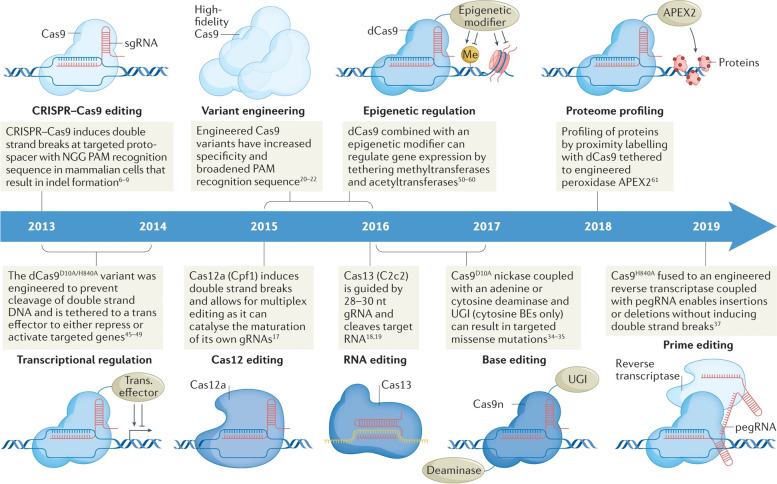
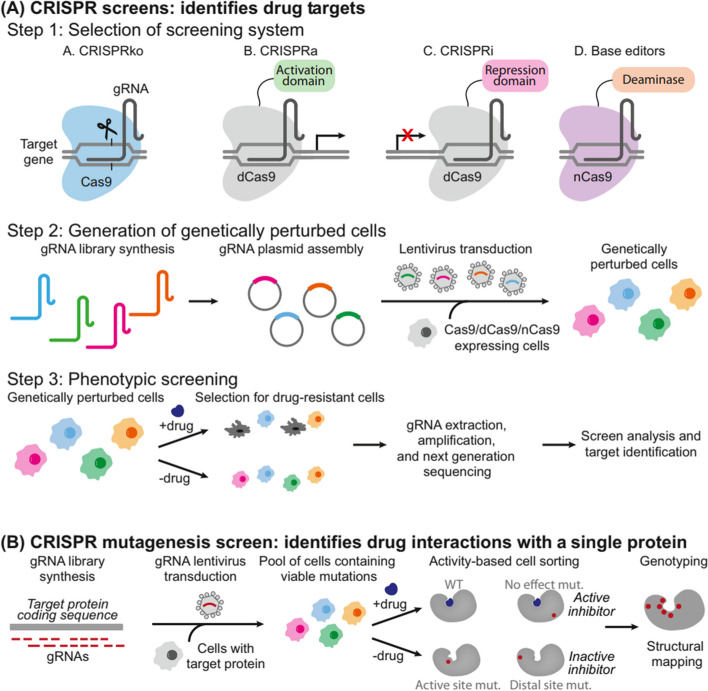
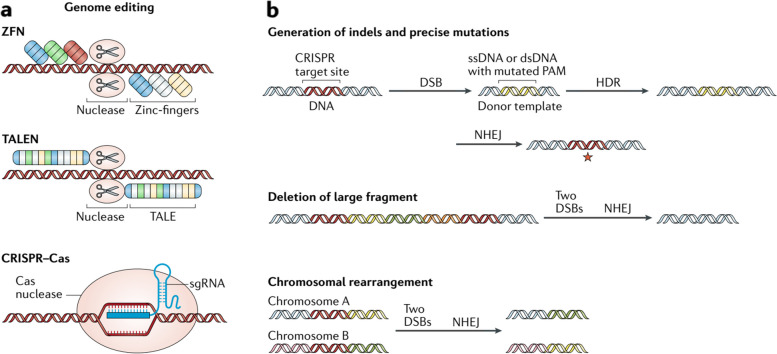
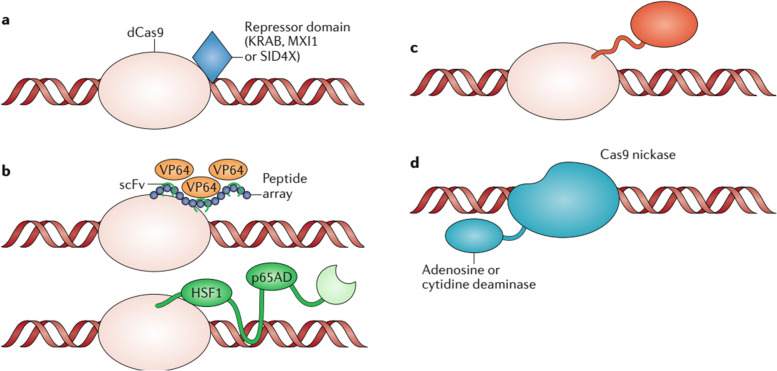
Verification
Claims the paper makes
The claims and statistics of this paper haven’t been checked yet.
Run the check — free, no account needed. It reads the open-access text and checks the sources it cites.
Claims other papers make about this one
Each is checked against this paper’s own text: does it say what the citing paper says it does?
In the citing paper
“Beyond therapeutic editing, CRISPR serves as a powerful research platform in CRC by enabling the generation of isogenic cell lines and organoid models [104].”
From RAS Mutations in Advanced Colorectal Cancer: Mechanisms, Clinical Implications, and Novel Therapeutic Approaches (2025) · cites this paper as [104]
Self-check
Percentages, sums and reported differences re-computed from the paper’s own numbers.
The self-check needs the paper’s full text.
Citations
Cites
Genome engineering using the CRISPR-Cas9 system
Ran, F. A., Hsu, P. D., Wright, J., Agarwala, V., Scott, D. A., & Zhang, F. (2013) · Nature Protocols · doi:10.1038/nprot.2013.143 · Cited by 11,133
RNA-Guided Human Genome Engineering via Cas9
Mali, P., Yang, L., Esvelt, K. M., Aach, J., Guell, M., DiCarlo, J. E., Norville, J. E., & Church, G. M. (2013) · Science · doi:10.1126/science.1232033 · Cited by 9,210
The new frontier of genome engineering with CRISPR-Cas9
Doudna, J. A., & Charpentier, E. (2014) · Science · doi:10.1126/science.1258096 · Cited by 7,062
Optimized sgRNA design to maximize activity and minimize off-target effects of CRISPR-Cas9
Doench, J. G., Fusi, N., Sullender, M., Hegde, M., Vaimberg, E. W., Donovan, K. F., Smith, I., Tothova, Z., Wilen, C., Orchard, R., et al. (2016) · Nature Biotechnology · doi:10.1038/nbt.3437 · Cited by 4,637
CRISPR RNA Maturation by Trans-Encoded Small RNA and Host Factor RNase III
Deltcheva, E., Chylinski, K., Sharma, C. M., Gonzales, K., Chao, Y., Pirzada, Z. A., Eckert, M. R., Vogel, J., & Charpentier, E. (2011) · Nature · doi:10.1038/nature09886 · Cited by 2,563
Small CRISPR RNAs Guide Antiviral Defense in Prokaryotes
Brouns, S. J. J., Jore, M. M., Lundgren, M., Westra, E. R., Slijkhuis, R. J. H., Snijders, A. P. L., Dickman, M. J., Makarova, K. S., Koonin, E. V., & van der Oost, J. (2008) · Science · doi:10.1126/science.1159689 · Cited by 2,460
Ma, X., Zhang, Q., Zhu, Q., Liu, W., Chen, Y., Qiu, R., Wang, B., Yang, Z., Li, H., Lin, Y., et al. (2015) · Molecular Plant · doi:10.1016/j.molp.2015.04.007 · Cited by 2,369
Evolution and classification of the CRISPR–Cas systems
Makarova, K. S., Haft, D. H., Barrangou, R., Brouns, S. J. J., Charpentier, E., Horvath, P., Moineau, S., Mojica, F. J. M., Wolf, Y. I., Yakunin, A. F., et al. (2011) · Nature Reviews Microbiology · doi:10.1038/nrmicro2577 · Cited by 2,331
CRISPR–Cas9 Structures and Mechanisms
Jiang, F., & Doudna, J. A. (2017) · Annual Review of Biophysics · doi:10.1146/annurev-biophys-062215-010822 · Cited by 2,029
CRISPR-Cas9 Knockin Mice for Genome Editing and Cancer Modeling
Platt, R. J., Chen, S., Zhou, Y., Yim, M. J., Swiech, L., Kempton, H. R., Dahlman, J. E., Parnas, O., Eisenhaure, T. M., Jovanovic, M., et al. (2014) · Cell · doi:10.1016/j.cell.2014.09.014 · Cited by 2,001
CRISPR-Cas9 Gene Editing for Sickle Cell Disease and β-Thalassemia
Frangoul, H., Altshuler, D., Cappellini, M. D., Chen, Y.-S., Domm, J., Eustace, B. K., Foell, J., de la Fuente, J., Grupp, S., Handgretinger, R., et al. (2021) · New England Journal of Medicine · doi:10.1056/nejmoa2031054 · Cited by 1,962 · cited 2×
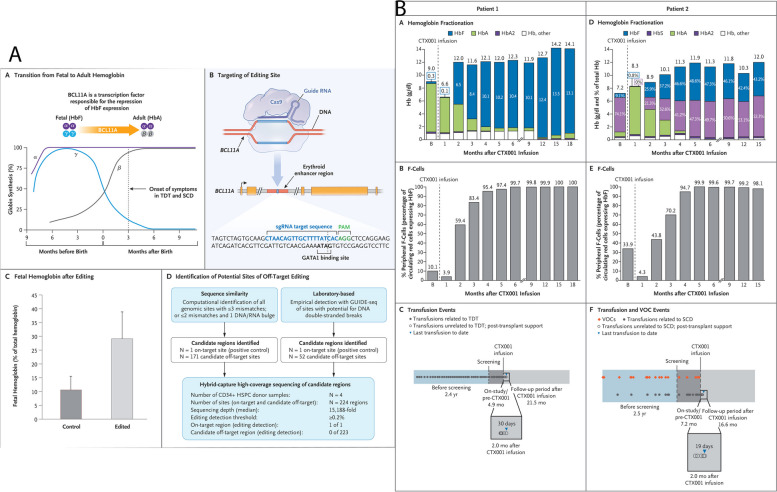
“[152] with permission from the New England Journal of Medicine [158].”
BackgroundMethodEngineered CRISPR-Cas9 nucleases with altered PAM specificities
Kleinstiver, B. P., Prew, M. S., Tsai, S. Q., Topkar, V. V., Nguyen, N. T., Zheng, Z., Gonzales, A. P. W., Li, Z., Peterson, R. T., Yeh, J.-R. J., et al. (2015) · Nature · doi:10.1038/nature14592 · Cited by 1,624
CRISPR-engineered T cells in patients with refractory cancer
Stadtmauer, E. A., Fraietta, J. A., Davis, M. M., Cohen, A. D., Weber, K. L., Lancaster, E., Mangan, P. A., Kulikovskaya, I., Gupta, M., Chen, F., et al. (2020) · Science · doi:10.1126/science.aba7365 · Cited by 1,478
The next generation of CRISPR–Cas technologies and applications
Pickar-Oliver, A., & Gersbach, C. A. (2019) · Nature Reviews Molecular Cell Biology · doi:10.1038/s41580-019-0131-5 · Cited by 1,459
Prioritization of cancer therapeutic targets using CRISPR–Cas9 screens
Behan, F. M., Iorio, F., Picco, G., Gonçalves, E., Beaver, C. M., Migliardi, G., Santos, R., Rao, Y., Sassi, F., Pinnelli, M., et al. (2019) · Nature · doi:10.1038/s41586-019-1103-9 · Cited by 1,338
Off-target Effects in CRISPR/Cas9-mediated Genome Engineering
Zhang, X.-H., Tee, L. Y., Wang, X.-G., Huang, Q.-S., & Yang, S.-H. (2015) · Molecular Therapy - Nucleic Acids · doi:10.1038/mtna.2015.37 · Cited by 1,273
Delivering CRISPR: a review of the challenges and approaches
Lino, C. A., Harper, J. C., Carney, J. P., & Timlin, J. A. (2018) · Drug Delivery · doi:10.1080/10717544.2018.1474964 · Cited by 1,185
Targeting HER2-positive breast cancer: advances and future directions
Swain, S. M., Shastry, M., & Hamilton, E. (2023) · Nature Reviews Drug Discovery · doi:10.1038/s41573-022-00579-0 · Cited by 1,160
Efficient genome editing in plants using a CRISPR/Cas system
Feng, Z., Zhang, B., Ding, W., Liu, X., Yang, D., Wei, P., Cao, F., Zhu, S., Zhang, F., Mao, Y., et al. (2013) · Cell Research · doi:10.1038/cr.2013.114 · Cited by 1,095
Diversity and evolution of class 2 CRISPR–Cas systems
Shmakov, S., Smargon, A., Scott, D., Cox, D., Pyzocha, N., Yan, W., Abudayyeh, O. O., Gootenberg, J. S., Makarova, K. S., Wolf, Y. I., et al. (2017) · Nature Reviews Microbiology · doi:10.1038/nrmicro.2016.184 · Cited by 1,029
Exploiting CRISPR-Cas nucleases to produce sequence-specific antimicrobials
Bikard, D., Euler, C. W., Jiang, W., Nussenzweig, P. M., Goldberg, G. W., Duportet, X., Fischetti, V. A., & Marraffini, L. A. (2014) · Nature Biotechnology · doi:10.1038/nbt.3043 · Cited by 986
p53 inhibits CRISPR–Cas9 engineering in human pluripotent stem cells
Ihry, R. J., Worringer, K. A., Salick, M. R., Frias, E., Ho, D., Theriault, K., Kommineni, S., Chen, J., Sondey, M., Ye, C., et al. (2018) · Nature Medicine · doi:10.1038/s41591-018-0050-6 · Cited by 978
Multiplex genome editing to generate universal CAR T cells resistant to PD1 inhibition
Ren, J., Liu, X., Fang, C., Jiang, S., June, C. H., & Zhao, Y. (2017) · Clinical Cancer Research · doi:10.1158/1078-0432.ccr-16-1300 · Cited by 942
MYC inactivation uncovers pluripotent differentiation and tumour dormancy in hepatocellular cancer
Shachaf, C. M., Kopelman, A. M., Arvanitis, C., Karlsson, Å., Beer, S., Mandl, S., Bachmann, M. H., Borowsky, A. D., Ruebner, B., Cardiff, R. D., et al. (2004) · Nature · doi:10.1038/nature03043 · Cited by 874
NR4A transcription factors limit CAR T cell function in solid tumours
Chen, J., López-Moyado, I. F., Seo, H., Lio, C.-W. J., Hempleman, L. J., Sekiya, T., Yoshimura, A., Scott-Browne, J. P., & Rao, A. (2019) · Nature · doi:10.1038/s41586-019-0985-x · Cited by 874
RNA-Guided Genome Editing in Plants Using a CRISPR–Cas System
Xie, K., & Yang, Y. (2013) · Molecular Plant · doi:10.1093/mp/sst119 · Cited by 822
Efficient genome modification by CRISPR-Cas9 nickase with minimal off-target effects
Shen, B., Zhang, W., Zhang, J., Zhou, J., Wang, J., Chen, L., Wang, L., Hodgkins, A., Iyer, V., Huang, X., et al. (2014) · Nature Methods · doi:10.1038/nmeth.2857 · Cited by 769
Genome-wide analysis reveals specificities of Cpf1 endonucleases in human cells
Kim, D., Kim, J., Hur, J. K., Been, K. W., Yoon, S.-H., & Kim, J.-S. (2016) · Nature Biotechnology · doi:10.1038/nbt.3609 · Cited by 731
Delivery technologies for genome editing
Yin, H., Kauffman, K. J., & Anderson, D. G. (2017) · Nature Reviews Drug Discovery · doi:10.1038/nrd.2016.280 · Cited by 597
p53 Suppresses Metabolic Stress-Induced Ferroptosis in Cancer Cells
Tarangelo, A., Magtanong, L., Bieging-Rolett, K. T., Li, Y., Ye, J., Attardi, L. D., & Dixon, S. J. (2018) · Cell Reports · doi:10.1016/j.celrep.2017.12.077 · Cited by 570
Germline mutations in RAD51D confer susceptibility to ovarian cancer
Loveday, C., Turnbull, C., Ramsay, E., Hughes, D., Ruark, E., Frankum, J. R., Bowden, G. R., Kalmyrzaev, B., Warren-Perry, M., Snape, K. M. G., et al. (2011) · Nature Genetics · doi:10.1038/ng.893 · Cited by 547
CRISPR/Cas system: recent advances and future prospects for genome editing
Manghwar, H., Lindsey, K., Zhang, X., & Jin, S. (2019) · Trends in Plant Science · doi:10.1016/j.tplants.2019.09.006 · Cited by 529 · cited 3×
“Targeting these genes with drugs may disrupt critical cellular processes, leading to the selective killing or suppression of cancer cells while minimizing harm to normal cells [329, 331, 337, 338].”
BackgroundCAR T-cell Therapy: A New Era in Cancer Immunotherapy
Miliotou, Α. N., & Papadopoulou, L. C. (2018) · Current Pharmaceutical Biotechnology · doi:10.2174/1389201019666180418095526 · Cited by 508
Synthetic lethality as an engine for cancer drug target discovery
Huang, A., Garraway, L. A., Ashworth, A., & Weber, B. L. (2019) · Nature Reviews Drug Discovery · doi:10.1038/s41573-019-0046-z · Cited by 490
Current applications and future perspective of CRISPR/Cas9 gene editing in cancer
Wang, S.-W., Gao, C., Zheng, Y.-M., Yi, L., Lu, J.-C., Huang, X.-Y., Cai, J.-B., Zhang, P.-F., Cui, Y.-H., & Ke, A.-W. (2022) · Molecular Cancer · doi:10.1186/s12943-022-01518-8 · Cited by 478
CRISPR in cancer biology and therapy
Katti, A., Diaz, B. J., Caragine, C. M., Sanjana, N. E., & Dow, L. E. (2022) · Nature reviews. Cancer · doi:10.1038/s41568-022-00441-w · Cited by 457
Strategies in the delivery of Cas9 ribonucleoprotein for CRISPR/Cas9 genome editing
Zhang, S., Shen, J., Li, D., & Cheng, Y. (2021) · Theranostics · doi:10.7150/thno.47007 · Cited by 430
Mazur, P. K., Herner, A., Mello, S. S., Wirth, M., Hausmann, S., Rivera, F. J. S., Lofgren, S., Kuschma, T., Hahn, S. A., Vangala, D., et al. (2015) · Nature Medicine · doi:10.1038/nm.3952 · Cited by 413
Xu, J., Chen, L., Yang, S., Sun, Y., Wu, W., Liu, Y., Xu, J., Zhuang, Y., Zhang, W., Weng, X., et al. (2019) · Proceedings of the National Academy of Sciences · doi:10.1073/pnas.1819745116 · Cited by 393
Naturally Occurring Off-Switches for CRISPR-Cas9
Pawluk, A., Amrani, N., Zhang, Y., García, B., Hidalgo-Reyes, Y., Lee, J., Edraki, A., Shah, M. K., Sontheimer, E. J., Maxwell, K. L., et al. (2016) · Cell · doi:10.1016/j.cell.2016.11.017 · Cited by 392
Li, Q. F., Ni, Y., Zhang, L., et al. (2021) · Signal Transduction and Targeted Therapy · doi:10.1038/s41392-020-00453-8 · Cited by 381
Engineering the next-generation of CAR T-cells with CRISPR-Cas9 gene editing
Dimitri, A. J., Herbst, F., & Fraietta, J. A. (2022) · Molecular Cancer · doi:10.1186/s12943-022-01559-z · Cited by 379
CRISPR/Cas: A powerful tool for gene function study and crop improvement
Zhang, D., Zhang, Z., Unver, T., & Zhang, B. (2021) · Journal of Advanced Research · doi:10.1016/j.jare.2020.10.003 · Cited by 373
Lipid-Nanoparticle-Based Delivery of CRISPR/Cas9 Genome-Editing Components
Kazemian, P., Yu, S.-Y., Thomson, S. B., Birkenshaw, A., Leavitt, B. R., & Ross, C. J. (2022) · Molecular Pharmaceutics · doi:10.1021/acs.molpharmaceut.1c00916 · Cited by 363
CRISPR-dCas9 mediated TET1 targeting for selective DNA demethylation at BRCA1 promoter
Choudhury, S. R., Cui, Y., Lubecka, K., Stefañska, B., & Irudayaraj, J. (2016) · Oncotarget · doi:10.18632/oncotarget.10234 · Cited by 355
Manghwar, H., Li, B., Ding, X., Hussain, A., Lindsey, K., Zhang, X., & Jin, S. (2020) · Advanced Science · doi:10.1002/advs.201902312 · Cited by 347
CRISPR/Cas9 for cancer research and therapy
Zhan, T., Rindtorff, N., Betge, J., Ebert, M., & Boutros, M. (2018) · Seminars in Cancer Biology · doi:10.1016/j.semcancer.2018.04.001 · Cited by 338
CRISPR-Cas9 mediated efficient PD-1 disruption on human primary T cells from cancer patients
Su, S., Hu, B., Shao, J., Shen, B., Du, J., Du, Y., Zhou, J., Yu, L., Zhang, L., Chen, F., et al. (2016) · Scientific Reports · doi:10.1038/srep20070 · Cited by 317
Delivery Aspects of CRISPR/Cas for in Vivo Genome Editing
Wilbie, D., Walther, J., & Mastrobattista, E. (2019) · Accounts of Chemical Research · doi:10.1021/acs.accounts.9b00106 · Cited by 311
Hale, C. R., Majumdar, S., Elmore, J. R., Pfister, N. T., Compton, M. M., Olson, S., Resch, A. M., Glover, C. V. C., Graveley, B. R., Terns, R. M., et al. (2012) · Molecular Cell · doi:10.1016/j.molcel.2011.10.023 · Cited by 304
Kennedy, E. M., Kornepati, A. V. R., Goldstein, M., Bogerd, H. P., Poling, B. C., Whisnant, A. W., Kastan, M. B., & Cullen, B. R. (2014) · Journal of Virology · doi:10.1128/jvi.01879-14 · Cited by 302
Hu, Y., Zhou, Y., Zhang, M., Ge, W., Li, Y., Yang, L., Wei, G., Han, L., Wang, H., Yu, S., et al. (2021) · Clinical Cancer Research · doi:10.1158/1078-0432.ccr-20-3863 · Cited by 296
Phase I study of CAR-T cells with PD-1 and TCR disruption in mesothelin-positive solid tumors
Wang, Z., Li, N., Feng, K., Chen, M., Zhang, Y., Liu, Y., Yang, Q., Nie, J., Tang, N., Zhang, X., et al. (2021) · Cellular and Molecular Immunology · doi:10.1038/s41423-021-00749-x · Cited by 281
Improved prime editors enable pathogenic allele correction and cancer modelling in adult mice
Liu, P., Liang, S.-Q., Zheng, C., Mintzer, E., Zhao, Y. G., Ponnienselvan, K., Mir, A., Sontheimer, E. J., Gao, G., Flotte, T. R., et al. (2021) · Nature Communications · doi:10.1038/s41467-021-22295-w · Cited by 273
Nrl knockdown by AAV-delivered CRISPR/Cas9 prevents retinal degeneration in mice
Yu, W., Mookherjee, S., Chaitankar, V., Hiriyanna, S., Kim, J.-W., Brooks, M., Ataeijannati, Y., Sun, X., Dong, L., Li, T., et al. (2017) · Nature Communications · doi:10.1038/ncomms14716 · Cited by 271
Zhang, H., Qin, C., An, C., Zheng, X., Wen, S., Chen, W., Liu, X., Lv, Z., Yang, P., Xu, W., et al. (2021) · Molecular Cancer · doi:10.1186/s12943-021-01431-6 · Cited by 264
Delivery of CRISPR-Cas tools for in vivo genome editing therapy: Trends and challenges
Taha, E. A., Lee, J., & Hotta, A. (2022) · Journal of Controlled Release · doi:10.1016/j.jconrel.2022.01.013 · Cited by 259
Bioethical issues in genome editing by CRISPR-Cas9 technology
Ayanoğlu, F. B., ELÇİN, A. E., & Elçin, Y. M. (2020) · TURKISH JOURNAL OF BIOLOGY · doi:10.3906/biy-1912-52 · Cited by 246
Quantitative profiling of initiating ribosomes in vivo
Gao, X., Wan, J., Liu, B., Ma, M., Shen, B., & Qian, S. (2014) · Nature Methods · doi:10.1038/nmeth.3208 · Cited by 244
Walton, J. B., Blagih, J., Ennis, D. P., Leung, E. Y. L., Dowson, S., Farquharson, M., Tookman, L. A., Orange, C., Athineos, D., Mason, S. M., et al. (2016) · Cancer Research · doi:10.1158/0008-5472.can-16-1272 · Cited by 236
Assessing and advancing the safety of CRISPR-Cas tools: from DNA to RNA editing
Tao, J., Bauer, D. E., & Chiarle, R. (2023) · Nature Communications · doi:10.1038/s41467-023-35886-6 · Cited by 232
Transgenic Mouse Models in Cancer Research
Tratar, U. L., Horvat, S., & Čemažar, M. (2018) · Frontiers in Oncology · doi:10.3389/fonc.2018.00268 · Cited by 231
Wrobel, P., Shojaei, H., Schittek, B., Gieseler, F., Wollenberg, B., Kalthoff, H., Kabelitz, D., & Wesch, D. (2007) · Scandinavian Journal of Immunology · doi:10.1111/j.1365-3083.2007.01963.x · Cited by 226
Cao, J. P., Wu, L., Zhang, S., Lu, M., Cheung, W. K. C., Cai, W. L., Gale, M., Xu, Q., & Yan, Q. (2016) · Nucleic Acids Research · doi:10.1093/nar/gkw660 · Cited by 218
Enhancing CRISPR-Cas9 gRNA efficiency prediction by data integration and deep learning
Xiang, X., Corsi, G. I., Anthon, C., Qu, K., Pan, X., Liang, X., Han, P., Dong, Z., Liu, L., Zhong, J., et al. (2021) · Nature Communications · doi:10.1038/s41467-021-23576-0 · Cited by 209
Engineered materials for in vivo delivery of genome-editing machinery
Tong, S., Moyo, B., Lee, C. M., Leong, K. W., & Bao, G. (2019) · Nature Reviews Materials · doi:10.1038/s41578-019-0145-9 · Cited by 208
Ye, L., Park, J. J.-Y., Peng, L., Yang, Q., Chow, R. D.-W., Dong, M. B., Lam, S. Z., Guo, J., Tang, E., Zhang, Y., et al. (2022) · Cell Metabolism · doi:10.1016/j.cmet.2022.02.009 · Cited by 208
CRISPR–Act3.0 for highly efficient multiplexed gene activation in plants
Pan, C., Wu, X., Markel, K., Malzahn, A. A., Kundagrami, N., Sretenovic, S., Zhang, Y., Cheng, Y., Shih, P. M., & Qi, Y. (2021) · Nature Plants · doi:10.1038/s41477-021-00953-7 · Cited by 206
CRISPR: New Horizons in Phage Resistance and Strain Identification
Barrangou, R., & Horvath, P. (2012) · Annual Review of Food Science and Technology · doi:10.1146/annurev-food-022811-101134 · Cited by 198
Ye, L., Wang, J., Tan, Y., Beyer, A. I., Xie, F., Muench, M. O., & Kan, Y. W. (2016) · Proceedings of the National Academy of Sciences · doi:10.1073/pnas.1612075113 · Cited by 197
Near-infrared optogenetic engineering of photothermal nanoCRISPR for programmable genome editing
Chen, X., Chen, Y., Xin, H., Wan, T. Y., & Yuan, P. (2020) · Proceedings of the National Academy of Sciences · doi:10.1073/pnas.1912220117 · Cited by 196
CRISPR/Cas9 somatic multiplex-mutagenesis for high-throughput functional cancer genomics in mice
Weber, J., Öllinger, R., Friedrich, M., Ehmer, U., Barenboim, M., Steiger, K., Heid, I., Mueller, S., Maresch, R., Engleitner, T., et al. (2015) · Proceedings of the National Academy of Sciences · doi:10.1073/pnas.1512392112 · Cited by 195
Mamun, A. A., Chauhan, A., Qi, S., Ngwa, C., Xu, Y., Sharmeen, R., Hazen, A. L., Li, J., Aronowski, J. A., McCullough, L. D., et al. (2019) · Proceedings of the National Academy of Sciences · doi:10.1073/pnas.1914742117 · Cited by 188
Rational designs of in vivo CRISPR-Cas delivery systems
Xu, C., Chen, G., Luo, Y., Zhang, Y., Zhao, G., Lu, Z.-D., Czarna, A., Gu, Z., & Wang, J. (2019) · Advanced Drug Delivery Reviews · doi:10.1016/j.addr.2019.11.005 · Cited by 187
CRISPR–Cas: a tool for cancer research and therapeutics
Yin, H., Xue, W., & Anderson, D. G. (2019) · Nature Reviews Clinical Oncology · doi:10.1038/s41571-019-0166-8 · Cited by 185
Advances in CRISPR therapeutics
Chavez, M., Chen, X., Finn, P. B., & Qi, L. S. (2022) · Nature Reviews Nephrology · doi:10.1038/s41581-022-00636-2 · Cited by 184
KRAS Allelic Imbalance Enhances Fitness and Modulates MAP Kinase Dependence in Cancer
Burgess, M. R., Hwang, E., Mroue, R., Bielski, C. M., Wandler, A. M., Huang, B. J., Firestone, A. J., Young, A., Lacap, J. A., Crocker, L., et al. (2017) · Cell · doi:10.1016/j.cell.2017.01.020 · Cited by 183
Survival of pancreatic cancer cells lacking KRAS function
Muzumdar, M. D., Chen, P.-Y., Dorans, K. J., Chung, K. M., Bhutkar, A., Hong, E., Noll, E. M., Sprick, M. R., Trumpp, A., & Jacks, T. (2017) · Nature Communications · doi:10.1038/s41467-017-00942-5 · Cited by 177
CRISPR/Cas: Advances, Limitations, and Applications for Precision Cancer Research
Yang, Y., Xu, J., Ge, S., & Lai, L. (2021) · Frontiers in Medicine · doi:10.3389/fmed.2021.649896 · Cited by 167
Lau, C.-H., & Suh, Y. (2017) · F1000Research · doi:10.12688/f1000research.11243.1 · Cited by 161
ALK in Neuroblastoma: Biological and Therapeutic Implications
Trigg, R. M., & Turner, S. D. (2018) · Cancers · doi:10.3390/cancers10040113 · Cited by 161
CRISPR-Cas9 screen reveals a MYCN-amplified neuroblastoma dependency on EZH2
Chen, L., Alexe, G., Dharia, N. V., Ross, L. S., Iniguez, A. B., Conway, A. S., Wang, E. J., Veschi, V., Lam, N., Qi, J., et al. (2017) · Journal of Clinical Investigation · doi:10.1172/jci90793 · Cited by 156
Chang, K.-H., Smith, S. E., Sullivan, T., Chen, K., Zhou, Q., West, J. A., Liu, M., Liu, Y., Vieira, B. F., Sun, C., et al. (2017) · Molecular Therapy - Methods & Clinical Development · doi:10.1016/j.omtm.2016.12.009 · Cited by 155
The use of RNA-based treatments in the field of cancer immunotherapy
Chehelgerdi, M., & Chehelgerdi, M. (2023) · Molecular Cancer · doi:10.1186/s12943-023-01807-w · Cited by 149
Self-citationThe present and potential future methods for delivering CRISPR/Cas9 components in plants
Sandhya, D., Jogam, P., Allini, V. R., Abbagani, S., & Alok, A. (2020) · Journal of Genetic Engineering and Biotechnology · doi:10.1186/s43141-020-00036-8 · Cited by 149
Zhao, X., Liu, L., Lang, J., Cheng, K., Wang, Y., Li, X., Shi, J. Y., Wang, Y., & Nie, G. (2018) · Cancer Letters · doi:10.1016/j.canlet.2018.05.042 · Cited by 139
Zhang, B.-C., Luo, B.-Y., Zou, J., et al. (2020) · ACS Applied Materials & Interfaces · doi:10.1021/acsami.0c17660 · Cited by 139
Targeting KRAS Mutant Non-Small-Cell Lung Cancer: Past, Present and Future
Uras, I. Z., Moll, H. P., & Casanova, E. (2020) · International Journal of Molecular Sciences · doi:10.3390/ijms21124325 · Cited by 138
Tsujino, T., Takai, T., Hinohara, K., Gui, F., Tsutsumi, T., Bai, X. F., Miao, C., Feng, C., Gui, B., Sztupinszki, Z. M., et al. (2023) · Nature Communications · doi:10.1038/s41467-023-35880-y · Cited by 137
Mitigating off-target effects in CRISPR/Cas9-mediated in vivo gene editing
Han, H. A., Pang, J. K. S., & Soh, B.-S. (2020) · Journal of Molecular Medicine · doi:10.1007/s00109-020-01893-z · Cited by 134
A Self-Deleting AAV-CRISPR System for In Vivo Genome Editing
Li, A., Lee, C. M., Hurley, A. E., Jarrett, K. E., Giorgi, M. D., Lu, W., Balderrama, K. S., Doerfler, A. M., Deshmukh, H., Ray, A., et al. (2018) · Molecular Therapy — Methods & Clinical Development · doi:10.1016/j.omtm.2018.11.009 · Cited by 133
Anagnostou, T., Riaz, I. B., Hashmi, S. K., Murad, M. H., & Kenderian, S. S. (2020) · The Lancet Haematology · doi:10.1016/s2352-3026(20)30277-5 · Cited by 132
Selective disruption of an oncogenic mutant allele by CRISPR/Cas9 induces efficient tumor regression
Koo, T., Yoon, A. R., Cho, H., Bae, S., Yun, C., & Kim, J. (2017) · Nucleic Acids Research · doi:10.1093/nar/gkx490 · Cited by 130
ATXN1L, CIC, and ETS Transcription Factors Modulate Sensitivity to MAPK Pathway Inhibition
Wang, B., Krall, E. B., Aguirre, A. J., Kim, M., Widlund, H. R., Doshi, M. B., Sicińska, E., Sulahian, R., Goodale, A. B., Cowley, G. S., et al. (2017) · Cell Reports · doi:10.1016/j.celrep.2017.01.031 · Cited by 129
CRISPR/Cas9 and next generation sequencing in the personalized treatment of Cancer
Selvakumar, S. C., Preethi, K. A., Ross, K., Tusubira, D., Khan, M. W. A., Mani, P., Rao, T. N., & Sekar, D. (2022) · Molecular Cancer · doi:10.1186/s12943-022-01565-1 · Cited by 125
Microfluidic fabrication of lipid nanoparticles for the delivery of nucleic acids
Prakash, G., Shokr, A., Willemen, N. G. A., Bashir, S. M., Shin, S. R., & Hassan, S. (2022) · Advanced Drug Delivery Reviews · doi:10.1016/j.addr.2022.114197 · Cited by 122
Multiplexed activation of endogenous genes by CRISPRa elicits potent antitumor immunity
Wang, G., Chow, R. D.-W., Bai, Z., Zhu, L., Errami, Y., Dai, X., Dong, M. B., Ye, L., Zhang, X., Renauer, P. A., et al. (2019) · Nature Immunology · doi:10.1038/s41590-019-0500-4 · Cited by 120
Challenges in delivery systems for CRISPR-based genome editing and opportunities of nanomedicine
Sioson, V. A., Kim, M., & Joo, J. (2021) · Biomedical Engineering Letters · doi:10.1007/s13534-021-00199-4 · Cited by 120
Simple and Efficient Targeting of Multiple Genes Through CRISPR-Cas9 in Physcomitrella patens
Lopez‐Obando, M., Hoffmann, B., Géry, C., Guyon‐Debast, A., Téoulé, E., Rameau, C., Bonhomme, S., & Nogué, F. (2016) · G3 Genes Genomes Genetics · doi:10.1534/g3.116.033266 · Cited by 118
In vivo CRISPR/Cas9 targeting of fusion oncogenes for selective elimination of cancer cells
Martínez-Lage, M., Torres-Ruiz, R., Puig-Serra, P., Moreno-Gaona, P., Martín, M. C., Moya, F., Bustamante, O. Q., Garcı́a-Silva, S., Carcaboso, A. M., Petazzi, P., et al. (2020) · Nature Communications · doi:10.1038/s41467-020-18875-x · Cited by 118
Engineered Cas9 extracellular vesicles as a novel gene editing tool
Osteikoetxea, X., da Silva, A. M., Lázaro‐Ibáñez, E., Salmond, N., Shatnyeva, O., Stein, J., Schick, J., Wren, S. A. C., Lindgren, J., Firth, M. A., et al. (2022) · Journal of Extracellular Vesicles · doi:10.1002/jev2.12225 · Cited by 118
CRISPR-based therapeutics: current challenges and future applications
Modell, A. E., Lim, D., Nguyen, T. M., Sreekanth, V., & Choudhary, A. (2021) · Trends in Pharmacological Sciences · doi:10.1016/j.tips.2021.10.012 · Cited by 114
Li, X., Li, G., Fu, J. L., Fu, Y.-W., Zhang, L., Chen, W., Arakaki, C., Zhang, J., Wen, W., Zhao, M., et al. (2018) · Nucleic Acids Research · doi:10.1093/nar/gky804 · Cited by 113
Zhou, X., Li, W., Wu, Y., Han, L., Cao, X., Yang, X.-M., Wang, H., Zhao, W., Zhai, W., Qi, Y., et al. (2018) · Frontiers in Immunology · doi:10.3389/fimmu.2018.02821 · Cited by 113
Wilkinson, A. C., Dever, D. P., Baik, R., Camarena, J., Hsu, I., Charlesworth, C. T., Morita, C., Nakauchi, H., & Porteus, M. H. (2021) · Nature Communications · doi:10.1038/s41467-021-20909-x · Cited by 111
Walton, J. B., Farquharson, M., Mason, S. M., Port, J., Kruspig, B., Dowson, S., Stevenson, D., Murphy, D. J., Matzuk, M. M., Kim, J., et al. (2017) · Scientific Reports · doi:10.1038/s41598-017-17119-1 · Cited by 110
Novel strategies to reverse chemoresistance in colorectal cancer
Ma, S., Zhang, J., Yan, T., Miao, M., Cao, Y., Cao, Y., Zhang, L., & Li, L. (2023) · Cancer Medicine · doi:10.1002/cam4.5594 · Cited by 108
Wan, F., Draz, M. S., Gu, M., Yu, W., Ruan, Z., & Luo, Q. (2021) · Pharmaceutics · doi:10.3390/pharmaceutics13030352 · Cited by 106
Enhanced mammalian genome editing by new Cas12a orthologs with optimized crRNA scaffolds
Teng, F., Li, J., Cui, T., Xu, K., Guo, L., Gao, Q., Feng, G., Chen, C., Han, D., Zhou, Q., et al. (2019) · Genome biology · doi:10.1186/s13059-019-1620-8 · Cited by 104
Pharmacological interventions enhance virus-free generation of TRAC-replaced CAR T cells
Kath, J., Du, W., Pruene, A., Braun, T., Thommandru, B., Turk, R., Sturgeon, M. L., Kurgan, G., Amini, L., Stein, M., et al. (2022) · Molecular Therapy — Methods & Clinical Development · doi:10.1016/j.omtm.2022.03.018 · Cited by 103
Development of CAR-T cell therapies for multiple myeloma
Gagelmann, N., Riecken, K., Wolschke, C., Berger, C., Ayuk, F. A., Fehse, B., & Kröger, N. (2020) · Leukemia · doi:10.1038/s41375-020-0930-x · Cited by 102
Suzuki, Y., Onuma, H., Sato, R., Sato, Y., Hashiba, A., Maeki, M., Tokeshi, M., Kayesh, M. E. H., Kohara, M., Tsukiyama–Kohara, K., et al. (2020) · Journal of Controlled Release · doi:10.1016/j.jconrel.2020.12.013 · Cited by 102
Jo, D. H., Song, D. W., Cho, C. S., Kim, U. G., Lee, K. J., Lee, K., Park, S. W., Kim, J., Kim, J. H., Kim, J., et al. (2019) · Science Advances · doi:10.1126/sciadv.aax1210 · Cited by 101
Cx43 and Associated Cell Signaling Pathways Regulate Tunneling Nanotubes in Breast Cancer Cells
Tishchenko, A., Azorín, D. D., Vidal-Brime, L., Muñoz, M. J., Jiménez-Arenas, P., Pearce, C., Girão, H., y Cajal, S. R., & Aasen, T. (2020) · Cancers · doi:10.3390/cancers12102798 · Cited by 101
Zeng, K., Chen, X., Hu, X., Liu, X., Xu, T., Sun, H., Pan, Y., He, B., & Wang, S. (2018) · Oncogene · doi:10.1038/s41388-018-0352-7 · Cited by 101
Mollanoori, H., Shahraki, H., Rahmati, Y., & Teimourian, S. (2018) · Human Immunology · doi:10.1016/j.humimm.2018.09.007 · Cited by 101
Xi, L., Schmidt, J. C., Zaug, A. J., Ascarrunz, D., & Cech, T. R. (2015) · Genome biology · doi:10.1186/s13059-015-0791-1 · Cited by 99
Chen, Q., Zhang, Y., & Yin, H. (2020) · Advanced Drug Delivery Reviews · doi:10.1016/j.addr.2020.10.014 · Cited by 99
Gata2 as a Crucial Regulator of Stem Cells in Adult Hematopoiesis and Acute Myeloid Leukemia
Menendez-Gonzalez, J. B., Vukovic, M., Abdelfattah, A., Saleh, L., Almotiri, A., Thomas, L.-A., Lizaso, A. A., Azevedo, A., Menezes, A. C., Tornillo, G., et al. (2019) · Stem Cell Reports · doi:10.1016/j.stemcr.2019.07.005 · Cited by 97
Applications and explorations of CRISPR/Cas9 in CAR T-cell therapy
Li, C., Mei, H., & Hu, Y. (2019) · Briefings in Functional Genomics · doi:10.1093/bfgp/elz042 · Cited by 97
A CRISPR-based base-editing screen for the functional assessment of BRCA1 variants
Kweon, J., Jang, A.-H., Shin, H. R., See, J.-E., Lee, W., Lee, J. W., Chang, S., Kim, K., & Kim, Y. (2019) · Oncogene · doi:10.1038/s41388-019-0968-2 · Cited by 93
Revolutionizing DNA repair research and cancer therapy with CRISPR–Cas screens
Awwad, S. W., Serrano-Benítez, A., Thomas, J. C., Gupta, V., & Jackson, S. P. (2023) · Nature Reviews Molecular Cell Biology · doi:10.1038/s41580-022-00571-x · Cited by 93
Waking up dormant tumor suppressor genes with zinc fingers, TALEs and the CRISPR/dCas9 system
García‐Bloj, B., Moses, C., Sgro, A., Plani-Lam, J. H. C., Arooj, M., Duffy, C., Thiruvengadam, S., Sorolla, A., Rashwan, R., Mancera, R. L., et al. (2016) · Oncotarget · doi:10.18632/oncotarget.11142 · Cited by 92
Hallmarks of cancer: The CRISPR generation
Moses, C., García‐Bloj, B., Harvey, A. R., & Blancafort, P. (2018) · European Journal of Cancer · doi:10.1016/j.ejca.2018.01.002 · Cited by 90
Wnt2 complements Wnt/β-catenin signaling in colorectal cancer
Jung, Y., Jun, S., Lee, S., Sharma, A., & Park, J. (2015) · Oncotarget · doi:10.18632/oncotarget.6133 · Cited by 88
Pennesi, E., Michels, N., Brivio, E., van der Velden, V. H. J., Jiang, Y., Thano, A., Ammerlaan, A. C. J., Boer, J. M., Beverloo, H. B., Sleight, B., et al. (2022) · Leukemia · doi:10.1038/s41375-022-01576-3 · Cited by 87
Rahman, S., Magnussen, M., León, T. E., Farah, N., Li, Z., Abraham, B. J., Alapi, K. Z., Mitchell, R. J., Naughton, T., Fielding, A. K., et al. (2017) · Blood · doi:10.1182/blood-2016-09-742148 · Cited by 86
Transcription factor competition at the γ-globin promoters controls hemoglobin switching
Liu, N., Xu, S., Yao, Q., Zhu, Q., Yan, K., Hsu, J. Y., Sakon, P., Pinello, L., Yuan, G., Bauer, D. E., et al. (2021) · Nature Genetics · doi:10.1038/s41588-021-00798-y · Cited by 86
Therapeutic potential of CRISPR/Cas9 gene editing in engineered T‐cell therapy
Gao, Q., Dong, X., Xu, Q., Zhu, L., Wang, F., Hou, Y., & Chao, C. (2019) · Cancer Medicine · doi:10.1002/cam4.2257 · Cited by 85
Kolasa, I. K., Rembiszewska, A., Janiec–Jankowska, A., et al. (2006) · Gynecologic Oncology · doi:10.1016/j.ygyno.2006.05.007 · Cited by 84
Shen, C., Hsu, M., Chang, C.-W., Lin, M., Hwu, J. R., Tu, Y., & Hu, Y. (2018) · Nucleic Acids Research · doi:10.1093/nar/gky1165 · Cited by 82
Magnetic microgels and nanogels: Physical mechanisms and biomedical applications
Sung, B., Kim, M., & Abelmann, L. (2020) · Bioengineering & Translational Medicine · doi:10.1002/btm2.10190 · Cited by 82
Mo, F., Duan, S., Jiang, X., Yang, X., Hou, X., Shi, W., Jumbo, J. C. C., Liu, A., Yin, S., Wang, W., et al. (2021) · Signal Transduction and Targeted Therapy · doi:10.1038/s41392-021-00462-1 · Cited by 82
Genome Editing and Its Applications in Model Organisms
Ma, D., & Liu, F. (2015) · Genomics Proteomics & Bioinformatics · doi:10.1016/j.gpb.2015.12.001 · Cited by 81
Development and application of CRISPR/Cas9 technologies in genomic editing
Zhang, C., Quan, R., & Wang, J. (2018) · Human Molecular Genetics · doi:10.1093/hmg/ddy120 · Cited by 80
Rayner, E., Durin, M.-A., Thomas, R. J., Moralli, D., O'Cathail, S. M., Tomlinson, I. P. M., Green, C., & Lewis, A. (2019) · The CRISPR Journal · doi:10.1089/crispr.2019.0006 · Cited by 80
CRISPR/Cas: From Tumor Gene Editing to T Cell-Based Immunotherapy of Cancer
Azangou‐Khyavy, M., Ghasemi, M., Khanali, J., Boroomand-Saboor, M., Jamalkhah, M., Soleimani, M., & Kiani, J. (2020) · Frontiers in Immunology · doi:10.3389/fimmu.2020.02062 · Cited by 80
Efficient combinatorial targeting of RNA transcripts in single cells with Cas13 RNA Perturb-seq
Wessels, H.-H., Méndez-Mancilla, A., Hao, Y., Papalexi, E., Mauck, W. M., Lu, L., Morris, J. A., Mimitou, E. P., Smibert, P., Sanjana, N. E., et al. (2023) · Nature Methods · doi:10.1038/s41592-022-01705-x · Cited by 79
Chamberlain, C. A., Bennett, E., Kverneland, A. H., Svane, I. M., Donia, M., & Met, Ö. (2022) · Molecular Therapy — Oncolytics · doi:10.1016/j.omto.2022.01.004 · Cited by 79
Emerging Nano-/Biotechnology Drives Oncolytic Virus-Activated and Combined Cancer Immunotherapy
Fang, C., Xiao, G., Wang, T., Li, S., Peng, B., Xu, B., & Zhang, K. (2023) · Research · doi:10.34133/research.0108 · Cited by 79
Nanomedicine-based cancer immunotherapy: recent trends and future perspectives
Lakshmanan, V., Jindal, S., Packirisamy, G., Ojha, S. K., Lian, S., Kaushik, A. K., Alzarooni, A. I. M. A., Metwally, Y. H. H., Thyagarajan, S. P., Jung, Y. D., et al. (2021) · Cancer Gene Therapy · doi:10.1038/s41417-021-00299-4 · Cited by 78
Koh, S., Kah, J., Tham, C. Y. L., Yang, N., Ceccarello, E., Chia, A., Chen, M., Khakpoor, A., Pavesi, A., Tan, A. T., et al. (2018) · Gastroenterology · doi:10.1053/j.gastro.2018.03.027 · Cited by 78
CD58 loss in tumor cells confers functional impairment of CAR T cells
Yan, X., Chen, D., Ma, X., Wang, Y., Guo, Y., Wei, J., Tong, C., Zhu, Q., Lu, Y., Yu, Y., et al. (2022) · Blood Advances · doi:10.1182/bloodadvances.2022007891 · Cited by 77
Advances in CAR-T Cell Genetic Engineering Strategies to Overcome Hurdles in Solid Tumors Treatment
Andrea, A. E., Chiron, A., Mallah, S., Bessoles, S., Sarrabayrouse, G., & Hacein‐Bey‐Abina, S. (2022) · Frontiers in Immunology · doi:10.3389/fimmu.2022.830292 · Cited by 75
CRISPR/Cas9-The ultimate weapon to battle infectious diseases?
Doerflinger, M., Forsyth, W. O., Ebert, G., Pellegrini, M., & Herold, M. J. (2016) · Cellular Microbiology · doi:10.1111/cmi.12693 · Cited by 73
Nanoparticles-mediated CRISPR/Cas9 delivery: Recent advances in cancer treatment
Aghamiri, S., Talaei, S., Ghavidel, A. A., Zandsalimi, F., Masoumi, S., Hafshejani, N. H., & Jajarmi, V. (2020) · Journal of Drug Delivery Science and Technology · doi:10.1016/j.jddst.2020.101533 · Cited by 70
Annunziato, S., de Ruiter, J. R., Henneman, L., Brambillasca, C. S., Lutz, C., Vaillant, F., Ferrante, F., Drenth, A. P., van der Burg, E., Siteur, B., et al. (2019) · Nature Communications · doi:10.1038/s41467-019-08301-2 · Cited by 69
Precise tuning of gene expression levels in mammalian cells
Michaels, Y. S., Barnkob, M. B., Barbosa, H., Baeumler, T. A., Thompson, M. K., André, V., Colin‐York, H., Fritzsche, M., Gileadi, U., Sheppard, H. M., et al. (2019) · Nature Communications · doi:10.1038/s41467-019-08777-y · Cited by 69
Therapeutic Editing of the TP53 Gene: Is CRISPR/Cas9 an Option?
Mirgayazova, R., Khadiullina, R., Chasov, V. V., Mingaleeva, R. N., Рифкатовна, М. Р., Rizvanov, A. A., & Bulatov, E. (2020) · Genes · doi:10.3390/genes11060704 · Cited by 68
Zhen, S., Liu, Y., Lu, J., Tuo, X., Yang, X., Chen, H., Chen, W., & Li, X. (2020) · Human Gene Therapy · doi:10.1089/hum.2019.312 · Cited by 66
Silencing of miR-138-5p sensitizes bone anabolic action to mechanical stimuli
Chen, Z., Zhao, F., Liang, C., Hu, L., Li, D., Zhang, Y., Yin, C., Chen, L., Wang, L., Lin, X., et al. (2020) · Theranostics · doi:10.7150/thno.53009 · Cited by 64
Aksoy, Y. A., Yang, B., Chen, W., Hung, T., Kuchel, R. P., Zammit, N. W., Grey, S. T., Goldys, E. M., & Deng, W. (2020) · ACS Applied Materials & Interfaces · doi:10.1021/acsami.0c16380 · Cited by 63
Knockout and transgenic mice of Trp53: what have we learned about p53 in breast cancer?
Blackburn, A. C., & Jerry, D. J. (2002) · Breast Cancer Research · doi:10.1186/bcr427 · Cited by 61
Applications of CRISPR/Cas9 Technology in the Treatment of Lung Cancer
Jiang, C., Lin, X., & Zhao, Z. (2019) · Trends in Molecular Medicine · doi:10.1016/j.molmed.2019.07.007 · Cited by 61
Ishihara, M., Nishida, Y., Kitano, S., Kawai, A., Muraoka, D., Momose, F., Harada, N., Miyahara, Y., Seo, N., Hattori, H., et al. (2023) · International Journal of Cancer · doi:10.1002/ijc.34453 · Cited by 61
Maitra, R., Seetharam, R. N., Tesfa, L., Augustine, T. A., Klampfer, L., Coffey, M. C., Mariadason, J. M., & Goel, S. (2014) · Oncotarget · doi:10.18632/oncotarget.1921 · Cited by 59
Optimization and validation of CAR transduction into human primary NK cells using CRISPR and AAV
Kararoudi, M. N., Likhite, S. B., Elmas, E., Yamamoto, K., Schwartz, M., Sorathia, K., Pereira, M. D. S. F., Sezgin, Y., Devine, R. D., Lyberger, J. M., et al. (2022) · Cell Reports Methods · doi:10.1016/j.crmeth.2022.100236 · Cited by 59
CRISPR/Cas mediated epigenome editing for cancer therapy
Ansari, I., Chaturvedi, A., Chitkara, D., & Singh, S. P. (2021) · Seminars in Cancer Biology · doi:10.1016/j.semcancer.2020.12.018 · Cited by 58
A Chimeric Egfr Protein Reporter Mouse Reveals Egfr Localization and Trafficking In Vivo
Yang, Y.-P., Ma, H., Starchenko, A., Huh, W. J., Li, W., Hickman, F. E., Zhang, Q., Franklin, J. L., Mortlock, D. P., Fuhrmann, S., et al. (2017) · Cell Reports · doi:10.1016/j.celrep.2017.04.048 · Cited by 57
Contribution of p53 in sensitivity to EGFR tyrosine kinase inhibitors in non-small cell lung cancer
Jung, S., Kim, D. H., Choi, Y. J., Kim, S. Y., Park, H., Lee, H., Choi, C., Sung, Y. H., Lee, J. C., & Rho, J. K. (2021) · Scientific Reports · doi:10.1038/s41598-021-99267-z · Cited by 56
FOXO1–FGFR1 fusion and amplification in a solid variant of alveolar rhabdomyosarcoma
Liu, J.-L., Guzmán, M. A., Pezanowski, D. M., Patel, D. M., Hauptman, J. E., Keisling, M., Hou, S. J., Papenhausen, P., Pascasio, J., Punnett, H., et al. (2011) · Modern Pathology · doi:10.1038/modpathol.2011.98 · Cited by 56
The interplay of CDK4 and CDK6 in melanoma
Kollmann, K., Briand, C., Bellutti, F., Schicher, N., Blunder, S., Zojer, M., & Höeller, C. (2019) · Oncotarget · doi:10.18632/oncotarget.26515 · Cited by 56
Zhang, S., Zhang, F., Chen, Q., et al. (2019) · Journal of Experimental & Clinical Cancer Research · doi:10.1186/s13046-019-1462-y · Cited by 54
CRISPR/Cas9-Mediated Knock-Out of KrasG12D Mutated Pancreatic Cancer Cell Lines
Lentsch, E., Li, L., Pfeffer, S., Ekici, A. B., Taher, L., Pilarsky, C. P., & Grützmann, R. (2019) · International Journal of Molecular Sciences · doi:10.3390/ijms20225706 · Cited by 54
Inhalation delivery technology for genome-editing of respiratory diseases
Chow, M. Y. T., Chang, R. Y. K., & Chan, H. (2020) · Advanced Drug Delivery Reviews · doi:10.1016/j.addr.2020.06.001 · Cited by 54
Selective targeting of KRAS oncogenic alleles by CRISPR/Cas9 inhibits proliferation of cancer cells
Lee, W., Lee, J. H., Jun, S., Lee, J. H., & Bang, D. (2018) · Scientific Reports · doi:10.1038/s41598-018-30205-2 · Cited by 53
Parallel CRISPR-Cas9 screens clarify impacts of p53 on screen performance
Bowden, A. R., Morales-Juarez, D. A., Sczaniecka-Clift, M., Agudo, M. M., Lukashchuk, N., Thomas, J. C., & Jackson, S. P. (2020) · eLife · doi:10.7554/elife.55325 · Cited by 53
Mutation analysis of RAD51D in non-BRCA1/2 ovarian and breast cancer families
Osher, D. J., Leeneer, K. D., Michils, G., et al. (2012) · British Journal of Cancer · doi:10.1038/bjc.2012.87 · Cited by 52
Delivery systems of CRISPR/Cas9-based cancer gene therapy
Biagioni, A., Laurenzana, A., Margheri, F., Chillà, A., Fibbi, G., & Rosso, M. D. (2018) · Journal of Biological Engineering · doi:10.1186/s13036-018-0127-2 · Cited by 52
Adigbli, G., Ménoret, S., Cross, A. R., Hester, J., Issa, F., & Anegón, I. (2020) · Transplantation · doi:10.1097/tp.0000000000003177 · Cited by 51
Xu, L. M., Lau, Y. S., Gao, Y., Bailin, P. L., & Han, R. (2019) · Molecular Therapy · doi:10.1016/j.ymthe.2019.05.001 · Cited by 51
Efficient Correction of Oncogenic KRAS and TP53 Mutations through CRISPR Base Editing
Sayed, S., Sidorova, O. A., Hennig, A., Augsburg, M., Vesga, C. P. C., Abohawya, M., Schmitt, L. T., Sürün, D., Stange, D. E., Mircetic, J., et al. (2022) · Cancer Research · doi:10.1158/0008-5472.can-21-2519 · Cited by 51
Mintz, R. L., Lao, Y., Chi, C., He, S., Li, M., Quek, C. H., Shao, D., Chen, B., Han, J., Wang, S., et al. (2019) · Bioengineering & Translational Medicine · doi:10.1002/btm2.10152 · Cited by 50
Multidrug-Resistant Microbial Therapy Using Antimicrobial Peptides and the CRISPR/Cas9 System
Getahun, Y. A., Ali, D. A., Taye, B. W., & Alemayehu, Y. A. (2022) · Veterinary Medicine Research and Reports · doi:10.2147/vmrr.s366533 · Cited by 50
Identification of oncogenic driver mutations by genome-wide CRISPR-Cas9 dropout screening
Kießling, M. K., Schuierer, S., Stertz, S., Beibel, M., Bergling, S., Knehr, J., Carbone, W., de Vallière, C., Tchinda, J., Bouwmeester, T., et al. (2016) · BMC Genomics · doi:10.1186/s12864-016-3042-2 · Cited by 49
Genome-wide CRISPR/Cas9-knockout in human induced Pluripotent Stem Cell (iPSC)-derived macrophages
Navarro‐Guerrero, E., Tay, C., Whalley, J. P., Cowley, S. A., Davies, B., Knight, J. C., & Ebner, D. V. (2021) · Scientific Reports · doi:10.1038/s41598-021-82137-z · Cited by 48
RNF31 inhibition sensitizes tumors to bystander killing by innate and adaptive immune cells
Zhang, Z., Kong, X., Ligtenberg, M. A., Veen, S. E. V. H.-V., Visser, N. L., de Bruijn, B., Stecker, K. E., van der Helm, P. W., Kuilman, T., Hoefsmit, E. P., et al. (2022) · Cell Reports Medicine · doi:10.1016/j.xcrm.2022.100655 · Cited by 48
Toward Gene Transfer Nanoparticles as Therapeutics
Kavanagh, E. W., & Green, J. J. (2022) · Advanced Healthcare Materials · doi:10.1002/adhm.202102145 · Cited by 47
Exploiting the CRISPR‐Cas9 gene‐editing system for human cancers and immunotherapy
Afolabi, L. O., Afolabi, M. O., Sani, M. M., Okunowo, W. O., Yan, D., Chen, L., Zhang, Y., & Wan, X. (2021) · Clinical & Translational Immunology · doi:10.1002/cti2.1286 · Cited by 46
Interleukin-7 and Interleukin-15 for Cancer
Zarogoulidis, P., Lampaki, S., Yarmus, L. B., Kioumis, I. P., Pitsiou, G., Katsikogiannis, N., Hohenforst‐Schmidt, W., Li, Q., Huang, H., Sakkas, A., et al. (2014) · Journal of Cancer · doi:10.7150/jca.10471 · Cited by 46
Zhen, S., & Li, X. (2017) · Cellular Physiology and Biochemistry · doi:10.1159/000486168 · Cited by 46
Chen, X., Li, X., Wang, X., Zhu, Q., Wu, X., & Wang, X. (2019) · BMC Cancer · doi:10.1186/s12885-019-5371-4 · Cited by 46
A New Tool for CRISPR-Cas13a-Based Cancer Gene Therapy
Gao, J., Luo, T., Lin, N., Zhang, S., & Wang, J. (2020) · Molecular Therapy — Oncolytics · doi:10.1016/j.omto.2020.09.004 · Cited by 46
CRISPR Screens in Synthetic Lethality and Combinatorial Therapies for Cancer
Castells‐Roca, L., Tejero, E., Rodríguez‐Santiago, B., & Surrallés, J. (2021) · Cancers · doi:10.3390/cancers13071591 · Cited by 45
Current Status of CRISPR/Cas9 Application in Clinical Cancer Research: Opportunities and Challenges
Rafii, S., Tashkandi, E. M., Bukhari, N., & Al-Shamsi, H. O. (2022) · Cancers · doi:10.3390/cancers14040947 · Cited by 45
Yamada, T., Amann, J. M., Tanimoto, A., Taniguchi, H., Shukuya, T., Timmers, C., Yano, S., Shilo, K., & Carbone, D. P. (2018) · Molecular Cancer Therapeutics · doi:10.1158/1535-7163.mct-17-0146 · Cited by 44
AAV5 delivery of CRISPR-Cas9 supports effective genome editing in mouse lung airway
Liang, S., Walkey, C. J., Martinez, A. E., Su, Q., Dickinson, M. E., Wang, D., Lagor, W. R., Heaney, J. D., Gao, G., & Xue, W. (2021) · Molecular Therapy · doi:10.1016/j.ymthe.2021.10.023 · Cited by 44
Wu, Y., Zheng, J., Zeng, Q., Zhang, T., & Xing, D. (2020) · Nano Research · doi:10.1007/s12274-020-2864-z · Cited by 43
Translating CRISPR-Cas Therapeutics: Approaches and Challenges
Tay, L. S., Palmer, N. D., Panwala, R., Chew, W. L., & Mali, P. (2020) · The CRISPR Journal · doi:10.1089/crispr.2020.0025 · Cited by 43
Bonafont, J., Mencía, Á., Chacón-Solano, E., Srifa, W., Vaidyanathan, S., Romano, R., García, M., Hervás-Salcedo, R., Ugalde, L., Duarte, B., et al. (2021) · Molecular Therapy · doi:10.1016/j.ymthe.2021.02.019 · Cited by 42
Structure of a type IV CRISPR-Cas ribonucleoprotein complex
Zhou, Y., Bravo, J. P. K., Taylor, H. N., Steens, J. A., Jackson, R. N., Staals, R. H. J., & Taylor, D. W. (2021) · iScience · doi:10.1016/j.isci.2021.102201 · Cited by 42
Review of applications of CRISPR-Cas9 gene-editing technology in cancer research
Zhao, Z., Li, C., Tong, F., Deng, J., Huang, G., & Sang, Y. (2021) · Biological Procedures Online · doi:10.1186/s12575-021-00151-x · Cited by 42
Fine, E. J., Appleton, C. M., White, D. E., Brown, M. T., Deshmukh, H., Kemp, M. L., & Bao, G. (2015) · Scientific Reports · doi:10.1038/srep10777 · Cited by 41
NFκB regulates p21 expression and controls DNA damage-induced leukemic differentiation
Nicolae, C. M., O’Connor, M. J., Constantin, D., & Moldovan, G. (2018) · Oncogene · doi:10.1038/s41388-018-0219-y · Cited by 40
CRISPR/Cas9-mediated knockout of clinically relevant alloantigenes in human primary T cells
Kamali, E., Rahbarizadeh, F., Hojati, Z., & Frödin, M. (2021) · BMC Biotechnology · doi:10.1186/s12896-020-00665-4 · Cited by 40
Reprogramming the anti-tumor immune response via CRISPR genetic and epigenetic editing
Alves, E., Taifour, S., Dolcetti, R., Chee, J., Nowak, A. K., Gaudieri, S., & Blancafort, P. (2021) · Molecular Therapy — Methods & Clinical Development · doi:10.1016/j.omtm.2021.04.009 · Cited by 40
Cromer, M. K., Barsan, V. V., Jaeger, E. B., Wang, M., Hampton, J. P., Chen, F., Kennedy, D., Xiao, J., Khrebtukova, I., Granat, A., et al. (2022) · Nature Communications · doi:10.1038/s41467-022-32233-z · Cited by 39
Targeted Activation of Cystic Fibrosis Transmembrane Conductance Regulator
Villamizar, O., Waters, S. A., Scott, T. A., Saayman, S. M., Grepo, N., Urak, R. Z., Davis, A. M., Jaffé, A., & Morris, K. V. (2019) · Molecular Therapy · doi:10.1016/j.ymthe.2019.07.002 · Cited by 39
Boos, S. L., Loevenich, L. P., Vosberg, S., Engleitner, T., Öllinger, R., Kumbrink, J., Rokavec, M., Michl, M., Greif, P. A., Jung, A., et al. (2021) · Cellular and Molecular Gastroenterology and Hepatology · doi:10.1016/j.jcmgh.2021.10.008 · Cited by 39
Liu, J., Li, G., Guo, H., Ni, C., Gao, Y., Cao, X., Xia, J., Shi, X., & Guo, R. (2023) · ACS Applied Materials & Interfaces · doi:10.1021/acsami.2c22584 · Cited by 39
Research works printed but not linked: 4
- De A, Biswas AR. Nanotechnology and Computational tool based study of CRISPR/Cas-9 research in Biomedical Engineering. J Nano Res Adv Mater Polym Sci. 2020;1:6–1.
- Reis A, Hornblower B, Robb B, Tzertzinis G. CRISPR/Cas9 and targeted genome editing: a new era in molecular biology. NEB expressions. 2014;1:3–6.
- Pomeroy E, Hunzeker J, Kluesner M, Crosby M, Bendzick L, Geller M, et al. Genetically engineered natural killer cells for cancer immunotherapy. Mol Ther. 2018;26(5):355–6.
- Gong Z, Zhang X, Dai Z. Progress of nanoparticles inhibiting tumor metastasis. Kexue Tongbao/Chinese Sci Bull. 2018;63(15):1482–92.
Cited by
Sorted by citations
Sütcüoğlu, O., Yıldırım, H. Ç., Almuradova, E., Günenç, D., & Yalçın, Ş. (2025) · Medicina · doi:10.3390/medicina61071202 · Cited by 10
Metadata
- Authors
- Chehelgerdi, M., Chehelgerdi, M., Khorramian-Ghahfarokhi, M., Shafieizadeh, M., Mahmoudi, E., Eskandari, F., Rashidi, M., Arshi, A., & Mokhtari-Farsani, A.
- Affiliations
- Islamic Azad University, Tehran (IR)
- Shahid Bahonar University of Kerman (IR)
- Islamic Azad University of Falavarjan (IR)
- Mazandaran University of Medical Sciences (IR)
- NourDanesh Institute of Higher Education (IR)
- Corresponding author
- Chehelgerdi, Mohammad
- ORCID
- Venue
- Molecular Cancer
- Published
- 2024-01-09
- Volume
- 23
- Issue
- 1
- Pages
- 9-9
- ISSN
- 1476-4598 (ISSN-L)
- PMC
- PMC10775503
- OpenAlex
- W4390732271
- Cited by
- 251
- References
- 338
- Citations by year
- 2026: 80 · 2025: 128 · 2024: 42
- FWCI
- 10.17
- Type
- journal article
- Language
- en
- Update notices
- correction (2024-02-27)
- Open access
- gold
- doi.org
- Locations
- Molecular Cancer (publishedVersion, cc-by)
- PubMed Central (publishedVersion, cc-by)
- PubMed (publishedVersion)
- DOAJ (DOAJ: Directory of Open Access Journals) (submittedVersion, cc-by-sa)
- Topics
- Life Sciences › Biochemistry, Genetics and Molecular Biology › Molecular Biology › CRISPR and Genetic Engineering
- Health Sciences › Medicine › Oncology › CAR-T cell therapy research
- Life Sciences › Biochemistry, Genetics and Molecular Biology › Genetics › Virus-based gene therapy research
- Keywords
- CRISPR gene editing, cancer therapy, genome editing, tumor suppressor inactivation, cancer immunotherapy, off-target effects, precision oncology
- MeSH terms
- Gene Editing, Humans, Mutation, Neoplasms
About these checks
Registry, retraction, Cites and statistics results are computed, not judged, with one exception: a printed reference that no index lists is read once by a model before it counts as a citation error. Claims are extracted by a model and kept only when their quote appears verbatim in the text; each cited source is then checked, with a model’s help, for whether it says what the claim relies on. Those verdicts can be wrong — read the claim’s quote and the cited source before relying on one.
Statistics and arithmetic are recomputed, not judged.
Confidence bands are shown only for fields calibrated on our annotated test set. None is calibrated yet, so no band is shown.
What counts as a claim ›How we measure confidence ›How we check this ›
Are you an author, or do you see a problem with this page? Request a review
