

Effect of classroom physical activity breaks on learning behaviors and academic achievements in university students: a systematic review
Open accessThe DOI matches its Crossref record; 71 of the 71 references it cites were found in a registry or an index; 55 of the 89 sources its claims cite were checked for support.
Abstract
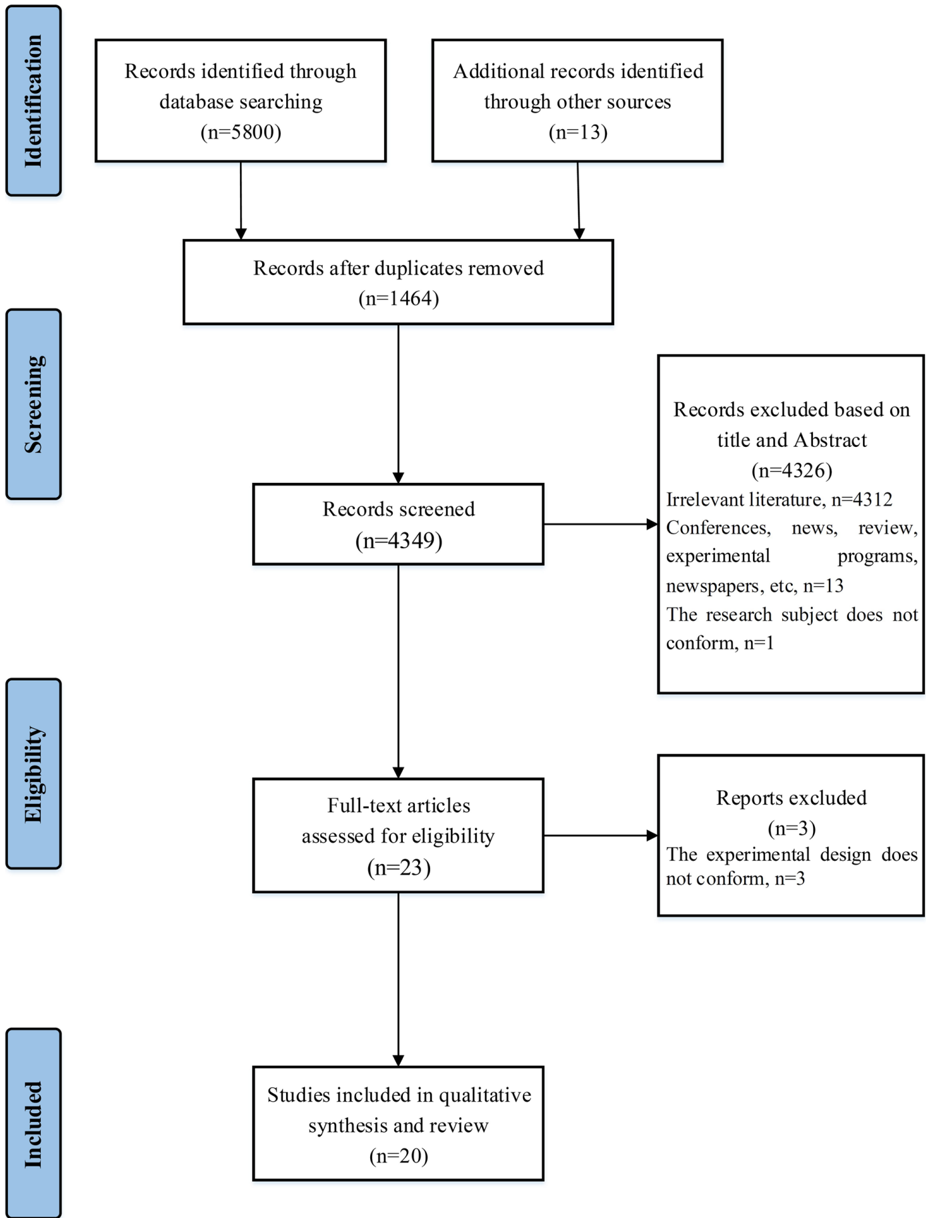
BACKGROUND: College students' prolonged sedentary behavior due to heavy academic burdens impairs cognitive functions and academic performance. Classroom physical activity breaks have been studied in younger students, but evidence among college students remains limited. This study aims to systematically evaluate the effects of classroom physical activity breaks on academic-related outcomes among college students, including classroom engagement, academic emotions, attention, and academic performance. METHODS: A comprehensive literature search was conducted across databases, including PubMed, Web of Science, and ERIC (EBSCOhost), covering all publications up to May 2025, supplemented by manual search and citation tracking. RESULTS: A total of 5,813 records were initially identified, and 20 studies met the inclusion criteria. Overall, classroom physical activity breaks were positively associated with improvements in sustained attention, emotional engagement, and positive academic emotions. However, findings for selective attention, behavioral engagement, negative emotions, and academic performance were mixed or inconclusive, with several studies reporting non-significant effects and one study reporting a negative effect on selective attention. CONCLUSIONS: Physical activity breaks in the classroom improved students' learning behaviors and may also contribute to enhanced academic outcomes. This study highlights that, provided teaching efficiency is not compromised, the integration of classroom physical activity breaks represents a viable and impactful educational intervention.
Overview
CoChat Summary
## TL;DR
This systematic review synthesized 20 studies on classroom physical activity breaks in college students and found generally positive effects on sustained attention, emotional engagement, and positive academic emotions. Evidence for selective attention, behavioral engagement, negative emotions, and academic performance was mixed or inconclusive.
## Key findings
- The review screened 5,813 records and included 20 studies; the included studies involved 8,174 college students aged 18–25 years.
- Classroom physical activity breaks were associated with improvements in sustained attention: 5 of 7 studies found significant improvements, yielding relatively strong evidence strength (71.4%).
- Effects on emotional engagement and positive academic emotions were favorable: 6 of 7 studies in each area reported significant improvements, both with relatively strong evidence strength (85.7%).
- Findings were mixed for selective attention, behavioral engagement, negative emotions, and academic performance; for academic performance, 4 of 6 studies showed improvements while 2 showed no effects, yielding unclear evidence (66.7%).
## Methods
- Systematic review conducted according to PRISMA and registered in PROSPERO (CRD420251047553).
- Searched PubMed, Web of Science, and ERIC (EBSCOhost) from inception to May 2025, with manual searching and citation tracking.
- Included peer-reviewed English full-text intervention studies in healthy college students that tested classroom-based physical activity interventions and reported at least one academic-related outcome; quality was assessed with the Downs and Black checklist and certainty with GRADE.
## Limitations
- The paper states that excluding non-English and grey literature may have introduced publication bias.
- The paper states that substantial heterogeneity in study design, intervention protocols, and outcome measures limited causal inference.
- The paper states that the overall methodological quality of included studies was generally low; additionally, many studies lacked attrition information, blinding, and power analyses, and most did not report adherence or fidelity metrics.
Model-written summary. Check it against the paper before relying on it.
Integrity signals
Registry
Cites
Statistics
Figures
Verification
Claims the paper makes
22 Valid · 6 Not valid · 18 Not checked · 37 Own results and interpretations
The cited sources support only part of this claim — read each source’s verdict below.
In the paper
“However, instructors consistently reported that active workstations significantly reduce students’ off-task behaviors, such as chatting or using mobile phones during class [33].”
§ Effect of classroom physical activity breaks on learning behaviors and academic achievements in university students: a systematic review > Results > Effects on classroom attention
What the sources say
- Partly supportedcites [33] Grospretre S, Ennequin G, Peseux S, Isacco L. Feasibility and acceptability of active classroom workstations among French university students and lecturers: a pilot study. BMC Public Health. 2021;21(1):1001. 34044813 PMC8161641 sourceExperimental — accuracy not yet measured
The Lecturers’ inquiry reports that all 14 lecturers perceived fewer student distractions, including chatting and mobile-phone use. It does not establish a statistically significant reduction in off-task behavior; the finding is based on lecturers’ perceptions. (LLM, conf=0.88)
plainstates a cause- Asserted: passes — The authors put it forward as true.
- Checkable: passes — It can be checked against evidence.
- Load-bearing: unclear — It is unclear whether the paper’s conclusions depend on it.
- Based: passes — The paper gives a reason why it holds.
- Partly supported
The cited sources support only part of this claim — read each source’s verdict below.
In the paper
“However, the use of tabletop stationary bikes was perceived by several students as “strenuous” and “distracting”, potentially due to insufficient adaptation to the novel active breaks-based learning model [38].”
§ Effect of classroom physical activity breaks on learning behaviors and academic achievements in university students: a systematic review > Results > Effects on classroom emotion
What the sources say
- Partly supportedcites [38] Pilcher JJ, Morris DM, Bryant SA, Merritt PA, Feigl HB. Decreasing Sedentary Behavior: Effects on Academic Performance, Meta-Cognition, and Sleep. Front Neurosci. 2017;11:219. 28536499 PMC5422426 sourceExperimental — accuracy not yet measured
The Subjective Measures section (page unavailable) reports greater perceived exertion and less absorption in studying among FitDesk users than traditional-desk users. But average exertion was rated “weak,” and the Discussion (page unavailable) only speculates that some FitDesk users may have felt less attentive. The paper does not report several students describing the bikes as “strenuous” or “distracting.” (LLM, conf=0.83)
plain- Asserted: passes — The authors put it forward as true.
- Checkable: passes — It can be checked against evidence.
- Load-bearing: unclear — It is unclear whether the paper’s conclusions depend on it.
- Based: passes — The paper gives a reason why it holds.
- Partly supported
The cited sources support only part of this claim — read each source’s verdict below.
In the paper
“suggesting that active workstations do not impair cognitive performance [30, 35].”
§ Effect of classroom physical activity breaks on learning behaviors and academic achievements in university students: a systematic review > Results > Effects on academic performance
What the sources say
- Partly supportedcites [30] Bastien Tardif C, Cantin M, Senecal S, Leger PM, Labonte-Lemoyne E, Begon M et al. Implementation of Active Workstations in University Libraries-A Comparison of Portable Pedal Exercise Machines and Standing Desks. Int J Environ Res Public Health. 2018;15(6):1242. PMC6024930 29895760 sourceExperimental — accuracy not yet measured
The Discussion (p. 8) reports prior findings of no negative effect on reading-comprehension time or accuracy while using a cycling workstation. That supports the claim for one cognitive task, but the paper does not establish that active workstations leave cognitive performance generally unimpaired; it also reports reduced typing and mouse performance during cycling, which are task-performance rather than cognitive measures. (LLM, conf=0.83)
- Supportedcites [35] Joubert L, Kilgas M, Riley A, Gautam Y, Donath L, Drum S. In-Class Cycling to Augment College Student Academic Performance and Reduce Physical Inactivity: Results from an RCT. Int J Environ Res Public Health. 2017;14(11):1343. PMC5707982 29113036 source
Section 4.1, Academic Performance Outcomes (page unavailable), says prior research supports that low-intensity activity in walking and cycling programs does not lower cognitive performance. It also says the study’s in-class cycling results suggest that cycling during lectures does not impede learning. These findings support the citing sentence’s hedged conclusion. (LLM, conf=0.88)
hedged- Asserted: passes — The authors put it forward as true.
- Checkable: passes — It can be checked against evidence.
- Load-bearing: passes — The paper’s conclusions depend on it.
- Based: passes — The paper gives a reason why it holds.
- Partly supported
The cited sources support only part of this claim — read each source’s verdict below.
In the paper
“However, studies evaluating active workstations found no significant differences in academic exam scores between users of these workstations and those using traditional desks”
§ Effect of classroom physical activity breaks on learning behaviors and academic achievements in university students: a systematic review > Results > Effects on academic performance
What the sources say
- Could not verifycites [30] Bastien Tardif C, Cantin M, Senecal S, Leger PM, Labonte-Lemoyne E, Begon M et al. Implementation of Active Workstations in University Libraries-A Comparison of Portable Pedal Exercise Machines and Standing Desks. Int J Environ Res Public Health. 2018;15(6):1242. PMC6024930 29895760 sourceExperimental — accuracy not yet measured
The Discussion (p. 7) says the study examined how library users initially used and reacted to active workstations. Searches for exam scores, academic performance, and comparisons with traditional desks found no passage reporting exam results or such a comparison. (LLM, conf=0.76)
- Supportedcites [35] Joubert L, Kilgas M, Riley A, Gautam Y, Donath L, Drum S. In-Class Cycling to Augment College Student Academic Performance and Reduce Physical Inactivity: Results from an RCT. Int J Environ Res Public Health. 2017;14(11):1343. PMC5707982 29113036 source
The Academic Performance results report no statistically significant difference in average test scores between students using stationary cycle desks and those using traditional sitting desks (p = 0.431). The cited paper supports the finding for this college-classroom trial; it does not itself establish the result across multiple studies. (LLM, conf=0.93)
plain- Asserted: passes — The authors put it forward as true.
- Checkable: passes — It can be checked against evidence.
- Load-bearing: passes — The paper’s conclusions depend on it.
- Based: passes — The paper gives a reason why it holds.
- Could not verify
The cited sources support only part of this claim — read each source’s verdict below.
In the paper
“However, another study reported that emotional improvements diminish within 30 min [26], indicating a transient effect and highlighting the importance of timing in optimizing emotional outcomes during instruction.”
§ Effect of classroom physical activity breaks on learning behaviors and academic achievements in university students: a systematic review > Discussion
What the sources say
- Partly supportedcites [26] Niedermeier M, Weiss EM, Steidl-Muller L, Burtscher M, Kopp M. Acute Effects of a Short Bout of Physical Activity on Cognitive Function in Sport Students. Int J Environ Res Public Health. 2020;17(10):3678. PMC7277588 32456170 sourceExperimental — accuracy not yet measured
Section 4.2 (page unavailable) reports that increased arousal was no longer evident 30 minutes after the physical activity bout. But it also says the bout did not improve affective valence (pleasure) immediately afterward, so the broader claim that emotional improvements diminished is supported only for arousal, not pleasure. (LLM, conf=0.87)
plainstates a cause- Asserted: passes — The authors put it forward as true.
- Checkable: passes — It can be checked against evidence.
- Load-bearing: passes — The paper’s conclusions depend on it.
- Based: passes — The paper gives a reason why it holds.
- Partly supported
18 more claims
Create a free account to see all 83 claims and to verify the 5 references still open.
- It may state two separate claims as one. 41
- Probably not a substantial claim. 28
Citations
Cites
School Engagement: Potential of the Concept, State of the Evidence
Fredricks, J. A., Blumenfeld, P. C., & Paris, A. H. (2004) · Review of Educational Research · doi:10.3102/00346543074001059 · Cited by 12,581 · cited 1×
“Students’ affective involvement and attitudinal orientation toward classroom learning, encompassing motivation and a sense of classroom belonging [67].”
Pekrun, R. (2006) · Educational Psychology Review · doi:10.1007/s10648-006-9029-9 · Cited by 7,823
Pekrun, R., Goetz, T., Titz, W., & Perry, R. P. (2002) · Educational Psychologist · doi:10.1207/s15326985ep3702_4 · Cited by 3,931 · cited 1×
“[69] Academic emotions Affective states (positive or negative) experienced in academic settings [70] Academic performance Denotes measurable learning outcomes, typically assessed through examinations or academic tasks.”
Sedentary Behavior Research Network (SBRN)—Terminology Consensus Project process and outcome
on behalf of SBRN Terminology Consensus Project Participants, Tremblay, M. S., Aubert, S., Barnes, J. D., Saunders, T. J., Carson, V., Latimer-Cheung, A. E., Chastin, S. F. M., Altenburg, T. M., & Chinapaw, M. J. M. (2017) · International Journal of Behavioral Nutrition and Physical Activity · doi:10.1186/s12966-017-0525-8 · Cited by 3,793 · cited 2×
“Sedentary behavior, characterized by wakefulness with low energy expenditure (≤ 1.5 METs), is closely associated with various adverse health outcomes [1].”
InfluentialRobert J. Hockey, G. (1997) · Biological Psychology · doi:10.1016/s0301-0511(96)05223-4 · Cited by 1,753 · cited 1×
“Nonetheless, if recovery is inadequate or task demands persistently exceed individual adaptability, accumulated fatigue may impair short-term performance (e.g., learning efficiency) and long-term health outcomes (e.g., chronic stress) [52].”
Physical Activity and Mental Health: Current Concepts
Paluska, S. A., & Schwenk, T. L. (2000) · Sports Medicine · doi:10.2165/00007256-200029030-00003 · Cited by 1,722
Agency as a fourth aspect of students’ engagement during learning activities
Reeve, J., & Tseng, C.-M. (2011) · Contemporary Educational Psychology · doi:10.1016/j.cedpsych.2011.05.002 · Cited by 1,618 · cited 1×
“[69] Academic emotions Affective states (positive or negative) experienced in academic settings [70] Academic performance Denotes measurable learning outcomes, typically assessed through examinations or academic tasks.”
Basso, J. C., & Suzuki, W. A. (2016) · Brain Plasticity · doi:10.3233/bpl-160040 · Cited by 911 · cited 1×
“One possible mechanism involves the upregulation of brain-derived neurotrophic factor (BDNF) expression, which is associated with improvements in cardiorespiratory fitness and has been closely linked to academic performance [54].”
Toward an Understanding of Definitions and Measures of School Engagement and Related Terms
Jimerson, S. R., Campos, E., & Greif, J. L. (2003) · The California School Psychologist · doi:10.1007/bf03340893 · Cited by 811 · cited 1×
“Furthermore, emotional engagement may represent a distinct and complex psychological process that influences academic outcomes and student well-being [45, 46].”
Watson, A., Timperio, A., Brown, H., Best, K., & Hesketh, K. D. (2017) · International Journal of Behavioral Nutrition and Physical Activity · doi:10.1186/s12966-017-0569-9 · Cited by 689 · cited 5×
“Classroom physical activity breaks strategies may take several forms [19], including active breaks, curriculum-aligned activities, and move-ment-based learning.”
InfluentialBrain mechanisms for emotional influences on perception and attention: What is magic and what is not
Pourtois, G., Schettino, A., & Vuilleumier, P. (2013) · Biological Psychology · doi:10.1016/j.biopsycho.2012.02.007 · Cited by 687
The effect of acute aerobic exercise on positive activated affect: A meta-analysis
Reed, J., & Ones, D. S. (2006) · Psychology of Sport and Exercise · doi:10.1016/j.psychsport.2005.11.003 · Cited by 622 · cited 1×
“Previous evidence indicates that acute exercise (especially low-intensity activities lasting no more than 15 min) has a significant impact on subjective vitality and positive affect, with effects peaking immediately post-exercise and gradually diminishing thereafter [49].”
Reschly, A. L., Huebner, E. S., Appleton, J. J., & Antaramian, S. (2008) · Psychology in the Schools · doi:10.1002/pits.20306 · Cited by 513
Neural mechanisms of selective visual attention.
Moore, T., & Zirnsak, M. (2017) · Annual Review of Psychology · doi:10.1146/annurev-psych-122414-033400 · Cited by 471
Frontal theta activity reflects distinct aspects of mental fatigue
Wascher, E., Rasch, B., Sänger, J., Hoffmann, S., Schneider, D., Rinkenauer, G., Heuer, H., & Gutberlet, I. (2014) · Biological Psychology · doi:10.1016/j.biopsycho.2013.11.010 · Cited by 454 · cited 1×
“In addition to its neurotrophic effects, physical activity has been shown to produce acute increases in arousal, alertness, and perceived energy levels, potentially due to enhanced brain activity during movement [56].”
Everyday Attention: Variation in Mind Wandering and Memory in a Lecture
Risko, E. F., Anderson, N., Sarwal, A., Engelhardt, M., & Kingstone, A. (2012) · Applied Cognitive Psychology · doi:10.1002/acp.1814 · Cited by 445 · cited 1×
“During extended lectures, students may experience increased mental workload, heightened distractibility, reduced attentional control, and lower knowledge retention [43].”
Staying Engaged: Knowledge and Research Needs in Student Engagement
Wang, M.-T., & Degol, J. (2014) · Child Development Perspectives · doi:10.1111/cdep.12073 · Cited by 420 · cited 1×
“Student engagement is crucial for effective learning [44].”
Physical Activity, Exercise, and Sedentary Behavior in College Students
Buckworth, J., & Nigg, C. (2004) · Journal of American College Health · doi:10.3200/jach.53.1.28-34 · Cited by 417 · cited 2×
“Numerous studies have demonstrated a significant decline in physical activity levels from adolescence to early adulthood, leading to a predominantly sedentary lifestyle in later years [4, 5].”
Caraway, K., Tucker, C. M., Reinke, W. M., & Hall, C. (2003) · Psychology in the Schools · doi:10.1002/pits.10092 · Cited by 414 · cited 1×
“…Students’ active involvement in learning tasks, including behavioral, emotional, cognitive, and agentic engagement [65] Behavioral engagement Students’ observable involvement in academic tasks, including proactive retrieval of learning materials, and active communication and interaction [66].”
Acute exercise improves motor memory: exploring potential biomarkers.
Skriver, K., Roig, M., Lundbye-Jensen, J., Pingel, J., Helge, J. W., Kiens, B., & Nielsen, J. B. (2014) · Neurobiology of Learning and Memory · doi:10.1016/j.nlm.2014.08.004 · Cited by 326 · cited 1×
“BDNF plays a critical role in various neurocognitive processes, including promoting synaptic plasticity in the hippocampus, regulating the formation of neuronal circuits, modulating emotional decision-making, and facilitating long-term memory consolidation [55].”
Adolescent educational success and mental health vary across school engagement profiles.
Wang, M.-T., & Peck, S. C. (2013) · Developmental Psychology · doi:10.1037/a0030028 · Cited by 310 · cited 1×
“Furthermore, emotional engagement may represent a distinct and complex psychological process that influences academic outcomes and student well-being [45, 46].”
Nathan, N., Elton, B., Babic, M., McCarthy, N., Sutherland, R., Presseau, J., Seward, K., Hodder, R., Booth, D., Yoong, S. L., et al. (2018) · Preventive Medicine · doi:10.1016/j.ypmed.2017.11.012 · Cited by 291 · cited 1×
“Numerous studies have noted that due to the demanding nature of curricula, instructors often face difficulties incorporating physical activity breaks without compromising teaching time [18, 60].”
Give me a better break: Choosing workday break activities to maximize resource recovery.
Hunter, E. M., & Wu, C. (2016) · Journal of Applied Psychology · doi:10.1037/apl0000045 · Cited by 287 · cited 1×
“…mechanisms fail, classroom physical activity breaks can serve as an active recovery strategy by shifting the task mode from sedentary cognition to light physical activity, thereby mitigating fatigue accumulation, enhancing academic performance, and promoting knowledge retention [17, 53].”
Self-citationStamatakis, E., Ekelund, U., Ding, D., Hamer, M., Bauman, A. E., & Lee, I.-M. (2019) · British Journal of Sports Medicine · doi:10.1136/bjsports-2018-099131 · Cited by 284 · cited 1×
“Consequently, to mitigate the health risks associated with a sedentary lifestyle, public health guidelines in several countries emphasize the importance of reducing sedentary time through increased physical activity and regular interruptions of prolonged sitting [12].”
Dempsey, P. C., Biddle, S. J. H., Buman, M. P., Chastin, S., Ekelund, U., Friedenreich, C. M., Katzmarzyk, P. T., Leitzmann, M. F., Stamatakis, E., van der Ploeg, H. P., et al. (2020) · International Journal of Behavioral Nutrition and Physical Activity · doi:10.1186/s12966-020-01044-0 · Cited by 275 · cited 2×
“It increases the risk of chronic non-communicable diseases and all-cause mortality, diminishes positive affect, and increases susceptibility to depression and anxiety [2, 3].”
Recent theoretical, neural, and clinical advances in sustained attention research
Fortenbaugh, F. C., DeGutis, J., & Esterman, M. (2017) · Annals of the New York Academy of Sciences · doi:10.1111/nyas.13318 · Cited by 271 · cited 1×
“…information from multiple inputs while suppressing irrelevant stimuli [63] Sustained attention The ability to maintain focus over extended periods [64] Classroom engagement Students’ active involvement in learning tasks, including behavioral, emotional, cognitive, and agentic engagement [65]…”
Sedentary behaviour and risk of anxiety: A systematic review and meta-analysis
Allen, M. S., Walter, E. E., & Swann, C. (2019) · Journal of Affective Disorders · doi:10.1016/j.jad.2018.08.081 · Cited by 192 · cited 2×
“It increases the risk of chronic non-communicable diseases and all-cause mortality, diminishes positive affect, and increases susceptibility to depression and anxiety [2, 3].”
Sedentary behavior and physical activity of young adult university students
Peterson, N. E., Sirard, J. R., Kulbok, P. A., DeBoer, M. D., & Erickson, J. M. (2018) · Research in Nursing & Health · doi:10.1002/nur.21845 · Cited by 164 · cited 2×
“…college students; [2] implementation of classroom-based physical activity interventions; [3] assessed at least one academic-related outcome; [4] adopted an intervention study design, including randomized or non-randomized controlled trials, quasi-experimental studies, crossover studies, or…”
The Influence of Academic Emotions on Learning Effects: A Systematic Review
Tan, J., Mao, J., Jiang, Y., & Gao, M. (2021) · International Journal of Environmental Research and Public Health · doi:10.3390/ijerph18189678 · Cited by 147 · cited 2×
“Among college students, positive academic emotions appear to exert a more substantial influence on learning outcomes than negative academic emotions [39].”
Lai, H., Hsieh, P.-J., Uden, L., & Yang, C.-H. (2021) · Computers & Education · doi:10.1016/j.compedu.2021.104318 · Cited by 124 · cited 1×
“…[64] Classroom engagement Students’ active involvement in learning tasks, including behavioral, emotional, cognitive, and agentic engagement [65] Behavioral engagement Students’ observable involvement in academic tasks, including proactive retrieval of learning materials, and active…”
Correlates of children’s time-specific physical activity: A review of the literature
Stanley, R. M., Ridley, K., & Dollman, J. (2012) · International Journal of Behavioral Nutrition and Physical Activity · doi:10.1186/1479-5868-9-50 · Cited by 96 · cited 1×
“This coding framework was informed by prior work and operationalized for the present review [21].”
Chu, T., Liu, X., Takayanagi, S., Matsushita, T., & Kishimoto, H. (2023) · International Journal of Methods in Psychiatric Research · doi:10.1002/mpr.1938 · Cited by 93 · cited 1×
“Students with high trait anxiety tend to demonstrate poorer academic performance [58].”
Physical activity and brain development
Gomes da Silva, S., & Arida, R. M. (2015) · Expert Review of Neurotherapeutics · doi:10.1586/14737175.2015.1077115 · Cited by 89 · cited 1×
“Academic performance is a distal outcome influenced by multiple intermediate processes, including attention, motivation, emotional state, fatigue, and knowledge retention [50].”
Attention Matters: How Orchestrating Attention May Relate to Classroom Learning
Keller, A. S., Davidesco, I., & Tanner, K. D. (2020) · CBE—Life Sciences Education · doi:10.1187/cbe.20-05-0106 · Cited by 84 · cited 1×
“The ability to focus on relevant stimuli while suppressing distractions, including selective attention and sustained attention [62] Selective attention The capacity to actively select and process specific information from multiple inputs while suppressing irrelevant stimuli [63] Sustained attention…”
The associations between physical activity, sedentary behaviour and academic performance
Maher, C., Lewis, L., Katzmarzyk, P. T., Dumuid, D., Cassidy, L., & Olds, T. (2016) · Journal of Science and Medicine in Sport · doi:10.1016/j.jsams.2016.02.010 · Cited by 80 · cited 1×
“Notably, sedentary behavior affects the students’ current health status, their academic performance, and their overall learning outcomes [11].”
Comparison of rest‐break interventions during a mentally demanding task
Blasche, G., Szabo, B., Wagner‐Menghin, M., Ekmekcioglu, C., & Gollner, E. (2018) · Stress and Health · doi:10.1002/smi.2830 · Cited by 75 · cited 4×
“Notably, seven studies investigated emotional engagement, six of which reported significant improvements [13, 17, 22, 25, 31, 34], whereas one reported no effect [38], resulting in relatively strong evidence strength (85.7%).”
InfluentialMaqableh, M., Jaradat, M., & Azzam, A. (2021) · Education and Information Technologies · doi:10.1007/s10639-021-10453-y · Cited by 71 · cited 1×
“[71].”
Sedentary time among undergraduate students: A systematic review
Moulin, M. S., Truelove, S., Burke, S. M., & Irwin, J. D. (2021) · Journal of American College Health · doi:10.1080/07448481.2019.1661422 · Cited by 66 · cited 1×
“Studies have indicated that university students spend substantial amounts of time engaged in sedentary behavior, such as attending lectures, reading, or performing computer-based tasks, with average daily sedentary time often approaching or exceeding 10 h per day [8].”
Bantoft, C., Summers, M. J., Tranent, P. J., Palmer, M. A., Cooley, P. D., & Pedersen, S. J. (2016) · Human Factors: The Journal of the Human Factors and Ergonomics Society · doi:10.1177/0018720815605446 · Cited by 63 · cited 2×
“Four studies investigated selective attention, with two reporting significant improvements [14, 26], one showing no effect [29], and one reporting a negative outcome [32], yielding unclear evidence strength (50%).”
InfluentialCheng, M., Huang, W., & Hsu, M. (2020) · British Journal of Educational Technology · doi:10.1111/bjet.12896 · Cited by 54 · cited 1×
“Multiple studies highlight the importance of incorporating academic emotion regulation into classroom instructional design, such as creating supportive learning environments and adopting innovative pedagogical strategies [47, 48].”
Progressive muscle relaxation, breathing exercises, and ABC relaxation theory
Matsumoto, M., & Smith, J. C. (2001) · Journal of Clinical Psychology · doi:10.1002/jclp.1117 · Cited by 50 · cited 1×
“However, classroom physical activity breaks may be regarded as an effective intervention against stress response by reducing sympathetic nervous system activity and enhancing parasympathetic modulation [59].”
Peiris, D. L. I. H. K., Duan, Y., Vandelanotte, C., Liang, W., Yang, M., & Baker, J. S. (2022) · International Journal of Environmental Research and Public Health · doi:10.3390/ijerph19159479 · Cited by 46 · cited 2×
“Interventions focusing on classroom physical activity breaks refer to structured physical activities implemented during standard academic lessons (excluding physical education), through brief movements or by integrating physical tasks into instructional content [18, 19].”
Fenesi, B., Lucibello, K., Kim, J. A., & Heisz, J. J. (2018) · Journal of Applied Research in Memory and Cognition · doi:10.1016/j.jarmac.2018.01.012 · Cited by 45 · cited 2×
“Seven studies addressed sustained attention, five of which found significant improvements [22, 23, 25, 27, 34] and two reported no effect [29, 33], resulting in relatively strong evidence strength (71.4%).”
InfluentialShangguan, C., Wang, Z., Gong, S., Guo, Y., & Xu, S. (2020) · Frontiers in Psychology · doi:10.3389/fpsyg.2019.03065 · Cited by 45 · cited 1×
“Multiple studies highlight the importance of incorporating academic emotion regulation into classroom instructional design, such as creating supportive learning environments and adopting innovative pedagogical strategies [47, 48].”
Paulus, M., Kunkel, J., Schmidt, S. C. E., Bachert, P., Wäsche, H., Neumann, R., & Woll, A. (2021) · International Journal of Environmental Research and Public Health · doi:10.3390/ijerph18084204 · Cited by 45 · cited 2×
“Seven studies addressed sustained attention, five of which found significant improvements [22, 23, 25, 27, 34] and two reported no effect [29, 33], resulting in relatively strong evidence strength (71.4%).”
InfluentialLynch, J., O’Donoghue, G., & Peiris, C. L. (2022) · International Journal of Environmental Research and Public Health · doi:10.3390/ijerph19137775 · Cited by 44 · cited 2×
“These interventions have been reported to improve perceived readiness to learn, emotional regulation, and several classroom-related outcomes [14, 15].”
Gao, L., Flego, A., Dunstan, D. W., Winkler, E. A., Healy, G. N., Eakin, E. G., Willenberg, L., Owen, N., LaMontagne, A. D., Lal, A., et al. (2018) · Scandinavian Journal of Work, Environment & Health · doi:10.5271/sjweh.3740 · Cited by 43 · cited 1×
“Although the implementation of active workstations (e.g., standing desks) may incur high initial costs, preliminary work-place studies suggest potential long-term economic benefits through reductions in sedentary-related health risks [61].”
Handbook of Industrial, Work & Organizational Psychology - Volume 2: Organizational Psychology
Anderson, N., Ones, D., Sinangil, H., & Viswesvaran, C. (2001) · doi:10.4135/9781848608368 · Cited by 43
Introducing sit-stand desks increases classroom standing time among university students
Jerome, M., Janz, K. F., Baquero, B., & Carr, L. J. (2017) · Preventive Medicine Reports · doi:10.1016/j.pmedr.2017.10.019 · Cited by 42 · cited 3×
“Seven studies addressed sustained attention, five of which found significant improvements [22, 23, 25, 27, 34] and two reported no effect [29, 33], resulting in relatively strong evidence strength (71.4%).”
InfluentialBenzo, R., Gremaud, A., Jerome, M., & Carr, L. (2016) · International Journal of Environmental Research and Public Health · doi:10.3390/ijerph13080823 · Cited by 41 · cited 1×
“Additionally, research indicates that up to 95% of university students prefer opportunities to stand during class, and over half believe that active breaks contribute to improving their health, enhancing concentration, and alleviating discomfort [16].”
Sui, W., & Prapavessis, H. (2018) · Applied Psychology: Health and Well-Being · doi:10.1111/aphw.12105 · Cited by 40 · cited 1×
“In particular, academic activities in higher education predominantly occur in sedentary environments, often characterized by prolonged sitting with minimal interruptions [6, 7].”
Peiris, C. L., O’Donoghue, G., Rippon, L., Meyers, D., Hahne, A., De Noronha, M., Lynch, J., & Hanson, L. C. (2021) · International Journal of Environmental Research and Public Health · doi:10.3390/ijerph18115589 · Cited by 38 · cited 4×
“These interventions have been reported to improve perceived readiness to learn, emotional regulation, and several classroom-related outcomes [14, 15].”
InfluentialAcute Effects of a Short Bout of Physical Activity on Cognitive Function in Sport Students
Niedermeier, M., Weiss, E. M., Steidl-Müller, L., Burtscher, M., & Kopp, M. (2020) · International Journal of Environmental Research and Public Health · doi:10.3390/ijerph17103678 · Cited by 33 · cited 3×
“Four studies investigated selective attention, with two reporting significant improvements [14, 26], one showing no effect [29], and one reporting a negative outcome [32], yielding unclear evidence strength (50%).”
Decreasing Sedentary Behavior: Effects on Academic Performance, Meta-Cognition, and Sleep
Pilcher, J. J., Morris, D. M., Bryant, S. A., Merritt, P. A., & Feigl, H. B. (2017) · Frontiers in Neuroscience · doi:10.3389/fnins.2017.00219 · Cited by 33 · cited 2×
“Notably, seven studies investigated emotional engagement, six of which reported significant improvements [13, 17, 22, 25, 31, 34], whereas one reported no effect [38], resulting in relatively strong evidence strength (85.7%).”
InfluentialStand Up, Students! Decisional Cues Reduce Sedentary Behavior in University Students
Nigg, C., Bachert, P., Kunkel, J., Wäsche, H., Neumann, R., & Nigg, C. R. (2019) · Frontiers in Public Health · doi:10.3389/fpubh.2019.00230 · Cited by 30
Hosteng, K. R., Reichter, A. P., Simmering, J. E., & Carr, L. J. (2019) · International Journal of Environmental Research and Public Health · doi:10.3390/ijerph16142498 · Cited by 27
Yu, Q., Zhang, Z., Ludyga, S., Erickson, K. I., Cheval, B., Hou, M., Pindus, D. M., Hillman, C. H., Kramer, A. F., Falck, R. S., et al. (2025) · Advanced Science · doi:10.1002/advs.202406631 · Cited by 27 · cited 5×
“However, most studies failed to address attrition or blinding, with only two studies providing attrition information [14, 35] and only one study implementing subject blinding [28].”
InfluentialCastro, O., Vergeer, I., Bennie, J., Cagas, J., & Biddle, S. J. H. (2021) · International Journal of Behavioral Medicine · doi:10.1007/s12529-020-09926-0 · Cited by 25 · cited 1×
“Although concerns have been raised regarding potential disruption to instructional flow, the available observational and self-reported evidence suggests that such interventions are generally feasible and acceptable in classroom settings [20].”
Ferrer, M. E., & Laughlin, D. D. (2017) · Journal of Physical Education, Recreation & Dance · doi:10.1080/07303084.2017.1260945 · Cited by 21
Bastien Tardif, C., Cantin, M., Sénécal, S., Léger, P.-M., Labonté-Lemoyne, É., Begon, M., & Mathieu, M.-E. (2018) · International Journal of Environmental Research and Public Health · doi:10.3390/ijerph15061242 · Cited by 21 · cited 2×
“Six studies assessed academic performance, with four studies indicating improvements [23, 28, 30, 32] and two showing no effects [35, 38], also yielding unclear evidence (66.7%).”
InfluentialKeating, R., Ahern, S., Bisgood, L., Mernagh, K., Nicolson, G. H., & Barrett, E. M. (2022) · Journal of American College Health · doi:10.1080/07448481.2020.1847119 · Cited by 20 · cited 5×
“Notably, seven studies investigated emotional engagement, six of which reported significant improvements [13, 17, 22, 25, 31, 34], whereas one reported no effect [38], resulting in relatively strong evidence strength (85.7%).”
InfluentialMaeda, H., Quartiroli, A., Vos, P. W., Carr, L. J., & Mahar, M. T. (2014) · American Journal of Preventive Medicine · doi:10.1016/j.amepre.2014.01.024 · Cited by 18 · cited 1×
“Therefore, the integration of active workstations into educational settings is considered both acceptable and feasible, offering a strategy for prolonged sedentary behavior and receiving broad student support [13, 36].”
Reading, writing, and … running? Assessing active space in libraries
Clement, K. A., Carr, S., Johnson, L., Carter, A., Dosch, B. R., Kaufman, J., Fleming-May, R., Mays, R., & Walker, T. (2018) · Performance Measurement and Metrics · doi:10.1108/pmm-03-2018-0011 · Cited by 18
Teachers’ Perspective on Strategies to Reduce Sedentary Behavior in Educational Institutions
Podrekar, N., Kastelic, K., & Šarabon, N. (2020) · International Journal of Environmental Research and Public Health · doi:10.3390/ijerph17228407 · Cited by 17 · cited 1×
“…the prevalence of sedentary behavior, prolonged sitting in university environments has garnered relatively limited attention, likely attributed to entrenched cultural perceptions that regard sitting as an appropriate and even essential posture for knowledge acquisition and contem-plation [9, 10].”
Joubert, L., Kilgas, M., Riley, A., Gautam, Y., Donath, L., & Drum, S. (2017) · International Journal of Environmental Research and Public Health · doi:10.3390/ijerph14111343 · Cited by 17 · cited 3×
“However, most studies failed to address attrition or blinding, with only two studies providing attrition information [14, 35] and only one study implementing subject blinding [28].”
InfluentialRupp, R., Wallmann-Sperlich, B., & Bucksch, J. (2025) · BMC Public Health · doi:10.1186/s12889-025-22075-x · Cited by 13 · cited 1×
“…the prevalence of sedentary behavior, prolonged sitting in university environments has garnered relatively limited attention, likely attributed to entrenched cultural perceptions that regard sitting as an appropriate and even essential posture for knowledge acquisition and contem-plation [9, 10].”
The effect of low-intensity exercise on emotional and cognitive engagement in the classroom
Tamura, A., Murayama, K., Ishii, R., Sakaki, M., & Tanaka, A. (2022) · npj Science of Learning · doi:10.1038/s41539-022-00125-y · Cited by 12 · cited 1×
“The use of higher-order learning strategies to enhance academic understanding and retention [68] Agentic engagement Students proactively enrich the learning environment by constructively influencing instructional processes.”
Effects of physical activity breaks on cognitive function in undergraduate students: a pilot study
Pastor-Vicedo, J. C., León, M. P., González-Fernández, F. T., & Prieto-Ayuso, A. (2024) · Cogent Social Sciences · doi:10.1080/23311886.2024.2326692 · Cited by 11 · cited 1×
“Seven studies addressed sustained attention, five of which found significant improvements [22, 23, 25, 27, 34] and two reported no effect [29, 33], resulting in relatively strong evidence strength (71.4%).”
InfluentialGrosprêtre, S., Ennequin, G., Peseux, S., & Isacco, L. (2021) · BMC Public Health · doi:10.1186/s12889-021-11074-3 · Cited by 10 · cited 3×
“Seven studies addressed sustained attention, five of which found significant improvements [22, 23, 25, 27, 34] and two reported no effect [29, 33], resulting in relatively strong evidence strength (71.4%).”
InfluentialEstablishing the feasibility of exercise breaks during university lectures
Hayes, S. M. (2024) · Frontiers in Sports and Active Living · doi:10.3389/fspor.2024.1358564 · Cited by 9 · cited 4×
“Although the available findings suggested positive effects, the strength could not be determined [13, 25, 28].”
InfluentialDupont, F., Oliva, F., Pitois, L., Chagnon, M., DeFátima Guimarães, R., & Mathieu, M.-E. (2025) · Journal of American College Health · doi:10.1080/07448481.2024.2427065 · Cited by 3 · cited 3×
“Four studies investigated selective attention, with two reporting significant improvements [14, 26], one showing no effect [29], and one reporting a negative outcome [32], yielding unclear evidence strength (50%).”
Influential
Research works printed but not linked: 1
- Grosprêtre S, Ennequin G, Peseux S, Isacco L. Feasibility and acceptability of active classroom workstations among French university students and lecturers: a pilot study. BMC Public Health. 2021;21(1):1001. 34044813 PMC8161641 · DOI · Paper page
Metadata
- Authors
- Deng, Q., Wu, C., & Yang, L.
- Affiliations
- South China Normal University (CN)
- Corresponding author
- Wu, Chongyun
- Yang, Luodan
- ORCID
- Yang, Luodan
- Venue
- International Journal of Behavioral Nutrition and Physical Activity
- Published
- 2026-06-20
- Volume
- 23
- Issue
- 1
- ISSN
- 1479-5868 (ISSN-L)
- PMC
- PMC13543494
- OpenAlex
- W7165406766
- Cited by
- 0
- References
- 69
- FWCI
- 0.00
- Type
- journal article
- Language
- en
- Open access
- gold
- doi.org
- Licence
- cc-by
- creativecommons.org/licenses/by/4.0 (tdm)
- creativecommons.org/licenses/by/4.0 (vor, 76 d)
- Locations
- International Journal of Behavioral Nutrition and Physical Activity (publishedVersion, cc-by)
- PubMed (publishedVersion)
- PubMed Central (publishedVersion, cc-by)
- DOAJ (DOAJ: Directory of Open Access Journals) (submittedVersion)
- Figshare (cc-by)
- Funders
- Guangzhou Scientific Research Grant (SL2024A04J00578, SL2023A04J00578)
- National Natural Science Foundation of China (32300959)
- Topics
- Health Sciences › Medicine › Public Health, Environmental and Occupational Health › Physical Activity and Health
- Health Sciences › Medicine › Public Health, Environmental and Occupational Health › School Health and Nursing Education
- Social Sciences › Education › Physical Education and Pedagogy
- Keywords
- university students, sedentary behavior, academic performance, classroom engagement, academic emotions, sustained attention, selective attention, learning behavior, educational intervention
- MeSH terms
- Academic Performance, Academic Success, Academia, Attention, Emotions, Humans, Learning, Students, Universities, Exercise
About these checks
Registry, retraction, Cites and statistics results are computed, not judged, with one exception: a printed reference that no index lists is read once by a model before it counts as a citation error. Claims are extracted by a model and kept only when their quote appears verbatim in the text; each cited source is then checked, with a model’s help, for whether it says what the claim relies on. Those verdicts can be wrong — read the claim’s quote and the cited source before relying on one.
The claim verdicts this report counts are experimental: their accuracy is not yet measured.
A language model drew the claims from the paper on 2026-10-10, under version 3 of the claim definition (model deepseek-v4.1-flash, prompt extract-v3).
A second model labelled each claim on 2026-10-10 (model jev-1.13-20260917, definition revision gold-guideline-v0.2).
Cited sources are checked with a language model’s help (gpt-6-sol).
Statistics and arithmetic are recomputed, not judged.
Confidence bands are shown only for fields calibrated on our annotated test set. None is calibrated yet, so no band is shown.
What counts as a claim ›How we measure confidence ›How we check this ›
Are you an author, or do you see a problem with this page? Request a review
Data sources
Bibliographic data: Semantic Scholar, OpenAlex, Crossref.
Contains information from the Semantic Scholar Academic Graph Datasets, made available under the ODC Attribution License (ODC-BY 1.0).
Semantic Scholar’s data is described in: Kinney, R., et al. (2023). The Semantic Scholar Open Data Platform. arXiv:2301.10140.
