

The role of collagen in cancer: from bench to bedside
Open accessThe DOI matches its Crossref record; 318 of the 318 references it cites were found in a registry or an index.
Abstract
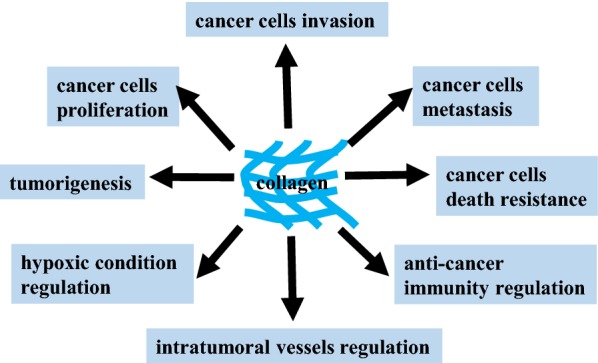
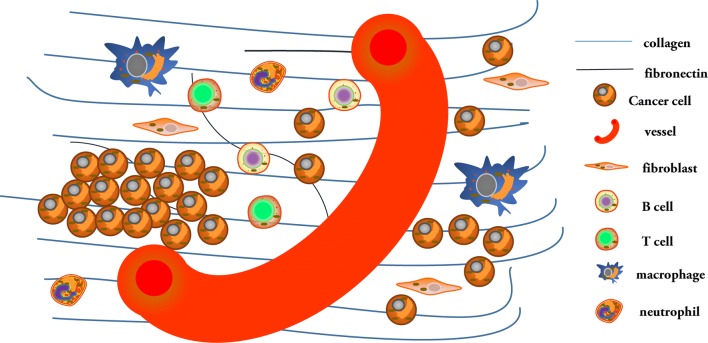
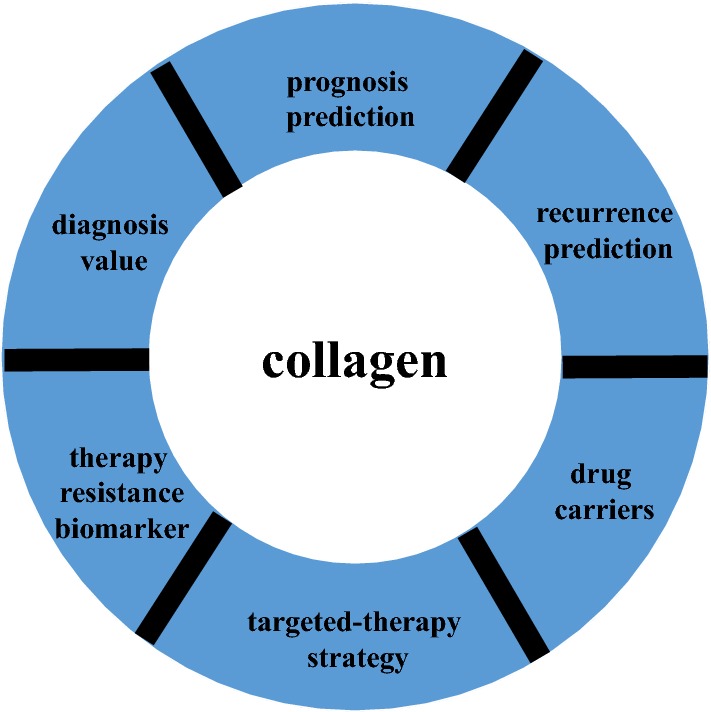
Collagen is the major component of the tumor microenvironment and participates in cancer fibrosis. Collagen biosynthesis can be regulated by cancer cells through mutated genes, transcription factors, signaling pathways and receptors; furthermore, collagen can influence tumor cell behavior through integrins, discoidin domain receptors, tyrosine kinase receptors, and some signaling pathways. Exosomes and microRNAs are closely associated with collagen in cancer. Hypoxia, which is common in collagen-rich conditions, intensifies cancer progression, and other substances in the extracellular matrix, such as fibronectin, hyaluronic acid, laminin, and matrix metalloproteinases, interact with collagen to influence cancer cell activity. Macrophages, lymphocytes, and fibroblasts play a role with collagen in cancer immunity and progression. Microscopic changes in collagen content within cancer cells and matrix cells and in other molecules ultimately contribute to the mutual feedback loop that influences prognosis, recurrence, and resistance in cancer. Nanoparticles, nanoplatforms, and nanoenzymes exhibit the expected gratifying properties. The pathophysiological functions of collagen in diverse cancers illustrate the dual roles of collagen and provide promising therapeutic options that can be readily translated from bench to bedside. The emerging understanding of the structural properties and functions of collagen in cancer will guide the development of new strategies for anticancer therapy.
Overview
The claims and statistics of this paper haven’t been checked yet.
Free: it reads the open-access text and checks the first 5 claims that cite a source we can check. Create a free account to check every claim.
Integrity signals
Registry
Cites
Statistics
Figures
Verification
Claims the paper makes
The claims and statistics of this paper haven’t been checked yet.
Free: it reads the open-access text and checks the first 5 claims that cite a source we can check. Create a free account to check every claim.
Claims other papers make about this one
Each is checked against this paper’s own text: does it say what the citing paper says it does?
The cited source says what the claim attributes to it.
In the citing paper
“Collagen in turn influences tumor cell behavior through integrins, tyrosine kinase receptors, discoidin domain receptors, and some signaling pathways [124].”
From Tumor microenvironment complexity and therapeutic implications at a glance (2020) · cites this paper as [124]
The cited source says what the claim attributes to it.
In the citing paper
“In addition, hypoxia, which is common in collagen-rich tumors, promotes cancer progression [124].”
From Tumor microenvironment complexity and therapeutic implications at a glance (2020) · cites this paper as [124]
Self-check
Percentages, sums and reported differences re-computed from the paper’s own numbers.
The self-check needs the paper’s full text.
Citations
Cites
1 retracted
Guo, Q., Zheng, M., Xu, Y., Wang, N., & Zhao, W. (2018) · Bioscience Reports · doi:10.1042/bsr20181523 · Cited by 51
RetractedBray, F., Ferlay, J., Soerjomataram, I., Siegel, R. L., Torre, L. A., & Jemal, A. (2018) · CA: A Cancer Journal for Clinicians · doi:10.3322/caac.21492 · Cited by 84,109 · cited 1×
“6 million cancer deaths were evaluated in 2018 [1], and there are predicted to be 1,762,450 additional cancer cases and 606,880 cancer deaths in the United States in 2019 [2].”
BackgroundHallmarks of Cancer: The Next Generation
Hanahan, D., & Weinberg, R. A. (2011) · Cell · doi:10.1016/j.cell.2011.02.013 · Cited by 66,590 · cited 1×
“In addition, cancer cells exhibit multiple hallmarks of cancer progression, including the recruitment of various cells to form a tumor microenvironment [3], which consists of varying functional stromal cell subtypes and matrix protein polymers [4].”
BackgroundSiegel, R. L., Miller, K. D., & Jemal, A. (2019) · CA: A Cancer Journal for Clinicians · doi:10.3322/caac.21551 · Cited by 20,160
TGFβ attenuates tumour response to PD-L1 blockade by contributing to exclusion of T cells
Mariathasan, S., Turley, S. J., Nickles, D., Castiglioni, A., Yuen, K., Wang, Y., Kadel III, E. E., Koeppen, H., Astarita, J. L., Cubas, R., et al. (2018) · Nature · doi:10.1038/nature25501 · Cited by 5,400 · cited 1×
“However, others noted that the metastatic urothelial cancer response to programmed death-1 and programmed death-ligand 1 treatment involved the movement of CD8+ T cells from the cancer parenchyma to the collagen-rich peritumoral stroma [127].”
BackgroundThe biology and function of fibroblasts in cancer
Kalluri, R. (2016) · Nature Reviews Cancer · doi:10.1038/nrc.2016.73 · Cited by 4,366
Ricard-Blum, S. (2011) · Cold Spring Harbor Perspectives in Biology · doi:10.1101/cshperspect.a004978 · Cited by 2,305
Turning foes to friends: targeting cancer-associated fibroblasts
Chen, X., & Song, E. (2019) · Nature Reviews Drug Discovery · doi:10.1038/s41573-018-0004-1 · Cited by 1,879
Collagen reorganization at the tumor-stromal interface facilitates local invasion
Provenzano, P. P., Eliceiri, K. W., Campbell, J. M., Inman, D. R., White, J. G., & Keely, P. J. (2006) · BMC Medicine · doi:10.1186/1741-7015-4-38 · Cited by 1,804
Phenotype molding of stromal cells in the lung tumor microenvironment
Lambrechts, D., Wauters, E., Boeckx, B., Aibar, S., Nittner, D., Burton, O., Bassez, A., Decaluwé, H., Pircher, A., Van den Eynde, K., et al. (2018) · Nature Medicine · doi:10.1038/s41591-018-0096-5 · Cited by 1,648
Cited by
Items 201–300 of 759
Neagu, A.-N., Whitham, D., Seymour, L., Haaker, N., Pelkey, I., & Darie, C. C. (2023) · Proteomes · doi:10.3390/proteomes11020013 · Cited by 29
Wu, S., Sun, Z., Guo, Z., Li, P., Mao, Q., Tang, Y., Chen, H., Peng, H., Wang, S., & Cao, Y. (2023) · Journal of Ethnopharmacology · doi:10.1016/j.jep.2023.116565 · Cited by 30
Lahr, C. A., Landgraf, M., Sánchez‐Herrero, A., Dang, H. P., Wagner, F., Bas, O., Bray, L. J., Tran, P. A., Holzapfel, B. M., Shafiee, A., et al. (2020) · Acta Biomaterialia · doi:10.1016/j.actbio.2020.10.006 · Cited by 27
Silencing of sinusoidal DDR1 reduces murine liver metastasis by colon carcinoma
Romayor, I., Badiola, I., Benedicto, A., Márquez, J., Herrero, A., Arteta, B., & Olaso, E. (2020) · Scientific Reports · doi:10.1038/s41598-020-75395-w · Cited by 25
MicroRNA-enriched exosome as dazzling dancer between cancer and immune cells
Hsu, C., Ahmed, A. T., Bansal, P., Hjazi, A. M., Al‐Hetty, H. R. A. K., Qasim, M. T., Sapaev, I. B., Deorari, M., Mustafa, Y. F., & Elawady, A. (2024) · Journal of Physiology and Biochemistry · doi:10.1007/s13105-024-01050-x · Cited by 37
“The miRNAs are 22 nucleotide length, non-coding, sin - gle-stranded RNAs that bind to the 3’ untranslated region (3’UTR) of target mRNAs to either directly cut or block translation, therefore silencing the mRNAs at the post - transcriptional or translational stage [12, 13].”
Wang, Z., Wang, W., Luo, Q., & Song, G. (2025) · BMC Biology · doi:10.1186/s12915-025-02113-1 · Cited by 27
“Considering lysyl oxidase (LOX) and collagen 1 (COL1) expression levels as proxies for matrix stiffness [17, 18], we utilized the median expression values of LOX and COL1 to categorize HCC patients into high and low matrix stiffness groups (COL1A1 High -LOX High , 116 cases; COL1A1 Low -LOX Low…”
Self-citationAhuja, S., & Lazar, I. M. (2021) · Frontiers in Immunology · doi:10.3389/fimmu.2021.646043 · Cited by 26
“, DDRs) can initiate metastatic migratory and invasion programs (72, 113).”
BackgroundCell Competition Shapes Metastatic Latency and Relapse
Kim, K., Huang, H., Parida, P. K., He, L., Marquez-Palencia, M., Reese, T. C., Kapur, P., Brugarolas, J., Brekken, R. A., & Malladi, S. (2022) · Cancer Discovery · doi:10.1158/2159-8290.cd-22-0236 · Cited by 25
COL3A1 Overexpression Associates with Poor Prognosis and Cisplatin Resistance in Lung Cancer
Wang, L., Sun, Y., Guo, Z., & Liu, H. (2022) · Balkan Medical Journal · doi:10.4274/balkanmedj.galenos.2022.2022-6-16 · Cited by 27
Egnell, L., Vidić, I., Jerome, N. P., Bofin, A. M., Bathen, T. F., & Goa, P. E. (2019) · Journal of Magnetic Resonance Imaging · doi:10.1002/jmri.27018 · Cited by 29
“A recent review summarized the role of collagen as a prognostic factor correlated with cancer differentiation, cancer invasion, lymph node metastasis, and clinical stage in cancer patients, including breast cancer.(37) Extensive collagen deposition, a main pathological characteristic of many cancers, could indicate th…”
BackgroundRavindran, F., Koroth, J., Manjunath, M., Narayan, S., & Choudhary, B. (2021) · Scientific Reports · doi:10.1038/s41598-021-02454-1 · Cited by 24
Modulation of Stiffness-Dependent Macrophage Inflammatory Responses by Collagen Deposition
Meli, V. S., Rowley, A. T., Veerasubramanian, P. K., Heedy, S., Liu, W. F., & Wang, S. (2024) · ACS Biomaterials Science & Engineering · doi:10.1021/acsbiomaterials.3c01892 · Cited by 27
Brodsky, A. S., Khurana, J., Guo, K. S., Wu, E. Y., Yang, D., Siddique, A., Wong, I. Y., Uzun, E. D. G., & Resnick, M. B. (2022) · BMC Cancer · doi:10.1186/s12885-021-09136-1 · Cited by 23
“Collagen type I, expressed by the COL1A1 and COL1A2 genes, plays a critical role in forming the ECM and organizing cell-cell interactions and mechanical properties in tumors [67].”
BackgroundPredictive value of collagen in cancer
Angel, P. M., & Zambrzycki, S. C. (2022) · Advances in cancer research · doi:10.1016/bs.acr.2022.02.004 · Cited by 24
Ding, K., He, Y., Wei, J., Fu, S., Wang, J., Chen, Z., Zhang, H., Qu, Y., Liang, K., Gong, X., et al. (2022) · Frontiers in Immunology · doi:10.3389/fimmu.2022.943090 · Cited by 23
“Fourthly, previous studies revealed that both COL2A1, which encodes a component of type-II collagen and collages (103, 104), and ZIC1 could suppress cancer metastasis by regulating the signaling pathway of the extracellular collagen-derived antiangiogenic factor (105, 106) and Wnt signaling pathway (107) respectively.”
El-Sawah, A. A., El‐Naggar, N. E., Eldegla, H., & Soliman, H. M. (2024) · Scientific Reports · doi:10.1038/s41598-024-56064-8 · Cited by 23
Sieni, E., Dettin, M., Robertis, M. D., Bazzolo, B., Conconi, M. T., Zamuner, A., Marino, R., Keller, F., Campana, L. G., & Signori, E. (2020) · Cancers · doi:10.3390/cancers12041043 · Cited by 25
“This indicates the ability of the new 3D scaffold to allow the establishment of a tumor microenvironment enriched in matrix protein polymers, such as the collagens, as widely reported in different tumor tissues [51].”
BackgroundA comprehensive enhancer screen identifies TRAM2 as a key and novel mediator of YAP oncogenesis
Li, L., Ugalde, A. P., Scheele, C. L. G. J., Dieter, S. M., Nagel, R., Ma, J., Pataskar, A., Korkmaz, G., Elkon, R., Chien, M., et al. (2021) · Genome biology · doi:10.1186/s13059-021-02272-8 · Cited by 25
The Advance of Magnetic Resonance Elastography in Tumor Diagnosis
Yang, J., & Qiu, B. (2021) · Frontiers in Oncology · doi:10.3389/fonc.2021.722703 · Cited by 32
Qorri, B., Mokhtari, R. B., Harless, W. W., & Szewczuk, M. R. (2022) · Cancers · doi:10.3390/cancers14061374 · Cited by 27
“Collagen-rich ECM results in the binding and recruitment of other molecules to form dense fibrosis, influencing the oxygen level within the TME and modifying the integrity of the new vasculature [44].”
BackgroundWang, P., Wang, G., Li, H., Yuan, Y., Chen, H., Wang, S., Sun, Z., Meng, F., Li, Y., Yang, F., et al. (2024) · 癌症:英文版 · doi:10.1002/cac2.12633 · Cited by 23
Self-citationGu, S., Peng, Z., Wu, Y., Wang, Y., Lei, D., Jiang, X., Zhao, H., & Fu, P. (2021) · Frontiers in Oncology · doi:10.3389/fonc.2021.752694 · Cited by 23
Zhou, J., Yang, Y., Zhang, H., Luan, S., Xiao, X., Li, X., Fang, P., Shang, Q., Chen, L., Zeng, X., et al. (2022) · Biochemical and Biophysical Research Communications · doi:10.1016/j.bbrc.2022.05.029 · Cited by 24
Sarafidis, M., Lambrou, G. Ι., Zoumpourlis, V., & Koutsouris, D. (2022) · Cancers · doi:10.3390/cancers14143358 · Cited by 22
Epithelial–Mesenchymal Transition Induced in Cancer Cells by Adhesion to Type I Collagen
Fujisaki, H., & Futaki, S. (2022) · International Journal of Molecular Sciences · doi:10.3390/ijms24010198 · Cited by 23
“Type I collagen (Col-I) predominates among ECMs in TME and exerts complex effects on cells [7,8].”
BackgroundThe involvement of collagen family genes in tumor enlargement of gastric cancer
Sun, H., Wang, Y., Wang, S., Yikui, X., Sun, K., Li, S., Cui, W., & Wang, K. (2023) · Scientific Reports · doi:10.1038/s41598-022-25061-0 · Cited by 24
Self-citationZhu, G., Wang, Y., Wang, Y., Huang, H., Li, B.-X., Chen, P., Chen, C., Zhang, H., Li, Y., Liu, H., et al. (2024) · Cell Death and Disease · doi:10.1038/s41419-024-06873-6 · Cited by 28
Shu, C., Zheng, W., Lin, K., Lim, C. M., & Huang, Z. (2021) · Analytical Chemistry · doi:10.1021/acs.analchem.0c03778 · Cited by 23
Fibroblast MMP14-Dependent Collagen Processing Is Necessary for Melanoma Growth
Pach, E., Brinckmann, J., Rübsam, M., Kümper, M., Mauch, C., & Zigrino, P. (2021) · Cancers · doi:10.3390/cancers13081984 · Cited by 24
“It was shown that independent of the collagen amount, the collagen structure can affect cancer cells and tumor progression by building aligned fibers perpendicular to the tumor [25,26].”
BackgroundAdenosine/TGFβ axis in regulation of mammary fibroblast functions
Vasiukov, G., Menshikh, A., Owens, P., Novitskaya, T., Hurley, P. J., Blackwell, T. S., Feoktistov, I., & Novitskiy, S. V. (2021) · PLoS ONE · doi:10.1371/journal.pone.0252424 · Cited by 22
Natua, S., Dhamdhere, S. G., Mutnuru, S. A., & Shukla, S. (2021) · Wiley Interdisciplinary Reviews - RNA · doi:10.1002/wrna.1676 · Cited by 22
Targeting the Stroma in the Management of Pancreatic Cancer
Edwards, P., Kang, B. W., & Chau, I. (2021) · Frontiers in Oncology · doi:10.3389/fonc.2021.691185 · Cited by 27
Santis, S. D., Porcelli, F., Sotgiu, G., Crescenzi, A., Ceccucci, A., Verri, M., Caricato, M., Taffon, C., & Orsini, M. (2021) · Biochimica et Biophysica Acta (BBA) - Molecular Basis of Disease · doi:10.1016/j.bbadis.2021.166279 · Cited by 24
Dutour, A., Pasello, M., Farrow, L., Amer, M. H., Entz‐Werlé, N., Nathrath, M., Scotlandi, K., Mittnacht, S., & Gomez‐Brouchet, A. (2025) · Cancer and Metastasis Reviews · doi:10.1007/s10555-025-10257-3 · Cited by 25
“An increasing number of clinical studies have highlighted altered collagen patterns as a prognostic factor in various cancers, including OS [106], revealing that various collagen types correlate with the clinical stage, metastasis, and response to therapy [107].”
Roles of Rho‑associated kinase in lung cancer (Review)
Zakaria, M. A., Rajab, N. F., Chua, E., Selvarajah, G. T., & Masre, S. F. (2020) · International Journal of Oncology · doi:10.3892/ijo.2020.5164 · Cited by 22
“Collagen, the main component of the ECM, has been shown to increase tensile strength in lung cancer and to interact with fibroblasts to activate ROCK (55).”
BackgroundAgeeli, W. A., Zhang, X., Ogbonnaya, C. N., Ling, Y., Wilson, J. A., Li, C., & Nabi, G. (2021) · Cancers · doi:10.3390/cancers13215553 · Cited by 24
“Collagen forms a major component of the tumour microenvironment and influences tumour behaviours through signalling pathways [27].”
BackgroundHomeoprotein SIX1 compromises antitumor immunity through TGF-β-mediated regulation of collagens
Liu, W., Gao, M., Li, L., Chen, Y., Fan, H., Cai, Q., Shi, Y., Pan, C., Liu, J., Cheng, L. S., et al. (2021) · Cellular and Molecular Immunology · doi:10.1038/s41423-021-00800-x · Cited by 24
“Either increased or decreased deposition of collagen may influence immune cell infiltration and tumor progression [11].”
BackgroundXiao, C., Xie, N., Shu, Q., Liang, X., Wang, Z., Wu, J., Shi, N., Huang, X., Wei, Z., Gao, X., et al. (2024) · Small · doi:10.1002/smll.202309907 · Cited by 25
Li, M. J., Meyer, L. C., Meier, N., Witte, J., Maldacker, M., Seredynska, A., Schüler, J. B., Schilling, O., & Föll, M. C. (2025) · Rapid Communications in Mass Spectrometry · doi:10.1002/rcm.10006 · Cited by 24
Pöschel, A., Beebe, E., Kunz, L., Amini, P., Guscetti, F., Malbon, A. J., & Markkanen, E. (2021) · Neoplasia · doi:10.1016/j.neo.2021.03.001 · Cited by 25
Xia, J., Shi, Y., & Chen, X. (2024) · Scientific Reports · doi:10.1038/s41598-024-72020-y · Cited by 25
“…major component of the ECM, the quantity and post-translational modifications of collagen often change dramatically during cancer progression, which enable the construction of a complex collagenous mesh that has a fundamental impact on the behavior of cancer cells and other cells in the TME 32,33 .”
Cai, X., Wei, W., Bi, Y., Liu, Z., Bai, Z., Lei, J., & Xiao, J. (2020) · Advanced Functional Materials · doi:10.1002/adfm.202004532 · Cited by 20
Lahr, C. A., Landgraf, M., Wagner, F., Cipitria, A., Moreno-Jiménez, I., Bas, O., Schmutz, B., Meinert, C., Cavalcanti, A. D. S., Mashimo, T., et al. (2021) · Bone · doi:10.1016/j.bone.2021.116018 · Cited by 22
Collagen synthesis in the skin, its functional and structural features
Borzykh, O. B., Schneider, N. A., Карпова, Е. И., Petrova, M. M., Demina, O. M., & Nasyrova, R. F. (2021) · Medical news of the North Caucasus · doi:10.14300/mnnc.2021.16108 · Cited by 22
“Соединение трех α-цепей происходит за счет соединения С-концевых пропептидов, боковая ассоциация происходит в аппарате Гольджи и затем тройные спиральные молекулы секретируются из клетки, а N- и С-концевые пропептиды удаляются [35].”
Song, Y. H., Wang, L., Wang, K., Lu, Y., & Zhou, P. (2023) · Cancers · doi:10.3390/cancers15051480 · Cited by 21
“COL12A1, a member of the major collagen family of Fibril-Associated Collagens (FACIT) collagens, assumes a key role in tumor growth [6].”
Samuel, T., Rapic, S., O’Brien, C., Edson, M., Zhong, Y., & DaCosta, R. S. (2023) · Science Advances · doi:10.1126/sciadv.ade8672 · Cited by 25
El-Sawah, A. A., El‐Naggar, N. E., Eldegla, H., & Soliman, H. M. (2024) · Scientific Reports · doi:10.1038/s41598-024-53342-3 · Cited by 25
Calverley, B. C., Kadler, K. E., & Pickard, A. (2020) · Cells · doi:10.3390/cells9092070 · Cited by 22
“Although the scaffolding function of collagen I is essential for tissue integrity, excess collagen causes tissue damage in fibrosis (scarring) and is associated with aggressive cancers [7,8] and 45% of deaths [9].”
BackgroundSOAPy: a Python package to dissect spatial architecture, dynamics, and communication
Wang, H., Li, J., Jing, S., Lin, P., Qiu, Y., Yan, X., Yuan, J., Tang, Z., Li, Y., Zhang, H., et al. (2025) · Genome biology · doi:10.1186/s13059-025-03550-5 · Cited by 21
“Previous studies have reported that the binding of collagen and integrin may activate downstream signaling pathways that contribute to cancer progression [49].”
Self-citationSalavati, H., Pullens, P., Ceelen, W. P., & Debbaut, C. (2023) · Computers in Biology and Medicine · doi:10.1016/j.compbiomed.2023.107190 · Cited by 22
da Silva, R. M. G., Alves, C. P., Barbosa, F. C., Santos, H. H., Adão, K. M., Granero, F. O., Figueiredo, C. C. M., Figueiredo, C. R., Nicolau-Júnior, N., & Silva, L. P. (2023) · Journal of Ethnopharmacology · doi:10.1016/j.jep.2023.117005 · Cited by 19
Pitton, M., Urzì, C., Farè, S., & Negrini, N. C. (2024) · Journal of the mechanical behavior of biomedical materials/Journal of mechanical behavior of biomedical materials · doi:10.1016/j.jmbbm.2024.106675 · Cited by 19
Kakani, P., Dhamdhere, S. G., Pant, D., Joshi, R., Mishra, S., Pandey, A., Notani, D., & Shukla, S. (2025) · Cell Reports · doi:10.1016/j.celrep.2025.115267 · Cited by 20
Song, Y. C., Lee, S. E., Jin, Y., Park, H. W., Chun, K., & Lee, H. (2020) · PubMed Central · doi:10.14348/molcells.2020.0118 · Cited by 29
“Additionally, the direct binding of integrin and collagen leads to the activation of the Akt/PI3K, MAPK, Rho, and MEK/ERK signaling pathways, thereby inducing cell proliferation and evasion of apoptosis (Xu et al., 2019a).”
BackgroundWang, F., Han, S., Ji, Y., Yan, W., & Hu, G. (2021) · Cells · doi:10.3390/cells10020402 · Cited by 21
“ITGA1 is a typical adhesion molecule in cancer cells that mediates cancer cell behaviors, especially when combined with collagen [80].”
BackgroundPost-translational modifications of collagen and its related diseases in metabolic pathways
Guo, L., Xiang, W., Pan, Z., He, G., & Jiang, X. (2025) · Acta Pharmaceutica Sinica B · doi:10.1016/j.apsb.2025.02.007 · Cited by 19
Combating cancer immunotherapy resistance: a nano‐medicine perspective
Kong, X., Xie, X., Wu, J., Wang, X., Zhang, W., Wang, S., Abbasova, D. V., Fang, Y., Jiang, H., Gao, J., et al. (2025) · 癌症:英文版 · doi:10.1002/cac2.70025 · Cited by 20
“Moreover, NPs designed to deplete collagen have been developed, given that excessive collagen can induce therapy resistance and inhibit drug absorption [100].”
Self-citationKamal, K. M., Ghazali, A. R., Selvarajah, G. T., Mutalib, N. A., Abu, N., Chua, E. W., & Masre, S. F. (2026) · Molecular Biomedicine · doi:10.1186/s43556-026-00436-1 · Cited by 25
“Chemotherapy resistance is often associated with increased tissue stiffness, driven by collagen cross-linking, with specific collagen types playing critical roles [250, 251].”
Xu, J., Liu, X., Chen, Y., Wang, Y., Liu, T., & Yi, P. (2022) · Frontiers in Cell and Developmental Biology · doi:10.3389/fcell.2022.807786 · Cited by 22
“structure, thus affecting cancer progression (Xu et al., 2019).”
Metalloproteinases in dermal homeostasis
Kümper, M., Steinkamp, J., & Zigrino, P. (2022) · American Journal of Physiology-Cell Physiology · doi:10.1152/ajpcell.00450.2021 · Cited by 19
Tian, G.-A., Xu, W., Zhang, X., Zhou, Y.-Q., Sun, Y., Hu, L.-P., Jiang, S., Nie, H., Zhang, Z., Zhu, L., et al. (2023) · Matrix Biology · doi:10.1016/j.matbio.2023.02.007 · Cited by 20
Wu, Y., Liang, H., Luo, A., Li, Y., Liu, Z., Li, X., Li, W., Liang, K., Li, J., Liu, Z., et al. (2023) · Biomaterials · doi:10.1016/j.biomaterials.2023.122323 · Cited by 21
Wan, J., Dong, Y., Yao, Y., Xiao, W., Huang, R., Xue, J., Peng, R., Pei, H., Tian, X., Liao, R., et al. (2023) · Communications Engineering · doi:10.1038/s44172-023-00136-6 · Cited by 20
Li, J., Zhang, W., Chen, L., Wang, X., Liu, J., Huang, Y., Qi, H., Chen, L., Wang, T., & Li, Q. (2024) · Biochimica et Biophysica Acta (BBA) - Reviews on Cancer · doi:10.1016/j.bbcan.2024.189225 · Cited by 20
Self-citationXie, X., He, H., Zhang, N., Wang, X., Rui, W., Xu, D., & Zhu, Y. (2020) · Technology in Cancer Research & Treatment · doi:10.1177/1533033820973277 · Cited by 18
“Discoidin domain receptors (DDRs), a subfamily of tyrosine kinases, are comprised of the proteins DDR1 and DDR2.(22) Previous studies suggested that abnormal expression of DDR1 was found in several different types of cancer, such as renal cancer.”
BackgroundInfluentialElebo, N., Omoshoro–Jones, J., Fonteh-Fru, P., Devar, J. W., van Zyl, C. D. W., Vorster, B. C., Smith, M., Cacciatore, S., Zerbini, L. F., Candy, G. P., et al. (2021) · Metabolites · doi:10.3390/metabo11100663 · Cited by 19
“Glycine is also the main substrate in glutathione and collagen production [40,41], which are essential in PDAC progression.”
BackgroundThe intriguing role of collagen on the rheology of cancer cell spheroids
Tsvirkun, D., Révilloud, J., Giannetti, A., & Verdier, C. (2022) · Journal of Biomechanics · doi:10.1016/j.jbiomech.2022.111229 · Cited by 18
MALDI-MSI: A Powerful Approach to Understand Primary Pancreatic Ductal Adenocarcinoma and Metastases
Gonçalves, J. P. L., Bollwein, C., Schlitter, A. M., Kriegsmann, M., Jacob, A., Weichert, W., & Schwamborn, K. (2022) · Molecules · doi:10.3390/molecules27154811 · Cited by 18
Metabolomic study of serum in patients with invasive ductal breast carcinoma with LC-MS/MS approach
Dashatan, N. A., Yekta, R. F., Koushki, M., Oskouie, A. A., Esfahani, H., Taheri, S., & Kazemian, E. (2022) · The International Journal of Biological Markers · doi:10.1177/03936155221123343 · Cited by 19
“Several preclinical and clinical studies have suggested collagen to be a potential prognostic biomarker associated with cancer development, cancer differentiation, cancer invasion, cancer cell metastasis and proliferation, and clinical stage of cancer patients.(27) On the other hand, elevated breast density related to…”
BackgroundCharacterization of Renal Cell Carcinoma Heterotypic 3D Co-Cultures with Immune Cell Subsets
Rausch, M., Blanc, L., Silva, O. D. S., Dormond, O., Griffioen, A. W., & Nowak-Sliwinska, P. M. (2021) · Cancers · doi:10.3390/cancers13112551 · Cited by 19
“In addition, a non-natural matrix may alter the response of cells to treatment [52,53].”
BackgroundRecent Advances in the Aging Microenvironment of Breast Cancer
Jiang, X., Shen, H., Xi, S., Fang, J., Lu, Y., Lu, Y., Zheng, J., & Fu, P. (2022) · Cancers · doi:10.3390/cancers14204990 · Cited by 22
“The most abundant matrix protein in the extracellular matrix is collagen (Figure 1a), which regulates and stabilizes the structural properties of the extracellular matrix [17].”
BackgroundWen, Z., Sun, J., Luo, J., Fu, Y., Qiu, Y., Li, Y., Xu, Y., Wu, H., & Zhang, Q. (2022) · Frontiers in Oncology · doi:10.3389/fonc.2022.1049345 · Cited by 17
RetractedA photothermal driven chemotherapy for the treatment of metastatic melanoma
Bhatt, H., Diwan, R., Borrego, E. A., Perez, C. A., Varela-Ramírez, A., Kumar, R., Aguilera, R. J., & Nurunnabi, M. (2023) · Journal of Controlled Release · doi:10.1016/j.jconrel.2023.08.005 · Cited by 17
Gulia, S., Chandra, P., & Das, A. (2023) · Cell Biochemistry and Biophysics · doi:10.1007/s12013-023-01179-4 · Cited by 17
“Cancer cells, genetic mutations, signaling pathways, receptors, and transcription factors are all able to regulate the synthesis of collagen [300].”
BackgroundYu, Y., Liu, M., Wang, Z., Liu, Y., Yao, M., Wang, L., & Zhong, L. (2024) · International Immunopharmacology · doi:10.1016/j.intimp.2024.112495 · Cited by 19
Li, P., Zhang, D., Ma, S., Kang, P., Zhang, C., Mao, B., Zhou, W., Wang, X., Peng, J., Yuan, L., et al. (2021) · Experimental and Therapeutic Medicine · doi:10.3892/etm.2021.10690 · Cited by 21
Trout, R. M., Gnanatheepam, E., Gado, A., Reik, C., Ramella‐Roman, J. C., Hunter, M., Schnelldorfer, T., & Georgakoudi, I. (2021) · Biomedical Optics Express · doi:10.1364/boe.443926 · Cited by 17
Han, T., Jiang, Y., Wang, X., Deng, S., Hu, Y., Jin, Q., Long, D., & Liu, K. (2022) · Cancer Science · doi:10.1111/cas.15548 · Cited by 17
Silva, S. D., Shaik, A. A., & Gunaratne, J. (2024) · Scientific Data · doi:10.1038/s41597-024-03536-1 · Cited by 21
Glycosylation in cancer: mechanisms, diagnostic markers, and therapeutic applications
Qusairy, Z., & Rada, M. (2025) · Molecular and Cellular Biochemistry · doi:10.1007/s11010-025-05303-1 · Cited by 16
“Collagen, a major component of the tumor microenvironment, influences tumor development, metastasis, metabolic reprogramming, and chemoresistance [160–162].”
Sirvent, A., Espie, K., Papadopoulou, E., Naim, D., & Roche, S. (2022) · Frontiers in Oncology · doi:10.3389/fonc.2022.956926 · Cited by 18
Hu, Y., Chen, Y., Wu, M., Qian, C., Chen, J., Wang, K., & Xue, W. (2023) · Biomedical Technology · doi:10.1016/j.bmt.2023.04.002 · Cited by 17
The Potential of Collagen Treatment for Comorbid Diseases
Wang, H. (2023) · Polymers · doi:10.3390/polym15193999 · Cited by 16
“…with pharmaceutical agents [10,11] Collagen could impact tumor cell behavior by interacting with integrins, discoidin domain receptors, tyrosine kinase receptors, and various signaling pathways, and extensive collagen deposition is the primary pathological hallmark of certain cancers [12,13].”
Sun, Y., Chen, Y., Zhao, H., Wang, J., Liu, Y., Bai, J., Hu, C., & Shang, Z. (2024) · iScience · doi:10.1016/j.isci.2024.109340 · Cited by 20
“ColI,anindispensable componentof extracellularmatrix (ECM), 22 plays a role in the progressionof multiple malignancies, includingHNSCC, 40 breast cancer, 41 lung adenocarcinoma, 42 pancreaticcancer, 43 andcolorectalcancer.”
BackgroundMehta, N. K., Rakhra, K., Meetze, K. A., Li, B., Momin, N., Chang, J. Y. H., Wittrup, K. D., Baeuerle, P. A., & Michaelson, J. S. (2024) · Cancer Immunology Research · doi:10.1158/2326-6066.cir-23-0636 · Cited by 18
Sinha, A., Jurrius, P., van Schelt, A., Darwish, O. I., Shifa, B., Annio, G., Peterson, Z., Jeffery, H., Welsh, K., Metafa, A., et al. (2025) · Radiology Imaging Cancer · doi:10.1148/rycan.240138 · Cited by 21
“It is widely noted that resistance leads to fibroblast-induced collagen deposition (29).”
Engineering high throughput screening platforms of cervical cancer
Cadena, I., Buchanan, M. R., Harris, C. G., Jenne, M., Rochefort, W. E., Nelson, D., & Fogg, K. C. (2023) · Journal of Biomedical Materials Research Part A · doi:10.1002/jbm.a.37522 · Cited by 16
Nabbi, A., Beck, P., Delaidelli, A., Oldridge, D. A., Sudhaman, S., Zhu, K., Yang, S. Y. C., Mulder, D. T., Bruce, J. P., Paulson, J. N., et al. (2023) · Genome Medicine · doi:10.1186/s13073-023-01219-x · Cited by 16
Ottone, T., Silvestrini, G., Piazza, R., Travaglini, S., Gurnari, C., Marchesi, F., Nardozza, A. M., Fabiani, E., Attardi, E., Guarnera, L., et al. (2023) · Leukemia · doi:10.1038/s41375-023-02054-0 · Cited by 16
Targeting tumor extracellular matrix activates the tumor-draining lymph nodes
Najibi, A. J., Shih, T., Zhang, D. K. Y., Lou, J., Sobral, M. C., Wang, H., Dellacherie, M. O., Adu‐Berchie, K., & Mooney, D. J. (2022) · Cancer Immunology Immunotherapy · doi:10.1007/s00262-022-03212-6 · Cited by 17
“Similarly, collagen serves as a major structural component of the tumor microenvironment and can support cancer progression, fibrosis, and therapeutic resistance [11].”
BackgroundWeng, K., Huang, Y., Deng, H., Wang, R., Luo, S., Wu, H., Chen, J., Long, M., & Hao, W. (2020) · Translational Cancer Research · doi:10.21037/tcr-20-1726 · Cited by 15
“In GC, collagen type IV α3 chain (COL4A3) has been identified as a potential prognostic factor (13), but few articles have discussed the relationship between collagen genes and GC (14).”
BackgroundBeton-Mysur, K., & Brożek-Płuska, B. (2023) · Analytical Methods · doi:10.1039/d3ay01040f · Cited by 15
Che, R., Wang, Q., Li, M., Shen, J. H., & Ji, J. (2023) · Molecular & Cellular Proteomics · doi:10.1016/j.mcpro.2023.100691 · Cited by 18
“In addition to tumor cells, the tumor microenvironment contains a variety of immune cells, stromal cells, cellular secretory substances, extracellular matrix (ECM) components, and blood and lymphatic vascular networks (1, 2).”
BackgroundInfluentialUnveiling breast cancer metastasis through an advanced X-ray imaging approach
Conceição, A. L. C., Müller, V., Burandt, E., Mohme, M., Nielsen, L., Liebi, M., & Haas, S. (2024) · Scientific Reports · doi:10.1038/s41598-024-51945-4 · Cited by 17
“have been gained from cell culture experiments and animal models, there is a growing need to investigate and understand these phenomena in real tissue samples from breast cancer patients 21 .”
Recent advances in sonodynamic therapy strategies for pancreatic cancer
Cheng, P., Ming, S., Cao, W., Wu, J., Tian, Q., Zhu, J., & Wei, W. (2024) · Wiley Interdisciplinary Reviews Nanomedicine and Nanobiotechnology · doi:10.1002/wnan.1945 · Cited by 17
COL6A3 Exosomes Promote Tumor Dissemination and Metastasis in Epithelial Ovarian Cancer
Ho, C., Yen, T., Chang, T., & Huang, S. (2024) · International Journal of Molecular Sciences · doi:10.3390/ijms25158121 · Cited by 17
“COL6 is primarily derived from tumor stroma, and increased COL6 gene expression in solid tumors is associated with shortened progression-free intervals and survival [24].”
BackgroundTumoroids, a valid preclinical screening platform for monitoring cancer angiogenesis
Abbasi‐Malati, Z., Khanicheragh, P., Narmi, M. T., Mardi, N., Khosrowshahi, N. D., Hiradfar, A., Rezabakhsh, A., Sadeghsoltani, F., Rashidi, S., Chegeni, S. A., et al. (2024) · Stem Cell Research & Therapy · doi:10.1186/s13287-024-03880-4 · Cited by 17
“…is done via the engagement of several signaling pathways such as transforming growth factor-β (TGF-β)/Smad axis, etc. Collagen fibers in proximity to epithelial cells generate a stiff fibrotic layer via reciprocal interaction between the Smad4 and phosphorylated myosin light chain 2 [56].”
BackgroundAvsharian, L. C., Loganathan, S., Ebelt, N. D., Shalamzari, A. F., Muñoz, I. R., & Manuel, E. R. (2024) · Biomolecules · doi:10.3390/biom14111458 · Cited by 16
Vitacolonna, M., Bruch, R., Schneider, R., Jabs, J., Hafner, M., Reischl, M., & Rudolf, R. (2024) · BMC Cancer · doi:10.1186/s12885-024-13329-9 · Cited by 15
Microenvironment-based immunotherapy in oral cancer: a comprehensive review
Mivehchi, H., Eskandari-Yaghbastlo, A., Ghazanfarpour, M., Ziaei, S., Mesgari, H., Faghihinia, F., Ashtiani, N. Z., & Nabi‐Afjadi, M. (2025) · Medical Oncology · doi:10.1007/s12032-025-02694-5 · Cited by 15
“Collagen degradation products, such as endostatin, possess anti-angiogenic properties, inhibiting blood vessel formation and thus influencing tumor growth [61, 62].”
Metadata
- Authors
- Xu, S., Xu, H., Wang, W., Li, S., Li, H., Li, T., Zhang, W., Yu, X., & Liu, L.
- Affiliations
- Shanghai Medical College of Fudan University (CN)
- Corresponding author
- Yu, Xianjun
- Liu, Liang
- Venue
- Journal of Translational Medicine
- Published
- 2019-09-14
- Volume
- 17
- Issue
- 1
- Pages
- 309-309
- ISSN
- 1479-5876 (ISSN-L)
- PMC
- PMC6744664
- OpenAlex
- W2972865130
- Cited by
- 735
- References
- 318
- Citations by year
- 2026: 40 · 2025: 105 · 2024: 139 · 2023: 141 · 2022: 120 · 2021: 130 · 2020: 56 · 2019: 1
- FWCI
- 4.89
- Type
- journal article
- Language
- en
- Open access
- gold
- doi.org
- Licence
- cc-by
- creativecommons.org/licenses/by/4.0/ (tdm)
- creativecommons.org/licenses/by/4.0/ (vor)
- Locations
- Journal of Translational Medicine (publishedVersion, cc-by)
- PubMed Central (publishedVersion, cc-by)
- PubMed (publishedVersion)
- DOAJ (DOAJ: Directory of Open Access Journals) (submittedVersion)
- Funders
- National Science Foundation for Distinguished Young Scholars of China (81625016)
- National Natural Science Foundation of China (81871941, 81872366, 81827807, 81802675, 81702341)
- Outstanding Academic Leader Program of the “Technological Innovation Action Plan” of the Shanghai Science and Technology Commission (18XD1401200)
- Young Talented Specialist Training Program of Shanghai
- Topics
- Physical Sciences › Materials Science › Biomaterials › Collagen: Extraction and Characterization
- Life Sciences › Biochemistry, Genetics and Molecular Biology › Cell Biology › Cellular Mechanics and Interactions
- Life Sciences › Biochemistry, Genetics and Molecular Biology › Molecular Biology › TGF-β signaling in diseases
- Keywords
- collagen, tumor microenvironment, collagen synthesis, integrins, discoidin domain receptors, exosomes, microRNA, tumor hypoxia, extracellular matrix, fibronectin, hyaluronic acid, matrix metalloproteinases, tumor immunology, tumor progression, nanotherapeutics, nanozymes, cancer therapy
- MeSH terms
- Collagen, Humans, Neoplasms, Prognosis, MicroRNAs, Exosomes, Translational Research, Biomedical
About these checks
Registry, retraction, Cites and statistics results are computed, not judged, with one exception: a printed reference that no index lists is read once by a model before it counts as a citation error. Claims are extracted by a model and kept only when their quote appears verbatim in the text; each cited source is then checked, with a model’s help, for whether it says what the claim relies on. Those verdicts can be wrong — read the claim’s quote and the cited source before relying on one.
Statistics and arithmetic are recomputed, not judged.
Confidence bands are shown only for fields calibrated on our annotated test set. None is calibrated yet, so no band is shown.
What counts as a claim ›How we measure confidence ›How we check this ›
Are you an author, or do you see a problem with this page? Request a review
Data sources
Bibliographic data: Semantic Scholar, OpenAlex, Crossref.
Contains information from the Semantic Scholar Academic Graph Datasets, made available under the ODC Attribution License (ODC-BY 1.0).
Semantic Scholar’s data is described in: Kinney, R., et al. (2023). The Semantic Scholar Open Data Platform. arXiv:2301.10140.
