

The role of collagen in cancer: from bench to bedside
Open accessThe DOI matches its Crossref record; 318 of the 318 references it cites were found in a registry or an index.
Abstract
Collagen is the major component of the tumor microenvironment and participates in cancer fibrosis. Collagen biosynthesis can be regulated by cancer cells through mutated genes, transcription factors, signaling pathways and receptors; furthermore, collagen can influence tumor cell behavior through integrins, discoidin domain receptors, tyrosine kinase receptors, and some signaling pathways. Exosomes and microRNAs are closely associated with collagen in cancer. Hypoxia, which is common in collagen-rich conditions, intensifies cancer progression, and other substances in the extracellular matrix, such as fibronectin, hyaluronic acid, laminin, and matrix metalloproteinases, interact with collagen to influence cancer cell activity. Macrophages, lymphocytes, and fibroblasts play a role with collagen in cancer immunity and progression. Microscopic changes in collagen content within cancer cells and matrix cells and in other molecules ultimately contribute to the mutual feedback loop that influences prognosis, recurrence, and resistance in cancer. Nanoparticles, nanoplatforms, and nanoenzymes exhibit the expected gratifying properties. The pathophysiological functions of collagen in diverse cancers illustrate the dual roles of collagen and provide promising therapeutic options that can be readily translated from bench to bedside. The emerging understanding of the structural properties and functions of collagen in cancer will guide the development of new strategies for anticancer therapy.
Overview
The claims and statistics of this paper haven’t been checked yet.
Free: it reads the open-access text and checks the first 5 claims that cite a source we can check. Create a free account to check every claim.
Integrity signals
Registry
Cites
Statistics
Figures
Verification
Claims the paper makes
The claims and statistics of this paper haven’t been checked yet.
Free: it reads the open-access text and checks the first 5 claims that cite a source we can check. Create a free account to check every claim.
Claims other papers make about this one
Each is checked against this paper’s own text: does it say what the citing paper says it does?
The cited source says what the claim attributes to it.
In the citing paper
“Collagen in turn influences tumor cell behavior through integrins, tyrosine kinase receptors, discoidin domain receptors, and some signaling pathways [124].”
From Tumor microenvironment complexity and therapeutic implications at a glance (2020) · cites this paper as [124]
The cited source says what the claim attributes to it.
In the citing paper
“In addition, hypoxia, which is common in collagen-rich tumors, promotes cancer progression [124].”
From Tumor microenvironment complexity and therapeutic implications at a glance (2020) · cites this paper as [124]
Self-check
Percentages, sums and reported differences re-computed from the paper’s own numbers.
The self-check needs the paper’s full text.
Citations
Cites
1 retracted
Guo, Q., Zheng, M., Xu, Y., Wang, N., & Zhao, W. (2018) · Bioscience Reports · doi:10.1042/bsr20181523 · Cited by 51
RetractedBray, F., Ferlay, J., Soerjomataram, I., Siegel, R. L., Torre, L. A., & Jemal, A. (2018) · CA: A Cancer Journal for Clinicians · doi:10.3322/caac.21492 · Cited by 84,109 · cited 1×
“6 million cancer deaths were evaluated in 2018 [1], and there are predicted to be 1,762,450 additional cancer cases and 606,880 cancer deaths in the United States in 2019 [2].”
BackgroundHallmarks of Cancer: The Next Generation
Hanahan, D., & Weinberg, R. A. (2011) · Cell · doi:10.1016/j.cell.2011.02.013 · Cited by 66,590 · cited 1×
“In addition, cancer cells exhibit multiple hallmarks of cancer progression, including the recruitment of various cells to form a tumor microenvironment [3], which consists of varying functional stromal cell subtypes and matrix protein polymers [4].”
BackgroundSiegel, R. L., Miller, K. D., & Jemal, A. (2019) · CA: A Cancer Journal for Clinicians · doi:10.3322/caac.21551 · Cited by 20,160
TGFβ attenuates tumour response to PD-L1 blockade by contributing to exclusion of T cells
Mariathasan, S., Turley, S. J., Nickles, D., Castiglioni, A., Yuen, K., Wang, Y., Kadel III, E. E., Koeppen, H., Astarita, J. L., Cubas, R., et al. (2018) · Nature · doi:10.1038/nature25501 · Cited by 5,400 · cited 1×
“However, others noted that the metastatic urothelial cancer response to programmed death-1 and programmed death-ligand 1 treatment involved the movement of CD8+ T cells from the cancer parenchyma to the collagen-rich peritumoral stroma [127].”
BackgroundThe biology and function of fibroblasts in cancer
Kalluri, R. (2016) · Nature Reviews Cancer · doi:10.1038/nrc.2016.73 · Cited by 4,366
Ricard-Blum, S. (2011) · Cold Spring Harbor Perspectives in Biology · doi:10.1101/cshperspect.a004978 · Cited by 2,305
Turning foes to friends: targeting cancer-associated fibroblasts
Chen, X., & Song, E. (2019) · Nature Reviews Drug Discovery · doi:10.1038/s41573-018-0004-1 · Cited by 1,879
Collagen reorganization at the tumor-stromal interface facilitates local invasion
Provenzano, P. P., Eliceiri, K. W., Campbell, J. M., Inman, D. R., White, J. G., & Keely, P. J. (2006) · BMC Medicine · doi:10.1186/1741-7015-4-38 · Cited by 1,804
Phenotype molding of stromal cells in the lung tumor microenvironment
Lambrechts, D., Wauters, E., Boeckx, B., Aibar, S., Nittner, D., Burton, O., Bassez, A., Decaluwé, H., Pircher, A., Van den Eynde, K., et al. (2018) · Nature Medicine · doi:10.1038/s41591-018-0096-5 · Cited by 1,648
Cited by
Items 401–500 of 759
Hironaka, D., & Xiong, G. (2025) · International Journal of Molecular Sciences · doi:10.3390/ijms26199371 · Cited by 10
“Collagen deposition has been implicated in the pathogenesis of many solid cancers, involving a variety of processes including metabolic signaling, immune modulation, EMT, and metastatic progression [74–76].”
Zhang, Z., Curran, G., Shannon, J., Velie, E. M., Irvin, V. L., Manson, J. E., Simon, M. S., Dindar, D. A., Pyle, C., Schedin, P. S., et al. (2022) · Cancers · doi:10.3390/cancers14133228 · Cited by 8
“Biologically, mammographic density is associated with breast stroma composition [24] with dense areas especially associated with higher pro-tumor fibrillar collagen deposition [25].”
BackgroundCury, S. S., Kuasne, H., Souza, J. D. S., Muñoz, J. J. A. M., da Silva, J. P., Lopes, A., Scapulatempo‐Neto, C., Faria, E. F., Delaissé, J., Marchi, F. A., et al. (2022) · Frontiers in Oncology · doi:10.3389/fonc.2022.935093 · Cited by 8
Хатьков, И. Е., Bordin, D. S., Lesko, K. A., Dubtsova, E. A., Karnaukhov, N., Kiriukova, M. A., Makarenko, N., Dorofeev, A. S., Владимировна, С. И., Salimgereeva, D. A., et al. (2023) · Diagnostics · doi:10.3390/diagnostics13142435 · Cited by 8
Monkey multi-organ cell atlas exposed to estrogen
Fang, W., Qu, J., Zhao, W., Cao, X., Liu, J., Han, Q., Chen, D., Lv, W., Xie, Y., & Sun, Y. (2024) · Life Medicine · doi:10.1093/lifemedi/lnae012 · Cited by 8
“In addition, estrogen-induced increased expression of genes related to collagen synthesis, including COL14A1 and COL1A1 in mesenchymal cells, which was associated with cancer cell growth, invasion, metastasis, and angiogenesis [37].”
Qian, G., Yu, Y., Dong, Y., Hong, Y., & Wang, M. (2024) · BMC Musculoskeletal Disorders · doi:10.1186/s12891-024-07636-2 · Cited by 10
“Collagen II is a subunit of the fibrous proteins that constitute the ECM, which provides a highly compatible environment [26, 27].”
BackgroundAsgari, M., Dahagi, E. M., Benavides, R., Efremov, Y. M., Frisina, R. D., Vali, H., & Espinosa, H. D. (2025) · Acta Biomaterialia · doi:10.1016/j.actbio.2025.11.049 · Cited by 10
Yamagata, A. S., Freire, P. P., Villarinho, N. J., Teles, R. H. G., Francisco, K. J. M., Jaeger, R. G., & Freitas, V. M. (2022) · Cells · doi:10.3390/cells11030544 · Cited by 9
“Collagen, the most abundant matrix polymer, increases tumor tissue stiffness, regulates tumor immunity, and promotes metastasis [70].”
BackgroundKhuong, C. P. N., Quang, D. N. H., Thanh, H. P., Nguyễn, L., Ngoc, Q. N., Huynh, D. L., Tien, T. V., & Tu, L. A. (2022) · Journal of Innovative Optical Health Sciences · doi:10.1142/s1793545822410012 · Cited by 8
Hong, F., Castro, M., & Linse, K. D. (2022) · World Journal of Clinical Oncology · doi:10.5306/wjco.v13.i5.323 · Cited by 8
Alsaleh, L., Li, C., Couetil, J. L., Ye, Z., Huang, K., Zhang, J., Chen, C., & Johnson, T. S. (2022) · Cancers · doi:10.3390/cancers14194856 · Cited by 10
“Cancer-associated fibroblasts produce collagen type I on which cancer cells can migrate using fibronectin, and drugs targeting the ECM are an evolving therapeutic avenue [35].”
BackgroundP4HA1, transcriptionally activated by STAT1, promotes esophageal cancer progression
Gou, W., Yang, Y., Shan, Q., Xia, S., & Ma, Y. (2023) · Pathology International · doi:10.1111/pin.13310 · Cited by 8
“Collagen is a major component of the tumor microenvironment, which contributes to cancer development.(14) In the current study, the result from western blot displayed that the protein levels of collagens (COL1A1 and COL4A1) in EC cells were markedly reduced by P4HA1 knockdown (Figure 2i).”
BackgroundBioconjugation of COL1 protein on liquid-like solid surfaces to study tumor invasion dynamics
Nguyen, D., Pedro, D. I., Pepe, A., Rosa, J. G., Bowman, J. I., Trachsel, L., Golde, G. R., Suzuki, I., Lavrador, J. M., Nguyen, N. T. Y., et al. (2023) · Biointerphases · doi:10.1116/6.0002083 · Cited by 9
Warli, S. M., Putrantyo, I., & Laksmi, L. I. (2023) · World Journal of Oncology · doi:10.14740/wjon1564 · Cited by 8
“Ultimately, in an invasive tumor, due to parallel features on the tumor border (TACS-3) [9, 10], the realignment could create a collagen void in the extracellular matrix (ECM) during the migration of tumor cells.”
BackgroundBui, C., To, K. D., Vu, D. M., Nguyen, Q.-G., Nguyen, H. T., & Nguyen, S.-B. (2023) · Journal of Thermal Biology · doi:10.1016/j.jtherbio.2023.103624 · Cited by 8
“Such alterations in collagen structure were visualized the use of mimetic peptides CHP-targeted triple-helix hybridization (Li et al., 2012) that could address the collagen transformation induced by various chemical and physical sources such as radiation, microwave, detergents (Xu et al., 2019).”
Feng, X., Yu, J., Jiang, D., Hu, W., Zhang, R., Huang, C., Wu, T., Gao, Y., Zheng, A., Liu, T., et al. (2023) · Biomedical Optics Express · doi:10.1364/boe.492109 · Cited by 8
“Collagen, which participates in cancer fibrosis, increases tumor stiffness, regulates tumor immunity, and promotes metastasis, is a major component of the tumor microenvironment [50].”
Self-citationMahdi, A. F., Nolan, J., O’Connor, R. Í., Lowery, A., Allardyce, J. M., Kiely, P. A., & McGourty, K. (2023) · Frontiers in Oncology · doi:10.3389/fonc.2023.1270436 · Cited by 8
High-Resolution Phase-Contrast Tomography on Human Collagenous Tissues: A Comprehensive Review
Furlani, M., Riberti, N., Gatto, M. L., & Giuliani, A. (2023) · Tomography · doi:10.3390/tomography9060166 · Cited by 8
“Furthermore, the stromal element significantly contributes to the determination of risk factors associated with the genesis of tumors [6,7].”
BackgroundCecchi, D. D., Jackson, N., Beckham, W., & Chithrani, D. B. (2024) · Pharmaceutics · doi:10.3390/pharmaceutics16020175 · Cited by 9
“Many other reviews have been published discussing the TME and its various components [34–36, 38, 57, During tumour progression, the TME evolves to circumvent normal cellular interactions that would otherwise be detrimental to tumour growth [67].”
BackgroundTargets in the Tumour Matrisome to Promote Cancer Therapy Response
Jalil, S. M. A., Henry, J. C., & Cameron, A. J. M. (2024) · Cancers · doi:10.3390/cancers16101847 · Cited by 10
“While type-1 collagen is the most abundant collagen, at least 28 collagen types have been described with diverse functions in cancer [105].”
BackgroundYan, W., Hu, W., Song, Y., Liu, X., Zhou, Z., Li, W., Cao, Z., Pei, W., Zhou, G., & Hu, G. (2024) · Molecular Therapy — Nucleic Acids · doi:10.1016/j.omtn.2024.102260 · Cited by 9
“Due to the pathophysiological and therapeutic potential of both the ECM-related pathway 33 and collagens 45 in cancer, we suggest that COL1A1 may serve as a cancer biomarker in multiple low-dose radiation exposure.”
Screening and bioinformatical analysis of differentially expressed genes in nasopharyngeal carcinoma
Guo, W., Zheng, X., Hua, L., Zheng, X., Zhang, Y., Sun, B., Tao, Z., & Gao, J. (2021) · Journal of Cancer · doi:10.7150/jca.48979 · Cited by 8
“DEGs were mainly enriched in extracellular matrix related biological processes in our study and the three novel genes are collagen, which is the main component of extracellular matrix and participates in the formation of tumor microenvironment [29].”
BackgroundWang, W., Wu, J., Dai, X., & Cheng, K. (2022) · Bioengineered · doi:10.1080/21655979.2021.2021125 · Cited by 8
“MMPs are the major secreted proteinases required for extracellular matrix degradation during tumor invasion and metastasis [33].”
BackgroundSelf-citationRetractedSpanò, D. P., Bonelli, S., Calligaris, M., Carreca, A. P., Carcione, C., Zito, G., Nicosia, A., Rizzo, S., & Scilabra, S. D. (2022) · Proteomes · doi:10.3390/proteomes10030025 · Cited by 8
“The majority of them were involved in the organization of the ECM (Table 5), in line with the established role of hypoxia in ECM remodelling and cancer progression [54,55].”
BackgroundChen, S., Wang, C., Meng, Y., Li, P., Pan, Y., He, M., & Ni, X. (2024) · International Journal of Nanomedicine · doi:10.2147/ijn.s441418 · Cited by 7
Biomarkers for the detection of circulating tumor cells
Gostomczyk, K., Drozd, M., Marsool, M. D. M., Pandey, A., Tugas, K., Chacon, J., Tayyab, H., Ullah, A., Borowczak, J., & Szylberg, Ł. (2025) · Experimental Cell Research · doi:10.1016/j.yexcr.2025.114555 · Cited by 8
The Crucial Nexus: Unveiling the Role of Collagen in Cancer Progression
Reeva, H., Mahesh, G., Manjunath, U., Selvamurugan, N., & Mohankumar, D. (2025) · Seminars in Oncology · doi:10.1016/j.seminoncol.2025.152346 · Cited by 7
Tissue Rigidity Increased during Carcinogenesis of NTCU-Induced Lung Squamous Cell Carcinoma In Vivo
Zakaria, M. A., Aziz, J., Rajab, N. F., Chua, E. W., & Masre, S. F. (2022) · Biomedicines · doi:10.3390/biomedicines10102382 · Cited by 8
Song, X., Nihashi, Y., Yamamoto, M., Setoyama, D., Kunisaki, Y., & Kida, Y. S. (2023) · Bioengineering · doi:10.3390/bioengineering10121437 · Cited by 10
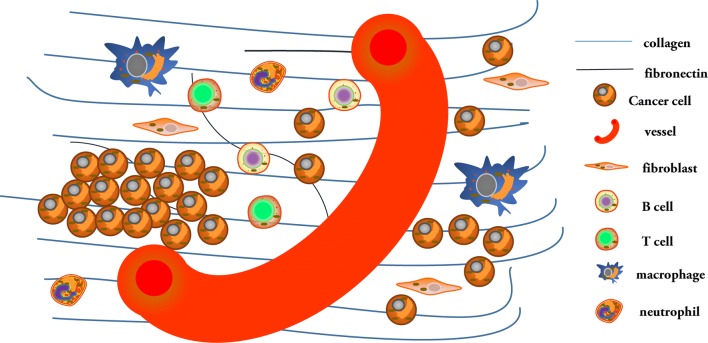
“In addition, a diverse array of ECM components is included, comprising fibronectin, hyaluronic acid, laminin, matrix metalloproteinases [43], and multiple types of collagens, such as type III [44] and type IV [45].”
BackgroundWang, T., Wang, X., Zheng, X., Guo, Z., Mohsin, A., Zhuang, Y., & Wang, G. (2024) · Biotechnology Journal · doi:10.1002/biot.202400163 · Cited by 7
“[59] Therefore, combining ECM-targeted approaches with tumor-specific treatments for synergistic treatment may greatly improve the effectiveness of cancer treatment.”
Li, B., Zhao, R., Jiang, X., Liu, C., Ma, Y., & Zhang, H. (2024) · Naunyn-Schmiedeberg s Archives of Pharmacology · doi:10.1007/s00210-024-03755-8 · Cited by 7
“Pulmonary fibrosis (PF) is a chronic, progressive lung disease marked by persistent inflammation and excessive deposition of extracellular matrix (ECM) components, primarily collagen, in the lung interstitium (Hewlett et al. 2018; Wakwaya and Brown 2019; Xu et al. 2019).”
Shibata, M., Ishikawa, A., Ishii, J., Anzai, E., Yagishita, H., Izumo, T., Sumino, J., Katsurano, M., Kim, Y., Kanda, H., et al. (2021) · Oral Radiology/Springer · doi:10.1007/s11282-021-00556-0 · Cited by 6
3d oxidized alginate-porcine liver acellular collagen droplets for tumor microenvironment mimicking
Li, Y., He, L., Chen, J., Wang, J., Zhao, S., Liu, X., Guo, X., Wu, Y., Shen, X., & Li, C. (2022) · International Journal of Biological Macromolecules · doi:10.1016/j.ijbiomac.2022.06.169 · Cited by 7
The expression of stromal biomarkers in small papillary thyroid carcinomas
Bayadsi, H., Barghout, G., Gustafsson, M., Sund, M., & Hennings, J. (2022) · World Journal of Surgical Oncology · doi:10.1186/s12957-022-02805-w · Cited by 7
“In other words, Col1 has some effect on cancer progression and, in specific, may play a protective role against metastasis as collagens break down due to collagenases and matrix metalloproteases in the tumor stroma in aggressive tumors [26, 31].”
BackgroundAntitumor Properties of Matrikines of Different Origins: Prospects and Problems of Their Application
Popov, A., Kozlovskaya, E. P., Rutckova, T. A., Styshova, O. N., Vakhrushev, A. I., Купера, Е. В., & Tekutyeva, L. (2023) · International Journal of Molecular Sciences · doi:10.3390/ijms24119502 · Cited by 7
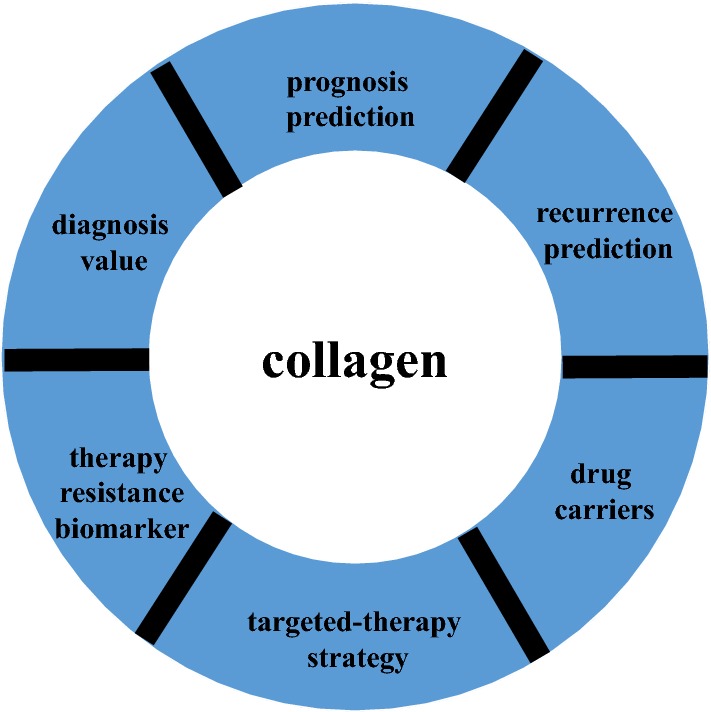
“The pathophysiological functions of collagen in various types of cancer illustrate its dual role and pinpoint therapeutic strategies that can be used in clinical practice (Figure 1) [13].”
BackgroundDao, E., Gohla, G., Williams, P., Lovrics, P. J., Badr, F., Fang, Q., Farrell, T. J., & Farquharson, M. (2023) · Lasers in Surgery and Medicine · doi:10.1002/lsm.23710 · Cited by 7
“The tumor samples had higher collagen fluorescence intensity compared to fibroglandular and adipose, which agrees with the known role of collagen, a structural protein, in cancer fibrosis.(20) With adipose being the most amorphous, it had the lowest collagen fluorescence intensity of all three groups.”
BackgroundMethodSemik‐Gurgul, E., Gurgul, A., & Szmatoła, T. (2023) · Functional & Integrative Genomics · doi:10.1007/s10142-023-01200-2 · Cited by 7
“An aberrant expression of ADAMTS and collagen gene families has been observed in some pathological conditions, including cancer, and has been related to both oncogenic and tumor-protective roles (Rocks et al. 2006; Cal and López-Otín 2015; Xu et al. 2019).”
BackgroundFu, M., Chen, D., Luo, F., Wang, G., Xu, S., Wang, Y., Sun, C., Xu, X., Li, A., Zhuo, S., et al. (2021) · Annals of Translational Medicine · doi:10.21037/atm-20-7565 · Cited by 9
“As the main component of the ECM, collagen is responsible for most ECM functions in the tumor microenvironment (6,7).”
BackgroundSelf-citationdos Anjos, D. S., Bueno, C. M., de Mattos, E., Nardi, A. B. D., & Fonseca‐Alves, C. E. (2021) · Life · doi:10.3390/life11121321 · Cited by 8
“High intratumoral collagen levels have been associated with increased survival time in dogs with low-grade cutaneous mast cell tumors [29,32].”
BackgroundProfiling of amines in biological samples using polythioester-functionalized magnetic nanoprobe
Qiu, Y., Zhang, M., Lai, Z., Zhang, R., Tian, H., Liu, S., Li, D., Zhou, J., & Li, Z. (2023) · Frontiers in Bioengineering and Biotechnology · doi:10.3389/fbioe.2022.1103995 · Cited by 7
“Collagen is a major component of the tumor microenvironment and is involved in tumor fibrosis, but how collagen is catabolized in tumors has not been elucidated (Xu et al., 2019).”
BackgroundNaleskina, L. A., Kunska, L. M., & Chekhun, V. F. (2023) · Experimental Oncology · doi:10.32471/exp-oncology.2312-8852.vol-42-no-4.15401 · Cited by 9
ECM Substrates Impact RNAi Localization at Adherens Junctions of Colon Epithelial Cells
Daulagala, A. C., & Kourtidis, A. (2022) · Cells · doi:10.3390/cells11233740 · Cited by 7
Shibata, M., Ishikawa, A., Ishii, J., Anzai, E., Yagishita, H., Izumo, T., Sumino, J., Katsurano, M., Kim, Y., Kanda, H., et al. (2022) · Oral Surgery Oral Medicine Oral Pathology and Oral Radiology · doi:10.1016/j.oooo.2022.11.001 · Cited by 6
Karunakaran, V., Dadgar, S., Paidi, S. K., Mordi, A., Lowe, W. A., Mim, U. M., Ivers, J. D., Troncoso, J. R., McPeake, J. A., Fernandes, A., et al. (2024) · ACS Omega · doi:10.1021/acsomega.4c06096 · Cited by 8
“41 Our studies here demonstrate an increase in collagen-like species about 24 h after radiation therapy in radiation-resistant UM-SCC-47 tumors.”
BackgroundNamakshenas, P., Crezee, J., Tuynman, J. B., Tanis, P. J., Oei, A. L., & Kok, H. P. (2025) · Pharmaceutics · doi:10.3390/pharmaceutics17020155 · Cited by 7
“The stiffness of a tumor is closely linked to the density and organization of collagen fibers in the tumor’s extracellular matrix [46,47].”
Taylor, H. B., Spruill, L., Jensen‐Smith, H. C., Rujchanarong, D., Hulahan, T. S., Ivey, A., Siougiannis, A., Bethard, J. R., Ball, L. E., Sandusky, G. E., et al. (2025) · Matrix Biology · doi:10.1016/j.matbio.2025.01.006 · Cited by 9
“Cell-specific programs as seen in tumor associated fibroblasts and tumor associated macrophages [11–13 , 97– 100] are likely to contribute to differences in collagen This study had limitations.”
The JAK1/STAT3 pathway mediates the effects of SERPINH1 on glioma EMT
Wang, S., Sun, Z., Wang, C., Zhang, A., Zhang, C., Hou, S., Lin, N., & Li, Q. (2025) · International Immunopharmacology · doi:10.1016/j.intimp.2025.114731 · Cited by 6
Jiang, W., Yang, K., Xiao, C., Ji, H., Yan, B., Zhao, S., Zhang, B., Cheng, J., Xu, S., Wang, G., et al. (2025) · npj Precision Oncology · doi:10.1038/s41698-025-01069-3 · Cited by 9
“In addition, collagenis the primary component of the extracellular matrix and plays a crucial role in TME function 23,24 .”
Self-citationEpigenetic horizons in aquaculture: unlocking sustainable fish production
Hussain, K., Hussain, S. M., Ali, S., Zahoor, A. F., Yilmaz, E., Alasmari, A., Munir, M., Arsalan, M. Z.-U.-H., & Naeem, A. (2025) · Fish Physiology and Biochemistry · doi:10.1007/s10695-025-01564-1 · Cited by 6
Mass Spectrometry Imaging of Fibroblasts: Promise and Challenge
Angel, P. M., Rujchanarong, D., Pippin, S., Spruill, L., & Drake, R. R. (2021) · Expert Review of Proteomics · doi:10.1080/14789450.2021.1941893 · Cited by 6
Improving therapeutic resistance: beginning with targeting the tumor microenvironment
Guan, X., Guan, X., & Jiao, Z. (2021) · Journal of Chemotherapy · doi:10.1080/1120009x.2021.2011661 · Cited by 6
“domain receptor and some signalling pathways [48].”
Holmes, C., Varas, J., Martín, S. S., & Egaña, J. T. (2022) · International Journal of Molecular Sciences · doi:10.3390/ijms232113550 · Cited by 8
Egeland, C., Balsevicius, L., Gögenür, I., Gehl, J., Bæksgaard, L., Garbyal, R. S., & Achiam, M. P. (2023) · Journal of Cancer Research and Clinical Oncology · doi:10.1007/s00432-023-05357-y · Cited by 7
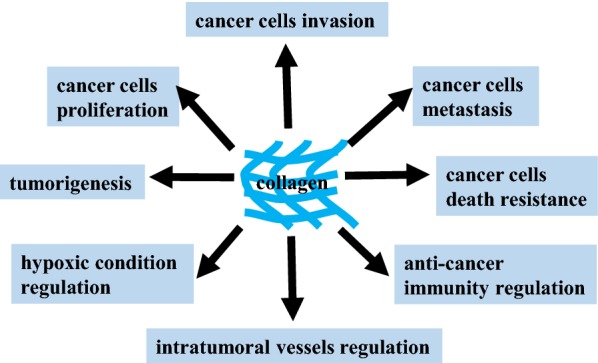
“…significant components in the tumor microenvironment as it provides structural support to the extracellular space of connective tissue and is associated with cancer cell invasion, proliferation, and metastases, regulation of intratumoral vessels, and cancer cell death resistance (Xu et al. 2019).”
BackgroundRamli, A. H., & Faudzi, S. M. M. (2023) · Archiv der Pharmazie · doi:10.1002/ardp.202300391 · Cited by 6
Zhang, S., Xue, X., Chen, F., Yang, Y., Zhang, N., Chen, Y., Wu, W., Wang, J., & Zheng, N. (2024) · Acta Biochimica et Biophysica Sinica · doi:10.3724/abbs.2024058 · Cited by 7
Xu, Y., Jin, H., Chen, Y., YANG, Z. K., Xu, D., Zhang, X., Yang, J., & Wang, Y. (2024) · BMC Medical Genomics · doi:10.1186/s12920-024-01934-3 · Cited by 6
“COL genes, involved in tumor ECM-receptor interactions and focal adhesion pathways, play a crucial role in tumor invasion and metastasis [6].”
BackgroundAssessing sarcoma cell cytoskeleton remodeling in response to varying collagen concentration
Polemidiotou, K., Kulkarni, S. G., Szydlak, R., Lekka, M., Radmacher, M., Gkretsi, V., Stylianopoulos, T., & Stylianou, A. (2024) · International Journal of Biological Macromolecules · doi:10.1016/j.ijbiomac.2024.136770 · Cited by 8
Wimmers, D. G., Huebner, K., Dale, T. C., Papargyriou, A., Reichert, M., Hartmann, A., & Schneider‐Stock, R. (2025) · Pathology - Research and Practice · doi:10.1016/j.prp.2025.155890 · Cited by 6
“However, it does not accurately reflect the tumour microenvironment (TME) surrounding colorectal cancer (CRC) cells [1].”
Diamond Nanofilm Normalizes Proliferation and Metabolism in Liver Cancer Cells
Sosnowska, M., Kutwin, M., Strojny, B., Wierzbicki, M., Cysewski, D., Szczepaniak, J., Ficek, M., Koczoń, P., Jaworski, S., Chwalibóg, A., et al. (2021) · Nanotechnology, Science and Applications · doi:10.2147/nsa.s322766 · Cited by 3
“Even small changes in the content of ECM components and their distribution contribute to changes in the stiffness and elasticity of the matrix and abnormal signal transduction in the cell.(8) Modification of the mechanical properties of the ECM affects the behaviour of cells and can change their phenotype, leading to…”
BackgroundA Novel Molecular Analysis Approach in Colorectal Cancer Suggests New Treatment Opportunities
López‐Camacho, E., Prado-Vázquez, G., Martínez-Pérez, D., Ferrer-Gómez, M., Llorente-Armijo, S., López‐Vacas, R., Díaz‐Almirón, M., Gámez‐Pozo, A., Vara, J. Á. F., Feliú, J., et al. (2023) · Cancers · doi:10.3390/cancers15041104 · Cited by 7
“Different inhibitors and drugs that regulate collagen-biosynthesized processes and collagen distribution arrangement have been described, and preclinical studies on collagen-related therapy have demonstrated encouraging outcomes [76].”
BackgroundKang, D., Li, K., Zuo, L., Wu, H., Huang, S., Zhang, J., Wei, B., Xu, C., & Wang, H. (2024) · New Journal of Chemistry · doi:10.1039/d4nj00109e · Cited by 7
Semen sampling as a simple, noninvasive surrogate for prostate health screening
Lorente, G., Ntostis, P., Maitland, N. J., Mengual, L., Musquera, M., Muneer, A., Oliva, R., Iles, D., & Miller, D. (2021) · Systems Biology in Reproductive Medicine · doi:10.1080/19396368.2021.1923086 · Cited by 6
“Collagen catabolism may lead to collagen accumulation, which is an important process in cancer progression and invasion (Xu et al. 2019).”
BackgroundAvard, R. C., Broad, M. L., Zandkarimi, F., Devanny, A. J., Hammer, J. L., Yu, K., Guzman, A., & Kaufman, L. J. (2023) · Scientific Reports · doi:10.1038/s41598-023-38699-1 · Cited by 7
Methods of pancreatic fibrosis assessment
Ивановна, Ш. Е., Makarenko, N. V., Karnaukhov, N., Nikonova, Y. B., Dubtsova, E. A., Винокурова, Л. В., Lesko, K. A., Хомерики, С. Г., Bordin, D. S., & Хатьков, И. Е. (2024) · Russian Journal of Evidence-Based Gastroenterology · doi:10.17116/dokgastro20241301148 · Cited by 5
Li, J., Bai, L., Chen, Y., Cao, J., Zhu, J., Zhi, W., & Qian, C. (2024) · Journal of Biophotonics · doi:10.1002/jbio.202400371 · Cited by 6
“Collagen is the most abundant component of ECM that acts as a structural scaffold for tissue homeostasis [10].”
Zhang, J., Wang, Y., Liu, Y., Chen, H., Chai, N., Zhao, Y., Li, Y., Li, X., He, J., & Zhang, H. (2025) · BMC Cancer · doi:10.1186/s12885-025-13657-4 · Cited by 5
Lai, G.-Y., Lee, Y., Weng, H.-J., Lai, K.-H., Hsiang, M.-C., Hsu, K.-Y., & Liao, C.-P. (2025) · Cell Death Discovery · doi:10.1038/s41420-025-02367-2 · Cited by 5
“In this study, we demonstrated that targeting the collagen-stimulated DDR1 signaling in MPNST cells by the DDR1 inhibitor DDR1-IN-1 induced autophagic and necroptotic cell death, emphasizing the critical role of ECM signaling in MPNST survival.”
Zhao, F., Vakhrusheva, O., Markowitsch, S. D., Slade, K. S., Brandt, M. P., Tsaur, I., Cinatl, J. J., Michaelis, M., Efferth, T., Blaheta, R. A., et al. (2025) · Cells · doi:10.3390/cells14080570 · Cited by 6
Franchi, M., Masola, V., Onisto, M., Franchi, L., Mangani, S., Zolota, V., Piperigkou, Z., & Karamanos, N. K. (2025) · Cells · doi:10.3390/cells14131037 · Cited by 8
“Tumor progression requires extensive remodeling of the peritumoral collagen architecture, which can biome-chanically inhibit or promote cancer cell invasion [41,42].”
Nishimura, S., Noma, K., Matsumoto, T., Takeda, Y., Takahashi, T., Matsumoto, H., Kawasaki, K., Kawai, H., Kunitomo, T., Akai, M., et al. (2025) · JCI Insight · doi:10.1172/jci.insight.195776 · Cited by 5
“Collagen contributes to blood vessel compression and hinders drug delivery (37, 38).”
Khanmiri, J. M., Khani-Eshratabadi, M., Seyedmoharrami, F., Khazaee‐Nasirabadi, M. H., Dehdashti, M., Seddighi, N., Peymaninezhad, F., Khiabani, A., Khanahmad, A., & Baradaran, B. (2026) · Clinical and Experimental Medicine · doi:10.1007/s10238-026-02056-z · Cited by 8
“The ECM, composed of highly cross-linked collagen and elevated interstitial fluid, impedes immune cell migration and reduces the diffusion of therapeutic agents [216–218 ].”
Mitochondrial respiration supports cancer growth independent of OXPHOS
Chinopoulos, C. (2026) · Biochimica et Biophysica Acta (BBA) - Reviews on Cancer · doi:10.1016/j.bbcan.2026.189593 · Cited by 8
Hassan, N., Greve, B., & Götte, M. (2026) · Cellular & Molecular Biology Letters · doi:10.1186/s11658-026-00905-z · Cited by 5
“Specific collagen types play distinct roles in disease pathogenesis, particularly in cancer invasion and fibrosis [87, 88].”
Meng, Q., Li, C.-X., & Long, D. (2021) · International Journal of General Medicine · doi:10.2147/ijgm.s318278 · Cited by 7
The extracellular matrix protein pattern in the canine neoplastic mammary gland
Barreto, R. S. N., de Carvalho, H. J. C., Matias, G. D. S. S., Silva, M. G. K. C., Ribeiro, R. R., Campanelli, T. V. D. B., Rigoglio, N. N., Carreira, A. C. O., & Miglino, M. A. (2023) · Tissue and Cell · doi:10.1016/j.tice.2023.102050 · Cited by 5
Nonlinear microscopy and deep learning classification for mammary gland microenvironment studies
Aghigh, A., Preston, S. E. J., Jargot, G., Ibrahim, H., Rincon, S. V. D., & Légaré, F. (2023) · Biomedical Optics Express · doi:10.1364/boe.487087 · Cited by 5
Huang, X., Lu, Z., Jiang, X., Zhang, Z., Yan, K., & Yu, G. (2023) · Frontiers in Cell and Developmental Biology · doi:10.3389/fcell.2023.1198338 · Cited by 9
“Different collagen types can bind to various integrins in multiple signaling pathways in cancer cells (Xu et al., 2019).”
BackgroundHaze, H., Sier, C. F. M., Vahrmeijer, A. L., & Vuijk, F. A. (2024) · Surgeries · doi:10.3390/surgeries5010007 · Cited by 5
“Furthermore, priming of the TME Collagen is spread throughout most tumor tissues and is overproduced in many solid tumors [29]. with HAase results in an increase in delivery of drug-carrying NPs into the tumor core in animal Surgeries 2024 , 5 Surgeries 2024 , 5 , FOR PEER REVIEW 6 Recently, it was…”
BackgroundWang, S., Wei, D., Zhao, Y., Pang, X., & Zhang, Z. (2024) · American Journal of Cancer Research · doi:10.62347/cotc6463 · Cited by 7
Cadherin-11 targeted cell-specific liposomes enabled skin fibrosis treatment by inducing apoptosis
Bhatt, H. N., Diwan, R., Estevao, I. L., Dong, R., Smith, J., Xiao, C., Agarwal, S. K., & Nurunnabi, M. (2024) · Journal of Controlled Release · doi:10.1016/j.jconrel.2024.04.029 · Cited by 5
He, H., Dong, K., Chen, M., Wang, Y., Li, Y., Wang, D., Jia, M., Meng, X., Sun, W., Fu, S., et al. (2024) · BMC Cancer · doi:10.1186/s12885-024-12894-3 · Cited by 5
“On the other hand, clinical studies have shown that collagen may in some cases slow the development of tumor cells [27].”
BackgroundYan, Y., Li, Y.-B., Liang, H., Chen, D., Li, B., & Murshed, A. (2025) · Current Pharmaceutical Biotechnology · doi:10.2174/0113892010332329241119104430 · Cited by 7
Gant, K. L., Patankar, M. S., & Campagnola, P. J. (2024) · Cancers · doi:10.3390/cancers16081560 · Cited by 6
CircRNAs in Pancreatic Cancer: New Tools for Target Identification and Therapeutic Intervention
Weidle, U. H., & Nopora, A. (2024) · Cancer Genomics & Proteomics · doi:10.21873/cgp.20451 · Cited by 5
“Collagens are the major component of the TME, participate in cancer fibrosis, contain at least one triple helix and interact with fibronectin, hyaluronic acid, laminin and metallo-proteinases (197).”
BackgroundBarkmann, F., Yates, J., Czyż, P., Kraft, A., Glettig, M. C., Beerenwinkel, N., & Boeva, V. (2025) · Cancer Research · doi:10.1158/0008-5472.can-25-0940 · Cited by 6
Application and Future Prospect of Extracellular Matrix Targeted Nanomaterials in Tumor Theranostics
Fang, W., Su, D., Lu, W., Wang, N., Mao, R., Chen, Y., Ge, K., Shen, A., & Hu, R. (2021) · Current Drug Targets · doi:10.2174/1389450122666210127100430 · Cited by 6
Eyermann, C. E., Li, J., & Alexandrova, E. M. (2021) · Cell Death and Disease · doi:10.1038/s41419-021-03795-5 · Cited by 5
Constitutive Modelling of Soft Biological Tissue from Ex Vivo to in Vivo: Myocardium as an Example
Guan, D., Luo, X., & Gao, H. (2021) · Springer proceedings in mathematics & statistics · doi:10.1007/978-981-16-4866-3_1 · Cited by 5
Tumor Dormancy and Relapse Regulated by the Extracellular Matrix
Kim, H., Huber, R. E., Mahapatra, R. D., Tseng, N.-H., & Peyton, S. R. (2022) · Springer eBooks · doi:10.1007/978-3-030-93084-4_9 · Cited by 8
Li, F., Wu, Y., Yan, Y., Wu, S., Zhu, J., Zhang, G., Zhang, P., Yuan, L., Zeng, Y., & Liu, Z. (2022) · Molecular Omics · doi:10.1039/d2mo00127f · Cited by 5
Reis, M. B. E., Maximo, A. I., Magno, J. M., Bellan, D. D. L., Buzzo, J. L. A., Simas, F. F., Rocha, H. A. O., Trindade, E. D. S., & de Oliveira, C. C. (2024) · Marine Biotechnology · doi:10.1007/s10126-024-10287-y · Cited by 5
“Therefore, ECM protein biosynthesis is consequently directly correlated to tumor biology (Xu et al. 2019), and we demonstrated that Fucan A treatment regulated some important genes related to it in CHL1 cells.”
Gebuza, M., Górczyńska, J., Paczos, W., Pieczara, S., Rekiel, K., Urbanowicz, P., Kulbacki, M., Novickij, V., & Kulbacka, J. (2025) · Archives of Biochemistry and Biophysics · doi:10.1016/j.abb.2025.110599 · Cited by 4
Gato-Diaz, U., Blanco-Garcia, S., Peixoto, D., Concheiro, Á., Alvarez‐Lorenzo, C., & Blanco‐Fernandez, B. (2025) · Biomacromolecules · doi:10.1021/acs.biomac.5c00450 · Cited by 6
Le, V. N. D., & Bolden, A. (2025) · Biomedical Optics Express · doi:10.1364/boe.578498 · Cited by 5
Cai, X., Wang, B., Yang, Z., Yan, X., & Xiao, J. (2025) · Analytical Chemistry · doi:10.1021/acs.analchem.5c03166 · Cited by 4
P4HA1 expression and function in esophageal squamous cell carcinoma
Gou, W., Song, B., & Yang, Y. (2023) · Medicine · doi:10.1097/md.0000000000036800 · Cited by 4
“Prolyl 4-hydroxylase subunit α 1 (P4HA1) promotes collagen synthesis and accelerates cancer fibrosis, [4] which in turn promotes metastasis.”
BackgroundMancha, S., Horan, M., Pasachhe, O., Keikhosravi, A., Eliceiri, K. W., Matkowskyj, K. A., Notbohm, J., Skala, M. C., & Campagnola, P. J. (2024) · Acta Biomaterialia · doi:10.1016/j.actbio.2024.08.026 · Cited by 6
Fisher, M., Duhon, B. H., Nguyen, H. T. N., Tonniges, J. R., Wu, K. C., & Ren, Y. (2024) · Otolaryngology · doi:10.1002/ohn.1018 · Cited by 4
“5,6 5 ‐ 7 The increase in deposition and degradation of collagen fi bers is regulated by diverse biomechanical 8 and cytokine signaling pathways, 9,10 leading to both an increased amount of collagen and more misaligned collagen fi bers as the tumor grows.”
Chen, X., Miao, J., Huang, X., Han, X., Zheng, L., Chen, J., Chen, L., & Li, L. (2025) · Scientific Reports · doi:10.1038/s41598-025-88984-4 · Cited by 5
Poggi, A. D., Matis, S., Uras, C. R. M., Raffaghello, L., Benelli, R., & Zocchi, M. R. (2025) · Biomolecules · doi:10.3390/biom15060866 · Cited by 5
Metadata
- Authors
- Xu, S., Xu, H., Wang, W., Li, S., Li, H., Li, T., Zhang, W., Yu, X., & Liu, L.
- Affiliations
- Shanghai Medical College of Fudan University (CN)
- Corresponding author
- Yu, Xianjun
- Liu, Liang
- Venue
- Journal of Translational Medicine
- Published
- 2019-09-14
- Volume
- 17
- Issue
- 1
- Pages
- 309-309
- ISSN
- 1479-5876 (ISSN-L)
- PMC
- PMC6744664
- OpenAlex
- W2972865130
- Cited by
- 735
- References
- 318
- Citations by year
- 2026: 40 · 2025: 105 · 2024: 139 · 2023: 141 · 2022: 120 · 2021: 130 · 2020: 56 · 2019: 1
- FWCI
- 4.89
- Type
- journal article
- Language
- en
- Open access
- gold
- doi.org
- Licence
- cc-by
- creativecommons.org/licenses/by/4.0/ (tdm)
- creativecommons.org/licenses/by/4.0/ (vor)
- Locations
- Journal of Translational Medicine (publishedVersion, cc-by)
- PubMed Central (publishedVersion, cc-by)
- PubMed (publishedVersion)
- DOAJ (DOAJ: Directory of Open Access Journals) (submittedVersion)
- Funders
- National Science Foundation for Distinguished Young Scholars of China (81625016)
- National Natural Science Foundation of China (81871941, 81872366, 81827807, 81802675, 81702341)
- Outstanding Academic Leader Program of the “Technological Innovation Action Plan” of the Shanghai Science and Technology Commission (18XD1401200)
- Young Talented Specialist Training Program of Shanghai
- Topics
- Physical Sciences › Materials Science › Biomaterials › Collagen: Extraction and Characterization
- Life Sciences › Biochemistry, Genetics and Molecular Biology › Cell Biology › Cellular Mechanics and Interactions
- Life Sciences › Biochemistry, Genetics and Molecular Biology › Molecular Biology › TGF-β signaling in diseases
- Keywords
- collagen, tumor microenvironment, collagen synthesis, integrins, discoidin domain receptors, exosomes, microRNA, tumor hypoxia, extracellular matrix, fibronectin, hyaluronic acid, matrix metalloproteinases, tumor immunology, tumor progression, nanotherapeutics, nanozymes, cancer therapy
- MeSH terms
- Collagen, Humans, Neoplasms, Prognosis, MicroRNAs, Exosomes, Translational Research, Biomedical
About these checks
Registry, retraction, Cites and statistics results are computed, not judged, with one exception: a printed reference that no index lists is read once by a model before it counts as a citation error. Claims are extracted by a model and kept only when their quote appears verbatim in the text; each cited source is then checked, with a model’s help, for whether it says what the claim relies on. Those verdicts can be wrong — read the claim’s quote and the cited source before relying on one.
Statistics and arithmetic are recomputed, not judged.
Confidence bands are shown only for fields calibrated on our annotated test set. None is calibrated yet, so no band is shown.
What counts as a claim ›How we measure confidence ›How we check this ›
Are you an author, or do you see a problem with this page? Request a review
Data sources
Bibliographic data: Semantic Scholar, OpenAlex, Crossref.
Contains information from the Semantic Scholar Academic Graph Datasets, made available under the ODC Attribution License (ODC-BY 1.0).
Semantic Scholar’s data is described in: Kinney, R., et al. (2023). The Semantic Scholar Open Data Platform. arXiv:2301.10140.
