

The role of collagen in cancer: from bench to bedside
Open accessThe DOI matches its Crossref record; 318 of the 318 references it cites were found in a registry or an index.
Abstract
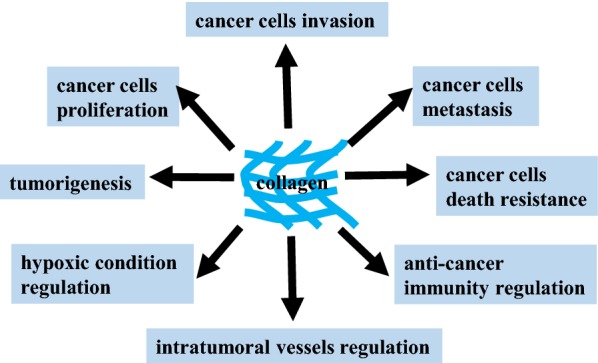
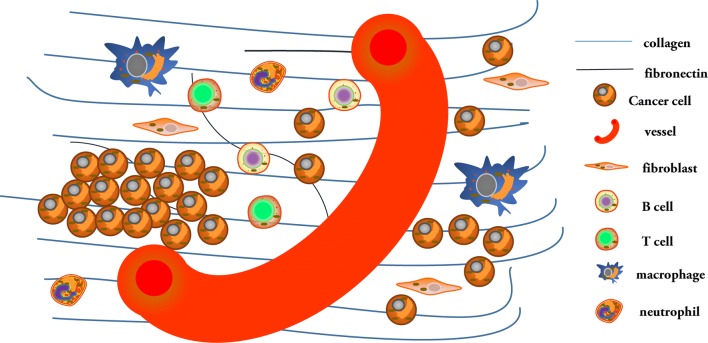
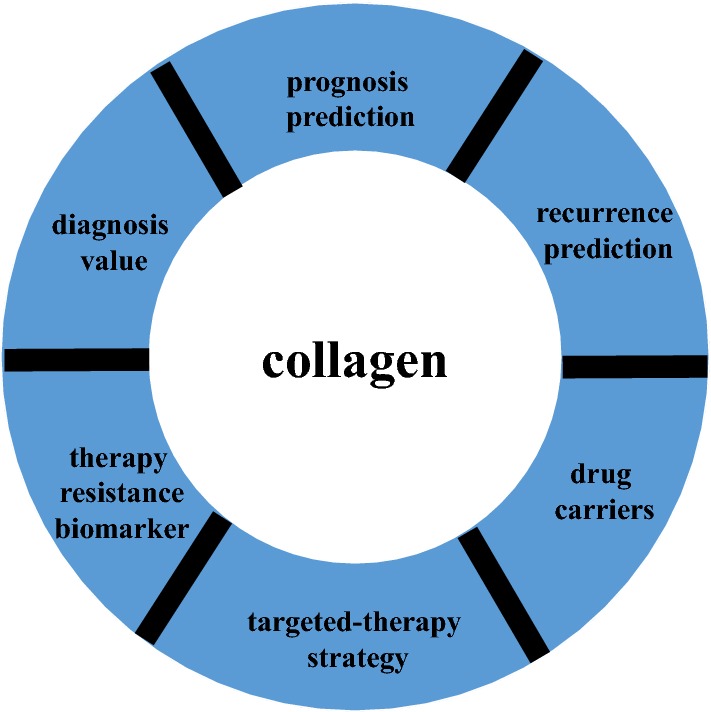
Collagen is the major component of the tumor microenvironment and participates in cancer fibrosis. Collagen biosynthesis can be regulated by cancer cells through mutated genes, transcription factors, signaling pathways and receptors; furthermore, collagen can influence tumor cell behavior through integrins, discoidin domain receptors, tyrosine kinase receptors, and some signaling pathways. Exosomes and microRNAs are closely associated with collagen in cancer. Hypoxia, which is common in collagen-rich conditions, intensifies cancer progression, and other substances in the extracellular matrix, such as fibronectin, hyaluronic acid, laminin, and matrix metalloproteinases, interact with collagen to influence cancer cell activity. Macrophages, lymphocytes, and fibroblasts play a role with collagen in cancer immunity and progression. Microscopic changes in collagen content within cancer cells and matrix cells and in other molecules ultimately contribute to the mutual feedback loop that influences prognosis, recurrence, and resistance in cancer. Nanoparticles, nanoplatforms, and nanoenzymes exhibit the expected gratifying properties. The pathophysiological functions of collagen in diverse cancers illustrate the dual roles of collagen and provide promising therapeutic options that can be readily translated from bench to bedside. The emerging understanding of the structural properties and functions of collagen in cancer will guide the development of new strategies for anticancer therapy.
Overview
The claims and statistics of this paper haven’t been checked yet.
Free: it reads the open-access text and checks the first 5 claims that cite a source we can check. Create a free account to check every claim.
Integrity signals
Registry
Cites
Statistics
Figures
Verification
Claims the paper makes
The claims and statistics of this paper haven’t been checked yet.
Free: it reads the open-access text and checks the first 5 claims that cite a source we can check. Create a free account to check every claim.
Claims other papers make about this one
Each is checked against this paper’s own text: does it say what the citing paper says it does?
The cited source says what the claim attributes to it.
In the citing paper
“Collagen in turn influences tumor cell behavior through integrins, tyrosine kinase receptors, discoidin domain receptors, and some signaling pathways [124].”
From Tumor microenvironment complexity and therapeutic implications at a glance (2020) · cites this paper as [124]
The cited source says what the claim attributes to it.
In the citing paper
“In addition, hypoxia, which is common in collagen-rich tumors, promotes cancer progression [124].”
From Tumor microenvironment complexity and therapeutic implications at a glance (2020) · cites this paper as [124]
Self-check
Percentages, sums and reported differences re-computed from the paper’s own numbers.
The self-check needs the paper’s full text.
Citations
Cites
1 retracted
Guo, Q., Zheng, M., Xu, Y., Wang, N., & Zhao, W. (2018) · Bioscience Reports · doi:10.1042/bsr20181523 · Cited by 51
RetractedBray, F., Ferlay, J., Soerjomataram, I., Siegel, R. L., Torre, L. A., & Jemal, A. (2018) · CA: A Cancer Journal for Clinicians · doi:10.3322/caac.21492 · Cited by 84,109 · cited 1×
“6 million cancer deaths were evaluated in 2018 [1], and there are predicted to be 1,762,450 additional cancer cases and 606,880 cancer deaths in the United States in 2019 [2].”
BackgroundHallmarks of Cancer: The Next Generation
Hanahan, D., & Weinberg, R. A. (2011) · Cell · doi:10.1016/j.cell.2011.02.013 · Cited by 66,590 · cited 1×
“In addition, cancer cells exhibit multiple hallmarks of cancer progression, including the recruitment of various cells to form a tumor microenvironment [3], which consists of varying functional stromal cell subtypes and matrix protein polymers [4].”
BackgroundSiegel, R. L., Miller, K. D., & Jemal, A. (2019) · CA: A Cancer Journal for Clinicians · doi:10.3322/caac.21551 · Cited by 20,160
TGFβ attenuates tumour response to PD-L1 blockade by contributing to exclusion of T cells
Mariathasan, S., Turley, S. J., Nickles, D., Castiglioni, A., Yuen, K., Wang, Y., Kadel III, E. E., Koeppen, H., Astarita, J. L., Cubas, R., et al. (2018) · Nature · doi:10.1038/nature25501 · Cited by 5,400 · cited 1×
“However, others noted that the metastatic urothelial cancer response to programmed death-1 and programmed death-ligand 1 treatment involved the movement of CD8+ T cells from the cancer parenchyma to the collagen-rich peritumoral stroma [127].”
BackgroundThe biology and function of fibroblasts in cancer
Kalluri, R. (2016) · Nature Reviews Cancer · doi:10.1038/nrc.2016.73 · Cited by 4,366
Ricard-Blum, S. (2011) · Cold Spring Harbor Perspectives in Biology · doi:10.1101/cshperspect.a004978 · Cited by 2,305
Turning foes to friends: targeting cancer-associated fibroblasts
Chen, X., & Song, E. (2019) · Nature Reviews Drug Discovery · doi:10.1038/s41573-018-0004-1 · Cited by 1,879
Collagen reorganization at the tumor-stromal interface facilitates local invasion
Provenzano, P. P., Eliceiri, K. W., Campbell, J. M., Inman, D. R., White, J. G., & Keely, P. J. (2006) · BMC Medicine · doi:10.1186/1741-7015-4-38 · Cited by 1,804
Phenotype molding of stromal cells in the lung tumor microenvironment
Lambrechts, D., Wauters, E., Boeckx, B., Aibar, S., Nittner, D., Burton, O., Bassez, A., Decaluwé, H., Pircher, A., Van den Eynde, K., et al. (2018) · Nature Medicine · doi:10.1038/s41591-018-0096-5 · Cited by 1,648
Cited by
Items 301–400 of 759
COL2A1 Is a Novel Biomarker of Melanoma Tumor Repopulating Cells
Talluri, B., Amar, K., Saul, M. C., Shireen, T., Konjufca, V. H., Ma, J., Ha, T., & Chowdhury, F. (2020) · Biomedicines · doi:10.3390/biomedicines8090360 · Cited by 15
Gao, Q., Zhang, H., Chen, Z.-T., Li, Y., Wang, S., Wen, Z., Xie, Y., Mai, J., Wang, J., & Chen, Y. (2021) · Frontiers in Genetics · doi:10.3389/fgene.2020.503256 · Cited by 19
“For example, genes that are closely related to inflammation, collagen, and ECM deposition are both shared by them (Diakos et al., 2014; Ma et al., 2017a; Xu et al., 2019).”
BackgroundQian, S., Meng, J., Feng, Z., Zhou, L., Jiang, S., Wang, Y., Ye, Z., Zhuo, S., Chen, J., Li, X., et al. (2022) · Laser & Photonics Review · doi:10.1002/lpor.202100576 · Cited by 15
Collagen-Specific Molecular Magnetic Resonance Imaging of Prostate Cancer
Kader, A., Kaufmann, J. O., Mangarova, D. B., Möckel, J., Adams, L. C., Brangsch, J., Heyl, J. L., Zhao, J., Verlemann, C., Kärst, U., et al. (2022) · International Journal of Molecular Sciences · doi:10.3390/ijms24010711 · Cited by 15
“Collagen influences cancer cell behavior, but cancer cells also shape collagen to form a reinforcing cell collagen loop that promotes tumor progression [40].”
BackgroundBreast Mammographic Density: Stromal Implications on Breast Cancer Detection and Therapy
Fernández‐Nogueira, P., Mancino, M., Fuster, G., Bragado, P., de Puig, M. P., Gascón, P., Casado, F. J., & Carbó, N. (2020) · Journal of Clinical Medicine · doi:10.3390/jcm9030776 · Cited by 15
“Increasing evidences have revealed that CAFs can cause endocrine, chemotherapy and targeted therapy resistance [63,64], including also anti-angiogenic therapy and TKI-targeted therapy [49,65].”
Identification of six candidate genes for endometrial carcinoma by bioinformatics analysis
Zhu, Y., Shi, L., Chen, P., Zhang, Y., & Zhu, T. (2020) · World Journal of Surgical Oncology · doi:10.1186/s12957-020-01920-w · Cited by 18
“COL1A1 and COL5A1 all belong to the collagen family; this family is the major component of the tumor microenvironment, it interacts with substances in the ECM (such as matrix metalloproteinases), integrins, tyrosine kinase receptors, and some signaling pathways to influence tumor cell behavior and activity [11, 12].”
BackgroundMiler, I., Rabasović, M. D., Aleksic, M., Krmpot, A. J., Kalezic, A., Janković, A., Korać, B., & Korać, A. (2020) · Journal of Biophotonics · doi:10.1002/jbio.202000362 · Cited by 16
The tumor-associated fibrotic reactions in microenvironment aggravate glioma chemoresistance
Xu, J., Zhang, J., Chen, W., & Ni, X. (2024) · Frontiers in Oncology · doi:10.3389/fonc.2024.1388700 · Cited by 17
“In TME, tumor-associated fi brosis is the result of excessive accumulation of collagen, fi bronectin, laminin, tendon protein, etc. (29, 30).”
BackgroundShe, Y., Zhao, X., Wu, P., Xue, L., Wan, S., Zhang, L., Li, C., Cai, H., & Li, Y. (2022) · BioMed Research International · doi:10.1155/2022/7567447 · Cited by 15
“There are currently 28 types of collagens, which are divided into four families based on the supramolecular structure [32].”
Takahashi, M., Sukowati, E. W., Nomura, S., Kato, A., Mizuseki, K., Watanabe, Y., & Mukai, H. (2022) · Journal of drug targeting · doi:10.1080/1061186x.2022.2122477 · Cited by 14
Monleón-Guinot, I., Milián, L., Martínez-Vallejo, P., Sancho‐Tello, M., Llop-Miguel, M., Galbis, J. M., Cremades, A., Cardá, C., & Mata, M. (2023) · International Journal of Molecular Sciences · doi:10.3390/ijms241210131 · Cited by 15
“To do this, we generated organoids using a reference tumor cell line, A549 cells, and we limited the composition of the cell matrix to the most relevant molecule in lung tumors, type I collagen [20,33].”
MethodInbaraj, B. S., Lai, Y., & Chen, B. (2024) · International Journal of Biological Macromolecules · doi:10.1016/j.ijbiomac.2024.129722 · Cited by 15
Glyn, T., Williams, S. C. P., Whitehead, M. R., Eglinton, T., West, N. P., & Purcell, R. V. (2024) · Frontiers in Oncology · doi:10.3389/fonc.2024.1247106 · Cited by 14
Ramalingam, P. S., Afzal, M., Babu, M. A., Rekha, M. M., Sahoo, S., Pandey, S. N., Ali, H., Hussain, M. S., Gupta, G., Mekala, J. R., et al. (2025) · Frontiers in Immunology · doi:10.3389/fimmu.2025.1683799 · Cited by 16
“MDEs are also involved in promoting the metastatic ability of cancer cells (59, 60).”
Choi, D., Kang, W., Park, S., Son, B., & Park, T. (2023) · Biomolecules · doi:10.3390/biom13060978 · Cited by 16
Feng, B., Yang, H., Zhu, M., Li, J., Chang, H., Leung, P. C. K., Guo, J., & Zhang, Y. (2023) · Collagen and Leather · doi:10.1186/s42825-023-00142-6 · Cited by 16
“So far, 28 types of collagens with different structures and origins have been discovered [3–5].”
BackgroundBamodu, O. A., Chung, C., Pisanic, T. R., & Wu, A. T. H. (2024) · Frontiers in Oncology · doi:10.3389/fonc.2024.1404628 · Cited by 16
“Adhesive ECM proteins like laminin induce symmetric division that propagates the CSC pool, whereas fi brillar collagen I promotes differentiation (77).”
BackgroundEsposito, M., Yerly, L., Shukla, P., Hermes, V., Sella, F., Balázs, Z., Lattmann, E., Tastanova, A., Turko, P., Lang, R., et al. (2024) · British Journal of Dermatology · doi:10.1093/bjd/ljae258 · Cited by 17
Lin, L., Nayak, B., Osmulski, P. A., Wang, E., Wang, C.-P., Valente, P. T., Wang, C., Tan, X., Santanam, N., Wang, T., et al. (2024) · Cell Reports · doi:10.1016/j.celrep.2024.114527 · Cited by 16
Association of the collagen signature with pathological complete response in rectal cancer patients
Jiang, W., Wang, S., Wan, J., Zheng, J., Dong, X., Liu, Z., Wang, G., Xu, S., Xiao, W., Gao, Y., et al. (2022) · Cancer Science · doi:10.1111/cas.15385 · Cited by 14
Self-citationCatalán, V., Domench, P., Gómez‐Ambrosi, J., Ramírez, B., Becerril, S., Mentxaka, A., Rodríguez, A., Valentí, V., Moncada, R., Baixauli, J., et al. (2022) · International Journal of Molecular Sciences · doi:10.3390/ijms23169222 · Cited by 15
“Collagen is the main component of the tumour microenvironment and its content and distribution are modified to further participate in cancer fibrosis by coordinating the expression of different transcription factors, signal transduction pathways, and receptors [42].”
BackgroundImproving targeted small molecule drugs to overcome chemotherapy resistance
Rismanbaf, A. (2023) · Cancer Reports · doi:10.1002/cnr2.1945 · Cited by 18
“116 However, heparan sulfate (CGKRK peptide), gelatin (anginex, small geletic-1 binding peptide), laminin (IKVAV), fibronectin extra domain A and B (anti-EDB aptide), and aggrecan (a conjugate of quaternary ammonium) are some components of ECM that have therapeutic value.”
BackgroundChrabąszcz, K., Kaminska, K. H., Song, C. L., Morikawa, J., Kujdowicz, M., Michalczyk, E., Smęda, M., Stojak, M., Jasztal, A., Kazarian, S. G., et al. (2021) · Cancers · doi:10.3390/cancers13020162 · Cited by 13
“During the cancer progression collagen degradation is enhanced by pro‐in‐ flammatory M1 macrophages recruited into the tissue by the altered activity of cancer cells [23].”
BackgroundZhao, X., Liu, C., He, X., Wang, M., Zhang, H., Cheng, J., & Wang, H. (2022) · Frontiers in Oncology · doi:10.3389/fonc.2022.1015709 · Cited by 17
Patil, A., Salvatori, R., Smith, L., Jenkins, S. M., Cannon, A. C., Hartley, C., Graham, R. P., & Moreira, R. K. (2023) · Histopathology · doi:10.1111/his.15001 · Cited by 13
Song, M., Schnettler, E. K., Venkatachalam, A., Wang, Y., Feldman, L. A., Argenta, P. A., Rodríguez-Rodríguez, L., & Ramakrishnan, S. (2023) · PubMed Central · Cited by 20
Kurva, A., Korikani, M., Mohan, V., & Kancha, R. K. (2024) · Springer eBooks · doi:10.1007/978-981-97-1802-3_21 · Cited by 12
Peng, J., Liu, X., Mao, Y., Lv, M., Ma, T., Liu, J., Zhou, Q., Han, Y., Li, X., & Wang, H. (2024) · Molecular Carcinogenesis · doi:10.1002/mc.23747 · Cited by 12
“21,22 In many tumor tissues, the x ‐ type collagen encoded by the COL10A1 gene 23 is highly expressed, promoting tumor progression.”
Chen, X., Chen, L., Miao, J., Huang, X., Han, X., Zheng, L., Xu, S., Chen, J., & Li, L. (2024) · BMC Cancer · doi:10.1186/s12885-024-12412-5 · Cited by 12
“Some studies suggested that collagen fibers could function as a “highway” and facilitate cancer cell migration and metastasis rather than hindering it [15], whereas some indicated that collagen fibers could act as a barrier to tumor invasion and thus prevent tumor cells from spreading [16].”
BackgroundSelf-citationZeng, H., Li, H., Wang, L., You, S., Liu, S., Dong, X., He, F., Dai, J., Wei, Q., Dong, Z., et al. (2024) · Materials Today Bio · doi:10.1016/j.mtbio.2024.101220 · Cited by 20
“Collagen, as one of the most abundant components of the extracellular matrix (ECM), has been increasingly recognized as involved in TME remodeling, tumor metabolism and immunity [7,8].”
BackgroundSelf-citationHou, Y., Zhang, Y., Zheng, K., Wang, H., Zhou, Y., Zhai, Y., He, F., Tian, C., & Sun, A. (2024) · International Journal of Biological Sciences · doi:10.7150/ijbs.99734 · Cited by 13
“Studies have shown that the extracellular matrix and collagen pathways participate in and promote fibrosis, tumorigenesis, invasion, and drug resistance [31-34].”
BackgroundP4HA1: an important target for treating fibrosis related diseases and cancer
Yang, X., Zhang, D., Li, M., Shao, Y., Zhang, X., & Xue, Y. (2024) · Frontiers in Pharmacology · doi:10.3389/fphar.2024.1493420 · Cited by 14
“Collagen promotes the in fi ltration, invasion, migration, and angiogenesis of malignant tumors by reshaping the ECM and in fl uencing the tumor microenvironment (Xu et al., 2019; Su and Karin, 2023; Necula et al., 2022).”
Mapping Tumor–Stroma–ECM Interactions in Spatially Advanced 3D Models of Pancreatic Cancer
Kataki, A.-D., Gupta, P., Cheema, U., Nisbet, A., Wang, Y., Kocher, H. M., Pérez-Mancera, P. A., & Velliou, E. G. (2025) · ACS Applied Materials & Interfaces · doi:10.1021/acsami.5c02296 · Cited by 13
Bionic hydrogel treatments for diabetic wounds
Hu, F., He, Y., Wang, Q., Duan, X., Liu, J., Qiu, H., Hu, Z., & Liao, W. (2025) · APL Materials · doi:10.1063/5.0274646 · Cited by 14
Scarini, J. F., de Lima‐Souza, R. A., Lavareze, L., de Assis, M. C. F. R., Damas, I. I., ALTEMANI, A. M. D. A. M., Egal, É. S. A., dos Santos, J. N., Bello, I. O., & Mariano, F. V. (2023) · Frontiers in Oral Health · doi:10.3389/froh.2023.942604 · Cited by 16
“Several studies have shown that collagen is an important prognostic factor correlated with cancer invasion, lymph node metastasis, clinical stage, and treatment resistance of various types of cancers, such as esophageal carcinoma, pancreatic carcinoma, colorectal carcinoma, and ovarian carcinoma (73).”
BackgroundDong, L., Fu, L., Zhu, T., Wu, Y., Li, Z., Ding, J., Zhang, J., Wang, X., Zhao, J., & Yu, G. (2023) · Frontiers in Oncology · doi:10.3389/fonc.2023.1180723 · Cited by 13
Strophanthidin Induces Apoptosis of Human Lung Adenocarcinoma Cells by Promoting TRAIL-DR5 Signaling
Tian, X., Gu, L., Zeng, F., Liu, X., Zhou, Y., Dou, Y., Han, J., Zhao, Y., Zhang, Y., Luo, Q., et al. (2024) · Molecules · doi:10.3390/molecules29040877 · Cited by 12
“Studies have shown that collagen, cancer cells and other components of the tumor microenvironment form a complex network of mutual reinforcement to promote the proliferation, migration and metastasis of cancer cells [84].”
BackgroundWei, W., Li, D., Cai, X., Liu, Z., Bai, Z., & Xiao, J. (2020) · ACS Omega · doi:10.1021/acsomega.0c04684 · Cited by 12
Sun, W., Zhang, Y., Liu, B., Duan, Y., Li, W., & Chen, J. (2021) · Canadian Journal of Gastroenterology and Hepatology · doi:10.1155/2021/9990305 · Cited by 12
Łuczkowska, K., Sokolowska, K. E., Taryma‐Leśniak, O., Pastuszak, K., Supernat, A. M., Bybjerg‐Grauholm, J., Hansen, L. L., Paczkowska, E., Wojdacz, T. K., & Machaliński, B. (2021) · Scientific Reports · doi:10.1038/s41598-021-89128-0 · Cited by 12
Characterizing the Invasive Tumor Front of Aggressive Uterine Adenocarcinoma and Leiomyosarcoma
Sanegre, S., Eritja, N., de Andrea, C., Díaz‐Martín, J., Díaz‐Lagares, Á., Jácome, M. A., Salguero‐Aranda, C., García-Ros, D., Davidson, B., Lopez, R., et al. (2021) · Frontiers in Cell and Developmental Biology · doi:10.3389/fcell.2021.670185 · Cited by 17
“The ECM composition and spatial organization of collagen fibers in the newly formed stroma is decisive not only for development of several neoplasia but for tumor prognosis (Kondo, 2011; Acerbi et al., 2015; Devendra et al., 2018; Xu et al., 2019).”
BackgroundLiu, T., Wang, X., Guo, W., Shao, F., Li, Z., Zhou, Y., Zhao, Z., Xue, L., Feng, X., Li, Y., et al. (2022) · Frontiers in Oncology · doi:10.3389/fonc.2022.824354 · Cited by 15
Li, C.-X., Yao, Y., Long, D., & Lin, X. (2021) · International Journal of General Medicine · doi:10.2147/ijgm.s312416 · Cited by 15
Benign and malignant prostate neoplasms show different spatial organization of collagen
Zadvornyi, T., Lukianova, N. Y., Mushii, O., Pavlova, A., Voronina, O., & Chekhun, V. F. (2023) · Croatian Medical Journal · doi:10.3325/cmj.2023.64.413 · Cited by 13
Decellularized tissues as platforms for digestive system cancer models
Seifi, Z., Khazaei, M., Cheraghali, D., & Rezakhani, L. (2024) · Heliyon · doi:10.1016/j.heliyon.2024.e31589 · Cited by 11
“However, studies have shown the reduction of fibrillar collagens may encourage the development of cancerous behavior [35,48,49].”
BackgroundCollagen-Based Therapies for Accelerated Wound Healing
Ghofrani, A., & Hassannejad, Z. (2024) · Biochemistry · doi:10.5772/intechopen.1004079 · Cited by 14
Kato, A., Nomura, S., Takahashi, M., Sukowati, E. W., Harashima, H., & Mukai, H. (2025) · Journal of Controlled Release · doi:10.1016/j.jconrel.2025.02.064 · Cited by 12
Scordamaglia, D., Talia, M., Cirillo, F., Zicarelli, A., Mondino, A. A., Rosis, S. D., Dio, M. D., Silvestri, F., Meliti, C., Miglietta, A., et al. (2025) · Journal of Translational Medicine · doi:10.1186/s12967-025-06730-w · Cited by 12
“On these bases and considering that both IGF1 and collagen play an important role in regulating BC growth and therapy resistance [15, 49–53], we aimed to investigate whether a pro-tumorigenic relationship between IGF1 and collagen may occur in TNBC cells.”
Collagen IV biosynthesis: Intracellular choreography of post-translational modifications
Ishikawa, Y., Lennon, R., Forneris, F., Myllyharju, J., & Salo, A. M. (2025) · Matrix Biology · doi:10.1016/j.matbio.2025.07.002 · Cited by 12
“Although the range of the affected target collagens is yet less well understood, in addition to alterations in the organization of fibrillar collagens in tumors, aberrantly post-translationally modified circulating collagen IV and its fragments in metastatic cancers has been reported [290–292].”
Mohammadzadeh, V., Arabi, L., Hosseinikhah, S. M., Mashreghi, M., Kalalinia, F., Mostajeran, N., Zirak, M. R., Hadizadeh, F., Nejabat, M., Kamali, H., et al. (2025) · Drug Delivery · doi:10.1080/10717544.2025.2536802 · Cited by 13
“Decreased collagen levels reduce immune suppression, promoting a stronger antitumor immune response (Xu s et al. 2019; song et al. 2022).”
Pattabiram, S., Gangadaran, P., Dhayalan, S., Chatterjee, G., Reyaz, D., Prakash, K., Arun, R., Rajendran, R. L., Ahn, B., & ArulJothi, K. N. (2025) · Current Issues in Molecular Biology · doi:10.3390/cimb47090730 · Cited by 12
Multiscale anisotropy analysis of second-harmonic generation collagen imaging of mouse skin
Tilbury, K. B., Han, X., Brooks, P. C., & Khalil, A. (2021) · Journal of Biomedical Optics · doi:10.1117/1.jbo.26.6.065002 · Cited by 12
Ellis, B. G., Whitley, C. A., Jedani, S. A., Smith, C. I., Gunning, P. J., Harrison, P. D., Unsworth, P., Gardner, P., Shaw, R., Barrett, S. D., et al. (2021) · The Analyst · doi:10.1039/d1an00922b · Cited by 11
Collagen-related gene expression level predicts the prognosis and immune therapy response
Wang, J., Liu, Z., Lin, L., Wu, Z., Gao, X., Cai, X., Chang, L., Xia, X., Zhang, H., & Chen, G. (2023) · Gastric Cancer · doi:10.1007/s10120-023-01416-y · Cited by 13
“Besides, the major component of the ECM is collagen [18], which was identified as a prognostic indicator in the previous studies [19, 20].”
BackgroundResultSungu, M., Işık, M., Güler, Ü., Eylem, C. C., Eskizengin, H., Nemutlu, E., Salih, B., & Derkuş, B. (2024) · Nanoscale · doi:10.1039/d3nr04980a · Cited by 12
Halim, M. B. A., Eid, H. H., Deeb, K. S. E., Metwally, G. F., Masoud, M. A., Ahmed-Farid, O. A.-H., & EL-MESSIRY, H. M. A. (2024) · BMC Complementary Medicine and Therapies · doi:10.1186/s12906-024-04343-2 · Cited by 14
“…inhibition of NF-Kβ via inhibition of COX-2, enhancing the granulation tissue formation and reducing wound healing time [58], increasing glycine, proline, and hydroxyl proline promoting angiogenesis and proliferation leading to increased collagen deposition, together with the reduction in MDA [59].”
BackgroundAntibody‐Conjugated Nanogel with Two Immune Checkpoint Inhibitors for Enhanced Cancer Immunotherapy
Chae, Y. J., Lee, K.-G., Oh, D., Lee, S., Park, Y., & Kim, J. (2024) · Advanced Healthcare Materials · doi:10.1002/adhm.202400235 · Cited by 11
Gustafsson, A., Jonasson, E., Ståhlberg, A., & Landberg, G. (2024) · 癌症:英文版 · doi:10.1002/cac2.12542 · Cited by 11
“Regarding the presence of intracellular proteins in the cell-free PDSs from breast cancer patients, other studies exploring ECM proteins in decellularized tissues [8, 9] also detected large amounts of intracellular proteins despite using harsh detergent treatments and enrichment processes.”
ResultZheng, H., Qin, X., Zheng, Y., YANG, X., Jian, T., Cai, W., 何诗芸, & Liao, H. (2024) · BMC Medical Genomics · doi:10.1186/s12920-024-01863-1 · Cited by 12
“Increasing evidence has emphasized the role of collagen in promoting cancer cell proliferation and creating a tumor microenvironment for metastasis [26].”
BackgroundKhunger, A., Piazza, E., Warren, S. E., Smith, T. H., Ren, X., White, A. M., Elliott, N., Cesano, A., Beechem, J., Kirkwood, J. M., et al. (2021) · PLoS ONE · doi:10.1371/journal.pone.0245287 · Cited by 11
3D Whole-Brain Imaging Approaches to Study Brain Tumors
Taranda, J., & Turcan, Ş. (2021) · Cancers · doi:10.3390/cancers13081897 · Cited by 14
EVALUATION OF DIAGNOSTIC ALGORITHM BASED ON COLLAGEN ORGANIZATION PARAMETERS FOR BREAST TUMORS
Lukianova, N. Y., Zadvornyi, T., Mushii, O., Pyatchanina, T. V., & Chekhun, V. F. (2023) · Experimental Oncology · doi:10.32471/exp-oncology.2312-8852.vol-44-no-4.19137 · Cited by 11
Multimodal Imaging of Pancreatic Cancer Microenvironment in Response to an Antiglycolytic Drug
Sheikh, E., Agrawal, K., Roy, S. K., Burk, D. H., Donnarumma, F., Ko, Y. H., Guttula, P. K., Biswal, N. C., Shukla, H. D., & Gartia, M. R. (2023) · Advanced Healthcare Materials · doi:10.1002/adhm.202301815 · Cited by 13
Veliz, L., Lambin, C., Cooper, T. T., McCarvell, W. M., Lajoie, G., Postovit, L.-M. M., & Lagugné‐Labarthet, F. (2025) · Nanoscale · doi:10.1039/d4nr04926h · Cited by 12
Identification of thyroid cancer biomarkers using WGCNA and machine learning
Hu, G., Niu, W., Ge, J., Xuan, J., Liu, Y., Li, M., Shen, H., Ma, S., Li, Y., & Li, Q. (2025) · European journal of medical research · doi:10.1186/s40001-025-02466-x · Cited by 13
“Notably, during tumor progression, abnormal collagen deposition can facilitate the invasion and metastasis of tumor cells [60].”
Collagen architecture in triple negative breast cancer
Dinkel, Z., Baker, A., Akins, A., King, K. L., Harrington, M., Kunkel, D., Gao, Z., Ye, T., & Dunn, H. W. (2025) · PLoS ONE · doi:10.1371/journal.pone.0324655 · Cited by 13
“Cleaved type I collagen may also produce biologically active fragments promoting cancer cell migration and survival [11,38].”
In vivo CRISPR screening in head and neck cancer reveals Uchl5 as an immunotherapy target
Fu, C., Saddawi‐Konefka, R., Chinai, J. M., Kim, S. Y., Kammula, A. V., Perera, J., Jiang, A., Tiwari, P., Kistler, E. N., Tang, S., et al. (2025) · Nature Communications · doi:10.1038/s41467-025-63592-y · Cited by 14
“Moreover, it isessentialto consider factors beyond collagen abundance, such as collagen alignment and distribution, which have been shown to impact clinical outcomes in cancer 72 – 74 .”
Expression of cornulin in tongue squamous cell carcinoma
Saleem, S., Aleem, I., Atiq, A., Tariq, S., Babar, A., Bakar, M. A., Syed, M., Maruf, M., Mahmood, M. T., Zeshan, M., et al. (2021) · ecancermedicalscience · doi:10.3332/ecancer.2021.1197 · Cited by 10
“Loss of cell contour has been associated with cell transformation and metastasis [41].”
BackgroundPodstawski, P., Samiec, M., Skrzyszowska, M., Szmatoła, T., Semik‐Gurgul, E., & Ropka‐Molik, K. (2022) · International Journal of Molecular Sciences · doi:10.3390/ijms23041970 · Cited by 10
“Together with collagens and laminins, ECM matrix modification stimulated cancer cell activity and tumor progression [49,50].”
BackgroundZhu, R., Jiang, Y., Zhou, Z. Y., Zhu, S., Zhang, Z., Chen, Z., Chen, S., & Zhang, Z. (2022) · Biomedical Optics Express · doi:10.1364/boe.465295 · Cited by 10
Pierantoni, L., Brancato, V., Costa, J. B., Kundu, S. C., Reis, R. L., Silva‐Correia, J., & Oliveira, J. M. (2023) · Advanced Biology · doi:10.1002/adbi.202200141 · Cited by 11
Long Noncoding RNA LINC01614 is a Diagnostic and Prognostic Marker for Breast Cancer
Li, W., Cheng, Y., Cheng, J., Yao, J., Song, M. L., Yan, M., & Qi, Y. (2023) · Discovery Medicine · doi:10.24976/discov.med.202335174.3 · Cited by 10
Hydroxyproline metabolism enhances IFN-γ-induced PD-L1 expression and inhibits autophagic flux
Spangenberg, S. H., Palermo, A., Gazaniga, N. R., Martínez‐Peña, F., Guijas, C., Chin, E. N., Rinschen, M. M., Sander, P. N., Webb, B., Pereira, L. E., et al. (2023) · Cell chemical biology · doi:10.1016/j.chembiol.2023.06.016 · Cited by 13
Li, X., Sham, P. C., & Zhang, Y. (2024) · The American Journal of Human Genetics · doi:10.1016/j.ajhg.2023.12.007 · Cited by 12
Krishnamoorthy, S., Sabanayagam, R., Periyasamy, L., Bharathi, M., & Muthusami, S. (2024) · Medical Oncology · doi:10.1007/s12032-024-02332-6 · Cited by 10
“Collagen, acts as a key player for the stabilization of the ECM and basement membrane of osseous tissue [14].”
Yu, X., Jiang, W., Dong, X., Yan, B., Xu, S., Lin, Z., Zhuo, S., & Yan, J. (2024) · BJS Open · doi:10.1093/bjsopen/zrae014 · Cited by 11
“Collagen is a crucial component of the tumour microenvironment and plays a significant role in tumour invasion, proliferation and metastasis 9,10 .”
BackgroundSelf-citationAiba, T., Hattori, C., Sugisaka, J., Shimizu, H., Ono, H., Domeki, Y., Saito, R., Kawana, S., Kawashima, Y., Terayama, K., et al. (2021) · PLoS ONE · doi:10.1371/journal.pone.0260500 · Cited by 12
Dibdiaková, K., Svec, A., Majerčíková, Z., Adámik, M., Grendár, M., Váňa, J., Ferko, A., & Hatok, J. (2021) · Molecular and Clinical Oncology · doi:10.3892/mco.2021.2475 · Cited by 10
“The content and distribution of collagen is modified to further coordinate the biological properties of cancer cells, including various gene mutations, transcription factors, signal transduction pathways and receptors (20).”
BackgroundXu, S., Ye, C., Chen, R., Li, Q., & Ruan, J. (2022) · Cancers · doi:10.3390/cancers14122911 · Cited by 11
Self-citationDespotović, S. Z., & Ćosić, M. (2022) · Frontiers in Physics · doi:10.3389/fphy.2022.915644 · Cited by 10
Tandem mass tag‐based quantitative proteomic analysis of cervical cancer
Aljawad, M. F., Faisal, A. H. M. A., Alqanbar, M. F., Wilmarth, P. A., & Hassan, B. Q. (2022) · PROTEOMICS - CLINICAL APPLICATIONS · doi:10.1002/prca.202100105 · Cited by 11
Cheng, F., Hansson, V. C., Georgolopoulos, G., & Mani, K. (2023) · Oncotarget · doi:10.18632/oncotarget.28388 · Cited by 11
Jiang, W., Wang, H., Chen, W., Zhao, Y., Yan, B., Chen, D., Dong, X., Cheng, J., Lin, Z., Zhuo, S., et al. (2023) · Bioengineering & Translational Medicine · doi:10.1002/btm2.10526 · Cited by 13
“Collagen is the main component of the ECM and plays a major role in ECM function.(7,8) Some studies have proven that collagen in the TME is a valuable marker for evaluating the prognostic outcomes of patients with gastrointestinal tumors.”
BackgroundAn overview of the prospects of extracting collagens from waste sources and its applications
Lutfee, T., Alwan, N. F., Alsaffar, M. A., Ghany, M. A. R. A., Mageed, A. K., & AbdulRazak, A. A. (2021) · Chemical Papers · doi:10.1007/s11696-021-01768-8 · Cited by 10
“It finds wide applications in every aspect of human endeavors, and it is primarily responsible for strengthening the body tissues and offers it formidable stability in the cellular structures (Avila Rodríguez et al., 2018; Xu et al., 2019).”
BackgroundReetz, L., Ghanam, J., Chetty, V. K., Barthel, L., Tippelt, S., Fleischhack, G., Böckmann, M., Reinhardt, K., & Thakur, B. K. (2025) · International Journal of Molecular Sciences · doi:10.3390/ijms26199279 · Cited by 10
“Tumor cells modulate collagen production, which in turn influences their polarity and signaling through various pathways, including via integrins [45].”
Görte, J., Danen, E. H. J., & Cordes, N. (2021) · International Journal of Radiation Oncology*Biology*Physics · doi:10.1016/j.ijrobp.2021.08.035 · Cited by 11
Catalase as a novel drug target for metastatic castration-resistant prostate cancer.
Giginis, F., Wang, J., Chavez, A., & Martins‐Green, M. M. (2023) · PubMed Central · Cited by 14
Rodríguez‐Vázquez, G. O., Díaz‐Quiñones, A. O., Chorna, N., Salgado, I. K., Tang, J. P., Silva, W. I., & Maldonado, H. M. (2023) · Biomedicine & Pharmacotherapy · doi:10.1016/j.biopha.2023.115352 · Cited by 10
“Glycine along with proline are among the main amino acids used to form collagen [65] a major component of the tumor microenvironment and cancer fibrosis [66].”
BackgroundSun, J., Zhang, Z., Cai, J., Li, X., & Xu, X. (2024) · Biochemical Genetics · doi:10.1007/s10528-024-10803-8 · Cited by 9
“Collagen, a key component of the extra-cellular matrix, with collagen trimer serving as a biomarker for cancer metastasis(Xu et al. 2019).”
In Situ Imaging of Pathological Collagen by Electrostatic Repulsion-Destabilized Peptide Probes
Cai, X., Wei, W., Liu, Z., Bai, Z., Lei, J., & Xiao, J. (2020) · ACS Applied Bio Materials · doi:10.1021/acsabm.0c00710 · Cited by 9
Collagen-Binding Nanoparticles: A Scoping Review of Methods and Outcomes
Roată, C.-E., Iacob, Ș., Morărașu, Ș., Livadaru, C., Tudorancea, I., Luncă, S., & Dimofte, M. (2021) · Crystals · doi:10.3390/cryst11111396 · Cited by 9
Radix ranunculus temate saponins sensitizes ovarian cancer to Taxol via upregulation of miR‑let‑7b
You, K., Liu, Y., Chen, L., Ye, H., & Lin, W. (2022) · Experimental and Therapeutic Medicine · doi:10.3892/etm.2022.11244 · Cited by 10
“In solid tumors, increased collagen content is associated with chemotherapy resistance via integrins, discoidin domain and tyrosine kinase receptors and other signaling pathways (40).”
BackgroundInfluentialClaeys, L., Zhytnik, L., Wisse, L. E., van Essen, H. W., Eekhoff, E. M. W., Pals, G., Bravenboer, N., & Micha, D. (2023) · Frontiers in Endocrinology · doi:10.3389/fendo.2023.1145125 · Cited by 9
Dong, S., Wang, H., Ji, H., Hu, Y., Zhao, S., Yan, B., Wang, G., Lin, Z., Zhu, W., Lü, J., et al. (2023) · iScience · doi:10.1016/j.isci.2023.106746 · Cited by 9
“Previous studies have indicated that collagen plays a role as a ‘‘highway’’ for tumor invasion and metastasis.(9,21) In our study, the CSTME included the collagen fiber area, fiber number, and fiber length in the IM area, the specific TME region where collagen acts as a ‘‘highway’’, as prognostic risk parameters.”
BackgroundRNF185 Control of COL3A1 Expression Limits Prostate Cancer Migration and Metastatic Potential
Espen, B. V., Oo, H. Z., Collins, C. C., Fazli, L., Molinolo, A., Yip, K. Y.-L., Murad, R., Gleave, M. E., & Ronai, Z. A. (2023) · Molecular Cancer Research · doi:10.1158/1541-7786.mcr-23-0512 · Cited by 10
Shtrauchler, O., Nativ‐Roth, E., Sanchez, D. S., Zaiden, M., & Vidavsky, N. (2024) · Acta Biomaterialia · doi:10.1016/j.actbio.2024.02.031 · Cited by 13
Collagen modifications predictive of lymph node metastasis in dogs with carcinoma in mixed tumours
Garcia, A. P. V., Taborda, D. Y. O., Reis, L. A., de Paula, A. M., & Cassali, G. D. (2024) · Frontiers in Veterinary Science · doi:10.3389/fvets.2024.1362693 · Cited by 9
“A possible explanation is the breakdown of these fibres by proteolytic enzymes such as metalloproteinases, which due to their pro-tumour activity, stimulate the invasion of neoplastic cells (29, 47, 48).”
BackgroundGoh, Y., Balasundaram, G., Tan, H. M., Putti, T. C., Bi, R., Hartman, M., Buhari, S. A., Ng, C. W. Q., Lui, S. A., Fang, E., et al. (2024) · Scientific Reports · doi:10.1038/s41598-024-65114-0 · Cited by 8
“As for distribution, lipids were noted to cover 95.66% (95% CI [91.8, 99.3]) of the area on average, while collagen covered approximately 24.55% (95% CI [13.84, 35.27]) of the area.”
InfluentialShen, Y., Chen, J., Zhou, Z., Wu, J., Hu, X., Xu, Y., Li, J., Wang, L., Wang, S., Yu, S., et al. (2024) · BMC Cancer · doi:10.1186/s12885-024-12973-5 · Cited by 11
“Considering that the expression levels of LOX and COL1A1 correlate with matrix stiffness [28, 29], we divided HCC patients from TCGA into LOX and COL1A1 high-expression groups according to the median expression of the genes LOX and COL1A1, respectively.”
BackgroundQuiles, C. G., Fahy, S., Bartak, M., Abalos, J. G., Powell, E., Lodhi, T., Reed, R., Reeves, K. J., Baker, A. R., James, N. D., et al. (2025) · Frontiers in Oncology · doi:10.3389/fonc.2025.1616943 · Cited by 10
“Furthermore, mutations in master oncogenic regulators like TP53 also regulate the ECM composition (31 – 33).”
Metadata
- Authors
- Xu, S., Xu, H., Wang, W., Li, S., Li, H., Li, T., Zhang, W., Yu, X., & Liu, L.
- Affiliations
- Shanghai Medical College of Fudan University (CN)
- Corresponding author
- Yu, Xianjun
- Liu, Liang
- Venue
- Journal of Translational Medicine
- Published
- 2019-09-14
- Volume
- 17
- Issue
- 1
- Pages
- 309-309
- ISSN
- 1479-5876 (ISSN-L)
- PMC
- PMC6744664
- OpenAlex
- W2972865130
- Cited by
- 735
- References
- 318
- Citations by year
- 2026: 40 · 2025: 105 · 2024: 139 · 2023: 141 · 2022: 120 · 2021: 130 · 2020: 56 · 2019: 1
- FWCI
- 4.89
- Type
- journal article
- Language
- en
- Open access
- gold
- doi.org
- Licence
- cc-by
- creativecommons.org/licenses/by/4.0/ (tdm)
- creativecommons.org/licenses/by/4.0/ (vor)
- Locations
- Journal of Translational Medicine (publishedVersion, cc-by)
- PubMed Central (publishedVersion, cc-by)
- PubMed (publishedVersion)
- DOAJ (DOAJ: Directory of Open Access Journals) (submittedVersion)
- Funders
- National Science Foundation for Distinguished Young Scholars of China (81625016)
- National Natural Science Foundation of China (81871941, 81872366, 81827807, 81802675, 81702341)
- Outstanding Academic Leader Program of the “Technological Innovation Action Plan” of the Shanghai Science and Technology Commission (18XD1401200)
- Young Talented Specialist Training Program of Shanghai
- Topics
- Physical Sciences › Materials Science › Biomaterials › Collagen: Extraction and Characterization
- Life Sciences › Biochemistry, Genetics and Molecular Biology › Cell Biology › Cellular Mechanics and Interactions
- Life Sciences › Biochemistry, Genetics and Molecular Biology › Molecular Biology › TGF-β signaling in diseases
- Keywords
- collagen, tumor microenvironment, collagen synthesis, integrins, discoidin domain receptors, exosomes, microRNA, tumor hypoxia, extracellular matrix, fibronectin, hyaluronic acid, matrix metalloproteinases, tumor immunology, tumor progression, nanotherapeutics, nanozymes, cancer therapy
- MeSH terms
- Collagen, Humans, Neoplasms, Prognosis, MicroRNAs, Exosomes, Translational Research, Biomedical
About these checks
Registry, retraction, Cites and statistics results are computed, not judged, with one exception: a printed reference that no index lists is read once by a model before it counts as a citation error. Claims are extracted by a model and kept only when their quote appears verbatim in the text; each cited source is then checked, with a model’s help, for whether it says what the claim relies on. Those verdicts can be wrong — read the claim’s quote and the cited source before relying on one.
Statistics and arithmetic are recomputed, not judged.
Confidence bands are shown only for fields calibrated on our annotated test set. None is calibrated yet, so no band is shown.
What counts as a claim ›How we measure confidence ›How we check this ›
Are you an author, or do you see a problem with this page? Request a review
Data sources
Bibliographic data: Semantic Scholar, OpenAlex, Crossref.
Contains information from the Semantic Scholar Academic Graph Datasets, made available under the ODC Attribution License (ODC-BY 1.0).
Semantic Scholar’s data is described in: Kinney, R., et al. (2023). The Semantic Scholar Open Data Platform. arXiv:2301.10140.
