

The role of collagen in cancer: from bench to bedside
Open accessThe DOI matches its Crossref record; 318 of the 318 references it cites were found in a registry or an index.
Abstract
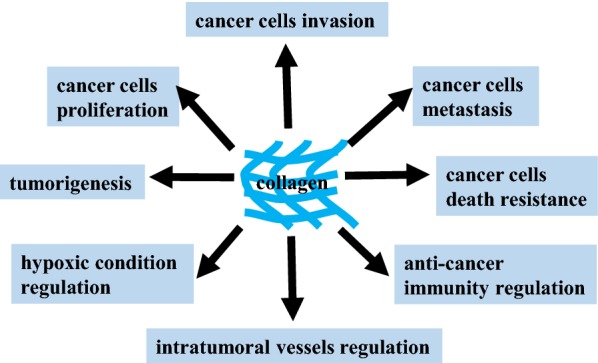
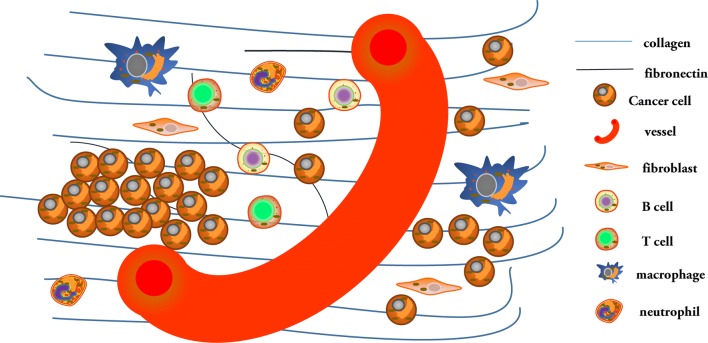
Collagen is the major component of the tumor microenvironment and participates in cancer fibrosis. Collagen biosynthesis can be regulated by cancer cells through mutated genes, transcription factors, signaling pathways and receptors; furthermore, collagen can influence tumor cell behavior through integrins, discoidin domain receptors, tyrosine kinase receptors, and some signaling pathways. Exosomes and microRNAs are closely associated with collagen in cancer. Hypoxia, which is common in collagen-rich conditions, intensifies cancer progression, and other substances in the extracellular matrix, such as fibronectin, hyaluronic acid, laminin, and matrix metalloproteinases, interact with collagen to influence cancer cell activity. Macrophages, lymphocytes, and fibroblasts play a role with collagen in cancer immunity and progression. Microscopic changes in collagen content within cancer cells and matrix cells and in other molecules ultimately contribute to the mutual feedback loop that influences prognosis, recurrence, and resistance in cancer. Nanoparticles, nanoplatforms, and nanoenzymes exhibit the expected gratifying properties. The pathophysiological functions of collagen in diverse cancers illustrate the dual roles of collagen and provide promising therapeutic options that can be readily translated from bench to bedside. The emerging understanding of the structural properties and functions of collagen in cancer will guide the development of new strategies for anticancer therapy.
Overview
The claims and statistics of this paper haven’t been checked yet.
Free: it reads the open-access text and checks the first 5 claims that cite a source we can check. Create a free account to check every claim.
Integrity signals
Registry
Cites
Statistics
Figures
Verification
Claims the paper makes
The claims and statistics of this paper haven’t been checked yet.
Free: it reads the open-access text and checks the first 5 claims that cite a source we can check. Create a free account to check every claim.
Claims other papers make about this one
Each is checked against this paper’s own text: does it say what the citing paper says it does?
The cited source says what the claim attributes to it.
In the citing paper
“Collagen in turn influences tumor cell behavior through integrins, tyrosine kinase receptors, discoidin domain receptors, and some signaling pathways [124].”
From Tumor microenvironment complexity and therapeutic implications at a glance (2020) · cites this paper as [124]
The cited source says what the claim attributes to it.
In the citing paper
“In addition, hypoxia, which is common in collagen-rich tumors, promotes cancer progression [124].”
From Tumor microenvironment complexity and therapeutic implications at a glance (2020) · cites this paper as [124]
Self-check
Percentages, sums and reported differences re-computed from the paper’s own numbers.
The self-check needs the paper’s full text.
Citations
Cites
1 retracted
Guo, Q., Zheng, M., Xu, Y., Wang, N., & Zhao, W. (2018) · Bioscience Reports · doi:10.1042/bsr20181523 · Cited by 51
RetractedBray, F., Ferlay, J., Soerjomataram, I., Siegel, R. L., Torre, L. A., & Jemal, A. (2018) · CA: A Cancer Journal for Clinicians · doi:10.3322/caac.21492 · Cited by 84,109 · cited 1×
“6 million cancer deaths were evaluated in 2018 [1], and there are predicted to be 1,762,450 additional cancer cases and 606,880 cancer deaths in the United States in 2019 [2].”
BackgroundHallmarks of Cancer: The Next Generation
Hanahan, D., & Weinberg, R. A. (2011) · Cell · doi:10.1016/j.cell.2011.02.013 · Cited by 66,590 · cited 1×
“In addition, cancer cells exhibit multiple hallmarks of cancer progression, including the recruitment of various cells to form a tumor microenvironment [3], which consists of varying functional stromal cell subtypes and matrix protein polymers [4].”
BackgroundSiegel, R. L., Miller, K. D., & Jemal, A. (2019) · CA: A Cancer Journal for Clinicians · doi:10.3322/caac.21551 · Cited by 20,160
TGFβ attenuates tumour response to PD-L1 blockade by contributing to exclusion of T cells
Mariathasan, S., Turley, S. J., Nickles, D., Castiglioni, A., Yuen, K., Wang, Y., Kadel III, E. E., Koeppen, H., Astarita, J. L., Cubas, R., et al. (2018) · Nature · doi:10.1038/nature25501 · Cited by 5,400 · cited 1×
“However, others noted that the metastatic urothelial cancer response to programmed death-1 and programmed death-ligand 1 treatment involved the movement of CD8+ T cells from the cancer parenchyma to the collagen-rich peritumoral stroma [127].”
BackgroundThe biology and function of fibroblasts in cancer
Kalluri, R. (2016) · Nature Reviews Cancer · doi:10.1038/nrc.2016.73 · Cited by 4,366
Ricard-Blum, S. (2011) · Cold Spring Harbor Perspectives in Biology · doi:10.1101/cshperspect.a004978 · Cited by 2,305
Turning foes to friends: targeting cancer-associated fibroblasts
Chen, X., & Song, E. (2019) · Nature Reviews Drug Discovery · doi:10.1038/s41573-018-0004-1 · Cited by 1,879
Collagen reorganization at the tumor-stromal interface facilitates local invasion
Provenzano, P. P., Eliceiri, K. W., Campbell, J. M., Inman, D. R., White, J. G., & Keely, P. J. (2006) · BMC Medicine · doi:10.1186/1741-7015-4-38 · Cited by 1,804
Phenotype molding of stromal cells in the lung tumor microenvironment
Lambrechts, D., Wauters, E., Boeckx, B., Aibar, S., Nittner, D., Burton, O., Bassez, A., Decaluwé, H., Pircher, A., Van den Eynde, K., et al. (2018) · Nature Medicine · doi:10.1038/s41591-018-0096-5 · Cited by 1,648
Cited by
Tumor microenvironment complexity and therapeutic implications at a glance
Baghban, R., Roshangar, L., Jahanban-Esfahlan, R., Seidi, K., Ebrahimi-Kalan, A., Jaymand, M., Kolahian, S., Javaheri, T., & Zare, P. (2020) · Cell Communication and Signaling · doi:10.1186/s12964-020-0530-4 · Cited by 1,784
“In addition, hypoxia, which is common in collagen-rich tumors, promotes cancer progression [124] .”
BackgroundExtracellular matrix and its therapeutic potential for cancer treatment
Huang, J., Zhang, L., Wan, D., Zhou, L., Zheng, S., Lin, S., & Qiao, Y. (2021) · Signal Transduction and Targeted Therapy · doi:10.1038/s41392-021-00544-0 · Cited by 962
Microenvironmental Determinants of Pancreatic Cancer
Hessmann, E., Buchholz, S. M., Demir, I. E., Singh, S. K., Gress, T. M., Ellenrieder, V., & Neesse, A. (2020) · Physiological Reviews · doi:10.1152/physrev.00042.2019 · Cited by 331
Collagen- and hyaluronic acid-based hydrogels and their biomedical applications
Xu, Q., Torres, J. E., Hakim, M., Babiak, P. M., Pal, P., Battistoni, C. M., Nguyen, M., Panitch, A., Solorio, L., & Liu, J. C. (2021) · Materials Science and Engineering: R: Reports · doi:10.1016/j.mser.2021.100641 · Cited by 318
Collagen: quantification, biomechanics and role of minor subtypes in cartilage
Bielajew, B. J., Hu, J. C., & Athanasiou, K. A. (2020) · Nature Reviews Materials · doi:10.1038/s41578-020-0213-1 · Cited by 311
Targeting the tumor stroma for cancer therapy
Xu, M., Zhang, T., Xia, R., Wei, Y., & Wei, X. (2022) · Molecular Cancer · doi:10.1186/s12943-022-01670-1 · Cited by 319
“It is now accepted that excessive deposition of collagen and crosslinking of fibrillar collagens and elastin result in the dense ECM and increase the stroma stiffness, which has profound impacts on cancer progression [52].”
BackgroundA Comprehensive Review of Nanoparticles: From Classification to Application and Toxicity
Eker, F., Duman, H., Akdaşçi, E., Bolat, E., Sarıtaş, S., Karav, S., & Witkowska, A. M. (2024) · Molecules · doi:10.3390/molecules29153482 · Cited by 249
Extracellular matrix stiffness: Mechanisms in tumor progression and therapeutic potential in cancer
Zhang, M., & Zhang, B. (2025) · Experimental Hematology & Oncology · doi:10.1186/s40164-025-00647-2 · Cited by 269
“In addition, different types of collagen exhibit different resistance mechanisms, such as COLI through activation of β1 integrin and multiple signaling pathways, and COLI and ColVI-induced tau upregulation leading to resistance to multiple drugs [40].”
InfluentialHypoxia as a driver of resistance to immunotherapy
Kopecka, J., Salaroglio, I. C., Perez-Ruiz, E., Sarmento-Ribeiro, A. B., Saponara, S., De Las Rivas, J., & Riganti, C. (2021) · Drug Resistance Updates · doi:10.1016/j.drup.2021.100787 · Cited by 246
Immune Modulatory Properties of Collagen in Cancer
Rømer, A. M. A., Thorseth, M.-L., & Madsen, D. H. (2021) · Frontiers in Immunology · doi:10.3389/fimmu.2021.791453 · Cited by 231
Epithelial‐to‐mesenchymal transition in oral squamous cell carcinoma: Challenges and opportunities
Ling, Z., Cheng, B., & Tao, X. (2021) · International Journal of Cancer · doi:10.1002/ijc.33352 · Cited by 222
Engineering cytokine therapeutics
Deckers, J., Anbergen, T., Hokke, A. M., de Dreu, A., Schrijver, D. P., de Bruin, K., Toner, Y. C., Beldman, T. J., Spangler, J. B., de Greef, T. F. A., et al. (2023) · Nature Reviews Bioengineering · doi:10.1038/s44222-023-00030-y · Cited by 214
TGF-beta: a master immune regulator
Larson, C., Oronsky, B., Carter, C. A., Oronsky, A., Knox, S. J., Sher, D., & Reid, T. R. (2020) · Expert Opinion on Therapeutic Targets · doi:10.1080/14728222.2020.1744568 · Cited by 210
“mechanisms [90] and collagen can regulate the activity of tumor-infiltrating T cells [91].”
BackgroundCODA: quantitative 3D reconstruction of large tissues at cellular resolution
Kiemen, A. L., Braxton, A. M., Grahn, M. P., Han, K. S., Babu, J. M., Reichel, R., Jiang, A. C., Kim, B., Hsu, J., Amoa, F., et al. (2022) · Nature Methods · doi:10.1038/s41592-022-01650-9 · Cited by 218
“The alignment of collagen fibers in histological samples of PDAC has been negatively correlated with prognosis 46–48 .”
BackgroundHe, Z., & Zhang, S. (2021) · Frontiers in Immunology · doi:10.3389/fimmu.2021.741305 · Cited by 203
Li, M., Zhang, X., Wang, M., Wang, Y., Qian, J., Xing, X., Wang, Z., You, Y., Guo, K., Chen, J., et al. (2022) · Cancer Communications · doi:10.1002/cac2.12364 · Cited by 181
“These results suggested that liver stiffness levels of the established SD rat models with high liver stiffness background were able to mirror the stiffness ranges of advanced cirrhosis, which were in accordance with reported data [40, 41, 46].”
BackgroundMethodResultInfluentialThe role of extracelluar matrix in osteosarcoma progression and metastasis
Cui, J., Dean, D., Hornicek, F. J., Chen, Z., & Duan, Z. (2020) · Journal of Experimental & Clinical Cancer Research · doi:10.1186/s13046-020-01685-w · Cited by 169
Proline Metabolism in Tumor Growth and Metastatic Progression
D'Aniello, C., Patriarca, E. J., Phang, J. M., & Minchiotti, G. (2020) · Frontiers in Oncology · doi:10.3389/fonc.2020.00776 · Cited by 163
Li, Y.-R., Fang, Y., Lyu, Z., Zhu, Y., & Yang, L. (2023) · Journal of Translational Medicine · doi:10.1186/s12967-023-04575-9 · Cited by 180
“In different cancer types, various types of collagen molecules present in the surrounding ECM regulate CSC stemness [90].”
BackgroundCAF-induced physical constraints controlling T cell state and localization in solid tumours
Arpinati, L., Carradori, G., & Scherz‐Shouval, R. (2024) · Nature reviews. Cancer · doi:10.1038/s41568-024-00740-4 · Cited by 183
“Collagens, in particular, COL1, COL3 and COL5, are mainly produced by fibroblasts 35,54,74 and are able to affect cancer cell activity and proliferation via activation of discoidin domain receptors (DDRs), adhesion molecules such as integrins and cadherins and other signalling pathways 71,75–78 .”
Shaping Up the Tumor Microenvironment With Cellular Fibronectin
Efthymiou, G., Saint, A., Ruff, M., Rekad, Z., Ciais, D., & Obberghen‐Schilling, E. V. (2020) · Frontiers in Oncology · doi:10.3389/fonc.2020.00641 · Cited by 164
Li, C., Qiu, S., Liu, X., Guo, F., Zhai, J., Li, Z., Deng, L., Ge, L., Qian, H., Yang, L., et al. (2023) · Signal Transduction and Targeted Therapy · doi:10.1038/s41392-023-01453-0 · Cited by 188
Targeting Cancer Associated Fibroblasts in Liver Fibrosis and Liver Cancer Using Nanocarriers
Kaps, L., & Schuppan, D. (2020) · Cells · doi:10.3390/cells9092027 · Cited by 158
Hu, Q., Zhu, Y., Mei, J., Liu, Y. L., & Zhou, G. (2025) · Journal of Hematology & Oncology · doi:10.1186/s13045-025-01717-y · Cited by 181
“Tumor cells, TAMs, and CAFs are all sources of COL in the TME [199].”
Cancer-associated fibroblasts: The chief architect in the tumor microenvironment
Sarkar, M., Nguyen, T., Gundre, E., Ogunlusi, O., El-Sobky, M. H., Giri, B., & Sarkar, T. R. (2023) · Frontiers in Cell and Developmental Biology · doi:10.3389/fcell.2023.1089068 · Cited by 166
“Increased collagen synthesis and cross-linking, in particular, are linked to increased tumor stiffness and advancement (Xu et al., 2019).”
BackgroundPerez, V. M., Kearney, J. F., & Yeh, J. J. (2021) · Frontiers in Oncology · doi:10.3389/fonc.2021.751311 · Cited by 143
Biofabrication methods for reconstructing extracellular matrix mimetics
Aazmi, A., Zhang, D., Mazzaglia, C., Yu, M., Wang, Z., Yang, H., Huang, Y. Y. S., & Ma, L. (2024) · Bioactive Materials · doi:10.1016/j.bioactmat.2023.08.018 · Cited by 130
Wang, T., Jin, H., Hu, J., Li, X., Ruan, H., Xu, H., Wei, L., Dong, W., Teng, F., Gu, J., et al. (2020) · Journal of Experimental & Clinical Cancer Research · doi:10.1186/s13046-020-01650-7 · Cited by 157
Self-citationExtracellular matrix-based cancer targeting
Karamanos, N. K., Piperigkou, Z., Passi, A., Götte, M., Rousselle, P., & Vlodavsky, I. (2021) · Trends in Molecular Medicine · doi:10.1016/j.molmed.2021.07.009 · Cited by 137
Fibroblast Growth Factor Receptors (FGFRs) and Noncanonical Partners in Cancer Signaling
Ferguson, H. R., Smith, M. P., & Francavilla, C. (2021) · Cells · doi:10.3390/cells10051201 · Cited by 144
Collagens in Cancer: Structural Regulators and Guardians of Cancer Progression
Martino, D. D., & Bravo‐Cordero, J. J. (2023) · Cancer Research · doi:10.1158/0008-5472.can-22-2034 · Cited by 141
Zhou, H., Wang, M., Zhang, Y., Su, Q., Xie, Z., Chen, X., Yan, R., Li, P., Li, T., Qin, X., et al. (2022) · 癌症:英文版 · doi:10.1002/cac2.12294 · Cited by 128
“The content and distribution of the collagen network can be modified by tumor cells through changes in gene expression, signal transduction and receptor-ligand interactions [26].”
BackgroundSelf-citationSetargew, Y. F. I., Wyllie, K., Grant, R. D., Chitty, J. L., & Cox, T. R. (2021) · Cancers · doi:10.3390/cancers13030491 · Cited by 120
“They promote the formation of a tumour supportive ECM through, among other actions, increased deposition of collagens, particularly type I, III and V fibrillar collagens (Figure 2) [38,39] and secretion of LOX family members, as well as chemokines and cytokines such as transforming growth factorβ (TGF-β), interleukin-…”
BackgroundTargeting the tumor microenvironment: Potential strategy for cancer therapeutics
Babar, Q., Saeed, A., Tabish, T. A., Sarwar, M., & Thorat, N. D. (2023) · Biochimica et Biophysica Acta (BBA) - Molecular Basis of Disease · doi:10.1016/j.bbadis.2023.166746 · Cited by 125
Jurj, A. M., Ionescu, C., Berindan‐Neagoe, I., & Braicu, C. (2022) · Journal of Experimental & Clinical Cancer Research · doi:10.1186/s13046-022-02484-1 · Cited by 116
Collagen Nanoparticles in Drug Delivery Systems and Tissue Engineering
Arun, A., Malrautu, P., Laha, A., Luo, H., & Ramakrishna, S. (2021) · Applied Sciences · doi:10.3390/app112311369 · Cited by 114
Xiao, J., Yu, X., Meng, F., Zhang, Y., Zhou, W., Ren, Y., Li, J., Sun, Y., Sun, H., Chen, G., et al. (2024) · Cell Death and Disease · doi:10.1038/s41419-024-06598-6 · Cited by 127
“Since in situ locations representing tissue sections are lacking in the scRNA-seq and single-cell resolution is lacking in the spatial RNA-seq, it is necessary to combine single-cell RNA-seq and spatial RNA-seq to re fl ect both cellular locations at true single-cell resolution.”
Self-citationImmune checkpoints in osteosarcoma: Recent advances and therapeutic potential
Yang, W., Tang, F., Tu, C., Hornicek, F. J., Duan, Z., & Min, L. (2022) · Cancer Letters · doi:10.1016/j.canlet.2022.215887 · Cited by 114
Thorlacius‐Ussing, J., Jensen, C., Nissen, N. I., Cox, T. R., Kalluri, R., Karsdal, M. A., & Willumsen, N. (2023) · The Journal of Pathology · doi:10.1002/path.6207 · Cited by 114
“This deregulation can impact cancer progression and therapy response [21], in part because the collagenous ECM is a reservoir for protumor cytokines such as transforming growth factor beta (TGF β ), which is released as a result of ECM remodeling [8].”
BackgroundCollagen biology making inroads into prognosis and treatment of cancer progression and metastasis
Cavaco, A. C. M., Dâmaso, S., Casimiro, S., & Costa, L. (2020) · Cancer and Metastasis Reviews · doi:10.1007/s10555-020-09888-5 · Cited by 111
“In ovarian cancer, COL1A2 elicited cisplatin resistance through LOX coexpression [199], while topotecan-resistant A2780 ovarian cancer cells upregulated several genes, including COL1A2, COL12A1, COL21A1, LOX, and MMP3, and significantly downregulated COL11A1 [94].”
BackgroundInfluentialTian, C., Huang, Y., Clauser, K. R., Rickelt, S., Lau, A. N., Carr, S. A., Heiden, M. G. V., & Hynes, R. O. (2021) · Nature Communications · doi:10.1038/s41467-021-22490-9 · Cited by 104
Alleviating hypoxia to improve cancer immunotherapy
Fan, P., Zhang, N., Candi, E., Agostini, M., Piacentini, M., Bernassola, F., Bove, P., Alessandro, M., Giuseppe, N., Valentina, R., et al. (2023) · Oncogene · doi:10.1038/s41388-023-02869-2 · Cited by 105
Wu, P., Han, J., Gong, Y., Liu, C., Yu, H., & Xie, N. (2022) · Pharmaceutics · doi:10.3390/pharmaceutics14101990 · Cited by 111
“Over-expression of collagen could cause therapy resistance and inhibit drug absorption [132].”
BackgroundTumor Microenvironment Shapes Colorectal Cancer Progression, Metastasis, and Treatment Responses
Li, J., Chen, D., & Shen, M. (2022) · Frontiers in Medicine · doi:10.3389/fmed.2022.869010 · Cited by 127
“The tumor promoting effects of collagen content and distribution have been extensively studied (83).”
BackgroundKim, S. K., Kim, Y. H., Park, S., & Cho, S.-W. (2021) · Acta Biomaterialia · doi:10.1016/j.actbio.2021.03.002 · Cited by 94
Multiple roles for basement membrane proteins in cancer progression and EMT
Banerjee, S., Lo, W., Majumder, P., Roy, D., Ghorai, M., Shaikh, N. K., Kant, N., Shekhawat, M. S., Gadekar, V. S., Ghosh, S., et al. (2022) · European Journal of Cell Biology · doi:10.1016/j.ejcb.2022.151220 · Cited by 103
Geng, P., Qin, W., & Xu, G. (2021) · Amino Acids · doi:10.1007/s00726-021-03060-1 · Cited by 99
Zhang, J., Zhu, W., Wang, M.-Y., Zhai, R., Wang, Q., Shen, W., & Liu, L. (2021) · Journal of Translational Medicine · doi:10.1186/s12967-021-03181-x · Cited by 104
“summarized the most abundant matrix protein polymers are collagens, whose crosslinking by LOX can create a stiffer tumor microenvironment, regulate tumor immunity, and promote metastasis [37].”
BackgroundSelf-citationYan, Y., Du, C., Duan, X., Yao, X., Wan, J., Jiang, Z., Qin, Z., Li, W., Pan, L., Gu, Z., et al. (2021) · Acta Pharmaceutica Sinica B · doi:10.1016/j.apsb.2021.08.011 · Cited by 90
Causal contributors to tissue stiffness and clinical relevance in urology
Martinez-Vidal, L., Murdica, V., Venegoni, C., Pederzoli, F., Bandini, M., Necchi, A., Salonia, A., & Alfano, M. (2021) · Communications Biology · doi:10.1038/s42003-021-02539-7 · Cited by 80
Tumor-associated collagen signatures: pushing tumor boundaries
Brett, E. A., Sauter, M. A., Machens, H., & Duscher, D. (2020) · Cancer & Metabolism · doi:10.1186/s40170-020-00221-w · Cited by 87
Hold on or Cut? Integrin- and MMP-Mediated Cell–Matrix Interactions in the Tumor Microenvironment
Niland, S., & Eble, J. A. (2020) · International Journal of Molecular Sciences · doi:10.3390/ijms22010238 · Cited by 89
“In addition, cells of the TME also secrete ECM-modifying enzymes, such as covalently crosslinking enzymes that stabilize ECM fibrils and stiffen the TME [15], but also ECM scaffoldcleaving proteases, such as MMPs [31,70,120].”
BackgroundInfluentialBlanco‐Fernandez, B., Rey-Viñolas, S., Bağcı, G., Rubí-Sans, G., Otero, J., Navajas, D., Pérez‐Amodio, S., & Engel, E. (2022) · ACS Applied Materials & Interfaces · doi:10.1021/acsami.2c00920 · Cited by 88
Collagen constitutes about 12% in females and 17% in males of the total protein in mice
Tarnutzer, K., Sankar, D. S., Dengjel, J., & Ewald, C. Y. (2023) · Scientific Reports · doi:10.1038/s41598-023-31566-z · Cited by 94
Tumor-Associated Extracellular Matrix: How to Be a Potential Aide to Anti-tumor Immunotherapy?
He, Y., Liu, T., Dai, S., Xu, Z., Wang, L., & Luo, F. (2021) · Frontiers in Cell and Developmental Biology · doi:10.3389/fcell.2021.739161 · Cited by 93
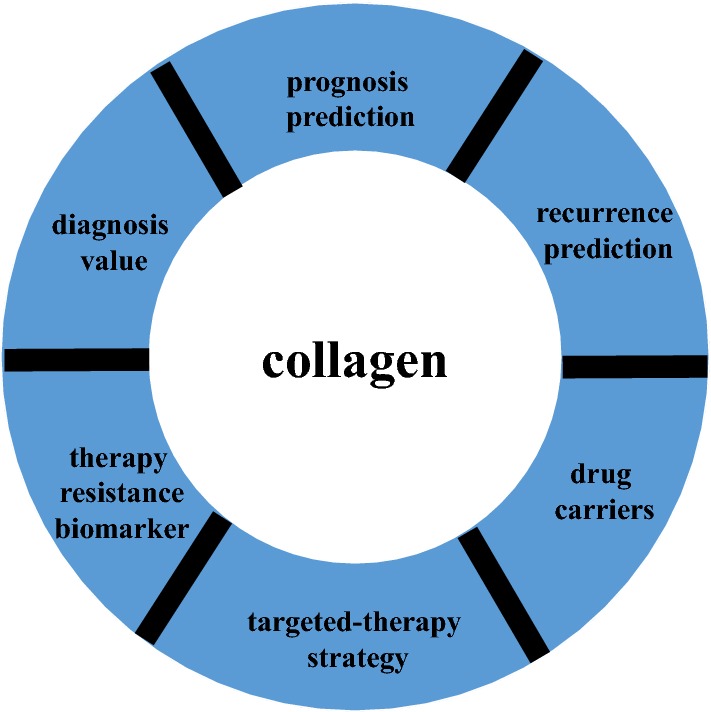
“Changes of the internal matrix composition of cancer eventually form a mutual feedback loop, which affects the prognosis, recurrence and treatment resistance of cancer (Xu et al., 2019).”
BackgroundCancer immunotherapy by NC410, a LAIR-2 Fc protein blocking human LAIR-collagen interaction
Ramos, M. I. P., Tian, L., de Ruiter, E. J., Song, C., Paucarmayta, A., Singh, A., Elshof, E., Vijver, S. V., Shaik, J., Bosiacki, J., et al. (2021) · eLife · doi:10.7554/elife.62927 · Cited by 85
“Most tumors overexpress a diverse set of collagens in an abnormal fashion (Nissen et al., 2019; Xu et al., 2019).”
BackgroundSelf-citationNavigating the Collagen Jungle: The Biomedical Potential of Fiber Organization in Cancer
Ouellette, J. N., Drifka, C. R., Pointer, K. B., Liu, Y., Lieberthal, T. J., Kao, W. J., Kuo, J. S., Loeffler, A. G., & Eliceiri, K. W. (2021) · Bioengineering · doi:10.3390/bioengineering8020017 · Cited by 88
Vijver, S. V., Singh, A., Mommers-Elshof, E. T. A. M., Meeldijk, J., Copeland, R., Boon, L., Langermann, S., Flies, D., Meyaard, L., & Ramos, M. I. P. (2021) · Frontiers in Immunology · doi:10.3389/fimmu.2021.733561 · Cited by 80
Characteristics of pre-metastatic niche: the landscape of molecular and cellular pathways
Wang, H., Pan, J., Barsky, L., Jacob, J. C., Zheng, Y., Gao, C., Wang, S., Zhu, W., Sun, H., Lu, L., et al. (2021) · Molecular Biomedicine · doi:10.1186/s43556-020-00022-z · Cited by 88
Zhang, Q., An, Z.-Y., Jiang, W. G., Jin, W., & He, X. (2023) · Biomedicine & Pharmacotherapy · doi:10.1016/j.biopha.2023.115390 · Cited by 85
Proteinaceous Hydrogels for Bioengineering Advanced 3D Tumor Models
Blanco‐Fernandez, B., Gaspar, V. M., Engel, E., & Mano, J. F. (2021) · Advanced Science · doi:10.1002/advs.202003129 · Cited by 78
3D-bioprinted cancer-on-a-chip: level-up organotypic in vitro models
Monteiro, M. V., Zhang, Y. S., Gaspar, V. M., & Mano, J. F. (2021) · Trends in biotechnology · doi:10.1016/j.tibtech.2021.08.007 · Cited by 82
Wang, D., Li, Y., Ge, H., Ghadban, T., Reeh, M., & Güngör, C. (2022) · Cancers · doi:10.3390/cancers14163998 · Cited by 85
“At present, 28 types of collagens that are encoded by 43 genes have been identified, all of which are composed of three polypeptide chains (α chains) that intertwine with each other in a rope-like fashion, forming a triple helix, and nucleating at the N-terminal [20].”
BackgroundZhang, H., Shi, X., Vu, N. Q., Li, G., Li, Z., Shi, Y., Li, M., Wang, B., Welham, N. V., Patankar, M. S., et al. (2020) · Analytical Chemistry · doi:10.1021/acs.analchem.0c02704 · Cited by 77
Targeting type I collagen for cancer treatment
Shi, R., Zhang, Z., Zhu, A.-K., Xiong, X., Zhang, J., Xu, J., Sy, M., & Li, C. (2022) · International Journal of Cancer · doi:10.1002/ijc.33985 · Cited by 81
“Many studies have indicated that collagen expression is frequently increased during tumorigenesis and is associated with poor prognosis.(12) However, a few reports have demonstrated that collagen also possesses tumor-suppressing properties.”
BackgroundJia, M., Zhang, D., Zhang, C., & Li, C. (2021) · Journal of Nanobiotechnology · doi:10.1186/s12951-021-01134-6 · Cited by 80
Migration of Cytotoxic T Lymphocytes in 3D Collagen Matrices
Sadjadi, Z., Zhao, R., Hoth, M., Qu, B., & Rieger, H. (2020) · Biophysical Journal · doi:10.1016/j.bpj.2020.10.020 · Cited by 81
Collagen-rich omentum is a premetastatic niche for integrin α2-mediated peritoneal metastasis
Huang, Y., Liang, C.-Y., Ritz, D., Coelho, R., Septiadi, D., Estermann, M., Cumin, C., Rimmer, N., Schötzau, A., López, M. N., et al. (2020) · eLife · doi:10.7554/elife.59442 · Cited by 80
“Although collagens have been widely accepted to elicit biochemical or biophysical signaling in tumor progression in the established tumor microenvironment (Xu et al., 2019), the interplay between collagens and tumor cells in the premetastatic niche remains unclear.”
BackgroundCollagen for neural tissue engineering: Materials, strategies, and challenges
Huang, W., Ding, S., Zhao, X.-Y., Li, K., Guo, H., Zhang, M., & Gu, Q. (2023) · Materials Today Bio · doi:10.1016/j.mtbio.2023.100639 · Cited by 80
“Collagen is highly associated with clinical outcomes, making it a prevalent biomarker for various clinical applications, including a predictor of prognosis and recurrence; in diagnosis and serving as a drug carrier for targeted therapies [244].”
BackgroundCancer immune exclusion: breaking the barricade for a successful immunotherapy
Bruni, S., Mercogliano, M. F., Mauro, F. L., Russo, R. I. C., & Schillaci, R. (2023) · Frontiers in Oncology · doi:10.3389/fonc.2023.1135456 · Cited by 79
“Clinical trials testing therapies targeted collagen have been reviewed elsewhere (138).”
BackgroundTargets of tumor microenvironment for potential drug development
Zhang, L., Wang, Z., Liu, K., Liu, Y., Wang, S., Jiang, W., Lu, F., & Dang, Y. (2024) · MedComm – Oncology · doi:10.1002/mog2.68 · Cited by 76
Ding, L., Liang, M., Li, Y., Zeng, M., Liu, M., Ma, W., Chen, F., Li, C., Reis, R. L., Li, F., et al. (2023) · Advanced Science · doi:10.1002/advs.202302967 · Cited by 68
Collagen-based bioinks for regenerative medicine: Fabrication, application and prospective
Li, Z., Ruan, C., & Niu, X. (2023) · Medicine in Novel Technology and Devices · doi:10.1016/j.medntd.2023.100211 · Cited by 72
Xiong, Y., Zhang, X., Zhu, J., Zhang, Y., Pan, Y., Wu, Y. Z., Zhao, J., Liu, J., Lu, Y., Liang, H., et al. (2023) · Cell Death and Differentiation · doi:10.1038/s41418-023-01166-5 · Cited by 73
“The above studies revealed that collagens could act as ligands that cross-talk with collagen receptors in the surrounding tumor cells [56] and that DDR1-dependent collagen remodeling contributes to immune exclusion in breast cancer [8].”
BackgroundSelf-citationA Complex and Evolutive Character: Two Face Aspects of ECM in Tumor Progression
Sala, M., Ros, M., & Saltel, F. (2020) · Frontiers in Oncology · doi:10.3389/fonc.2020.01620 · Cited by 68
“Next, we describe the remodeling of TAEM: (i) its deposition and (ii) its degradation by invadopodia formation (20) through (iii) matrix receptors, leading to loss of ECM homeostasis (19) and change of biomechanical properties of the ECM.”
MethodEGFR as a stable marker of prostate cancer dissemination to bones
Nastały, P., Stoupiec, S., Popęda, M., Smentoch, J., Schlomm, T., Morrissey, C. M., Zaczek, A. J., Beyer, B., Tennstedt, P., Graefen, M., et al. (2020) · British Journal of Cancer · doi:10.1038/s41416-020-01052-8 · Cited by 74
Yee, C., Dickson, K.-A., Muntasir, M. N., Ma, Y., & Marsh, D. J. (2022) · Frontiers in Bioengineering and Biotechnology · doi:10.3389/fbioe.2022.836984 · Cited by 66
Biomaterials to enhance adoptive cell therapy
Eckman, N., Nejatfard, A., Cavet, R., Grosskopf, A. K., & Appel, E. A. (2024) · Nature Reviews Bioengineering · doi:10.1038/s44222-023-00148-z · Cited by 69
“Physical obstacles posed by increased tissue stiffness resulting from the increased collagen content of tumours also prevent immune-cell infiltration 30 .”
Crosstalk between T lymphocyte and extracellular matrix in tumor microenvironment
Lv, D., Fei, Y., Chen, H., Wang, J., Han, W., Cui, B., Feng, Y., Zhang, P., & Chen, J. (2024) · Frontiers in Immunology · doi:10.3389/fimmu.2024.1340702 · Cited by 75
ROBO2 is a stroma suppressor gene in the pancreas and acts via TGF-β signalling
Pinho, A. V., Van Bulck, M., Chantrill, L., Arshi, M., Sklyarova, T., Herrmann, D., Vennin, C., Gallego-Ortega, D., Mawson, A., Giry-Laterriere, M., et al. (2018) · Nature Communications · doi:10.1038/s41467-018-07497-z · Cited by 64
Collagen Kinase Receptors as Potential Therapeutic Targets in Metastatic Colon Cancer
Lafitte, M., Sirvent, A., & Roche, S. (2020) · Frontiers in Oncology · doi:10.3389/fonc.2020.00125 · Cited by 68
“Aberrant collagen I, IV, and XVII protein levels in CRC samples have been associated with worse prognosis and metastasis development (11, 12).”
BackgroundRadiotherapy-induced remodeling of the tumor microenvironment by stromal cells
Berg, T. J., & Pietras, A. (2022) · Seminars in Cancer Biology · doi:10.1016/j.semcancer.2022.02.011 · Cited by 68
Factors Determining Epithelial-Mesenchymal Transition in Cancer Progression
Tomecka, P., Kunachowicz, D., Górczyńska, J., Gebuza, M., Kuźnicki, J., Skinderowicz, K., & Choromańska, A. (2024) · International Journal of Molecular Sciences · doi:10.3390/ijms25168972 · Cited by 70
“Furthermore, the migration of melanoma cells induced by the COLIV/ β 1-integrin pathway involves GTPases, PI3K, protein kinase C (PKC), and NF-κ B [66].”
BackgroundCheng, R.-H., Wang, Y., Chang, J. Y., Pan, Y., Chang, M., & Jeng, J. (2020) · International Journal of Molecular Sciences · doi:10.3390/ijms21218104 · Cited by 61
“Hypoxia and collagen-rich conditions also intensify cancer progression [36].”
BackgroundFranchi, M., Piperigkou, Z., Karamanos, K.-A., Franchi, L., & Masola, V. (2020) · Cells · doi:10.3390/cells9092031 · Cited by 66
“It was reported that collagen interacts with tumor development by enhancing exosome secretion [36]; thus, collagen and exosomes should be jointly considered as important factors promoting cancer progression [21].”
BackgroundZhang, J., Zhang, J., Wang, F., Xu, X., Li, X., Guan, W., Men, T., & Xu, G. (2021) · Journal of Cellular Physiology · doi:10.1002/jcp.30350 · Cited by 59
“It has been shown that collagen, cancer cells, other components of the tumor microenvironment mutually form a complex inter‐reinforcing network to promote cancer cell proliferation, migration, and metastasis (Xu et al., 2019).”
BackgroundExtracellular Matrix Biomarkers in Colorectal Cancer
Kim, M. S., Ha, S. E., Wu, M., Zogg, H., Ronkon, C. F., Lee, M. Y., & Ro, S. (2021) · International Journal of Molecular Sciences · doi:10.3390/ijms22179185 · Cited by 66
“Collagen can be altered by cancer cells to regulate in situ neoplasia, invasion, and ultimately dissemination of metastatic disease [22].”
BackgroundCollagen XI alpha 1 chain, a potential therapeutic target for cancer
Liu, Z., Lai, J., Jiang, H., Ma, C., & Huang, H. (2021) · The FASEB Journal · doi:10.1096/fj.202100054rr · Cited by 58
Pan-Cancer Analysis Reveals a Distinct Neutrophil Extracellular Trap-Associated Regulatory Pattern
Shen, X., Xie, S., Xu, J., Yang, L., & Qin, L. (2022) · Frontiers in Immunology · doi:10.3389/fimmu.2022.798022 · Cited by 68
Multiple aspects of matrix stiffness in cancer progression
Mancini, A., Gentile, M. T., Pentimalli, F., Cortellino, S., Grieco, M., & Giordano, A. (2024) · Frontiers in Oncology · doi:10.3389/fonc.2024.1406644 · Cited by 63
“Among these, the remodeling of collagen/elastin (27), hyaluronic acid (28 – 30), and fi bronectin (31 – 33), affects matrix stiffness by promoting the formation of the desmoplastic matrix, characterized by the growth of an ECM increased in collagen and a stroma with a high interstitial pressure,…”
BackgroundHamanaka, R. B., & Mutlu, G. M. (2021) · Amino Acids · doi:10.1007/s00726-021-02996-8 · Cited by 54
“Thus, collagens are able to impart both structural and signaling cues that regulate both normal and pathogenic cellular behavior (Karsdal et al. 2017; Xu et al. 2019).”
BackgroundProtein-based Nanomaterials: a New Tool for Targeted Drug Delivery
Aljabali, A. A. A., Rezigue, M. M., Alsharedeh, R., Obeid, M. A., Mishra, V. K., Serrano‐Aroca, Á., El‐Tanani, M., & Tambuwala, M. M. (2022) · Therapeutic Delivery · doi:10.4155/tde-2021-0091 · Cited by 59
Role of the Extracellular Matrix in Cancer: Insights into Tumor Progression and Therapy
Desai, N., Sahel, D. K., Sawant, B. K. S., Postwala, H. I., Shah, Y. B., Chavda, V. P., Fernandes, C., Khatri, D. K., & Vora, L. K. (2025) · Advanced Therapeutics · doi:10.1002/adtp.202400370 · Cited by 66
Sources, extractions and applications of bio-maker collagen–A review
Alam, M. R., Shahid, M. A., Alimuzzaman, S., & Khan, A. N. (2022) · Biomedical Engineering Advances · doi:10.1016/j.bea.2022.100064 · Cited by 61
Sato, H., Hara, T., Meng, S., Tsuji, Y., Arao, Y., Saito, Y., Sasaki, K., Kobayashi, S., Doki, Y., Eguchi, H., et al. (2023) · Cancer Science · doi:10.1111/cas.15890 · Cited by 56
Ansardamavandi, A., & Tafazzoli‐Shadpour, M. (2021) · Biochimica et Biophysica Acta (BBA) - Molecular Cell Research · doi:10.1016/j.bbamcr.2021.119103 · Cited by 57
Grasso, G., Colella, F., Forciniti, S., Onesto, V., Iuele, H., Siciliano, A. C., Carnevali, F., Chandra, A., Gigli, G., & del Mercato, L. L. (2023) · Nanoscale Advances · doi:10.1039/d3na00218g · Cited by 56
Extracellular matrix biomechanical roles and adaptation in health and disease
Franchi, M., Piperigkou, Z., MASTRONIKOLIS, N. S., & Karamanos, N. K. (2023) · FEBS Journal · doi:10.1111/febs.16938 · Cited by 58
“ECM plays double opposite mechanical roles in tumor progression: a different orientation of stiff collagen fibrils or fibers prevent or favor cancer cell invasion [51].”
BackgroundSquishy matters – Corneal mechanobiology in health and disease
Thomasy, S. M., Leonard, B. C., Greiner, M. A., Skeie, J. M., & Raghunathan, V. K. (2024) · Progress in Retinal and Eye Research · doi:10.1016/j.preteyeres.2023.101234 · Cited by 54
“Colla-gens are composed of three polypeptide chains twisted into a right-handed helical structure (Xu et al., 2019).”
BackgroundStrategies for Efficient Targeting of Tumor Collagen for Cancer Therapy
Baldari, S., Modugno, F. D., Nisticò, P., & Toietta, G. (2022) · Cancers · doi:10.3390/cancers14194706 · Cited by 59
“Furthermore, the products of collagen degradation can still promote cancer angiogenesis and metastasis [44].”
Background
Metadata
- Authors
- Xu, S., Xu, H., Wang, W., Li, S., Li, H., Li, T., Zhang, W., Yu, X., & Liu, L.
- Affiliations
- Shanghai Medical College of Fudan University (CN)
- Corresponding author
- Yu, Xianjun
- Liu, Liang
- Venue
- Journal of Translational Medicine
- Published
- 2019-09-14
- Volume
- 17
- Issue
- 1
- Pages
- 309-309
- ISSN
- 1479-5876 (ISSN-L)
- PMC
- PMC6744664
- OpenAlex
- W2972865130
- Cited by
- 735
- References
- 318
- Citations by year
- 2026: 40 · 2025: 105 · 2024: 139 · 2023: 141 · 2022: 120 · 2021: 130 · 2020: 56 · 2019: 1
- FWCI
- 4.89
- Type
- journal article
- Language
- en
- Open access
- gold
- doi.org
- Licence
- cc-by
- creativecommons.org/licenses/by/4.0/ (tdm)
- creativecommons.org/licenses/by/4.0/ (vor)
- Locations
- Journal of Translational Medicine (publishedVersion, cc-by)
- PubMed Central (publishedVersion, cc-by)
- PubMed (publishedVersion)
- DOAJ (DOAJ: Directory of Open Access Journals) (submittedVersion)
- Funders
- National Science Foundation for Distinguished Young Scholars of China (81625016)
- National Natural Science Foundation of China (81871941, 81872366, 81827807, 81802675, 81702341)
- Outstanding Academic Leader Program of the “Technological Innovation Action Plan” of the Shanghai Science and Technology Commission (18XD1401200)
- Young Talented Specialist Training Program of Shanghai
- Topics
- Physical Sciences › Materials Science › Biomaterials › Collagen: Extraction and Characterization
- Life Sciences › Biochemistry, Genetics and Molecular Biology › Cell Biology › Cellular Mechanics and Interactions
- Life Sciences › Biochemistry, Genetics and Molecular Biology › Molecular Biology › TGF-β signaling in diseases
- Keywords
- collagen, tumor microenvironment, collagen synthesis, integrins, discoidin domain receptors, exosomes, microRNA, tumor hypoxia, extracellular matrix, fibronectin, hyaluronic acid, matrix metalloproteinases, tumor immunology, tumor progression, nanotherapeutics, nanozymes, cancer therapy
- MeSH terms
- Collagen, Humans, Neoplasms, Prognosis, MicroRNAs, Exosomes, Translational Research, Biomedical
About these checks
Registry, retraction, Cites and statistics results are computed, not judged, with one exception: a printed reference that no index lists is read once by a model before it counts as a citation error. Claims are extracted by a model and kept only when their quote appears verbatim in the text; each cited source is then checked, with a model’s help, for whether it says what the claim relies on. Those verdicts can be wrong — read the claim’s quote and the cited source before relying on one.
Statistics and arithmetic are recomputed, not judged.
Confidence bands are shown only for fields calibrated on our annotated test set. None is calibrated yet, so no band is shown.
What counts as a claim ›How we measure confidence ›How we check this ›
Are you an author, or do you see a problem with this page? Request a review
Data sources
Bibliographic data: Semantic Scholar, OpenAlex, Crossref.
Contains information from the Semantic Scholar Academic Graph Datasets, made available under the ODC Attribution License (ODC-BY 1.0).
Semantic Scholar’s data is described in: Kinney, R., et al. (2023). The Semantic Scholar Open Data Platform. arXiv:2301.10140.
