

Performance effects of periodized carbohydrate restriction in endurance trained athletes – a systematic review and meta-analysis
Open accessThe DOI matches its Crossref record; 62 of the 62 references it cites were found in a registry or an index.
Abstract
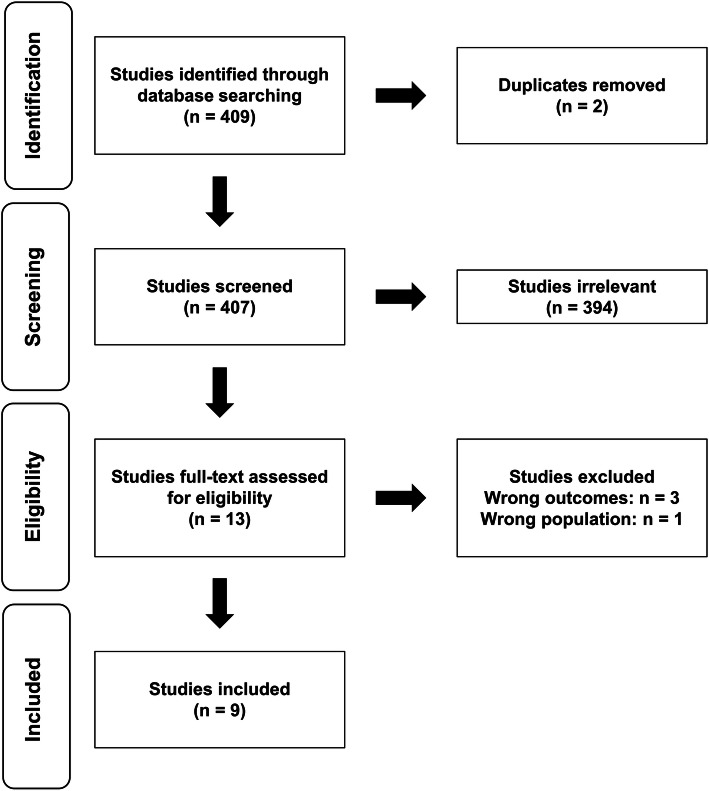
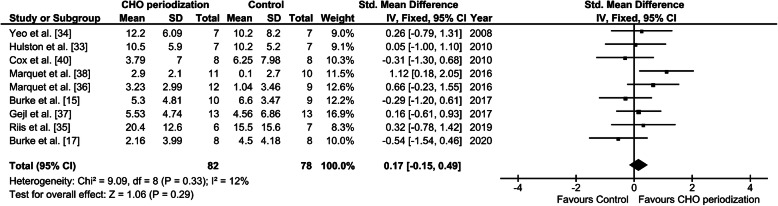
Endurance athletes typically consume carbohydrate-rich diets to allow for optimal performance during competitions and intense training. However, acute exercise studies have revealed that training or recovery with low muscle glycogen stimulates factors of importance for mitochondrial biogenesis in addition to favourable metabolic adaptations in trained athletes. Compromised training quality and particularly lower intensities in peak intervals seem to be a major drawback from dietary interventions with chronic carbohydrate (CHO) restriction. Therefore, the concept of undertaking only selected training sessions with restricted CHO availability (periodized CHO restriction) has been proposed for endurance athletes. However, the overall performance effect of this concept has not been systematically reviewed in highly adapted endurance-trained athletes. We therefore conducted a meta-analysis of training studies that fulfilled the following criteria: a) inclusion of females and males demonstrating a VO2max ≥ 55 and 60 ml · kg− 1 · min− 1, respectively; b) total intervention and training periods ≥ 1 week, c) use of interventions including training and/or recovery with periodized carbohydrate restriction at least three times per week, and d) measurements of endurance performance before and after the training period. The literature search resulted in 407 papers of which nine studies fulfilled the inclusion criteria. The subsequent meta-analysis demonstrated no overall effect of CHO periodization on endurance performance compared to control endurance training with normal (high) CHO availability (standardized mean difference = 0.17 [− 0.15, 0.49]; P = 0.29). Based on the available literature, we therefore conclude that periodized CHO restriction does not per se enhance performance in endurance-trained athletes. The review discusses different approaches to CHO periodization across studies with a focus on identifying potential physiological benefits.
Overview
The claims and statistics of this paper haven’t been checked yet.
Free: it reads the open-access text and checks the first 5 claims that cite a source we can check. Create a free account to check every claim.
Integrity signals
Registry
Cites
Statistics
Figures
Verification
Claims the paper makes
The claims and statistics of this paper haven’t been checked yet.
Free: it reads the open-access text and checks the first 5 claims that cite a source we can check. Create a free account to check every claim.
Claims other papers make about this one
Each is checked against this paper’s own text: does it say what the citing paper says it does?
The cited source says what the claim attributes to it.
In the citing paper
“Despite promising acute molecular responses, training studies have provided limited and inconsistent evidence that carbohydrate periodization translates into measurable improvements in performance [82].”
From Carbohydrate Storage and Supplementation Strategies for Peak Performance in Cross-Country Skiing (2026) · cites this paper as [82]
In the citing paper
“However, a recent meta-analysis of nine studies investigating long-term benefits of carbohydrate periodization on performance outcomes suggests that this approach does not always enhance performance in the long term over training with high carbohydrate availability [142].”
From New Horizons in Carbohydrate Research and Application for Endurance Athletes (2022) · cites this paper as [142]
Self-check
Percentages, sums and reported differences re-computed from the paper’s own numbers.
The self-check needs the paper’s full text.
Citations
Cites
Cochrane Handbook for Systematic Reviews of Interventions
(2019) · doi:10.1002/9781119536604 · Cited by 14,828
Reliability of the PEDro Scale for Rating Quality of Randomized Controlled Trials
Maher, C. G., Sherrington, C., Herbert, R. D., Moseley, A. M., & Elkins, M. (2003) · Physical Therapy · doi:10.1093/ptj/83.8.713 · Cited by 4,808 · cited 1×
“used to assess the quality of the included studies [39] (Table 1).”
MethodDiet, muscle glycogen and physical performance.
Bergström, J., Hermansen, L., Hultman, E., & Saltin, B. (1967) · Acta Physiologica Scandinavica · doi:10.1111/j.1748-1716.1967.tb03720.x · Cited by 1,740 · cited 1×
“Introduction of the muscle biopsy technique in the 1960s by Bergstrøm and colleagues [2] revealed that these findings were linked to muscle glycogen availability and several studies have subsequently confirmed that commencing exercise with low muscle glycogen availability can markedly compromise endurance performance.”
BackgroundClinimetrics: Physiotherapy Evidence Database (PEDro) Scale
Cashin, A. G., & McAuley, J. H. (2020) · Journal of Physiotherapy · doi:10.1016/j.jphys.2019.08.005 · Cited by 975 · cited 1×
“scale has previously been interpreted so that studies scoring lower than four points are considered to be of “poor” quality, four to five points “fair” quality, six to eight points “good” quality, while nine to 10 points indicates excellent methodological quality [48].”
BackgroundPerry, C. G. R., Lally, J., Holloway, G. P., Heigenhauser, G. J. F., Bonen, A., & Spriet, L. L. (2010) · The Journal of Physiology · doi:10.1113/jphysiol.2010.199448 · Cited by 559 · cited 1×
“Performing the same training protocol repeatedly can lead to a gradual reduction in the acute training response emphasizing a general need for varying the training stimulus [38, 54, 55].”
BackgroundAMPK in skeletal muscle function and metabolism
Kjøbsted, R., Hingst, J. R., Fentz, J., Foretz, M., Sanz, M., Pehmøller, C., Shum, M., Marette, A., Mounier, R., Treebak, J. T., et al. (2018) · The FASEB Journal · doi:10.1096/fj.201700442r · Cited by 496
Phinney, S. D., Bistrian, B. R., Evans, W. J., Gervino, E., & Blackburn, G. L. (1983) · Metabolism · doi:10.1016/0026-0495(83)90106-3 · Cited by 422 · cited 1×
“4 weeks [4], and observed a significant shift towards a higher reliance on fat during exercise in the fasted state, without a compromised endurance capacity.”
BackgroundBurke, L. M., Ross, M. L., Garvican‐Lewis, L. A., Welvaert, M., Heikura, I. A., Forbes, S. G., Mirtschin, J. G., Cato, L. E., Strobel, N., Sharma, A. P., et al. (2017) · The Journal of Physiology · doi:10.1113/jp273230 · Cited by 407 · cited 9×
“, twice-a-day training, fasted training, sleep-low) [6, 8], while one study has employed fasted training [42].”
BackgroundMethodInfluentialWojtaszewski, J. F. P., MacDonald, C., Nielsen, J. N., Hellsten, Y., Hardie, D. G., Kemp, B. E., Kiens, B., & Richter, E. A. (2003) · American Journal of Physiology-Endocrinology and Metabolism · doi:10.1152/ajpendo.00436.2002 · Cited by 348 · cited 1×
“ite in order to enhance the acute training response in endurance athletes [28, 29, 31], this could explain the absent superior effects in that study.”
BackgroundEarly signaling responses to divergent exercise stimuli in skeletal muscle from well-trained humans
Coffey, V. G., Zhong, Z., Shield, A., Canny, B. J., Chibalin, A. V., Zierath, J. R., & Hawley, J. A. (2006) · The FASEB Journal · doi:10.1096/fj.05-4809fje · Cited by 336 · cited 1×
“less susceptible to exercise-induced stress when compared to that of untrained individuals [37, 38].”
BackgroundThe use of carbohydrates during exercise as an ergogenic aid
Cermak, N. M., & van Loon, L. J. C. (2013) · Sports Medicine · doi:10.1007/s40279-013-0079-0 · Cited by 300
Skeletal muscle adaptation: training twice every second day vs. training once daily
Hansen, A. K., Fischer, C. P., Plomgaard, P., Andersen, J. L., Saltin, B., & Pedersen, B. K. (2005) · Journal of Applied Physiology · doi:10.1152/japplphysiol.00163.2004 · Cited by 286
Yeo, W. K., Paton, C. D., Garnham, A. P., Burke, L. M., Carey, A. L., & Hawley, J. A. (2008) · Journal of Applied Physiology · doi:10.1152/japplphysiol.90882.2008 · Cited by 283 · cited 6×
“Three studies utilized the “twice-a-day” training approach [40, 41, 45], another three studies the “sleep-low” approach [43, 44, Gejl and Nybo Journal of the International Society of Sports Nutrition (2021) 18:37 Page 4 of 12”
BackgroundMethodInfluentialEnergy Availability in Athletics: Health, Performance, and Physique
Melin, A. K., Heikura, I. A., Tenforde, A., & Mountjoy, M. (2019) · International Journal of Sport Nutrition and Exercise Metabolism · doi:10.1123/ijsnem.2018-0201 · Cited by 258 · cited 1×
“, endocrine perturbations and impaired bone health) [59].”
BackgroundTønnessen, E., Sylta, Ø., Haugen, T. A., Hem, E., Svendsen, I. S., & Seiler, S. (2014) · PLoS ONE · doi:10.1371/journal.pone.0101796 · Cited by 255 · cited 1×
“However, due to different periodization strategies, these intense periods are often conducted during certain parts of the season and surrounded by less intense periods where athletes are likely more stable in terms of performance and perhaps more responsive to “train-low” interventions [57, 58].”
BackgroundIII. Arbeitsfähigkeit und Ernährung1
Christensen, E. H., & Hansen, O. (1939) · Skandinavisches Archiv Für Physiologie · doi:10.1111/j.1748-1716.1939.tb01320.x · Cited by 239
Pilegaard, H., Keller, C., Steensberg, A., Wulff Helge, J., Klarlund Pedersen, B., Saltin, B., & Neufer, P. D. (2002) · The Journal of Physiology · doi:10.1113/jphysiol.2002.016832 · Cited by 234 · cited 1×
“For instance, pioneering studies by Pilegaard and colleagues [23, 24] demonstrated that cell signalling pathways that promote a reinforcement of the skeletal”
BackgroundImpey, S. G., Hearris, M. A., Hammond, K. M., Bartlett, J. D., Louis, J., Close, G. L., & Morton, J. P. (2018) · Sports Medicine · doi:10.1007/s40279-018-0867-7 · Cited by 232 · cited 3×
“homeostasis, seems to be enhanced when the CHO availability is reduced [32].”
BackgroundJacobs, R. A., & Lundby, C. (2013) · Journal of Applied Physiology · doi:10.1152/japplphysiol.01081.2012 · Cited by 222 · cited 1×
“Accordingly, the skeletal muscles of elite endurance athletes are characterized by a higher mitochondrial volume, cristae density and function in comparison to less trained individuals [21, 22].”
BackgroundLambert, E. V., Speechly, D. P., Dennis, S. C., & Noakes, T. D. (1994) · European Journal of Applied Physiology and Occupational Physiology · doi:10.1007/bf00392032 · Cited by 219
Re-Examining High-Fat Diets for Sports Performance: Did We Call the ‘Nail in the Coffin’ Too Soon?
Burke, L. M. (2015) · Sports Medicine · doi:10.1007/s40279-015-0393-9 · Cited by 201 · cited 17×
“However, and as recently reviewed by Burke [5], prolonged periods with chronic CHO restriction (i.”
BackgroundResultInfluentialTraining with Low Muscle Glycogen Enhances Fat Metabolism in Well-Trained Cyclists
HULSTON, C. J., VENABLES, M. C., MANN, C. H., MARTIN, C., PHILP, A., BAAR, K., & JEUKENDRUP, A. E. (2010) · Medicine & Science in Sports & Exercise · doi:10.1249/mss.0b013e3181dd5070 · Cited by 196 · cited 5×
“Three studies utilized the “twice-a-day” training approach [40, 41, 45], another three studies the “sleep-low” approach [43, 44, Gejl and Nybo Journal of the International Society of Sports Nutrition (2021) 18:37 Page 4 of 12”
BackgroundMethodInfluentialStellingwerff, T., Spriet, L. L., Watt, M. J., Kimber, N. E., Hargreaves, M., Hawley, J. A., & Burke, L. M. (2006) · American Journal of Physiology-Endocrinology and Metabolism · doi:10.1152/ajpendo.00268.2005 · Cited by 195
Nielsen, J., Gejl, K. D., Hey‐Mogensen, M., Holmberg, H., Suetta, C., Krustrup, P., Elemans, C. P. H., & Ørtenblad, N. (2017) · The Journal of Physiology · doi:10.1113/jp273040 · Cited by 191 · cited 1×
“Accordingly, the skeletal muscles of elite endurance athletes are characterized by a higher mitochondrial volume, cristae density and function in comparison to less trained individuals [21, 22].”
BackgroundBurke, L. M., Angus, D. J., Cox, G. R., Cummings, N. K., Febbraio, M. A., Gawthorn, K., Hawley, J. A., Minehan, M., Martin, D. T., & Hargreaves, M. (2000) · Journal of Applied Physiology · doi:10.1152/jappl.2000.89.6.2413 · Cited by 190
Maximizing Cellular Adaptation to Endurance Exercise in Skeletal Muscle
Hawley, J. A., Lundby, C., Cotter, J. D., & Burke, L. M. (2018) · Cell Metabolism · doi:10.1016/j.cmet.2018.04.014 · Cited by 182
Cox, G. R., Clark, S. A., Cox, A. J., Halson, S. L., Hargreaves, M., Hawley, J. A., Jeacocke, N., Snow, R. J., Yeo, W. K., & Burke, L. M. (2010) · Journal of Applied Physiology · doi:10.1152/japplphysiol.00950.2009 · Cited by 165 · cited 7×
“, twice-a-day training, fasted training, sleep-low) [6, 8], while one study has employed fasted training [42].”
BackgroundInfluentialFat adaptation followed by carbohydrate loading compromises high-intensity sprint performance
Havemann, L., West, S. J., Goedecke, J. H., Macdonald, I. A., St Clair Gibson, A., Noakes, T. D., & Lambert, E. V. (2006) · Journal of Applied Physiology · doi:10.1152/japplphysiol.00813.2005 · Cited by 165
Exercise intensity and load during mass-start stage races in professional road cycling
PADILLA, S., MUJIKA, I., ORBAÑANOS, J., SANTISTEBAN, J., ANGULO, F., & JOSÉ GOIRIENA, J. (2001) · Medicine & Science in Sports & Exercise · doi:10.1097/00005768-200105000-00019 · Cited by 161
Cureton, K. J., Sparling, P. B., Evans, B. W., Johnson, S. M., Kong, U. D., & PURVIS, J. W. (1978) · PubMed · Cited by 156
Pilegaard, H., Osada, T., Andersen, L. T., Helge, J. W., Saltin, B., & Neufer, P. D. (2005) · Metabolism · doi:10.1016/j.metabol.2005.03.008 · Cited by 154 · cited 1×
“For instance, pioneering studies by Pilegaard and colleagues [23, 24] demonstrated that cell signalling pathways that promote a reinforcement of the skeletal”
BackgroundMetabolic adaptations to a high-fat diet in endurance cyclists
Goedecke, J. H., Christie, C., Wilson, G., Dennis, S. C., Noakes, T. D., Hopkins, W. G., & Lambert, E. V. (1999) · Metabolism · doi:10.1016/s0026-0495(99)90238-x · Cited by 153
Bartlett, J. D., Louhelainen, J., Iqbal, Z., Cochran, A. J., Gibala, M. J., Gregson, W., Close, G. L., Drust, B., & Morton, J. P. (2013) · American Journal of Physiology-Regulatory, Integrative and Comparative Physiology · doi:10.1152/ajpregu.00498.2012 · Cited by 147
Effects of fat adaptation and carbohydrate restoration on prolonged endurance exercise
Carey, A. L., Staudacher, H. M., Cummings, N. K., Stepto, N. K., Nikolopoulos, V., Burke, L. M., & Hawley, J. A. (2001) · Journal of Applied Physiology · doi:10.1152/jappl.2001.91.1.115 · Cited by 136
Enhanced Endurance Performance by Periodization of Carbohydrate Intake: “Sleep Low” Strategy
MARQUET, L.-A., BRISSWALTER, J., LOUIS, J., TIOLLIER, E., BURKE, L. M., HAWLEY, J. A., & HAUSSWIRTH, C. (2016) · Medicine & Science in Sports & Exercise · doi:10.1249/mss.0000000000000823 · Cited by 134 · cited 8×
“Measures of endurance performance varied between the included studies; five studies used power output assessed during a cycling time-trial [40, 41, 44–46], while three studies evaluated endurance performance as the time to complete either 10 km of running following 40 km of cycling in triathletes [43] or 10 km of race…”
BackgroundMethodResultInfluentialBurke, L. M., Hawley, J. A., Jeukendrup, A., Morton, J. P., Stellingwerff, T., & Maughan, R. J. (2018) · International Journal of Sport Nutrition and Exercise Metabolism · doi:10.1123/ijsnem.2018-0289 · Cited by 132 · cited 2×
“While adherence to a LCHF diet aims to change the substrate utilization and increase the reliance on fat during exercise, a different nutritional approach including periodic CHO restriction has emerged as a promising way to amplify the acute response to endurance training [19].”
BackgroundBURKE, L. M., HAWLEY, J. A., ANGUS, D. J., COX, G. R., CLARK, S. A., CUMMINGS, N. K., DESBROW, B., & HARGREAVES, M. (2002) · Medicine & Science in Sports & Exercise · doi:10.1097/00005768-200201000-00014 · Cited by 131
Chan, M. H. S., McGee, S. L., Watt, M. J., Hargreaves, M., & Febbraio, M. A. (2004) · The FASEB Journal · doi:10.1096/fj.03-1039fje · Cited by 127
Effects of Dietary Fat on Muscle Substrates, Metabolism, and Performance in Athletes
VOGT, M., PUNTSCHART, A., HOWALD, H., MUELLER, B., MANNHART, C., GFELLER-TUESCHER, L., MULLIS, P., & HOPPELER, H. (2003) · Medicine & Science in Sports & Exercise · doi:10.1249/01.mss.0000069336.30649.bd · Cited by 120
Yeo, W. K., McGee, S. L., Carey, A. L., Paton, C. D., Garnham, A. P., Hargreaves, M., & Hawley, J. A. (2010) · Experimental Physiology · doi:10.1113/expphysiol.2009.049353 · Cited by 117 · cited 1×
“ite in order to enhance the acute training response in endurance athletes [28, 29, 31], this could explain the absent superior effects in that study.”
BackgroundEffects of high-fat and high-carbohydrate diets on metabolism and performance in cycling
ROWLANDS, D. S., & Hopkins, W. G. (2002) · Metabolism · doi:10.1053/meta.2002.32723 · Cited by 111
Burke, L. M., Whitfield, J., Heikura, I. A., Ross, M. L. R., Tee, N., Forbes, S. F., Hall, R., McKay, A. K. A., Wallett, A. M., & Sharma, A. P. (2021) · The Journal of Physiology · doi:10.1113/jp280221 · Cited by 110
Impey, S. G., Hammond, K. M., Shepherd, S. O., Sharples, A. P., Stewart, C., Limb, M., Smith, K., Philp, A., Jeromson, S., Hamilton, D. L., et al. (2016) · Physiological Reports · doi:10.14814/phy2.12803 · Cited by 109 · cited 1×
“It has been suggested that glycogen levels of 250–300mmol·kg dw 1 are advantageous in order to provide a cellular environment that facilitates cell signalling [53], and consequently, it seems preferable to commence glycogen depleting sessions with moderate, rather than high, glycogen levels.”
BackgroundEffects of sleeping with reduced carbohydrate availability on acute training responses
Lane, S. C., Camera, D. M., Lassiter, D. G., Areta, J. L., Bird, S. R., Yeo, W. K., Jeacocke, N. A., Krook, A., Zierath, J. R., Burke, L. M., et al. (2015) · Journal of Applied Physiology · doi:10.1152/japplphysiol.00857.2014 · Cited by 102 · cited 1×
“Some acute findings in highly trained endurance athletes support this idea by demonstrating similar increases in markers of mitochondrial biogenesis during recovery from glycogen depleting sessions, irrespective of the CHO intake post-exercise [30, 56].”
BackgroundExercise with low glycogen increases PGC-1α gene expression in human skeletal muscle
Psilander, N., Frank, P., Flockhart, M., & Sahlin, K. (2013) · European Journal of Applied Physiology · doi:10.1007/s00421-012-2504-8 · Cited by 101 · cited 1×
“ite in order to enhance the acute training response in endurance athletes [28, 29, 31], this could explain the absent superior effects in that study.”
BackgroundBurke, L. M., Sharma, A. P., Heikura, I. A., Forbes, S. F., Holloway, M., McKay, A. K. A., Bone, J. L., Leckey, J. J., Welvaert, M., & Ross, M. L. (2020) · PLOS ONE · doi:10.1371/journal.pone.0234027 · Cited by 96 · cited 9×
“, twice-a-day training, fasted training, sleep-low) [6, 8], while one study has employed fasted training [42].”
BackgroundMethodInfluentialMuscle Glycogen Content Modifies SR Ca2+ Release Rate in Elite Endurance Athletes
GEJL, K. D., HVID, L. G., FRANDSEN, U., JENSEN, K., SAHLIN, K., & ØRTENBLAD, N. (2014) · Medicine & Science in Sports & Exercise · doi:10.1249/mss.0000000000000132 · Cited by 94 · cited 1×
“In general, resting glycogen levels increase by endurance training and accordingly we have observed resting levels of up to 880mmol·kg dw 1 in highly trained endurance athletes [45, 51].”
BackgroundSelf-citationThe role of ampk in controlling metabolism and mitochondrial biogenesis during exercise
Marcinko, K., & Steinberg, G. R. (2014) · Experimental Physiology · doi:10.1113/expphysiol.2014.082255 · Cited by 92
Cochran, A. J. R., Little, J. P., Tarnopolsky, M. A., & Gibala, M. J. (2010) · Journal of Applied Physiology · doi:10.1152/japplphysiol.00659.2009 · Cited by 90
A perspective on the determination of mitochondrial biogenesis
Miller, B. F., & Hamilton, K. L. (2012) · American Journal of Physiology-Endocrinology and Metabolism · doi:10.1152/ajpendo.00578.2011 · Cited by 86
Periodization of carbohydrate intake: short-term effect on performance
Marquet, L.-A., Hausswirth, C., Molle, O., Hawley, J., Burke, L., Tiollier, E., & Brisswalter, J. (2016) · Nutrients · doi:10.3390/nu8120755 · Cited by 70 · cited 7×
“Similarly, time to complete a 20 km time-trial was improved by 3% solely in the sleep-low group following an intervention lasting only one week [44].”
BackgroundResultInfluentialDistribution of Power Output during the Cycling Stage of a Triathlon World Cup
BERNARD, T., HAUSSWIRTH, C., MEUR, Y. L., BIGNET, F., DOREL, S., & BRISSWALTER, J. (2009) · Medicine & Science in Sports & Exercise · doi:10.1249/mss.0b013e318195a233 · Cited by 68
The Annual Training Periodization of 8 World Champions in Orienteering
Tønnessen, E., Svendsen, I. S., Rønnestad, B. R., Hisdal, J., Haugen, T. A., & Seiler, S. (2015) · International Journal of Sports Physiology and Performance · doi:10.1123/ijspp.2014-0005 · Cited by 67 · cited 1×
“However, due to different periodization strategies, these intense periods are often conducted during certain parts of the season and surrounded by less intense periods where athletes are likely more stable in terms of performance and perhaps more responsive to “train-low” interventions [57, 58].”
BackgroundLeckey, J. J., Hoffman, N. J., Parr, E. B., Devlin, B. L., Trewin, A. J., Stepto, N. K., Morton, J. P., Burke, L. M., & Hawley, J. A. (2018) · The FASEB Journal · doi:10.1096/fj.201700993r · Cited by 59
No superior adaptations to carbohydrate periodization in elite endurance athletes
GEJL, K. D., THAMS, L. B., HANSEN, M., ROKKEDAL-LAUSCH, T., PLOMGAARD, P., NYBO, L., LARSEN, F. J., CARDINALE, D. A., JENSEN, K., HOLMBERG, H.-C., et al. (2017) · Medicine & Science in Sports & Exercise · doi:10.1249/mss.0000000000001377 · Cited by 57 · cited 10×
“Three studies utilized the “twice-a-day” training approach [40, 41, 45], another three studies the “sleep-low” approach [43, 44, Gejl and Nybo Journal of the International Society of Sports Nutrition (2021) 18:37 Page 4 of 12”
BackgroundMethodSelf-citationExercise twice‐a‐day potentiates markers of mitochondrial biogenesis in men
Andrade‐Souza, V. A., Ghiarone, T., Sansonio, A., Santos Silva, K. A., Tomazini, F., Arcoverde, L., Fyfe, J., Perri, E., Saner, N., Kuang, J., et al. (2020) · The FASEB Journal · doi:10.1096/fj.201901207rr · Cited by 51 · cited 1×
“A recent study in untrained individuals modified the approach by reducing glycogen availability prior to every second session in both groups [50].”
BackgroundJensen, L., Gejl, K. D., Ørtenblad, N., Nielsen, J. L., Bech, R. D., Nygaard, T., Sahlin, K., & Frandsen, U. (2015) · Physiological Reports · doi:10.14814/phy2.12184 · Cited by 38 · cited 1×
“Some acute findings in highly trained endurance athletes support this idea by demonstrating similar increases in markers of mitochondrial biogenesis during recovery from glycogen depleting sessions, irrespective of the CHO intake post-exercise [30, 56].”
BackgroundSelf-citationGranata, C., Oliveira, R. S. F., Little, J. P., & Bishop, D. J. (2020) · American Journal of Physiology-Endocrinology and Metabolism · doi:10.1152/ajpendo.00233.2019 · Cited by 37
McConell, G. K., Wadley, G. D., Le plastrier, K., & Linden, K. C. (2020) · The Journal of Physiology · doi:10.1113/jp277619 · Cited by 33 · cited 2×
“Performing the same training protocol repeatedly can lead to a gradual reduction in the acute training response emphasizing a general need for varying the training stimulus [38, 54, 55].”
BackgroundRiis, S., Møller, A. B., Dollerup, O. L., Høffner, L., Jessen, N., & Madsen, K. (2019) · Scandinavian Journal of Medicine and Science in Sports · doi:10.1111/sms.13541 · Cited by 23
Gejl, K. D., Vissing, K., Hansen, M., Thams, L., Rokkedal-Lausch, T., Plomgaard, P., Lundby, A.-K. M., Nybo, L., Jensen, K., Holmberg, H., et al. (2018) · Physiological Reports · doi:10.14814/phy2.13847 · Cited by 12 · cited 1×
“Together with a high metabolic flexibility [40, 46, 52], this obviously counteracts glycogen depletion during exercise.”
BackgroundSelf-citationChristensen, E. H., & Hansen, O. (1939) · Cited by 8
Cited by
The molecular athlete: exercise physiology from mechanisms to medals
Furrer, R., Hawley, J. A., & Handschin, C. (2023) · Physiological Reviews · doi:10.1152/physrev.00017.2022 · Cited by 217
New Horizons in Carbohydrate Research and Application for Endurance Athletes
Podlogar, T., & Wallis, G. A. (2022) · Sports Medicine · doi:10.1007/s40279-022-01757-1 · Cited by 109
“However, a recent meta-analysis of nine studies investigating long-term benefits of carbohydrate periodization on performance outcomes suggests that this approach does not always enhance performance in the long term over training with high carbohydrate availability [142].”
BackgroundDirect and indirect impact of low energy availability on sports performance
Melin, A. K., Areta, J. L., Heikura, I. A., Stellingwerff, T., Torstveit, M. K., & Hackney, A. C. (2024) · Scandinavian Journal of Medicine & Science in Sports · doi:10.1111/sms.14327 · Cited by 72
“However, whether this translates to enhancing the oxidative capacity and muscle work capacity and thereby sports performance remains to be seen, as reported in the meta-analysis by Gejl and Nybo 46 on periodic low CHO (see Macronutrient issues ).”
BackgroundAnderson, L., Drust, B., Close, G. L., & Morton, J. P. (2022) · Journal of Sports Sciences · doi:10.1080/02640414.2022.2044135 · Cited by 29
Rauch, C., McCubbin, A. J., Gaskell, S. K., & Costa, R. J. S. (2022) · Frontiers in Physiology · doi:10.3389/fphys.2021.773054 · Cited by 37
“A recent systematic literature review, however, suggested that such dietary carbohydrate adjustment, “carbohydrate periodization,” does not translate into improved performance outcomes (Gejl and Nybo, 2021).”
Background
Metadata
- Authors
- Gejl, K. D., & Nybo, L.
- Affiliations
- University of Southern Denmark (DK)
- University of Copenhagen (DK)
- Corresponding author
- Gejl, Kasper Degn
- Venue
- Journal of the International Society of Sports Nutrition
- Publisher
- Informa UK Limited
- Published
- 2021-01-02
- Volume
- 18
- Issue
- 1
- Pages
- 37-37
- ISSN
- 1550-2783 (ISSN-L)
- PMC
- PMC8127206
- OpenAlex
- W3162709511
- Semantic Scholar
- 14689371e67615401ec8ecfb9a766fc626bbb553
- Cited by
- 33
- References
- 62
- Citations by year
- 2026: 7 · 2025: 11 · 2024: 2 · 2023: 8 · 2022: 5
- FWCI
- 0.80
- Type
- journal article
- Language
- en
- Open access
- gold
- doi.org
- Licence
- Locations
- Journal of the International Society of Sports Nutrition (publishedVersion, cc-by)
- PubMed Central (publishedVersion, cc-by)
- PubMed (publishedVersion)
- Research at the University of Copenhagen (University of Copenhagen) (publishedVersion, cc-by)
- University of Southern Denmark Research Portal (University of Southern Denmark) (publishedVersion, cc-by)
- DOAJ (DOAJ: Directory of Open Access Journals) (submittedVersion, cc-by-sa)
- Topics
- Health Sciences › Medicine › Orthopedics and Sports Medicine › Sports Performance and Training
- Health Sciences › Nursing › Nutrition and Dietetics › Muscle metabolism and nutrition
- Health Sciences › Medicine › Physiology (medical) › Cardiovascular and exercise physiology
- Keywords
- endurance athletes, endurance performance, carbohydrate availability, muscle glycogen, mitochondrial biogenesis, metabolic adaptation, training quality, dietary intervention
- MeSH terms
- Endurance Training, Adaptation, Physiological, Organelle Biogenesis, Female, Glycogen, Humans, Male, Physical Endurance, Muscle, Skeletal, Diet, Carbohydrate-Restricted
About these checks
Registry, retraction, Cites and statistics results are computed, not judged, with one exception: a printed reference that no index lists is read once by a model before it counts as a citation error. Claims are extracted by a model and kept only when their quote appears verbatim in the text; each cited source is then checked, with a model’s help, for whether it says what the claim relies on. Those verdicts can be wrong — read the claim’s quote and the cited source before relying on one.
Statistics and arithmetic are recomputed, not judged.
Confidence bands are shown only for fields calibrated on our annotated test set. None is calibrated yet, so no band is shown.
What counts as a claim ›How we measure confidence ›How we check this ›
Are you an author, or do you see a problem with this page? Request a review
Data sources
Bibliographic data: Semantic Scholar, OpenAlex, Crossref.
Contains information from the Semantic Scholar Academic Graph Datasets, made available under the ODC Attribution License (ODC-BY 1.0).
Semantic Scholar’s data is described in: Kinney, R., et al. (2023). The Semantic Scholar Open Data Platform. arXiv:2301.10140.
