

Kynurenine metabolic balance is disrupted in the hippocampus following peripheral lipopolysaccharide challenge
Open accessThe DOI matches its Crossref record; 73 of the 73 references it cites were found in a registry or an index.
Abstract
BACKGROUND: Inflammation increases the risk of developing depression-related symptoms, and tryptophan metabolism is an important mediator of these behavior changes. Peripheral immune activation results in central up-regulation of pro-inflammatory cytokine expression, microglia activation, and the production of neurotoxic kynurenine metabolites. The neuroinflammatory and kynurenine metabolic response to peripheral immune activation has been largely characterized at the whole brain level. It is unknown if this metabolic response exhibits regional specificity even though the unique indoleamine 2,3-dioxygenase (IDO)-dependent depressive-like behaviors are known to be controlled by discrete brain regions. Therefore, regional characterization of neuroinflammation and kynurenine metabolism might allow for better understanding of the potential mechanisms that mediate inflammation-associated behavior changes. METHODS: Following peripheral immune challenge with lipopolysaccharide (LPS), brain tissue from behaviorally relevant regions was analyzed for changes in mRNA of neuroinflammatory targets and kynurenine pathway enzymes. The metabolic balance of the kynurenine pathway was also determined in the peripheral circulation and these brain regions. RESULTS: Peripheral LPS treatment resulted in region-independent up-regulation of brain expression of pro-inflammatory cytokines and glial cellular markers indicative of a neuroinflammatory response. The expression of kynurenine pathway enzymes was also largely region-independent. While the kynurenine/tryptophan ratio was elevated significantly in both the plasma and in each brain regions evaluated, the balance of kynurenine metabolism was skewed toward production of neurotoxic metabolites in the hippocampus. CONCLUSIONS: The upstream neuroinflammatory processes, such as pro-inflammatory cytokine production, glial cell activation, and kynurenine production, may be similar throughout the brain. However, it appears that the balance of downstream kynurenine metabolism is a tightly regulated brain region-dependent process.
Overview
The claims and statistics of this paper haven’t been checked yet.
Free: it reads the open-access text and checks the first 5 claims that cite a source we can check. Create a free account to check every claim.
Integrity signals
Registry
Cites
Statistics
Figures
Verification
Claims the paper makes
The claims and statistics of this paper haven’t been checked yet.
Free: it reads the open-access text and checks the first 5 claims that cite a source we can check. Create a free account to check every claim.
Claims other papers make about this one
Each is checked against this paper’s own text: does it say what the citing paper says it does?
The source backs part of the claim, not all of it — or backs it for a different population, condition or comparison.
In the citing paper
“Studies have proven that peripherally injected LPS increases the central and peripheral metabolism of TRP via the KYN pathway by exerting neurotoxic effects, inducing reactivation of microglia and astrocytes in the CNS. 247”
From Major depressive disorder: hypothesis, mechanism, prevention and treatment (2024) · cites this paper as [247]
Experimental — accuracy not yet measured
Self-check
Percentages, sums and reported differences re-computed from the paper’s own numbers.
The self-check needs the paper’s full text.
Citations
Cites
Polazzi, E., Mengoni, I., Caprini, M., Peña-Altamira, E., Kurtys, E., & Monti, B. (2013) · Neurosignals · doi:10.1159/000337115 · Cited by 8,994
From inflammation to sickness and depression: when the immune system subjugates the brain
Dantzer, R., O'Connor, J. C., Freund, G. G., Johnson, R. W., & Kelley, K. W. (2008) · Nature Reviews Neuroscience · doi:10.1038/nrn2297 · Cited by 7,395 · cited 2×
“Twenty-four hours post LPS was chosen as the sampling time point based on established behavioral kinetics [47].”
MethodSelf-citationInsel, T., Cuthbert, B., Garvey, M., Heinssen, R., Pine, D. S., Quinn, K., Sanislow, C., & Wang, P. (2010) · American Journal of Psychiatry · doi:10.1176/appi.ajp.2010.09091379 · Cited by 7,067 · cited 2×
“Under the guidelines of the RDoC framework, a renewed emphasis has been placed on understanding regionally distinct structural, cellular, and molecular events involved in the pathogenesis of neuropsychiatric disease [29, 30].”
Microglia-mediated neurotoxicity: uncovering the molecular mechanisms
Block, M. L., Zecca, L., & Hong, J.-S. (2007) · Nature Reviews Neuroscience · doi:10.1038/nrn2038 · Cited by 4,110 · cited 1×
“While the initial neuroinflammatory response may be part of an adaptive beneficial process, excessive or chronic neuroinflammation has been associated with adverse neurological consequences [14, 15].”
BackgroundDepression, chronic diseases, and decrements in health: results from the World Health Surveys
Moussavi, S., Chatterji, S., Verdes, E., Tandon, A., Patel, V., & Ustun, B. (2007) · The Lancet · doi:10.1016/s0140-6736(07)61415-9 · Cited by 4,070 · cited 1×
“sion diagnosis [1].”
Cell types in the mouse cortex and hippocampus revealed by single-cell RNA-seq
Zeisel, A., Muñoz-Manchado, A. B., Codeluppi, S., Lönnerberg, P., La Manno, G., Juréus, A., Marques, S., Munguba, H., He, L., Betsholtz, C., et al. (2015) · Science · doi:10.1126/science.aaa1934 · Cited by 3,124
Cytokines sing the blues: inflammation and the pathogenesis of depression
Raison, C. L., Capuron, L., & Miller, A. H. (2006) · Trends in Immunology · doi:10.1016/j.it.2005.11.006 · Cited by 3,009 · cited 2×
“Peripheral immune activation and subsequent production of pro-inflammatory cytokines communicate immune status to the brain via multiple routes, where the inflammatory signals are locally propagated by microglia, the resident immune cells [13].”
BackgroundDrevets, W. C., Price, J. L., & Furey, M. L. (2008) · Brain Structure and Function · doi:10.1007/s00429-008-0189-x · Cited by 2,241 · cited 1×
“Dysfunction in these brain regions has been reported in depressed patients and is hypothesized to be a critical pathogenic mechanism underlying distinct depression-associated behaviors [36].”
BackgroundHeterogeneity in the distribution and morphology of microglia in the normal adult mouse brain
Lawson, L. J., Perry, V. H., Dri, P., & Gordon, S. (1990) · Neuroscience · doi:10.1016/0306-4522(90)90229-w · Cited by 2,045 · cited 1×
“Previous studies have demonstrated regional heterogeneity in microglia cell distribution [39] and activation fol-”
BackgroundKynurenines in the mammalian brain: when physiology meets pathology
Schwarcz, R., Bruno, J. P., Muchowski, P. J., & Wu, H.-Q. (2012) · Nature Reviews Neuroscience · doi:10.1038/nrn3257 · Cited by 1,530 · cited 3×
“Contemporary research suggests that the relative balance of these opposing metabolic branches, rather than simply changes in the levels of individual metabolites, constitutes the pathogenic potential of kynurenine metabolism [53].”
BackgroundInfluentialMicroglia-specific localisation of a novel calcium binding protein, Iba1
Ito, D., Imai, Y., Ohsawa, K., Nakajima, K., Fukuuchi, Y., & Kohsaka, S. (1998) · Molecular Brain Research · doi:10.1016/s0169-328x(98)00040-0 · Cited by 1,476
The NIMH Research Domain Criteria (RDoC) Project: Precision Medicine for Psychiatry
Insel, T. R. (2014) · American Journal of Psychiatry · doi:10.1176/appi.ajp.2014.14020138 · Cited by 1,472 · cited 2×
“Under the guidelines of the RDoC framework, a renewed emphasis has been placed on understanding regionally distinct structural, cellular, and molecular events involved in the pathogenesis of neuropsychiatric disease [29, 30].”
BackgroundMethodCytokine-Associated Emotional and Cognitive Disturbances in Humans
Reichenberg, A., Yirmiya, R., Schuld, A., Kraus, T., Haack, M., Morag, A., & Pollmächer, T. (2001) · Archives of General Psychiatry · doi:10.1001/archpsyc.58.5.445 · Cited by 1,365 · cited 1×
“In healthy volunteers, endotoxin administration results in anhedonia, disruption in cognitive performance, anxiety, and mood disturbances [31, 32].”
BackgroundO'Connor, J. C., Lawson, M. A., André, C., Moreau, M., Lestage, J., Castanon, N., Kelley, K. W., & Dantzer, R. (2009) · Molecular Psychiatry · doi:10.1038/sj.mp.4002148 · Cited by 1,278
Self-citationHilmas, C., Pereira, E. F. R., Alkondon, M., Rassoulpour, A., Schwarcz, R., & Albuquerque, E. X. (2001) · The Journal of Neuroscience · doi:10.1523/jneurosci.21-19-07463.2001 · Cited by 859 · cited 1×
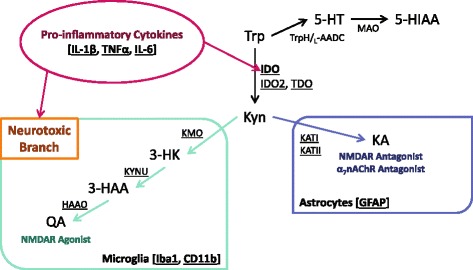
“1), an N-methyl-D-aspartate receptor (NMDAR) antagonist and an α7-nicotinic acetylcholine receptor (α7nAChR) negative allosteric modulator [20, 21].”
BackgroundPassage of cytokines across the blood–brain barrier
Banks, W. A., Kastin, A. J., & Broadwell, R. D. (1996) · Neuroimmunomodulation · doi:10.1159/000097202 · Cited by 778
Harrison, N. A., Brydon, L., Walker, C., Gray, M. A., Steptoe, A., & Critchley, H. D. (2009) · Biological Psychiatry · doi:10.1016/j.biopsych.2009.03.015 · Cited by 756
Quinolinic acid: a potent endogenous excitant at amino acid receptors in CNS
Stone, T. W., & Perkins, M. N. (1981) · European Journal of Pharmacology · doi:10.1016/0014-2999(81)90587-2 · Cited by 751 · cited 1×
“1), an NMDAR agonist and neurotoxic metabolite [20, 22, 23].”
BackgroundInflammation-associated depression: From serotonin to kynurenine
Dantzer, R., O’Connor, J. C., Lawson, M. A., & Kelley, K. W. (2011) · Psychoneuroendocrinology · doi:10.1016/j.psyneuen.2010.09.012 · Cited by 726 · cited 2×
“Curiously, the tryptophan concentration increased as well, contrary to previous clinical and preclinical studies demonstrating that inflammation is associated with a decrease in tryptophan or ‘tryptophan depletion’ [16, 19, 71].”
BackgroundSelf-citationRaison, C. L., Dantzer, R., Kelley, K. W., Lawson, M. A., Woolwine, B. J., Vogt, G., Spivey, J. R., Saito, K., & Miller, A. H. (2010) · Molecular Psychiatry · doi:10.1038/mp.2009.116 · Cited by 630 · cited 2×
“Interferon-α immunotherapy resulted in elevated serum kynurenine/tryptophan ratio, indicative of increased IDO activity, as well as increased cerebrospinal fluid (CSF) levels of kynurenine, KA, and QA [27, 28].”
BackgroundBrain-immune communication pathways
Quan, N., & Banks, W. A. (2007) · Brain, Behavior, and Immunity · doi:10.1016/j.bbi.2007.05.005 · Cited by 626 · cited 1×
“Since many proinflammatory cytokines, including IL-1β, TNFα, and IL6, are able to enter the brain via transport across the blood brain barrier [49, 50], determination of mRNA expression ensures that any changes being measured reflect the local brain expression of the targets, not the appearance/accumulation of periphe…”
BackgroundInflammation-Induced Anhedonia: Endotoxin Reduces Ventral Striatum Responses to Reward
Eisenberger, N. I., Berkman, E. T., Inagaki, T. K., Rameson, L. T., Mashal, N. M., & Irwin, M. R. (2010) · Biological Psychiatry · doi:10.1016/j.biopsych.2010.06.010 · Cited by 596 · cited 1×
“These endotoxin-associated symptoms have been associated with altered blood flow (imaged using functional magnetic resonance imaging (fMRI)) in the ventral striatum, amygdala, and dorsomedial prefrontal cortex among other regions [5, 33, 34].”
BackgroundCytokines and psychopathology: Lessons from interferon-α
Capuron, L., & Miller, A. H. (2004) · Biological Psychiatry · doi:10.1016/j.biopsych.2004.02.009 · Cited by 562 · cited 1×
“symptoms during the course of treatment, including neurovegetative, affective, and/or cognitive impairment [2].”
BackgroundO'Connor, J. C., André, C., Wang, Y., Lawson, M. A., Szegedi, S. S., Lestage, J., Castanon, N., Kelley, K. W., & Dantzer, R. (2009) · The Journal of Neuroscience · doi:10.1523/jneurosci.5032-08.2009 · Cited by 502
Self-citationGuillemin, G. J., Smythe, G., Takikawa, O., & Brew, B. J. (2005) · Glia · doi:10.1002/glia.20090 · Cited by 497 · cited 1×
“Microglia express KMO (not KATs) that metabolizes kynurenine along the neurotoxic branch, leading to the potential formation of several neurotoxic metabolites [65, 66].”
BackgroundHuman macrophages convert l-tryptophan into the neurotoxin quinolinic acid
Heyes, M. P., Saito, K., & Markey, S. P. (1992) · Biochemical Journal · doi:10.1042/bj2830633 · Cited by 447
Wichers, M. C., Koek, G. H., Robaeys, G., Verkerk, R., Scharpé, S., & Maes, M. (2005) · Molecular Psychiatry · doi:10.1038/sj.mp.4001600 · Cited by 445 · cited 1×
“Interferon-α immunotherapy resulted in elevated serum kynurenine/tryptophan ratio, indicative of increased IDO activity, as well as increased cerebrospinal fluid (CSF) levels of kynurenine, KA, and QA [27, 28].”
BackgroundCharacterization of an indoleamine 2,3-dioxygenase-like protein found in humans and mice
Ball, H. J., Sanchez-Perez, A., Weiser, S., Austin, C. J. D., Astelbauer, F., Miu, J., McQuillan, J. A., Stocker, R., Jermiin, L. S., & Hunt, N. H. (2007) · Gene · doi:10.1016/j.gene.2007.04.010 · Cited by 434 · cited 1×
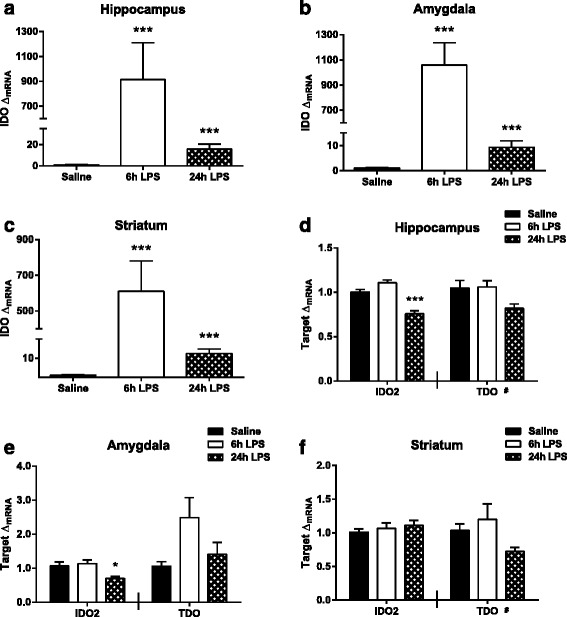
“In the hippocampus and amygdala, IDO2 expression decreased at 24 h following LPS while otherwise remaining unchanged, which follows conflicting previous studies demonstrating that proinflammatory stimuli increased or had no impact on IDO2 mRNA [60, 61].”
ResultWalker, A. K., Budac, D. P., Bisulco, S., Lee, A. W., Smith, R. A., Beenders, B., Kelley, K. W., & Dantzer, R. (2013) · Neuropsychopharmacology · doi:10.1038/npp.2013.71 · Cited by 432
Induction of Glial Fibrillary Acidic Protein Expression in Astrocytes by Nitric Oxide
Brahmachari, S., Fung, Y. K., & Pahan, K. (2006) · The Journal of Neuroscience · doi:10.1523/jneurosci.5480-05.2006 · Cited by 390 · cited 1×
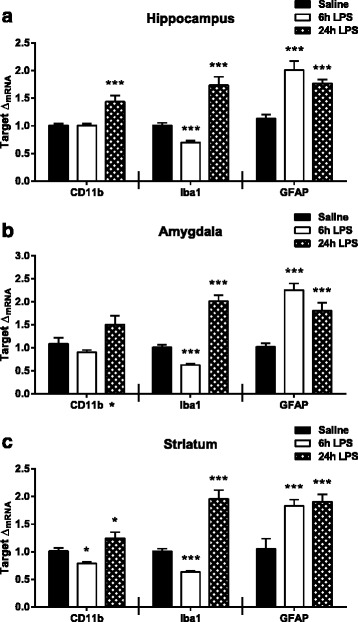
“It is interesting to note that both CD11b and GFAP are increased in their respective cell populations by increases in nitric oxide (NO) production [54, 55], which can be generated by elevations in pro-inflammatory cyto-”
BackgroundAgouti C57BL/6N embryonic stem cells for mouse genetic resources
Pettitt, S. J., Liang, Q., Rairdan, X. Y., Moran, J. L., Prosser, H. M., Beier, D. R., Lloyd, K. C., Bradley, A., & Skarnes, W. C. (2009) · Nature Methods · doi:10.1038/nmeth.1342 · Cited by 384 · cited 1×
“The dissociation between central and peripheral downstream kynurenine metabolites has also been observed in the clinic, when cerebrospinal fluid QA was elevated without an increase in plasma QA in hepatitis C patients receiving interferon-α immunotherapy [72].”
BackgroundBrydon, L., Harrison, N. A., Walker, C., Steptoe, A., & Critchley, H. D. (2008) · Biological Psychiatry · doi:10.1016/j.biopsych.2007.12.007 · Cited by 381 · cited 1×
“unteers induces transient depression-associated symptoms that parallel the appearance of pro-inflammatory cytokines [3–6], whereas direct administration of proinflammatory cytokines in preclinical models recapitulates inflammation-associated depressive-like behaviors [7–10].”
Backgroundl-Kynurenine Its synthesis and possible regulatory function in brain
G�l, E. M., & Sherman, A. D. (1980) · Neurochemical Research · doi:10.1007/bf00964611 · Cited by 318 · cited 2×
“kynurenine for the brain [37], plasma tryptophan metabolism was measured (Table 1).”
BackgroundMethodO'Connor, J. C., Lawson, M. A., André, C., Briley, E. M., Szegedi, S. S., Lestage, J., Castanon, N., Herkenham, M., Dantzer, R., & Kelley, K. W. (2009) · The Journal of Immunology · doi:10.4049/jimmunol.0802722 · Cited by 295
Self-citationQuinolinic acid is a potent lipid peroxidant in rat brain homogenates
Rios, C., & Santamaria, A. (1991) · Neurochemical Research · doi:10.1007/bf00966592 · Cited by 271 · cited 1×
“kines and kynurenine metabolite QA [56–58].”
Inflammation selectively enhances amygdala activity to socially threatening images
Inagaki, T. K., Muscatell, K. A., Irwin, M. R., Cole, S. W., & Eisenberger, N. I. (2012) · NeuroImage · doi:10.1016/j.neuroimage.2011.10.090 · Cited by 264 · cited 1×
“These endotoxin-associated symptoms have been associated with altered blood flow (imaged using functional magnetic resonance imaging (fMRI)) in the ventral striatum, amygdala, and dorsomedial prefrontal cortex among other regions [5, 33, 34].”
BackgroundSalazar, A., Gonzalez-Rivera, B. L., Redus, L., Parrott, J. M., & O'Connor, J. C. (2012) · Hormones and Behavior · doi:10.1016/j.yhbeh.2012.03.010 · Cited by 263 · cited 1×
“Similar to human patients, lipopolysaccharide (LPS, endotoxin) challenge in mice results in similar behaviors (anhedonia, anxiety, behavioral despair, cognitive disruption) [19, 25, 26].”
BackgroundSelf-citationHuman microglia convert l-tryptophan into the neurotoxin quinolinic acid
HEYES, M. P., ACHIM, C. L., WILEY, C. A., MAJOR, E. O., SAITO, K., & MARKEY, S. P. (1996) · Biochemical Journal · doi:10.1042/bj3200595 · Cited by 260 · cited 1×
“Microglia express KMO (not KATs) that metabolizes kynurenine along the neurotoxic branch, leading to the potential formation of several neurotoxic metabolites [65, 66].”
BackgroundDose-dependent effects of endotoxin on neurobehavioral functions in humans
Grigoleit, J.-S., Kullmann, J. S., Wolf, O. T., Hammes, F., Wegner, A., Jablonowski, S., Engler, H., Gizewski, E., Oberbeck, R., & Schedlowski, M. (2011) · PLoS ONE · doi:10.1371/journal.pone.0028330 · Cited by 241 · cited 1×
“unteers induces transient depression-associated symptoms that parallel the appearance of pro-inflammatory cytokines [3–6], whereas direct administration of proinflammatory cytokines in preclinical models recapitulates inflammation-associated depressive-like behaviors [7–10].”
BackgroundMuscatell, K. A., Dedovic, K., Slavich, G. M., Jarcho, M. R., Breen, E. C., Bower, J. E., Irwin, M. R., & Eisenberger, N. I. (2015) · Brain, Behavior, and Immunity · doi:10.1016/j.bbi.2014.06.201 · Cited by 240
Reciprocal Interactions Between Microglia and Neurons: From Survival to Neuropathology
Polazzi, E., & Contestabile, A. (2002) · Reviews in the Neurosciences · doi:10.1515/revneuro.2002.13.3.221 · Cited by 233 · cited 1×
“While the initial neuroinflammatory response may be part of an adaptive beneficial process, excessive or chronic neuroinflammation has been associated with adverse neurological consequences [14, 15].”
BackgroundKonsman, J. P., Kelley, K., & Dantzer, R. (1999) · Neuroscience · doi:10.1016/s0306-4522(98)00368-6 · Cited by 231
Connor, T. J., Starr, N., O'Sullivan, J. B., & Harkin, A. (2008) · Neuroscience Letters · doi:10.1016/j.neulet.2008.06.007 · Cited by 215 · cited 4×
“studies [17, 44].”
ResultInfluentialFelger, J. C., Mun, J., Kimmel, H. L., Nye, J. A., Drake, D. F., Hernandez, C. R., Freeman, A. A., Rye, D. B., Goodman, M. M., Howell, L. L., et al. (2013) · Neuropsychopharmacology · doi:10.1038/npp.2013.115 · Cited by 214 · cited 1×
“unteers induces transient depression-associated symptoms that parallel the appearance of pro-inflammatory cytokines [3–6], whereas direct administration of proinflammatory cytokines in preclinical models recapitulates inflammation-associated depressive-like behaviors [7–10].”
BackgroundFelger, J. C., Alagbe, O., Hu, F., Mook, D., Freeman, A. A., Sanchez, M. M., Kalin, N. H., Ratti, E., Nemeroff, C. B., & Miller, A. H. (2007) · Biological Psychiatry · doi:10.1016/j.biopsych.2007.05.026 · Cited by 214 · cited 1×
“unteers induces transient depression-associated symptoms that parallel the appearance of pro-inflammatory cytokines [3–6], whereas direct administration of proinflammatory cytokines in preclinical models recapitulates inflammation-associated depressive-like behaviors [7–10].”
BackgroundUp-regulation of Microglial CD11b Expression by Nitric Oxide
Roy, A., Fung, Y. K., Liu, X., & Pahan, K. (2006) · Journal of Biological Chemistry · doi:10.1074/jbc.m600236200 · Cited by 214 · cited 1×
“It is interesting to note that both CD11b and GFAP are increased in their respective cell populations by increases in nitric oxide (NO) production [54, 55], which can be generated by elevations in pro-inflammatory cyto-”
BackgroundLipopolysaccharide induces fever and depresses locomotor activity in unrestrained mice
Kozak, W., Conn, C. A., & Kluger, M. J. (1994) · American Journal of Physiology-Regulatory, Integrative and Comparative Physiology · doi:10.1152/ajpregu.1994.266.1.r125 · Cited by 213 · cited 1×
“reduced social interactions, fever) [45, 46].”
Bluthé, R. M., Pawlowski, M., Suarez, S., Parnet, P., Pittman, Q., Kelley, K. W., & Dantzer, R. (1994) · Psychoneuroendocrinology · doi:10.1016/0306-4530(94)90009-4 · Cited by 203 · cited 1×
“reduced social interactions, fever) [45, 46].”
Effects of immune activation on quinolinic acid and neuroactive kynurenines in the mouse
Saito, K., Markey, S. P., & Heyes, M. P. (1992) · Neuroscience · doi:10.1016/0306-4522(92)90467-g · Cited by 199 · cited 2×
“Curiously, the tryptophan concentration increased as well, contrary to previous clinical and preclinical studies demonstrating that inflammation is associated with a decrease in tryptophan or ‘tryptophan depletion’ [16, 19, 71].”
ResultLow-dose endotoxemia and human neuropsychological functions
Krabbe, K. S., Reichenberg, A., Yirmiya, R., Smed, A., Pedersen, B. K., & Bruunsgaard, H. (2005) · Brain, Behavior, and Immunity · doi:10.1016/j.bbi.2005.04.010 · Cited by 189 · cited 1×
“In healthy volunteers, endotoxin administration results in anhedonia, disruption in cognitive performance, anxiety, and mood disturbances [31, 32].”
BackgroundKynurenic acid and quinolinic acid act at N-methyl-D-aspartate receptors in the rat hippocampus.
Ganong, A. H., & Cotman, C. W. (1986) · The Journal of Pharmacology and Experimental Therapeutics · doi:10.1016/s0022-3565(25)38782-3 · Cited by 172
Two kynurenine aminotransferases in human brain
Okuno, E., Nakamura, M., & Schwarcz, R. (1991) · Brain Research · doi:10.1016/0006-8993(91)91583-m · Cited by 166 · cited 1×
“thought to be impacted by inflammation [41].”
Fatokun, A. A., Hunt, N. H., & Ball, H. J. (2013) · Amino Acids · doi:10.1007/s00726-013-1602-1 · Cited by 162 · cited 1×
“homologue of IDO with much lower enzymatic activity compared to IDO [59].”
BackgroundLawson, M. A., Parrott, J. M., McCusker, R. H., Dantzer, R., Kelley, K. W., & O’Connor, J. C. (2013) · Journal of Neuroinflammation · doi:10.1186/1742-2094-10-87 · Cited by 161
Self-citationGuidetti, P., Hoffman, G. E., Melendez‐Ferro, M., Albuquerque, E. X., & Schwarcz, R. (2007) · Glia · doi:10.1002/glia.20432 · Cited by 156 · cited 1×
“Astrocytes express mainly KATs (not KMO) for conversion of kynurenine to KA [63, 64].”
BackgroundCorona, A. W., Norden, D. M., Skendelas, J. P., Huang, Y., O’Connor, J. C., Lawson, M., Dantzer, R., Kelley, K. W., & Godbout, J. P. (2013) · Brain, Behavior, and Immunity · doi:10.1016/j.bbi.2012.08.008 · Cited by 152 · cited 1×
“Multiple studies have described the impact of LPS on central tryptophan metabolism [19, 23, 42, 43], but little is known about region-dependent tryptophan metabolism during peripheral inflammation.”
BackgroundSelf-citationButtini, M., Limonta, S., & Boddeke, H. W. G. M. (1996) · Neurochemistry International · doi:10.1016/0197-0186(95)00141-7 · Cited by 144
Fuertig, R., Azzinnari, D., Bergamini, G., Cathomas, F., Sigrist, H., Seifritz, E., Vavassori, S., Luippold, A., Hengerer, B., Ceci, A., et al. (2016) · Brain, Behavior, and Immunity · doi:10.1016/j.bbi.2015.12.020 · Cited by 135 · cited 1×
“[69].”
Konsman, J. P., Veeneman, J., Combe, C., Poole, S., Luheshi, G. N., & Dantzer, R. (2008) · European Journal of Neuroscience · doi:10.1111/j.1460-9568.2008.06549.x · Cited by 132 · cited 1×
“Pharmacological or genetic inhibition of proinflammatory cytokine action effectively attenuates many of the inflammation-induced depressive-like behaviors in rodents, establishing that pro-inflammatory cytokines are necessary to precipitate this behavioral response [11, 12].”
BackgroundKynurenate production by cultured human astrocytes
Kiss, C., Ceresoli‐Borroni, G., Guidetti, P., Zielke, C. L., Zielke, H. R., & Schwarcz, R. M. (2003) · Journal of Neural Transmission · doi:10.1007/s00702-002-0770-z · Cited by 128 · cited 1×
“Astrocytes express mainly KATs (not KMO) for conversion of kynurenine to KA [63, 64].”
BackgroundKynurenine 3-Monooxygenase: An Influential Mediator of Neuropathology
Parrott, J. M., & O’Connor, J. C. (2015) · Frontiers in Psychiatry · doi:10.3389/fpsyt.2015.00116 · Cited by 123
Self-citationLenczowski, M. J. P., Bluthé, R.-M., Roth, J., Rees, G. S., Rushforth, D. A., van Dam, A.-M., Tilders, F. J. H., Dantzer, R., Rothwell, N. J., & Luheshi, G. N. (1999) · American Journal of Physiology-Regulatory, Integrative and Comparative Physiology · doi:10.1152/ajpregu.1999.276.3.r652 · Cited by 117 · cited 1×
“expression is associated with the resolution of a specific behavior, such as fever [48], while other behaviors per-”
BackgroundOpposing Biological Functions of Tryptophan Catabolizing Enzymes During Intracellular Infection
Divanovic, S., Sawtell, N. M., Trompette, A., Warning, J. I., Dias, A., Cooper, A. M., Yap, G. S., Arditi, M., Shimada, K., DuHadaway, J. B., et al. (2012) · The Journal of Infectious Diseases · doi:10.1093/infdis/jir621 · Cited by 116 · cited 1×
“In the hippocampus and amygdala, IDO2 expression decreased at 24 h following LPS while otherwise remaining unchanged, which follows conflicting previous studies demonstrating that proinflammatory stimuli increased or had no impact on IDO2 mRNA [60, 61].”
ResultHeisler, J. M., & O’Connor, J. C. (2015) · Brain, Behavior, and Immunity · doi:10.1016/j.bbi.2015.06.022 · Cited by 113 · cited 3×
“Our recently published data support the notion that this neurotoxic shift is functionally relevant, as targeted deletion of the KMO gene protects mice from LPS-induced disruption in a hippocampal-dependent behavioral task [26].”
BackgroundMethodSelf-citationAndré, C., O'Connor, J. C., Kelley, K. W., Lestage, J., Dantzer, R., & Castanon, N. (2008) · Journal of Neuroimmunology · doi:10.1016/j.jneuroim.2008.06.011 · Cited by 111 · cited 3×
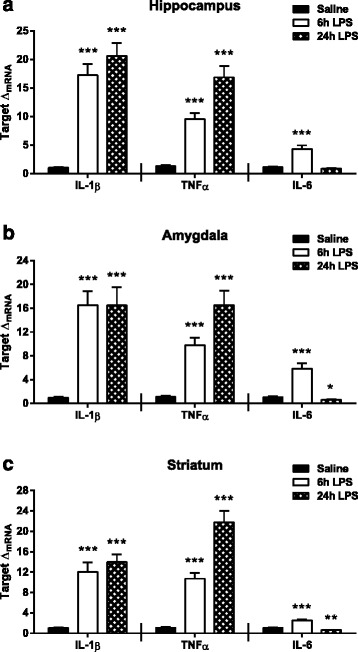
“The expression of all three pro-inflammatory cytokines, IL-1β, TNFα, and IL-6 were increased 6 h after LPS injections in all three brain regions, similar to previously published data from the hippocampus, cortex, and hypothalamus [17, 44].”
BackgroundResultSelf-citationTranscriptional regulation of the tryptophan oxygenase gene in rat liver by glucocorticoids.
Danesch, U., Hashimoto, S., Renkawitz, R., & Schütz, G. (1983) · Journal of Biological Chemistry · doi:10.1016/s0021-9258(18)32486-4 · Cited by 106 · cited 1×
“Overall, TDO expression did not increase in any brain region at either time point in response to LPS treatment, confirming previous reports demonstrating that TDO expression is up-regulated by glucocorticoids [62].”
BackgroundDinel, A., André, C., Aubert, A., Ferreira, G., Layé, S., & Castanon, N. (2013) · Psychoneuroendocrinology · doi:10.1016/j.psyneuen.2013.10.014 · Cited by 94
Nitric oxide synthase inhibition prevents acute quinolinate-induced striatal neurotoxicity
Pérez-Severiano, F., Escalante, B., & Ríos, C. (1998) · Neurochemical Research · doi:10.1023/a:1020700401678 · Cited by 68 · cited 1×
“kines and kynurenine metabolite QA [56–58].”
Sugaya, K., Chou, S., Xu, S.-J., & McKinney, M. (1998) · Molecular Brain Research · doi:10.1016/s0169-328x(97)00365-3 · Cited by 59 · cited 1×
“At both time points after LPS, expression of astrocyte cell marker GFAP was up-regulated, which is consistent with a previous study demonstrating that central LPS administration increases GFAP expression [51].”
ResultHayley, S., Scharf, J., & Anisman, H. (2013) · Brain, Behavior, and Immunity · doi:10.1016/j.bbi.2012.07.023 · Cited by 48
Effects of Nω-nitro-L-arginine and L-arginine on quinolinic acid-induced lipid peroxidation
Santamarı́a, A., Santamarı́a, D., Díaz‐Muñoz, M., Espinoza-González, V., & Rı́os, C. (1997) · Toxicology Letters · doi:10.1016/s0378-4274(97)00082-9 · Cited by 44
Cathomas, F., Fuertig, R., Sigrist, H., Newman, G. N., Hoop, V., Bizzozzero, M., Mueller, A., Luippold, A., Ceci, A., Hengerer, B., et al. (2015) · Brain, Behavior, and Immunity · doi:10.1016/j.bbi.2015.06.184 · Cited by 33 · cited 1×
“and 3-HK were elevated in all of the regions assessed [70].”
BackgroundOrsal, A. S., Blois, S. M., Bermpohl, D., Schaefer, M., & Coquery, N. (2008) · Neuropsychobiology · doi:10.1159/000201718 · Cited by 32 · cited 1×
“unteers induces transient depression-associated symptoms that parallel the appearance of pro-inflammatory cytokines [3–6], whereas direct administration of proinflammatory cytokines in preclinical models recapitulates inflammation-associated depressive-like behaviors [7–10].”
Background
Research works printed but not linked: 1
- Franklin KBJ Paxinos G The mouse brain in sterotaxic coordinates 2007 3 New York, NY Academic Press
Cited by
Major depressive disorder: hypothesis, mechanism, prevention and treatment
Cui, L., Li, S., Wang, S., Wu, X., Liu, Y., Yu, W., Wang, Y., Tang, Y., Xia, M., & Li, B. (2024) · Signal Transduction and Targeted Therapy · doi:10.1038/s41392-024-01738-y · Cited by 1,244
“245 According to clinical research, TRP and tryptophan catabolites (TRYCATs) may play a crucial role in psychiatric illnesses, including MDD. Peripheral and central in fl ammation can both stimulate the KYN pathway and trigger TRP metabolism and subsequent synthesis of various TRYCATs, including the toxic NMDAR activat…”
BackgroundInfluentialThe kynurenine pathway: a finger in every pie
Savitz, J. (2020) · Molecular Psychiatry · doi:10.1038/s41380-019-0414-4 · Cited by 756
The microbiota–gut–brain axis and neurodevelopmental disorders
Wang, Q., Yang, Q., & Liu, X. (2023) · Protein & Cell · doi:10.1093/procel/pwad026 · Cited by 355
Wirthgen, E., Hoeflich, A., Rebl, A., & Günther, J. (2018) · Frontiers in Immunology · doi:10.3389/fimmu.2017.01957 · Cited by 378
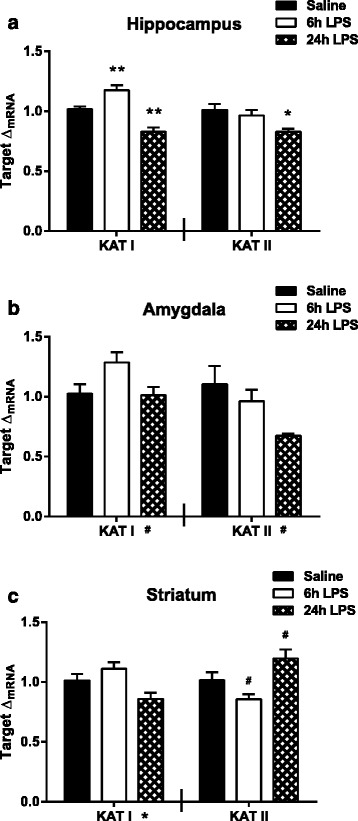
“) lipopolysaccharide (LPS) challenge increased KAT-I mRNA expression in the hippocampus 6 h postchallenge, followed by a decrease after 24 h, whereas KAT-II mRNA expression was decreased 24 h after LPS treatment (48).”
MethodMicroglia in depression: current perspectives
Jia, X., Gao, Z., & Hu, H. (2021) · Science China Life Sciences · doi:10.1007/s11427-020-1815-6 · Cited by 282
“Upregulated IDO and affected tryptophan metabolism have been implicated in inflammation or stress-induced depressive behaviors (Parrott et al., 2016a; Parrott et al., 2016b; Verdonk et al., 2019).”
Background
Metadata
- Authors
- Parrott, J. M., Redus, L., & O’Connor, J. C.
- Affiliations
- The University of Texas at San Antonio Health Science Center (US)
- Corresponding author
- O’Connor, Jason C.
- ORCID
- O’Connor, Jason C.
- Venue
- Journal of Neuroinflammation
- Published
- 2016-05-27
- Volume
- 13
- Issue
- 1
- Pages
- 124-124
- ISSN
- 1742-2094 (ISSN-L)
- PMC
- PMC4884395
- OpenAlex
- W2401414122
- Cited by
- 112
- References
- 73
- Citations by year
- 2026: 10 · 2025: 10 · 2024: 18 · 2023: 7 · 2022: 8 · 2021: 17 · 2020: 16 · 2019: 12 · 2018: 5 · 2017: 8 · 2016: 1
- FWCI
- 2.95
- Type
- journal article
- Language
- en
- Open access
- gold
- doi.org
- Licence
- cc-by
- creativecommons.org/licenses/by/4.0/ (tdm)
- creativecommons.org/licenses/by/4.0/ (vor)
- Locations
- Journal of Neuroinflammation (publishedVersion, cc-by)
- Europe PMC (PubMed Central) (publishedVersion, cc-by)
- PubMed Central (publishedVersion, cc-by)
- PubMed (publishedVersion)
- Funders
- National Institute of Mental Health (P30MH089868, 1F31MH102070-01A1)
- National Center for Advancing Translational Sciences (UL1TR001120)
- Norman Hackerman Advanced Research Program (003659-0010-2012)
- Topics
- Life Sciences › Neuroscience › Biological Psychiatry › Tryptophan and brain disorders
- Life Sciences › Neuroscience › Neurology › Neuroinflammation and Neurodegeneration Mechanisms
- Life Sciences › Neuroscience › Behavioral Neuroscience › Stress Responses and Cortisol
- Keywords
- kynurenine metabolism, hippocampus, lipopolysaccharide, neuroinflammation, tryptophan metabolism, indoleamine 2,3-dioxygenase, inflammatory cytokines, microglial activation, depression, regional specificity, peripheral immune activation
- MeSH terms
- Animals, Brain, Calcium-Binding Proteins, Chromatography, Liquid, Disease Models, Animal, Glial Fibrillary Acidic Protein, Kynurenine, Lipopolysaccharides, Male, Mice, Inbred C57BL, Microfilament Proteins, RNA, Messenger, Mass Spectrometry, Time Factors, Signal Transduction, Cytokines, Neurogenic Inflammation, Indoleamine-Pyrrole 2,3,-Dioxygenase, Mice
About these checks
Registry, retraction, Cites and statistics results are computed, not judged, with one exception: a printed reference that no index lists is read once by a model before it counts as a citation error. Claims are extracted by a model and kept only when their quote appears verbatim in the text; each cited source is then checked, with a model’s help, for whether it says what the claim relies on. Those verdicts can be wrong — read the claim’s quote and the cited source before relying on one.
Statistics and arithmetic are recomputed, not judged.
Confidence bands are shown only for fields calibrated on our annotated test set. None is calibrated yet, so no band is shown.
What counts as a claim ›How we measure confidence ›How we check this ›
Are you an author, or do you see a problem with this page? Request a review
Data sources
Bibliographic data: Semantic Scholar, OpenAlex, Crossref.
Contains information from the Semantic Scholar Academic Graph Datasets, made available under the ODC Attribution License (ODC-BY 1.0).
Semantic Scholar’s data is described in: Kinney, R., et al. (2023). The Semantic Scholar Open Data Platform. arXiv:2301.10140.
