

The DOI matches its Crossref record; 208 of the 208 references it cites were found in a registry or an index.
Mobility related physical and functional losses due to aging and disease - a motivation for lower limb exoskeletons
Open accessAbstract
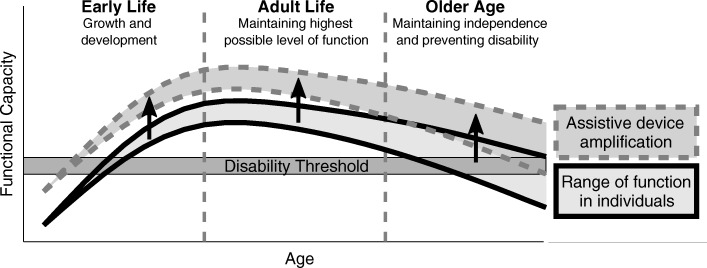
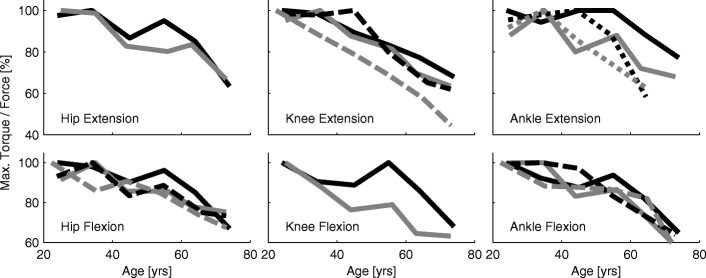
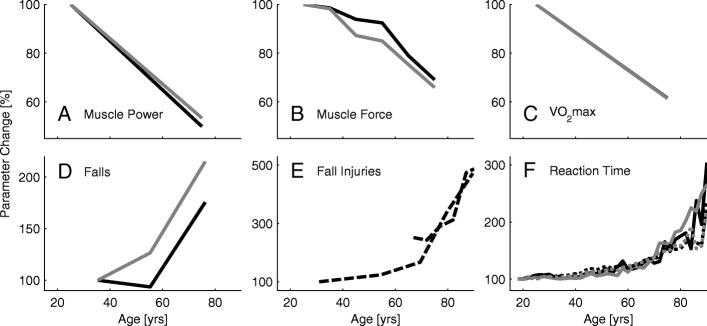
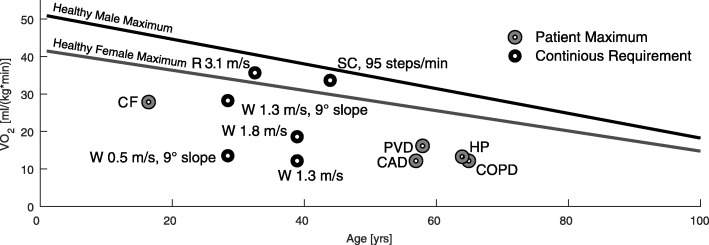
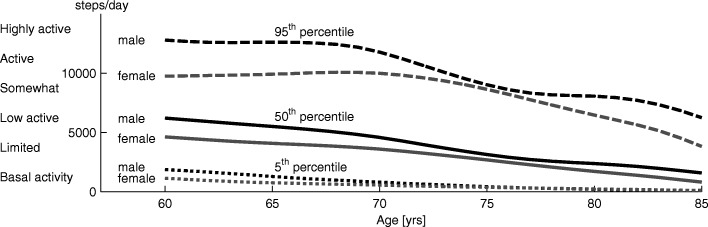
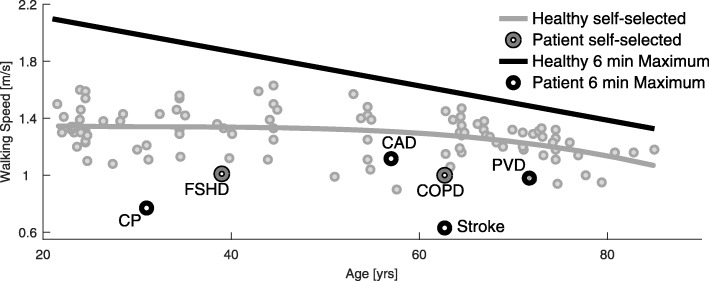
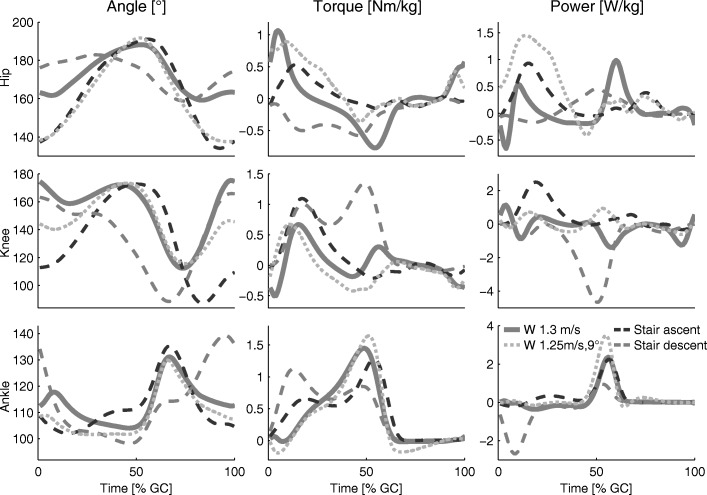
Background: Physical and functional losses due to aging and diseases decrease human mobility, independence, and quality of life. This study is aimed at summarizing and quantifying these losses in order to motivate solutions to overcome them with a special focus on the possibilities by using lower limb exoskeletons. Methods: A narrative literature review was performed to determine a broad range of mobility-related physical and functional measures that are affected by aging and selected cardiovascular, respiratory, musculoskeletal, and neurological diseases. Results: The study identified that decreases in limb maximum muscle force and power (33% and 49%, respectively, 25–75 yrs) and in maximum oxygen consumption (40%, 20–80 yrs) occur for older adults compared to young adults. Reaction times more than double (18–90 yrs) and losses in the visual, vestibular, and somatosensory systems were reported. Additionally, we found decreases in steps per day (75%, 60–85 yrs), maximum walking speed (24% 25–75 yrs), and maximum six-minute and self-selected walking speed (38% and 21%, respectively, 20–85 yrs), while we found increases in the number of falls relative to the number of steps per day (800%), injuries due to falls (472%, 30–90 yrs) and deaths caused by fall (4000%, 65–90 yrs). Measures were identified to be worse for individuals with impaired mobility. Additional detrimental effects identified for them were the loss of upright standing and locomotion, freezing in movement, joint stress, pain, and changes in gait patterns. Discussion: This review shows that aging and chronic conditions result in wide-ranging losses in physical and sensory capabilities. While the impact of these losses are relatively modest for level walking, they become limiting during more demanding tasks such as walking on inclined ground, climbing stairs, or walking over longer periods, and especially when coupled with a debilitating disease. As the physical and functional parameters are closely related, we believe that lost functional capabilities can be indirectly improved by training of the physical capabilities. However, assistive devices can supplement the lost functional capabilities directly by compensating for losses with propulsion, weight support, and balance support. Conclusions: Exoskeletons are a new generation of assistive devices that have the potential to provide both, training capabilities and functional compensation, to enhance human mobility.
Overview
The claims and statistics of this paper haven’t been checked yet.
Run the check — free, no account needed. It reads the open-access text and checks the sources it cites.
Integrity signals
Registry
Cites
Statistics
Figures
Verification
Claims the paper makes
The claims and statistics of this paper haven’t been checked yet.
Run the check — free, no account needed. It reads the open-access text and checks the sources it cites.
Claims other papers make about this one
Each is checked against this paper’s own text: does it say what the citing paper says it does?
In the citing paper
“In general, COVID-19 is acquired by transmission of a respiratory virus via close contact, droplet spray or aerosol, with the duration of viral stability and viability maintained depending on various objects or surfaces [16].”
Self-check
Percentages, sums and reported differences re-computed from the paper’s own numbers.
The self-check needs the paper’s full text.
Citations
Cites
Vos, T., Abajobir, A. A., Abate, K. H., Abbafati, C., Abbas, K. M., Abd-Allah, F., Abdulkader, R. S., Abdulle, A. M., Abebo, T. A., Abera, S. F., et al. (2017) · The Lancet · doi:10.1016/s0140-6736(17)32154-2 · Cited by 13,220
‘Small Changes' to Diet and Physical Activity Behaviors for Weight Management
Hills, A. P., Byrne, N. M., Lindstrom, R. C., & Hill, J. O. (2013) · Obesity Facts · doi:10.1159/000345030 · Cited by 9,526
Vos, T., Barber, R. M., Bell, B., Bertozzi-Villa, A., Biryukov, S., Bolliger, I., Charlson, F., Davis, A., Degenhardt, L., Dicker, D., et al. (2015) · The Lancet · doi:10.1016/s0140-6736(15)60692-4 · Cited by 6,414
(1992) · Applied Ergonomics · doi:10.1016/0003-6870(92)90318-p · Cited by 5,774
Parkinson's disease: clinical features and diagnosis
Jankovic, J. (2008) · Journal of Neurology, Neurosurgery & Psychiatry · doi:10.1136/jnnp.2007.131045 · Cited by 5,720
Human balance and posture control during standing and walking
Winter, D. (1995) · Gait & Posture · doi:10.1016/0966-6362(96)82849-9 · Cited by 3,638
Fowkes, F. G. R., Rudan, D., Rudan, I., Aboyans, V., Denenberg, J. O., McDermott, M. M., Norman, P. E., Sampson, U. K., Williams, L. J., Mensah, G. A., et al. (2013) · The Lancet · doi:10.1016/s0140-6736(13)61249-0 · Cited by 3,508
Sarcopenia: origins and clinical relevance
Rosenberg, I. H. (1997) · The Journal of Nutrition · doi:10.1093/jn/127.5.990s · Cited by 2,399
Comfortable and maximum walking speed of adults aged 20—79 years: reference values and determinants
Bohannon, R. W. (1997) · Age and Ageing · doi:10.1093/ageing/26.1.15 · Cited by 2,346
Using Pedometers to Increase Physical Activity and Improve Health: A Systematic Review
Bravata, D. M., Smith-Spangler, C., Sundaram, V., Gienger, A. L., Lin, N., Lewis, R., Stave, C. D., Olkin, I., & Sirard, J. R. (2007) · JAMA · doi:10.1001/jama.298.19.2296 · Cited by 2,064
How Many Steps/Day Are Enough?: Preliminary Pedometer Indices for Public Health
Tudor-Locke, C., & Bassett, D. R. (2004) · Sports Medicine · doi:10.2165/00007256-200434010-00001 · Cited by 2,054
Gait Changes in Older Adults: Predictors of Falls or Indicators of Fear?
Maki, B. E. (1997) · Journal of the American Geriatrics Society · doi:10.1111/j.1532-5415.1997.tb00946.x · Cited by 1,724
Epidemiology, Demographics, and Pathophysiology of Acute Spinal Cord Injury
Sekhon, L. H. S., & Fehlings, M. G. (2001) · Spine · doi:10.1097/00007632-200112151-00002 · Cited by 1,437
Enright, P. (2003) · Respiratory Care · doi:10.4187/respcare.03480783 · Cited by 1,382
Design and Evaluation of the LOPES Exoskeleton Robot for Interactive Gait Rehabilitation
Veneman, J. F., Kruidhof, R., Hekman, E. E. G., Ekkelenkamp, R., van Asseldonk, E. H. F., & van der Kooij, H. (2007) · IEEE Transactions on Neural Systems and Rehabilitation Engineering · doi:10.1109/tnsre.2007.903919 · Cited by 1,281
Characteristics of physical activities in daily life in chronic obstructive pulmonary disease
Pitta, F., Troosters, T., Spruit, M. A., Probst, V. S., Decramer, M., & Gosselink, R. (2005) · American Journal of Respiratory and Critical Care Medicine · doi:10.1164/rccm.200407-855oc · Cited by 1,256
The epidemiology of falls and syncope
Rubenstein, L. Z., & Josephson, K. R. (2002) · Clinics in Geriatric Medicine · doi:10.1016/s0749-0690(02)00002-2 · Cited by 1,180
Wyndaele, M., & Wyndaele, J.-J. (2006) · Spinal Cord · doi:10.1038/sj.sc.3101893 · Cited by 1,133
Age-related and disease-related muscle loss: The effect of diabetes, obesity, and other diseases
Kalyani, R. R., Corriere, M., & Ferrucci, L. (2014) · The Lancet Diabetes & Endocrinology · doi:10.1016/s2213-8587(14)70034-8 · Cited by 1,102
Muscle weakness and falls in older adults: a systematic review and meta-analysis
Moreland, J. D., Richardson, J. A., Goldsmith, C. H., & Clase, C. M. (2004) · Journal of the American Geriatrics Society · doi:10.1111/j.1532-5415.2004.52310.x · Cited by 988
Esquenazi, A., Talaty, M., Packel, A., & Saulino, M. (2012) · American Journal of Physical Medicine & Rehabilitation · doi:10.1097/phm.0b013e318269d9a3 · Cited by 958
Prospective assessment of falls in Parkinson's disease
Bloem, B. R., Grimbergen, Y. A. M., Cramer, M., Willemsen, M., & Zwinderman, A. H. (2001) · Journal of Neurology · doi:10.1007/s004150170047 · Cited by 869
Basic gait parameters: reference data for normal subjects, 10-79 years of age.
Öberg, T., Karsznia, A., & Öberg, K. (1993) · PubMed · Cited by 832
Sarcopenia: origins and clinical relevance
Rosenberg, I. H. (2011) · Clinics in Geriatric Medicine · doi:10.1016/j.cger.2011.03.003 · Cited by 786
Bohannon, R. W. (1997) · Archives of Physical Medicine and Rehabilitation · doi:10.1016/s0003-9993(97)90005-8 · Cited by 744
Li, S., Lindenberger, U., Hommel, B., Aschersleben, G., Prinz, W., & Baltes, P. B. (2004) · Psychological Science · doi:10.1111/j.0956-7976.2004.01503003.x · Cited by 721
Menz, H. B., Latt, M. D., Tiedemann, A., Kwan, M. M. S., & Lord, S. R. (2003) · Gait & Posture · doi:10.1016/s0966-6362(03)00068-7 · Cited by 682
A soft robotic exosuit improves walking in patients after stroke
Awad, L. N., Bae, J., O’Donnell, K., De Rossi, S. M. M., Hendron, K., Sloot, L. H., Kudzia, P., Allen, S., Holt, K. G., Ellis, T. D., et al. (2017) · Science Translational Medicine · doi:10.1126/scitranslmed.aai9084 · Cited by 672
Self-citationTalbot, L. A., Musiol, R. J., Witham, E. K., & Metter, E. J. (2005) · BMC Public Health · doi:10.1186/1471-2458-5-86 · Cited by 654
Association of Muscle Power With Functional Status in Community-Dwelling Elderly Women
Foldvari, M., Clark, M., Laviolette, L. C., Bernstein, M. A., Kaliton, D., Castaneda, C., Pu, C. T., Hausdorff, J. M., Fielding, R. A., & Singh, M. A. F. (2000) · The Journals of Gerontology Series A: Biological Sciences and Medical Sciences · doi:10.1093/gerona/55.4.m192 · Cited by 653
Functional Decline in Peripheral Arterial Disease
McDermott, M. M., Liu, K., Greenland, P., Guralnik, J. M., Criqui, M. H., Chan, C., Pearce, W. H., Schneider, J. R., Ferrucci, L., Celic, L., et al. (2004) · JAMA · doi:10.1001/jama.292.4.453 · Cited by 641
Energy cost of walking and running at extreme uphill and downhill slopes
Minetti, A. E., Moia, C., Roi, G. S., Susta, D., & Ferretti, G. (2002) · Journal of Applied Physiology · doi:10.1152/japplphysiol.01177.2001 · Cited by 624
Der, G., & Deary, I. J. (2006) · Psychology and Aging · doi:10.1037/0882-7974.21.1.62 · Cited by 611
On the Control of the Berkeley Lower Extremity Exoskeleton (BLEEX)
Kazerooni, H., Racine, J.-L., Huang, L., & Steger, R. (2006) · Proceedings - IEEE International Conference on Robotics and Automation/Proceedings · doi:10.1109/robot.2005.1570790 · Cited by 595
Walking Patterns in Healthy Old Men
MURRAY, M. P., Kory, R. C., & Clarkson, B. H. (1969) · Journal of Gerontology · doi:10.1093/geronj/24.2.169 · Cited by 581
Six minute walking test for assessing exercise capacity in chronic heart failure.
Lipkin, D. P., Scriven, A., Crake, T., & Poole-Wilson, P. A. (1986) · BMJ · doi:10.1136/bmj.292.6521.653 · Cited by 558
Mainardi, M., Garbo, A. D., Caleo, M., Berardi, N., Sale, A., & Maffei, L. (2014) · Frontiers in Aging Neuroscience · doi:10.3389/fnagi.2014.00001 · Cited by 550
Skelton, D. A. (2002) · Age and Ageing · doi:10.1093/ageing/31.2.119 · Cited by 505
Robotic Orthosis Lokomat: a rehabilitation and research tool
Jezernik, S., Colombo, G., Keller, T., Frueh, H., & Morari, M. (2003) · Neuromodulation Technology at the Neural Interface · doi:10.1046/j.1525-1403.2003.03017.x · Cited by 503
Lower‐Extremity strength profiles in spastic cerebral palsy
Wiley, M. E., & Damiano, D. L. (1998) · Developmental Medicine & Child Neurology · doi:10.1111/j.1469-8749.1998.tb15369.x · Cited by 501
van Hedel, H. J. A., Wirz, M., & Dietz, V. (2005) · Archives of Physical Medicine and Rehabilitation · doi:10.1016/j.apmr.2004.02.010 · Cited by 484
HAL: Hybrid Assistive Limb Based on Cybernics
Sankai, Y. (2010) · Springer tracts in advanced robotics · doi:10.1007/978-3-642-14743-2_3 · Cited by 482
The biomechanics and motor control of gait in Parkinson disease
Morris, M. E., Huxham, F. E., McGinley, J. L., Dodd, K., & Iansek, R. (2001) · Clinical Biomechanics · doi:10.1016/s0268-0033(01)00035-3 · Cited by 438
Rate and Mechanism of Maximal Oxygen Consumption Decline with Aging
Hawkins, S. A., & WISWELL, R. A. (2003) · Sports Medicine · doi:10.2165/00007256-200333120-00002 · Cited by 426
Goble, D. J., Coxon, J. P., Wenderoth, N., Van Impe, A., & Swinnen, S. P. (2009) · Neuroscience & Biobehavioral Reviews · doi:10.1016/j.neubiorev.2008.08.012 · Cited by 426
Choice Stepping Reaction Time: A Composite Measure of Falls Risk in Older People
Lord, S. R., & Fitzpatrick, R. C. (2001) · The Journals of Gerontology Series A · doi:10.1093/gerona/56.10.m627 · Cited by 421
Hurley, M., REES, J., & Newham, D. J. (1998) · Age and Ageing · doi:10.1093/ageing/27.1.55 · Cited by 407
Giladi, N., & Nieuwboer, A. (2008) · Movement Disorders · doi:10.1002/mds.21927 · Cited by 397
Harbo, T., Brincks, J., & Andersen, H. (2011) · European Journal of Applied Physiology · doi:10.1007/s00421-011-1975-3 · Cited by 395
Gait dynamics on an inclined walkway
McIntosh, A. S., Beatty, K. T., Dwan, L. N., & Vickers, D. R. (2005) · Journal of Biomechanics · doi:10.1016/j.jbiomech.2005.07.025 · Cited by 394
Population-based incidence and prevalence of facioscapulohumeral dystrophy
Deenen, J. C. W., Arnts, H., van der Maarel, S. M., Padberg, G. W., Verschuuren, J. J. G. M., Bakker, E., Weinreich, S. S., Verbeek, A. L. M., & van Engelen, B. G. M. (2014) · Neurology · doi:10.1212/wnl.0000000000000797 · Cited by 391
Yogev‐Seligmann, G., Plotnik, M., Peretz, C., Giladi, N., & Hausdorff, J. M. (2006) · Experimental Brain Research · doi:10.1007/s00221-006-0676-3 · Cited by 374
Assistance magnitude versus metabolic cost reductions for a tethered multiarticular soft exosuit
Quinlivan, B., Lee, S., Malcolm, P., Rossi, D. M., Grimmer, M., Siviy, C., Karavas, N. C., Wagner, D. A., Asbeck, A. T., Galiana, I., et al. (2017) · Science Robotics · doi:10.1126/scirobotics.aah4416 · Cited by 374
Self-citationEnergy‐speed relationship of walking: Standard tables
Waters, R. L., Lunsford, B. R., Perry, J., & Byrd, R. (1988) · Journal of Orthopaedic Research® · doi:10.1002/jor.1100060208 · Cited by 371
The epidemiology and causes of cerebral palsy
Reddihough, D. S., & Collins, K. J. (2003) · Australian Journal of Physiotherapy · doi:10.1016/s0004-9514(14)60183-5 · Cited by 360
Accelerometer-Determined Steps per Day inUS Adults
TUDOR-LOCKE, C., JOHNSON, W. D., & KATZMARZYK, P. T. (2009) · Medicine & Science in Sports & Exercise · doi:10.1249/mss.0b013e318199885c · Cited by 355
Reference data for normal subjects obtained with an accelerometric device
Auvinet, B., Berrut, G., Touzard, C., Moutel, L., Collet, N., Chaleil, D., & Barrey, É. (2002) · Gait & Posture · doi:10.1016/s0966-6362(01)00203-x · Cited by 349
Lower-Extremity Muscle Force and Balance Performance in Adults Aged 65 Years and Older
Daubney, M. E., & Culham, E. G. (1999) · Physical Therapy · doi:10.1093/ptj/79.12.1177 · Cited by 341
Effects of walking speed, strength and range of motion on gait stability in healthy older adults
Kang, H. G., & Dingwell, J. B. (2008) · Journal of Biomechanics · doi:10.1016/j.jbiomech.2008.08.002 · Cited by 338
Self-Reported Falls and Fall-Related Injuries Among Persons Aged ≥65 Years–United States, 2006
Stevens, J. A., Mack, K. A., Paulozzi, L. J., & Ballesteros, M. (2008) · Journal of Safety Research · doi:10.1016/j.jsr.2008.05.002 · Cited by 328
Factors Affecting Walking Speed of Elderly People
Bendall, M. J., Bassey, E. J., & Pearson, M. (1989) · Age and Ageing · doi:10.1093/ageing/18.5.327 · Cited by 301
Diaz, O., Villafranca, C., Ghezzo, H., Borzone, G., Leiva, A., Milic-Emil, J., & Lisboa, C. (2000) · European Respiratory Journal · doi:10.1034/j.1399-3003.2000.16b14.x · Cited by 300
Walking Speed: Reference Values and Correlates for Older Adults
Bohannon, R. W., Andrews, A. W., & Thomas, M. W. (1996) · Journal of Orthopaedic and Sports Physical Therapy · doi:10.2519/jospt.1996.24.2.86 · Cited by 291
A biologically-inspired multi-joint soft exosuit that can reduce the energy cost of loaded walking
Panizzolo, F. A., Galiana, I., Asbeck, A. T., Siviy, C., Schmidt, K., Holt, K. G., & Walsh, C. J. (2016) · Journal of NeuroEngineering and Rehabilitation · doi:10.1186/s12984-016-0150-9 · Cited by 291
Self-citationStrength training for treatment of osteoarthritis of the knee: A systematic review
Lange, A. K., Vanwanseele, B., & Singh, M. A. F. (2008) · Arthritis Care & Research · doi:10.1002/art.24118 · Cited by 288
Gross, M. M., Stevenson, P., Charette, S. L., Pyka, G., & Marcus, R. (1998) · Gait & Posture · doi:10.1016/s0966-6362(98)00033-2 · Cited by 281
Increasing daily walking lowers blood pressure in postmenopausal women
Moreau, K. L., DEGARMO, R., Langley, J. A., MCMAHON, C., Howley, E. T., Bassett, D. R., & Thompson, D. L. (2001) · Medicine & Science in Sports & Exercise · doi:10.1097/00005768-200111000-00005 · Cited by 280
Stride-dependent changes in gait of older people
Elble, R. J., Thomas, S. S., Higgins, C., & Colliver, J. A. (1991) · Journal of Neurology · doi:10.1007/bf00319700 · Cited by 275
Comparison of Gait of Young Men and Elderly Men
Blanke, D. J., & Hageman, P. A. (1989) · Physical Therapy · doi:10.1093/ptj/69.2.144 · Cited by 273
Runge, M., Rittweger, J., Russo, C. R., Schießl, H., & Felsenberg, D. (2004) · Clinical Physiology and Functional Imaging · doi:10.1111/j.1475-097x.2004.00567.x · Cited by 266
Lamoth, C. J. C., van Deudekom, F. J., van Campen, J. P., Appels, B. A., de Vries, O. J., & Pijnappels, M. A. G. M. (2011) · Journal of NeuroEngineering and Rehabilitation · doi:10.1186/1743-0003-8-2 · Cited by 262
IJmker, T., & Lamoth, C. J. C. (2011) · Gait & Posture · doi:10.1016/j.gaitpost.2011.08.022 · Cited by 262
Age Differences in Using a Rapid Step To Regain Balance During a Forward Fall
Thelen, D. G., Wojcik, L. A., Schultz, A. B., Ashton‐Miller, J. A., & Alexander, N. B. (1997) · The Journals of Gerontology Series A · doi:10.1093/gerona/52a.1.m8 · Cited by 258
A light-weight active orthosis for hip movement assistance
Giovacchini, F., Vannetti, F., Fantozzi, M., Cempini, M., Cortese, M., Parri, A., Yan, T., Lefeber, D., & Vitiello, N. (2014) · Robotics and Autonomous Systems · doi:10.1016/j.robot.2014.08.015 · Cited by 257
The Relationship between Convenience of Destinations and Walking Levels in Older Women
King, W. C., Brach, J. S., Belle, S. H., Killingsworth, R. E., Fenton, M., & Kriska, A. M. (2003) · American Journal of Health Promotion · doi:10.4278/0890-1171-18.1.74 · Cited by 257
Validation of the Adult OMNI Scale of Perceived Exertion for Walking/Running Exercise
Utter, A. C., Robertson, R. J., Green, J. M., Suminski, R. R., Jr., McAnulty, S. R., & NIEMAN, A. D. C. (2004) · Medicine & Science in Sports & Exercise · doi:10.1249/01.mss.0000142310.97274.94 · Cited by 256
Distribution of muscle weakness in patients with stable chronic obstructive pulmonary disease.
Gosselink, R., Troosters, T., & Decramer, M. (2000) · Journal of Cardiopulmonary Rehabilitation (JCR) · doi:10.1097/00008483-200011000-00004 · Cited by 249
Ketelaars, C. A. J., Schlösser, M. A. G., Mostert, R., Abu‐Saad, H. H., Halfens, R. J. G., & Wouters, E. F. �. (1996) · Thorax · doi:10.1136/thx.51.1.39 · Cited by 239
Muscle impairments in patients with knee osteoarthritis
Alnahdi, A. H., Zeni, J. A., & Snyder-Mackler, L. (2012) · Sports Health A Multidisciplinary Approach · doi:10.1177/1941738112445726 · Cited by 233
de Blok, B. M. J., de Greef, M. H. G., ten Hacken, N. H. T., Sprenger, S. R., Postema, K., & Wempe, J. B. (2006) · Patient Education and Counseling · doi:10.1016/j.pec.2005.02.005 · Cited by 231
The effects of sloped surfaces on locomotion: An electromyographic analysis
Lay, A. N., Hass, C. J., Nichols, T. R., & Gregor, R. J. (2006) · Journal of Biomechanics · doi:10.1016/j.jbiomech.2006.05.023 · Cited by 229
Mooney, L. M., & Herr, H. (2016) · Journal of NeuroEngineering and Rehabilitation · doi:10.1186/s12984-016-0111-3 · Cited by 229
Hesse, S., Waldner, A., & Tomelleri, C. (2010) · Journal of NeuroEngineering and Rehabilitation · doi:10.1186/1743-0003-7-30 · Cited by 225
A Comparison of Gait Characteristics in Young and Old Subjects
Ostrosky, K. M., VanSwearingen, J. M., Burdett, R. G., & Gee, Z. (1994) · Physical Therapy · doi:10.1093/ptj/74.7.637 · Cited by 220
Aach, M., Cruciger, O., Sczesny-Kaiser, M., Höffken, O., Meindl, R. C., Tegenthoff, M., Schwenkreis, P., Sankai, Y., & Schildhauer, T. A. (2014) · The Spine Journal · doi:10.1016/j.spinee.2014.03.042 · Cited by 218
Chung, M.-J., & Wang, M. J. (2009) · Gait & Posture · doi:10.1016/j.gaitpost.2009.09.013 · Cited by 217
Effects of age and walking speed on coactivation and cost of walking in healthy adults
Peterson, D. S., & Martin, P. E. (2010) · Gait & Posture · doi:10.1016/j.gaitpost.2009.12.005 · Cited by 215
Jackson, R. W., & Collins, S. H. (2015) · Journal of Applied Physiology · doi:10.1152/japplphysiol.01133.2014 · Cited by 209
Physical Fatigue Affects Gait Characteristics in Older Persons
Helbostad, J. L., Leirfall, S., Moe‐Nilssen, R., & Sletvold, O. (2007) · The Journals of Gerontology Series A · doi:10.1093/gerona/62.9.1010 · Cited by 208
Schmidt, K., Duarte, J. E., Grimmer, M., Sancho-Puchades, A., Wei, H., Easthope, C. A., & Riener, R. (2017) · Frontiers in Neurorobotics · doi:10.3389/fnbot.2017.00057 · Cited by 205
Self-citationObese, older adults with knee osteoarthritis: Weight loss, exercise, and quality of life.
Rejeski, W. J., Focht, B. C., Messier, S. P., Morgan, T., Pahor, M., & Penninx, B. W. J. H. (2002) · Health Psychology · doi:10.1037//0278-6133.21.5.419 · Cited by 204
McDermott, M. M., Liu, K., Guralnik, J. M., Martin, G. J., Criqui, M. H., & Greenland, P. (1998) · Journal of Vascular Surgery · doi:10.1016/s0741-5214(98)70034-5 · Cited by 203
SUN, J., WALTERS, M., SVENSSON, N., & LLOYD, D. (1996) · Ergonomics · doi:10.1080/00140139608964489 · Cited by 202
Buesing, C., Fisch, G., O'Donnell, M. H., Shahidi, I., Thomas, L., Mummidisetty, C. K., Williams, K. J., Takahashi, H., Rymer, W. Z., & Jayaraman, A. (2015) · Journal of NeuroEngineering and Rehabilitation · doi:10.1186/s12984-015-0062-0 · Cited by 197
High accuracy decoding of user intentions using EEG to control a lower-body exoskeleton
Kilicarslan, A., Prasad, S., Grossman, R. G., & Contreras-Vidal, J. L. (2013) · Annual International Conference of the IEEE Engineering in Medicine and Biology Society (EMBC) · doi:10.1109/embc.2013.6610821 · Cited by 196
Heart rate, oxygen uptake, and energy cost of ascending and descending the stairs
Teh, K. C., & Aziz, A. R. (2002) · Medicine & Science in Sports & Exercise · doi:10.1097/00005768-200204000-00021 · Cited by 194
Bloem, B. R., Steijns, J. A. G., & Smits-Engelsman, B. C. M. (2003) · Current Opinion in Neurology · doi:10.1097/00019052-200302000-00003 · Cited by 193
Increasing daily walking improves glucose tolerance in overweight women
Swartz, A. M., Strath, S. J., Bassett, D. R., Moore, J. B., Redwine, B. A., Groër, M., & Thompson, D. L. (2003) · Preventive Medicine · doi:10.1016/s0091-7435(03)00144-0 · Cited by 192
Talbot, L. A., Metter, E. J., & Fleg, J. L. (2000) · Medicine & Science in Sports & Exercise · doi:10.1097/00005768-200002000-00024 · Cited by 192
Walking after spinal cord injury: Evaluation, treatment, and functional recovery
Barbeau, H., Ladouceur, M., Norman, K. E., Pepin, A., & Leroux, A. (1999) · Archives of Physical Medicine and Rehabilitation · doi:10.1016/s0003-9993(99)90126-0 · Cited by 192
Comparison of Gait of Young Women and Elderly Women
Hageman, P. A., & Blanke, D. J. (1986) · Physical Therapy · doi:10.1093/ptj/66.9.1382 · Cited by 188
A global strategy for healthy ageing.
Kalache, A., & Kickbusch, I. (1997) · World health · Cited by 185
Vision, Aging, and Driving: The Problems of Older Drivers
Kline, D. W., Kline, T. J. B., Fozard, J. L., Kosnik, W., Schieber, F., & Sekuler, R. (1992) · Journal of Gerontology · doi:10.1093/geronj/47.1.p27 · Cited by 182
Expected values for steps/day in special populations
Tudor-Locke, C. E., Washington, T. L., & Hart, T. L. (2009) · Preventive Medicine · doi:10.1016/j.ypmed.2009.04.012 · Cited by 178
Bloem, B. R., Steijns, J. A. G., & Smits-Engelsman, B. C. M. (2003) · PubMed · doi:10.1097/01.wco.0000053580.70044.70 · Cited by 178
Fully autonomous hip exoskeleton saves metabolic cost of walking
Seo, K., Lee, J., Lee, Y., Ha, T., & Shim, Y. (2016) · Proceedings - IEEE International Conference on Robotics and Automation/Proceedings · doi:10.1109/icra.2016.7487663 · Cited by 178
The Quality of Well-being in Cystic Fibrosis
Orenstein, D. M., Nixon, P. A., Ross, E. A., & Kaplan, R. M. (1989) · CHEST Journal · doi:10.1378/chest.95.2.344 · Cited by 177
Walsberg, G. E., & Wolf, B. O. (1995) · Journal of Experimental Biology · doi:10.1242/jeb.198.1.213 · Cited by 173
Walking: the first steps in cardiovascular disease prevention
Murtagh, E., MURPHY, M. H., & Boone‐Heinonen, J. (2010) · Current Opinion in Cardiology · doi:10.1097/hco.0b013e32833ce972 · Cited by 170
Terrier, P., & Reynard, F. (2014) · Gait & Posture · doi:10.1016/j.gaitpost.2014.09.024 · Cited by 169
Longitudinal outcomes in spinal cord injury: aging, secondary conditions, and well-being
Charlifue, S. W., Weitzenkamp, D. A., & Whiteneck, G. G. (1999) · Archives of Physical Medicine and Rehabilitation · doi:10.1016/s0003-9993(99)90254-x · Cited by 169
Laufer, Y. (2005) · The Journals of Gerontology Series A · doi:10.1093/gerona/60.5.627 · Cited by 169
Training Effects of Accumulated Daily Stair-Climbing Exercise in Previously Sedentary Young Women
Boreham, C. A., Wallace, W. F. M., & Nevill, A. M. (2000) · Preventive Medicine · doi:10.1006/pmed.2000.0634 · Cited by 165
Obese, older adults with knee osteoarthritis: Weight loss, exercise, and quality of life.
Rejeski, W. J., Focht, B. C., Messier, S. P., et al. (2002) · Health Psychology · doi:10.1037/0278-6133.21.5.419 · Cited by 165
Reaction times and attention in Parkinson's disease.
Bloxham, C. A., Dick, D. J., & Moore, M. J. (1987) · Journal of Neurology Neurosurgery & Psychiatry · doi:10.1136/jnnp.50.9.1178 · Cited by 163
Brochu, M., Savage, P., Lee, M., Dee, J. M., Cress, M. E., Poehlman, É. T., Tischler, M. D., & Ades, P. A. (2002) · Journal of Applied Physiology · doi:10.1152/japplphysiol.00804.2001 · Cited by 163
Doré, A., Golightly, Y. M., Mercer, V. S., Shi, X., Renner, J. B., Jordan, J. M., & Nelson, A. E. (2014) · Arthritis Care & Research · doi:10.1002/acr.22499 · Cited by 153
Bae, J., Siviy, C., Rouleau, M., Menard, N., O’Donnell, K., Geliana, I., Athanassiu, M., Ryan, D. L., Bibeau, C., Sloot, L. H., et al. (2018) · Proceedings - IEEE International Conference on Robotics and Automation/Proceedings · doi:10.1109/icra.2018.8461046 · Cited by 153
Self-citationAerobic training improves exercise performance in facioscapulohumeral muscular dystrophy
Olsen, D. B., Ørngreen, M. C., & Vissing, J. (2005) · Neurology · doi:10.1212/01.wnl.0000150584.45055.27 · Cited by 150
Adults with cerebral palsy: walking ability after progressive strength training
Andersson, C., Grooten, W. J. A., Hellsten, M., Kaping, K., & Mattsson, E. (2003) · Developmental Medicine & Child Neurology · doi:10.1017/s0012162203000446 · Cited by 148
Spinal Cord Injury Medicine. 3. Rehabilitation Phase After Acute Spinal Cord Injury
Kirshblum, S., Priebe, M. M., Ho, C., Scelza, W. M., Chiodo, A. E., & Wuermser, L.-A. (2007) · Archives of Physical Medicine and Rehabilitation · doi:10.1016/j.apmr.2006.12.003 · Cited by 146
McCully, K. K., Halber, C., & Posner, J. D. (1994) · Journal of Gerontology · doi:10.1093/geronj/49.3.b128 · Cited by 144
Winter, C., Brandes, M., Müller, C., Schubert, T., Ringling, M., Hillmann, A., Rosenbaum, D., & Schulte, T. L. (2010) · BMC Musculoskeletal Disorders · doi:10.1186/1471-2474-11-233 · Cited by 141
Senden, R. H. J., Savelberg, H. H. C. M., Grimm, B. P., Heyligers, I. C., & Meijer, K. (2012) · Gait & Posture · doi:10.1016/j.gaitpost.2012.03.015 · Cited by 137
McDermott, M. M., Criqui, M. H., Greenland, P., Guralnik, J. M., Liu, K., Pearce, W. H., Taylor, L. M., Chan, C., Celic, L., Woolley, C. B., et al. (2004) · Journal of Vascular Surgery · doi:10.1016/j.jvs.2003.08.038 · Cited by 134
An ecologically-controlled exoskeleton can improve balance recovery after slippage
Monaco, V., Tropea, P., Aprigliano, F., Martelli, D., Parri, A., Cortese, M. D., Molino-Lova, R., Vitiello, N., & Micera, S. (2017) · Scientific Reports · doi:10.1038/srep46721 · Cited by 133
Federici, S., Meloni, F., Bracalenti, M., & Filippis, M. L. D. (2015) · Neurorehabilitation · doi:10.3233/nre-151265 · Cited by 130
Reeves, N. D., Spanjaard, M., Mohagheghi, A. A., Baltzopoulos, V., & Maganaris, C. N. (2007) · Journal of Electromyography and Kinesiology · doi:10.1016/j.jelekin.2007.09.009 · Cited by 129
Fall Injury Episodes Among Noninstitutionalized Older Adults: United States, 2001-2003
Schiller, J. S., Kramarow, E. A., & Dey, A. N. (2007) · PsycEXTRA Dataset · doi:10.1037/e671852007-001 · Cited by 126
Parmar, V., Kumar, A. J. S., & Harper, W. M. (2005) · Gait & Posture · doi:10.1016/j.gaitpost.2005.06.001 · Cited by 126
Hurt, C. P., Rosenblatt, N. J., Crenshaw, J. R., & Grabiner, M. D. (2010) · Gait & Posture · doi:10.1016/j.gaitpost.2010.02.001 · Cited by 125
Advanced age and the mechanics of uphill walking: A joint-level, inverse dynamic analysis
Franz, J. R., & Kram, R. (2013) · Gait & Posture · doi:10.1016/j.gaitpost.2013.06.012 · Cited by 124
Erlichman, J., Kerbey, A. L., & James, W. P. T. (2002) · Obesity Reviews · doi:10.1046/j.1467-789x.2002.00077.x · Cited by 121
How does age affect leg muscle activity/coactivity during uphill and downhill walking?
Franz, J. R., & Kram, R. (2012) · Gait & Posture · doi:10.1016/j.gaitpost.2012.08.004 · Cited by 120
Constraint-Induced Movement Therapy (CIMT): Current Perspectives and Future Directions
Reiss, A., Wolf, S. L., Hammel, E. A., McLeod, E. L., & Williams, E. A. (2012) · Stroke Research and Treatment · doi:10.1155/2012/159391 · Cited by 117
Walking assist device with bodyweight support system
Ikeuchi, Y., Ashihara, J., Hiki, Y., Kudoh, H., & Noda, T. (2009) · IEEE/RSJ International Conference on Intelligent Robots and Systems (IROS) · doi:10.1109/iros.2009.5354543 · Cited by 116
Effects of Age, Step Direction, and Reaction Condition on the Ability to Step Quickly
Luchies, C. W., Schiffman, J. M., Richards, L. G., Thompson, M. R., Bazuin, D., & DeYoung, A. J. (2002) · The Journals of Gerontology Series A · doi:10.1093/gerona/57.4.m246 · Cited by 115
Control of the upper body accelerations in young and elderly women during level walking
Mazzà, C., Iosa, M., Pecoraro, F., & Cappozzo, A. (2008) · Journal of NeuroEngineering and Rehabilitation · doi:10.1186/1743-0003-5-30 · Cited by 115
Overweight and health problems of the lower extremities: osteoarthritis, pain and disability
Tukker, A., Visscher, T., & Picavet, H. S. J. (2008) · Public Health Nutrition · doi:10.1017/s1368980008002103 · Cited by 114
Energy expenditure in level and grade walking
Bobbert, A. C. (1960) · Journal of Applied Physiology · doi:10.1152/jappl.1960.15.6.1015 · Cited by 114
Development and Decline of Upright Gait Stability
Iosa, M., Fusco, A., Morone, G., & Paolucci, S. (2014) · Frontiers in Aging Neuroscience · doi:10.3389/fnagi.2014.00014 · Cited by 112
Adults with cerebral palsy: walking ability after progressive strength training
Andersson, C., Grooten, W. J. A., Hellsten, M., et al. (2003) · Developmental Medicine & Child Neurology · doi:10.1111/j.1469-8749.2003.tb00335.x · Cited by 112
Predicting the metabolic cost of incline walking from muscle activity and walking mechanics
Silder, A., Besier, T. F., & Delp, S. L. (2012) · Journal of Biomechanics · doi:10.1016/j.jbiomech.2012.03.032 · Cited by 111
Normative Steps/Day Values for Older Adults: NHANES 2005-2006
Tudor-Locke, C., Schuna, J. M., Barreira, T. V., Mire, E. F., Broyles, S. T., Katzmarzyk, P. T., & Johnson, W. D. (2013) · The Journals of Gerontology Series A: Biological Sciences and Medical Sciences · doi:10.1093/gerona/glt116 · Cited by 110
Isokinetic and static plantar flexion characteristics
Fugl‐Meyer, A. R., Gustafsson, L., & Burstedt, Y. (1980) · European Journal of Applied Physiology · doi:10.1007/bf00421330 · Cited by 109
Common abnormal kinetic patterns of the knee in gait in spastic diplegia of cerebral palsy
Lin, C.-J., Guo, L.-Y., Su, F., Chou, Y.-L., & Cherng, R. (2000) · Gait & Posture · doi:10.1016/s0966-6362(00)00049-7 · Cited by 108
Consumer perspectives on mobility: implications for neuroprosthesis design.
Brown-Triolo, D. L., Roach, M. J., Nelson, K. M., & Triolo, R. J. (2002) · PubMed · Cited by 108
Young, A. J., Foss, J., Gannon, H., & Ferris, D. P. (2017) · Frontiers in Bioengineering and Biotechnology · doi:10.3389/fbioe.2017.00004 · Cited by 108
Impaired Balance and Higher Prevalence of Falls in Subjects With Intermittent Claudication
Gardner, A. W., & Montgomery, P. S. (2001) · The Journals of Gerontology Series A · doi:10.1093/gerona/56.7.m454 · Cited by 107
A soft exosuit for patients with stroke: Feasibility study with a mobile off-board actuation unit
Bae, J., Rossi, S., O’Donnell, K., Hendron, K. L., Awad, L. N., Santos, T. R. T., Araújo, V. L., Ding, Y., Holt, K. G., Ellis, T. D., et al. (2015) · International Conference on Rehabilitation Robotics · doi:10.1109/icorr.2015.7281188 · Cited by 104
Self-citationStrickland, E. (2012) · IEEE Spectrum · doi:10.1109/mspec.2012.6117830 · Cited by 101
The vestibular system in the elderly: Clinical implications
Sloane, P. D., Baloh, R. W., & Honrubia, V. (1989) · American Journal of Otolaryngology · doi:10.1016/0196-0709(89)90038-0 · Cited by 98
Differences in foot kinematics between young and older adults during walking
Arnold, J. B., Mackintosh, S. F., Jones, S., & Thewlis, D. (2013) · Gait & Posture · doi:10.1016/j.gaitpost.2013.09.021 · Cited by 98
Facioscapulohumeral muscular dystrophy (FSHD)
Tawil, R., McDermott, M. P., Mendell, J. R., Kissel, J. T., Griggs, R. C., & FSH-DY Group (1994) · Neurology · doi:10.1212/wnl.44.3_part_1.442 · Cited by 98
Hall, K. S. M., & McAuley, E. (2010) · Health Education Research · doi:10.1093/her/cyq019 · Cited by 96
Crowther, R. G., Spinks, W. L., Leicht, A. S., Quigley, F., & Golledge, J. (2007) · Journal of Vascular Surgery · doi:10.1016/j.jvs.2007.01.060 · Cited by 95
Autonomous hip exoskeleton saves metabolic cost of walking uphill
Seo, K., Lee, J., & Park, Y. J. (2017) · International Conference on Rehabilitation Robotics · doi:10.1109/icorr.2017.8009254 · Cited by 91
Control and implementation of a powered lower limb orthosis to aid walking in paraplegic individuals
Quintero, H., Farris, R. J., & Goldfarb, M. T. (2011) · International Conference on Rehabilitation Robotics · doi:10.1109/icorr.2011.5975481 · Cited by 88
Chetta, A. A., Pisi, G., Zanini, A., Foresi, A., Grzincich, G. L., Aiello, M., BATTISTINI, A., & Olivieri, D. (2001) · Respiratory Medicine · doi:10.1053/rmed.2001.1194 · Cited by 87
Lower trunk motion and speed-dependence during walking
Kavanagh, J. J. (2009) · Journal of NeuroEngineering and Rehabilitation · doi:10.1186/1743-0003-6-9 · Cited by 86
Bowden, M. G., & Behrman, A. L. (2007) · The Journal of Rehabilitation Research and Development · doi:10.1682/jrrd.2006.03.0033 · Cited by 82
Physical and psychosocial disability in elderly subjects in relation to pain in the hip and/or knee.
Hopman-Rock, M., Odding, E., Hofman, A., Kraaimaat, F., & Bijlsma, J. W. J. (1996) · PubMed · Cited by 81
Moy, M. L., Janney, A. W., Nguyen, H. Q., Matthess, K. R., Cohen, M., Garshick, E., & Richardson, C. R. (2010) · The Journal of Rehabilitation Research and Development · doi:10.1682/jrrd.2009.07.0091 · Cited by 79
Anaerobic Endurance and Peak Muscle Power in Children With Spastic Cerebral Palsy
Parker, D. F. (1992) · Archives of Pediatrics and Adolescent Medicine · doi:10.1001/archpedi.1992.02160210071024 · Cited by 77
Gait speed as a functional capacity indicator in patients with chronic obstructive pulmonary disease
Özalevli, S., Ilgin, D., Kılınç, O., Sevinç, C., Cimrin, A. H., & Uçan, E. S. (2011) · Annals of Thoracic Medicine · doi:10.4103/1817-1737.82448 · Cited by 77
Vascular disease and cognitive function in older men in the Caerphilly cohort
Elwood, P. C. (2002) · Age and Ageing · doi:10.1093/ageing/31.1.43 · Cited by 76
Malatesta, D., Simar, D., Dauvilliers, Y. A., Candau, R. B., Saad, H. B., PREFAUT, C. G., & Caillaud, C. (2003) · Pflügers Archiv - European Journal of Physiology · doi:10.1007/s00424-003-1212-y · Cited by 71
Do, M. T., Chang, V. C., Kuran, N., & Thompson, W. (2015) · Health Promotion and Chronic Disease Prevention in Canada · doi:10.24095/hpcdp.35.7.01 · Cited by 66
Impact of chronic obstructive pulmonary disease (COPD) on attention functions
Klein, M. B., Gauggel, S., Sachs, G., & Pohl, W. (2009) · Respiratory Medicine · doi:10.1016/j.rmed.2009.08.008 · Cited by 65
Cuppens, H., Boulyjenkov, Calafell, F., Cassiman, J., Cutting, G., DODGE, J. A., Desgeorges, M., Thilo, D., Durie, P. R., Eskandarani, H., et al. (2004) · Cited by 64
Gender differences in the control of the upper body accelerations during level walking
Mazzà, C., Iosa, M., Picerno, P., & Cappozzo, A. (2008) · Gait & Posture · doi:10.1016/j.gaitpost.2008.09.013 · Cited by 63
The influence of walking speed and gender on trunk sway for the healthy young and older adults
Goutier, K. M. T., Jansen, S. L., Horlings, C. G. C., Küng, U. M., & Allum, J. H. J. (2010) · Age and Ageing · doi:10.1093/ageing/afq066 · Cited by 60
Andersson, M., Moberg, L., Svantesson, U. M., Sundbom, A., Johansson, H., & Emtner, M. (2011) · Primary Care Respiratory Journal · doi:10.4104/pcrj.2011.00082 · Cited by 59
Self-paced hard work comparing men and women
Evans, W. J., Winsmann, F. R., PANDOLF, K. B., & Goldman, R. F. (1980) · Ergonomics · doi:10.1080/00140138008924776 · Cited by 58
Wearable Robotics: Challenges and Trends
Emmens, A. R., Pisotta, I., Masciullo, M., van Asseldonk, E. H. F., van der Kooij, H., Gonzalez-Vargas, J. E., van der Kooij, H., Ibáñez, J., Pons, J. L., & Contreras-Vidal, J. L. (2016) · Biosystems & biorobotics · doi:10.1007/978-3-319-46532-6 · Cited by 58
Risk of fall in patients with COPD
Hakamy, A., Bolton, C. E., Gibson, J., & McKeever, T. M. (2018) · Thorax · doi:10.1136/thoraxjnl-2017-211008 · Cited by 58
Exercise performance in those having Parkinson's disease and healthy normals
Stanley, R. K., Protas, E. J., & Jankovic, J. J. (1999) · Medicine & Science in Sports & Exercise · doi:10.1097/00005768-199906000-00001 · Cited by 57
Effects of Walking Endurance Reduction on Gait Stability in Patients with Stroke
Iosa, M., Morone, G., Fusco, A., Pratesi, L., Bragoni, M., Coiro, P., Multari, M., Venturiero, V., Angelis, D. D., & Paolucci, S. (2011) · Stroke Research and Treatment · doi:10.1155/2012/810415 · Cited by 57
Koller, J. R., Remy, C. D., & Ferris, D. P. (2018) · Journal of NeuroEngineering and Rehabilitation · doi:10.1186/s12984-018-0379-6 · Cited by 54
Morgan, P. E., & McGinley, J. L. (2013) · Developmental Neurorehabilitation · doi:10.3109/17518423.2012.725107 · Cited by 50
Physical Activity, Spirometry and Quality-of-Life in Chronic Obstructive Pulmonary Disease
McGlone, S., Venn, A., Walters, E. H., & Wood-Baker, R. R. (2006) · COPD Journal of Chronic Obstructive Pulmonary Disease · doi:10.1080/15412550600651263 · Cited by 44
Voorrips, L. E., van Acker, T. M.-C. J., Deurenberg, P., & van Staveren, W. (1993) · American Journal of Clinical Nutrition · doi:10.1093/ajcn/58.1.15 · Cited by 44
Wang, J., Uchibe, E., & Doya, K. (2017) · Frontiers in Neurorobotics · doi:10.3389/fnbot.2017.00001 · Cited by 43
Pulmonary V̇o2 dynamics during treadmill and arm exercise in peripheral arterial disease
Bauer, T. A., Brass, E. P., Nehler, M., Barstow, T. J., & Hiatt, W. R. (2004) · Journal of Applied Physiology · doi:10.1152/japplphysiol.00612.2003 · Cited by 41
Evaluation of dental hygiene education for nursing home staff
Sjögren, P., Kullberg, E., Hoogstraate, J. A., Johansson, O., Herbst, B., & Forsell, M. (2010) · Journal of Advanced Nursing · doi:10.1111/j.1365-2648.2009.05181.x · Cited by 40
Osteoarthritis of the knee or hip significantly impairs driving ability (cross-sectional survey)
Hofmann, U. K., Jordan, M., Rondak, I., Wolf, P., Kluba, T., & Ipach, I. (2014) · BMC Musculoskeletal Disorders · doi:10.1186/1471-2474-15-20 · Cited by 38
Iosa, M., Mazzà, C., Pecoraro, F., Aprile, I. G., Ricci, E., & Cappozzo, A. (2009) · Gait & Posture · doi:10.1016/j.gaitpost.2009.08.247 · Cited by 37
Falls among Koreans 45 years of age and older: incidence and risk factors
Hong, G. S., Cho, S., & Tak, Y. (2010) · Journal of Advanced Nursing · doi:10.1111/j.1365-2648.2010.05384.x · Cited by 37
Biological age versus physical fitness age in women
Nakamura, E., Moritani, T., & Kanetaka, A. (1990) · European Journal of Applied Physiology · doi:10.1007/bf00357600 · Cited by 34
Metabolic cost of lateral stabilization during walking in people with incomplete spinal cord injury
Matsubara, J., Wu, M., & Gordon, K. E. (2015) · Gait & Posture · doi:10.1016/j.gaitpost.2015.01.015 · Cited by 34
Epidemiology and pathophysiology of falls in facioscapulohumeral disease
Horlings, C. G. C., Munneke, M., Bickerstaffe, A., Laverman, L., Allum, J. H. J., Padberg, G. W. A. M., Bloem, B. R., & van Engelen, B. G. M. (2009) · Journal of Neurology Neurosurgery & Psychiatry · doi:10.1136/jnnp.2009.173534 · Cited by 33
Joint powers in stair climbing at different slopes
Riener, R., Rabuffetti, M., & Frigo, C. (2003) · doi:10.1109/iembs.1999.802608 · Cited by 33
Self-citationMobility for persons with spinal cord injury: an evaluation of two systems.
Heinemann, A. W., Magiera-Planey, R., Schiro‐Geist, C., & Gimines, G. (1987) · PubMed · Cited by 31
Durnin, J. V. G. A., & Mikulicić, V. (1956) · Quarterly Journal of Experimental Physiology and Cognate Medical Sciences · doi:10.1113/expphysiol.1956.sp001215 · Cited by 30
Lima, T. R. L., Guimarães, F. S., Ferreira, A. D. S., Penafortes, J. T. S., de Almeida, V. P., & Lopes, A. J. (2013) · Physiotherapy Theory and Practice · doi:10.3109/09593985.2013.820246 · Cited by 30
Self-pacing during sustained, repetitive exercise.
Ws, M., Jp, E., & Beaury, J. (1979) · PubMed · Cited by 29
Roberts, B. A., Der, G., Deary, I. J., & Batty, G. D. (2009) · Intelligence · doi:10.1016/j.intell.2009.02.001 · Cited by 26
Development of a power assist suit for nursing work
YOSHIMITSU, T., & Yamamoto, K. (2004) · Society of Instrument and Control Engineers of Japan · doi:10.11499/sicep.2004.0_30_3 · Cited by 25
Masmoudi, K., Aouicha, M. S., Fki, H., Dammak, J., & Zouari, N. (2008) · PubMed · Cited by 23
Geboers, J. F., Wetzelaer, W. L. H., Seelen, H. A. M., Spaans, F., & Drost, M. R. (2002) · Journal of Rehabilitation Medicine · doi:10.1080/165019702753557872 · Cited by 20
Research works printed but not linked: 1
- Lipfert SW. Kinematic and Dynamic Similarities Between Walking and Running. Hamburg: Verlag Dr. Kovac; 2010. ISBN: 978-3-8300-5030-8.
Cited by
Sorted by citations
Reducing the metabolic rate of walking and running with a versatile, portable exosuit
Kim, J., Lee, G., Heimgartner, R., Revi, D. A., Karavas, N. C., Nathanson, D., Galiana, I., Eckert-Erdheim, A. M., Murphy, P., Perry, D., et al. (2019) · Science · doi:10.1126/science.aav7536 · Cited by 504
Self-citationReview of control strategies for lower-limb exoskeletons to assist gait
Baud, R., Manzoori, A. R., Ijspeert, A. J., & Bouri, M. (2021) · Journal of NeuroEngineering and Rehabilitation · doi:10.1186/s12984-021-00906-3 · Cited by 394
Wang, J., Li, Y., Yang, G.-Y., & Jin, K. (2024) · Aging and Disease · doi:10.14336/ad.2024.0124-1 · Cited by 193
Age and sex differences in normative gait patterns
Rowe, E., Beauchamp, M. K., & Wilson, J. L. A. (2021) · Gait & Posture · doi:10.1016/j.gaitpost.2021.05.014 · Cited by 89
Stance and Swing Detection Based on the Angular Velocity of Lower Limb Segments During Walking
Grimmer, M., Schmidt, K., Duarte, J. E., Neuner, L., Koginov, G., & Riener, R. (2019) · Frontiers in Neurorobotics · doi:10.3389/fnbot.2019.00057 · Cited by 87
Self-citation
Metadata
- Authors
- Grimmer, M., Riener, R., Walsh, C. J., & Seyfarth, A.
- Affiliations
- Technische Universität Darmstadt (DE)
- ETH Zurich (CH)
- Harvard University (US)
- Corresponding author
- Grimmer, Martin
- Venue
- Journal of NeuroEngineering and Rehabilitation
- Published
- 2019-01-03
- Volume
- 16
- Issue
- 1
- Pages
- 2-2
- ISSN
- 1743-0003 (ISSN-L)
- PMC
- PMC6318939
- OpenAlex
- W2945684207
- Cited by
- 249
- References
- 206
- Citations by year
- 2026: 33 · 2025: 61 · 2024: 43 · 2023: 25 · 2022: 30 · 2021: 35 · 2020: 14 · 2019: 8
- FWCI
- 1.75
- Type
- journal article
- Language
- en
- Update notices
- correction (2020-02-19)
- Open access
- gold
- doi.org
- Locations
- Journal of NeuroEngineering and Rehabilitation (publishedVersion, cc-by)
- Europe PMC (PubMed Central) (publishedVersion, cc-by)
- PubMed Central (publishedVersion, cc-by)
- PubMed (publishedVersion)
- Technischen Universität Darmstadt (acceptedVersion, cc-by)
- DOAJ (DOAJ: Directory of Open Access Journals) (submittedVersion)
- Infoscience (Ecole Polytechnique Fédérale de Lausanne) (submittedVersion, cc-by-nc-nd)
- TUbilio (Technical University of Darmstadt) (submittedVersion)
- Repository for Publications and Research Data (ETH Zurich) (submittedVersion, cc-by)
- Technischen Universität Darmstadt (cc-by)
- ETH Zürich Research Collection (cc-by)
- Funders
- H2020 European Research Council (601003)
- Robert Bosch Stiftung (32.5.G412.0003.0)
- Deutsche Forschungsgemeinschaft (GR 4689/2-1)
- Schweizerischer Nationalfonds zur Förderung der Wissenschaftlichen Forschung
- Topics
- Physical Sciences › Engineering › Biomedical Engineering › Prosthetics and Rehabilitation Robotics
- Health Sciences › Health Professions › Physical Therapy, Sports Therapy and Rehabilitation › Balance, Gait, and Falls Prevention
- Health Sciences › Health Professions › Occupational Therapy › Assistive Technology in Communication and Mobility
- Keywords
- aging, mobility loss, lower limb exoskeleton, assistive devices, VO2max, reaction time, sensory impairment, falls, walking speed, gait, cardiovascular disease, musculoskeletal disorders, neurological disorders, respiratory diseases, functional compensation, mobility training
- MeSH terms
- Exoskeleton Device, Adult, Aged, Aged, 80 and over, Aging, Cardiovascular Diseases, Female, Humans, Lung Diseases, Male, Middle Aged, Motor Activity, Neuromuscular Diseases, Quality of Life, Lower Extremity, Young Adult
About these checks
Registry, retraction, Cites and statistics results are computed, not judged, with one exception: a printed reference that no index lists is read once by a model before it counts as a citation error. Claims are extracted by a model and kept only when their quote appears verbatim in the text; each cited source is then checked, with a model’s help, for whether it says what the claim relies on. Those verdicts can be wrong — read the claim’s quote and the cited source before relying on one.
Statistics and arithmetic are recomputed, not judged.
Confidence bands are shown only for fields calibrated on our annotated test set. None is calibrated yet, so no band is shown.
What counts as a claim ›How we measure confidence ›How we check this ›
Are you an author, or do you see a problem with this page? Request a review
