

LILRB2-mediated TREM2 signaling inhibition suppresses microglia functions
Open accessThe DOI matches its Crossref record; 88 of the 88 references it cites were found in a registry or an index.
Abstract
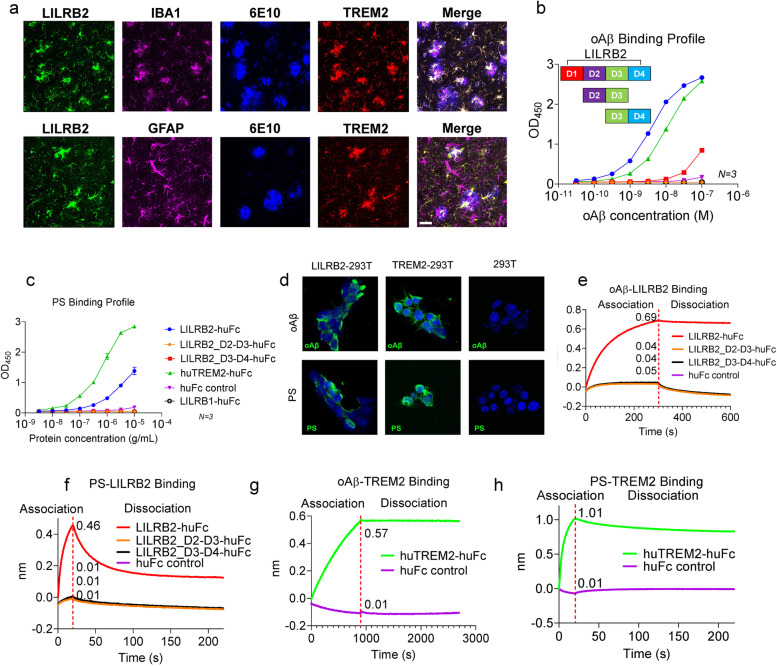
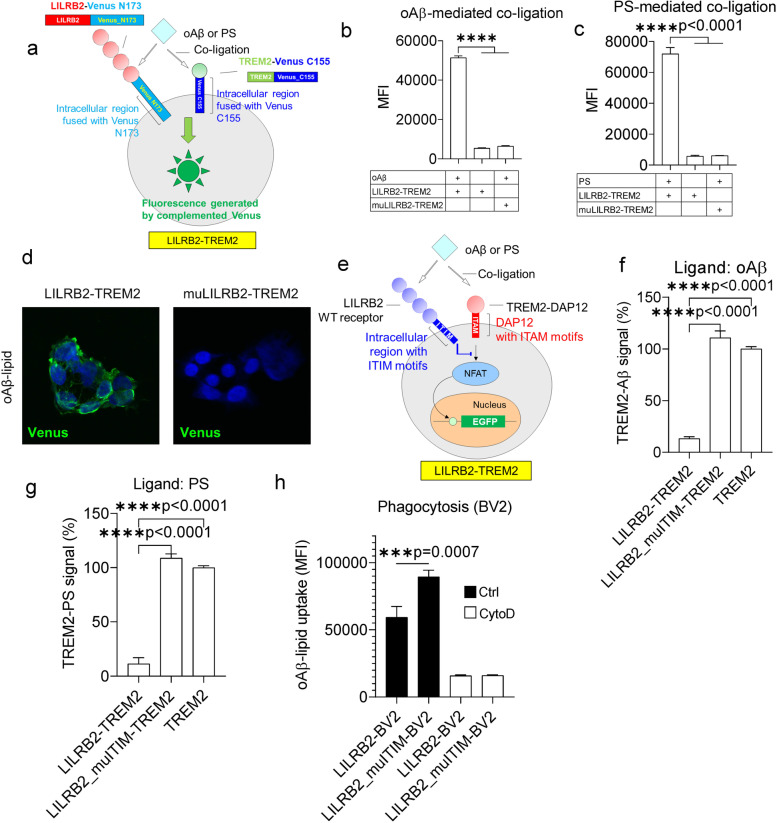
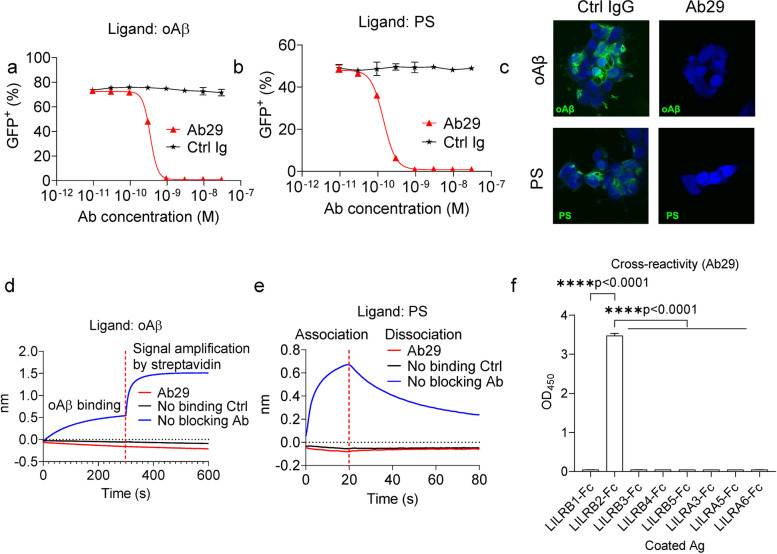
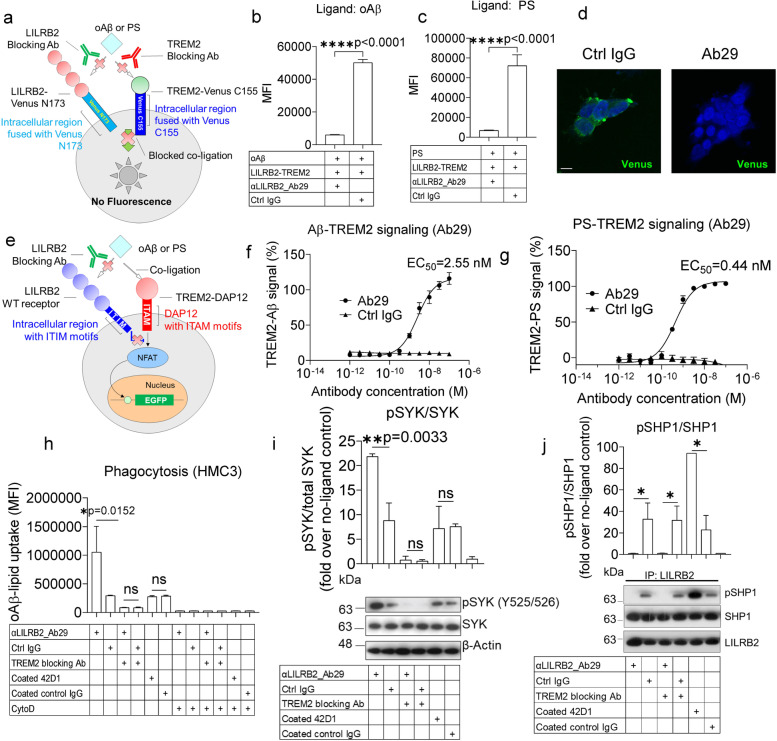
Background: Microglia plays crucial roles in Alzheimer’s disease (AD) development. Triggering receptor expressed on myeloid cells 2 (TREM2) in association with DAP12 mediates signaling affecting microglia function. Here we study the negative regulation of TREM2 functions by leukocyte immunoglobulin-like receptor subfamily B member 2 (LILRB2), an inhibitory receptor bearing ITIM motifs. Methods: To specifically interrogate LILRB2-ligand (oAβ and PS) interactions and microglia functions, we generated potent antagonistic LILRB2 antibodies with sub-nanomolar level activities. The biological effects of LILRB2 antagonist antibody (Ab29) were studied in human induced pluripotent stem cell (iPSC)–derived microglia (hMGLs) for migration, oAβ phagocytosis, and upregulation of inflammatory cytokines. Effects of the LILRB2 antagonist antibody on microglial responses to amyloid plaques were further studied in vivo using stereotaxic grafted microglia in 5XFAD mice. Results: We confirmed the expression of both LILRB2 and TREM2 in human brain microglia using immunofluorescence. Upon co-ligation of the LILRB2 and TREM2 by shared ligands oAβ or PS, TREM2 signaling was significantly inhibited. We identified a monoclonal antibody (Ab29) that blocks LILRB2/ligand interactions and prevents TREM2 signaling inhibition mediated by LILRB2. Further, Ab29 enhanced microglia phagocytosis, TREM2 signaling, migration, and cytokine responses to the oAβ-lipoprotein complex in hMGL and microglia cell line HMC3. In vivo studies showed significantly enhanced clustering of microglia around plaques with a prominent increase in microglial amyloid plaque phagocytosis when 5XFAD mice were treated with Ab29. Conclusions: This study revealed for the first time the molecular mechanisms of LILRB2-mediated inhibition of TREM2 signaling in microglia and demonstrated a novel approach of enhancing TREM2-mediated microglia functions by blocking LILRB2-ligand interactions. Translationally, a LILRB2 antagonist antibody completely rescued the inhibition of TREM2 signaling by LILRB2, suggesting a novel therapeutic strategy for improving microglial functions.
Overview
The claims and statistics of this paper haven’t been checked yet.
Free: it reads the open-access text and checks the first 5 claims that cite a source we can check. Create a free account to check every claim.
Integrity signals
Registry
Cites
Statistics
Figures
Verification
Claims the paper makes
The claims and statistics of this paper haven’t been checked yet.
Free: it reads the open-access text and checks the first 5 claims that cite a source we can check. Create a free account to check every claim.
Claims other papers make about this one
Each is checked against this paper’s own text: does it say what the citing paper says it does?
The source backs part of the claim, not all of it — or backs it for a different population, condition or comparison.
In the citing paper
“For example, Aβ can interact with the leukocyte immunoglobulin-like receptor B2 (LilrB2) and negatively mediate synapses and memory.585”
From Recent advances in Alzheimer's disease: Mechanisms, clinical trials and new drug development strategies. (2024) · cites this paper as [585]
Experimental — accuracy not yet measured
Self-check
Percentages, sums and reported differences re-computed from the paper’s own numbers.
The self-check needs the paper’s full text.
Citations
Cites
Deciphering key features in protein structures with the new ENDscript server
Robert, X., & Gouet, P. (2014) · Nucleic Acids Research · doi:10.1093/nar/gku316 · Cited by 7,053
Alzheimer Disease: An Update on Pathobiology and Treatment Strategies
Long, J. M., & Holtzman, D. M. (2019) · Cell · doi:10.1016/j.cell.2019.09.001 · Cited by 3,204 · cited 1×
“Background Alzheimer’s disease (AD), the main cause of dementia, is a neurodegenerative disorder with limited treatment options [1, 2].”
BackgroundKrasemann, S., Madore, C., Cialic, R., Baufeld, C., Calcagno, N., El Fatimy, R., Beckers, L., O’Loughlin, E., Xu, Y., Fanek, Z., et al. (2017) · Immunity · doi:10.1016/j.immuni.2017.08.008 · Cited by 2,979 · cited 1×
“This stage-dependent effect of LILRB2 in AD is consistent with the perplexing roles that TREM2 plays in AD [85, 86].”
ResultSelf-citationMicroglia and macrophages in brain homeostasis and disease
Li, Q., & Barres, B. A. (2018) · Nature Reviews Immunology · doi:10.1038/nri.2017.125 · Cited by 1,999 · cited 1×
“Microglia, brain-resident myeloid cells, play pivotal roles in AD development by regulating brain homeostasis [8] and neuroinflammation [9], promoting Aβ plaque phagocytic clearance [10], and clustering and limiting diffusion of Aβ plaques [11] and tau tangles [12].”
BackgroundTREM2 Lipid Sensing Sustains the Microglial Response in an Alzheimer’s Disease Model
Wang, Y., Cella, M., Mallinson, K., Ulrich, J. D., Young, K. L., Robinette, M. L., Gilfillan, S., Krishnan, G. M., Sudhakar, S., Zinselmeyer, B. H., et al. (2015) · Cell · doi:10.1016/j.cell.2015.01.049 · Cited by 1,736
A review on Alzheimer's disease pathophysiology and its management: an update
Kumar, A., Singh, A., & Ekavali (2015) · Pharmacological Reports · doi:10.1016/j.pharep.2014.09.004 · Cited by 1,578 · cited 1×
“Background Alzheimer’s disease (AD), the main cause of dementia, is a neurodegenerative disorder with limited treatment options [1, 2].”
BackgroundDisease-Associated Microglia: A Universal Immune Sensor of Neurodegeneration
Deczkowska, A., Keren-Shaul, H., Weiner, A., Colonna, M., Schwartz, M., & Amit, I. (2018) · Cell · doi:10.1016/j.cell.2018.05.003 · Cited by 1,474 · cited 1×
“Since disease-associated-microglia (DAM) gene studies currently reported mostly involve AD mouse models, 5XFAD and APPPS1, and mice have no LILRB2, we are not able to confirm whether LILRB2 is one of the DAM genes [60].”
BackgroundTREM2 Maintains Microglial Metabolic Fitness in Alzheimer’s Disease
Ulland, T. K., Song, W. M., Huang, S. C.-C., Ulrich, J. D., Sergushichev, A., Beatty, W. L., Loboda, A. A., Zhou, Y., Cairns, N. J., Kambal, A., et al. (2017) · Cell · doi:10.1016/j.cell.2017.07.023 · Cited by 1,263 · cited 2×
“In addition, TREM2 deficiency curtails anabolic and energetic metabolism demonstrated by ER stress, defective mTOR signaling, reduced ATP levels, and biosynthesis pathways [71].”
BackgroundChemnitz, J. M., Parry, R. V., Nichols, K. E., June, C. H., & Riley, J. L. (2004) · The Journal of Immunology · doi:10.4049/jimmunol.173.2.945 · Cited by 1,246 · cited 2×
“The immunoreceptor tyrosinebased switch motifs (ITSMs) in PD-1 play crucial roles in mediating the inhibition of CD3 as demonstrated by mutation studies [69].”
BackgroundDirect Recognition of Cytomegalovirus by Activating and Inhibitory NK Cell Receptors
Arase, H., Mocarski, E. S., Campbell, A. E., Hill, A. B., & Lanier, L. L. (2002) · Science · doi:10.1126/science.1070884 · Cited by 1,230 · cited 2×
“Association with DAP12 allows ligands to trigger NFAT signaling and induce GFP expression by binding to extracellular LILRB2 [43, 44] (Supplementary Fig.”
BackgroundSelf-citationiPSC-derived human microglia-like cells to study neurological diseases
Abud, E. M., Ramirez, R. N., Martinez, E. S., Healy, L. M., Nguyen, C. H. H., Newman, S. A., Yeromin, A. V., Scarfone, V. M., Marsh, S. E., Fimbres, C., et al. (2017) · Neuron · doi:10.1016/j.neuron.2017.03.042 · Cited by 1,154
Tau in Alzheimer Disease and Related Tauopathies
Iqbal, K., Liu, F., Gong, C.-X., & Grundke-Iqbal, I. (2010) · Current Alzheimer Research · doi:10.2174/156720510793611592 · Cited by 1,127
Alzheimer’s Disease Risk Gene CD33 Inhibits Microglial Uptake of Amyloid Beta
Griciuc, A., Serrano-Pozo, A., Parrado, A. R., Lesinski, A. N., Asselin, C. N., Mullin, K., Hooli, B., Choi, S. H., Hyman, B. T., & Tanzi, R. E. (2013) · Neuron · doi:10.1016/j.neuron.2013.04.014 · Cited by 1,004 · cited 3×
“21 × 1010), which is has bee well established to negatively regulate AD in mouse models [47, 61].”
BackgroundMethodYeh, F. L., Wang, Y., Tom, I., Gonzalez, L. C., & Sheng, M. (2016) · Neuron · doi:10.1016/j.neuron.2016.06.015 · Cited by 943 · cited 9×
“Macrophages with TREM2 loss-of-function variant R47H show reduced ligand binding and phagocytosis of the Aβ-lipoprotein complex [42].”
BackgroundMethodInfluentialTREM2-mediated early microglial response limits diffusion and toxicity of amyloid plaques
Wang, Y., Ulland, T. K., Ulrich, J. D., Song, W., Tzaferis, J. A., Hole, J. T., Yuan, P., Mahan, T. E., Shi, Y., Gilfillan, S., et al. (2016) · Journal of Experimental Medicine · doi:10.1084/jem.20151948 · Cited by 840 · cited 1×
“Microglia, brain-resident myeloid cells, play pivotal roles in AD development by regulating brain homeostasis [8] and neuroinflammation [9], promoting Aβ plaque phagocytic clearance [10], and clustering and limiting diffusion of Aβ plaques [11] and tau tangles [12].”
BackgroundTREM2 mutations implicated in neurodegeneration impair cell surface transport and phagocytosis
Kleinberger, G., Yamanishi, Y., Suárez-Calvet, M., Czirr, E., Lohmann, E., Cuyvers, E., Struyfs, H., Pettkus, N., Wenninger-Weinzierl, A., Mazaheri, F., et al. (2014) · Science Translational Medicine · doi:10.1126/scitranslmed.3009093 · Cited by 798 · cited 9×
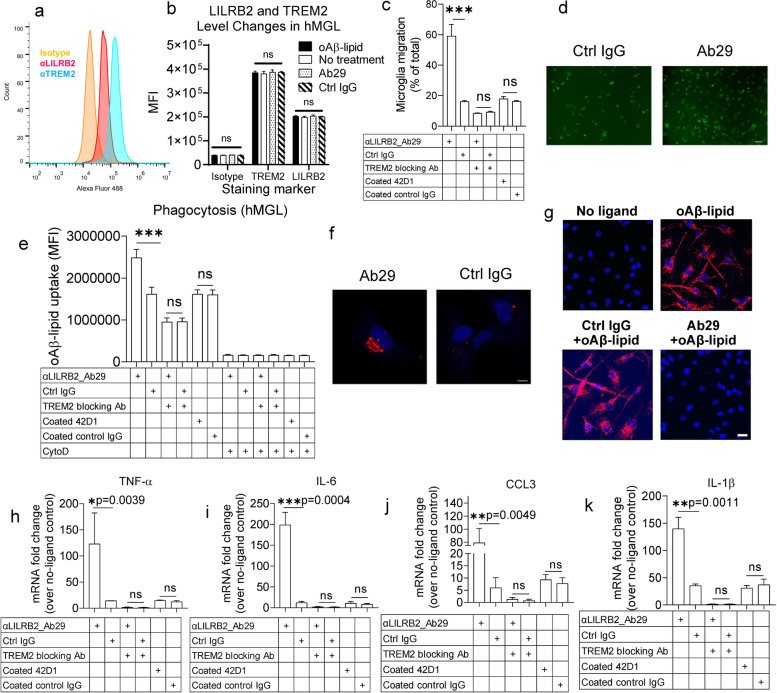
“We next tested the effect of Ab29 on SYK phosphorylation, which is the key component of the TREM2-DAP12 signaling pathway that regulates microglia-mediated oAβ phagocytosis.”
BackgroundMethodInfluentialTREM2 Is a Receptor for β-Amyloid that Mediates Microglial Function
Zhao, Y., Wu, X., Li, X., Jiang, L.-L., Gui, X., Liu, Y., Sun, Y., Zhu, B., Piña-Crespo, J. C., Zhang, M., et al. (2018) · Neuron · doi:10.1016/j.neuron.2018.01.031 · Cited by 763 · cited 9×
“This observation is consistent with previous reports that LILRB2 and TREM2 only bind to oAβ but not the monomer Aβ [16, 20, 24].”
BackgroundMethodResultInfluentialSelf-citationThe Role of Amyloid-β Oligomers in Toxicity, Propagation, and Immunotherapy
Sengupta, U., Nilson, A. N., & Kayed, R. (2016) · EBioMedicine · doi:10.1016/j.ebiom.2016.03.035 · Cited by 740 · cited 1×
“Clearance of soluble oAβ is desired since soluble oAβ works as synaptotoxins leading to cognitive impairment [77, 78].”
BackgroundTREM2 — a key player in microglial biology and Alzheimer disease
Ulland, T. K., & Colonna, M. (2018) · Nature Reviews Neurology · doi:10.1038/s41582-018-0072-1 · Cited by 735 · cited 22×
“The ITAM motifs of the chimeric LILRB2 are from helical and intracellular regions of TREM2, which mediates activation functions after associating with DAP12. c‑d. Activation of LILRB2‑chimeric GFP reporter cells by oAβ and lipids.”
BackgroundInfluentialBirge, R. B., Boeltz, S., Kumar, S., Carlson, J., Wanderley, J., Calianese, D., Barcinski, M., Brekken, R. A., Huang, X., Hutchins, J. T., et al. (2016) · Cell Death & Differentiation · doi:10.1038/cdd.2016.11 · Cited by 725 · cited 1×
“The inhibitory signals delivered by PS-LILRB2 interactions are also consistent with the fact that PS serves as a global immunosuppressive signal in efferocytosis, infectious disease, and cancer [70].”
BackgroundJay, T. R., Miller, C. M., Cheng, P. J., Graham, L. C., Bemiller, S., Broihier, M. L., Xu, G., Margevicius, D., Karlo, J. C., Sousa, G. L., et al. (2015) · Journal of Experimental Medicine · doi:10.1084/jem.20142322 · Cited by 682 · cited 1×
“This stage-dependent effect of LILRB2 in AD is consistent with the perplexing roles that TREM2 plays in AD [85, 86].”
ResultGong, C.-X., & Iqbal, K. (2008) · Current Medicinal Chemistry · doi:10.2174/092986708785909111 · Cited by 644
Interplay between innate immunity and Alzheimer disease: APOE and TREM2 in the spotlight
Shi, Y., & Holtzman, D. M. (2018) · Nature Reviews Immunology · doi:10.1038/s41577-018-0051-1 · Cited by 595
Anti-Amyloid-β Monoclonal Antibodies for Alzheimer’s Disease: Pitfalls and Promise
van Dyck, C. H. (2018) · Biological Psychiatry · doi:10.1016/j.biopsych.2017.08.010 · Cited by 568 · cited 1×
“Clearance of soluble oAβ has always been an important mechanism of anti-Aβ monoclonal antibody therapeutics [79].”
BackgroundWang, S., Mustafa, M., Yuede, C. M., Salazar, S. V., Kong, P., Long, H., Ward, M., Siddiqui, O., Paul, R., Gilfillan, S., et al. (2020) · Journal of Experimental Medicine · doi:10.1084/jem.20200785 · Cited by 549 · cited 2×
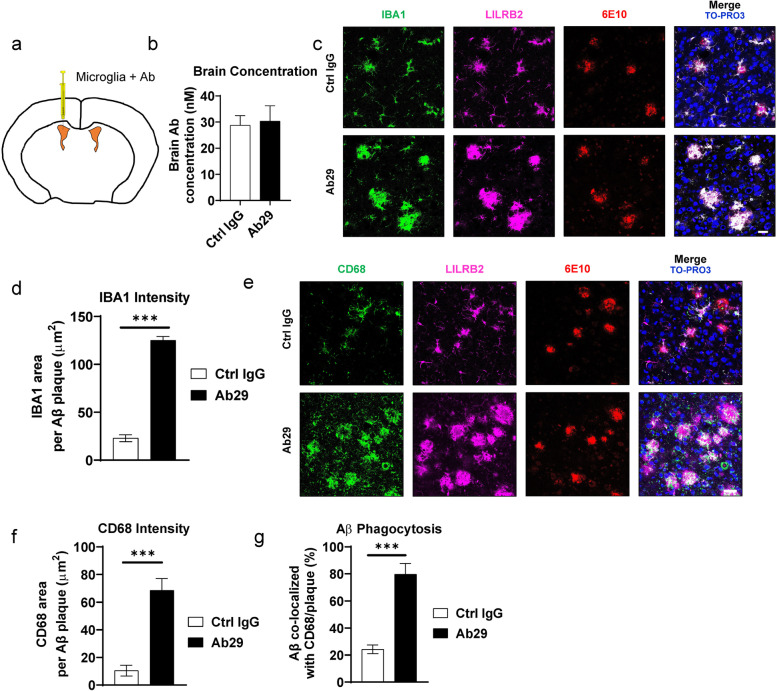
“CD68, the phagocytic marker of microglia, is frequently used to study the phagocytic status of plaque proximal microglia [35, 54, 55].”
BackgroundMethodLeyns, C. E. G., Ulrich, J. D., Finn, M. B., Stewart, F. R., Koscal, L. J., Remolina Serrano, J., Robinson, G. O., Anderson, E., Colonna, M., & Holtzman, D. M. (2017) · Proceedings of the National Academy of Sciences · doi:10.1073/pnas.1710311114 · Cited by 517 · cited 1×
“Although TREM2 is largely believed to play a positive role in regulating amyloid pathology, tau pathology studies have revealed opposite trend [73, 74].”
BackgroundSystematic phenotyping and characterization of the 5xFAD mouse model of Alzheimer’s disease.
Forner, S., Kawauchi, S., Balderrama-Gutierrez, G., Kramár, E. A., Matheos, D. P., Phan, J., Javonillo, D. I., Tran, K. M., Hingco, E., da Cunha, C., et al. (2021) · Scientific Data · doi:10.1038/s41597-021-01054-y · Cited by 501
Colonna, M., Samaridis, J., Cella, M., Ångman, L., Allen, R. L., O’Callaghan, C. A., Dunbar, P. R., Ogg, G. S., Cerundolo, V., & Rolink, A. G. (1998) · PubMed · Cited by 499
Immunohistochemistry for Pathologists: Protocols, Pitfalls, and Tips
Kim, S.-W., Roh, J., & Park, C.-S. (2016) · Journal of Pathology and Translational Medicine · doi:10.4132/jptm.2016.08.08 · Cited by 499 · cited 1×
“Before immunostaining, the slides were deparaffinized and rehydrated according to a previously published protocol [22].”
MethodNew insights into the role of TREM2 in Alzheimer’s disease
Gratuze, M., Leyns, C. E. G., & Holtzman, D. M. (2018) · Molecular Neurodegeneration · doi:10.1186/s13024-018-0298-9 · Cited by 489
A role for TREM2 ligands in the phagocytosis of apoptotic neuronal cells by microglia
Hsieh, C. L., Koike, M., Spusta, S. C., Niemi, E. C., Yenari, M., Nakamura, M. C., & Seaman, W. E. (2009) · Journal of Neurochemistry · doi:10.1111/j.1471-4159.2009.06042.x · Cited by 475 · cited 1×
“TREM2 was shown to play a role in microglia phagocytosis of the oAβ-lipoprotein complex [42] and apoptotic cells [66].”
BackgroundColonna, M., Samaridis, J., Cella, M., Angman, L., Allen, R. L., O’Callaghan, C. A., Dunbar, R., Ogg, G. S., Cerundolo, V., & Rolink, A. (1998) · The Journal of Immunology · doi:10.4049/jimmunol.160.7.3096 · Cited by 457
Microglial Phagocytosis of Fibrillar β-Amyloid through a β1Integrin-Dependent Mechanism
Koenigsknecht, J., & Landreth, G. (2004) · The Journal of Neuroscience · doi:10.1523/jneurosci.2557-04.2004 · Cited by 446
Hamerman, J. A., Jarjoura, J. R., Humphrey, M. B., Nakamura, M. C., Seaman, W. E., & Lanier, L. L. (2006) · The Journal of Immunology · doi:10.4049/jimmunol.177.4.2051 · Cited by 440 · cited 8×
“We next tested the effect of Ab29 on SYK phosphorylation, which is the key component of the TREM2-DAP12 signaling pathway that regulates microglia-mediated oAβ phagocytosis.”
BackgroundInfluentialStansley, B., Post, J., & Hensley, K. (2012) · Journal of Neuroinflammation · doi:10.1186/1742-2094-9-115 · Cited by 419 · cited 1×
“BV2 is widely used as a model microglia cell line to study the functions of receptor-ofinterest in oAβ phagocytosis [24, 46, 47].”
MethodKim, T., Vidal, G. S., Djurisic, M., William, C. M., Birnbaum, M. E., Garcia, K. C., Hyman, B. T., & Shatz, C. J. (2013) · Science · doi:10.1126/science.1242077 · Cited by 410 · cited 10×
“This observation is consistent with previous reports that LILRB2 and TREM2 only bind to oAβ but not the monomer Aβ [16, 20, 24].”
BackgroundResultInfluentialDifferentiation of human and murine induced pluripotent stem cells to microglia-like cells
Pandya, H., Shen, M. J., Ichikawa, D. M., Sedlock, A. B., Choi, Y., Johnson, K. R., Kim, G., Brown, M. A., Elkahloun, A. G., Maric, D., et al. (2017) · Nature Neuroscience · doi:10.1038/nn.4534 · Cited by 405 · cited 1×
“Although short, the 4d time period is sufficient for microglial migration to the cortex through the lateral ventricles [53].”
BackgroundA simple method for quantitating confocal fluorescent images
Shihan, M. H., Novo, S. G., Le Marchand, S. J., Wang, Y., & Duncan, M. K. (2021) · Biochemistry and Biophysics Reports · doi:10.1016/j.bbrep.2021.100916 · Cited by 397 · cited 1×
“The quantification was done using ImageJ as previously described [34, 35].”
MethodTREM2 Acts Downstream of CD33 in Modulating Microglial Pathology in Alzheimer's Disease
Griciuc, A., Patel, S., Federico, A. N., Choi, S. H., Innes, B. J., Oram, M. K., Cereghetti, G., McGinty, D., Anselmo, A., Sadreyev, R. I., et al. (2019) · Neuron · doi:10.1016/j.neuron.2019.06.010 · Cited by 378 · cited 3×
“However, LILRB2 was recently identified as a risk gene contributing to Late-onset Alzheimer’s disease (LOAD) in a large genome-wide association study involving over 1 million patients’ data [61].”
BackgroundFerreira, S. T., Lourenco, M. V., Oliveira, M. M., & De Felice, F. G. (2015) · Frontiers in Cellular Neuroscience · doi:10.3389/fncel.2015.00191 · Cited by 373 · cited 1×
“Clearance of soluble oAβ is desired since soluble oAβ works as synaptotoxins leading to cognitive impairment [77, 78].”
BackgroundZhong, L., Xu, Y., Zhuo, R., Wang, T., Wang, K., Huang, R., Wang, D., Gao, Y., Zhu, Y., Sheng, X., et al. (2019) · Nature Communications · doi:10.1038/s41467-019-09118-9 · Cited by 371 · cited 1×
“CD68, the phagocytic marker of microglia, is frequently used to study the phagocytic status of plaque proximal microglia [35, 54, 55].”
BackgroundSelf-citationPhosphatidylserine recognition by phagocytes: a view to a kill
Wu, Y., Tibrewal, N., & Birge, R. B. (2006) · Trends in Cell Biology · doi:10.1016/j.tcb.2006.02.003 · Cited by 341
The clinical promise of biomarkers of synapse damage or loss in Alzheimer’s disease
the Synaptic Health Endpoints Working Group, Colom-Cadena, M., Spires-Jones, T., Zetterberg, H., Blennow, K., Caggiano, A., DeKosky, S. T., Fillit, H., Harrison, J. E., Schneider, L. S., et al. (2020) · Alzheimer's Research & Therapy · doi:10.1186/s13195-020-00588-4 · Cited by 328 · cited 1×
“Key pathological features of AD include progressive memory loss, cognitive deficits, synapse loss [3], neuronal death [4], β-amyloid (Aβ) plaque deposition [5], and hyperphosphorylated tau protein forming Open Access”
BackgroundEnhancing protective microglial activities with a dual function TREM2 antibody to the stalk region
Schlepckow, K., Monroe, K. M., Kleinberger, G., Cantuti‐Castelvetri, L., Parhizkar, S., Xia, D., Willem, M., Werner, G., Pettkus, N., Brunner, B., et al. (2020) · EMBO Molecular Medicine · doi:10.15252/emmm.201911227 · Cited by 324 · cited 1×
“Moreover, increasing TREM2 function pharmacologically by agonist mAbs improved microglia oAβ phagocytosis [42, 67].”
BackgroundTrem2 restrains the enhancement of tau accumulation and neurodegeneration by β-amyloid pathology
Lee, S.-H., Meilandt, W. J., Xie, L., Gandham, V. D., Ngu, H., Barck, K. H., Rezzonico, M. G., Imperio, J., Lalehzadeh, G., Huntley, M. A., et al. (2021) · Neuron · doi:10.1016/j.neuron.2021.02.010 · Cited by 300
Bemiller, S. M., McCray, T. J., Allan, K., Formica, S. V., Xu, G., Wilson, G., Kokiko-Cochran, O. N., Crish, S. D., Lasagna-Reeves, C. A., Ransohoff, R. M., et al. (2017) · Molecular Neurodegeneration · doi:10.1186/s13024-017-0216-6 · Cited by 299
Microglia in Alzheimer Disease: Well-Known Targets and New Opportunities
Hemonnot, A.-L., Hua, J., Ulmann, L., & Hirbec, H. (2019) · Frontiers in Aging Neuroscience · doi:10.3389/fnagi.2019.00233 · Cited by 298 · cited 2×
“Microglia genetic variants, including genes CR1, CD33, and TREM2, contribute to the pathogenesis of late-onset AD (LOAD) [13].”
BackgroundSong, W., Hooli, B., Mullin, K., Jin, S. C., Cella, M., Ulland, T. K., Wang, Y., Tanzi, R. E., & Colonna, M. (2017) · Alzheimer's & Dementia · doi:10.1016/j.jalz.2016.07.004 · Cited by 297 · cited 1×
“The observed lipid-induced activation of TREM2 in this study is consistent with previously reported TREM2 activation by lipid ligands in TREM2 reporter cells [38, 63, 64].”
ResultNeuroinflammation and microglia: considerations and approaches for neurotoxicity assessment
Harry, G. J., & Kraft, A. D. (2008) · Expert Opinion on Drug Metabolism & Toxicology · doi:10.1517/17425255.4.10.1265 · Cited by 295 · cited 1×
“Microglia, brain-resident myeloid cells, play pivotal roles in AD development by regulating brain homeostasis [8] and neuroinflammation [9], promoting Aβ plaque phagocytic clearance [10], and clustering and limiting diffusion of Aβ plaques [11] and tau tangles [12].”
BackgroundPartial Leptin Reduction as an Insulin Sensitization and Weight Loss Strategy
Zhao, S., Zhu, Y., Schultz, R. D., Li, N., He, Z., Zhang, Z., Caron, A., Zhu, Q., Sun, K., Xiong, W., et al. (2019) · Cell Metabolism · doi:10.1016/j.cmet.2019.08.005 · Cited by 295 · cited 3×
“Panning of the library for LILRB2 specific antibodies was carried out as described previously with modifications [27].”
MethodInfluentialSelf-citationLo Nigro, C., Macagno, M., Sangiolo, D., Bertolaccini, L., Aglietta, M., & Merlano, M. C. (2019) · Annals of Translational Medicine · doi:10.21037/atm.2019.01.42 · Cited by 268 · cited 2×
“by NK cells and macrophages via Fc receptor-mediated mechanisms such as ADCC and ADCP [80, 81].”
BackgroundAmyloid-β Receptors: The Good, the Bad, and the Prion Protein
Jarosz-Griffiths, H. H., Noble, E., Rushworth, J. V., & Hooper, N. M. (2016) · Journal of Biological Chemistry · doi:10.1074/jbc.r115.702704 · Cited by 256
Chen, H.-M., van der Touw, W., Wang, Y. S., Kang, K., Mai, S., Zhang, J., Alsina-Beauchamp, D., Duty, J. A., Mungamuri, S. K., Zhang, B., et al. (2018) · Journal of Clinical Investigation · doi:10.1172/jci97570 · Cited by 253 · cited 6×
“Chen and colleagues showed that LILRB2 antagonism inhibited SHP1/2 recruitment and generated inflammatory macrophages in the presence of M-CSF [21].”
BackgroundMethodInfluentialSelf-citationImpact of TREM2R47H variant on tau pathology–induced gliosis and neurodegeneration
Gratuze, M., Leyns, C. E. G., Sauerbeck, A. D., St-Pierre, M.-K., Xiong, M., Kim, N., Serrano, J. R., Tremblay, M.-È., Kummer, T. T., Colonna, M., et al. (2020) · Journal of Clinical Investigation · doi:10.1172/jci138179 · Cited by 252 · cited 2×
“Although TREM2 is largely believed to play a positive role in regulating amyloid pathology, tau pathology studies have revealed opposite trend [73, 74].”
BackgroundKleinberger, G., Brendel, M., Mracsko, E., Wefers, B., Groeneweg, L., Xiang, X., Focke, C., Deußing, M., Suárez‐Calvet, M., Mazaheri, F., et al. (2017) · The EMBO Journal · doi:10.15252/embj.201796516 · Cited by 251 · cited 2×
“Cryopreserved iCell Microglia (R1131, FujiFilm) [30, 31] were seeded in a transwell insert (PET membrane, 8 μm pore size, Corning 3374) in basal medium supplied in the kit without cytokines.”
BackgroundLuo, W., Liu, W., Hu, X., Hanna, M., Caravaca, A., & Paul, S. M. (2015) · Scientific Reports · doi:10.1038/srep11161 · Cited by 241 · cited 1×
“Microglia, brain-resident myeloid cells, play pivotal roles in AD development by regulating brain homeostasis [8] and neuroinflammation [9], promoting Aβ plaque phagocytic clearance [10], and clustering and limiting diffusion of Aβ plaques [11] and tau tangles [12].”
BackgroundBeta‐amyloid deposition and the aging brain
Rodrigue, K. M., Kennedy, K. M., & Park, D. C. (2009) · Neuropsychology Review · doi:10.1007/s11065-009-9118-x · Cited by 230 · cited 1×
“Key pathological features of AD include progressive memory loss, cognitive deficits, synapse loss [3], neuronal death [4], β-amyloid (Aβ) plaque deposition [5], and hyperphosphorylated tau protein forming Open Access”
BackgroundZhong, L., Wang, Z., Wang, D., Wang, Z., Martens, Y. A., Wu, L., Xu, Y., Wang, K., Li, J., Huang, R., et al. (2018) · Molecular Neurodegeneration · doi:10.1186/s13024-018-0247-7 · Cited by 217 · cited 1×
“Proteins were probed with specific primary antibodies and secondary antibodies diluted in 5% BSA TBST [21, 24, 29].”
MethodSelf-citationP2Y12 expression and function in alternatively activated human microglia
Moore, C. S., Ase, A. R., Kinsara, A., Rao, V. T. S., Michell-Robinson, M., Leong, S. Y., Butovsky, O., Ludwin, S. K., Séguéla, P., Bar-Or, A., et al. (2015) · Neurology Neuroimmunology & Neuroinflammation · doi:10.1212/nxi.0000000000000080 · Cited by 212 · cited 1×
“Cell number was quantified by eluting cell-bound crystal violet in 33% acetic acid in H2O (100 rpm shaking, 10 min) according to the manufacturer’s protocol and literature [32].”
MethodSvoboda, D. S., Barrasa, M. I., Shu, J., Rietjens, R., Zhang, S., Mitalipova, M., Berube, P., Fu, D., Shultz, L. D., Bell, G. W., et al. (2019) · Proceedings of the National Academy of Sciences · doi:10.1073/pnas.1913541116 · Cited by 206 · cited 3×
“3% Triton X-100 for 2 hours, brain sections were stained with corresponding antibodies: IBA1 (1:1000, Abcam, ab178680 [31, 33]), 6E10 (1:500, Biolegend), CD68 (1:500 Biolegend 333,812), human nuclear antigen (1:200, Abcam ab191181) and LILRB2 (1:1000, Thermo Fisher, PA5-97929) in 1% BSA PBS with 0.”
MethodPhosphatidylserine targeting for diagnosis and treatment of human diseases
Schutters, K., & Reutelingsperger, C. (2010) · Apoptosis · doi:10.1007/s10495-010-0503-y · Cited by 195
ITAMs versus ITIMs: striking a balance during cell regulation
Billadeau, D. D., & Leibson, P. J. (2002) · Journal of Clinical Investigation · doi:10.1172/jci0214843 · Cited by 195
ITAMs versus ITIMs: striking a balance during cell regulation
Billadeau, D. D., & Leibson, P. J. (2002) · Journal of Clinical Investigation · doi:10.1172/jci14843 · Cited by 192 · cited 2×
“Ligands shared between ITIM and ITAM receptors can induce inhibition to the ITAM receptor upon clustered with the ITIM receptor [17, 18].”
BackgroundSimhadri, V. R., Andersen, J. F., Calvo, E., Choi, S.-C., Coligan, J. E., & Borrego, F. (2012) · Blood · doi:10.1182/blood-2011-08-372425 · Cited by 190
Neuronal Cell Death in Alzheimers Disease and a Neuroprotective Factor, Humanin
Niikura, T., Tajima, H., & Kita, Y. (2006) · Current Neuropharmacology · doi:10.2174/157015906776359577 · Cited by 184 · cited 1×
“Key pathological features of AD include progressive memory loss, cognitive deficits, synapse loss [3], neuronal death [4], β-amyloid (Aβ) plaque deposition [5], and hyperphosphorylated tau protein forming Open Access”
BackgroundClearance of Amyloid-β Peptides By Microglia and Macrophages: the Issue of What, When and Where
Lai, A. Y., & McLaurin, J. (2012) · Future Neurology · doi:10.2217/fnl.12.6 · Cited by 162 · cited 1×
“Microglia, brain-resident myeloid cells, play pivotal roles in AD development by regulating brain homeostasis [8] and neuroinflammation [9], promoting Aβ plaque phagocytic clearance [10], and clustering and limiting diffusion of Aβ plaques [11] and tau tangles [12].”
BackgroundOf ITIM s, ITAM s, and ITAM is: revisiting immunoglobulin Fc receptor signaling
Getahun, A., & Cambier, J. C. (2015) · Immunological Reviews · doi:10.1111/imr.12336 · Cited by 160 · cited 2×
“Ligands shared between ITIM and ITAM receptors can induce inhibition to the ITAM receptor upon clustered with the ITIM receptor [17, 18].”
BackgroundCytochalasin D acts as an inhibitor of the actin–cofilin interaction
Shoji, K., Ohashi, K., Sampei, K., Oikawa, M., & Mizuno, K. (2012) · Biochemical and Biophysical Research Communications · doi:10.1016/j.bbrc.2012.06.063 · Cited by 159 · cited 1×
“To validate the increased phagocytosis signal was a result of oAβ phagocytosis, the above-mentioned treatment groups were repeated side by side by co-incubation with CytoD, a reagent selectively inhibiting phagocytosis by blocking actin-cofilin interaction [48].”
MethodThe role of Fc gamma receptors in the activity of immunomodulatory antibodies for cancer
Stewart, R., Hammond, S. A., Oberst, M., & Wilkinson, R. W. (2014) · Journal for ImmunoTherapy of Cancer · doi:10.1186/s40425-014-0029-x · Cited by 157 · cited 2×
“by NK cells and macrophages via Fc receptor-mediated mechanisms such as ADCC and ADCP [80, 81].”
BackgroundscREAD: A Single-Cell RNA-Seq Database for Alzheimer's Disease
Jiang, J., Wang, C., Qi, R., Fu, H., & Ma, Q. (2020) · iScience · doi:10.1016/j.isci.2020.101769 · Cited by 141
An epoxide hydrolase inhibitor reduces neuroinflammation in a mouse model of Alzheimer’s disease
Ghosh, A., Comerota, M. M., Wan, D., Chen, F., Propson, N. E., Hwang, S. H., Hammock, B. D., & Zheng, H. (2020) · Science Translational Medicine · doi:10.1126/scitranslmed.abb1206 · Cited by 136 · cited 3×
“CD68, the phagocytic marker of microglia, is frequently used to study the phagocytic status of plaque proximal microglia [35, 54, 55].”
BackgroundMethodOhtsuka, M., Arase, H., Takeuchi, A., Yamasaki, S., Shiina, R., Suenaga, T., Sakurai, D., Yokosuka, T., Arase, N., Iwashima, M., et al. (2004) · Proceedings of the National Academy of Sciences · doi:10.1073/pnas.0401119101 · Cited by 120 · cited 2×
“Association with DAP12 allows ligands to trigger NFAT signaling and induce GFP expression by binding to extracellular LILRB2 [43, 44] (Supplementary Fig.”
BackgroundSelf-citationAminophospholipids are signal-transducing TREM2 ligands on apoptotic cells
Shirotani, K., Hori, Y., Yoshizaki, R., Higuchi, E., Colonna, M., Saito, T., Hashimoto, S., Saito, T., Saido, T. C., & Iwata, N. (2019) · Scientific Reports · doi:10.1038/s41598-019-43535-6 · Cited by 116 · cited 1×
“The observed lipid-induced activation of TREM2 in this study is consistent with previously reported TREM2 activation by lipid ligands in TREM2 reporter cells [38, 63, 64].”
ResultA motif in LILRB2 critical for Angptl2 binding and activation
Deng, M., Lu, Z., Zheng, J., Wan, X., Chen, X., Hirayasu, K., Sun, H., Lam, Y., Chen, L., Wang, Q., et al. (2014) · Blood · doi:10.1182/blood-2014-01-549162 · Cited by 112 · cited 1×
“We next tested whether activating LILRB2 alone would inhibit microglia phagocytosis by using a platebound non-blocking anti-LILRB2 antibody clone 42D1 to crosslink and activate LILRB2 [49].”
BackgroundSelf-citationTian, L., Choi, S.-C., Murakami, Y., Allen, J., Morse III, H. C., Qi, C.-F., Krzewski, K., & Coligan, J. E. (2014) · Nature Communications · doi:10.1038/ncomms4146 · Cited by 98 · cited 1×
“Mutating the three tyrosine residues to phenylalanine abolishes the phosphorylation of ITIM motifs and thus the recruitment of phosphatase without significantly affecting the physicochemical properties of LILRB2 [68, 69].”
BackgroundAhyayauch, H., Raab, M., Busto, J. V., Andraka, N., Arrondo, J.-L. R., Masserini, M., Tvaroška, I., & Goñi, F. M. (2012) · Biophysical Journal · doi:10.1016/j.bpj.2012.06.043 · Cited by 91
TREM2 expression in the human brain: a marker of monocyte recruitment?
Fahrenhold, M., Rakic, S., Classey, J., Brayne, C., Ince, P. G., Nicoll, J. A. R., Boche, D., & MRC‐CFAS (2018) · Brain Pathology · doi:10.1111/bpa.12564 · Cited by 76 · cited 1×
“reported that TREM2 is not expressed by neurons [87].”
BackgroundCao, Q., Shin, W. S., Chan, H., Vuong, C. K., Dubois, B., Li, B., Murray, K. A., Sawaya, M. R., Feigon, J., Black, D. L., et al. (2018) · Nature Chemistry · doi:10.1038/s41557-018-0147-z · Cited by 75 · cited 7×
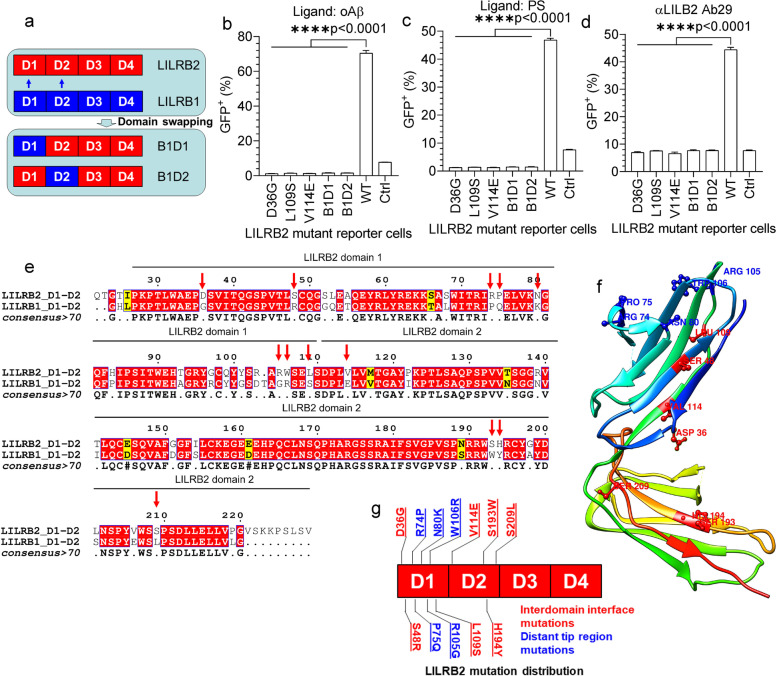
“We showed that both the D1 and D2 domains of LILRB2 are required for ligands oAβ or PS binding, which is consistent with the previous report that both D1 and D2 of LILRB2 contribute to oAβ binding [56].”
BackgroundMethodResultInfluentialSelf-citationSmith, L. M., Kostylev, M. A., Lee, S., & Strittmatter, S. M. (2019) · Journal of Biological Chemistry · doi:10.1074/jbc.ra118.006252 · Cited by 73 · cited 4×
“Together with TREM2 and cellular prion protein (PrPC), LILRB2 was one of the three major receptors showing strong interaction with Aβ oligomers [16, 19, 20].”
BackgroundResultInfluentialHubin, E., Verghese, P. B., van Nuland, N., & Broersen, K. (2019) · FEBS Letters · doi:10.1002/1873-3468.13428 · Cited by 73 · cited 1×
“The mixture was incubated at 18 °C 15 min and 30 °C 15 min for 3 cycles [28].”
MethodWillcox, B. E., Thomas, L. M., Chapman, T. L., Heikema, A. P., West, A. P., & Bjorkman, P. J. (2002) · BMC Structural Biology · doi:10.1186/1472-6807-2-6 · Cited by 71 · cited 4×
“After consulting the alignment with LILRB1 and the crystal structure of LILRB2, 12 representative singleamino acid mutations were selected at two structurally distinct regions: 1) interdomain interface (D1 and D2): D36G, S48R, L109S, V114E, S193W, H194Y, and S209L; and 2) the distant tip region (N′ of LILRB2) based on…”
BackgroundMethodInfluentialMei, H., Wu, Z., & Nakanishi, H. (2011) · Laboratory Investigation · doi:10.1038/labinvest.2011.54 · Cited by 68 · cited 1×
“PS liposomes were prepared as previously reported with modifications [26].”
MethodLiu, T., Zhu, B., Liu, Y., Zhang, X., Yin, J., Li, X., Jiang, L., Hodges, A. P., Rosenthal, S. B., Zhou, L., et al. (2020) · Journal of Experimental Medicine · doi:10.1084/jem.20200474 · Cited by 64 · cited 7×
“For phagocytosis experiments using hMGL, cryopreserved iCell Microglia (R1131, FujiFilm) [30, 31] were seeded in a poly-D-lysine coated 96-well plate at 10,000 cells/well in basal medium supplied in the kit overnight.”
MethodInfluentialSelf-citationChoi, B., Fan, X., Deng, H., Zhang, N., & An, Z. (2012) · Cancer Medicine · doi:10.1002/cam4.10 · Cited by 57 · cited 1×
“PLA assay has been widely used as a trusted approach to visualize the proximity clustering of proteins [50, 51].”
MethodSelf-citationChristensen, D. Z., Bayer, T. A., & Wirths, O. (2009) · Brain Research · doi:10.1016/j.brainres.2009.09.014 · Cited by 47 · cited 1×
“Antigen retrieval was done using 88% formic acid following a previously published protocol [23].”
MethodSheikh, A. M., & Nagai, A. (2011) · FEBS Journal · doi:10.1111/j.1742-4658.2010.07984.x · Cited by 47
Nagarathinam, A., Höflinger, P., Bühler, A., Schäfer, C., McGovern, G., Jeffrey, M., Staufenbiel, M., Jucker, M., & Baumann, F. (2013) · The Journal of Neuroscience · doi:10.1523/jneurosci.2542-13.2013 · Cited by 44
Choi, B.-K., Cai, X., Yuan, B., Huang, Z., Fan, X., Deng, H., Zhang, N., & An, Z. (2012) · Protein & Cell · doi:10.1007/s13238-012-2065-y · Cited by 38 · cited 1×
“PLA assay has been widely used as a trusted approach to visualize the proximity clustering of proteins [50, 51].”
MethodSelf-citation
Research works printed but not linked: 1
- 84. Walker DG Defining activation states of microglia in human brain tissue: an unresolved issue for Alzheimer’s disease Neuroimmunol Neuroinflammation 2020 7 3 194 214
Cited by
Zhang, J., Zhang, Y., Wang, J., Xia, Y., Zhang, J., & Chen, L. (2024) · Signal Transduction and Targeted Therapy · doi:10.1038/s41392-024-01911-3 · Cited by 1,138
Tijms, B. M., Vromen, E. M., Mjaavatten, O., Holstege, H., Reus, L. M., van der Lee, S., Wesenhagen, K. E. J., Lorenzini, L., Vermunt, L., Venkatraghavan, V., et al. (2024) · Nature Aging · doi:10.1038/s43587-023-00550-7 · Cited by 202
“Together with the decreased levels of BACE1 and amyloid-β 40 in this subtype compared to controls (Table 1), suggesting decreased amyloid metabolism, these genetic factors suggests that impaired clearance mechanisms contribute to AD pathogenesis in subtype 4.”
BackgroundZhao, P., Xu, Y., Jiang, L., Fan, X., Li, L., Li, X., Arase, H., Zhao, Y., Cao, W., Zheng, H., et al. (2022) · Science Translational Medicine · doi:10.1126/scitranslmed.abq0095 · Cited by 141
Self-citationMicroglia as hunters or gatherers of brain synapses
Pereira‐Iglesias, M., Maldonado-Teixidó, J., Melero, A., Piriz, J., Galea, E., Ransohoff, R. M., & Sierra, A. (2024) · Nature Neuroscience · doi:10.1038/s41593-024-01818-w · Cited by 89
“On the other hand, microglial process motility occurs in the minute range, as they move 1.0–1.5 μm min −1 in awake mice 42 .”
InfluentialTherapeutic modulation of APP-CD74 axis can activate phagocytosis of TAMs in GBM
Ma, C., Chen, J., Ji, J., Zheng, Y., Liu, Y., Wang, J., Chen, T., Chen, H., Chen, Z., Zhou, Q., et al. (2024) · Biochimica et Biophysica Acta (BBA) - Molecular Basis of Disease · doi:10.1016/j.bbadis.2024.167449 · Cited by 54
Metadata
- Authors
- Zhao, P., Xu, Y., Jiang, L.-L., Fan, X., Ku, Z., Li, L., Liu, X., Deng, M., Arase, H., Zhu, J.-J., Huang, T. Y., Zhao, Y., Zhang, C., Xu, H., Tong, Q., Zhang, N., & An, Z.
- Affiliations
- Brown Foundation Institute of Molecular Medicine for the Prevention of Human Diseases (US)
- Sanford Burnham Prebys Medical Discovery Institute (US)
- The University of Texas Southwestern Medical Center (US)
- Research Institute for Microbial Diseases, The University of Osaka (JP)
- Memorial Hermann (US)
- Xiamen University (CN)
- Corresponding author
- Zhang, Ningyan
- An, Zhiqiang
- ORCID
- Venue
- Molecular Neurodegeneration
- Published
- 2022-06-18
- Volume
- 17
- Issue
- 1
- Pages
- 44-44
- ISSN
- 1750-1326 (ISSN-L)
- PMC
- PMC9206387
- OpenAlex
- W4283069055
- Cited by
- 54
- References
- 88
- Citations by year
- 2026: 15 · 2025: 14 · 2024: 15 · 2023: 7 · 2022: 3
- FWCI
- 3.42
- Type
- journal article
- Language
- en
- Open access
- gold
- doi.org
- Licence
- cc-by
- creativecommons.org/licenses/by/4.0 (tdm)
- creativecommons.org/licenses/by/4.0 (vor)
- Locations
- Molecular Neurodegeneration (publishedVersion, cc-by)
- PubMed Central (publishedVersion, cc-by)
- PubMed (publishedVersion)
- Digital Commons-TMC (Texas Medical Center) (submittedVersion)
- DOAJ (DOAJ: Directory of Open Access Journals) (submittedVersion, cc-by-sa)
- Funders
- Cancer Prevention and Research Institute of Texas (RP150551 and RP190561)
- Welch Foundation (AU-0042-20030616)
- Topics
- Life Sciences › Neuroscience › Neurology › Neuroinflammation and Neurodegeneration Mechanisms
- Life Sciences › Neuroscience › Cellular and Molecular Neuroscience › Alzheimer's disease research and treatments
- Life Sciences › Immunology and Microbiology › Immunology › Phagocytosis and Immune Regulation
- Keywords
- LILRB2, TREM2, microglia, Alzheimer's disease, inhibitory receptors, ITIM, amyloid-beta, phosphatidylserine, microglial phagocytosis, microglial migration, inflammatory cytokines, amyloid plaques, 5xFAD mice, iPSC-derived microglia, DAP12
- MeSH terms
- Alzheimer Disease, Animals, Brain, Humans, Ligands, Membrane Glycoproteins, Receptors, Immunologic, Microglia, Mice, Induced Pluripotent Stem Cells, Plaque, Amyloid
About these checks
Registry, retraction, Cites and statistics results are computed, not judged, with one exception: a printed reference that no index lists is read once by a model before it counts as a citation error. Claims are extracted by a model and kept only when their quote appears verbatim in the text; each cited source is then checked, with a model’s help, for whether it says what the claim relies on. Those verdicts can be wrong — read the claim’s quote and the cited source before relying on one.
Statistics and arithmetic are recomputed, not judged.
Confidence bands are shown only for fields calibrated on our annotated test set. None is calibrated yet, so no band is shown.
What counts as a claim ›How we measure confidence ›How we check this ›
Are you an author, or do you see a problem with this page? Request a review
Data sources
Bibliographic data: Semantic Scholar, OpenAlex, Crossref.
Contains information from the Semantic Scholar Academic Graph Datasets, made available under the ODC Attribution License (ODC-BY 1.0).
Semantic Scholar’s data is described in: Kinney, R., et al. (2023). The Semantic Scholar Open Data Platform. arXiv:2301.10140.
