

DeepCpG: accurate prediction of single-cell DNA methylation states using deep learning
Open accessPublished version of a preprint
The DOI matches its Crossref record; 77 of the 80 references it cites were found in a registry or an index.
Abstract
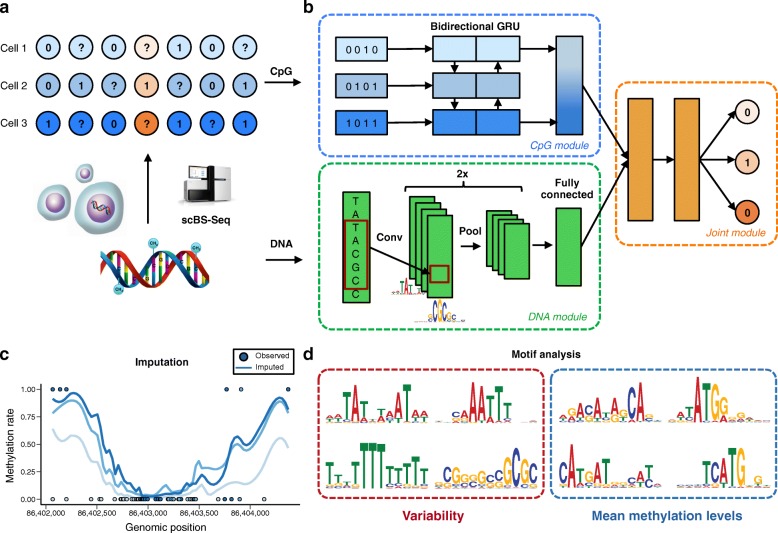
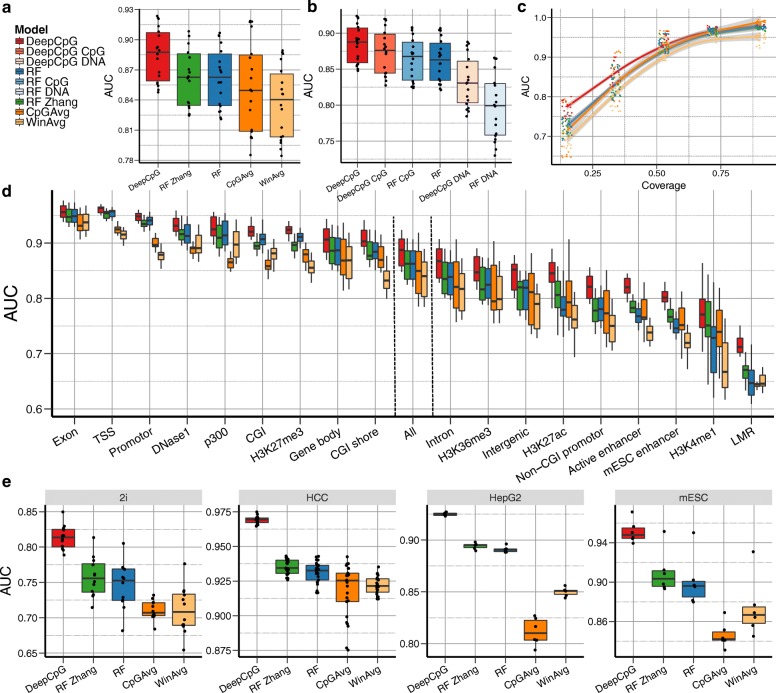
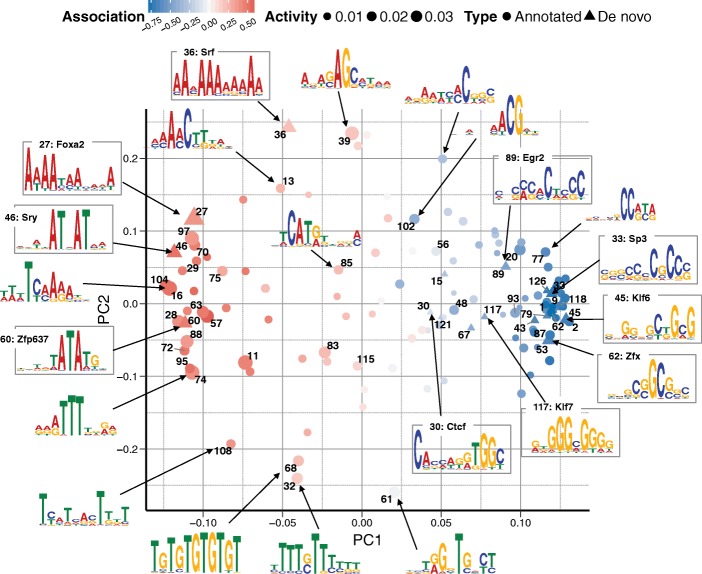
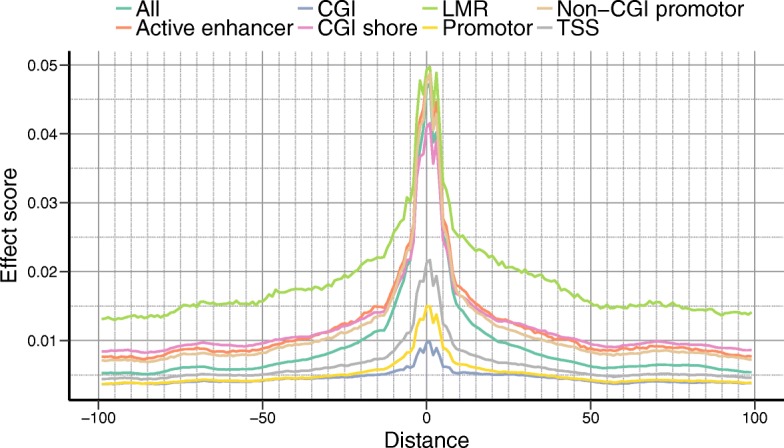
Recent technological advances have enabled DNA methylation to be assayed at single-cell resolution. However, current protocols are limited by incomplete CpG coverage and hence methods to predict missing methylation states are critical to enable genome-wide analyses. We report DeepCpG, a computational approach based on deep neural networks to predict methylation states in single cells. We evaluate DeepCpG on single-cell methylation data from five cell types generated using alternative sequencing protocols. DeepCpG yields substantially more accurate predictions than previous methods. Additionally, we show that the model parameters can be interpreted, thereby providing insights into how sequence composition affects methylation variability.
Overview
The claims and statistics of this paper haven’t been checked yet.
Free: it reads the open-access text and checks the first 5 claims that cite a source we can check. Create a free account to check every claim.
Integrity signals
Registry
Cites
Statistics
Figures
Verification
Claims the paper makes
The claims and statistics of this paper haven’t been checked yet.
Free: it reads the open-access text and checks the first 5 claims that cite a source we can check. Create a free account to check every claim.
Claims other papers make about this one
Each is checked against this paper’s own text: does it say what the citing paper says it does?
The cited source says what the claim attributes to it.
In the citing paper
“They showed that regions with increased methylation variability associate significantly more strongly to gene expression, indicating functional relevance.”
From Mapping gene regulatory networks from single-cell omics data (2018) · cites this paper as [75]
In the citing paper
“One possible way to deal with technical dropouts is proposed by Angermueller et al. [75] by developing DeepCpG, a computational approach based on deep neural networks, to predict missing methylation states and link methylation states to motifs.”
From Mapping gene regulatory networks from single-cell omics data (2018) · cites this paper as [75]
Self-check
Percentages, sums and reported differences re-computed from the paper’s own numbers.
The self-check needs the paper’s full text.
Citations
Cites
Deep Residual Learning for Image Recognition
He, K., Zhang, X., Ren, S., & Sun, J. (2016) · 2016 IEEE Conference on Computer Vision and Pattern Recognition (CVPR) · doi:10.1109/cvpr.2016.90 · Cited by 235,474
Breiman, L. (2001) · Machine Learning · doi:10.1023/a:1010933404324 · Cited by 133,538 · cited 1×
“Additionally, we compared DeepCpG to random forest classifiers [37] trained on individual cells using the DNA sequence information and neighbouring CpG states as input ( RF ).”
MethodAdam: A Method for Stochastic Optimization
Kingma, D. P., & Ba, J. (2014) · arXiv · doi:10.48550/arxiv.1412.6980 · Cited by 98,946 · cited 2×
“The learning rate was adapted by Adam [65] and decayed by a factor of 0.”
MethodInfluentialLeCun, Y., Bengio, Y., & Hinton, G. (2015) · Nature · doi:10.1038/nature14539 · Cited by 84,126
(2014) · Cited by 33,419
Neural Machine Translation by Jointly Learning to Align and Translate
Bahdanau, D., Cho, K., & Bengio, Y. (2014) · arXiv · doi:10.48550/arxiv.1409.0473 · Cited by 16,213 · cited 1×
“RNNs have been successfully used for modelling long-range dependencies in natural language [58, 59], acoustic signals [60] and, more recently, genomic sequences [61, 62].”
Method(2010) · Cited by 14,134
WebLogo: A Sequence Logo Generator: Figure 1
Crooks, G. E., Hon, G., Chandonia, J.-M., & Brenner, S. E. (2004) · Genome Research · doi:10.1101/gr.849004 · Cited by 12,386 · cited 2×
“Selected sequence windows were aligned and visualised as sequence motifs using WebLogo [69] version 3.”
MethodInfluentialBackpropagation Applied to Handwritten Zip Code Recognition
LeCun, Y., Boser, B., Denker, J. S., Henderson, D., Howard, R. E., Hubbard, W., & Jackel, L. D. (1989) · Neural Computation · doi:10.1162/neco.1989.1.4.541 · Cited by 11,891 · cited 1×
“Here, we report DeepCpG, a computational method based on deep neural networks [17 – 19] for predicting single-cell methylation states and for modelling the sources of DNA methylation variability.”
MethodRobust Locally Weighted Regression and Smoothing Scatterplots
Cleveland, W. S. (1979) · Journal of the American Statistical Association · doi:10.1080/01621459.1979.10481038 · Cited by 11,594 · cited 1×
“Trend lines were fit using local polynomial regression (LOESS [72]); shaded areas denote 95%”
Method
Research works printed but not linked: 1
- Denas O, Taylor J. Deep modeling of gene expression regulation in an erythropoiesis model. Represent. Learn. ICML Workshop. 2013
Cited by
Items 201–300 of 553
Identifying Regulatory Elements via Deep Learning
Barshai, M., Tripto, E., & Orenstein, Y. (2020) · Annual Review of Biomedical Data Science · doi:10.1146/annurev-biodatasci-022020-021940 · Cited by 29
“DeepCpG is a computational approach based on deep neural networks to predict methylation states in single cells (78).”
BackgroundPrediction of histone post-translational modifications using deep learning
Baisya, D. R., & Lonardi, S. (2020) · Bioinformatics · doi:10.1093/bioinformatics/btaa1075 · Cited by 25
Assessing deep learning methods in cis -regulatory motif finding based on genomic sequencing data
Wang, Y., Zhang, S., Ma, A., Wang, C., Wu, Z., Xu, D., & Ma, Q. (2021) · Briefings in Bioinformatics · doi:10.1093/bib/bbab374 · Cited by 30
“Other tools deploying a combinatory architecture of RNN and CNN include DeepCpG [34], iDeepS [39] and FactorNet [32].”
MethodBagnolini, G., Luu, T. B., & Hargrove, A. E. (2023) · RNA · doi:10.1261/rna.079497.122 · Cited by 25
“Other applications have predicted DNA transcript abundance, imputation of missing single-nucleotide polymorphisms, and DNA methylation states (Zhao et al. 2008; Angermueller et al. 2017; Washburn et al. 2019).”
BackgroundAdvancements in medical diagnosis and treatment through machine learning: A review
Ahsan, M., Khan, A. N., Khan, K. R., Sinha, B. B., & Sharma, A. (2023) · Expert Systems · doi:10.1111/exsy.13499 · Cited by 28
Erratum to: DeepCpG: accurate prediction of single-cell DNA methylation states using deep learning
Angermueller, C., Lee, H. J., Reik, W., & Stegle, O. (2017) · Genome biology · doi:10.1186/s13059-017-1233-z · Cited by 24
Self-citationVisualizing complex feature interactions and feature sharing in genomic deep neural networks
Liu, G., Zeng, H., & Gifford, D. K. (2019) · BMC Bioinformatics · doi:10.1186/s12859-019-2957-4 · Cited by 28
“…of art performance across a variety of prediction tasks, such as transcription factor (TF) binding prediction [6–9], DNA methylation prediction [10, 11], chromatin accessibility [12], cell type-specific epigenetic[13], and enhancer-promoter interaction prediction [14] However, the composition of…”
BackgroundComputational Methods for Single-Cell DNA Methylome Analysis
Iqbal, W., & Zhou, W. (2022) · Genomics Proteomics & Bioinformatics · doi:10.1016/j.gpb.2022.05.007 · Cited by 24
“DeepCpG used a convolution neural network (CNN) framework to impute DNA methylation levels in single cells [139].”
MethodArtificial Intelligence in Pathomics and Genomics of Renal Cell Carcinoma
Knudsen, J. E., Rich, J. M., & Ma, R. (2023) · Urologic Clinics of North America · doi:10.1016/j.ucl.2023.06.002 · Cited by 25
PARROT is a flexible recurrent neural network framework for analysis of large protein datasets
Griffith, D., & Holehouse, A. S. (2021) · eLife · doi:10.7554/elife.70576 · Cited by 28
“RNNs are a class of deep learning architecture originally designed for language processing applications, but have since been employed with remarkable success in biology (Rumelhart et al., 1986; Lipton et al., 2021; Hanson et al., 2017; Heffernan et al., 2017; Almagro Armenteros et al., 2017; Li et al., 2017; Angermuel…”
Choong, A. C. H., & Lee, N. K. (2017) · bioRxiv (Cold Spring Harbor Laboratory) · doi:10.1101/186965 · Cited by 26
Improved Predicting of The Sequence Specificities of RNA Binding Proteins by Deep Learning
Tayara, H., & Chong, K. T. (2020) · IEEE Transactions on Computational Biology and Bioinformatics · doi:10.1109/tcbb.2020.2981335 · Cited by 22
“The DeepCpG model was proposed to study CpG sites [36].”
MethodLi, L., Yang, Y., Zhang, Q., Wang, J., Jiang, J., & Initiative, A. D. N. (2021) · Behavioural Neurology · doi:10.1155/2021/3359103 · Cited by 27
Jeong, Y., Gerhäuser, C., Sauter, G., Schlomm, T., Rohr, K., & Lutsik, P. (2025) · Nature Communications · doi:10.1038/s41467-025-55920-z · Cited by 30
“Previous studies also have pointed out that integrated information of DNA sequences and methylation can improve modelling 16,38 .”
Liu, C., Jia Rui, W. U., Labrador, M. G., Song, Y., & Hou, W. (2018) · Communications in computer and information science · doi:10.1007/978-981-13-2206-8_1 · Cited by 25
Li, H., Chen, L., Huang, Z., Luo, X., Li, H., Ren, J. M., & Xie, Y. (2021) · Frontiers in Cell and Developmental Biology · doi:10.3389/fcell.2021.686894 · Cited by 24
“…(Alipanahi et al., 2015) for predicting DNA-and RNA-binding specificity, AlphaFold (Senior et al., 2020) for predicting protein structure, scDeepCluster (Tian et al., 2019) for clustering single cell RNA-seq data, DeepCpG (Angermueller et al., 2017) for predicting single-cell DNA methylation state.”
MethodPredictive modeling of single-cell DNA methylome data enhances integration with transcriptome data
Uzun, Y., Wu, H., & Tan, K. (2020) · Genome Research · doi:10.1101/gr.267047.120 · Cited by 22
“Convolutional neural networks (CNNs) is a class of deep-learning neural networks, which have gained popularity in image processing and bioinformatics (Alipanahi et al. 2015; Angermueller et al. 2016b, 2017).”
BackgroundCircNet: an encoder–decoder-based convolution neural network (CNN) for circular RNA identification
Stricker, M., Asim, M. N., Dengel, A. R., & Ahmed, S. (2021) · Neural Computing and Applications · doi:10.1007/s00521-020-05673-1 · Cited by 25
Ullah, F., Jabeen, S., Salton, M., Reddy, A. S. N., & Ben‐Hur, A. (2023) · Genome biology · doi:10.1186/s13059-023-02885-1 · Cited by 23
“Deep learning has been used in genomics for TF binding prediction [29–31], chromatin accessibility analysis [23–25], prediction of chromatin structure and its modifications [32, 33], identification of RNA-binding protein sites [28, 34, 35], and prediction of splice site usage from sequence [36, 37].”
Li, Z., Zhang, Y., Peng, B., Qin, S., Zhang, Q., Chen, Y., Chen, C., Bao, Y., Zhu, Y. S., Hong, Y., et al. (2024) · Nucleic Acids Research · doi:10.1093/nar/gkae912 · Cited by 25
Clark, S. J., Argelaguet, R., Kapourani, C.-A., Stubbs, T. M., Lee, H. J., Alda-Catalinas, C., Krueger, F., Sanguinetti, G., Kelsey, G., Marioni, J. C., et al. (2017) · bioRxiv (Cold Spring Harbor Laboratory) · doi:10.1101/138685 · Cited by 21
Self-citationPrediction and analysis of sphere motion trajectory based on deep learning algorithm optimization
Chaoming, L. (2019) · Journal of Intelligent & Fuzzy Systems · doi:10.3233/jifs-179209 · Cited by 22
Zhiming, C., Li, D., & Deng, L. (2020) · Journal of Intelligent & Fuzzy Systems · doi:10.3233/jifs-189045 · Cited by 20
Dense neural networks for predicting chromatin conformation
Farré, P., Heurteau, A., Cuvier, O., & Emberly, E. G. (2018) · BMC Bioinformatics · doi:10.1186/s12859-018-2286-z · Cited by 23
“Their use in bioinformatics has included predicting gene expression [33], the effect of sequence variants [34], predicting secondary structure [35], motif affinity [36] and filling in missing values in the human methy-lome [37].”
BackgroundA comprehensive review of computational prediction of genome-wide features
Xu, T., Zheng, X., Li, B., Jin, P., Qin, Z. S., & Wu, H. (2018) · Briefings in Bioinformatics · doi:10.1093/bib/bby110 · Cited by 21
Identification and analysis of consensus RNA motifs binding to the genome regulator CTCF
Kuang, S., & Wang, L. (2020) · NAR Genomics and Bioinformatics · doi:10.1093/nargab/lqaa031 · Cited by 24
“Owing to the requirement of a numerical input for a deep learning algo-rithm, one-hot encoding was used to convert an input sequence to a 4 × 201 binary matrix, as described in previous studies (35,48).”
Mukherjee, P., Park, S. H., Pathak, N., Patino, C. A., Bao, G., & Espinosa, H. D. (2022) · ACS Nano · doi:10.1021/acsnano.2c05494 · Cited by 21
Nguyen‐Vo, T., Trinh, Q. H., Nguyen, L., Nguyen-Hoang, P.-U., Rahardja, S., & Nguyen, B. P. (2022) · BMC Genomics · doi:10.1186/s12864-022-08829-6 · Cited by 19
Single-Cell DNA Methylation Analysis in Cancer
O’Neill, H., Lee, H. J., Gupta, I., Rodger, E. J., & Chatterjee, A. (2022) · Cancers · doi:10.3390/cancers14246171 · Cited by 19
Self-citationPredicting DNA Methylation States with Hybrid Information Based Deep-Learning Model
Fu, L., Peng, Q., & Chai, L. (2019) · IEEE Transactions on Computational Biology and Bioinformatics · doi:10.1109/tcbb.2019.2909237 · Cited by 22
“The reason we chose the DNA sequence length of 1001 bp is based on the research in [9], which achieved the best result when selecting 1001 bp as the whole length.”
BackgroundMethodResultInfluentialA Review of Deep Learning Applications for the Next Generation of Cognitive Networks
Buenrostro‐Mariscal, R., Santana-Mancilla, P. C., Montesinos-López, O. A., Hipólito, J. I. N., & Anido, L. (2022) · Applied Sciences · doi:10.3390/app12126262 · Cited by 18
Plant synthetic epigenomic engineering for crop improvement
Yang, L., Zhang, P., Wang, Y., Hu, G., Guo, W., Gu, X., & Pu, L. (2022) · Science China Life Sciences · doi:10.1007/s11427-021-2131-6 · Cited by 18
“…features, the deep learning model has been applied in single-cell 5mC to determine how sequence composition affects epigenetic variability (Angermueller et al., 2017) and has been used to integrate SNPs to interpret genetic variants on chromatin accessibility and histone modification…”
MethodA Review on Genomics Data Analysis using Machine Learning
Aggarwal, A. K. (2023) · WSEAS TRANSACTIONS ON BIOLOGY AND BIOMEDICINE · doi:10.37394/23208.2023.20.12 · Cited by 17
“The paper by, [18], contributed significantly to the field of genomics by introducing a powerful computational tool for predicting DNA methylation states at the single-cell level.”
Decoding polygenic diseases: advances in noncoding variant prioritization and validation
Chin, I. M., Gardell, Z. A., & Corces, M. R. (2024) · Trends in Cell Biology · doi:10.1016/j.tcb.2024.03.005 · Cited by 21
A comprehensive survey of genome language models in bioinformatics
Shu, L., Tang, J., Guan, X., & Zhang, D. (2026) · Briefings in Bioinformatics · doi:10.1093/bib/bbaf724 · Cited by 25
“These innovations have revolutionized core genomic tasks such as variant effect prediction [2–4], epigenetic trajectory modeling [5,6],and single-cell omics analysis [7,8],achieving unprecedented accuracy and biological insight.”
Yılmaz, H., Kızılateş, B. S., Shaaban, F., & Karataş, Z. R. (2022) · Medical Engineering & Physics · doi:10.1016/j.medengphy.2022.103891 · Cited by 17
Perspectives and applications of machine learning for evolutionary developmental biology
Feltes, B. C., Grisci, B. I., Poloni, J. D. F., & Dorn, M. (2018) · Molecular Omics · doi:10.1039/c8mo00111a · Cited by 17
DNA Sequences Classification with Deep Learning: A Survey
Abd-Alhalem, S. M., El‐Rabaie, E. M., Soliman, N. F., Abdulrahman, S. E. S. E., Ismail, N. A., & El‐Samie, F. E. A. (2021) · Menoufia Journal of Electronic Engineering Research · doi:10.21608/mjeer.2021.146090 · Cited by 21
Tanić, M., Moghul, I., Rodney, S., Dhami, P., Vaikkinen, H., Ambrose, J. C., Barrett, J. J. E., Feber, A., & Beck, S. (2022) · Nature Biotechnology · doi:10.1038/s41587-022-01336-9 · Cited by 20
“Imputation can be used to estimate the methylation value for each missing CpG site 18,19 and, thereby, can be used to help increase platforms’ intra-operability and inter-operability.”
MethodRecall DNA methylation levels at low coverage sites using a CNN model in WGBS
Luo, X., Wang, Y., Zou, Q., & Xu, L. (2023) · PLoS Computational Biology · doi:10.1371/journal.pcbi.1011205 · Cited by 19
Splicing sites prediction of human genome using machine learning techniques
Ullah, W., Muhammad, K., Haq, I. U., Ullah, A., Khattak, S. U., & Sajjad, M. (2021) · Multimedia Tools and Applications · doi:10.1007/s11042-021-10619-3 · Cited by 17
Experimental and Bioinformatic Approaches to Studying DNA Methylation in Cancer
Merkel, A., & Esteller, M. (2022) · Cancers · doi:10.3390/cancers14020349 · Cited by 18
“DeepCpG [77], on the other hand, employs deep learning (neural networks) to predict methylation levels based on sequence composition (Table 2).”
BackgroundMethodStudying X chromosome inactivation in the single-cell genomic era
Keniry, A., & Blewitt, M. E. (2018) · Biochemical Society Transactions · doi:10.1042/bst20170346 · Cited by 16
Aghziel, A., Mahraz, M. A., Tairi, H., & Aherrahrou, N. (2025) · Briefings in Bioinformatics · doi:10.1093/bib/bbaf468 · Cited by 17
“[12],DeepCpG employs a convolutional neural network (CNN) architecture to discern DNA methylation patterns and elucidate epigenetic regulatory mechanisms.”
Deep Learning in IoT: Introduction, Applications, and Perspective in the Big Data Era
Devika, G., & Karegowda, A. G. (2020) · Advances in computational intelligence and robotics book series · doi:10.4018/978-1-7998-2108-3.ch001 · Cited by 16
Machine Learning and Deep Learning in Genetics and Genomics
Wu, D., Karhade, D. S., Pillai, M., Jiang, M.-Z., Huang, L., Li, G., Cho, H., Roach, J. M., Li, Y., & Divaris, K. (2021) · Springer eBooks · doi:10.1007/978-3-030-71881-7_13 · Cited by 19
Deep Learning of Sequence Patterns for CCCTC-Binding Factor-Mediated Chromatin Loop Formation
Kuang, S., & Wang, L. (2020) · Journal of Computational Biology · doi:10.1089/cmb.2020.0225 · Cited by 19
“Long short-term memory (LSTM) network can be used to learn long-range dependencies between sequence motifs (Hochreiter and Schmidhuber, 1997a; Quang and Xie, 2016; Angermueller et al., 2017).”
A deep learning approach for staging embryonic tissue isolates with small data
Pond, A. J. R., Hwang, S., Verd, B., & Steventon, B. (2021) · PLoS ONE · doi:10.1371/journal.pone.0244151 · Cited by 16
“A few other notable examples include the wide use of ML approaches to address questions in population and evolutionary genetics [14], predicting transcript abundance from DNA sequence [15], predicting methylation states in single cells [16], imputation of missing SNPs [17] as well as variant calling [18].”
BackgroundCross-species analysis of melanoma enhancer logic using deep learningPreprint
Minnoye, L., Taskiran, I. I., Mauduit, D., Fazio, M., Aerschot, L. V., Hulsemans, G., Christiaens, V., Makhzami, S., Seltenhammer, M. H., Karras, P., et al. (2019) · bioRxiv (Cold Spring Harbor Laboratory) · doi:10.1101/2019.12.21.885715 · Cited by 16
Medical multimodal large language models: A systematic review
Hu, Y., Xu, C., Lin, B., Yang, W., & Tang, Y. Y. (2025) · Intelligent Oncology · doi:10.1016/j.intonc.2025.09.005 · Cited by 14
Prediction and classification of diabetes mellitus using genomic data
Awotunde, J. B., Ayo, F. E., Jimoh, R. G., Ogundokun, R. O., Matiluko, O. E., Oladipo, I. D., & AbdulRaheem, M. (2021) · Elsevier eBooks · doi:10.1016/b978-0-12-821187-8.00009-5 · Cited by 16
John, C., Sahoo, J., Madhavan, M., & Mathew, O. K. (2023) · Current Bioinformatics · doi:10.2174/1574893618666230320103421 · Cited by 15
Developing Deep Learning Applications for Life Science and Pharma Industry
Siegismund, D., Tolkachev, V., Heyse, S., Sick, B., Duerr, O., & Steigele, S. (2018) · Drug Research · doi:10.1055/s-0043-124761 · Cited by 15
“…areas deep learning showed already outstanding performance compared to existing compu - tational methods, e. g., for accurate prediction of DNA methyla - tion (CpG coverage) on a single cell methylation [18] or to predict transcription factor binding site motifs of DNA or RNA binding proteins [19].”
BackgroundMethylNet: An Automated and Modular Deep Learning Approach for DNA Methylation AnalysisPreprint
Levy, J. J., Titus, A., Petersen, C. L., Chen, Y., Salas, L. A., & Christensen, B. C. (2019) · bioRxiv (Cold Spring Harbor Laboratory) · doi:10.1101/692665 · Cited by 14
Lee, D. H., Park, E. G., Lee, Y. J., Jeong, H.-S., Roh, H.-Y., Jeong, G.-R., Kim, S.-W., & Kim, H. (2025) · International Journal of Molecular Sciences · doi:10.3390/ijms262210925 · Cited by 16
Tokenization and deep learning architectures in genomics: A comprehensive review
Testagrose, C., & Boucher, C. A. (2025) · Computational and Structural Biotechnology Journal · doi:10.1016/j.csbj.2025.07.038 · Cited by 15
Deep learning applications advance plant genomics research
Fan, W., Guo, Z., Wang, X., Zhang, L., Liu, Y., Cai, C., Zhang, K., & Cheng, F. (2025) · Horticultural Plant Journal · doi:10.1016/j.hpj.2025.08.004 · Cited by 16
Overcoming Interpretability in Deep Learning Cancer Classification
Teo, A. Y. Y., Danilevsky, A., & Shomron, N. (2021) · Methods in molecular biology · doi:10.1007/978-1-0716-1103-6_15 · Cited by 14
Kothari, D., Patel, M., & Sharma, A. K. (2021) · International Conference on Inventive Computation Technologies (ICICT) · doi:10.1109/icict50816.2021.9358549 · Cited by 13
“[6] These layers are termed as channels, or mediums.”
BackgroundCharPlant: A De Novo Open Chromatin Region Prediction Tool for Plant Genomes
Shen, Y., Chen, L., & Gao, J. (2021) · Genomics Proteomics & Bioinformatics · doi:10.1016/j.gpb.2020.06.021 · Cited by 13
“Many algorithms have been developed to predict regulatory elements, such as Basset [25], Deep-erdeepsea [26], DeepBind [27], and DeepCpG [28].”
Deep Learning-Based Drug Screening for COVID-19 and Case Studies
Saravanan, K. M., Zhang, H., Hossain, M. T., Reza, M. S., & Wei, Y. (2021) · Methods in pharmacology and toxicology · doi:10.1007/7653_2020_58 · Cited by 13
Handl, L., Jalali, A., Scherer, M., Eggeling, R., & Pfeifer, N. (2019) · Bioinformatics · doi:10.1093/bioinformatics/btz338 · Cited by 14
PretiMeth: precise prediction models for DNA methylation based on single methylation mark
Tang, J., Zou, J., Zhang, X., Fan, M., Tian, Q., Fu, S., Gao, S., & Fan, S. (2020) · BMC Genomics · doi:10.1186/s12864-020-6768-9 · Cited by 13
CaMelia: imputation in single-cell methylomes based on local similarities between cells
Tang, J., Zou, J., Fan, M., Tian, Q., Zhang, J., & Fan, S. (2021) · Bioinformatics · doi:10.1093/bioinformatics/btab029 · Cited by 13
Huang, Y., Wang, P., Zhou, W., Luo, M., Xu, Z., Cheng, R., Xu, C., Jin, X., Li, Y., & Jiang, Q. (2021) · Briefings in Bioinformatics · doi:10.1093/bib/bbab267 · Cited by 14
Applications of Deep Learning in Healthcare in the Framework of Industry 5.0
Tripathi, P., Kumar, N., Paroha, K. K., Rai, M., & Panda, M. (2024) · Advances in web technologies and engineering book series · doi:10.4018/979-8-3693-0782-3.ch005 · Cited by 13
Zhou, J., Weinberger, D. R., & Han, S. (2025) · Science Advances · doi:10.1126/sciadv.adn1870 · Cited by 18
“Following the method described previously ( 38 ), DNA motifs were found for each filter by a subset of sequences where the filter produces an activation value higher than half of the maximum activation value across all subsets of sequences the filter has scanned.”
Mir, R., Javid, J., Ullah, M. F., Alrdahe, S. S., Albalawi, I. A., Mustafa, S. K., Jalal, M. M., Altayar, M. A., Albalawi, A. D., Abunab, M. K., et al. (2025) · Medical Oncology · doi:10.1007/s12032-025-02945-5 · Cited by 15
Advancing single-cell omics and cell-based therapeutics with quantum computing
Bose, A., Rhrissorrakrai, K., Utro, F., Parida, L., Basu, S., Born, J., Capponi, S., Chalkia, D., Chan, T. A.-T., Doğa, H., et al. (2026) · Nature Reviews Molecular Cell Biology · doi:10.1038/s41580-025-00918-0 · Cited by 23
Deciphering epigenomic code for cell differentiation using deep learning
Ni, P., & Su, Z. (2019) · BMC Genomics · doi:10.1186/s12864-019-6072-8 · Cited by 12
Integration of Multimodal Data from Disparate Sources for Identifying Disease Subtypes
Zhou, K., Kottoori, B. S., Munj, S. A., Zhang, Z., Drăghici, S., & Arslanturk, S. (2022) · Biology · doi:10.3390/biology11030360 · Cited by 14
“A computational approach based on deep neural networks to predict methylation states in single cells (DeepCpG) [30] was proposed to predict methylation states in single cells.”
cuRRBS: simple and robust evaluation of enzyme combinations for reduced representation approaches
Martin-Herranz, D. E., Ribeiro, A. J. M., Krueger, F., Thornton, J. M., Reik, W., & Stubbs, T. M. (2017) · Nucleic Acids Research · doi:10.1093/nar/gkx814 · Cited by 13
“Moreover, there are several methods that are able to impute DNA methylation levels in sites that are not covered experimentally (46,60).”
BackgroundSelf-citationInvestigating the Genomic Background of CRISPR-Cas Genomes for CRISPR-Based Antimicrobials
Shim, H. (2022) · Evolutionary Bioinformatics · doi:10.1177/11769343221103887 · Cited by 12
Robust Transcription Factor Binding Site Prediction Using Deep Neural Networks
Geete, K., & Pandey, M. (2020) · Current Bioinformatics · doi:10.2174/1574893615999200429121156 · Cited by 13
Williams, J. S., Xu, B., Putnam, D. K., Thrasher, A., Li, C., Yang, J., & Chen, X. '. (2021) · Genome biology · doi:10.1186/s13059-020-02220-y · Cited by 13
“Moreover, recent studies applied 160 deep-learning approaches to infer DNAm states from their local sequence composition and 161 adjacent DNAm states [53].”
BackgroundInterpretable deep residual network uncovers nucleosome positioning and associated features
Masoudi‐Sobhanzadeh, Y., Li, S., Peng, Y., & Panchenko, A. R. (2024) · Nucleic Acids Research · doi:10.1093/nar/gkae623 · Cited by 12
An Overview of Neural Network Architectures for Healthcare
Zion, I., Ozuomba, S., & Asuquo, P. M. (2020) · International Conference in Mathematics, Computer Engineering and Computer Science (ICMCECS) · doi:10.1109/icmcecs47690.2020.246980 · Cited by 14
“Bioinformatics Deep Neural Networks [50], [51] Sequences of Gene,RNA,DNA DNA menthylation”
BackgroundHow Initialization is Related to Deep Neural Networks Generalization Capability: Experimental Study
Sandjakoska, L., & Stojanovska, F. (2020) · International Scientific Conference on Information, Communication and Energy Systems and Technologies (ICEST) · doi:10.1109/icest49890.2020.9232882 · Cited by 12
“The concept of deep learning realized in neural networks, is implemented in a variety of domains, such as: image [1-3], audio [7-8] and video processing [9-10], natural language processing [4], [6], automatic machine translation [5], [11], fraud detection [1213], in healthcare - personalized medicine, advanced diagnos…”
BackgroundA State of Art Approaches on Deep Learning Models in Healthcare: An Application Perspective
Yazhini, K., & Loganathan, D. (2019) · International Conference on Trends in Electronics and Informatics (ICOEI) · doi:10.1109/icoei.2019.8862730 · Cited by 15
IFGAN: Missing Value Imputation using Feature-specific Generative Adversarial Networks
Qiu, W., Huang, Y., & Li, Q. (2020) · IEEE International Conference on Big Data (BigData) · doi:10.1109/bigdata50022.2020.9378240 · Cited by 12
“When it comes to the task of imputation, deep architectures have also shown greater promise than classical ones in recent studies [7]–[9], due to their capability to automatically learn latent representations and inter-variable associations.”
BackgroundXiao, X., Shao, Y., Luo, Z., & Qiu, W. (2022) · Current Bioinformatics · doi:10.2174/1574893617666220330150259 · Cited by 11
Liu, Z., Zhang, H., Zhang, M., Qu, C., Li, L., Sun, Y., & Ma, X. (2024) · Frontiers in Surgery · doi:10.3389/fsurg.2024.1458569 · Cited by 11
Recent advances in methodologies of epigenomics
Ohishi, H., & Yeung, W. K. A. (2025) · Epigenomics · doi:10.1080/17501911.2025.2571391 · Cited by 12
“DeepCpG imputes single-cell DNA methylation profiles at single nucleotide resolution, which was used to estimate the average and heterogenous regulation of DNA methylation in mouse embryonic stem cells [56].”
Shen, Y., Zhong, Q., Tian, L., Wen, Z., Shen, W., & Li, L. (2022) · Briefings in Bioinformatics · doi:10.1093/bib/bbab602 · Cited by 10
Proformer: a hybrid macaron transformer model predicts expression values from promoter sequences
Kwak, I., Kim, B.-C., Lee, J., Kang, T., Garry, D. J., Zhang, J. J., & Gong, W. (2024) · BMC Bioinformatics · doi:10.1186/s12859-024-05645-5 · Cited by 12
“…and recurrent neural networks (RNN) were used to capture the local depend-ences in DNA sequences and/or genomic features and predict binding affinities [1, 32, 33], chromatin features [34, 35], DNA methylation [36, 37], RBP (RNA-binding protein) binding [38–40] and gene expression levels [41].”
MethodZhou, J., Luo, C., Liu, H., Heffel, M. G., Straub, R. E., Kleinman, J. E., Hyde, T. M., Ecker, J. R., Weinberger, D. R., & Han, S. (2025) · Cell Genomics · doi:10.1016/j.xgen.2025.100774 · Cited by 10
“We further compared scMeFormer with three prior deep learning models GraphCpG, 15 CpG Transformer 14 , DeepCpG, 13 and CaMelia, 10 a gradient boosting-based model.”
InfluentialLee, D., & Kim, S. (2021) · Korean Journal of Pediatrics · doi:10.3345/cep.2021.01438 · Cited by 12
Wnuk, K., Sudol, J., Givechian, K. B., Soon‐Shiong, P., Rabizadeh, S., Szeto, C. W., & Vaske, C. J. (2019) · iScience · doi:10.1016/j.isci.2019.09.018 · Cited by 11
Batbaatar, E., Park, K. H., Amarbayasgalan, T., Davagdorj, K., Munkhdalai, L., Pham, V.-H., & Ryu, K. H. (2020) · IEEE Access · doi:10.1109/access.2020.3039624 · Cited by 12
Machine and Deep Learning for Prediction of Subcellular Localization
Pan, G., Sun, C., Liao, Z., & Tang, J. (2021) · Methods in molecular biology · doi:10.1007/978-1-0716-1641-3_15 · Cited by 10
Wang, Z., Xiang, S., Zhou, C., & Xu, Q. (2023) · PeerJ · doi:10.7717/peerj.16125 · Cited by 11
“Angermueller et al. (2017) proposed the DeepCpG model.”
On the prediction of non-CG DNA methylation using machine learning
Sereshki, S., Lee, N., Omirou, M., Fasoula, D. A., & Lonardi, S. (2022) · NAR Genomics and Bioinformatics · doi:10.1093/nargab/lqad045 · Cited by 10
“In one of these studies, a deep neural network uses sequence and methylation level of neighboring cytosines to predict the methylation level from single-cell experiments, exclusively for the CG context in human and mouse cells [32].”
Single cell multiomics systems biology for molecular toxicity
Diamante, G., Ha, S. M., Wijaya, D., & Yang, X. (2024) · Current Opinion in Toxicology · doi:10.1016/j.cotox.2024.100477 · Cited by 11
Gao, S., Rehman, J., & Dai, Y. D. (2022) · Computational and Structural Biotechnology Journal · doi:10.1016/j.csbj.2022.07.014 · Cited by 10
“The combination of RNN and CNN has been shown as a promising architecture to predict biological events from sequential data such as DNA sequence [45,46] and DNA methylation [47–49].”
BackgroundArtificial Intelligent in Healthcare
Meiliana, A., Dewi, N. M., & Wijaya, A. (2019) · The Indonesian Biomedical Journal · doi:10.18585/inabj.v11i2.844 · Cited by 10
“Open-source algorithms mostly in single -omic approach are available for classifying or analyzing whole-genome sequence pathogenic variants (89-91), somatic cancer mutations (92), gene–gene interactions (93), RNA sequencing data (94), methylation (95), prediction of protein structure and protein–protein interactions (…”
BackgroundSun, A., Xiao, X., & Xu, Z. (2021) · Computational and Mathematical Methods in Medicine · doi:10.1155/2021/6636350 · Cited by 9
Koo, P. K., & Ploenzke, M. (2020) · bioRxiv (Cold Spring Harbor Laboratory) · doi:10.1101/2020.02.19.956896 · Cited by 9
Deep Learning in Computational Biology: Advancements, Challenges, and Future OutlookPreprint
Kumar, S., Guruparan, D., Aaron, P. R., Telajan, P., Mahadevan, K., Davagandhi, D., & Yue, O. X. (2023) · arXiv (Cornell University) · doi:10.48550/arxiv.2310.03086 · Cited by 17
“For example, DeepCpG, an innovative model developed by Angermueller et al. (2017), utilises CNNs that are trained on both the relevant attributes within sequences as well as methylation pattern recognition abilities, leading to accurate predictions regarding changes with respect to DNA's methylated…”
GUANinE v1.0: Benchmark Datasets for Genomic AI Sequence-to-Function ModelsPreprint
Robson, E. S., & Ioannidis, N. M. (2023) · bioRxiv (Cold Spring Harbor Laboratory) · doi:10.1101/2023.10.12.562113 · Cited by 11
“…oncogenic or loss-of-function potential, phylogenetic or evolutionary distance estimation [29], distal effects comprehension [37], CpG methylation [4], 3D conformation modeling [87], and promoter expression plasticity [22], among numerous others, are all readily or near-readily available tasks…”
BackgroundSeq-RBPPred: Predicting RNA-Binding Proteins from Sequence
Yan, Y., Li, W., Wang, S., & Huang, T. (2024) · ACS Omega · doi:10.1021/acsomega.3c08381 · Cited by 15
Metadata
- Authors
- Angermueller, C., Lee, H. J., Reik, W., & Stegle, O.
- Affiliations
- European Bioinformatics Institute (GB)
- Babraham Institute (GB)
- Corresponding author
- Angermueller, Christof
- Stegle, Oliver
- Venue
- Genome Biology
- Published
- 2017-04-11
- Volume
- 18
- Issue
- 1
- Pages
- 67-67
- ISSN
- 1465-6906 (ISSN-L)
- 1474-760X
- PMC
- PMC5387360
- OpenAlex
- W2952935243
- Semantic Scholar
- 837566abb925a33b33544965bbe8d9bb710af7d6
- Cited by
- 536
- References
- 80
- Citations by year
- 2026: 28 · 2025: 51 · 2024: 50 · 2023: 54 · 2022: 52 · 2021: 88 · 2020: 69 · 2019: 66 · 2018: 53 · 2017: 23
- FWCI
- 24.45
- Type
- journal article
- Language
- en
- Update notices
- correction (2017-05-12)
- Open access
- gold
- doi.org
- Licence
- cc-by
- Locations
- Genome biology (publishedVersion, cc-by)
- bioRxiv (Cold Spring Harbor Laboratory) (acceptedVersion, cc-by-nc-nd)
- PubMed Central (publishedVersion, cc-by)
- PubMed (publishedVersion)
- DOAJ (DOAJ: Directory of Open Access Journals) (submittedVersion, cc-by-sa)
- Apollo (University of Cambridge) (submittedVersion, cc-by)
- Zenodo (CERN European Organization for Nuclear Research) (submittedVersion, other-oa)
- Apollo (cc-by)
- Funders
- Wellcome Trust
- European Molecular Biology Laboratory
- European Commission
- Biotechnology and Biological Sciences Research Council (BBS/E/B/0000S266, BBS/E/B/0000H334, BBS/E/B/000C0403)
- Topics
- Life Sciences › Biochemistry, Genetics and Molecular Biology › Molecular Biology › Epigenetics and DNA Methylation
- Life Sciences › Biochemistry, Genetics and Molecular Biology › Molecular Biology › Single-cell and spatial transcriptomics
- Life Sciences › Biochemistry, Genetics and Molecular Biology › Molecular Biology › Genomics and Chromatin Dynamics
- Keywords
- single-cell DNA methylation, deep neural network, model interpretability, sequence composition
About these checks
Registry, retraction, Cites and statistics results are computed, not judged, with one exception: a printed reference that no index lists is read once by a model before it counts as a citation error. Claims are extracted by a model and kept only when their quote appears verbatim in the text; each cited source is then checked, with a model’s help, for whether it says what the claim relies on. Those verdicts can be wrong — read the claim’s quote and the cited source before relying on one.
Statistics and arithmetic are recomputed, not judged.
Confidence bands are shown only for fields calibrated on our annotated test set. None is calibrated yet, so no band is shown.
What counts as a claim ›How we measure confidence ›How we check this ›
Are you an author, or do you see a problem with this page? Request a review
Data sources
Bibliographic data: Semantic Scholar, OpenAlex, Crossref.
Contains information from the Semantic Scholar Academic Graph Datasets, made available under the ODC Attribution License (ODC-BY 1.0).
Semantic Scholar’s data is described in: Kinney, R., et al. (2023). The Semantic Scholar Open Data Platform. arXiv:2301.10140.
