

DeepCpG: accurate prediction of single-cell DNA methylation states using deep learning
Open accessPublished version of a preprint
The DOI matches its Crossref record; 77 of the 80 references it cites were found in a registry or an index.
Abstract
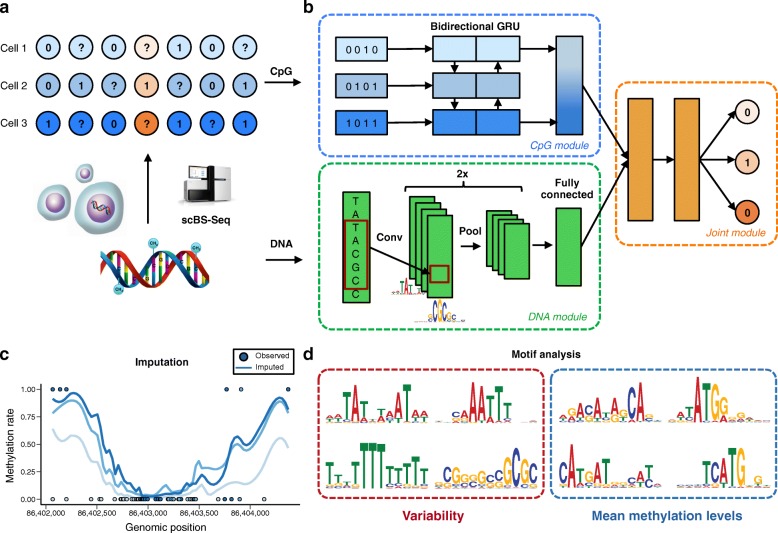
Recent technological advances have enabled DNA methylation to be assayed at single-cell resolution. However, current protocols are limited by incomplete CpG coverage and hence methods to predict missing methylation states are critical to enable genome-wide analyses. We report DeepCpG, a computational approach based on deep neural networks to predict methylation states in single cells. We evaluate DeepCpG on single-cell methylation data from five cell types generated using alternative sequencing protocols. DeepCpG yields substantially more accurate predictions than previous methods. Additionally, we show that the model parameters can be interpreted, thereby providing insights into how sequence composition affects methylation variability.
Overview
The claims and statistics of this paper haven’t been checked yet.
Free: it reads the open-access text and checks the first 5 claims that cite a source we can check. Create a free account to check every claim.
Integrity signals
Registry
Cites
Statistics
Figures
Verification
Claims the paper makes
The claims and statistics of this paper haven’t been checked yet.
Free: it reads the open-access text and checks the first 5 claims that cite a source we can check. Create a free account to check every claim.
Claims other papers make about this one
Each is checked against this paper’s own text: does it say what the citing paper says it does?
The cited source says what the claim attributes to it.
In the citing paper
“They showed that regions with increased methylation variability associate significantly more strongly to gene expression, indicating functional relevance.”
From Mapping gene regulatory networks from single-cell omics data (2018) · cites this paper as [75]
In the citing paper
“One possible way to deal with technical dropouts is proposed by Angermueller et al. [75] by developing DeepCpG, a computational approach based on deep neural networks, to predict missing methylation states and link methylation states to motifs.”
From Mapping gene regulatory networks from single-cell omics data (2018) · cites this paper as [75]
Self-check
Percentages, sums and reported differences re-computed from the paper’s own numbers.
The self-check needs the paper’s full text.
Citations
Cites
Deep Residual Learning for Image Recognition
He, K., Zhang, X., Ren, S., & Sun, J. (2016) · 2016 IEEE Conference on Computer Vision and Pattern Recognition (CVPR) · doi:10.1109/cvpr.2016.90 · Cited by 235,474
Breiman, L. (2001) · Machine Learning · doi:10.1023/a:1010933404324 · Cited by 133,538 · cited 1×
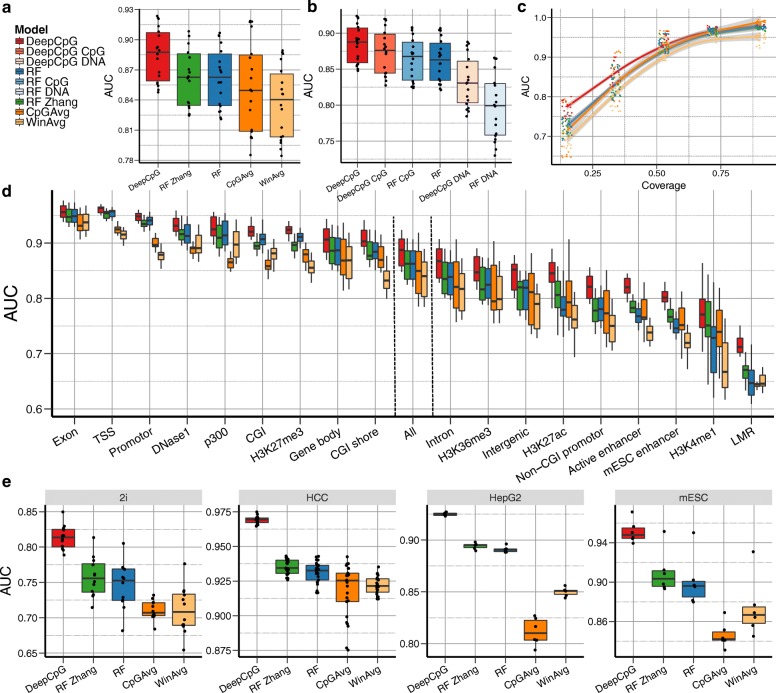
“Additionally, we compared DeepCpG to random forest classifiers [37] trained on individual cells using the DNA sequence information and neighbouring CpG states as input ( RF ).”
MethodAdam: A Method for Stochastic Optimization
Kingma, D. P., & Ba, J. (2014) · arXiv · doi:10.48550/arxiv.1412.6980 · Cited by 98,946 · cited 2×
“The learning rate was adapted by Adam [65] and decayed by a factor of 0.”
MethodInfluentialLeCun, Y., Bengio, Y., & Hinton, G. (2015) · Nature · doi:10.1038/nature14539 · Cited by 84,126
(2014) · Cited by 33,419
Neural Machine Translation by Jointly Learning to Align and Translate
Bahdanau, D., Cho, K., & Bengio, Y. (2014) · arXiv · doi:10.48550/arxiv.1409.0473 · Cited by 16,213 · cited 1×
“RNNs have been successfully used for modelling long-range dependencies in natural language [58, 59], acoustic signals [60] and, more recently, genomic sequences [61, 62].”
Method(2010) · Cited by 14,134
WebLogo: A Sequence Logo Generator: Figure 1
Crooks, G. E., Hon, G., Chandonia, J.-M., & Brenner, S. E. (2004) · Genome Research · doi:10.1101/gr.849004 · Cited by 12,386 · cited 2×
“Selected sequence windows were aligned and visualised as sequence motifs using WebLogo [69] version 3.”
MethodInfluentialBackpropagation Applied to Handwritten Zip Code Recognition
LeCun, Y., Boser, B., Denker, J. S., Henderson, D., Howard, R. E., Hubbard, W., & Jackel, L. D. (1989) · Neural Computation · doi:10.1162/neco.1989.1.4.541 · Cited by 11,891 · cited 1×
“Here, we report DeepCpG, a computational method based on deep neural networks [17 – 19] for predicting single-cell methylation states and for modelling the sources of DNA methylation variability.”
MethodRobust Locally Weighted Regression and Smoothing Scatterplots
Cleveland, W. S. (1979) · Journal of the American Statistical Association · doi:10.1080/01621459.1979.10481038 · Cited by 11,594 · cited 1×
“Trend lines were fit using local polynomial regression (LOESS [72]); shaded areas denote 95%”
MethodEmpirical Evaluation of Gated Recurrent Neural Networks on Sequence Modeling
Chung, J., Gulcehre, C., Cho, K., & Bengio, Y. (2014) · arXiv · doi:10.48550/arxiv.1412.3555 · Cited by 11,008 · cited 10×
“The CpG module is based on a bidirectional gated recurrent network [36], a sequential model that compresses patterns of neighbouring CpG states from a variable number of cells into a fixed-size feature vector (“Methods”).”
BackgroundMethodInfluentialMEME SUITE: tools for motif discovery and searching
Bailey, T. L., Boden, M., Buske, F. A., Frith, M., Grant, C. E., Clementi, L., Ren, J., Li, W. W., & Noble, W. S. (2009) · Nucleic Acids Research · doi:10.1093/nar/gkp335 · Cited by 10,648
Learning Deep Architectures for AI
Bengio, Y. (2009) · Foundations and Trends® in Machine Learning · doi:10.1561/2200000006 · Cited by 9,239
Speech recognition with deep recurrent neural networks
Graves, A., Mohamed, A.-R., & Hinton, G. (2013) · 2013 IEEE International Conference on Acoustics, Speech and Signal Processing · doi:10.1109/icassp.2013.6638947 · Cited by 8,893 · cited 1×
“RNNs have been successfully used for modelling long-range dependencies in natural language [58, 59], acoustic signals [60] and, more recently, genomic sequences [61, 62].”
Method(2012) · Cited by 8,009
Functions of DNA methylation: islands, start sites, gene bodies and beyond
Jones, P. A. (2012) · Nature Reviews Genetics · doi:10.1038/nrg3230 · Cited by 6,061 · cited 1×
“DNA methylation is one of the most extensively studied epigenetic marks and is known to be implicated in a wide range of biological processes, including chromosome instability, X-chromosome inactivation, cell differentiation, cancer progression and gene regulation [1 – 4].”
BackgroundEvaluation: from precision, recall and F-measure to ROC, informedness, markedness and correlation
Powers, D. M. W. (2020) · arXiv · doi:10.48550/arxiv.2010.16061 · Cited by 5,440
Comparison of the predicted and observed secondary structure of T4 phage lysozyme
Matthews, B. W. (1975) · Biochimica et Biophysica Acta (BBA) - Protein Structure · doi:10.1016/0005-2795(75)90109-9 · Cited by 5,399 · cited 1×
“We have also considered a range of alternative metrics, including precision-recall curves, F1 score [38] and Matthews correlation coefficient [39], resulting in overall consistent conclusions (Additional file 1: Figures S1–S3; Additional file 2).”
ResultDeep Inside Convolutional Networks: Visualising Image Classification Models and Saliency Maps
Simonyan, K., Vedaldi, A., & Zisserman, A. (2013) · arXiv · doi:10.48550/arxiv.1312.6034 · Cited by 5,370 · cited 2×
“[55] to quantify the effect of changes in the input sequence sn on predicted methylation rates ŷnt(sn).”
BackgroundMethodGoogle's Neural Machine Translation System: Bridging the Gap between Human and Machine Translation
Wu, Y., Schuster, M., Chen, Z., Le, Q. V., Norouzi, M., Macherey, W., Krikun, M., Cao, Y., Gao, Q., Macherey, K., et al. (2016) · arXiv · doi:10.48550/arxiv.1609.08144 · Cited by 5,319 · cited 1×
“RNNs have been successfully used for modelling long-range dependencies in natural language [58, 59], acoustic signals [60] and, more recently, genomic sequences [61, 62].”
MethodLearning Deep Architectures for AI
Bengio, Y. (2009) · now publishers, Inc. eBooks · doi:10.1561/9781601982957 · Cited by 4,941
Inception-v4, Inception-ResNet and the Impact of Residual Connections on Learning
Szegedy, C., Ioffe, S., Vanhoucke, V., & Alemi, A. (2017) · Proceedings of the AAAI Conference on Artificial Intelligence · doi:10.1609/aaai.v31i1.11231 · Cited by 4,636 · cited 1×
“The DNA module is based on a convolutional architecture, which has been successfully applied in different domains [24 – 27], including genomics [28 – 33].”
MethodEvolutionarily conserved elements in vertebrate, insect, worm, and yeast genomes
Siepel, A., Bejerano, G., Pedersen, J. S., Hinrichs, A. S., Hou, M., Rosenbloom, K., Clawson, H., Spieth, J., Hillier, L. W., Richards, S., et al. (2005) · Genome Research · doi:10.1101/gr.3715005 · Cited by 3,971 · cited 1×
“PhastCons [71] conservation scores for the Glire subset (phastCons60wayGlire) were downloaded from the UCSC Web Browser and used to quantify sequence conservation.”
MethodCharacter-level Convolutional Networks for Text Classification
Zhang, X., Zhao, J., & LeCun, Y. (2015) · arXiv (Cornell University) · doi:10.48550/arxiv.1509.01626 · Cited by 3,205
DNA methylation landscapes: Provocative insights from epigenomics
Suzuki, M. M., & Bird, A. (2008) · Nature Reviews Genetics · doi:10.1038/nrg2341 · Cited by 3,039
Predicting the sequence specificities of DNA- and RNA-binding proteins by deep learning
Alipanahi, B., Delong, A., Weirauch, M. T., & Frey, B. J. (2015) · Nature Biotechnology · doi:10.1038/nbt.3300 · Cited by 2,873 · cited 1×
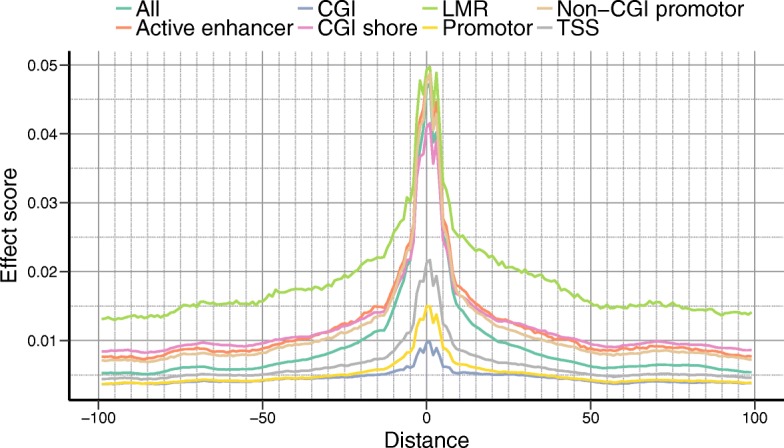
“We adapted a gradient-based approach [55] to estimate mutational effects in a computationally efficient manner, thereby greatly reducing the compute cost compared to previous methods [29, 30, 32] (“Methods”).”
MethodDNA methylation and human disease
Robertson, K. D. (2005) · Nature Reviews Genetics · doi:10.1038/nrg1655 · Cited by 2,864
Predicting effects of noncoding variants with deep learning–based sequence model
Zhou, J., & Troyanskaya, O. G. (2015) · Nature Methods · doi:10.1038/nmeth.3547 · Cited by 2,338 · cited 1×
“We adapted a gradient-based approach [55] to estimate mutational effects in a computationally efficient manner, thereby greatly reducing the compute cost compared to previous methods [29, 30, 32] (“Methods”).”
MethodWhat is the best multi-stage architecture for object recognition?
Jarrett, K., Kavukcuoglu, K., Ranzato, M. A., & LeCun, Y. (2009) · 2009 IEEE 12th International Conference on Computer Vision · doi:10.1109/iccv.2009.5459469 · Cited by 2,153
Determination and Inference of Eukaryotic Transcription Factor Sequence Specificity
Weirauch, M. T., Yang, A., Albu, M., Cote, A. G., Montenegro-Montero, A., Drewe, P., Najafabadi, H. S., Lambert, S. A., Mann, I., Cook, K., et al. (2014) · Cell · doi:10.1016/j.cell.2014.08.009 · Cited by 1,785 · cited 6×
“Motifs discovered by DeepCpG were matched to annotated motifs in the Mus musculus CIS-BP [42] and UniPROBE [43] database (version 12.”
BackgroundMethodInfluentialPrinciples and challenges of genome-wide DNA methylation analysis
Laird, P. W. (2010) · Nature Reviews Genetics · doi:10.1038/nrg2732 · Cited by 1,572
Deep learning for computational biology
Angermueller, C., Pärnamaa, T., Parts, L., & Stegle, O. (2016) · Molecular Systems Biology · doi:10.15252/msb.20156651 · Cited by 1,473 · cited 1×
“The DNA module is based on a convolutional architecture, which has been successfully applied in different domains [24 – 27], including genomics [28 – 33].”
MethodSelf-citationCharting a dynamic DNA methylation landscape of the human genome
Ziller, M. J., Gu, H., Müller, F., Donaghey, J., Tsai, L. T.-Y., Kohlbacher, O., De Jager, P. L., Rosen, E. D., Bennett, D. A., Bernstein, B. E., et al. (2013) · Nature · doi:10.1038/nature12433 · Cited by 1,357
The Myc/Max/Mad Network and the Transcriptional Control of Cell Behavior
Grandori, C., Cowley, S. M., James, L. P., & Eisenman, R. N. (2000) · Annual Review of Cell and Developmental Biology · doi:10.1146/annurev.cellbio.16.1.653 · Cited by 1,333
The SRF accessory protein Elk-1 contains a growth factor-regulated transcriptional activation domain
Marais, R., Wynne, J., & Treisman, R. (1993) · Cell · doi:10.1016/0092-8674(93)90237-k · Cited by 1,275
The human splicing code reveals new insights into the genetic determinants of disease
Xiong, H. Y., Alipanahi, B., Lee, L. J., Bretschneider, H., Merico, D., Yuen, R. K. C., Hua, Y., Gueroussov, S., Najafabadi, H. S., Hughes, T. R., et al. (2015) · Science · doi:10.1126/science.1254806 · Cited by 1,220
Single-cell genome-wide bisulfite sequencing for assessing epigenetic heterogeneity
Smallwood, S. A., Lee, H. J., Angermueller, C., Krueger, F., Saadeh, H., Peat, J., Andrews, S. R., Stegle, O., Reik, W., & Kelsey, G. (2014) · Nature Methods · doi:10.1038/nmeth.3035 · Cited by 1,125 · cited 10×
“We evaluated DeepCpG on mouse embryonic stem cells profiled using whole-genome single-cell methylation profiling (scBS-seq [5]), as well as on human and mouse cells profiled using a reduced representation protocol (scRRBS-seq [8]).”
MethodInfluentialSelf-citationKelley, D. R., Snoek, J., & Rinn, J. L. (2016) · Genome Research · doi:10.1101/gr.200535.115 · Cited by 1,048 · cited 1×
“We adapted a gradient-based approach [55] to estimate mutational effects in a computationally efficient manner, thereby greatly reducing the compute cost compared to previous methods [29, 30, 32] (“Methods”).”
MethodAnalysis of the Vertebrate Insulator Protein CTCF-Binding Sites in the Human Genome
Kim, T. H., Abdullaev, Z. K., Smith, A. D., Ching, K. A., Loukinov, D. I., Green, R. D., Zhang, M. Q., Lobanenkov, V. V., & Ren, B. (2007) · Cell · doi:10.1016/j.cell.2006.12.048 · Cited by 1,033 · cited 2×
“17 of these annotated motifs were transcription factors with a known implication in DNA methylation [16, 44, 45], including CTCF [46], E2f [47] and members of the Sp/KLF family [48] — transcription factors and regulators of cell differentiation.”
BackgroundTheano: new features and speed improvements
Bastien, F., Lamblin, P., Pascanu, R., Bergstra, J., Goodfellow, I., Bergeron, A., Bouchard, N., Warde-Farley, D., & Bengio, Y. (2012) · arXiv · doi:10.48550/arxiv.1211.5590 · Cited by 1,005 · cited 2×
“DeepCpG is implemented in Python using Theano [67] 0.”
MethodInfluentialQuang, D., & Xie, X. (2016) · Nucleic Acids Research · doi:10.1093/nar/gkw226 · Cited by 853 · cited 1×
“RNNs have been successfully used for modelling long-range dependencies in natural language [58, 59], acoustic signals [60] and, more recently, genomic sequences [61, 62].”
MethodParallel single-cell sequencing links transcriptional and epigenetic heterogeneity
Angermueller, C., Clark, S. J., Lee, H. J., Macaulay, I. C., Teng, M. J., Hu, T. X., Krueger, F., Smallwood, S. A., Ponting, C. P., Voet, T., et al. (2016) · Nature Methods · doi:10.1038/nmeth.3728 · Cited by 717 · cited 6×
“Specifically, let rij be the linkage between expression levels of gene i and the mean methylation levels of an adjacent region j [10].”
BackgroundMethodInfluentialSelf-citationUse of the ‘Perceptron’ algorithm to distinguish translational initiation sites in E. coli
Stormo, G. D., Schneider, T. D., Gold, L., & Ehrenfeucht, A. (1982) · Nucleic Acids Research · doi:10.1093/nar/10.9.2997 · Cited by 651 · cited 1×
“The module takes DNA sequences in windows centred on target CpG sites as input, which are scanned for sequence motifs using convolutional filters, analogous to conventional position weight matrices [34, 35] (“Methods”).”
MethodHou, Y., Guo, H., Cao, C., Li, X., Hu, B., Zhu, P., Wu, X., Wen, L., Tang, F., Huang, Y., et al. (2016) · Cell Research · doi:10.1038/cr.2016.23 · Cited by 647 · cited 8×
“We evaluated DeepCpG on mouse embryonic stem cells profiled using whole-genome single-cell methylation profiling (scBS-seq [5]), as well as on human and mouse cells profiled using a reduced representation protocol (scRRBS-seq [8]).”
BackgroundMethodInfluentialGlycosylation regulates Notch signalling
Haines, N., & Irvine, K. D. (2003) · Nature Reviews Molecular Cell Biology · doi:10.1038/nrm1228 · Cited by 645
CpG islands influence chromatin structure via the CpG-binding protein Cfp1
Thomson, J. P., Skene, P. J., Selfridge, J., Clouaire, T., Guy, J., Webb, S., Kerr, A. R. W., Deaton, A., Andrews, R., James, K. D., et al. (2010) · Nature · doi:10.1038/nature08924 · Cited by 625 · cited 1×
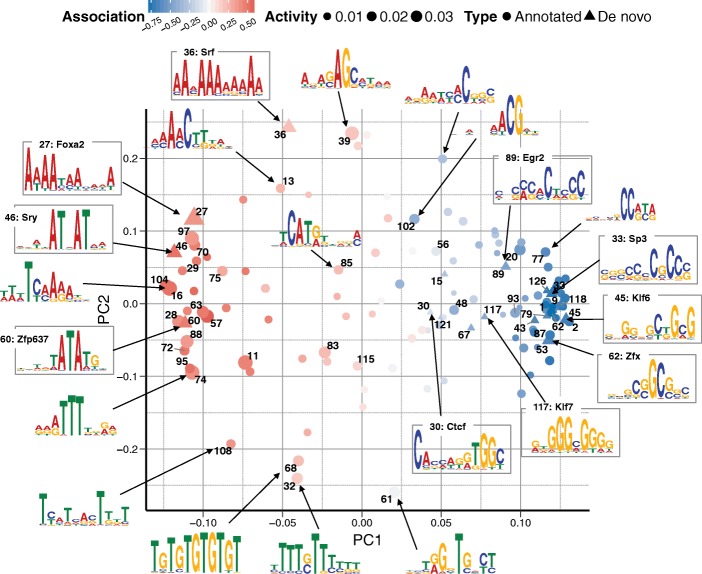
“Consistent with previous findings [16, 40, 41], we observed that motifs associated with decreased methylation tended to be CG-rich and were most active in CG-rich promoter regions, transcription start sites, as well as in contexts with active promoter marks such as H3K4me3 and p300 sites (Additional file 1: Figure S11…”
BackgroundQuenneville, S., Verde, G., Corsinotti, A., Kapopoulou, A., Jakobsson, J., Offner, S., Baglivo, I., Pedone, P. V., Grimaldi, G., Riccio, A., et al. (2011) · Molecular Cell · doi:10.1016/j.molcel.2011.08.032 · Cited by 606 · cited 2×
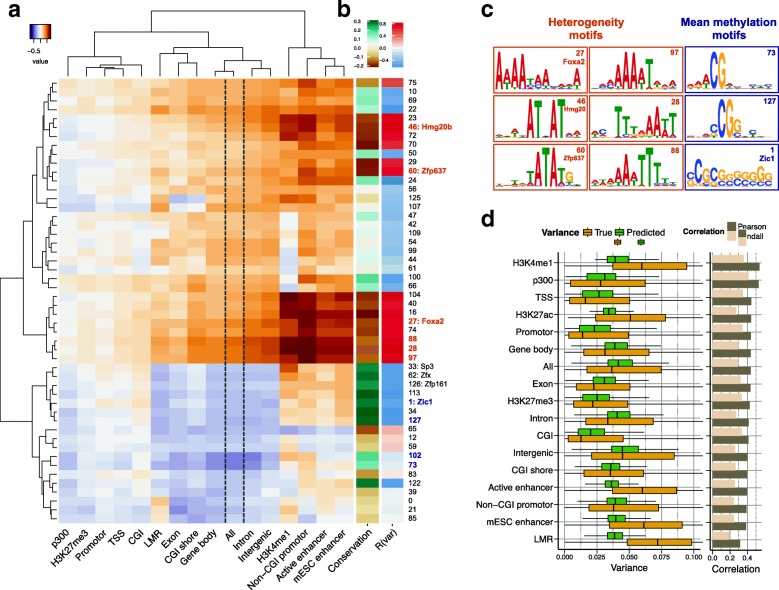
“These include Foxa2 [49, 50] and Srf [51, 52], which are implicated in cell differentiation and embryonic development, as well as Zfp637 [53, 54], a zinc finger protein that has recently been linked to spermatogenesis in mouse.”
BackgroundGuo, H., Zhu, P., Wu, X., Li, X., Wen, L., & Tang, F. (2013) · Genome Research · doi:10.1101/gr.161679.113 · Cited by 518
Single-cell DNA methylome sequencing and bioinformatic inference of epigenomic cell-state dynamics
Farlik, M., Sheffield, N. C., Nuzzo, A., Datlinger, P., Schönegger, A., Klughammer, J., & Bock, C. (2015) · Cell Reports · doi:10.1016/j.celrep.2015.02.001 · Cited by 422 · cited 1×
“These protocols have already provided unprecedented insights into the regulation and the dynamics of DNA methylation in single cells [6, 9], and have uncovered new linkages between epigenetic and transcriptional heterogeneity [8, 10, 11].”
BackgroundGC-Rich Sequence Elements Recruit PRC2 in Mammalian ES Cells
Mendenhall, E. M., Koche, R. P., Truong, T., Zhou, V. W., Issac, B., Chi, A. S., Ku, M., & Bernstein, B. E. (2010) · PLoS Genetics · doi:10.1371/journal.pgen.1001244 · Cited by 412 · cited 1×
“Consistent with previous findings [16, 40, 41], we observed that motifs associated with decreased methylation tended to be CG-rich and were most active in CG-rich promoter regions, transcription start sites, as well as in contexts with active promoter marks such as H3K4me3 and p300 sites (Additional file 1: Figure S11…”
BackgroundSerum response factor is essential for mesoderm formation during mouse embryogenesis
Arsenian, S., Weinhold, B., Oelgeschläger, M., Rüther, U., & Nordheim, A. (1998) · The EMBO Journal · doi:10.1093/emboj/17.21.6289 · Cited by 372 · cited 1×
“These include Foxa2 [49, 50] and Srf [51, 52], which are implicated in cell differentiation and embryonic development, as well as Zfp637 [53, 54], a zinc finger protein that has recently been linked to spermatogenesis in mouse.”
BackgroundUniPROBE: an online database of protein binding microarray data on protein-DNA interactions
Newburger, D. E., & Bulyk, M. L. (2009) · Nucleic Acids Research · doi:10.1093/nar/gkn660 · Cited by 367 · cited 6×
“Motifs discovered by DeepCpG were matched to annotated motifs in the Mus musculus CIS-BP [42] and UniPROBE [43] database (version 12.”
BackgroundMethodInfluentialLarge-scale imputation of epigenomic datasets for systematic annotation of diverse human tissues
Ernst, J., & Kellis, M. (2015) · Nature Biotechnology · doi:10.1038/nbt.3157 · Cited by 363
Simultaneous profiling of transcriptome and DNA methylome from a single cell
Hu, Y., Huang, K., An, Q., Du, G., Hu, G., Xue, J., Zhu, X., Wang, C.-Y., Xue, Z., & Fan, G. (2016) · Genome Biology · doi:10.1186/s13059-016-0950-z · Cited by 300 · cited 1×
“These protocols have already provided unprecedented insights into the regulation and the dynamics of DNA methylation in single cells [6, 9], and have uncovered new linkages between epigenetic and transcriptional heterogeneity [8, 10, 11].”
BackgroundNoisy matrix decomposition via convex relaxation: Optimal rates in high dimensions
Agarwal, A., Negahban, S., & Wainwright, M. J. (2012) · The Annals of Statistics · doi:10.1214/12-aos1000 · Cited by 280
Compensatory Roles of Foxa1 and Foxa2 during Lung Morphogenesis
Wan, H., Dingle, S., Xu, Y., Besnard, V., Kaestner, K. H., Ang, S.-L., Wert, S., Stahlman, M. T., & Whitsett, J. A. (2005) · Journal of Biological Chemistry · doi:10.1074/jbc.m414122200 · Cited by 278 · cited 2×
“These include Foxa2 [49, 50] and Srf [51, 52], which are implicated in cell differentiation and embryonic development, as well as Zfp637 [53, 54], a zinc finger protein that has recently been linked to spermatogenesis in mouse.”
BackgroundiDNA-Methyl: Identifying DNA methylation sites via pseudo trinucleotide composition
Liu, Z., Xiao, X., Qiu, W.-R., & Chou, K.-C. (2015) · Analytical Biochemistry · doi:10.1016/j.ab.2014.12.009 · Cited by 252 · cited 1×
“Unlike previous methods [12, 13, 15, 20 – 23], our approach does not separate the extraction of informative features and model training.”
MethodMorrisey, E. E., Ip, H. S., Tang, Z., Lu, M. M., & Parmacek, M. S. (1997) · Developmental Biology · doi:10.1006/dbio.1996.8485 · Cited by 252
Dnmt3/transcription factor interactions as crucial players in targeted DNA methylation
Hervouet, E., Vallette, F. M., & Cartron, P.-F. (2009) · Epigenetics · doi:10.4161/epi.4.7.9883 · Cited by 211 · cited 2×
“13 annotated motifs had been shown to interact with DNMT3a and DNMT3b [44], two major DNA methylation enzymes.”
BackgroundZhang, W., Spector, T. D., Deloukas, P., Bell, J. T., & Engelhardt, B. E. (2015) · Genome Biology · doi:10.1186/s13059-015-0581-9 · Cited by 202 · cited 9×
“Considered were DeepCpG and random forest classifiers trained either using DNA sequence and CpG features ( RF ) or using additional annotations from corresponding cell types ( RF Zhang [12]).”
MethodResultInfluentialFoxa2 is required for the differentiation of pancreatic α-cells
Lee, C. S., Sund, N. J., Behr, R., Herrera, P. L., & Kaestner, K. H. (2005) · Developmental Biology · doi:10.1016/j.ydbio.2004.10.012 · Cited by 199 · cited 2×
“These include Foxa2 [49, 50] and Srf [51, 52], which are implicated in cell differentiation and embryonic development, as well as Zfp637 [53, 54], a zinc finger protein that has recently been linked to spermatogenesis in mouse.”
BackgroundStevens, M., Cheng, J. B., Li, D., Xie, M., Hong, C., Maire, C. L., Ligon, K. L., Hirst, M., Marra, M. A., Costello, J. F., et al. (2013) · Genome Research · doi:10.1101/gr.152231.112 · Cited by 156
Peat, J. R., Dean, W., Clark, S. J., Krueger, F., Smallwood, S. A., Ficz, G., Kim, J. K., Marioni, J. C., Hore, T. A., & Reik, W. (2014) · Cell Reports · doi:10.1016/j.celrep.2014.11.034 · Cited by 129 · cited 1×
“These protocols have already provided unprecedented insights into the regulation and the dynamics of DNA methylation in single cells [6, 9], and have uncovered new linkages between epigenetic and transcriptional heterogeneity [8, 10, 11].”
BackgroundSelf-citationPrediction of methylated CpGs in DNA sequences using a support vector machine
Bhasin, M., Zhang, H., Reinherz, E. L., & Reche, P. A. (2005) · FEBS Letters · doi:10.1016/j.febslet.2005.07.002 · Cited by 123 · cited 1×
“Unlike previous methods [12, 13, 15, 20 – 23], our approach does not separate the extraction of informative features and model training.”
MethodPredicting the human epigenome from DNA motifs
Whitaker, J. W., Chen, Z., & Wang, W. (2015) · Nature Methods · doi:10.1038/nmeth.3065 · Cited by 117 · cited 2×
“Consistent with previous findings [16, 40, 41], we observed that motifs associated with decreased methylation tended to be CG-rich and were most active in CG-rich promoter regions, transcription start sites, as well as in contexts with active promoter marks such as H3K4me3 and p300 sites (Additional file 1: Figure S11…”
BackgroundTang, S. J., Hoodless, P. A., Lu, Z., Breitman, M. L., McInnes, R. R., Wrana, J. L., & Buchwald, M. (1998) · Development · doi:10.1242/dev.125.10.1877 · Cited by 103
Mouse development with a single E2F activator
Tsai, S., Opavský, R., Sharma, N., Wu, L., Naidu, S. K., Nolan, E., Feria-Arias, E., Timmers, C. D., Opavska, J., de Bruin, A., et al. (2008) · Nature · doi:10.1038/nature07066 · Cited by 97 · cited 2×
“17 of these annotated motifs were transcription factors with a known implication in DNA methylation [16, 44, 45], including CTCF [46], E2f [47] and members of the Sp/KLF family [48] — transcription factors and regulators of cell differentiation.”
BackgroundSinha, S. (2006) · Bioinformatics · doi:10.1093/bioinformatics/btl227 · Cited by 91 · cited 1×
“The module takes DNA sequences in windows centred on target CpG sites as input, which are scanned for sequence motifs using convolutional filters, analogous to conventional position weight matrices [34, 35] (“Methods”).”
MethodFernández-Zapico, M. E., Lomberk, G. A., Tsuji, S., DeMars, C. J., Bardsley, M. R., Lin, Y., Almada, L. L., Han, J.-J., Mukhopadhyay, D., Ördög, T., et al. (2011) · Biochemical Journal · doi:10.1042/bj20100773 · Cited by 86 · cited 1×
“17 of these annotated motifs were transcription factors with a known implication in DNA methylation [16, 44, 45], including CTCF [46], E2f [47] and members of the Sp/KLF family [48]—transcription factors and regulators of cell differentiation.”
BackgroundHuang, G., Yuan, M., Zhang, J., Li, J., Gong, D., Li, Y., Zhang, J., Lin, P., & Huang, L. (2016) · Scientific Reports · doi:10.1038/srep28012 · Cited by 69 · cited 2×
“These include Foxa2 [49, 50] and Srf [51, 52], which are implicated in cell differentiation and embryonic development, as well as Zfp637 [53, 54], a zinc finger protein that has recently been linked to spermatogenesis in mouse.”
BackgroundSumoy, L., Carim‐Todd, L., Escarceller, M., Nadal, M., Gratacòs, M., Pujana, M. Á., Estivill, X., & Peral, B. (2000) · Cytogenetic and Genome Research · doi:10.1159/000015486 · Cited by 42 · cited 1×
“Twelve of the identified motifs were AT-rich and associated with increased variability, including the differentiation factors Foxa2 [49, 50], Hmg20b [57] and Zfp637 [53, 54].”
BackgroundLuu, P., Schöler, H. R., & Araúzo-Bravo, M. J. (2013) · Genome Research · doi:10.1101/gr.155960.113 · Cited by 37 · cited 1×
“17 of these annotated motifs were transcription factors with a known implication in DNA methylation [16, 44, 45], including CTCF [46], E2f [47] and members of the Sp/KLF family [48]—transcription factors and regulators of cell differentiation.”
BackgroundDNA-Level Splice Junction Prediction using Deep Recurrent Neural Networks
Lee, B., Lee, T., Na, B., & Yoon, S. (2015) · arXiv (Cornell University) · doi:10.48550/arxiv.1512.05135 · Cited by 37 · cited 1×
“RNNs have been successfully used for modelling long-range dependencies in natural language [58, 59], acoustic signals [60] and, more recently, genomic sequences [61, 62].”
MethodA pooling-based approach to mapping genetic variants associated with DNA methylation
Kaplow, I. M., MacIsaac, J. L., Mah, S. M., McEwen, L. M., Kobor, M. S., & Fraser, H. B. (2015) · Genome Research · doi:10.1101/gr.183749.114 · Cited by 33 · cited 2×
“We further investigated mutational effects in HepG2 cells for 2379 methylation QTLs (mQTLs) [56], finding that known mQTL variants have significantly larger effects than matched random variants (P < 1.”
BackgroundMethodPrediction of methylation CpGs and their methylation degrees in human DNA sequences
Zhou, X., Li, Z., Dai, Z., & Zou, X. (2011) · Computers in Biology and Medicine · doi:10.1016/j.compbiomed.2011.12.008 · Cited by 31
Predicting DNA methylation status using word composition
Lu, L., Lin, K., Qian, Z., Li, H., Cai, Y., & Li, Y. (2010) · Journal of Biomedical Science and Engineering · doi:10.4236/jbise.2010.37091 · Cited by 18
Li, Z., Chen, L., Lai, Y.-H., Dai, Z., & Zou, X. (2013) · Analytical Methods · doi:10.1039/c3ay41962b · Cited by 8 · cited 1×
“Unlike previous methods [12, 13, 15, 20 – 23], our approach does not separate the extraction of informative features and model training.”
Method
Research works printed but not linked: 1
- Denas O, Taylor J. Deep modeling of gene expression regulation in an erythropoiesis model. Represent. Learn. ICML Workshop. 2013
Cited by
High-performance medicine: the convergence of human and artificial intelligence
Topol, E. J. (2019) · Nature Medicine · doi:10.1038/s41591-018-0300-7 · Cited by 10,450
A guide to deep learning in healthcare
Esteva, A., Robicquet, A., Ramsundar, B., Kuleshov, V., DePristo, M., Chou, K., Cui, C., Corrado, G., Thrun, S., & Dean, J. (2019) · Nature Medicine · doi:10.1038/s41591-018-0316-z · Cited by 5,312
Deep learning for healthcare: review, opportunities and challenges
Miotto, R., Wang, F., Wang, S., Jiang, X., & Dudley, J. T. (2018) · Briefings in Bioinformatics · doi:10.1093/bib/bbx044 · Cited by 3,076
Opportunities and obstacles for deep learning in biology and medicine
Ching, T., Himmelstein, D. S., Beaulieu-Jones, B. K., Kalinin, A. A., Do, B. T., Way, G. P., Ferrero, E., Agapow, P.-M., Zietz, M., Hoffman, M. M., et al. (2018) · Journal of The Royal Society Interface · doi:10.1098/rsif.2017.0387 · Cited by 2,310
“[216] trained a neural network to predict the .”
BackgroundDeep Learning for Health Informatics
Ravì, D., Wong, C., Deligianni, F., Berthelot, M., Andreu-Perez, J., Lo, B., & Yang, G.-Z. (2017) · IEEE Journal of Biomedical and Health Informatics · doi:10.1109/jbhi.2016.2636665 · Cited by 2,000
Metadata
- Authors
- Angermueller, C., Lee, H. J., Reik, W., & Stegle, O.
- Affiliations
- European Bioinformatics Institute (GB)
- Babraham Institute (GB)
- Corresponding author
- Angermueller, Christof
- Stegle, Oliver
- Venue
- Genome Biology
- Published
- 2017-04-11
- Volume
- 18
- Issue
- 1
- Pages
- 67-67
- ISSN
- 1465-6906 (ISSN-L)
- 1474-760X
- PMC
- PMC5387360
- OpenAlex
- W2952935243
- Semantic Scholar
- 837566abb925a33b33544965bbe8d9bb710af7d6
- Cited by
- 536
- References
- 80
- Citations by year
- 2026: 28 · 2025: 51 · 2024: 50 · 2023: 54 · 2022: 52 · 2021: 88 · 2020: 69 · 2019: 66 · 2018: 53 · 2017: 23
- FWCI
- 24.45
- Type
- journal article
- Language
- en
- Update notices
- correction (2017-05-12)
- Open access
- gold
- doi.org
- Licence
- cc-by
- Locations
- Genome biology (publishedVersion, cc-by)
- bioRxiv (Cold Spring Harbor Laboratory) (acceptedVersion, cc-by-nc-nd)
- PubMed Central (publishedVersion, cc-by)
- PubMed (publishedVersion)
- DOAJ (DOAJ: Directory of Open Access Journals) (submittedVersion, cc-by-sa)
- Apollo (University of Cambridge) (submittedVersion, cc-by)
- Zenodo (CERN European Organization for Nuclear Research) (submittedVersion, other-oa)
- Apollo (cc-by)
- Funders
- Wellcome Trust
- European Molecular Biology Laboratory
- European Commission
- Biotechnology and Biological Sciences Research Council (BBS/E/B/0000S266, BBS/E/B/0000H334, BBS/E/B/000C0403)
- Topics
- Life Sciences › Biochemistry, Genetics and Molecular Biology › Molecular Biology › Epigenetics and DNA Methylation
- Life Sciences › Biochemistry, Genetics and Molecular Biology › Molecular Biology › Single-cell and spatial transcriptomics
- Life Sciences › Biochemistry, Genetics and Molecular Biology › Molecular Biology › Genomics and Chromatin Dynamics
- Keywords
- single-cell DNA methylation, deep neural network, model interpretability, sequence composition
About these checks
Registry, retraction, Cites and statistics results are computed, not judged, with one exception: a printed reference that no index lists is read once by a model before it counts as a citation error. Claims are extracted by a model and kept only when their quote appears verbatim in the text; each cited source is then checked, with a model’s help, for whether it says what the claim relies on. Those verdicts can be wrong — read the claim’s quote and the cited source before relying on one.
Statistics and arithmetic are recomputed, not judged.
Confidence bands are shown only for fields calibrated on our annotated test set. None is calibrated yet, so no band is shown.
What counts as a claim ›How we measure confidence ›How we check this ›
Are you an author, or do you see a problem with this page? Request a review
Data sources
Bibliographic data: Semantic Scholar, OpenAlex, Crossref.
Contains information from the Semantic Scholar Academic Graph Datasets, made available under the ODC Attribution License (ODC-BY 1.0).
Semantic Scholar’s data is described in: Kinney, R., et al. (2023). The Semantic Scholar Open Data Platform. arXiv:2301.10140.
