

DeepCpG: accurate prediction of single-cell DNA methylation states using deep learning
Open accessPublished version of a preprint
The DOI matches its Crossref record; 77 of the 80 references it cites were found in a registry or an index.
Abstract
Recent technological advances have enabled DNA methylation to be assayed at single-cell resolution. However, current protocols are limited by incomplete CpG coverage and hence methods to predict missing methylation states are critical to enable genome-wide analyses. We report DeepCpG, a computational approach based on deep neural networks to predict methylation states in single cells. We evaluate DeepCpG on single-cell methylation data from five cell types generated using alternative sequencing protocols. DeepCpG yields substantially more accurate predictions than previous methods. Additionally, we show that the model parameters can be interpreted, thereby providing insights into how sequence composition affects methylation variability.
Overview
The claims and statistics of this paper haven’t been checked yet.
Free: it reads the open-access text and checks the first 5 claims that cite a source we can check. Create a free account to check every claim.
Integrity signals
Registry
Cites
Statistics
Figures
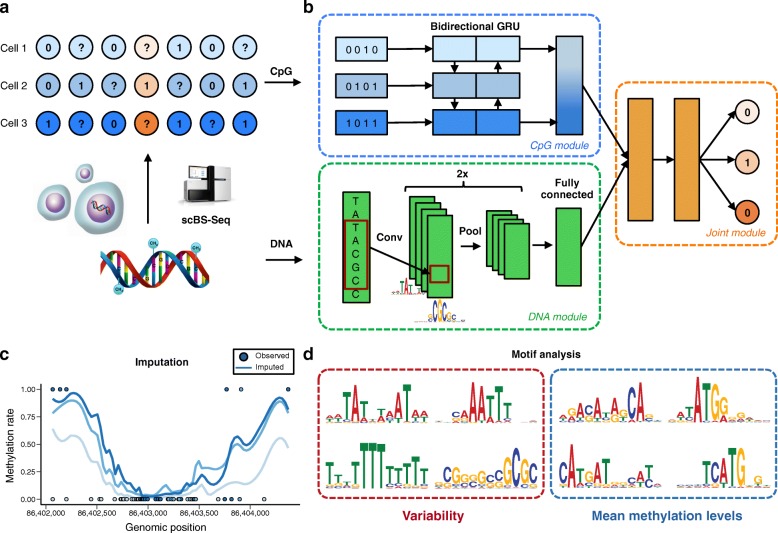
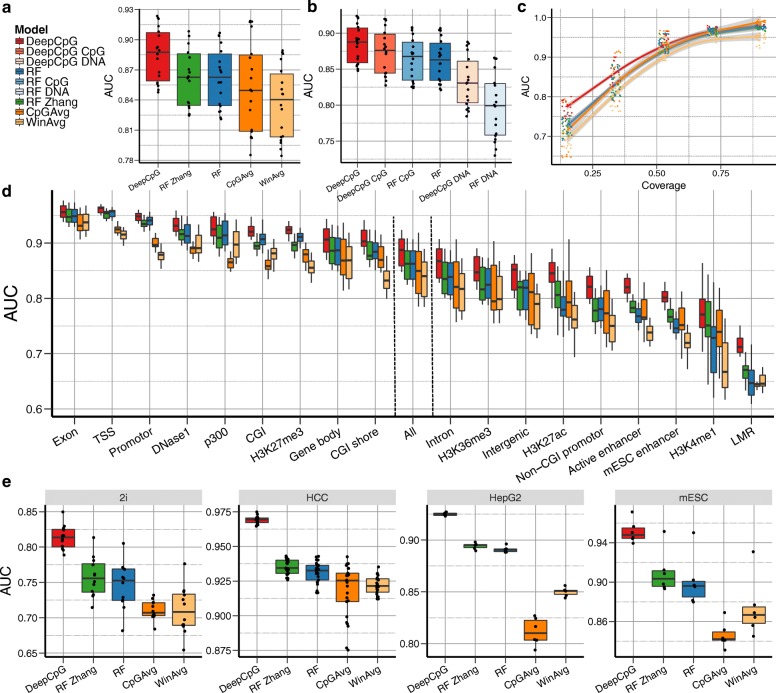
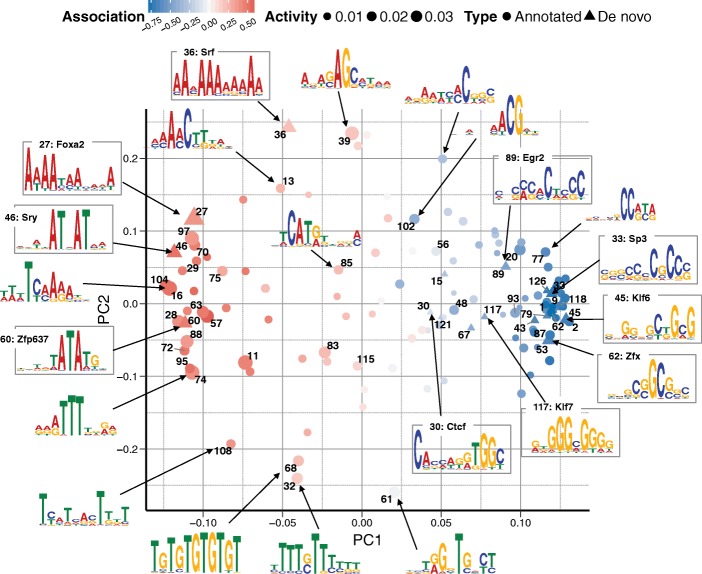
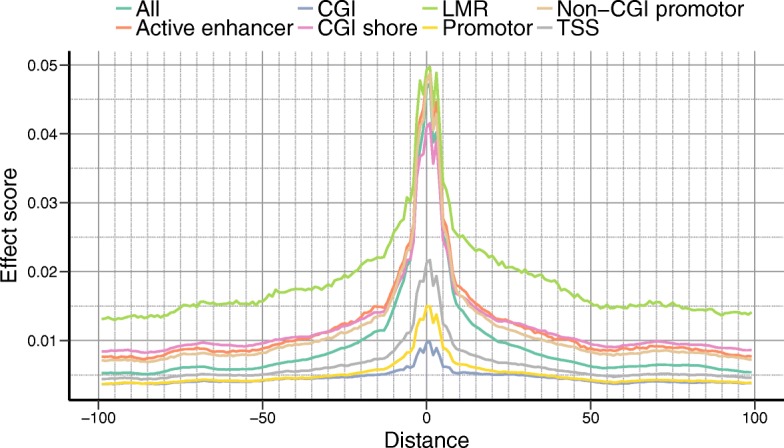
Verification
Claims the paper makes
The claims and statistics of this paper haven’t been checked yet.
Free: it reads the open-access text and checks the first 5 claims that cite a source we can check. Create a free account to check every claim.
Claims other papers make about this one
Each is checked against this paper’s own text: does it say what the citing paper says it does?
The cited source says what the claim attributes to it.
In the citing paper
“They showed that regions with increased methylation variability associate significantly more strongly to gene expression, indicating functional relevance.”
From Mapping gene regulatory networks from single-cell omics data (2018) · cites this paper as [75]
In the citing paper
“One possible way to deal with technical dropouts is proposed by Angermueller et al. [75] by developing DeepCpG, a computational approach based on deep neural networks, to predict missing methylation states and link methylation states to motifs.”
From Mapping gene regulatory networks from single-cell omics data (2018) · cites this paper as [75]
Self-check
Percentages, sums and reported differences re-computed from the paper’s own numbers.
The self-check needs the paper’s full text.
Citations
Cites
Deep Residual Learning for Image Recognition
He, K., Zhang, X., Ren, S., & Sun, J. (2016) · 2016 IEEE Conference on Computer Vision and Pattern Recognition (CVPR) · doi:10.1109/cvpr.2016.90 · Cited by 235,474
Breiman, L. (2001) · Machine Learning · doi:10.1023/a:1010933404324 · Cited by 133,538 · cited 1×
“Additionally, we compared DeepCpG to random forest classifiers [37] trained on individual cells using the DNA sequence information and neighbouring CpG states as input ( RF ).”
MethodAdam: A Method for Stochastic Optimization
Kingma, D. P., & Ba, J. (2014) · arXiv · doi:10.48550/arxiv.1412.6980 · Cited by 98,946 · cited 2×
“The learning rate was adapted by Adam [65] and decayed by a factor of 0.”
MethodInfluentialLeCun, Y., Bengio, Y., & Hinton, G. (2015) · Nature · doi:10.1038/nature14539 · Cited by 84,126
(2014) · Cited by 33,419
Neural Machine Translation by Jointly Learning to Align and Translate
Bahdanau, D., Cho, K., & Bengio, Y. (2014) · arXiv · doi:10.48550/arxiv.1409.0473 · Cited by 16,213 · cited 1×
“RNNs have been successfully used for modelling long-range dependencies in natural language [58, 59], acoustic signals [60] and, more recently, genomic sequences [61, 62].”
Method(2010) · Cited by 14,134
WebLogo: A Sequence Logo Generator: Figure 1
Crooks, G. E., Hon, G., Chandonia, J.-M., & Brenner, S. E. (2004) · Genome Research · doi:10.1101/gr.849004 · Cited by 12,386 · cited 2×
“Selected sequence windows were aligned and visualised as sequence motifs using WebLogo [69] version 3.”
MethodInfluentialBackpropagation Applied to Handwritten Zip Code Recognition
LeCun, Y., Boser, B., Denker, J. S., Henderson, D., Howard, R. E., Hubbard, W., & Jackel, L. D. (1989) · Neural Computation · doi:10.1162/neco.1989.1.4.541 · Cited by 11,891 · cited 1×
“Here, we report DeepCpG, a computational method based on deep neural networks [17 – 19] for predicting single-cell methylation states and for modelling the sources of DNA methylation variability.”
MethodRobust Locally Weighted Regression and Smoothing Scatterplots
Cleveland, W. S. (1979) · Journal of the American Statistical Association · doi:10.1080/01621459.1979.10481038 · Cited by 11,594 · cited 1×
“Trend lines were fit using local polynomial regression (LOESS [72]); shaded areas denote 95%”
Method
Research works printed but not linked: 1
- Denas O, Taylor J. Deep modeling of gene expression regulation in an erythropoiesis model. Represent. Learn. ICML Workshop. 2013
Cited by
High-performance medicine: the convergence of human and artificial intelligence
Topol, E. J. (2019) · Nature Medicine · doi:10.1038/s41591-018-0300-7 · Cited by 10,450
A guide to deep learning in healthcare
Esteva, A., Robicquet, A., Ramsundar, B., Kuleshov, V., DePristo, M., Chou, K., Cui, C., Corrado, G., Thrun, S., & Dean, J. (2019) · Nature Medicine · doi:10.1038/s41591-018-0316-z · Cited by 5,312
Deep learning for healthcare: review, opportunities and challenges
Miotto, R., Wang, F., Wang, S., Jiang, X., & Dudley, J. T. (2018) · Briefings in Bioinformatics · doi:10.1093/bib/bbx044 · Cited by 3,076
Opportunities and obstacles for deep learning in biology and medicine
Ching, T., Himmelstein, D. S., Beaulieu-Jones, B. K., Kalinin, A. A., Do, B. T., Way, G. P., Ferrero, E., Agapow, P.-M., Zietz, M., Hoffman, M. M., et al. (2018) · Journal of The Royal Society Interface · doi:10.1098/rsif.2017.0387 · Cited by 2,310
“[216] trained a neural network to predict the .”
BackgroundDeep Learning for Health Informatics
Ravì, D., Wong, C., Deligianni, F., Berthelot, M., Andreu-Perez, J., Lo, B., & Yang, G.-Z. (2017) · IEEE Journal of Biomedical and Health Informatics · doi:10.1109/jbhi.2016.2636665 · Cited by 2,000
Artificial intelligence: A powerful paradigm for scientific research
Xu, Y., Liu, X., Cao, X., Huang, C., Liu, E., Qian, S., Liu, X., Wu, Y., Dong, F., Qiu, C.-W., et al. (2021) · The Innovation · doi:10.1016/j.xinn.2021.100179 · Cited by 1,726
Deep learning for computational biology
Angermueller, C., Pärnamaa, T., Parts, L., & Stegle, O. (2016) · Molecular Systems Biology · doi:10.15252/msb.20156651 · Cited by 1,473
Self-citationEleven grand challenges in single-cell data science
Lähnemann, D., Köster, J., Szczurek, E., McCarthy, D. J., Hicks, S. C., Robinson, M. D., Vallejos, C. A., Campbell, K. R., Beerenwinkel, N., Mahfouz, A., et al. (2020) · Genome Biology · doi:10.1186/s13059-020-1926-6 · Cited by 1,327
Self-citationDeep learning: new computational modelling techniques for genomics
Eraslan, G., Avsec, Ž., Gagneur, J., & Theis, F. J. (2019) · Nature Reviews Genetics · doi:10.1038/s41576-019-0122-6 · Cited by 1,203
DNA methylation aging clocks: challenges and recommendations
Bell, C. G., Lowe, R., Adams, P. D., Baccarelli, A. A., Beck, S., Bell, J. T., Christensen, B. C., Gladyshev, V. N., Heijmans, B. T., Horvath, S., et al. (2019) · Genome Biology · doi:10.1186/s13059-019-1824-y · Cited by 1,025
“Computational techniques such as imputation may help with these absent values [175].”
Self-citationA primer on deep learning in genomics
Zou, J., Huss, M., Abid, A., Mohammadi, P., Torkamani, A., & Telenti, A. (2019) · Nature Genetics · doi:10.1038/s41588-018-0295-5 · Cited by 891
Applications of deep learning and reinforcement learning to biological data
Mahmud, M., Kaiser, M. S., Hussain, A., & Vassanelli, S. (2018) · IEEE Transactions on Neural Networks and Learning Systems · doi:10.1109/tnnls.2018.2790388 · Cited by 765
“used DNN based method to estimate DM state by predicting the changes in single nucleotides and uncovering sequence motifs [85].”
MethodClark, S. J., Argelaguet, R., Kapourani, C.-A., Stubbs, T. M., Lee, H. J., Alda-Catalinas, C., Krueger, F., Sanguinetti, G., Kelsey, G., Marioni, J. C., et al. (2018) · Nature Communications · doi:10.1038/s41467-018-03149-4 · Cited by 657
Self-citationA Survey of Deep Learning: Platforms, Applications and Emerging Research Trends
Hatcher, W. G., & Yu, W. (2018) · IEEE Access · doi:10.1109/access.2018.2830661 · Cited by 654
“[15] applied deep learning methods to predict methylation states in individual cells.”
MethodWainberg, M., Merico, D., Delong, A., & Frey, B. J. (2018) · Nature Biotechnology · doi:10.1038/nbt.4233 · Cited by 585
Zhang, D., Lu, L., Guo, L., & Karniadakis, G. E. (2019) · Journal of Computational Physics · doi:10.1016/j.jcp.2019.07.048 · Cited by 513
“Moreover, dropout does not induce much computation overhead and thus has been used as a practical tool to obtain uncertainty estimation effectively in real applications including language modelling [44], computer vision [45, 46] and medical applications [47, 48].”
MethodZou, Q., Xing, P., Wei, L., & Liu, B. (2019) · RNA · doi:10.1261/rna.069112.118 · Cited by 525
“…et al. 2016; Xu et al. 2017), drug discovery (Stephenson et al. 2018), protein subcellular localization (Almagro Armen-teros et al. 2017; Wei et al. 2018a), protein function prediction (Cao et al. 2017), and single-cell DNA methylation states (Angermueller et al. 2017; Xu and Zhou 2018).”
BackgroundThe Recent Progress and Applications of Digital Technologies in Healthcare: A Review
Senbekov, M., Saliev, T., Bukeyeva, Z., Almabayeva, A., Zhanaliyeva, M., Aitenova, N., Toishibekov, Y., & Fakhradiyev, I. (2020) · International Journal of Telemedicine and Applications · doi:10.1155/2020/8830200 · Cited by 415
Single-cell epigenomics: Recording the past and predicting the future
Kelsey, G., Stegle, O., & Reik, W. (2017) · Science · doi:10.1126/science.aan6826 · Cited by 415
Self-citationDeep learning in bioinformatics: Introduction, application, and perspective in the big data era
Li, Y., Huang, C., Ding, L., Li, Z., Pan, Y., & Gao, X. (2019) · Methods · doi:10.1016/j.ymeth.2019.04.008 · Cited by 401
Machine learning and complex biological data
Xu, C., & Jackson, S. A. (2019) · Genome Biology · doi:10.1186/s13059-019-1689-0 · Cited by 378
Current progress and open challenges for applying deep learning across the biosciences
Sapoval, N., Aghazadeh, A., Nute, M. G., Antunes, D. A., Balaji, A., Baraniuk, R., Barberan, C. J., Dannenfelser, R., Dun, C., Edrisi, M., et al. (2022) · Nature Communications · doi:10.1038/s41467-022-29268-7 · Cited by 359
“Here, we have only skimmed the surface of methods being developed for expression data, but this trend is emerging for other -omics data types, similarly driven by the resolution of improved high-resolution experimental assays 86,87 .”
MethodEnsemble deep learning in bioinformatics
Cao, Y., Geddes, T. A., Yang, J. Y. H., & Yang, P. (2020) · Nature Machine Intelligence · doi:10.1038/s42256-020-0217-y · Cited by 354
A review of deep learning applications for genomic selection
Montesinos-López, O. A., Montesinos-López, A., Pérez-Rodríguez, P., Barrón-López, J. A., Martini, J. W. R., Fajardo-Flores, S. B., Gaytan-Lugo, L. S., Santana-Mancilla, P. C., & Crossa, J. (2021) · BMC Genomics · doi:10.1186/s12864-020-07319-x · Cited by 361
“DL methods have also made accurate predictions of single-cell DNA methylation states [42].”
MethodMultimodal Large Language Models in Health Care: Applications, Challenges, and Future Outlook.
AlSaad, R., Abd-alrazaq, A., Boughorbel, S., Ahmed, A., Renault, M.-A., Damseh, R., & Sheikh, J. (2024) · Journal of medical Internet research · doi:10.2196/59505 · Cited by 349
“Finally, omics encoders (eg, DeepVariant [62], Basenji [63], and DeepCpG [64]) focus on identifying genetic markers or patterns associated with specific diseases, aiding in the development of targeted therapies.”
Integrative Methods and Practical Challenges for Single-Cell Multi-omics
Ma, A., McDermaid, A., Xu, J., Chang, Y., & Ma, Q. (2020) · Trends in Biotechnology · doi:10.1016/j.tibtech.2020.02.013 · Cited by 273
Epigenetic encoding, heritability and plasticity of glioma transcriptional cell states
Chaligne, R., Gaiti, F., Silverbush, D., Schiffman, J. S., Weisman, H. R., Kluegel, L., Gritsch, S., Deochand, S. D., Gonzalez Castro, L. N., Richman, A. R., et al. (2021) · Nature Genetics · doi:10.1038/s41588-021-00927-7 · Cited by 258
Machine learning and clinical epigenetics: a review of challenges for diagnosis and classification
Rauschert, S., Raubenheimer, K., Melton, P. E., & Huang, R. C. (2020) · Clinical Epigenetics · doi:10.1186/s13148-020-00842-4 · Cited by 240
“A special case where the two identified deep learning approaches, DeepCpG and DeepMethyl, as they both predicted methylation status in the genome rather than a disease status [70, 71] (Table 2).”
BackgroundGenerative artificial intelligence empowers digital twins in drug discovery and clinical trials
Bordukova, M., Makarov, N., Rodriguez-Esteban, R., Schmich, F., & Menden, M. P. (2024) · Expert Opinion on Drug Discovery · doi:10.1080/17460441.2023.2273839 · Cited by 235
“Further cell DTs simulating cell state from various angles have been proposed using discriminative ML models [44,45].”
MethodMapping gene regulatory networks from single-cell omics data
Fiers, M. W. E. J., Minnoye, L., Aibar, S., Bravo González-Blas, C., Kalender Atak, Z., & Aerts, S. (2018) · Briefings in Functional Genomics · doi:10.1093/bfgp/elx046 · Cited by 235
Recent advances of deep learning in bioinformatics and computational biology
Tang, B., Pan, Z., Yin, K., & Khateeb, A. (2019) · Frontiers in Genetics · doi:10.3389/fgene.2019.00214 · Cited by 233
“…RNN-CNN architecture, DeepCpG, on single-cell DNA methylation data, to better predict missing CpG status for genome-wide analysis; together the model’s interpretable parameters shed light on the connection between sequence composition and methylation variability (Angermueller et al., 2017).”
BackgroundPredicting drug response of tumors from integrated genomic profiles by deep neural networks
Chiu, Y.-C., Chen, H.-I. H., Zhang, T., Zhang, S., Gorthi, A., Wang, L.-J., Huang, Y., & Chen, Y. (2019) · BMC Medical Genomics · doi:10.1186/s12920-018-0460-9 · Cited by 225
Rise of Deep Learning for Genomic, Proteomic, and Metabolomic Data Integration in Precision Medicine
Grapov, D., Fahrmann, J., Wanichthanarak, K., & Khoomrung, S. (2018) · OMICS: A Journal of Integrative Biology · doi:10.1089/omi.2018.0097 · Cited by 226
“…previous and current state (Min et al., 2017a) Prediction of protein structure, gene expression regulation, protein homology, and DNA methylation (Angermueller et al., 2017; Li et al., 2017a; Seunghyun et al., 2016; Søren and Ole, 2014) Strength: identification of latent relationships in…”
BackgroundMethodThe single-cell eQTLGen consortium
van der Wijst, M., de Vries, D., Groot, H., Trynka, G., Hon, C., Bonder, M., Stegle, O., Nawijn, M., Idaghdour, Y., van der Harst, P., et al. (2020) · eLife · doi:10.7554/elife.52155 · Cited by 218
Self-citationDeep learning in pharmacogenomics: from gene regulation to patient stratification
Kalinin, A. A., Higgins, G. A., Reamaroon, N., Soroushmehr, S., Allyn-Feuer, A., Dinov, I. D., Najarian, K., & Athey, B. D. (2018) · Pharmacogenomics · doi:10.2217/pgs-2018-0008 · Cited by 207
“17 Other recent applications of deep learning models to prediction of regulatory elements and their interactions with the state-of-the-art performance include enhancer prediction [76-78]; classification of gene expression using histone modification data as input [60]; prediction of DNA methylation states from DNA sequ…”
BackgroundQuang, D., & Xie, X. (2019) · Methods · doi:10.1016/j.ymeth.2019.03.020 · Cited by 204
Single Cell Multi-Omics Technology: Methodology and Application
Hu, Y., An, Q., Sheu, K., Trejo, B., Fan, S., & Guo, Y. (2018) · Frontiers in Cell and Developmental Biology · doi:10.3389/fcell.2018.00028 · Cited by 190
“Interestingly, besides aggregating existing methylation information to reduce noise, a method based on the deep neuronal network was recently developed, which infers missing methylation information from sequencing motifs (Angermueller et al., 2017).”
BackgroundDeep Learning in the Biomedical Applications: Recent and Future Status
Zemouri, R., Zerhouni, N., & Racoceanu, D. (2019) · Applied Sciences · doi:10.3390/app9081526 · Cited by 191
DeePromoter: Robust Promoter Predictor Using Deep Learning
Oubounyt, M., Louadi, Z., Tayara, H., & Chong, K. T. (2019) · Frontiers in Genetics · doi:10.3389/fgene.2019.00286 · Cited by 191
“In addition, it was successfully applied in biological problems such as DeepBind (Alipanahi et al., 2015), DeepCpG (Angermueller et al., 2017), branch point selection (Nazari et al., 2018), alternative splicing sites prediction (Oubounyt et al., 2018), 2’-Omethylation sites prediction (Tahir et…”
MethodDeep learning models in genomics; are we there yet?
Koumakis, L. (2020) · Computational and Structural Biotechnology Journal · doi:10.1016/j.csbj.2020.06.017 · Cited by 176
“DeepCpG [57] is another computational approach for low-coverage single-cell methylation data using a CNN model.”
MethodEnhancing Hi-C data resolution with deep convolutional neural network HiCPlus
Zhang, Y., An, L., Xu, J., Zhang, B., Zheng, W. J., Hu, M., Tang, J., & Yue, F. (2018) · Nature Communications · doi:10.1038/s41467-018-03113-2 · Cited by 188
Multi-trait, Multi-environment Deep Learning Modeling for Genomic-Enabled Prediction of Plant Traits
Montesinos-López, O. A., Montesinos-López, A., Crossa, J., Gianola, D., Hernández-Suárez, C. M., & Martín-Vallejo, J. (2018) · G3 Genes|Genomes|Genetics · doi:10.1534/g3.118.200728 · Cited by 184
“DL models have also made accurate predictions of single-cell DNA methylation states (Angermueller et al. , 2017).”
BackgroundMethodMulti-environment Genomic Prediction of Plant Traits Using Deep Learners With Dense Architecture
Montesinos-López, A., Montesinos-López, O. A., Gianola, D., Crossa, J., & Hernández-Suárez, C. M. (2018) · G3 Genes|Genomes|Genetics · doi:10.1534/g3.118.200740 · Cited by 180
Intelligent Health Care: Applications of Deep Learning in Computational Medicine
Yang, S., Zhu, F., Ling, X., Liu, Q., & Zhao, P. (2021) · Frontiers in Genetics · doi:10.3389/fgene.2021.607471 · Cited by 168
“…for other genomic tasks, such as predicting the binding sites of RNA-binding proteins (Zhang et al., 2016), predicting DNA methylation status (Angermueller et al., 2017), predicting enhancer–promoter interactions (Singh et al., 2019), and predicting mRNA abundance (Washburn et al., 2019;…”
BackgroundMachine learning meets omics: applications and perspectives
Li, R., Li, L., Xu, Y., & Yang, J. (2022) · Briefings in Bioinformatics · doi:10.1093/bib/bbab460 · Cited by 178
Deep learning approaches for automatic detection of sleep apnea events from an electrocardiogram
Erdenebayar, U., Kim, Y. J., Park, J.-U., Joo, E. Y., & Lee, K.-J. (2019) · Computer Methods and Programs in Biomedicine · doi:10.1016/j.cmpb.2019.105001 · Cited by 178
Deep learning in omics: a survey and guideline
Zhang, Z., Zhao, Y., Liao, X., Shi, W., Li, K., Zou, Q., & Peng, S. (2019) · Briefings in Functional Genomics · doi:10.1093/bfgp/ely030 · Cited by 175
Deep Learning for Genomics: From Early Neural Nets to Modern Large Language Models
Yue, T., Wang, Y., Zhang, L., Gu, C., Xue, H., Wang, W., Lyu, Q., & Dun, Y. (2023) · International Journal of Molecular Sciences · doi:10.3390/ijms242115858 · Cited by 197
“Angermueller et al. [100] (DeepCpG) took advantage of two CNN sub-models and a fusion module to predict DNA methylation states.”
BackgroundA review of deep learning applications in human genomics using next-generation sequencing data
Alharbi, W. S., & Rashid, M. (2022) · Human Genomics · doi:10.1186/s40246-022-00396-x · Cited by 159
“…other algorithms to build up efficient approaches in epig-enomics, combining CNN with GRU to predict the methylation states from single-cell data [83], while in terms of gene expression and regulation, [74] linked CNN algorithms with MLP in the DECRES model to predict active enhancers and…”
MethodGoshisht, M. K. (2024) · ACS Omega · doi:10.1021/acsomega.3c05913 · Cited by 161
Single-cell DNA methylation profiling: technologies and biological applications
Karemaker, I. D., & Vermeulen, M. (2018) · Trends in Biotechnology · doi:10.1016/j.tibtech.2018.04.002 · Cited by 170
Deep learning applications in single-cell genomics and transcriptomics data analysis
Erfanian, N., Heydari, A. A., Feriz, A. M., Iañez, P., Derakhshani, A., Ghasemigol, M., Farahpour, M., Razavi, S. M., Nasseri, S., Safarpour, H., et al. (2023) · Biomedicine & Pharmacotherapy · doi:10.1016/j.biopha.2023.115077 · Cited by 140
“Angermueller et al. propose DeepCpG [171], a CNN-based computational method for predicting methylation regions.”
InfluentialMultimodal data integration for oncology in the era of deep neural networks: a review
Waqas, A., Tripathi, A., Ramachandran, R. P., Stewart, P. A., & Rasool, G. (2024) · Frontiers in Artificial Intelligence · doi:10.3389/frai.2024.1408843 · Cited by 165
“, EHR) [18, 19], radiology [20], pathology [21], and molecular, including genomics [22], transcriptomics [23, 24], proteomics [25, 26], etc.”
BackgroundAI applications in functional genomics
Caudai, C., Galizia, A., Geraci, F., Le Pera, L., Morea, V., Salerno, E., Via, A., & Colombo, T. (2021) · Computational and Structural Biotechnology Journal · doi:10.1016/j.csbj.2021.10.009 · Cited by 137
“2005 [89] 2007 [90] 2015 [91] 2016 [92] 2017 [93] 2018 [94] 2018 [95] 2019 [96] 2020 [7] MLP The Single Layer Perceptron (SLP) is a ML algorithm for linear binary classification.”
Profiling epigenetic age in single cells
Trapp, A., Kerepesi, C., & Gladyshev, V. N. (2021) · Nature Aging · doi:10.1038/s43587-021-00134-3 · Cited by 168
Plant pangenomics: approaches, applications and advancements
Danilevicz, M. F., Tay Fernandez, C. G., Marsh, J. I., Bayer, P. E., & Edwards, D. (2020) · Current Opinion in Plant Biology · doi:10.1016/j.pbi.2019.12.005 · Cited by 145
Interpretation of deep learning in genomics and epigenomics
Talukder, A., Barham, C., Li, X., & Hu, H. (2021) · Briefings in Bioinformatics · doi:10.1093/bib/bbaa177 · Cited by 142
“A DNN model called DeepCpG was designed to predict single-cell methylation states [78].”
MethodEpiScanpy: integrated single-cell epigenomic analysis
Danese, A., Richter, M. L., Chaichoompu, K., Fischer, D. S., Theis, F. J., & Colomé-Tatché, M. (2021) · Nature Communications · doi:10.1038/s41467-021-25131-3 · Cited by 142
Fortelny, N., & Bock, C. (2020) · Genome Biology · doi:10.1186/s13059-020-02100-5 · Cited by 135
Machine learning for epigenetics and future medical applications
Holder, L. B., Haque, M. M., & Skinner, M. K. (2017) · Epigenetics · doi:10.1080/15592294.2017.1329068 · Cited by 144
MethylNet: an automated and modular deep learning approach for DNA methylation analysis
Levy, J. J., Titus, A. J., Petersen, C. L., Chen, Y., Salas, L. A., & Christensen, B. C. (2020) · BMC Bioinformatics · doi:10.1186/s12859-020-3443-8 · Cited by 125
Klughammer, J., Romanovskaia, D., Nemc, A., Posautz, A., Seid, C. A., Schuster, L. C., Keinath, M. C., Ramos, J. S. L., Kosack, L., Evankow, A. M., et al. (2023) · Nature Communications · doi:10.1038/s41467-022-34828-y · Cited by 142
Selene: a PyTorch-based deep learning library for sequence data
Chen, K. M., Cofer, E. M., Zhou, J., & Troyanskaya, O. G. (2019) · Nature Methods · doi:10.1038/s41592-019-0360-8 · Cited by 132
A Review of Integrative Imputation for Multi-Omics Datasets
Song, M., Greenbaum, J., Luttrell, J., Zhou, W., Wu, C., Shen, H., Gong, P., Zhang, C., & Deng, H.-W. (2020) · Frontiers in Genetics · doi:10.3389/fgene.2020.570255 · Cited by 127
Advances and applications of machine learning and deep learning in environmental ecology and health
Cui, S., Gao, Y., Huang, Y., Shen, L., Zhao, Q., Pan, Y., & Zhuang, S. (2023) · Environmental Pollution · doi:10.1016/j.envpol.2023.122358 · Cited by 141
Metabolomics and complementary techniques to investigate the plant phytochemical cosmos
Tsugawa, H., Rai, A., Saito, K., & Nakabayashi, R. (2021) · Natural Product Reports · doi:10.1039/d1np00014d · Cited by 126
Deep learning in biomedical data science
Baldi, P. (2018) · Annual Review of Biomedical Data Science · doi:10.1146/annurev-biodatasci-080917-013343 · Cited by 119
Cross-species analysis of enhancer logic using deep learning
Minnoye, L., Taskiran, I. I., Mauduit, D., Fazio, M., Van Aerschot, L., Hulselmans, G., Christiaens, V., Makhzami, S., Seltenhammer, M., Karras, P., et al. (2020) · Genome Research · doi:10.1101/gr.260844.120 · Cited by 116
“Since their emergence in the genomics field, machine learning techniques, and especially CNNs, have been applied to model a range of regulatory aspects, including cross-species enhancer predictions (Min et al. 2016; Quang and Xie 2016; Chen et al. 2018), TF binding sites (Wang et al. 2018; Avsec et al. 2020), DNAmethy…”
BackgroundXu, Z., Luo, M., Lin, W., Xue, G., Wang, P., Jin, X., Xu, C., Zhou, W., Cai, Y., Yang, W., et al. (2021) · Briefings in Bioinformatics · doi:10.1093/bib/bbab335 · Cited by 103
Comparative Molecular Life History of Spontaneous Canine and Human Gliomas
Amin, S. B., Anderson, K. J., Boudreau, C. E., Martínez-Ledesma, E., Kocakavuk, E., Johnson, K. C., Barthel, F. P., Varn, F. S., Kassab, C., Ling, X., et al. (2020) · Cancer Cell · doi:10.1016/j.ccell.2020.01.004 · Cited by 115
A survey on deep learning in DNA/RNA motif mining
He, Y., Shen, Z., Zhang, Q., Wang, S., & Huang, D.-S. (2020) · Briefings in Bioinformatics · doi:10.1093/bib/bbaa229 · Cited by 116
“Known applications include DNA methylation [31, 32], protein classification [33–35], splicing regulation and gene expression [36–38] and biological image analysis tasks [39–42].”
BackgroundReviewing methods of deep learning for intelligent healthcare systems in genomics and biomedicine
Zafar, I., Anwar, S., kanwal, F., Yousaf, W., Nisa, F. U., Kausar, T., Ain, Q. U., Unar, A., Kamal, M. A., Rashid, S., et al. (2023) · Biomedical Signal Processing and Control · doi:10.1016/j.bspc.2023.105263 · Cited by 124
Computational biology: deep learning
Jones, W., Alasoo, K., Fishman, D., & Parts, L. (2017) · Emerging Topics in Life Sciences · doi:10.1042/etls20160025 · Cited by 100
Hill, S. T., Kuintzle, R., Teegarden, A., Merrill, E., Danaee, P., & Hendrix, D. A. (2018) · Nucleic Acids Research · doi:10.1093/nar/gky567 · Cited by 102
“Following the success of RNN-based approaches in the fields of natural language and music(5), researchers have only recently begun to apply RNNs to biological problems(6-10).”
MethodNazari, I., Tahir, M., Tayara, H., & Chong, K. T. (2019) · Chemometrics and Intelligent Laboratory Systems · doi:10.1016/j.chemolab.2019.103811 · Cited by 102
Generative adversarial networks simulate gene expression and predict perturbations in single cells
Ghahramani, A., Watt, F. M., & Luscombe, N. M. (2018) · bioRxiv (Cold Spring Harbor Laboratory) · doi:10.1101/262501 · Cited by 68
Budach, S., & Marsico, A. (2018) · Bioinformatics · doi:10.1093/bioinformatics/bty222 · Cited by 111
Deep Learning Application Pros And Cons Over Algorithm
Moshayedi, A. J., Roy, A. S., Kolahdooz, A., & Shuxin, Y. (2022) · EAI Endorsed Transactions on AI and Robotics · doi:10.4108/airo.v1i.19 · Cited by 135
Principles and challenges of modeling temporal and spatial omics data
Velten, B., & Stegle, O. (2023) · Nature Methods · doi:10.1038/s41592-023-01992-y · Cited by 101
Self-citationHui, T., Cao, Q., Wegrzyn-Woltosz, J., O'Neill, K., Hammond, C. A., Knapp, D. J. H. F., Laks, E., Moksa, M., Aparicio, S., Eaves, C. J., et al. (2018) · Stem Cell Reports · doi:10.1016/j.stemcr.2018.07.003 · Cited by 98
“Imputation strategies leverage sequence context along with CpG methylation states across single cells to increase the resolution of genomic intervals (Angermueller et al., 2017).”
BackgroundArtificial intelligence in food science and nutrition: A narrative review
Miyazawa, T., Hiratsuka, Y., Toda, M., Hatakeyama, N., Ozawa, H., Abe, C., Cheng, T.-Y., Matsushima, Y., Miyawaki, Y., Ashida, K., et al. (2022) · Nutrition Reviews · doi:10.1093/nutrit/nuac033 · Cited by 91
Decoding disease: from genomes to networks to phenotypes
Wong, A. K., Sealfon, R. S. G., Theesfeld, C. L., & Troyanskaya, O. G. (2021) · Nature Reviews Genetics · doi:10.1038/s41576-021-00389-x · Cited by 96
Application of deep learning in genomics
Liu, J., Li, J., Wang, H., & Yan, J. (2020) · Science China Life Sciences · doi:10.1007/s11427-020-1804-5 · Cited by 102
“Angermueller et al. (2017) used DNN to predict single-cell methylation states and model the sources of DNA methylation variability (DeepCpG).”
MethodBreaking the curse of dimensionality to identify causal variants in Breeding 4
Ramstein, G. P., Jensen, S. E., & Buckler, E. S. (2019) · Theoretical and Applied Genetics · doi:10.1007/s00122-018-3267-3 · Cited by 87
Vitsios, D., Dhindsa, R. S., Middleton, L., Gussow, A. B., & Petrovski, S. (2021) · Nature Communications · doi:10.1038/s41467-021-21790-4 · Cited by 88
Convolutional Neural Networks Learning from Respiratory data
Perna, D. (2018) · IEEE International Conference on Bioinformatics and Biomedicine (BIBM) · doi:10.1109/bibm.2018.8621273 · Cited by 96
“Moreover CNNs are also utilized to tackle problems such as genomic sequencing, gene expression analysis [13], [14] (RNA and DNA), and protein structure analysis [15]–[19].”
MethodSingle-cell omics: experimental workflow, data analyses and applications
Sun, F., Li, H., Sun, D., Fu, S., Gu, L., Shao, X., Wang, Q., Dong, X., Duan, B., Xing, F., et al. (2024) · Science China Life Sciences · doi:10.1007/s11427-023-2561-0 · Cited by 100
scDFC: A deep fusion clustering method for single-cell RNA-seq data
Hu, D., Liang, K., Zhou, S., Tu, W., Liu, M., & Liu, X. (2023) · Briefings in Bioinformatics · doi:10.1093/bib/bbad216 · Cited by 87
Choong, A. C. H., & Lee, N. K. (2017) · International Conference on Computer and Drone Applications (IConDA) · doi:10.1109/iconda.2017.8270400 · Cited by 100
De novo genes with an lncRNA origin encode unique human brain developmental functionality
An, N. A., Zhang, J., Mo, F., Luan, X., Tian, L., Shen, Q. S., Li, X., Li, C., Zhou, F., Zhang, B., et al. (2023) · Nature Ecology & Evolution · doi:10.1038/s41559-022-01925-6 · Cited by 79
Using single‐cell multiple omics approaches to resolve tumor heterogeneity
Ortega, M. A., Poirion, O., Zhu, X., Huang, S., Wolfgruber, T. K., Sebra, R., & Garmire, L. X. (2017) · Clinical and Translational Medicine · doi:10.1186/s40169-017-0177-y · Cited by 81
“In addition, by using the input fastq files it is now possible to highlight predictive DNA motifs linked to methylation profiles [87].”
BackgroundMethodJo, T., Nho, K., Bice, P., Saykin, A. J., & Initiative, F. T. A. D. N. (2022) · Briefings in Bioinformatics · doi:10.1093/bib/bbac022 · Cited by 80
Deep learning in next-generation sequencing
Schmidt, B., & Hildebrandt, A. (2020) · Drug Discovery Today · doi:10.1016/j.drudis.2020.10.002 · Cited by 87
“DeepCpG [34] uses a joint DL module based on a CNN (DNA module) and a bidirectional gated RNN (CpG module).”
MethodDefining Cell Identity with Single‐Cell Omics
Mincarelli, L., Lister, A., Lipscombe, J., & Macaulay, I. C. (2018) · PROTEOMICS · doi:10.1002/pmic.201700312 · Cited by 82
Single-Cell Genomics and Epigenomics: Technologies and Applications in Plants
Luo, C. Y., Fernie, A. R., & Yan, J. (2020) · Trends in Plant Science · doi:10.1016/j.tplants.2020.04.016 · Cited by 76
“Given the substantial DNA loss taking place during bisulfite conversion, a computational approach based on deep neural networks, termed DeepCpG, was developed to predict the missing methylation states in single-cell analysis [22].”
MethodImmunology Driven by Large-Scale Single-Cell Sequencing
Gomes, T., Teichmann, S. A., & Talavera-López, C. (2019) · Trends in Immunology · doi:10.1016/j.it.2019.09.004 · Cited by 74
Rong, Z., Tan, Q., Cao, L., Zhang, L., Deng, K., Huang, Y., Zhu, Z.-J., Li, Z., & Li, K. (2020) · Analytical Chemistry · doi:10.1021/acs.analchem.9b05460 · Cited by 71
Applications of deep learning in understanding gene regulation
Li, Z., Gao, E., Zhou, J., Han, W., Xu, X., & Gao, X. (2023) · Cell Reports Methods · doi:10.1016/j.crmeth.2022.100384 · Cited by 92
“For example, DeepCpG, 182 trained on the scBS-seq and scRRBS-seq profiles of multiple human and mouse tissues, uses a CNN + bidirectional GRU architecture and can impute methylation status for low-coverage single-cell methylation pro-files. scGNN 199 is a GNN-based autoencoder model for scRNA-seq…”
MethodLinker, S. M., Urban, L., Clark, S. J., Chhatriwala, M., Amatya, S., McCarthy, D. J., Ebersberger, I., Vallier, L., Reik, W., Stegle, O., et al. (2019) · Genome Biology · doi:10.1186/s13059-019-1644-0 · Cited by 68
Self-citationArtificial Intelligence-Assisted Diagnostic Cytology and Genomic Testing for Hematologic Disorders
Gedefaw, L., Liu, C.-F., Ip, R. K. L., Tse, H.-F., Yeung, M. H. Y., Yip, S. P., & Huang, C. (2023) · Cells · doi:10.3390/cells12131755 · Cited by 80
Metadata
- Authors
- Angermueller, C., Lee, H. J., Reik, W., & Stegle, O.
- Affiliations
- European Bioinformatics Institute (GB)
- Babraham Institute (GB)
- Corresponding author
- Angermueller, Christof
- Stegle, Oliver
- Venue
- Genome Biology
- Published
- 2017-04-11
- Volume
- 18
- Issue
- 1
- Pages
- 67-67
- ISSN
- 1465-6906 (ISSN-L)
- 1474-760X
- PMC
- PMC5387360
- OpenAlex
- W2952935243
- Cited by
- 536
- References
- 80
- Citations by year
- 2026: 28 · 2025: 51 · 2024: 50 · 2023: 54 · 2022: 52 · 2021: 88 · 2020: 69 · 2019: 66 · 2018: 53 · 2017: 23
- FWCI
- 24.45
- Type
- journal article
- Language
- en
- Update notices
- correction (2017-05-12)
- Open access
- gold
- doi.org
- Licence
- cc-by
- Locations
- Genome biology (publishedVersion, cc-by)
- bioRxiv (Cold Spring Harbor Laboratory) (acceptedVersion, cc-by-nc-nd)
- PubMed Central (publishedVersion, cc-by)
- PubMed (publishedVersion)
- DOAJ (DOAJ: Directory of Open Access Journals) (submittedVersion, cc-by-sa)
- Apollo (University of Cambridge) (submittedVersion, cc-by)
- Zenodo (CERN European Organization for Nuclear Research) (submittedVersion, other-oa)
- Apollo (cc-by)
- Funders
- Wellcome Trust
- European Molecular Biology Laboratory
- European Commission
- Biotechnology and Biological Sciences Research Council (BBS/E/B/0000S266, BBS/E/B/0000H334, BBS/E/B/000C0403)
- Topics
- Life Sciences › Biochemistry, Genetics and Molecular Biology › Molecular Biology › Epigenetics and DNA Methylation
- Life Sciences › Biochemistry, Genetics and Molecular Biology › Molecular Biology › Single-cell and spatial transcriptomics
- Life Sciences › Biochemistry, Genetics and Molecular Biology › Molecular Biology › Genomics and Chromatin Dynamics
- Keywords
- single-cell DNA methylation, deep neural network, model interpretability, sequence composition
About these checks
Registry, retraction, Cites and statistics results are computed, not judged, with one exception: a printed reference that no index lists is read once by a model before it counts as a citation error. Claims are extracted by a model and kept only when their quote appears verbatim in the text; each cited source is then checked, with a model’s help, for whether it says what the claim relies on. Those verdicts can be wrong — read the claim’s quote and the cited source before relying on one.
Statistics and arithmetic are recomputed, not judged.
Confidence bands are shown only for fields calibrated on our annotated test set. None is calibrated yet, so no band is shown.
What counts as a claim ›How we measure confidence ›How we check this ›
Are you an author, or do you see a problem with this page? Request a review
Data sources
Bibliographic data: Semantic Scholar, OpenAlex, Crossref.
Contains information from the Semantic Scholar Academic Graph Datasets, made available under the ODC Attribution License (ODC-BY 1.0).
Semantic Scholar’s data is described in: Kinney, R., et al. (2023). The Semantic Scholar Open Data Platform. arXiv:2301.10140.
