

The MHC locus and genetic susceptibility to autoimmune and infectious diseases
Open accessThe DOI matches its Crossref record; 141 of the 141 references it cites were found in a registry or an index.
Abstract
In the past 50 years, variants in the major histocompatibility complex (MHC) locus, also known as the human leukocyte antigen (HLA), have been reported as major risk factors for complex diseases. Recent advances, including large genetic screens, imputation, and analyses of non-additive and epistatic effects, have contributed to a better understanding of the shared and specific roles of MHC variants in different diseases. We review these advances and discuss the relationships between MHC variants involved in autoimmune and infectious diseases. Further work in this area will help to distinguish between alternative hypotheses for the role of pathogens in autoimmune disease development.
Overview
The claims and statistics of this paper haven’t been checked yet.
Free: it reads the open-access text and checks the first 5 claims that cite a source we can check. Create a free account to check every claim.
Integrity signals
Registry
Cites
Statistics
Figures
Verification
Claims the paper makes
The claims and statistics of this paper haven’t been checked yet.
Free: it reads the open-access text and checks the first 5 claims that cite a source we can check. Create a free account to check every claim.
Claims other papers make about this one
Each is checked against this paper’s own text: does it say what the citing paper says it does?
The check wasn’t confident either way, so it gives no verdict — never disputed.
In the citing paper
“Even though disease modeling is not the primary aim for HLA iPSC banking, these iPSCs can also be used to clarify the disease mechanisms of HLA-associated autoimmune and infectious disease [102].”
From Utility of iPSC-Derived Cells for Disease Modeling, Drug Development, and Cell Therapy (2022) · cites this paper as [102]
Experimental — accuracy not yet measured
Self-check
Percentages, sums and reported differences re-computed from the paper’s own numbers.
The self-check needs the paper’s full text.
Citations
Cites
A global reference for human genetic variation
The 1000 Genomes Project Consortium, authors, C., Auton, A., Abecasis, G. R., Steering committee, Altshuler, D. M., Durbin, R. M., Abecasis, G. R., Bentley, D. R., Chakravarti, A., et al. (2015) · Nature · doi:10.1038/nature15393 · Cited by 18,247
Common polygenic variation contributes to risk of schizophrenia and bipolar disorder
The International Schizophrenia Consortium (2009) · Nature · doi:10.1038/nature08185 · Cited by 4,821
A second generation human haplotype map of over 3.1 million SNPs
The International HapMap Consortium (2007) · Nature · doi:10.1038/nature06258 · Cited by 4,438 · cited 1×
“Notably in this study, imputation was performed using HLA*IMP:02 and reference panels from the HapMap Project [86] and the 1958 British Birth Cohort, as well as using SNP2HLA with another reference panel from the T1DGC.”
MethodGregersen, P. K., Silver, J., & Winchester, R. J. (1987) · Arthritis & Rheumatism · doi:10.1002/art.1780301102 · Cited by 2,599
PacBio Sequencing and its Applications
Rhoads, A., & Au, K. F. (2015) · Genomics, Proteomics & Bioinformatics · doi:10.1016/j.gpb.2015.08.002 · Cited by 2,135
Heritability in the genomics era — concepts and misconceptions
Visscher, P. M., Hill, W. G., & Wray, N. R. (2008) · Nature Reviews Genetics · doi:10.1038/nrg2322 · Cited by 1,921
Genotype imputation for genome-wide association studies
Marchini, J., & Howie, B. (2010) · Nature Reviews Genetics · doi:10.1038/nrg2796 · Cited by 1,627
A Whole-Genome Association Study of Major Determinants for Host Control of HIV-1
Fellay, J., Shianna, K. V., Ge, D., Colombo, S., Ledergerber, B., Weale, M., Zhang, K., Gumbs, C., Castagna, A., Cossarizza, A., et al. (2007) · Science · doi:10.1126/science.1143767 · Cited by 1,235
HLA and HIV-1: Heterozygote Advantage and B*35-Cw*04 Disadvantage
Carrington, M., Nelson, G. W., Martin, M. P., Kissner, T., Vlahov, D., Goedert, J. J., Kaslow, R., Buchbinder, S., Hoots, K., & O'Brien, S. J. (1999) · Science · doi:10.1126/science.283.5408.1748 · Cited by 1,224 · cited 6×
“Finally, epistatic interactions between MHC class I alleles and certain KIR alleles (between KIR3DS1 combined with HLA-B alleles) are associated with slower progression to acquired immunodeficiency syndrome (AIDS) [93] and better resolution of HCV infection (between KIR2DL3 and its human leukocyte antigen C group 1, H…”
BackgroundInfluentialEpistatic interaction between KIR3DS1 and HLA-B delays the progression to AIDS
Martin, M. P., Gao, X., Lee, J.-H., Nelson, G. W., Detels, R., Goedert, J. J., Buchbinder, S., Hoots, K., Vlahov, D., Trowsdale, J., et al. (2002) · Nature Genetics · doi:10.1038/ng934 · Cited by 1,189
Research works printed but not linked: 1
- Hu X Deutsch AJ Lenz TL Onengut-Gumuscu S Han B Chen WM Additive and interaction effects at three amino acid positions in HLA-DQ and HLA-DR molecules drive type 1 diabetes risk Nat Genet 2016 47 898 905 10.1038/ng.3353 PMC4930791 26168013 · DOI · Paper page
Cited by
COVID-19 infection: the perspectives on immune responses
Shi, Y., Wang, Y., Shao, C., Huang, J., Gan, J., Huang, X., Bucci, E., Piacentini, M., Ippolito, G., & Melino, G. (2020) · Cell Death & Differentiation · doi:10.1038/s41418-020-0530-3 · Cited by 1,594
“The major-histocompatibility-complex antigen loci (HLA) are the prototypical candidates for genetic susceptibility to infectious diseases [8, 9] .”
BackgroundNext-generation sequencing technologies: An overview
Hu, T., Chitnis, N., Monos, D., & Dinh, A. (2021) · Human Immunology · doi:10.1016/j.humimm.2021.02.012 · Cited by 949
DeGroat, W., Abdelhalim, H., Patel, K., Mendhe, D., Zeeshan, S., & Ahmed, Z. (2024) · Scientific Reports · doi:10.1038/s41598-023-50600-8 · Cited by 845
“MTRNR2L1, RN7SL593P, LILRA2 , and HLA-B showed the most distinct variety in their importance throughout the different classifiers.”
BackgroundInfluentialLDpred2: better, faster, stronger
Privé, F., Arbel, J., & Vilhjálmsson, B. J. (2021) · Bioinformatics · doi:10.1093/bioinformatics/btaa1029 · Cited by 726
“2019), which is unfortunate since this region of the genome contains many known disease-associated variants, particularly with autoimmune diseases and psychiatric disorders (Mokhtari and Lachman 2016; Matzaraki et al. 2017).”
BackgroundNievergelt, C. M., Maihofer, A. X., Klengel, T., Atkinson, E. G., Chen, C.-Y., Choi, K. W., Coleman, J. R. I., Dalvie, S., Duncan, L. E., Gelernter, J., et al. (2019) · Nature Communications · doi:10.1038/s41467-019-12576-w · Cited by 635
Deconstruction of rheumatoid arthritis synovium defines inflammatory subtypes
Zhang, F., Jonsson, A. H., Nathan, A., Millard, N., Curtis, M., Xiao, Q., Gutierrez-Arcelus, M., Apruzzese, W., Watts, G. F. M., Weisenfeld, D., et al. (2023) · Nature · doi:10.1038/s41586-023-06708-y · Cited by 443
Piercing the dark matter: bioinformatics of long-range sequencing and mapping
Sedlazeck, F. J., Lee, H., Darby, C. A., & Schatz, M. C. (2018) · Nature Reviews Genetics · doi:10.1038/s41576-018-0003-4 · Cited by 530
“…used primarily for research applications, although their superior resolution is appealing for clinical applications as well. one important clinical application has been to improve the characterization of the major histocompatibility complex (mHC) locus among patients and research subjects 123 .”
BackgroundThe heterogeneous pathogenesis of type 1 diabetes mellitus
Ilonen, J., Lempainen, J., & Veijola, R. (2019) · Nature Reviews Endocrinology · doi:10.1038/s41574-019-0254-y · Cited by 494
An integrated framework for local genetic correlation analysis
Werme, J., van der Sluis, S., Posthuma, D., & de Leeuw, C. A. (2022) · Nature Genetics · doi:10.1038/s41588-022-01017-y · Cited by 413
“As expected, many of these were located in the MHC, likely owing to the number of immune-and health-related phenotypes analyzed 29,30 and the MHC having been flagged as a pleiotropy hotspot previously 2,28 .”
BackgroundVaccine-induced autoimmunity: the role of molecular mimicry and immune crossreaction
Segal, Y., & Shoenfeld, Y. (2018) · Cellular & Molecular Immunology · doi:10.1038/cmi.2017.151 · Cited by 395
Lyons, P. A., Peters, J. E., Alberici, F., Liley, J., Coulson, R. M. R., Astle, W., Baldini, C., Bonatti, F., Cid, M. C., Elding, H., et al. (2019) · Nature Communications · doi:10.1038/s41467-019-12515-9 · Cited by 272
Zoonotic spillover: Understanding basic aspects for better prevention
Ellwanger, J. H., & Chies, J. A. B. (2021) · Genetics and Molecular Biology · doi:10.1590/1678-4685-gmb-2020-0355 · Cited by 249
The Causes and Consequences of Genetic Interactions (Epistasis)
Domingo, J., Baeza-Centurion, P., & Lehner, B. (2019) · Annual Review of Genomics and Human Genetics · doi:10.1146/annurev-genom-083118-014857 · Cited by 242
Alignment and mapping methodology influence transcript abundance estimation
Srivastava, A., Malik, L., Sarkar, H., Zakeri, M., Almodaresi, F., Soneson, C., Love, M. I., Kingsford, C., & Patro, R. (2020) · Genome Biology · doi:10.1186/s13059-020-02151-8 · Cited by 192
Host–parasite co-evolution and its genomic signature
Ebert, D., & Fields, P. D. (2020) · Nature Reviews Genetics · doi:10.1038/s41576-020-0269-1 · Cited by 190
Robinson, N., & Bergen, S. E. (2021) · Frontiers in Genetics · doi:10.3389/fgene.2021.686666 · Cited by 178
Common, intermediate and well‐documented HLA alleles in world populations: CIWD version 3.0.0
Hurley, C. K., Kempenich, J., Wadsworth, K., Sauter, J., Hofmann, J. A., Schefzyk, D., Schmidt, A. H., Galarza, P., Cardozo, M. B. R., Dudkiewicz, M., et al. (2020) · HLA · doi:10.1111/tan.13811 · Cited by 181
Human leukocyte antigen variation is associated with adverse events of checkpoint inhibitors
Hasan Ali, O., Berner, F., Bomze, D., Fässler, M., Diem, S., Cozzio, A., Jörger, M., Früh, M., Driessen, C., Lenz, T. L., et al. (2019) · European Journal of Cancer · doi:10.1016/j.ejca.2018.11.009 · Cited by 187
“1 in our cohort) and only included variants from the four HLA loci most frequently associated with autoimmune diseases: HLA-B (N Z 2 alleles), HLA-C (N Z 3), HLA-DRB1 (N Z 4) and HLA-DQB1 (N Z 4) [23].”
Associations Between Non-neurological Autoimmune Disorders and Psychosis: A Meta-analysis
Cullen, A. E., Holmes, S., Pollak, T. A., Blackman, G., Joyce, D. W., Kempton, M. J., Murray, R. M., McGuire, P., & Mondelli, V. (2019) · Biological Psychiatry · doi:10.1016/j.biopsych.2018.06.016 · Cited by 157
“However, evidence regarding the role of specific pathogens in NNAI disorders is often lacking, and it is possible that HLA genes [which have been associated with risk of developing both infections and autoimmune diseases (63)] might explain these associations.”
Racle, J., Guillaume, P., Schmidt, J., Michaux, J., Larabi, A., Lau, K., Perez, M. A. S., Croce, G., Genolet, R., Coukos, G., et al. (2023) · Immunity · doi:10.1016/j.immuni.2023.03.009 · Cited by 131
Human Leukocyte Antigen (HLA) System: Genetics and Association with Bacterial and Viral Infections
Medhasi, S., & Chantratita, N. (2022) · Journal of Immunology Research · doi:10.1155/2022/9710376 · Cited by 156
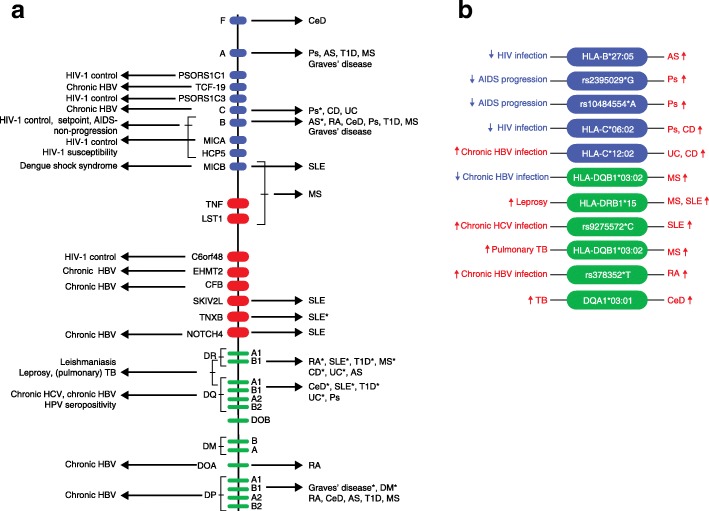
“This region encodes three major classes of proteins, HLA class I (HLA-A, HLA-B, and HLA-C), class II (HLA-DP, HLA-DQ, and HLA-DR), and class III (components of the complement system, 21hydroxylase, heat shock protein, and tumor necrosis factors) (Figure 1) [14, 15].”
Kerner, G., Neehus, A., Philippot, Q., Bohlen, J., Rinchai, D., Kerrouche, N., Puel, A., Zhang, S., Boisson‐Dupuis, S., Abel, L., et al. (2023) · Cell Genomics · doi:10.1016/j.xgen.2022.100248 · Cited by 150
Evolutionary Parasitology: The Integrated Study of Infections, Immunology, Ecology, and Genetics
Schmid‐Hempel, P. (2021) · doi:10.1093/oso/9780198832140.001.0001 · Cited by 166
Neuroinflammation in schizophrenia: the role of nuclear factor kappa B
Murphy, C. E., Walker, A. K., & Weickert, C. S. (2021) · Translational Psychiatry · doi:10.1038/s41398-021-01607-0 · Cited by 143
Understanding Autoimmunity: Mechanisms, Predisposing Factors, and Cytokine Therapies
Yasmeen, F., Pirzada, R. H., Ahmad, B., Choi, B., & Choi, S. (2024) · International Journal of Molecular Sciences · doi:10.3390/ijms25147666 · Cited by 157
“For instance, the gender ratio in systemic lupus erythematosus (SLE) shifts from 2:1 before puberty to 9:1 after puberty, highlighting the role of estrogen in SLE susceptibility [91].”
BackgroundDiamanti, A. P., Rosado, M. M., Pioli, C., Sesti, G., & Laganà, B. (2020) · International Journal of Molecular Sciences · doi:10.3390/ijms21093330 · Cited by 143
Saper, V. E., Ombrello, M. J., Tremoulet, A. H., Montero-Martín, G., Prahalad, S., Canna, S., Shimizu, C., Deutsch, G. H., Tan, S. Y., Remmers, E. F., et al. (2021) · Annals of the Rheumatic Diseases · doi:10.1136/annrheumdis-2021-220578 · Cited by 123
Pisanti, S., Deelen, J., Gallina, A. M., Caputo, M., Citro, M., Abate, M., Sacchi, N., Vecchione, C., & Martinelli, R. (2020) · Journal of Translational Medicine · doi:10.1186/s12967-020-02515-5 · Cited by 138
Cross-cancer evaluation of polygenic risk scores for 16 cancer types in two large cohorts
Graff, R. E., Cavazos, T. B., Thai, K. K., Kachuri, L., Rashkin, S. R., Hoffman, J., Alexeeff, S., Blatchins, M. A., Meyers, T. J., Leong, L., et al. (2021) · Nature Communications · doi:10.1038/s41467-021-21288-z · Cited by 114
What has GWAS done for HLA and disease associations?
Kennedy, A. E., Özbek, U., & Dorak, M. T. (2017) · International Journal of Immunogenetics · doi:10.1111/iji.12332 · Cited by 125
Impact of virus genetic variability and host immunity for the success of COVID-19 vaccines
dos Santos, W. G. (2021) · Biomedicine & Pharmacotherapy · doi:10.1016/j.biopha.2021.111272 · Cited by 115
HLA and AB0 Polymorphisms May Influence SARS-CoV-2 Infection and COVID-19 Severity
Amoroso, A., Magistroni, P., Vespasiano, F., Bella, A., Bellino, S., Puoti, F., Alizzi, S., Vaisitti, T., Boros, S., Grossi, P., et al. (2020) · Transplantation · doi:10.1097/tp.0000000000003507 · Cited by 116
“Several in silico studies showed that the various HLA alleles bind to peptides derived from SARS-CoV-2 nucleocapsid with different affinity.(7,24) Successful presentation of peptides depends on their effective binding to HLA molecules via hydrogen bonds and salt bridge interactions, allowing for high affinity with a b…”
BackgroundKourami: graph-guided assembly for novel human leukocyte antigen allele discovery
Lee, H., & Kingsford, C. (2018) · Genome Biology · doi:10.1186/s13059-018-1388-2 · Cited by 93
Lee, S., Huh, J. Y., Turner, D. M., Lee, S., Robinson, J., Stein, J. E., Shim, S. H., Hong, C. P., Kang, M. S., Nakagawa, M., et al. (2018) · Stem Cells · doi:10.1002/stem.2865 · Cited by 99
Kulski, J. K. (2019) · Cells · doi:10.3390/cells8050480 · Cited by 99
“Many reviews are available that outline the enormous advancements made during the last twenty years to improve our understanding of the MHC locus and genetic susceptibility to autoimmune and infectious diseases because of the availability of dense genotyping platforms and hybridization chips such the custom-made Illum…”
BackgroundImmune checkpoint molecules. Possible future therapeutic implications in autoimmune diseases
Huang, C., Zhu, H., Yao, Y., Bian, Z.-H., Zheng, Y.-J., Li, L., Moutsopoulos, H. Μ., Gershwin, M. E., & Lian, Z. (2019) · Journal of Autoimmunity · doi:10.1016/j.jaut.2019.102333 · Cited by 103
The Human Immunopeptidome Project: A Roadmap to Predict and Treat Immune Diseases
Vizcaíno, J. A., Kubiniok, P., Kovalchik, K. A., Ma, Q., Duquette, J. D., Mongrain, I., Deutsch, E. W., Peters, B., Sette, A., Sirois, I., et al. (2020) · Molecular & Cellular Proteomics · doi:10.1074/mcp.r119.001743 · Cited by 99
Prinz, J. C. (2018) · Frontiers in Immunology · doi:10.3389/fimmu.2018.00954 · Cited by 100
“This highlights the need to use population-specific reference panels made by deep sequencing to impute MHC alleles and amino acids (8).”
BackgroundImmunology, immunopathogenesis and immunotherapeutics of COVID-19; an overview
Khosroshahi, L. M., Rokni, M., Mokhtari, T., & Noorbakhsh, F. (2021) · International Immunopharmacology · doi:10.1016/j.intimp.2020.107364 · Cited by 94
“Studies on infectious diseases have repeatedly implicated “human leukocyte antigen” (HLA) as the major candidate for genetic susceptibility to infections [35,36].”
Abualrous, E. T., Sticht, J., & Freund, C. (2021) · Current Opinion in Immunology · doi:10.1016/j.coi.2021.04.009 · Cited by 96
Arora, J., Pierini, F., McLaren, P. J., Carrington, M. N., Fellay, J., & Lenz, T. L. (2019) · Molecular Biology and Evolution · doi:10.1093/molbev/msz249 · Cited by 98
“Owing to the growing number of individuals included in immunogenetic studies and to denser genotyping approaches, multiple significant associations have been identified between infectious or immune phenotypes and variation in the MHC region (Trowsdale 2011; Matzaraki et al. 2017; Meyer et al. 2018).”
Dennison, C., Legge, S., Pardiñas, A., & Walters, J. (2019) · Schizophrenia Research · doi:10.1016/j.schres.2019.10.048 · Cited by 69
“, 2018), resembling observations in some immune phenotypes (Matzaraki et al., 2017).”
BackgroundHLA associations in inflammatory arthritis: emerging mechanisms and clinical implications
Busch, R., Kollnberger, S., & Mellins, E. (2019) · Nature Reviews Rheumatology · doi:10.1038/s41584-019-0219-5 · Cited by 87
HLA and kidney disease: from associations to mechanisms
Robson, K. J., Ooi, J. D., Holdsworth, S. R., Rossjohn, J., & Kitching, A. R. (2018) · Nature Reviews Nephrology · doi:10.1038/s41581-018-0057-8 · Cited by 87
Dickinson, Q., & Meyer, J. G. (2022) · PLOS Computational Biology · doi:10.1371/journal.pcbi.1009736 · Cited by 74
“The major histocompatibility complex (MHC) is an array of closely related genes that encode cell surface proteins that form an essential part of the adaptive immune system (17–19).”
BackgroundExploiting non-canonical translation to identify new targets for T cell-based cancer immunotherapy
Laumont, C. M., & Perreault, C. (2017) · Cellular and Molecular Life Sciences · doi:10.1007/s00018-017-2628-4 · Cited by 82
“Because they present different repertoires of both self and non-self MAPs, MHC I allotypes are often associated with susceptibility to various infectious and autoimmune diseases [22].”
Immunotoxic effects of lead on birds
Vallverdú‐Coll, N., Mateo, R., Mougeot, F., & Ortiz‐Santaliestra, M. E. (2019) · The Science of The Total Environment · doi:10.1016/j.scitotenv.2019.06.251 · Cited by 79
Mozzi, A., Pontremoli, C., & Sironi, M. (2017) · Infection Genetics and Evolution · doi:10.1016/j.meegid.2017.09.028 · Cited by 86
“, HIV-1, HCV, and HBV infection) and many more autoimmune conditions (Matzaraki et al., 2017).”
Sheerin, D., Abhimanyu, A., Peton, N., Vo, W., Allison, C. C., Wang, X., Johnson, W. E., & Coussens, A. K. (2022) · iScience · doi:10.1016/j.isci.2022.104464 · Cited by 81
Jia, X., Horinouchi, T., Hitomi, Y., Shono, A., Khor, S., Omae, Y., Kojima, K., Kawai, Y., Nagasaki, M., Kaku, Y., et al. (2018) · Journal of the American Society of Nephrology · doi:10.1681/asn.2017080859 · Cited by 74
Host genetic variation and HIV disease: from mapping to mechanism
Naranbhai, V., & Carrington, M. N. (2017) · Immunogenetics · doi:10.1007/s00251-017-1000-z · Cited by 81
“fectious diseases, such as malaria and influenza (Matzaraki et al. 2017).”
BackgroundMerkley, S. D., Chock, C. J., Yang, X. O., Harris, J., & Castillo, E. F. (2018) · Frontiers in Immunology · doi:10.3389/fimmu.2018.02914 · Cited by 75
“Interestingly, MHC II molecules show the strongest linkage to inflammatory and autoimmune diseases like CD, MS, RA, systemic lupus erythematosus (SLE) and type 1 diabetes (T1D) (28, 29).”
BackgroundMosbruger, T. L., Dinou, A., Duke, J. L., Ferriola, D., Mehler, H., Pagkrati, I., Damianos, G., Mbunwe, E., Sarmady, M., Lyratzakis, I., et al. (2020) · Human Immunology · doi:10.1016/j.humimm.2020.06.004 · Cited by 71
“High-resolution typing is necessary in pharmacogenomics, disease association testing, and is the gold standard for bone marrow transplantation [5-7].”
BackgroundApproaches and advances in the genetic causes of autoimmune disease and their implications
Inshaw, J. R. J., Cutler, A. J., Burren, O. S., Stefana, M. I., & Todd, J. A. (2018) · Nature Immunology · doi:10.1038/s41590-018-0129-8 · Cited by 70
Naming HLA diversity: A review of HLA nomenclature
Hurley, C. K. (2020) · Human Immunology · doi:10.1016/j.humimm.2020.03.005 · Cited by 70
A catalog of GWAS fine-mapping efforts in autoimmune disease
Çalışkan, M., Brown, C. D., & Maranville, J. (2021) · The American Journal of Human Genetics · doi:10.1016/j.ajhg.2021.03.009 · Cited by 77
Genome-wide association study of COVID-19 severity among the Chinese population
Li, Y., Ke, Y., Xia, X., Wang, Y., Cheng, F., Liu, X., Jin, X., Li, B., Xie, C., Liu, S. M., et al. (2021) · Cell Discovery · doi:10.1038/s41421-021-00318-6 · Cited by 77
The most frequent HLA alleles around the world: A fundamental synopsis
Sanchez‐Mazas, A., Nunes, J. M., Di, D., Alanís-Domínguez, E., Gerbault, P., Faye, N. K., Almawi, W. Y., Andreani, M., Arrieta‐Bolaños, E., Augusto, D. G., et al. (2024) · Best Practice & Research Clinical Haematology · doi:10.1016/j.beha.2024.101559 · Cited by 74
Kulski, J. K., Suzuki, S., & Shiina, T. (2022) · Human Genome Variation · doi:10.1038/s41439-022-00226-5 · Cited by 76
Utility of iPSC-Derived Cells for Disease Modeling, Drug Development, and Cell Therapy
Nicholson, M. W., Ting, C.-Y., Chan, D. Z. H., Cheng, Y.-C., Lee, Y.-C., Hsu, C.-C., Huang, C.-Y., & Hsieh, P. C. H. (2022) · Cells · doi:10.3390/cells11111853 · Cited by 65
Genetic risk factors of ME/CFS: a critical review
Dibble, J. J., McGrath, S. J., & Ponting, C. P. (2020) · Human Molecular Genetics · doi:10.1093/hmg/ddaa169 · Cited by 69
“Their genes exhibit extreme population polymorphism and certain HLA types are genetically predisposed to particular autoimmune diseases (29).”
BackgroundNaito, T., & Okada, Y. (2021) · Seminars in Immunopathology · doi:10.1007/s00281-021-00901-9 · Cited by 75
“Then, the altered interaction between HLA, peptides, and TCRs by variations in HLA alleles is presumed to influence the immune response by two major mechanisms: thymic selection of T cells and peripheral T cell response [75, 102].”
BackgroundT cell receptor beta germline variability is revealed by inference from repertoire data
Omer, A., Peres, A., Rodriguez, O. L., Watson, C. T., Lees, W., Polak, P., Collins, A. M., & Yaari, G. (2022) · Genome Medicine · doi:10.1186/s13073-021-01008-4 · Cited by 66
“491 Despite the intimate partnership of MHC proteins and TCRs in the recognition of antigenic pep492 tides, it is only the genes of the MHC that are widely recognised as disease susceptibility genes [61].”
BackgroundGenetics of leprosy: today and beyond
Fava, V. M., Dallmann-Sauer, M., & Schurr, E. (2019) · Human Genetics · doi:10.1007/s00439-019-02087-5 · Cited by 71
Human Immune System Variation during 1 Year
Lakshmikanth, T., Muhammad, S. A., Olin, A., Chen, Y., Mikeš, J., Fagerberg, L., Gummesson, A., Bergström, G. M. L., Uhlén, M., & Brodin, P. (2020) · Cell Reports · doi:10.1016/j.celrep.2020.107923 · Cited by 66
Methods and Insights from Single-Cell Expression Quantitative Trait Loci
Kang, J. B., Raveane, A., Nathan, A., Soranzo, N., & Raychaudhuri, S. (2023) · Annual Review of Genomics and Human Genetics · doi:10.1146/annurev-genom-101422-100437 · Cited by 63
“For example, the highly disease-relevant human leukocyte antigen (HLA) genes are very polymorphic across individuals (96, 125), and when short reads are mapped to the reference genome, this creates a bias toward individuals with alleles more similar to those in the reference.”
BackgroundHLA in myasthenia gravis: From superficial correlation to underlying mechanism
Zhong, H., Zhao, C., & Luo, S. (2019) · Autoimmunity Reviews · doi:10.1016/j.autrev.2019.102349 · Cited by 63
Autophagy pathways in autoimmune diseases
Keller, C. W., Adamopoulos, I. E., & Lünemann, J. D. (2023) · Journal of Autoimmunity · doi:10.1016/j.jaut.2023.103030 · Cited by 60
“…underpinnings remain unknown, it is widely accepted that certain genetic variants within the human leukocyte antigen (HLA) locus render individuals more susceptible to auto-immunity [6], which is commonly triggered by a specific adaptive immune response that is mounted against self-antigens.”
BackgroundNeoself-antigens are the primary target for autoreactive T cells in human lupus
Mori, S., Kohyama, M., Yasumizu, Y., Tada, A., Tanzawa, K., Shishido, T., Kishida, K., Jin, H., Nishide, M., Kawada, S., et al. (2024) · Cell · doi:10.1016/j.cell.2024.08.025 · Cited by 62
Cao, C., Kwok, D., Edie, S., Li, Q., Ding, B., Kossinna, P., Campbell, S., Wu, J., Greenberg, M., & Long, Q. (2020) · Briefings in Bioinformatics · doi:10.1093/bib/bbaa270 · Cited by 60
Genetic studies of gestational duration and preterm birth
Zhang, G., Srivastava, A. K., Bačelis, J., Juodakis, J., Jacobsson, B., & Muglia, L. J. (2018) · Best Practice & Research Clinical Obstetrics & Gynaecology · doi:10.1016/j.bpobgyn.2018.05.003 · Cited by 64
The role of polymorphic ERAP1 in autoinflammatory disease
Reeves, E., & James, E. (2018) · Bioscience Reports · doi:10.1042/bsr20171503 · Cited by 56
Genetic mapping across autoimmune diseases reveals shared associations and mechanisms
Lincoln, M. R., Connally, N., Axisa, P., Gasperi, C., Mitrovič, M., van Heel, D. A., Wijmenga, C., Withoff, S., Jonkers, I. H., Padyukov, L., et al. (2024) · Nature Genetics · doi:10.1038/s41588-024-01732-8 · Cited by 58
“…findings 10,22 , these results indicate that autoimmune and inflammatory diseases share a substantial portion of genetic risk factors, even when accounting for the major histocompatibility locus, where overlapping haplotypes confer risk to different autoimmune and inflammatory diseases 23 .”
Self-citationWhittington, K. B., Prislovsky, A., Beaty, J., Albritton, L. M., Radic, M. Z., & Rosloniec, E. F. (2022) · The Journal of Immunology · doi:10.4049/jimmunol.2100643 · Cited by 56
D’Antonio, M., Reyna, J., D’Antonio‐Chronowska, A., Bonder, M. J., Jakubosky, D. A., Matsui, H., Smith, E. N., Stegle, O., Nariai, N., & Frazer, K. A. (2019) · eLife · doi:10.7554/elife.48476 · Cited by 55
Acosta‐Herrera, M., Kerick, M., López‐Isac, E., Assassi, S., Beretta, L., Simeón‐Aznar, C. P., Ortego‐Centeno, N., Proudman, S., Hunzelmann, N., Moroncini, G., et al. (2021) · Annals of the Rheumatic Diseases · doi:10.1136/annrheumdis-2021-219884 · Cited by 57
Deciphering the Role of Host Genetics in Susceptibility to Severe COVID-19
Carter-Timofte, M. E., Jørgensen, S. E., Freytag, M. R., Thomsen, M. M., Andersen, N.-S. B., Al-Mousawi, A., Hait, A. S., & Mogensen, T. H. (2020) · Frontiers in Immunology · doi:10.3389/fimmu.2020.01606 · Cited by 57
“Genetic variants in the major histocompatibility complex antigen loci (HLA) are well-known to influence host susceptibility to infectious disease (149).”
BackgroundDemela, P., Pirastu, N., & Soskic, B. (2023) · Nature Communications · doi:10.1038/s41467-023-38389-6 · Cited by 57
“For example, the major histocompatibility complex locus is associated with most autoimmune diseases 6 .”
InfluentialMechanisms of Environment-Induced Autoimmunity
Pollard, K. M., Cauvi, D. M., Mayeux, J., Toomey, C. B., Peiss, A. K., Hultman, P. A., & Kono, D. H. (2020) · The Annual Review of Pharmacology and Toxicology · doi:10.1146/annurev-pharmtox-031320-111453 · Cited by 57
de Sousa, E., Ligeiro, D., Lérias, J. R., Zhang, C., Agrati, C., Osman, M., El-Kafrawy, S. A., Azhar, E. I., Ippolito, G., Wang, F.-S., et al. (2020) · International Journal of Infectious Diseases · doi:10.1016/j.ijid.2020.07.016 · Cited by 51
“The haplotypes HLA-DR2DQ6, DR4-DQ8, and DR3-DQ2 accommodate peptides from infectious pathogens to CD4+ T-cells from Europeans who survived the bottleneck of different, life-threatening infections prevalent in Europe (Matzaraki et al., 2017).”
BackgroundInfluentialMills, E. A., & Mao‐Draayer, Y. (2018) · Frontiers in Immunology · doi:10.3389/fimmu.2018.00138 · Cited by 55
“The presence or absence of particular HLA alleles has been shown to confer protection or susceptibility for autoimmune disorders and infectious diseases (203).”
BackgroundCastelli, E. C., Paz, M. A., Souza, A. S., Ramalho, J., & Mendes‐Junior, C. T. (2018) · Human Immunology · doi:10.1016/j.humimm.2018.06.010 · Cited by 51
Accurate imputation of human leukocyte antigens with CookHLA
Cook, S., Choi, W., Lim, H., Luo, Y., Kim, K. H., Jia, X., Raychaudhuri, S., & Han, B. (2021) · Nature Communications · doi:10.1038/s41467-021-21541-5 · Cited by 53
Mapping the dynamic genetic regulatory architecture of HLA genes at single-cell resolution
Kang, J. B., Shen, A. Z., Gurajala, S., Nathan, A., Rumker, L., Aguiar, V. R. C., Valencia, C., Lagattuta, K. A., Zhang, F., Jonsson, A. H., et al. (2023) · Nature Genetics · doi:10.1038/s41588-023-01586-6 · Cited by 49
“1,1789 = # h38DEFG86: HIFh JKL 3DD6D6 34M LKN O69:IE4 EP 6QNK NEF3D # h38DEFG86: HIFh JKL 3DD6D6 (3)”
Chen, Y., Li, S., Huang, R., Zhang, Z., Petersen, F., Zheng, J., & Yu, X. (2020) · Autoimmunity Reviews · doi:10.1016/j.autrev.2020.102532 · Cited by 51
Fast and flexible joint fine-mapping of multiple traits via the Sum of Single Effects model
Zou, Y., Carbonetto, P. S., Xie, D., Wang, G., & Stephens, M. (2026) · Nature Genetics · doi:10.1038/s41588-025-02486-7 · Cited by 52
PANDORA: A Fast, Anchor-Restrained Modelling Protocol for Peptide: MHC Complexes
Marzella, D. F., Parizi, F. M., Tilborg, D. V., Renaud, N., Sybrandi, D., Buzatu, R., Rademaker, D. T., ‘t Hoen, P. A. C., & Xue, L. C. (2022) · Frontiers in Immunology · doi:10.3389/fimmu.2022.878762 · Cited by 44
“Such knowledge can aid the design of new therapies for cancer (5), viral infections (6, 7), autoimmune disorders (8, 9), and aid the understanding immune control of immunode fi ciency virus replication (10).”
BackgroundAssociation of HLA diversity with the risk of 25 cancers in the UK Biobank
Wang, Q.-L., Wang, T.-M., Deng, C.-M., Zhang, W.-L., He, Y.-Q., Xue, W.-Q., Liao, Y., Yang, D.-W., Zheng, M.-Q., & Jia, W.-H. (2023) · eBioMedicine · doi:10.1016/j.ebiom.2023.104588 · Cited by 45
Shin, D., Baek, I., Kim, H. J., Choi, E., Ahn, M. B., Jung, M. H., Suh, B., Cho, W. K., & Kim, T. (2019) · PLoS ONE · doi:10.1371/journal.pone.0216941 · Cited by 48
Lande, A., Fluge, Ø., Strand, E. B., Flåm, S. T., Sosa, D. D., Mella, O., EGELAND, T., Saugstad, O. D., Lie, B. A., & Viken, M. K. (2020) · Scientific Reports · doi:10.1038/s41598-020-62157-x · Cited by 50
An immunogenetic basis for lung cancer risk
Krishna, C., Tervi, A. M., Saffern, M., Wilson, E. A., Yoo, S., Mars, N., Roudko, V., Cho, B. A., Jones, S. E., Vaninov, N., et al. (2024) · Science · doi:10.1126/science.adi3808 · Cited by 48
Segal, Y., Dahan, S., Sharif, Κ., Bragazzi, N. L., Watad, ., & Amital, H. (2018) · Autoimmunity Reviews · doi:10.1016/j.autrev.2017.11.037 · Cited by 44
“In fact, it was suggested that the genetic susceptibility to autoimmunity which results from carrying these certain MHC alleles, is nothing but a reasonable evolutionary toll, as these genetic traits may have provided a survival advantage for those with an overactive immune system, which would be more effective in fig…”
BackgroundState-of-the-art genome inference in the human MHC
Dilthey, A. (2020) · The International Journal of Biochemistry & Cell Biology · doi:10.1016/j.biocel.2020.105882 · Cited by 45
Diversity begets diversity: do parasites promote variation in protective symbionts?
Hafer, N., & Vorburger, C. (2018) · Current Opinion in Insect Science · doi:10.1016/j.cois.2018.08.008 · Cited by 45
Archaic humans have contributed to large-scale variation in modern human T cell receptor genes
Corcoran, M., Chernyshev, M., Mandolesi, M., Narang, S., Kaduk, M., Ye, K., Sundling, C., Färnert, A., Kreslavsky, T., Bernhardsson, C., et al. (2023) · Immunity · doi:10.1016/j.immuni.2023.01.026 · Cited by 45
An atlas of transcribed enhancers across helper T cell diversity for decoding human diseases
Oguchi, A., Suzuki, A., Komatsu, S., Yoshitomi, H., Bhagat, S., Son, R., Bonnal, R. J. P., Kojima, S., Koido, M., Takeuchi, K., et al. (2024) · Science · doi:10.1126/science.add8394 · Cited by 42
“Thestrongassociationsof various immune-mediated diseases with class II majorhistocompatibilitycomplex(MHC),which isspecificallyrecognizedbyCD4 + T cells, suggest their critical roles in pathogenesis of these diseases ( 23 ).”
Background4,4′-Diaminodiphenyl Sulfone (DDS) as an Inflammasome Competitor
Lee, J., An, H. K., Sohn, M.-G., Kivela, P. D., & Oh, S. (2020) · International Journal of Molecular Sciences · doi:10.3390/ijms21175953 · Cited by 48
“The major histocompatibility complex antigen loci (HLA) are the prototypical candidates for genetic susceptibility to infectious diseases [102,103].”
MHC-II dynamics are maintained in HLA-DR allotypes to ensure catalyzed peptide exchange
Abualrous, E. T., Stolzenberg, S., Sticht, J., Wieczorek, M., Roske, Y., Günther, M., Dähn, S., Boesen, B. B., Calvo, M. M., Biese, C., et al. (2023) · Nature Chemical Biology · doi:10.1038/s41589-023-01316-3 · Cited by 44
Wang, S., Carrington, M. N., Berndt, S. I., Slager, S. L., Bracci, P. M., Voutsinas, J. M., Cerhan, J. R., Smedby, K. E. E., Hjalgrim, H., Vijai, J., et al. (2018) · Cancer Research · doi:10.1158/0008-5472.can-17-2900 · Cited by 40
“However, as demonstrated for HLA associations in autoimmune conditions, fine-mapping studies show that the same amino acid changes contribute to disease in both European and Asian populations (26), implicating similar underlying biologic mechanisms for disease etiology.”
Linking Virus Discovery to Immune Responses Visualized during Zebrafish Infections
Balla, K. M., Rice, M. C., Gagnon, J. A., & Elde, N. C. (2020) · Current Biology · doi:10.1016/j.cub.2020.04.031 · Cited by 44
“Classical MHC molecules are important for presentation of antigens to T-cells, and are critical for driving adaptive immune responses to infections [52].”
Background
Metadata
- Authors
- Matzaraki, V., Kumar, V., Wijmenga, C., & Zhernakova, A.
- Affiliations
- University Medical Center Groningen (NL)
- Corresponding author
- Wijmenga, Cisca
- Venue
- Genome biology
- Published
- 2017-04-27
- Volume
- 18
- Issue
- 1
- Pages
- 76-76
- ISSN
- 1465-6906 (ISSN-L)
- 1474-760X
- PMC
- PMC5406920
- OpenAlex
- W2608171249
- Semantic Scholar
- 9ca8caef2d7a438f2e688f4dc539f43b98a234db
- Cited by
- 566
- References
- 141
- Citations by year
- 2026: 29 · 2025: 56 · 2024: 74 · 2023: 73 · 2022: 77 · 2021: 89 · 2020: 76 · 2019: 38 · 2018: 43 · 2017: 11
- FWCI
- 5.89
- Type
- journal article
- Language
- en
- Open access
- gold
- doi.org
- Licence
- cc-by
- Locations
- Genome biology (publishedVersion, cc-by)
- PubMed Central (publishedVersion, cc-by)
- PubMed (publishedVersion)
- DOAJ (DOAJ: Directory of Open Access Journals) (submittedVersion, cc-by-sa)
- University of Groningen research database (University of Groningen / Centre for Information Technology) (submittedVersion, cc-by)
- NORA - Norwegian Open Research Archives (submittedVersion, cc-by)
- University of Groningen research database (University of Groningen / Centre for Information Technology) (submittedVersion)
- Funders
- European Commission (305279, 322698, EU-FP7, 2007–2013)
- Rijksuniversiteit Groningen
- Nederlandse Organisatie voor Wetenschappelijk Onderzoek (NWO SPI 92–266, SPI 92-266)
- Topics
- Life Sciences › Biochemistry, Genetics and Molecular Biology › Genetics › Genetic Associations and Epidemiology
- Health Sciences › Medicine › Clinical Neurology › Multiple Sclerosis Research Studies
- Life Sciences › Biochemistry, Genetics and Molecular Biology › Molecular Biology › vaccines and immunoinformatics approaches
- Keywords
- major histocompatibility complex, HLA variants, genetic susceptibility, autoimmune disease, infectious diseases, epistasis, non-additive genetic effects, genotype imputation, shared genetic risk
- MeSH terms
- Autoimmune Diseases, Communicable Diseases, Epistasis, Genetic, HLA Antigens, Humans, Genetic Variation, Genetic Predisposition to Disease, Genetic Association Studies
About these checks
Registry, retraction, Cites and statistics results are computed, not judged, with one exception: a printed reference that no index lists is read once by a model before it counts as a citation error. Claims are extracted by a model and kept only when their quote appears verbatim in the text; each cited source is then checked, with a model’s help, for whether it says what the claim relies on. Those verdicts can be wrong — read the claim’s quote and the cited source before relying on one.
Statistics and arithmetic are recomputed, not judged.
Confidence bands are shown only for fields calibrated on our annotated test set. None is calibrated yet, so no band is shown.
What counts as a claim ›How we measure confidence ›How we check this ›
Are you an author, or do you see a problem with this page? Request a review
Data sources
Bibliographic data: Semantic Scholar, OpenAlex, Crossref.
Contains information from the Semantic Scholar Academic Graph Datasets, made available under the ODC Attribution License (ODC-BY 1.0).
Semantic Scholar’s data is described in: Kinney, R., et al. (2023). The Semantic Scholar Open Data Platform. arXiv:2301.10140.
