

An expansion of rare lineage intestinal microbes characterizes rheumatoid arthritis
Open accessThe DOI matches its Crossref record; 53 of the 53 references it cites were found in a registry or an index.
Abstract
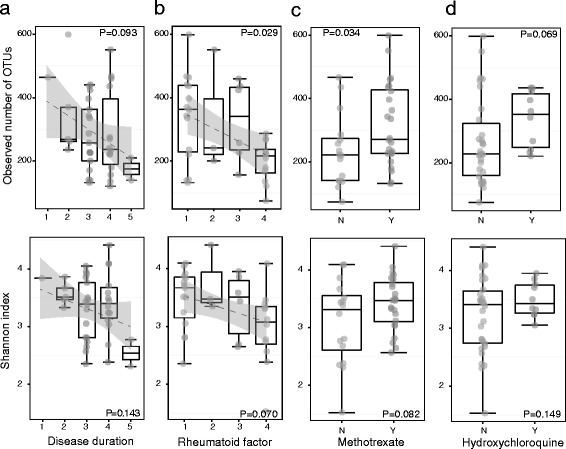
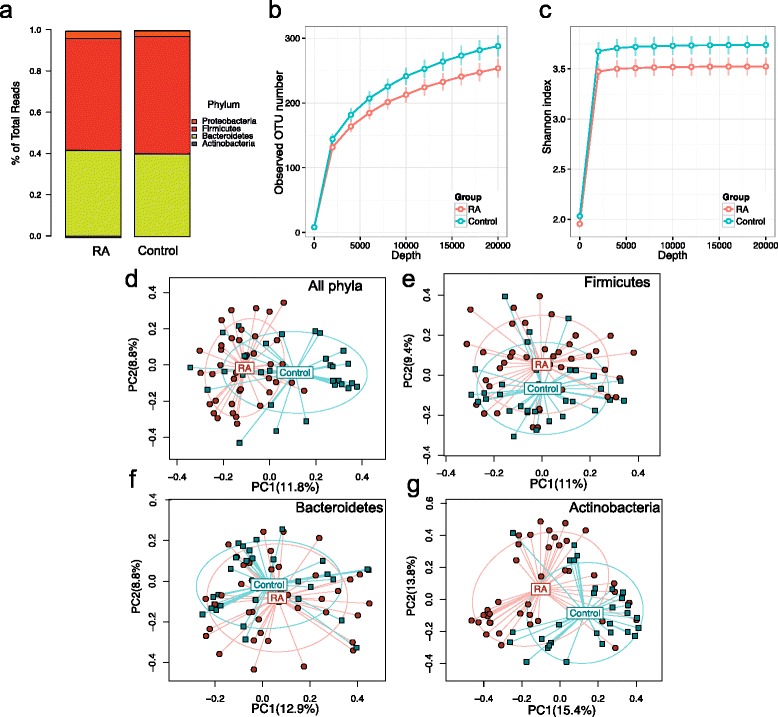
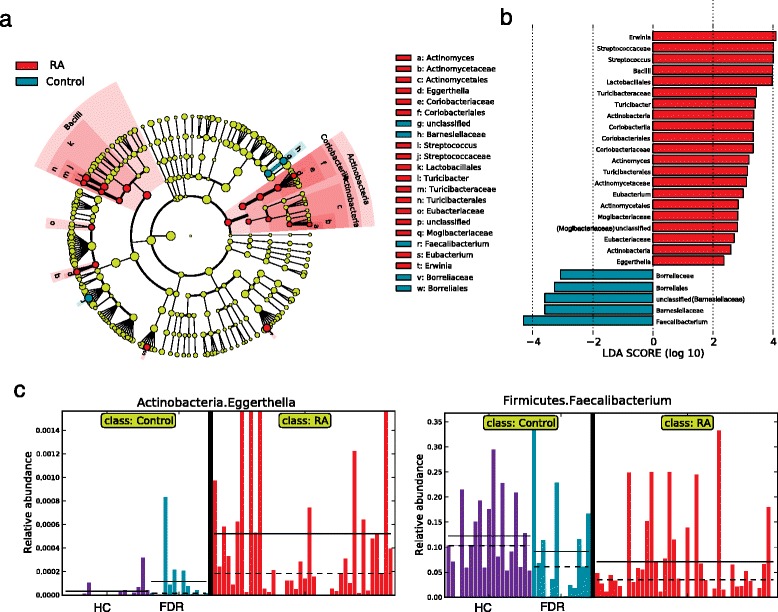
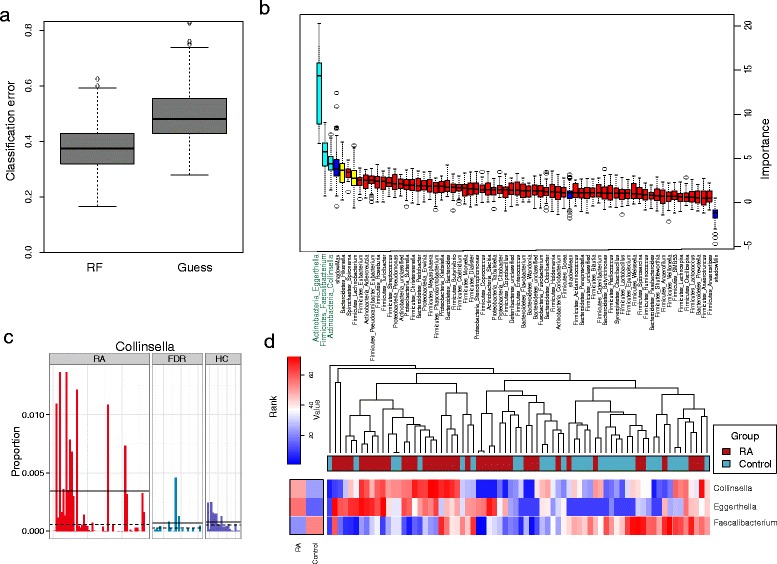
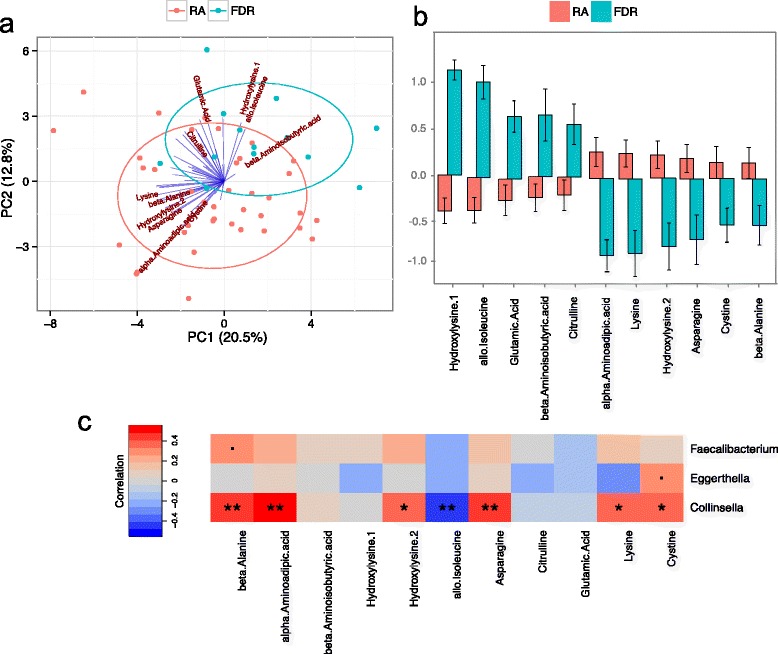
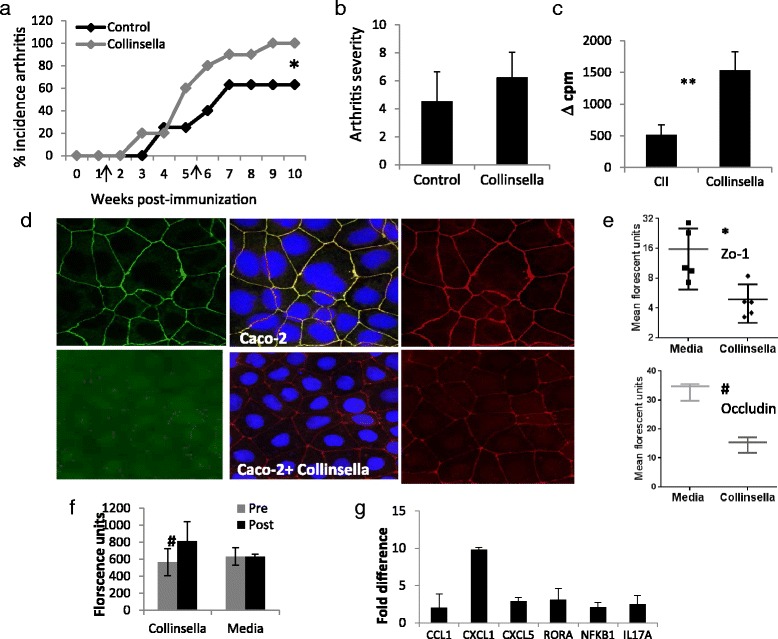
BACKGROUND: The adaptive immune response in rheumatoid arthritis (RA) is influenced by an interaction between host genetics and environment, particularly the host microbiome. Association of the gut microbiota with various diseases has been reported, though the specific components of the microbiota that affect the host response leading to disease remain unknown. However, there is limited information on the role of gut microbiota in RA. In this study we aimed to define a microbial and metabolite profile that could predict disease status. In addition, we aimed to generate a humanized model of arthritis to confirm the RA-associated microbe. METHODS: To identify an RA biomarker profile, the 16S ribosomal DNA of fecal samples from RA patients, first-degree relatives (to rule out environment/background as confounding factors), and random healthy non-RA controls were sequenced. Analysis of metabolites and their association with specific taxa was performed to investigate a potential mechanistic link. The role of an RA-associated microbe was confirmed using a human epithelial cell line and a humanized mouse model of arthritis. RESULTS: Patients with RA exhibited decreased gut microbial diversity compared with controls, which correlated with disease duration and autoantibody levels. A taxon-level analysis suggested an expansion of rare taxa, Actinobacteria, with a decrease in abundant taxa in patients with RA compared with controls. Prediction models based on the random forests algorithm suggested that three genera, Collinsella, Eggerthella, and Faecalibacterium, segregated with RA. The abundance of Collinsella correlated strongly with high levels of alpha-aminoadipic acid and asparagine as well as production of the proinflammatory cytokine IL-17A. A role for Collinsella in altering gut permeability and disease severity was confirmed in experimental arthritis. CONCLUSIONS: These observations suggest dysbiosis in RA patients resulting from the abundance of certain rare bacterial lineages. A correlation between the intestinal microbiota and metabolic signatures could determine a predictive profile for disease causation and progression.
Overview
The claims and statistics of this paper haven’t been checked yet.
Free: it reads the open-access text and checks the first 5 claims that cite a source we can check. Create a free account to check every claim.
Integrity signals
Registry
Cites
Statistics
Figures
Verification
Claims the paper makes
The claims and statistics of this paper haven’t been checked yet.
Free: it reads the open-access text and checks the first 5 claims that cite a source we can check. Create a free account to check every claim.
Claims other papers make about this one
Each is checked against this paper’s own text: does it say what the citing paper says it does?
The source backs part of the claim, not all of it — or backs it for a different population, condition or comparison.
In the citing paper
“Another study identified a strong link between three rare genera (Collinsella, Eggerthella and Faecalibacterium) and RA”
From Interaction between microbiota and immunity in health and disease (2020) · cites this paper as [171]
Experimental — accuracy not yet measuredThe cited source says what the claim attributes to it.
In the citing paper
“among which Collinsella is associated with proinflammatory IL-17A production.171”
From Interaction between microbiota and immunity in health and disease (2020) · cites this paper as [171]
Self-check
Percentages, sums and reported differences re-computed from the paper’s own numbers.
The self-check needs the paper’s full text.
Citations
Cites
Breiman, L. (2001) · Machine Learning · doi:10.1023/a:1010933404324 · Cited by 133,538
Metagenomic biomarker discovery and explanation
Segata, N., Izard, J., Waldron, L., Gevers, D., Miropolsky, L., Garrett, W. S., & Huttenhower, C. (2011) · Genome Biology · doi:10.1186/gb-2011-12-6-r60 · Cited by 16,192 · cited 1×
“Using LFfSe analysis [26], we observed 26 differentially abundant taxa at different taxonomic levels.”
MethodPredictive functional profiling of microbial communities using 16S rRNA marker gene sequences
Langille, M. G. I., Zaneveld, J., Caporaso, J. G., McDonald, D., Knights, D., Reyes, J. A., Clemente, J. C., Burkepile, D. E., Vega Thurber, R. L., Knight, R., et al. (2013) · Nature Biotechnology · doi:10.1038/nbt.2676 · Cited by 9,116
A core gut microbiome in obese and lean twins
Turnbaugh, P. J., Hamady, M., Yatsunenko, T., Cantarel, B. L., Duncan, A., Ley, R. E., Sogin, M. L., Jones, W. J., Roe, B. A., Affourtit, J. P., et al. (2009) · Nature · doi:10.1038/nature07540 · Cited by 7,823 · cited 1×
“RA [8, 9], diabetes, and obesity [11, 12].”
Enterotypes of the human gut microbiome
MetaHIT Consortium (additional members), Arumugam, M., Raes, J., Pelletier, E., Le Paslier, D., Yamada, T., Mende, D. R., Fernandes, G. R., Tap, J., Bruls, T., et al. (2011) · Nature · doi:10.1038/nature09944 · Cited by 7,548 · cited 1×
“The Human Microbiome Project and other studies have documented the diversity of the gut microbiome in healthy individuals and gut-related diseases [16–19].”
BackgroundTurnbaugh, P. J., Ley, R. E., Hamady, M., Fraser-Liggett, C. M., Knight, R., & Gordon, J. I. (2007) · Nature · doi:10.1038/nature06244 · Cited by 6,091 · cited 1×
“The Human Microbiome Project and other studies have documented the diversity of the gut microbiome in healthy individuals and gut-related diseases [16–19].”
BackgroundFeature Selection with the Boruta Package
Kursa, M. B., & Rudnicki, W. R. (2010) · Journal of Statistical Software · doi:10.18637/jss.v036.i11 · Cited by 5,659 · cited 1×
“We next applied Boruta feature selection, which is a feature selection method built around random forests and selects features that have significantly more discriminatory power than random permuted features [29].”
MethodDysfunction of the intestinal microbiome in inflammatory bowel disease and treatment
Morgan, X. C., Tickle, T. L., Sokol, H., Gevers, D., Devaney, K. L., Ward, D. V., Reyes, J. A., Shah, S. A., LeLeiko, N., Snapper, S. B., et al. (2012) · Genome Biology · doi:10.1186/gb-2012-13-9-r79 · Cited by 2,713 · cited 1×
“The Human Microbiome Project and other studies have documented the diversity of the gut microbiome in healthy individuals and gut-related diseases [16–19].”
BackgroundExpansion of intestinal Prevotella copri correlates with enhanced susceptibility to arthritis
Scher, J. U., Sczesnak, A., Longman, R. S., Segata, N., Ubeda, C., Bielski, C., Rostron, T., Cerundolo, V., Pamer, E. G., Abramson, S. B., et al. (2013) · eLife · doi:10.7554/elife.01202 · Cited by 2,047
Nielen, M. M. J., van Schaardenburg, D., Reesink, H. W., van de Stadt, R. J., van der Horst‐Bruinsma, I. E., de Koning, M. H. M. T., Habibuw, M. R., Vandenbroucke, J. P., & Dijkmans, B. A. C. (2004) · Arthritis & Rheumatism · doi:10.1002/art.20018 · Cited by 1,861 · cited 1×
“Autoreactive T-cell responses and auto-antibody production leading up to the onset of RA occur much earlier than the clinical presentation of RA [34].”
Background
Cited by
Items 301–400 of 864
Deep metagenomic characterization of gut microbial community and function in preeclampsia
Lv, L., Li, S., Wen, J., Wang, G., Li, H., He, T., Lv, Q., Xiao, M., Duan, H., Chen, M.-C., et al. (2022) · Frontiers in Cellular and Infection Microbiology · doi:10.3389/fcimb.2022.933523 · Cited by 36
“, 2016), and cholesterol metabolism (Chen et al., 2016).”
BackgroundInfluentialDore, J. M., Multon, M.-C., Béhier, J., Affagard, H., Andremont, A., Barthélémy, P., Batitsa, R., Bonneville, M., Bonny, C., Boyaval, G., et al. (2017) · Therapies · doi:10.1016/j.therap.2016.12.007 · Cited by 42
Li, Y., Wu, Y., Wu, L., Qin, L., & Liu, T. (2022) · Journal of Translational Medicine · doi:10.1186/s12967-022-03695-y · Cited by 32
“We have found that administration of probiotics can markedly decrease the abundance of Butyrivibrio crossotus and Collinsella aerofaciens, both of which are engaged in the proinflammatory response; the former can activate mammalian target of rapamycin complex signalling to induce inflammation [45], and the latter is c…”
BackgroundDrug-microbiota interactions and treatment response: Relevance to rheumatoid arthritis
Sayers, E., MacGregor, A. J., & Carding, S. R. (2018) · AIMS Microbiology · doi:10.3934/microbiol.2018.4.642 · Cited by 36
Hammad, D. B. M., Liyanapathirana, V. C., & Tonge, D. P. (2019) · PLoS ONE · doi:10.1371/journal.pone.0225110 · Cited by 39
“Studies have further begun to associate RA, or stages thereof, with the presence or absence of specific bacteria, including the expansion of rare bacterial linages [16].”
BackgroundKhaliq, A., Ravindran, R. K., Afzal, S., Jena, P. K., Akhtar, M., Ambreen, A., Wan, Y. Y., Malik, K. A., Irfan, M. I., & Khan, I. H. (2021) · PLoS ONE · doi:10.1371/journal.pone.0245534 · Cited by 34
Interplay of Microbiota and Citrullination in the Immunopathogenesis of Rheumatoid Arthritis
Alghamdi, M. A., & Redwan, E. M. M. M. (2021) · Probiotics and Antimicrobial Proteins · doi:10.1007/s12602-021-09802-7 · Cited by 35
“rectale, and Clostridium coccoides, and some Bacteroides species such as Bacteroides fragilis [102, 103].”
BackgroundQiao, J., Zhang, S., Chang, M., Cheng, T., Zhang, J., Zhao, R., Song, S., Liu, G., Chang, J.-S., & Li, X. (2022) · Rheumatology · doi:10.1093/rheumatology/keac458 · Cited by 34
Menofy, N. G. E., Ramadan, M., Abdelbary, E. R., Ibrahim, H. G. A., Azzam, A. I., Ghit, M. M., Ezz, A. S., Gazar, Y., & Salah, M. (2022) · Microorganisms · doi:10.3390/microorganisms10091820 · Cited by 34
Hu, H., Weng, J., Cui, C., Tang, F., Yu, M., Zhou, Y., Shao, F., & Zhu, Y. (2022) · Evidence-based Complementary and Alternative Medicine · doi:10.1155/2022/3033311 · Cited by 33
Dysbiotic but nonpathogenic shift in the fecal mycobiota of patients with rheumatoid arthritis
Lee, E. H., Kim, H., Koh, J. H., Cha, K. H., Lee, K. K., Kim, W., Pan, C., & Lee, Y. (2022) · Gut Microbes · doi:10.1080/19490976.2022.2149020 · Cited by 37
“Patients who received methotrexate (MTX) showed a reduced abundance of Enterobacteriales and partial community restoration, compared with the typical dysbiotic community in patients with RA.(13,17,18) Additionally, the bacterial community is affected by the presence of rheumatoid factor (RF) or anti-citrullinated prot…”
BackgroundQi, X., Liu, M., Jiang, X., Gao, T., Xu, G., Zhang, H., Su, Q. Y., Du, Y., Luo, J., & Zhang, S. (2025) · Autoimmunity Reviews · doi:10.1016/j.autrev.2025.103912 · Cited by 36
DMARDs–Gut Microbiota Feedback: Implications in the Response to Therapy
Zaragoza-García, Ó., Castro-Alarcón, N., Pérez-Rubio, G., & Guzmán‐Guzmán, I. P. (2020) · Biomolecules · doi:10.3390/biom10111479 · Cited by 30
“This effect is related to metabolite production such as alfa-aminoadipic acid and asparagine, which promotes IL-17A production and the increase in intestinal permeability by diminishing the expression of tight junction protein zonula occludens-1 (ZO-1), thus contributing with systemic inflammation [19] and with metabo…”
BackgroundInfluentialPîrcălăbioru, G. G., Corcionivoschi, N., Gundogdu, O., Chifiriuc, M. C., Marutescu, L. G., Ispas, B., & Savu, O. (2021) · International Journal of Molecular Sciences · doi:10.3390/ijms22052763 · Cited by 35
“In subjects with autoimmune diseases, microbiota suffers significant differences compared with healthy persons [30,59,60].”
BackgroundBarone, M., Mendozzi, L., D’Amico, F., Saresella, M., Rampelli, S., Piancone, F., Rosa, F. L., Marventano, I., Clerici, M., d’Arma, A., et al. (2021) · International Journal of Molecular Sciences · doi:10.3390/ijms22137173 · Cited by 35
Multifaceted Impacts of Periodontal Pathogens in Disorders of the Intestinal Barrier
Liu, Y., Huang, W., Wang, J., Ma, J., Zhang, M., Lü, X., Liu, J., & Kou, Y. (2021) · Frontiers in Immunology · doi:10.3389/fimmu.2021.693479 · Cited by 38
“Contradictory tendencies for Firmicutes and Bacteroides have also been reported in several systemic inflammatory conditions, such as rheumatoid arthritis (RA) (57, 58) and obesity (59, 60) as well as others.”
BackgroundPostoperative pain and the gut microbiome
Brenner, D., Shorten, G., & O’Mahony, S. M. (2021) · Neurobiology of Pain · doi:10.1016/j.ynpai.2021.100070 · Cited by 35
Sui, G., Jia, L., Quan, D., Zhao, N., & Yang, G. (2021) · Aging · doi:10.18632/aging.203460 · Cited by 35
Deng, D., Su, H., Song, Y., Chen, T., Sun, Q., Jiang, H., & Zhao, M. (2021) · Frontiers in Cellular and Infection Microbiology · doi:10.3389/fcimb.2021.783917 · Cited by 36
“More importantly, Collinsella has been shown to influence the epithelial production of IL-17A and contribute to hyper-permeability of the gut by reducing the expression of the tight junction protein ZO-1 in research of rheumatoid arthritis (Chen et al., 2016).”
Gut dysbiosis in autoimmune diseases: Association with mortality
Chang, S.-H., & Choi, Y. (2023) · Frontiers in Cellular and Infection Microbiology · doi:10.3389/fcimb.2023.1157918 · Cited by 43
Intestinal flora and pregnancy complications: Current insights and future prospects
Tian, Z., Zhang, X., Yao, G., Jin, J., Zhang, T., Sun, C., Wang, Z., & Zhang, Q. (2024) · iMeta · doi:10.1002/imt2.167 · Cited by 41
“It also enhances the abundance of Collinsella spp. in the colon, disrupts the gut barrier integrity, and stimulates the production of IL ‐ 17A, which potentially influences placental angiogenesis and fetal gut development [84, 85].”
BackgroundLeite, J. A., Pessenda, G., Guerra‐Gomes, I. C., de Santana, A. K. M., Pereira, C. A., Costa, F. R. C., Ramos, S. G., Zamboni, D. S., Faria, A. M. C., de Almeida, D. C., et al. (2020) · Cells · doi:10.3390/cells9040959 · Cited by 32
“aerofaciens in a humanized mouse model of RA increased the disease severity, which was associated with a decreased expression of the tight-junction proteins, ZO-1 and Occludin, as well as an increased gut permeability [48].”
BackgroundActivation induced cytidine deaminase: An old friend with new faces
Çakan, E., & Günaydın, G. (2022) · Frontiers in Immunology · doi:10.3389/fimmu.2022.965312 · Cited by 35
Smiljanovic, B., Grützkau, A., Sörensen, T., Grün, J. R., Vogl, T., Bonin, M., Schendel, P., Stuhlmüller, B., Claußnitzer, A., Hermann, S., et al. (2020) · Scientific Reports · doi:10.1038/s41598-020-64431-4 · Cited by 36
The Emerging World of Microbiome in Autoimmune Disorders: Opportunities and Challenges
Mangalam, A. K., Yadav, M., & Yadav, R. (2021) · Indian Journal of Rheumatology · doi:10.4103/injr.injr_210_20 · Cited by 32
“Exacerbation Fecal (Italy) [23] Faecalibacterium, Flavobacterium, Blautia Lactobacillus RA ( n =40) HC ( n =32) Fecal (USA) [7] Faecalibacterium Actinobacteria, Collinsella, Eggerthella, Actinomyces NORA ( n =44) HC ( n =28) (USA) [25] Bacteroides Prevotella copri Fecal (China) [24] Haemophilus…”
Fecal microbiota is associated with extraintestinal manifestations in inflammatory bowel disease
Hertz, S., Anderson, J. M., Nielsen, H. L., Schachtschneider, C., McCauley, K. E., Özçam, M., Larsen, L., Lynch, S. V., & Nielsen, H. I. (2024) · Annals of Medicine · doi:10.1080/07853890.2024.2338244 · Cited by 29
“Eggerthella has previously been linked to rheumatoid arthritis [34] and iBD [35]. a recent study found t-lymphocyte subtype th17 activating properties in Eggerthella lenta [35]. th17 activation was achieved by lifting inhibition of th17 transcription factor Rorγt.”
BackgroundZhao, N., Zhan, X., Guthrie, K. A., Mitchell, C. M., & Larson, J. C. (2018) · Genetic Epidemiology · doi:10.1002/gepi.22127 · Cited by 28
Probiotics in Adolescent Prediabetes: A Pilot RCT on Glycemic Control and Intestinal Bacteriome
Stefanaki, C., Michos, A. G., Mastorakos, G. P., Mantzou, A., Landis, G., Zosi, P., & Bacopoulou, F. (2019) · Journal of Clinical Medicine · doi:10.3390/jcm8101743 · Cited by 30
“Collinsella aerofaciens, a bacterium well-known for its association with pro-inflammatory processes, is associated with the production of the pro-inflammatory cytokine interleukin-17A (IL-17A) and has been implicated in the alteration of intestinal permeability [40].”
BackgroundThe crucial role of early-life gut microbiota in the development of type 1 diabetes
Zhou, H., Sun, L., Zhang, S., Zhao, X. Y., Gang, X., & Wang, G. (2020) · Acta Diabetologica · doi:10.1007/s00592-020-01563-z · Cited by 33
“Currently, it has been well established that the disruption of the balance of intestinal microbiota, also termed dysbiosis, is associated with several autoimmune diseases, such as rheumatoid arthritis [11], multiple sclerosis [12] and autoimmune diabetes [13].”
BackgroundHealth Impact and Therapeutic Manipulation of the Gut Microbiome
Daliri, E. B., Ofosu, F. K., Chelliah, R., Lee, B. H., & Oh, D. (2020) · Microarrays · doi:10.3390/ht9030017 · Cited by 28
Implications of Tributyrin on Gut Microbiota Shifts Related to Performances of Weaning Piglets
Miragoli, F., Patrone, V., Prandini, A., Sigolo, S., Dell’Anno, M., Rossi, L., Senizza, A., Morelli, L., & Callegari, M. L. (2021) · Microorganisms · doi:10.3390/microorganisms9030584 · Cited by 38
The microbiome and systemic sclerosis: A review of current evidence
Tan, T. C., Noviani, M., Leung, Y. Y., & Low, A. H. L. (2021) · Best Practice & Research Clinical Rheumatology · doi:10.1016/j.berh.2021.101687 · Cited by 30
Lapidot, Y., Reshef, L., Goldsmith, R., Na’amnih, W., Kassem, E., Ornoy, A., Gophna, U., & Muhsen, K. (2021) · Nutrients · doi:10.3390/nu13082645 · Cited by 30
“Furthermore, gnotobiotic approaches showed that the administration of Collinsella reduces the expression of tight junction proteins in enterocytes and stimulates gut leakage [56], which are features associated with metabolic endotoxemia [58].”
BackgroundQin, H., Fu, Y., Zhou, K., Song, H., Fang, G., Chen, Q., & Pang, Y. (2023) · Journal of Ethnopharmacology · doi:10.1016/j.jep.2023.116542 · Cited by 32
Purohit, A., Kandiyal, B., Kumar, S., Pragasam, A. K., Kamboj, P., Talukdar, D., Verma, J., Sharma, V., Sarkar, S., Mahajan, D., et al. (2023) · iScience · doi:10.1016/j.isci.2023.108764 · Cited by 35
Gut Microbiota and Immune Responses
Dong, L., Xie, J., Wang, Y., & Zuo, D. (2020) · Advances in experimental medicine and biology · doi:10.1007/978-981-15-2385-4_10 · Cited by 31
Saleem, A., Ikram, A., Dikareva, E., Lahtinen, E., Matharu, D., Pajari, A., de Vos, W. M., Hasan, F., Salonen, A., & Jian, C. (2022) · Gut Microbes · doi:10.1080/19490976.2022.2142009 · Cited by 31
Parantainen, J., Barreto, G., Koivuniemi, R., Kautiainen, H., Nordström, D., Moilanen, E., Hämäläinen, M., Leirisalo‐Repo, M., Nurmi, K., & Eklund, K. K. (2022) · Arthritis Research & Therapy · doi:10.1186/s13075-022-02946-z · Cited by 58
Chen, D., Su, X., Wang, N., Li, Y., Yin, H., Li, L., & Li, L. (2017) · Scientific Reports · doi:10.1038/srep40543 · Cited by 29
Editorial: Intestinal Dysbiosis in Inflammatory Diseases
de Oliveira, G. L. V., Cardoso, C. R. D. B., Taneja, V., & Fasano, A. (2021) · Frontiers in Immunology · doi:10.3389/fimmu.2021.727485 · Cited by 36
Self-citationHegelmaier, T., Duscha, A., Desel, C., Fuchs, S., Shapira, M., Amidror, S., Shan, Q., Stangl, G. I., Hirche, F., Kempa, S., et al. (2025) · Scientific Reports · doi:10.1038/s41598-025-29692-x · Cited by 36
“Interestingly, Collinsella is associated with proinflammatory responses in mice and humans 52,53 and was shown to decrease ZO-1 tight junction protein expression and to increase gut permeability 54 .”
The Role of Nutritional Factors and Intestinal Microbiota in Rheumatoid Arthritis Development
Alpizar-Rodriguez, D., Finckh, A., & Gilbert, B. T. P. (2020) · Nutrients · doi:10.3390/nu13010096 · Cited by 32
“aerofaciens isolates, the “whole” pre-RA or RA-derived microbiota also worsen arthritis when transferred to mice models [47,51,53].”
BackgroundInfluentialGlucose metabolism and glycosylation link the gut microbiota to autoimmune diseases
Wang, L., Xu, H., Yang, H., Zhou, J., Zhao, L., & Zhang, F. (2022) · Frontiers in Immunology · doi:10.3389/fimmu.2022.952398 · Cited by 36
Li, Y., Yang, S., Jin, X., Li, D. X., Lu, J., Wang, X., & Wu, M. (2023) · Frontiers in Pharmacology · doi:10.3389/fphar.2023.1082817 · Cited by 28
Chen, J., Li, S., Zhu, J., Su, W., Jian, C., Zhang, J., Wu, J., Wang, T., Zhang, W., Zeng, F., et al. (2023) · Arthritis Research & Therapy · doi:10.1186/s13075-023-03049-z · Cited by 32
“In recent years, accumulating evidence indicated that the progression of RA is closely associated with gut microbes [16, 19].”
BackgroundSelf-citationChoo, J. M., Murphy, K. J., Wade, A. T., Wang, Y., Bracci, E. L., Davis, C. R., Dyer, K. A., Woodman, R. J., Hodgson, J. M., & Rogers, G. B. (2023) · Nutrients · doi:10.3390/nu15163645 · Cited by 32
“An increase in levels of Collinsella is linked to low dietary fibre intake [48], with the bacteria found to be associated with detrimental effects on metabolic regulation [48] and intestinal permeability [49].”
Sex-specific differences in intestinal microbiota associated with cardiovascular diseases
García-Fernández, H., Larriva, A. P. A.-D., López-Moreno, J., Gutierrez-Mariscal, F. M., Romero‐Cabrera, J. L., Molina‐Abril, H., Torres-Peña, J. D., Rodríguez-Cano, D., Malagón, M. M., Ordovás, J. M., et al. (2024) · Biology of Sex Differences · doi:10.1186/s13293-024-00582-7 · Cited by 27
“The UBA1819 (Rumi-nococcaceae) genus is connected to rheumatoid arthritis [32, 33], a chronic inflammatory disease like CVD [34], and negatively associated with lactulose and mannitol ratio, an indicator of intestinal barrier dysfunction [35].”
BackgroundLi, L., Fang, Z., Lee, Y. K., Zhao, J., Zhang, H., Lu, W., & Chen, W. (2020) · Food & Function · doi:10.1039/d0fo01363c · Cited by 27
Lo, C., Khalili, H., Lochhead, P. J., Song, M., Lopes, E. W., Burke, K. E., Richter, J. M., Chan, A. T., & Ananthakrishnan, A. N. (2020) · Alimentary Pharmacology & Therapeutics · doi:10.1111/apt.16210 · Cited by 25
Li, H., Huang, Y., Liang, L., Li, H., Li, S., Feng, Y., Feng, S., Wu, K., & Wu, F. (2024) · Schizophrenia Research · doi:10.1016/j.schres.2024.03.053 · Cited by 28
Gut microbiome-immune interactions and their role in rheumatoid arthritis development
Nurgaziyev, M., Issilbayeva, A., Bersimbaev, R. I., Ilderbayev, O. Z., Vinogradova, E. B., Jarmukhanov, Z., Nurgozhina, A., Sergazy, S., Kozhabergen, N., Akhmetova, Z., et al. (2024) · PeerJ · doi:10.7717/peerj.17477 · Cited by 30
“Contrary to Chen et al. (2016) and Chiang et al. (2019b) we did not reveal any signi fi cance in a and β -diversity in subgroups depending on RF or ACPA status.”
Feng, J., Maddirala, N. R., Fleur, A. S., Zhou, F., Yu, D., Wei, F., & Zhang, Y. (2025) · Microorganisms · doi:10.3390/microorganisms13112516 · Cited by 33
“In addition to P. copri , other microbial imbalances, such as an overabundance of Clostridium perfringens and a reduction in Faecalibacterium prausnitzii , have been observed in RA patients, further implicating specific bacterial species in disease pathogenesis [69].”
Hullar, M. A. J., Lampe, J. W., Torok‐Storb, B., & Harkey, M. A. (2018) · PLoS ONE · doi:10.1371/journal.pone.0197686 · Cited by 32
MAIT Cells and Microbiota in Multiple Sclerosis and Other Autoimmune Diseases
Mechelli, R., Romano, S., Romano, C., Morena, E., Buscarinu, M. C., Bigi, R., Bellucci, G., Reniè, R., Pellicciari, G., Salvetti, M., et al. (2021) · Microorganisms · doi:10.3390/microorganisms9061132 · Cited by 24
“In RA patients the decreased gut microbial diversity seems to be correlated with the disease duration and the autoantibodies levels [28,29], two important parameters that should be considered for patient management.”
BackgroundGilbert, B. T. P., Lamacchia, C., Mongin, D., Lauper, K., Trunk, E., Studer, O., Courvoisier, D. S., Rubbert‐Roth, A., Kyburz, D., Moeller, B., et al. (2021) · BMJ Open · doi:10.1136/bmjopen-2020-048409 · Cited by 28
Gut microbiota composition in colorectal cancer patients is genetically regulated
Colombo, F., Illescas, O., Noci, S., Minnai, F., Pintarelli, G., Pettinicchio, A., Vannelli, A., Sorrentino, L., Battaglia, L., Cosimelli, M., et al. (2022) · Scientific Reports · doi:10.1038/s41598-022-15230-6 · Cited by 25
Gut microbiota as a sensor of autoimmune response and treatment for rheumatoid arthritis
Lamba, A., & Taneja, V. (2024) · Immunological Reviews · doi:10.1111/imr.13359 · Cited by 26
“81 Even though autoimmunity, including RA, occurs more often in women and a role of sex hormones is known, the mechanism remains unclear.”
InfluentialSelf-citationEffects of preservation method on canine ( Canis lupus familiaris ) fecal microbiota
Crakes, K. R., Ganz, H. H., Eisen, J. A., & Marks, S. L. (2018) · PeerJ · doi:10.7717/peerj.4827 · Cited by 24
“Preservation buffers such as glycerol at room temperature may promote the selective growth of bacteria such as Collinsella, which has been linked to production of inflammatory cytokine IL-17A and disease states such as rheumatoid arthritis (Chen et al., 2016).”
BackgroundMicrobiota and Thyroid Disease: An Updated Systematic Review
Stramazzo, I., Capriello, S., Filardo, S., Centanni, M., & Virili, C. (2023) · Advances in experimental medicine and biology · doi:10.1007/5584_2023_770 · Cited by 29
Abebaw, D., Akelew, Y., Adugna, A., Tegegne, B. A., Teffera, Z. H., Belayneh, M., Fenta, A., Selabat, B., Kindie, Y., Baylie, T., et al. (2025) · Clinical and Experimental Medicine · doi:10.1007/s10238-025-01777-x · Cited by 28
“Compared with those from controls, rare bacterial lineages such as Collinsella , Eggerthella , and Faecalibacterium from the phylum Actinobacteria were also identified in RA patients, along with a decrease in more abundant taxa [65].”
The Role of High-Mobility Group Box-1 and Its Crosstalk with Microbiome in Rheumatoid Arthritis
Biscetti, F., Flex, A., Alivernini, S., Tolusso, B., Gremese, E., & Ferraccioli, G. (2017) · Mediators of Inflammation · doi:10.1155/2017/5230374 · Cited by 24
“Interestingly, a taxon-level analysis-based study revealed an expansion of rare taxa with a decrease in abundant taxa in microbiome of patients with RA, compared with controls; this finding was related to the production of proinflammatory cytokines, such as IL17 [150].”
BackgroundIntestinal microbiome–rheumatoid arthritis crosstalk: The therapeutic role of probiotics
Opoku, Y. K., Asare, K. K., Ghartey-Quansah, G., Afrifa, J., Bentsi-Enchill, F., Ofori, E. G., Koomson, C. K., & Kumi-Manu, R. N. (2022) · Frontiers in Microbiology · doi:10.3389/fmicb.2022.996031 · Cited by 51
Wang, W., Xiao, Y., Wang, X., Zhou, Y., Wang, T., Xv, C., & Shen, B. (2020) · Clinical and Translational Gastroenterology · doi:10.14309/ctg.0000000000000150 · Cited by 26
Advanced Bioinspired Multifunctional Platforms Focusing on Gut Microbiota Regulation
Li, M., Wang, L., Lin, D., Liu, Z., Wang, H., Yang, Y., Sun, C., Ye, J., & Liu, Y. (2024) · ACS Nano · doi:10.1021/acsnano.4c05013 · Cited by 28
More than a leaky gut: how gut priming shapes arthritis
Kuhn, K. A., Yomogida, K., Knoop, K. A., Wu, H.-J. J., & Zaiss, M. M. (2025) · Nature Reviews Rheumatology · doi:10.1038/s41584-025-01282-1 · Cited by 31
Chen, X., Johnson, S. P., Jeraldo, P., Wang, J., Chia, N., Kocher, J., & Chen, J. (2017) · GigaScience · doi:10.1093/gigascience/gix129 · Cited by 24
“We also applied our method to a data set from an RA study [18], where about 40% of R2s were discarded after quality control (Supplementary Table 1).”
MethodResultSelf-citationMicrobial Influences of Mucosal Immunity in Rheumatoid Arthritis
Wilson, T. M., Trent, B. J., Kuhn, K. A., & Demoruelle, M. K. (2020) · Current Rheumatology Reports · doi:10.1007/s11926-020-00960-1 · Cited by 22
Barone, M., D’Amico, F., Fabbrini, M., Rampelli, S., Brigidi, P., & Turroni, S. (2021) · World Journal of Gastroenterology · doi:10.3748/wjg.v27.i41.7041 · Cited by 25
Yang, M., Zheng, X., Wu, Y., Zhang, R., Yang, Q., Yu, Z., Liu, J., Zha, B., Gong, Q., Yang, B., et al. (2022) · Frontiers in Cellular and Infection Microbiology · doi:10.3389/fcimb.2022.794711 · Cited by 24
Characteristics of gut microbiota in patients with primary Sjögren’s syndrome in Northern China
Li, Y., Li, Z., Sun, W., Wang, M., & Li, M. (2022) · PLoS ONE · doi:10.1371/journal.pone.0277270 · Cited by 27
Wu, X., Lin, D., Li, Q., Cai, J., Huang, H., Xiang, T., & Tan, H. (2023) · Aging · doi:10.18632/aging.204973 · Cited by 23
Peng, Y., Huang, Y., Li, H., Li, C., Wu, Y., Wang, X., Wang, Q., He, J., & Miao, C. (2024) · Microbial Pathogenesis · doi:10.1016/j.micpath.2024.106563 · Cited by 26
Niccolai, E., Boem, F., Emmi, G., & Amedei, A. (2020) · Immunology Letters · doi:10.1016/j.imlet.2020.03.001 · Cited by 23
“In addition, microbiota can elicit the secretion of cytokines (and other immune mediators), influencing the immunostimulatory or immunosuppressive reactions, such as the tendency to mount Th1/Tc1 (characterized by IFN-γ production), Th2/Tc2 (with production of IL-4 and IL-13) or Th17/Tc17 (dominated by the production…”
BackgroundInfluentialZhu, B., Liang, L., Huang, Y., Wang, H., Zhou, J., Xiong, D., Li, S., Li, H., Li, X., Chen, S., et al. (2025) · Schizophrenia Research · doi:10.1016/j.schres.2025.04.017 · Cited by 23
Self-Balance of Intestinal Flora in Spouses of Patients With Rheumatoid Arthritis
Liu, Z., Wu, Y., Luo, Y., Wei, S., Lu, C., Zhou, Y., Wang, J., Miao, T., Lin, H., Zhao, Y., et al. (2020) · Frontiers in Medicine · doi:10.3389/fmed.2020.00538 · Cited by 27
“Researches have also showed that intestinal flora structures in adult monozygotic and dizygotic twins were quite different, which indicated that genetic factors played minor roles in compositions and structures of intestinal microbiota (13, 27).”
BackgroundResultThe Impact of Microbiota–Immunity–Hormone Interactions on Autoimmune Diseases and Infection
Martinelli, S., Nannini, G., Cianchi, F., Coratti, F., & Amedei, A. (2024) · Biomedicines · doi:10.3390/biomedicines12030616 · Cited by 25
“In detail, Collinsella , Eggerthella , and Faecalibacterium genera were segregated with RA, and Collinsella strongly correlated with high levels of IL-17, suggesting a potential role in altering gut permeability [101].”
Mortera, S. L., Marzano, V., Rapisarda, F., Marangelo, C., Pirona, I., Vernocchi, P., Michele, M. D., CHIERICO, F. D., Quintero, M. A., Fernández, I., et al. (2024) · Microbiome · doi:10.1186/s40168-024-01927-5 · Cited by 24
“In CD patients with colonic involvement, the Mi -IBD diet had further beneficial effects for the composition of the gut microbiota: consumption of this diet downregulated protein expression associated with C . aerofaciens , which increases gut permeability [59, 60].”
BackgroundShan, L., Chelliah, R., Rahman, S. M. E., & Oh, D. H. (2024) · Critical Reviews in Food Science and Nutrition · doi:10.1080/10408398.2024.2362412 · Cited by 25
“…proteins such as zonula occludens-1 (ZO-1) and occludin, while simultaneously enhancing the expression of pro-inflammatory mediators like Interleukin-17 (IL-17), chemokine (C-X-C motif) ligand (CXCL), and Nuclear factor kappa-light-chain-enhancer of activated B cells (NF-κB) (Chen et al. 2016).”
Lü, J., Wang, Y., Wu, J., Duan, Y., Zhang, H., & Du, H. (2025) · Frontiers in Immunology · doi:10.3389/fimmu.2025.1503474 · Cited by 30
Mining microbe–disease interactions from literature via a transfer learning model
Wu, C., Xiao, X., Yang, C., Chen, J.-X., Yi, J., & Qiu, Y. (2021) · BMC Bioinformatics · doi:10.1186/s12859-021-04346-7 · Cited by 22
“The gut flora can also impact arthritis(AR), the work in [10] applied 16S rDNA sequencing to sequence the gut microbiota of patients and healthy individuals, and found that the abundance of the gut microbiota reduced significantly in patients with AR.”
BackgroundSelf-citationIslam, M. Z., Tran, M. A., Xu, T., Tierney, B. T., Patel, C. J., & Kostic, A. D. (2022) · Microbiome · doi:10.1186/s40168-022-01373-1 · Cited by 29
Blenkinsopp, H. C., Seidler, K., & Barrow, M. (2023) · Journal of the American Nutrition Association · doi:10.1080/27697061.2023.2211129 · Cited by 32
Tomaş, M., García-Pérez, P., Rivera-Pérez, A., Patrone, V., Giuberti, G., Lucini, L., & Çapanoğlu, E. (2023) · Food Chemistry · doi:10.1016/j.foodchem.2023.138231 · Cited by 22
Lucafò, M., Franzin, M., Lagatolla, C., Franca, R., Bramuzzo, M., Stocco, G., & Decorti, G. (2019) · Clinical and Translational Science · doi:10.1111/cts.12722 · Cited by 22
“The abundance of Collinsella correlated strongly with inflammation markers as well as production of the proinflammatory cytokine IL-17A also in adult patients with rheumatoid arthritis and a role for Collinsella in altering gut permeability and disease severity was confirmed in experimental arthritis.(91) Among the pa…”
BackgroundPham, T., Sokol, H., Halioua, B., Pourcel, G., Brun, M., Pain, É., & Testa, D. (2021) · BMC Nutrition · doi:10.1186/s40795-021-00446-y · Cited by 22
Gut Microbiome in a Russian Cohort of Pre- and Post-Cholecystectomy Female Patients
Григорьева, И. Н., Romanova, T., Naumova, N., Alikina, T. Y., Kuznetsov, A. V., & Kabilov, M. R. (2021) · Journal of Personalized Medicine · doi:10.3390/jpm11040294 · Cited by 22
Protective role of colitis in inflammatory arthritis via propionate-producing Bacteroides in the gut
Shon, H., Kim, Y., Kim, K.-S., Choi, J.-O., Cho, S., An, S., Park, S.-H., Cho, Y., Park, J., Seo, S., et al. (2023) · Frontiers in Immunology · doi:10.3389/fimmu.2023.1064900 · Cited by 22
Sakkas, L. I., & Bogdanos, D. P. (2018) · Current Opinion in Rheumatology · doi:10.1097/bor.0000000000000503 · Cited by 21
Masha, S. C., Owuor, D. C., Ngoi, J. M., Cools, P., Sanders, E. J., Vaneechoutte, M., Crucitti, T., & de Villiers, E. P. (2019) · PLoS ONE · doi:10.1371/journal.pone.0225545 · Cited by 21
“They are mainly found in the gut and their abundance in the gut of patients with rheumatoid arthritis correlates strongly with increased production of the proinflammatory cytokine IL-17A [29].”
BackgroundQian, G., & Ho, J. W. K. (2020) · Biophysical Reviews · doi:10.1007/s12551-020-00724-2 · Cited by 23
Mini-Review: Human Microbiome and Rheumatic Diseases
Vural, M., Gilbert, B. T. P., Üstün, I., Caglar, S., & Finckh, A. (2020) · Frontiers in Cellular and Infection Microbiology · doi:10.3389/fcimb.2020.491160 · Cited by 22
COVID-19 severity is associated with population-level gut microbiome variations
Lymberopoulos, E., Gentili, G. I., Budhdeo, S., & Sharma, N. (2022) · Frontiers in Cellular and Infection Microbiology · doi:10.3389/fcimb.2022.963338 · Cited by 21
“, 2015), and with rheumatoid arthritis (Chen et al., 2016), although other studies report the opposite (Jeong et al.”
ResultLifestyle alters GUT-bacteria function: Linking immune response and host
Jazayeri, O., Daghighi, S. M., & Rezaee, F. (2017) · Best Practice & Research Clinical Gastroenterology · doi:10.1016/j.bpg.2017.09.009 · Cited by 21
The Role of G Protein-Coupled Receptors in the Regulation of Orthopaedic Diseases by Gut Microbiota
Sun, P., Liu, J., Chen, G., & Guo, Y. (2025) · Nutrients · doi:10.3390/nu17101702 · Cited by 20
“…found to be overrepresented in RA patients, reduces the expression of tight junction proteins in human intestinal epithelial cells and increases disease incidence in HLA-DQ8 transgenic mice subjected to collagen-induced arthritis (CIA) by disrupting the integrity of the intestinal mucosa [28].”
Sexual dimorphism, aging and immunity
Taneja, V. (2021) · Vitamins and hormones · doi:10.1016/bs.vh.2020.12.015 · Cited by 21
Self-citationTreg Cells and Epigenetic Regulation
Bellanti, J. A., & Li, D. (2021) · Advances in experimental medicine and biology · doi:10.1007/978-981-15-6407-9_6 · Cited by 20
Using flavonoids as a therapeutic intervention against rheumatoid arthritis: The known and unknown
Miao, Z., Zhao, Y., Chen, M., & He, C. (2021) · Pharmacological Research - Modern Chinese Medicine · doi:10.1016/j.prmcm.2021.100014 · Cited by 20
Influence of grape consumption on the human microbiome
Dave, A., Beyoğlu, D., Park, E., Idle, J. R., & Pezzuto, J. M. (2023) · Scientific Reports · doi:10.1038/s41598-023-34813-5 · Cited by 22
“Forty-one (41) subjects were enrolled in the study and 29 subjects (70.”
BackgroundNitzan, Z., Staun-Ram, E., Volkowich, A., & Miller, A. (2023) · International Journal of Molecular Sciences · doi:10.3390/ijms241915024 · Cited by 24
“Dietary fiber intake, as recommended, correlates negatively with the abundance of Collinsella [87], enriched in PwMS in our study, a microbe associated with increased proinflammatory IL-17 and intestine permeability [88,89], and dietary fibers also increase SCFA production, as detailed above [75].”
BackgroundPostbiotics in rheumatoid arthritis: emerging mechanisms and intervention perspectives
Ying, Z.-H., Mao, C.-L., Xie, W., & Yu, C.-H. (2023) · Frontiers in Microbiology · doi:10.3389/fmicb.2023.1290015 · Cited by 24
Metadata
- Authors
- Chen, J., Wright, K., Davis, J. M., Jeraldo, P., Marietta, E. V., Murray, J., Nelson, H., Matteson, E. L., & Taneja, V.
- Affiliations
- Mayo Clinic (US)
- Corresponding author
- Taneja, Veena
- ORCID
- Venue
- Genome Medicine
- Published
- 2016-04-21
- Volume
- 8
- Issue
- 1
- Pages
- 43-43
- ISSN
- 1756-994X (ISSN-L)
- PMC
- PMC4840970
- OpenAlex
- W2336817596
- Cited by
- 858
- References
- 53
- Citations by year
- 2026: 81 · 2025: 80 · 2024: 97 · 2023: 116 · 2022: 111 · 2021: 128 · 2020: 67 · 2019: 66 · 2018: 62 · 2017: 39 · 2016: 10
- FWCI
- 30.65
- Type
- journal article
- Language
- en
- Open access
- gold
- doi.org
- Licence
- cc-by
- creativecommons.org/licenses/by/4.0/ (tdm)
- creativecommons.org/licenses/by/4.0/ (vor)
- Locations
- Genome Medicine (publishedVersion, cc-by)
- Europe PMC (PubMed Central) (publishedVersion, cc-by)
- PubMed Central (publishedVersion, cc-by)
- PubMed (publishedVersion)
- Funders
- National Institute of Arthritis and Musculoskeletal and Skin Diseases (AR30752)
- Mark and Mary Davis
- Topics
- Life Sciences › Biochemistry, Genetics and Molecular Biology › Molecular Biology › Gut microbiota and health
- Health Sciences › Medicine › Rheumatology › Rheumatoid Arthritis Research and Therapies
- Health Sciences › Medicine › Gastroenterology › Inflammatory Bowel Disease
- Keywords
- rheumatoid arthritis, gut microbiota, rare bacterial taxa, dysbiosis, Collinsella, Eggerthella, Faecalibacterium, actinobacteria, intestinal permeability, IL-17A, alpha-aminoadipic acid, asparagine, metabolites, humanized mice, disease biomarkers, autoantibodies, gut-immune interaction
- MeSH terms
- Gastrointestinal Microbiome, Adult, Aged, Animals, Arthritis, Rheumatoid, Cell Line, Disease Models, Animal, Feces, Female, Humans, Intestinal Mucosa, Male, Middle Aged, Models, Biological, Permeability, Phylogeny, RNA, Ribosomal, 16S, Severity of Illness Index, Case-Control Studies, Cytokines, Chemokines, Computational Biology, Biodiversity, Mice, Metagenome, Metabolome, Metagenomics
About these checks
Registry, retraction, Cites and statistics results are computed, not judged, with one exception: a printed reference that no index lists is read once by a model before it counts as a citation error. Claims are extracted by a model and kept only when their quote appears verbatim in the text; each cited source is then checked, with a model’s help, for whether it says what the claim relies on. Those verdicts can be wrong — read the claim’s quote and the cited source before relying on one.
Statistics and arithmetic are recomputed, not judged.
Confidence bands are shown only for fields calibrated on our annotated test set. None is calibrated yet, so no band is shown.
What counts as a claim ›How we measure confidence ›How we check this ›
Are you an author, or do you see a problem with this page? Request a review
Data sources
Bibliographic data: Semantic Scholar, OpenAlex, Crossref.
Contains information from the Semantic Scholar Academic Graph Datasets, made available under the ODC Attribution License (ODC-BY 1.0).
Semantic Scholar’s data is described in: Kinney, R., et al. (2023). The Semantic Scholar Open Data Platform. arXiv:2301.10140.
