

An expansion of rare lineage intestinal microbes characterizes rheumatoid arthritis
Open accessThe DOI matches its Crossref record; 53 of the 53 references it cites were found in a registry or an index.
Abstract
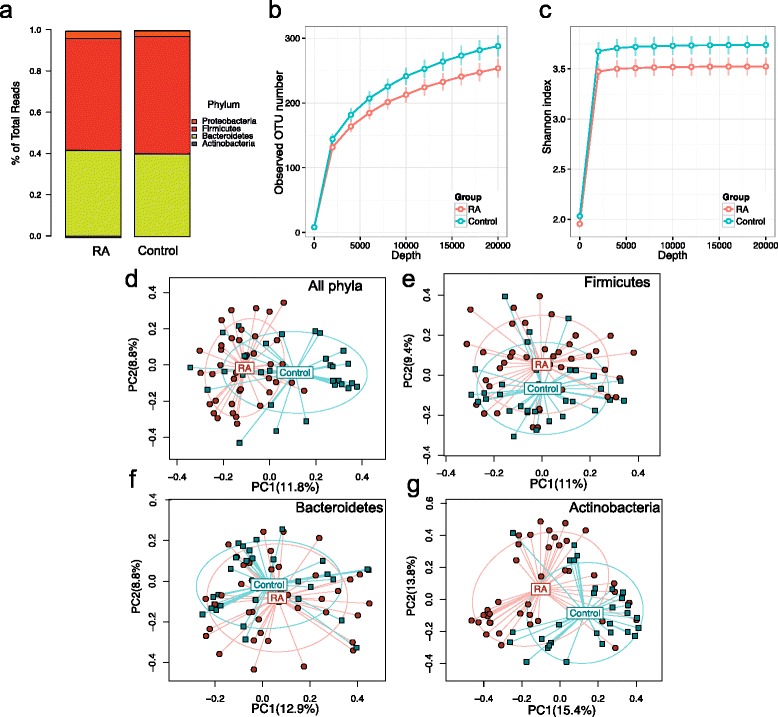
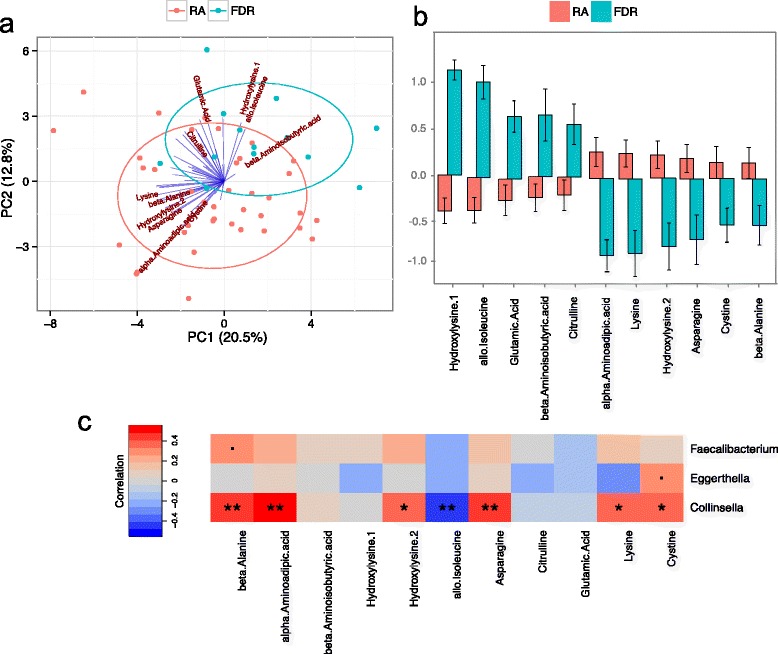
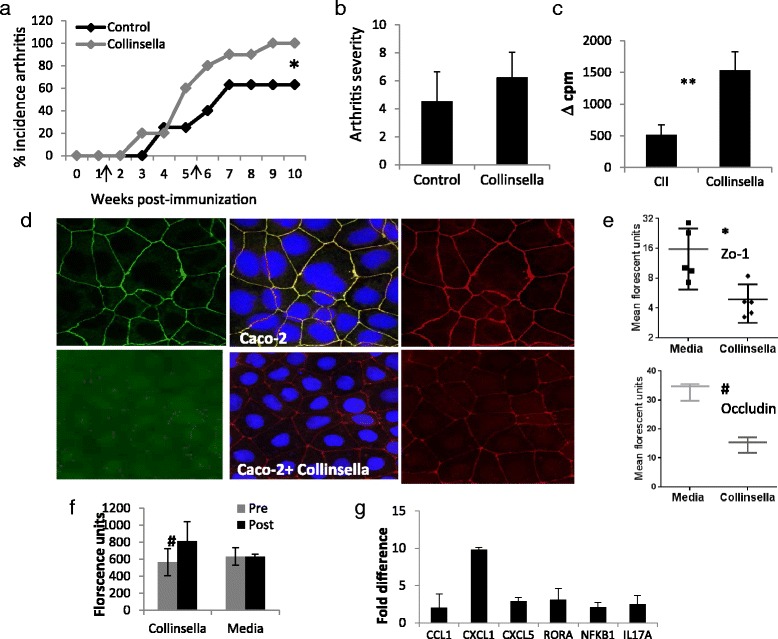
BACKGROUND: The adaptive immune response in rheumatoid arthritis (RA) is influenced by an interaction between host genetics and environment, particularly the host microbiome. Association of the gut microbiota with various diseases has been reported, though the specific components of the microbiota that affect the host response leading to disease remain unknown. However, there is limited information on the role of gut microbiota in RA. In this study we aimed to define a microbial and metabolite profile that could predict disease status. In addition, we aimed to generate a humanized model of arthritis to confirm the RA-associated microbe. METHODS: To identify an RA biomarker profile, the 16S ribosomal DNA of fecal samples from RA patients, first-degree relatives (to rule out environment/background as confounding factors), and random healthy non-RA controls were sequenced. Analysis of metabolites and their association with specific taxa was performed to investigate a potential mechanistic link. The role of an RA-associated microbe was confirmed using a human epithelial cell line and a humanized mouse model of arthritis. RESULTS: Patients with RA exhibited decreased gut microbial diversity compared with controls, which correlated with disease duration and autoantibody levels. A taxon-level analysis suggested an expansion of rare taxa, Actinobacteria, with a decrease in abundant taxa in patients with RA compared with controls. Prediction models based on the random forests algorithm suggested that three genera, Collinsella, Eggerthella, and Faecalibacterium, segregated with RA. The abundance of Collinsella correlated strongly with high levels of alpha-aminoadipic acid and asparagine as well as production of the proinflammatory cytokine IL-17A. A role for Collinsella in altering gut permeability and disease severity was confirmed in experimental arthritis. CONCLUSIONS: These observations suggest dysbiosis in RA patients resulting from the abundance of certain rare bacterial lineages. A correlation between the intestinal microbiota and metabolic signatures could determine a predictive profile for disease causation and progression.
Overview
The claims and statistics of this paper haven’t been checked yet.
Free: it reads the open-access text and checks the first 5 claims that cite a source we can check. Create a free account to check every claim.
Integrity signals
Registry
Cites
Statistics
Figures
Verification
Claims the paper makes
The claims and statistics of this paper haven’t been checked yet.
Free: it reads the open-access text and checks the first 5 claims that cite a source we can check. Create a free account to check every claim.
Claims other papers make about this one
Each is checked against this paper’s own text: does it say what the citing paper says it does?
The source backs part of the claim, not all of it — or backs it for a different population, condition or comparison.
In the citing paper
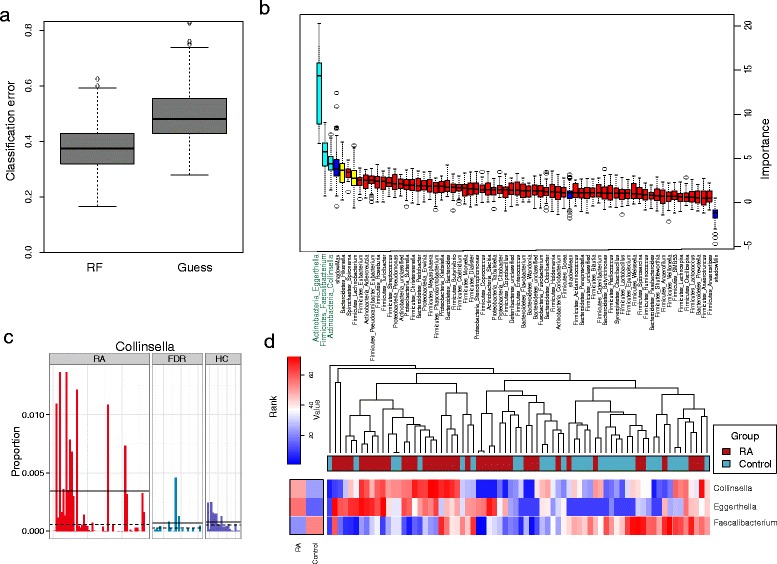
“Another study identified a strong link between three rare genera (Collinsella, Eggerthella and Faecalibacterium) and RA”
From Interaction between microbiota and immunity in health and disease (2020) · cites this paper as [171]
Experimental — accuracy not yet measuredThe cited source says what the claim attributes to it.
In the citing paper
“among which Collinsella is associated with proinflammatory IL-17A production.171”
From Interaction between microbiota and immunity in health and disease (2020) · cites this paper as [171]
Self-check
Percentages, sums and reported differences re-computed from the paper’s own numbers.
The self-check needs the paper’s full text.
Citations
Cites
Breiman, L. (2001) · Machine Learning · doi:10.1023/a:1010933404324 · Cited by 133,538
Metagenomic biomarker discovery and explanation
Segata, N., Izard, J., Waldron, L., Gevers, D., Miropolsky, L., Garrett, W. S., & Huttenhower, C. (2011) · Genome Biology · doi:10.1186/gb-2011-12-6-r60 · Cited by 16,192 · cited 1×
“Using LFfSe analysis [26], we observed 26 differentially abundant taxa at different taxonomic levels.”
MethodPredictive functional profiling of microbial communities using 16S rRNA marker gene sequences
Langille, M. G. I., Zaneveld, J., Caporaso, J. G., McDonald, D., Knights, D., Reyes, J. A., Clemente, J. C., Burkepile, D. E., Vega Thurber, R. L., Knight, R., et al. (2013) · Nature Biotechnology · doi:10.1038/nbt.2676 · Cited by 9,116
A core gut microbiome in obese and lean twins
Turnbaugh, P. J., Hamady, M., Yatsunenko, T., Cantarel, B. L., Duncan, A., Ley, R. E., Sogin, M. L., Jones, W. J., Roe, B. A., Affourtit, J. P., et al. (2009) · Nature · doi:10.1038/nature07540 · Cited by 7,823 · cited 1×
“RA [8, 9], diabetes, and obesity [11, 12].”
Enterotypes of the human gut microbiome
MetaHIT Consortium (additional members), Arumugam, M., Raes, J., Pelletier, E., Le Paslier, D., Yamada, T., Mende, D. R., Fernandes, G. R., Tap, J., Bruls, T., et al. (2011) · Nature · doi:10.1038/nature09944 · Cited by 7,548 · cited 1×
“The Human Microbiome Project and other studies have documented the diversity of the gut microbiome in healthy individuals and gut-related diseases [16–19].”
BackgroundTurnbaugh, P. J., Ley, R. E., Hamady, M., Fraser-Liggett, C. M., Knight, R., & Gordon, J. I. (2007) · Nature · doi:10.1038/nature06244 · Cited by 6,091 · cited 1×
“The Human Microbiome Project and other studies have documented the diversity of the gut microbiome in healthy individuals and gut-related diseases [16–19].”
BackgroundFeature Selection with the Boruta Package
Kursa, M. B., & Rudnicki, W. R. (2010) · Journal of Statistical Software · doi:10.18637/jss.v036.i11 · Cited by 5,659 · cited 1×
“We next applied Boruta feature selection, which is a feature selection method built around random forests and selects features that have significantly more discriminatory power than random permuted features [29].”
MethodDysfunction of the intestinal microbiome in inflammatory bowel disease and treatment
Morgan, X. C., Tickle, T. L., Sokol, H., Gevers, D., Devaney, K. L., Ward, D. V., Reyes, J. A., Shah, S. A., LeLeiko, N., Snapper, S. B., et al. (2012) · Genome Biology · doi:10.1186/gb-2012-13-9-r79 · Cited by 2,713 · cited 1×
“The Human Microbiome Project and other studies have documented the diversity of the gut microbiome in healthy individuals and gut-related diseases [16–19].”
BackgroundExpansion of intestinal Prevotella copri correlates with enhanced susceptibility to arthritis
Scher, J. U., Sczesnak, A., Longman, R. S., Segata, N., Ubeda, C., Bielski, C., Rostron, T., Cerundolo, V., Pamer, E. G., Abramson, S. B., et al. (2013) · eLife · doi:10.7554/elife.01202 · Cited by 2,047
Nielen, M. M. J., van Schaardenburg, D., Reesink, H. W., van de Stadt, R. J., van der Horst‐Bruinsma, I. E., de Koning, M. H. M. T., Habibuw, M. R., Vandenbroucke, J. P., & Dijkmans, B. A. C. (2004) · Arthritis & Rheumatism · doi:10.1002/art.20018 · Cited by 1,861 · cited 1×
“Autoreactive T-cell responses and auto-antibody production leading up to the onset of RA occur much earlier than the clinical presentation of RA [34].”
Background
Cited by
Interaction between microbiota and immunity in health and disease
Zheng, D., Liwinski, T., & Elinav, E. (2020) · Cell Research · doi:10.1038/s41422-020-0332-7 · Cited by 3,947
“Another study identified a strong link between three rare genera (Collinsella, Eggerthella and Faecalibacterium) and RA, among which Collinsella is associated with proinflammatory IL-17A production.(171) In a Chinese cohort, RA patients displayed an over-representation of Lactobacillus salivarius and reduced levels of…”
BackgroundSmolen, J. S., Aletaha, D., Barton, A., Burmester, G. R., Emery, P., Firestein, G. S., Kavanaugh, A., McInnes, I. B., Solomon, D. H., Strand, V., et al. (2018) · Nature Reviews Disease Primers · doi:10.1038/nrdp.2018.1 · Cited by 2,445
Rheumatoid arthritis: pathological mechanisms and modern pharmacologic therapies
Guo, Q., Wang, Y., Xu, D., Nossent, J., Pavlos, N. J., & Xu, J. (2018) · Bone Research · doi:10.1038/s41413-018-0016-9 · Cited by 1,767
“It is well documented that gut microbiota may contribute to the pathogenesis of RA via multiple molecular mechanisms.(40,41) Several studies have established the role of dietary factors in RA.”
BackgroundThe etiology of rheumatoid arthritis
Scherer, H. U., Häupl, T., & Burmester, G. R. (2020) · Journal of Autoimmunity · doi:10.1016/j.jaut.2019.102400 · Cited by 881
Impact of commonly used drugs on the composition and metabolic function of the gut microbiota
Vich Vila, A., Collij, V., Sanna, S., Sinha, T., Imhann, F., Bourgonje, A. R., Mujagic, Z., Jonkers, D. M. A. E., Masclee, A. A. M., Fu, J., et al. (2020) · Nature Communications · doi:10.1038/s41467-019-14177-z · Cited by 791
Global epidemiology of rheumatoid arthritis
Finckh, A., Gilbert, B., Hodkinson, B., Bae, S.-C., Thomas, R., Deane, K. D., Alpizar-Rodriguez, D., & Lauper, K. (2022) · Nature Reviews Rheumatology · doi:10.1038/s41584-022-00827-y · Cited by 736
The pathogenesis of rheumatoid arthritis
Alivernini, S., Firestein, G. S., & McInnes, I. B. (2022) · Immunity · doi:10.1016/j.immuni.2022.11.009 · Cited by 702
The impact of the gut microbiota on the reproductive and metabolic endocrine system
Qi, X., Yun, C., Pang, Y., & Qiao, J. (2021) · Gut Microbes · doi:10.1080/19490976.2021.1894070 · Cited by 554
Deciphering microbial interactions in synthetic human gut microbiome communities
Venturelli, O. S., Carr, A. V., Fisher, G., Hsu, R. H., Lau, R., Bowen, B. P., Hromada, S., Northen, T., & Arkin, A. P. (2018) · Molecular Systems Biology · doi:10.15252/msb.20178157 · Cited by 544
The microbiome in autoimmune diseases
De Luca, F., & Shoenfeld, Y. (2018) · Clinical and Experimental Immunology · doi:10.1111/cei.13158 · Cited by 510
Forbes, J. D., Chen, C.-Y., Knox, N. C., Marrie, R.-A., El-Gabalawy, H., de Kievit, T., Alfa, M., Bernstein, C. N., & Van Domselaar, G. (2018) · Microbiome · doi:10.1186/s40168-018-0603-4 · Cited by 450
The Gut Microbiota in Immune-Mediated Inflammatory Diseases
Forbes, J. D., Van Domselaar, G., & Bernstein, C. N. (2016) · Frontiers in Microbiology · doi:10.3389/fmicb.2016.01081 · Cited by 429
“A newly published study examined the microbial and metabolite profile in RA (Chen et al., 2016).”
BackgroundRheumatoid arthritis and the mucosal origins hypothesis: protection turns to destruction
Holers, V. M., Demoruelle, M. K., Kuhn, K. A., Buckner, J. H., Robinson, W. H., Okamoto, Y., Norris, J. M., & Deane, K. D. (2018) · Nature Reviews Rheumatology · doi:10.1038/s41584-018-0070-0 · Cited by 417
Gomez-Arango, L. F., Barrett, H. L., Wilkinson, S. A., Callaway, L. K., McIntyre, H. D., Morrison, M., & Dekker Nitert, M. (2018) · Gut Microbes · doi:10.1080/19490976.2017.1406584 · Cited by 402
The gut–joint axis in rheumatoid arthritis
Zaiss, M. M., Joyce Wu, H.-J., Mauro, D., Schett, G., & Ciccia, F. (2021) · Nature Reviews Rheumatology · doi:10.1038/s41584-021-00585-3 · Cited by 389
The impact of the gut microbiome on extra-intestinal autoimmune diseases
Miyauchi, E., Shimokawa, C., Steimle, A., Desai, M. S., & Ohno, H. (2023) · Nature Reviews Immunology · doi:10.1038/s41577-022-00727-y · Cited by 367
RETRACTED ARTICLE: Role of the gut microbiome in chronic diseases: a narrative review
Vijay, A., & Valdes, A. M. (2022) · European Journal of Clinical Nutrition · doi:10.1038/s41430-021-00991-6 · Cited by 361
RetractedHorta-Baas, G., Romero-Figueroa, M. D. S., Montiel-Jarquín, A. J., Pizano-Zárate, M. L., García-Mena, J., & Ramírez-Durán, N. (2017) · Journal of Immunology Research · doi:10.1155/2017/4835189 · Cited by 324
Zhou, X., Baumann, R., Gao, X., Mendoza, M., Singh, S., Katz Sand, I., Xia, Z., Cox, L. M., Chitnis, T., Yoon, H., et al. (2022) · Cell · doi:10.1016/j.cell.2022.08.021 · Cited by 319
Intestinal dysbiosis and probiotic applications in autoimmune diseases
de Oliveira, G. L. V., Leite, A. Z., Higuchi, B. S., Gonzaga, M. I., & Mariano, V. S. (2017) · Immunology · doi:10.1111/imm.12765 · Cited by 322
Shen, Y., Xu, J., Li, Z., Huang, Y., Yuan, Y., Wang, J., Zhang, M., Hu, S., & Liang, Y. (2018) · Schizophrenia Research · doi:10.1016/j.schres.2018.01.002 · Cited by 314
Gut Microbiota Regulation of T Cells During Inflammation and Autoimmunity
Brown, E. M., Kenny, D. J., & Xavier, R. J. (2019) · Annual Review of Immunology · doi:10.1146/annurev-immunol-042718-041841 · Cited by 312
Xu, Q., Ni, J.-J., Han, B.-X., Yan, S.-S., Wei, X.-T., Feng, G.-J., Zhang, H., Zhang, L., Li, B., & Pei, Y.-F. (2022) · Frontiers in Immunology · doi:10.3389/fimmu.2021.746998 · Cited by 295
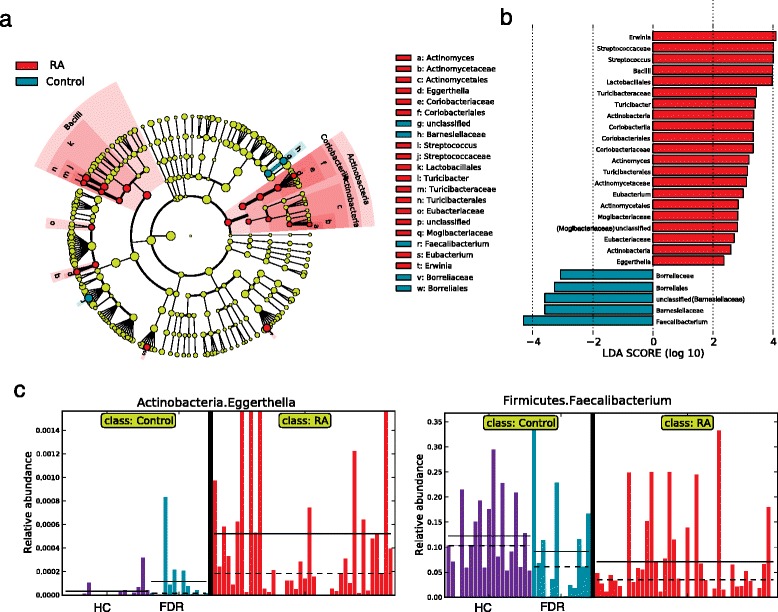
“(7) found that rheumatoid arthritis (RA) patients had a decrease in Faecalibacterium and expansion of Eggerthella and Collinsella.”
BackgroundGioia, C., Lucchino, B., Tarsitano, M. G., Iannuccelli, C., & Di Franco, M. (2020) · Nutrients · doi:10.3390/nu12051456 · Cited by 292
Microbiome at the Frontier of Personalized Medicine
Kashyap, P. C., Chia, N., Nelson, H., Segal, E., & Elinav, E. (2017) · Mayo Clinic Proceedings · doi:10.1016/j.mayocp.2017.10.004 · Cited by 274
“Another recent study identified enrichment of Collinsella, Eggerthella, and Faecalibacterium in patients with rheumatoid arthritis and a strong association ofCollinsellawith high levels of a-aminoadipic acid and asparagine as well as production of the a-aminoadipic cytokine interleukin 17A and experimental arthritis.(…”
Self-citationAden, K., Rehman, A., Waschina, S., Pan, W.-H., Walker, A., Lucio, M., Nunez, A. M., Bharti, R., Zimmerman, J., Bethge, J., et al. (2019) · Gastroenterology · doi:10.1053/j.gastro.2019.07.025 · Cited by 263
Alterations of the gut microbiome in Chinese patients with systemic lupus erythematosus
He, Z., Shao, T., Li, H., Xie, Z., & Wen, C. (2016) · Gut Pathogens · doi:10.1186/s13099-016-0146-9 · Cited by 255
Relationships Between Vitamin D, Gut Microbiome, and Systemic Autoimmunity
Yamamoto, E. A., & Jørgensen, T. N. (2020) · Frontiers in Immunology · doi:10.3389/fimmu.2019.03141 · Cited by 256
“copri as a notable RA-associated bacteria (66), and RA microbiota composition was shown to change following treatment with disease modifying anti-rheumatic drugs toward a composition more representative of a “healthy” microbiome phenotype (67).”
BackgroundInflammatory Bowel Diseases and Gut Microbiota
Haneishi, Y., Furuya, Y., Hasegawa, M., Picarelli, A., Rossi, M., & Miyamoto, J. (2023) · International Journal of Molecular Sciences · doi:10.3390/ijms24043817 · Cited by 242
Blum, H. E. (2017) · Advances in Medical Sciences · doi:10.1016/j.advms.2017.04.005 · Cited by 218
Kishikawa, T., Maeda, Y., Nii, T., Motooka, D., Matsumoto, Y., Matsushita, M., Matsuoka, H., Yoshimura, M., Kawada, S., Teshigawara, S., et al. (2020) · Annals of the Rheumatic Diseases · doi:10.1136/annrheumdis-2019-215743 · Cited by 238
“To date, discussions on the microbial diversity of the RA gut microbiome have been controversial; some reports have indicated significant differences, 10 11 while others have shown no differences.”
BackgroundRole of gut microbiota in infectious and inflammatory diseases
Maciel-Fiuza, M. F., Muller, G. C., Campos, D. M. S., do Socorro Silva Costa, P., Peruzzo, J., Bonamigo, R. R., Veit, T., & Vianna, F. S. L. (2023) · Frontiers in Microbiology · doi:10.3389/fmicb.2023.1098386 · Cited by 233
“In in vitro experiments, the genus Collinsella increased intestinal permeability and induced IL-17A expression, suggesting that the expansion of the microorganisms of this genus increases proinflammatory conditions, thus being an arthritogenic candidate in the human intestine (Figure 3; Nielen et al., 2004; Xu et al.,…”
BackgroundInfluentialGut microbiota dysbiosis in a cohort of patients with psoriasis
Hidalgo‐Cantabrana, C., Gómez, J., Delgado, S., Requena‐López, S., Queiro‐Silva, R., Margolles, A., Coto, E., Sánchez, B., & Coto‐Segura, P. (2019) · British Journal of Dermatology · doi:10.1111/bjd.17931 · Cited by 236
The Gut Microbiota: Emerging Evidence in Autoimmune Diseases
Zhang, X., Chen, B.-D., Zhao, L.-D., & Li, H. (2020) · Trends in Molecular Medicine · doi:10.1016/j.molmed.2020.04.001 · Cited by 232
He, J., Chu, Y., Li, J., Meng, Q., Liu, Y., Jin, J., Wang, Y., Wang, J., Huang, B., Shi, L., et al. (2022) · Science Advances · doi:10.1126/sciadv.abm1511 · Cited by 228
“Subsequent studies suggested that gut dysbiosis in RA patients correlates with a depletion of Gram-negative bacteria and enrichment of Gram-positive bacteria ( 3 , 4 ).”
The critical role of Faecalibacterium prausnitzii in human health: An overview
Leylabadlo, H. E., Ghotaslou, R., Feizabadi, M. M., Farajnia, S., Moaddab, S. Y., Ganbarov, K., Khodadadi, E., Tanomand, A., Sheykhsaran, E., Yousefi, B., et al. (2020) · Microbial Pathogenesis · doi:10.1016/j.micpath.2020.104344 · Cited by 229
Picchianti-Diamanti, A., Panebianco, C., Salemi, S., Sorgi, M. L., Di Rosa, R., Tropea, A., Sgrulletti, M., Salerno, G., Terracciano, F., D’Amelio, R., et al. (2018) · International Journal of Molecular Sciences · doi:10.3390/ijms19102938 · Cited by 223
“The decreased abundance of Faecalibacterium found in our analysis is in agreement with previous studies carried out on RA [26,27] and other inflammatory conditions [28–30].”
ResultGut microbiota and rheumatoid arthritis: From pathogenesis to novel therapeutic opportunities
Zhao, T., Wei, Y., Zhu, Y., Xie, Z., Hai, Q., Li, Z., & Qin, D. (2022) · Frontiers in Immunology · doi:10.3389/fimmu.2022.1007165 · Cited by 220
“A study indicated that treatment with Collinsella exacerbated CIA in HLA-DQ8 transgenic mice (36).”
BackgroundInfluentialThe promise of the gut microbiome as part of individualized treatment strategies
Schupack, D. A., Mars, R. A. T., Voelker, D. H., Abeykoon, J. P., & Kashyap, P. C. (2022) · Nature Reviews Gastroenterology & Hepatology · doi:10.1038/s41575-021-00499-1 · Cited by 217
Altered Gut Microbiome Profile in Patients With Pulmonary Arterial Hypertension
Kim, S., Rigatto, K., Gazzana, M. B., Knorst, M. M., Richards, E. M., Pepine, C. J., & Raizada, M. K. (2020) · Hypertension · doi:10.1161/hypertensionaha.119.14294 · Cited by 213
Mitchell, A. L., Scheremetjew, M., Denise, H., Potter, S., Tarkowska, A., Qureshi, M., Salazar, G. A., Pesseat, S., Boland, M. A., Hunter, F. M. I., et al. (2018) · Nucleic Acids Research · doi:10.1093/nar/gkx967 · Cited by 210
Disordered intestinal microbes are associated with the activity of Systemic Lupus Erythematosus
Li, Y., Wang, H.-F., Li, X., Li, H.-X., Zhang, Q., Zhou, H.-W., He, Y., Li, P., Fu, C., Zhang, X.-H., et al. (2019) · Clinical Science · doi:10.1042/cs20180841 · Cited by 202
“was relatively increased in RA patients (43).”
Sato, K., Takahashi, N., Kato, T., Matsuda, Y., Yokoji, M., Yamada, M., Nakajima, T., Kondo, N., Endo, N., Yamamoto, R., et al. (2017) · Scientific Reports · doi:10.1038/s41598-017-07196-7 · Cited by 202
Microbiota in T-cell homeostasis and inflammatory diseases
Lee, N., & Kim, W.-U. (2017) · Experimental & Molecular Medicine · doi:10.1038/emm.2017.36 · Cited by 198
The Dynamic Interplay between the Gut Microbiota and Autoimmune Diseases
Xu, H., Liu, M., Cao, J., Li, X., Fan, D., Xia, Y., Lu, X., Li, J., Ju, D., & Zhao, H. (2019) · Journal of Immunology Research · doi:10.1155/2019/7546047 · Cited by 194
Probiotics in Autoimmune and Inflammatory Disorders
Liu, Y., Alookaran, J. J., & Rhoads, J. M. (2018) · Nutrients · doi:10.3390/nu10101537 · Cited by 197
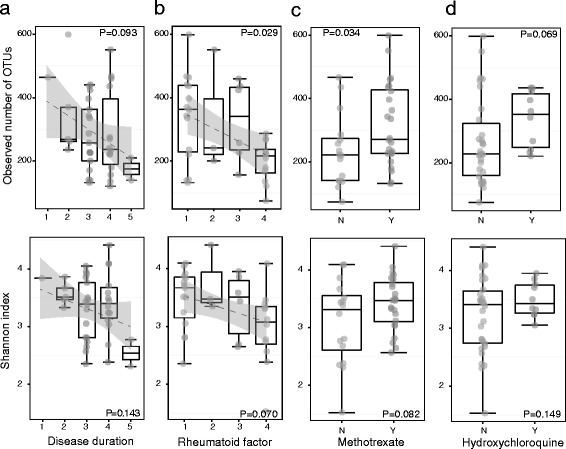
“They found decreased gut microbial diversity in RA compared to controls, which additionally correlated with disease duration and with levels of serum rheumatoid factor [44].”
BackgroundWells, P. M., Adebayo, A. S., Bowyer, R. C. E., Freidin, M. B., Finckh, A., Strowig, T., Lesker, T. R., Alpizar-Rodriguez, D., Gilbert, B., Kirkham, B., et al. (2020) · The Lancet Rheumatology · doi:10.1016/s2665-9913(20)30064-3 · Cited by 192
Characteristics of Gut Microbiota in Patients With Rheumatoid Arthritis in Shanghai, China
Sun, Y., Chen, Q., Lin, P., Xu, R., He, D., Ji, W., Bian, Y., Shen, Y., Li, Q., Liu, C., et al. (2019) · Frontiers in Cellular and Infection Microbiology · doi:10.3389/fcimb.2019.00369 · Cited by 188
Huang, B., Chau, S. W. H., Liu, Y., Chan, J. W. Y., Wang, J., Ma, S. L., Zhang, J., Chan, P. K. S., Yeoh, Y. K., Chen, Z., et al. (2023) · Nature Communications · doi:10.1038/s41467-023-38248-4 · Cited by 187
“One study in rheumatoid arthritis showed that Collinsella may lead to intestinal hyperperme-ability by down-regulating the expression of epithelial tight junction 44 .”
The role of diet and intestinal microbiota in the development of metabolic syndrome
Santos-Marcos, J. A., Perez-Jimenez, F., & Camargo, A. (2019) · The Journal of Nutritional Biochemistry · doi:10.1016/j.jnutbio.2019.03.017 · Cited by 180
The interplay between host immune cells and gut microbiota in chronic inflammatory diseases
Kim, D., Zeng, M. Y., & Núñez, G. (2017) · Experimental & Molecular Medicine · doi:10.1038/emm.2017.24 · Cited by 181
Host–microbiota interactions in rheumatoid arthritis
Maeda, Y., & Takeda, K. (2019) · Experimental & Molecular Medicine · doi:10.1038/s12276-019-0283-6 · Cited by 180
T follicular helper cells and T follicular regulatory cells in rheumatic diseases
Deng, J., Wei, Y., Fonseca, V. R., Graca, L., & Yu, D. (2019) · Nature Reviews Rheumatology · doi:10.1038/s41584-019-0254-2 · Cited by 168
Chen, R., Wu, P., Cai, Z., Fang, Y., Zhou, H., Lasanajak, Y., Tang, L., Ye, L., Hou, C., & Zhao, J. (2019) · The Journal of Nutritional Biochemistry · doi:10.1016/j.jnutbio.2018.12.004 · Cited by 169
The "Gut Feeling": Breaking Down the Role of Gut Microbiome in Multiple Sclerosis
Freedman, S. N., Shahi, S. K., & Mangalam, A. K. (2018) · Neurotherapeutics · doi:10.1007/s13311-017-0588-x · Cited by 168
Genetic correlations between Alzheimer’s disease and gut microbiome genera
Cammann, D., Lu, Y., Cummings, M. J., Zhang, M. L., Cue, J. M., Do, J., Ebersole, J., Chen, X., Oh, E. C., Cummings, J. L., et al. (2023) · Scientific Reports · doi:10.1038/s41598-023-31730-5 · Cited by 163
Self-citationIntegration of microbiome and epigenome to decipher the pathogenesis of autoimmune diseases
Chen, B., Sun, L., & Zhang, X. (2017) · Journal of Autoimmunity · doi:10.1016/j.jaut.2017.03.009 · Cited by 166
“Chen 2016 [10] RA 16S rRNA gene amplification Prevotella copri dominance Autoreactive SKG mouse T cells were activated by human dysbiotic microbiota, causing joint inflammation.”
BackgroundThe Role of Gut Microbiota and Environmental Factors in Type 1 Diabetes Pathogenesis
Dedrick, S., Sundaresh, B., Huang, Q., Brady, C., Yoo, T., Cronin, C., Rudnicki, C., Flood, M., Momeni, B., Ludvigsson, J., et al. (2020) · Frontiers in Endocrinology · doi:10.3389/fendo.2020.00078 · Cited by 163
Chriswell, M. E., Lefferts, A. R., Clay, M. R., Hsu, A. R., Seifert, J., Feser, M. L., Rims, C., Bloom, M. S., Bemis, E. A., Liu, S., et al. (2022) · Science Translational Medicine · doi:10.1126/scitranslmed.abn5166 · Cited by 160
Dudics, S., Langan, D., Meka, R. R., Venkatesha, S. H., Berman, B. M., Che, C.-T., & Moudgil, K. D. (2018) · International Journal of Molecular Sciences · doi:10.3390/ijms19092508 · Cited by 162
The curious case of Prevotella copri
Abdelsalam, N. A., Hegazy, S. M., & Aziz, R. K. (2023) · Gut Microbes · doi:10.1080/19490976.2023.2249152 · Cited by 160
Halsey, T. M., Thomas, A. S., Hayase, T., Ma, W., Abu-Sbeih, H., Sun, B., Parra, E. R., Jiang, Z.-D., DuPont, H. L., Sanchez, C., et al. (2023) · Science Translational Medicine · doi:10.1126/scitranslmed.abq4006 · Cited by 161
Nayak, R. R., Alexander, M., Deshpande, I., Stapleton-Grey, K., Rimal, B., Patterson, A. D., Úbeda, C., Scher, J. U., & Turnbaugh, P. J. (2021) · Cell Host & Microbe · doi:10.1016/j.chom.2020.12.008 · Cited by 178
Alterations of host-gut microbiome interactions in multiple sclerosis
Cantoni, C., Lin, Q., Dorsett, Y., Ghezzi, L., Liu, Z., Pan, Y., Chen, K., Han, Y., Li, Z., Xiao, H., et al. (2022) · EBioMedicine · doi:10.1016/j.ebiom.2021.103798 · Cited by 173
The role of microbiome in rheumatoid arthritis treatment
Bodkhe, R., Balakrishnan, B., & Taneja, V. (2019) · Therapeutic Advances in Musculoskeletal Disease · doi:10.1177/1759720x19844632 · Cited by 156
Self-citationIL-2-based approaches to Treg enhancement
Harris, F., Berdugo, Y. A., & Tree, T. I. M. (2022) · Clinical & Experimental Immunology · doi:10.1093/cei/uxac105 · Cited by 172
Wu, C., Yang, H., Luo, S., & Lai, J. (2021) · International Journal of Molecular Sciences · doi:10.3390/ijms22020686 · Cited by 155
Characteristic gut microbiota and predicted metabolic functions in women with PCOS
Zhou, L., Ni, Z., Cheng, W., Yu, J., Sun, S., Zhai, D., Yu, C., & Cai, Z. (2020) · Endocrine Connections · doi:10.1530/ec-19-0522 · Cited by 141
Mechanisms of lung disease development in rheumatoid arthritis
Wang, D., Zhang, J., Lau, J., Wang, S., Taneja, V., Matteson, E. L., & Vassallo, R. (2019) · Nature Reviews Rheumatology · doi:10.1038/s41584-019-0275-x · Cited by 155
Self-citationKarimi, M., Shirsalimi, N., Hashempour, Z., Omran, H. S., Sedighi, E., Beigi, F., & Mortezazadeh, M. (2024) · Frontiers in Immunology · doi:10.3389/fimmu.2024.1439176 · Cited by 162
The gut microbiome-joint connection: implications in osteoarthritis
Favazzo, L. J., Hendesi, H., Villani, D. A., Soniwala, S., Dar, Q.-A., Schott, E. M., Gill, S. R., & Zuscik, M. J. (2019) · Current Opinion in Rheumatology · doi:10.1097/bor.0000000000000681 · Cited by 165
“This genus has been found to be expanded in RA [67] although it has also been shown to be reduced in HFDs [68].”
BackgroundMetabolic syndrome, autoimmunity and rheumatic diseases
Medina, G., Lastra, O. L. V., Peralta-Amaro, A. L., Jiménez-Arellano, M. P., Saavedra, M. Á., Cruz-Domínguez, M. P., & Jara, L. J. (2018) · Pharmacological Research · doi:10.1016/j.phrs.2018.01.009 · Cited by 143
“However the therapeutic potential of probitics alone for RA remains inconclusive [69].”
Diet, Microbiota, and Gut Permeability—The Unknown Triad in Rheumatoid Arthritis
Guerreiro, C. S., Calado, Â., Sousa, J., & Fonseca, J. E. (2018) · Frontiers in Medicine · doi:10.3389/fmed.2018.00349 · Cited by 131
“Patients with RA, particularly erosive patients, carry a distinctive enterotype of gut microbiota characterized by a lower abundance of bacteria belonging to the family Bifidobacterium and Bacteroides (12, 14, 15) and, at least at early stages of the disease, an abundance of Prevotella copri (14, 16).”
BackgroundInfluentialThe gut ecosystem and immune tolerance
Shao, T., Hsu, R., Rafizadeh, D. L., Wang, L., Bowlus, C. L., Kumar, N., Mishra, J., Timilsina, S., Ridgway, W. M., Gershwin, M. E., et al. (2023) · Journal of Autoimmunity · doi:10.1016/j.jaut.2023.103114 · Cited by 151
Rogier, R., Evans-Marin, H., Manasson, J., van der Kraan, P. M., Walgreen, B., Helsen, M. M., van den Bersselaar, L. A., van de Loo, F. A., van Lent, P. L., Abramson, S. B., et al. (2017) · Scientific Reports · doi:10.1038/s41598-017-15802-x · Cited by 130
Targeting Probiotics in Rheumatoid Arthritis
BUNGAU, S. G., Behl, T., Singh, A., Sehgal, A., Singh, S., Chigurupati, S., Vijayabalan, S., Das, S., & Palanimuthu, V. R. (2021) · Nutrients · doi:10.3390/nu13103376 · Cited by 145
“can also be used as an antibacterial agent against a variety of bacteria [53].”
BackgroundThe role of gut microbiota in T cell immunity and immune mediated disorders
Shim, J. A., Ryu, J. H., Jo, Y., & Hong, C. (2023) · International Journal of Biological Sciences · doi:10.7150/ijbs.79430 · Cited by 154
An Overview of the Intrinsic Role of Citrullination in Autoimmune Disorders
Alghamdi, M. A., Alasmari, D., Assiri, A., Mattar, E. H., Aljaddawi, A. A., Alattas, S. G., & Redwan, E. M. M. M. (2019) · Journal of Immunology Research · doi:10.1155/2019/7592851 · Cited by 135
Balakrishnan, B., Luckey, D. H., Bodkhe, R., Chen, J., Marietta, E. V., Jeraldo, P., Murray, J. A., & Taneja, V. (2021) · Frontiers in Immunology · doi:10.3389/fimmu.2021.609644 · Cited by 131
Self-citationIntestinal phages interact with bacteria and are involved in human diseases
Shuwen, H., & Kefeng, D. (2022) · Gut Microbes · doi:10.1080/19490976.2022.2113717 · Cited by 124
“Studies have shown that RA may be related to changes in the intestinal flora, and intestinal microbes may be involved in immune regulation in RA development as inflammatory mediators.(109,110) RA is characterized by the presence of antibodies against cyclic citrullinated protein (CCP) in serum antibodypositive individ…”
BackgroundChiang, H., Li, J., Liu, C.-C., Liu, P., Chen, H., Chen, Y., Lan, J., & Chen, D. (2019) · Journal of Clinical Medicine · doi:10.3390/jcm8111770 · Cited by 161
“further demonstrated that Collinsella could be transferred to germ-free mice with resultant exacerbation of arthritis in a murine model [10].”
BackgroundMicrobial Dysregulation of the Gut-Lung Axis in Bronchiectasis
Narayana, J. K., Aliberti, S., Aogáin, M. M., Jaggi, T. K., Ali, N. A. B. M., Ivan, F. X., Cheng, H. S., Yip, Y. S., Vos, M. I. G., Low, Z. S., et al. (2023) · American Journal of Respiratory and Critical Care Medicine · doi:10.1164/rccm.202205-0893oc · Cited by 137
“aerofaciens, implicated in IL-17A signaling, correlates with negative clinical consequence in rheumatoid arthritis, owing to its immune-potentiating effect (44).”
BackgroundThe role of gut microbiota in the pathogenesis of rheumatic diseases
Zhong, D., Wu, C., Zeng, X., & Wang, Q. (2017) · Clinical Rheumatology · doi:10.1007/s10067-017-3821-4 · Cited by 138
Gut Microbiota and Endothelial Dysfunction Markers in Obese Mexican Children and Adolescents
Nirmalkar, K., Murugesan, S., Pizano-Zárate, M. L., Villalobos-Flores, L. E., García-González, C., Morales‐Hernández, R. M., Núñez-Hernández, J. A., Hernández-Quiroz, F., Romero‐Figueroa, M. D. S., Hernández‐Guerrero, C., et al. (2018) · Nutrients · doi:10.3390/nu10122009 · Cited by 132
Matei, D. E., Menon, M., Alber, D., Smith, A. M., Nedjat-Shokouhi, B., Fasano, A., Magill, L., Duhlin, A., Bitoun, S., Gleizes, A., et al. (2021) · Med · doi:10.1016/j.medj.2021.04.013 · Cited by 138
“For example, bacteria, such as Collinsella aerofaciens, which are found in abundance in RA, can increase intestinal permeability in mice through disruption of ZO-1 expression.(18) Similarly, dysregulated mucosal cytokine production, such as increases in interferon g (IFNg) or tumor necrosis factor alpha (TNF-a), can r…”
Backgroundvan Soest, A. P. M., Hermes, G. D. A., Berendsen, A. A. M., van de Rest, O., Zoetendal, E. G., Fuentes, S., Santoro, A., Franceschi, C., de Groot, L. C. P. G. M., & de Vos, W. M. (2020) · Nutrients · doi:10.3390/nu12113471 · Cited by 118
“Increased abundance of Collinsella has been observed in several inflammatory diseases, including type 2 diabetes mellitus [51,52], atherosclerosis [53] and rheumatoid arthritis [54].”
BackgroundFecal Microbiota Composition Drives Immune Activation in HIV-infected Individuals
Neff, C. P., Krueger, O., Xiong, K., Arif, S. J., Nusbacher, N. M., Schneider, J. M., Cunningham, A. W., Armstrong, A. J. S., Li, S., McCarter, M. D., et al. (2018) · EBioMedicine · doi:10.1016/j.ebiom.2018.03.024 · Cited by 139
“aerofaciens positively correlated with T cell activation, and has been previously shown to increase gut permeability and disease severity in experimental arthritis (Chen et al., 2016).”
BackgroundGut Microbial Composition and Function Are Altered in Patients with Early Rheumatoid Arthritis
Jeong, Y., Kim, J., You, H. J., Park, S.-J., Lee, J. J., Ju, J. H., Park, M. S., Jin, H. Z., Cho, M., Kwon, B., et al. (2019) · Journal of Clinical Medicine · doi:10.3390/jcm8050693 · Cited by 126
The ecology of human microbiota: dynamics and diversity in health and disease
Karkman, A., Lehtimäki, J., & Ruokolainen, L. (2017) · Annals of the New York Academy of Sciences · doi:10.1111/nyas.13326 · Cited by 115
Wu, C., Yang, H., & Lai, J. (2020) · International Journal of Molecular Sciences · doi:10.3390/ijms21114015 · Cited by 137
Nii, T., Maeda, Y., Motooka, D., Naito, M., Matsumoto, Y., Ogawa, T., Oguro-Igashira, E., Kishikawa, T., Yamashita, M., Koizumi, S., et al. (2023) · Annals of the Rheumatic Diseases · doi:10.1136/ard-2022-222881 · Cited by 109
Gut microbiota and immunity relevance in eubiosis and dysbiosis
Al-Rashidi, H. E. (2022) · Saudi Journal of Biological Sciences · doi:10.1016/j.sjbs.2021.10.068 · Cited by 105
“6) (Chen et al., 2016).”
Wang, Q., Zhang, S., Chang, M., Qiao, J., Wang, C., Li, X., Yu, Q., & He, P. F. (2022) · Frontiers in Microbiology · doi:10.3389/fmicb.2022.799602 · Cited by 130
“, 2018) whereas that of Actinobacteria was higher (Chen et al., 2016).”
BackgroundResultInfluentialGut Dysbiosis and Fecal Microbiota Transplantation in Autoimmune Diseases
Belvončíková, P., Marônek, M., & Gardlík, R. (2022) · International Journal of Molecular Sciences · doi:10.3390/ijms231810729 · Cited by 131
Luo, Y., Tong, Y., Wu, L., Niu, H., Li, Y., Su, L. C., Wu, Y., Bözec, A., Zaiss, M. M., Qing, P., et al. (2023) · Arthritis & Rheumatology · doi:10.1002/art.42616 · Cited by 117
“Based on the results from the FMT study and to further pinpoint the way in which microbiota-driven Th17 cell immune abnormalities promote arthritis in mice, we examined the frequency of Th17 cells in mesenteric lymph nodes and PPs 20 days after the fi rst immunization (preclinical stages).”
BackgroundInfluentialRomero-Figueroa, M. D. S., Ramírez‐Durán, N., Montiel-Jarquín, Á. J., & Horta‐Baas, G. (2023) · Frontiers in Cellular and Infection Microbiology · doi:10.3389/fcimb.2023.1092118 · Cited by 126
“In vitro experiments showed that the CACO-2 cell line cultured in the presence of Collinsella aerofaciens enhances gut permeability by decreasing the expression of tight junction protein ZO-1 in epithelial cells (Chen et al., 2016).”
BackgroundInfluentialGut microbiome in chronic rheumatic and inflammatory bowel diseases: Similarities and differences
Salem, F., Kindt, N., Marchesi, J. R., Netter, P., Lopez, A., Kokten, T., Danese, S., Jouzeau, J.-Y., Peyrin-Biroulet, L., & Moulin, D. (2019) · United European Gastroenterology Journal · doi:10.1177/2050640619867555 · Cited by 103
“2018 16S rRNA sequencing Mucosal biopsies samples 14 UC 14 Non-IBD (Controls) (6/8 ) (8/6) 45 (17-67) 59 (41-73) N/A - Cloacibacterium, Neisseria genus, Tissierellaceae family, (↑inflammed site UC compared to noninflamed site UC) - Prevotella, Eubacterium, Neisseria, Leptotrichia, Bilophila, Desulfovib…”
BackgroundInfluentialGut Microbiota Composition and Fecal Metabolic Phenotype in Patients With Acute Anterior Uveitis
Huang, X., Ye, Z., Cao, Q., Su, G., Wang, Q., Deng, J., Zhou, C., Kijlstra, A., & Yang, P. (2018) · Investigative Ophthalmology & Visual Science · doi:10.1167/iovs.17-22677 · Cited by 109
Pedrogo, D. A. M., Chen, J., Hillmann, B., Jeraldo, P., Al‐Ghalith, G. A., Taneja, V., Davis, J. M., Knights, D., Nelson, H., Faubion, W. A., et al. (2018) · Inflammatory Bowel Diseases · doi:10.1093/ibd/izy318 · Cited by 113
Self-citationThe significance of microbiome in personalized medicine
Behrouzi, A., Nafari, A. H., & Siadat, S. D. (2019) · Clinical and Translational Medicine · doi:10.1186/s40169-019-0232-y · Cited by 121
Metadata
- Authors
- Chen, J., Wright, K., Davis, J. M., Jeraldo, P., Marietta, E. V., Murray, J., Nelson, H., Matteson, E. L., & Taneja, V.
- Affiliations
- Mayo Clinic (US)
- Corresponding author
- Taneja, Veena
- ORCID
- Venue
- Genome Medicine
- Published
- 2016-04-21
- Volume
- 8
- Issue
- 1
- Pages
- 43-43
- ISSN
- 1756-994X (ISSN-L)
- PMC
- PMC4840970
- OpenAlex
- W2336817596
- Cited by
- 858
- References
- 53
- Citations by year
- 2026: 81 · 2025: 80 · 2024: 97 · 2023: 116 · 2022: 111 · 2021: 128 · 2020: 67 · 2019: 66 · 2018: 62 · 2017: 39 · 2016: 10
- FWCI
- 30.65
- Type
- journal article
- Language
- en
- Open access
- gold
- doi.org
- Licence
- cc-by
- creativecommons.org/licenses/by/4.0/ (tdm)
- creativecommons.org/licenses/by/4.0/ (vor)
- Locations
- Genome Medicine (publishedVersion, cc-by)
- Europe PMC (PubMed Central) (publishedVersion, cc-by)
- PubMed Central (publishedVersion, cc-by)
- PubMed (publishedVersion)
- Funders
- National Institute of Arthritis and Musculoskeletal and Skin Diseases (AR30752)
- Mark and Mary Davis
- Topics
- Life Sciences › Biochemistry, Genetics and Molecular Biology › Molecular Biology › Gut microbiota and health
- Health Sciences › Medicine › Rheumatology › Rheumatoid Arthritis Research and Therapies
- Health Sciences › Medicine › Gastroenterology › Inflammatory Bowel Disease
- Keywords
- rheumatoid arthritis, gut microbiota, rare bacterial taxa, dysbiosis, Collinsella, Eggerthella, Faecalibacterium, actinobacteria, intestinal permeability, IL-17A, alpha-aminoadipic acid, asparagine, metabolites, humanized mice, disease biomarkers, autoantibodies, gut-immune interaction
- MeSH terms
- Gastrointestinal Microbiome, Adult, Aged, Animals, Arthritis, Rheumatoid, Cell Line, Disease Models, Animal, Feces, Female, Humans, Intestinal Mucosa, Male, Middle Aged, Models, Biological, Permeability, Phylogeny, RNA, Ribosomal, 16S, Severity of Illness Index, Case-Control Studies, Cytokines, Chemokines, Computational Biology, Biodiversity, Mice, Metagenome, Metabolome, Metagenomics
About these checks
Registry, retraction, Cites and statistics results are computed, not judged, with one exception: a printed reference that no index lists is read once by a model before it counts as a citation error. Claims are extracted by a model and kept only when their quote appears verbatim in the text; each cited source is then checked, with a model’s help, for whether it says what the claim relies on. Those verdicts can be wrong — read the claim’s quote and the cited source before relying on one.
Statistics and arithmetic are recomputed, not judged.
Confidence bands are shown only for fields calibrated on our annotated test set. None is calibrated yet, so no band is shown.
What counts as a claim ›How we measure confidence ›How we check this ›
Are you an author, or do you see a problem with this page? Request a review
Data sources
Bibliographic data: Semantic Scholar, OpenAlex, Crossref.
Contains information from the Semantic Scholar Academic Graph Datasets, made available under the ODC Attribution License (ODC-BY 1.0).
Semantic Scholar’s data is described in: Kinney, R., et al. (2023). The Semantic Scholar Open Data Platform. arXiv:2301.10140.
