

The cardiovascular and hypothalamus-pituitary-adrenal axis response to stress is controlled by glucocorticoid receptor sequence variants and promoter methylation
Open accessThe DOI matches its Crossref record; 77 of the 77 references it cites were found in a registry or an index.
Abstract
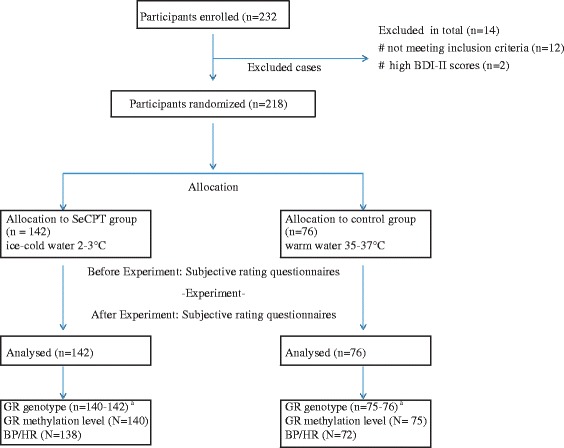
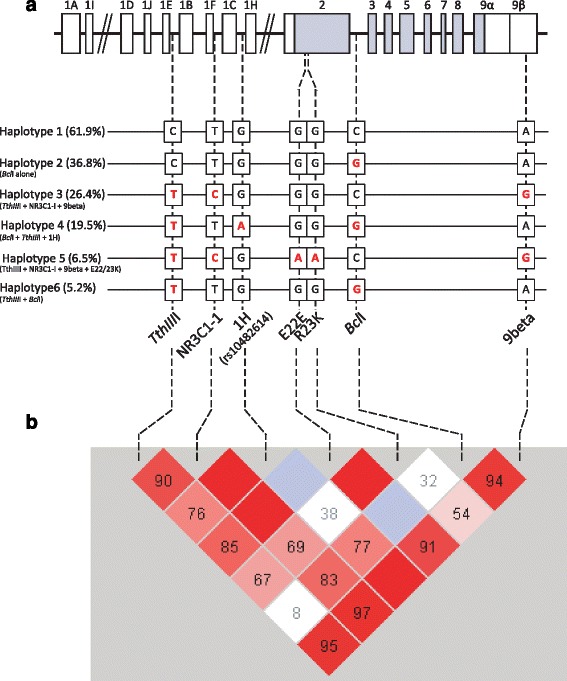
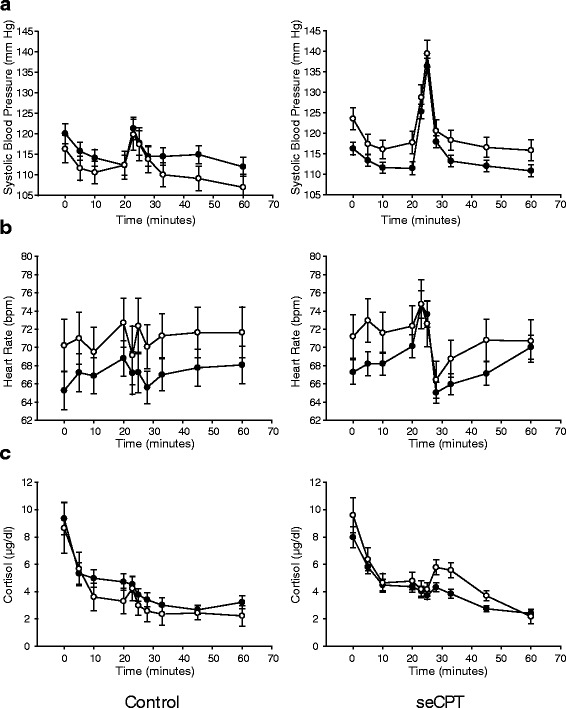
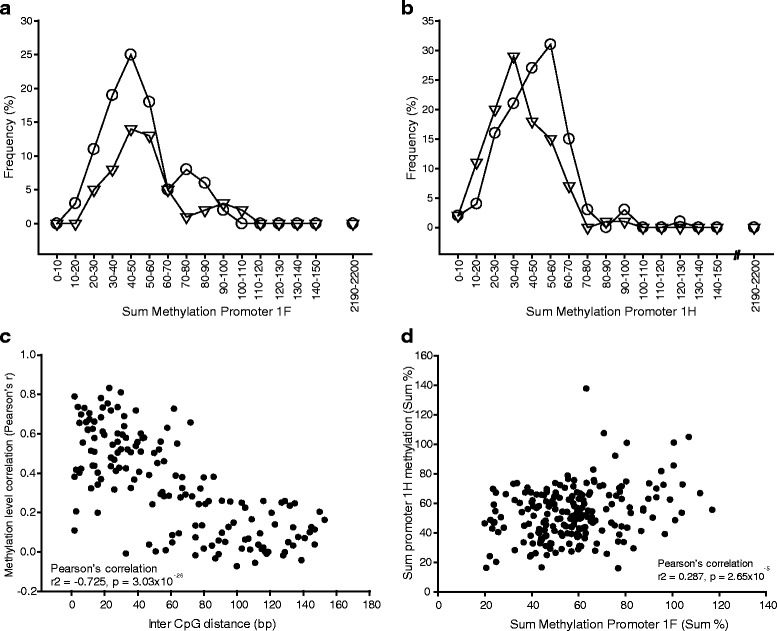
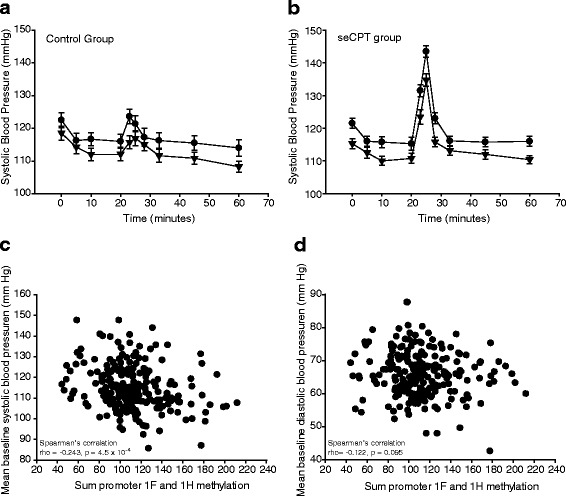
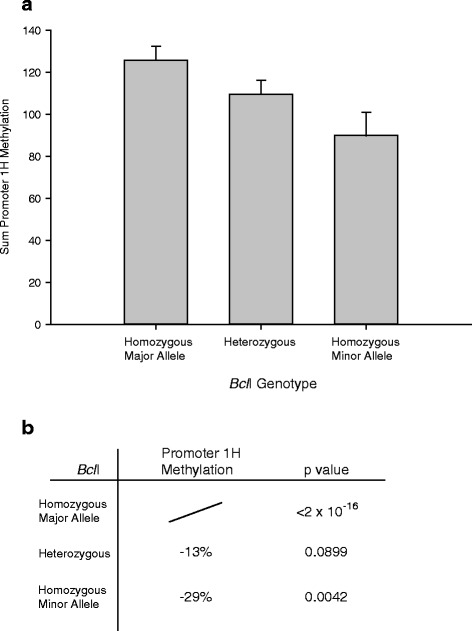
BACKGROUND: Gender, genetic makeup, and prior experience interact to determine physiological responses to an external perceived stressor. Here, we investigated the contribution of both genetic variants and promoter methylation of the NR3C1 (glucocorticoid receptor) gene to the cardiovascular and hypothalamus-pituitary-adrenal (HPA) axis response to the socially evaluated cold pressor test (seCPT). RESULTS: Two hundred thirty-two healthy participants were recruited and underwent the experiment. They were randomly assigned to either the seCPT group (cold water) or a control group (warm water). The seCPT group had a clear stress reaction; salivary cortisol levels and peak systolic and diastolic blood pressure all increased significantly compared to the control group. GR genotype (TthIIII, NR3C1-I, 1H, E22E, R23K, BclI and 9beta) and methylation data were obtained from 218 participants. Haplotypes were built from the GR genotypes, and haplotype 2 (minor allele of BclI) carriers had a higher cortisol response to the seCPT in comparison to non-carriers (20.77 ± 13.22; 14.99 ± 8.42; p = 0.034), as well as independently of the experimental manipulation, higher baseline heart rate (72.44 ± 10.99; 68.74 ± 9.79; p = 0.022) and blood pressure (115.81 ± 10.47; 111.61 ± 10.74; p = 0.048). Average methylation levels throughout promoter 1F and 1H were low (2.76 and 1.69 %, respectively), but there was a strong correlation between individual CpGs and the distance separating them (Pearson's correlation r = 0.725, p = 3.03 × 10(-26)). Higher promoter-wide methylation levels were associated with decreased baseline blood pressure, and when incorporated into a linear mixed effect model significantly predicted lower systolic and diastolic blood pressure evolution over time in response to the experimental manipulation. The underlying genotype significantly predicted methylation levels; particularly, the homozygous BclI minor allele was associated with higher methylation in promoter 1H (p = 0.042). CONCLUSIONS: This is one of the first studies linking epigenetic modifications of the GR promoter, receptor genotype and physiological measures of the stress response. At baseline, there were clear genetic and epigenetic effects on blood pressure. The seCPT induced a strong cardiovascular and HPA axis response, and both systems were affected by the functional genetic variants, although methylation also predicted blood pressure reactivity. The return to baseline was predominantly influenced by the genomic sequence. Overall, the physiological response to the seCPT is controlled by an exquisite mix of genetic and epigenetic factors.
Overview
The claims and statistics of this paper haven’t been checked yet.
Free: it reads the open-access text and checks the first 5 claims that cite a source we can check. Create a free account to check every claim.
Integrity signals
Registry
Cites
Statistics
Figures
Verification
Claims the paper makes
The claims and statistics of this paper haven’t been checked yet.
Free: it reads the open-access text and checks the first 5 claims that cite a source we can check. Create a free account to check every claim.
Claims other papers make about this one
Each is checked against this paper’s own text: does it say what the citing paper says it does?
The cited source says what the claim attributes to it.
In the citing paper
“Individual genetic variants of the glucocorticoid receptor may also affect both the basic cellular phenotypes, i.e., GR expression levels and the overall HPA axis stress response through either an altered GC response or sensitivity [10].”
Self-check
Percentages, sums and reported differences re-computed from the paper’s own numbers.
The self-check needs the paper’s full text.
Citations
Cites
A simple salting out procedure for extracting DNA from human nucleated cells
Miller, S. A., Dykes, D. D., & Polesky, H. F. (1988) · Nucleic Acids Research · doi:10.1093/nar/16.3.1215 · Cited by 20,330
Haploview: analysis and visualization of LD and haplotype maps
Barrett, J. C., Fry, B., Maller, J., & Daly, M. J. (2005) · Bioinformatics · doi:10.1093/bioinformatics/bth457 · Cited by 14,525
A New Statistical Method for Haplotype Reconstruction from Population Data
Stephens, M., Smith, N. J., & Donnelly, P. (2001) · The American Journal of Human Genetics · doi:10.1086/319501 · Cited by 7,493
Epigenetic programming by maternal behavior
Weaver, I. C. G., Cervoni, N., Champagne, F. A., D'Alessio, A. C., Sharma, S., Seckl, J. R., Dymov, S., Szyf, M., & Meaney, M. J. (2004) · Nature Neuroscience · doi:10.1038/nn1276 · Cited by 6,177
Functions of DNA methylation: islands, start sites, gene bodies and beyond
Jones, P. A. (2012) · Nature Reviews Genetics · doi:10.1038/nrg3230 · Cited by 6,061 · cited 2×
“The longstanding association of DNA methylation with gene silencing (reviewed in [26]) does not reflect its functional complexity, orchestrating tissue-specific regulatory elements and expression patterns [27], marking alternative intra-genic promoters [28], controlling alternative splicing [25, 29, 30] and even promo…”
BackgroundStress and the brain: from adaptation to disease
de Kloet, E. R., Joëls, M., & Holsboer, F. (2005) · Nature Reviews Neuroscience · doi:10.1038/nrn1683 · Cited by 4,621
Calamita, E., Schmid, M., Kunz, M., Ndebele-Murisa, M. R., Magadza, C. H. D., Nyambe, I., & Wehrli, B. (2019) · Figshare · doi:10.26181/6153922fe919c · Cited by 4,222
Pruessner, J. C., Kirschbaum, C., Meinlschmid, G., & Hellhammer, D. H. (2003) · Psychoneuroendocrinology · doi:10.1016/s0306-4530(02)00108-7 · Cited by 3,638 · cited 1×
“Cortisol data was reduced to the area under the curve with respect to ground (AUCg) and increase (AUCi; [78]).”
MethodEpigenetic regulation of the glucocorticoid receptor in human brain associates with childhood abuse
McGowan, P. O., Sasaki, A., D'Alessio, A. C., Dymov, S., Labonté, B., Szyf, M., Turecki, G., & Meaney, M. J. (2009) · Nature Neuroscience · doi:10.1038/nn.2270 · Cited by 3,531 · cited 1×
“Similarly, methylation of a smaller (around 125 bp) fragment containing multiple CpGs also has functional effects, reducing promoter activity to ~25 % of the control, unmethylated sequence [5].”
BackgroundA Comparison of Bayesian Methods for Haplotype Reconstruction from Population Genotype Data
Stephens, M., & Donnelly, P. (2003) · The American Journal of Human Genetics · doi:10.1086/379378 · Cited by 3,513
Irizarry, R. A., Ladd-Acosta, C., Wen, B., Wu, Z., Montano, C., Onyango, P., Cui, H., Gabo, K., Rongione, M., Webster, M., et al. (2009) · Nature Genetics · doi:10.1038/ng.298 · Cited by 2,177
Conserved role of intragenic DNA methylation in regulating alternative promoters
Maunakea, A. K., Nagarajan, R. P., Bilenky, M., Ballinger, T. J., D’Souza, C., Fouse, S. D., Johnson, B. E., Hong, C., Nielsen, C., Zhao, Y., et al. (2010) · Nature · doi:10.1038/nature09165 · Cited by 1,743 · cited 1×
“The longstanding association of DNA methylation with gene silencing (reviewed in [26]) does not reflect its functional complexity, orchestrating tissue-specific regulatory elements and expression patterns [27], marking alternative intra-genic promoters [28], controlling alternative splicing [25, 29, 30] and even promo…”
BackgroundOberlander, T. F., Weinberg, J., Papsdorf, M., Grunau, R., Misri, S., & Devlin, A. M. (2008) · Epigenetics · doi:10.4161/epi.3.2.6034 · Cited by 1,432 · cited 1×
“High methylation levels were associated with an increased salivary cortisol response in infants [19] and with a femalespecific increased cortisol secretion after stress [22].”
BackgroundDNA methylation profiling of human chromosomes 6, 20 and 22
Eckhardt, F., Lewin, J., Cortese, R., Rakyan, V. K., Attwood, J., Burger, M., Burton, J., Cox, T. V., Davies, R., Down, T. A., et al. (2006) · Nature Genetics · doi:10.1038/ng1909 · Cited by 1,348
Internal consistencies of the original and revised beck depression inventory
Beck, A. T., & Steer, R. A. (1984) · Journal of Clinical Psychology · doi:10.1002/1097-4679(198411)40:6<1365::aid-jclp2270400615>3.0.co;2-d · Cited by 1,146
Radomski, M. W., Palmer, R. M., & Moncada, S. (1990) · Proceedings of the National Academy of Sciences · doi:10.1073/pnas.87.24.10043 · Cited by 1,096
Dynamic changes in the human methylome during differentiation
Laurent, L., Wong, E., Li, G., Huynh, T., Tsirigos, A., Ong, C. T., Low, H. M., Kin Sung, K. W., Rigoutsos, I., Loring, J., et al. (2010) · Genome Research · doi:10.1101/gr.101907.109 · Cited by 1,041
CTCF-promoted RNA polymerase II pausing links DNA methylation to splicing
Shukla, S., Kavak, E., Gregory, M., Imashimizu, M., Shutinoski, B., Kashlev, M., Oberdoerffer, P., Sandberg, R., & Oberdoerffer, S. (2011) · Nature · doi:10.1038/nature10442 · Cited by 973 · cited 1×
“The longstanding association of DNA methylation with gene silencing (reviewed in [26]) does not reflect its functional complexity, orchestrating tissue-specific regulatory elements and expression patterns [27], marking alternative intra-genic promoters [28], controlling alternative splicing [25, 29, 30] and even promo…”
BackgroundDressendörfer, R. A., Kirschbaum, C., Rohde, W., Stahl, F., & Strasburger, C. J. (1992) · The Journal of Steroid Biochemistry and Molecular Biology · doi:10.1016/0960-0760(92)90294-s · Cited by 882
DNA methylation patterns associate with genetic and gene expression variation in HapMap cell lines
Bell, J. T., Pai, A. A., Pickrell, J. K., Gaffney, D. J., Pique-Regi, R., Degner, J. F., Gilad, Y., & Pritchard, J. K. (2011) · Genome Biology · doi:10.1186/gb-2011-12-1-r10 · Cited by 838
Hautzinger, M., Keller, F., & Kühner, C. (2006) · Cited by 732
Gene Body-Specific Methylation on the Active X Chromosome
Hellman, A., & Chess, A. (2007) · Science · doi:10.1126/science.1136352 · Cited by 729
HPA axis activation by a socially evaluated cold-pressor test
Schwabe, L., Haddad, L., & Schachinger, H. (2008) · Psychoneuroendocrinology · doi:10.1016/j.psyneuen.2008.03.001 · Cited by 696
Self-citationTyrka, A. R., Price, L. H., Marsit, C., Walters, O. C., & Carpenter, L. L. (2012) · PLoS ONE · doi:10.1371/journal.pone.0030148 · Cited by 486
Wagner, J. R., Busche, S., Ge, B., Kwan, T., Pastinen, T., & Blanchette, M. (2014) · Genome biology · doi:10.1186/gb-2014-15-2-r37 · Cited by 446 · cited 1×
“Nevertheless, SNPs in a high LD with those investigated in this study might be regulators of methylation and physiological traits, especially since genetic variation that leads to methylation and expression variation at the same locus is not a rare phenomenon [45].”
BackgroundThe Cold Pressor Test and Autonomic Function: A Review and Integration
Lovallo, W. (1975) · Psychophysiology · doi:10.1111/j.1469-8986.1975.tb01289.x · Cited by 409 · cited 1×
“Physiological responses, including vasoconstriction, increased skin conductance [40], and elevated blood pressure [41, 42] are induced.”
BackgroundFuke, C., Shimabukuro, M., Petronis, A., Sugimoto, J., Oda, T., Miura, K., Miyazaki, T., Ogura, C., Okazaki, Y., & Jinno, Y. (2004) · Annals of Human Genetics · doi:10.1046/j.1529-8817.2004.00081.x · Cited by 401
van Rossum, E. F. C. (2004) · Recent Progress in Hormone Research · doi:10.1210/rp.59.1.333 · Cited by 381
Conserved epigenetic sensitivity to early life experience in the rat and human hippocampus
Suderman, M., McGowan, P. O., Sasaki, A., Huang, T. C. T., Hallett, M. T., Meaney, M. J., Turecki, G., & Szyf, M. (2012) · Proceedings of the National Academy of Sciences · doi:10.1073/pnas.1121260109 · Cited by 327 · cited 1×
“Screening chromosome 18 that contains the rat GR, differential DNA methylation was observed in clusters across broad genomic regions [55].”
BackgroundVan Rossum, E. F. C., Koper, J. W., Van Den Beld, A. W., Uitterlinden, A. G., Arp, P., Ester, W., Janssen, J. A. M. J. L., Brinkmann, A. O., De Jong, F. H., Grobbee, D. E., et al. (2003) · Clinical Endocrinology · doi:10.1046/j.1365-2265.2003.01888.x · Cited by 315
Gertz, J., Varley, K. E., Reddy, T. E., Bowling, K. M., Pauli, F., Parker, S. L., Kucera, K. S., Willard, H. F., & Myers, R. M. (2011) · PLoS Genetics · doi:10.1371/journal.pgen.1002228 · Cited by 300
Yehuda, R., Flory, J. D., Bierer, L. M., Henn-Haase, C., Lehrner, A., Desarnaud, F., Makotkine, I., Daskalakis, N. P., Marmar, C. R., & Meaney, M. J. (2015) · Biological Psychiatry · doi:10.1016/j.biopsych.2014.02.006 · Cited by 293 · cited 2×
“Although the associations of GR promoter methylation with diseases such as posttraumatic stress disorder [18] and depression [5, 19–21] are well studied, there is very little evidence on how it influences HPA axis (re)activity or any other aspect of the stress response such as cardiovascular reactivity.”
BackgroundBuchanan, T. W., Tranel, D., & Adolphs, R. (2006) · Learning & Memory · doi:10.1101/lm.206306 · Cited by 293
El-Maarri, O., Becker, T., Junen, J., Manzoor, S. S., Diaz-Lacava, A., Schwaab, R., Wienker, T., & Oldenburg, J. (2007) · Human Genetics · doi:10.1007/s00439-007-0430-3 · Cited by 271
(2001) · PubMed · Cited by 266
Cushing, Cortisol, and Cardiovascular Disease
Whitworth, J. A., Mangos, G. J., & Kelly, J. J. (2000) · Hypertension · doi:10.1161/01.hyp.36.5.912 · Cited by 259
Turner, J. D., & Muller, C. P. (2005) · Journal of Molecular Endocrinology · doi:10.1677/jme.1.01822 · Cited by 256
Self-citationClinical Features Associated with Glucocorticoid Receptor Polymorphisms: An Overview
Manenschijn, L., van den Akker, E. L. T., Lamberts, S. W. J., & van Rossum, E. F. C. (2009) · Annals of the New York Academy of Sciences · doi:10.1111/j.1749-6632.2009.05013.x · Cited by 249
Basic concepts of epigenetics: Impact of environmental signals on gene expression
Mazzio, E. A., & Soliman, K. F. A. (2012) · Epigenetics · doi:10.4161/epi.7.2.18764 · Cited by 240
Epigenetics and twins: three variations on the theme
PETRONIS, A. (2006) · Trends in Genetics · doi:10.1016/j.tig.2006.04.010 · Cited by 193
Simmons, W. W., Ungureanu-Longrois, D., Smith, G. K., Smith, T. W., & Kelly, R. A. (1996) · Journal of Biological Chemistry · doi:10.1074/jbc.271.39.23928 · Cited by 186
Alt, S. R., Turner, J. D., Klok, M. D., Meijer, O. C., Lakke, E. A. J. F., DeRijk, R. H., & Muller, C. P. (2010) · Psychoneuroendocrinology · doi:10.1016/j.psyneuen.2009.09.001 · Cited by 184
Self-citationWeaver, J. U., Hitman, G. A., & Kopelman, P. G. (1992) · Journal of Molecular Endocrinology · doi:10.1677/jme.0.0090295 · Cited by 182
Transcriptional control of the glucocorticoid receptor: CpG islands, epigenetics and more
Turner, J. D., Alt, S. R., Cao, L., Vernocchi, S., Trifonova, S. T., Battello, N., & Muller, C. P. (2010) · Biochemical Pharmacology · doi:10.1016/j.bcp.2010.06.037 · Cited by 172
Self-citationWan, J., Oliver, V. F., Wang, G., Zhu, H., Zack, D. J., Merbs, S. L., & Qian, J. (2015) · BMC Genomics · doi:10.1186/s12864-015-1271-4 · Cited by 165 · cited 1×
“The longstanding association of DNA methylation with gene silencing (reviewed in [26]) does not reflect its functional complexity, orchestrating tissue-specific regulatory elements and expression patterns [27], marking alternative intra-genic promoters [28], controlling alternative splicing [25, 29, 30] and even promo…”
BackgroundEpigenetic modulation of glucocorticoid receptors in posttraumatic stress disorder
Labonté, B., Azoulay, N., Yerko, V, Turecki, G., & Brunet, A. (2014) · Translational Psychiatry · doi:10.1038/tp.2014.3 · Cited by 162 · cited 1×
“nicely demonstrated that changes occurred promoter-wide [18, 54].”
Multiple Promoters Exist in the Human GR Gene, One of Which Is Activated by Glucocorticoids
Breslin, M. B. (2001) · Molecular Endocrinology · doi:10.1210/me.15.8.1381 · Cited by 161
Klok, M. D., Alt, S. R., Irurzun Lafitte, A. J. M., Turner, J. D., Lakke, E. A. J. F., Huitinga, I., Muller, C. P., Zitman, F. G., Ronald de Kloet, E., & DeRijk, R. H. (2011) · Journal of Psychiatric Research · doi:10.1016/j.jpsychires.2010.12.002 · Cited by 131
Self-citationBromer, C., Marsit, C. J., Armstrong, D. A., Padbury, J. F., & Lester, B. (2013) · Developmental Psychobiology · doi:10.1002/dev.21061 · Cited by 116
Traumatic stress and human DNA methylation: A critical review
Vinkers, C. H., Kalafateli, A. L., Rutten, B. P., Kas, M. J., Kaminsky, Z., Turner, J. D., & Boks, M. P. (2015) · Epigenomics · doi:10.2217/epi.15.11 · Cited by 112 · cited 1×
“There is currently contradicting data on the functional relevance of such limited methylation changes [53].”
BackgroundSelf-citationDaskalakis, N. P., & Yehuda, R. (2014) · Frontiers in Neuroscience · doi:10.3389/fnins.2014.00369 · Cited by 108
Shimabukuro, M., Sasaki, T., Imamura, A., Tsujita, T., Fuke, C., Umekage, T., Tochigi, M., Hiramatsu, K., Miyazaki, T., Oda, T., et al. (2007) · Journal of Psychiatric Research · doi:10.1016/j.jpsychires.2006.08.006 · Cited by 108 · cited 1×
“Sex-specific DNA methylation profiles not unexpected as genome-wide levels are known to be higher in males [46, 47].”
BackgroundTurner, J. D., Pelascini, L. P. L., Macedo, J. A., & Muller, C. P. (2008) · Nucleic Acids Research · doi:10.1093/nar/gkn897 · Cited by 104 · cited 1×
“Bisulfite modification and pyrosequencing were performed in duplicate as previously reported [15, 20, 74].”
MethodSelf-citationGlucocorticoid Sensitivity in Mood Disorders
Spijker, A. T., & van Rossum, E. F. C. (2012) · Neuroendocrinology · doi:10.1159/000329846 · Cited by 103
Sex differential in methylation patterns of selected genes in Singapore Chinese
Sarter, B., Long, T. I., Tsong, W. H., Koh, W., Yu, M. C., & Laird, P. W. (2005) · Human Genetics · doi:10.1007/s00439-005-1317-9 · Cited by 93
Epigenetic regulation of the glucocorticoid receptor promoter 17in adult rats
Witzmann, S. R., Turner, J. D., Mériaux, S. B., Meijer, O. C., & Muller, C. P. (2012) · Epigenetics · doi:10.4161/epi.22363 · Cited by 90 · cited 1×
“such as the anterior pituitary and the adrenal gland [3], as well as throughout the different neural tube derived tissues throughout the human brain [15] supporting the latter hypothesis.”
BackgroundSelf-citationStimulus dimensions of the cold pressor test and the associated patterns of cardiovascular response
PECKERMAN, A., HURWITZ, B. E., SAAB, P. G., LLABRE, M. M., McCABE, P. M., & SCHNEIDERMAN, N. (1994) · Psychophysiology · doi:10.1111/j.1469-8986.1994.tb02217.x · Cited by 87
De Geus, E. J. C., Kupper, N., Boomsma, D. I., & Snieder, H. (2007) · Psychosomatic Medicine · doi:10.1097/psy.0b013e318049cc2d · Cited by 87
Insufficient DNA methylation affects healthy aging and promotes age-related health problems
Liu, L., van Groen, T., Kadish, I., Li, Y., Wang, D., James, S. R., Karpf, A. R., & Tollefsbol, T. O. (2011) · Clinical Epigenetics · doi:10.1007/s13148-011-0042-6 · Cited by 80
Architectural Epigenetics: Mitotic Retention of Mammalian Transcriptional Regulatory Information
Zaidi, S. K., Young, D. W., Montecino, M. A., Lian, J. B., Stein, J. L., van Wijnen, A. J., & Stein, G. S. (2010) · Molecular and Cellular Biology · doi:10.1128/mcb.00646-10 · Cited by 78
Sandovici, I., Kassovska-Bratinova, S., Loredo-Osti, J. C., Leppert, M., Suarez, A., Stewart, R., Bautista, F. D., Schiraldi, M., & Sapienza, C. (2005) · Human Molecular Genetics · doi:10.1093/hmg/ddi218 · Cited by 75
Edelman, S., Shalev, I., Uzefovsky, F., Israel, S., Knafo, A., Kremer, I., Mankuta, D., Kaitz, M., & Ebstein, R. P. (2012) · PLoS ONE · doi:10.1371/journal.pone.0048597 · Cited by 64 · cited 1×
“High methylation levels were associated with an increased salivary cortisol response in infants [19] and with a femalespecific increased cortisol secretion after stress [22].”
BackgroundMacedo, J. A., Hesse, J., Turner, J. D., Meyer, J., Hellhammer, D. H., & Muller, C. P. (2008) · Psychoneuroendocrinology · doi:10.1016/j.psyneuen.2008.03.012 · Cited by 62
Self-citationCao-Lei, L., Leija, S. C., Kumsta, R., Wüst, S., Meyer, J., Turner, J. D., & Muller, C. P. (2011) · Human Genetics · doi:10.1007/s00439-011-0949-1 · Cited by 58
Self-citationRole of epigenetic factors in the development of mental illness throughout life.
Guintivano, J., & Kaminsky, Z. (2016) · Neurosciences research · doi:10.1016/j.neures.2014.08.003 · Cited by 57
de Rooij, S. R., Costello, P. M., Veenendaal, M. V. E., Lillycrop, K. A., Gluckman, P. D., Hanson, M. A., Painter, R. C., & Roseboom, T. J. (2012) · Psychoneuroendocrinology · doi:10.1016/j.psyneuen.2011.09.010 · Cited by 53
Kumsta, R., Moser, D., Streit, F., Koper, J. W., Meyer, J., & Wüst, S. (2009) · American Journal of Medical Genetics Part B: Neuropsychiatric Genetics · doi:10.1002/ajmg.b.30837 · Cited by 52
Glucocorticoid receptor gene expression and promoter CpG modifications throughout the human brain
Cao-Lei, L., Suwansirikul, S., Jutavijittum, P., Mériaux, S. B., Turner, J. D., & Muller, C. P. (2013) · Journal of Psychiatric Research · doi:10.1016/j.jpsychires.2013.07.022 · Cited by 46
Self-citationGenetic influences on blood pressure with the cold-pressor test: a twin study
Busjahn, A., Faulhaber, H., Viken, R. J., Rose, R. J., & Luft, F. C. (1996) · Journal of Hypertension · doi:10.1097/00004872-199610000-00007 · Cited by 44
Turner, J. D., Vernocchi, S., Schmitz, S., & Muller, C. P. (2014) · Biochimica et Biophysica Acta (BBA) - Gene Regulatory Mechanisms · doi:10.1016/j.bbagrm.2014.08.010 · Cited by 42
Self-citationHattori, T., Murase, T., Iwase, E., Takahashi, K., Ohtake, M., Tsuboi, K., Ohtake, M., Miyachi, M., Murohara, T., & Nagata, K. (2013) · PubMed Central · doi:10.18999/nagjms.75.1-2.81 · Cited by 39
Heart rate response to post-learning stress predicts memory consolidation
Larra, M. F., Schulz, A., Schilling, T. M., Ferreira de Sá, D. S., Best, D., Kozik, B., & Schächinger, H. (2014) · Neurobiology of Learning and Memory · doi:10.1016/j.nlm.2013.12.004 · Cited by 36
Self-citationREACTIVE OXYGEN SPECIES AND GLUCOCORTICOID‐INDUCED HYPERTENSION
Ong, S. L., Zhang, Y., & Whitworth, J. A. (2008) · Clinical and Experimental Pharmacology and Physiology · doi:10.1111/j.1440-1681.2008.04900.x · Cited by 35
Where does transcription start? 5′-RACE adapted to next-generation sequencing
Leenen, F. A. D., Vernocchi, S., Hunewald, O. E., Schmitz, S., Molitor, A. M., Muller, C. P., & Turner, J. D. (2015) · Nucleic Acids Research · doi:10.1093/nar/gkv1328 · Cited by 30
Self-citationRoy‐Gagnon, M., Weir, M. R., Sorkin, J. D., Ryan, K. A., Sack, P., Hines, S., Bielak, L. F., Peyser, P. A., Post, W. S., Mitchell, B. D., et al. (2008) · Journal of Hypertension · doi:10.1097/hjh.0b013e3282f524b4 · Cited by 26
Melcescu, E., Griswold, M. E., Xiang, L., Belk, S. S., Montgomery, D. L., Bray, M., Ben, K. S. D., Uwaifo, G. I., Marshall, G. D., & Koch, C. A. (2012) · HORMONES · doi:10.14310/horm.2002.1344 · Cited by 20
Stress Strengthens Memory of First Impressions of Others' Positive Personality Traits
Lass-Hennemann, J., Kuehl, L. K., Schulz, A., Oitzl, M. S., & Schachinger, H. (2011) · PLoS ONE · doi:10.1371/journal.pone.0016389 · Cited by 16
Self-citation
Research works printed but not linked: 2
- Plomin R, DeFries JC, Knopik VS, Neiderheiser J. Behavioral genetics. Palgrave Macmillan; 2013.
- Beck AT Steer RA Brown GK Manual for the Beck Depression Inventory-II 1996 San Antonio Psychological Corporation
Cited by
Annane, D., Pastores, S. M., Arlt, W., Balk, R. A., Beishuizen, A., Briegel, J., Carcillo, J., Christ-Crain, M., Cooper, M. S., Marik, P. E., et al. (2017) · Intensive Care Medicine · doi:10.1007/s00134-017-4914-x · Cited by 220
DNA methylation: conducting the orchestra from exposure to phenotype?
Leenen, F. A. D., Muller, C. P., & Turner, J. D. (2016) · Clinical Epigenetics · doi:10.1186/s13148-016-0256-8 · Cited by 181
Self-citationGrova, N., Schroeder, H., Olivier, J. L., & Turner, J. D. (2019) · International Journal of Genomics · doi:10.1155/2019/2085496 · Cited by 160
Self-citationAnnane, D., Pastores, S. M., Arlt, W., Balk, R. A., Beishuizen, A., Briegel, J., Carcillo, J., Christ-Crain, M., Cooper, M. S., Marik, P. E., et al. (2017) · Critical Care Medicine · doi:10.1097/ccm.0000000000002724 · Cited by 117
Allostatic load and comorbidities: A mitochondrial, epigenetic, and evolutionary perspective
Juster, R.-P., Russell, J. J., Almeida, D., & Picard, M. (2016) · Development and Psychopathology · doi:10.1017/s0954579416000730 · Cited by 97
Metadata
- Authors
- Li-Tempel, T., Larra, M. F., Sandt, E., Mériaux, S. B., Schote, A. B., Schächinger, H., Muller, C. P., & Turner, J. D.
- Affiliations
- Universität Trier (DE)
- Luxembourg Institute of Health (LU)
- Corresponding author
- Turner, Jonathan D.
- Venue
- Clinical Epigenetics
- Published
- 2016-01-28
- Volume
- 8
- Issue
- 1
- Pages
- 12-12
- ISSN
- 1868-7075 (ISSN-L)
- 1868-7083
- PMC
- PMC4730588
- OpenAlex
- W2277519291
- Cited by
- 46
- References
- 77
- Citations by year
- 2026: 1 · 2025: 1 · 2024: 1 · 2023: 5 · 2022: 4 · 2021: 1 · 2020: 4 · 2019: 8 · 2018: 7 · 2017: 8 · 2016: 6
- FWCI
- 6.18
- Type
- journal article
- Language
- en
- Open access
- gold
- doi.org
- Licence
- cc-by
- Locations
- Clinical Epigenetics (publishedVersion, cc-by)
- PubMed Central (publishedVersion, cc-by)
- PubMed (publishedVersion)
- Funders
- Fonds National de la Recherche Luxembourg (C12/BM/3985792 “EpiPath”)
- Deutsche Forschungsgemeinschaft (GRK 1391/1)
- Topics
- Life Sciences › Neuroscience › Behavioral Neuroscience › Stress Responses and Cortisol
- Health Sciences › Medicine › Endocrinology, Diabetes and Metabolism › Adrenal Hormones and Disorders
- Life Sciences › Biochemistry, Genetics and Molecular Biology › Genetics › Genetic Associations and Epidemiology
- Keywords
- glucocorticoid receptor, NR3C1, promoter methylation, hypothalamic-pituitary-adrenal axis, cardiovascular stress response, cold pressor test, social evaluation, cortisol, blood pressure, BclI polymorphism, haplotypes, epigenetics, genetic variants, CpG methylation, heart rate, stress reactivity, sex differences
- MeSH terms
- Blood Pressure, Female, Genotype, Haplotypes, Humans, Hydrocortisone, Male, Promoter Regions, Genetic, Receptors, Glucocorticoid, Saliva, Stress, Psychological, Genetic Variation, DNA Methylation, Young Adult
About these checks
Registry, retraction, Cites and statistics results are computed, not judged, with one exception: a printed reference that no index lists is read once by a model before it counts as a citation error. Claims are extracted by a model and kept only when their quote appears verbatim in the text; each cited source is then checked, with a model’s help, for whether it says what the claim relies on. Those verdicts can be wrong — read the claim’s quote and the cited source before relying on one.
Statistics and arithmetic are recomputed, not judged.
Confidence bands are shown only for fields calibrated on our annotated test set. None is calibrated yet, so no band is shown.
What counts as a claim ›How we measure confidence ›How we check this ›
Are you an author, or do you see a problem with this page? Request a review
Data sources
Bibliographic data: Semantic Scholar, OpenAlex, Crossref.
Contains information from the Semantic Scholar Academic Graph Datasets, made available under the ODC Attribution License (ODC-BY 1.0).
Semantic Scholar’s data is described in: Kinney, R., et al. (2023). The Semantic Scholar Open Data Platform. arXiv:2301.10140.
