

Artificial intelligence framework identifies candidate targets for drug repurposing in Alzheimer’s disease
Open accessPublished version of a preprint
The DOI matches its Crossref record; 102 of the 102 references it cites were found in a registry or an index.
Abstract
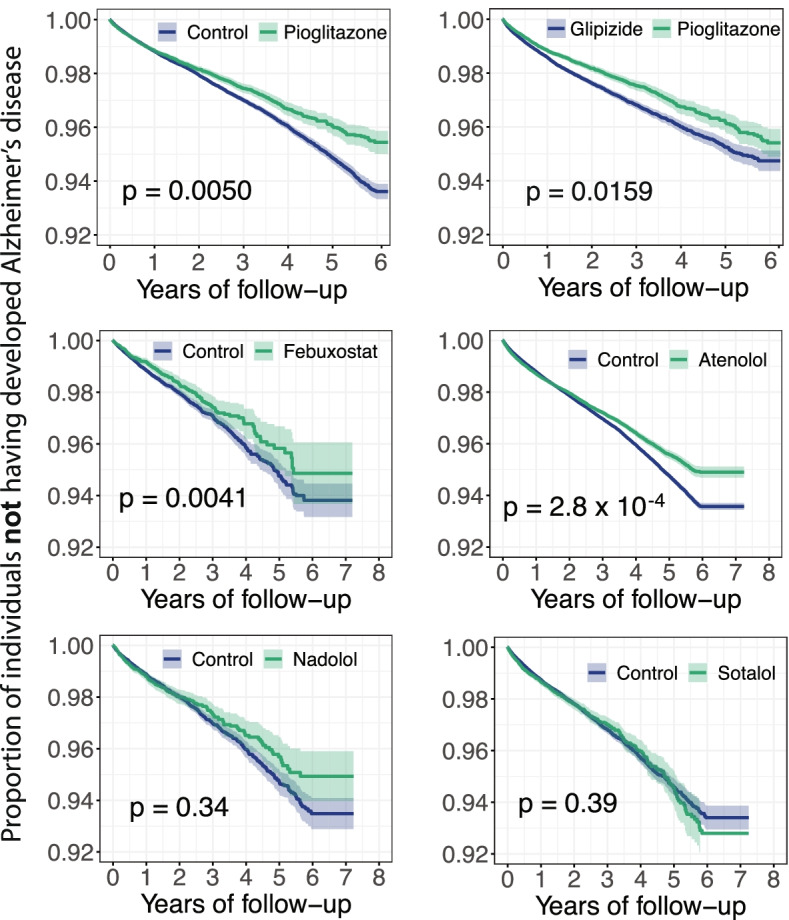
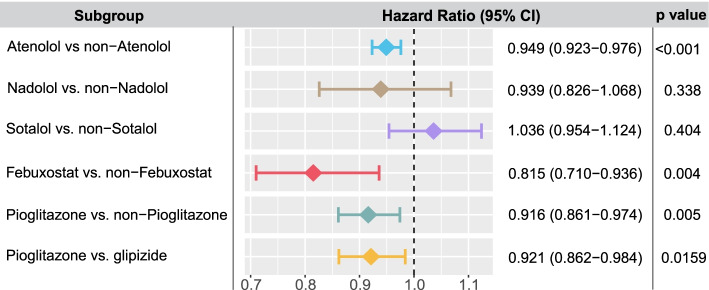
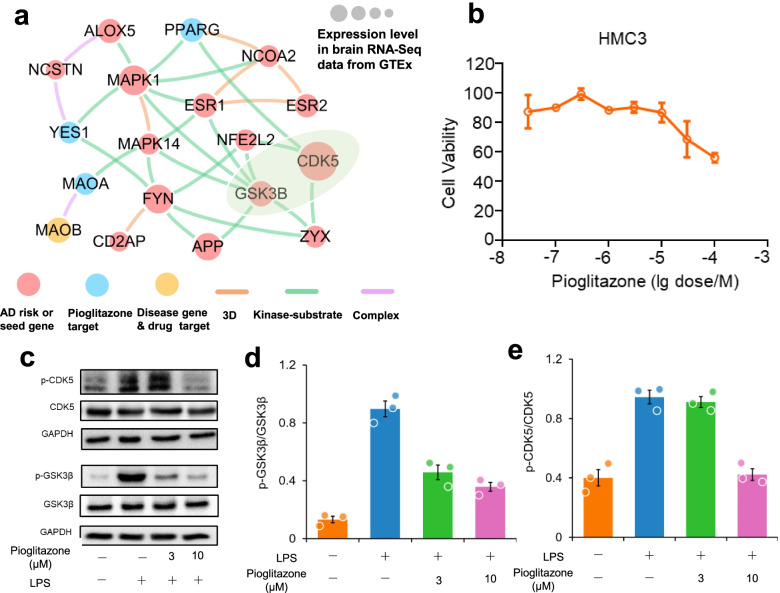
Background: Genome-wide association studies (GWAS) have identified numerous susceptibility loci for Alzheimer’s disease (AD). However, utilizing GWAS and multi-omics data to identify high-confidence AD risk genes (ARGs) and druggable targets that can guide development of new therapeutics for patients suffering from AD has heretofore not been successful. Methods: To address this critical problem in the field, we have developed a network-based artificial intelligence framework that is capable of integrating multi-omics data along with human protein–protein interactome networks to accurately infer accurate drug targets impacted by GWAS-identified variants to identify new therapeutics. When applied to AD, this approach integrates GWAS findings, multi-omics data from brain samples of AD patients and AD transgenic animal models, drug-target networks, and the human protein–protein interactome, along with large-scale patient database validation and in vitro mechanistic observations in human microglia cells. Results: Through this approach, we identified 103 ARGs validated by various levels of pathobiological evidence in AD. Via network-based prediction and population-based validation, we then showed that three drugs (pioglitazone, febuxostat, and atenolol) are significantly associated with decreased risk of AD compared with matched control populations. Pioglitazone usage is significantly associated with decreased risk of AD (hazard ratio (HR) = 0.916, 95% confidence interval [CI] 0.861–0.974, P = 0.005) in a retrospective case-control validation. Pioglitazone is a peroxisome proliferator-activated receptor (PPAR) agonist used to treat type 2 diabetes, and propensity score matching cohort studies confirmed its association with reduced risk of AD in comparison to glipizide (HR = 0.921, 95% CI 0.862–0.984, P = 0.0159), an insulin secretagogue that is also used to treat type 2 diabetes. In vitro experiments showed that pioglitazone downregulated glycogen synthase kinase 3 beta (GSK3β) and cyclin-dependent kinase (CDK5) in human microglia cells, supporting a possible mechanism-of-action for its beneficial effect in AD. Conclusions: In summary, we present an integrated, network-based artificial intelligence methodology to rapidly translate GWAS findings and multi-omics data to genotype-informed therapeutic discovery in AD.
Overview
The claims and statistics of this paper haven’t been checked yet.
Free: it reads the open-access text and checks the first 5 claims that cite a source we can check. Create a free account to check every claim.
Integrity signals
Registry
Cites
Statistics
Figures
Verification
Claims the paper makes
The claims and statistics of this paper haven’t been checked yet.
Free: it reads the open-access text and checks the first 5 claims that cite a source we can check. Create a free account to check every claim.
Claims other papers make about this one
Each is checked against this paper’s own text: does it say what the citing paper says it does?
The cited source says what the claim attributes to it.
In the citing paper
“the ability of AI to utilize genetic and multiomics data also demonstrates great potential for advancing the treatment of dementia”
From Multimodal neuroimaging and AI integration in cognitive disorders: advances, challenges, and future directions for precision medicine (2026) · cites this paper as Fang et al., 2022
The cited source says what the claim attributes to it.
In the citing paper
“The AD repurposing candidates suggested and validated by the five studies using real-world data for validation included fluticasone and mometasone (inhaled corticosteroids) (Xu et al., 2021), dexamethasone (a systemic corticosteroid) (Tang et al., 2022), pioglitazone (an antidiabetic drug) (Fang et al., 2022), febuxostat (a uric acid-lowering drug used in treatment of gout) (Fang et al., 2022),”
From Drug repurposing for Alzheimer’s disease from 2012–2022—a 10-year literature review (2023) · cites this paper as Fang et al., 2022
The cited source says what the claim attributes to it.
In the citing paper
“Four of these studies performed pharmacoepidemiologic investigations, three leveraging the MarketScan Medicare Supplementary Material (Fang et al., 2021;Xu et al., 2021;Fang et al., 2022) and the fourth utilizing Medicare claims data (Desai et al., 2022).”
From Drug repurposing for Alzheimer’s disease from 2012–2022—a 10-year literature review (2023) · cites this paper as Fang et al., 2022
Self-check
Percentages, sums and reported differences re-computed from the paper’s own numbers.
The self-check needs the paper’s full text.
Citations
Cites
WGCNA: an R package for weighted correlation network analysis
Langfelder, P., & Horvath, S. (2008) · BMC Bioinformatics · doi:10.1186/1471-2105-9-559 · Cited by 27,252
DrugBank 5.0: a major update to the DrugBank database for 2018
Wishart, D. S., Feunang, Y. D., Guo, A. C., Lo, E. J., Marcu, A., Grant, J. R., Sajed, T., Johnson, D., Li, C., Sayeeda, Z., et al. (2018) · Nucleic Acids Research · doi:10.1093/nar/gkx1037 · Cited by 8,404
Bindea, G., Mlecnik, B., Hackl, H., Charoentong, P., Tosolini, M., Kirilovsky, A., Fridman, W.-H., Pagès, F., Trajanoski, Z., & Galon, J. (2009) · Bioinformatics · doi:10.1093/bioinformatics/btp101 · Cited by 6,280 · cited 1×
“To advance disease understanding of networkpredicted high-confidence risk genes, we performed biological pathway enrichment analysis using ClueGO plugin in Cytoscape (Table S9) [55].”
MethodA Unique Microglia Type Associated with Restricting Development of Alzheimer’s Disease
Keren-Shaul, H., Spinrad, A., Weiner, A., Matcovitch-Natan, O., Dvir-Szternfeld, R., Ulland, T. K., David, E., Baruch, K., Lara-Astaiso, D., Toth, B., et al. (2017) · Cell · doi:10.1016/j.cell.2017.05.018 · Cited by 5,493 · cited 2×
“16.1) packages in R with steps complied with the original literature [24–27].”
MethodInfluentialMeta-Analysis of 74,046 Individuals Identifies 11 New Susceptibility Loci for Alzheimer’s Disease
(EADI), E. A. D. I., Lambert, J.-C., (GERAD), G. A. E. R. I. A. D., Alzheimer's Disease Genetic Consortium (ADGC), (CHARGE), C. F. H. A. A. R. I. G. E., Ibrahim-Verbaas, C. A., Harold, D., Naj, A. C., Sims, R., Bellenguez, C., et al. (2013) · Nature Genetics · doi:10.1038/ng.2802 · Cited by 4,336 · cited 1×
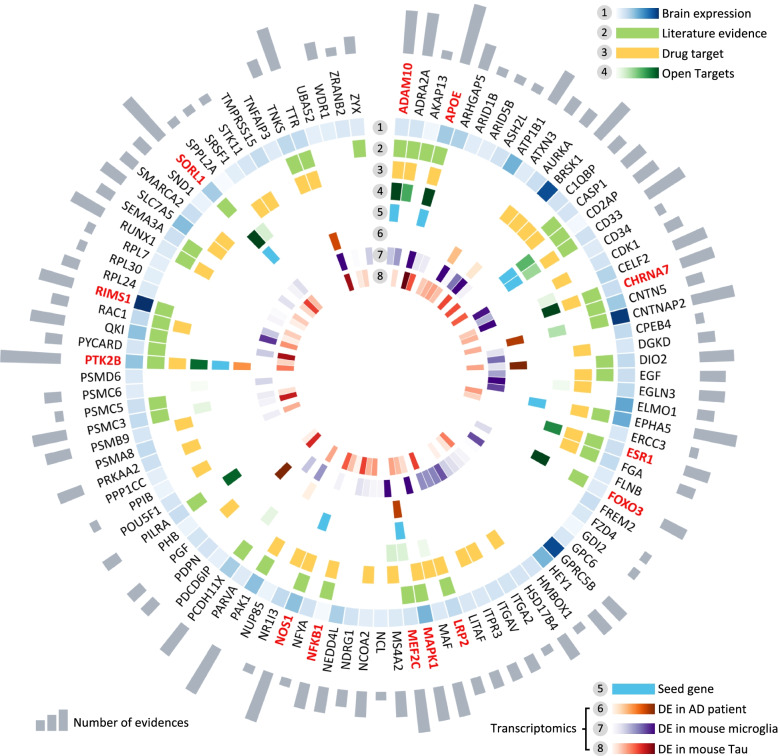
“Among them, APOE , ADAM10 , and SORL1 are well-known AD risk genes, validated by large-scale genetic studies and preclinical studies [6, 59, 60].”
BackgroundAlzheimer Disease: An Update on Pathobiology and Treatment Strategies
Long, J. M., & Holtzman, D. M. (2019) · Cell · doi:10.1016/j.cell.2019.09.001 · Cited by 3,204 · cited 3×
“S FDA for Alzheimer’s treatment in nearly 20 years; yet, its clinical efficacy is limited to a narrow segment of the AD continuum andpotential side effects [1, 9].”
BackgroundAlzheimer Disease Genetics Consortium (ADGC), Kunkle, B. W., The European Alzheimer’s Disease Initiative (EADI), Cohorts for Heart and Aging Research in Genomic Epidemiology Consortium (CHARGE), Genetic and Environmental Risk in AD/Defining Genetic, P. A. E. R. F. A. D. C. (., Grenier-Boley, B., Sims, R., Bis, J. C., Damotte, V., Naj, A. C., et al. (2019) · Nature Genetics · doi:10.1038/s41588-019-0358-2 · Cited by 2,946
An Expanded View of Complex Traits: From Polygenic to Omnigenic
Boyle, E. A., Li, Y. I., & Pritchard, J. K. (2017) · Cell · doi:10.1016/j.cell.2017.05.038 · Cited by 2,851 · cited 1×
“To maximize genetic signals based on the omnigenic hypothesis [20], we adopted a loose threshold ( P < 1 × 10 − 5 ) to collect and filter AD SNPs and finally obtained 106 unique GWAS SNPs for downstream analyses. systems; (2) kinase-substrate interactions by literature-derived low-throughput and…”
MethodSingle-cell transcriptomic analysis of Alzheimer’s disease
Mathys, H., Davila-Velderrain, J., Peng, Z., Gao, F., Mohammadi, S., Young, J. Z., Menon, M., He, L., Abdurrob, F., Jiang, X., et al. (2019) · Nature · doi:10.1038/s41586-019-1195-2 · Cited by 2,568 · cited 1×
“To validate the remaining 14 ARGs without any omics evidence, we further collected significantly expressed proteins or genes from the most recent human AD brain proteomic or transcriptomic studies [26, 48–51].”
MethodAn atlas of active enhancers across human cell types and tissues
The FANTOM Consortium, Andersson, R., Gebhard, C., Miguel-Escalada, I., Hoof, I., Bornholdt, J., Boyd, M., Chen, Y., Zhao, X., Schmidl, C., et al. (2014) · Nature · doi:10.1038/nature12787 · Cited by 2,550 · cited 3×
“The second data-set we used was from the Functional Annotation of the Mammalian Genome 5 (FANTOM5) project [22], in which cap analysis of gene expression (CAGE) technology was employed to infer enhancer-promoter links Comparison analyses were conducted to evaluate the predicted drug‑AD association…”
MethodNichols, E., Szoeke, C. E. I., Vollset, S. E., Abbasi, N., Abd-Allah, F., Abdela, J., Aichour, M. T. E., Akinyemi, R. O., Alahdab, F., Asgedom, S. W., et al. (2019) · The Lancet Neurology · doi:10.1016/s1474-4422(18)30403-4 · Cited by 2,412
Genetics of rheumatoid arthritis contributes to biology and drug discovery
the RACI consortium, Okada, Y., the GARNET consortium, Wu, D., Trynka, G., Raj, T., Terao, C., Ikari, K., Kochi, Y., Ohmura, K., et al. (2014) · Nature · doi:10.1038/nature12873 · Cited by 2,310
Jansen, I. E., Savage, J. E., Watanabe, K., Bryois, J., Williams, D. M., Steinberg, S., Sealock, J., Karlsson, I. K., Hägg, S., Athanasiu, L., et al. (2019) · Nature Genetics · doi:10.1038/s41588-018-0311-9 · Cited by 2,277 · cited 1×
“Although genome-wide association studies (GWAS) have identified over 40 genome-wide significant susceptibility loci for AD [4–7], translating these findings into identification of high-confidence AD risk genes (ARGs) and potential therapies has eluded the field.”
BackgroundMasters, C. L., Bateman, R., Blennow, K., Rowe, C. C., Sperling, R. A., & Cummings, J. L. (2015) · Nature Reviews Disease Primers · doi:10.1038/nrdp.2015.56 · Cited by 1,853 · cited 1×
“Alzheimer’s disease (AD) is a chronic neurodegenerative disorder associated with progressive cognitive decline, extracellular amyloid plaques, intracellular neurofibrillary tangles, and neuronal death [1, 2].”
BackgroundSelf-citationAlzheimer’s disease drug-development pipeline: Few candidates, frequent failures
Cummings, J. L., Morstorf, T., & Zhong, K. (2014) · Alzheimer's Research & Therapy · doi:10.1186/alzrt269 · Cited by 1,744
Self-citationTREM2 Lipid Sensing Sustains the Microglial Response in an Alzheimer’s Disease Model
Wang, Y., Cella, M., Mallinson, K., Ulrich, J. D., Young, K. L., Robinette, M. L., Gilfillan, S., Krishnan, G. M., Sudhakar, S., Zinselmeyer, B. H., et al. (2015) · Cell · doi:10.1016/j.cell.2015.01.049 · Cited by 1,736 · cited 1×
“We also collected mouse microarray data from AD transgenic mouse vs. controls, including brain microglia of 5XFAD mice from 2 independent datasets (GSE65067 and GSE74615) [30, 31], and brain hippocampus of Tg4510 mice (GSE53480 and GSE57583) [32].”
MethodThe support of human genetic evidence for approved drug indications
Nelson, M. R., Tipney, H., Painter, J. L., Shen, J., Nicoletti, P., Shen, Y., Floratos, A., Sham, P. C., Li, M. J., Wang, J., et al. (2015) · Nature Genetics · doi:10.1038/ng.3314 · Cited by 1,666 · cited 1×
“Broadly in disease, drug targets with genetic support have carried a high success rate among U.S. Food and Drug Administration (FDA)- approved therapies [13, 14].”
BackgroundIntegrated Systems Approach Identifies Genetic Nodes and Networks in Late-Onset Alzheimer’s Disease
Zhang, B., Gaiteri, C., Bodea, L.-G., Wang, Z., McElwee, J., Podtelezhnikov, A. A., Zhang, C., Xie, T., Tran, L., Dobrin, R., et al. (2013) · Cell · doi:10.1016/j.cell.2013.03.030 · Cited by 1,657 · cited 1×
“The AD genetics altered the molecular interactions of cellular pathways, which are represented through the organized structure of molecular networks (i.e., gene regulatory networks) or gene co-expression modules [84, 85].”
BackgroundSelf-citationUncovering disease-disease relationships through the incomplete interactome
Menche, J., Sharma, A., Kitsak, M., Ghiassian, S. D., Vidal, M., Loscalzo, J., & Barabási, A.-L. (2015) · Science · doi:10.1126/science.1257601 · Cited by 1,546 · cited 1×
“Multiple studies have demonstrated high false positive rate of the gene/protein co-expression networks compared to the physical protein–protein interaction network [95, 96].”
BackgroundUber eine eigenartige Erkrankung der Hirnrinde
Alzheimer, A. (1907) · Medical Entomology and Zoology · Cited by 1,503
Alzheimer’s Disease Risk Genes and Mechanisms of Disease Pathogenesis
Karch, C. M., & Goate, A. M. (2015) · Biological Psychiatry · doi:10.1016/j.biopsych.2014.05.006 · Cited by 1,357 · cited 1×
“MEF2C (rs254776) has been reported in several AD GWAS studies [56, 57], and we found significantly lower expression of MEF2C in AD brain (adj-P = 0.010, one side Wilcoxon test, Fig.”
ResultInfluentialLessons learned from the fate of AstraZeneca's drug pipeline: a five-dimensional framework
Cook, D., Brown, D., Alexander, R., March, R., Morgan, P., Satterthwaite, G., & Pangalos, M. N. (2014) · Nature Reviews Drug Discovery · doi:10.1038/nrd4309 · Cited by 1,344 · cited 1×
“Broadly in disease, drug targets with genetic support have carried a high success rate among U.S. Food and Drug Administration (FDA)- approved therapies [13, 14].”
BackgroundZhou, Y., Song, W. M., Andhey, P. S., Swain, A., Levy, T., Miller, K. R., Poliani, P. L., Cominelli, M., Grover, S., Gilfillan, S., et al. (2020) · Nature Medicine · doi:10.1038/s41591-019-0695-9 · Cited by 1,150 · cited 1×
“We collected mouse single-cell/nucleus RNA sequencing (sc/snRNA-Seq) data in 5XFAD brain samples versus controls from two recent studies (GSE98969 and GSE140511) [24, 25].”
MethodSelf-citationWightman, D. P., Jansen, I. E., Savage, J. E., Shadrin, A. A., Bahrami, S., Holland, D., Rongve, A., Børte, S., Winsvold, B. S., Drange, O. K., et al. (2021) · Nature Genetics · doi:10.1038/s41588-021-00921-z · Cited by 1,011 · cited 1×
“Since several recent GWAS studies have been conducted [97, 98], we may identify new AD-associated risk genes via integration of the latest novel GWAS loci for AD in the future.”
BackgroundMapping long-range promoter contacts in human cells with high-resolution capture Hi-C
Mifsud, B., Tavares-Cadete, F., Young, A. N., Sugar, R., Schoenfelder, S., Ferreira, L., Wingett, S. W., Andrews, S., Grey, W., Ewels, P. A., et al. (2015) · Nature Genetics · doi:10.1038/ng.3286 · Cited by 990
Grubman, A., Chew, G., Ouyang, J. F., Sun, G., Choo, X. Y., McLean, C., Simmons, R. K., Buckberry, S., Vargas-Landin, D. B., Poppe, D., et al. (2019) · Nature Neuroscience · doi:10.1038/s41593-019-0539-4 · Cited by 956 · cited 3×
“To validate the remaining 14 ARGs without any omics evidence, we further collected significantly expressed proteins or genes from the most recent human AD brain proteomic or transcriptomic studies [26, 48–51].”
MethodDesai, R. J., & Franklin, J. M. (2019) · BMJ · doi:10.1136/bmj.l5657 · Cited by 657 · cited 1×
“In pharmacoepidemiologic studies, a comparator drug sharing similar indications with the investigational drug is usually selected as a “control drug” [82].”
BackgroundNon-coding genetic variants in human disease: Figure 1.
Zhang, F., & Lupski, J. R. (2015) · Human Molecular Genetics · doi:10.1093/hmg/ddv259 · Cited by 609
Jiang, T., Sun, Q., & Chen, S. (2016) · Progress in Neurobiology · doi:10.1016/j.pneurobio.2016.07.005 · Cited by 586 · cited 1×
“Oxidative stress is a prominent hypothesis in the pathogenesis of AD [67].”
BackgroundChromosome conformation elucidates regulatory relationships in developing human brain
Won, H., de la Torre-Ubieta, L., Stein, J. L., Parikshak, N. N., Huang, J., Opland, C. K., Gandal, M. J., Sutton, G. J., Hormozdiari, F., Lu, D., et al. (2016) · Nature · doi:10.1038/nature19847 · Cited by 584 · cited 1×
“We collected DRE-promoter connection data generated by two technologies: CAGE from FANTOM5 project and capture Hi-C (see “Material and methods”) [22, 47].”
MethodNetwork-based approach to prediction and population-based validation of in silico drug repurposing
Cheng, F., Desai, R. J., Handy, D. E., Wang, R., Schneeweiss, S., Barabási, A.-L., & Loscalzo, J. (2018) · Nature Communications · doi:10.1038/s41467-018-05116-5 · Cited by 552 · cited 8×
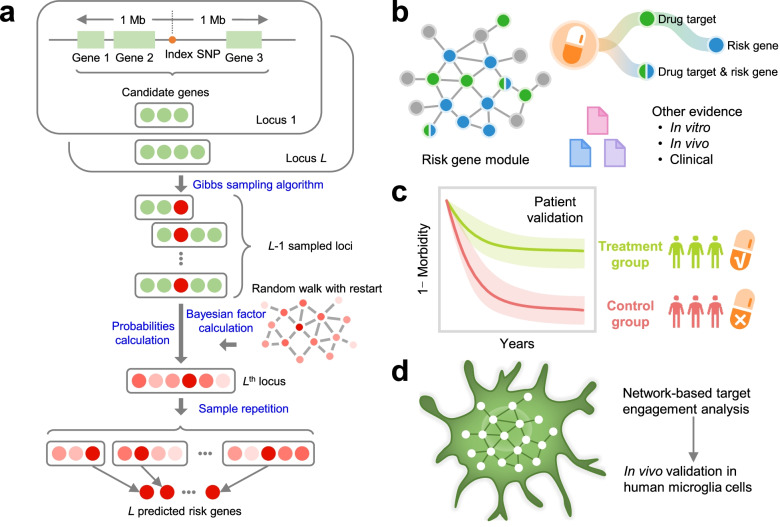
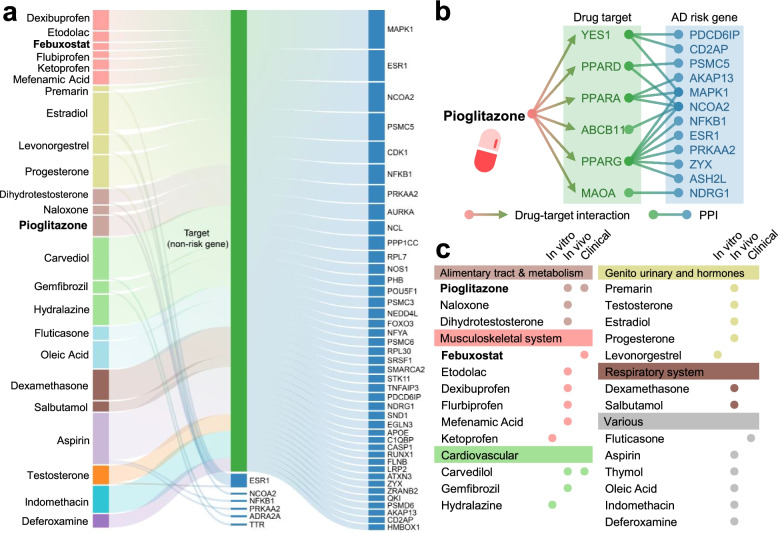
“To examine the potential application of ARGs on AD drug repurposing, we applied a network proximity approach [15] to quantify the interplay between AD modules from ARGs and drug targets in the human interactome network.”
BackgroundMethodResultInfluentialSelf-citationSchwartzentruber, J., Cooper, S., Liu, J. Z., Barrio-Hernandez, I., Bello, E., Kumasaka, N., Young, A. M. H., Franklin, R. J. M., Johnson, T., Estrada, K., et al. (2021) · Nature Genetics · doi:10.1038/s41588-020-00776-w · Cited by 532 · cited 1×
“Since several recent GWAS studies have been conducted [97, 98], we may identify new AD-associated risk genes via integration of the latest novel GWAS loci for AD in the future.”
BackgroundLi, Y. H., Yu, C. Y., Li, X. X., Zhang, P., Tang, J., Yang, Q., Fu, T., Zhang, X., Cui, X., Tu, G., et al. (2018) · Nucleic Acids Research · doi:10.1093/nar/gkx1076 · Cited by 523 · cited 1×
“3.02) [40], and the PharmGKB database [41].”
InfluentialSelf-citationOpen Targets: a platform for therapeutic target identification and validation
Koscielny, G., An, P., Carvalho-Silva, D., Cham, J. A., Fumis, L., Gasparyan, R., Hasan, S., Karamanis, N., Maguire, M., Papa, E., et al. (2017) · Nucleic Acids Research · doi:10.1093/nar/gkw1055 · Cited by 504 · cited 2×
“In total, we incorporated 8 criteria that can be categorized into 5 types of biological evidence: (1) brain-expression specificity (z-score) derived from GTEx database, (2) availability of supportive experimental evidence from the literatures and manually curated data from Open Targets database [23], (3) experimentall…”
BackgroundMethodMolecular characterization of selectively vulnerable neurons in Alzheimer’s disease
Leng, K., Li, E., Eser, R., Piergies, A., Sit, R., Tan, M., Neff, N., Li, S. H., Rodriguez, R. D., Suemoto, C. K., et al. (2021) · Nature Neuroscience · doi:10.1038/s41593-020-00764-7 · Cited by 485 · cited 3×
“16.1) packages in R with steps complied with the original literature [24–27].”
MethodInfluentialSeyfried, N. T., Dammer, E. B., Swarup, V., Nandakumar, D., Duong, D. M., Yin, L., Deng, Q., Nguyen, T., Hales, C. M., Wingo, T., et al. (2017) · Cell Systems · doi:10.1016/j.cels.2016.11.006 · Cited by 477
Dineley, K. T., Westerman, M., Bui, D., Bell, K., Ashe, K. H., & Sweatt, J. D. (2001) · The Journal of Neuroscience · doi:10.1523/jneurosci.21-12-04125.2001 · Cited by 462
Untangling tau hyperphosphorylation in drug design for neurodegenerative diseases
Mazanetz, M. P., & Fischer, P. M. (2007) · Nature Reviews Drug Discovery · doi:10.1038/nrd2111 · Cited by 459 · cited 1×
“Accumulating studies suggested that inhibition of GSK3β and CDK5 activity is a potential therapeutic strategy for AD [83].”
BackgroundIsolation of glia from Alzheimer’s mice reveals inflammation and dysfunction
Orre, M., Kamphuis, W., Osborn, L. M., Jansen, A. H. P., Kooijman, L., Bossers, K., & Hol, E. M. (2014) · Neurobiology of Aging · doi:10.1016/j.neurobiolaging.2014.06.004 · Cited by 394 · cited 2×
“We also collected mouse microarray data from AD transgenic mouse vs. controls, including brain microglia of 5XFAD mice from 2 independent datasets (GSE65067 and GSE74615) [30, 31], and brain hippocampus of Tg4510 mice (GSE53480 and GSE57583) [32].”
BackgroundEfficacy of PPAR-γ agonist pioglitazone in mild Alzheimer disease
Sato, T., Hanyu, H., Hirao, K., Kanetaka, H., Sakurai, H., & Iwamoto, T. (2011) · Neurobiology of Aging · doi:10.1016/j.neurobiolaging.2009.10.009 · Cited by 387
Selective clearance of aberrant tau proteins and rescue of neurotoxicity by transcription factor EB
Polito, V. A., Li, H., Martini‐Stoica, H., Wang, B., Yang, L., Xu, Y., Swartzlander, D. B., Palmieri, M., di Ronza, A., Lee, V. M., et al. (2014) · EMBO Molecular Medicine · doi:10.15252/emmm.201303671 · Cited by 368 · cited 2×
“We also collected mouse microarray data from AD transgenic mouse vs. controls, including brain microglia of 5XFAD mice from 2 independent datasets (GSE65067 and GSE74615) [30, 31], and brain hippocampus of Tg4510 mice (GSE53480 and GSE57583) [32].”
BackgroundPharmGKB: A worldwide resource for pharmacogenomic information
Barbarino, J. M., Whirl‐Carrillo, M., Altman, R. B., & Klein, T. E. (2018) · WIREs Systems Biology and Medicine · doi:10.1002/wsbm.1417 · Cited by 358 · cited 1×
“02) [40], and the PharmGKB database [41].”
Role of p21-activated kinase pathway defects in the cognitive deficits of Alzheimer disease
Zhao, L., Ma, Q.-L., Calon, F., Harris-White, M. E., Yang, F., Lim, G. P., Morihara, T., Ubeda, O. J., Ambegaokar, S., Hansen, J. E., et al. (2006) · Nature Neuroscience · doi:10.1038/nn1630 · Cited by 317 · cited 1×
“P21-activated kinase 1, encoded by the PAK1 gene, has been implicated in AD [52], and recent studies have revealed that inactivation of PAK1 obliterated social recognition without changing amyloid beta (Aβ)/tau pathology, and also exacerbated synaptic impairment and behavioral deficits in mouse models of AD [53, 54].”
BackgroundWang, M., Roussos, P., McKenzie, A., Zhou, X., Kajiwara, Y., Brennand, K. J., De Luca, G. C., Crary, J. F., Casaccia, P., Buxbaum, J. D., et al. (2016) · Genome Medicine · doi:10.1186/s13073-016-0355-3 · Cited by 314 · cited 2×
“We collected human microarray data in AD cases versus healthy controls with human brain samples from two independent datasets (GSE29378 and GSE84422) [28, 29].”
BackgroundSelf-citationDing, J., Davis-Plourde, K. L., Sedaghat, S., Tully, P. J., Wang, W., Phillips, C., Pase, M. P., Himali, J. J., Gwen Windham, B., Griswold, M., et al. (2020) · The Lancet Neurology · doi:10.1016/s1474-4422(19)30393-x · Cited by 312 · cited 1×
“In addition, epidemiological studies have shown that hypertension is a risk factor for AD-related dementia; yet, there is some dispute as to whether antihypertensive drugs reduce the risk of AD [91, 92].”
BackgroundCuyvers, E., & Sleegers, K. (2016) · The Lancet Neurology · doi:10.1016/s1474-4422(16)00127-7 · Cited by 284
Advancing the use of genome-wide association studies for drug repurposing
Reay, W. R., & Cairns, M. J. (2021) · Nature Reviews Genetics · doi:10.1038/s41576-021-00387-z · Cited by 283 · cited 1×
“Altogether, these observations implied poor performance of GWAS-derived closest genes as candidate targets for therapeutic discovery, consistent with previous studies [17, 87].”
ResultGenes and pathways underlying regional and cell type changes in Alzheimer’s disease
Miller, J. A., Woltjer, R. L., Goodenbour, J. M., Horvath, S., & Geschwind, D. H. (2013) · Genome Medicine · doi:10.1186/gm452 · Cited by 275 · cited 1×
“We collected human microarray data in AD cases versus healthy controls with human brain samples from two independent datasets (GSE29378 and GSE84422) [28, 29].”
MethodFjorback, A. W., Seaman, M., Gustafsen, C., Mehmedbasic, A., Gokool, S., Wu, C., Militz, D., Schmidt, V., Madsen, P., Nyengaard, J. R., et al. (2012) · The Journal of Neuroscience · doi:10.1523/jneurosci.2272-11.2012 · Cited by 253 · cited 1×
“Among them, APOE, ADAM10, and SORL1 are wellknown AD risk genes, validated by large-scale genetic studies and preclinical studies [6, 59, 60].”
Background(ADNI), A. D. N. I., Deming, Y., The Alzheimer Disease Genetic Consortium (ADGC), Li, Z., Kapoor, M., Harari, O., Del-Aguila, J. L., Black, K., Carrell, D., Cai, Y., et al. (2017) · Acta Neuropathologica · doi:10.1007/s00401-017-1685-y · Cited by 231 · cited 1×
“First, the reported significant loci occupy only a small proportion of heritability and provide limited information about underlying AD biology [88].”
Geldmacher, D. S., Fritsch, T., McClendon, M. J., & Landreth, G. (2011) · Archives of Neurology · doi:10.1001/archneurol.2010.229 · Cited by 221 · cited 2×
“A phase II study (NCT00982202) showed no statistically significant difference between controls and patients with mild to moderate AD [80].”
BackgroundA genome-wide positioning systems network algorithm for in silico drug repurposing
Cheng, F., Lu, W., Liu, C., Fang, J., Hou, Y., Handy, D. E., Wang, R., Zhao, Y., Yang, Y., Huang, J., et al. (2019) · Nature Communications · doi:10.1038/s41467-019-10744-6 · Cited by 215 · cited 6×
“…demonstrated the utility of network-based methodologies for accelerating target identification and therapeutic discovery by exploiting multi-omics profiles from individual patients in multiple complex diseases, including cardiovascular disease [15], cancer [16], schizophrenia [17], and AD [18, 19].”
BackgroundResultInfluentialSelf-citationWingo, A. P., Dammer, E. B., Breen, M. S., Logsdon, B. A., Duong, D. M., Troncosco, J. C., Thambisetty, M., Beach, T. G., Serrano, G. E., Reiman, E. M., et al. (2019) · Nature Communications · doi:10.1038/s41467-019-09613-z · Cited by 211
Fang, J., Zhang, P., Zhou, Y., Chiang, C.-W., Tan, J., Hou, Y., Stauffer, S., Li, L., Pieper, A. A., Cummings, J., et al. (2021) · Nature Aging · doi:10.1038/s43587-021-00138-z · Cited by 206 · cited 1×
“Third, incompleteness of human protein–protein interactome network data and potential literature bias may influence performance of our methodology as discussed in a recent study [99].”
Self-citationGreene, J. A., & Loscalzo, J. (2017) · New England Journal of Medicine · doi:10.1056/nejmms1706744 · Cited by 205 · cited 1×
“Traditional reductionist paradigms overlook the inherent complexity of human disease and often led to treatments that are inadequate or have adverse effects [86].”
BackgroundAnalysing RNA-Seq data with the DESeq package
Anders, S. (2011) · Cited by 200
Inflammation and NF-κB in Alzheimer's Disease and Diabetes
Granic, I., Dolga, A. M., Nijholt, I. M., van Dijk, G., & Eisel, U. L. M. (2009) · Journal of Alzheimer's Disease · doi:10.3233/jad-2009-0976 · Cited by 173
Profiling the human hippocampal proteome at all pathologic stages of Alzheimer's disease
Hondius, D. C., van Nierop, P., Li, K. W., Hoozemans, J. J. M., van der Schors, R. C., van Haastert, E. S., van der Vies, S. M., Rozemuller, A. J. M., & Smit, A. B. (2016) · Alzheimer's & Dementia · doi:10.1016/j.jalz.2015.11.002 · Cited by 165 · cited 1×
“RIMS1 is a newly predicted ARG, and a recent proteome study from human hippocampus revealed its overexpression in AD [58].”
BackgroundControversy and Progress in Alzheimer’s Disease — FDA Approval of Aducanumab
Rabinovici, G. D. (2021) · New England Journal of Medicine · doi:10.1056/nejmp2111320 · Cited by 155 · cited 1×
“S FDA for Alzheimer’s treatment in nearly 20 years; yet, its clinical efficacy is limited to a narrow segment of the AD continuum andpotential side effects [1, 9].”
BackgroundNeuronal Gene Targets of NF-κB and Their Dysregulation in Alzheimer's Disease
Snow, W. M., & Albensi, B. C. (2016) · Frontiers in Molecular Neuroscience · doi:10.3389/fnmol.2016.00118 · Cited by 153 · cited 1×
“NFKB1, encoding transcription factor nuclear factor kappa B (NF-κB), is implicated in oxidative stress, synaptic plasticity, and learning and memory [69].”
BackgroundIdentification of evolutionarily conserved gene networks mediating neurodegenerative dementia
Swarup, V., Hinz, F. I., Rexach, J. E., Noguchi, K.-I., Toyoshiba, H., Oda, A., Hirai, K., Sarkar, A., Seyfried, N. T., Cheng, C., et al. (2019) · Nature Medicine · doi:10.1038/s41591-018-0223-3 · Cited by 136 · cited 1×
“The AD genetics altered the molecular interactions of cellular pathways, which are represented through the organized structure of molecular networks (i.e., gene regulatory networks) or gene co-expression modules [84, 85].”
BackgroundWang, Q., Chen, R., Cheng, F., Wei, Q., Ji, Y., Yang, H., Zhong, X., Tao, R., Wen, Z., Sutcliffe, J. S., et al. (2019) · Nature Neuroscience · doi:10.1038/s41593-019-0382-7 · Cited by 136 · cited 6×
“methodology We utilized a Bayesian model selection method to predict ARGs [17], based on the assumption that likely causal risk genes are more densely connected with each other in a biological network (Fig.”
BackgroundMethodResultInfluentialSelf-citationDourlen, P., Fernandez-Gomez, F. J., Dupont, C., Grenier-Boley, B., Bellenguez, C., Obriot, H., Caillierez, R., Sottejeau, Y., Chapuis, J., Bretteville, A., et al. (2017) · Molecular Psychiatry · doi:10.1038/mp.2016.59 · Cited by 118 · cited 1×
“PTK2B , a well-known AD gene with high expression in brain ( z -score = 0.90), was identified as an early marker and in vivo modulator of tau pathology [65], by mediating Aβ-induced synaptic dysfunction and loss [66].”
BackgroundInfluentialAlpha-Secretase ADAM10 Regulation: Insights into Alzheimer’s Disease Treatment
Peron, R., Vatanabe, I., Manzine, P., Camins, A., & Cominetti, M. (2018) · Pharmaceuticals · doi:10.3390/ph11010012 · Cited by 110 · cited 1×
“For example, APP cleavage by ADAM10 will produce an APP-derived fragment that is neuroprotective, sAPPα [61].”
BackgroundHesse, R., Hurtado, M. L., Jackson, R. J., Eaton, S. L., Herrmann, A. G., Colom-Cadena, M., Tzioras, M., King, D., Rose, J., Tulloch, J., et al. (2019) · Acta Neuropathologica Communications · doi:10.1186/s40478-019-0847-7 · Cited by 107 · cited 1×
“To validate the remaining 14 ARGs without any omics evidence, we further collected significantly expressed proteins or genes from the most recent human AD brain proteomic or transcriptomic studies [26, 48–51].”
MethodPioglitazone for the treatment of Alzheimer’s disease
Galimberti, D., & Scarpini, E. (2017) · Expert Opinion on Investigational Drugs · doi:10.1080/13543784.2017.1265504 · Cited by 106 · cited 1×
“Among them, we found 4 predicted drugs having known AD clinical evidence [77, 78], including febux-ostat [79], pioglitazone (NCT02913664), carvedilol (NCT01354444), and fluticasone [77].”
BackgroundPaci, P., Fiscon, G., Conte, F., Wang, R., Farina, L., & Loscalzo, J. (2021) · npj Systems Biology and Applications · doi:10.1038/s41540-020-00168-0 · Cited by 96 · cited 1×
“Multiple studies have demonstrated high false positive rate of the gene/protein co-expression networks compared to the physical protein–protein interaction network [95, 96].”
BackgroundKim, D. K., Park, J., Han, D., Yang, J., Kim, A., Woo, J., Kim, Y., & Mook-Jung, I. (2018) · Molecular Neurodegeneration · doi:10.1186/s13024-017-0234-4 · Cited by 95
Harnessing endophenotypes and network medicine for Alzheimer's drug repurposing
Fang, J., Pieper, A. A., Nussinov, R., Lee, G., Bekris, L., Leverenz, J. B., Cummings, J., & Cheng, F. (2020) · Medicinal Research Reviews · doi:10.1002/med.21709 · Cited by 94 · cited 3×
“Food and Drug Administration (FDA) for treatment of AD: three cholinesterase inhibitors (donepezil, galantamine, and rivastigmine), one N-methyl-D-aspartate (NMDA) receptor antagonist (memantine), and one fixed combination of donepezil and memantine [8].”
InfluentialSelf-citationPAK in Alzheimer disease, Huntington disease and X-linked mental retardation
Ma, Q.-L., Yang, F., Frautschy, S. A., & Cole, G. M. (2012) · Cellular Logistics · doi:10.4161/cl.21602 · Cited by 85
Xu, J., Zhang, P., Huang, Y., Zhou, Y., Hou, Y., Bekris, L. M., Lathia, J., Chiang, C.-W., Li, L., Pieper, A. A., et al. (2021) · Genome Research · doi:10.1101/gr.272484.120 · Cited by 84 · cited 3×
“…demonstrated the utility of network-based methodologies for accelerating target identification and therapeutic discovery by exploiting multi-omics profiles from individual patients in multiple complex diseases, including cardiovascular disease [15], cancer [16], schizophrenia [17], and AD [18, 19].”
BackgroundMethodSelf-citationWang, H., Li, Y., Ryder, J. W., Hole, J. T., Ebert, P. J., Airey, D. C., Qian, H.-R., Logsdon, B., Fisher, A., Ahmed, Z., et al. (2018) · Molecular Neurodegeneration · doi:10.1186/s13024-018-0296-y · Cited by 83 · cited 1×
“4 RNA-seq datasets from brain microglia of Tg4510 mice across different months [M] age (2M, 4M, 6M, and 8M) [35].”
MethodZhou, Y., Fang, J., Bekris, L. M., Kim, Y. H., Pieper, A. A., Leverenz, J. B., Cummings, J., & Cheng, F. (2021) · Alzheimer's Research & Therapy · doi:10.1186/s13195-020-00760-w · Cited by 83 · cited 1×
“…demonstrated the utility of network-based methodologies for accelerating target identification and therapeutic discovery by exploiting multi-omics profiles from individual patients in multiple complex diseases, including cardiovascular disease [15], cancer [16], schizophrenia [17], and AD [18, 19].”
BackgroundSelf-citationEppig, J. T., Smith, C. L., Blake, J. A., Ringwald, M., Kadin, J. A., Richardson, J. E., & Bult, C. J. (2016) · Methods in molecular biology · doi:10.1007/978-1-4939-6427-7_3 · Cited by 82 · cited 3×
“All the mouse genes were further transferred into unique human-orthologous genes using the MGI database [33].”
BackgroundMethodInfluentialYamamoto, N., Fujii, Y., Kasahara, R., Tanida, M., Ohora, K., Ono, Y., Suzuki, K., & Sobue, K. (2016) · Glia · doi:10.1002/glia.22974 · Cited by 80 · cited 1×
“Simvastatin was reported to significantly reduce levels of Aβ in vitro and in vivo [75, 76].”
BackgroundAlzheimer's Disease Risk Factor Pyk2 Mediates Amyloid-β-Induced Synaptic Dysfunction and Loss
Salazar, S. V., Cox, T. O., Lee, S., Brody, A. H., Chyung, A. S., Haas, L. T., & Strittmatter, S. M. (2019) · The Journal of Neuroscience · doi:10.1523/jneurosci.1873-18.2018 · Cited by 77
Huang, Y., Fang, J., Lü, W., Wang, Z., Wang, Q., Hou, Y., Jiang, X., Reizes, O., Lathia, J. D., Nussinov, R., et al. (2019) · Cell chemical biology · doi:10.1016/j.chembiol.2019.05.004 · Cited by 77
Self-citationBouter, Y., Kacprowski, T., Weissmann, R., Dietrich, K., Borgers, H., Brauß, A., Sperling, C., Wirths, O., Albrecht, M., Jensen, L. R., et al. (2014) · Frontiers in Aging Neuroscience · doi:10.3389/fnagi.2014.00075 · Cited by 76 · cited 1×
“Bulk RNA sequencing data We collected 2 RNA-seq datasets from brain or brain microglia of 5XFAD mice [34].”
MethodLate-onset Alzheimer disease risk variants mark brain regulatory loci
Allen, M., Kachadoorian, M., Carrasquillo, M. M., Karhade, A., Manly, L., Burgess, J. D., Wang, C., Serie, D., Wang, X., Siuda, J., et al. (2015) · Neurology Genetics · doi:10.1212/nxg.0000000000000012 · Cited by 73 · cited 1×
“MEF2C (rs254776) has been reported in several AD GWAS studies [56, 57], and we found significantly lower expression of MEF2C in AD brain (adj-P = 0.010, one side Wilcoxon test, Fig.”
ResultInfluentialCarvedilol as a potential novel agent for the treatment of Alzheimer's disease
Wang, J., Ono, K., Dickstein, D. L., Arrieta-Cruz, I., Zhao, W., Qian, X., Lamparello, A., Subnani, R., Ferruzzi, M., Pavlides, C., et al. (2011) · Neurobiology of Aging · doi:10.1016/j.neurobiolaging.2010.05.004 · Cited by 73
Shi, C., Viccaro, K., Lee, H., & Shah, K. (2016) · Journal of Cell Science · doi:10.1242/jcs.185009 · Cited by 71 · cited 1×
“BCL2L11 and FASLG) to promote neuronal death and aberrant Aβ processing [68].”
BackgroundKobayashi, K., Yamanaka, Y., Iwazaki, N., Nakajo, I., Hosokawa, M., Negishi, M., & Chiba, K. (2005) · Drug Metabolism and Disposition · doi:10.1124/dmd.104.002741 · Cited by 67 · cited 1×
“NR1I3 , encoding the nuclear receptor constitutive androstane receptor (CAR), is a potential drug target activated by the lipid-lowering drug simvastatin [74].”
BackgroundEstrogen receptor-α is localized to neurofibrillary tangles in Alzheimer’s disease
Wang, C., Zhang, F., Jiang, S., Siedlak, S. L., Shen, L., Perry, G., Wang, X., Tang, B., & Zhu, X. (2016) · Scientific Reports · doi:10.1038/srep20352 · Cited by 66
Savas, J. N., Wang, Y.-Z., DeNardo, L. A., Martinez-Bartolome, S., McClatchy, D. B., Hark, T. J., Shanks, N. F., Cozzolino, K. A., Lavallée-Adam, M., Smukowski, S. N., et al. (2017) · Cell Reports · doi:10.1016/j.celrep.2017.11.009 · Cited by 66
Conejero-Goldberg, C., Hyde, T. M., Chen, S., Dreses-Werringloer, U., Herman, M. M., Kleinman, J. E., Davies, P., & Goldberg, T. E. (2011) · Molecular Psychiatry · doi:10.1038/mp.2010.57 · Cited by 53 · cited 1×
“Gene expression analysis shows that PSMC5 was significantly overexpressed in patients carrying apolipoprotein E-ε4 ( APOE4) mutations in comparison to APOE wild-type group [43].”
BackgroundBe open about drug failures to speed up research
Alteri, E., & Guizzaro, L. (2018) · Nature · doi:10.1038/d41586-018-07352-7 · Cited by 50 · cited 1×
“The number of AD patients is expected to rise to 13.8 million by 2050 in the United States (U.S.) alone [10, 11], while the attrition rate for AD clinical trials (2002–2012) is estimated at 99.6% [12].”
BackgroundInfluentialTracing investment in drug development for Alzheimer disease
Kodamullil, A. T., Zekri, F., Sood, M., Hengerer, B., Canard, L., McHale, D., & Hofmann‐Apitius, M. (2017) · Nature Reviews Drug Discovery · doi:10.1038/nrd.2017.169 · Cited by 49 · cited 1×
“) alone [10, 11], while the attrition rate for AD clinical trials (2002–2012) is estimated at 99.”
BackgroundArsenault, D., Dal-Pan, A., Tremblay, C., Bennett, D. A., Guitton, M. J., De Koninck, Y., Tonegawa, S., & Calon, F. (2013) · Journal of Neuroscience · doi:10.1523/jneurosci.1501-13.2013 · Cited by 38 · cited 1×
“P21-activated kinase 1, encoded by the PAK1 gene, has been implicated in AD [52], and recent studies have revealed that inactivation of PAK1 obliterated social recognition without changing amyloid beta (Aβ)/tau pathology, and also exacerbated synaptic impairment and behavioral deficits in mouse models of AD [53, 54].”
BackgroundZhao, J., Cheng, F., Jia, P., Cox, N. J., Denny, J. C., & Zhao, Z. (2018) · Genome Medicine · doi:10.1186/s13073-018-0513-x · Cited by 37 · cited 1×
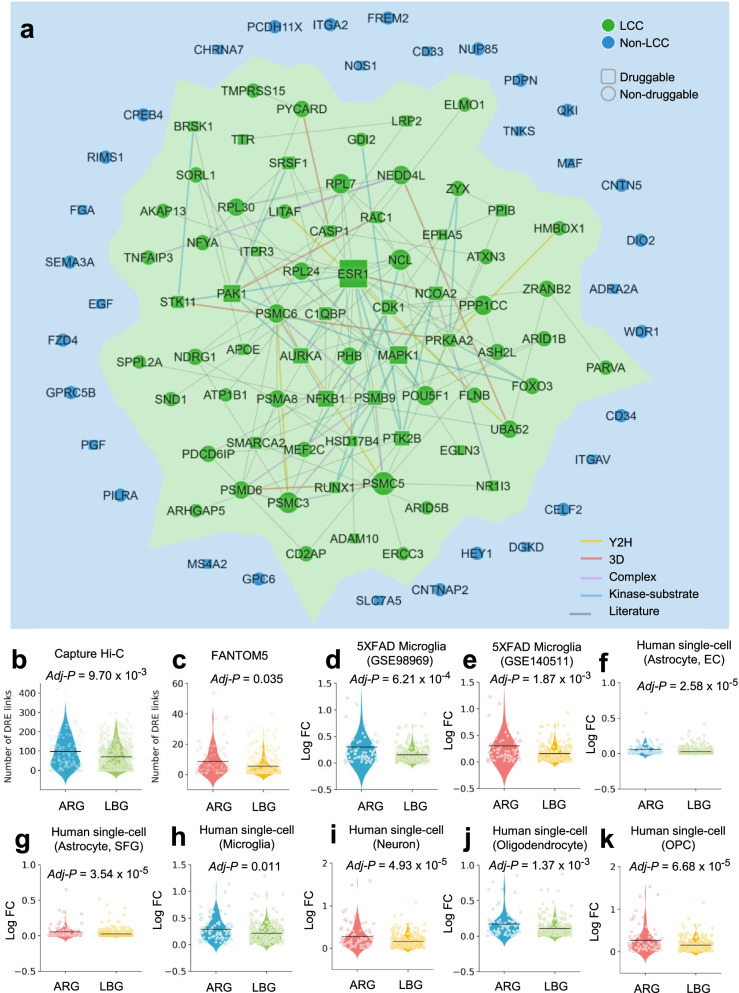
“Because a majority of GWAS SNPs lie in noncoding region and exert their function by gene regulation [46], we explored the gene regulatory elements of ARGs by testing the hypothesis that the network-predicted risk genes capture more distal regulatory element (DRE)-promoter connections compared to 571 LBGs.”
Self-citationChoi, Y., Jeong, H. J., Liu, Q. F., Oh, S. T., Koo, B.-S., Kim, Y., Chung, I.-W., Kim, Y. S., & Jeon, S. (2017) · Molecular Neurobiology · doi:10.1007/s12035-015-9636-x · Cited by 35 · cited 1×
“Long-term clozapine treatment reduces Aβ deposition and improves cognitive impairment in an AD transgenic mice model [73].”
BackgroundRe-thinking Alzheimer's disease therapeutic targets using gene-based tests
Kwok, M. K., Lin, S. L., & Schooling, C. M. (2018) · EBioMedicine · doi:10.1016/j.ebiom.2018.10.001 · Cited by 35
Chang, K. L., Wong, L. R., Pee, H. N., Yang, S., & Ho, P. C. (2019) · Molecular Neurobiology · doi:10.1007/s12035-019-1586-2 · Cited by 35
Kunkle, B., Grenier-Boley, B., Sims, R., Bis, J., Naj, A., Boland, A., Vronskaya, M., van der Lee, S., Amlie-Wolf, A., Bellenguez, C., et al. (2018) · doi:10.1101/294629 · Cited by 35
Self-citationWang, L., Pan, X., Wang, Y., Tang, H., Deng, Y., Ren, R., Xu, W. L., Ma, J., Wang, G., & Chen, S. (2010) · Clinica Chimica Acta · doi:10.1016/j.cca.2010.10.015 · Cited by 33 · cited 1×
“Finally, a previous study showed that the rs3755166 polymorphism within LRP2 is associated with susceptibility to AD in the Chinese population [63].”
ResultSingh, J. A., & Cleveland, J. D. (2018) · Arthritis Research & Therapy · doi:10.1186/s13075-018-1663-3 · Cited by 31 · cited 2×
“A propensity-matched analysis has suggested that a daily dose of 40 mg febuxostat is associated with reduced likelihood of dementia in older adults [79].”
BackgroundLi, Y., Liu, Q., Sun, J., Wang, J., Liu, X., & Gao, J. (2018) · International Journal of Molecular Medicine · doi:10.3892/ijmm.2018.3456 · Cited by 28
Bories, C., Arsenault, D., Lemire, M., Tremblay, C., Koninck, Y. D., & Calon, F. (2017) · Aging · doi:10.18632/aging.101239 · Cited by 25 · cited 1×
“…1, encoded by the PAK1 gene, has been implicated in AD [52], and recent studies have revealed that inactivation of PAK1 obliterated social recognition without changing amyloid beta (Aβ)/tau pathology, and also exacerbated synaptic impairment and behavioral deficits in mouse models of AD [53, 54].”
BackgroundPhilibin, S. D., Walentiny, D. M., Vunck, S. A., Prus, A. J., Meltzer, H. Y., & Porter, J. H. (2008) · Psychopharmacology · doi:10.1007/s00213-008-1385-3 · Cited by 21 · cited 1×
“ADRA2A is a potential target of clozapine [72], an atypical antipsychotic drug.”
BackgroundFarhat, S. M., & Ahmed, T. (2016) · Current Drug Targets · doi:10.2174/1389450117666161005145143 · Cited by 21 · cited 1×
“CHRNA7 binds to Aβ with a high affinity [62].”
BackgroundGenomics: New Light on Alzheimer’s Disease Research
Jung, Y. J., Kim, Y. H., Bhalla, M., Lee, S. B., & Seo, J. (2018) · International Journal of Molecular Sciences · doi:10.3390/ijms19123771 · Cited by 21
Synergism of antihypertensives and cholinesterase inhibitors in Alzheimer's disease
Hu, Z., Wang, L., Ma, S., Kirisci, L., Feng, Z., Xue, Y., Klunk, W. E., Kamboh, M. I., Sweet, R. A., Becker, J. T., et al. (2018) · Alzheimer s & Dementia Translational Research & Clinical Interventions · doi:10.1016/j.trci.2018.09.001 · Cited by 16
Lehrer, S. P., & Rheinstein, P. H. (2018) · Journal of Alzheimer s Disease Reports · doi:10.3233/adr-170033 · Cited by 11 · cited 2×
“Among them, we found 4 predicted drugs having known AD clinical evidence [77, 78], including febux-ostat [79], pioglitazone (NCT02913664), carvedilol (NCT01354444), and fluticasone [77].”
Background
Cited by
Network-based drug repurposing for novel coronavirus 2019-nCoV/SARS-CoV-2
Zhou, Y., Hou, Y., Shen, J., Huang, Y., Martin, W., & Cheng, F. (2020) · Cell Discovery · doi:10.1038/s41421-020-0153-3 · Cited by 1,597
Self-citationDeep learning for drug repurposing: Methods, databases, and applications
Pan, X., Lin, X., Cao, D., Zeng, X., Yu, P. S., He, L., Nussinov, R., & Cheng, F. (2022) · WIREs Computational Molecular Science · doi:10.1002/wcms.1597 · Cited by 188
Self-citationZhou, Y., Xu, J., Hou, Y., Leverenz, J. B., Kallianpur, A., Mehra, R., Liu, Y., Yu, H., Pieper, A. A., Jehi, L., et al. (2021) · Alzheimer's Research & Therapy · doi:10.1186/s13195-021-00850-3 · Cited by 162
Self-citationArtificial Intelligence in Pharmaceutical Sciences
Lu, M., Yin, J., Zhu, Q., Lin, G., Mou, M., Liu, F., Pan, Z., You, N., Lian, X., Li, F., et al. (2023) · Engineering · doi:10.1016/j.eng.2023.01.014 · Cited by 161
Haghayegh, F., Norouziazad, A., Haghani, E., Feygin, A. A., Rahimi, R. H., Ghavamabadi, H. A., Sadighbayan, D., Madhoun, F., Papagelis, M., Felfeli, T., et al. (2024) · Advanced Science · doi:10.1002/advs.202400595 · Cited by 172
Metadata
- Authors
- Fang, J., Zhang, P., Wang, Q., Chiang, C.-W., Zhou, Y., Hou, Y., Xu, J., Chen, R., Zhang, B., Lewis, S. J., Leverenz, J. B., Pieper, A. A., Li, B., Li, L., Cummings, J., & Cheng, F.
- Affiliations
- Cleveland Clinic (US)
- Indiana University Indianapolis (US)
- Vanderbilt University (US)
- The Ohio State University (US)
- Case Western Reserve University (US)
- University Hospitals of Cleveland (US)
- University of Nevada, Las Vegas (US)
- Corresponding author
- Li, Bingshan
- Li, Lang
- Cheng, Feixiong
- ORCID
- Venue
- Alzheimer's Research & Therapy
- Published
- 2022-01-10
- Volume
- 14
- Issue
- 1
- Pages
- 7-7
- ISSN
- 1758-9193 (ISSN-L)
- PMC
- PMC8751379
- OpenAlex
- W4206508717
- Semantic Scholar
- cd604bd0cb6056ac1da0753284c61168bb5aaf7b
- Cited by
- 140
- References
- 102
- Citations by year
- 2026: 23 · 2025: 38 · 2024: 27 · 2023: 20 · 2022: 25
- FWCI
- 17.03
- Type
- journal article
- Language
- en
- Open access
- gold
- doi.org
- Licence
- cc-by
- creativecommons.org/licenses/by/4.0 (tdm)
- creativecommons.org/licenses/by/4.0 (vor)
- Locations
- Alzheimer s Research & Therapy (publishedVersion, cc-by)
- medRxiv (acceptedVersion)
- PubMed Central (publishedVersion, cc-by)
- PubMed (publishedVersion)
- Purdue University Indianapolis (Indiana University) (submittedVersion, other-oa)
- Digital Scholarship - UNLV (University of Nevada Reno) (submittedVersion, cc-by)
- DOAJ (DOAJ: Directory of Open Access Journals) (submittedVersion, cc-by-sa)
- eScholarship (California Digital Library) (submittedVersion, cc-by)
- IUScholarWorks (Indiana University) (submittedVersion, cc-by)
- Funders
- National Institute on Aging (R01AG066707, 3R01AG066707-01S1, R01AG069900, R35AG71476, R56AG063870, P30AG072959)
- Foundation for the National Institutes of Health (U01AG073323)
- National Institutes of Health (3R01AG066707-02S1)
- Topics
- Life Sciences › Neuroscience › Cellular and Molecular Neuroscience › Alzheimer's disease research and treatments
- Life Sciences › Pharmacology, Toxicology and Pharmaceutics › Drug Discovery › Computational Drug Discovery Methods
- Life Sciences › Biochemistry, Genetics and Molecular Biology › Molecular Biology › Bioinformatics and Genomic Networks
- Keywords
- Alzheimer's disease, drug repurposing, drug target identification, pioglitazone, febuxostat, atenolol, PPAR agonists, GSK3β, cyclin-dependent kinase 5, microglia, protein-protein interaction network, multi-omics integration, type 2 diabetes drugs, glipizide, Alzheimer's disease risk genes
- MeSH terms
- Alzheimer Disease, Animals, Artificial Intelligence, Diabetes Mellitus, Type 2, Humans, Retrospective Studies, Genome-Wide Association Study, Drug Repositioning
About these checks
Registry, retraction, Cites and statistics results are computed, not judged, with one exception: a printed reference that no index lists is read once by a model before it counts as a citation error. Claims are extracted by a model and kept only when their quote appears verbatim in the text; each cited source is then checked, with a model’s help, for whether it says what the claim relies on. Those verdicts can be wrong — read the claim’s quote and the cited source before relying on one.
Statistics and arithmetic are recomputed, not judged.
Confidence bands are shown only for fields calibrated on our annotated test set. None is calibrated yet, so no band is shown.
What counts as a claim ›How we measure confidence ›How we check this ›
Are you an author, or do you see a problem with this page? Request a review
Data sources
Bibliographic data: Semantic Scholar, OpenAlex, Crossref.
Contains information from the Semantic Scholar Academic Graph Datasets, made available under the ODC Attribution License (ODC-BY 1.0).
Semantic Scholar’s data is described in: Kinney, R., et al. (2023). The Semantic Scholar Open Data Platform. arXiv:2301.10140.
