

Impaired 24-h activity patterns are associated with an increased risk of Alzheimer's disease, Parkinson's disease, and cognitive decline
Open accessThe DOI matches its Crossref record; 45 of the 45 references it cites were found in a registry or an index.
Abstract
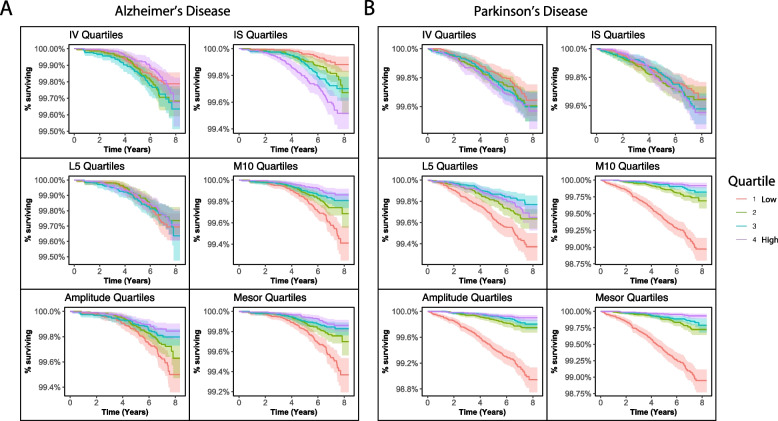
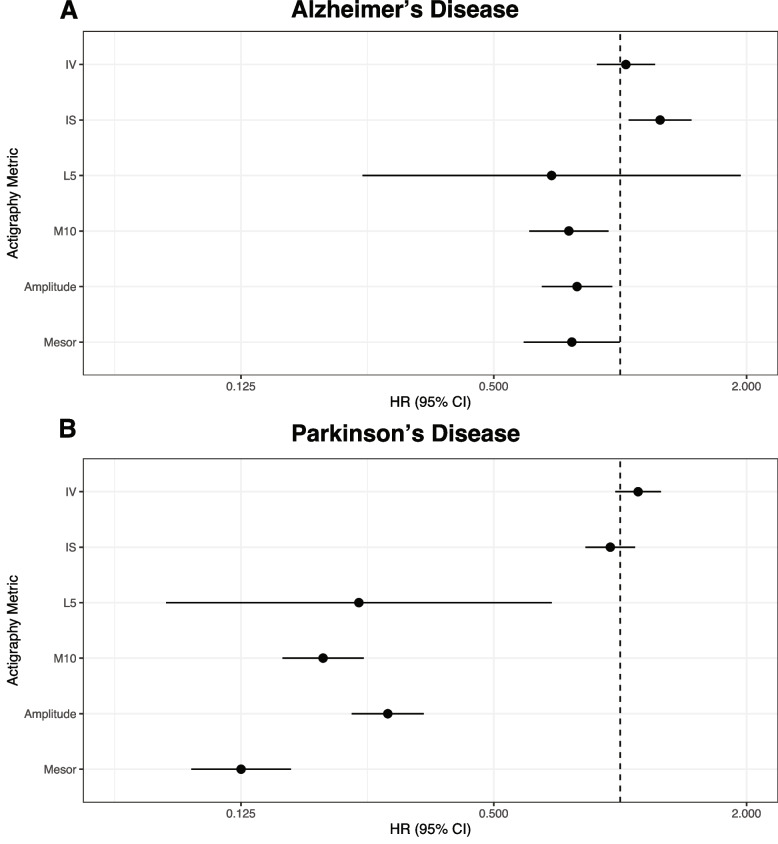
Background: Sleep-wake regulating circuits are affected during prodromal stages in the pathological progression of both Alzheimer’s disease (AD) and Parkinson’s disease (PD), and this disturbance can be measured passively using wearable devices. Our objective was to determine whether accelerometer-based measures of 24-h activity are associated with subsequent development of AD, PD, and cognitive decline. Methods: This study obtained UK Biobank data from 82,829 individuals with wrist-worn accelerometer data aged 40 to 79 years with a mean (± SD) follow-up of 6.8 (± 0.9) years. Outcomes were accelerometer-derived measures of 24-h activity (derived by cosinor, nonparametric, and functional principal component methods), incident AD and PD diagnosis (obtained through hospitalization or primary care records), and prospective longitudinal cognitive testing. Results: One hundred eighty-seven individuals progressed to AD and 265 to PD. Interdaily stability (a measure of regularity, hazard ratio [HR] per SD increase 1.25, 95% confidence interval [CI] 1.05–1.48), diurnal amplitude (HR 0.79, CI 0.65–0.96), mesor (mean activity; HR 0.77, CI 0.59–0.998), and activity during most active 10 h (HR 0.75, CI 0.61–0.94), were associated with risk of AD. Diurnal amplitude (HR 0.28, CI 0.23–0.34), mesor (HR 0.13, CI 0.10–0.16), activity during least active 5 h (HR 0.24, CI 0.08–0.69), and activity during most active 10 h (HR 0.20, CI 0.16–0.25) were associated with risk of PD. Several measures were additionally predictive of longitudinal cognitive test performance. Conclusions: In this community-based longitudinal study, accelerometer-derived metrics were associated with elevated risk of AD, PD, and accelerated cognitive decline. These findings suggest 24-h rhythm integrity, as measured by affordable, non-invasive wearable devices, may serve as a scalable early marker of neurodegenerative disease.
Overview
The claims and statistics of this paper haven’t been checked yet.
Free: it reads the open-access text and checks the first 5 claims that cite a source we can check. Create a free account to check every claim.
Integrity signals
Registry
Cites
Statistics
Figures
Verification
Claims the paper makes
The claims and statistics of this paper haven’t been checked yet.
Free: it reads the open-access text and checks the first 5 claims that cite a source we can check. Create a free account to check every claim.
Claims other papers make about this one
Each is checked against this paper’s own text: does it say what the citing paper says it does?
The source backs part of the claim, not all of it — or backs it for a different population, condition or comparison.
In the citing paper
“While classification tasks are common in automated speech analysis in neurodegenerative research, several studies have employed regression models to predict continuous cognitive outcomes (e.g., MMSE)97,98 or to explore relationships with imaging and biomarker measures.99–101”
From Review of Artificial Intelligence for Clinical Use in Alzheimer's Disease and Related Dementias (2026) · cites this paper as [100]
Experimental — accuracy not yet measured
Self-check
Percentages, sums and reported differences re-computed from the paper’s own numbers.
The self-check needs the paper’s full text.
Citations
Cites
Staging of brain pathology related to sporadic Parkinson’s disease
Braak, H., Tredici, K. D., Rüb, U., de Vos, R. A. I., Jansen Steur, E. N. H., & Braak, E. (2003) · Neurobiology of Aging · doi:10.1016/s0197-4580(02)00065-9 · Cited by 10,777 · cited 2×
“Multiple mechanisms may contribute to the link between reduced 24-h rhythms and risk of incident PD. Brainstem circuits involved in sleep-wake regulation are affected early in the disease process, before the onset of dopaminergic loss [4, 32, 33].”
BackgroundPoewe, W., Seppi, K., Tanner, C. M., Halliday, G. M., Brundin, P., Volkmann, J., Schrag, A.-E., & Lang, A. E. (2017) · Nature Reviews Disease Primers · doi:10.1038/nrdp.2017.13 · Cited by 5,415
Matching as Nonparametric Preprocessing for Reducing Model Dependence in Parametric Causal Inference
Ho, D. E., Imai, K., King, G., & Stuart, E. A. (2007) · Political Analysis · doi:10.1093/pan/mpl013 · Cited by 4,205 · cited 1×
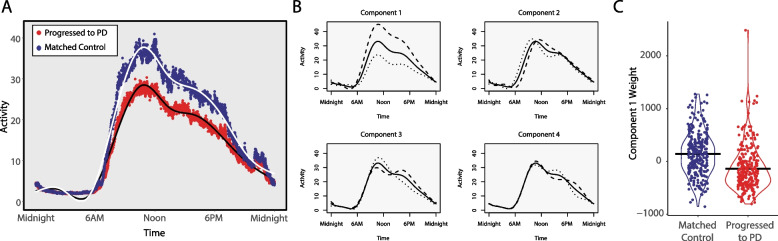
“…fPCA analyses, consisting of individuals who progressed to AD or PD (see below) and matched controls who did not progress to AD or PD (1:1 match on age at accelerometer collection, sex, education, general health, body mass index, and Townsend deprivation index, using the MatchIt package [25] in R).”
MethodAgeing as a risk factor for neurodegenerative disease
Hou, Y., Dan, X., Babbar, M., Wei, Y., Hasselbalch, S. G., Croteau, D. L., & Bohr, V. A. (2019) · Nature Reviews Neurology · doi:10.1038/s41582-019-0244-7 · Cited by 3,310 · cited 1×
“Alzheimer’s disease (AD) and Parkinson’s disease (PD) are the two most prevalent neurodegenerative diseases, with numbers predicted to increase in the coming decade [1, 2].”
BackgroundAmelia II: A Program for Missing Data
Honaker, J., King, G., & Blackwell, M. (2011) · Journal of Statistical Software · doi:10.18637/jss.v045.i07 · Cited by 2,552 · cited 1×
“%) were imputed using the Amelia II package in R [30].”
MethodFrequency of Stages of Alzheimer-Related Lesions in Different Age Categories
Braak, H., & Braak, E. (1997) · Neurobiology of Aging · doi:10.1016/s0197-4580(97)00056-0 · Cited by 1,656
Doherty, A., Jackson, D., Hammerla, N., Plötz, T., Olivier, P., Granat, M. H., White, T., van Hees, V. T., Trenell, M. I., Owen, C. G., et al. (2017) · PLOS ONE · doi:10.1371/journal.pone.0169649 · Cited by 1,250 · cited 2×
“More than 500,000 participants aged between 40 and 69 years were recruited in 2006–2010 (full details available in Doherty et al. 2017 [17]).”
BackgroundInfluentialCornelissen, G. (2014) · Theoretical Biology and Medical Modelling · doi:10.1186/1742-4682-11-16 · Cited by 811 · cited 1×
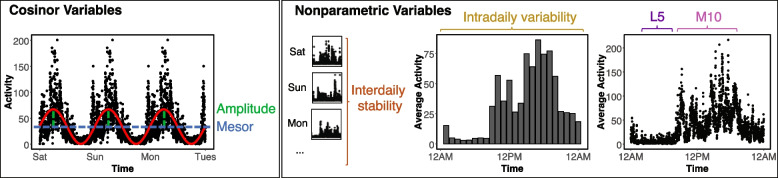
“Cosinor analyses (fitting a cosine wave to the data) were performed using the cosinor2 package in R [19] and resulted in two metrics of interest: (1) mesor (rhythm-adjusted mean activity) and (2) amplitude (half the difference between peak and nadir of fitted cosine wave).”
MethodLim, A. S. P., Kowgier, M., Yu, L., Buchman, A. S., & Bennett, D. A. (2013) · Sleep · doi:10.5665/sleep.2802 · Cited by 793 · cited 2×
“…this hypothesis, previous work using wrist-worn accelerometers has demonstrated that specific impairments in 24-h activity patterns are associated with accelerated cognitive decline [8–12], an increased risk of developing AD [8, 9, 13, 14], and in one study, an increased risk of developing PD [15].”
BackgroundResultTotal daily physical activity and the risk of AD and cognitive decline in older adults
Buchman, A. S., Boyle, P. A., Yu, L., Shah, R. C., Wilson, R. S., & Bennett, D. A. (2012) · Neurology · doi:10.1212/wnl.0b013e3182535d35 · Cited by 730 · cited 2×
“…this hypothesis, previous work using wrist-worn accelerometers has demonstrated that specific impairments in 24-h activity patterns are associated with accelerated cognitive decline [8–12], an increased risk of developing AD [8, 9, 13, 14], and in one study, an increased risk of developing PD [15].”
BackgroundResultAssociation between circadian rhythms and neurodegenerative diseases
Leng, Y., Musiek, E. S., Hu, K., Cappuccio, F. P., & Yaffe, K. (2019) · The Lancet Neurology · doi:10.1016/s1474-4422(18)30461-7 · Cited by 654 · cited 3×
“While this finding goes against a framework wherein circadian rhythms weaken in preclinical AD and are responsible in part for rhythm regularity [6, 32], it may reflect IS values being driven by factors other than circadian biology—for example, aging individuals with monotonous routines could be at…”
BackgroundResultVan Someren, E. J. W., Swaab, D. F., Colenda, C. C., Cohen, W., McCall, W. V., & Rosenquist, P. B. (1999) · Chronobiology International · doi:10.3109/07420529908998724 · Cited by 612 · cited 1×
“Nonparametric analyses were conducted with nparACT package in R [20, 21] to derive four metrics: (1) intra-daily variability (IV; fragmentation of activity within 24-h periods), (2) interdaily stability (IS; regularity of activity across 24-h periods), (3) activity level during the least active 5 h…”
MethodIdiopathic REM sleep behaviour disorder and neurodegeneration — an update
Högl, B., Stefani, A., & Videnovic, A. (2018) · Nature Reviews Neurology · doi:10.1038/nrneurol.2017.157 · Cited by 540 · cited 1×
“REM sleep behavior disorder (RBD), the loss of skeletal muscle atonia typically occurring during REM sleep, is present in 16–47% of individuals with PD and frequently experienced years before a PD diagnosis [38].”
BackgroundSleep, circadian rhythms, and the pathogenesis of Alzheimer disease
Musiek, E. S., Xiong, D. D., & Holtzman, D. M. (2015) · Experimental & Molecular Medicine · doi:10.1038/emm.2014.121 · Cited by 529 · cited 1×
“This finding is in line with hypothesized relationships between circadian rhythm robustness and cognitive aging [32, 45] as well as a recent report that high IV and low IS are associated with risk of cognitive impairment [11].”
ResultTranah, G. J., Blackwell, T., Stone, K. L., Ancoli‐Israel, S., Paudel, M. L., Ensrud, K. E., Cauley, J. A., Redline, S., Hillier, T. A., Cummings, S. R., et al. (2011) · Annals of Neurology · doi:10.1002/ana.22468 · Cited by 525 · cited 4×
“Our results further align with previous reports in smaller cohorts demonstrating links between reduced activity and diurnal amplitude and risk of dementia and cognitive impairment [13, 14] and PD [15].”
BackgroundResultInfluentialCircadian rest-activity pattern changes in aging and preclinical Alzheimer disease
Musiek, E. S., Bhimasani, M., Zangrilli, M. A., Morris, J. C., Holtzman, D. M., & Ju, Y.-E. S. (2018) · JAMA Neurology · doi:10.1001/jamaneurol.2017.4719 · Cited by 465 · cited 1×
“While this finding goes against a framework wherein circadian rhythms weaken in preclinical AD and are responsible in part for rhythm regularity [6, 32], it may reflect IS values being driven by factors other than circadian biology—for example, aging individuals with monotonous routines could be at…”
BackgroundBiobank, O. B. O. D. P. U. A. U., Wilkinson, T., Schnier, C., Bush, K., Rannikmäe, K., Henshall, D. E., Lerpiniere, C., Allen, N. E., Flaig, R., Russ, T. C., et al. (2019) · European Journal of Epidemiology · doi:10.1007/s10654-019-00499-1 · Cited by 452
Excessive daytime sleepiness and subsequent development of Parkinson disease
Abbott, R. D., Ross, G. W., White, L. R., Tanner, C. M., Masaki, K. H., Nelson, J. S., Curb, J. D., & Petrovitch, H. (2005) · Neurology · doi:10.1212/01.wnl.0000183056.89590.0d · Cited by 440 · cited 1×
“Relatedly, daytime napping [34] and excessive daytime sleepiness [35, 36] are both associated with elevated risk of PD.”
BackgroundChahine, L. M., Amara, A. W., & Videnovic, A. (2017) · Sleep Medicine Reviews · doi:10.1016/j.smrv.2016.08.001 · Cited by 333 · cited 1×
“The markedly higher effect sizes for actigraphy metrics predicting PD progression, relative to AD progression, may be due to higher prevalence of sleep disturbance in PD (estimated at up to 80% [41],) as well as PD-related rigidity affecting accelerometer measures.”
BackgroundIdentifying dementia cases with routinely collected health data: a systematic review
Wilkinson, T., Ly, A., Schnier, C., Rannikmäe, K., Bush, K., Brayne, C., Quinn, T. J., Sudlow, C. L. M., & On behalf of the UK Biobank Neurodegenerative Outcomes Group and Dementias Platform UK (2018) · Alzheimer's & Dementia · doi:10.1016/j.jalz.2018.02.016 · Cited by 279 · cited 1×
“Incident AD or PD was ascertained from algorithmically defined UK Biobank variables that utilized a combination of self-report and ICD-10 codes from medical records to determine the first recorded date of a diagnosis (AD, data field 42020; PD, 42032) [26–28].”
MethodLyall, D. M., Cullen, B., Allerhand, M., Smith, D. J., Mackay, D., Evans, J., Anderson, J., Fawns-Ritchie, C., McIntosh, A. M., Deary, I. J., et al. (2016) · PLOS ONE · doi:10.1371/journal.pone.0154222 · Cited by 256 · cited 1×
“Cognitive tests were designed specifically for the UK Biobank and were administered unsupervised using a computer touchscreen interface either during an in-person visit or remotely [29].”
Method‘nparACT’ package for R: A free software tool for the non-parametric analysis of actigraphy data
Blume, C., Santhi, N., & Schabus, M. (2016) · MethodsX · doi:10.1016/j.mex.2016.05.006 · Cited by 195 · cited 1×
“Nonparametric analyses were conducted with nparACT package in R [20, 21] to derive four metrics: (1) intra-daily variability (IV; fragmentation of activity within 24-h periods), (2) interdaily stability (IS; regularity of activity across 24-h periods), (3) activity level during the least active 5 h…”
MethodLim, A. S. P., Ellison, B. A., Wang, J. L., Yu, L., Schneider, J. A., Buchman, A. S., Bennett, D. A., & Saper, C. B. (2014) · Brain · doi:10.1093/brain/awu222 · Cited by 187 · cited 1×
“Altered sleep and circadian rhythms, thought to result from the earliest pathology within brainstem nuclei, frequently manifest as one of the initial symptoms during this prodromal disease stage in both AD and PD [5–7].”
BackgroundLi, P., Gao, L., Gaba, A., Yu, L., Cui, L., Fan, W., Lim, A. S. P., Bennett, D. A., Buchman, A. S., & Hu, K. (2020) · The Lancet Healthy Longevity · doi:10.1016/s2666-7568(20)30015-5 · Cited by 170 · cited 4×
“Two previous studies found associations between lower daily rhythm regularity and subsequent risk of cognitive decline [11, 14].”
BackgroundResultInfluentialWearable movement-tracking data identify Parkinson’s disease years before clinical diagnosis
Schalkamp, A.-K., Peall, K. J., Harrison, N. A., & Sandor, C. (2023) · Nature Medicine · doi:10.1038/s41591-023-02440-2 · Cited by 168 · cited 1×
“The association between accelerome-ter-derived activity and PD progression was described in another recent UK Biobank study [31] which utilized a measure of average acceleration rather than the rest-activity rhythm metrics reported here.”
MethodAttrition and bias in the MRC cognitive function and ageing study: an epidemiological investigation
Matthews, F. E., Chatfield, M., Freeman, C., McCracken, C., Brayne, C., & CFAS, M. (2004) · BMC Public Health · doi:10.1186/1471-2458-4-12 · Cited by 162 · cited 1×
“The incidence of AD and PD diagnosis in the UK Biobank may differ from incidence in the general population, and potential biases such as attrition due to cognitive impairment [47] or prescribed treatment of motor symptoms may contribute to these biases.”
BackgroundRabin, J. S., Klein, H., Kirn, D. R., Schultz, A. P., Yang, H.-S., Hampton, O., Jiang, S., Buckley, R. F., Viswanathan, A., Hedden, T., et al. (2019) · JAMA Neurology · doi:10.1001/jamaneurol.2019.1879 · Cited by 154 · cited 1×
“Together, these associations agree with literature suggesting higher activity levels may contribute to preserved cognitive function [8, 44] or conversely that attenuated physical activity may serve as an indicator of looming decline.”
BackgroundLeng, Y., Blackwell, T., Cawthon, P. M., Ancoli-Israel, S., Stone, K. L., & Yaffe, K. (2020) · JAMA Neurology · doi:10.1001/jamaneurol.2020.1623 · Cited by 142 · cited 3×
“Our results further align with previous reports in smaller cohorts demonstrating links between reduced activity and diurnal amplitude and risk of dementia and cognitive impairment [13, 14] and PD [15].”
BackgroundResultQuantitative Measurement of Rigidity in Parkinson’s Disease: A Systematic Review
Ferreira-Sánchez, M. D. R., Verdú, M. M., & Cano‐de‐la‐Cuerda, R. (2020) · Sensors · doi:10.3390/s20030880 · Cited by 103 · cited 1×
“Another explanation is that the presence of subclinical rigidity and bradykin-esia in the prodromal phase of the disease may constrain movement, resulting in lower overall activity quantification [37].”
BackgroundDaytime Napping, Nighttime Sleeping, and Parkinson Disease
Gao, J., Huang, X., Park, Y., Hollenbeck, A., Blair, A., Schatzkin, A., & Chen, H. (2011) · American Journal of Epidemiology · doi:10.1093/aje/kwq478 · Cited by 102 · cited 1×
“Relatedly, daytime napping [34] and excessive daytime sleepiness [35, 36] are both associated with elevated risk of PD.”
BackgroundKANADY, J. C., DRUMMOND, S. P. A., & MEDNICK, S. C. (2011) · Journal of Sleep Research · doi:10.1111/j.1365-2869.2010.00858.x · Cited by 101 · cited 1×
“Actigraphy lacks specificity in differentiating sedentary activity from nocturnal sleep and daytime nap-ping [46].”
BackgroundRogers‐Soeder, T. S., Blackwell, T., Yaffe, K., Ancoli‐Israel, S., Redline, S., Cauley, J. A., Ensrud, K. E., Paudel, M., Barrett‐Connor, E., LeBlanc, E., et al. (2018) · Journal of the American Geriatrics Society · doi:10.1111/jgs.15555 · Cited by 96 · cited 3×
“…this hypothesis, previous work using wrist-worn accelerometers has demonstrated that specific impairments in 24-h activity patterns are associated with accelerated cognitive decline [8–12], an increased risk of developing AD [8, 9, 13, 14], and in one study, an increased risk of developing PD [15].”
BackgroundResultActigraphy‐estimated sleep and 24‐hour activity rhythms and the risk of dementia
Lysen, T. S., Luik, A. I., Ikram, M. K., Tiemeier, H. W., & Ikram, M. A. (2020) · Alzheimer s & Dementia · doi:10.1002/alz.12122 · Cited by 91
Weaker circadian activity rhythms are associated with poorer executive function in older women
Walsh, C. M., Blackwell, T., Tranah, G. J., Stone, K. L., Ancoli-Israel, S., Redline, S., Paudel, M., Kramer, J. H., & Yaffe, K. (2014) · Sleep · doi:10.5665/sleep.4260 · Cited by 88 · cited 1×
“The links between impaired 24-h rhythms and subsequent cognitive decline are consistent with previous reports in smaller longitudinal samples of older adults, which have similarly reported lower mesor and amplitude predicting cognitive decline in women [10] and in men [12].”
ResultSleep Disturbances in the Prodromal Stage of Parkinson Disease
Al‐Qassabi, A., Fereshtehnejad, S., & Postuma, R. B. (2017) · Current Treatment Options in Neurology · doi:10.1007/s11940-017-0458-1 · Cited by 81 · cited 1×
“Multiple mechanisms may contribute to the link between reduced 24-h rhythms and risk of incident PD. Brainstem circuits involved in sleep-wake regulation are affected early in the disease process, before the onset of dopaminergic loss [4, 32, 33].”
BackgroundInvestigation of Autosomal Genetic Sex Differences in Parkinson's Disease
Blauwendraat, C., Iwaki, H., Makarious, M. B., Bandres‐Ciga, S., Leonard, H. L., Grenn, F. P., Lake, J., Krohn, L., Tan, M., Kim, J. J., et al. (2021) · Annals of Neurology · doi:10.1002/ana.26090 · Cited by 65 · cited 1×
“Incident AD or PD was ascertained from algorithmically defined UK Biobank variables that utilized a combination of self-report and ICD-10 codes from medical records to determine the first recorded date of a diagnosis (AD, data field 42020; PD, 42032) [26–28].”
MethodZeitzer, J. M., Blackwell, T., Hoffman, A. R., Cummings, S., Ancoli-Israel, S., Stone, K., & Osteoporotic Fractures in Men (MrOS) Study Research Group (2018) · The Journals of Gerontology: Series A · doi:10.1093/gerona/glw250 · Cited by 57 · cited 1×
“Following previously established methods [22–24], each individual’s 24-h median accelerometer data were fit with a nine-Fourier-based function.”
MethodSelf-citationExcessive daytime sleepiness, objective napping and 11-year risk of Parkinson’s disease in older men
Leng, Y., Goldman, S. M., Cawthon, P. M., Stone, K. L., Ancoli‐Israel, S., & Yaffe, K. S. (2018) · International Journal of Epidemiology · doi:10.1093/ije/dyy098 · Cited by 55 · cited 1×
“Relatedly, daytime napping [34] and excessive daytime sleepiness [35, 36] are both associated with elevated risk of PD.”
BackgroundBrink-Kjær, A., Gupta, N., Marin, E., Zitser, J., Sum‐Ping, O., Hekmat, A., Bueno, F. F., Cahuas, A., Langston, J. W., Jennum, P., et al. (2022) · Movement Disorders · doi:10.1002/mds.29249 · Cited by 52 · cited 1×
“Recent work has shown that RBD-related movement can be detected with actigraphy devices [39, 40]; however, it is not clear how lack of atonia during REM sleep would impact L5.”
BackgroundZeitzer, J. M., David, R., Friedman, L., Mulin, E., Garcia, R., Wang, J., Yesavage, J. A., Robert, P. H., & Shannon, W. D. (2012) · American Journal of Geriatric Psychiatry · doi:10.1016/j.jagp.2012.12.012 · Cited by 48
Self-citationStern, A. L., & Naidoo, N. N. (2015) · SpringerPlus · doi:10.1186/s40064-014-0777-6 · Cited by 47 · cited 1×
“Altered sleep and circadian rhythms, thought to result from the earliest pathology within brainstem nuclei, frequently manifest as one of the initial symptoms during this prodromal disease stage in both AD and PD [5–7].”
BackgroundXiao, Q., Sampson, J. N., LaCroix, A. Z., Shadyab, A. H., Zeitzer, J. M., Ancoli‐Israel, S., Yaffe, K., Stone, K. L., & Osteoporotic Fractures in Men (MrOS) Study Group (2021) · The Journals of Gerontology Series A · doi:10.1093/gerona/glab275 · Cited by 40 · cited 2×
“Two previous studies found associations between lower daily rhythm regularity and subsequent risk of cognitive decline [11, 14].”
BackgroundResultSelf-citationThe Impact of Missing Data and Imputation Methods on the Analysis of 24-Hour Activity Patterns
Weed, L., Lok, R., Chawra, D., & Zeitzer, J. M. (2022) · Clocks & Sleep · doi:10.3390/clockssleep4040039 · Cited by 40 · cited 2×
“High-frequency (100 Hz) accelerometer data were processed on Sherlock, a high-performance computing cluster provided by Stanford University, using the steps outlined in Weed et al. 2022 [18].”
MethodSelf-citationFilardi, M., Stefani, A., Holzknecht, E., Pizza, F., Plazzi, G., & Högl, B. (2020) · European Journal of Neurology · doi:10.1111/ene.14386 · Cited by 28 · cited 1×
“Recent work has shown that RBD-related movement can be detected with actigraphy devices [39, 40]; however, it is not clear how lack of atonia during REM sleep would impact L5.”
BackgroundPowerful Actigraphy Data Through Functional Representation
Ding, J., Symanzik, J., Sharif, A., Wang, J., Duntley, S. P., & Shannon, W. D. (2011) · CHANCE · doi:10.1080/09332480.2011.10739872 · Cited by 10 · cited 2×
“L5 and M10 reflect activity levels and thus have no upper limit. fPCA Functional principal component analyses (fPCA) were performed using the fpca package in R [22].”
Method
Research works printed but not linked: 2
- Smith A Symbol Digit Modalities Test: Manual 1982 Los Angeles Western Psychological Services
- Reitan RM, Wolfson D. The Halstead-Reitan neuropsychological test battery: theory and clinical interpretation. Tucson: Neuropsychological Press; 1985.
Cited by
Wearables in Chronomedicine and Interpretation of Circadian Health
Gubin, D. G., Weinert, D., Stefani, O., Otsuka, K., Borisenkov, M. F., & Cornélissen, G. (2025) · Diagnostics · doi:10.3390/diagnostics15030327 · Cited by 83
“Similar markers predicted cognitive deficits in Alzheimer’s and Parkinson’s diseases [36,38].”
Li, A., Lian, J., & Vardhanabhuti, V. (2025) · PLOS Digital Health · doi:10.1371/journal.pdig.0000795 · Cited by 27
Monitoring Wearable Devices for Elderly People with Dementia: A Review
Rocha, I. C., Arantes, M., Moreira, A. H. J., Vilaça, J. L., Morais, P., Matos, D., & Carvalho, V. H. (2024) · Designs · doi:10.3390/designs8040075 · Cited by 23
“[18] 2024 The study’s main goal is to determine whether accelerometer-based measures of 24 h activity are associated with the subsequent development of Alzheimer’s disease (AD), Parkinson’s disease (PD), and cognitive decline.”
BackgroundAI and Wearables for Early Detection of Cognitive Impairment and Dementia: Systematic Review
Cejudo, A., Arrojo, M., Martín, C., & Almeida, A. (2026) · Journal of Medical Internet Research · doi:10.2196/86262 · Cited by 22
“In larger cohort studies (n ≥ 100), effect estimates were generally lower, around β≈ .10.25 or OR 1.3-1.8 [45,46,49,54].”
InfluentialFunctional data analysis for wearable sensor data: a systematic review
Acar‐Denizli, N., & Delicado, P. (2025) · AStA Advances in Statistical Analysis · doi:10.1007/s10182-025-00531-8 · Cited by 21
“The main objectives for using FPCA in the relevant studies (Zeitzer et al. 2018; Xu et al. 2019; Yeung et al. 2023; Winer et al. 2024) were to reduce the dimen-sion and to find out the most important modes of variations of activity profiles.”
Metadata
- Authors
- Winer, J. R., Lok, R., Weed, L., He, Z., Poston, K. L., Mormino, E. C., & Zeitzer, J. M.
- Affiliations
- Stanford Medicine (US)
- Stanford University (US)
- VA Palo Alto Health Care System (US)
- Corresponding author
- Winer, Joseph R.
- ORCID
- Venue
- Alzheimer's Research & Therapy
- Published
- 2024-02-14
- Volume
- 16
- Issue
- 1
- Pages
- 35-35
- ISSN
- 1758-9193 (ISSN-L)
- PMC
- PMC10865579
- OpenAlex
- W4391814967
- Cited by
- 44
- References
- 45
- Citations by year
- 2026: 18 · 2025: 21 · 2024: 5
- FWCI
- 12.93
- Type
- journal article
- Language
- en
- Open access
- gold
- doi.org
- Licence
- cc-by
- creativecommons.org/licenses/by/4.0 (tdm)
- creativecommons.org/licenses/by/4.0 (vor)
- Locations
- Alzheimer s Research & Therapy (publishedVersion, cc-by)
- PubMed Central (publishedVersion, cc-by)
- PubMed (publishedVersion)
- DOAJ (DOAJ: Directory of Open Access Journals) (submittedVersion)
- Funders
- National Institute on Aging (F32AG074625, P30AG066515)
- Topics
- Health Sciences › Medicine › Psychiatry and Mental health › Dementia and Cognitive Impairment Research
- Life Sciences › Neuroscience › Endocrine and Autonomic Systems › Circadian rhythm and melatonin
- Social Sciences › Psychology › Experimental and Cognitive Psychology › Sleep and related disorders
- Keywords
- 24-hour activity patterns, circadian rhythm, accelerometer-measured activity, Alzheimer's disease risk, Parkinson's disease risk, cognitive decline, wearable devices, interdaily stability, diurnal amplitude, mesor, sleep-wake regulation, neurodegenerative disease biomarkers, UK Biobank
- MeSH terms
- Alzheimer Disease, Humans, Longitudinal Studies, Parkinson Disease, Prospective Studies, Neurodegenerative Diseases, Cognitive Dysfunction
About these checks
Registry, retraction, Cites and statistics results are computed, not judged, with one exception: a printed reference that no index lists is read once by a model before it counts as a citation error. Claims are extracted by a model and kept only when their quote appears verbatim in the text; each cited source is then checked, with a model’s help, for whether it says what the claim relies on. Those verdicts can be wrong — read the claim’s quote and the cited source before relying on one.
Statistics and arithmetic are recomputed, not judged.
Confidence bands are shown only for fields calibrated on our annotated test set. None is calibrated yet, so no band is shown.
What counts as a claim ›How we measure confidence ›How we check this ›
Are you an author, or do you see a problem with this page? Request a review
Data sources
Bibliographic data: Semantic Scholar, OpenAlex, Crossref.
Contains information from the Semantic Scholar Academic Graph Datasets, made available under the ODC Attribution License (ODC-BY 1.0).
Semantic Scholar’s data is described in: Kinney, R., et al. (2023). The Semantic Scholar Open Data Platform. arXiv:2301.10140.
