

Second-generation PLINK: rising to the challenge of larger and richer datasets
Open accessThe DOI matches its Crossref record; 39 of the 39 references it cites were found in a registry or an index.
Abstract
Background: PLINK 1 is a widely used open-source C/C++ toolset for genome-wide association studies (GWAS) and research in population genetics. However, the steady accumulation of data from imputation and whole-genome sequencing studies has exposed a strong need for faster and scalable implementations of key functions, such as logistic regression, linkage disequilibrium estimation, and genomic distance evaluation. In addition, GWAS and population-genetic data now frequently contain genotype likelihoods, phase information, and/or multiallelic variants, none of which can be represented by PLINK 1's primary data format. Findings: To address these issues, we are developing a second-generation codebase for PLINK. The first major release from this codebase, PLINK 1.9, introduces extensive use of bit-level parallelism, (n)-time/constant-space Hardy-Weinberg equilibrium and Fisher's exact tests, and many other algorithmic improvements. In combination, these changes accelerate most operations by 1-4 orders of magnitude, and allow the program to handle datasets too large to fit in RAM. We have also developed an extension to the data format which adds low-overhead support for genotype likelihoods, phase, multiallelic variants, and reference vs. alternate alleles, which is the basis of our planned second release (PLINK 2.0). Conclusions: The second-generation versions of PLINK will offer dramatic improvements in performance and compatibility. For the first time, users without access to high-end computing resources can perform several essential analyses of the feature-rich and very large genetic datasets coming into use.
Overview
The claims and statistics of this paper haven’t been checked yet.
Free: it reads the open-access text and checks the first 5 claims that cite a source we can check. Create a free account to check every claim.
Integrity signals
Registry
Cites
Statistics
Figures
Verification
Claims the paper makes
The claims and statistics of this paper haven’t been checked yet.
Free: it reads the open-access text and checks the first 5 claims that cite a source we can check. Create a free account to check every claim.
Claims other papers make about this one
Each is checked against this paper’s own text: does it say what the citing paper says it does?
The cited source says what the claim attributes to it.
In the citing paper
“Subsequent MVP GWAS analyses were performed within ancestral admixtures using PLINK2 (16), covarying for genetic ancestry principal components, age, and sex.”
From GWAS meta-analysis of suicide attempt: identification of 12 genome-wide significant loci and implication of genetic risks for specific health factors (2023) · cites this paper as [16]
The cited source says what the claim attributes to it.
In the citing paper
“We defined primary associations through clumping ±1 Mb around the significant variants using PLINK 60 , excluding the HLA region (chromosome 6: 25.5-34.0Mb), which is treated as one locus owing to complex and extensive LD patterns.”
From Plasma proteomic associations with genetics and health in the UK Biobank (2023) · cites this paper as [60]
The cited source says what the claim attributes to it.
In the citing paper
“To retain independent signals, associated variants were clumped in PLINK (version 1.9)31, using a 1 Mb window with the LD thresholds of R2 = 0.1 and P < 5 × 10⁻⁸.”
From Genetic determinants of plasma protein levels in the Estonian population (2024) · cites this paper as [31]
The cited source says what the claim attributes to it.
In the citing paper
“We calculated the top ten genetic PCs using PLINK273 to be used as covariates in the miR-QTL analysis.”
From Mapping the microRNA landscape in the older adult brain and its genetic contribution to neuropsychiatric conditions (2024) · cites this paper as [73]
The cited source says what the claim attributes to it.
In the citing paper
“Sample ancestry was confirmed by multidimensional scaling (MDS) using PLINK 1.9 (Chang et al., 2015); MDS values for each subject were compared to 1000 Genome Project (Phase 3) sample values (Genomes Project et al., 2015).”
From Cholesterol and matrisome pathways dysregulated in astrocytes and microglia (2022) · cites this paper as Chang et al., 2015
3 more claims about this paper
Create a free account to see every claim other papers make about this one.
Self-check
Percentages, sums and reported differences re-computed from the paper’s own numbers.
The self-check needs the paper’s full text.
Citations
Cites
The Sequence Alignment/Map format and SAMtools
Li, H., Handsaker, B., Wysoker, A., Fennell, T., Ruan, J., Homer, N., Marth, G., Abecasis, G., Durbin, R., & 1000 Genome Project Data Processing Subgroup (2009) · Bioinformatics · doi:10.1093/bioinformatics/btp352 · Cited by 62,041 · cited 1×
“To support easier interoperation with newer software like BEAGLE 4 [2], IMPUTE2 [3], GATK [4], VCFtools [5], BCFtools [6], and GCTA [7], features such as the import/export of VCF and Oxford-format files and an efficient crossplatform genomic relationship matrix (GRM) calculator have been introduced.”
MethodPLINK: a tool set for whole-genome association and population-based linkage analyses.
Purcell, S., Neale, B., Todd-Brown, K., Thomas, L., Ferreira, M. A. R., Bender, D., Maller, J., Sklar, P., de Bakker, P. I. W., Daly, M. J., et al. (2007) · The American Journal of Human Genetics · doi:10.1086/519795 · Cited by 34,089 · cited 1×
“9’s core functional domains are unchanged from that of its predecessor—data management, summary statistics, population stratification, association analysis, identity-by-descent estimation [1] —and it is usable as a drop-in replacement in most cases, requiring no changes to existing scripts.”
BackgroundSelf-citationThe Genome Analysis Toolkit: A MapReduce framework for analyzing next-generation DNA sequencing data
McKenna, A., Hanna, M., Banks, E., Sivachenko, A., Cibulskis, K., Kernytsky, A., Garimella, K., Altshuler, D., Gabriel, S., Daly, M., et al. (2010) · Genome Research · doi:10.1101/gr.107524.110 · Cited by 27,895 · cited 2×
“To support easier interoperation with newer software, for example BEAGLE 4 [2], IMPUTE2 [3], GATK [4], VCFtools [5], BCFtools [6] and GCTA [7], features such as the import/export of VCF and Oxford-format files and an efficient cross-platform genomic relationship matrix (GRM) calculator have been introduced.”
MethodThe variant call format and VCFtools
Danecek, P., Auton, A., Abecasis, G., Albers, C. A., Banks, E., DePristo, M. A., Handsaker, R. E., Lunter, G., Marth, G. T., Sherry, S. T., et al. (2011) · Bioinformatics · doi:10.1093/bioinformatics/btr330 · Cited by 16,200
Haploview: analysis and visualization of LD and haplotype maps
Barrett, J. C., Fry, B., Maller, J., & Daly, M. J. (2005) · Bioinformatics · doi:10.1093/bioinformatics/bth457 · Cited by 14,525 · cited 1×
“(More precisely, it is a restricted port of Haploview’s [23] implementation of the method).”
MethodGCTA: a tool for genome-wide complex trait analysis
Yang, J., Lee, S. H., Goddard, M. E., & Visscher, P. M. (2011) · The American Journal of Human Genetics · doi:10.1016/j.ajhg.2010.11.011 · Cited by 8,279 · cited 7×
“For example, the GCTA genomic relationship matrix is defined by the following per-marker increments, where q is the minor allele frequency: 7.”
MethodInfluentialAn integrated map of genetic variation from 1,092 human genomes
The 1000 Genomes Project Consortium (2012) · Nature · doi:10.1038/nature11632 · Cited by 7,711
The Structure of Haplotype Blocks in the Human Genome
Gabriel, S. B., Schaffner, S. F., Nguyen, H., Moore, J. M., Roy, J., Blumenstiel, B., Higgins, J., DeFelice, M., Lochner, A., Faggart, M., et al. (2002) · Science · doi:10.1126/science.1069424 · Cited by 5,863
Performing the Exact Test of Hardy-Weinberg Proportion for Multiple Alleles
Guo, S. W., & Thompson, E. A. (1992) · Biometrics · doi:10.2307/2532296 · Cited by 4,880 · cited 1×
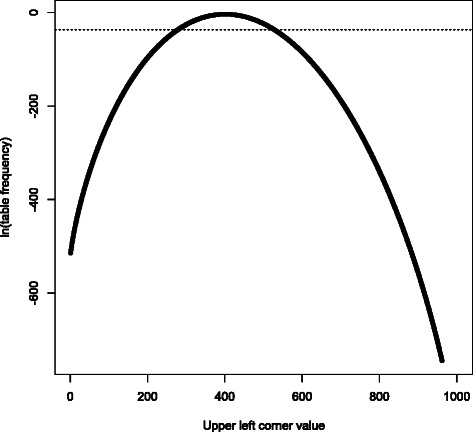
“SNP-HWE exploits the fact that, while the absolute likelihood of a contingency table involves large factorials which are fairly expensive to evaluate, the ratios between its likelihood and that of adjacent tables are simple since the factorials almost entirely cancel out [14].”
BackgroundHowie, B. N., Donnelly, P., & Marchini, J. (2009) · PLoS Genetics · doi:10.1371/journal.pgen.1000529 · Cited by 3,928 · cited 2×
“To support easier interoperation with newer software, for example BEAGLE 4 [2], IMPUTE2 [3], GATK [4], VCFtools [5], BCFtools [6] and GCTA [7], features such as the import/export of VCF and Oxford-format files and an efficient cross-platform genomic relationship matrix (GRM) calculator have been introduced.”
Method
Research works printed but not linked: 3
- Dalke A. Update: Faster Population Counts. http://www.dalkescientific.com/writings/diary/archive/2011/11/02/faster_popcount_update.html.
- GWASSpeedup Problem Statement. http://community.topcoder.com/longcontest/?module=ViewProblemStatement&rd=15637&pm=12525.
- Adler M. Pigz: Parallel Gzip. http://zlib.net/pigz/.
Cited by
Items 601–700 of 1,191
Hindy, G., Aragam, K. G., Ng, K., Chaffin, M., Lotta, L. A., Baras, A., Regeneron Genetics Center, Drake, I., Orho-Melander, M., Melander, O., et al. (2020) · Arteriosclerosis, Thrombosis, and Vascular Biology · doi:10.1161/atvbaha.120.314856 · Cited by 114
Population collapse in Congo rainforest from 400 CE urges reassessment of the Bantu Expansion
Seidensticker, D., Hubau, W., Verschuren, D., Fortes‐Lima, C., de Maret, P., Schlebusch, C. M., & Bostoen, K. A. G. (2021) · Science Advances · doi:10.1126/sciadv.abd8352 · Cited by 130
Canine Brachycephaly Is Associated with a Retrotransposon-Mediated Missplicing of SMOC2
Marchant, T. W., Johnson, E. J., McTeir, L., Johnson, C. I., Gow, A., Liuti, T., Kuehn, D., Svenson, K., Bermingham, M. L., Drögemüller, M., et al. (2017) · Current Biology · doi:10.1016/j.cub.2017.04.057 · Cited by 107
Cruchaga, C., Western, D., Timsina, J., Wang, L., Wang, C., Yang, C., Ali, M., Beric, A., Gorijala, P., Kohlfeld, P., et al. (2023) · doi:10.21203/rs.3.rs-2814616/v1 · Cited by 112
Western, D., Timsina, J., Wang, L., Wang, C., Yang, C., Phillips, B., Wang, Y., Liu, M., Ali, M., Beric, A., et al. (2024) · Nature Genetics · doi:10.1038/s41588-024-01972-8 · Cited by 111
“98) and a window size of 500 kb, a step size of 50 and an R 2 cutoff of 0.5 or 0.8 to define independent LD blocks.”
InfluentialScreening Human Embryos for Polygenic Traits Has Limited Utility
Karavani, E., Zuk, O., Zeevi, D., Barzilai, N., Stefanis, N. C., Hatzimanolis, A., Smyrnis, N., Avramopoulos, D., Kruglyak, L., Atzmon, G., et al. (2019) · Cell · doi:10.1016/j.cell.2019.10.033 · Cited by 111
Calabrese, G. M., Mesner, L. D., Stains, J. P., Tommasini, S. M., Horowitz, M. C., Rosen, C. J., & Farber, C. R. (2017) · Cell Systems · doi:10.1016/j.cels.2016.10.014 · Cited by 113
“9 Chang et al., 2015 N/A topGO R package Alexa and Rahnenfuhrer, 2010 N/A coloc R Package Giambartolomei et al., 2014 N/A Adobe Photoshop CS4 Adobe Systems (San Jose, CA) N/A”
BackgroundLogue, M. W., Panizzon, M. S., Elman, J. A., Gillespie, N. A., Hatton, S. N., Gustavson, D. E., Andreassen, O. A., Dale, A. M., Franz, C. E., Lyons, M. J., et al. (2019) · Molecular Psychiatry · doi:10.1038/s41380-018-0030-8 · Cited by 111
Gialluisi, A., Andlauer, T. F. M., Mirza‐Schreiber, N., Moll, K., Becker, J., Hoffmann, P., Ludwig, K. U., Czamara, D., Pourcain, B. S., Brandler, W. M., et al. (2019) · Translational Psychiatry · doi:10.1038/s41398-019-0402-0 · Cited by 123
Geographic Variation and Bias in the Polygenic Scores of Complex Diseases and Traits in Finland
Kerminen, S., Martin, A. R., Koskela, J., Ruotsalainen, S. E., Havulinna, A. S., Surakka, I., Palotie, A., Perola, M., Salomaa, V., Daly, M. J., et al. (2019) · The American Journal of Human Genetics · doi:10.1016/j.ajhg.2019.05.001 · Cited by 115
An Ancient Harappan Genome Lacks Ancestry from Steppe Pastoralists or Iranian Farmers
Shinde, V. S., Narasimhan, V. M., Rohland, N., Mallick, S., Mah, M., Lipson, M., Nakatsuka, N. J., Adamski, N., Broomandkhoshbacht, N., Ferry, M., et al. (2019) · Cell · doi:10.1016/j.cell.2019.08.048 · Cited by 127
“ADMIXTURE clustering analysis We pruned the data using PLINK2 to retain only sites for which at least 70% of individuals had a non-missing genotype (Chang et al., 2015).”
Cho, I., Park, H.-B., Ahn, J. S., Han, S., Lee, J.-B., Lim, H., Yoo, C.-K., Jung, E., Kim, D., Sun, W.-S., et al. (2019) · PLoS Genetics · doi:10.1371/journal.pgen.1008279 · Cited by 128
“The GWA analyses were conducted under an additive model for each SNP using the PLINK program [43].”
MethodSelf-citationGenetic Association of ACE2 rs2285666 Polymorphism With COVID-19 Spatial Distribution in India
Srivastava, A., Bandopadhyay, A., Das, D., Pandey, R. K., Singh, V., Khanam, N., Srivastava, N., Singh, P. P., Dubey, P. K., Pathak, A., et al. (2020) · Frontiers in Genetics · doi:10.3389/fgene.2020.564741 · Cited by 120
“Since rs2285666 has already been proven to be a potential risk factor for hypertension, type 2 diabetes, and coronary artery disease (Chaoxin et al., 2013; Asselta et al., 2020), therefore, may possibly be a predisposing factor associated FIGURE 2 | (A) The frequency (”
BackgroundShadrin, A. A., Kaufmann, T., van der Meer, D., Palmer, C. E., Makowski, C., Loughnan, R. J., Jernigan, T. L., Seibert, T. M., Hagler, D. J., Smeland, O. B., et al. (2021) · NeuroImage · doi:10.1016/j.neuroimage.2021.118603 · Cited by 120
Evolutionary history and pan-genome dynamics of strawberry ( Fragaria spp.)
Qiao, Q., Edger, P. P., Xue, L., Qiong, L., Lu, J., Zhang, Y., Cao, Q., Yocca, A. E., Platts, A. E., Knapp, S. J., et al. (2021) · Proceedings of the National Academy of Sciences · doi:10.1073/pnas.2105431118 · Cited by 142
Zhang, P., Luo, H., Li, Y., Wang, Y., Wang, J., Zheng, Y., Niu, Y., Shi, Y., Zhou, H., Song, T., et al. (2021) · Cell Reports · doi:10.1016/j.celrep.2021.110017 · Cited by 139
Gupta, P., Galimberti, M., Liu, Y., Beck, S., Wingo, A. P., Wingo, T. S., Adhikari, K., Kranzler, H. R., Program, V. M. V., Stein, M. B., et al. (2024) · Nature Human Behaviour · doi:10.1038/s41562-024-01951-3 · Cited by 143
Population structure of human gut bacteria in a diverse cohort from rural Tanzania and Botswana
Hansen, M. E. B., Rubel, M. A., Bailey, A. G., Ranciaro, A., Thompson, S. R., Campbell, M. C., Beggs, W., Dave, J. R., Mokone, G. G., Mpoloka, S. W., et al. (2019) · Genome Biology · doi:10.1186/s13059-018-1616-9 · Cited by 110
Genome-wide association analyses identify new loci influencing intraocular pressure
Gao, X. R., Huang, H., Nannini, D. R., Fan, F., & Kim, H. (2018) · Human Molecular Genetics · doi:10.1093/hmg/ddy111 · Cited by 109
Genome wide analysis for mouth ulcers identifies associations at immune regulatory loci
Dudding, T., Haworth, S., Lind, P. A., Sathirapongsasuti, J. F., 23andMe Research Team, Agee, M., Alipanahi, B., Auton, A., Bell, R. K., Bryc, K., et al. (2019) · Nature Communications · doi:10.1038/s41467-019-08923-6 · Cited by 110
Long-term balancing selection drives evolution of immunity genes in Capsella
Koenig, D., Hagmann, J., Li, R., Bemm, F., Slotte, T., Neuffer, B., Wright, S., & Weigel, D. (2019) · eLife · doi:10.7554/elife.43606 · Cited by 120
Symptom-level modelling unravels the shared genetic architecture of anxiety and depression
Thorp, J. G., Campos, A. I., Grotzinger, A. D., Gerring, Z. F., An, J., Ong, J., Wang, W., Shringarpure, S., Byrne, E. M., MacGregor, S., et al. (2021) · Nature Human Behaviour · doi:10.1038/s41562-021-01094-9 · Cited by 124
The impact of age on genetic risk for common diseases
Jiang, X., Holmes, C., & McVean, G. (2021) · PLOS Genetics · doi:10.1371/journal.pgen.1009723 · Cited by 107
The HUNT Study: a population-based cohort for genetic research
Brumpton, B. M., Graham, S., Surakka, I., Skogholt, A. H., Løset, M., Fritsche, L. G., Wolford, B., Zhou, W., Nielsen, J. B., Holmen, O. L., et al. (2021) · doi:10.1101/2021.12.23.21268305 · Cited by 110
Exome-wide association study reveals novel susceptibility genes to sporadic dilated cardiomyopathy
Esslinger, U., Garnier, S., Korniat, A., Proust, C., Kararigas, G., Müller-Nurasyid, M., Empana, J.-P., Morley, M. P., Perret, C., Stark, K., et al. (2017) · PLOS ONE · doi:10.1371/journal.pone.0172995 · Cited by 111
The global diversity of Haemonchus contortus is shaped by human intervention and climate
Sallé, G., Doyle, S. R., Cortet, J. J., Cabaret, J., Berriman, M., Holroyd, N. E., & Cotton, J. A. (2019) · Nature Communications · doi:10.1038/s41467-019-12695-4 · Cited by 119
Mallard, T. T., Savage, J. E., Johnson, E. C., Huang, Y., Edwards, A. C., Hottenga, J., Grotzinger, A. D., Gustavson, D. E., Jennings, M. V., Anokhin, A. P., et al. (2021) · American Journal of Psychiatry · doi:10.1176/appi.ajp.2020.20091390 · Cited by 118
“0 (15), to analyze unrelated participants, including the first 10 ancestry principal components, sex, and age as covariates.”
BackgroundExploring correlations in genetic and cultural variation across language families in northeast Asia
Matsumae, H., Ranacher, P., Savage, P. E., Blasí, D. E., Currie, T. E., Koganebuchi, K., Nishida, N., Sato, T. K., Tanabe, H., Tajima, A., et al. (2021) · Science Advances · doi:10.1126/sciadv.abd9223 · Cited by 105
Indigenous Arabs are descendants of the earliest split from ancient Eurasian populations
Rodriguez-Flores, J. L., Fakhro, K., Agosto-Perez, F., Ramstetter, M. D., Arbiza, L., Vincent, T. L., Robay, A., Malek, J. A., Suhre, K., Chouchane, L., et al. (2016) · Genome Research · doi:10.1101/gr.191478.115 · Cited by 105
“A neighbor-joining (NJ) tree was constructed using a recently updated version of the original NJ (Saitou and Nei 1987) algorithm called NJS (Criscuolo and Gascuel 2008) that is better at handling missing values, as implemented in the APE package in R (Paradis et al. 2004; R Core Team 2014).”
MethodBiological Insights Into Muscular Strength: Genetic Findings in the UK Biobank
Tikkanen, E., Gustafsson, S., Amar, D., Shcherbina, A., Waggott, D., Ashley, E. A., & Ingelsson, E. (2018) · Scientific Reports · doi:10.1038/s41598-018-24735-y · Cited by 109
Burger, J., Link, V., Blöcher, J., Schulz, A., Sell, C., Pochon, Z., Diekmann, Y., Žegarac, A., Hofmanová, Z., Winkelbach, L., et al. (2020) · Current Biology · doi:10.1016/j.cub.2020.08.033 · Cited by 108
The evolutionary origin and domestication history of goldfish ( Carassius auratus )
Chen, D., Zhang, Q., Tang, W., Huang, Z. J., Wang, G., Wang, Y., Shi, J., Xu, H., Lin, L.-Y., Li, Z., et al. (2020) · Proceedings of the National Academy of Sciences · doi:10.1073/pnas.2005545117 · Cited by 115
Morrow, J. D., Zhou, X., Lao, T., Jiang, Z., DeMeo, D. L., Cho, M. H., Qiu, W., Cloonan, S. M., Pinto-Plata, V., Celli, B., et al. (2017) · Scientific Reports · doi:10.1038/srep44232 · Cited by 122
“0 BeadChip (Illumina, Inc; San Diego, CA) and quality control assessment was performed using Python and R scripts and PLINK 2 77 .”
Corfield, E. C., Shadrin, A. A., Frei, O., Rahman, Z., Lin, A., Athanasiu, L., Akdeniz, B. C., Filiz, T. T., Hannigan, L. J., Wootton, R. E., et al. (2022) · bioRxiv (Cold Spring Harbor Laboratory) · doi:10.1101/2022.06.23.496289 · Cited by 124
Associations between Polygenic Risk for Psychiatric Disorders and Substance Involvement
Carey, C. E., Agrawal, A., Bucholz, K. K., Hartz, S. M., Lynskey, M. T., Nelson, E. C., Bierut, L. J., & Bogdan, R. (2016) · Frontiers in Genetics · doi:10.3389/fgene.2016.00149 · Cited by 102
“These analyses were completed using the –score method in Plink (v.1.9; Chang et al., 2015).”
MethodInfluentialPeyrot, W. J., & Price, A. L. (2021) · Nature Genetics · doi:10.1038/s41588-021-00787-1 · Cited by 123
Wolfberry genomes and the evolution of Lycium (Solanaceae)
Cao, Y., Li, Y.-L., Fan, Y.-F., Li, Z., Yoshida, K., Wang, J., Ma, X.-K., Wang, N., Mitsuda, N., Kotake, T., et al. (2021) · Communications Biology · doi:10.1038/s42003-021-02152-8 · Cited by 120
Genome of a middle Holocene hunter-gatherer from Wallacea
Carlhoff, S., Duli, A., Nägele, K., Nur, M., Skov, L., Sumantri, I., Oktaviana, A. A., Hakim, B., Burhan, B., Syahdar, F. A., et al. (2021) · Nature · doi:10.1038/s41586-021-03823-6 · Cited by 117
Clinical utility and implementation of polygenic risk scores for predicting cardiovascular disease
Schunkert, H., Angelantonio, E. D., Inouye, M., Patel, R. S., Ripatti, S., Widén, E., Sanderson, S. C., Kaski, J. P., McEvoy, J. W., Vardas, P. E., et al. (2025) · European Heart Journal · doi:10.1093/eurheartj/ehae649 · Cited by 122
Revealing the role of the human blood plasma proteome in obesity using genetic drivers
Zaghlool, S. B., Sharma, S., Molnar, M., Matías-García, P. R., Elhadad, M. A., Waldenberger, M., Peters, A., Rathmann, W., Graumann, J., Gieger, C., et al. (2021) · Nature Communications · doi:10.1038/s41467-021-21542-4 · Cited by 102
Identification of sixteen novel candidate genes for late onset Parkinson’s disease
Gialluisi, A., Reccia, M. G., Modugno, N., Nutile, T., Lombardi, A., Di Giovannantonio, L. G., Pietracupa, S., Ruggiero, D., Scala, S., Gambardella, S., et al. (2021) · Molecular Neurodegeneration · doi:10.1186/s13024-021-00455-2 · Cited by 98
Population-Based Penetrance of Deleterious Clinical Variants
Forrest, I. S., Chaudhary, K., Vy, H. M. T., Petrazzini, B. O., Bafna, S., Jordan, D. M., Rocheleau, G., Loos, R. J. F., Nadkarni, G. N., Cho, J. H., et al. (2022) · JAMA · doi:10.1001/jama.2021.23686 · Cited by 118
Bhattacharyya, C., Das, C., Ghosh, A., Singh, A. K., Mukherjee, S., Majumder, P. P., Basu, A., & Biswas, N. K. (2020) · bioRxiv (Cold Spring Harbor Laboratory) · doi:10.1101/2020.05.04.075911 · Cited by 114
Viana, J., Hannon, E., Dempster, E., Pidsley, R., Macdonald, R., Knox, O., Spiers, H., Troakes, C., Al-Saraj, S., Turecki, G., et al. (2016) · Human Molecular Genetics · doi:10.1093/hmg/ddw373 · Cited by 105
Benchmarking Relatedness Inference Methods with Genome-Wide Data from Thousands of Relatives
Ramstetter, M. D., Dyer, T. D., Lehman, D. M., Curran, J. E., Duggirala, R., Blangero, J., Mezey, J. G., & Williams, A. L. (2017) · Genetics · doi:10.1534/genetics.117.1122 · Cited by 116
Genome-wide assessment of genetic risk for systemic lupus erythematosus and disease severity
Chen, L., Wang, Y., Liu, L., Bielowka, A. M., Ahmed, R., Zhang, H., Tombleson, P., Roberts, A. L., Odhams, C. A., Graham, D. S. C., et al. (2020) · Human Molecular Genetics · doi:10.1093/hmg/ddaa030 · Cited by 113
Genome-Wide Runs of Homozygosity Revealed Selection Signatures in Bos indicus
Dixit, S. P., Singh, S., Ganguly, I., Bhatia, A. K., Sharma, A., Kumar, N. A., Dang, A. K., & Jayakumar, S. (2020) · Frontiers in Genetics · doi:10.3389/fgene.2020.00092 · Cited by 105
“9 (Purcell et al., 2007; Chang et al., 2015) was used to estimate the genomic inbreeding coefficients (FROH and FHOM).”
MethodHe, T., & Li, C. (2020) · The Crop Journal · doi:10.1016/j.cj.2020.04.005 · Cited by 99
“[110] C.C. Chang, C.C. Chow, L.C. Tellier, S. Vattikuti, S.M. Purcell, J.J. Lee, Second-generation PLINK: rising to the challenge of larger and richer datasets, Gigascience 4 (2015) 7.”
MethodValidation of a Genome-Wide Polygenic Score for Coronary Artery Disease in South Asians
Wang, M., Menon, R., Mishra, S., Patel, A. P., Chaffin, M., Tanneeru, D., Deshmukh, M., Mathew, O., Apte, S., Devanboo, C. S., et al. (2020) · Journal of the American College of Cardiology · doi:10.1016/j.jacc.2020.06.024 · Cited by 103
Neavin, D., Nguyen, Q., Daniszewski, M. S., Liang, H. H., Chiu, H. S., Wee, Y. K., Senabouth, A., Lukowski, S. W., Crombie, D. E., Lidgerwood, G. E., et al. (2021) · Genome Biology · doi:10.1186/s13059-021-02293-3 · Cited by 103
Atrial fibrillation and kidney function: a bidirectional Mendelian randomization study
Park, S., Lee, S., Kim, Y., Lee, Y., Kang, M. W., Kim, K., Kim, Y. C., Han, S. S., Lee, H., Lee, J. P., et al. (2021) · European Heart Journal · doi:10.1093/eurheartj/ehab291 · Cited by 116
Self-citationPardiñas, A. F., Smart, S. E., Willcocks, I. R., Holmans, P., Dennison, C. A., Lynham, A. J., Legge, S. E., Baune, B. T., Bigdeli, T. B., Cairns, M. J., et al. (2022) · JAMA Psychiatry · doi:10.1001/jamapsychiatry.2021.3799 · Cited by 114
Genetic and biological insights into spontaneous coronary artery dissection
Adlam, D., Berrandou, T.-E., Georges, A. B., Nelson, C. P., Giannoulatou, E., Henry, J., Ma, L., Blencowe, M., Turley, T. N., Yang, M., et al. (2023) · Nature Genetics · doi:10.1038/s41588-023-01410-1 · Cited by 108
The genomic impact of historical hybridization with massive mitochondrial DNA introgression
Seixas, F., Boursot, P., & Melo‐Ferreira, J. (2018) · Genome biology · doi:10.1186/s13059-018-1471-8 · Cited by 119
The association between neonatal vitamin D status and risk of schizophrenia
Eyles, D. W., Trzaskowski, M., Vinkhuyzen, A. A. E., Mattheisen, M., Meier, S. M., Gooch, H. M., Anggono, V., Cui, X., Tan, M. C., Burne, T. H. J., et al. (2018) · Scientific Reports · doi:10.1038/s41598-018-35418-z · Cited by 111
Marston, N. A., Gurmu, Y., Melloni, G. E. M., Bonaca, M., Gencer, B., Sever, P. S., Pedersen, T. R., Keech, A. C., Roselli, C., Lubitz, S. A., et al. (2020) · Circulation · doi:10.1161/circulationaha.120.046397 · Cited by 101
Keller, B., Ariza-Suárez, D., Hoz, J. D. L., Aparicio, J. S., Benavides, A. E. P., Buendía, H. F., Mayor, V., Studer, B., & Raatz, B. (2020) · Frontiers in Plant Science · doi:10.3389/fpls.2020.01001 · Cited by 119
A global analysis of matches and mismatches between human genetic and linguistic histories
Barbieri, C., Blasí, D. E., Arango-Isaza, E., Sotiropoulos, A. G., Hammarström, H., Wichmann, S., Greenhill, S. J., Gray, R. D., Forkel, R., Bickel, B., et al. (2022) · Proceedings of the National Academy of Sciences · doi:10.1073/pnas.2122084119 · Cited by 115
Krohn, L., Heilbron, K., Blauwendraat, C., Reynolds, R. H., Yu, E., Senkevich, K. A., Rudakou, U., Estiar, M. A., Gustavsson, E. K., Brolin, K. A., et al. (2022) · Nature Communications · doi:10.1038/s41467-022-34732-5 · Cited by 116
The genetic legacy of the expansion of Bantu-speaking peoples in Africa
Fortes‐Lima, C., Burgarella, C., Hammarén, R., Eriksson, A., Vicente, M., Jolly, C., Semo, A., Gunnink, H., Pacchiarotti, S., Mundeke, L., et al. (2023) · Nature · doi:10.1038/s41586-023-06770-6 · Cited by 128
“G 25” option) because that was the median number obtained in the admixture timing analyses (see below)” .”
Population genomics of grey wolves and wolf-like canids in North America
Sinding, M.-H. S., Gopalakrishan, S., Vieira, F. G., Samaniego Castruita, J. A., Raundrup, K., Heide Jørgensen, M. P., Meldgaard, M., Petersen, B., Sicheritz-Ponten, T., Mikkelsen, J. B., et al. (2018) · PLOS Genetics · doi:10.1371/journal.pgen.1007745 · Cited by 95
Arctic-adapted dogs emerged at the Pleistocene–Holocene transition
Sinding, M.-H. S., Gopalakrishnan, S., Ramos-Madrigal, J., de Manuel, M., Pitulko, V. V., Kuderna, L., Feuerborn, T. R., Frantz, L. A. F., Vieira, F. G., Niemann, J., et al. (2020) · Science · doi:10.1126/science.aaz8599 · Cited by 103
A molecular quantitative trait locus map for osteoarthritis
Steinberg, J., Southam, L., Butterfield, N. C., Roumeliotis, T. I., Fontalis, A., Clark, M. J. R., Jayasuriya, R. L., Swift, D., Shah, K. M., Curry, K. F., et al. (2021) · Nature Communications · doi:10.1038/s41467-021-21593-7 · Cited by 114
Sex differences in the genetic architecture of cognitive resilience to Alzheimer’s disease
Eissman, J. M., Dumitrescu, L., Mahoney, E. R., Smith, A. N., Mukherjee, S., Lee, M. L., Scollard, P., Choi, S. E., Bush, W. S., Engelman, C. D., et al. (2022) · Brain · doi:10.1093/brain/awac177 · Cited by 103
“28 All GWAS were run in the combined autopsy dataset and in the combined PET dataset for all resilience phenotypes.”
MethodDemange, P., Hottenga, J., Abdellaoui, A., Eilertsen, E. M., Malanchini, M., Domingue, B. W., Armstrong‐Carter, E., de Zeeuw, E. L., Rimfeld, K., Boomsma, D. I., et al. (2022) · Nature Communications · doi:10.1038/s41467-022-32003-x · Cited by 117
Systems biology dissection of PTSD and MDD across brain regions, cell types, and blood
Daskalakis, N. P., Iatrou, A., Chatzinakos, C., Jajoo, A., Snijders, C., Wylie, D., DiPietro, C. P., Tsatsani, I., Chen, C.-Y., Pernia, C. D., et al. (2024) · Science · doi:10.1126/science.adh3707 · Cited by 116
Complex Ancient Genetic Structure and Cultural Transitions in Southern African Populations
Montinaro, F., Busby, G. B. J., Gonzalez-Santos, M., Oosthuitzen, O., Oosthuitzen, E., Anagnostou, P., Destro-Bisol, G., Pascali, V. L., & Capelli, C. (2017) · Genetics · doi:10.1534/genetics.116.189209 · Cited by 102
de Jong, M., de Jong, J. F., Hoelzel, A. R., & Janke, A. (2021) · Molecular Ecology Resources · doi:10.1111/1755-0998.13339 · Cited by 110
Genomics-informed prebreeding unlocks the diversity in genebanks for wheat improvement
Schulthess, A. W., Kale, S. M., Liu, F., Zhao, Y., Philipp, N., Rembe, M., Jiang, Y., Beukert, U., Serfling, A., Himmelbach, A., et al. (2022) · Nature Genetics · doi:10.1038/s41588-022-01189-7 · Cited by 110
Hoffmann, T. J., Keats, B. J., Yoshikawa, N., Schaefer, C., Risch, N., & Lustig, L. R. (2016) · PLOS Genetics · doi:10.1371/journal.pgen.1006371 · Cited by 105
Chiou, K. L., & Bergey, C. M. (2018) · Scientific Reports · doi:10.1038/s41598-018-20427-9 · Cited by 111
Coeliac Disease Immunochip Consortium, Márquez, A., Rheumatoid Arthritis Consortium International for Immunochip (RACI), International Scleroderma Group, Type 1 Diabetes Genetics Consortium, Kerick, M., Zhernakova, A., Gutierrez-Achury, J., Chen, W.-M., Onengut-Gumuscu, S., et al. (2018) · Genome Medicine · doi:10.1186/s13073-018-0604-8 · Cited by 102
Pain, O., Dudbridge, F., Cardno, A. G., Freeman, D., Lu, Y., Lundstrom, S., Lichtenstein, P., & Ronald, A. (2018) · American Journal of Medical Genetics Part B: Neuropsychiatric Genetics · doi:10.1002/ajmg.b.32630 · Cited by 97
“org/plink2) (Chang et al., 2015) based only on observed genetic variation.”
BackgroundMarnetto, D., Pärna, K., Läll, K., Molinaro, L., Montinaro, F., Haller, T., Metspalu, M., Mägi, R., Fischer, K., & Pagani, L. (2020) · Nature Communications · doi:10.1038/s41467-020-15464-w · Cited by 108
Schwantes‐An, T., Darlay, R., Mathurin, P., Masson, S., Liangpunsakul, S., Mueller, S., Aithal, G. P., Eyer, F., Gleeson, D., Thompson, A., et al. (2021) · Hepatology · doi:10.1002/hep.31535 · Cited by 99
“controls), logistic regression between casecontrol status and dosage value of each SNP was tested using PLINK.(13) The following covariates were included in each regression model: (1) first 10 principal components (PCs), (2) age, (3) sex, (4) years of excessive drinking, (5) alcohol consumed (measured in grams per day…”
MethodPearman, W. S., Urban, L., & Alexander, A. M. (2022) · Molecular Ecology Resources · doi:10.1111/1755-0998.13646 · Cited by 117
“For example, many widely used filtering tools such as VCFtools (Danecek et al., 2011), plink (Chang et al., 2015), and pegas (Paradis, 2010) calculate HWE departures directly from genetic data rather than utilising a population mapping file.”
MethodKember, R. L., Vickers‐Smith, R., Xu, H., Toikumo, S., Niarchou, M., Zhou, H., Hartwell, E. E., Crist, R. C., Rentsch, C. T., Program, M. V., et al. (2022) · Nature Neuroscience · doi:10.1038/s41593-022-01160-z · Cited by 111
17q21.31 duplication causes prominent tau-related dementia with increased MAPT expression
Guennec, K. L., Quenez, O., Nicolas, G., Wallon, D., Rousseau, S., Richard, A.-C., Alexander, J., Paschou, P., Charbonnier, C., Bellenguez, C., et al. (2016) · Molecular Psychiatry · doi:10.1038/mp.2016.226 · Cited by 107
Daya, M., Rafaels, N., Brunetti, T. M., Chavan, S., Levin, A. M., Shetty, A., Gignoux, C. R., Boorgula, M. P., Wojcik, G., Campbell, M., et al. (2019) · Nature Communications · doi:10.1038/s41467-019-08469-7 · Cited by 98
Genomic and phenotypic analyses of six offspring of a genome-edited hornless bull
Young, A. E., Mansour, T. A., McNabb, B. R., Owen, J. R., Trott, J. F., Brown, C. T., & Eenennaam, A. L. V. (2019) · Nature Biotechnology · doi:10.1038/s41587-019-0266-0 · Cited by 109
Genome-wide interaction analysis of pathological hallmarks in Alzheimer's disease
Wang, H., Yang, J., Schneider, J. A., De Jager, P. L., Bennett, D. A., & Zhang, H.-Y. (2020) · Neurobiology of Aging · doi:10.1016/j.neurobiolaging.2020.04.025 · Cited by 104
Hardcastle, A. J., Lišková, P., Bykhovskaya, Y., McComish, B. J., Davidson, A. E., Inglehearn, C. F., Li, X., Choquet, H., Habeeb, M., Lucas, S. E. M., et al. (2021) · Communications Biology · doi:10.1038/s42003-021-01784-0 · Cited by 110
Genomic insights into the evolution of Echinochloa species as weed and orphan crop
Wu, D., Shen, E., Jiang, B., Feng, Y., Tang, W., Lao, S., Jia, L., Lin, H., Xie, L., Weng, X., et al. (2022) · Nature Communications · doi:10.1038/s41467-022-28359-9 · Cited by 113
Domestic dog lineages reveal genetic drivers of behavioral diversification
Dutrow, E. V., Serpell, J. A., & Ostrander, E. A. (2022) · Cell · doi:10.1016/j.cell.2022.11.003 · Cited by 119
The last sea nomads of the Indonesian archipelago: genomic origins and dispersal
Kusuma, P., Brucato, N., Cox, M. P., Letellier, T., Manan, A., Nuraini, C., Grangé, P., Sudoyo, H., & Ricaut, F. (2017) · European Journal of Human Genetics · doi:10.1038/ejhg.2017.88 · Cited by 106
The 1000IBD project: multi-omics data of 1000 inflammatory bowel disease patients; data release 1
Imhann, F., Van der Velde, K. J., Barbieri, R., Alberts, R., Voskuil, M. D., Vich Vila, A., Collij, V., Spekhorst, L. M., Van der Sloot, K. W. J., Peters, V., et al. (2019) · BMC Gastroenterology · doi:10.1186/s12876-018-0917-5 · Cited by 97
Interaction between lifestyle and genetic susceptibility in myopia: the Generation R study
Enthoven, C. A., Tideman, J. W. L., Polling, J. R., Tedja, M. S., Raat, H., Iglesias, A. I., Verhoeven, V. J. M., & Klaver, C. C. W. (2019) · European Journal of Epidemiology · doi:10.1007/s10654-019-00512-7 · Cited by 109
“P value based clumping was performed in PLINK using one genetic variant per linkage disequilibrium region [32].”
MethodDavies, M. R., Kalsi, G., Armour, C., Jones, I. R., McIntosh, A. M., Smith, D. J., Walters, J. T. R., Bradley, J. R., Kingston, N., Ashford, S., et al. (2019) · Behaviour Research and Therapy · doi:10.1016/j.brat.2019.103503 · Cited by 94
Measuring heritable contributions to Alzheimer’s disease: polygenic risk score analysis with twins
Karlsson, I. K., Escott-Price, V., Gatz, M., Hardy, J., Pedersen, N. L., Shoai, M., & Reynolds, C. A. (2022) · Brain Communications · doi:10.1093/braincomms/fcab308 · Cited by 92
Genetic analysis of right heart structure and function in 40,000 people
Pirruccello, J. P., Achille, P. D., Nauffal, V., Nekoui, M., Friedman, S. F., Klarqvist, M. D. R., Chaffin, M. D., Weng, L.-C. C., Cunningham, J. W., Khurshid, S. S., et al. (2022) · Nature Genetics · doi:10.1038/s41588-022-01090-3 · Cited by 106
Mallard, T. T., Linnér, R. K., Grotzinger, A. D., Sanchez‐Roige, S., Seidlitz, J., Okbay, A., de Vlaming, R., Meddens, S. F. W., Palmer, A. A., Davis, L. K., et al. (2022) · Cell Genomics · doi:10.1016/j.xgen.2022.100140 · Cited by 123
Mortality selection in a genetic sample and implications for association studies
Domingue, B. W., Belsky, D. W., Harrati, A., Conley, D., Weir, D. R., & Boardman, J. D. (2017) · International Journal of Epidemiology · doi:10.1093/ije/dyx041 · Cited by 98
A lost world in Wallacea: Description of a montane archipelagic avifauna
Rheindt, F. E., Prawiradilaga, D. M., Ashari, H., Suparno, S., Gwee, C. Y., Lee, G. W. X., Wu, M. Y., & Ng, N. S. R. (2020) · Science · doi:10.1126/science.aax2146 · Cited by 103
Blood Pressure and Risk of Cardiovascular Disease in UK Biobank: A Mendelian Randomization Study
Wan, E. Y. F., Fung, W. T., Schooling, C. M., Au Yeung, S. L., Kwok, M. K., Yu, E. Y. T., Wang, Y., Chan, E. W. Y., Wong, I. C. K., & Lam, C. L. K. (2021) · Hypertension · doi:10.1161/hypertensionaha.120.16138 · Cited by 102
Ye, Y., Noche, R. B., Szejko, N., Both, C. P., Acosta, J., Leasure, A. C., Brown, S. C., Sheth, K. N., Gill, T. M., Zhao, H., et al. (2023) · GeroScience · doi:10.1007/s11357-023-00771-z · Cited by 110
“For comparison, we used PLINK [28] to identify regional lead SNPs for genome-wide significant loci, and subsequently clumped variants with this lead SNP if they were located less than 10 Mb away and had r 2 > 0.01 with the index variant.”
MethodInfluentialZhang, B. C., Biddanda, A., Gunnarsson, Á. F., Cooper, F., & Palamara, P. F. (2023) · Nature Genetics · doi:10.1038/s41588-023-01379-x · Cited by 112
Nielsen, R. L., Monfeuga, T., Kitchen, R. R., Egerod, L., Leal, L. G., Schreyer, A. T. H., Gade, F. S., Sun, C., Helenius, M., Simonsen, L., et al. (2024) · Nature Communications · doi:10.1038/s41467-024-46663-4 · Cited by 91
Friligkou, E., Løkhammer, S., Cabrera‐Mendoza, B., Shen, J., He, J., Deiana, G., Zanoaga, M. D., Asgel, Z., Pilcher, A., Lascio, L. D., et al. (2024) · Nature Genetics · doi:10.1038/s41588-024-01908-2 · Cited by 124
“ANX PRS were computed using PLINK 81 .”
InfluentialGenome-wide analysis of insomnia disorder
Stein, M. B., McCarthy, M. J., Chen, C., Jain, S., Gelernter, J. E., He, F., Heeringa, S. G., Kessler, R. C., Nock, M. K., Ripke, S., et al. (2018) · Molecular Psychiatry · doi:10.1038/s41380-018-0033-5 · Cited by 104
“90 31, 32 and pairs of subjects with π of >0.2 were identified, randomly retaining one member of each relative pair.”
InfluentialAdaptMap: exploring goat diversity and adaptation
Stella, A., Nicolazzi, E. L., Tassell, C. P. V., Rothschild, M. F., Colli, L., Rosen, B. D., Sonstegard, T. S., Crepaldi, P., Tosser‐Klopp, G., & Joost, S. (2018) · Genetics Selection Evolution · doi:10.1186/s12711-018-0427-5 · Cited by 98
Metadata
- Authors
- Chang, C. C., Chow, C. C., Tellier, L. C., Vattikuti, S., Purcell, S. M., & Lee, J. J.
- Affiliations
- BGI Group (China) (CN)
- National Institutes of Health (US)
- Broad Institute (US)
- Corresponding author
- Chang, Christopher C
- ORCID
- Venue
- Gigascience
- Publisher
- Oxford University Press (OUP)
- Published
- 2015-02-25
- Volume
- 4
- Issue
- 1
- Pages
- 7-7
- ISSN
- 2047-217X (ISSN-L)
- PMC
- PMC4342193
- OpenAlex
- W2099085143
- Semantic Scholar
- 91e0bb69106b4e8620a1f4ee1d98e0046baafed4
- Cited by
- 12,709
- References
- 39
- Citations by year
- 2026: 1577 · 2025: 1865 · 2024: 1888 · 2023: 1511 · 2022: 1474 · 2021: 1442 · 2020: 1052 · 2019: 729 · 2018: 568 · 2017: 351 · 2016: 181 · 2015: 51
- FWCI
- 264.41
- Type
- journal article
- Language
- en
- Open access
- gold
- doi.org
- Locations
- GigaScience (publishedVersion, cc-by)
- PubMed Central (publishedVersion, cc-by)
- PubMed (publishedVersion)
- Research at the University of Copenhagen (University of Copenhagen) (publishedVersion, other-oa)
- arXiv (Cornell University) (submittedVersion)
- Digital Access to Scholarship at Harvard (DASH) (Harvard University) (submittedVersion, cc-by)
- arXiv (Cornell University)
- Funders
- Government of Jiangxi Province
- National Institutes of Health
- National Institute of Diabetes and Digestive and Kidney Diseases
- Topics
- Life Sciences › Biochemistry, Genetics and Molecular Biology › Genetics › Genetic Associations and Epidemiology
- Life Sciences › Biochemistry, Genetics and Molecular Biology › Genetics › Genetic Mapping and Diversity in Plants and Animals
- Life Sciences › Biochemistry, Genetics and Molecular Biology › Genetics › Genetic diversity and population structure
- Keywords
- PLINK, genome-wide association study, population genetics, Hardy-Weinberg equilibrium, Fisher's exact test, linkage disequilibrium, genomic distance, genotype likelihoods, phase information, imputed data, logistic regression
- MeSH terms
- Algorithms, Genetics, Population, Software, Linkage Disequilibrium, Likelihood Functions, Logistic Models, Computational Biology, Polymorphism, Single Nucleotide, Genome-Wide Association Study, Genotyping Techniques, Datasets as Topic
About these checks
Registry, retraction, Cites and statistics results are computed, not judged, with one exception: a printed reference that no index lists is read once by a model before it counts as a citation error. Claims are extracted by a model and kept only when their quote appears verbatim in the text; each cited source is then checked, with a model’s help, for whether it says what the claim relies on. Those verdicts can be wrong — read the claim’s quote and the cited source before relying on one.
Statistics and arithmetic are recomputed, not judged.
Confidence bands are shown only for fields calibrated on our annotated test set. None is calibrated yet, so no band is shown.
What counts as a claim ›How we measure confidence ›How we check this ›
Are you an author, or do you see a problem with this page? Request a review
Data sources
Bibliographic data: Semantic Scholar, OpenAlex, Crossref.
Contains information from the Semantic Scholar Academic Graph Datasets, made available under the ODC Attribution License (ODC-BY 1.0).
Semantic Scholar’s data is described in: Kinney, R., et al. (2023). The Semantic Scholar Open Data Platform. arXiv:2301.10140.
