

Second-generation PLINK: rising to the challenge of larger and richer datasets
Open accessThe DOI matches its Crossref record; 39 of the 39 references it cites were found in a registry or an index.
Abstract
Background: PLINK 1 is a widely used open-source C/C++ toolset for genome-wide association studies (GWAS) and research in population genetics. However, the steady accumulation of data from imputation and whole-genome sequencing studies has exposed a strong need for faster and scalable implementations of key functions, such as logistic regression, linkage disequilibrium estimation, and genomic distance evaluation. In addition, GWAS and population-genetic data now frequently contain genotype likelihoods, phase information, and/or multiallelic variants, none of which can be represented by PLINK 1's primary data format. Findings: To address these issues, we are developing a second-generation codebase for PLINK. The first major release from this codebase, PLINK 1.9, introduces extensive use of bit-level parallelism, (n)-time/constant-space Hardy-Weinberg equilibrium and Fisher's exact tests, and many other algorithmic improvements. In combination, these changes accelerate most operations by 1-4 orders of magnitude, and allow the program to handle datasets too large to fit in RAM. We have also developed an extension to the data format which adds low-overhead support for genotype likelihoods, phase, multiallelic variants, and reference vs. alternate alleles, which is the basis of our planned second release (PLINK 2.0). Conclusions: The second-generation versions of PLINK will offer dramatic improvements in performance and compatibility. For the first time, users without access to high-end computing resources can perform several essential analyses of the feature-rich and very large genetic datasets coming into use.
Overview
The claims and statistics of this paper haven’t been checked yet.
Free: it reads the open-access text and checks the first 5 claims that cite a source we can check. Create a free account to check every claim.
Integrity signals
Registry
Cites
Statistics
Figures
Verification
Claims the paper makes
The claims and statistics of this paper haven’t been checked yet.
Free: it reads the open-access text and checks the first 5 claims that cite a source we can check. Create a free account to check every claim.
Claims other papers make about this one
Each is checked against this paper’s own text: does it say what the citing paper says it does?
The cited source says what the claim attributes to it.
In the citing paper
“Subsequent MVP GWAS analyses were performed within ancestral admixtures using PLINK2 (16), covarying for genetic ancestry principal components, age, and sex.”
From GWAS meta-analysis of suicide attempt: identification of 12 genome-wide significant loci and implication of genetic risks for specific health factors (2023) · cites this paper as [16]
The cited source says what the claim attributes to it.
In the citing paper
“We defined primary associations through clumping ±1 Mb around the significant variants using PLINK 60 , excluding the HLA region (chromosome 6: 25.5-34.0Mb), which is treated as one locus owing to complex and extensive LD patterns.”
From Plasma proteomic associations with genetics and health in the UK Biobank (2023) · cites this paper as [60]
The cited source says what the claim attributes to it.
In the citing paper
“To retain independent signals, associated variants were clumped in PLINK (version 1.9)31, using a 1 Mb window with the LD thresholds of R2 = 0.1 and P < 5 × 10⁻⁸.”
From Genetic determinants of plasma protein levels in the Estonian population (2024) · cites this paper as [31]
The cited source says what the claim attributes to it.
In the citing paper
“We calculated the top ten genetic PCs using PLINK273 to be used as covariates in the miR-QTL analysis.”
From Mapping the microRNA landscape in the older adult brain and its genetic contribution to neuropsychiatric conditions (2024) · cites this paper as [73]
The cited source says what the claim attributes to it.
In the citing paper
“Sample ancestry was confirmed by multidimensional scaling (MDS) using PLINK 1.9 (Chang et al., 2015); MDS values for each subject were compared to 1000 Genome Project (Phase 3) sample values (Genomes Project et al., 2015).”
From Cholesterol and matrisome pathways dysregulated in astrocytes and microglia (2022) · cites this paper as Chang et al., 2015
3 more claims about this paper
Create a free account to see every claim other papers make about this one.
Self-check
Percentages, sums and reported differences re-computed from the paper’s own numbers.
The self-check needs the paper’s full text.
Citations
Cites
The Sequence Alignment/Map format and SAMtools
Li, H., Handsaker, B., Wysoker, A., Fennell, T., Ruan, J., Homer, N., Marth, G., Abecasis, G., Durbin, R., & 1000 Genome Project Data Processing Subgroup (2009) · Bioinformatics · doi:10.1093/bioinformatics/btp352 · Cited by 62,041 · cited 1×
“To support easier interoperation with newer software like BEAGLE 4 [2], IMPUTE2 [3], GATK [4], VCFtools [5], BCFtools [6], and GCTA [7], features such as the import/export of VCF and Oxford-format files and an efficient crossplatform genomic relationship matrix (GRM) calculator have been introduced.”
MethodPLINK: a tool set for whole-genome association and population-based linkage analyses.
Purcell, S., Neale, B., Todd-Brown, K., Thomas, L., Ferreira, M. A. R., Bender, D., Maller, J., Sklar, P., de Bakker, P. I. W., Daly, M. J., et al. (2007) · The American Journal of Human Genetics · doi:10.1086/519795 · Cited by 34,089 · cited 1×
“9’s core functional domains are unchanged from that of its predecessor—data management, summary statistics, population stratification, association analysis, identity-by-descent estimation [1] —and it is usable as a drop-in replacement in most cases, requiring no changes to existing scripts.”
BackgroundSelf-citationThe Genome Analysis Toolkit: A MapReduce framework for analyzing next-generation DNA sequencing data
McKenna, A., Hanna, M., Banks, E., Sivachenko, A., Cibulskis, K., Kernytsky, A., Garimella, K., Altshuler, D., Gabriel, S., Daly, M., et al. (2010) · Genome Research · doi:10.1101/gr.107524.110 · Cited by 27,895 · cited 2×
“To support easier interoperation with newer software, for example BEAGLE 4 [2], IMPUTE2 [3], GATK [4], VCFtools [5], BCFtools [6] and GCTA [7], features such as the import/export of VCF and Oxford-format files and an efficient cross-platform genomic relationship matrix (GRM) calculator have been introduced.”
MethodThe variant call format and VCFtools
Danecek, P., Auton, A., Abecasis, G., Albers, C. A., Banks, E., DePristo, M. A., Handsaker, R. E., Lunter, G., Marth, G. T., Sherry, S. T., et al. (2011) · Bioinformatics · doi:10.1093/bioinformatics/btr330 · Cited by 16,200
Haploview: analysis and visualization of LD and haplotype maps
Barrett, J. C., Fry, B., Maller, J., & Daly, M. J. (2005) · Bioinformatics · doi:10.1093/bioinformatics/bth457 · Cited by 14,525 · cited 1×
“(More precisely, it is a restricted port of Haploview’s [23] implementation of the method).”
MethodGCTA: a tool for genome-wide complex trait analysis
Yang, J., Lee, S. H., Goddard, M. E., & Visscher, P. M. (2011) · The American Journal of Human Genetics · doi:10.1016/j.ajhg.2010.11.011 · Cited by 8,279 · cited 7×
“For example, the GCTA genomic relationship matrix is defined by the following per-marker increments, where q is the minor allele frequency: 7.”
MethodInfluentialAn integrated map of genetic variation from 1,092 human genomes
The 1000 Genomes Project Consortium (2012) · Nature · doi:10.1038/nature11632 · Cited by 7,711
The Structure of Haplotype Blocks in the Human Genome
Gabriel, S. B., Schaffner, S. F., Nguyen, H., Moore, J. M., Roy, J., Blumenstiel, B., Higgins, J., DeFelice, M., Lochner, A., Faggart, M., et al. (2002) · Science · doi:10.1126/science.1069424 · Cited by 5,863
Performing the Exact Test of Hardy-Weinberg Proportion for Multiple Alleles
Guo, S. W., & Thompson, E. A. (1992) · Biometrics · doi:10.2307/2532296 · Cited by 4,880 · cited 1×
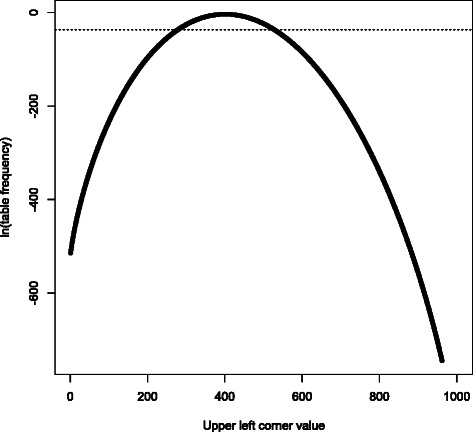
“SNP-HWE exploits the fact that, while the absolute likelihood of a contingency table involves large factorials which are fairly expensive to evaluate, the ratios between its likelihood and that of adjacent tables are simple since the factorials almost entirely cancel out [14].”
BackgroundHowie, B. N., Donnelly, P., & Marchini, J. (2009) · PLoS Genetics · doi:10.1371/journal.pgen.1000529 · Cited by 3,928 · cited 2×
“To support easier interoperation with newer software, for example BEAGLE 4 [2], IMPUTE2 [3], GATK [4], VCFtools [5], BCFtools [6] and GCTA [7], features such as the import/export of VCF and Oxford-format files and an efficient cross-platform genomic relationship matrix (GRM) calculator have been introduced.”
Method
Research works printed but not linked: 3
- Dalke A. Update: Faster Population Counts. http://www.dalkescientific.com/writings/diary/archive/2011/11/02/faster_popcount_update.html.
- GWASSpeedup Problem Statement. http://community.topcoder.com/longcontest/?module=ViewProblemStatement&rd=15637&pm=12525.
- Adler M. Pigz: Parallel Gzip. http://zlib.net/pigz/.
Cited by
Items 401–500 of 1,191
An Unexpectedly Complex Architecture for Skin Pigmentation in Africans
Martin, A. R., Lin, M., Granka, J. M., Myrick, J. W., Liu, X., Sockell, A., Atkinson, E. G., Werely, C. J., Möller, M., Sandhu, M. S., et al. (2017) · Cell · doi:10.1016/j.cell.2017.11.015 · Cited by 156
Martiniano, R., Cassidy, L. M., Ó'Maoldúin, R., McLaughlin, R., Silva, N. M., Manco, L., Fidalgo, D., Pereira, T., Coelho, M. J., Serra, M., et al. (2017) · PLOS Genetics · doi:10.1371/journal.pgen.1006852 · Cited by 161
Predicting future from past: The genomic basis of recurrent and rapid stickleback evolution
Kingman, G. A. R., Vyas, D. N., Jones, F. C., Brady, S. D., Chen, H. I., Reid, K., Milhaven, M., Bertino, T. S., Aguirre, W. E., Heins, D. C., et al. (2021) · Science Advances · doi:10.1126/sciadv.abg5285 · Cited by 171
Ghouse, J., Tragante, V., Ahlberg, G., Rand, S. A., Jespersen, J. B., Leinoe, E. B., Vissing, C. R., Trudsø, L. C., Jónsdóttir, I., Banasik, K., et al. (2023) · Nature Genetics · doi:10.1038/s41588-022-01286-7 · Cited by 172
Association of Genetic Liability to Psychotic Experiences With Neuropsychotic Disorders and Traits
Legge, S. E., Jones, H. J., Kendall, K. M., Pardiñas, A. F., Menzies, G., Bracher-Smith, M., Escott-Price, V., Rees, E., Davis, K. A. S., Hotopf, M., et al. (2019) · JAMA Psychiatry · doi:10.1001/jamapsychiatry.2019.2508 · Cited by 150
Ye, J., Wen, Y. F., Sun, X., Chu, X., Li, P., Cheng, B., Cheng, S., Liu, L., Zhang, L., Ma, M., et al. (2020) · Biological Psychiatry · doi:10.1016/j.biopsych.2020.11.019 · Cited by 171
Koller, D., Pathak, G. A., Wendt, F. R., Tylee, D. S., Levey, D. F., Overstreet, C., Gelernter, J., Taylor, H. S., & Polimanti, R. (2023) · JAMA Network Open · doi:10.1001/jamanetworkopen.2022.51214 · Cited by 129
Genotyping and population characteristics of the China Kadoorie Biobank
Walters, R. G., Millwood, I. Y., Lin, K., Schmidt Valle, D., McDonnell, P., Hacker, A., Avery, D., Edris, A., Fry, H., Cai, N., et al. (2023) · Cell Genomics · doi:10.1016/j.xgen.2023.100361 · Cited by 150
Inherited basis of visceral, abdominal subcutaneous and gluteofemoral fat depots
Agrawal, S., Wang, M., Klarqvist, M. D. R., Smith, K., Shin, J., Dashti, H., Diamant, N., Choi, S. H., Jurgens, S. J., Ellinor, P. T., et al. (2022) · Nature Communications · doi:10.1038/s41467-022-30931-2 · Cited by 156
Associations of autozygosity with a broad range of human phenotypes
Clark, D. W., Okada, Y., Moore, K. H. S., Mason, D., Pirastu, N., Gandin, I., Mattsson, H., Barnes, C. L. K., Lin, K., Zhao, J. H., et al. (2019) · Nature Communications · doi:10.1038/s41467-019-12283-6 · Cited by 149
Significant sparse polygenic risk scores across 813 traits in UK Biobank
Tanigawa, Y., Qian, J., Venkataraman, G., Justesen, J. M., Li, R., Tibshirani, R., Hastie, T., & Rivas, M. A. (2022) · PLOS Genetics · doi:10.1371/journal.pgen.1010105 · Cited by 138
Genetic variant effects on gene expression in human pancreatic islets and their implications for T2D
Viñuela, A., Varshney, A., van de Bunt, M., Prasad, R. B., Asplund, O., Bennett, A., Boehnke, M., Brown, A. A., Erdos, M. R., Fadista, J., et al. (2020) · Nature Communications · doi:10.1038/s41467-020-18581-8 · Cited by 152
SeqArray—a storage-efficient high-performance data format for WGS variant calls
Zheng, X., Gogarten, S. M., Lawrence, M., Stilp, A. M., Conomos, M. P., Weir, B. S., Laurie, C. C., & Levine, D. (2017) · Bioinformatics · doi:10.1093/bioinformatics/btx145 · Cited by 168
Fritsche, L. G., Gruber, S. B., Wu, Z., Schmidt, E. M., Zawistowski, M., Moser, S. E., Blanc, V. M., Brummett, C. M., Kheterpal, S., Abecasis, G. R., et al. (2018) · The American Journal of Human Genetics · doi:10.1016/j.ajhg.2018.04.001 · Cited by 162
Polygenic burden in focal and generalized epilepsies
Leu, C., Stevelink, R., Smith, A. W., Goleva, S. B., Kanai, M., Ferguson, L., Campbell, C., Kamatani, Y., Okada, Y., Sisodiya, S. M., et al. (2019) · Brain · doi:10.1093/brain/awz292 · Cited by 151
Jamialahmadi, O., Vincentis, A. D., Tavaglione, F., Malvestiti, F., Li‐Gao, R., Mancina, R. M., Alvarez, M., Gelev, K. Z., Maurotti, S., Gentilucci, U. V., et al. (2024) · Nature Medicine · doi:10.1038/s41591-024-03284-0 · Cited by 177
Chella Krishnan, K., Kurt, Z., Barrere-Cain, R., Sabir, S., Das, A., Floyd, R., Vergnes, L., Zhao, Y., Che, N., Charugundla, S., et al. (2018) · Cell Systems · doi:10.1016/j.cels.2017.12.006 · Cited by 155
The critically endangered vaquita is not doomed to extinction by inbreeding depression
Robinson, J. A., Kyriazis, C. C., Nigenda-Morales, S. F., Beichman, A. C., Rojas-Bracho, L., Robertson, K. M., Fontaine, M. C., Wayne, R. K., Lohmueller, K. E., Taylor, B. L., et al. (2022) · Science · doi:10.1126/science.abm1742 · Cited by 148
Koelewijn, L., Lancaster, T. M., Linden, D., Dima, D. C., Routley, B. C., Magazzini, L., Barawi, K., Brindley, L., Adams, R., Tansey, K. E., et al. (2019) · eLife · doi:10.7554/elife.36011 · Cited by 149
Baduel, P., Leduque, B., Ignace, A., Gy, I., Gil, J., Loudet, O., Colot, V., & Quadrana, L. (2021) · Genome biology · doi:10.1186/s13059-021-02348-5 · Cited by 183
Meleshko, O., Martin, M. D., Korneliussen, T. S., Schröck, C., Lamkowski, P., Schmutz, J., Healey, A. L., Piatkowski, B. T., Shaw, A. J., Weston, D. J., et al. (2021) · Molecular Biology and Evolution · doi:10.1093/molbev/msab063 · Cited by 155
“9 (Chang et al. 2015) to convert the VCF into a binary PLINK file to be used in ADMIXTURE.”
MethodAn atlas of genetic scores to predict multi-omic traits
Xu, Y., Ritchie, S. C., Liang, Y., Timmers, P. R. H. J., Pietzner, M., Lannelongue, L., Lambert, S. A., Tahir, U. A., May-Wilson, S., Foguet, C., et al. (2023) · Nature · doi:10.1038/s41586-023-05844-9 · Cited by 144
Enhancing the Polygenic Score Catalog with tools for score calculation and ancestry normalization
Lambert, S. A., Wingfield, B., Gibson, J. T., Gil, L., Ramachandran, S., Yvon, F., Saverimuttu, S. C. C., Tinsley, E., Lewis, E., Ritchie, S. C., et al. (2024) · Nature Genetics · doi:10.1038/s41588-024-01937-x · Cited by 188
The effect of artificial selection on phenotypic plasticity in maize
Gage, J. L., Jarquin, D., Romay, C., Lorenz, A., Buckler, E. S., Kaeppler, S., Alkhalifah, N., Bohn, M., Campbell, D. A., Edwards, J., et al. (2017) · Nature Communications · doi:10.1038/s41467-017-01450-2 · Cited by 140
The missing link between genetic association and regulatory function
Connally, N. J., Nazeen, S., Lee, D., Shi, H., Stamatoyannopoulos, J., Chun, S., Cotsapas, C., Cassa, C. A., & Sunyaev, S. R. (2022) · eLife · doi:10.7554/elife.74970 · Cited by 158
Opel, N., Thalamuthu, A., Milaneschi, Y., Grotegerd, D., Flint, C., Leenings, R., Goltermann, J., Richter, M., Hahn, T., Woditsch, G., et al. (2021) · Molecular Psychiatry · doi:10.1038/s41380-020-0774-9 · Cited by 148
Jamialahmadi, O., Mancina, R. M., Ciociola, E., Tavaglione, F., Luukkonen, P. K., Baselli, G., Malvestiti, F., Thuillier, D., Raverdy, V., Männistö, V., et al. (2021) · Gastroenterology · doi:10.1053/j.gastro.2020.12.023 · Cited by 148
Dikilitas, O., Schaid, D. J., Kosel, M. L., Carroll, R. J., Chute, C. G., Denny, J. C., Fedotov, A., Feng, Q., Hakonarson, H., Jarvik, G. P., et al. (2020) · The American Journal of Human Genetics · doi:10.1016/j.ajhg.2020.04.002 · Cited by 147
“We identified EA and AA individuals by matching genetic ancestry (with principal component analysis (PCA)-based k-means) and self-reported ancestry in which individuals self-identified to be ‘‘non-Hispanic,’’ whereas HE individuals were identified by selfreport (Figure S1).31 We excluded any ambiguous AT/GC singlenucl…”
MethodInfluentialGenetic ancestry, admixture and health determinants in Latin America
Norris, E. T., Wang, L., Conley, A. B., Rishishwar, L., Mariño‐Ramírez, L., Valderrama-Aguirre, A., & Jordan, I. K. (2018) · BMC Genomics · doi:10.1186/s12864-018-5195-7 · Cited by 160
Kraja, A. T., Liu, C., Fetterman, J. L., Graff, M., Have, C. T., Gu, C., Yanek, L. R., Feitosa, M. F., Arking, D. E., Chasman, D. I., et al. (2019) · The American Journal of Human Genetics · doi:10.1016/j.ajhg.2018.12.001 · Cited by 145
“Continued No SNV Chrom Position Role Gene Full Gene Name (Cytogenetic Position) BMI p OBESITY p WHR p GLUC p INS p HOMA-B p HOMAIR p HbA1c p 97 rs17066842 18 60373391 upstream-2KB MC4R Melanocortin 4 Receptor 6.40E 14 – – – – – – – 98 rs12454712 18 63178651 intron BCL2 BCL2, Apoptosis Regulator – – 1.10E 09 – 1.39E 07…”
InfluentialSelf-citationSaremi, N. F., Supple, M. A., Byrne, A., Cahill, J. A., Coutinho, L. L., Dalén, L., Figueiró, H. V., Johnson, W. E., Milne, H. J., O’Brien, S. J., et al. (2019) · Nature Communications · doi:10.1038/s41467-019-12741-1 · Cited by 137
Research advances in the genomics and applications for molecular breeding of aquaculture animals
You, X., Shan, X., & Shi, Q. (2020) · Aquaculture · doi:10.1016/j.aquaculture.2020.735357 · Cited by 158
Genetic associations of protein-coding variants in human disease
Sun, B. B., Kurki, M. I., Foley, C. N., Mechakra, A., Chen, C.-Y., Marshall, E., Wilk, J. B., Biogen Biobank Team, Sun, B. B., Ghen, C.-Y., et al. (2022) · Nature · doi:10.1038/s41586-022-04394-w · Cited by 147
Zeng, J., Xue, A., Jiang, L., Lloyd-Jones, L. R., Wu, Y., Wang, H., Zheng, Z., Yengo, L., Kemper, K. E., Goddard, M. E., et al. (2021) · Nature Communications · doi:10.1038/s41467-021-21446-3 · Cited by 144
Standardized Biogeographic Grouping System for Annotating Populations in Pharmacogenetic Research
Huddart, R., Fohner, A. E., Whirl‐Carrillo, M., Wojcik, G. L., Gignoux, C. R., Popejoy, A. B., Bustamante, C. D., Altman, R. B., & Klein, T. E. (2019) · Clinical Pharmacology & Therapeutics · doi:10.1002/cpt.1322 · Cited by 154
“9.(50) Forward stepwise logistic regression was subsequently performed, adding one PC at a time, to predict population labels in a bivariate fashion.”
MethodCross-trait assortative mating is widespread and inflates genetic correlation estimates
Border, R., Athanasiadis, G., Buil, A., Schork, A. J., Cai, N., Young, A. I., Werge, T., Flint, J., Kendler, K. S., Sankararaman, S., et al. (2022) · Science · doi:10.1126/science.abo2059 · Cited by 144
Slavin, T. P., Maxwell, K. N., Lilyquist, J., Vijai, J., Neuhausen, S. L., Hart, S. N., Ravichandran, V., Thomas, T., Maria, A., Villano, D., et al. (2017) · npj Breast Cancer · doi:10.1038/s41523-017-0024-8 · Cited by 163
Palaeogenomic insights into the origins of French grapevine diversity
Ramos-Madrigal, J., Runge, A. K. W., Bouby, L., Lacombe, T., Samaniego Castruita, J. A., Adam-Blondon, A.-F., Figueiral, I., Hallavant, C., Martínez-Zapater, J. M., Schaal, C., et al. (2019) · Nature Plants · doi:10.1038/s41477-019-0437-5 · Cited by 129
Richard, D. J., Liu, Z., Cao, J., Kiapour, A. M., Willen, J., Yarlagadda, S., Jagoda, E., Kolachalama, V. B., Sieker, J. T., Chang, G. H., et al. (2020) · Cell · doi:10.1016/j.cell.2020.02.057 · Cited by 163
“Genotyped SNPs were extracted using plink (Chang et al., 2015) version 1.”
MethodGialluisi, A., Andlauer, T. F. M., Mirza‐Schreiber, N., Moll, K., Becker, J., Hoffmann, P., Ludwig, K. U., Czamara, D., Pourcain, B. S., Honbolygó, F., et al. (2020) · Molecular Psychiatry · doi:10.1038/s41380-020-00898-x · Cited by 158
MC3R links nutritional state to childhood growth and the timing of puberty
Lam, B. Y. H., Williamson, A., Finer, S., Day, F. R., Tadross, J. A., Gonçalves Soares, A., Wade, K., Sweeney, P., Bedenbaugh, M. N., Porter, D. T., et al. (2021) · Nature · doi:10.1038/s41586-021-04088-9 · Cited by 139
Spatially resolved mapping of cells associated with human complex traits
Song, L., Chen, W., Hou, J., Guo, M., & Yang, J. (2025) · Nature · doi:10.1038/s41586-025-08757-x · Cited by 179
Parks, T., Mirabel, M., Kado, J. H., Auckland, K., Nowak, J., Rautanen, A., Mentzer, A. J., Marijon, É., Jouven, X., Perman, M. L., et al. (2017) · Nature Communications · doi:10.1038/ncomms14946 · Cited by 154
Blauwendraat, C., Faghri, F., Pihlstrom, L., Geiger, J. T., Elbaz, A., Lesage, S., Corvol, J.-C., May, P., Nicolas, A., Abramzon, Y., et al. (2017) · Neurobiology of Aging · doi:10.1016/j.neurobiolaging.2017.05.009 · Cited by 141
“The data were exported from GenomeStudio using the Illumina-to-PLINK module 2.1.4 and imported into PLINK (version 1.90) (Chang et al., 2015).”
InfluentialWolfe, M. D., Rabbi, I. Y., Egesi, C. N., Hamblin, M., Kawuki, R., Kulakow, P., Lozano, R. D., Carpio, D. P. D., Ramu, P., & Jannink, J. (2016) · The Plant Genome · doi:10.3835/plantgenome2015.11.0118 · Cited by 161
The origins and adaptation of European potatoes reconstructed from historical genomes
Gutaker, R. M., Weiß, C. L., Ellis, D. D., Anglin, N. L., Knapp, S., Alonso, J. L. F., Prat, S., & Burbano, H. A. (2019) · Nature Ecology & Evolution · doi:10.1038/s41559-019-0921-3 · Cited by 155
Barc, J., Tadros, R., Glinge, C., Chiang, D. Y.-E., Jouni, M., Simonet, F., Jurgens, S. J., Baudic, M., Nicastro, M., Potet, F., et al. (2022) · Nature Genetics · doi:10.1038/s41588-021-01007-6 · Cited by 154
Mexican Biobank advances population and medical genomics of diverse ancestries
Sohail, M., Palma-Martínez, M. J., Chong, A. Y.-Y., Quinto-Cortés, C. D., Barberena-Jonas, C., Medina-Muñoz, S. G., Ragsdale, A. P., Delgado-Sánchez, G., Cruz‐Hervert, L. P., Ferreyra-Reyes, L. D., et al. (2023) · Nature · doi:10.1038/s41586-023-06560-0 · Cited by 170
“We computed polygenic scores using plink and summary statistics from the MXB GWAS conducted on 4,000 individuals as described above 72 .”
MethodMoorlag, S. J. C. F. M., Folkman, L., ter Horst, R., Krausgruber, T., Barreca, D., Schuster, L. C., Fife, V. E. R., Matzaraki, V., Li, W., Reichl, S., et al. (2024) · Immunity · doi:10.1016/j.immuni.2023.12.005 · Cited by 158
Gorssen, W., Meyermans, R., Janssens, S., & Buys, N. (2021) · Genetics Selection Evolution · doi:10.1186/s12711-020-00599-7 · Cited by 142
Next generation plasma proteome profiling to monitor health and disease
Zhong, W., Edfors, F., Gummesson, A., Bergström, G., Fagerberg, L., & Uhlén, M. (2021) · Nature Communications · doi:10.1038/s41467-021-22767-z · Cited by 140
Population genomics of apricots unravels domestication history and adaptive events
Groppi, A., Liu, S., Cornille, A., Decroocq, S., Bui, Q. T., Tricon, D., Cruaud, C., Arribat, S., Belser, C., Marande, W., et al. (2021) · Nature Communications · doi:10.1038/s41467-021-24283-6 · Cited by 179
Recent ultra-rare inherited variants implicate new autism candidate risk genes
Wilfert, A. B., Turner, T. N., Murali, S. C., Hsieh, P., Sulovari, A., Wang, T., Coe, B. P., Guo, H., Hoekzema, K., Bakken, T. E., et al. (2021) · Nature Genetics · doi:10.1038/s41588-021-00899-8 · Cited by 136
Genetic prediction of male pattern baldness
Hagenaars, S. P., Hill, W. D., Harris, S. E., Ritchie, S. J., Davies, G., Liewald, D. C., Gale, C. R., Porteous, D. J., Deary, I. J., & Marioni, R. E. (2017) · PLOS Genetics · doi:10.1371/journal.pgen.1006594 · Cited by 138
GCKD Investigators, Schlosser, P., Li, Y., Sekula, P., Raffler, J., Grundner-Culemann, F., Pietzner, M., Cheng, Y., Wuttke, M., Steinbrenner, I., et al. (2020) · Nature Genetics · doi:10.1038/s41588-019-0567-8 · Cited by 137
CUBIC: an atlas of genetic architecture promises directed maize improvement
Liu, H., Wang, X., Xiao, Y., Luo, J., Qiao, F., Yang, W., Zhang, R., Meng, Y., Sun, J., Yan, S., et al. (2020) · Genome biology · doi:10.1186/s13059-020-1930-x · Cited by 168
Klarić, L., Tsepilov, Y. A., Stanton, C. M., Mangino, M., Sikka, T. T., Esko, T., Pakhomov, E., Salo, P. P., Deelen, J., McGurnaghan, S. J., et al. (2020) · Science Advances · doi:10.1126/sciadv.aax0301 · Cited by 157
Xiang, R., MacLeod, I. M., Daetwyler, H. D., de Jong, G., O’Connor, E. S., Schrooten, C., Chamberlain, A. J., & Goddard, M. E. (2021) · Nature Communications · doi:10.1038/s41467-021-21001-0 · Cited by 162
Ding, Y., Hou, K., Burch, K. S., Lapinska, S., Privé, F., Vilhjálmsson, B., Sankararaman, S., & Pasaniuc, B. (2022) · Nature Genetics · doi:10.1038/s41588-021-00961-5 · Cited by 136
Survey of the Heritability and Sparse Architecture of Gene Expression Traits across Human Tissues
Wheeler, H. E., Shah, K. P., Brenner, J., Garcia, T., Aquino-Michaels, K., GTEx Consortium, Cox, N. J., Nicolae, D. L., & Im, H. K. (2016) · PLOS Genetics · doi:10.1371/journal.pgen.1006423 · Cited by 145
“Plink [45] was used for data wrangling and cleaning steps.”
Wang, K., Lenstra, J. A., Liu, L., Hu, Q., Ma, T., Qiu, Q., & Liu, J. (2018) · Communications Biology · doi:10.1038/s42003-018-0176-6 · Cited by 140
Genetic and functional insights into the fractal structure of the heart
Meyer, H. V., Dawes, T. J. W., Serrani, M., Bai, W., Tokarczuk, P. F., Cai, J., de Marvao, A., Henry, A., Lumbers, R. T., Gierten, J., et al. (2020) · Nature · doi:10.1038/s41586-020-2635-8 · Cited by 150
Inherited myeloproliferative neoplasm risk affects haematopoietic stem cells
Bao, E. L., Nandakumar, S. K., Liao, X., Bick, A. G., Karjalainen, J., Tabaka, M., Gan, O. I., Havulinna, A. S., Kiiskinen, T. T. J., Lareau, C. A., et al. (2020) · Nature · doi:10.1038/s41586-020-2786-7 · Cited by 141
Plant genetic effects on microbial hubs impact host fitness in repeated field trials
Brachi, B., Filiault, D. L., Whitehurst, H., Darme, P., Gars, P. L., Mentec, M. L., Morton, T. C., Kerdaffrec, E., Rabanal, F. A., Anastasio, A., et al. (2022) · Proceedings of the National Academy of Sciences · doi:10.1073/pnas.2201285119 · Cited by 156
Humphrey, J., Venkatesh, S., Hasan, R., Herb, J. T., de Paiva Lopes, K., Küçükali, F., Byrska-Bishop, M., Evani, U. S., Narzisi, G., Fagegaltier, D., et al. (2023) · Nature Neuroscience · doi:10.1038/s41593-022-01205-3 · Cited by 138
Bertolini, F., Cardoso, T. F., Marras, G., Nicolazzi, E. L., Rothschild, M. F., & Amills, M. (2018) · Genetics Selection Evolution · doi:10.1186/s12711-018-0424-8 · Cited by 152
Accurate and Scalable Construction of Polygenic Scores in Large Biobank Data Sets
Yang, S., & Zhou, X. (2020) · The American Journal of Human Genetics · doi:10.1016/j.ajhg.2020.03.013 · Cited by 163
“57”
MethodLanktree, M. B., Thériault, S., Walsh, M. W., & Paré, G. (2017) · American Journal of Kidney Diseases · doi:10.1053/j.ajkd.2017.06.011 · Cited by 143
Parallel altitudinal clines reveal trends in adaptive evolution of genome size in Zea mays
Bilinski, P., Albert, P. S., Berg, J. J., Birchler, J. A., Grote, M. N., Lorant, A., Quezada, J., Swarts, K., Yang, J., & Ross‐Ibarra, J. (2018) · PLoS Genetics · doi:10.1371/journal.pgen.1007162 · Cited by 148
Genome-wide association study implicates CHRNA2 in cannabis use disorder
Demontis, D., Rajagopal, V. M., Thorgeirsson, T. E., Als, T. D., Grove, J., Leppälä, K., Gudbjartsson, D. F., Pallesen, J., Hjorthøj, C., Reginsson, G. W., et al. (2019) · Nature Neuroscience · doi:10.1038/s41593-019-0416-1 · Cited by 131
Aragam, K. G., Dobbyn, A., Judy, R., Chaffin, M., Chaudhary, K., Hindy, G., Cagan, A., Finneran, P., Weng, L.-C., Loos, R. J. F., et al. (2020) · Journal of the American College of Cardiology · doi:10.1016/j.jacc.2020.04.027 · Cited by 138
The contribution of rare variation to prostate cancer heritability
the PRACTICAL consortium, Mancuso, N., Rohland, N., Rand, K. A., Tandon, A., Allen, A., Quinque, D., Mallick, S., Li, H., Stram, A., et al. (2016) · Nature Genetics · doi:10.1038/ng.3446 · Cited by 136
“We determined which individuals to remove --rel-cutoff [5].”
MethodPatrick, M. T., Stuart, P. E., Raja, K., Gudjonsson, J. E., Tejasvi, T., Yang, J., Chandran, V., Das, S., Callis-Duffin, K., Ellinghaus, E., et al. (2018) · Nature Communications · doi:10.1038/s41467-018-06672-6 · Cited by 136
Toward a fine-scale population health monitoring system
Belbin, G. M., Cullina, S., Wenric, S., Soper, E. R., Glicksberg, B. S., Torre, D., Moscati, A., Wojcik, G. L., Shemirani, R., Beckmann, N. D., et al. (2021) · Cell · doi:10.1016/j.cell.2021.03.034 · Cited by 160
Meadows, J. R. S., Kidd, J. M., Wang, G., Parker, H. G., Schall, P. Z., Bianchi, M., Christmas, M. J., Bougiouri, K., Buckley, R. M., Hitte, C., et al. (2023) · Genome biology · doi:10.1186/s13059-023-03023-7 · Cited by 156
Thériault, S., Gaudreault, N., Lamontagne, M., Rosa, M., Boulanger, M.-C., Messika-Zeitoun, D., Clavel, M.-A., Capoulade, R., Dagenais, F., Pibarot, P., et al. (2018) · Nature Communications · doi:10.1038/s41467-018-03260-6 · Cited by 135
Ancient X chromosomes reveal contrasting sex bias in Neolithic and Bronze Age Eurasian migrations
Goldberg, A., Günther, T., Rosenberg, N. A., & Jakobsson, M. (2017) · Proceedings of the National Academy of Sciences · doi:10.1073/pnas.1616392114 · Cited by 120
Whole-genome resequencing reveals signatures of selection and timing of duck domestication
Zhang, Z., Jia, Y., Almeida, P., Mank, J. E., van Tuinen, M., Wang, Q., Jiang, Z., Chen, Y., Zhan, K., Hou, S., et al. (2018) · GigaScience · doi:10.1093/gigascience/giy027 · Cited by 160
“90 (PLINK, RRID:SCR_001757) [71, 72] when appropriate.”
Late Pleistocene human genome suggests a local origin for the first farmers of central Anatolia
Feldman, M., Fernández-Domínguez, E., Reynolds, L., Baird, D., Pearson, J., Hershkovitz, I., May, H., Goring-Morris, N., Benz, M., Gresky, J., et al. (2019) · Nature Communications · doi:10.1038/s41467-019-09209-7 · Cited by 134
Widespread selection and gene flow shape the genomic landscape during a radiation of monkeyflowers
Stankowski, S., Chase, M. A., Fuiten, A. M., Rodrigues, M. F., Ralph, P. L., & Streisfeld, M. A. (2019) · PLOS Biology · doi:10.1371/journal.pbio.3000391 · Cited by 134
Ansari, M. A., Pedergnana, V., L C Ip, C., Magri, A., Von Delft, A., Bonsall, D., Chaturvedi, N., Bartha, I., Smith, D., Nicholson, G., et al. (2017) · Nature Genetics · doi:10.1038/ng.3835 · Cited by 136
Werling, D. M., Pochareddy, S., Choi, J., An, J.-Y., Sheppard, B., Peng, M., Li, Z., Dastmalchi, C., Santpere, G., Sousa, A. M. M., et al. (2020) · Cell Reports · doi:10.1016/j.celrep.2020.03.053 · Cited by 144
“…a vulnerable process, and the prefrontal cortex as a vulnerable region, for both autism spectrum disorder (ASD) and schizophrenia (SCZ) risk genes (Chang et al., 2015b; Gulsuner et al., 2013; Li et al., 2018; Network and Pathway Analysis Subgroup of the Psychiatric Genomics Consortium, 2015;…”
BackgroundChen, L., Peters, J. E., Prins, B. P., Persyn, E., Traylor, M., Surendran, P., Karthikeyan, S., Yonova‐Doing, E., Angelantonio, E. D., Roberts, D. J., et al. (2022) · Nature Communications · doi:10.1038/s41467-022-33675-1 · Cited by 149
The Qatar genome: a population-specific tool for precision medicine in the Middle East
Fakhro, K. A., Staudt, M. R., Ramstetter, M. D., Robay, A., Malek, J. A., Badii, R., Al-Marri, A. A.-N., Khalil, C. A., Al-Shakaki, A., Chidiac, O., et al. (2016) · Human Genome Variation · doi:10.1038/hgv.2016.16 · Cited by 159
Rosendahl, J., Kirsten, H., Hegyi, E., Kovacs, P. L., Weiß, F. U., Laumen, H., Lichtner, P., Ruffert, C., Chen, J., Masson, E., et al. (2017) · Gut · doi:10.1136/gutjnl-2017-314454 · Cited by 147
Pedersen, B. S., Bhetariya, P. J., Brown, J., Kravitz, S. N., Marth, G., Jensen, R. L., Bronner, M. P., Underhill, H. R., & Quinlan, A. R. (2020) · Genome Medicine · doi:10.1186/s13073-020-00761-2 · Cited by 133
“Since KING also has an extraction-like step, in converting VCF to PLINK’s [16] binary format, we partition the timing into distinct steps for data extraction (“extract”) and compu-”
MethodImproved reference genome of the arboviral vector Aedes albopictus
Palatini, U., Masri, R. A., Cosme, L. V., Koren, S., Thibaud‐Nissen, F., Biedler, J. K., Krsticevic, F., Johnston, J. S., Halbach, R., Crawford, J. E., et al. (2020) · Genome biology · doi:10.1186/s13059-020-02141-w · Cited by 181
Genetic ancestry effects on the response to viral infection are pervasive but cell type specific
Randolph, H. E., Mu, Z., Fiege, J. K., Thielen, B. K., Grenier, J., Cobb, M., Hussin, J., Li, Y., Langlois, R. A., & Barreiro, L. B. (2021) · Science · doi:10.1126/science.abg0928 · Cited by 150
PRSet: Pathway-based polygenic risk score analyses and software
Choi, S. W., García‐González, J., Ruan, Y., Wu, H. M., Porras, C., Johnson, J., Hoggart, C. J., & O’Reilly, P. F. (2023) · PLoS Genetics · doi:10.1371/journal.pgen.1010624 · Cited by 147
Genome-wide meta-analysis for Alzheimer’s disease cerebrospinal fluid biomarkers
Jansen, I. E., van der Lee, S. J., Gomez-Fonseca, D., de Rojas, I., Dalmasso, M. C., Grenier-Boley, B., Zettergren, A., Mishra, A., Ali, M., Andrade, V., et al. (2022) · Acta Neuropathologica · doi:10.1007/s00401-022-02454-z · Cited by 132
“9 [34] was used for single-variant analyses.”
MethodInfluentialPeyrot, W. J., Van der Auwera, S., Milaneschi, Y., Dolan, C. V., Madden, P. A. F., Sullivan, P. F., Strohmaier, J., Ripke, S., Rietschel, M., Nivard, M. G., et al. (2018) · Biological Psychiatry · doi:10.1016/j.biopsych.2017.09.009 · Cited by 124
“These 1,171,526 SNPs were used to calculate the 166 genetic relatedness matrix (GRM) with PLINK2 (39), which was thus based on a different set of SNPs 167 for individuals from each cohort and between each pair of cohorts (Table S3), in this way providing 168 M AN US CR IP T AC CE PT ED ACCEPTED MANUSCRIPT genome-wide…”
InfluentialWhole-genome sequencing for an enhanced understanding of genetic variation among South Africans
Choudhury, A., Ramsay, M., Hazelhurst, S., Aron, S., Bardien, S., Botha, G., Chimusa, E. R., Christoffels, A., Gamieldien, J., Sefid-Dashti, M. J., et al. (2017) · Nature Communications · doi:10.1038/s41467-017-00663-9 · Cited by 128
Genomic analyses of 10,376 individuals in the Westlake BioBank for Chinese (WBBC) pilot project
Cong, P., Bai, W.-Y., Li, J., Yang, M., Khederzadeh, S., Gai, S.-R., Li, N., Liu, Y., Yu, S., Zhao, W.-W., et al. (2022) · Nature Communications · doi:10.1038/s41467-022-30526-x · Cited by 154
Genome sequencing reveals evidence of adaptive variation in the genus Zea
Chen, L., Luo, J., Jin, M., Yang, N., Liu, X., Peng, Y., Li, W., Phillips, A. R., Cameron, B. B., Bernal, J. S., et al. (2022) · Nature Genetics · doi:10.1038/s41588-022-01184-y · Cited by 138
Characterization of heterozygosity-rich regions in Italian and worldwide goat breeds
Chessari, G., Criscione, A., Marletta, D., Crepaldi, P., Portolano, B., Manunza, A., Cesarani, A., Biscarini, F., & Mastrangelo, S. (2024) · Scientific Reports · doi:10.1038/s41598-023-49125-x · Cited by 154
Curtis, D. (2018) · Psychiatric Genetics · doi:10.1097/ypg.0000000000000206 · Cited by 132
“…in the PGC2 training set were selected and their log(OR) summed over sample genotypes using the --score function of plink 1.09beta in order to produce a PRS for each subject in both the HapMap and CMC datasets (www.cog-genomics.org/plink/1.9/) (Purcell et al. , 2007, 2009; Chang et al. , 2015).”
MethodInfluentialGenome-wide association analyses identify 39 new susceptibility loci for diverticular disease
Maguire, L. H., Handelman, S. K., Du, X., Chen, Y., Pers, T. H., & Speliotes, E. K. (2018) · Nature Genetics · doi:10.1038/s41588-018-0203-z · Cited by 130
Emdin, C. A., Haas, M., Ajmera, V., Simon, T. G., Homburger, J., Neben, C., Jiang, L., Wei, W.-Q., Feng, Q., Zhou, A., et al. (2021) · Gastroenterology · doi:10.1053/j.gastro.2020.12.011 · Cited by 129
Kanki, M., Nath, A. P., Xiang, R., Yiallourou, S. R., Fuller, P. J., Cole, T. J., Cánovas, R., & Young, M. J. (2023) · Nature Communications · doi:10.1038/s41467-023-42758-6 · Cited by 140
“As SUMnlmr only accepts one slot for instrumental variables, we used those 33 SNPs to generate polygenic risk score (PRS) using the plink-score 82 function for MR analysis in SUMnlmr.”
Rhinn, H., & Abeliovich, A. (2017) · Cell Systems · doi:10.1016/j.cels.2017.02.009 · Cited by 130
“…Genotypes (Colantuoni et al., 2011) dbGap: phs000417 Dendritic cells expression (Lee et al., 2014) GEO: GSE57542 Software and Algorithms PLINK 1.9 (Chang et al., 2015) https://www.cog-genomics.org/plink2 Metal (Willer et al., 2010) http://csg.sph.umich.edu/abecasis/metal/ LocusZoom (Pruim et al.,…”
Influential
Metadata
- Authors
- Chang, C. C., Chow, C. C., Tellier, L. C., Vattikuti, S., Purcell, S. M., & Lee, J. J.
- Affiliations
- BGI Group (China) (CN)
- National Institutes of Health (US)
- Broad Institute (US)
- Corresponding author
- Chang, Christopher C
- ORCID
- Venue
- Gigascience
- Publisher
- Oxford University Press (OUP)
- Published
- 2015-02-25
- Volume
- 4
- Issue
- 1
- Pages
- 7-7
- ISSN
- 2047-217X (ISSN-L)
- PMC
- PMC4342193
- OpenAlex
- W2099085143
- Semantic Scholar
- 91e0bb69106b4e8620a1f4ee1d98e0046baafed4
- Cited by
- 12,709
- References
- 39
- Citations by year
- 2026: 1577 · 2025: 1865 · 2024: 1888 · 2023: 1511 · 2022: 1474 · 2021: 1442 · 2020: 1052 · 2019: 729 · 2018: 568 · 2017: 351 · 2016: 181 · 2015: 51
- FWCI
- 264.41
- Type
- journal article
- Language
- en
- Open access
- gold
- doi.org
- Locations
- GigaScience (publishedVersion, cc-by)
- PubMed Central (publishedVersion, cc-by)
- PubMed (publishedVersion)
- Research at the University of Copenhagen (University of Copenhagen) (publishedVersion, other-oa)
- arXiv (Cornell University) (submittedVersion)
- Digital Access to Scholarship at Harvard (DASH) (Harvard University) (submittedVersion, cc-by)
- arXiv (Cornell University)
- Funders
- Government of Jiangxi Province
- National Institutes of Health
- National Institute of Diabetes and Digestive and Kidney Diseases
- Topics
- Life Sciences › Biochemistry, Genetics and Molecular Biology › Genetics › Genetic Associations and Epidemiology
- Life Sciences › Biochemistry, Genetics and Molecular Biology › Genetics › Genetic Mapping and Diversity in Plants and Animals
- Life Sciences › Biochemistry, Genetics and Molecular Biology › Genetics › Genetic diversity and population structure
- Keywords
- PLINK, genome-wide association study, population genetics, Hardy-Weinberg equilibrium, Fisher's exact test, linkage disequilibrium, genomic distance, genotype likelihoods, phase information, imputed data, logistic regression
- MeSH terms
- Algorithms, Genetics, Population, Software, Linkage Disequilibrium, Likelihood Functions, Logistic Models, Computational Biology, Polymorphism, Single Nucleotide, Genome-Wide Association Study, Genotyping Techniques, Datasets as Topic
About these checks
Registry, retraction, Cites and statistics results are computed, not judged, with one exception: a printed reference that no index lists is read once by a model before it counts as a citation error. Claims are extracted by a model and kept only when their quote appears verbatim in the text; each cited source is then checked, with a model’s help, for whether it says what the claim relies on. Those verdicts can be wrong — read the claim’s quote and the cited source before relying on one.
Statistics and arithmetic are recomputed, not judged.
Confidence bands are shown only for fields calibrated on our annotated test set. None is calibrated yet, so no band is shown.
What counts as a claim ›How we measure confidence ›How we check this ›
Are you an author, or do you see a problem with this page? Request a review
Data sources
Bibliographic data: Semantic Scholar, OpenAlex, Crossref.
Contains information from the Semantic Scholar Academic Graph Datasets, made available under the ODC Attribution License (ODC-BY 1.0).
Semantic Scholar’s data is described in: Kinney, R., et al. (2023). The Semantic Scholar Open Data Platform. arXiv:2301.10140.
