

Second-generation PLINK: rising to the challenge of larger and richer datasets
Open accessThe DOI matches its Crossref record; 39 of the 39 references it cites were found in a registry or an index.
Abstract
Background: PLINK 1 is a widely used open-source C/C++ toolset for genome-wide association studies (GWAS) and research in population genetics. However, the steady accumulation of data from imputation and whole-genome sequencing studies has exposed a strong need for faster and scalable implementations of key functions, such as logistic regression, linkage disequilibrium estimation, and genomic distance evaluation. In addition, GWAS and population-genetic data now frequently contain genotype likelihoods, phase information, and/or multiallelic variants, none of which can be represented by PLINK 1's primary data format. Findings: To address these issues, we are developing a second-generation codebase for PLINK. The first major release from this codebase, PLINK 1.9, introduces extensive use of bit-level parallelism, (n)-time/constant-space Hardy-Weinberg equilibrium and Fisher's exact tests, and many other algorithmic improvements. In combination, these changes accelerate most operations by 1-4 orders of magnitude, and allow the program to handle datasets too large to fit in RAM. We have also developed an extension to the data format which adds low-overhead support for genotype likelihoods, phase, multiallelic variants, and reference vs. alternate alleles, which is the basis of our planned second release (PLINK 2.0). Conclusions: The second-generation versions of PLINK will offer dramatic improvements in performance and compatibility. For the first time, users without access to high-end computing resources can perform several essential analyses of the feature-rich and very large genetic datasets coming into use.
Overview
The claims and statistics of this paper haven’t been checked yet.
Free: it reads the open-access text and checks the first 5 claims that cite a source we can check. Create a free account to check every claim.
Integrity signals
Registry
Cites
Statistics
Figures
Verification
Claims the paper makes
The claims and statistics of this paper haven’t been checked yet.
Free: it reads the open-access text and checks the first 5 claims that cite a source we can check. Create a free account to check every claim.
Claims other papers make about this one
Each is checked against this paper’s own text: does it say what the citing paper says it does?
The cited source says what the claim attributes to it.
In the citing paper
“Subsequent MVP GWAS analyses were performed within ancestral admixtures using PLINK2 (16), covarying for genetic ancestry principal components, age, and sex.”
From GWAS meta-analysis of suicide attempt: identification of 12 genome-wide significant loci and implication of genetic risks for specific health factors (2023) · cites this paper as [16]
The cited source says what the claim attributes to it.
In the citing paper
“We defined primary associations through clumping ±1 Mb around the significant variants using PLINK 60 , excluding the HLA region (chromosome 6: 25.5-34.0Mb), which is treated as one locus owing to complex and extensive LD patterns.”
From Plasma proteomic associations with genetics and health in the UK Biobank (2023) · cites this paper as [60]
The cited source says what the claim attributes to it.
In the citing paper
“To retain independent signals, associated variants were clumped in PLINK (version 1.9)31, using a 1 Mb window with the LD thresholds of R2 = 0.1 and P < 5 × 10⁻⁸.”
From Genetic determinants of plasma protein levels in the Estonian population (2024) · cites this paper as [31]
The cited source says what the claim attributes to it.
In the citing paper
“We calculated the top ten genetic PCs using PLINK273 to be used as covariates in the miR-QTL analysis.”
From Mapping the microRNA landscape in the older adult brain and its genetic contribution to neuropsychiatric conditions (2024) · cites this paper as [73]
The cited source says what the claim attributes to it.
In the citing paper
“Sample ancestry was confirmed by multidimensional scaling (MDS) using PLINK 1.9 (Chang et al., 2015); MDS values for each subject were compared to 1000 Genome Project (Phase 3) sample values (Genomes Project et al., 2015).”
From Cholesterol and matrisome pathways dysregulated in astrocytes and microglia (2022) · cites this paper as Chang et al., 2015
3 more claims about this paper
Create a free account to see every claim other papers make about this one.
Self-check
Percentages, sums and reported differences re-computed from the paper’s own numbers.
The self-check needs the paper’s full text.
Citations
Cites
The Sequence Alignment/Map format and SAMtools
Li, H., Handsaker, B., Wysoker, A., Fennell, T., Ruan, J., Homer, N., Marth, G., Abecasis, G., Durbin, R., & 1000 Genome Project Data Processing Subgroup (2009) · Bioinformatics · doi:10.1093/bioinformatics/btp352 · Cited by 62,041 · cited 1×
“To support easier interoperation with newer software like BEAGLE 4 [2], IMPUTE2 [3], GATK [4], VCFtools [5], BCFtools [6], and GCTA [7], features such as the import/export of VCF and Oxford-format files and an efficient crossplatform genomic relationship matrix (GRM) calculator have been introduced.”
MethodPLINK: a tool set for whole-genome association and population-based linkage analyses.
Purcell, S., Neale, B., Todd-Brown, K., Thomas, L., Ferreira, M. A. R., Bender, D., Maller, J., Sklar, P., de Bakker, P. I. W., Daly, M. J., et al. (2007) · The American Journal of Human Genetics · doi:10.1086/519795 · Cited by 34,089 · cited 1×
“9’s core functional domains are unchanged from that of its predecessor—data management, summary statistics, population stratification, association analysis, identity-by-descent estimation [1] —and it is usable as a drop-in replacement in most cases, requiring no changes to existing scripts.”
BackgroundSelf-citationThe Genome Analysis Toolkit: A MapReduce framework for analyzing next-generation DNA sequencing data
McKenna, A., Hanna, M., Banks, E., Sivachenko, A., Cibulskis, K., Kernytsky, A., Garimella, K., Altshuler, D., Gabriel, S., Daly, M., et al. (2010) · Genome Research · doi:10.1101/gr.107524.110 · Cited by 27,895 · cited 2×
“To support easier interoperation with newer software, for example BEAGLE 4 [2], IMPUTE2 [3], GATK [4], VCFtools [5], BCFtools [6] and GCTA [7], features such as the import/export of VCF and Oxford-format files and an efficient cross-platform genomic relationship matrix (GRM) calculator have been introduced.”
MethodThe variant call format and VCFtools
Danecek, P., Auton, A., Abecasis, G., Albers, C. A., Banks, E., DePristo, M. A., Handsaker, R. E., Lunter, G., Marth, G. T., Sherry, S. T., et al. (2011) · Bioinformatics · doi:10.1093/bioinformatics/btr330 · Cited by 16,200
Haploview: analysis and visualization of LD and haplotype maps
Barrett, J. C., Fry, B., Maller, J., & Daly, M. J. (2005) · Bioinformatics · doi:10.1093/bioinformatics/bth457 · Cited by 14,525 · cited 1×
“(More precisely, it is a restricted port of Haploview’s [23] implementation of the method).”
MethodGCTA: a tool for genome-wide complex trait analysis
Yang, J., Lee, S. H., Goddard, M. E., & Visscher, P. M. (2011) · The American Journal of Human Genetics · doi:10.1016/j.ajhg.2010.11.011 · Cited by 8,279 · cited 7×
“For example, the GCTA genomic relationship matrix is defined by the following per-marker increments, where q is the minor allele frequency: 7.”
MethodInfluentialAn integrated map of genetic variation from 1,092 human genomes
The 1000 Genomes Project Consortium (2012) · Nature · doi:10.1038/nature11632 · Cited by 7,711
The Structure of Haplotype Blocks in the Human Genome
Gabriel, S. B., Schaffner, S. F., Nguyen, H., Moore, J. M., Roy, J., Blumenstiel, B., Higgins, J., DeFelice, M., Lochner, A., Faggart, M., et al. (2002) · Science · doi:10.1126/science.1069424 · Cited by 5,863
Performing the Exact Test of Hardy-Weinberg Proportion for Multiple Alleles
Guo, S. W., & Thompson, E. A. (1992) · Biometrics · doi:10.2307/2532296 · Cited by 4,880 · cited 1×
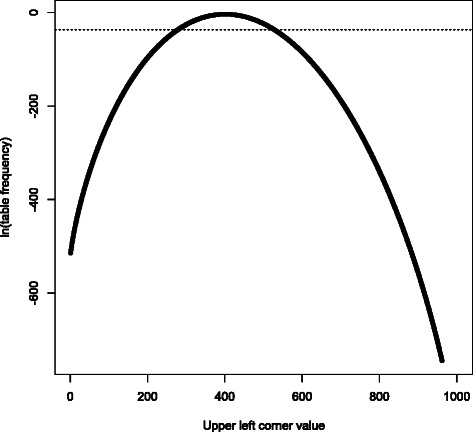
“SNP-HWE exploits the fact that, while the absolute likelihood of a contingency table involves large factorials which are fairly expensive to evaluate, the ratios between its likelihood and that of adjacent tables are simple since the factorials almost entirely cancel out [14].”
BackgroundHowie, B. N., Donnelly, P., & Marchini, J. (2009) · PLoS Genetics · doi:10.1371/journal.pgen.1000529 · Cited by 3,928 · cited 2×
“To support easier interoperation with newer software, for example BEAGLE 4 [2], IMPUTE2 [3], GATK [4], VCFtools [5], BCFtools [6] and GCTA [7], features such as the import/export of VCF and Oxford-format files and an efficient cross-platform genomic relationship matrix (GRM) calculator have been introduced.”
Method
Research works printed but not linked: 3
- Dalke A. Update: Faster Population Counts. http://www.dalkescientific.com/writings/diary/archive/2011/11/02/faster_popcount_update.html.
- GWASSpeedup Problem Statement. http://community.topcoder.com/longcontest/?module=ViewProblemStatement&rd=15637&pm=12525.
- Adler M. Pigz: Parallel Gzip. http://zlib.net/pigz/.
Cited by
Items 801–900 of 1,191
Hosoya, S., Hirase, S., Kikuchi, K., Nanjo, K., Nakamura, Y., Kohno, H., & Sano, M. (2019) · Molecular Ecology Resources · doi:10.1111/1755-0998.13025 · Cited by 99
“0 (Chang et al., 2015).”
Genome-wide meta-analyses of stratified depression in Generation Scotland and UK Biobank
Hall, L. S., Adams, M. J., Arnau-Soler, A., Clarke, T.-K., Howard, D. M., Zeng, Y., Davies, G., Hagenaars, S. P., Maria Fernandez-Pujals, A., Gibson, J., et al. (2018) · Translational Psychiatry · doi:10.1038/s41398-017-0034-1 · Cited by 86
Jeong, C., Witonsky, D., Basnyat, B., Neupane, M., Beall, C. M., Childs, G. H., Craig, S. R., Novembre, J., & Rienzo, A. D. (2018) · PLoS Genetics · doi:10.1371/journal.pgen.1007650 · Cited by 97
Biscarini, F., Mastrangelo, S., Catillo, G., Senczuk, G., & Ciampolini, R. (2020) · Animals · doi:10.3390/ani10122285 · Cited by 88
“9 [21], yielding a total of 54 571 SNPs.”
BackgroundBurren, A., Neuditschko, M., Signer‐Hasler, H., Frischknecht, M., Reber, I., Menzi, F., Drögemüller, C., & Flury, C. (2016) · Animal Genetics · doi:10.1111/age.12476 · Cited by 90
Embracing polygenicity: a review of methods and tools for psychiatric genetics research
Maier, R. M., Visscher, P. M., Robinson, M. R., & Wray, N. R. (2017) · Psychological Medicine · doi:10.1017/s0033291717002318 · Cited by 99
“Software such as PLINK (Purcell et al. 2007; Chang et al. 2015) implements basic polygenic risk scoring, while PRSice compares polygenic risk predictors using a large number of p value cutoffs to find the optimum threshold given the data (Euesden et al. 2015).”
MethodGenetics and the geography of health, behaviour and attainment
Belsky, D. W., Caspi, A., Arseneault, L., Corcoran, D. L., Domingue, B. W., Harris, K. M., Houts, R. M., Mill, J. S., Moffitt, T. E., Prinz, J., et al. (2019) · Nature Human Behaviour · doi:10.1038/s41562-019-0562-1 · Cited by 81
PGG.Han: the Han Chinese genome database and analysis platform
Gao, Y., Zhang, C., Yuan, L., Ling, Y., Wang, X., Liu, C., Pan, Y., Zhang, X., Ma, X., Wang, Y., et al. (2019) · Nucleic Acids Research · doi:10.1093/nar/gkz829 · Cited by 91
Bigdeli, T. B., Fanous, A. H., Li, Y., Rajeevan, N., Sayward, F. G., Genovese, G., Gupta, R., Radhakrishnan, K., Malhotra, A. K., Sun, N., et al. (2020) · Schizophrenia Bulletin · doi:10.1093/schbul/sbaa133 · Cited by 96
The ‘Tommy Atkins’ mango genome reveals candidate genes for fruit quality
Bally, I. S. E., Bombarely, A., Chambers, A., Cohen, Y., Dillon, N., Innes, D. J., Islas-Osuna, M. A., Kuhn, D. N., Mueller, L. A., Ophir, R., et al. (2021) · BMC Plant Biology · doi:10.1186/s12870-021-02858-1 · Cited by 90
Dynamics of sex chromosome evolution in a rapid radiation of cichlid fishes
Taher, A. E., Ronco, F., Matschiner, M., Salzburger, W., & Böhne, A. (2021) · Science Advances · doi:10.1126/sciadv.abe8215 · Cited by 96
A polygenic risk score predicts atrial fibrillation in cardiovascular disease
Marston, N., Garfinkel, A. C., Kamanu, F., Melloni, G. E. M., Roselli, C., Jarolím, P., Berg, D. D., Bhatt, D. L., Bonaca, M. P., Cannon, C. P., et al. (2022) · European Heart Journal · doi:10.1093/eurheartj/ehac460 · Cited by 91
Demars, J., Cano, M., Drouilhet, L., Plisson‐Petit, F., Bardou, P., Fabre, S., Servin, B., Sarry, J., Woloszyn, F., Mulsant, P., et al. (2017) · Molecular Biology and Evolution · doi:10.1093/molbev/msx114 · Cited by 96
“After phasing haplotypes for the region of interest, we used the software Plink (Chang et al. 2015) to identify segments that were identical by state, narrowing the likely QTLOar25 region to a 198 kb haplotype (7,299,164– 7,510,378 bp) (supplementary fig.”
MethodHotspots of recent hybridization between pigs and wild boars in Europe
Iacolina, L., Pertoldi, C., Amills, M., Kusza, S., Megens, H., Bâlteanu, V. A., Bakan, J., Čubrić-Ćurik, V., Oja, R., Saarma, U., et al. (2018) · Scientific Reports · doi:10.1038/s41598-018-35865-8 · Cited by 91
Pai, S., Li, P., Killinger, B., Marshall, L., Jia, P., Liao, J., Petronis, A., Szabó, P. E., & Labrie, V. (2019) · Nature Communications · doi:10.1038/s41467-019-09786-7 · Cited by 89
Deciphering the genetic and epidemiological landscape of mitochondrial DNA abundance
Hägg, S., Jylhävä, J., Wang, Y., Czene, K., & Graßmann, F. (2020) · Human Genetics · doi:10.1007/s00439-020-02249-w · Cited by 91
Using machine learning to improve the accuracy of genomic prediction of reproduction traits in pigs
Wang, X., Shi, S., Wang, G., Luo, W., Xia, W., Qiu, A., Luo, F., & Ding, X. (2022) · Journal of Animal Science and Biotechnology/Journal of animal science and biotechnology · doi:10.1186/s40104-022-00708-0 · Cited by 88
“After imputation, quality control of the genotype was carried out using PLINK software [29].”
MethodGenetic, parental and lifestyle factors influence telomere length
Andreu‐Sánchez, S., Aubert, G., Ripoll-Cladellas, A., Henkelman, S., Zhernakova, D. V., Sinha, T., Kurilshikov, A., Cénit, M. C., Bonder, M. J., Study, L. C., et al. (2022) · Communications Biology · doi:10.1038/s42003-022-03521-7 · Cited by 94
Li, Z., Farias, F. H. G., Dube, U., Del-Aguila, J. L., Mihindukulasuriya, K. A., Fernandez, M. V., Ibanez, L., Budde, J. P., Wang, F., Lake, A. M., et al. (2020) · Acta Neuropathologica · doi:10.1007/s00401-019-02066-0 · Cited by 85
Coleman, J. R. I., Euesden, J., Patel, H., Folarin, A., Newhouse, S., & Breen, G. D. (2015) · Briefings in Functional Genomics · doi:10.1093/bfgp/elv037 · Cited by 97
Bailey, J. N. C., & Igo, R. P. (2016) · Current Protocols in Human Genetics · doi:10.1002/cphg.20 · Cited by 94
Ibáñez, L., Dube, U., Saef, B. A., Budde, J., Black, K., Medvedeva, A., Del‐Aguila, J. L., Davis, A. A., Perlmutter, J. S., Harari, O., et al. (2017) · BMC Neurology · doi:10.1186/s12883-017-0978-z · Cited by 88
Endo, C., Johnson, T. A., Morino, R., Nakazono, K., Kamitsuji, S., Akita, M., Kawajiri, M., Yamasaki, T., Kami, A., Hoshi, Y., et al. (2018) · Scientific Reports · doi:10.1038/s41598-018-27145-2 · Cited by 86
Marrano, A., Martínez‐García, P. J., Bianco, L., Sideli, G. M., Pierro, E. A. D., Leslie, C. A., Stevens, K., Crepeau, M., Troggio, M., Langley, C. H., et al. (2018) · Plant Biotechnology Journal · doi:10.1111/pbi.13034 · Cited by 131
“The proportion of SNPs consistent with Mendelian inheritance for all identified parent-offspring relationships was estimated using the function mendel implemented in Plink (v1.90b5.3; Chang et al., 2015).”
MethodInfluentialBustos, B. I., Pérez‐Palma, E., Buch, S., Azócar, L., Riveras, E., Ugarte, G. D., Toliat, M. R., Nürnberg, P., Lieb, W., Franke, A., et al. (2019) · Scientific Reports · doi:10.1038/s41598-018-35852-z · Cited by 89
Seidman, D. N., Shenoy, S. A., Kim, M., Babu, R. K., Woods, I. G., Dyer, T. D., Lehman, D. M., Curran, J. E., Duggirala, R., Blangero, J., et al. (2020) · The American Journal of Human Genetics · doi:10.1016/j.ajhg.2020.02.012 · Cited by 99
“The fastest methods rely on allele frequencies, 4,5 but these approaches are less accurate than those based on identity-by-descent (IBD) segments.”
MethodHe, Y., Lakhani, C. M., Rasooly, D., Manrai, A. K., Tzoulaki, I., & Patel, C. J. (2021) · Diabetes Care · doi:10.2337/dc20-2049 · Cited by 95
“in allelic scoring procedure of PLINK (–score) (15).”
Freitas, P. H. F., Wang, Y., Yan, P., Oliveira, H. R., Schenkel, F. S., Zhang, Y., Xu, Q., & Brito, L. F. (2021) · Frontiers in Genetics · doi:10.3389/fgene.2021.604823 · Cited by 77
Wang, L., Balmat, T. J., Antonia, A. L., Constantine, F. J., Henao, R., Burke, T. W., Ingham, A., McClain, M. T., Tsalik, E. L., Ko, E. R., et al. (2021) · Genome Medicine · doi:10.1186/s13073-021-00904-z · Cited by 85
Luo, J., Martucci, V. L., Quandt, Z., Groha, S., Murray, M. H., Lovly, C. M., Rizvi, H. A., Egger, J. V., Plodkowski, A. J., Abu-Akeel, M., et al. (2021) · Clinical Cancer Research · doi:10.1158/1078-0432.ccr-21-0921 · Cited by 88
Prasad, R. B., Asplund, O., Shukla, S. R., Wagh, R., Kunte, P., Bhat, D., Parekh, M., Shah, M., Phatak, S., Käräjämäki, A., et al. (2022) · Diabetologia · doi:10.1007/s00125-021-05543-y · Cited by 86
An atlas of regulatory elements in chicken: A resource for chicken genetics and genomics
Pan, Z., Wang, Y., Wang, M., Wang, Y., Zhu, X., Gu, S. V., Zhong, C., An, L., Shan, M., Damas, J., et al. (2023) · Science Advances · doi:10.1126/sciadv.ade1204 · Cited by 100
Asian diversity in human immune cells
Kock, K. H., Tan, L. M., Han, K. Y., Ando, Y., Jevapatarakul, D., Chatterjee, A., Lin, Q. X. X., Buyamin, E. V., Sonthalia, R., Rajagopalan, D., et al. (2025) · Cell · doi:10.1016/j.cell.2025.02.017 · Cited by 105
A greedy feature selection algorithm for Big Data of high dimensionality
Tsamardinos, I., Borboudakis, G., Katsogridakis, P., Pratikakis, P., & Christophides, V. (2018) · Machine Learning · doi:10.1007/s10994-018-5748-7 · Cited by 104
Wertz, J., Caspi, A., Belsky, D. W., Beckley, A. L., Arseneault, L., Barnes, J. C., Corcoran, D. L., Hogan, S., Houts, R., Morgan, N., et al. (2018) · Psychological Science · doi:10.1177/0956797617744542 · Cited by 88
Kurt, Z., Barrere-Cain, R., LaGuardia, J., Mehrabian, M., Pan, C., Hui, S. T., Norheim, F., Zhou, Z., Hasin, Y., Lusis, A. J., et al. (2018) · Biology of Sex Differences · doi:10.1186/s13293-018-0205-7 · Cited by 82
Genetic diversity of laboratory strains and implications for research: The case of Aedes aegypti
Gloria‐Soria, A., Soghigian, J., Kellner, D., & Powell, J. R. (2019) · PLoS neglected tropical diseases · doi:10.1371/journal.pntd.0007930 · Cited by 86
Zorina-Lichtenwalter, K., Bango, C. I., Oudenhove, L. V., Čeko, M., Lindquist, M. A., Grotzinger, A. D., Keller, M. C., Friedman, N. P., & Wager, T. D. (2023) · Pain · doi:10.1097/j.pain.0000000000002922 · Cited by 90
The evolution of skin pigmentation-associated variation in West Eurasia
Ju, D., & Mathieson, I. (2021) · Proceedings of the National Academy of Sciences · doi:10.1073/pnas.2009227118 · Cited by 84
“6 (89) with 1000 Genomes GBR as an LD reference panel (--clump-p1 5 × 10 --clump-r2 0.”
MethodContIG: Self-supervised Multimodal Contrastive Learning for Medical Imaging with Genetics
Taleb, A., Kirchler, M., Monti, R., & Lippert, C. (2022) · 2022 IEEE/CVF Conference on Computer Vision and Pattern Recognition (CVPR) · doi:10.1109/cvpr52688.2022.02024 · Cited by 83
“These low dimensional image representations can then be efficiently associated with SNPs using statistical association analysis tools such as PLINK [20, 83].”
MethodNikpay, M., Beehler, K., Valsesia, A., Hager, J., Harper, M.-E., Dent, R., & McPherson, R. (2019) · Cardiovascular Research · doi:10.1093/cvr/cvz030 · Cited by 83
Soyk, S., Lemmon, Z. H., Sedlazeck, F. J., Jiménez‐Gómez, J. M., Alonge, M., Hutton, S. F., Eck, J. M. V., Schatz, M. C., & Lippman, Z. B. (2019) · Nature Plants · doi:10.1038/s41477-019-0422-z · Cited by 87
Wellband, K. W., Mérot, C., Linnansaari, T., Elliott, J. A. K., Curry, R. A., & Bernatchez, L. (2018) · Molecular Ecology · doi:10.1111/mec.14965 · Cited by 88
Functionalization of the TMEM175 p.M393T variant as a risk factor for Parkinson disease
Jinn, S., Blauwendraat, C., Toolan, D., Gretzula, C. A., Drolet, R. E., Smith, S., Nalls, M. A., Marcus, J., Singleton, A. B., & Stone, D. J. (2019) · Human Molecular Genetics · doi:10.1093/hmg/ddz136 · Cited by 80
Coltell, Ó., Sorlí, J. V., Asensio, E. M., Barragán, R., González, J. I., Gimenez-Alba, I. M., Zanón‐Moreno, V., Estruch, R., Sabio, J. B. R., Pascual, E. C., et al. (2020) · Nutrients · doi:10.3390/nu12020310 · Cited by 89
“We also used PLINK v.1.9 [118,119] for these models.”
InfluentialGenomic influences on self-reported childhood maltreatment
Dalvie, S., Maihofer, A. X., Coleman, J. R. I., Bradley, B., Breen, G. D., Brick, L. A. D., Chen, C., Choi, K. W., Duncan, L. E., Guffanti, G., et al. (2020) · Translational Psychiatry · doi:10.1038/s41398-020-0706-0 · Cited by 91
Zhang, J., Nie, C., Li, X., Ning, Z., Chen, Y., Jia, Y., Han, J., Wang, L., Lv, X., Yang, W., et al. (2020) · Frontiers in Genetics · doi:10.3389/fgene.2020.543294 · Cited by 93
Moen, G.-H., Brumpton, B. M., Willer, C. J., Åsvold, B. O., Birkeland, K. I., Wang, G., Neale, M. C., Freathy, R. M., Smith, G. D., Lawlor, D. A., et al. (2020) · Nature Communications · doi:10.1038/s41467-020-19257-z · Cited by 90
Gugger, P. F., Fitz‐Gibbon, S. T., Albarrán-Lara, A. L., Wright, J. W., & Sork, V. L. (2020) · Molecular Ecology · doi:10.1111/mec.15731 · Cited by 97
“9 (Chang et al., 2015) to remove those exhibiting high linkage disequilibrium defined by using a 5 kb window, sliding five SNPs, and removing a SNP from all pairs with r2 > .5.”
MethodGenome-wide risk prediction of common diseases across ancestries in one million people
Mars, N., Kerminen, S., Feng, Y. A., Kanai, M., Läll, K., Thomas, L. F., Skogholt, A. H., Parolo, P. D. B., Neale, B. M., Smoller, J. W., et al. (2022) · Cell Genomics · doi:10.1016/j.xgen.2022.100118 · Cited by 95
Entwined African and Asian genetic roots of medieval peoples of the Swahili coast
Brielle, E. S., Fleisher, J., Wynne‐Jones, S., Sirak, K. A., Broomandkhoshbacht, N., Callan, K. A., Curtis, E., Iliev, L., Lawson, A. M., Oppenheimer, J., et al. (2023) · Nature · doi:10.1038/s41586-023-05754-w · Cited by 91
Recurrent evolution and selection shape structural diversity at the amylase locus
Bolognini, D., Halgren, A. S., Lou, R. N., Raveane, A., Rocha, J. L., Guarracino, A., Soranzo, N., Chin, C.-S., Garrison, E. P., & Sudmant, P. H. (2024) · Nature · doi:10.1038/s41586-024-07911-1 · Cited by 98
Novel Parkinson’s Disease Genetic Risk Factors Within and Across European PopulationsPreprint
(GP2), T. G. P. G. P., & Leonard, H. L. (2025) · medRxiv · doi:10.1101/2025.03.14.24319455 · Cited by 113
Polygenic architecture informs potential vulnerability to drug-induced liver injury
Koido, M., Kawakami, E., Fukumura, J., Noguchi, Y., Ohori, M., Nio, Y., Nicoletti, P., Aithal, G. P., Daly, A. K., Watkins, P. B., et al. (2020) · Nature Medicine · doi:10.1038/s41591-020-1023-0 · Cited by 82
Ward, B., Brown‐Guedira, G., Tyagi, P., Kolb, F. L., Sanford, D. A. V., Sneller, C., & Griffey, C. A. (2019) · Crop Science · doi:10.2135/cropsci2018.03.0189 · Cited by 88
“9 (Chang et al., 2015) to remove all but one SNP in groups of SNPs within 64 bp of each other, to attempt to lessen the inclusion of SNPs misaligned between subgenomes, which typically exhibit low LD with surrounding SNPs.”
BackgroundGenome-Wide Association Study Reveals Candidate Genes for Growth Relevant Traits in Pigs
Tang, Z., Xu, J., Yin, L., Yin, D., Zhu, M., Yu, M., Li, X., Zhao, S., & Liu, X. (2019) · Frontiers in Genetics · doi:10.3389/fgene.2019.00302 · Cited by 82
Block HSIC Lasso: model-free biomarker detection for ultra-high dimensional data
Climente-González, H., Azencott, C., Kaski, S., & Yamada, M. (2019) · Bioinformatics · doi:10.1093/bioinformatics/btz333 · Cited by 103
“We compared these SNPs to those selected by the univariate statistical tests implemented in PLINK 1.9 (Chang et al., 2015).”
MethodInfluentialLello, L., Raben, T. G., Yong, S. Y., Tellier, L. C. A. M., & Hsu, S. (2019) · Scientific Reports · doi:10.1038/s41598-019-51258-x · Cited by 91
Self-citationGenomic insight into the origins and dispersal of the Brazilian coastal natives
Silva, M. A. C. E., Nunes, K., Lemes, R. B., Mas-Sandoval, À., Amorim, C. E. G., Krieger, J. E., Mill, J. G., Salzano, F. M., Bortolini, M. C., Pereira, A. D. C., et al. (2020) · Proceedings of the National Academy of Sciences · doi:10.1073/pnas.1909075117 · Cited by 85
“9 software (35) on a set of 395,840 SNP markers obtained from 609 individuals including the Tupiniquim, other modern Native Americans [newly genotyped and public (8)], and African, European, and Asian populations (Human Genome Diversity Project).”
BackgroundMethodThareja, G., Al-Sarraj, Y., Belkadi, A., Almotawa, M., The Qatar Genome Program Research (QGPR) Consortium, Qatar Genome Project Management, Ismail, S., Al-Muftah, W., Badji, R., Mbarek, H., et al. (2021) · Nature Communications · doi:10.1038/s41467-021-21381-3 · Cited by 82
The immune factors driving DNA methylation variation in human blood
Bergstedt, J., Azzou, S. A. K., Tsuo, K., Jaquaniello, A., Urrutia, A., Rotival, M., Lin, D. T. S., MacIsaac, J. L., Kobor, M. S., Albert, M. L., et al. (2022) · Nature Communications · doi:10.1038/s41467-022-33511-6 · Cited by 93
Large haploblocks underlie rapid adaptation in the invasive weed Ambrosia artemisiifolia
Battlay, P., Wilson, J., Bieker, V. C., Lee, C., Prapas, D., Petersen, B., Craig, S., van Boheemen, L. A., Scalone, R., Silva, N. P. D., et al. (2023) · Nature Communications · doi:10.1038/s41467-023-37303-4 · Cited by 91
Chen, C.-Y., Chen, T.-T., Feng, Y.-C. A., Yu, M., Lin, S.-C., Longchamps, R. J., Wang, S.-H., Hsu, Y.-H., Yang, H.-I., Kuo, P.-H., et al. (2023) · Cell Genomics · doi:10.1016/j.xgen.2023.100436 · Cited by 82
Shen, C., Zhang, R., Yu, J., Sahakian, B. J., Cheng, W., & Feng, J. (2025) · Nature Human Behaviour · doi:10.1038/s41562-024-02078-1 · Cited by 94
“81).”
Investigating mitonuclear interactions in human admixed populations
Zaidi, A. A., & Makova, K. D. (2019) · Nature Ecology & Evolution · doi:10.1038/s41559-018-0766-1 · Cited by 95
Darrier, B., Russell, J., Milner, S. G., Hedley, P. E., Shaw, P. D., MacAulay, M. A., Ramsay, L., Halpin, C., Mascher, M., Fleury, D., et al. (2019) · Frontiers in Plant Science · doi:10.3389/fpls.2019.00544 · Cited by 96
“9 (Chang et al., 2015) in each case partitioning the diversity into 10, 20, 32, and 50 PC’s.”
BackgroundThe molecular genetic basis of herbivory between butterflies and their host plants
Nallu, S., Hill, J. A., Don, K., Sahagun, C., Zhang, W., Meslin, C., Snell‐Rood, E. C., Clark, N. L., Morehouse, N. I., Bergelson, J. M., et al. (2018) · Nature Ecology & Evolution · doi:10.1038/s41559-018-0629-9 · Cited by 85
“The PCA plot was generated using the --pca option in PLINK (version 2.0) 73 (Supplementary Fig.”
InfluentialPopulation structure and genomic inbreeding in nine Swiss dairy cattle populations
Signer‐Hasler, H., Burren, A., Neuditschko, M., Frischknecht, M., Garrick, D. J., Stricker, C., Gredler, B., Bapst, B., & Flury, C. (2017) · Genetics Selection Evolution · doi:10.1186/s12711-017-0358-6 · Cited by 83
Pardiñas, A. F., Nalmpanti, M., Pocklington, A. J., Legge, S. E., Medway, C., King, A., Jansen, J. A., Helthuis, M., Zammit, S., MacCabe, J. H., et al. (2019) · American Journal of Psychiatry · doi:10.1176/appi.ajp.2019.18050589 · Cited by 93
Gutiérrez, A. P., Symonds, J. E., King, N., Steiner, K., Bean, T. P., & Houston, R. D. (2020) · Animal Genetics · doi:10.1111/age.12909 · Cited by 87
Epilepsy subtype-specific copy number burden observed in a genome-wide study of 17 458 subjects
Niestroj, L., Pérez‐Palma, E., Howrigan, D. P., Zhou, Y., Cheng, F., Saarentaus, E., Nürnberg, P., Stevelink, R., Daly, M. J., Palotie, A. V., et al. (2020) · Brain · doi:10.1093/brain/awaa171 · Cited by 92
“9 (Chang et al., 2015) in order to perform principal component analysis (PCA) to assess for population stratification.”
MethodChitre, A. S., Polesskaya, O., Holl, K., Gao, J., Cheng, R., Bimschleger, H. V., Martinez, A. G., George, T., Gileta, A. F., Han, W., et al. (2020) · Obesity · doi:10.1002/oby.22927 · Cited by 101
“Prior to GWAS, SNPs in high linkage disequilibrium were removed using PLINK (11) with r2 cut-off 0.95; this produced set of 128,447 SNPs which were used for GWAS, genetic correlations, and heritability estimates.”
MethodInfluentialExome sequencing in obsessive–compulsive disorder reveals a burden of rare damaging coding variants
Halvorsen, M., SAMUELS, J. F., Wang, Y., Greenberg, B. D., Fyer, A. J., McCracken, J. T., GELLER, D. A., Knowles, J. A., Zoghbi, A. W., Pottinger, T. D., et al. (2021) · Nature Neuroscience · doi:10.1038/s41593-021-00876-8 · Cited by 87
Georges, A. B., Yang, M., Berrandou, T.-E., Bakker, M. K., Dikilitas, O., Kiando, S. R., Ma, L., Satterfield, B. A., Sengupta, S., Yu, M., et al. (2021) · Nature Communications · doi:10.1038/s41467-021-26174-2 · Cited by 87
Assortative mating biases marker-based heritability estimators
Border, R., O’Rourke, S., de Candia, T., Goddard, M. E., Visscher, P. M., Yengo, L., Jones, M., & Keller, M. C. (2022) · Nature Communications · doi:10.1038/s41467-022-28294-9 · Cited by 88
Gileta, A. F., Fitzpatrick, C. J., Chitre, A. S., Pierre, C. L. S., Joyce, E. V., Maguire, R. J., McLeod, A. M., Gonzales, N. M., Williams, A. E., Morrow, J. D., et al. (2022) · PLoS Genetics · doi:10.1371/journal.pgen.1010234 · Cited by 91
“9 [24,25] to estimate the pairwise proportions of identity-by-descent 201 (IBD; Panels A and C in S4 Fig), which showed that while most rats were only distantly related, a 202 subset shared closer familial relationships.”
BackgroundRajagopal, V. M., Duan, J., Vilar-Ribó, L., Grove, J., Zayats, T., Ramos-Quiroga, J. A., Satterstrom, F. K., Artigas, M. S., Bybjerg-Grauholm, J., Bækvad-Hansen, M., et al. (2022) · Nature Genetics · doi:10.1038/s41588-022-01143-7 · Cited by 78
A scalable variational inference approach for increased mixed-model association power
Loya, H., Kalantzis, G., Cooper, F., & Palamara, P. F. (2025) · Nature Genetics · doi:10.1038/s41588-024-02044-7 · Cited by 88
“We first tested the performance of Quickdraws in quantitative trait association and compared it with previous association testing methods including BOLT-LMM, REGENIE, FastGWA and an implementation of linear regression provided in PLINK 44,45 .”
ABO antigen and secretor statuses are not associated with gut microbiota composition in 1,500 twins
Davenport, E., Goodrich, J. K., Bell, J. T., Spector, T. D., Ley, R. E., & Clark, A. G. (2016) · BMC Genomics · doi:10.1186/s12864-016-3290-1 · Cited by 87
Pleiotropic Mechanisms Indicated for Sex Differences in Autism
Mitra, I., Tsang, K., Ladd-Acosta, C., Croen, L. A., Aldinger, K. A., Hendren, R. L., Traglia, M., Lavillaureix, A., Zaitlen, N., Oldham, M. C., et al. (2016) · PLOS Genetics · doi:10.1371/journal.pgen.1006425 · Cited by 80
“90[73].”
Diversity analysis of cotton (Gossypium hirsutum L.) germplasm using the CottonSNP63K Array
Hinze, L. L., Hulse‐Kemp, A. M., Wilson, I. W., Zhu, Q., Llewellyn, D. J., Taylor, J. M., Spriggs, A., Fang, D. D., Ulloa, M., BURKE, J. J., et al. (2017) · BMC Plant Biology · doi:10.1186/s12870-017-0981-y · Cited by 86
Schulz, H., Ruppert, A., Herms, S., Wolf, C., Mirza‐Schreiber, N., Stegle, O., Czamara, D., Forstner, A. J., Sivalingam, S., Schoch, S., et al. (2017) · Nature Communications · doi:10.1038/s41467-017-01818-4 · Cited by 106
Metabolomic signature of exposure and response to citalopram/escitalopram in depressed outpatients
Bhattacharyya, S., Ahmed, A. T., Arnold, M., Liu, D., Luo, C., Zhu, H., Mahmoudiandehkordi, S., Neavin, D., Louie, G., Dunlop, B. W., et al. (2019) · Translational Psychiatry · doi:10.1038/s41398-019-0507-5 · Cited by 77
Seifuddin, F., Singh, K., Suresh, A., Judy, J., Chen, Y.-C., Chaitankar, V., Tunc, I., Ruan, X., Li, P., Chen, Y., et al. (2020) · Scientific Data · doi:10.1038/s41597-020-00659-z · Cited by 83
Wheeler, H. E., Gamazon, E. R., Frisina, R. D., Perez-Cervantes, C., Charif, O. E., Mapes, B. L., Fosså, S. D., Feldman, D. R., Hamilton, R. J., Vaughn, D. J., et al. (2017) · Clinical Cancer Research · doi:10.1158/1078-0432.ccr-16-2809 · Cited by 92
“90 (15) and subsequent statistical analyses were performed in R version 3.”
InfluentialHoekstra, M., Chen, H. Y., Rong, J., Dufresne, L., Yao, J., Guo, X., Tsai, M. Y., Tsimikas, S., Post, W. S., Vasan, R. S., et al. (2021) · Arteriosclerosis, Thrombosis, and Vascular Biology · doi:10.1161/atvbaha.120.314965 · Cited by 80
Cai, X., Lin, R., Liang, J., King, G. J. W., Wu, J., & Wang, X. (2022) · Plant Biotechnology Journal · doi:10.1111/pbi.13807 · Cited by 87
“90b4) (http://www.cog-genomics.org/ plink/1.9/) (Chang et al., 2015) with the parameters “—noweb -- pca 20.””
InfluentialMattheisen, M., Grove, J., Als, T. D., Martin, J., Voloudakis, G., Meier, S. M., Demontis, D., Bendl, J. M., Walters, R. K., Carey, C. E., et al. (2022) · Nature Genetics · doi:10.1038/s41588-022-01171-3 · Cited by 98
Benjamin, K. J., Chen, Q., Jaffe, A. E., Stolz, J. M., Collado‐Torres, L., Huuki-Myers, L. A., Burke, E. E., Arora, R., Feltrin, A. S., Barbosa, A. D. L., et al. (2022) · Nature Neuroscience · doi:10.1038/s41593-022-01182-7 · Cited by 85
Kuang, N., Liu, Z., Yu, G., Wu, X., Becker, B., Fan, H., Peng, S., Zhang, K., Zhao, J., Kang, J., et al. (2023) · BMC Medicine · doi:10.1186/s12916-023-02920-9 · Cited by 98
“0 [59].”
Examining the role of common variants in rare neurodevelopmental conditions
Huang, Q. Q., Wigdor, E. M., Malawsky, D. S., Campbell, P. H., Samocha, K. E., Chundru, V. K., Danecek, P., Lindsay, S., Marchant, T., Koko, M., et al. (2024) · Nature · doi:10.1038/s41586-024-08217-y · Cited by 89
“65,66) implementation of the KING robust algorithm 67 and a --king-cutoff of 0.0442 (that is, 1/2 4.5 ).”
InfluentialDass, S. A. H., McCracken, K., Pokhvisneva, I., Chen, L. M., Garg, E., Nguyen, T. T. T., Wang, Z., Barth, B., Yaqubi, M., McEwen, L. M., et al. (2019) · EBioMedicine · doi:10.1016/j.ebiom.2019.03.051 · Cited by 89
Ancient Hybridization with an Unknown Population Facilitated High-Altitude Adaptation of Canids
Wang, M., Wang, S., Li, Y., Jhala, Y. V., Thakur, M. K., Otecko, N. O., Si, J., Chen, H.-M., Shapiro, B., Nielsen, R., et al. (2020) · Molecular Biology and Evolution · doi:10.1093/molbev/msaa113 · Cited by 82
“We performed PCA using GCTA (Yang et al. 2011) and genetic clustering analysis using ADMIXTURE (Alexander et al. 2009) based on the data set pruned using PLINK (Chang et al. 2015) with parameters “–indep-pairwise 50 10 0.1.””
MethodInfluentialHorowitz, J. E., Warner, N. E., Staples, J. C., Crowley, E., Gosalia, N., Murchie, R., Hout, C. V. V., Fiedler, K. B., Welch, G., King, A. K., et al. (2021) · Scientific Reports · doi:10.1038/s41598-021-84938-8 · Cited by 83
Demography and Rapid Local Adaptation Shape Creole Cattle Genome Diversity in the Tropics
Pitt, D., Bruford, M. W., Barbato, M., Orozco‐terWengel, P., Martínez, R., & Sevane, N. (2019) · Evolutionary Applications · doi:10.1111/eva.12641 · Cited by 79
“SNP array data were merged, and those SNPs detected as triallelic were flipped using PLINK 1.90 (Chang et al., 2015; Purcell et al., 2007).”
InfluentialLee, J. J., McGue, M., Iacono, W. G., & Chow, C. C. (2018) · Genetic Epidemiology · doi:10.1002/gepi.22161 · Cited by 79
“9 (Chang et al., 2015) to carry out a GWAS of the simulated phenotype.”
BackgroundSelf-citationA survey of sub-Saharan gene flow into the Mediterranean at risk loci for coronary artery disease
Álvarez‐Álvarez, M. M., Zanetti, D., Carreras‐Torres, R., Moral, P., & Athanasiadis, G. I. (2017) · European Journal of Human Genetics · doi:10.1038/ejhg.2016.200 · Cited by 85
A genome-wide association study of wheat yield and quality-related traits in southwest China
Liu, J., Feng, B., Xu, Z., Fan, X., Jiang, F., Jin, X., Cao, J., Wang, F., Liu, Q., Li, Y., et al. (2017) · Molecular Breeding · doi:10.1007/s11032-017-0759-9 · Cited by 79
“org/plink2) (Chang et al. 2015) by estimating the squared allele frequency correlations R(2) value from pruned SNPs.”
BackgroundMethodGWAS for Meat and Carcass Traits Using Imputed Sequence Level Genotypes in Pooled F2-Designs in Pigs
Falker‐Gieske, C., Blaj, I., Preuß, S., Bennewitz, J., Thaller, G., & Tetens, J. (2019) · G3 Genes Genomes Genetics · doi:10.1534/g3.119.400452 · Cited by 96
Islam, R., Li, Y., Liu, X., Berihulay, H., Abied, A., Gebreselassie, G., Ma, Q., & Ma, Y. (2019) · Genes · doi:10.3390/genes10110938 · Cited by 80
“09 [20,21] (parameter: distance‐matrix) and then, based on this distance matrix, we constructed the Neighbor‐joining tree using MEGA v.”
Method
Metadata
- Authors
- Chang, C. C., Chow, C. C., Tellier, L. C., Vattikuti, S., Purcell, S. M., & Lee, J. J.
- Affiliations
- BGI Group (China) (CN)
- National Institutes of Health (US)
- Broad Institute (US)
- Corresponding author
- Chang, Christopher C
- ORCID
- Venue
- Gigascience
- Publisher
- Oxford University Press (OUP)
- Published
- 2015-02-25
- Volume
- 4
- Issue
- 1
- Pages
- 7-7
- ISSN
- 2047-217X (ISSN-L)
- PMC
- PMC4342193
- OpenAlex
- W2099085143
- Semantic Scholar
- 91e0bb69106b4e8620a1f4ee1d98e0046baafed4
- Cited by
- 12,709
- References
- 39
- Citations by year
- 2026: 1577 · 2025: 1865 · 2024: 1888 · 2023: 1511 · 2022: 1474 · 2021: 1442 · 2020: 1052 · 2019: 729 · 2018: 568 · 2017: 351 · 2016: 181 · 2015: 51
- FWCI
- 264.41
- Type
- journal article
- Language
- en
- Open access
- gold
- doi.org
- Locations
- GigaScience (publishedVersion, cc-by)
- PubMed Central (publishedVersion, cc-by)
- PubMed (publishedVersion)
- Research at the University of Copenhagen (University of Copenhagen) (publishedVersion, other-oa)
- arXiv (Cornell University) (submittedVersion)
- Digital Access to Scholarship at Harvard (DASH) (Harvard University) (submittedVersion, cc-by)
- arXiv (Cornell University)
- Funders
- Government of Jiangxi Province
- National Institutes of Health
- National Institute of Diabetes and Digestive and Kidney Diseases
- Topics
- Life Sciences › Biochemistry, Genetics and Molecular Biology › Genetics › Genetic Associations and Epidemiology
- Life Sciences › Biochemistry, Genetics and Molecular Biology › Genetics › Genetic Mapping and Diversity in Plants and Animals
- Life Sciences › Biochemistry, Genetics and Molecular Biology › Genetics › Genetic diversity and population structure
- Keywords
- PLINK, genome-wide association study, population genetics, Hardy-Weinberg equilibrium, Fisher's exact test, linkage disequilibrium, genomic distance, genotype likelihoods, phase information, imputed data, logistic regression
- MeSH terms
- Algorithms, Genetics, Population, Software, Linkage Disequilibrium, Likelihood Functions, Logistic Models, Computational Biology, Polymorphism, Single Nucleotide, Genome-Wide Association Study, Genotyping Techniques, Datasets as Topic
About these checks
Registry, retraction, Cites and statistics results are computed, not judged, with one exception: a printed reference that no index lists is read once by a model before it counts as a citation error. Claims are extracted by a model and kept only when their quote appears verbatim in the text; each cited source is then checked, with a model’s help, for whether it says what the claim relies on. Those verdicts can be wrong — read the claim’s quote and the cited source before relying on one.
Statistics and arithmetic are recomputed, not judged.
Confidence bands are shown only for fields calibrated on our annotated test set. None is calibrated yet, so no band is shown.
What counts as a claim ›How we measure confidence ›How we check this ›
Are you an author, or do you see a problem with this page? Request a review
Data sources
Bibliographic data: Semantic Scholar, OpenAlex, Crossref.
Contains information from the Semantic Scholar Academic Graph Datasets, made available under the ODC Attribution License (ODC-BY 1.0).
Semantic Scholar’s data is described in: Kinney, R., et al. (2023). The Semantic Scholar Open Data Platform. arXiv:2301.10140.
