

Second-generation PLINK: rising to the challenge of larger and richer datasets
Open accessThe DOI matches its Crossref record; 39 of the 39 references it cites were found in a registry or an index.
Abstract
Background: PLINK 1 is a widely used open-source C/C++ toolset for genome-wide association studies (GWAS) and research in population genetics. However, the steady accumulation of data from imputation and whole-genome sequencing studies has exposed a strong need for faster and scalable implementations of key functions, such as logistic regression, linkage disequilibrium estimation, and genomic distance evaluation. In addition, GWAS and population-genetic data now frequently contain genotype likelihoods, phase information, and/or multiallelic variants, none of which can be represented by PLINK 1's primary data format. Findings: To address these issues, we are developing a second-generation codebase for PLINK. The first major release from this codebase, PLINK 1.9, introduces extensive use of bit-level parallelism, (n)-time/constant-space Hardy-Weinberg equilibrium and Fisher's exact tests, and many other algorithmic improvements. In combination, these changes accelerate most operations by 1-4 orders of magnitude, and allow the program to handle datasets too large to fit in RAM. We have also developed an extension to the data format which adds low-overhead support for genotype likelihoods, phase, multiallelic variants, and reference vs. alternate alleles, which is the basis of our planned second release (PLINK 2.0). Conclusions: The second-generation versions of PLINK will offer dramatic improvements in performance and compatibility. For the first time, users without access to high-end computing resources can perform several essential analyses of the feature-rich and very large genetic datasets coming into use.
Overview
The claims and statistics of this paper haven’t been checked yet.
Free: it reads the open-access text and checks the first 5 claims that cite a source we can check. Create a free account to check every claim.
Integrity signals
Registry
Cites
Statistics
Figures
Verification
Claims the paper makes
The claims and statistics of this paper haven’t been checked yet.
Free: it reads the open-access text and checks the first 5 claims that cite a source we can check. Create a free account to check every claim.
Claims other papers make about this one
Each is checked against this paper’s own text: does it say what the citing paper says it does?
The cited source says what the claim attributes to it.
In the citing paper
“Subsequent MVP GWAS analyses were performed within ancestral admixtures using PLINK2 (16), covarying for genetic ancestry principal components, age, and sex.”
From GWAS meta-analysis of suicide attempt: identification of 12 genome-wide significant loci and implication of genetic risks for specific health factors (2023) · cites this paper as [16]
The cited source says what the claim attributes to it.
In the citing paper
“We defined primary associations through clumping ±1 Mb around the significant variants using PLINK 60 , excluding the HLA region (chromosome 6: 25.5-34.0Mb), which is treated as one locus owing to complex and extensive LD patterns.”
From Plasma proteomic associations with genetics and health in the UK Biobank (2023) · cites this paper as [60]
The cited source says what the claim attributes to it.
In the citing paper
“To retain independent signals, associated variants were clumped in PLINK (version 1.9)31, using a 1 Mb window with the LD thresholds of R2 = 0.1 and P < 5 × 10⁻⁸.”
From Genetic determinants of plasma protein levels in the Estonian population (2024) · cites this paper as [31]
The cited source says what the claim attributes to it.
In the citing paper
“We calculated the top ten genetic PCs using PLINK273 to be used as covariates in the miR-QTL analysis.”
From Mapping the microRNA landscape in the older adult brain and its genetic contribution to neuropsychiatric conditions (2024) · cites this paper as [73]
The cited source says what the claim attributes to it.
In the citing paper
“Sample ancestry was confirmed by multidimensional scaling (MDS) using PLINK 1.9 (Chang et al., 2015); MDS values for each subject were compared to 1000 Genome Project (Phase 3) sample values (Genomes Project et al., 2015).”
From Cholesterol and matrisome pathways dysregulated in astrocytes and microglia (2022) · cites this paper as Chang et al., 2015
3 more claims about this paper
Create a free account to see every claim other papers make about this one.
Self-check
Percentages, sums and reported differences re-computed from the paper’s own numbers.
The self-check needs the paper’s full text.
Citations
Cites
The Sequence Alignment/Map format and SAMtools
Li, H., Handsaker, B., Wysoker, A., Fennell, T., Ruan, J., Homer, N., Marth, G., Abecasis, G., Durbin, R., & 1000 Genome Project Data Processing Subgroup (2009) · Bioinformatics · doi:10.1093/bioinformatics/btp352 · Cited by 62,041 · cited 1×
“To support easier interoperation with newer software like BEAGLE 4 [2], IMPUTE2 [3], GATK [4], VCFtools [5], BCFtools [6], and GCTA [7], features such as the import/export of VCF and Oxford-format files and an efficient crossplatform genomic relationship matrix (GRM) calculator have been introduced.”
MethodPLINK: a tool set for whole-genome association and population-based linkage analyses.
Purcell, S., Neale, B., Todd-Brown, K., Thomas, L., Ferreira, M. A. R., Bender, D., Maller, J., Sklar, P., de Bakker, P. I. W., Daly, M. J., et al. (2007) · The American Journal of Human Genetics · doi:10.1086/519795 · Cited by 34,089 · cited 1×
“9’s core functional domains are unchanged from that of its predecessor—data management, summary statistics, population stratification, association analysis, identity-by-descent estimation [1] —and it is usable as a drop-in replacement in most cases, requiring no changes to existing scripts.”
BackgroundSelf-citationThe Genome Analysis Toolkit: A MapReduce framework for analyzing next-generation DNA sequencing data
McKenna, A., Hanna, M., Banks, E., Sivachenko, A., Cibulskis, K., Kernytsky, A., Garimella, K., Altshuler, D., Gabriel, S., Daly, M., et al. (2010) · Genome Research · doi:10.1101/gr.107524.110 · Cited by 27,895 · cited 2×
“To support easier interoperation with newer software, for example BEAGLE 4 [2], IMPUTE2 [3], GATK [4], VCFtools [5], BCFtools [6] and GCTA [7], features such as the import/export of VCF and Oxford-format files and an efficient cross-platform genomic relationship matrix (GRM) calculator have been introduced.”
MethodThe variant call format and VCFtools
Danecek, P., Auton, A., Abecasis, G., Albers, C. A., Banks, E., DePristo, M. A., Handsaker, R. E., Lunter, G., Marth, G. T., Sherry, S. T., et al. (2011) · Bioinformatics · doi:10.1093/bioinformatics/btr330 · Cited by 16,200
Haploview: analysis and visualization of LD and haplotype maps
Barrett, J. C., Fry, B., Maller, J., & Daly, M. J. (2005) · Bioinformatics · doi:10.1093/bioinformatics/bth457 · Cited by 14,525 · cited 1×
“(More precisely, it is a restricted port of Haploview’s [23] implementation of the method).”
MethodGCTA: a tool for genome-wide complex trait analysis
Yang, J., Lee, S. H., Goddard, M. E., & Visscher, P. M. (2011) · The American Journal of Human Genetics · doi:10.1016/j.ajhg.2010.11.011 · Cited by 8,279 · cited 7×
“For example, the GCTA genomic relationship matrix is defined by the following per-marker increments, where q is the minor allele frequency: 7.”
MethodInfluentialAn integrated map of genetic variation from 1,092 human genomes
The 1000 Genomes Project Consortium (2012) · Nature · doi:10.1038/nature11632 · Cited by 7,711
The Structure of Haplotype Blocks in the Human Genome
Gabriel, S. B., Schaffner, S. F., Nguyen, H., Moore, J. M., Roy, J., Blumenstiel, B., Higgins, J., DeFelice, M., Lochner, A., Faggart, M., et al. (2002) · Science · doi:10.1126/science.1069424 · Cited by 5,863
Performing the Exact Test of Hardy-Weinberg Proportion for Multiple Alleles
Guo, S. W., & Thompson, E. A. (1992) · Biometrics · doi:10.2307/2532296 · Cited by 4,880 · cited 1×
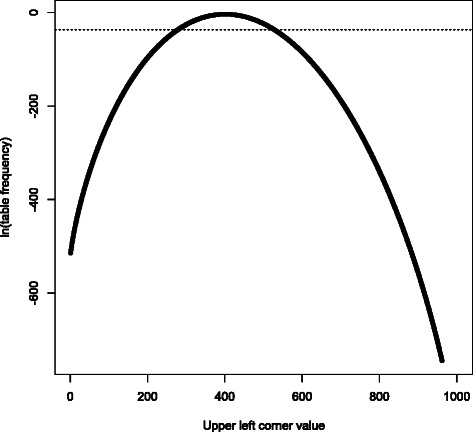
“SNP-HWE exploits the fact that, while the absolute likelihood of a contingency table involves large factorials which are fairly expensive to evaluate, the ratios between its likelihood and that of adjacent tables are simple since the factorials almost entirely cancel out [14].”
BackgroundHowie, B. N., Donnelly, P., & Marchini, J. (2009) · PLoS Genetics · doi:10.1371/journal.pgen.1000529 · Cited by 3,928 · cited 2×
“To support easier interoperation with newer software, for example BEAGLE 4 [2], IMPUTE2 [3], GATK [4], VCFtools [5], BCFtools [6] and GCTA [7], features such as the import/export of VCF and Oxford-format files and an efficient cross-platform genomic relationship matrix (GRM) calculator have been introduced.”
Method
Research works printed but not linked: 3
- Dalke A. Update: Faster Population Counts. http://www.dalkescientific.com/writings/diary/archive/2011/11/02/faster_popcount_update.html.
- GWASSpeedup Problem Statement. http://community.topcoder.com/longcontest/?module=ViewProblemStatement&rd=15637&pm=12525.
- Adler M. Pigz: Parallel Gzip. http://zlib.net/pigz/.
Cited by
Items 101–200 of 1,191
Southern African ancient genomes estimate modern human divergence to 350,000 to 260,000 years ago
Schlebusch, C. M., Malmström, H., Günther, T., Sjödin, P., Coutinho, A., Edlund, H., Munters, A. R., Vicente, M., Steyn, M., Soodyall, H., et al. (2017) · Science · doi:10.1126/science.aao6266 · Cited by 519
“9) (56) with the following parameters: sliding windows of 50 SNPs, allowing 1 heterozygote per window, with an overlapping proportion of 0.”
BackgroundWainschtein, P., Jain, D., Zheng, Z., TOPMed Anthropometry Working Group, Aslibekyan, S., Becker, D., Bi, W., Brody, J., Carlson, J. C., Correa, A., et al. (2022) · Nature Genetics · doi:10.1038/s41588-021-00997-7 · Cited by 513
iPSYCH-Broad Autism Group, Weiner, D. J., Psychiatric Genomics Consortium Autism Group, Wigdor, E. M., Ripke, S., Walters, R. K., Kosmicki, J. A., Grove, J., Samocha, K. E., Goldstein, J. I., et al. (2017) · Nature Genetics · doi:10.1038/ng.3863 · Cited by 516
Recovery of trait heritability from whole genome sequence data
Wainschtein, P., Jain, D., Zheng, Z., TOPMed Anthropometry Working Group, NHLBI Trans-Omics for Precision Medicine (TOPMed) Consortium, Cupples, L. A., Shadyab, A. H., McKnight, B., Shoemaker, B. M., Mitchell, B. D., et al. (2019) · doi:10.1101/588020 · Cited by 515
Genetic Ancestry and Natural Selection Drive Population Differences in Immune Responses to Pathogens
Nédélec, Y., Sanz, J., Baharian, G., Szpiech, Z. A., Pacis, A., Dumaine, A., Grenier, J.-C., Freiman, A., Sams, A. J., Hebert, S., et al. (2016) · Cell · doi:10.1016/j.cell.2016.09.025 · Cited by 512
“PLINK files were afterward converted to Arlequin format using the PGDSpider program (Lischer and Excoffier, 2012).”
MethodInfluentialIshigaki, K., Akiyama, M., Kanai, M., Takahashi, A., Kawakami, E., Sugishita, H., Sakaue, S., Matoba, N., Low, S.-K., Okada, Y., et al. (2020) · Nature Genetics · doi:10.1038/s41588-020-0640-3 · Cited by 508
Genomic and phenotypic insights from an atlas of genetic effects on DNA methylation
Min, J. L., Hemani, G., Hannon, E., Dekkers, K. F., Castillo-Fernandez, J., Luijk, R., Carnero-Montoro, E., Lawson, D. J., Burrows, K., Suderman, M., et al. (2021) · Nature Genetics · doi:10.1038/s41588-021-00923-x · Cited by 506
the 23andMe Research Team, Pasman, J. A., The Substance Use Disorders Working Group of the Psychiatric Genomics Consortium, International Cannabis Consortium, Verweij, K. J. H., Gerring, Z., Stringer, S., Sanchez-Roige, S., Treur, J. L., Abdellaoui, A., et al. (2018) · Nature Neuroscience · doi:10.1038/s41593-018-0206-1 · Cited by 498
A Longitudinal Big Data Approach for Precision Health
Schüssler-Fiorenza Rose, S. M., Contrepois, K., Moneghetti, K. J., Zhou, W., Mishra, T., Mataraso, S., Dagan-Rosenfeld, O., Ganz, A. B., Dunn, J., Hornburg, D., et al. (2019) · Nature Medicine · doi:10.1038/s41591-019-0414-6 · Cited by 494
Early farmers from across Europe directly descended from Neolithic Aegeans
Hofmanová, Z., Kreutzer, S., Hellenthal, G., Sell, C., Diekmann, Y., Díez-del-Molino, D., van Dorp, L., López, S., Kousathanas, A., Link, V., et al. (2016) · Proceedings of the National Academy of Sciences · doi:10.1073/pnas.1523951113 · Cited by 488
“90 [45] following the specifications used in [13], with a set of 1,447,024 transversion SNPs called securely across all ancient samples (SI Appendix, section”
MethodPolygenic scores via penalized regression on summary statistics
Mak, T. S. H., Porsch, R. M., Choi, S. W., Zhou, X., & Sham, P. C. (2017) · Genetic Epidemiology · doi:10.1002/gepi.22050 · Cited by 493
Kranzler, H. R., Zhou, H., Kember, R. L., Vickers Smith, R., Justice, A. C., Damrauer, S., Tsao, P. S., Klarin, D., Baras, A., Reid, J., et al. (2019) · Nature Communications · doi:10.1038/s41467-019-09480-8 · Cited by 487
Genetic adaptation and Neandertal admixture shaped the immune system of human populations
Quach, H., Rotival, M., Pothlichet, J., Loh, Y.-H. E., Dannemann, M., Zidane, N., Laval, G., Patin, E., Harmant, C., Lopez, M., et al. (2016) · Cell · doi:10.1016/j.cell.2016.09.024 · Cited by 475
“9 (Chang et al., 2015).”
InfluentialKemp, J. P., Morris, J. A., Medina-Gomez, C., Forgetta, V., Warrington, N. M., Youlten, S. E., Zheng, J., Gregson, C. L., Grundberg, E., Trajanoska, K., et al. (2017) · Nature Genetics · doi:10.1038/ng.3949 · Cited by 465
Diversity and scale: Genetic architecture of 2068 traits in the VA Million Veteran Program
Verma, A., Huffman, J. E., Rodriguez, A., Conery, M., Liu, M., Ho, Y.-L., Kim, Y., Heise, D. A., Guare, L., Panickan, V. A., et al. (2024) · Science · doi:10.1126/science.adj1182 · Cited by 463
The GenomeAsia 100K Project enables genetic discoveries across Asia
GenomeAsia100K Consortium, Wall, J. D., Stawiski, E. W., Ratan, A., Kim, H. L., Kim, C., Gupta, R., Suryamohan, K., Gusareva, E. S., Purbojati, R. W., et al. (2019) · Nature · doi:10.1038/s41586-019-1793-z · Cited by 456
Variable prediction accuracy of polygenic scores within an ancestry group
Mostafavi, H., Harpak, A., Agarwal, I., Conley, D., Pritchard, J. K., & Przeworski, M. (2020) · eLife · doi:10.7554/elife.48376 · Cited by 457
An xQTL map integrates the genetic architecture of the human brain's transcriptome and epigenome
Ng, B., White, C. C., Klein, H.-U., Sieberts, S. K., McCabe, C., Patrick, E., Xu, J., Yu, L., Gaiteri, C., Bennett, D. A., et al. (2017) · Nature Neuroscience · doi:10.1038/nn.4632 · Cited by 452
Schizophrenia Working Group of the Psychiatric Genomics Consortium, Loh, P.-R., Bhatia, G., Gusev, A., Finucane, H. K., Bulik-Sullivan, B. K., Pollack, S. J., de Candia, T. R., Lee, S. H., Wray, N. R., et al. (2015) · Nature Genetics · doi:10.1038/ng.3431 · Cited by 449
Increased burden of ultra-rare protein-altering variants among 4,877 individuals with schizophrenia
Genovese, G., Fromer, M., Stahl, E. A., Ruderfer, D. M., Chambert, K., Landén, M., Moran, J. L., Purcell, S. M., Sklar, P., Sullivan, P. F., et al. (2016) · Nature Neuroscience · doi:10.1038/nn.4402 · Cited by 444
Self-citationA complete reference genome improves analysis of human genetic variation
Aganezov, S., Yan, S. M., Soto, D. C., Kirsche, M., Zarate, S., Avdeyev, P., Taylor, D. J., Shafin, K., Shumate, A., Xiao, C., et al. (2022) · Science · doi:10.1126/science.abl3533 · Cited by 441
Self-citationA compendium of uniformly processed human gene expression and splicing quantitative trait loci
Kerimov, N., Hayhurst, J. D., Peikova, K., Manning, J. R., Walter, P., Kolberg, L., Samoviča, M., Sakthivel, M. P., Kuzmin, I., Trevanion, S. J., et al. (2021) · Nature Genetics · doi:10.1038/s41588-021-00924-w · Cited by 440
Chia, R., Sabir, M. S., Bandres-Ciga, S., Saez-Atienzar, S., Reynolds, R. H., Gustavsson, E., Walton, R. L., Ahmed, S., Viollet, C., Ding, J., et al. (2021) · Nature Genetics · doi:10.1038/s41588-021-00785-3 · Cited by 438
A major role for common genetic variation in anxiety disorders
Purves, K. L., Coleman, J. R. I., Meier, S. M., Rayner, C., Davis, K. A. S., Cheesman, R., Bækvad-Hansen, M., Børglum, A. D., Wan Cho, S., Jürgen Deckert, J., et al. (2020) · Molecular Psychiatry · doi:10.1038/s41380-019-0559-1 · Cited by 425
Osteoclasts recycle via osteomorphs during RANKL-stimulated bone resorption
McDonald, M. M., Khoo, W. H., Ng, P. Y., Xiao, Y., Zamerli, J., Thatcher, P., Kyaw, W., Pathmanandavel, K., Grootveld, A. K., Moran, I., et al. (2021) · Cell · doi:10.1016/j.cell.2021.02.002 · Cited by 433
Fine-mapping from summary data with the “Sum of Single Effects” model
Zou, Y., Carbonetto, P., Wang, G., & Stephens, M. (2022) · PLOS Genetics · doi:10.1371/journal.pgen.1010299 · Cited by 429
“In practice, choosing between these workflows also depend on whether or not one prefers to precompute X⊤X, which can be done conveniently in programs such as PLINK [30] or LDstore [31]).”
MethodDuncan, L. E., Ratanatharathorn, A., Aiello, A. E., Almli, L. M., Amstadter, A. B., Ashley-Koch, A. E., Baker, D. G., Beckham, J. C., Bierut, L. J., Bisson, J., et al. (2018) · Molecular Psychiatry · doi:10.1038/mp.2017.77 · Cited by 425
Insights into clonal haematopoiesis from 8,342 mosaic chromosomal alterations
Loh, P.-R., Genovese, G., Handsaker, R. E., Finucane, H. K., Reshef, Y. A., Palamara, P. F., Birmann, B. M., Talkowski, M. E., Bakhoum, S. F., McCarroll, S. A., et al. (2018) · Nature · doi:10.1038/s41586-018-0321-x · Cited by 423
The X chromosome and sex-specific effects in infectious disease susceptibility
Schurz, H., Salie, M., Tromp, G., Hoal, E. G., Kinnear, C. J., & Möller, M. (2019) · Human Genomics · doi:10.1186/s40246-018-0185-z · Cited by 405
Genome-wide association study identifies 143 loci associated with 25 hydroxyvitamin D concentration
Revez, J. A., Lin, T., Qiao, Z., Xue, A., Holtz, Y., Zhu, Z., Zeng, J., Wang, H., Sidorenko, J., Kemper, K. E., et al. (2020) · Nature Communications · doi:10.1038/s41467-020-15421-7 · Cited by 415
Hautakangas, H., Winsvold, B. S., Ruotsalainen, S. E., Bjornsdottir, G., Harder, A. V. E., Kogelman, L. J. A., Thomas, L. F., Noordam, R., Benner, C., Gormley, P., et al. (2022) · Nature Genetics · doi:10.1038/s41588-021-00990-0 · Cited by 398
GTEx Consortium, Gamazon, E. R., Segrè, A. V., van de Bunt, M., Wen, X., Xi, H. S., Hormozdiari, F., Ongen, H., Konkashbaev, A., Derks, E. M., et al. (2018) · Nature Genetics · doi:10.1038/s41588-018-0154-4 · Cited by 412
Cholesterol and matrisome pathways dysregulated in astrocytes and microglia
TCW, J., Qian, L., Pipalia, N. H., Chao, M. J., Liang, S. A., Shi, Y., Jain, B. R., Bertelsen, S. E., Kapoor, M., Marcora, E., et al. (2022) · Cell · doi:10.1016/j.cell.2022.05.017 · Cited by 411
Yu, D., Sul, J. H., Tsetsos, F., Nawaz, M. S., Huang, A. Y., Zelaya, I., Illmann, C., Osiecki, L., Darrow, S. M., Hirschtritt, M. E., et al. (2019) · American Journal of Psychiatry · doi:10.1176/appi.ajp.2018.18070857 · Cited by 410
“9 (14) (see the Supplemental Methods section).”
GWAS identifies 14 loci for device-measured physical activity and sleep duration
Doherty, A., Smith-Byrne, K., Ferreira, T., Holmes, M. V., Holmes, C., Pulit, S. L., & Lindgren, C. M. (2018) · Nature Communications · doi:10.1038/s41467-018-07743-4 · Cited by 408
Genomic insights into the formation of human populations in East Asia
Wang, C.-C., Yeh, H.-Y., Popov, A. N., Zhang, H.-Q., Matsumura, H., Sirak, K., Cheronet, O., Kovalev, A., Rohland, N., Kim, A. M., et al. (2021) · Nature · doi:10.1038/s41586-021-03336-2 · Cited by 408
COPDGene Investigators, Hobbs, B. D., ECLIPSE Investigators, LifeLines Investigators, SPIROMICS Research Group, International COPD Genetics Network Investigators, UK BiLEVE Investigators, International COPD Genetics Consortium, de Jong, K., Lamontagne, M., et al. (2017) · Nature Genetics · doi:10.1038/ng.3752 · Cited by 398
Target genes, variants, tissues and transcriptional pathways influencing human serum urate levels
Study, G. C. K. D., Tin, A., Study, L. C., Program, V. A. M. V., Marten, J., Halperin Kuhns, V. L., Li, Y., Wuttke, M., Kirsten, H., Sieber, K. B., et al. (2019) · Nature Genetics · doi:10.1038/s41588-019-0504-x · Cited by 399
Pérez-Jaramillo, J. E., Carrión, V. J., Bosse, M., Ferrão, L. F. V., de Hollander, M., Garcia, A. A. F., Ramírez, C. A., Mendes, R., & Raaijmakers, J. M. (2017) · The ISME Journal · doi:10.1038/ismej.2017.85 · Cited by 391
“9) (Chang et al., 2015) and a neighborjoining phylogenetic tree was created using the Phylip software package (v.”
MethodInfluentialSignatures of negative selection in the genetic architecture of human complex traits
Zeng, J., de Vlaming, R., Wu, Y., Robinson, M. R., Lloyd-Jones, L. R., Yengo, L., Yap, C. X., Xue, A., Sidorenko, J., McRae, A. F., et al. (2018) · Nature Genetics · doi:10.1038/s41588-018-0101-4 · Cited by 391
Luciano, M., Hagenaars, S. P., Davies, G., Hill, W. D., Clarke, T.-K., Shirali, M., Harris, S. E., Marioni, R. E., Liewald, D. C., Fawns-Ritchie, C., et al. (2018) · Nature Genetics · doi:10.1038/s41588-017-0013-8 · Cited by 391
Deng, M.-T., Zhu, F., Yang, Y.-Z., Yang, F.-X., Hao, J.-P., Chen, S.-R., & Hou, Z.-C. (2019) · BMC Genomics · doi:10.1186/s12864-018-5379-1 · Cited by 383
Meyermans, R., Gorssen, W., Buys, N., & Janssens, S. (2020) · BMC Genomics · doi:10.1186/s12864-020-6463-x · Cited by 367
“PLINK [7, 8] is the most used program for ROH analyses in livestock populations [1].”
MethodFlashPCA2: principal component analysis of Biobank-scale genotype datasets
Abraham, G., Qiu, Y., & Inouye, M. (2017) · Bioinformatics · doi:10.1093/bioinformatics/btx299 · Cited by 383
Sakornsakolpat, P., Prokopenko, D., Lamontagne, M., Reeve, N. F., Guyatt, A. L., Jackson, V. E., Shrine, N., Qiao, D., Bartz, T. M., Kim, D. K., et al. (2019) · Nature Genetics · doi:10.1038/s41588-018-0342-2 · Cited by 384
The Genetic Structure of Marijuana and Hemp
Sawler, J., Stout, J. M., Gardner, K. M., Hudson, D., Vidmar, J., Butler, L., Page, J. E., & Myles, S. (2015) · PLOS ONE · doi:10.1371/journal.pone.0133292 · Cited by 322
High-depth African genomes inform human migration and health
Choudhury, A., Aron, S., Botigué, L. R., Sengupta, D., Botha, G., Bensellak, T., Wells, G., Kumuthini, J., Shriner, D., Fakim, Y. J., et al. (2020) · Nature · doi:10.1038/s41586-020-2859-7 · Cited by 355
“We performed linkage disequilibrium pruning on our merged dataset using PLINK (v.1.90) 49 to remove correlated ( r 2 > 0.15) single nucleotide polymorphisms (SNPs) in a 1,000-SNP window, advancing by 10 SNPs at a time.”
InfluentialAutism-related dietary preferences mediate autism-gut microbiome associations
Yap, C. X., Henders, A. K., Alvares, G. A., Wood, D. L. A., Krause, L., Tyson, G. W., Restuadi, R., Wallace, L., McLaren, T., Hansell, N. K., et al. (2021) · Cell · doi:10.1016/j.cell.2021.10.015 · Cited by 350
“…Wickham, 2016 https://ggplot2.tidyverse.org/ ggstatsplot Patil, 2021 https://indrajeetpatil.github.io/ggstatsplot/ Plink 1.9 Purcell and Chang, 2015 https://www.cog-genomics.org/plink/ SBayesR Lloyd-Jones et al., 2019 https://cnsgenomics.com/software/gctb/ #Overview Supporting code…”
InfluentialEfficient analysis of large-scale genome-wide data with two R packages: bigstatsr and bigsnpr
Privé, F., Aschard, H., Ziyatdinov, A., & Blum, M. G. B. (2018) · Bioinformatics · doi:10.1093/bioinformatics/bty185 · Cited by 368
Functionally informed fine-mapping and polygenic localization of complex trait heritability
Weissbrod, O., Hormozdiari, F., Benner, C., Cui, R., Ulirsch, J., Gazal, S., Schoech, A. P., van de Geijn, B., Reshef, Y., Márquez-Luna, C., et al. (2020) · Nature Genetics · doi:10.1038/s41588-020-00735-5 · Cited by 364
Sohail, M., Maier, R. M., Ganna, A., Bloemendal, A., Martin, A. R., Turchin, M. C., Chiang, C. W. K., Hirschhorn, J. N., Daly, M. J., Patterson, N., et al. (2018) · doi:10.1101/355057 · Cited by 360
“674 [31] Chang CC, Chow CC, Tellier LCAM, Vattikuti S, Purcell SM, Lee JJ.”
InfluentialSohail, M., Maier, R. M., Ganna, A., Bloemendal, A., Martin, A. R., Turchin, M. C., Chiang, C. W., Hirschhorn, J., Daly, M. J., Patterson, N., et al. (2019) · eLife · doi:10.7554/elife.39702 · Cited by 359
The CREAM Consortium, Tedja, M. S., 23andMe Research Team, UK Biobank Eye and Vision Consortium, Wojciechowski, R., Hysi, P. G., Eriksson, N., Furlotte, N. A., Verhoeven, V. J. M., Iglesias, A. I., et al. (2018) · Nature Genetics · doi:10.1038/s41588-018-0127-7 · Cited by 355
Immune complement and coagulation dysfunction in adverse outcomes of SARS-CoV-2 infection
Ramlall, V., Thangaraj, P. M., Meydan, C., Foox, J., Butler, D., Kim, J., May, B., De Freitas, J. K., Glicksberg, B. S., Mason, C. E., et al. (2020) · Nature Medicine · doi:10.1038/s41591-020-1021-2 · Cited by 351
Koyama, S., Ito, K., Terao, C., Akiyama, M., Horikoshi, M., Momozawa, Y., Matsunaga, H., Ieki, H., Ozaki, K., Onouchi, Y., et al. (2020) · Nature Genetics · doi:10.1038/s41588-020-0705-3 · Cited by 367
Harper, A. R., Goel, A., Grace, C., Thomson, K. L., Petersen, S. E., Xu, X., Waring, A., Ormondroyd, E., Kramer, C. M., Ho, C. Y., et al. (2021) · Nature Genetics · doi:10.1038/s41588-020-00764-0 · Cited by 353
Zhou, H., Sealock, J. M., Sanchez-Roige, S., Clarke, T.-K., Levey, D. F., Cheng, Z., Li, B., Polimanti, R., Kember, R. L., Smith, R. V., et al. (2020) · Nature Neuroscience · doi:10.1038/s41593-020-0643-5 · Cited by 359
Methylation QTLs in the developing brain and their enrichment in schizophrenia risk loci
Hannon, E., Spiers, H., Viana, J., Pidsley, R., Burrage, J., Murphy, T. M., Troakes, C., Turecki, G., O'Donovan, M. C., Schalkwyk, L. C., et al. (2016) · Nature Neuroscience · doi:10.1038/nn.4182 · Cited by 342
Multiple Deeply Divergent Denisovan Ancestries in Papuans
Jacobs, G. S., Hudjashov, G., Saag, L., Kusuma, P., Darusallam, C. C., Lawson, D. J., Mondal, M., Pagani, L., Ricaut, F.-X., Stoneking, M., et al. (2019) · Cell · doi:10.1016/j.cell.2019.02.035 · Cited by 346
Common genetic associations between age-related diseases
Dönertaş, H. M., Fabian, D. K., Fuentealba, M., Partridge, L., & Thornton, J. M. (2021) · Nature Aging · doi:10.1038/s43587-021-00051-5 · Cited by 346
Lane, J. M., Liang, J., Vlasac, I., Anderson, S. G., Bechtold, D. A., Bowden, J., Emsley, R., Gill, S., Little, M. A., Luik, A. I., et al. (2017) · Nature Genetics · doi:10.1038/ng.3749 · Cited by 350
Self-citationDube, U., Del-Aguila, J. L., Li, Z., Budde, J. P., Jiang, S., Hsu, S., Ibanez, L., Fernandez, M. V., Farias, F., Norton, J., et al. (2019) · Nature Neuroscience · doi:10.1038/s41593-019-0501-5 · Cited by 345
“Results for circRNA correlation with mean number of plaques were consistent with the other traits in all MSBB cortical regions (Supplementary Tables 36–39, Supplementary Figure 7 and Supplementary Results).”
InfluentialSelf-citationMinimal phenotyping yields genome-wide association signals of low specificity for major depression
MDD Working Group of the Psychiatric Genomics Consortium, Cai, N., Revez, J. A., Adams, M. J., Andlauer, T. F. M., Breen, G., Byrne, E. M., Clarke, T.-K., Forstner, A. J., Grabe, H. J., et al. (2020) · Nature Genetics · doi:10.1038/s41588-020-0594-5 · Cited by 344
Fast and accurate long-range phasing in a UK Biobank cohort
Loh, P.-R., Palamara, P. F., & Price, A. L. (2016) · Nature Genetics · doi:10.1038/ng.3571 · Cited by 342
Transethnic Genetic-Correlation Estimates from Summary Statistics
Brown, B. C., Ye, C. J., Price, A. L., & Zaitlen, N. (2016) · The American Journal of Human Genetics · doi:10.1016/j.ajhg.2016.05.001 · Cited by 340
Reduced signal for polygenic adaptation of height in UK Biobank
Berg, J. J., Harpak, A., Sinnott-Armstrong, N., Joergensen, A. M., Mostafavi, H., Field, Y., Boyle, E. A., Zhang, X., Racimo, F., Pritchard, J. K., et al. (2019) · eLife · doi:10.7554/elife.39725 · Cited by 339
Pedersen, C. B., Bybjerg-Grauholm, J., Pedersen, M. G., Grove, J., Agerbo, E., Bækvad-Hansen, M., Poulsen, J. B., Hansen, C. S., McGrath, J. J., Als, T. D., et al. (2018) · Molecular Psychiatry · doi:10.1038/mp.2017.196 · Cited by 338
Blauwendraat, C., Heilbron, K., Vallerga, C. L., Bandres‐Ciga, S., von Coelln, R., Pihlstrøm, L., Simón‐Sánchez, J., Schulte, C., Sharma, M., Krohn, L., et al. (2019) · Movement Disorders · doi:10.1002/mds.27659 · Cited by 338
Cerebrospinal fluid soluble TREM2 is higher in Alzheimer disease and associated with mutation status
Piccio, L., Deming, Y., Del-Águila, J. L., Ghezzi, L., Holtzman, D. M., Fagan, A. M., Fenoglio, C., Galimberti, D., Borroni, B., & Cruchaga, C. (2016) · Acta Neuropathologica · doi:10.1007/s00401-016-1533-5 · Cited by 337
Integrating predicted transcriptome from multiple tissues improves association detection
Barbeira, A. N., Pividori, M., Zheng, J., Wheeler, H. E., Nicolae, D. L., & Im, H. K. (2019) · PLOS Genetics · doi:10.1371/journal.pgen.1007889 · Cited by 356
Als, T. D., Kurki, M. I., Grove, J., Voloudakis, G., Therrien, K., Tasanko, E., Nielsen, T. T., Naamanka, J., Veerapen, K., Levey, D. F., et al. (2023) · Nature Medicine · doi:10.1038/s41591-023-02352-1 · Cited by 324
Multiproxy evidence highlights a complex evolutionary legacy of maize in South America
Kistler, L., Maezumi, S. Y., Gregorio de Souza, J., Przelomska, N. A. S., Malaquias Costa, F., Smith, O., Loiselle, H., Ramos-Madrigal, J., Wales, N., Ribeiro, E. R., et al. (2018) · Science · doi:10.1126/science.aav0207 · Cited by 315
Barton, A. R., Sherman, M. A., Mukamel, R. E., & Loh, P.-R. (2021) · Nature Genetics · doi:10.1038/s41588-021-00892-1 · Cited by 330
Dual domestications and origin of traits in grapevine evolution
Dong, Y., Duan, S., Xia, Q., Liang, Z., Dong, X., Margaryan, K., Musayev, M., Goryslavets, S., Zdunić, G., Bert, P.-F., et al. (2023) · Science · doi:10.1126/science.add8655 · Cited by 273
Adams, M. J., Streit, F., Meng, X., Awasthi, S., Adey, B. N., Choi, K. W., Chundru, V. K., Coleman, J. R. I., Ferwerda, B., Foo, J. C., et al. (2025) · Cell · doi:10.1016/j.cell.2024.12.002 · Cited by 279
“…association study meta-analysis Technical Quality Control (QC) of the 49 cohorts in the primary PGC sample Technical QC was performed on single nucleotide polymorphisms (SNPs) in each core PGC study, applying standard PGC criteria including SNP missingness < 0.05 (before sample removal);…”
InfluentialCan the impact of childhood adiposity on disease risk be reversed? A Mendelian randomization study.
Richardson, T. G., Sanderson, E., Elsworth, B., Tilling, K., & Davey Smith, G. (2019) · doi:10.1101/19008011 · Cited by 321
Loci associated with skin pigmentation identified in African populations
Crawford, N. G., Kelly, D. E., Hansen, M. E. B., Beltrame, M. H., Fan, S., Bowman, S. L., Jewett, E., Ranciaro, A., Thompson, S., Lo, Y., et al. (2017) · Science · doi:10.1126/science.aan8433 · Cited by 321
Hoffmann, T. J., Ehret, G. B., Nandakumar, P., Ranatunga, D., Schaefer, C., Kwok, P.-Y., Iribarren, C., Chakravarti, A., & Risch, N. (2017) · Nature Genetics · doi:10.1038/ng.3715 · Cited by 318
A multi-tissue atlas of regulatory variants in cattle
Liu, S., Gao, Y., Canela-Xandri, O., Wang, S., Yu, Y., Cai, W., Li, B., Xiang, R., Chamberlain, A. J., Pairo-Castineira, E., et al. (2022) · Nature Genetics · doi:10.1038/s41588-022-01153-5 · Cited by 311
Sieberts, S. K., Perumal, T. M., Carrasquillo, M. M., Allen, M., Reddy, J. S., Hoffman, G. E., Dang, K. K., Calley, J., Ebert, P. J., Eddy, J., et al. (2020) · Scientific Data · doi:10.1038/s41597-020-00642-8 · Cited by 318
Karlsson Linnér, R., Mallard, T. T., Barr, P. B., Sanchez-Roige, S., Madole, J. W., Driver, M. N., Poore, H. E., de Vlaming, R., Grotzinger, A. D., Tielbeek, J. J., et al. (2021) · Nature Neuroscience · doi:10.1038/s41593-021-00908-3 · Cited by 317
“13) 68 to identify near-independent genome-wide significant lead SNPs, with the primary (two-sided) P -value threshold of 5 × 10 − 8 , the secondary P -value threshold (for computational efficiency) of 1 × 10 − 4 and an r 2 threshold of 0.1 together with a wide SNP window (1,000,000 kb).”
BackgroundInfluentialRobinson, J. A., Räikkönen, J., Vucetich, L. M., Vucetich, J. A., Peterson, R. O., Lohmueller, K. E., & Wayne, R. K. (2019) · Science Advances · doi:10.1126/sciadv.aau0757 · Cited by 317
Apparent latent structure within the UK Biobank sample has implications for epidemiological analysis
Haworth, S., Mitchell, R., Corbin, L., Wade, K. H., Dudding, T., Budu-Aggrey, A., Carslake, D., Hemani, G., Paternoster, L., Smith, G. D., et al. (2019) · Nature Communications · doi:10.1038/s41467-018-08219-1 · Cited by 314
Moss, D. J. H., Pardiñas, A. F., Langbehn, D., Lo, K., Leavitt, B. R., Roos, R., Durr, A., Mead, S., Coleman, A., Santos, R. D., et al. (2017) · The Lancet Neurology · doi:10.1016/s1474-4422(17)30161-8 · Cited by 312
“9 (10), including controlling for coverage and call rates (5% of missing data allowed per SNP and individual), inbreeding (F < 0.”
BackgroundHoban, S., Archer, F. I., Bertola, L. D., Bragg, J. G., Breed, M. F., Bruford, M. W., Coleman, M. A., Ekblom, R., Funk, W. C., Grueber, C. E., et al. (2022) · Biological Reviews · doi:10.1111/brv.12852 · Cited by 282
Genetic Architectures of Childhood- and Adult-Onset Asthma Are Partly Distinct
Ferreira, M. A. R., Mathur, R., Vonk, J. M., Szwajda, A., Brumpton, B., Granell, R., Brew, B. K., Ullemar, V., Lu, Y., Jiang, Y., et al. (2019) · The American Journal of Human Genetics · doi:10.1016/j.ajhg.2019.02.022 · Cited by 311
The ChinaMAP analytics of deep whole genome sequences in 10,588 individuals
The ChinaMAP Consortium, Cao, Y., Li, L., Xu, M., Feng, Z., Sun, X., Lu, J., Xu, Y., Du, P., Wang, T., et al. (2020) · Cell Research · doi:10.1038/s41422-020-0322-9 · Cited by 317
Huang, B., Chen, Z., Geng, L., Wang, J., Liang, H., Cao, Y., Chen, H., Huang, W., Su, M., Wang, H., et al. (2019) · Cell · doi:10.1016/j.cell.2019.10.027 · Cited by 307
A multi-ancestry polygenic risk score improves risk prediction for coronary artery disease
Patel, A. P., Wang, M., Ruan, Y., Koyama, S., Clarke, S. L., Yang, X., Tcheandjieu, C., Agrawal, S., Fahed, A. C., Ellinor, P. T., et al. (2023) · Nature Medicine · doi:10.1038/s41591-023-02429-x · Cited by 306
Ancient genomes from northern China suggest links between subsistence changes and human migration
Ning, C., Li, T., Wang, K., Zhang, F., Li, T., Wu, X., Gao, S., Zhang, Q., Zhang, H., Hudson, M. J., et al. (2020) · Nature Communications · doi:10.1038/s41467-020-16557-2 · Cited by 305
The Milieu Intérieur Consortium, Patin, E., Hasan, M., Bergstedt, J., Rouilly, V., Libri, V., Urrutia, A., Alanio, C., Scepanovic, P., Hammer, C., et al. (2018) · Nature Immunology · doi:10.1038/s41590-018-0049-7 · Cited by 296
Scaling computational genomics to millions of individuals with GPUs
Taylor-Weiner, A., Aguet, F., Haradhvala, N. J., Gosai, S., Anand, S., Kim, J., Ardlie, K., Van Allen, E. M., & Getz, G. (2019) · Genome Biology · doi:10.1186/s13059-019-1836-7 · Cited by 298
Robertson, C. C., Inshaw, J. R. J., Onengut-Gumuscu, S., Chen, W.-M., Santa Cruz, D. F., Yang, H., Cutler, A. J., Crouch, D. J. M., Farber, E., Bridges, S. L., et al. (2021) · Nature Genetics · doi:10.1038/s41588-021-00880-5 · Cited by 302
Discovery and prioritization of variants and genes for kidney function in >1.2 million individuals
Stanzick, K. J., Li, Y., Schlosser, P., Gorski, M., Wuttke, M., Thomas, L. F., Rasheed, H., Rowan, B. X., Graham, S. E., Vanderweff, B. R., et al. (2021) · Nature Communications · doi:10.1038/s41467-021-24491-0 · Cited by 302
Multi-ancestry genome-wide association meta-analysis of Parkinson’s disease
Kim, J. J., Vitale, D., Otani, D. V., Lian, M. M., Heilbron, K., the 23andMe Research Team, Aslibekyan, S., Auton, A., Babalola, E., Bell, R. K., et al. (2024) · Nature Genetics · doi:10.1038/s41588-023-01584-8 · Cited by 285
Performing Highly Efficient Genome Scans for Local Adaptation with R Package pcadapt Version 4
Privé, F., Luu, K., Vilhjálmsson, B. J., & Blum, M. G. B. (2020) · Molecular Biology and Evolution · doi:10.1093/molbev/msaa053 · Cited by 286
A large electronic-health-record-based genome-wide study of serum lipids
Hoffmann, T. J., Theusch, E., Haldar, T., Ranatunga, D. K., Jorgenson, E., Medina, M. W., Kvale, M. N., Kwok, P.-Y., Schaefer, C., Krauss, R. M., et al. (2018) · Nature Genetics · doi:10.1038/s41588-018-0064-5 · Cited by 297
Yang, C., Farias, F. H. G., Ibanez, L., Suhy, A., Sadler, B., Fernandez, M. V., Wang, F., Bradley, J. L., Eiffert, B., Bahena, J. A., et al. (2021) · Nature Neuroscience · doi:10.1038/s41593-021-00886-6 · Cited by 290
Early Neolithic genomes from the eastern Fertile Crescent
Broushaki, F., Thomas, M. G., Link, V., López, S., van Dorp, L., Kirsanow, K., Hofmanová, Z., Diekmann, Y., Cassidy, L. M., Díez-del-Molino, D., et al. (2016) · Science · doi:10.1126/science.aaf7943 · Cited by 288
Lyons, P. A., Peters, J. E., Alberici, F., Liley, J., Coulson, R. M. R., Astle, W., Baldini, C., Bonatti, F., Cid, M. C., Elding, H., et al. (2019) · Nature Communications · doi:10.1038/s41467-019-12515-9 · Cited by 272
Metadata
- Authors
- Chang, C. C., Chow, C. C., Tellier, L. C., Vattikuti, S., Purcell, S. M., & Lee, J. J.
- Affiliations
- BGI Group (China) (CN)
- National Institutes of Health (US)
- Broad Institute (US)
- Corresponding author
- Chang, Christopher C
- ORCID
- Venue
- Gigascience
- Publisher
- Oxford University Press (OUP)
- Published
- 2015-02-25
- Volume
- 4
- Issue
- 1
- Pages
- 7-7
- ISSN
- 2047-217X (ISSN-L)
- PMC
- PMC4342193
- OpenAlex
- W2099085143
- Semantic Scholar
- 91e0bb69106b4e8620a1f4ee1d98e0046baafed4
- Cited by
- 12,709
- References
- 39
- Citations by year
- 2026: 1577 · 2025: 1865 · 2024: 1888 · 2023: 1511 · 2022: 1474 · 2021: 1442 · 2020: 1052 · 2019: 729 · 2018: 568 · 2017: 351 · 2016: 181 · 2015: 51
- FWCI
- 264.41
- Type
- journal article
- Language
- en
- Open access
- gold
- doi.org
- Locations
- GigaScience (publishedVersion, cc-by)
- PubMed Central (publishedVersion, cc-by)
- PubMed (publishedVersion)
- Research at the University of Copenhagen (University of Copenhagen) (publishedVersion, other-oa)
- arXiv (Cornell University) (submittedVersion)
- Digital Access to Scholarship at Harvard (DASH) (Harvard University) (submittedVersion, cc-by)
- arXiv (Cornell University)
- Funders
- Government of Jiangxi Province
- National Institutes of Health
- National Institute of Diabetes and Digestive and Kidney Diseases
- Topics
- Life Sciences › Biochemistry, Genetics and Molecular Biology › Genetics › Genetic Associations and Epidemiology
- Life Sciences › Biochemistry, Genetics and Molecular Biology › Genetics › Genetic Mapping and Diversity in Plants and Animals
- Life Sciences › Biochemistry, Genetics and Molecular Biology › Genetics › Genetic diversity and population structure
- Keywords
- PLINK, genome-wide association study, population genetics, Hardy-Weinberg equilibrium, Fisher's exact test, linkage disequilibrium, genomic distance, genotype likelihoods, phase information, imputed data, logistic regression
- MeSH terms
- Algorithms, Genetics, Population, Software, Linkage Disequilibrium, Likelihood Functions, Logistic Models, Computational Biology, Polymorphism, Single Nucleotide, Genome-Wide Association Study, Genotyping Techniques, Datasets as Topic
About these checks
Registry, retraction, Cites and statistics results are computed, not judged, with one exception: a printed reference that no index lists is read once by a model before it counts as a citation error. Claims are extracted by a model and kept only when their quote appears verbatim in the text; each cited source is then checked, with a model’s help, for whether it says what the claim relies on. Those verdicts can be wrong — read the claim’s quote and the cited source before relying on one.
Statistics and arithmetic are recomputed, not judged.
Confidence bands are shown only for fields calibrated on our annotated test set. None is calibrated yet, so no band is shown.
What counts as a claim ›How we measure confidence ›How we check this ›
Are you an author, or do you see a problem with this page? Request a review
Data sources
Bibliographic data: Semantic Scholar, OpenAlex, Crossref.
Contains information from the Semantic Scholar Academic Graph Datasets, made available under the ODC Attribution License (ODC-BY 1.0).
Semantic Scholar’s data is described in: Kinney, R., et al. (2023). The Semantic Scholar Open Data Platform. arXiv:2301.10140.
