

Second-generation PLINK: rising to the challenge of larger and richer datasets
Open accessThe DOI matches its Crossref record; 39 of the 39 references it cites were found in a registry or an index.
Abstract
Background: PLINK 1 is a widely used open-source C/C++ toolset for genome-wide association studies (GWAS) and research in population genetics. However, the steady accumulation of data from imputation and whole-genome sequencing studies has exposed a strong need for faster and scalable implementations of key functions, such as logistic regression, linkage disequilibrium estimation, and genomic distance evaluation. In addition, GWAS and population-genetic data now frequently contain genotype likelihoods, phase information, and/or multiallelic variants, none of which can be represented by PLINK 1's primary data format. Findings: To address these issues, we are developing a second-generation codebase for PLINK. The first major release from this codebase, PLINK 1.9, introduces extensive use of bit-level parallelism, (n)-time/constant-space Hardy-Weinberg equilibrium and Fisher's exact tests, and many other algorithmic improvements. In combination, these changes accelerate most operations by 1-4 orders of magnitude, and allow the program to handle datasets too large to fit in RAM. We have also developed an extension to the data format which adds low-overhead support for genotype likelihoods, phase, multiallelic variants, and reference vs. alternate alleles, which is the basis of our planned second release (PLINK 2.0). Conclusions: The second-generation versions of PLINK will offer dramatic improvements in performance and compatibility. For the first time, users without access to high-end computing resources can perform several essential analyses of the feature-rich and very large genetic datasets coming into use.
Overview
The claims and statistics of this paper haven’t been checked yet.
Free: it reads the open-access text and checks the first 5 claims that cite a source we can check. Create a free account to check every claim.
Integrity signals
Registry
Cites
Statistics
Figures
Verification
Claims the paper makes
The claims and statistics of this paper haven’t been checked yet.
Free: it reads the open-access text and checks the first 5 claims that cite a source we can check. Create a free account to check every claim.
Claims other papers make about this one
Each is checked against this paper’s own text: does it say what the citing paper says it does?
The cited source says what the claim attributes to it.
In the citing paper
“Subsequent MVP GWAS analyses were performed within ancestral admixtures using PLINK2 (16), covarying for genetic ancestry principal components, age, and sex.”
From GWAS meta-analysis of suicide attempt: identification of 12 genome-wide significant loci and implication of genetic risks for specific health factors (2023) · cites this paper as [16]
The cited source says what the claim attributes to it.
In the citing paper
“We defined primary associations through clumping ±1 Mb around the significant variants using PLINK 60 , excluding the HLA region (chromosome 6: 25.5-34.0Mb), which is treated as one locus owing to complex and extensive LD patterns.”
From Plasma proteomic associations with genetics and health in the UK Biobank (2023) · cites this paper as [60]
The cited source says what the claim attributes to it.
In the citing paper
“To retain independent signals, associated variants were clumped in PLINK (version 1.9)31, using a 1 Mb window with the LD thresholds of R2 = 0.1 and P < 5 × 10⁻⁸.”
From Genetic determinants of plasma protein levels in the Estonian population (2024) · cites this paper as [31]
The cited source says what the claim attributes to it.
In the citing paper
“We calculated the top ten genetic PCs using PLINK273 to be used as covariates in the miR-QTL analysis.”
From Mapping the microRNA landscape in the older adult brain and its genetic contribution to neuropsychiatric conditions (2024) · cites this paper as [73]
The cited source says what the claim attributes to it.
In the citing paper
“Sample ancestry was confirmed by multidimensional scaling (MDS) using PLINK 1.9 (Chang et al., 2015); MDS values for each subject were compared to 1000 Genome Project (Phase 3) sample values (Genomes Project et al., 2015).”
From Cholesterol and matrisome pathways dysregulated in astrocytes and microglia (2022) · cites this paper as Chang et al., 2015
3 more claims about this paper
Create a free account to see every claim other papers make about this one.
Self-check
Percentages, sums and reported differences re-computed from the paper’s own numbers.
The self-check needs the paper’s full text.
Citations
Cites
The Sequence Alignment/Map format and SAMtools
Li, H., Handsaker, B., Wysoker, A., Fennell, T., Ruan, J., Homer, N., Marth, G., Abecasis, G., Durbin, R., & 1000 Genome Project Data Processing Subgroup (2009) · Bioinformatics · doi:10.1093/bioinformatics/btp352 · Cited by 62,041 · cited 1×
“To support easier interoperation with newer software like BEAGLE 4 [2], IMPUTE2 [3], GATK [4], VCFtools [5], BCFtools [6], and GCTA [7], features such as the import/export of VCF and Oxford-format files and an efficient crossplatform genomic relationship matrix (GRM) calculator have been introduced.”
MethodPLINK: a tool set for whole-genome association and population-based linkage analyses.
Purcell, S., Neale, B., Todd-Brown, K., Thomas, L., Ferreira, M. A. R., Bender, D., Maller, J., Sklar, P., de Bakker, P. I. W., Daly, M. J., et al. (2007) · The American Journal of Human Genetics · doi:10.1086/519795 · Cited by 34,089 · cited 1×
“9’s core functional domains are unchanged from that of its predecessor—data management, summary statistics, population stratification, association analysis, identity-by-descent estimation [1] —and it is usable as a drop-in replacement in most cases, requiring no changes to existing scripts.”
BackgroundSelf-citationThe Genome Analysis Toolkit: A MapReduce framework for analyzing next-generation DNA sequencing data
McKenna, A., Hanna, M., Banks, E., Sivachenko, A., Cibulskis, K., Kernytsky, A., Garimella, K., Altshuler, D., Gabriel, S., Daly, M., et al. (2010) · Genome Research · doi:10.1101/gr.107524.110 · Cited by 27,895 · cited 2×
“To support easier interoperation with newer software, for example BEAGLE 4 [2], IMPUTE2 [3], GATK [4], VCFtools [5], BCFtools [6] and GCTA [7], features such as the import/export of VCF and Oxford-format files and an efficient cross-platform genomic relationship matrix (GRM) calculator have been introduced.”
MethodThe variant call format and VCFtools
Danecek, P., Auton, A., Abecasis, G., Albers, C. A., Banks, E., DePristo, M. A., Handsaker, R. E., Lunter, G., Marth, G. T., Sherry, S. T., et al. (2011) · Bioinformatics · doi:10.1093/bioinformatics/btr330 · Cited by 16,200
Haploview: analysis and visualization of LD and haplotype maps
Barrett, J. C., Fry, B., Maller, J., & Daly, M. J. (2005) · Bioinformatics · doi:10.1093/bioinformatics/bth457 · Cited by 14,525 · cited 1×
“(More precisely, it is a restricted port of Haploview’s [23] implementation of the method).”
MethodGCTA: a tool for genome-wide complex trait analysis
Yang, J., Lee, S. H., Goddard, M. E., & Visscher, P. M. (2011) · The American Journal of Human Genetics · doi:10.1016/j.ajhg.2010.11.011 · Cited by 8,279 · cited 7×
“For example, the GCTA genomic relationship matrix is defined by the following per-marker increments, where q is the minor allele frequency: 7.”
MethodInfluentialAn integrated map of genetic variation from 1,092 human genomes
The 1000 Genomes Project Consortium (2012) · Nature · doi:10.1038/nature11632 · Cited by 7,711
The Structure of Haplotype Blocks in the Human Genome
Gabriel, S. B., Schaffner, S. F., Nguyen, H., Moore, J. M., Roy, J., Blumenstiel, B., Higgins, J., DeFelice, M., Lochner, A., Faggart, M., et al. (2002) · Science · doi:10.1126/science.1069424 · Cited by 5,863
Performing the Exact Test of Hardy-Weinberg Proportion for Multiple Alleles
Guo, S. W., & Thompson, E. A. (1992) · Biometrics · doi:10.2307/2532296 · Cited by 4,880 · cited 1×
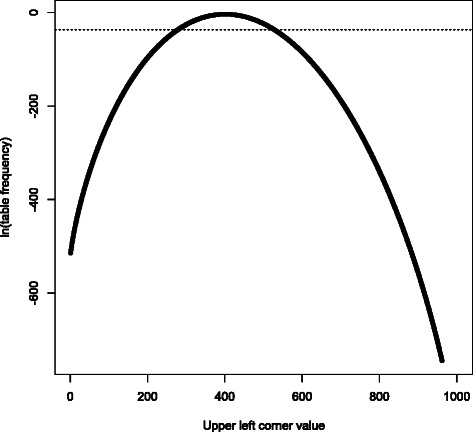
“SNP-HWE exploits the fact that, while the absolute likelihood of a contingency table involves large factorials which are fairly expensive to evaluate, the ratios between its likelihood and that of adjacent tables are simple since the factorials almost entirely cancel out [14].”
BackgroundHowie, B. N., Donnelly, P., & Marchini, J. (2009) · PLoS Genetics · doi:10.1371/journal.pgen.1000529 · Cited by 3,928 · cited 2×
“To support easier interoperation with newer software, for example BEAGLE 4 [2], IMPUTE2 [3], GATK [4], VCFtools [5], BCFtools [6] and GCTA [7], features such as the import/export of VCF and Oxford-format files and an efficient cross-platform genomic relationship matrix (GRM) calculator have been introduced.”
Method
Research works printed but not linked: 3
- Dalke A. Update: Faster Population Counts. http://www.dalkescientific.com/writings/diary/archive/2011/11/02/faster_popcount_update.html.
- GWASSpeedup Problem Statement. http://community.topcoder.com/longcontest/?module=ViewProblemStatement&rd=15637&pm=12525.
- Adler M. Pigz: Parallel Gzip. http://zlib.net/pigz/.
Cited by
Items 901–1,000 of 1,191
Dissecting clinical heterogeneity of bipolar disorder using multiple polygenic risk scores
Coombes, B. J., Markota, M., Mann, J. J., Colby, C. L., Stahl, E. A., Talati, A., Pathak, J., Weissman, M. M., McElroy, S. L., Frye, M. A., et al. (2020) · Translational Psychiatry · doi:10.1038/s41398-020-00996-y · Cited by 87
Ortiz‐Fernández, L., Saruhan‐Direskeneli, G., Alıbaz-Öner, F., Kaymaz‐Tahra, S., Coit, P., Kong, X., Kiprianos, A. P., Maughan, R. T., Aydın, S. Z., Aksu, K., et al. (2020) · The American Journal of Human Genetics · doi:10.1016/j.ajhg.2020.11.014 · Cited by 88
Eriksson, D., Røyrvik, E. C., Aranda‐Guillén, M., Berger, A. H., Landegren, N., Artaza, H., Hallgren, Å., Grytaas, M. A., Ström, S., Bratland, E., et al. (2021) · Nature Communications · doi:10.1038/s41467-021-21015-8 · Cited by 95
Roselli, C., Yu, M., Nauffal, V., Georges, A. B., Yang, Q., Love, K., Weng, L.-C. C., Delling, F. N., Maurya, S. R., Schrölkamp, M., et al. (2022) · European Heart Journal · doi:10.1093/eurheartj/ehac049 · Cited by 87
Forgetta, V., Li, R., Darmond-Zwaig, C., Bélisle, A., Balion, C. M., Roshandel, D., Wolfson, C. M., Lettre, G., Paré, G., Paterson, A. D., et al. (2022) · BMJ Open · doi:10.1136/bmjopen-2021-059021 · Cited by 92
Schormair, B., Zhao, C., Bell, S., Didriksen, M., Nawaz, M. S., Schandra, N., Stefani, A., Högl, B., Dauvilliers, Y. A., Bachmann, C. G., et al. (2024) · Nature Genetics · doi:10.1038/s41588-024-01763-1 · Cited by 85
“For calculation of the (sex-specific) relative heritability contribution of the X chromosome, χ 2 statistic-based h 2 was also calculated for the autosomes.”
MethodThe genetic architecture of cell type–specific cis regulation in maize
Marand, A. P., Jiang, L., Gómez-Cano, F., Minow, M. A. A., Zhang, X., Mendieta, J. P., Luo, Z., Bang, S., Yan, H., Meyer, C. A., et al. (2025) · Science · doi:10.1126/science.ads6601 · Cited by 89
An, J., Gharahkhani, P., Law, M. H., Ong, J., Han, X., Olsen, C. M., Neale, R. Ε., Lai, J., Vaughan, T. L., Gockel, I., et al. (2019) · Nature Communications · doi:10.1038/s41467-019-11968-2 · Cited by 84
Genomewide DNA methylation analysis in combat veterans reveals a novel locus for PTSD
Mehta, D., Bruenig, D., Carrillo‐Roa, T., Lawford, B., Harvey, W., Morris, C. P., Smith, A. K., Binder, E. B., Young, R. M., & Voisey, J. (2017) · Acta Psychiatrica Scandinavica · doi:10.1111/acps.12778 · Cited by 78
Genetic architecture of nonadditive inheritance in Arabidopsis thaliana hybrids
Seymour, D. K., Chae, E., Grimm, D. G., Martín‐Pizarro, C., Habring, A., Vasseur, F., Rakitsch, B., Borgwardt, K. M., Koenig, D., & Weigel, D. (2016) · Proceedings of the National Academy of Sciences · doi:10.1073/pnas.1615268113 · Cited by 92
Large-Scale Identification of Common Trait and Disease Variants Affecting Gene Expression
Hauberg, M. E., Zhang, W., Giambartolomei, C., Franzén, O., Morris, D. L., Vyse, T. J., Ruusalepp, A., Sklar, P. B., Schadt, E. E., Björkegren, J., et al. (2017) · The American Journal of Human Genetics · doi:10.1016/j.ajhg.2017.04.016 · Cited by 84
Wertz, J., Belsky, J., Moffitt, T. E., Belsky, D. W., Harrington, H., Avinun, R., Poulton, R., Ramrakha, S., & Caspi, A. (2019) · Developmental Psychology · doi:10.1037/dev0000709 · Cited by 70
“9 (Chang et al., 2015).”
Comes, A. L., Senner, F., Budde, M., Adorjan, K., Anderson‐Schmidt, H., Andlauer, T. F. M., Gade, K., Heilbronner, M., Heilbronner, U., Kalman, J. L., et al. (2019) · Translational Psychiatry · doi:10.1038/s41398-019-0547-x · Cited by 83
Schiavo, G., Bovo, S., Bertolini, F., Tinarelli, S., Dall’Olio, S., Costa, L. N., Gallo, M., & Fontanesi, L. (2020) · animal · doi:10.1017/s175173111900332x · Cited by 78
Shang, L., Smith, J. A., Zhao, W., Kho, M., Turner, S. T., Mosley, T. H., Kardia, S. L. R., & Zhou, X. (2020) · The American Journal of Human Genetics · doi:10.1016/j.ajhg.2020.03.002 · Cited by 88
Shared genetic risk factors and causal association between psoriasis and coronary artery disease
Patrick, M. T., Li, Q., Wasikowski, R., Mehta, N. N., Gudjonsson, J. E., Elder, J. T., Zhou, X., & Tsoi, L. C. (2022) · Nature Communications · doi:10.1038/s41467-022-34323-4 · Cited by 86
Complex multiple introductions drive fall armyworm invasions into Asia and Australia
Rane, R., Walsh, T., Lenancker, P., Gock, A., Dao, H. T., Nguyen, V. L., Khin, T. N., Amalin, D., Chittarath, K., Faheem, M., et al. (2023) · Scientific Reports · doi:10.1038/s41598-023-27501-x · Cited by 89
“The number of loci in the global population and individual populations departing significantly from Hardy-Weinberg equilibrium (HWE) was assessed using PLINK 2.0 (Chang et al. 2015).”
MethodInfluentialThe genetic architecture and evolution of the human skeletal form
Kun, E., Javan, E. M., Smith, O. S., Gulamali, F. F., de la Fuente, J., Flynn, B. I., Vajrala, K., Trutner, Z. D., Jayakumar, P., Tucker–Drob, E. M., et al. (2023) · Science · doi:10.1126/science.adf8009 · Cited by 80
Polygenic and developmental profiles of autism differ by age at diagnosis
Zhang, X., Grove, J., Gu, Y., Buus, C. K., Nielsen, L. K., Neufeld, S., Koko, M., Malawsky, D. S., Wade, E. E., Verhoef, E., et al. (2025) · Nature · doi:10.1038/s41586-025-09542-6 · Cited by 108
“We meta-analysed the GWAS from the SPARK Discovery and Replication cohorts using inverse-variance-weighted meta-analysis in Plink 83,84 (v.2.0).”
InfluentialAnalysis of Gene‐Gene Interactions
Cole, B. S., Hall, M. A., Urbanowicz, R. J., Gilbert‐Diamond, D., & Moore, J. H. (2017) · Current Protocols in Human Genetics · doi:10.1002/cphg.45 · Cited by 78
Peterson, R. E., Cai, N., Dahl, A. W., Bigdeli, T. B., Edwards, A. C., Webb, B. T., Bacanu, S.-A., Zaitlen, N., Flint, J., & Kendler, K. S. (2018) · American Journal of Psychiatry · doi:10.1176/appi.ajp.2017.17060621 · Cited by 78
“9 (33,34) was used for logistic regression to obtain odds ratios for top variants identified from BOLT.”
MethodThe genomic determinants of adaptive evolution in a fungal pathogen
Grandaubert, J., Dutheil, J. Y., & Stukenbrock, E. H. (2019) · Evolution Letters · doi:10.1002/evl3.117 · Cited by 86
Phenome-wide Burden of Copy-Number Variation in the UK Biobank
Aguirre, M., Rivas, M. A., & Priest, J. (2019) · The American Journal of Human Genetics · doi:10.1016/j.ajhg.2019.07.001 · Cited by 79
Functional connectome-wide associations of schizophrenia polygenic risk
Cao, H., Zhou, H., & Cannon, T. D. (2020) · Molecular Psychiatry · doi:10.1038/s41380-020-0699-3 · Cited by 85
Shu, X., Long, J., Cai, Q., Kweon, S.-S., Choi, J.-Y., Kubo, M., Park, S. K., Bolla, M. K., Dennis, J., Wang, Q., et al. (2020) · Nature Communications · doi:10.1038/s41467-020-15046-w · Cited by 77
The Role of Next-Generation Sequencing in Pharmacogenetics and Pharmacogenomics
Schwarz, U. I., Gulilat, M., & Kim, R. B. (2018) · Cold Spring Harbor Perspectives in Medicine · doi:10.1101/cshperspect.a033027 · Cited by 83
Byars, S. G., Huang, Q. Q., Gray, L.-A., Bakshi, A., Ripatti, S., Abraham, G., Stearns, S. C., & Inouye, M. (2017) · PLOS Genetics · doi:10.1371/journal.pgen.1006328 · Cited by 78
“9 [103] to ensure all genotypes were reported on the forward strand, and kept only autosomal SNPs.”
Genome-wide association study of birth weight in sheep
Ghasemi, M., Zamani, P., Vatankhah, M., & Abdoli, R. (2019) · animal · doi:10.1017/s1751731118003610 · Cited by 104
Park, S., Lee, S., Kim, Y., Cho, S., Kim, K., Kim, Y. C., Han, S. S., Lee, H., Lee, J. P., Joo, K. W., et al. (2021) · Kidney International · doi:10.1016/j.kint.2021.06.041 · Cited by 83
Self-citationYardeni, G., Viruel, J., Paris, M., Hess, J., Crego, C. G., Harpe, M. D. L., Rivera, N., Barfuss, M. H. J., Till, W., Guzmán‐Jacob, V., et al. (2021) · Molecular Ecology Resources · doi:10.1111/1755-0998.13523 · Cited by 83
“We first used plink v.1.9 (Chang et al., 2015) to filter out SNPs in linkage disequilibrium.”
MethodInfluentialGenome-wide study on 72,298 individuals in Korean biobank data for 76 traits
Nam, K., Kim, J., & Lee, S. (2022) · Cell Genomics · doi:10.1016/j.xgen.2022.100189 · Cited by 77
Complement activation levels are related to disease stage in AMD
Heesterbeek, T. J., Lechanteur, Y. T. E., Lorés-Motta, L., Schick, T., Daha, M. R., Altay, L., Liakopoulos, S., Smailhodzic, D., den Hollander, A. I., Hoyng, C. B., et al. (2020) · Investigative Opthalmology & Visual Science · doi:10.1167/iovs.61.3.18 · Cited by 76
Wolford, B. N., Hornsby, W., Guo, D., Zhou, W., Lin, M., Farhat, L., McNamara, J. L., Driscoll, A., Wu, X., Schmidt, E. M., et al. (2019) · Circulation Genomic and Precision Medicine · doi:10.1161/circgen.118.002476 · Cited by 79
Schlum, K., Lamour, K., Bortoli, C. P. D., Banerjee, R., Emrich, S., Meagher, R. L., Pereira, E., Murúa, M. G., Sword, G. A., Tessnow, A. E., et al. (2021) · BMC Genomics · doi:10.1186/s12864-021-07492-7 · Cited by 79
Dong, G., Feng, J., Sun, F., Chen, J., & Zhao, X. (2021) · Genome Medicine · doi:10.1186/s13073-021-00927-6 · Cited by 88
Pan, H., Liu, Z., Ma, J., Li, Y., Zhao, Y., Zhou, X., Xiang, Y., Wang, Y., Zhou, X. C., He, R., et al. (2023) · npj Parkinson's Disease · doi:10.1038/s41531-023-00456-6 · Cited by 86
eXclusionarY: 10 years later, where are the sex chromosomes in GWASs?
Sun, L., Wang, Z., Lu, T., Manolio, T. A., & Paterson, A. D. (2023) · The American Journal of Human Genetics · doi:10.1016/j.ajhg.2023.04.009 · Cited by 92
Gupta, Y., Friedman, D. J., McNulty, M. T., Khan, A., Lane, B. M., Wang, C., Ke, J., Jin, G. Y., Wooden, B., Knob, A. L. U., et al. (2023) · Nature Communications · doi:10.1038/s41467-023-43020-9 · Cited by 79
“PCs were calculated using PLINK 2 based on the LD-pruned SNPs 24 .”
Verma, S. S., Gudiseva, H. V., Chavali, V. R. M., Salowe, R., Bradford, Y., Guare, L. A., Lucas, A., Collins, D. W., Vrathasha, V., Nair, R. M., et al. (2024) · Cell · doi:10.1016/j.cell.2023.12.006 · Cited by 80
Park, S., Kim, S., Kim, B., Kim, D. S., Kim, J., Ahn, Y., Kim, H., Song, M., Shim, I., Jung, S., et al. (2024) · Nature Genetics · doi:10.1038/s41588-024-01933-1 · Cited by 88
Pharmacogenomic Study of Clozapine-Induced Agranulocytosis/Granulocytopenia in a Japanese Population
Saito, T., Ikeda, M., Mushiroda, T., Ozeki, T., Kondo, K., Shimasaki, A., Kawase, K., Hashimoto, S., Yamamori, H., Yasuda, Y., et al. (2016) · Biological Psychiatry · doi:10.1016/j.biopsych.2015.12.006 · Cited by 76
Prefrontal gray matter volume mediates genetic risks for obesity
Opel, N., Redlich, R., Kaehler, C., Grotegerd, D., Dohm, K., Heindel, W. L., Kugel, H., Thalamuthu, A., Koutsouleris, N., Arolt, V., et al. (2017) · Molecular Psychiatry · doi:10.1038/mp.2017.51 · Cited by 78
Multidimensional heritability analysis of neuroanatomical shape
Ge, T., Reuter, M., Winkler, A. M., Holmes, A. J., Lee, P. H., Tirrell, L. S., Roffman, J. L., Buckner, R. L., Smoller, J. W., & Sabuncu, M. R. (2016) · Nature Communications · doi:10.1038/ncomms13291 · Cited by 72
“org/plink2) [67], to preprocess the GSP genome-wide SNP data.”
BackgroundBelbin, G. M., Odgis, J., Sorokin, E. P., Yee, M.-C., Kohli, S., Glicksberg, B. S., Gignoux, C. R., Wojcik, G. L., Van Vleck, T., Jeff, J. M., et al. (2017) · eLife · doi:10.7554/elife.25060 · Cited by 77
Genome-wide association and multi-omic analyses reveal ACTN2 as a gene linked to heart failure
Arvanitis, M., Tampakakis, E., Zhang, Y., Wang, W., Auton, A., Agee, M., Aslibekyan, S. W., Bell, R. K., Bryc, K., Clark, S., et al. (2020) · Nature Communications · doi:10.1038/s41467-020-14843-7 · Cited by 83
Community-wide genome sequencing reveals 30 years of Darwin’s finch evolution
Enbody, E. D., Sendell-Price, A. T., Sprehn, C. G., Rubin, C.-J., Visscher, P. M., Grant, B. R., Grant, P. R., & Andersson, L. (2023) · Science · doi:10.1126/science.adf6218 · Cited by 75
Vitamin D and overall cancer risk and cancer mortality: a Mendelian randomization study
Ong, J.-S., Gharahkhani, P., An, J., Law, M. H., Whiteman, D. C., Neale, R. E., & MacGregor, S. (2018) · Human Molecular Genetics · doi:10.1093/hmg/ddy307 · Cited by 72
Zaidi, A. A., White, J. D., Mattern, B. C., Liebowitz, C., Puts, D. A., Claes, P. D., & Shriver, M. D. (2019) · Proceedings of the National Academy of Sciences · doi:10.1073/pnas.1808659116 · Cited by 81
Hou, G., Harley, I. T. W., Lu, X., Zhou, T., Xu, N., Yao, C., Qin, Y., Ouyang, Y., Ma, J., Zhu, X., et al. (2021) · Nature Communications · doi:10.1038/s41467-020-20460-1 · Cited by 80
Hilser, J. R., Han, Y. Y., Biswas, S., Gukasyan, J., Cai, Z., Zhu, R., Tang, W. H. W., Deb, A., Lusis, A. J., Hartiala, J., et al. (2021) · Journal of Lipid Research · doi:10.1016/j.jlr.2021.100061 · Cited by 80
“Linear regression for HDL-cholesterol levels and logistic regression for SARS-CoV-2 infection among cases and hospital-based controls with HDL-cholesterol-associated SNPs were performed using PLINK2 (Purcell and Chang; www.cog-genomics.org/plink/2.0/; 26).”
InfluentialGlobal discovery of lupus genetic risk variant allelic enhancer activity
Lu, X., Chen, X., Forney, C. R., Donmez, O. A., Miller, D., Parameswaran, S., Hong, T., Huang, Y., Pujato, M. A., Cazares, T. A., et al. (2021) · Nature Communications · doi:10.1038/s41467-021-21854-5 · Cited by 81
Liu, C., Zeinomar, N., Chung, W. K., Kiryluk, K., Gharavi, A. G., Hripcsak, G. M., Crew, K. D., Shang, N., Khan, A., Fasel, D. A., et al. (2021) · JAMA Network Open · doi:10.1001/jamanetworkopen.2021.19084 · Cited by 82
Population Histories and Genomic Diversity of South American Natives
Silva, M. A. C. E., Ferraz, T., Couto-Silva, C. M., Lemes, R. B., Nunes, K., Comas, D., & Hünemeier, T. (2021) · Molecular Biology and Evolution · doi:10.1093/molbev/msab339 · Cited by 80
“9 (Chang et al. 2015), using a sliding window of 50 SNPs, with a maximum of five missing calls and one heterozygous genotype per window, a proportion of 5% of overlapping windows in a homozygous segment, with at least one SNP each 50 kb, a maximum gap of 100 kb between consecutive SNPs, and a…”
InfluentialSong, B., Wang, X., Liang, Z., Ma, J., Huang, D., Wang, Y., de Magalhães, J. P., Rigden, D. J., Meng, J., Liu, G., et al. (2022) · Nucleic Acids Research · doi:10.1093/nar/gkac750 · Cited by 77
“The linkage disequilibrium (LD) analysis was computed for each trait association TagSNP using PLINK (64) software (parameters: –r2 –ld-snp-list –ld-window-kb 1000 –ld-window 10 – ld-window-r2 0.8).”
MethodInfluentialTielbeek, J. J., Uffelmann, E., Williams, B. S., Colodro‐Conde, L., Gagnon, É., Mallard, T. T., Levitt, B. E., Jansen, P. R., Johansson, A., Sallis, H., et al. (2022) · Molecular Psychiatry · doi:10.1038/s41380-022-01793-3 · Cited by 86
Genetic architecture of heart failure with preserved versus reduced ejection fraction
Joseph, J., Liu, C., Hui, Q., Aragam, K. G., Wang, Z., CHAREST, B. R., Huffman, J. E., Keaton, J. M., Edwards, T. L., Demissie, S., et al. (2022) · Nature Communications · doi:10.1038/s41467-022-35323-0 · Cited by 86
“Imputed and directly measured single nucleotide polymorphisms (SNPs) with minor allele frequency >1% were tested for association with HF, HFrEF, and HFpEF assuming an additive genetic model using PLINK2 52 and adjusting for age,sex,andthetoptengenotype-derivedprincipalcomponents.”
MethodInfluentialLe, T., Yuan, H., Zhu, K., Liu, X., Guo, J., Min, R., He, H., Cao, D., Yang, X., Zhou, Z., et al. (2023) · Current Biology · doi:10.1016/j.cub.2023.09.055 · Cited by 79
Hu, S., Ferreira, L. A. F., Shi, S., Hellenthal, G., Marchini, J., Lawson, D. J., & Myers, S. (2025) · Nature Genetics · doi:10.1038/s41588-024-02035-8 · Cited by 90
Hammer, C., Begemann, M., McLaren, P. J., Bartha, I., Michel, A., Klose, B., Schmitt, C., Waterboer, T., Pawlita, M., Schulz, T. F., et al. (2015) · The American Journal of Human Genetics · doi:10.1016/j.ajhg.2015.09.008 · Cited by 78
Genetics of the human face: Identification of large-effect single gene variants
Crouch, D. J. M., Winney, B., Koppen, W. P., Christmas, W. J., Hutnik, K., Day, T., Meena, D., Boumertit, A., Hysi, P., Nessa, A., et al. (2018) · Proceedings of the National Academy of Sciences · doi:10.1073/pnas.1708207114 · Cited by 73
“90 (36)] in combination with R scripts, after which there remained 3,161 individuals (1,532 male and 1,629 female) genotyped at 524,576 SNPs.”
BackgroundA potential endophenotype for Alzheimer's disease: cerebrospinal fluid clusterin
Deming, Y., Xia, J., Cai, Y., Lord, J., Holmans, P., Bertelsen, S., Holtzman, D., Morris, J. C., Bales, K., Pickering, E. H., et al. (2016) · Neurobiology of Aging · doi:10.1016/j.neurobiolaging.2015.09.009 · Cited by 66
Cheng, Z., Zhou, H., Sherva, R., Farrer, L. A., Kranzler, H. R., & Gelernter, J. E. (2018) · Biological Psychiatry · doi:10.1016/j.biopsych.2017.12.016 · Cited by 77
Evaluating the Accuracy of Imputation Methods in a Five-Way Admixed Population
Schurz, H., Muller, S., van Helden, P. D., Tromp, G., Hoal, E. G., Kinnear, C. J., & Möller, M. (2019) · Frontiers in Genetics · doi:10.3389/fgene.2019.00034 · Cited by 81
Vicente, M., Jakobsson, M., Ebbesen, P., & Schlebusch, C. M. (2019) · Molecular Biology and Evolution · doi:10.1093/molbev/msz089 · Cited by 80
“Data management and quality filtering was carried out with PLINK v.1.90 (Chang et al. 2015).”
MethodInfluentialExploring Population Structure with Admixture Models and Principal Component Analysis
Liu, C., Shringarpure, S., Lange, K. L., & Novembre, J. (2020) · Methods in molecular biology · doi:10.1007/978-1-0716-0199-0_4 · Cited by 86
The genomic history of the Middle East
Almarri, M. A., Haber, M., Lootah, R. A., Hallast, P., Turki, S. H. A., Martin, H. C., Xue, Y., & Tyler‐Smith, C. (2021) · Cell · doi:10.1016/j.cell.2021.07.013 · Cited by 84
Utility of polygenic embryo screening for disease depends on the selection strategy
Lencz, T., Backenroth, D., Granot‐Hershkovitz, E., Green, A., Gettler, K., Cho, J. H., Weissbrod, O., Zuk, O., & Carmi, S. (2021) · eLife · doi:10.7554/elife.64716 · Cited by 77
“We used the entire cohort (2526 individuals) to estimate linkage disequilibrium (LD) between SNPs, and performed LD-clumping on the summary statistics in PLINK (Chang et al., 2015), with a window size of 250kb, a minimum r(2) threshold for clumping of 0.”
MethodGopalan, S., Berl, R. E. W., Myrick, J. W., Garfield, Z. H., Reynolds, A. W., Bafens, B. K., Belbin, G. M., Mastoras, M., Williams, C., Daya, M., et al. (2022) · Current Biology · doi:10.1016/j.cub.2022.02.050 · Cited by 76
“Overall, the F3 outgroup statistic indicates that, among extant populations, Bayira is most closely related to the Aari Blacksmiths, Aari Cultivators, Bench, and Sheko, followed by the Chabu; conversely, the Chabu carry the most shared drift with their Majang neighbors, followed by Bayira.”
InfluentialRare penetrant mutations confer severe risk of common diseases
Fiziev, P. P., McRae, J. F., Ulirsch, J. C., Dron, J. S., Hamp, T., Yang, Y., Wainschtein, P., Ni, Z., Schraiber, J. G., Gao, H., et al. (2023) · Science · doi:10.1126/science.abo1131 · Cited by 85
D’Agostino, N., Taranto, F., Camposeo, S., Mangini, G., Fanelli, V., Gadaleta, S., Miazzi, M. M., Pavan, S., di Rienzo, V., Sabetta, W., et al. (2018) · Scientific Reports · doi:10.1038/s41598-018-34207-y · Cited by 86
Tanigawa, Y., Li, J., Justesen, J. M., Horn, H., Aguirre, M., DeBoever, C., Chang, C. C., Narasimhan, B., Lage, K., Hastie, T. J., et al. (2019) · Nature Communications · doi:10.1038/s41467-019-11953-9 · Cited by 89
Self-citationBadini, I., Coleman, J. R. I., Hagenaars, S. P., Hotopf, M., Breen, G., Lewis, C. M., & Fabbri, C. (2022) · Psychological Medicine · doi:10.1017/s0033291720002342 · Cited by 75
Van der Auwera, S., Peyrot, W. J., Milaneschi, Y., Hertel, J., Baune, B., Breen, G., Byrne, E., Dunn, E. C., Fisher, H., Homuth, G., et al. (2018) · American Journal of Medical Genetics Part B: Neuropsychiatric Genetics · doi:10.1002/ajmg.b.32593 · Cited by 69
“A logistic regressionmodelwas used for a binary outcome and a linear regression model for a continuous outcome using PLINK (Chang et al., 2015).”
MethodComprehensive Assessment of Genotype Imputation Performance
Shi, S., Yuan, N., Yang, M. Y., Du, Z., Wang, J., Sheng, X., Wu, J., & Xiao, J. (2018) · Human Heredity · doi:10.1159/000489758 · Cited by 78
Genetic liability to ADHD and substance use disorders in individuals with ADHD
Wimberley, T., Agerbo, E., Horsdal, H. T., Ottosen, C., Brikell, I., Als, T. D., Demontis, D., Børglum, A. D., Nordentoft, M., Mors, O., et al. (2020) · Addiction · doi:10.1111/add.14910 · Cited by 72
Zhou, G., & Zhao, H. (2021) · PLoS Genetics · doi:10.1371/journal.pgen.1009697 · Cited by 84
“Phenotypes were generated from simulated effect sizes using GCTA-sim, and marginal linear regression was performed on the training data to obtain summary statistics using PLINK2 [21, 22].”
MethodFine mapping of the HLA locus in Parkinson’s disease in Europeans
Yu, E., Ambati, A., Andersen, M. S., Krohn, L., Estiar, M. A., Saini, P., Senkevich, K. A., Sosero, Y. L., Sreelatha, A. A. K., Ruskey, J. A., et al. (2021) · npj Parkinson's Disease · doi:10.1038/s41531-021-00231-5 · Cited by 85
Wang, Y., Kanai, M., Tan, T., Kamariza, M., Tsuo, K., Yuan, K., Zhou, W., Okada, Y., The Biobank Japan Project, Huang, H., et al. (2023) · Cell Genomics · doi:10.1016/j.xgen.2023.100408 · Cited by 87
Variation in Recombination Rate and Its Genetic Determinism in Sheep Populations
Petit, M., Astruc, J., Sarry, J., Drouilhet, L., Fabre, S., Moreno, C. R., & Servin, B. (2017) · Genetics · doi:10.1534/genetics.117.300123 · Cited by 83
“Standard data cleaning procedures were carried out on the pedigree data set using plink 1.9 (Chang et al. 2015) excluding animals with call rates below 95% and SNPs with call frequency , 98%.”
InfluentialUnravelling the Genetic Diversity among Cassava Bemisia tabaci Whiteflies Using NextRAD Sequencing
Wosula, E. N., Chen, W., Fei, Z., & Legg, J. P. (2017) · Genome Biology and Evolution · doi:10.1093/gbe/evx219 · Cited by 81
Chen, W., Wosula, E. N., Hasegawa, D. K., Casinga, C. M., Shirima, R. R., Fiaboe, K. K. M., Hanna, R., Kuate, A. F., Goergen, G., Tamò, M., et al. (2019) · Insect Biochemistry and Molecular Biology · doi:10.1016/j.ibmb.2019.05.003 · Cited by 81
Raveane, A., Aneli, S., Montinaro, F., Athanasiadis, G., Barlera, S., Birolo, G., Boncoraglio, G., Di Blasio, A. M., Di Gaetano, C., Pagani, L., et al. (2019) · Science Advances · doi:10.1126/sciadv.aaw3492 · Cited by 69
A Unique Epigenomic Landscape Defines Human Erythropoiesis
Schulz, V., Yan, H., Lezon-Geyda, K., An, X., Hale, J., Hillyer, C. D., Mohandas, N., & Gallagher, P. G. (2019) · Cell Reports · doi:10.1016/j.celrep.2019.08.020 · Cited by 80
“8 in the European samples of the 1000 genomes database (Chang et al., 2015).”
BackgroundGenetic study of multimodal imaging Alzheimer’s disease progression score implicates novel loci
Scelsi, M. A., Khan, R. R., Lorenzi, M., Christopher, L., Greicius, M. D., Schott, J. M., Ourselin, S., & Altmann, A. (2018) · Brain · doi:10.1093/brain/awy141 · Cited by 73
“9 (Chang et al., 2015) and pruned at 0.1, a threshold lower than the coefficient of relatedness for first cousins (via the – rel-cutoff 0.1 command).”
InfluentialGenetic risk variants for social anxiety
Stein, M. B., Chen, C., Jain, S., Jensen, K. P., He, F., Heeringa, S. G., Kessler, R. C., Maihofer, A., Nock, M. K., Ripke, S., et al. (2017) · American Journal of Medical Genetics Part B: Neuropsychiatric Genetics · doi:10.1002/ajmg.b.32520 · Cited by 72
“90 [Purcell et al., 2007; Chang et al., 2015] and pairs of subjects with p of>0.”
BackgroundMethodInfluentialShade, L. M. P., Katsumata, Y., Abner, E. L., Aung, K. Z., Claas, S. A., Qiao, Q., Heberle, B. A., Brandon, J. A., Page, M. L., Hohman, T. J., et al. (2024) · Nature Genetics · doi:10.1038/s41588-024-01939-9 · Cited by 72
“To identify independent risk loci, we clumped results using the ‘--clump’ flag in PLINK 1.9 with the pairwise LD threshold set to r 2 ≤ 0.05 (https://www.cog-genomics.org/plink/1.9/) 85 .”
InfluentialBrucato, N., Kusuma, P., Beaujard, P., Sudoyo, H., Cox, M. P., & Ricaut, F. (2017) · Scientific Reports · doi:10.1038/s41598-017-03204-y · Cited by 74
Cendron, F., Perini, F., Mastrangelo, S., Tolone, M., Criscione, A., Bordonaro, S., Iaffaldano, N., Castellini, C., Marzoni, M., Buccioni, A., et al. (2020) · Animals · doi:10.3390/ani10081441 · Cited by 73
“9 [11] and plotted using a multidimensional scaling (MDS) plot that represented the components C1 and C2.”
MethodUncovering genetic mechanisms of hypertension through multi-omic analysis of the kidney
Eales, J., Jiang, X., Xu, X., Saluja, S., Akbarov, A., Cano-Gamez, E., McNulty, M. T., Finan, C., Guo, H., Wystrychowski, W., et al. (2021) · Nature Genetics · doi:10.1038/s41588-021-00835-w · Cited by 77
Žegarac, A., Winkelbach, L., Blöcher, J., Diekmann, Y., Krečković Gavrilović, M., Porčić, M., Stojković, B., Milašinović, L., Schreiber, M., Wegmann, D., et al. (2021) · Scientific Reports · doi:10.1038/s41598-021-89090-x · Cited by 62
Papua New Guinean Genomes Reveal the Complex Settlement of North Sahul
Brucato, N., André, M., Tsang, R., Saag, L., Kariwiga, J., Sesuki, K., Beni, T., Pomat, W. S., Muke, J., Meyer, V., et al. (2021) · Molecular Biology and Evolution · doi:10.1093/molbev/msab238 · Cited by 73
“We applied quality controls using Plink v. 1.932 (Chang et al. 2015) to filter for and exclude: 1) close relatives by using an IBD estimation with an upper threshold of 0.25 (second degree relatives); 2) SNPs that failed the Hardy–Weinberg exact test (P< 10 6) within each group; 3) samples with a…”
MethodInfluentialAdiposity and sex-specific cancer risk
Rask‐Andersen, M., Ivansson, E. L., Höglund, J., Ek, W. E., Karlsson, T., & Johansson, Å. (2023) · Cancer Cell · doi:10.1016/j.ccell.2023.05.010 · Cited by 78
RNF213 Is Associated with Intracranial Aneurysms in the French-Canadian Population
Zhou, S., Ambalavanan, A., Rochefort, D. L., Xie, P., Bourassa, C. V., Hince, P., Dionne‐Laporte, A., Spiegelman, D., Gan‐Or, Z., Mirarchi, C., et al. (2016) · The American Journal of Human Genetics · doi:10.1016/j.ajhg.2016.09.001 · Cited by 72
Lanata, C. M., Nititham, J., Taylor, K. E., Chung, S. A., Torgerson, D. G., Seldin, M. F., Pons‐Estel, B. A., Tusié‐Luna, T., Tsao, B. P., Morand, E. F., et al. (2018) · PLoS ONE · doi:10.1371/journal.pone.0199003 · Cited by 76
A rare loss-of-function variant of ADAM17 is associated with late-onset familial Alzheimer disease
AESG, Hartl, D., May, P., Gu, W., Mayhaus, M., Pichler, S., Spaniol, C., Glaab, E., Bobbili, D. R., Antony, P., et al. (2020) · Molecular Psychiatry · doi:10.1038/s41380-018-0091-8 · Cited by 66
Cádiz, M. I., López, M. E., Diaz-Domínguez, D., Cáceres, G., Yoshida, G., Gomez‐Uchida, D., & Yañez, J. M. (2020) · Scientific Reports · doi:10.1038/s41598-020-68064-5 · Cited by 76
“09 (Chang et al. 2015).”
Genetic association study of childhood aggression across raters, instruments, and age
Ip, H. F., van der Laan, C. M., Krapohl, E. M. L., Brikell, I., Sánchez-Mora, C., Nolte, I. M., St Pourcain, B., Bolhuis, K., Palviainen, T., Zafarmand, H., et al. (2021) · Translational Psychiatry · doi:10.1038/s41398-021-01480-x · Cited by 71
Yarmolinsky, J. W., Díez‐Obrero, V., Richardson, T. G., Pigeyre, M., Sjaarda, J., Paré, G., Walker, V. M., Vincent, E. E., Tan, V. Y., Obón‐Santacana, M., et al. (2022) · PLoS Medicine · doi:10.1371/journal.pmed.1003897 · Cited by 78
Wang, K., Shi, X., Zhu, Z., Hao, X., Chen, L., Cheng, S., Foo, R., & Wang, C. (2022) · Genome Medicine · doi:10.1186/s13073-022-01067-1 · Cited by 82
“01, Pmeta < 5×10⁻⁸, window size = 1Mb) [33].”
Dissecting human population variation in single-cell responses to SARS-CoV-2
Aquino, Y., Bisiaux, A., Li, Z., O’Neill, M. B., Mendoza‐Revilla, J., Merkling, S. H., Kerner, G., Hasan, M., Libri, V., Bondet, V., et al. (2023) · Nature · doi:10.1038/s41586-023-06422-9 · Cited by 79
“Once the data had been merged, we performed principal component analysis (PCA) using PLINK (v.1.9) 57 and ensured that the three study populations (that is, AFB, EUB and ASH) overlapped with the corresponding 1KG populations, to exclude batch effects between genotyping platforms (Supplementary Fig.”
Influential
Metadata
- Authors
- Chang, C. C., Chow, C. C., Tellier, L. C., Vattikuti, S., Purcell, S. M., & Lee, J. J.
- Affiliations
- BGI Group (China) (CN)
- National Institutes of Health (US)
- Broad Institute (US)
- Corresponding author
- Chang, Christopher C
- ORCID
- Venue
- Gigascience
- Publisher
- Oxford University Press (OUP)
- Published
- 2015-02-25
- Volume
- 4
- Issue
- 1
- Pages
- 7-7
- ISSN
- 2047-217X (ISSN-L)
- PMC
- PMC4342193
- OpenAlex
- W2099085143
- Semantic Scholar
- 91e0bb69106b4e8620a1f4ee1d98e0046baafed4
- Cited by
- 12,709
- References
- 39
- Citations by year
- 2026: 1577 · 2025: 1865 · 2024: 1888 · 2023: 1511 · 2022: 1474 · 2021: 1442 · 2020: 1052 · 2019: 729 · 2018: 568 · 2017: 351 · 2016: 181 · 2015: 51
- FWCI
- 264.41
- Type
- journal article
- Language
- en
- Open access
- gold
- doi.org
- Locations
- GigaScience (publishedVersion, cc-by)
- PubMed Central (publishedVersion, cc-by)
- PubMed (publishedVersion)
- Research at the University of Copenhagen (University of Copenhagen) (publishedVersion, other-oa)
- arXiv (Cornell University) (submittedVersion)
- Digital Access to Scholarship at Harvard (DASH) (Harvard University) (submittedVersion, cc-by)
- arXiv (Cornell University)
- Funders
- Government of Jiangxi Province
- National Institutes of Health
- National Institute of Diabetes and Digestive and Kidney Diseases
- Topics
- Life Sciences › Biochemistry, Genetics and Molecular Biology › Genetics › Genetic Associations and Epidemiology
- Life Sciences › Biochemistry, Genetics and Molecular Biology › Genetics › Genetic Mapping and Diversity in Plants and Animals
- Life Sciences › Biochemistry, Genetics and Molecular Biology › Genetics › Genetic diversity and population structure
- Keywords
- PLINK, genome-wide association study, population genetics, Hardy-Weinberg equilibrium, Fisher's exact test, linkage disequilibrium, genomic distance, genotype likelihoods, phase information, imputed data, logistic regression
- MeSH terms
- Algorithms, Genetics, Population, Software, Linkage Disequilibrium, Likelihood Functions, Logistic Models, Computational Biology, Polymorphism, Single Nucleotide, Genome-Wide Association Study, Genotyping Techniques, Datasets as Topic
About these checks
Registry, retraction, Cites and statistics results are computed, not judged, with one exception: a printed reference that no index lists is read once by a model before it counts as a citation error. Claims are extracted by a model and kept only when their quote appears verbatim in the text; each cited source is then checked, with a model’s help, for whether it says what the claim relies on. Those verdicts can be wrong — read the claim’s quote and the cited source before relying on one.
Statistics and arithmetic are recomputed, not judged.
Confidence bands are shown only for fields calibrated on our annotated test set. None is calibrated yet, so no band is shown.
What counts as a claim ›How we measure confidence ›How we check this ›
Are you an author, or do you see a problem with this page? Request a review
Data sources
Bibliographic data: Semantic Scholar, OpenAlex, Crossref.
Contains information from the Semantic Scholar Academic Graph Datasets, made available under the ODC Attribution License (ODC-BY 1.0).
Semantic Scholar’s data is described in: Kinney, R., et al. (2023). The Semantic Scholar Open Data Platform. arXiv:2301.10140.
