

Second-generation PLINK: rising to the challenge of larger and richer datasets
Open accessThe DOI matches its Crossref record; 39 of the 39 references it cites were found in a registry or an index.
Abstract
Background: PLINK 1 is a widely used open-source C/C++ toolset for genome-wide association studies (GWAS) and research in population genetics. However, the steady accumulation of data from imputation and whole-genome sequencing studies has exposed a strong need for faster and scalable implementations of key functions, such as logistic regression, linkage disequilibrium estimation, and genomic distance evaluation. In addition, GWAS and population-genetic data now frequently contain genotype likelihoods, phase information, and/or multiallelic variants, none of which can be represented by PLINK 1's primary data format. Findings: To address these issues, we are developing a second-generation codebase for PLINK. The first major release from this codebase, PLINK 1.9, introduces extensive use of bit-level parallelism, (n)-time/constant-space Hardy-Weinberg equilibrium and Fisher's exact tests, and many other algorithmic improvements. In combination, these changes accelerate most operations by 1-4 orders of magnitude, and allow the program to handle datasets too large to fit in RAM. We have also developed an extension to the data format which adds low-overhead support for genotype likelihoods, phase, multiallelic variants, and reference vs. alternate alleles, which is the basis of our planned second release (PLINK 2.0). Conclusions: The second-generation versions of PLINK will offer dramatic improvements in performance and compatibility. For the first time, users without access to high-end computing resources can perform several essential analyses of the feature-rich and very large genetic datasets coming into use.
Overview
The claims and statistics of this paper haven’t been checked yet.
Free: it reads the open-access text and checks the first 5 claims that cite a source we can check. Create a free account to check every claim.
Integrity signals
Registry
Cites
Statistics
Figures
Verification
Claims the paper makes
The claims and statistics of this paper haven’t been checked yet.
Free: it reads the open-access text and checks the first 5 claims that cite a source we can check. Create a free account to check every claim.
Claims other papers make about this one
Each is checked against this paper’s own text: does it say what the citing paper says it does?
The cited source says what the claim attributes to it.
In the citing paper
“Subsequent MVP GWAS analyses were performed within ancestral admixtures using PLINK2 (16), covarying for genetic ancestry principal components, age, and sex.”
From GWAS meta-analysis of suicide attempt: identification of 12 genome-wide significant loci and implication of genetic risks for specific health factors (2023) · cites this paper as [16]
The cited source says what the claim attributes to it.
In the citing paper
“We defined primary associations through clumping ±1 Mb around the significant variants using PLINK 60 , excluding the HLA region (chromosome 6: 25.5-34.0Mb), which is treated as one locus owing to complex and extensive LD patterns.”
From Plasma proteomic associations with genetics and health in the UK Biobank (2023) · cites this paper as [60]
The cited source says what the claim attributes to it.
In the citing paper
“To retain independent signals, associated variants were clumped in PLINK (version 1.9)31, using a 1 Mb window with the LD thresholds of R2 = 0.1 and P < 5 × 10⁻⁸.”
From Genetic determinants of plasma protein levels in the Estonian population (2024) · cites this paper as [31]
The cited source says what the claim attributes to it.
In the citing paper
“We calculated the top ten genetic PCs using PLINK273 to be used as covariates in the miR-QTL analysis.”
From Mapping the microRNA landscape in the older adult brain and its genetic contribution to neuropsychiatric conditions (2024) · cites this paper as [73]
The cited source says what the claim attributes to it.
In the citing paper
“Sample ancestry was confirmed by multidimensional scaling (MDS) using PLINK 1.9 (Chang et al., 2015); MDS values for each subject were compared to 1000 Genome Project (Phase 3) sample values (Genomes Project et al., 2015).”
From Cholesterol and matrisome pathways dysregulated in astrocytes and microglia (2022) · cites this paper as Chang et al., 2015
3 more claims about this paper
Create a free account to see every claim other papers make about this one.
Self-check
Percentages, sums and reported differences re-computed from the paper’s own numbers.
The self-check needs the paper’s full text.
Citations
Cites
The Sequence Alignment/Map format and SAMtools
Li, H., Handsaker, B., Wysoker, A., Fennell, T., Ruan, J., Homer, N., Marth, G., Abecasis, G., Durbin, R., & 1000 Genome Project Data Processing Subgroup (2009) · Bioinformatics · doi:10.1093/bioinformatics/btp352 · Cited by 62,041 · cited 1×
“To support easier interoperation with newer software like BEAGLE 4 [2], IMPUTE2 [3], GATK [4], VCFtools [5], BCFtools [6], and GCTA [7], features such as the import/export of VCF and Oxford-format files and an efficient crossplatform genomic relationship matrix (GRM) calculator have been introduced.”
MethodPLINK: a tool set for whole-genome association and population-based linkage analyses.
Purcell, S., Neale, B., Todd-Brown, K., Thomas, L., Ferreira, M. A. R., Bender, D., Maller, J., Sklar, P., de Bakker, P. I. W., Daly, M. J., et al. (2007) · The American Journal of Human Genetics · doi:10.1086/519795 · Cited by 34,089 · cited 1×
“9’s core functional domains are unchanged from that of its predecessor—data management, summary statistics, population stratification, association analysis, identity-by-descent estimation [1] —and it is usable as a drop-in replacement in most cases, requiring no changes to existing scripts.”
BackgroundSelf-citationThe Genome Analysis Toolkit: A MapReduce framework for analyzing next-generation DNA sequencing data
McKenna, A., Hanna, M., Banks, E., Sivachenko, A., Cibulskis, K., Kernytsky, A., Garimella, K., Altshuler, D., Gabriel, S., Daly, M., et al. (2010) · Genome Research · doi:10.1101/gr.107524.110 · Cited by 27,895 · cited 2×
“To support easier interoperation with newer software, for example BEAGLE 4 [2], IMPUTE2 [3], GATK [4], VCFtools [5], BCFtools [6] and GCTA [7], features such as the import/export of VCF and Oxford-format files and an efficient cross-platform genomic relationship matrix (GRM) calculator have been introduced.”
MethodThe variant call format and VCFtools
Danecek, P., Auton, A., Abecasis, G., Albers, C. A., Banks, E., DePristo, M. A., Handsaker, R. E., Lunter, G., Marth, G. T., Sherry, S. T., et al. (2011) · Bioinformatics · doi:10.1093/bioinformatics/btr330 · Cited by 16,200
Haploview: analysis and visualization of LD and haplotype maps
Barrett, J. C., Fry, B., Maller, J., & Daly, M. J. (2005) · Bioinformatics · doi:10.1093/bioinformatics/bth457 · Cited by 14,525 · cited 1×
“(More precisely, it is a restricted port of Haploview’s [23] implementation of the method).”
MethodGCTA: a tool for genome-wide complex trait analysis
Yang, J., Lee, S. H., Goddard, M. E., & Visscher, P. M. (2011) · The American Journal of Human Genetics · doi:10.1016/j.ajhg.2010.11.011 · Cited by 8,279 · cited 7×
“For example, the GCTA genomic relationship matrix is defined by the following per-marker increments, where q is the minor allele frequency: 7.”
MethodInfluentialAn integrated map of genetic variation from 1,092 human genomes
The 1000 Genomes Project Consortium (2012) · Nature · doi:10.1038/nature11632 · Cited by 7,711
The Structure of Haplotype Blocks in the Human Genome
Gabriel, S. B., Schaffner, S. F., Nguyen, H., Moore, J. M., Roy, J., Blumenstiel, B., Higgins, J., DeFelice, M., Lochner, A., Faggart, M., et al. (2002) · Science · doi:10.1126/science.1069424 · Cited by 5,863
Performing the Exact Test of Hardy-Weinberg Proportion for Multiple Alleles
Guo, S. W., & Thompson, E. A. (1992) · Biometrics · doi:10.2307/2532296 · Cited by 4,880 · cited 1×
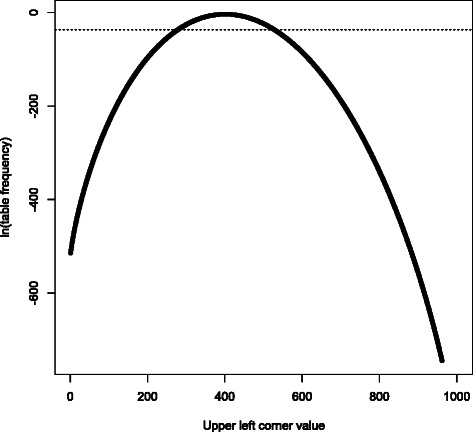
“SNP-HWE exploits the fact that, while the absolute likelihood of a contingency table involves large factorials which are fairly expensive to evaluate, the ratios between its likelihood and that of adjacent tables are simple since the factorials almost entirely cancel out [14].”
BackgroundHowie, B. N., Donnelly, P., & Marchini, J. (2009) · PLoS Genetics · doi:10.1371/journal.pgen.1000529 · Cited by 3,928 · cited 2×
“To support easier interoperation with newer software, for example BEAGLE 4 [2], IMPUTE2 [3], GATK [4], VCFtools [5], BCFtools [6] and GCTA [7], features such as the import/export of VCF and Oxford-format files and an efficient cross-platform genomic relationship matrix (GRM) calculator have been introduced.”
Method
Research works printed but not linked: 3
- Dalke A. Update: Faster Population Counts. http://www.dalkescientific.com/writings/diary/archive/2011/11/02/faster_popcount_update.html.
- GWASSpeedup Problem Statement. http://community.topcoder.com/longcontest/?module=ViewProblemStatement&rd=15637&pm=12525.
- Adler M. Pigz: Parallel Gzip. http://zlib.net/pigz/.
Cited by
Items 1,001–1,100 of 1,191
Human extracellular matrix (ECM)-like collagen and its bioactivity
Zhou, H., Li, W., Pan, L., Zhu, T., Zhou, T., Xiao, E., & Wei, Q. (2024) · Regenerative Biomaterials · doi:10.1093/rb/rbae008 · Cited by 83
Windred, D. P., Burns, A. C., Rutter, M. K., Yeung, C. H. C., Lane, J. M., Xiao, Q., Saxena, R., Cain, S. W., & Phillips, A. J. K. (2024) · The Lancet Regional Health - Europe · doi:10.1016/j.lanepe.2024.100943 · Cited by 93
“The type 2 diabetes PRS was then scored in UK Biobank participants using PLINK 2 36 as the weighted sum of the effect alleles, using the following formula: where S i is the polygenic score for individual i , ̂ β j is the weighted additive effect of the effect allele at SNP j , and g ij is the…”
MethodLopdell, T., Tiplady, K., Struchalin, M. V., Johnson, T., Keehan, M., Sherlock, R. G., Couldrey, C., Davis, S. R., Snell, R. G., Spelman, R. J., et al. (2017) · BMC Genomics · doi:10.1186/s12864-017-4320-3 · Cited by 74
Genomics of habitat choice and adaptive evolution in a deep-sea fish
Gaither, M. R., Gkafas, G. A., de Jong, M., Sarigol, F., NEAT, F. C., Régnier, T., Moore, D. M., Gröcke, D. R., Hall, N., Liu, X., et al. (2018) · Nature Ecology & Evolution · doi:10.1038/s41559-018-0482-x · Cited by 76
Relative effects of LDL-C on ischemic stroke and coronary disease: A Mendelian randomization study
Valdés‐Márquez, E., Parish, S., Clarke, R., Stari, T., Worrall, B. B., & Hopewell, J. C. (2019) · Neurology · doi:10.1212/wnl.0000000000007091 · Cited by 76
“9 and 1,000 Genomes Project Phase 3 (EUR) reference population.(22,23) Finally, to identify variants with LDL-C-specific lipid effects (and avoid pleiotropy through effects on other lipid pathways), we excluded the 37 variants with significant effects on HDL-C or triglycerides (p < 0.”
BackgroundLee, J. J., McGue, M. K., Iacono, W. G., Michael, A. M., & Chabris, C. F. (2019) · Intelligence · doi:10.1016/j.intell.2019.01.011 · Cited by 74
“9 (Chang et al., 2015) and used the resulting ICV + HC trait with an effectively twofold sample size as the candidate causal variable in LCV.”
Self-citationTakata, A., Nakashima, M., Saitsu, H., Mizuguchi, T., Mitsuhashi, S., Takahashi, Y., Okamoto, N., Osaka, H., Nakamura, K., Tohyama, J., et al. (2019) · Nature Communications · doi:10.1038/s41467-019-10482-9 · Cited by 81
Kimbrel, N. A., Ashley-Koch, A. E., Qin, X. J., Lindquist, J. H., Garrett, M. E., Dennis, M. F., Hair, L. P., Huffman, J. E., Jacobson, D. A., Madduri, R. K., et al. (2022) · Molecular Psychiatry · doi:10.1038/s41380-022-01472-3 · Cited by 70
Barbeira, A. N., Dickinson, S. P., Bonazzola, R., Zheng, J., Wheeler, H. E., Torres, J. M., Torstenson, E. S., Shah, K. P., Garcia, T., Edwards, T. L., et al. (2018) · Nature Communications · doi:10.1038/s41467-018-03621-1 · Cited by 69
ABCA7 rare variants and Alzheimer disease risk
Le Guennec, K., Nicolas, G., Quenez, O., Charbonnier, C., Wallon, D., Bellenguez, C., Grenier-Boley, B., Rousseau, S., Richard, A.-C., Rovelet-Lecrux, A., et al. (2016) · Neurology · doi:10.1212/wnl.0000000000002627 · Cited by 69
Schubert, M., Mashkour, M., Gaunitz, C., Fages, A., Seguin-Orlando, A., Sheikhi, S., Alfarhan, A. H., Alquraishi, S. A., Al-Rasheid, K. A. S., Chuang, R., et al. (2017) · Journal of Archaeological Science · doi:10.1016/j.jas.2016.12.005 · Cited by 69
“The resulting tables are processed using PLINK (Chang et al., 2015), to generate the intermediate files required for downstream analyses, carried out on both panels of SNPs.”
MethodDetecting genome-wide directional effects of transcription factor binding on polygenic disease risk
Reshef, Y. A., Finucane, H. K., Kelley, D. R., Gusev, A., Kotliar, D., Ulirsch, J. C., Hormozdiari, F., Nasser, J., O’Connor, L., van de Geijn, B., et al. (2018) · Nature Genetics · doi:10.1038/s41588-018-0196-7 · Cited by 68
Pulit, S. L., de With, S. A. J., & de Bakker, P. I. W. (2017) · Genetic Epidemiology · doi:10.1002/gepi.22032 · Cited by 67
“9 (Chang et al., 2015) to evaluate the exact P-value at each variant with MAF 1% (performing a Fisher’s test in 200,000 samples was too memory intensive).”
MethodComparing signals of natural selection between three Indigenous North American populations
Reynolds, A. W., Mata-Míguez, J., Miró-Herrans, A., Briggs-Cloud, M., Sylestine, A., Barajas-Olmos, F., Garcia-Ortiz, H., Rzhetskaya, M., Orozco, L., Raff, J. A., et al. (2019) · Proceedings of the National Academy of Sciences · doi:10.1073/pnas.1819467116 · Cited by 67
Prediction of Alzheimer's disease using multi-variants from a Chinese genome-wide association study
Jia, L., Li, F., Wei, C., Zhu, M., Qu, Q., Qin, W., Tang, Y., Shen, L., Wang, Y., Shen, L., et al. (2021) · Brain · doi:10.1093/brain/awaa364 · Cited by 67
“After genotyping, systematic quality control analyses were conducted using PLINK 1.90 software (http://www.cog-genomics.org/ plink2) (Purcell et al. , 2007; Chang et al. , 2015).”
InfluentialColeman, J. R. I., Bryois, J., Gaspar, H. A., Jansen, P. R., Savage, J. E., Skene, N., Plomin, R., Muñoz-Manchado, A. B., Linnarsson, S., Crawford, G., et al. (2019) · Molecular Psychiatry · doi:10.1038/s41380-018-0040-6 · Cited by 66
Association of FADS1/2 Locus Variants and Polyunsaturated Fatty Acids With Aortic Stenosis
Chen, H. Y., Cairns, B. J., Small, A. M., Burr, H. A., Ambikkumar, A., Martinsson, A., Thériault, S., Munter, H. M., Steffen, B., Zhang, R., et al. (2020) · JAMA Cardiology · doi:10.1001/jamacardio.2020.0246 · Cited by 65
Genetic evaluation of dementia with Lewy bodies implicates distinct disease subgroups
Kaivola, K., Shah, Z., Chia, R., International LBD Genomics Consortium, Black, S. E., Gan-Or, Z., Keith, J., Masellis, M., Rogaeva, E., Brice, A., et al. (2022) · Brain · doi:10.1093/brain/awab402 · Cited by 65
Genome-wide association identifies the first risk loci for psychosis in Alzheimer disease
DeMichele-Sweet, M. A. A., Klei, L., Creese, B., Harwood, J. C., Weamer, E. A., McClain, L., Sims, R., Hernandez, I., Moreno-Grau, S., Tárraga, L., et al. (2021) · Molecular Psychiatry · doi:10.1038/s41380-021-01152-8 · Cited by 64
“Separate GWA analyses were performed for the Phase 1, Phase 2, and GR@ACE cohorts, to contrast AD+P versus AD−P for the 9,200,578 SNPs using the Plink option --logistic and with adjustment for the three ancestry dimensions (Supplementary Figures S1–S3).”
MethodWainberg, M., Jones, S. E., Beaupre, L. M., Hill, S. L., Felsky, D., Rivas, M. A., Lim, A. S. P., Ollila, H. M., & Tripathy, S. J. (2021) · PLOS Medicine · doi:10.1371/journal.pmed.1003782 · Cited by 64
Coon, H., Darlington, T. M., DiBlasi, E., Callor, W. B., Ferris, E., Fraser, A., Yu, Z., William, N., Das, S. C., Crowell, S. E., et al. (2020) · Molecular Psychiatry · doi:10.1038/s41380-018-0282-3 · Cited by 64
“Using PLINK,17 we also removed 17,058 variants with >5% missing calls and 176 variants that failed Hardy-Weinberg equilibrium (p<0.001).”
InfluentialWang, B., Pozarickij, A., Mazidi, M., Wright, N., Yao, P., Said, S., Iona, A., Kartsonaki, C., Fry, H., Lin, K., et al. (2025) · Nature Communications · doi:10.1038/s41467-025-56935-2 · Cited by 64
Genome-wide association of polygenic risk extremes for Alzheimer's disease in the UK Biobank
Gouveia, C., Gibbons, E., Dehghani, N., Eapen, J., Guerreiro, R., & Bras, J. (2022) · Scientific Reports · doi:10.1038/s41598-022-12391-2 · Cited by 61
Assessment of the Genetic Architecture of Alzheimer’s Disease Risk in Rate of Memory Decline
Del-Aguila, J. L., Fernández, M. V., Schindler, S., Ibanez, L., Deming, Y., Ma, S., Saef, B., Black, K., Budde, J., Norton, J., et al. (2018) · Journal of Alzheimer’s Disease · doi:10.3233/jad-170834 · Cited by 60
“org/plink2) [36] and Hapmap2 [37, 38] reference population data.”
Hernandez Cordero, A. I., Gonzales, N. M., Parker, C. C., Sokolof, G., Vandenbergh, D. J., Cheng, R., Abney, M., Sko, A., Douglas, A., Palmer, A. A., et al. (2019) · The American Journal of Human Genetics · doi:10.1016/j.ajhg.2019.10.014 · Cited by 59
Wang, L., Nykänen, N.-P., Western, D., Gorijala, P., Timsina, J., Li, F., Wang, Z., Ali, M., Yang, C., Marquié, M., et al. (2023) · doi:10.1101/2023.06.14.23291409 · Cited by 59
Wang, L., Nykänen, N.-P., Western, D., Gorijala, P., Timsina, J., Li, F., Wang, Z., Ali, M., Yang, C., Liu, M., et al. (2024) · Molecular Neurodegeneration · doi:10.1186/s13024-023-00687-4 · Cited by 58
“0 [69].”
BackgroundMethodInfluentialGenetic influence on cognitive development between childhood and adulthood
Mollon, J., Knowles, E. E. M., Mathias, S. R., Gur, R., Peralta, J. M., Weiner, D. J., Robinson, E. B., Gur, R. E., Blangero, J., Almasy, L., et al. (2021) · Molecular Psychiatry · doi:10.1038/s41380-018-0277-0 · Cited by 57
Evaluation of Shared Genetic Susceptibility to High and Low Myopia and Hyperopia
Tideman, J. W. L., Pärssinen, O., Haarman, A. E. G., Khawaja, A. P., Wedenoja, J., Williams, K. M., Biino, G., Ding, X., Kähönen, M., Lehtimäki, T., et al. (2021) · JAMA Ophthalmology · doi:10.1001/jamaophthalmol.2021.0497 · Cited by 56
Fan, X., Dai, R.-C., Zhang, S., Geng, Y.-Y., Kang, M., Guo, D.-W., Mei, Y.-N., Pan, Y.-H., Sun, Z.-Y., Xu, Y.-C., et al. (2023) · Nature Communications · doi:10.1038/s41467-023-43380-2 · Cited by 55
Mapping the serum proteome to neurological diseases using whole genome sequencing
Png, G., Barysenka, A., Repetto, L., Navarro, P., Shen, X., Pietzner, M., Wheeler, E., Wareham, N. J., Langenberg, C., Tsafantakis, E., et al. (2021) · Nature Communications · doi:10.1038/s41467-021-27387-1 · Cited by 55
Guo, M. H., Nandakumar, S. K., Ulirsch, J. C., Zekavat, S. M., Buenrostro, J. D., Natarajan, P., Salem, R. M., Chiarle, R., Mitt, M., Kals, M., et al. (2017) · Proceedings of the National Academy of Sciences · doi:10.1073/pnas.1619052114 · Cited by 54
ukbtools: An R package to manage and query UK Biobank data
Hanscombe, K. B., Coleman, J. R. I., Traylor, M., & Lewis, C. M. (2019) · PLOS ONE · doi:10.1371/journal.pone.0214311 · Cited by 54
Large multi-ethnic genetic analyses of amyloid imaging identify new genes for Alzheimer disease
Ali, M., Archer, D. B., Gorijala, P., Western, D., Timsina, J., Fernández, M. V., Wang, T.-C., Satizabal, C. L., Yang, Q., Beiser, A. S., et al. (2023) · Acta Neuropathologica Communications · doi:10.1186/s40478-023-01563-4 · Cited by 54
Cryo-EM structure of the cytosolic AhR complex.
Wen, Z., Zhang, Y., Zhang, B., Hang, Y., Xu, L., Chen, Y., Xie, Q., Zhao, Q., Zhang, L., Li, G., et al. (2023) · Structure · doi:10.1016/j.str.2022.12.013 · Cited by 51
Effects of depression on employment and social outcomes: a Mendelian randomisation study
Campbell, D., Green, M. J., Davies, N., Demou, E., Howe, L. D., Harrison, S., Smith, D. J., Howard, D. M., McIntosh, A. M., Munafò, M., et al. (2022) · Journal of Epidemiology and Community Health · doi:10.1136/jech-2021-218074 · Cited by 51
“15 The MR causal effect estimates obtained gave predicted outcome change in response to depression prevalence increasing by one unit on the log odds scale.”
BackgroundDalmasso, M. C., Brusco, L. I., Olivar, N., Muchnik, C., Hanses, C., Milz, E., Becker, J., Heilmann-Heimbach, S., Hoffmann, P., Prestia, F. A., et al. (2019) · Translational Psychiatry · doi:10.1038/s41398-019-0394-9 · Cited by 51
Elucidation of the genetic causes of bicuspid aortic valve disease
Gehlen, J., Stundl, A., Debiec, R., Fontana, F., Krane, M., Sharipova, D., Nelson, C. P., Al-Kassou, B., Giel, A.-S., Sinning, J.-M., et al. (2023) · Cardiovascular Research · doi:10.1093/cvr/cvac099 · Cited by 51
“formed reciprocal conditional analysis with rs2293232 and rs2550262 on chromosome 3q29 as implemented in Plink2.(22)”
MethodDemontis, D., Walters, R. K., Rajagopal, V. M., Waldman, I. D., Grove, J., Als, T. D., Dalsgaard, S., Ribasés, M., Bybjerg-Grauholm, J., Bækvad-Hansen, M., et al. (2021) · Nature Communications · doi:10.1038/s41467-020-20443-2 · Cited by 50
Mirabnahrazam, G., Initiative, T. A. D. N., Ma, D., Lee, S., Popuri, K., Lee, H., Cao, J., Wang, L., Galvin, J. E., & Beg, M. F. (2022) · Journal of Alzheimer's Disease · doi:10.3233/jad-220021 · Cited by 50
“Genotyping information of 757 ADNI1 subjects was downloaded in PLINK [25] format from the LONI Image Data Archive (https://ida.loni.usc.edu/).”
Educational Attainment and Personality Are Genetically Intertwined
Mõttus, R., Realo, A., Vainik, U., Allik, J., & Esko, T. (2017) · Psychological Science · doi:10.1177/0956797617719083 · Cited by 50
“Imputed genotype probabilities were converted into hard-called genotypes using default settings in PLINK 1.9 software (Chang et al., 2015).”
InfluentialEvaluating recovery potential of the northern white rhinoceros from cryopreserved somatic cells
Tunstall, T., Kock, R., Vahala, J., Diekhans, M., Fiddes, I., Armstrong, J., Paten, B., Ryder, O. A., & Steiner, C. C. (2018) · Genome Research · doi:10.1101/gr.227603.117 · Cited by 50
“9 (Gaunt et al. 2007; Chang et al. 2015).”
Haplotype-based inference of recent effective population size in modern and ancient DNA samples
Fournier, R., Tsangalidou, Z., Reich, D., & Palamara, P. F. (2023) · Nature Communications · doi:10.1038/s41467-023-43522-6 · Cited by 49
Natri, H. M., Bobowik, K. S., Kusuma, P., Crenna Darusallam, C., Jacobs, G. S., Hudjashov, G., Lansing, J. S., Sudoyo, H., Banovich, N. E., Cox, M. P., et al. (2020) · PLoS Genetics · doi:10.1371/journal.pgen.1008749 · Cited by 48
“90 [23] using a sliding window approach (window size 100 SNPs, step size 10 SNPs, r(2) threshold 0.”
MethodIntegrated analysis of the complete sequence of a macaque genome
Zhang, S., Xu, N., Fu, L., Yang, X., Ma, K., Li, Y., Yang, Z., Li, Z., Feng, Y., Jiang, X., et al. (2025) · Nature · doi:10.1038/s41586-025-08596-w · Cited by 48
C-reactive protein upregulates the whole blood expression of CD59 - an integrative analysis
Lepik, K., Annilo, T., Kukuškina, V., eQTLGen Consortium, Kisand, K., Kutalik, Z., Peterson, P., & Peterson, H. (2017) · PLOS Computational Biology · doi:10.1371/journal.pcbi.1005766 · Cited by 48
Zhang, S., Xu, N., Fu, L., Yang, X., Li, Y., Yang, Z., Feng, Y., Ma, K., Jiang, X., Han, J., et al. (2024) · doi:10.1101/2024.04.07.588379 · Cited by 48
Thériault, S., Li, Z., Abner, E., Luan, J., Manikpurage, H. D., Houessou, U., Zamani, P., Briend, M., Estonian Biobank Research Team, Boudreau, D. K., et al. (2024) · Nature Communications · doi:10.1038/s41467-024-46639-4 · Cited by 49
Integrative analysis of genomic and exposomic influences on youth mental health
Choi, K. W., Wilson, M., Ge, T., Kandola, A., Patel, C. J., Lee, S. H., & Smoller, J. W. (2022) · Journal of Child Psychology and Psychiatry · doi:10.1111/jcpp.13664 · Cited by 47
“First, a relatedness matrix capturing genome-wide variation (G) across unrelated individuals was generated in PLINK 1.9 (Chang et al., 2015).”
MethodInfluentialHelkkula, P., Kiiskinen, T., Havulinna, A. S., Karjalainen, J., Koskinen, S., Salomaa, V., Daly, M. J., Palotie, A., Surakka, I., Ripatti, S., et al. (2021) · PLOS Genetics · doi:10.1371/journal.pgen.1009501 · Cited by 47
Metamorphic proteins at the basis of human autophagy initiation and lipid transfer
(2023) · doi:10.1016/j.molcel.2023.04.026 · Cited by 47
Evidence for the role of selection for reproductively advantageous alleles in human aging
Long, E., & Zhang, J. (2023) · Science Advances · doi:10.1126/sciadv.adh4990 · Cited by 46
Gao, X. R., Chiariglione, M., Qin, K., Nuytemans, K., Scharre, D. W., Li, Y.-J., & Martin, E. R. (2023) · Scientific Reports · doi:10.1038/s41598-023-27551-1 · Cited by 45
Prediction model for pancreatic cancer risk in the general Japanese population
Nakatochi, M., Lin, Y., Ito, H., Hara, K., Kinoshita, F., Kobayashi, Y., Ishii, H., Ozaka, M., Sasaki, T., Sasahira, N., et al. (2018) · PLOS ONE · doi:10.1371/journal.pone.0203386 · Cited by 45
The first chromosome‐level genome for a marine mammal as a resource to study ecology and evolution
Fan, G., Zhang, Y., Liu, X., Wang, J., Sun, Z., Sun, S., Zhang, H., Chen, J., Lv, M., Han, K., et al. (2019) · Molecular Ecology Resources · doi:10.1111/1755-0998.13003 · Cited by 45
“…between six individuals was measured by calculating 1 minus the identity‐by‐state (IBS) matrix (i.e., a distance matrix) using plink (version 1.90b) (Chang et al., 2015) with parameters “‐‐distance 1‐ibs flat‐missing,” and then the phylogenetic tree was constructed with the neighbor‐joining…”
MethodZheng, J., Wheeler, E., Pietzner, M., Andlauer, T. F. M., Yau, M. S., Hartley, A. E., Brumpton, B. M., Rasheed, H., Kemp, J. P., Frysz, M., et al. (2023) · Arthritis & Rheumatology · doi:10.1002/art.42538 · Cited by 44
Shelterin is a dimeric complex with extensive structural heterogeneity
Zinder, J. C., Olinares, P. D. B., Svetlov, V., Bush, M. W., Nudler, E., Chait, B. T., Walz, T., & de Lange, T. (2022) · Proceedings of the National Academy of Sciences · doi:10.1073/pnas.2201662119 · Cited by 44
Genomic prediction of depression risk and resilience under stress
Fang, Y., Scott, L., Song, P., Burmeister, M., & Sen, S. (2019) · Nature Human Behaviour · doi:10.1038/s41562-019-0759-3 · Cited by 43
Naval-Sánchez, M., Porto-Neto, L. R., Cardoso, D. F., Hayes, B. J., Daetwyler, H. D., Kijas, J., & Reverter, A. (2020) · Genetics Selection Evolution · doi:10.1186/s12711-020-00546-6 · Cited by 43
Phenotypic covariance across the entire spectrum of relatedness for 86 billion pairs of individuals
Kemper, K. E., Yengo, L., Zheng, Z., Abdellaoui, A., Keller, M. C., Goddard, M. E., Wray, N. R., Yang, J., & Visscher, P. M. (2021) · Nature Communications · doi:10.1038/s41467-021-21283-4 · Cited by 43
The role of common genetic variation in presumed monogenic epilepsies
Campbell, C., Leu, C., Feng, Y.-C. A., Wolking, S., Moreau, C., Ellis, C., Ganesan, S., Martins, H., Oliver, K., Boothman, I., et al. (2022) · eBioMedicine · doi:10.1016/j.ebiom.2022.104098 · Cited by 42
Paternal adverse childhood experiences: Associations with infant DNA methylation
Merrill, S. M., Moore, S. R., Gladish, N., Giesbrecht, G. F., Dewey, D., Konwar, C., MacIssac, J. L., Kobor, M. S., & Letourneau, N. L. (2021) · Developmental Psychobiology · doi:10.1002/dev.22174 · Cited by 42
Fast and accurate metagenotyping of the human gut microbiome with GT-Pro
Shi, Z. J., Dimitrov, B., Zhao, C., Nayfach, S., & Pollard, K. S. (2022) · Nature Biotechnology · doi:10.1038/s41587-021-01102-3 · Cited by 42
Bretherick, A. D., Canela-Xandri, O., Joshi, P. K., Clark, D. W., Rawlik, K., Boutin, T. S., Zeng, Y., Amador, C., Navarro, P., Rudan, I., et al. (2020) · PLOS Genetics · doi:10.1371/journal.pgen.1008785 · Cited by 42
Exploring Human-Genome Gut-Microbiome Interaction in Parkinson’s Disease
Wallen, Z. D., Stone, W. J., Factor, S. A., Molho, E., Zabetian, C. P., Standaert, D. G., & Payami, H. (2021) · npj Parkinson s Disease · doi:10.1038/s41531-021-00218-2 · Cited by 41
Song, Y., Choi, J.-E., Kwon, Y.-J., Chang, H.-J., Kim, J. O., Park, D.-H., Park, J.-M., Kim, S.-J., Lee, J. W., & Hong, K.-W. (2021) · Journal of Translational Medicine · doi:10.1186/s12967-021-02751-3 · Cited by 41
Self-citationEvolutionary history of modern Samoans
Harris, D. N., Kessler, M. D., Shetty, A. C., Weeks, D. E., Minster, R. L., Browning, S., Cochrane, E. E., Deka, R., Hawley, N. L., Reupena, M. S., et al. (2020) · Proceedings of the National Academy of Sciences · doi:10.1073/pnas.1913157117 · Cited by 41
“We then removed singleton variants and LD pruned the data using PLINK –indep-pairwise 50 5 0.5 (54).”
MethodInfluentialTennessen, J. A., Ingham, V. A., Toé, K. H., Guelbéogo, W. M., Sagnon, N., Kuzma, R., Ranson, H., & Neafsey, D. E. (2021) · Molecular Ecology · doi:10.1111/mec.15756 · Cited by 41
Differential BDNF methylation in combat exposed veterans and the association with exercise
Voisey, J., Lawford, B., Bruenig, D., Harvey, W., Morris, C. P., Young, R. M., & Mehta, D. (2019) · Gene · doi:10.1016/j.gene.2019.02.067 · Cited by 37
50,000 years of evolutionary history of India: Impact on health and disease variation
Kerdoncuff, E., Skov, L., Patterson, N., Banerjee, J., Khobragade, P., Chakrabarti, S. S., Chakrawarty, A., Chatterjee, P., Dhar, M., Gupta, M., et al. (2025) · Cell · doi:10.1016/j.cell.2025.04.027 · Cited by 36
Self-citationHuman genetics uncovers MAP3K15 as an obesity-independent therapeutic target for diabetes
Nag, A., Dhindsa, R. S., Mitchell, J., Vasavda, C., Harper, A. R., Vitsios, D., Ahnmark, A., Bilican, B., Madeyski-Bengtson, K., Zarrouki, B., et al. (2022) · Science Advances · doi:10.1126/sciadv.add5430 · Cited by 36
Clinical, regional, and genetic characteristics of Covid-19 patients from UK Biobank
Kolin, D. A., Kulm, S., Christos, P. J., & Elemento, O. (2020) · PLOS ONE · doi:10.1371/journal.pone.0241264 · Cited by 35
“The results of the ancestry-specific genomewide association studies were meta-analyzed through weighted Z-scores, as implemented in the PLINK program [24, 25].”
MethodA novel age-informed approach for genetic association analysis in Alzheimer’s disease
Initiative, F. T. A. D. N., Le Guen, Y., Belloy, M. E., Napolioni, V., Eger, S. J., Kennedy, G., Tao, R., He, Z., & Greicius, M. D. (2021) · Alzheimer's Research & Therapy · doi:10.1186/s13195-021-00808-5 · Cited by 35
“0 [37] using the –glm flag, which performs a logistic regression for case/control phenotype and a linear regression for quantitative phenotype.”
MethodAcosta, H., Kantojärvi, K., Hashempour, N., Pelto, J., Scheinin, N. M., Lehtola, S. J., Lewis, J. D., Fonov, V. S., Collins, D. L., Evans, A., et al. (2020) · Cerebral Cortex · doi:10.1093/cercor/bhaa158 · Cited by 34
Natri, H. M., Hudjashov, G., Jacobs, G., Kusuma, P., Saag, L., Darusallam, C. C., Metspalu, M., Sudoyo, H., Cox, M. P., Gallego Romero, I., et al. (2022) · The American Journal of Human Genetics · doi:10.1016/j.ajhg.2021.11.017 · Cited by 33
“9.(20) The average missing rate per person in the raw dataset was around 0.”
BackgroundSignatures of Selection in Nelore Cattle Revealed by Whole-Genome Sequencing Data
Maiorano, A. M., Cardoso, D. F., Carvalheiro, R., Júnior, G. A. F., de Albuquerque, L. G., & de Oliveira, H. N. (2022) · Genomics · doi:10.1016/j.ygeno.2022.110304 · Cited by 33
Whole genome sequencing identifies novel genetic mutations in patients with eczema herpeticum
Bin, L., Malley, C., Taylor, P., Preethi Boorgula, M., Chavan, S., Daya, M., Mathias, M., Shankar, G., Rafaels, N., Vergara, C., et al. (2021) · Allergy · doi:10.1111/all.14762 · Cited by 33
Koller, D., Wendt, F. R., Pathak, G. A., De Lillo, A., De Angelis, F., Cabrera-Mendoza, B., Tucci, S., & Polimanti, R. (2022) · BMC Biology · doi:10.1186/s12915-022-01449-2 · Cited by 27
Olive, C., Ibanez, L., Farias, F. H. G., Wang, F., Budde, J. P., Norton, J. B., Gentsch, J., Morris, J. C., Li, Z., Dube, U., et al. (2020) · Journal of Alzheimer’s Disease · doi:10.3233/jad-200019 · Cited by 32
“9 [23] and correcting by the two first principal components (PCs) and sex.”
InfluentialGlobal Ancestry and Cognitive Ability
Lasker, J., Pesta, B. J., Fuerst, J. G. R., & Kirkegaard, E. O. W. (2019) · Psych · doi:10.3390/psych1010034 · Cited by 32
“8 [77] based on the genome-wide association study (GWAS) results for educational attainment reported in Lee et al.”
BackgroundChen, M., Sidore, C., Akiyama, M., Ishigaki, K., Kamatani, Y., Schlessinger, D., Cucca, F., Okada, Y., & Chiang, C. W. K. (2020) · The American Journal of Human Genetics · doi:10.1016/j.ajhg.2020.05.014 · Cited by 32
Widen, E., Raben, T. G., Lello, L., & Hsu, S. D. H. (2021) · Genes · doi:10.3390/genes12070991 · Cited by 32
Bracher-Smith, M., Leonenko, G., Baker, E., Crawford, K., Graham, A. C., Salih, D. A., Howell, B. W., Hardy, J., & Escott-Price, V. (2022) · Neurobiology of Aging · doi:10.1016/j.neurobiolaging.2022.07.009 · Cited by 31
Katsumata, Y., Nelson, P. T., Estus, S., & Fardo, D. W. (2019) · Neurobiology of Aging · doi:10.1016/j.neurobiolaging.2018.10.017 · Cited by 30
Park, J.-H., Park, I., Youm, E. M., Lee, S., Park, J.-H., Lee, J., Lee, D. Y., Byun, M. S., Lee, J. H., Yi, D., et al. (2021) · Translational Psychiatry · doi:10.1038/s41398-021-01412-9 · Cited by 30
“All statistical analyses, including association analysis, were performed using PLINK version 1.09 27 and the statistical software R (R Foundation for Statistical Computing, Austria).”
InfluentialSelf-citationAlzheimer’s disease transcriptional landscape in ex vivo human microglia
Kosoy, R., Fullard, J. F., Bendl, J., Kleopoulos, S. P., Shao, Z., Argyriou, S., Mathur, D., Psychogyiou, K., Malakates, P., Vicari, J., et al. (2025) · Nature Neuroscience · doi:10.1038/s41593-025-02020-2 · Cited by 30
No phenotypic or genotypic evidence for a link between sleep duration and brain atrophy
Fjell, A. M., Sørensen, Ø., Wang, Y., Amlien, I. K., Baaré, W. F. C., Bartrés-Faz, D., Bertram, L., Boraxbekk, C.-J., Brandmaier, A. M., Demuth, I., et al. (2023) · Nature Human Behaviour · doi:10.1038/s41562-023-01707-5 · Cited by 29
Association of SPI1 haplotypes with altered SPI1 gene expression and Alzheimer’s disease risk
Cao, H., Initiative, A. D. N., Zhou, X., Chen, Y., Ip, F. C. F., Chen, Y., Lai, N. C. H., Lo, R. M. N., Tong, E. P. S., Mok, V. C. T., et al. (2022) · Journal of Alzheimer s Disease · doi:10.3233/jad-215311 · Cited by 29
Krishnan, M. L., Wang, Z., Silver, M., Boardman, J. P., Ball, G., Counsell, S. J., Walley, A. J., Montana, G., & Edwards, A. D. (2016) · Brain and Behavior · doi:10.1002/brb3.434 · Cited by 28
“Whole genome SNP data were used for complete linkage agglomerative clustering, based on pairwise identity-by-state (IBS) distance as implemented in PLINK 1.9 (Chang et al. 2015), to assess whether any two individuals belonged to the same population.”
MethodInfluentialAssessment of APOE in atypical parkinsonism syndromes
Sabir, M. S., Blauwendraat, C., Ahmed, S., Serrano, G. E., Beach, T. G., Perkins, M., Rice, A. C., Masliah, E., Morris, C. M., Pihlstrom, L., et al. (2019) · Neurobiology of Disease · doi:10.1016/j.nbd.2019.02.016 · Cited by 28
Dalmasso, M. C., de Rojas, I., Olivar, N., Muchnik, C., Angel, B., Gloger, S., Sanchez Abalos, M. S., Chacón, M. V., Aránguiz, R., Orellana, P., et al. (2024) · Alzheimer's & Dementia · doi:10.1002/alz.13522 · Cited by 28
Actkins, K. V., Singh, K., Hucks, D., Velez Edwards, D. R., Aldrich, M., Cha, J., Wellons, M., & Davis, L. K. (2021) · The Journal of Clinical Endocrinology & Metabolism · doi:10.1210/clinem/dgaa675 · Cited by 27
Rare Genetic Variants in LDLR , APOB , and PCSK9 Are Associated With Aortic Stenosis
Rämö, J. T., Jurgens, S. J., Kany, S., Choi, S. H., Wang, X., Smirnov, A. N., Friedman, S. F., Maddah, M., Khurshid, S., Ellinor, P. T., et al. (2024) · Circulation · doi:10.1161/circulationaha.124.070982 · Cited by 26
“19 We used whole genome sequence data from >245 000 All of Us participants.”
Validation of a priori candidate Alzheimer’s disease SNPs with brain amyloid-beta deposition
Vacher, M., Porter, T., Villemagne, V. L., Milicic, L., Peretti, M., Fowler, C., Martins, R., Rainey-Smith, S., Ames, D., Masters, C. L., et al. (2019) · Scientific Reports · doi:10.1038/s41598-019-53604-5 · Cited by 26
Schaschl, H., & Wallner, B. (2020) · BMC Evolutionary Biology · doi:10.1186/s12862-019-1575-0 · Cited by 24
Signatures of Recent Positive Selection in Enhancers Across 41 Human Tissues
Moon, J. M., Capra, J. A., Abbot, P., & Rokas, A. (2019) · G3 Genes|Genomes|Genetics · doi:10.1534/g3.119.400186 · Cited by 24
Genetic risk scores enhance the diagnostic value of plasma biomarkers of brain amyloidosis
Ramanan, V. K., Gebre, R. K., Graff-Radford, J., Hofrenning, E., Algeciras-Schimnich, A., Figdore, D. J., Lowe, V. J., Mielke, M. M., Knopman, D. S., Ross, O. A., et al. (2023) · Brain · doi:10.1093/brain/awad196 · Cited by 24
Systematic assessment of variability in the proteome of iPSC derivatives
Beekhuis-Hoekstra, S. D., Watanabe, K., Werme, J., de Leeuw, C. A., Paliukhovich, I., Li, K. W., Koopmans, F., Smit, A. B., Posthuma, D., & Heine, V. M. (2021) · Stem Cell Research · doi:10.1016/j.scr.2021.102512 · Cited by 23
Ibanez, L., Heitsch, L., Dube, U., Farias, F. H. G., Budde, J., Bergmann, K., Davenport, R., Bradley, J., Carrera, C., Kinnunen, J., et al. (2019) · Stroke · doi:10.1161/strokeaha.118.023097 · Cited by 23
“9.(20) The effect and statistical significance of the PRS was tested using general linear models (R) adjusting by age, sex, and population structure (first and second principle components), and baseline NIHSS when ΔNIHSS was being used as phenotype.”
MethodSelf-citationGorman, B. R., Francis, M., Nealon, C. L., Halladay, C. W., Duro, N., Markianos, K., Genovese, G., Hysi, P. G., Choquet, H., Afshari, N. A., et al. (2024) · Communications Biology · doi:10.1038/s42003-024-06046-3 · Cited by 23
Metadata
- Authors
- Chang, C. C., Chow, C. C., Tellier, L. C., Vattikuti, S., Purcell, S. M., & Lee, J. J.
- Affiliations
- BGI Group (China) (CN)
- National Institutes of Health (US)
- Broad Institute (US)
- Corresponding author
- Chang, Christopher C
- ORCID
- Venue
- Gigascience
- Publisher
- Oxford University Press (OUP)
- Published
- 2015-02-25
- Volume
- 4
- Issue
- 1
- Pages
- 7-7
- ISSN
- 2047-217X (ISSN-L)
- PMC
- PMC4342193
- OpenAlex
- W2099085143
- Semantic Scholar
- 91e0bb69106b4e8620a1f4ee1d98e0046baafed4
- Cited by
- 12,709
- References
- 39
- Citations by year
- 2026: 1577 · 2025: 1865 · 2024: 1888 · 2023: 1511 · 2022: 1474 · 2021: 1442 · 2020: 1052 · 2019: 729 · 2018: 568 · 2017: 351 · 2016: 181 · 2015: 51
- FWCI
- 264.41
- Type
- journal article
- Language
- en
- Open access
- gold
- doi.org
- Locations
- GigaScience (publishedVersion, cc-by)
- PubMed Central (publishedVersion, cc-by)
- PubMed (publishedVersion)
- Research at the University of Copenhagen (University of Copenhagen) (publishedVersion, other-oa)
- arXiv (Cornell University) (submittedVersion)
- Digital Access to Scholarship at Harvard (DASH) (Harvard University) (submittedVersion, cc-by)
- arXiv (Cornell University)
- Funders
- Government of Jiangxi Province
- National Institutes of Health
- National Institute of Diabetes and Digestive and Kidney Diseases
- Topics
- Life Sciences › Biochemistry, Genetics and Molecular Biology › Genetics › Genetic Associations and Epidemiology
- Life Sciences › Biochemistry, Genetics and Molecular Biology › Genetics › Genetic Mapping and Diversity in Plants and Animals
- Life Sciences › Biochemistry, Genetics and Molecular Biology › Genetics › Genetic diversity and population structure
- Keywords
- PLINK, genome-wide association study, population genetics, Hardy-Weinberg equilibrium, Fisher's exact test, linkage disequilibrium, genomic distance, genotype likelihoods, phase information, imputed data, logistic regression
- MeSH terms
- Algorithms, Genetics, Population, Software, Linkage Disequilibrium, Likelihood Functions, Logistic Models, Computational Biology, Polymorphism, Single Nucleotide, Genome-Wide Association Study, Genotyping Techniques, Datasets as Topic
About these checks
Registry, retraction, Cites and statistics results are computed, not judged, with one exception: a printed reference that no index lists is read once by a model before it counts as a citation error. Claims are extracted by a model and kept only when their quote appears verbatim in the text; each cited source is then checked, with a model’s help, for whether it says what the claim relies on. Those verdicts can be wrong — read the claim’s quote and the cited source before relying on one.
Statistics and arithmetic are recomputed, not judged.
Confidence bands are shown only for fields calibrated on our annotated test set. None is calibrated yet, so no band is shown.
What counts as a claim ›How we measure confidence ›How we check this ›
Are you an author, or do you see a problem with this page? Request a review
Data sources
Bibliographic data: Semantic Scholar, OpenAlex, Crossref.
Contains information from the Semantic Scholar Academic Graph Datasets, made available under the ODC Attribution License (ODC-BY 1.0).
Semantic Scholar’s data is described in: Kinney, R., et al. (2023). The Semantic Scholar Open Data Platform. arXiv:2301.10140.
