

Second-generation PLINK: rising to the challenge of larger and richer datasets
Open accessThe DOI matches its Crossref record; 39 of the 39 references it cites were found in a registry or an index.
Abstract
Background: PLINK 1 is a widely used open-source C/C++ toolset for genome-wide association studies (GWAS) and research in population genetics. However, the steady accumulation of data from imputation and whole-genome sequencing studies has exposed a strong need for faster and scalable implementations of key functions, such as logistic regression, linkage disequilibrium estimation, and genomic distance evaluation. In addition, GWAS and population-genetic data now frequently contain genotype likelihoods, phase information, and/or multiallelic variants, none of which can be represented by PLINK 1's primary data format. Findings: To address these issues, we are developing a second-generation codebase for PLINK. The first major release from this codebase, PLINK 1.9, introduces extensive use of bit-level parallelism, (n)-time/constant-space Hardy-Weinberg equilibrium and Fisher's exact tests, and many other algorithmic improvements. In combination, these changes accelerate most operations by 1-4 orders of magnitude, and allow the program to handle datasets too large to fit in RAM. We have also developed an extension to the data format which adds low-overhead support for genotype likelihoods, phase, multiallelic variants, and reference vs. alternate alleles, which is the basis of our planned second release (PLINK 2.0). Conclusions: The second-generation versions of PLINK will offer dramatic improvements in performance and compatibility. For the first time, users without access to high-end computing resources can perform several essential analyses of the feature-rich and very large genetic datasets coming into use.
Overview
The claims and statistics of this paper haven’t been checked yet.
Free: it reads the open-access text and checks the first 5 claims that cite a source we can check. Create a free account to check every claim.
Integrity signals
Registry
Cites
Statistics
Figures
Verification
Claims the paper makes
The claims and statistics of this paper haven’t been checked yet.
Free: it reads the open-access text and checks the first 5 claims that cite a source we can check. Create a free account to check every claim.
Claims other papers make about this one
Each is checked against this paper’s own text: does it say what the citing paper says it does?
The cited source says what the claim attributes to it.
In the citing paper
“Subsequent MVP GWAS analyses were performed within ancestral admixtures using PLINK2 (16), covarying for genetic ancestry principal components, age, and sex.”
From GWAS meta-analysis of suicide attempt: identification of 12 genome-wide significant loci and implication of genetic risks for specific health factors (2023) · cites this paper as [16]
The cited source says what the claim attributes to it.
In the citing paper
“We defined primary associations through clumping ±1 Mb around the significant variants using PLINK 60 , excluding the HLA region (chromosome 6: 25.5-34.0Mb), which is treated as one locus owing to complex and extensive LD patterns.”
From Plasma proteomic associations with genetics and health in the UK Biobank (2023) · cites this paper as [60]
The cited source says what the claim attributes to it.
In the citing paper
“To retain independent signals, associated variants were clumped in PLINK (version 1.9)31, using a 1 Mb window with the LD thresholds of R2 = 0.1 and P < 5 × 10⁻⁸.”
From Genetic determinants of plasma protein levels in the Estonian population (2024) · cites this paper as [31]
The cited source says what the claim attributes to it.
In the citing paper
“We calculated the top ten genetic PCs using PLINK273 to be used as covariates in the miR-QTL analysis.”
From Mapping the microRNA landscape in the older adult brain and its genetic contribution to neuropsychiatric conditions (2024) · cites this paper as [73]
The cited source says what the claim attributes to it.
In the citing paper
“Sample ancestry was confirmed by multidimensional scaling (MDS) using PLINK 1.9 (Chang et al., 2015); MDS values for each subject were compared to 1000 Genome Project (Phase 3) sample values (Genomes Project et al., 2015).”
From Cholesterol and matrisome pathways dysregulated in astrocytes and microglia (2022) · cites this paper as Chang et al., 2015
3 more claims about this paper
Create a free account to see every claim other papers make about this one.
Self-check
Percentages, sums and reported differences re-computed from the paper’s own numbers.
The self-check needs the paper’s full text.
Citations
Cites
The Sequence Alignment/Map format and SAMtools
Li, H., Handsaker, B., Wysoker, A., Fennell, T., Ruan, J., Homer, N., Marth, G., Abecasis, G., Durbin, R., & 1000 Genome Project Data Processing Subgroup (2009) · Bioinformatics · doi:10.1093/bioinformatics/btp352 · Cited by 62,041 · cited 1×
“To support easier interoperation with newer software like BEAGLE 4 [2], IMPUTE2 [3], GATK [4], VCFtools [5], BCFtools [6], and GCTA [7], features such as the import/export of VCF and Oxford-format files and an efficient crossplatform genomic relationship matrix (GRM) calculator have been introduced.”
MethodPLINK: a tool set for whole-genome association and population-based linkage analyses.
Purcell, S., Neale, B., Todd-Brown, K., Thomas, L., Ferreira, M. A. R., Bender, D., Maller, J., Sklar, P., de Bakker, P. I. W., Daly, M. J., et al. (2007) · The American Journal of Human Genetics · doi:10.1086/519795 · Cited by 34,089 · cited 1×
“9’s core functional domains are unchanged from that of its predecessor—data management, summary statistics, population stratification, association analysis, identity-by-descent estimation [1] —and it is usable as a drop-in replacement in most cases, requiring no changes to existing scripts.”
BackgroundSelf-citationThe Genome Analysis Toolkit: A MapReduce framework for analyzing next-generation DNA sequencing data
McKenna, A., Hanna, M., Banks, E., Sivachenko, A., Cibulskis, K., Kernytsky, A., Garimella, K., Altshuler, D., Gabriel, S., Daly, M., et al. (2010) · Genome Research · doi:10.1101/gr.107524.110 · Cited by 27,895 · cited 2×
“To support easier interoperation with newer software, for example BEAGLE 4 [2], IMPUTE2 [3], GATK [4], VCFtools [5], BCFtools [6] and GCTA [7], features such as the import/export of VCF and Oxford-format files and an efficient cross-platform genomic relationship matrix (GRM) calculator have been introduced.”
MethodThe variant call format and VCFtools
Danecek, P., Auton, A., Abecasis, G., Albers, C. A., Banks, E., DePristo, M. A., Handsaker, R. E., Lunter, G., Marth, G. T., Sherry, S. T., et al. (2011) · Bioinformatics · doi:10.1093/bioinformatics/btr330 · Cited by 16,200
Haploview: analysis and visualization of LD and haplotype maps
Barrett, J. C., Fry, B., Maller, J., & Daly, M. J. (2005) · Bioinformatics · doi:10.1093/bioinformatics/bth457 · Cited by 14,525 · cited 1×
“(More precisely, it is a restricted port of Haploview’s [23] implementation of the method).”
MethodGCTA: a tool for genome-wide complex trait analysis
Yang, J., Lee, S. H., Goddard, M. E., & Visscher, P. M. (2011) · The American Journal of Human Genetics · doi:10.1016/j.ajhg.2010.11.011 · Cited by 8,279 · cited 7×
“For example, the GCTA genomic relationship matrix is defined by the following per-marker increments, where q is the minor allele frequency: 7.”
MethodInfluentialAn integrated map of genetic variation from 1,092 human genomes
The 1000 Genomes Project Consortium (2012) · Nature · doi:10.1038/nature11632 · Cited by 7,711
The Structure of Haplotype Blocks in the Human Genome
Gabriel, S. B., Schaffner, S. F., Nguyen, H., Moore, J. M., Roy, J., Blumenstiel, B., Higgins, J., DeFelice, M., Lochner, A., Faggart, M., et al. (2002) · Science · doi:10.1126/science.1069424 · Cited by 5,863
Performing the Exact Test of Hardy-Weinberg Proportion for Multiple Alleles
Guo, S. W., & Thompson, E. A. (1992) · Biometrics · doi:10.2307/2532296 · Cited by 4,880 · cited 1×
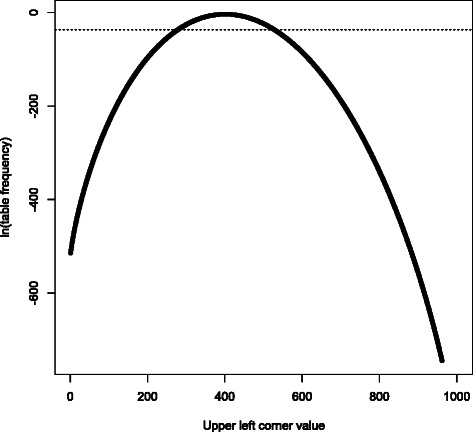
“SNP-HWE exploits the fact that, while the absolute likelihood of a contingency table involves large factorials which are fairly expensive to evaluate, the ratios between its likelihood and that of adjacent tables are simple since the factorials almost entirely cancel out [14].”
BackgroundHowie, B. N., Donnelly, P., & Marchini, J. (2009) · PLoS Genetics · doi:10.1371/journal.pgen.1000529 · Cited by 3,928 · cited 2×
“To support easier interoperation with newer software, for example BEAGLE 4 [2], IMPUTE2 [3], GATK [4], VCFtools [5], BCFtools [6] and GCTA [7], features such as the import/export of VCF and Oxford-format files and an efficient cross-platform genomic relationship matrix (GRM) calculator have been introduced.”
Method
Research works printed but not linked: 3
- Dalke A. Update: Faster Population Counts. http://www.dalkescientific.com/writings/diary/archive/2011/11/02/faster_popcount_update.html.
- GWASSpeedup Problem Statement. http://community.topcoder.com/longcontest/?module=ViewProblemStatement&rd=15637&pm=12525.
- Adler M. Pigz: Parallel Gzip. http://zlib.net/pigz/.
Cited by
Items 201–300 of 1,191
Pan-cancer study detects genetic risk variants and shared genetic basis in two large cohorts
Rashkin, S. R., Graff, R. E., Kachuri, L., Thai, K. K., Alexeeff, S. E., Blatchins, M. A., Cavazos, T. B., Corley, D. A., Emami, N. C., Hoffman, J. D., et al. (2020) · Nature Communications · doi:10.1038/s41467-020-18246-6 · Cited by 289
863 genomes reveal the origin and domestication of chicken
Wang, M.-S., Thakur, M., Peng, M.-S., Jiang, Y., Frantz, L. A. F., Li, M., Zhang, J.-J., Wang, S., Peters, J., Otecko, N. O., et al. (2020) · Cell Research · doi:10.1038/s41422-020-0349-y · Cited by 286
Genomic history and ecology of the geographic spread of rice
Gutaker, R. M., Groen, S. C., Bellis, E. S., Choi, J. Y., Pires, I. S., Bocinsky, R. K., Slayton, E. R., Wilkins, O., Castillo, C. C., Negrão, S., et al. (2020) · Nature Plants · doi:10.1038/s41477-020-0659-6 · Cited by 278
A genome-wide association study of serum proteins reveals shared loci with common diseases
Gudjonsson, A., Gudmundsdottir, V., Axelsson, G. T., Gudmundsson, E. F., Jonsson, B. G., Launer, L. J., Lamb, J. R., Jennings, L. L., Aspelund, T., Emilsson, V., et al. (2022) · Nature Communications · doi:10.1038/s41467-021-27850-z · Cited by 284
Genetic origins of the Minoans and Mycenaeans
Lazaridis, I., Mittnik, A., Patterson, N., Mallick, S., Rohland, N., Pfrengle, S., Furtwängler, A., Peltzer, A., Posth, C., Vasilakis, A., et al. (2017) · Nature · doi:10.1038/nature23310 · Cited by 281
A compendium of genetic regulatory effects across pig tissues
Teng, J., Gao, Y., Yin, H., Bai, Z., Liu, S., Zeng, H., The PigGTEx Consortium, Bai, L., Cai, Z., Zhao, B., et al. (2024) · Nature Genetics · doi:10.1038/s41588-023-01585-7 · Cited by 266
Population genomics of post-glacial western Eurasia
Allentoft, M. E., Sikora, M., Refoyo-Martínez, A., Irving-Pease, E. K., Fischer, A., Barrie, W., Ingason, A., Stenderup, J., Sjögren, K.-G., Pearson, A., et al. (2024) · Nature · doi:10.1038/s41586-023-06865-0 · Cited by 208
Stranneheim, H., Lagerstedt-Robinson, K., Magnusson, M., Kvarnung, M., Nilsson, D., Lesko, N., Engvall, M., Anderlid, B.-M., Arnell, H., Johansson, C. B., et al. (2021) · Genome Medicine · doi:10.1186/s13073-021-00855-5 · Cited by 269
Effects of urban living environments on mental health in adults
Xu, J., Liu, N., Polemiti, E., Garcia-Mondragon, L., Tang, J., Liu, X., Lett, T., Yu, L., Nöthen, M. M., Feng, J., et al. (2023) · Nature Medicine · doi:10.1038/s41591-023-02365-w · Cited by 229
Genetic Predisposition, Clinical Risk Factor Burden, and Lifetime Risk of Atrial Fibrillation
Weng, L.-C., Preis, S. R., Hulme, O. L., Larson, M. G., Choi, S. H., Wang, B., Trinquart, L., McManus, D. D., Staerk, L., Lin, H., et al. (2018) · Circulation · doi:10.1161/circulationaha.117.031431 · Cited by 274
Item-level analyses reveal genetic heterogeneity in neuroticism
Nagel, M., Watanabe, K., Stringer, S., Posthuma, D., & van der Sluis, S. (2018) · Nature Communications · doi:10.1038/s41467-018-03242-8 · Cited by 277
Lopes, K. D. P., Snijders, G. J. L., Humphrey, J., Allan, A., Sneeboer, M. A. M., Navarro, E., Schilder, B. M., Vialle, R. A., Parks, M., Missall, R., et al. (2022) · Nature Genetics · doi:10.1038/s41588-021-00976-y · Cited by 273
Pei, Y.-F., Liu, Y.-Z., Yang, X.-L., Zhang, H., Feng, G.-J., Wei, X.-T., & Zhang, L. (2020) · Communications Biology · doi:10.1038/s42003-020-01334-0 · Cited by 266
de Klein, N., Tsai, E. A., Vochteloo, M., Baird, D., Huang, Y., Chen, C.-Y., van Dam, S., Oelen, R., Deelen, P., Bakker, O. B., et al. (2023) · Nature Genetics · doi:10.1038/s41588-023-01300-6 · Cited by 272
Trampush, J. W., Yang, M. L. Z., Yu, J., Knowles, E., Davies, G., Liewald, D. C., Starr, J. M., Djurovic, S., Melle, I., Sundet, K., et al. (2017) · Molecular Psychiatry · doi:10.1038/mp.2016.244 · Cited by 271
The MS4A gene cluster is a key modulator of soluble TREM2 and Alzheimer’s disease risk
Deming, Y., Filipello, F., Cignarella, F., Cantoni, C., Hsu, S., Mikesell, R., Li, Z., Del-Aguila, J. L., Dube, U., Farias, F. G., et al. (2019) · Science Translational Medicine · doi:10.1126/scitranslmed.aau2291 · Cited by 271
Wang, Y., Guo, J., Ni, G., Yang, J., Visscher, P. M., & Yengo, L. (2020) · Nature Communications · doi:10.1038/s41467-020-17719-y · Cited by 271
Mullins, N., Bigdeli, T. B., Børglum, A. D., Coleman, J. R. I., Demontis, D., Mehta, D., Power, R. A., Ripke, S., Stahl, E. A., Starnawska, A., et al. (2019) · American Journal of Psychiatry · doi:10.1176/appi.ajp.2019.18080957 · Cited by 270
Guerreiro, R., Ross, O. A., Kun-Rodrigues, C., Hernandez, D. G., Orme, T., Eicher, J. D., Shepherd, C. E., Parkkinen, L., Darwent, L., Heckman, M. G., et al. (2018) · The Lancet Neurology · doi:10.1016/s1474-4422(17)30400-3 · Cited by 270
A chickpea genetic variation map based on the sequencing of 3,366 genomes
Varshney, R. K., Roorkiwal, M., Sun, S., Bajaj, P., Chitikineni, A., Thudi, M., Singh, N. P., Du, X., Upadhyaya, H. D., Khan, A. W., et al. (2021) · Nature · doi:10.1038/s41586-021-04066-1 · Cited by 254
Miguel-Escalada, I., Bonàs-Guarch, S., Cebola, I., Ponsa-Cobas, J., Mendieta-Esteban, J., Atla, G., Javierre, B. M., Rolando, D. M. Y., Farabella, I., Morgan, C. C., et al. (2019) · Nature Genetics · doi:10.1038/s41588-019-0457-0 · Cited by 279
Zhou, S., Butler-Laporte, G., Nakanishi, T., Morrison, D. R., Afilalo, J., Afilalo, M., Laurent, L., Pietzner, M., Kerrison, N., Zhao, K., et al. (2021) · Nature Medicine · doi:10.1038/s41591-021-01281-1 · Cited by 271
Pirruccello, J. P., Bick, A., Wang, M., Chaffin, M., Friedman, S., Yao, J., Guo, X., Venkatesh, B. A., Taylor, K. D., Post, W. S., et al. (2020) · Nature Communications · doi:10.1038/s41467-020-15823-7 · Cited by 267
Tikkanen, E., Gustafsson, S., & Ingelsson, E. (2018) · Circulation · doi:10.1161/circulationaha.117.032432 · Cited by 255
Genetic Control of Expression and Splicing in Developing Human Brain Informs Disease Mechanisms
Walker, R. L., Ramaswami, G., Hartl, C., Mancuso, N., Gandal, M. J., de la Torre-Ubieta, L., Pasaniuc, B., Stein, J. L., & Geschwind, D. H. (2019) · Cell · doi:10.1016/j.cell.2019.09.021 · Cited by 273
Genomics yields biological and phenotypic insights into bipolar disorder
O’Connell, K. S., Koromina, M., van der Veen, T., Boltz, T., David, F. S., Yang, J. M. K., Lin, K.-H., Wang, X., Coleman, J. R. I., Mitchell, B. L., et al. (2025) · Nature · doi:10.1038/s41586-024-08468-9 · Cited by 212
Ancient Rome: A genetic crossroads of Europe and the Mediterranean
Antonio, M. L., Gao, Z., Moots, H. M., Lucci, M., Candilio, F., Sawyer, S., Oberreiter, V., Calderon, D., Devitofranceschi, K., Aikens, R. C., et al. (2019) · Science · doi:10.1126/science.aay6826 · Cited by 257
Günther, T., Malmström, H., Svensson, E. M., Omrak, A., Sánchez-Quinto, F., Kılınç, G. M., Krzewińska, M., Eriksson, G., Fraser, M., Edlund, H., et al. (2018) · PLOS Biology · doi:10.1371/journal.pbio.2003703 · Cited by 252
“Finally, the data set was filtered for LD using PLINK [75,76] with parameters (--indep-pairwise 200 25 0.”
InfluentialWeissbrod, O., Kanai, M., Shi, H., Gazal, S., Peyrot, W. J., Khera, A. V., Okada, Y., The Biobank Japan Project, Matsuda, K., Yamanashi, Y., et al. (2022) · Nature Genetics · doi:10.1038/s41588-022-01036-9 · Cited by 264
Neolithic and Bronze Age migration to Ireland and establishment of the insular Atlantic genome
Cassidy, L. M., Martiniano, R., Murphy, E. M., Teasdale, M. D., Mallory, J., Hartwell, B., & Bradley, D. G. (2016) · Proceedings of the National Academy of Sciences · doi:10.1073/pnas.1518445113 · Cited by 255
Hu, G., Feng, J., Xiang, X., Wang, J., Salojärvi, J., Liu, C., Wu, Z., Zhang, J., Liang, X., Jiang, Z., et al. (2022) · Nature Genetics · doi:10.1038/s41588-021-00971-3 · Cited by 244
Pleistocene North African genomes link Near Eastern and sub-Saharan African human populations
van de Loosdrecht, M., Bouzouggar, A., Humphrey, L., Posth, C., Barton, N., Aximu-Petri, A., Nickel, B., Nagel, S., Talbi, E. H., El Hajraoui, M. A., et al. (2018) · Science · doi:10.1126/science.aar8380 · Cited by 244
Forutan, M., Ansari Mahyari, S., Baes, C., Melzer, N., Schenkel, F. S., & Sargolzaei, M. (2018) · BMC Genomics · doi:10.1186/s12864-018-4453-z · Cited by 240
Genetic control of RNA splicing and its distinct role in complex trait variation
Qi, T., Wu, Y., Fang, H., Zhang, F., Liu, S., Zeng, J., & Yang, J. (2022) · Nature Genetics · doi:10.1038/s41588-022-01154-4 · Cited by 247
Nuclear-embedded mitochondrial DNA sequences in 66,083 human genomes
Wei, W., Schon, K. R., Elgar, G., Orioli, A., Tanguy, M., Giess, A., Tischkowitz, M., Caulfield, M. J., & Chinnery, P. F. (2022) · Nature · doi:10.1038/s41586-022-05288-7 · Cited by 246
The Genetic Architecture of Gene Expression in Peripheral Blood
Lloyd-Jones, L. R., Holloway, A., McRae, A., Yang, J., Small, K., Zhao, J., Zeng, B., Bakshi, A., Metspalu, A., Dermitzakis, M., et al. (2017) · The American Journal of Human Genetics · doi:10.1016/j.ajhg.2016.12.008 · Cited by 247
Genome-wide association study of medication-use and associated disease in the UK Biobank
Wu, Y., Byrne, E. M., Zheng, Z., Kemper, K. E., Yengo, L., Mallett, A. J., Yang, J., Visscher, P. M., & Wray, N. R. (2019) · Nature Communications · doi:10.1038/s41467-019-09572-5 · Cited by 243
Benner, C., Havulinna, A. S., Järvelin, M.-R., Salomaa, V., Ripatti, S., & Pirinen, M. (2017) · The American Journal of Human Genetics · doi:10.1016/j.ajhg.2017.08.012 · Cited by 242
Haplotype Reference Consortium, Evans, L. M., Tahmasbi, R., Vrieze, S. I., Abecasis, G. R., Das, S., Gazal, S., Bjelland, D. W., de Candia, T. R., Goddard, M. E., et al. (2018) · Nature Genetics · doi:10.1038/s41588-018-0108-x · Cited by 239
Case–control association mapping by proxy using family history of disease
Liu, J. Z., Erlich, Y., & Pickrell, J. K. (2017) · Nature Genetics · doi:10.1038/ng.3766 · Cited by 238
Mullins, N., Kang, J., Campos, A. I., Coleman, J. R. I., Edwards, A. C., Galfalvy, H., Levey, D. F., Lori, A., Shabalin, A., Starnawska, A., et al. (2022) · Biological Psychiatry · doi:10.1016/j.biopsych.2021.05.029 · Cited by 238
Wang, H., Lane, J. M., Jones, S. E., Dashti, H. S., Ollila, H. M., Wood, A. R., van Hees, V. T., Brumpton, B., Winsvold, B. S., Kantojärvi, K., et al. (2019) · Nature Communications · doi:10.1038/s41467-019-11456-7 · Cited by 237
Self-citationLarge-Scale Whole-Genome Sequencing of Three Diverse Asian Populations in Singapore
Wu, D., Dou, J., Chai, X., Bellis, C., Wilm, A., Shih, C. C., Soon, W. W. J., Bertin, N., Lin, C. B., Khor, C. C., et al. (2019) · Cell · doi:10.1016/j.cell.2019.09.019 · Cited by 237
Genetic mechanisms of critical illness in Covid-19
Pairo-Castineira, E., Clohisey, S., Klaric, L., Bretherick, A., Rawlik, K., Parkinson, N., Pasko, D., Walker, S., Richmond, A., Fourman, M. H., et al. (2020) · medRxiv · doi:10.1101/2020.09.24.20200048 · Cited by 236
Phenome-wide heritability analysis of the UK Biobank
Ge, T., Chen, C.-Y., Neale, B. M., Sabuncu, M. R., & Smoller, J. W. (2017) · PLOS Genetics · doi:10.1371/journal.pgen.1006711 · Cited by 232
Stein, M. B., Levey, D. F., Cheng, Z., Wendt, F. R., Harrington, K., Pathak, G. A., Cho, K., Quaden, R., Radhakrishnan, K., Girgenti, M. J., et al. (2021) · Nature Genetics · doi:10.1038/s41588-020-00767-x · Cited by 236
Nievergelt, C. M., Maihofer, A. X., Atkinson, E. G., Chen, C.-Y., Choi, K. W., Coleman, J. R. I., Daskalakis, N. P., Duncan, L. E., Polimanti, R., Aaronson, C., et al. (2024) · Nature Genetics · doi:10.1038/s41588-024-01707-9 · Cited by 199
Qiu, C., Huang, S., Park, J., Park, Y., Ko, Y.-A., Seasock, M. J., Bryer, J. S., Xu, X.-X., Song, W.-C., Palmer, M., et al. (2018) · Nature Medicine · doi:10.1038/s41591-018-0194-4 · Cited by 233
Wang, Y.-F., Zhang, Y., Lin, Z., Zhang, H., Wang, T.-Y., Cao, Y., Morris, D. L., Sheng, Y., Yin, X., Zhong, S.-L., et al. (2021) · Nature Communications · doi:10.1038/s41467-021-21049-y · Cited by 236
Identifying individuals with high risk of Alzheimer’s disease using polygenic risk scores
Leonenko, G., Baker, E., Stevenson-Hoare, J., Sierksma, A., Fiers, M., Williams, J., de Strooper, B., & Escott-Price, V. (2021) · Nature Communications · doi:10.1038/s41467-021-24082-z · Cited by 227
Distinct biological ages of organs and systems identified from a multi-omics study
Nie, C., Li, Y., Li, R., Yan, Y., Zhang, D., Li, T., Li, Z., Sun, Y., Zhen, H., Ding, J., et al. (2022) · Cell Reports · doi:10.1016/j.celrep.2022.110459 · Cited by 222
Landscape of pathogenic mutations in premature ovarian insufficiency
Ke, H., Tang, S., Guo, T., Hou, D., Jiao, X., Li, S., Luo, W., Xu, B., Zhao, S., Li, G., et al. (2023) · Nature Medicine · doi:10.1038/s41591-022-02194-3 · Cited by 225
Marzi, S. J., Leung, S. K., Ribarska, T., Hannon, E., Smith, A. R., Pishva, E., Poschmann, J., Moore, K., Troakes, C., Al-Sarraj, S., et al. (2018) · Nature Neuroscience · doi:10.1038/s41593-018-0253-7 · Cited by 232
(ADNI), A. D. N. I., Deming, Y., The Alzheimer Disease Genetic Consortium (ADGC), Li, Z., Kapoor, M., Harari, O., Del-Aguila, J. L., Black, K., Carrell, D., Cai, Y., et al. (2017) · Acta Neuropathologica · doi:10.1007/s00401-017-1685-y · Cited by 231
“9 [11] was used for single-variant analyses for each controls were analyzed separately for single-variant associations (Supplementary Table 8).”
InfluentialLandi, M. T., Bishop, D. T., MacGregor, S., Machiela, M. J., Stratigos, A. J., Ghiorzo, P., Brossard, M., Calista, D., Choi, J., Fargnoli, M. C., et al. (2020) · Nature Genetics · doi:10.1038/s41588-020-0611-8 · Cited by 232
“4) 96,97 .”
Self-citationInternational League Against Epilepsy Consortium on Complex Epilepsies, Stevelink, R., Campbell, C., Chen, S., Abou-Khalil, B., Adesoji, O. M., Afawi, Z., Amadori, E., Anderson, A., Anderson, J., et al. (2023) · Nature Genetics · doi:10.1038/s41588-023-01485-w · Cited by 214
Deep learning versus parametric and ensemble methods for genomic prediction of complex phenotypes
Abdollahi-Arpanahi, R., Gianola, D., & Peñagaricano, F. (2020) · Genetics Selection Evolution · doi:10.1186/s12711-020-00531-z · Cited by 228
Wang, F., Huang, S., Gao, R., Zhou, Y., Lai, C., Li, Z., Xian, W., Qian, X., Li, Z., Huang, Y., et al. (2020) · Cell Discovery · doi:10.1038/s41421-020-00231-4 · Cited by 226
Monogenic and polygenic inheritance become instruments for clonal selection
Loh, P.-R., Genovese, G., & McCarroll, S. A. (2020) · Nature · doi:10.1038/s41586-020-2430-6 · Cited by 228
“We performed data processing using plink [38].”
Genome‐wide association study of schizophrenia in Ashkenazi Jews
Goes, F. S., McGrath, J., Avramopoulos, D., Wolyniec, P., Pirooznia, M., Ruczinski, I., Nestadt, G., Kenny, E. E., Vacic, V., Peters, I., et al. (2015) · American Journal of Medical Genetics Part B: Neuropsychiatric Genetics · doi:10.1002/ajmg.b.32349 · Cited by 226
“9 [Chang et al., 2015] with 5 principal components as covariates to correct for any residual confounding.”
BackgroundGenomic landscape of human diversity across Madagascar
Pierron, D., Heiske, M., Razafindrazaka, H., Rakoto, I., Rabetokotany, N., Ravololomanga, B., Rakotozafy, L. M.-A., Rakotomalala, M. M., Razafiarivony, M., Rasoarifetra, B., et al. (2017) · Proceedings of the National Academy of Sciences · doi:10.1073/pnas.1704906114 · Cited by 221
“Analyses were performed using Plink 1.9 (57).”
MethodInfluentialCan deep learning improve genomic prediction of complex human traits?
Bellot, P., de los Campos, G., & Pérez-Enciso, M. (2018) · Genetics · doi:10.1534/genetics.118.301298 · Cited by 225
Portik, D. M., Leaché, A. D., Rivera, D., Barej, M. F., Burger, M., Hirschfeld, M., Rödel, M., Blackburn, D. C., & Fujita, M. K. (2017) · Molecular Ecology · doi:10.1111/mec.14266 · Cited by 223
“To use the EEMS pipeline, we converted our filtered STACKS haplotype file to plink format and translated it to a bed file format using PLINK (Chang et al., 2015).”
MethodSchork, A. J., Won, H., Appadurai, V., Nudel, R., Gandal, M., Delaneau, O., Revsbech Christiansen, M., Hougaard, D. M., Bækved-Hansen, M., Bybjerg-Grauholm, J., et al. (2019) · Nature Neuroscience · doi:10.1038/s41593-018-0320-0 · Cited by 223
Orozco, L. D., Chen, H.-H., Cox, C., Katschke, K. J., Arceo, R., Espiritu, C., Caplazi, P., Nghiem, S. S., Chen, Y.-J., Modrusan, Z., et al. (2020) · Cell Reports · doi:10.1016/j.celrep.2019.12.082 · Cited by 222
Zheutlin, A. B., Dennis, J., Karlsson Linnér, R., Moscati, A., Restrepo, N., Straub, P., Ruderfer, D., Castro, V. M., Chen, C.-Y., Ge, T., et al. (2019) · American Journal of Psychiatry · doi:10.1176/appi.ajp.2019.18091085 · Cited by 223
Marston, N. A., Kamanu, F. K., Nordio, F., Gurmu, Y., Roselli, C., Sever, P. S., Pedersen, T. R., Keech, A. C., Wang, H., Lira Pineda, A., et al. (2020) · Circulation · doi:10.1161/circulationaha.119.043805 · Cited by 218
Makanjuola, B. O., Miglior, F., Abdalla, E. A., Maltecca, C., Schenkel, F. S., & Baes, C. F. (2020) · Journal of Dairy Science · doi:10.3168/jds.2019-18013 · Cited by 199
Physiological and Genetic Adaptations to Diving in Sea Nomads
Ilardo, M. A., Moltke, I., Korneliussen, T. S., Cheng, J., Stern, A. J., Racimo, F., de Barros Damgaard, P., Sikora, M., Seguin-Orlando, A., Rasmussen, S., et al. (2018) · Cell · doi:10.1016/j.cell.2018.03.054 · Cited by 194
“Principal component analysis (PCA) was carried out using the ‘–pca’ option in PLINK (Chang et al., 2015).”
BITE: an R package for biodiversity analyses
Milanesi, M., Capomaccio, S., Vajana, E., Bomba, L., Garcia, J. F., Ajmone-Marsan, P., & Colli, L. (2017) · bioRxiv (Cold Spring Harbor Laboratory) · doi:10.1101/181610 · Cited by 209
Ni, G., Zeng, J., Revez, J. A., Wang, Y., Zheng, Z., Ge, T., Restuadi, R., Kiewa, J., Nyholt, D. R., Coleman, J. R. I., et al. (2021) · Biological Psychiatry · doi:10.1016/j.biopsych.2021.04.018 · Cited by 203
“Note: SBLUP, LDpred2-Inf and LDpred-funct, PRS-CS-auto, and SBayesR do not need a tuning cohort, but serve as a benchmark to the other methods, which need a tuning cohort.”
InfluentialZheng, Z., Liu, S., Sidorenko, J., Wang, Y., Lin, T., Yengo, L., Turley, P., Ani, A., Wang, R., Nolte, I. M., et al. (2024) · Nature Genetics · doi:10.1038/s41588-024-01704-y · Cited by 212
Wu, Y., Murray, G. K., Byrne, E. M., Sidorenko, J., Visscher, P. M., & Wray, N. R. (2021) · Nature Communications · doi:10.1038/s41467-021-21280-7 · Cited by 212
Shared Molecular Neuropathology Across Major Psychiatric Disorders Parallels Polygenic Overlap
Gandal, M. J., Haney, J. R., Parikshak, N. N., Leppa, V., Ramaswami, G., Hartl, C., Schork, A. J., Appadurai, V., Buil, A., Werge, T. M., et al. (2019) · Focus · doi:10.1176/appi.focus.17103 · Cited by 195
Kiryluk, K., Sanchez-Rodriguez, E., Zhou, X.-J., Zanoni, F., Liu, L., Mladkova, N., Khan, A., Marasa, M., Zhang, J. Y., Balderes, O., et al. (2023) · Nature Genetics · doi:10.1038/s41588-023-01422-x · Cited by 191
Hepatic NADH reductive stress underlies common variation in metabolic traits
Goodman, R. P., Markhard, A. L., Shah, H., Sharma, R., Skinner, O. S., Clish, C. B., Deik, A., Patgiri, A., Hsu, Y.-H. H., Masia, R., et al. (2020) · Nature · doi:10.1038/s41586-020-2337-2 · Cited by 205
Deep learning enables genetic analysis of the human thoracic aorta
Pirruccello, J. P., Chaffin, M. D., Chou, E. L., Fleming, S. J., Lin, H., Nekoui, M., Khurshid, S., Friedman, S. F., Bick, A. G., Arduini, A., et al. (2022) · Nature Genetics · doi:10.1038/s41588-021-00962-4 · Cited by 210
“68 ).”
Landslide recognition : identification, movement and courses
Dikau, R. (1996) · Wiley eBooks · Cited by 243
Personal experiences bridge moral and political divides better than facts
Kubin, E., Puryear, C., Schein, C., & Gray, K. (2021) · Proceedings of the National Academy of Sciences · doi:10.1073/pnas.2008389118 · Cited by 209
Origin and adaptation to high altitude of Tibetan semi-wild wheat
Guo, W., Xin, M., Wang, Z., Yao, Y., Hu, Z., Song, W., Yu, K., Chen, Y., Wang, X., Guan, P., et al. (2020) · Nature Communications · doi:10.1038/s41467-020-18738-5 · Cited by 206
Genomic insights into population history and biological adaptation in Oceania
Choin, J., Mendoza-Revilla, J., Arauna, L. R., Cuadros-Espinoza, S., Cassar, O., Larena, M., Ko, A. M.-S., Harmant, C., Laurent, R., Verdu, P., et al. (2021) · Nature · doi:10.1038/s41586-021-03236-5 · Cited by 208
Nieuwenhuis, B. P. S., & James, T. Y. (2016) · Philosophical Transactions of the Royal Society B: Biological Sciences · doi:10.1098/rstb.2015.0540 · Cited by 188
Making the Most of Clumping and Thresholding for Polygenic Scores
Privé, F., Vilhjálmsson, B. J., Aschard, H., & Blum, M. G. B. (2019) · The American Journal of Human Genetics · doi:10.1016/j.ajhg.2019.11.001 · Cited by 203
Genome-wide association study of MRI markers of cerebral small vessel disease in 42,310 participants
Persyn, E., Hanscombe, K. B., Howson, J. M. M., Lewis, C. M., Traylor, M., & Markus, H. S. (2020) · Nature Communications · doi:10.1038/s41467-020-15932-3 · Cited by 213
An integrated single-cell reference atlas of the human endometrium
Marečková, M., Garcia-Alonso, L., Moullet, M., Lorenzi, V., Petryszak, R., Sancho-Serra, C., Oszlanczi, A., Icoresi Mazzeo, C., Wong, F. C. K., Kelava, I., et al. (2024) · Nature Genetics · doi:10.1038/s41588-024-01873-w · Cited by 179
Coleman, J. R. I., Peyrot, W. J., Purves, K. L., Davis, K. A. S., Rayner, C., Choi, S. W., Hübel, C., Gaspar, H. A., Kan, C., Van der Auwera, S., et al. (2020) · Molecular Psychiatry · doi:10.1038/s41380-019-0546-6 · Cited by 194
“Results from each GWAS were clumped to define genetic loci in PLINK2 [45].”
MethodVujkovic, M., Ramdas, S., Lorenz, K. M., Guo, X., Darlay, R., Cordell, H. J., He, J., Gindin, Y., Chung, C., Myers, R. P., et al. (2022) · Nature Genetics · doi:10.1038/s41588-022-01078-z · Cited by 205
Self-citationAn Examination of Polygenic Score Risk Prediction in Individuals With First-Episode Psychosis
Vassos, E., Di Forti, M., Coleman, J., Iyegbe, C., Prata, D., Euesden, J., O’Reilly, P., Curtis, C., Kolliakou, A., Patel, H., et al. (2017) · Biological Psychiatry · doi:10.1016/j.biopsych.2016.06.028 · Cited by 200
Genome-wide Modeling of Polygenic Risk Score in Colorectal Cancer Risk
Thomas, M., Sakoda, L. C., Hoffmeister, M., Rosenthal, E. A., Lee, J. K., van Duijnhoven, F. J. B., Platz, E. A., Wu, A. H., Dampier, C. H., de la Chapelle, A., et al. (2020) · The American Journal of Human Genetics · doi:10.1016/j.ajhg.2020.07.006 · Cited by 205
“90b (–clump).(29) In this process, the algo-”
Self-citationArgemi, J., Latasa, M. U., Atkinson, S. R., Blokhin, I. O., Massey, V., Gue, J. P., Cabezas, J., Lozano, J. J., Van Booven, D., Bell, A., et al. (2019) · Nature Communications · doi:10.1038/s41467-019-11004-3 · Cited by 203
Steinthorsdottir, V., McGinnis, R., Williams, N. O., Stefansdottir, L., Thorleifsson, G., Shooter, S., Fadista, J., Sigurdsson, J. K., Auro, K. M., Berezina, G., et al. (2020) · Nature Communications · doi:10.1038/s41467-020-19733-6 · Cited by 188
Calculating Polygenic Risk Scores (PRS) in UK Biobank: A Practical Guide for Epidemiologists
Collister, J. A., Liu, X., & Clifton, L. (2022) · Frontiers in Genetics · doi:10.3389/fgene.2022.818574 · Cited by 191
“A more scalable alternative is PLINK 2 (Chang et al., 2015), which we recommend for the routine quality control (QC) process described in this paper.”
MethodA Paleogenomic Reconstruction of the Deep Population History of the Andes
Nakatsuka, N., Lazaridis, I., Barbieri, C., Skoglund, P., Rohland, N., Mallick, S., Posth, C., Harkins-Kinkaid, K., Ferry, M., Harney, É., et al. (2020) · Cell · doi:10.1016/j.cell.2020.04.015 · Cited by 201
“Using PLINK2 (Chang et al., 2015), we first pruned our dataset using the–geno 0.7 option to ensure that we only performed our analysis on sites that had at least 70% of samples with a called genotype.”
InfluentialAdhikari, K., Fuentes-Guajardo, M., Quinto-Sánchez, M., Mendoza-Revilla, J., Camilo Chacón-Duque, J., Acuña-Alonzo, V., Jaramillo, C., Arias, W., Lozano, R. B., Pérez, G. M., et al. (2016) · Nature Communications · doi:10.1038/ncomms11616 · Cited by 200
The genetic history of admixture across inner Eurasia
Jeong, C., Balanovsky, O., Lukianova, E., Kahbatkyzy, N., Flegontov, P., Zaporozhchenko, V., Immel, A., Wang, C.-C., Ixan, O., Khussainova, E., et al. (2019) · Nature Ecology & Evolution · doi:10.1038/s41559-019-0878-2 · Cited by 200
“90 64 .”
Coleman, J. R. I., Gaspar, H. A., Bryois, J., Byrne, E. M., Forstner, A. J., Holmans, P. A., de Leeuw, C. A., Mattheisen, M., McQuillin, A., Whitehead Pavlides, J. M., et al. (2020) · Biological Psychiatry · doi:10.1016/j.biopsych.2019.10.015 · Cited by 199
Longitudinal plasma metabolomics of aging and sex
Darst, B. F., Koscik, R. L., Hogan, K. J., Johnson, S. C., & Engelman, C. D. (2019) · Aging · doi:10.18632/aging.101837 · Cited by 198
Grey wolf genomic history reveals a dual ancestry of dogs
Bergström, A., Stanton, D. W. G., Taron, U. H., Frantz, L., Sinding, M.-H. S., Ersmark, E., Pfrengle, S., Cassatt-Johnstone, M., Lebrasseur, O., Girdland-Flink, L., et al. (2022) · Nature · doi:10.1038/s41586-022-04824-9 · Cited by 181
Genotyping Array Design and Data Quality Control in the Million Veteran Program
Hunter-Zinck, H., Shi, Y., Li, M., Gorman, B. R., Ji, S.-G., Sun, N., Webster, T., Liem, A., Hsieh, P., Devineni, P., et al. (2020) · The American Journal of Human Genetics · doi:10.1016/j.ajhg.2020.03.004 · Cited by 198
“X chromosome while excluding the pseudoautosomal region, used the sex-check command from PLINK, and compared the expected F coefficient on the X chromosome to the gender recorded in the sample’s EHR for all samples.(11) Participants whose reported gender differed from that inferred by PLINK were quarantined from subse…”
BackgroundMethodNative American gene flow into Polynesia predating Easter Island settlement
Ioannidis, A. G., Blanco-Portillo, J., Sandoval, K., Hagelberg, E., Miquel-Poblete, J. F., Moreno-Mayar, J. V., Rodríguez-Rodríguez, J. E., Quinto-Cortés, C. D., Auckland, K., Parks, T., et al. (2020) · Nature · doi:10.1038/s41586-020-2487-2 · Cited by 196
Metadata
- Authors
- Chang, C. C., Chow, C. C., Tellier, L. C., Vattikuti, S., Purcell, S. M., & Lee, J. J.
- Affiliations
- BGI Group (China) (CN)
- National Institutes of Health (US)
- Broad Institute (US)
- Corresponding author
- Chang, Christopher C
- ORCID
- Venue
- Gigascience
- Publisher
- Oxford University Press (OUP)
- Published
- 2015-02-25
- Volume
- 4
- Issue
- 1
- Pages
- 7-7
- ISSN
- 2047-217X (ISSN-L)
- PMC
- PMC4342193
- OpenAlex
- W2099085143
- Semantic Scholar
- 91e0bb69106b4e8620a1f4ee1d98e0046baafed4
- Cited by
- 12,709
- References
- 39
- Citations by year
- 2026: 1577 · 2025: 1865 · 2024: 1888 · 2023: 1511 · 2022: 1474 · 2021: 1442 · 2020: 1052 · 2019: 729 · 2018: 568 · 2017: 351 · 2016: 181 · 2015: 51
- FWCI
- 264.41
- Type
- journal article
- Language
- en
- Open access
- gold
- doi.org
- Locations
- GigaScience (publishedVersion, cc-by)
- PubMed Central (publishedVersion, cc-by)
- PubMed (publishedVersion)
- Research at the University of Copenhagen (University of Copenhagen) (publishedVersion, other-oa)
- arXiv (Cornell University) (submittedVersion)
- Digital Access to Scholarship at Harvard (DASH) (Harvard University) (submittedVersion, cc-by)
- arXiv (Cornell University)
- Funders
- Government of Jiangxi Province
- National Institutes of Health
- National Institute of Diabetes and Digestive and Kidney Diseases
- Topics
- Life Sciences › Biochemistry, Genetics and Molecular Biology › Genetics › Genetic Associations and Epidemiology
- Life Sciences › Biochemistry, Genetics and Molecular Biology › Genetics › Genetic Mapping and Diversity in Plants and Animals
- Life Sciences › Biochemistry, Genetics and Molecular Biology › Genetics › Genetic diversity and population structure
- Keywords
- PLINK, genome-wide association study, population genetics, Hardy-Weinberg equilibrium, Fisher's exact test, linkage disequilibrium, genomic distance, genotype likelihoods, phase information, imputed data, logistic regression
- MeSH terms
- Algorithms, Genetics, Population, Software, Linkage Disequilibrium, Likelihood Functions, Logistic Models, Computational Biology, Polymorphism, Single Nucleotide, Genome-Wide Association Study, Genotyping Techniques, Datasets as Topic
About these checks
Registry, retraction, Cites and statistics results are computed, not judged, with one exception: a printed reference that no index lists is read once by a model before it counts as a citation error. Claims are extracted by a model and kept only when their quote appears verbatim in the text; each cited source is then checked, with a model’s help, for whether it says what the claim relies on. Those verdicts can be wrong — read the claim’s quote and the cited source before relying on one.
Statistics and arithmetic are recomputed, not judged.
Confidence bands are shown only for fields calibrated on our annotated test set. None is calibrated yet, so no band is shown.
What counts as a claim ›How we measure confidence ›How we check this ›
Are you an author, or do you see a problem with this page? Request a review
Data sources
Bibliographic data: Semantic Scholar, OpenAlex, Crossref.
Contains information from the Semantic Scholar Academic Graph Datasets, made available under the ODC Attribution License (ODC-BY 1.0).
Semantic Scholar’s data is described in: Kinney, R., et al. (2023). The Semantic Scholar Open Data Platform. arXiv:2301.10140.
