

Second-generation PLINK: rising to the challenge of larger and richer datasets
Open accessThe DOI matches its Crossref record; 39 of the 39 references it cites were found in a registry or an index.
Abstract
Background: PLINK 1 is a widely used open-source C/C++ toolset for genome-wide association studies (GWAS) and research in population genetics. However, the steady accumulation of data from imputation and whole-genome sequencing studies has exposed a strong need for faster and scalable implementations of key functions, such as logistic regression, linkage disequilibrium estimation, and genomic distance evaluation. In addition, GWAS and population-genetic data now frequently contain genotype likelihoods, phase information, and/or multiallelic variants, none of which can be represented by PLINK 1's primary data format. Findings: To address these issues, we are developing a second-generation codebase for PLINK. The first major release from this codebase, PLINK 1.9, introduces extensive use of bit-level parallelism, (n)-time/constant-space Hardy-Weinberg equilibrium and Fisher's exact tests, and many other algorithmic improvements. In combination, these changes accelerate most operations by 1-4 orders of magnitude, and allow the program to handle datasets too large to fit in RAM. We have also developed an extension to the data format which adds low-overhead support for genotype likelihoods, phase, multiallelic variants, and reference vs. alternate alleles, which is the basis of our planned second release (PLINK 2.0). Conclusions: The second-generation versions of PLINK will offer dramatic improvements in performance and compatibility. For the first time, users without access to high-end computing resources can perform several essential analyses of the feature-rich and very large genetic datasets coming into use.
Overview
The claims and statistics of this paper haven’t been checked yet.
Free: it reads the open-access text and checks the first 5 claims that cite a source we can check. Create a free account to check every claim.
Integrity signals
Registry
Cites
Statistics
Figures
Verification
Claims the paper makes
The claims and statistics of this paper haven’t been checked yet.
Free: it reads the open-access text and checks the first 5 claims that cite a source we can check. Create a free account to check every claim.
Claims other papers make about this one
Each is checked against this paper’s own text: does it say what the citing paper says it does?
The cited source says what the claim attributes to it.
In the citing paper
“Subsequent MVP GWAS analyses were performed within ancestral admixtures using PLINK2 (16), covarying for genetic ancestry principal components, age, and sex.”
From GWAS meta-analysis of suicide attempt: identification of 12 genome-wide significant loci and implication of genetic risks for specific health factors (2023) · cites this paper as [16]
The cited source says what the claim attributes to it.
In the citing paper
“We defined primary associations through clumping ±1 Mb around the significant variants using PLINK 60 , excluding the HLA region (chromosome 6: 25.5-34.0Mb), which is treated as one locus owing to complex and extensive LD patterns.”
From Plasma proteomic associations with genetics and health in the UK Biobank (2023) · cites this paper as [60]
The cited source says what the claim attributes to it.
In the citing paper
“To retain independent signals, associated variants were clumped in PLINK (version 1.9)31, using a 1 Mb window with the LD thresholds of R2 = 0.1 and P < 5 × 10⁻⁸.”
From Genetic determinants of plasma protein levels in the Estonian population (2024) · cites this paper as [31]
The cited source says what the claim attributes to it.
In the citing paper
“We calculated the top ten genetic PCs using PLINK273 to be used as covariates in the miR-QTL analysis.”
From Mapping the microRNA landscape in the older adult brain and its genetic contribution to neuropsychiatric conditions (2024) · cites this paper as [73]
The cited source says what the claim attributes to it.
In the citing paper
“Sample ancestry was confirmed by multidimensional scaling (MDS) using PLINK 1.9 (Chang et al., 2015); MDS values for each subject were compared to 1000 Genome Project (Phase 3) sample values (Genomes Project et al., 2015).”
From Cholesterol and matrisome pathways dysregulated in astrocytes and microglia (2022) · cites this paper as Chang et al., 2015
3 more claims about this paper
Create a free account to see every claim other papers make about this one.
Self-check
Percentages, sums and reported differences re-computed from the paper’s own numbers.
The self-check needs the paper’s full text.
Citations
Cites
The Sequence Alignment/Map format and SAMtools
Li, H., Handsaker, B., Wysoker, A., Fennell, T., Ruan, J., Homer, N., Marth, G., Abecasis, G., Durbin, R., & 1000 Genome Project Data Processing Subgroup (2009) · Bioinformatics · doi:10.1093/bioinformatics/btp352 · Cited by 62,041 · cited 1×
“To support easier interoperation with newer software like BEAGLE 4 [2], IMPUTE2 [3], GATK [4], VCFtools [5], BCFtools [6], and GCTA [7], features such as the import/export of VCF and Oxford-format files and an efficient crossplatform genomic relationship matrix (GRM) calculator have been introduced.”
MethodPLINK: a tool set for whole-genome association and population-based linkage analyses.
Purcell, S., Neale, B., Todd-Brown, K., Thomas, L., Ferreira, M. A. R., Bender, D., Maller, J., Sklar, P., de Bakker, P. I. W., Daly, M. J., et al. (2007) · The American Journal of Human Genetics · doi:10.1086/519795 · Cited by 34,089 · cited 1×
“9’s core functional domains are unchanged from that of its predecessor—data management, summary statistics, population stratification, association analysis, identity-by-descent estimation [1] —and it is usable as a drop-in replacement in most cases, requiring no changes to existing scripts.”
BackgroundSelf-citationThe Genome Analysis Toolkit: A MapReduce framework for analyzing next-generation DNA sequencing data
McKenna, A., Hanna, M., Banks, E., Sivachenko, A., Cibulskis, K., Kernytsky, A., Garimella, K., Altshuler, D., Gabriel, S., Daly, M., et al. (2010) · Genome Research · doi:10.1101/gr.107524.110 · Cited by 27,895 · cited 2×
“To support easier interoperation with newer software, for example BEAGLE 4 [2], IMPUTE2 [3], GATK [4], VCFtools [5], BCFtools [6] and GCTA [7], features such as the import/export of VCF and Oxford-format files and an efficient cross-platform genomic relationship matrix (GRM) calculator have been introduced.”
MethodThe variant call format and VCFtools
Danecek, P., Auton, A., Abecasis, G., Albers, C. A., Banks, E., DePristo, M. A., Handsaker, R. E., Lunter, G., Marth, G. T., Sherry, S. T., et al. (2011) · Bioinformatics · doi:10.1093/bioinformatics/btr330 · Cited by 16,200
Haploview: analysis and visualization of LD and haplotype maps
Barrett, J. C., Fry, B., Maller, J., & Daly, M. J. (2005) · Bioinformatics · doi:10.1093/bioinformatics/bth457 · Cited by 14,525 · cited 1×
“(More precisely, it is a restricted port of Haploview’s [23] implementation of the method).”
MethodGCTA: a tool for genome-wide complex trait analysis
Yang, J., Lee, S. H., Goddard, M. E., & Visscher, P. M. (2011) · The American Journal of Human Genetics · doi:10.1016/j.ajhg.2010.11.011 · Cited by 8,279 · cited 7×
“For example, the GCTA genomic relationship matrix is defined by the following per-marker increments, where q is the minor allele frequency: 7.”
MethodInfluentialAn integrated map of genetic variation from 1,092 human genomes
The 1000 Genomes Project Consortium (2012) · Nature · doi:10.1038/nature11632 · Cited by 7,711
The Structure of Haplotype Blocks in the Human Genome
Gabriel, S. B., Schaffner, S. F., Nguyen, H., Moore, J. M., Roy, J., Blumenstiel, B., Higgins, J., DeFelice, M., Lochner, A., Faggart, M., et al. (2002) · Science · doi:10.1126/science.1069424 · Cited by 5,863
Performing the Exact Test of Hardy-Weinberg Proportion for Multiple Alleles
Guo, S. W., & Thompson, E. A. (1992) · Biometrics · doi:10.2307/2532296 · Cited by 4,880 · cited 1×
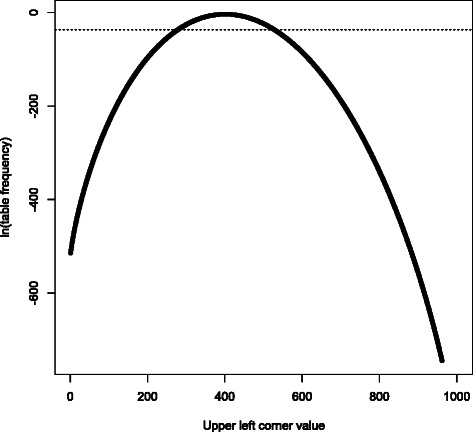
“SNP-HWE exploits the fact that, while the absolute likelihood of a contingency table involves large factorials which are fairly expensive to evaluate, the ratios between its likelihood and that of adjacent tables are simple since the factorials almost entirely cancel out [14].”
BackgroundHowie, B. N., Donnelly, P., & Marchini, J. (2009) · PLoS Genetics · doi:10.1371/journal.pgen.1000529 · Cited by 3,928 · cited 2×
“To support easier interoperation with newer software, for example BEAGLE 4 [2], IMPUTE2 [3], GATK [4], VCFtools [5], BCFtools [6] and GCTA [7], features such as the import/export of VCF and Oxford-format files and an efficient cross-platform genomic relationship matrix (GRM) calculator have been introduced.”
Method
Research works printed but not linked: 3
- Dalke A. Update: Faster Population Counts. http://www.dalkescientific.com/writings/diary/archive/2011/11/02/faster_popcount_update.html.
- GWASSpeedup Problem Statement. http://community.topcoder.com/longcontest/?module=ViewProblemStatement&rd=15637&pm=12525.
- Adler M. Pigz: Parallel Gzip. http://zlib.net/pigz/.
Cited by
Items 701–800 of 1,191
Complex-Traits Genetics Virtual Lab: A community-driven web platform for post-GWAS analyses
Cuellar-Partida, G., Lundberg, M., Kho, P. F., D’Urso, S., Gutierrez-Mondragon, L. F., & Hwang, L.-D. (2019) · bioRxiv (Cold Spring Harbor Laboratory) · doi:10.1101/518027 · Cited by 108
Evolutionary history and adaptation of a human pygmy population of Flores Island, Indonesia
Tucci, S., Vohr, S. H., McCoy, R. C., Vernot, B., Robinson, M. R., Barbieri, C., Nelson, B. J., Fu, W., Purnomo, G. A., Sudoyo, H., et al. (2018) · Science · doi:10.1126/science.aar8486 · Cited by 97
Stergiakouli, E., Davey Smith, G., Martin, J., Skuse, D. H., Viechtbauer, W., Ring, S. M., Ronald, A., Evans, D. E., Fisher, S. E., Thapar, A., et al. (2017) · Molecular Autism · doi:10.1186/s13229-017-0131-2 · Cited by 97
Lloyd-Jones, L. R., Robinson, M. R., Yang, J., & Visscher, P. M. (2018) · Genetics · doi:10.1534/genetics.117.300360 · Cited by 98
“To generate casecontrol phenotypes, the GERA genotypes were pruned on linkage disequilibrium at 0.01 using the PLINK 1.9 software (Chang et al. 2015).”
MethodInfluentialEngdahl, E., Gustafsson, R. K. L., Huang, J., Biström, M., Bomfim, I. L., Stridh, P., Khademi, M., Brenner, N., Butt, J., Michel, A., et al. (2019) · Frontiers in Immunology · doi:10.3389/fimmu.2019.02715 · Cited by 104
Taranto, F., D’Agostino, N., Rodriguez, M., Pavan, S., Minervini, A. P., Pecchioni, N., Papa, R., & Vita, P. D. (2020) · Frontiers in Genetics · doi:10.3389/fgene.2020.00217 · Cited by 108
Matoba, N., Liang, D., Sun, H., Aygün, N., McAfee, J. C., Davis, J. E., Raffield, L. M., Qian, H., Piven, J., Li, Y., et al. (2020) · Translational Psychiatry · doi:10.1038/s41398-020-00953-9 · Cited by 120
Yuan, K., Longchamps, R. J., Pardiñas, A. F., Yu, M., Chen, T., Lin, S., Chen, Y., Lam, M., Liu, R., Xia, Y., et al. (2024) · Nature Genetics · doi:10.1038/s41588-024-01870-z · Cited by 124
“17 Psychiatric and Neurodevelopmental Genetics Unit, Center for Genomic Medicine, Massachusetts General Hospital, Boston, MA, USA.”
Kanai, M., Tanaka, T., & Okada, Y. (2016) · Journal of Human Genetics · doi:10.1038/jhg.2016.72 · Cited by 102
Dong, X., Liao, Z., Gritsch, D., Hadzhiev, Y., Bai, Y., Locascio, J. J., Guennewig, B., Liu, G., Blauwendraat, C., Wang, T., et al. (2018) · Nature Neuroscience · doi:10.1038/s41593-018-0223-0 · Cited by 95
Runs of homozygosity and signatures of selection: a comparison among eight local Swiss sheep breeds
Signer‐Hasler, H., Burren, A., Ammann, P., Drögemüller, C., & Flury, C. (2019) · Animal Genetics · doi:10.1111/age.12828 · Cited by 101
Song, H., Ye, S., Jiang, Y., Zhang, Z., Zhang, Q., & Ding, X. (2019) · Genetics Selection Evolution · doi:10.1186/s12711-019-0500-8 · Cited by 103
Characterizing the Genetic Architecture of Parkinson's Disease in Latinos
Loesch, D. P., Horimoto, A. R. V. R., Heilbron, K., Sarihan, E. I., Inca‐Martinez, M., Mason, E., Cornejo‐Olivas, M., Torres, L., Mazzetti, P., Cosentino, C., et al. (2021) · Annals of Neurology · doi:10.1002/ana.26153 · Cited by 107
Mazzucotelli, E., Sciara, G., Mastrangelo, A. M., Desiderio, F., Xu, S. S., Faris, J. D., Hayden, M., Tricker, P. J., Özkan, H., Echenique, V. C., et al. (2020) · Frontiers in Plant Science · doi:10.3389/fpls.2020.569905 · Cited by 112
“Using the software PLINK (Chang et al., 2015), redundant markers were pruned based on genome wide linkage disequilibrium set at r2 = 0.”
MethodInfluentialIntegrative analysis of the plasma proteome and polygenic risk of cardiometabolic diseases
Ritchie, S. C., Lambert, S. A., Arnold, M., Teo, S. M., Lim, S. I., Šćepanović, P., Marten, J., Zahid, S., Chaffin, M. D., Liu, Y., et al. (2021) · Nature Metabolism · doi:10.1038/s42255-021-00478-5 · Cited by 100
Amplification is the primary mode of gene-by-sex interaction in complex human traits
Zhu, C., Ming, M. J., Cole, J. M., Edge, M. D., Kirkpatrick, M., & Harpak, A. (2023) · Cell Genomics · doi:10.1016/j.xgen.2023.100297 · Cited by 108
Genetics of myocardial interstitial fibrosis in the human heart and association with disease
Nauffal, V., Achille, P. D., Klarqvist, M. D. R., Cunningham, J. W., Hill, M. C., Pirruccello, J. P., Weng, L.-C. C., Morrill, V. N., Choi, S. H., Khurshid, S. S., et al. (2023) · Nature Genetics · doi:10.1038/s41588-023-01371-5 · Cited by 98
Rodríguez-Varela, R., Günther, T., Krzewińska, M., Storå, J., Gillingwater, T. H., MacCallum, M., Arsuaga, J. L., Dobney, K., Valdiosera, C., Jakobsson, M., et al. (2017) · Current Biology · doi:10.1016/j.cub.2017.09.059 · Cited by 93
“90 [54, 55] and the parameters–indep-pairwise 200 25 0.”
Ko, Y.-A., Yi, H., Qiu, C., Huang, S., Park, J., Ledó, N., Köttgen, A., Li, H., Rader, D. J., Pack, M. A., et al. (2017) · The American Journal of Human Genetics · doi:10.1016/j.ajhg.2017.05.004 · Cited by 102
Hu, Y., Karamitsos, A. M., Jiménez‐Gómez, J. M., Röth, S., Gebhardt, P., Bublak, D., Bovy, A. G., Scharf, K., Schleiff, E., & Fragkostefanakis, S. (2019) · New Phytologist · doi:10.1111/nph.16221 · Cited by 105
Genomic Basis of Circannual Rhythm in the European Corn Borer Moth
Kozak, G. M., Wadsworth, C. B., Kahne, S. C., Bogdanowicz, S. M., Harrison, R. G., Coates, B. S., & Dopman, E. B. (2019) · Current Biology · doi:10.1016/j.cub.2019.08.053 · Cited by 102
Soghigian, J., Gloria‐Soria, A., Robert, V., Goff, G. L., Failloux, A., & Powell, J. R. (2020) · Molecular Ecology · doi:10.1111/mec.15590 · Cited by 129
“and thus has been a model organism for laboratory-based disciplines such as physiology, neurobiology and development (Christophers, 1960; Clements, 1999a, 1999b, 2012).”
Assessment of Imputation from Low-Pass Sequencing to Predict Merit of Beef Steers
Snelling, W. M., Hoff, J. L., Li, J. H., Kuehn, L. A., Keel, B. N., Lindholm‐Perry, A. K., & Pickrell, J. K. (2020) · Genes · doi:10.3390/genes11111312 · Cited by 101
Dewan, R., Chia, R., Ding, J., Hickman, R. A., Stein, T. D., Abramzon, Y. A., Ahmed, S., Sabir, M. S., Portley, M. K., Tucci, A., et al. (2020) · Neuron · doi:10.1016/j.neuron.2020.11.005 · Cited by 104
A large multiethnic GWAS meta-analysis of cataract identifies new risk loci and sex-specific effects
Choquet, H., Melles, R. B., Anand, D., Yin, J., Cuéllar-Partida, G., Wang, W., Hoffmann, T. J., Nair, K. S., Hysi, P. G., Lachke, S. A., et al. (2021) · Nature Communications · doi:10.1038/s41467-021-23873-8 · Cited by 102
Chromosome evolution and the genetic basis of agronomically important traits in greater yam
Bredeson, J. V., Lyons, J. B., Oniyinde, I. O., Okereke, N. R., Kolade, O. A., Nnabue, I., Nwadili, C. O., Hřibová, E., Parker, M. T., Nwogha, J. S., et al. (2022) · Nature Communications · doi:10.1038/s41467-022-29114-w · Cited by 109
Yuan, K., Longchamps, R. J., Pardiñas, A. F., Yu, M., Chen, T.-T., Lin, S.-C., Chen, Y., Lam, M., Liu, R., Xia, Y., et al. (2023) · doi:10.1101/2023.01.07.23284293 · Cited by 94
Hollfelder, N., Schlebusch, C. M., Günther, T., Babiker, H. M. A., Hassan, H. Y., & Jakobsson, M. (2017) · PLoS Genetics · doi:10.1371/journal.pgen.1006976 · Cited by 100
Nazari‐Ghadikolaei, A., Mehrabani-Yeganeh, H., Miarei-Aashtiani, S. R., Staiger, E. A., Rashidi, A., & Huson, H. J. (2018) · Frontiers in Genetics · doi:10.3389/fgene.2018.00105 · Cited by 95
Boyd, M., Thodberg, M., Vitezic, M., Bornholdt, J., Vitting-Seerup, K., Chen, Y., Coskun, M., Li, Y., Lo, B. Z. S., Klausen, P., et al. (2018) · Nature Communications · doi:10.1038/s41467-018-03766-z · Cited by 96
“SNPs from the GWAS catalog were merged with 1000G SNPs by genomic position, and PLINK 63 was used to calculate LD between all SNPs within 500 kb (using the function plink -r2 -ld-window-kb 500 -ld-window 99999 -ld- window-r2 0 .”
MethodGhoreishifar, S. M., Moradi-Shahrbabak, H., Fallahi, M. H., Sarghale, A. J., Moradi-Shahrbabak, M., Abdollahi-Arpanahi, R., & Khansefid, M. (2020) · BMC Genetics · doi:10.1186/s12863-020-0824-y · Cited by 112
Choquet, H., Yin, J., Jacobson, A. S., HORTON, B. H., Hoffmann, T. J., Jorgenson, E., Avins, A. L., & Pressman, A. R. (2021) · Communications Biology · doi:10.1038/s42003-021-02356-y · Cited by 112
A population-level invasion by transposable elements triggers genome expansion in a fungal pathogen
Oggenfuss, U., Badet, T., Wicker, T., Hartmann, F. E., Singh, N. K., Abraham, L., Karisto, P., Vonlanthen, T., Mundt, C. C., McDonald, B. A., et al. (2021) · eLife · doi:10.7554/elife.69249 · Cited by 99
The individual and global impact of copy-number variants on complex human traits
Auwerx, C., Lepamets, M., Sadler, M. C., Patxot, M., Stojanov, M., Baud, D., Mägi, R., Esko, T., Metspalu, A., Milani, L. A., et al. (2022) · The American Journal of Human Genetics · doi:10.1016/j.ajhg.2022.02.010 · Cited by 112
“0.(26) ANNOVAR (24/10/2019)(27) was used for”
Increased frequency of repeat expansion mutations across different populations
Ibáñez, K., Jadhav, B., Zanovello, M., Gagliardi, D., Clarkson, C., Facchini, S., Garg, P., Martin-Trujillo, A., Gies, S. J., Deforie, V. G., et al. (2024) · Nature Medicine · doi:10.1038/s41591-024-03190-5 · Cited by 107
Assortative mating and differential fertility by phenotype and genotype across the 20th century
Conley, D., Laidley, T., Belsky, D. W., Fletcher, J. M., Boardman, J. D., & Domingue, B. W. (2016) · Proceedings of the National Academy of Sciences · doi:10.1073/pnas.1523592113 · Cited by 96
Gao, X. R., Huang, H., & Kim, H. (2019) · Human Molecular Genetics · doi:10.1093/hmg/ddy422 · Cited by 92
“Independent loci were identified using the PLINK (54) clumping procedure ( ± 500 kb with respect to the index SNP).”
MethodIdentifying genetic variants that affect viability in large cohorts
Mostafavi, H., Berisa, T., Day, F. R., Perry, J. R. B., Przeworski, M., & Pickrell, J. K. (2017) · PLOS Biology · doi:10.1371/journal.pbio.2002458 · Cited by 90
Pelikan, R. C., Kelly, J. A., Fu, Y., Lareau, C. A., Tessneer, K. L., Wiley, G. B., Wiley, M. M., Glenn, S. B., Harley, J. B., Guthridge, J. M., et al. (2018) · Nature Communications · doi:10.1038/s41467-018-05328-9 · Cited by 94
Association of a common genetic variant with Parkinson’s disease is mediated by microglia
Langston, R. G., Beilina, A., Reed, X., Kaganovich, A., Singleton, A. B., Blauwendraat, C., Gibbs, J. R., & Cookson, M. R. (2022) · Science Translational Medicine · doi:10.1126/scitranslmed.abp8869 · Cited by 93
Association of Rare APOE Missense Variants V236E and R251G With Risk of Alzheimer Disease
Le Guen, Y., Belloy, M. E., Grenier-Boley, B., de Rojas, I., Castillo-Morales, A., Jansen, I., Nicolas, A., Bellenguez, C., Dalmasso, C., Küçükali, F., et al. (2022) · JAMA Neurology · doi:10.1001/jamaneurol.2022.1166 · Cited by 93
Very low-depth whole-genome sequencing in complex trait association studies
Gilly, A., Southam, L., Suveges, D., Kuchenbaecker, K., Moore, R., Melloni, G. E. M., Hatzikotoulas, K., Farmaki, A.-E., Ritchie, G., Schwartzentruber, J., et al. (2019) · Bioinformatics · doi:10.1093/bioinformatics/bty1032 · Cited by 93
Alzheimer’s disease polygenic risk score as a predictor of conversion from mild-cognitive impairment
Chaudhury, S., Brookes, K. J., Patel, T., Fallows, A., Guetta-Baranes, T., Turton, J. C., Guerreiro, R., Bras, J., Hardy, J., Francis, P. T., et al. (2019) · Translational Psychiatry · doi:10.1038/s41398-019-0485-7 · Cited by 89
Pausch, H., Emmerling, R., Gredler, B., Fries, R., Daetwyler, H. D., & Goddard, M. E. (2017) · BMC Genomics · doi:10.1186/s12864-017-4263-8 · Cited by 100
Polygenic Hyperlipidemias and Coronary Artery Disease Risk
Ripatti, P., Rämö, J. T., Mars, N. J., Fu, Y., Lin, J., Söderlund, S., Benner, C., Surakka, I., Kiiskinen, T., Havulinna, A. S., et al. (2020) · Circulation Genomic and Precision Medicine · doi:10.1161/circgen.119.002725 · Cited by 104
Population Structure, Stratification, and Introgression of Human Structural Variation
Almarri, M. A., Bergström, A., Prado-Martinez, J., Yang, F., Fu, B., Dunham, A. S., Chen, Y., Hurles, M. E., Tyler‐Smith, C., & Xue, Y. (2020) · Cell · doi:10.1016/j.cell.2020.05.024 · Cited by 117
Nelson, T. C., Stathos, A. M., Vanderpool, D. D., Finseth, F. R., Yuan, Y.-W., & Fishman, L. (2021) · PLOS Genetics · doi:10.1371/journal.pgen.1009095 · Cited by 101
Chen, Z., Xu, Y., Xie, X.-L., Wang, D., Aguilar‐Gómez, D., Liu, G., Li, X., Esmailizadeh, A., Rezaei, V., Kantanen, J., et al. (2021) · Communications Biology · doi:10.1038/s42003-021-02817-4 · Cited by 147
Signatures of human-commensalism in the house sparrow genome
Ravinet, M., Elgvin, T. O., Trier, C. N., Aliabadian, M., Gavrilov, A., & Sætre, G. (2018) · Proceedings of the Royal Society B Biological Sciences · doi:10.1098/rspb.2018.1246 · Cited by 107
Multiple introductions of the dengue vector, Aedes aegypti, into California
Pless, E., Gloria‐Soria, A., Evans, B. R., Kramer, V. L., Bolling, B. G., Tabachnick, W. J., & Powell, J. R. (2017) · PLoS neglected tropical diseases · doi:10.1371/journal.pntd.0005718 · Cited by 105
Välimäki, N., Kuisma, H., Pasanen, A. M., Heikinheimo, O., Sjöberg, J., Bützow, R. C., Sarvilinna, N. S., Heinonen, H.-R., Tolvanen, J., Bramante, S., et al. (2018) · eLife · doi:10.7554/elife.37110 · Cited by 98
Conditional and interaction gene-set analysis reveals novel functional pathways for blood pressure
de Leeuw, C. A., Stringer, S., Dekkers, I. A., Heskes, T., & Posthuma, D. (2018) · Nature Communications · doi:10.1038/s41467-018-06022-6 · Cited by 89
Genome-wide association studies for yield-related traits in soft red winter wheat grown in Virginia
Ward, B., Brown‐Guedira, G., Kolb, F. L., Sanford, D. A. V., Tyagi, P., Sneller, C., & Griffey, C. A. (2019) · PLoS ONE · doi:10.1371/journal.pone.0208217 · Cited by 104
Wertz, J., Moffitt, T. E., Agnew-Blais, J., Arseneault, L., Belsky, D. W., Corcoran, D. L., Houts, R., Matthews, T., Prinz, J. A., Richmond-Rakerd, L. S., et al. (2020) · Child Development · doi:10.1111/cdev.13329 · Cited by 95
Epigenetic prediction of major depressive disorder
Barbu, M. C., Shen, X., Walker, R. M., Howard, D. M., Evans, K. L., Whalley, H. C., Porteous, D. J., Morris, S. W., Deary, I. J., Zeng, Y., et al. (2021) · Molecular Psychiatry · doi:10.1038/s41380-020-0808-3 · Cited by 88
The Parkinson's Disease Genome‐Wide Association Study Locus Browser
Grenn, F. P., Kim, J. J., Makarious, M. B., Iwaki, H., Illarionova, A., Brolin, K., Kluss, J. H., Schumacher‐Schuh, A. F., Leonard, H., Faghri, F., et al. (2020) · Movement Disorders · doi:10.1002/mds.28197 · Cited by 92
Meta-analysis fine-mapping is often miscalibrated at single-variant resolution
Kanai, M., Elzur, R., Zhou, W., Zhou, W., Kanai, M., Wu, K.-H., Rasheed, H., Tsuo, K., Hirbo, J. B., Wang, Y., et al. (2022) · Cell Genomics · doi:10.1016/j.xgen.2022.100210 · Cited by 108
Healey, A. L., Piatkowski, B. T., Lovell, J. T., Sreedasyam, A., Carey, S. B., Mamidi, S., Shu, S., Plott, C., Jenkins, J. W., Lawrence, T. J., et al. (2023) · Nature Plants · doi:10.1038/s41477-022-01333-5 · Cited by 98
Schlosser, P., Scherer, N., Grundner-Culemann, F., Monteiro-Martins, S., Haug, S., Steinbrenner, I., Uluvar, B., Wuttke, M., Cheng, Y., Ekici, A. B., et al. (2023) · Nature Genetics · doi:10.1038/s41588-023-01409-8 · Cited by 103
Eye-brain connections revealed by multimodal retinal and brain imaging genetics
Zhao, B., Li, Y., Fan, Z., Wu, Z., Shu, J., Yang, X., Yang, Y., Wang, X., Li, B., Wang, X., et al. (2024) · Nature Communications · doi:10.1038/s41467-024-50309-w · Cited by 104
Metwally, A. A., Perelman, D., Park, H., Wu, Y., Jha, A., Sharp, S. A., Celli, A., Ayhan, E. M., Abbasi, F., Gloyn, A. L., et al. (2024) · Nature Biomedical Engineering · doi:10.1038/s41551-024-01311-6 · Cited by 120
“Genotyping data underwent standard quality control using PLINK 58 , including filtering of SNVs with excess missing genotypes (>2%), filtering of SNVs out of Hardy–Weinberg equilibrium ( P < 1 × 10 −6 ) and removal of samples with either excess missing genotypes (>3”
Gut Microbiota Metabolites Sensed by Host GPR41/43 Protect Against Hypertension
Muralitharan, R. R., Zheng, T., Dinakis, E., Xie, L., Barbaro-Wahl, A., Jama, H. A., Nakai, M. E., Patterson, M., Leung, K. C., McArdle, Z. M., et al. (2025) · Circulation Research · doi:10.1161/circresaha.124.325770 · Cited by 112
Systems Genetics Identifies a Novel Regulatory Domain of Amylose Synthesis
Butardo, V. M., Anacleto, R., Parween, S., Samson, I., de Guzman, M. K., Alhambra, C. M., Misra, G., & Sreenivasulu, N. (2016) · PLANT PHYSIOLOGY · doi:10.1104/pp.16.01248 · Cited by 93
Sams, A. J., & Boyko, A. R. (2018) · G3 Genes Genomes Genetics · doi:10.1534/g3.118.200836 · Cited by 103
Hui, K. F., Chan, T. F., Yang, W., Shen, J. J., Lam, K. P., Kwok, H. F., Sham, P. C., Tsao, S. W., Kwong, D. L. �., Lung, M. L., et al. (2018) · International Journal of Cancer · doi:10.1002/ijc.32049 · Cited by 94
Genetic Markers of ADHD-Related Variations in Intracranial Volume
Klein, M., Walters, R. K., Demontis, D., Stein, J. L., Hibar, D. P., Adams, H. H., Bralten, J., Roth Mota, N., Schachar, R., Sonuga-Barke, E., et al. (2019) · American Journal of Psychiatry · doi:10.1176/appi.ajp.2018.18020149 · Cited by 89
Zhang, Y., Ho, K., Keaton, J. M., Hartzel, D. N., Day, F., Justice, A. E., Josyula, N. S., Pendergrass, S. A., Actkins, K., Davis, L. K., et al. (2020) · American Journal of Obstetrics and Gynecology · doi:10.1016/j.ajog.2020.04.004 · Cited by 91
Hujoel, M. L. A., Gazal, S., Loh, P.-R., Patterson, N., & Price, A. L. (2020) · Nature Genetics · doi:10.1038/s41588-020-0613-6 · Cited by 95
A comparison of humans and baboons suggests germline mutation rates do not track cell divisions
Wu, F. L., Strand, A. I., Cox, L. A., Ober, C., Wall, J. D., Moorjani, P., & Przeworski, M. (2020) · PLoS Biology · doi:10.1371/journal.pbio.3000838 · Cited by 94
Hübel, C., Abdulkadir, M., Herle, M., Loos, R. J. F., Breen, G. D., Bulik, C. M., & Micali, N. (2021) · International Journal of Eating Disorders · doi:10.1002/eat.23481 · Cited by 121
Ferguson, J. N., Fernandes, S. B., Monier, B., Miller, N. D., Allen, D. P., Dmitrieva, A., Schmuker, P., Lozano, R. D., Valluru, R., Buckler, E. S., et al. (2021) · PLANT PHYSIOLOGY · doi:10.1093/plphys/kiab346 · Cited by 97
“LD blocks were estimated based on the method proposed by (Gabriel, 2002) and implemented in PLINK (Chang et al., 2015).”
MethodDuncan, C. J. A., Skouboe, M. K., Howarth, S., Hollensen, A. K., Chen, R., Børresen, M. L., Thompson, B. J., Spegarova, J. S., Hatton, C. F., Stæger, F. F., et al. (2022) · The Journal of Experimental Medicine · doi:10.1084/jem.20212427 · Cited by 97
“8) and principal components were computed, all using PLINK (v1.90b6; Chang et al., 2015).”
Rapid adaptive radiation of Darwin’s finches depends on ancestral genetic modules
Rubin, C., Enbody, E. D., Dobreva, M. P., Abzhanov, A., Davis, B. W., Lamichhaney, S., Pettersson, M. E., Sendell‐Price, A. T., Sprehn, C. G., Valle, C. A., et al. (2022) · Science Advances · doi:10.1126/sciadv.abm5982 · Cited by 102
Geographic variation of mutagenic exposures in kidney cancer genomes
Senkin, S., Moody, S., Díaz‐Gay, M., Abedi‐Ardekani, B., Cattiaux, T., Ferreiro-Iglesias, A., Wang, J., Fitzgerald, S., Kazachkova, M., Vangara, R., et al. (2024) · Nature · doi:10.1038/s41586-024-07368-2 · Cited by 104
Whole-exome sequencing identifies MST1R as a genetic susceptibility gene in nasopharyngeal carcinoma
Dai, W., Zheng, H., Cheung, A. K. L., Tang, C. S.-M., Ko, J. M. Y., Wong, B. W. Y., Leong, M. M., Sham, P. C., Cheung, F. M. F., Kwong, D. L., et al. (2016) · Proceedings of the National Academy of Sciences · doi:10.1073/pnas.1523436113 · Cited by 94
“Chang CC, et al. (2015) Second-generation PLINK: Rising to the challenge of larger and richer datasets.”
MethodInfluentialRamírez, J., Duijvenboden, S. V., Ntalla, I., Mifsud, B., Warren, H. R., Tzanis, E., Orini, M., Tinker, A., Lambiase, P. D., & Munroe, P. B. (2018) · Nature Communications · doi:10.1038/s41467-018-04148-1 · Cited by 91
Attention-deficit/hyperactivity disorder and lifetime cannabis use: genetic overlap and causality
ADHD Group of the Psychiatric Genomics Consortium, I. C. C., Soler Artigas, M., Sánchez-Mora, C., Rovira, P., Richarte, V., Garcia-Martínez, I., Pagerols, M., Demontis, D., Stringer, S., Vink, J. M., et al. (2020) · Molecular Psychiatry · doi:10.1038/s41380-018-0339-3 · Cited by 84
McGivney, B. A., Han, H., Corduff, L. R., Katz, L. M., Tozaki, T., MacHugh, D. E., & Hill, E. W. (2020) · Scientific Reports · doi:10.1038/s41598-019-57389-5 · Cited by 102
Wang, M., Zou, X., Ye, H.-Y., Wang, Z., Liu, Y., Liu, Y., Wang, F., Hongbin, Y., Chen, P., Tao, R., et al. (2021) · Frontiers in Genetics · doi:10.3389/fgene.2021.725243 · Cited by 98
“We carried out the model-based clustering analysis using the ADMIXTURE (v.1.3.0) (Alexander et al., 2009) after pruning SNPs with a strong linkage disequilibrium via the PLINK v.1.9 (Chang et al., 2015) with the parameters of – indep-pairwise 200 25 0.4.”
MethodInfluentialFan, S., Spence, J. P., Feng, Y., Hansen, M. E. B., Terhorst, J., Beltrame, M. H., Ranciaro, A., Hirbo, J. B., Beggs, W. R., Thomas, N., et al. (2023) · Cell · doi:10.1016/j.cell.2023.01.042 · Cited by 111
Genome-wide association study of long COVID
Lammi, V., Nakanishi, T., Jones, S. E., Andrews, S. J., Karjalainen, J. M., Cortés, B., O’Brien, H., Ochoa-Guzmán, A., Fulton‐Howard, B., Broberg, M. E., et al. (2025) · Nature Genetics · doi:10.1038/s41588-025-02100-w · Cited by 105
Multi-ancestry meta-analysis and fine-mapping in Alzheimer’s disease
Lake, J., Warly Solsberg, C., Kim, J. J., Acosta-Uribe, J., Makarious, M. B., Li, Z., Levine, K., Heutink, P., Alvarado, C. X., Vitale, D., et al. (2023) · Molecular Psychiatry · doi:10.1038/s41380-023-02089-w · Cited by 90
“1; ANC: ancestry, RESID: residual).”
BackgroundCommon risk variants identified in autism spectrum disorder
Grove, J., Ripke, S., Als, T. D., Mattheisen, M., Walters, R., Won, H., Pallesen, J., Agerbo, E., Andreassen, O. A., Anney, R., et al. (2017) · doi:10.1101/224774 · Cited by 89
Ganna, A., Genovese, G., Howrigan, D. P., Byrnes, A., Kurki, M. I., Zekavat, S. M., Whelan, C. W., Kals, M., Nivard, M. G., Bloemendal, A., et al. (2016) · Nature Neuroscience · doi:10.1038/nn.4404 · Cited by 100
Self-citationDesgroux, A., Baudais, V., Aubert, V., Roy, G. L., de Larambergue, H., Miteul, H., Aubert, G., Boutet, G., Duc, G., Baranger, A., et al. (2018) · Frontiers in Plant Science · doi:10.3389/fpls.2017.02195 · Cited by 96
“The genotyping dataset of the pea collection was reduced to 12,812 SNP markers based on genotyping quality, and was filtered using PLINK 1.9 software (Purcell et al., 2007; Chang et al., 2015).”
MethodInfluentialGenetic data and cognitively defined late-onset Alzheimer’s disease subgroups
EPAD Study Group, Mukherjee, S., Investigators from ACT, Investigators from ROS, Investigators from MAP, Investigators from ADNI, Investigators from the University of Pittsburgh ADRC, Mez, J., Trittschuh, E. H., Saykin, A. J., et al. (2020) · Molecular Psychiatry · doi:10.1038/s41380-018-0298-8 · Cited by 89
Siddique, M. I., Lee, H., Ro, N., Han, K., Venkatesh, J., Abate, S., Patil, A. S., Changkwian, A., Kwon, J., & Kang, B. (2019) · Scientific Reports · doi:10.1038/s41598-019-46342-1 · Cited by 89
Genetic contributions to variation in human stature in prehistoric Europe
Cox, S. L., Ruff, C. B., Maier, R. M., & Mathieson, I. (2019) · Proceedings of the National Academy of Sciences · doi:10.1073/pnas.1910606116 · Cited by 88
“3 (options --distance flat-missing 1-ibs) (80) (Supplementary Fig.”
Multi-trait Genomic Selection Methods for Crop Improvement
Moeinizade, S., Kusmec, A., Hu, G., Wang, L., & Schnable, P. S. (2020) · Genetics · doi:10.1534/genetics.120.303305 · Cited by 92
Liang, D., Elwell, A. L., Aygün, N., Krupa, O., Wolter, J. M., Kyere, F. A., Lafferty, M. J., Cheek, K. E., Courtney, K. P., Yusupova, M., et al. (2021) · Nature Neuroscience · doi:10.1038/s41593-021-00858-w · Cited by 102
Legge, S. E., Cardno, A. G., Allardyce, J., Dennison, C. A., Hubbard, L., Pardiñas, A. F., Richards, A. L., Rees, E., Florio, A. D., Escott‐Price, V., et al. (2021) · JAMA Psychiatry · doi:10.1001/jamapsychiatry.2021.1961 · Cited by 102
Hindy, G., Tyrrell, D. J., Vasbinder, A. L., Wei, C., Presswalla, F., Wang, H., Blakely, P. K., Ozel, A. B., Graham, S. E., Holton, G. H., et al. (2022) · Journal of Clinical Investigation · doi:10.1172/jci158788 · Cited by 95
A Fast, Reproducible, High-throughput Variant Calling Workflow for Population Genomics
Mirchandani, C. D., Shultz, A. J., Thomas, G. W. C., Smith, S. J., Baylis, M., Arnold, B., Corbett-Detig, R., Enbody, E., & Sackton, T. B. (2024) · Molecular Biology and Evolution · doi:10.1093/molbev/msad270 · Cited by 82
Position-dependent function of human sequence-specific transcription factors
Duttke, S. H. C., Guzman, C., Chang, M. W., Santos, N. P. D., McDonald, B. R., Xie, J., Carlin, A. F., Heinz, S., & Benner, C. W. (2024) · Nature · doi:10.1038/s41586-024-07662-z · Cited by 107
READv2: advanced and user-friendly detection of biological relatedness in archaeogenomics
Alaçamlı, E., Naidoo, T., Güler, M. N., Sağlıcan, E., Aktürk, Ş., Mapelli, I., Vural, K. B., Somel, M., Malmström, H., & Günther, T. (2024) · Genome biology · doi:10.1186/s13059-024-03350-3 · Cited by 104
“Pseudo-haploid tped/tfam files were then generated with the ANGSD tool haploToPlink and converted to binary Plink files using Plink [57].”
MethodBansal, V., Mitjans, M., Burik, C. A. P., Linnér, R. K., Okbay, A., Rietveld, C. A., Begemann, M., Bonn, S., Ripke, S., de Vlaming, R., et al. (2018) · Nature Communications · doi:10.1038/s41467-018-05510-z · Cited by 109
The Genomic Formation of South and Central AsiaPreprint
Narasimhan, V. M., Patterson, N. J., Moorjani, P., Lazaridis, I., Lipson, M., Mallick, S., Rohland, N., Bernardos, R. L., Kim, A. M., Nakatsuka, N. J., et al. (2018) · bioRxiv (Cold Spring Harbor Laboratory) · doi:10.1101/292581 · Cited by 117
Will Big Data Close the Missing Heritability Gap?
Kim, H., Grueneberg, A., Vazquez, A. I., Hsu, S., & Campos, G. D. L. (2017) · Genetics · doi:10.1534/genetics.117.300271 · Cited by 95
TIMP3 and TIMP1 are risk genes for bicuspid aortic valve and aortopathy in Turner syndrome
Corbitt, H., Morris, S. A., Gravholt, C. H., Mortensen, K. H., Tippner-Hedges, R., Silberbach, M., Maslen, C. L., & GenTAC Registry Investigators (2018) · PLOS Genetics · doi:10.1371/journal.pgen.1007692 · Cited by 89
Evidence for genetic contribution to the increased risk of type 2 diabetes in schizophrenia
Hackinger, S., Prins, B. P., Mamakou, V., Zengini, E., Marouli, E., Brčić, L., Serafetinidis, I., Lamnissou, K., Kontaxakis, V. P., Dedoussis, G. V., et al. (2018) · Translational Psychiatry · doi:10.1038/s41398-018-0304-6 · Cited by 95
Metadata
- Authors
- Chang, C. C., Chow, C. C., Tellier, L. C., Vattikuti, S., Purcell, S. M., & Lee, J. J.
- Affiliations
- BGI Group (China) (CN)
- National Institutes of Health (US)
- Broad Institute (US)
- Corresponding author
- Chang, Christopher C
- ORCID
- Venue
- Gigascience
- Publisher
- Oxford University Press (OUP)
- Published
- 2015-02-25
- Volume
- 4
- Issue
- 1
- Pages
- 7-7
- ISSN
- 2047-217X (ISSN-L)
- PMC
- PMC4342193
- OpenAlex
- W2099085143
- Semantic Scholar
- 91e0bb69106b4e8620a1f4ee1d98e0046baafed4
- Cited by
- 12,709
- References
- 39
- Citations by year
- 2026: 1577 · 2025: 1865 · 2024: 1888 · 2023: 1511 · 2022: 1474 · 2021: 1442 · 2020: 1052 · 2019: 729 · 2018: 568 · 2017: 351 · 2016: 181 · 2015: 51
- FWCI
- 264.41
- Type
- journal article
- Language
- en
- Open access
- gold
- doi.org
- Locations
- GigaScience (publishedVersion, cc-by)
- PubMed Central (publishedVersion, cc-by)
- PubMed (publishedVersion)
- Research at the University of Copenhagen (University of Copenhagen) (publishedVersion, other-oa)
- arXiv (Cornell University) (submittedVersion)
- Digital Access to Scholarship at Harvard (DASH) (Harvard University) (submittedVersion, cc-by)
- arXiv (Cornell University)
- Funders
- Government of Jiangxi Province
- National Institutes of Health
- National Institute of Diabetes and Digestive and Kidney Diseases
- Topics
- Life Sciences › Biochemistry, Genetics and Molecular Biology › Genetics › Genetic Associations and Epidemiology
- Life Sciences › Biochemistry, Genetics and Molecular Biology › Genetics › Genetic Mapping and Diversity in Plants and Animals
- Life Sciences › Biochemistry, Genetics and Molecular Biology › Genetics › Genetic diversity and population structure
- Keywords
- PLINK, genome-wide association study, population genetics, Hardy-Weinberg equilibrium, Fisher's exact test, linkage disequilibrium, genomic distance, genotype likelihoods, phase information, imputed data, logistic regression
- MeSH terms
- Algorithms, Genetics, Population, Software, Linkage Disequilibrium, Likelihood Functions, Logistic Models, Computational Biology, Polymorphism, Single Nucleotide, Genome-Wide Association Study, Genotyping Techniques, Datasets as Topic
About these checks
Registry, retraction, Cites and statistics results are computed, not judged, with one exception: a printed reference that no index lists is read once by a model before it counts as a citation error. Claims are extracted by a model and kept only when their quote appears verbatim in the text; each cited source is then checked, with a model’s help, for whether it says what the claim relies on. Those verdicts can be wrong — read the claim’s quote and the cited source before relying on one.
Statistics and arithmetic are recomputed, not judged.
Confidence bands are shown only for fields calibrated on our annotated test set. None is calibrated yet, so no band is shown.
What counts as a claim ›How we measure confidence ›How we check this ›
Are you an author, or do you see a problem with this page? Request a review
Data sources
Bibliographic data: Semantic Scholar, OpenAlex, Crossref.
Contains information from the Semantic Scholar Academic Graph Datasets, made available under the ODC Attribution License (ODC-BY 1.0).
Semantic Scholar’s data is described in: Kinney, R., et al. (2023). The Semantic Scholar Open Data Platform. arXiv:2301.10140.
