

Structure and function of the healthy pre-adolescent pediatric gut microbiome
Open accessThe DOI matches its Crossref record; 69 of the 70 references it cites were found in a registry or an index.
Abstract
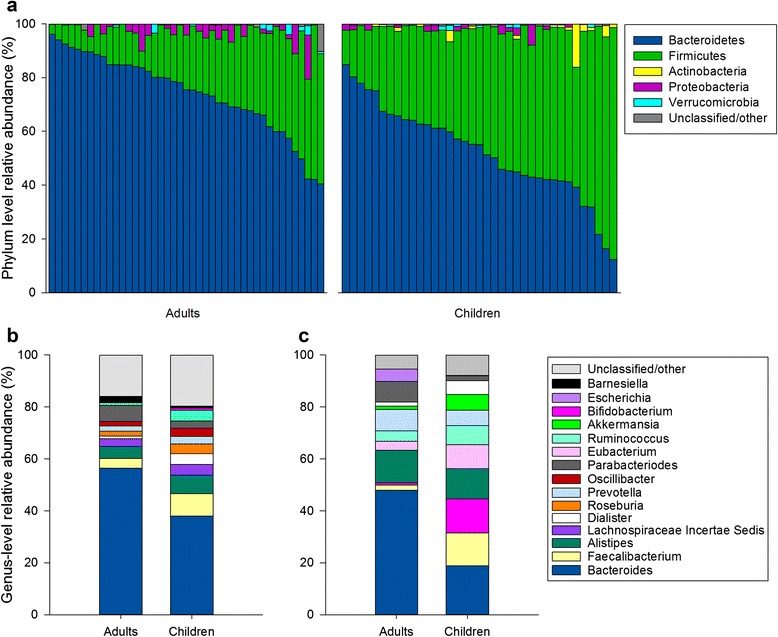
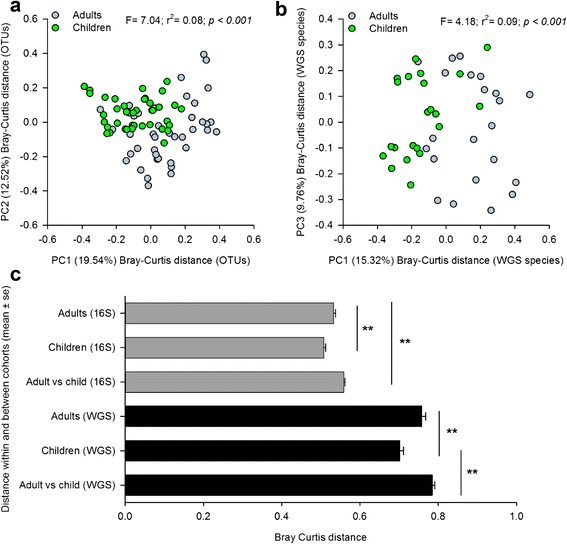
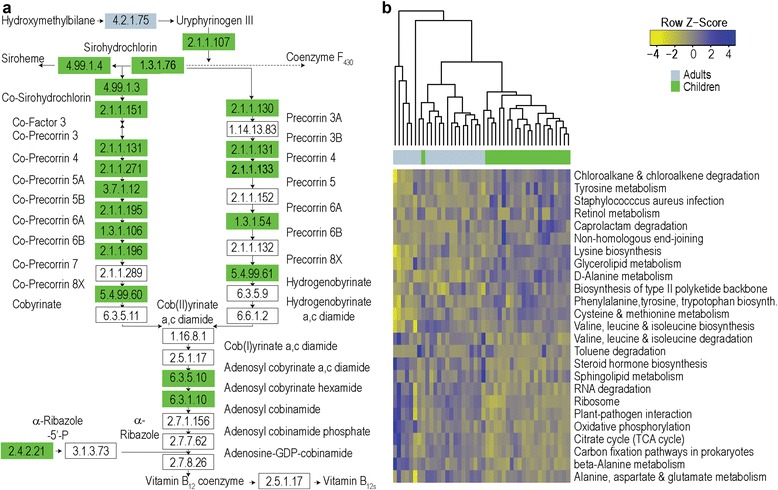
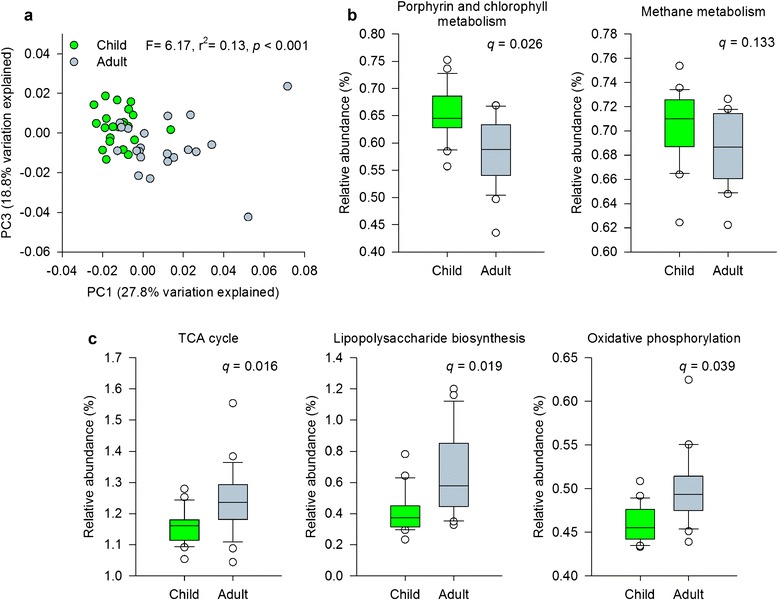
BACKGROUND: The gut microbiome influences myriad host functions, including nutrient acquisition, immune modulation, brain development, and behavior. Although human gut microbiota are recognized to change as we age, information regarding the structure and function of the gut microbiome during childhood is limited. Using 16S rRNA gene and shotgun metagenomic sequencing, we characterized the structure, function, and variation of the healthy pediatric gut microbiome in a cohort of school-aged, pre-adolescent children (ages 7-12 years). We compared the healthy pediatric gut microbiome with that of healthy adults previously recruited from the same region (Houston, TX, USA). RESULTS: Although healthy children and adults harbored similar numbers of taxa and functional genes, their composition and functional potential differed significantly. Children were enriched in Bifidobacterium spp., Faecalibacterium spp., and members of the Lachnospiraceae, while adults harbored greater abundances of Bacteroides spp. From a functional perspective, significant differences were detected with respect to the relative abundances of genes involved in vitamin synthesis, amino acid degradation, oxidative phosphorylation, and triggering mucosal inflammation. Children's gut communities were enriched in functions which may support ongoing development, while adult communities were enriched in functions associated with inflammation, obesity, and increased risk of adiposity. CONCLUSIONS: Previous studies suggest that the human gut microbiome is relatively stable and adult-like after the first 1 to 3 years of life. Our results suggest that the healthy pediatric gut microbiome harbors compositional and functional qualities that differ from those of healthy adults and that the gut microbiome may undergo a more prolonged development than previously suspected.
Overview
The claims and statistics of this paper haven’t been checked yet.
Free: it reads the open-access text and checks the first 5 claims that cite a source we can check. Create a free account to check every claim.
Integrity signals
Registry
Cites
Statistics
Figures
Verification
Claims the paper makes
The claims and statistics of this paper haven’t been checked yet.
Free: it reads the open-access text and checks the first 5 claims that cite a source we can check. Create a free account to check every claim.
Claims other papers make about this one
Each is checked against this paper’s own text: does it say what the citing paper says it does?
The source backs part of the claim, not all of it — or backs it for a different population, condition or comparison.
In the citing paper
“The microbial biodiversity of six to twelve year olds, for example, has been shown to be greater than those of healthy adults [84,85].”
From Effect of Diet on the Gut Microbiota: Rethinking Intervention Duration (2019) · cites this paper as [85]
Experimental — accuracy not yet measuredThe cited source says what the claim attributes to it.
In the citing paper
“The improved understanding of factors that shape the gut microbiome allow us to better identify confounding effects in human studies, including physiological development through childhood and adolescence to adulthood30, 128, 11, and at the same time, appreciate the adaptation of this resilient microbial ecosystem to short- and long-term perturbations in host environment.”
From The gut Microbiome in adult and pediatric functional gastrointestinal disorders (2019) · cites this paper as [11]
The cited source says what the claim attributes to it.
In the citing paper
“A more stable and complex, adult-like microbiota starts to emerge as early as one to three years of age, although this development may continue as late as pre-adolescence (85, 86).”
From Signalling cognition: The gut microbiota and hypothalamic-pituitary-adrenal axis (2023) · cites this paper as [86]
The cited source says what the claim attributes to it.
In the citing paper
“The composition and function of the microbiota in healthy children (measured at 7-12 years of age) remains significantly different from the healthy adult microbiota (Hollister et al., 2015).”
From The Microbiota-Gut-Brain Axis (2019) · cites this paper as Hollister et al., 2015
The cited source says what the claim attributes to it.
In the citing paper
“In particular, the gut microbiota of children is functionally enriched in pathways supporting ongoing development (e.g., genes involved in vitamin synthesis and de novo folate synthesis, anti-inflammatory pathways; Hollister et al., 2015).”
From The Microbiota-Gut-Brain Axis (2019) · cites this paper as Hollister et al., 2015
1 more claim about this paper
Create a free account to see every claim other papers make about this one.
Self-check
Percentages, sums and reported differences re-computed from the paper’s own numbers.
The self-check needs the paper’s full text.
Citations
Cites
Fast gapped-read alignment with Bowtie 2
Langmead, B., & Salzberg, S. L. (2012) · Nature Methods · doi:10.1038/nmeth.1923 · Cited by 56,400 · cited 1×
“Bowtie2 [53] was used to map sequence reads to a reference copy of the human genome”
MethodQIIME allows analysis of high-throughput community sequencing data
Caporaso, J. G., Kuczynski, J., Stombaugh, J., Bittinger, K., Bushman, F. D., Costello, E. K., Fierer, N., Peña, A. G., Goodrich, J. K., Gordon, J. I., et al. (2010) · Nature Methods · doi:10.1038/nmeth.f.303 · Cited by 34,887 · cited 1×
“0) [49].”
vegan: Community Ecology Package
Oksanen, J., Simpson, G. L., Blanchet, F. G., Kindt, R., Legendre, P., Minchin, P. R., O'Hara, R. B., Solymos, P., Stevens, M. H. H., Szoecs, E., et al. (2001) · CRAN: Contributed Packages · doi:10.32614/cran.package.vegan · Cited by 22,615
Search and clustering orders of magnitude faster than BLAST
Edgar, R. C. (2010) · Bioinformatics · doi:10.1093/bioinformatics/btq461 · Cited by 20,826
Naïve Bayesian Classifier for Rapid Assignment of rRNA Sequences into the New Bacterial Taxonomy
Wang, Q., Garrity, G. M., Tiedje, J. M., & Cole, J. R. (2007) · Applied and Environmental Microbiology · doi:10.1128/aem.00062-07 · Cited by 19,885 · cited 1×
“Classifier [52] with RDP training set 9 and confidence scores ≥50 %.”
Classification and Regression by randomForest
Liaw, A. I., & Wiener, M. C. (2007) · Cited by 18,594
An obesity-associated gut microbiome with increased capacity for energy harvest
Turnbaugh, P. J., Ley, R. E., Mahowald, M. A., Magrini, V., Mardis, E. R., & Gordon, J. I. (2006) · Nature · doi:10.1038/nature05414 · Cited by 12,444 · cited 3×
“ciated with leanness and other desirable health traits [26, 28], some of its members, including strains of Bacteroides fragilis, Bacteroides vulgatus, and Bacteroides”
BackgroundStructure, function and diversity of the healthy human microbiome
The Human Microbiome Project Consortium (2012) · Nature · doi:10.1038/nature11234 · Cited by 11,726
Cd-hit: a fast program for clustering and comparing large sets of protein or nucleotide sequences
Li, W., & Godzik, A. (2006) · Bioinformatics · doi:10.1093/bioinformatics/btl158 · Cited by 11,410 · cited 2×
“OTUs were clustered using CD-Hit [50], and reads were screened for chimeras using ChimeraSlayer [51].”
MethodVelvet: Algorithms for de novo short read assembly using de Bruijn graphs
Zerbino, D. R., & Birney, E. (2008) · Genome Research · doi:10.1101/gr.074492.107 · Cited by 9,491 · cited 1×
“The velvet assembler [56] (veveth, hash size 45) was used to construct contigs.”
Method
Cited by
Cryan, J. F., O'Riordan, K. J., Cowan, C. S. M., Sandhu, K. V., Bastiaanssen, T. F. S., Boehme, M., Codagnone, M. G., Cussotto, S., Fulling, C., Golubeva, A. V., et al. (2019) · Physiological Reviews · doi:10.1152/physrev.00018.2018 · Cited by 5,286
The Human Intestinal Microbiome in Health and Disease
Lynch, S. V., & Pedersen, O. (2016) · New England Journal of Medicine · doi:10.1056/nejmra1600266 · Cited by 3,637
Milani, C., Duranti, S., Bottacini, F., Casey, E., Turroni, F., Mahony, J., Belzer, C., Delgado Palacio, S., Arboleya Montes, S., Mancabelli, L., et al. (2017) · Microbiology and Molecular Biology Reviews · doi:10.1128/mmbr.00036-17 · Cited by 1,950
Gut Bacteroides species in health and disease
Zafar, H., & Saier, M. H. (2021) · Gut Microbes · doi:10.1080/19490976.2020.1848158 · Cited by 1,233
Human gut microbiota/microbiome in health and diseases: a review
Gomaa, E. Z. (2020) · Antonie van Leeuwenhoek · doi:10.1007/s10482-020-01474-7 · Cited by 1,294
The gut microbiome: Relationships with disease and opportunities for therapy
Durack, J., & Lynch, S. V. (2019) · Journal of Experimental Medicine · doi:10.1084/jem.20180448 · Cited by 943
Langdon, A., Crook, N., & Dantas, G. (2016) · Genome Medicine · doi:10.1186/s13073-016-0294-z · Cited by 912
The gut microbiota in anxiety and depression—A systematic review
Simpson, C. A., Diaz-Arteche, C., Eliby, D., Schwartz, O. S., Simmons, J. G., & Cowan, C. S. M. (2021) · Clinical Psychology Review · doi:10.1016/j.cpr.2020.101943 · Cited by 912
Effect of Diet on the Gut Microbiota: Rethinking Intervention Duration
Leeming, E. R., Johnson, A. J., Spector, T. D., & Le Roy, C. I. (2019) · Nutrients · doi:10.3390/nu11122862 · Cited by 817
The Gut Microbiota in the First Decade of Life
Derrien, M., Alvarez, A.-S., & de Vos, W. M. (2019) · Trends in Microbiology · doi:10.1016/j.tim.2019.08.001 · Cited by 635
“, Bacteroides vulgatus and Bacteroides xylanisolvens) [45].”
Our gut microbiome: The evolving inner self
Kundu, P., Blacher, E., Elinav, E., & Pettersson, S. (2017) · Cell · doi:10.1016/j.cell.2017.11.024 · Cited by 633
“In parallel key developmental processes like synaptic pruning, a progressive fine-tuning of the brain achieved by erasing synapses (Holtmaat and Svoboda, 2009), and increased myelination, especially in the frontal cortex (Benes, 1989; Fair et al., 2008), are achieved during adolescence.”
Hiippala, K., Jouhten, H., Ronkainen, A., Hartikainen, A., Kainulainen, V., Jalanka, J., & Satokari, R. (2018) · Nutrients · doi:10.3390/nu10080988 · Cited by 594
The gut microbiome in human neurological disease: A review
Tremlett, H., Bauer, K. C., Appel‐Cresswell, S., Finlay, B. B., & Waubant, E. (2017) · Annals of Neurology · doi:10.1002/ana.24901 · Cited by 535
“microbiota (see Fig 2), as can host genetics (human leukocyte antigen),(61) and a person’s age and sex.(62,63) An”
BackgroundDevelopmental trajectory of the healthy human gut microbiota during the first 5 years of life
Roswall, J., Olsson, L. M., Kovatcheva-Datchary, P., Nilsson, S., Tremaroli, V., Simon, M.-C., Kiilerich, P., Akrami, R., Krämer, M., Uhlén, M., et al. (2021) · Cell Host & Microbe · doi:10.1016/j.chom.2021.02.021 · Cited by 467
Martin, R., Makino, H., Cetinyurek Yavuz, A., Ben-Amor, K., Roelofs, M., Ishikawa, E., Kubota, H., Swinkels, S., Sakai, T., Oishi, K., et al. (2016) · PLOS ONE · doi:10.1371/journal.pone.0158498 · Cited by 443
“However, this process continues past 3 years of age, and events occurring later in life, such as hormonal changes during puberty or changes in eating habits may also influence the microbiota composition [24, 25].”
Riva, A., Borgo, F., Lassandro, C., Verduci, E., Morace, G., Borghi, E., & Berry, D. (2017) · Environmental Microbiology · doi:10.1111/1462-2920.13463 · Cited by 426
Diet and the Microbiota–Gut–Brain Axis: Sowing the Seeds of Good Mental Health
Berding, K., Vlckova, K., Marx, W., Schellekens, H., Stanton, C., Clarke, G., Jacka, F., Dinan, T. G., & Cryan, J. F. (2021) · Advances in Nutrition · doi:10.1093/advances/nmaa181 · Cited by 451
What defines a healthy gut microbiome?
Van Hul, M., Cani, P. D., Petitfils, C., De Vos, W. M., Tilg, H., & El-Omar, E. M. (2024) · Gut · doi:10.1136/gutjnl-2024-333378 · Cited by 369
“8 Taxonomically, bacteria are classified according to phyla, classes, orders, families, genera and species.”
BackgroundPrecision Nutrition and the Microbiome, Part I: Current State of the Science
Mills, S., Stanton, C., Lane, J., Smith, G., & Ross, R. (2019) · Nutrients · doi:10.3390/nu11040923 · Cited by 399
Signalling cognition: The gut microbiota and hypothalamic-pituitary-adrenal axis
Rusch, J. A., Layden, B. T., & Dugas, L. R. (2023) · Frontiers in Endocrinology · doi:10.3389/fendo.2023.1130689 · Cited by 415
Mohr, A. E., Jäger, R., Carpenter, K. C., Kerksick, C. M., Purpura, M., Townsend, J. R., West, N. P., Black, K., Gleeson, M., Pyne, D. B., et al. (2020) · Journal of the International Society of Sports Nutrition · doi:10.1186/s12970-020-00353-w · Cited by 378
The Association between Early-Life Gut Microbiota and Long-Term Health and Diseases
Sarkar, A., Yoo, J. Y., Valeria Ozorio Dutra, S., Morgan, K. H., & Groer, M. (2021) · Journal of Clinical Medicine · doi:10.3390/jcm10030459 · Cited by 342
A healthy gastrointestinal microbiome is dependent on dietary diversity
Heiman, M. L., & Greenway, F. L. (2016) · Molecular Metabolism · doi:10.1016/j.molmet.2016.02.005 · Cited by 370
The impact of the microbiota-gut-brain axis on Alzheimer’s disease pathophysiology
Doifode, T., Giridharan, V. V., Generoso, J. S., Bhatti, G., Collodel, A., Schulz, P. E., Forlenza, O. V., & Barichello, T. (2021) · Pharmacological Research · doi:10.1016/j.phrs.2020.105314 · Cited by 347
GABA ‐producing Bifidobacterium dentium modulates visceral sensitivity in the intestine
Pokusaeva, K., Johnson, C., Luk, B., Uribe, G., Fu, Y., Oezguen, N., Matsunami, R. K., Lugo, M., Major, A., Mori‐Akiyama, Y., et al. (2017) · Neurogastroenterology & Motility · doi:10.1111/nmo.12904 · Cited by 337
Self-citationSex differences in the gut microbiome–brain axis across the lifespan
Jašarević, E., Morrison, K. E., & Bale, T. L. (2016) · Philosophical Transactions of the Royal Society B: Biological Sciences · doi:10.1098/rstb.2015.0122 · Cited by 293
Evaluating Causality of Gut Microbiota in Obesity and Diabetes in Humans
Meijnikman, A. S., Gerdes, V. E., Nieuwdorp, M., & Herrema, H. (2018) · Endocrine Reviews · doi:10.1210/er.2017-00192 · Cited by 278
How biological sex of the host shapes its gut microbiota
Valeri, F., & Endres, K. (2021) · Frontiers in Neuroendocrinology · doi:10.1016/j.yfrne.2021.100912 · Cited by 264
Bilski, J., Pierzchalski, P., Szczepanik, M., Bonior, J., & Zoladz, J. (2022) · Cells · doi:10.3390/cells11010160 · Cited by 251
Gut microbiota in patients with obesity and metabolic disorders — a systematic review
XU, Z., JIANG, W., HUANG, W., LIN, Y., CHAN, F. K. L., & NG, S. C. (2022) · Genes & Nutrition · doi:10.1186/s12263-021-00703-6 · Cited by 234
Healthy Human Gastrointestinal Microbiome: Composition and Function After a Decade of Exploration
Ruan, W., Engevik, M. A., Spinler, J. K., & Versalovic, J. (2020) · Digestive Diseases and Sciences · doi:10.1007/s10620-020-06118-4 · Cited by 233
Self-citationZhong, H., Penders, J., Shi, Z., Ren, H., Cai, K., Fang, C., Ding, Q., Thijs, C., Blaak, E. E., Stehouwer, C. D. A., et al. (2019) · Microbiome · doi:10.1186/s40168-018-0608-z · Cited by 220
Nagy-Szakal, D., Williams, B. L., Mishra, N., Che, X., Lee, B., Bateman, L., Klimas, N. G., Komaroff, A. L., Levine, S., Montoya, J. G., et al. (2017) · Microbiome · doi:10.1186/s40168-017-0261-y · Cited by 225
The human gut microbiome in health: Establishment and resilience of microbiota over a lifetime
Greenhalgh, K., Meyer, K. M., Aagaard, K. M., & Wilmes, P. (2016) · Environmental Microbiology · doi:10.1111/1462-2920.13318 · Cited by 218
“However, due to considerable variation in the observed Bacteroidetes to Firmicutes ratios in healthy subjects, which may in turn be due to several factors (Ley et al., 2006; Mariat et al., 2009), this ratio is likely not be a generalizable indicator of human health (Hollister et al., 2015).”
BackgroundInfluentialNickols, W. A., Kuntz, T. M., Shen, J., Maharjan, S., Mallick, H., Franzosa, E. A., Thompson, K. N., Nearing, J. T., & Huttenhower, C. (2026) · Nature Methods · doi:10.1038/s41592-025-02923-9 · Cited by 249
“Significant associations (no model-fitting errors, q value 0.1, joint q value for MaAsLin 3) were considered correct if they matched the true associations in the feature and metadatum.”
InfluentialBifidobacteria and the infant gut: an example of co-evolution and natural selection
Turroni, F., Milani, C., Duranti, S., Ferrario, C., Lugli, G. A., Mancabelli, L., van Sinderen, D., & Ventura, M. (2018) · Cellular and Molecular Life Sciences · doi:10.1007/s00018-017-2672-0 · Cited by 197
Nutritional Gaps and Supplementation in the First 1000 Days
Beluska-Turkan, K., Korczak, R., Hartell, B., Moskal, K., Maukonen, J., Alexander, D. E., Salem, N., Harkness, L., Ayad, W., Szaro, J., et al. (2019) · Nutrients · doi:10.3390/nu11122891 · Cited by 185
The Role of Gut Bacterial Metabolites in Brain Development, Aging and Disease
Tran, S. M.-S., & Mohajeri, M. H. (2021) · Nutrients · doi:10.3390/nu13030732 · Cited by 210
Human gut microbiota and healthy aging: Recent developments and future prospective
Kumar, M., Babaei, P., Ji, B., & Nielsen, J. (2016) · Nutrition and Healthy Aging · doi:10.3233/nha-150002 · Cited by 198
Interactive relationships between intestinal flora and bile acids
Guo, X., Okpara, E. S., Hu, W., Yan, C., Wang, Y., Liang, Q., Chiang, J. Y. L., & Han, S. (2022) · International Journal of Molecular Sciences · doi:10.3390/ijms23158343 · Cited by 206
Emerging Technologies for Gut Microbiome Research
Arnold, J. W., Roach, J., & Azcarate-Peril, M. A. (2016) · Trends in Microbiology · doi:10.1016/j.tim.2016.06.008 · Cited by 198
“Functional analysis from WGS data showed that the microbiota of children and adults differed in the abundance of genes involved in amino acid metabolism, lipopolysaccharide (LPS) biosynthesis, RNA degradation, and steroid hormone biosynthesis, suggesting differences in the functional potential of the microbiota [42].”
Cohen Kadosh, K., Muhardi, L., Parikh, P., Basso, M., Jan Mohamed, H. J., Prawitasari, T., Samuel, F., Ma, G., & Geurts, J. M. W. (2021) · Nutrients · doi:10.3390/nu13010199 · Cited by 159
Development of the Pediatric Gut Microbiome: Impact on Health and Disease
Ihekweazu, F. D., & Versalovic, J. (2018) · The American Journal of the Medical Sciences · doi:10.1016/j.amjms.2018.08.005 · Cited by 198
“While the intestinal communities of children shared 35-46% similarity to each other taxonomically, they had substantially greater overlap at the functional level, with >90% similarity in the ortholog groups and pathways.(47) This difference”
InfluentialSelf-citationSex- and Gender-Based Pharmacological Response to Drugs
Mauvais-Jarvis, F., Berthold, H. K., Campesi, I., Carrero, J.-J., Dhakal, S., Franconi, F., Gouni-Berthold, I., Heiman, M. L., Kautzky-Willer, A., Klein, S. L., et al. (2021) · Pharmacological Reviews · doi:10.1124/pharmrev.120.000206 · Cited by 192
Hakim, H., Dallas, R., Wolf, J., Tang, L., Schultz-Cherry, S., Darling, V., Johnson, C., Karlsson, E. A., Chang, T.-C., Jeha, S., et al. (2018) · Clinical Infectious Diseases · doi:10.1093/cid/ciy153 · Cited by 192
“As previously reported [26], the baseline microbiome was dominated by Bacteroidetes; which decreased after”
BackgroundResultDo bacteria shape our development? Crosstalk between intestinal microbiota and HPA axis
de Weerth, C. (2017) · Neuroscience & Biobehavioral Reviews · doi:10.1016/j.neubiorev.2017.09.016 · Cited by 181
Healthy microbiome: a key to successful and sustainable shrimp aquaculture
Rajeev, R., Adithya, K. K., Kiran, G. S., & Selvin, J. (2021) · Reviews in Aquaculture · doi:10.1111/raq.12471 · Cited by 175
Malnutrition and Gut Microbiota in Children
Iddrisu, I., Monteagudo-Mera, A., Poveda, C., Pyle, S., Shahzad, M., Andrews, S., & Walton, G. E. (2021) · Nutrients · doi:10.3390/nu13082727 · Cited by 167
Cowan, C. S. M., Dinan, T. G., & Cryan, J. F. (2020) · Journal of Child Psychology and Psychiatry · doi:10.1111/jcpp.13156 · Cited by 176
Pagliai, G., Russo, E., Niccolai, E., Dinu, M., Di Pilato, V., Magrini, A., Bartolucci, G., Baldi, S., Menicatti, M., Giusti, B., et al. (2020) · European Journal of Nutrition · doi:10.1007/s00394-019-02050-0 · Cited by 161
The gut Microbiome in adult and pediatric functional gastrointestinal disorders
Shin, A., Preidis, G. A., Shulman, R., & Kashyap, P. C. (2019) · Clinical Gastroenterology and Hepatology · doi:10.1016/j.cgh.2018.08.054 · Cited by 163
Self-citationMicrobiota and mucosal defense in IBD: an update
Stange, E. F., & Schroeder, B. O. (2019) · Expert Review of Gastroenterology & Hepatology · doi:10.1080/17474124.2019.1671822 · Cited by 159
Alteration of the gut microbiota associated with childhood obesity by 16S rRNA gene sequencing
Chen, X., Sun, H., Jiang, F., Shen, Y., Li, X., Hu, X., Shen, X., & Wei, P. (2020) · PeerJ · doi:10.7717/peerj.8317 · Cited by 133
Early‐Life Gut Microbiome—The Importance of Maternal and Infant Factors in Its Establishment
Kapourchali, F. R., & Cresci, G. (2020) · Nutrition in Clinical Practice · doi:10.1002/ncp.10490 · Cited by 154
Davidovics, Z. H., Michail, S., Nicholson, M. R., Kociolek, L. K., Pai, N., Hansen, R., Schwerd, T., Maspons, A., Shamir, R., Szajewska, H., et al. (2019) · Journal of Pediatric Gastroenterology and Nutrition · doi:10.1097/mpg.0000000000002205 · Cited by 126
“It has previously been shown, however, that the gut microbial profile of adolescents and younger children is quite distinct from that of adults (100,101).”
ResultDavis, E. C., Dinsmoor, A. M., Wang, M., & Donovan, S. M. (2020) · Digestive Diseases and Sciences · doi:10.1007/s10620-020-06092-x · Cited by 148
Response of host–bacterial colonization in shrimp to developmental stage, environment and disease
Xiong, J., Dai, W., Qiu, Q., Zhu, J., Yang, W., & Li, C. (2018) · Molecular Ecology · doi:10.1111/mec.14822 · Cited by 135
Gudda, F. O., Waigi, M. G., Odinga, E. S., Yang, B., Carter, L., & Gao, Y. (2020) · Environmental Pollution · doi:10.1016/j.envpol.2020.114752 · Cited by 125
Paediatric specific dosage forms: Patient and formulation considerations
Khan, D., Kirby, D. J., Bryson, S., Shah, M., & Mohammed, A. R. (2022) · International Journal of Pharmaceutics · doi:10.1016/j.ijpharm.2022.121501 · Cited by 129
Immune-Microbiota Interactions: Dysbiosis as a Global Health Issue
Logan, A. C., Jacka, F. N., & Prescott, S. L. (2016) · Current Allergy and Asthma Reports · doi:10.1007/s11882-015-0590-5 · Cited by 115
US Network of Pediatric MS Centers, Tremlett, H., Fadrosh, D. W., Faruqi, A. A., Hart, J., Roalstad, S., Graves, J., Spencer, C. M., Lynch, S. V., Zamvil, S. S., et al. (2016) · BMC Neurology · doi:10.1186/s12883-016-0703-3 · Cited by 113
Zhai, S., Ruan, D., Zhu, Y., Li, M. C., Ye, H., Wang, W. C., & Yang, L. (2019) · Poultry Science · doi:10.1016/j.psj.2019.10.041 · Cited by 119
Szopinska-Tokov, J., Dam, S., Naaijen, J., Konstanti, P., Rommelse, N., Belzer, C., Buitelaar, J., Franke, B., Bloemendaal, M., Aarts, E., et al. (2020) · Microorganisms · doi:10.3390/microorganisms8030406 · Cited by 113
Human Microbiome: Composition and Role in Inflammatory Skin Diseases
Balato, A., Cacciapuoti, S., Di Caprio, R., Marasca, C., Masarà, A., Raimondo, A., & Fabbrocini, G. (2019) · Archivum Immunologiae et Therapiae Experimentalis · doi:10.1007/s00005-018-0528-4 · Cited by 108
Jones, R. B., Alderete, T. L., Kim, J. S., Millstein, J., Gilliland, F. D., & Goran, M. I. (2019) · Gut Microbes · doi:10.1080/19490976.2019.1592420 · Cited by 123
The effects of antipsychotic medications on microbiome and weight gain in children and adolescents
Bretler, T., Weisberg, H., Koren, O., & Neuman, H. (2019) · BMC Medicine · doi:10.1186/s12916-019-1346-1 · Cited by 104
Early microbiota, antibiotics and health
Nogacka, A. M., Salazar, N., Arboleya, S., Suárez, M., Fernández, N., Sánchez, G. S., Reyes‐Gavilán, C. G. D. L., & Gueimonde, M. (2017) · Cellular and Molecular Life Sciences · doi:10.1007/s00018-017-2670-2 · Cited by 113
Fungi as Part of the Microbiota and Interactions with Intestinal Bacteria
Kapitan, M., Niemiec, M. J., Steimle, A., Frick, J.-S., & Jacobsen, I. D. (2018) · Current topics in microbiology and immunology · doi:10.1007/82_2018_117 · Cited by 116
The human microbiome in the 21st century
Rackaityte, E., & Lynch, S. V. (2020) · Nature Communications · doi:10.1038/s41467-020-18983-8 · Cited by 92
Gut microbiota develop towards an adult profile in a sex-specific manner during puberty
Korpela, K., Kallio, S., Salonen, A., Hero, M. T., Kukkonen, A. K., Miettinen, P. J., Savilahti, E., Kohva, E., Kariola, L., Suutela, M., et al. (2021) · Scientific Reports · doi:10.1038/s41598-021-02375-z · Cited by 111
Microbiome Gut-Brain-Axis: Impact on Brain Development and Mental Health
Ramadan, Y. N., Alqifari, S. F., Alshehri, K., Alhowiti, A., Mirghani, H. O., Alrasheed, T., Aljohani, F., Alghamdi, A. M., & Hetta, H. F. (2025) · Molecular Neurobiology · doi:10.1007/s12035-025-04846-0 · Cited by 111
“Generally, children’s gut microbiome is significantly enriched in pathways that promote continual growth (such as genes involved in de novo folate synthesis, vitamin synthesis, and anti-inflammatory pathways) [131].”
Ihekweazu, F. D., Engevik, M. A., Ruan, W. H., Shi, Z., Fultz, R., Engevik, K. A., Chang‐Graham, A. L., Freeborn, J., Park, E. S., Venable, S. F., et al. (2021) · American Journal Of Pathology · doi:10.1016/j.ajpath.2021.01.009 · Cited by 105
Self-citationLeveraging Human Microbiome Features to Diagnose and Stratify Children with Irritable Bowel Syndrome
Hollister, E. B., Oezguen, N., Chumpitazi, B. P., Luna, R. A., Weidler, E. M., Rubio-Gonzales, M., Dahdouli, M., Cope, J. L., Mistretta, T.-A., Raza, S., et al. (2019) · The Journal of Molecular Diagnostics · doi:10.1016/j.jmoldx.2019.01.006 · Cited by 89
Self-citationGut microbiota: effect of pubertal status
Yuan, X., Chen, R., Zhang, Y., Lin, X., & Yang, X. (2020) · BMC Microbiology · doi:10.1186/s12866-020-02021-0 · Cited by 101
Microbial Population Changes and Their Relationship with Human Health and Disease
Álvarez‐Mercado, A. I., Navarro-Oliveros, M., Robles-Sánchez, C., Plaza‐Díaz, J., Sáez‐Lara, M. J., Muñoz‐Quezada, S., Fontana, L., & Abadía‐Molina, F. (2019) · Microorganisms · doi:10.3390/microorganisms7030068 · Cited by 105
Gut Microbiota in Obesity and Metabolic Abnormalities: A Matter of Composition or Functionality?
Morán‐Ramos, S., López-Contreras, B. E., & Canizales‐Quinteros, S. (2017) · Archives of Medical Research · doi:10.1016/j.arcmed.2017.11.003 · Cited by 96
Biochemical Features of Beneficial Microbes: Foundations for Therapeutic Microbiology
Engevik, M. A., & Versalovic, J. A. (2017) · Microbiology Spectrum · doi:10.1128/microbiolspec.bad-0012-2016 · Cited by 99
Self-citationPrecocious puberty and microbiota: The role of the sex hormone–gut microbiome axis
Calcaterra, V., Rossi, V., Massini, G., Regalbuto, C., Hruby, C., Panelli, S., Bandi, C., & Zuccotti, G. (2022) · Frontiers in Endocrinology · doi:10.3389/fendo.2022.1000919 · Cited by 91
A biological framework for emotional dysregulation in alcohol misuse: from gut to brain
Carbia, C., Lannoy, S., Maurage, P., López‐Caneda, E., O’Riordan, K. J., Dinan, T. G., & Cryan, J. F. (2020) · Molecular Psychiatry · doi:10.1038/s41380-020-00970-6 · Cited by 89
Effects of Perinatal Antibiotic Exposure and Neonatal Gut Microbiota
Morreale, C., Giaroni, C., Baj, A., Folgori, L., Barcellini, L., Dhami, A., Agosti, M. A., & Bresesti, I. (2023) · Antibiotics · doi:10.3390/antibiotics12020258 · Cited by 92
Human microbiome variation associated with race and ethnicity emerges as early as 3 months of age
Mallott, E. K., Sitarik, A. R., Leve, L. D., Cioffi, C. C., Camargo, C. A., Hasegawa, K., & Bordenstein, S. R. (2023) · PLoS Biology · doi:10.1371/journal.pbio.3002230 · Cited by 84
An approach to gut microbiota profile in children with autism spectrum disorder
Andreo‐Martínez, P., García-Martínez, N., Sánchez‐Samper, E. P., & Martínez‐González, A. E. (2019) · Environmental Microbiology Reports · doi:10.1111/1758-2229.12810 · Cited by 81
Prebiotics, Probiotics, and Postbiotics in the Prevention and Treatment of Anemia
Zakrzewska, Z., Zawartka, A., Schab, M., Martyniak, A., Skoczeń, S., Tomasik, P., & Wędrychowicz, A. (2022) · Microorganisms · doi:10.3390/microorganisms10071330 · Cited by 93
Microbiota and Neurodevelopmental Trajectories: Role of Maternal and Early-Life Nutrition
Codagnone, M. G., Stanton, C., O’Mahony, S. M., Dinan, T. G., & Cryan, J. F. (2019) · Annals of Nutrition and Metabolism · doi:10.1159/000499144 · Cited by 81
Mathew, S., Smatti, M. K., Alansari, K., Nasrallah, G. K., Thani, A. A. A., & Yassine, H. M. (2019) · Scientific Reports · doi:10.1038/s41598-018-37162-w · Cited by 83
Slattery, J., Macfabe, D. F., & Frye, R. E. (2016) · Clinical Medicine Insights: Pediatrics · doi:10.4137/cmped.s38338 · Cited by 71
Gut microbiota and overweight in 3-year old children
Karvonen, A. M., Sordillo, J. E., Gold, D. R., Bacharier, L. B., O’Connor, G. T., Zeiger, R. S., Beigelman, A., Weiss, S. T., & Litonjua, A. A. (2018) · International Journal of Obesity · doi:10.1038/s41366-018-0290-z · Cited by 79
Horvath, T. D., Haidacher, S. J., Engevik, M. A., Luk, B., Ruan, W. H., Ihekweazu, F. D., Bajaj, M., Hoch, K. M., Oezguen, N., Spinler, J. K., et al. (2022) · Nature Protocols · doi:10.1038/s41596-022-00767-7 · Cited by 71
Self-citationWest, K., Yin, X., Rutherford, E. M., Wee, B., Choi, J., Chrisman, B., Dunlap, K., Hannibal, R. L., Hartono, W., Lin, M., et al. (2022) · Scientific Reports · doi:10.1038/s41598-022-21327-9 · Cited by 73
Age-dependent involvement of gut mast cells and histamine in post-stroke inflammation
Blasco, M. P., Chauhan, A., Honarpisheh, P., Ahnstedt, H. W., d’Aigle, J., Ganesan, A., Ayyaswamy, S., Blixt, F. W., Venable, S. F., Major, A. M., et al. (2020) · Journal of Neuroinflammation · doi:10.1186/s12974-020-01833-1 · Cited by 71
Human Gut Microbiota Plasticity throughout the Life Course
Thriene, K., & Michels, K. B. (2023) · International Journal of Environmental Research and Public Health · doi:10.3390/ijerph20021463 · Cited by 73
Exploring hypotheses and rationale for causes of infantile colic
Camilleri, M., Park, S. ‐., Scarpato, E., & Staiano, A. (2016) · Neurogastroenterology & Motility · doi:10.1111/nmo.12943 · Cited by 74
Torres, P. J., Skarra, D. V., Ho, B., Sau, L., Anvar, A. R., Kelley, S. T., & Thackray, V. G. (2019) · BMC Microbiology · doi:10.1186/s12866-019-1425-7 · Cited by 70
Diversity of DNA and RNA Viruses in Indoor Air As Assessed via Metagenomic Sequencing
Rosario, K., Fierer, N., Miller, S. L., Luongo, J. C., & Breitbart, M. (2018) · Environmental Science & Technology · doi:10.1021/acs.est.7b04203 · Cited by 67
The importance of the microbiome in pediatrics and pediatric infectious diseases
Gaufin, T., Tobin, N. H., & Aldrovandi, G. M. (2017) · Current Opinion in Pediatrics · doi:10.1097/mop.0000000000000576 · Cited by 76
Microbiome sharing between children, livestock and household surfaces in western Kenya
Mosites, E. M., Sammons, M., Otiang, E., Eng, A., Noecker, C. A., Manor, O., Hilton, S. K., Thumbi, S. M., Onyango, C. O., Garland-Lewis, G., et al. (2017) · PLoS ONE · doi:10.1371/journal.pone.0171017 · Cited by 67
Berding, K., Holscher, H. D., Arthur, A. E., & Donovan, S. M. (2018) · The Journal of Nutritional Biochemistry · doi:10.1016/j.jnutbio.2018.01.002 · Cited by 61
Yarahmadi, A., Afkhami, H., Javadi, A., & Kashfi, M. (2024) · Diabetology & Metabolic Syndrome · doi:10.1186/s13098-024-01561-z · Cited by 74
“Furthermore, Hollister and colleagues [70] the gut microbiomes of 46 pre-adolescent children (ranging from 7 to 12 years old) who were in good health were compared with those of adults in good health from the same geographical area (Houston, Texas, USA).”
InfluentialGaller, J. R., Koethe, J. R., & Yolken, R. H. (2017) · PEDIATRICS · doi:10.1542/peds.2016-2828i · Cited by 66
Freimer, D., Yang, T. T., Ho, T. C., Tymofiyeva, O., & Leung, C. Y. (2022) · Brain Behavior & Immunity - Health · doi:10.1016/j.bbih.2022.100541 · Cited by 72
Metadata
- Authors
- Hollister, E. B., Riehle, K., Luna, R. A., Weidler, E. M., Rubio-Gonzales, M., Mistretta, T.-A., Raza, S., Doddapaneni, H. V., Metcalf, G. A., Muzny, D. M., Gibbs, R. A., Petrosino, J. F., Shulman, R. J., & Versalovic, J.
- Affiliations
- Baylor College of Medicine (US)
- Corresponding author
- Hollister, Emily B.
- ORCID
- Venue
- Microbiome
- Published
- 2015-08-26
- Volume
- 3
- Issue
- 1
- Pages
- 36-36
- ISSN
- 2049-2618 (ISSN-L)
- PMC
- PMC4550057
- OpenAlex
- W2096500845
- Cited by
- 406
- References
- 70
- Citations by year
- 2026: 27 · 2025: 38 · 2024: 37 · 2023: 40 · 2022: 55 · 2021: 51 · 2020: 37 · 2019: 45 · 2018: 33 · 2017: 21 · 2016: 22
- FWCI
- 10.93
- Type
- journal article
- Language
- en
- Open access
- gold
- doi.org
- Licence
- cc-by
- creativecommons.org/licenses/by/4.0/ (tdm)
- creativecommons.org/licenses/by/4.0/ (vor)
- Locations
- Microbiome (publishedVersion, cc-by)
- PubMed Central (publishedVersion, cc-by)
- PubMed (publishedVersion)
- Funders
- National Institute of Diabetes and Digestive and Kidney Diseases (UH2 DK093990, UH3 DK083990)
- National Center for Complementary and Alternative Medicine (R01 AT004326)
- National Cancer Institute (U01 CA170930)
- National Human Genome Research Institute (U54 HG004973)
- National Institute of Nursing Research (R01 NR05337, R01 NR013497)
- Daffy's Foundation (ᅟ)
- Topics
- Life Sciences › Biochemistry, Genetics and Molecular Biology › Molecular Biology › Gut microbiota and health
- Health Sciences › Nursing › Nutrition and Dietetics › Infant Nutrition and Health
- Health Sciences › Dentistry › Periodontics › Oral microbiology and periodontitis research
- Keywords
- gut microbiota, preadolescents, microbiome development, Bifidobacterium, Faecalibacterium, Bacteroides, Lachnospiraceae, microbial functional genes, vitamin synthesis, amino acid catabolism, oxidative phosphorylation, mucosal inflammation, obesity
- MeSH terms
- Gastrointestinal Microbiome, Adult, Age Factors, Child, Female, Humans, Male, RNA, Ribosomal, 16S, Cluster Analysis, Biodiversity, Metagenome, DNA Barcoding, Taxonomic, Healthy Volunteers
About these checks
Registry, retraction, Cites and statistics results are computed, not judged, with one exception: a printed reference that no index lists is read once by a model before it counts as a citation error. Claims are extracted by a model and kept only when their quote appears verbatim in the text; each cited source is then checked, with a model’s help, for whether it says what the claim relies on. Those verdicts can be wrong — read the claim’s quote and the cited source before relying on one.
Statistics and arithmetic are recomputed, not judged.
Confidence bands are shown only for fields calibrated on our annotated test set. None is calibrated yet, so no band is shown.
What counts as a claim ›How we measure confidence ›How we check this ›
Are you an author, or do you see a problem with this page? Request a review
Data sources
Bibliographic data: Semantic Scholar, OpenAlex, Crossref.
Contains information from the Semantic Scholar Academic Graph Datasets, made available under the ODC Attribution License (ODC-BY 1.0).
Semantic Scholar’s data is described in: Kinney, R., et al. (2023). The Semantic Scholar Open Data Platform. arXiv:2301.10140.
