

Structure and function of the healthy pre-adolescent pediatric gut microbiome
Open accessThe DOI matches its Crossref record; 69 of the 70 references it cites were found in a registry or an index.
Abstract
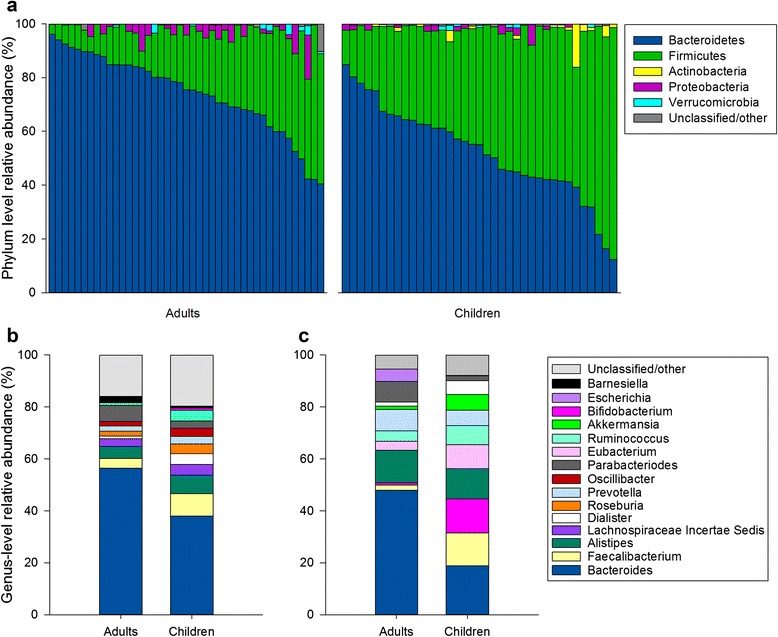
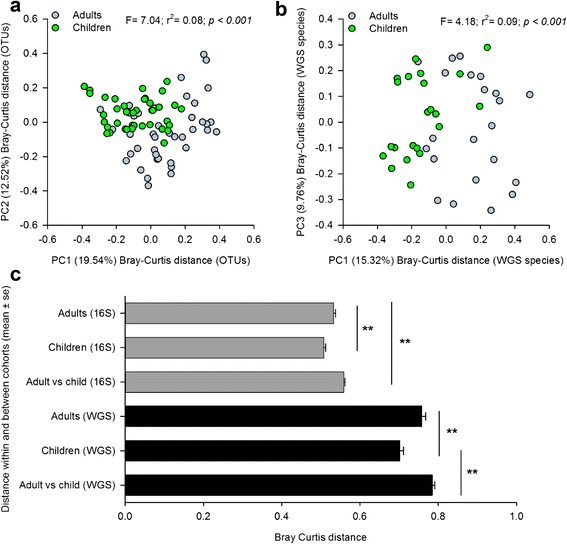
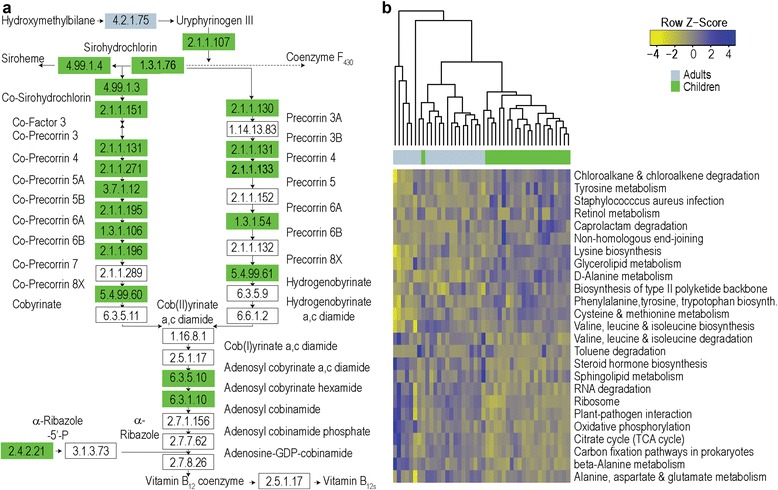
BACKGROUND: The gut microbiome influences myriad host functions, including nutrient acquisition, immune modulation, brain development, and behavior. Although human gut microbiota are recognized to change as we age, information regarding the structure and function of the gut microbiome during childhood is limited. Using 16S rRNA gene and shotgun metagenomic sequencing, we characterized the structure, function, and variation of the healthy pediatric gut microbiome in a cohort of school-aged, pre-adolescent children (ages 7-12 years). We compared the healthy pediatric gut microbiome with that of healthy adults previously recruited from the same region (Houston, TX, USA). RESULTS: Although healthy children and adults harbored similar numbers of taxa and functional genes, their composition and functional potential differed significantly. Children were enriched in Bifidobacterium spp., Faecalibacterium spp., and members of the Lachnospiraceae, while adults harbored greater abundances of Bacteroides spp. From a functional perspective, significant differences were detected with respect to the relative abundances of genes involved in vitamin synthesis, amino acid degradation, oxidative phosphorylation, and triggering mucosal inflammation. Children's gut communities were enriched in functions which may support ongoing development, while adult communities were enriched in functions associated with inflammation, obesity, and increased risk of adiposity. CONCLUSIONS: Previous studies suggest that the human gut microbiome is relatively stable and adult-like after the first 1 to 3 years of life. Our results suggest that the healthy pediatric gut microbiome harbors compositional and functional qualities that differ from those of healthy adults and that the gut microbiome may undergo a more prolonged development than previously suspected.
Overview
The claims and statistics of this paper haven’t been checked yet.
Free: it reads the open-access text and checks the first 5 claims that cite a source we can check. Create a free account to check every claim.
Integrity signals
Registry
Cites
Statistics
Figures
Verification
Claims the paper makes
The claims and statistics of this paper haven’t been checked yet.
Free: it reads the open-access text and checks the first 5 claims that cite a source we can check. Create a free account to check every claim.
Claims other papers make about this one
Each is checked against this paper’s own text: does it say what the citing paper says it does?
The source backs part of the claim, not all of it — or backs it for a different population, condition or comparison.
In the citing paper
“The microbial biodiversity of six to twelve year olds, for example, has been shown to be greater than those of healthy adults [84,85].”
From Effect of Diet on the Gut Microbiota: Rethinking Intervention Duration (2019) · cites this paper as [85]
Experimental — accuracy not yet measuredThe cited source says what the claim attributes to it.
In the citing paper
“The improved understanding of factors that shape the gut microbiome allow us to better identify confounding effects in human studies, including physiological development through childhood and adolescence to adulthood30, 128, 11, and at the same time, appreciate the adaptation of this resilient microbial ecosystem to short- and long-term perturbations in host environment.”
From The gut Microbiome in adult and pediatric functional gastrointestinal disorders (2019) · cites this paper as [11]
The cited source says what the claim attributes to it.
In the citing paper
“A more stable and complex, adult-like microbiota starts to emerge as early as one to three years of age, although this development may continue as late as pre-adolescence (85, 86).”
From Signalling cognition: The gut microbiota and hypothalamic-pituitary-adrenal axis (2023) · cites this paper as [86]
The cited source says what the claim attributes to it.
In the citing paper
“The composition and function of the microbiota in healthy children (measured at 7-12 years of age) remains significantly different from the healthy adult microbiota (Hollister et al., 2015).”
From The Microbiota-Gut-Brain Axis (2019) · cites this paper as Hollister et al., 2015
The cited source says what the claim attributes to it.
In the citing paper
“In particular, the gut microbiota of children is functionally enriched in pathways supporting ongoing development (e.g., genes involved in vitamin synthesis and de novo folate synthesis, anti-inflammatory pathways; Hollister et al., 2015).”
From The Microbiota-Gut-Brain Axis (2019) · cites this paper as Hollister et al., 2015
1 more claim about this paper
Create a free account to see every claim other papers make about this one.
Self-check
Percentages, sums and reported differences re-computed from the paper’s own numbers.
The self-check needs the paper’s full text.
Citations
Cites
Fast gapped-read alignment with Bowtie 2
Langmead, B., & Salzberg, S. L. (2012) · Nature Methods · doi:10.1038/nmeth.1923 · Cited by 56,400 · cited 1×
“Bowtie2 [53] was used to map sequence reads to a reference copy of the human genome”
MethodQIIME allows analysis of high-throughput community sequencing data
Caporaso, J. G., Kuczynski, J., Stombaugh, J., Bittinger, K., Bushman, F. D., Costello, E. K., Fierer, N., Peña, A. G., Goodrich, J. K., Gordon, J. I., et al. (2010) · Nature Methods · doi:10.1038/nmeth.f.303 · Cited by 34,887 · cited 1×
“0) [49].”
vegan: Community Ecology Package
Oksanen, J., Simpson, G. L., Blanchet, F. G., Kindt, R., Legendre, P., Minchin, P. R., O'Hara, R. B., Solymos, P., Stevens, M. H. H., Szoecs, E., et al. (2001) · CRAN: Contributed Packages · doi:10.32614/cran.package.vegan · Cited by 22,615
Search and clustering orders of magnitude faster than BLAST
Edgar, R. C. (2010) · Bioinformatics · doi:10.1093/bioinformatics/btq461 · Cited by 20,826
Naïve Bayesian Classifier for Rapid Assignment of rRNA Sequences into the New Bacterial Taxonomy
Wang, Q., Garrity, G. M., Tiedje, J. M., & Cole, J. R. (2007) · Applied and Environmental Microbiology · doi:10.1128/aem.00062-07 · Cited by 19,885 · cited 1×
“Classifier [52] with RDP training set 9 and confidence scores ≥50 %.”
Classification and Regression by randomForest
Liaw, A. I., & Wiener, M. C. (2007) · Cited by 18,594
An obesity-associated gut microbiome with increased capacity for energy harvest
Turnbaugh, P. J., Ley, R. E., Mahowald, M. A., Magrini, V., Mardis, E. R., & Gordon, J. I. (2006) · Nature · doi:10.1038/nature05414 · Cited by 12,444 · cited 3×
“ciated with leanness and other desirable health traits [26, 28], some of its members, including strains of Bacteroides fragilis, Bacteroides vulgatus, and Bacteroides”
BackgroundStructure, function and diversity of the healthy human microbiome
The Human Microbiome Project Consortium (2012) · Nature · doi:10.1038/nature11234 · Cited by 11,726
Cd-hit: a fast program for clustering and comparing large sets of protein or nucleotide sequences
Li, W., & Godzik, A. (2006) · Bioinformatics · doi:10.1093/bioinformatics/btl158 · Cited by 11,410 · cited 2×
“OTUs were clustered using CD-Hit [50], and reads were screened for chimeras using ChimeraSlayer [51].”
MethodVelvet: Algorithms for de novo short read assembly using de Bruijn graphs
Zerbino, D. R., & Birney, E. (2008) · Genome Research · doi:10.1101/gr.074492.107 · Cited by 9,491 · cited 1×
“The velvet assembler [56] (veveth, hash size 45) was used to construct contigs.”
MethodHuman gut microbiome viewed across age and geography
Yatsunenko, T., Rey, F. E., Manary, M. J., Trehan, I., Dominguez-Bello, M. G., Contreras, M., Magris, M., Hidalgo, G., Baldassano, R. N., Anokhin, A. P., et al. (2012) · Nature · doi:10.1038/nature11053 · Cited by 7,815 · cited 9×
“Adult communities have also been described as having greater potential than infants [15] to produce vitamin B12 (cobalamin), a microbially synthesized compound with anti-inflammatory and anti-oxidant benefits and essential for neurological function [38–40].”
BackgroundMethodResultInfluentialMetabolic Endotoxemia Initiates Obesity and Insulin Resistance
Cani, P. D., Amar, J., Iglesias, M. A., Poggi, M., Knauf, C., Bastelica, D., Neyrinck, A. M., Fava, F., Tuohy, K. M., Chabo, C., et al. (2007) · Diabetes · doi:10.2337/db06-1491 · Cited by 6,638
Vegan : community ecology package. R package version 1.17-9
Oksanen, J. (2007) · Medical Entomology and Zoology · Cited by 6,549
De Filippo, C., Cavalieri, D., Di Paola, M., Ramazzotti, M., Poullet, J. B., Massart, S., Collini, S., Pieraccini, G., & Lionetti, P. (2010) · Proceedings of the National Academy of Sciences · doi:10.1073/pnas.1005963107 · Cited by 5,579 · cited 3×
“A variety of factors, including diet, sex, race, ethnicity, and obesity, are known to shape and modify the microbial communities comprising the human microbiome [14, 21, 26].”
BackgroundKEGG for integration and interpretation of large-scale molecular data sets
Kanehisa, M., Goto, S., Sato, Y., Furumichi, M., & Tanabe, M. (2012) · Nucleic Acids Research · doi:10.1093/nar/gkr988 · Cited by 4,848 · cited 1×
“2) [58] was used to annotate ORFs and unassembled reads with the KEGG database (v54) [59].”
MethodDominguez-Bello, M. G., Costello, E. K., Contreras, M., Magris, M., Hidalgo, G., Fierer, N., & Knight, R. (2010) · Proceedings of the National Academy of Sciences · doi:10.1073/pnas.1002601107 · Cited by 4,774 · cited 1×
“The GI microbiome changes rapidly during infancy and early childhood and may be shaped by delivery mode, diet, antibiotics, and other exposures [7, 8].”
BackgroundRichness of human gut microbiome correlates with metabolic markers
Le Chatelier, E., Nielsen, T., Qin, J., Prifti, E., Hildebrand, F., Falony, G., Almeida, M., Arumugam, M., Batto, J.-M., Kennedy, S., et al. (2013) · Nature · doi:10.1038/nature12506 · Cited by 4,662 · cited 3×
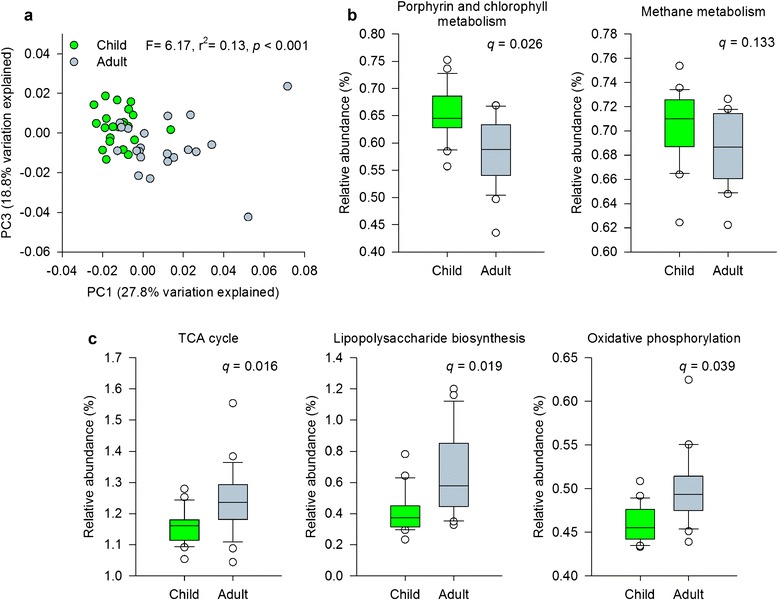
“and increased incidence of metabolic disorders [32]) and were significantly enriched in genes and gene families associated with inflammation and exposure to oxidative stress, including lipopolysaccharide biosynthesis, the tricarboxylic acid (TCA) cycle, and oxidative phosphorylation (Fig.”
BackgroundGut Microbiota from Twins Discordant for Obesity Modulate Metabolism in Mice
Ridaura, V. K., Faith, J. J., Rey, F. E., Cheng, J., Duncan, A. E., Kau, A. L., Griffin, N. W., Lombard, V., Henrissat, B., Bain, J. R., et al. (2013) · Science · doi:10.1126/science.1241214 · Cited by 3,788 · cited 2×
“ciated with leanness and other desirable health traits [26, 28], some of its members, including strains of Bacteroides fragilis, Bacteroides vulgatus, and Bacteroides”
Chimeric 16S rRNA sequence formation and detection in Sanger and 454-pyrosequenced PCR amplicons
Haas, B. J., Gevers, D., Earl, A. M., Feldgarden, M., Ward, D. V., Giannoukos, G., Ciulla, D., Tabbaa, D., Highlander, S. K., Sodergren, E., et al. (2011) · Genome Research · doi:10.1101/gr.112730.110 · Cited by 3,473 · cited 2×
“OTUs were clustered using CD-Hit [50], and reads were screened for chimeras using ChimeraSlayer [51].”
Self-citationDevelopment of the Human Infant Intestinal Microbiota
Palmer, C., Bik, E. M., DiGiulio, D. B., Relman, D. A., & Brown, P. O. (2007) · PLoS Biology · doi:10.1371/journal.pbio.0050177 · Cited by 2,877 · cited 2×
“reaches a relatively stable, adult-like state after the first 1 to 3 years of life [15, 8, 16], other evidence indicates that it”
BackgroundSuccession of microbial consortia in the developing infant gut microbiome
Koenig, J. E., Spor, A., Scalfone, N., Fricker, A. D., Stombaugh, J., Knight, R., Angenent, L. T., & Ley, R. E. (2011) · Proceedings of the National Academy of Sciences · doi:10.1073/pnas.1000081107 · Cited by 2,540 · cited 2×
“reaches a relatively stable, adult-like state after the first 1 to 3 years of life [15, 8, 16], other evidence indicates that it”
BackgroundThe Placenta Harbors a Unique Microbiome
Aagaard, K., Ma, J., Antony, K. M., Ganu, R., Petrosino, J., & Versalovic, J. (2014) · Science Translational Medicine · doi:10.1126/scitranslmed.3008599 · Cited by 2,494 · cited 1×
“Previously thought to be sterile until birth, the human microbiome may be seeded in utero [5, 6].”
BackgroundSelf-citationGut–brain axis: How the microbiome influences anxiety and depression
Foster, J. A., & McVey Neufeld, K.-A. (2013) · Trends in Neurosciences · doi:10.1016/j.tins.2013.01.005 · Cited by 2,460 · cited 2×
“org/publicdomain/ze gut microbiome may be intimately linked to brain development and behavior [4].”
BackgroundReducing the Effects of PCR Amplification and Sequencing Artifacts on 16S rRNA-Based Studies
Schloss, P. D., Gevers, D., & Westcott, S. L. (2011) · PLoS ONE · doi:10.1371/journal.pone.0027310 · Cited by 2,112 · cited 2×
“ally utilized identical DNA extraction methods, 16S primers, sequencing protocols, and the same sequencing center as the HMP, as each of these factors may contribute to technical bias in 16S-based studies [30].”
BackgroundMethodFranceschi, C., Capri, M., Monti, D., Giunta, S., Olivieri, F., Sevini, F., Panourgia, M. P., Invidia, L., Celani, L., Scurti, M., et al. (2007) · Mechanisms of Ageing and Development · doi:10.1016/j.mad.2006.11.016 · Cited by 2,087 · cited 2×
“Or, it may be a sign of aging, as the development of chronic, low-grade inflammation occurs both in conjunction with adiposity-related co-morbidities and as a part of the aging process [45].”
BackgroundMetagenomic microbial community profiling using unique clade-specific marker genes
Segata, N., Waldron, L., Ballarini, A., Narasimhan, V., Jousson, O., & Huttenhower, C. (2012) · Nature Methods · doi:10.1038/nmeth.2066 · Cited by 1,776 · cited 1×
“7 [54], with bowtie2’s “sensitive” setting.”
H OW H OST-M ICROBIAL I NTERACTIONS S HAPE THE N UTRIENT E NVIRONMENT OF THE M AMMALIAN I NTESTINE
Hooper, L. V., Midtvedt, T., & Gordon, J. I. (2002) · Annual Review of Nutrition · doi:10.1146/annurev.nutr.22.011602.092259 · Cited by 1,621 · cited 1×
“More than “fellow travelers,” our gut microbiota are essential to digestion and nutrient acquisition, intestinal development and motility, and modulation of the immune system [1–3].”
BackgroundStatistical Methods for Detecting Differentially Abundant Features in Clinical Metagenomic Samples
White, J. R., Nagarajan, N., & Pop, M. (2009) · PLoS Computational Biology · doi:10.1371/journal.pcbi.1000352 · Cited by 1,586 · cited 1×
“Two-tailed White’s non-parametric t-tests [62], with Storey’s false discovery rate (FDR) corrections, were con-”
Through Ageing, and Beyond: Gut Microbiota and Inflammatory Status in Seniors and Centenarians
Biagi, E., Nylund, L., Candela, M., Ostan, R., Bucci, L., Pini, E., Nikkïla, J., Monti, D., Satokari, R., Franceschi, C., et al. (2010) · PLoS ONE · doi:10.1371/journal.pone.0010667 · Cited by 1,483 · cited 3×
“, Simpson 1/D), which may reflect increased relative stability of the adult gut microbiome [9].”
BackgroundPersistent gut microbiota immaturity in malnourished Bangladeshi children
Subramanian, S., Huq, S., Yatsunenko, T., Haque, R., Mahfuz, M., Alam, M. A., Benezra, A., DeStefano, J., Meier, M. F., Muegge, B. D., et al. (2014) · Nature · doi:10.1038/nature13421 · Cited by 1,270
Metabolic Reconstruction for Metagenomic Data and Its Application to the Human Microbiome
Abubucker, S., Segata, N., Goll, J., Schubert, A. M., Izard, J., Cantarel, B. L., Rodriguez-Mueller, B., Zucker, J., Thiagarajan, M., Henrissat, B., et al. (2012) · PLoS Computational Biology · doi:10.1371/journal.pcbi.1002358 · Cited by 1,056 · cited 1×
“98) [60].”
Identifying biologically relevant differences between metagenomic communities
Parks, D. H., & Beiko, R. G. (2010) · Bioinformatics · doi:10.1093/bioinformatics/btq041 · Cited by 947 · cited 2×
“ducted in STAMP [63] and used to evaluate differences in”
MethodBäckhed, F., Fraser, C. M., Ringel, Y., Sanders, M. E., Sartor, R. B., Sherman, P. M., Versalovic, J., Young, V., & Finlay, B. B. (2012) · Cell Host & Microbe · doi:10.1016/j.chom.2012.10.012 · Cited by 836 · cited 1×
“More than “fellow travelers,” our gut microbiota are essential to digestion and nutrient acquisition, intestinal development and motility, and modulation of the immune system [1–3].”
BackgroundSelf-citationGastrointestinal microbiome signatures of pediatric patients with irritable bowel syndrome
Saulnier, D. M., Riehle, K., Mistretta, T., Diaz, M., Mandal, D., Raza, S., Weidler, E. M., Qin, X., Coarfa, C., Milosavljevic, A., et al. (2011) · Gastroenterology · doi:10.1053/j.gastro.2011.06.072 · Cited by 672 · cited 2×
“The 16S libraries were generated using the V3-V5 (357F/926R) primer region [46, 47].”
BackgroundMethodSelf-citationPhysiology of Folate and Vitamin B12in Health and Disease
Stover, P. J. (2004) · Nutrition Reviews · doi:10.1111/j.1753-4887.2004.tb00070.x · Cited by 465 · cited 1×
“Infant communities were significantly enriched in genes involved in the de novo synthesis of folate (vitamin B9), an important nutrient supporting DNA synthesis, replication, and repair [36], and the maintenance of regulatory T cells [37], while adult communities were enriched in genes directed toward dietary utilizat…”
BackgroundIntestinal bacteria and ageing
Woodmansey, E. J. (2007) · Journal of Applied Microbiology · doi:10.1111/j.1365-2672.2007.03400.x · Cited by 445 · cited 1×
“[9, 13, 17, 31] and has also been described in the context”
BackgroundEffects of Vitamin B 12 and Folate Deficiency on Brain Development in Children
Black, M. M. (2008) · Food and Nutrition Bulletin · doi:10.1177/15648265080292s117 · Cited by 393 · cited 1×
“Despite the fact that vitamin B12 is essential at all life stages [38, 39], its concentration in the body varies with age.”
BackgroundGosalbes, M. J., Llop, S., Vallès, Y., Moya, A., Ballester, F., & Francino, M. P. (2013) · Clinical & Experimental Allergy · doi:10.1111/cea.12063 · Cited by 384 · cited 1×
“Previously thought to be sterile until birth, the human microbiome may be seeded in utero [5, 6].”
BackgroundAagaard, K., Petrosino, J., Keitel, W., Watson, M., Katancik, J., Garcia, N., Patel, S., Cutting, M., Madden, T., Hamilton, H., et al. (2013) · The FASEB Journal · doi:10.1096/fj.12-220806 · Cited by 383 · cited 10×
“Stratifying the HMP for adults who fit our inclusion criteria provided 43 and 22 subjects for our 16S- and WGS-based analyses, respectively.”
MethodResultInfluentialSelf-citationLewandowsky, S. (2015) · Bristol Research (University of Bristol) · doi:10.5523/bris.swyt56qr4vaj17op9cw3sag7d · Cited by 369
Shifts in human skin and nares microbiota of healthy children and adults
Oh, J., Conlan, S., Polley, E. C., Segre, J. A., & Kong, H. H. (2012) · Genome Medicine · doi:10.1186/gm378 · Cited by 367
Human intestinal microbiota and healthy ageing
Tiihonen, K., Ouwehand, A. C., & Rautonen, N. (2010) · Ageing Research Reviews · doi:10.1016/j.arr.2009.10.004 · Cited by 348 · cited 1×
“characterized by declines in microbiome stability and function [9–11].”
BackgroundLand, R., Engler, G., Kral, A., & Engel, A. K. (2015) · Cited by 346
Biagi, E., Nylund, L., Candela, M., Ostan, R., Bucci, L., Pini, E., Nikkïla, J., Monti, D., Satokari, R., Franceschi, C., et al. (2010) · PLoS ONE · doi:10.1371/annotation/df45912f-d15c-44ab-8312-e7ec0607604d · Cited by 345
Agans, R., Rigsbee, L., Kenche, H., Michail, S., Khamis, H. J., & Paliy, O. (2011) · FEMS Microbiology Ecology · doi:10.1111/j.1574-6941.2011.01120.x · Cited by 343 · cited 3×
“[9, 13, 17, 31] and has also been described in the context”
BackgroundResultDe Palma, G., Nadal, I., Medina, M., Donat, E., Ribes-Koninckx, C., Calabuig, M., & Sanz, Y. (2010) · BMC Microbiology · doi:10.1186/1471-2180-10-63 · Cited by 330 · cited 1×
“dorei, have been linked to abdominal infections, metabolic disease, and inflammation in the context of celiac disease and other GI disorders [33, 34].”
BackgroundA Taxonomic Signature of Obesity in the Microbiome? Getting to the Guts of the Matter
Finucane, M. M., Sharpton, T. J., Laurent, T. J., & Pollard, K. S. (2014) · PLoS ONE · doi:10.1371/journal.pone.0084689 · Cited by 321 · cited 1×
“[29] who suggest that, at scales other than the”
BackgroundRobustness of Random Forest-based gene selection methods
Kursa, M. B. (2014) · BMC Bioinformatics · doi:10.1186/1471-2105-15-8 · Cited by 315 · cited 1×
“Random Forests, a supervised learning technique which performs well with high-dimensional data and in the presence of many irrelevant features [64], was used to evaluate whether GI communities could be classified by age class and identify features differentiating children from adults.”
MethodProgramming infant gut microbiota: influence of dietary and environmental factors
Marques, T. M., Wall, R., Ross, R. P., Fitzgerald, G. F., Ryan, C. A., & Stanton, C. (2010) · Current Opinion in Biotechnology · doi:10.1016/j.copbio.2010.03.020 · Cited by 312 · cited 1×
“opment, particularly given the importance of cobalamin for neurological function [41, 40].”
BackgroundPatterns of Early Gut Colonization Shape Future Immune Responses of the Host
Hansen, C. H. F., Nielsen, D. S., Kverka, M., Zakostelska, Z., Klimesova, K., Hudcovic, T., Tlaskalova-Hogenova, H., & Hansen, A. K. (2012) · PLoS ONE · doi:10.1371/journal.pone.0034043 · Cited by 310 · cited 1×
“More than “fellow travelers,” our gut microbiota are essential to digestion and nutrient acquisition, intestinal development and motility, and modulation of the immune system [1–3].”
BackgroundThe Human Microbiome and Its Potential Importance to Pediatrics
Johnson, C. L., & Versalovic, J. (2012) · Pediatrics · doi:10.1542/peds.2011-2736 · Cited by 310 · cited 1×
“portant roles in development, immunity, and health outcomes later in life [12, 13], information regarding the”
BackgroundSelf-citationDavis-Richardson, A. G., Ardissone, A. N., Dias, R., Simell, V., Leonard, M. T., Kemppainen, K. M., Drew, J. C., Schatz, D., Atkinson, M. A., Kolaczkowski, B., et al. (2014) · Frontiers in Microbiology · doi:10.3389/fmicb.2014.00678 · Cited by 308
Evaluation of 16S rDNA-Based Community Profiling for Human Microbiome Research
Jumpstart Consortium Human Microbiome Project Data Generation Working Group (2012) · PLoS ONE · doi:10.1371/journal.pone.0039315 · Cited by 297
Effect of Antibiotic Treatment on the Intestinal Metabolome
Antunes, L. C. M., Han, J., Ferreira, R. B. R., Lolić, P., Borchers, C. H., & Finlay, B. B. (2011) · Antimicrobial Agents and Chemotherapy · doi:10.1128/aac.01664-10 · Cited by 271 · cited 1×
“This enrichment may be a function of the gut microbiota priming the immune system [43].”
BackgroundScaling metagenome sequence assembly with probabilistic de Bruijn graphs
Pell, J., Hintze, A., Canino-Koning, R., Howe, A., Tiedje, J. M., & Brown, C. T. (2012) · Proceedings of the National Academy of Sciences · doi:10.1073/pnas.1121464109 · Cited by 247 · cited 1×
“Prior to assembly, shotgun sequence libraries were processed using digital normalization [55], a technique which removes redundant reads, reduces computational complexity, and improves assembly quality in complex metagenomes.”
MethodRingel-Kulka, T., Cheng, J., Ringel, Y., Salojärvi, J., Carroll, I., Palva, A., de Vos, W. M., & Satokari, R. (2013) · PLoS ONE · doi:10.1371/journal.pone.0064315 · Cited by 230 · cited 4×
“[9, 13, 17, 31] and has also been described in the context”
BackgroundResultInfluentialMetAMOS: a modular and open source metagenomic assembly and analysis pipeline
Treangen, T. J., Koren, S., Sommer, D. D., Liu, B., Astrovskaya, I., Ondov, B., Darling, A. E., Phillippy, A. M., & Pop, M. (2013) · Genome Biology · doi:10.1186/gb-2013-14-1-r2 · Cited by 225 · cited 2×
“Treangen T, Koren S, Sommer D, Liu B, Astrovskaya I, Ondov B, et al. MetAMOS: a modular and open source metagenomic assembly and analysis pipeline.”
MethodEffect of Intestinal Microbial Ecology on the Developing Brain
Douglas-Escobar, M., Elliott, E., & Neu, J. (2013) · JAMA Pediatrics · doi:10.1001/jamapediatrics.2013.497 · Cited by 207 · cited 1×
“Evidence from animal models highlights the importance of the gut microbiome in brain development, learning, and behavior [4], and although increased potential for amino acid metabolism in pediatric GI communities may play into multiple aspects of host and/or microbiome function, it may also reflect the influence of th…”
BackgroundMonsen, A.-L. B., Refsum, H., Markestad, T., & Ueland, P. M. (2003) · Clinical Chemistry · doi:10.1373/clinchem.2003.019869 · Cited by 136 · cited 2×
“opment, particularly given the importance of cobalamin for neurological function [41, 40].”
BackgroundA Pivotal Role of Vitamin B9 in the Maintenance of Regulatory T Cells In Vitro and In Vivo
Kunisawa, J., Hashimoto, E., Ishikawa, I., & Kiyono, H. (2012) · PLoS ONE · doi:10.1371/journal.pone.0032094 · Cited by 132
Vitamin B 12 and ageing: current issues and interaction with folate
Hughes, C., Ward, M., Hoey, L., & McNulty, H. (2013) · Annals of Clinical Biochemistry International Journal of Laboratory Medicine · doi:10.1177/0004563212473279 · Cited by 109
The dynamics of a family’s gut microbiota reveal variations on a theme
Schloss, P. D., Iverson, K. D., Petrosino, J. F., & Schloss, S. J. (2014) · Microbiome · doi:10.1186/2049-2618-2-25 · Cited by 105
Self-citationOntogeny of human pancreatic exocrine function.
McClean, P., & Weaver, L. T. (1993) · Archives of Disease in Childhood · doi:10.1136/adc.68.1_spec_no.62 · Cited by 101 · cited 1×
“As such, it is vital to establish a baseline understanding of pediatric GI microbiome structure and function, the degree to which these vary among healthy children, and the extent to which specific microbial features are unique to childhood, as opposed to infancy, when digestive function is immature [19, 20], or adult…”
Background1H NMR metabolomics study of age profiling in children
Gu, H., Pan, Z., Xi, B., Hainline, B. E., Shanaiah, N., Asiago, V., Gowda, G. A. N., & Raftery, D. (2009) · NMR in Biomedicine · doi:10.1002/nbm.1395 · Cited by 87 · cited 1×
“continues to develop into the teenage years [13, 17, 18].”
BackgroundChanges in subgingival microbiota during puberty
Gusberti, F. A., Mombelli, A., Lang, N. P., & Minder, C. E. (1990) · Journal Of Clinical Periodontology · doi:10.1111/j.1600-051x.1990.tb01054.x · Cited by 79 · cited 1×
“Likewise, other adult versus pediatric comparisons have emphasized the stark contrasts of infant and adult GI communities [15, 16] rather than the more subtle contrasts of adults versus older children, have been limited to a single family [22], or have included teenagers [15, 23], despite evidence of microbiome shifts…”
BackgroundRole of biokinetics in risk assessment of drugs and chemicals in children
de Zwart, L. L., Haenen, H. E. M. G., Versantvoort, C. H. M., Wolterink, G., van Engelen, J. G. M., & Sips, A. J. A. M. (2004) · Regulatory Toxicology and Pharmacology · doi:10.1016/j.yrtph.2004.02.006 · Cited by 79
Selecting age-related functional characteristics in the human gut microbiome
Lan, Y., Kriete, A., & Rosen, G. L. (2013) · Microbiome · doi:10.1186/2049-2618-1-2 · Cited by 58 · cited 2×
“These results extend previous work [11] describing the gut microbial communities of younger adults as possessing fewer pro-inflammatory traits than those of older adults and suggest that healthy children fall even lower on the pro-inflammatory scale.”
ResultThe Genboree Microbiome Toolset and the analysis of 16S rRNA microbial sequences
Riehle, K., Coarfa, C., Jackson, A., Ma, J., Tandon, A., Paithankar, S., Raghuraman, S., Mistretta, T.-A., Saulnier, D., Raza, S., et al. (2012) · BMC Bioinformatics · doi:10.1186/1471-2105-13-s13-s11 · Cited by 55
Self-citationThe Effects of Maturation on the Colonic Microflora in Infancy and Childhood
Enck, P., Zimmermann, K., Rusch, K., Schwiertz, A., Klosterhalfen, S., & Frick, J. S. (2009) · Gastroenterology Research and Practice · doi:10.1155/2009/752401 · Cited by 41 · cited 1×
“Likewise, other adult versus pediatric comparisons have emphasized the stark contrasts of infant and adult GI communities [15, 16] rather than the more subtle contrasts of adults versus older children, have been limited to a single family [22], or have included teenagers [15, 23], despite evidence of microbiome shifts…”
Background
Cited by
Cryan, J. F., O'Riordan, K. J., Cowan, C. S. M., Sandhu, K. V., Bastiaanssen, T. F. S., Boehme, M., Codagnone, M. G., Cussotto, S., Fulling, C., Golubeva, A. V., et al. (2019) · Physiological Reviews · doi:10.1152/physrev.00018.2018 · Cited by 5,286
The Human Intestinal Microbiome in Health and Disease
Lynch, S. V., & Pedersen, O. (2016) · New England Journal of Medicine · doi:10.1056/nejmra1600266 · Cited by 3,637
Milani, C., Duranti, S., Bottacini, F., Casey, E., Turroni, F., Mahony, J., Belzer, C., Delgado Palacio, S., Arboleya Montes, S., Mancabelli, L., et al. (2017) · Microbiology and Molecular Biology Reviews · doi:10.1128/mmbr.00036-17 · Cited by 1,950
Gut Bacteroides species in health and disease
Zafar, H., & Saier, M. H. (2021) · Gut Microbes · doi:10.1080/19490976.2020.1848158 · Cited by 1,233
Human gut microbiota/microbiome in health and diseases: a review
Gomaa, E. Z. (2020) · Antonie van Leeuwenhoek · doi:10.1007/s10482-020-01474-7 · Cited by 1,294
Metadata
- Authors
- Hollister, E. B., Riehle, K., Luna, R. A., Weidler, E. M., Rubio-Gonzales, M., Mistretta, T.-A., Raza, S., Doddapaneni, H. V., Metcalf, G. A., Muzny, D. M., Gibbs, R. A., Petrosino, J. F., Shulman, R. J., & Versalovic, J.
- Affiliations
- Baylor College of Medicine (US)
- Corresponding author
- Hollister, Emily B.
- ORCID
- Venue
- Microbiome
- Published
- 2015-08-26
- Volume
- 3
- Issue
- 1
- Pages
- 36-36
- ISSN
- 2049-2618 (ISSN-L)
- PMC
- PMC4550057
- OpenAlex
- W2096500845
- Cited by
- 406
- References
- 70
- Citations by year
- 2026: 27 · 2025: 38 · 2024: 37 · 2023: 40 · 2022: 55 · 2021: 51 · 2020: 37 · 2019: 45 · 2018: 33 · 2017: 21 · 2016: 22
- FWCI
- 10.93
- Type
- journal article
- Language
- en
- Open access
- gold
- doi.org
- Licence
- cc-by
- creativecommons.org/licenses/by/4.0/ (tdm)
- creativecommons.org/licenses/by/4.0/ (vor)
- Locations
- Microbiome (publishedVersion, cc-by)
- PubMed Central (publishedVersion, cc-by)
- PubMed (publishedVersion)
- Funders
- National Institute of Diabetes and Digestive and Kidney Diseases (UH2 DK093990, UH3 DK083990)
- National Center for Complementary and Alternative Medicine (R01 AT004326)
- National Cancer Institute (U01 CA170930)
- National Human Genome Research Institute (U54 HG004973)
- National Institute of Nursing Research (R01 NR05337, R01 NR013497)
- Daffy's Foundation (ᅟ)
- Topics
- Life Sciences › Biochemistry, Genetics and Molecular Biology › Molecular Biology › Gut microbiota and health
- Health Sciences › Nursing › Nutrition and Dietetics › Infant Nutrition and Health
- Health Sciences › Dentistry › Periodontics › Oral microbiology and periodontitis research
- Keywords
- gut microbiota, preadolescents, microbiome development, Bifidobacterium, Faecalibacterium, Bacteroides, Lachnospiraceae, microbial functional genes, vitamin synthesis, amino acid catabolism, oxidative phosphorylation, mucosal inflammation, obesity
- MeSH terms
- Gastrointestinal Microbiome, Adult, Age Factors, Child, Female, Humans, Male, RNA, Ribosomal, 16S, Cluster Analysis, Biodiversity, Metagenome, DNA Barcoding, Taxonomic, Healthy Volunteers
About these checks
Registry, retraction, Cites and statistics results are computed, not judged, with one exception: a printed reference that no index lists is read once by a model before it counts as a citation error. Claims are extracted by a model and kept only when their quote appears verbatim in the text; each cited source is then checked, with a model’s help, for whether it says what the claim relies on. Those verdicts can be wrong — read the claim’s quote and the cited source before relying on one.
Statistics and arithmetic are recomputed, not judged.
Confidence bands are shown only for fields calibrated on our annotated test set. None is calibrated yet, so no band is shown.
What counts as a claim ›How we measure confidence ›How we check this ›
Are you an author, or do you see a problem with this page? Request a review
Data sources
Bibliographic data: Semantic Scholar, OpenAlex, Crossref.
Contains information from the Semantic Scholar Academic Graph Datasets, made available under the ODC Attribution License (ODC-BY 1.0).
Semantic Scholar’s data is described in: Kinney, R., et al. (2023). The Semantic Scholar Open Data Platform. arXiv:2301.10140.
