

A comprehensive method for amplicon-based and metagenomic characterization of viruses, bacteria, and eukaryotes in freshwater samples
Open accessThe DOI matches its Crossref record; 143 of the 144 references it cites were found in a registry or an index.
Abstract
BACKGROUND: Studies of environmental microbiota typically target only specific groups of microorganisms, with most focusing on bacteria through taxonomic classification of 16S rRNA gene sequences. For a more holistic understanding of a microbiome, a strategy to characterize the viral, bacterial, and eukaryotic components is necessary. RESULTS: We developed a method for metagenomic and amplicon-based analysis of freshwater samples involving the concentration and size-based separation of eukaryotic, bacterial, and viral fractions. Next-generation sequencing and culture-independent approaches were used to describe and quantify microbial communities in watersheds with different land use in British Columbia. Deep amplicon sequencing was used to investigate the distribution of certain viruses (g23 and RdRp), bacteria (16S rRNA and cpn60), and eukaryotes (18S rRNA and ITS). Metagenomic sequencing was used to further characterize the gene content of the bacterial and viral fractions at both taxonomic and functional levels. CONCLUSION: This study provides a systematic approach to separate and characterize eukaryotic-, bacterial-, and viral-sized particles. Methodologies described in this research have been applied in temporal and spatial studies to study the impact of land use on watershed microbiomes in British Columbia.
Overview
The claims and statistics of this paper haven’t been checked yet.
Free: it reads the open-access text and checks the first 5 claims that cite a source we can check. Create a free account to check every claim.
Integrity signals
Registry
Cites
Statistics
Figures
Verification
Claims the paper makes
The claims and statistics of this paper haven’t been checked yet.
Free: it reads the open-access text and checks the first 5 claims that cite a source we can check. Create a free account to check every claim.
Claims other papers make about this one
Each is checked against this paper’s own text: does it say what the citing paper says it does?
The check wasn’t confident either way, so it gives no verdict — never disputed.
In the citing paper
“Microalgae such as Chlorella, Chlamydomonas, or Scenedesmus can accumulate high carbohydrate content of about 12–32% on a dry biomass basis (Uyaguari-Diaz et al. 2016; Mayers et al. 2018).”
From Production of microalgae with high lipid content and their potential as sources of nutraceuticals (2023) · cites this paper as Uyaguari-Diaz et al. 2016
Experimental — accuracy not yet measured
Self-check
Percentages, sums and reported differences re-computed from the paper’s own numbers.
The self-check needs the paper’s full text.
Citations
Cites
Standard methods: For the examination of water and waste water
(1990) · Analytical Biochemistry · doi:10.1016/0003-2697(90)90598-4 · Cited by 72,091
Trimmomatic: a flexible trimmer for Illumina sequence data
Bolger, A. M., Lohse, M., & Usadel, B. (2014) · Bioinformatics · doi:10.1093/bioinformatics/btu170 · Cited by 65,548 · cited 1×
“32 [51].”
Amplification and direct sequencing of fungal ribosomal RNA genes for phylogenetics
White, T. J., Bruns, T., Lee, S., & Taylor, J. (1990) · PCR Protocols · doi:10.1016/b978-0-12-372180-8.50042-1 · Cited by 36,648
QIIME allows analysis of high-throughput community sequencing data
Caporaso, J. G., Kuczynski, J., Stombaugh, J., Bittinger, K., Bushman, F. D., Costello, E. K., Fierer, N., Peña, A. G., Goodrich, J. K., Gordon, J. I., et al. (2010) · Nature Methods · doi:10.1038/nmeth.f.303 · Cited by 34,887 · cited 2×
“Caporaso JG, Kuczynski J, Stombaugh J, Bittinger K, Bushman FD, Costello EK, et al. QIIME allows analysis of high-throughput community sequencing data.”
MethodCutadapt removes adapter sequences from high-throughput sequencing reads
Martin, M. (2011) · EMBnet.journal · doi:10.14806/ej.17.1.200 · Cited by 33,889
A modified single solution method for the determination of phosphate in natural waters
Murphy, J., & Riley, J. P. (1962) · Analytica Chimica Acta · doi:10.1016/s0003-2670(00)88444-5 · Cited by 21,093 · cited 3×
“Additionally, nutrients (orthophosphates, nitrites, and nitrates) were analyzed following methods described by Murphy and Riley [30] and Wood et al. [31], respectively.”
MethodInfluentialMuyzer, G., de Waal, E. C., & Uitterlinden, A. G. (1993) · Applied and Environmental Microbiology · doi:10.1128/aem.59.3.695-700.1993 · Cited by 11,429 · cited 1×
“[44, 45]”
Global patterns of 16S rRNA diversity at a depth of millions of sequences per sample
Caporaso, J. G., Lauber, C. L., Walters, W. A., Berg-Lyons, D., Lozupone, C. A., Turnbaugh, P. J., Fierer, N., & Knight, R. (2011) · Proceedings of the National Academy of Sciences · doi:10.1073/pnas.1000080107 · Cited by 9,711 · cited 1×
“[44, 45]”
Global threats to human water security and river biodiversity
Vörösmarty, C. J., McIntyre, P. B., Gessner, M. O., Dudgeon, D., Prusevich, A., Green, P., Glidden, S., Bunn, S. E., Sullivan, C. A., Liermann, C. R., et al. (2010) · Nature · doi:10.1038/nature09440 · Cited by 7,582 · cited 1×
“While water is a renewable resource, an expanding population and increased land use create stress on the aquatic environment and threats to water quality [1–3].”
BackgroundMeyer, F., Paarmann, D., D'Souza, M., Olson, R., Glass, E., Kubal, M., Paczian, T., Rodriguez, A., Stevens, R., Wilke, A., et al. (2008) · BMC Bioinformatics · doi:10.1186/1471-2105-9-386 · Cited by 3,565 · cited 5×
“Forward reads of amplicon and viral libraries were uploaded to the Metagenomic Rapid Annotations using Subsystems Technology (MG-RAST) [52] and Metavir [53], respectively.”
MethodInfluentialMEGAN analysis of metagenomic data
Huson, D. H., Auch, A. F., Qi, J., & Schuster, S. C. (2007) · Genome Research · doi:10.1101/gr.5969107 · Cited by 3,312
Marine viruses — major players in the global ecosystem
Suttle, C. A. (2007) · Nature Reviews Microbiology · doi:10.1038/nrmicro1750 · Cited by 3,157 · cited 2×
“Other researchers have also reported DNA and RNA viruses in the opposite fractions [79, 131].”
BackgroundSelf-citationAmann, R. I., Krumholz, L., & Stahl, D. A. (1990) · Journal of Bacteriology · doi:10.1128/jb.172.2.762-770.1990 · Cited by 2,208 · cited 1×
“[40, 41]”
PANDAseq: paired-end assembler for Illumina sequences
Masella, A. P., Bartram, A. K., Truszkowski, J. M., Brown, D. G., & Neufeld, J. D. (2012) · BMC Bioinformatics · doi:10.1186/1471-2105-13-31 · Cited by 2,132
The Subsystems Approach to Genome Annotation and its Use in the Project to Annotate 1000 Genomes
Overbeek, R. (2005) · Nucleic Acids Research · doi:10.1093/nar/gki866 · Cited by 2,012 · cited 1×
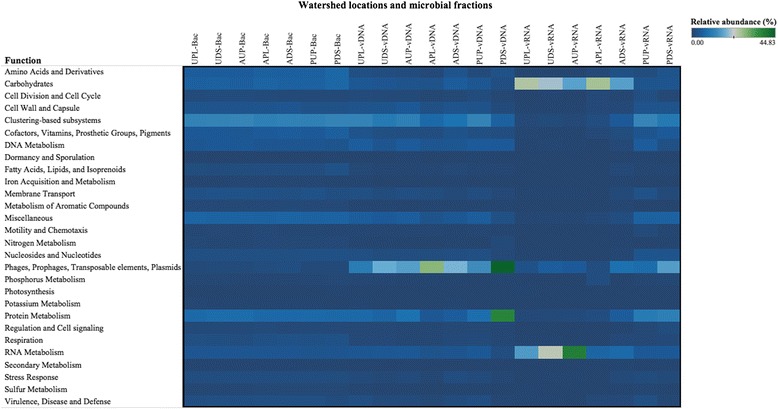
“Functional gene composition for bacterial and viral metagenomes was annotated using MG-RAST and the SEED subsystems [60].”
MethodIntegrative analysis of environmental sequences using MEGAN4
Huson, D. H., Mitra, S., Ruscheweyh, H.-J., Weber, N., & Schuster, S. C. (2011) · Genome Research · doi:10.1101/gr.120618.111 · Cited by 1,541 · cited 2×
“Huson DH, Mitra S, Ruscheweyh HJ, Weber N, Schuster SC. Integrative analysis of environmental sequences using MEGAN4.”
Result16S rRNA sequences reveal numerous uncultured microorganisms in a natural community
Ward, D. M., Weller, R., & Bateson, M. M. (1990) · Nature · doi:10.1038/345063a0 · Cited by 1,383 · cited 1×
“Not only are these methods slow and inaccurate due to differences in enumeration strategies [4], but also they measure only a fraction of the microorganisms in the sample [5, 6], missing important perturbations in the microbiota.”
MethodEnvironmental and Gut Bacteroidetes: The Food Connection
Thomas, F., Hehemann, J.-H., Rebuffet, E., Czjzek, M., & Michel, G. (2011) · Frontiers in Microbiology · doi:10.3389/fmicb.2011.00093 · Cited by 1,337 · cited 1×
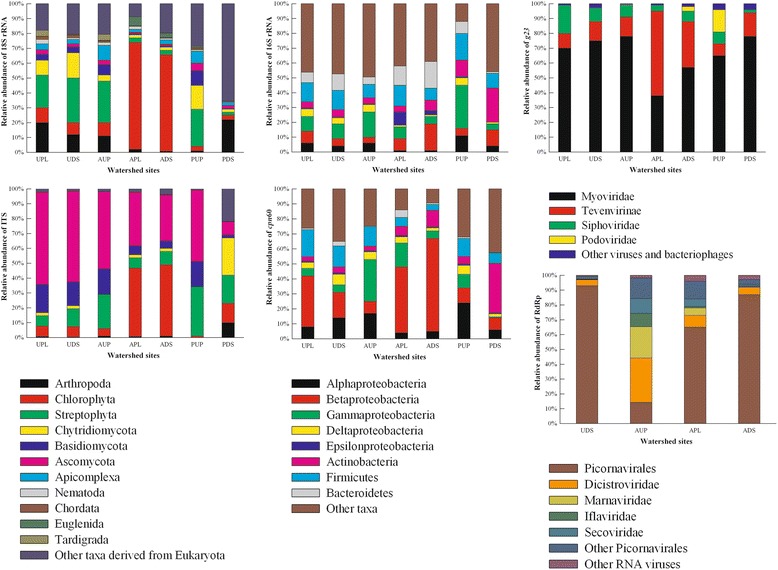
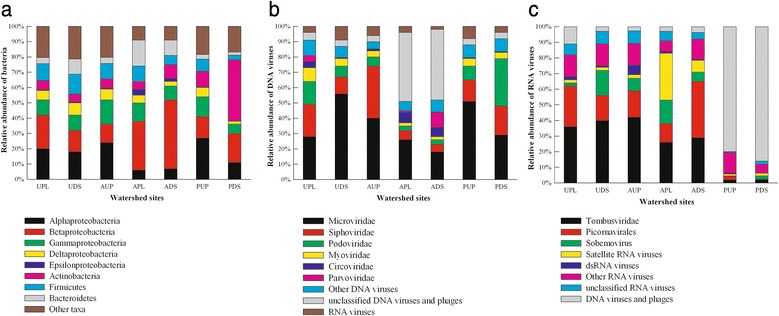
“human and wildlife gut and in sediments and soil [113–115]: Proteobacteria (Alpha-, Beta-, Gamma-, Delta-, and Epsilonproteobacteria), Actinobacteria, Firmicutes, and Bacteroidetes (Fig.”
BackgroundDetermination of nitrate in sea water by cadmium-copper reduction to nitrite
Wood, E. D., Armstrong, F. A. J., & Richards, F. A. (1967) · Journal of the Marine Biological Association of the United Kingdom · doi:10.1017/s002531540003352x · Cited by 1,253 · cited 1×
“[31], respectively.”
Větrovský, T., & Baldrian, P. (2013) · PLoS ONE · doi:10.1371/journal.pone.0057923 · Cited by 1,208 · cited 1×
“These differences reflect the biases in PCR amplification, multicopy gene abundance, variation in genome sizes, library preparation, and normalization methods [105–107].”
MethodITS as an environmental DNA barcode for fungi: an in silico approach reveals potential PCR biases
Bellemain, E., Carlsen, T., Brochmann, C., Coissac, E., Taberlet, P., & Kauserud, H. (2010) · BMC Microbiology · doi:10.1186/1471-2180-10-189 · Cited by 1,148 · cited 1×
“Biases in amplification and sequencing (including sequencing platform) are well described for the 18S rRNA and ITS targets [108–111] and for other microbial targets as well [112].”
BackgroundGenomic analysis of uncultured marine viral communities
Breitbart, M., Salamon, P., Andresen, B., Mahaffy, J. M., Segall, A. M., Mead, D., Azam, F., & Rohwer, F. (2002) · Proceedings of the National Academy of Sciences · doi:10.1073/pnas.202488399 · Cited by 994 · cited 1×
“Large volumes (from tens to hundreds of liters) of water are typically required to isolate and concentrate viral nucleic acids [11, 27, 80, 81].”
BackgroundMicroarray-based detection and genotyping of viral pathogens
Wang, D., Coscoy, L., Zylberberg, M., Avila, P. C., Boushey, H. A., Ganem, D., & DeRisi, J. L. (2002) · Proceedings of the National Academy of Sciences · doi:10.1073/pnas.242579699 · Cited by 810 · cited 1×
“[39] was used for cDNA synthesis and increase yields of the viral fraction.”
RNA Viral Community in Human Feces: Prevalence of Plant Pathogenic Viruses
Zhang, T., Breitbart, M., Lee, W. H., Run, J.-Q., Wei, C. L., Soh, S. W. L., Hibberd, M. L., Liu, E. T., Rohwer, F., & Ruan, Y. (2005) · PLoS Biology · doi:10.1371/journal.pbio.0040003 · Cited by 805 · cited 1×
“For instance, plant viruses can be good markers for human fecal contamination [16, 17] and bacteriophages can be used for microbial source tracking [18], demonstrating that surveys of watershed microbiomes need to expand beyond the typical bacterial 16S rRNA or single fraction studies.”
BackgroundOptimization of Procedures for Counting Viruses by Flow Cytometry
Brussaard, C. P. D. (2004) · Applied and Environmental Microbiology · doi:10.1128/aem.70.3.1506-1513.2004 · Cited by 690 · cited 2×
“Abundance of viral and bacterial-sized particles were determined in duplicate water samples using a FACSCalibur flow cytometer (Beckton Dickinson, San Jose, CA) with a 15-mW 488- nm air-cooled argon-ion laser as described by Brussaard (2004) [33].”
MethodPoretsky, R., Rodriguez-R, L. M., Luo, C., Tsementzi, D., & Konstantinidis, K. T. (2014) · PLoS ONE · doi:10.1371/journal.pone.0093827 · Cited by 684 · cited 1×
“These differences reflect the biases in PCR amplification, multicopy gene abundance, variation in genome sizes, library preparation, and normalization methods [105–107].”
MethodMapping of picoeucaryotes in marine ecosystems with quantitative PCR of the 18S rRNA gene
Zhu, F., Massana, R., Not, F., Marie, D., & Vaulot, D. (2005) · FEMS Microbiology Ecology · doi:10.1016/j.femsec.2004.10.006 · Cited by 643 · cited 1×
“[40, 41]”
Bokulich, N. A., & Mills, D. A. (2013) · Applied and Environmental Microbiology · doi:10.1128/aem.03870-12 · Cited by 563 · cited 1×
“Biases in amplification and sequencing (including sequencing platform) are well described for the 18S rRNA and ITS targets [108–111] and for other microbial targets as well [112].”
BackgroundFierer, N., Breitbart, M., Nulton, J., Salamon, P., Lozupone, C., Jones, R., Robeson, M., Edwards, R. A., Felts, B., Rayhawk, S., et al. (2007) · Applied and Environmental Microbiology · doi:10.1128/aem.00358-07 · Cited by 563 · cited 1×
“To date, there is only one study that has characterized the different major microbial domains within the same environmental sample (soil) [19].”
BackgroundMetagenomics for studying unculturable microorganisms: cutting the Gordian knot.
Schloss, P. D., & Handelsman, J. (2005) · Genome biology · doi:10.1186/gb-2005-6-8-229 · Cited by 560 · cited 1×
“Not only are these methods slow and inaccurate due to differences in enumeration strategies [4], but also they measure only a fraction of the microorganisms in the sample [5, 6], missing important perturbations in the microbiota.”
MethodViral Control of Phytoplankton Populations—a Review1
BRUSSAARD, C. P. D. (2004) · Journal of Eukaryotic Microbiology · doi:10.1111/j.1550-7408.2004.tb00537.x · Cited by 501 · cited 2×
“The observed differences between qPCR and FCM to quantify virus particles for enteroviruses may be associated to FCM underestimating ssRNA viruses <30 nm in diameter [70, 71].”
BackgroundMethodRitalahti, K. M., Amos, B. K., Sung, Y., Wu, Q., Koenigsberg, S. S., & Löffler, F. E. (2006) · Applied and Environmental Microbiology · doi:10.1128/aem.72.4.2765-2774.2006 · Cited by 471 · cited 1×
“[48].”
RNA-Dependent RNA Polymerases, Viruses, and RNA Silencing
Ahlquist, P. (2002) · Science · doi:10.1126/science.1069132 · Cited by 462 · cited 1×
“As the largest group of RNA viruses, Picornavirales have been reported to infect a wide diversity of eukaryotes in aquatic environments [11, 25–28]; the RdRp gene from this order was selected to complement viral RNA metagenomes in watersheds.”
BackgroundrrnDB: documenting the number of rRNA and tRNA genes in bacteria and archaea
Lee, Z. M.-P., Bussema, C., & Schmidt, T. M. (2009) · Nucleic Acids Research · doi:10.1093/nar/gkn689 · Cited by 453 · cited 1×
“3 (16S rRNA genes for bacteria) [87] were used to normalize GCNs per nanogram and milliliter sample.”
MethodMolecular detection of pathogens in water – The pros and cons of molecular techniques
Girones, R., Ferrús, M. A., Alonso, J. L., Rodriguez-Manzano, J., Calgua, B., de Abreu Corrêa, A., Hundesa, A., Carratala, A., & Bofill-Mas, S. (2010) · Water Research · doi:10.1016/j.watres.2010.06.030 · Cited by 445 · cited 1×
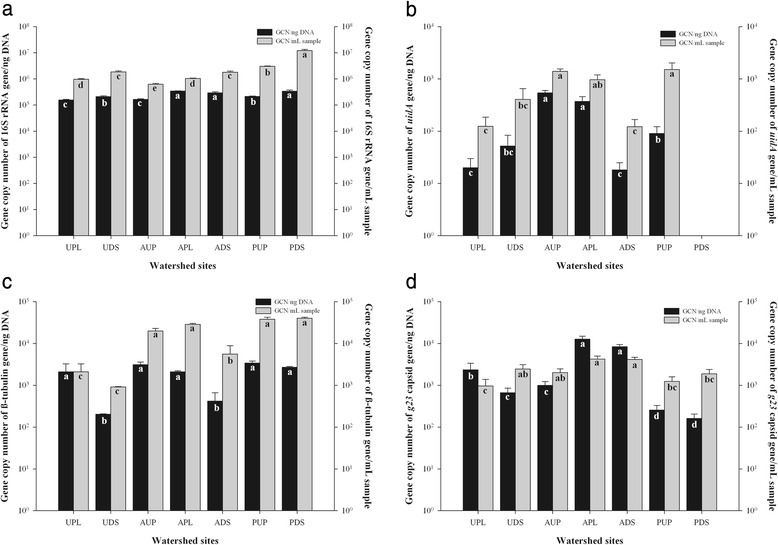
“While a comparison between g23 and other viral groups is difficult, quantitation results via qPCR for other DNA viral groups such as adenovirus and JC polyomavirus in other freshwater ecosystems [99] were within the same order of magnitude as our samples.”
ResultReproducibility and quantitation of amplicon sequencing-based detection
Zhou, J., Wu, L., Deng, Y., Zhi, X., Jiang, Y.-H., Tu, Q., Xie, J., Van Nostrand, J. D., He, Z., & Yang, Y. (2011) · The ISME Journal · doi:10.1038/ismej.2011.11 · Cited by 437 · cited 1×
“Biases in amplification and sequencing (including sequencing platform) are well described for the 18S rRNA and ITS targets [108–111] and for other microbial targets as well [112].”
BackgroundIntragenomic Heterogeneity of 16S rRNA Genes Causes Overestimation of Prokaryotic Diversity
Sun, D.-L., Jiang, X., Wu, Q. L., & Zhou, N.-Y. (2013) · Applied and Environmental Microbiology · doi:10.1128/aem.01282-13 · Cited by 436 · cited 1×
“Overestimation of prokaryotes by 16S rRNA qPCR can be associated with the multicopy nature and intragenomic heterogeneity of 16S rRNA [94, 95].”
BackgroundCzekalski, N., Berthold, T., Caucci, S., Egli, A., & Bürgmann, H. (2012) · Frontiers in Microbiology · doi:10.3389/fmicb.2012.00106 · Cited by 408
Metagenomic Analysis of Coastal RNA Virus Communities
Culley, A. I., Lang, A. S., & Suttle, C. A. (2006) · Science · doi:10.1126/science.1127404 · Cited by 374 · cited 2×
“Dead end and tangential flow filtration (TFF) have widely been used for the separation of microbial communities in water [26, 32, 62].”
BackgroundMethodSelf-citationThe Bacteriophage DNA Packaging Motor
Rao, V. B., & Feiss, M. (2008) · Annual Review of Genetics · doi:10.1146/annurev.genet.42.110807.091545 · Cited by 372 · cited 1×
“These genes are major components of the phage DNA packaging machinery [141, 142].”
BackgroundChow, C.-E. T., Kim, D. Y., Sachdeva, R., Caron, D. A., & Fuhrman, J. A. (2014) · The ISME Journal · doi:10.1038/ismej.2013.199 · Cited by 352 · cited 2×
“Gene 23 (g23), which encodes the major capsid protein of T4-like bacteriophages, has been widely used for phylogenetic studies in different environments including aquatic environments [10, 20–23].”
BackgroundPepper Mild Mottle Virus as an Indicator of Fecal Pollution
Rosario, K., Symonds, E. M., Sinigalliano, C., Stewart, J., & Breitbart, M. (2009) · Applied and Environmental Microbiology · doi:10.1128/aem.00410-09 · Cited by 339 · cited 1×
“For instance, plant viruses can be good markers for human fecal contamination [16, 17] and bacteriophages can be used for microbial source tracking [18], demonstrating that surveys of watershed microbiomes need to expand beyond the typical bacterial 16S rRNA or single fraction studies.”
BackgroundWatzinger, F., Suda, M., Preuner, S., Baumgartinger, R., Ebner, K., Baskova, L., Niesters, H. G. M., Lawitschka, A., & Lion, T. (2004) · Journal of Clinical Microbiology · doi:10.1128/jcm.42.11.5189-5198.2004 · Cited by 322
Viral genome sequencing by random priming methods
Djikeng, A., Halpin, R., Kuzmickas, R., DePasse, J., Feldblyum, J., Sengamalay, N., Afonso, C., Zhang, X., Anderson, N. G., Ghedin, E., et al. (2008) · BMC Genomics · doi:10.1186/1471-2164-9-5 · Cited by 321
Anderson, I. C., Campbell, C. D., & Prosser, J. I. (2003) · Environmental Microbiology · doi:10.1046/j.1462-2920.2003.00383.x · Cited by 316
Diversity of 16S rRNA Genes within Individual Prokaryotic Genomes
Pei, A. Y., Oberdorf, W. E., Nossa, C. W., Agarwal, A., Chokshi, P., Gerz, E. A., Jin, Z., Lee, P., Yang, L., Poles, M., et al. (2010) · Applied and Environmental Microbiology · doi:10.1128/aem.02953-09 · Cited by 289 · cited 1×
“Overestimation of prokaryotes by 16S rRNA qPCR can be associated with the multicopy nature and intragenomic heterogeneity of 16S rRNA [94, 95].”
BackgroundReverse Transcriptase and the Generation of Retroviral DNA
Telesnitsky, A., & Goff, S. P. (1997) · Europe PMC (PubMed Central) · Cited by 282
Exploring the viral world through metagenomics
Rosario, K., & Breitbart, M. (2011) · Current Opinion in Virology · doi:10.1016/j.coviro.2011.06.004 · Cited by 279 · cited 1×
“These results are largely congruent with other studies in aquatic ecosystems [27, 81, 133, 134], which have also reported a majority of sequences to have unknown origins.”
ResultMetagenomic analysis of viruses in reclaimed water
Rosario, K., Nilsson, C., Lim, Y. W., Ruan, Y., & Breitbart, M. (2009) · Environmental Microbiology · doi:10.1111/j.1462-2920.2009.01964.x · Cited by 276 · cited 4×
“Also, eluates were not treated with RNase due to the potential degradation of some RNA viruses [81, 136, 137].”
BackgroundResultInfluentialFrahm, E., & Obst, U. (2003) · Journal of Microbiological Methods · doi:10.1016/s0167-7012(02)00150-1 · Cited by 247 · cited 1×
“[47]”
Marine T4-type bacteriophages, a ubiquitous component of the dark matter of the biosphere
Filée, J., Tétart, F., Suttle, C. A., & Krisch, H. M. (2005) · Proceedings of the National Academy of Sciences · doi:10.1073/pnas.0503404102 · Cited by 244 · cited 1×
“This efficiency may have been improved by targeting a smaller DNA fragment (<300 bp); however, amplification of a shorter fragment of β-tubulin [86] was not successful in our samples, and the hypervariable regions within g23 preclude qPCR of a shorter fragment [20, 89].”
BackgroundSelf-citationAssessing the Diversity and Specificity of Two Freshwater Viral Communities through Metagenomics
Roux, S., Enault, F., Robin, A., Ravet, V., Personnic, S., Theil, S., Colombet, J., Sime-Ngando, T., & Debroas, D. (2012) · PLoS ONE · doi:10.1371/journal.pone.0033641 · Cited by 240 · cited 1×
“These families and groups have previously been reported as abundant in other freshwater ecosystems that are rich in organics [73, 127], suggesting trophic status or productivity may influence viral hosts and therefore affect viral community structure.”
BackgroundMetavir 2: new tools for viral metagenome comparison and assembled virome analysis
Roux, S., Tournayre, J., Mahul, A., Debroas, D., & Enault, F. (2014) · BMC Bioinformatics · doi:10.1186/1471-2105-15-76 · Cited by 235 · cited 3×
“Furthermore, paired-end sequences were merged using PANDAseq [56] and then uploaded to the MG-RAST pipeline [53].”
MethodA Clinician's Primer on the Role of the Microbiome in Human Health and Disease
Khanna, S., & Tosh, P. K. (2014) · Mayo Clinic Proceedings · doi:10.1016/j.mayocp.2013.10.011 · Cited by 227 · cited 1×
“human and wildlife gut and in sediments and soil [113–115]: Proteobacteria (Alpha-, Beta-, Gamma-, Delta-, and Epsilonproteobacteria), Actinobacteria, Firmicutes, and Bacteroidetes (Fig.”
BackgroundMieszkin, S., Furet, J.-P., Corthier, G., & Gourmelon, M. (2009) · Applied and Environmental Microbiology · doi:10.1128/aem.02343-08 · Cited by 222 · cited 1×
“1a) were similar to those detected in other aquatic environments [86, 90–93].”
ResultMesbah, N. M., Abou-El-Ela, S. H., & Wiegel, J. (2007) · Microbial Ecology · doi:10.1007/s00248-006-9193-y · Cited by 215
Use of Ultrafiltration To Isolate Viruses from Seawater Which Are Pathogens of Marine Phytoplankton
Suttle, C. A., Chan, A. M., & Cottrell, M. T. (1991) · Applied and Environmental Microbiology · doi:10.1128/aem.57.3.721-726.1991 · Cited by 212 · cited 1×
“Dead end and tangential flow filtration (TFF) have widely been used for the separation of microbial communities in water [26, 32, 62].”
BackgroundSelf-citationAngly, F. E., Willner, D., Prieto-Davó, A., Edwards, R. A., Schmieder, R., Vega-Thurber, R., Antonopoulos, D. A., Barott, K., Cottrell, M. T., Desnues, C., et al. (2009) · PLoS Computational Biology · doi:10.1371/journal.pcbi.1000593 · Cited by 208 · cited 1×
“For viral reads, taxonomic composition was computed using BLASTx from the NCBI website and adjusted via length normalization using the Genome relative Abundance and Average Size (GAAS) Metagenomic Tool [59].”
MethodMetagenomics of the Water Column in the Pristine Upper Course of the Amazon River
Ghai, R., Rodŕíguez-Valera, F., McMahon, K. D., Toyama, D., Rinke, R., Cristina Souza de Oliveira, T., Wagner Garcia, J., Pellon de Miranda, F., & Henrique-Silva, F. (2011) · PLoS ONE · doi:10.1371/journal.pone.0023785 · Cited by 203 · cited 1×
“Although Actinobacteria has routinely been reported as soil bacteria, its occurrence in freshwater and mainly in pristine water bodies could be attributed to soil pH [119, 120].”
BackgroundAssembly of Viral Metagenomes from Yellowstone Hot Springs
Schoenfeld, T., Patterson, M., Richardson, P. M., Wommack, K. E., Young, M., & Mead, D. (2008) · Applied and Environmental Microbiology · doi:10.1128/aem.02598-07 · Cited by 201 · cited 1×
“The wide range in viral recovery efficiencies may be associated with losses during filtration [63–65].”
BackgroundCole, D., Long, S. C., & Sobsey, M. D. (2003) · Applied and Environmental Microbiology · doi:10.1128/aem.69.11.6507-6514.2003 · Cited by 199 · cited 1×
“Also, eluates were not treated with RNase due to the potential degradation of some RNA viruses [81, 136, 137].”
BackgroundEkelund, F., Rønn, R., & Christensen, S. (2001) · Soil Biology and Biochemistry · doi:10.1016/s0038-0717(00)00188-7 · Cited by 184 · cited 1×
“1c), which is comparable to previous studies [86, 96–98].”
ResultMetagenomic Analysis of RNA Viruses in a Fresh Water Lake
Djikeng, A., Kuzmickas, R., Anderson, N. G., & Spiro, D. J. (2009) · PLoS ONE · doi:10.1371/journal.pone.0007264 · Cited by 179 · cited 1×
“The detection of these picorna-like viruses in a freshwater environment may also be attributable to terrestrial runoff or excretion by birds and fish [11, 78].”
BackgroundVerstrepen, W. A., Kuhn, S., Kockx, M. M., Van De Vyvere, M. E., & Mertens, A. H. (2001) · Journal of Clinical Microbiology · doi:10.1128/jcm.39.11.4093-4096.2001 · Cited by 177 · cited 1×
“[36] and Watzinger et al.”
Diverse circovirus-like genome architectures revealed by environmental metagenomics
Rosario, K., Duffy, S., & Breitbart, M. (2009) · Journal of General Virology · doi:10.1099/vir.0.012955-0 · Cited by 173 · cited 1×
“In this context, the remaining groups of DNA viruses included Circoviridae and Parvoviridae, which are known to contain plant and animal viruses [81, 128, 129].”
BackgroundMetabolically Active Eukaryotic Communities in Extremely Acidic Mine Drainage
Baker, B. J., Lutz, M. A., Dawson, S. C., Bond, P. L., & Banfield, J. F. (2004) · Applied and Environmental Microbiology · doi:10.1128/aem.70.10.6264-6271.2004 · Cited by 170 · cited 1×
“[43]”
Shanks, O. C., Newton, R. J., Kelty, C. A., Huse, S. M., Sogin, M. L., & McLellan, S. L. (2013) · Applied and Environmental Microbiology · doi:10.1128/aem.03448-12 · Cited by 168 · cited 1×
“Genera of these families have been reported associated to fecal and sewage infrastructures [12, 117].”
BackgroundSteward, G. F., Montiel, J. L., & Azam, F. (2000) · Limnology and Oceanography · doi:10.4319/lo.2000.45.8.1697 · Cited by 167 · cited 1×
“Comparable recovery efficiencies have been reported with ultracentrifugation [68, 69].”
BackgroundActinobacterial community dynamics in long term managed grasslands
Jenkins, S. N., Waite, I. S., Blackburn, A., Husband, R., Rushton, S. P., Manning, D. C., & O’Donnell, A. G. (2009) · Antonie van Leeuwenhoek · doi:10.1007/s10482-009-9317-8 · Cited by 165 · cited 1×
“Although Actinobacteria has routinely been reported as soil bacteria, its occurrence in freshwater and mainly in pristine water bodies could be attributed to soil pH [119, 120].”
BackgroundAddressing challenges in the production and analysis of illumina sequencing data
Kircher, M., Heyn, P., & Kelso, J. (2011) · BMC Genomics · doi:10.1186/1471-2164-12-382 · Cited by 162 · cited 1×
“A probable explanation may be related to random cluster dispersal that may result in cluster overlap during Illumina sequencing [138].”
BackgroundSylvan, J. B., Toner, B. M., & Edwards, K. J. (2012) · mBio · doi:10.1128/mbio.00279-11 · Cited by 158 · cited 2×
“These shifts in bacterial population structure may represent an ecological succession in community structure as a response to the conditions in the impacted watersheds [123].”
BackgroundKarim, M. R., Rhodes, E. R., Brinkman, N., Wymer, L., & Fout, G. S. (2009) · Applied and Environmental Microbiology · doi:10.1128/aem.00922-08 · Cited by 158 · cited 1×
“Water with high turbidity and suspended solids tend to saturate filters [66, 67], and lower recovery efficiencies Uyaguari-Diaz et al.”
BackgroundUsing Signature Genes as Tools To Assess Environmental Viral Ecology and Diversity
Adriaenssens, E. M., & Cowan, D. A. (2014) · Applied and Environmental Microbiology · doi:10.1128/aem.00878-14 · Cited by 155 · cited 1×
“All known RNA viruses employ an RNAdependent RNA polymerase (RdRp) for replication [24].”
BackgroundWang, Y., Hammes, F., Boon, N., & Egli, T. W. (2007) · Environmental Science & Technology · doi:10.1021/es0707198 · Cited by 154 · cited 1×
“Dead end and tangential flow filtration (TFF) have widely been used for the separation of microbial communities in water [26, 32, 62].”
BackgroundNeedham, D. M., Chow, C. T., Cram, J. A., Sachdeva, R., Parada, A. E., & Fuhrman, J. A. (2013) · The ISME Journal · doi:10.1038/ismej.2013.19 · Cited by 146 · cited 1×
“Still, the microbiomes of freshwater ecosystems have not been as comprehensively studied as have other aquatic environments such as marine ecosystems [9–11].”
BackgroundKatz, W., Weinstein, B., & Solomon, F. (1990) · Molecular and Cellular Biology · doi:10.1128/mcb.10.10.5286 · Cited by 126
Kempsell, K. E., Cox, C. J., Hurle, M., Wong, A., Wilkie, S., Zanders, E. D., Gaston, J. S. H., & Crowe, J. S. (2000) · Infection and Immunity · doi:10.1128/iai.68.10.6012-6026.2000 · Cited by 125 · cited 1×
“Although RNA levels were low or below the detection limit in the viral fraction, the random amplification process could have amplified this material [135].”
BackgroundHambly, E., Tétart, F., Desplats, C., Wilson, W. H., Krisch, H. M., & Mann, N. H. (2001) · Proceedings of the National Academy of Sciences · doi:10.1073/pnas.191174498 · Cited by 125 · cited 1×
“This efficiency may have been improved by targeting a smaller DNA fragment (<300 bp); however, amplification of a shorter fragment of β-tubulin [86] was not successful in our samples, and the hypervariable regions within g23 preclude qPCR of a shorter fragment [20, 89].”
BackgroundEvidence that viral abundance across oceans and lakes is driven by different biological factors
CLASEN, J. L., BRIGDEN, S. M., PAYET, J. P., & SUTTLE, C. A. (2008) · Freshwater Biology · doi:10.1111/j.1365-2427.2008.01992.x · Cited by 122 · cited 1×
“The ratio of both β-tubulin and g23 GCNs to 16S rRNA GCNs was on average 1:100, similar to other aquatic ecosystems [86, 97, 102–104].”
BackgroundSelf-citationRutjes, S. A., Italiaander, R., van den Berg, H., Lodder, W. J., & Husman, A. M. D. R. (2005) · Applied and Environmental Microbiology · doi:10.1128/aem.71.7.3734-3740.2005 · Cited by 118 · cited 1×
“These families and groups have previously been reported as abundant in other freshwater ecosystems that are rich in organics [73, 127], suggesting trophic status or productivity may influence viral hosts and therefore affect viral community structure.”
BackgroundColombet, J., Robin, A., Lavie, L., Bettarel, Y., Cauchie, H., & Sime‐Ngando, T. (2007) · Journal of Microbiological Methods · doi:10.1016/j.mimet.2007.08.012 · Cited by 109 · cited 1×
“The wide range in viral recovery efficiencies may be associated with losses during filtration [63–65].”
BackgroundJezberová, J., Jezbera, J., Brandt, U., Lindström, E. S., Langenheder, S., & Hahn, M. W. (2010) · Environmental Microbiology · doi:10.1111/j.1462-2920.2009.02106.x · Cited by 107
Staley, C. M., Gould, T. J., Wang, P., Phillips, J., Cotner, J. B., & Sadowsky, M. J. (2014) · Frontiers in Microbiology · doi:10.3389/fmicb.2014.00414 · Cited by 107 · cited 1×
“There are multiple studies that have been conducted using culture-independent approaches such as deep amplicon sequencing of the 16S rRNA gene and shotgun metagenomics to characterize bacterial communities and assess water quality and the overall ecology in freshwater ecosystems [8, 12–15].”
BackgroundHenriques, I. S., Alves, A., Tacão, M., Almeida, A., Cunha, Â., & Correia, A. C. M. (2006) · Estuarine Coastal and Shelf Science · doi:10.1016/j.ecss.2006.01.015 · Cited by 106 · cited 1×
“While this class is a common feature reported in freshwater environments [116], significant differences (p ≤ 0.”
BackgroundAnalysis of human and animal fecal microbiota for microbial source tracking
Lee, J. E., Lee, S., Sung, J., & Ko, G. (2010) · The ISME Journal · doi:10.1038/ismej.2010.120 · Cited by 105 · cited 1×
“Previous work has demonstrated that (i) niche environments such as watersheds have unique microbial taxa signatures and (ii) microbial markers can be used to detect microbial pollution in water [7, 8].”
BackgroundKhan, I. U. H., Gannon, V., Kent, R., Koning, W., Lapen, D. R., Miller, J. J., Neumann, N. F., Phillips, R., Robertson, W., Topp, E., et al. (2007) · Journal of Microbiological Methods · doi:10.1016/j.mimet.2007.02.016 · Cited by 104 · cited 1×
“coli assays has been previously reported [101].”
Martins, M. T., Rivera, I. G., Clark, D. L., Stewart, M. H., Wolfe, R. L., & Olson, B. H. (1993) · Applied and Environmental Microbiology · doi:10.1128/aem.59.7.2271-2276.1993 · Cited by 99 · cited 1×
“coli [88].”
Lang, A. S., Culley, A. I., & Suttle, C. A. (2004) · Virology · doi:10.1016/j.virol.2003.10.015 · Cited by 99
Self-citationKlausen, C., Nicolaisen, M. H., Strobel, B. W., Warnecke, F., Nielsen, J. L., & Jørgensen, N. O. G. (2004) · FEMS Microbiology Ecology · doi:10.1016/j.femsec.2004.11.015 · Cited by 98 · cited 1×
“A high abundance of bacterial groups within Streptomycetaceae has been associated to the production of geosmin and 2methylisoborneol, which impact water quality [121, 122].”
BackgroundLamendella, R., Domingo, J. W. S., Oerther, D. B., Vogel, J. R., & Stoeckel, D. M. (2006) · FEMS Microbiology Ecology · doi:10.1111/j.1574-6941.2006.00211.x · Cited by 91 · cited 1×
“human and wildlife gut and in sediments and soil [113–115]: Proteobacteria (Alpha-, Beta-, Gamma-, Delta-, and Epsilonproteobacteria), Actinobacteria, Firmicutes, and Bacteroidetes (Fig.”
BackgroundThe Characterization of RNA Viruses in Tropical Seawater Using Targeted PCR and Metagenomics
Culley, A. I., Mueller, J. A., Belcaid, M., Wood‐Charlson, E. M., Poisson, G., & Steward, G. F. (2014) · mBio · doi:10.1128/mbio.01210-14 · Cited by 91 · cited 4×
“Other members of this picorna-like superfamily were Dicistroviridae, Marnaviridae, Iflaviridae, and Secoviridae, which have been reported as insect and algae-infecting viruses [11, 132].”
BackgroundInfluentialComparison of ITS and 18S rDNA for estimating fungal diversity using PCR–DGGE
Liu, J., Yu, Y., Cai, Z., Bartlam, M. G., & Wang, Y. (2015) · World Journal of Microbiology and Biotechnology · doi:10.1007/s11274-015-1890-6 · Cited by 89 · cited 1×
“These differences reflect the biases in PCR amplification, multicopy gene abundance, variation in genome sizes, library preparation, and normalization methods [105–107].”
MethodAslan, A., Xagoraraki, I., Simmons, F. J., Rose, J. B., & Dorevitch, S. (2011) · Journal of Applied Microbiology · doi:10.1111/j.1365-2672.2011.05130.x · Cited by 87 · cited 1×
“Water with high turbidity and suspended solids tend to saturate filters [66, 67], and lower recovery efficiencies Uyaguari-Diaz et al.”
BackgroundJezbera, J., Jezberová, J., Brandt, U., & Hahn, M. W. (2011) · Environmental Microbiology · doi:10.1111/j.1462-2920.2010.02396.x · Cited by 84 · cited 1×
“The ubiquity of this genus has been reported in freshwater lakes and rivers associated to ecological diversification [125, 126] and may be an indicator of impacted environments.”
BackgroundWong, S., Pabbaraju, K., Pang, X., Lee, B. E., & Fox, J. D. (2008) · Journal of Medical Virology · doi:10.1002/jmv.21136 · Cited by 84 · cited 2×
“Detection of adenoviruses was carried out using a combination of primers described by Wong et al., 2008 [35] (Table S1).”
MethodRandomly Amplified Polymorphic DNA PCR as a Tool for Assessment of Marine Viral Richness
Winget, D. M., & Wommack, K. E. (2008) · Applied and Environmental Microbiology · doi:10.1128/aem.02829-07 · Cited by 84 · cited 1×
“The average fragment lengths of the amplified viral cDNA and DNA ranged from 200 to 2 kb with an average length of 400 bp (data not shown), which is similar to other viral studies [82, 83].”
ResultFunctional Analysis of the Terminase Large Subunit, G2P, of Bacillus subtilis Bacteriophage SPP1
Gual, A., Camacho, A. G., & Alonso, J. C. (2000) · Journal of Biological Chemistry · doi:10.1074/jbc.m004309200 · Cited by 80 · cited 1×
“These genes are major components of the phage DNA packaging machinery [141, 142].”
BackgroundUrban microbial ecology of a freshwater estuary of Lake Michigan
Fisher, J. C., Newton, R. J., Dila, D. K., & McLellan, S. L. (2015) · Elementa Science of the Anthropocene · doi:10.12952/journal.elementa.000064 · Cited by 80 · cited 1×
“There are multiple studies that have been conducted using culture-independent approaches such as deep amplicon sequencing of the 16S rRNA gene and shotgun metagenomics to characterize bacterial communities and assess water quality and the overall ecology in freshwater ecosystems [8, 12–15].”
BackgroundSeasonality and monthly dynamics of marine myovirus communities
Chow, C. T., & Fuhrman, J. A. (2012) · Environmental Microbiology · doi:10.1111/j.1462-2920.2012.02744.x · Cited by 77 · cited 1×
“Gene 23 (g23), which encodes the major capsid protein of T4-like bacteriophages, has been widely used for phylogenetic studies in different environments including aquatic environments [10, 20–23].”
BackgroundProtozoa in Subsurface Sediments from Sites Contaminated with Aviation Gasoline or Jet Fuel
Sinclair, J. L., Kampbell, D. H., Cook, M. L., & Wilson, J. T. (1993) · Applied and Environmental Microbiology · doi:10.1128/aem.59.2.467-472.1993 · Cited by 76 · cited 1×
“The ratio of both β-tubulin and g23 GCNs to 16S rRNA GCNs was on average 1:100, similar to other aquatic ecosystems [86, 97, 102–104].”
BackgroundGenerating viral metagenomes from the coral holobiont
Weynberg, K. D., Wood‐Charlson, E. M., Suttle, C. A., & van Oppen, M. J. H. (2014) · Frontiers in Microbiology · doi:10.3389/fmicb.2014.00206 · Cited by 76 · cited 1×
“A probable explanation for these observations may be related to DNA and RNA reverse transcribing viruses combined with representational deficiencies in existing viral database [11, 130, 131].”
BackgroundSelf-citationZarda, B., Mattison, G. R., Hess, A., Hahn, D., Höhener, P., & Zeyer, J. (1998) · FEMS Microbiology Ecology · doi:10.1111/j.1574-6941.1998.tb00532.x · Cited by 75 · cited 2×
“1c), which is comparable to previous studies [86, 96–98].”
BackgroundResultCulley, A. I., Lang, A. S., & Suttle, C. A. (2007) · Virology Journal · doi:10.1186/1743-422x-4-69 · Cited by 75
Self-citationWu, C. H., Sercu, B., Van De Werfhorst, L. C., Wong, J., DeSantis, T. Z., Brodie, E. L., Hazen, T. C., Holden, P. A., & Andersen, G. L. (2010) · PLoS ONE · doi:10.1371/journal.pone.0011285 · Cited by 74 · cited 1×
“Genera of these families have been reported associated to fecal and sewage infrastructures [12, 117].”
BackgroundTangential flow diafiltration: an improved technique for estimation of virioplankton production
Winget, D. E., Williamson, K., Helton, R. R., & Wommack, K. E. (2005) · Aquatic Microbial Ecology · doi:10.3354/ame041221 · Cited by 74 · cited 1×
“The wide range in viral recovery efficiencies may be associated with losses during filtration [63–65].”
BackgroundMicrobial Assemblages and Production in Alluvial Aquifers of the Flathead River, Montana, USA
Ellis, B. K., Stanford, J. A., & WARD, J. V. (1998) · Journal of the North American Benthological Society · doi:10.2307/1468361 · Cited by 74
Michel, A., Clermont, O., Denamur, E., & Tenaillon, O. (2010) · Applied and Environmental Microbiology · doi:10.1128/aem.02721-09 · Cited by 61 · cited 1×
“coli in these samples [139, 140].”
Zhang, Y., & Sievert, S. M. (2014) · Frontiers in Microbiology · doi:10.3389/fmicb.2014.00110 · Cited by 58 · cited 1×
“Both of these classes of bacteria have been reported to play an important role in coastal and ocean waters by reducing sulfidic conditions in sediments, anoxic water columns, and oxygen minimum zones [123, 124].”
BackgroundElmhagen, B., Destouni, G., Angerbjörn, A., Borgström, S., Boyd, E., Cousins, S. A. O., Dalén, L., Ehrlén, J., Ermold, M., Hambäck, P. A., et al. (2015) · Ecology and Society · doi:10.5751/es-07145-200123 · Cited by 58
Maheux, A. F., Bissonnette, L., Boissinot, M., Bernier, J.-L. T., Huppé, V., Picard, F. J., Bérubé, È., & Bergeron, M. G. (2011) · Applied and Environmental Microbiology · doi:10.1128/aem.02337-10 · Cited by 58 · cited 1×
“Quantitation of the uidA gene fragment used Taqman Universal PCR Master Mix (Life Technologies, Carlsbad, CA) and followed the conditions, oligonucleotides (400 nM), and probe (200 nM) concentrations described by Maheux et al [49].”
MethodEnvironmental Microbiology of Aquatic and Waste Systems
Okafor, N. (2011) · Springer eBooks · doi:10.1007/978-94-007-1460-1 · Cited by 57
Tomaru, Y., & Nagasaki, K. (2007) · Journal of Oceanography · doi:10.1007/s10872-007-0023-8 · Cited by 57 · cited 1×
“The observed differences between qPCR and FCM to quantify virus particles for enteroviruses may be associated to FCM underestimating ssRNA viruses <30 nm in diameter [70, 71].”
BackgroundGriffin, D. W., Stokes, R., Rose, J. B., & Paul, J. H. (2000) · Microbial Ecology · doi:10.1007/s002489900193 · Cited by 56 · cited 1×
“Also, eluates were not treated with RNase due to the potential degradation of some RNA viruses [81, 136, 137].”
BackgroundIbarbalz, F. M., Pérez, M. V., Figuerola, E. L. M., & Erijman, L. (2014) · PLoS ONE · doi:10.1371/journal.pone.0099722 · Cited by 56 · cited 1×
“Biases in amplification and sequencing (including sequencing platform) are well described for the 18S rRNA and ITS targets [108–111] and for other microbial targets as well [112].”
BackgroundHeinrich, F., Eiler, A., & Bertilsson, S. (2013) · Aquatic Microbial Ecology · doi:10.3354/ame01637 · Cited by 49 · cited 1×
“1a) were similar to those detected in other aquatic environments [86, 90–93].”
ResultPrata, C., Ribeiro, A., Cunha, Â., Gomes, N. C. M., & Almeida, A. (2011) · Journal of Environmental Monitoring · doi:10.1039/c1em10603a · Cited by 49 · cited 1×
“Comparable recovery efficiencies have been reported with ultracentrifugation [68, 69].”
BackgroundGustavsen, J., Winget, D. M., Tian, X., & Suttle, C. A. (2014) · Frontiers in Microbiology · doi:10.3389/fmicb.2014.00703 · Cited by 49 · cited 1×
“Picorna-like viruses have been reported in British Columbia waters and mainly coastal waters infecting eukaryotic phytoplankton [28, 77].”
BackgroundSelf-citationKatz, W., Weinstein, B., & Solomon, F. (1990) · Molecular and Cellular Biology · doi:10.1128/mcb.10.10.5286-5294.1990 · Cited by 47 · cited 1×
“93 (βtubulin for eukaryotes) [85, 86] and 4.”
Detection of activity among uncultured Actinobacteria in a drinking water reservoir
Nielsen, J. L., Klausen, C., Nielsen, P. H., Burford, M. A., & Jørgensen, N. O. G. (2006) · FEMS Microbiology Ecology · doi:10.1111/j.1574-6941.2005.00054.x · Cited by 46 · cited 1×
“A high abundance of bacterial groups within Streptomycetaceae has been associated to the production of geosmin and 2methylisoborneol, which impact water quality [121, 122].”
BackgroundWastewater Effluent Impacts Ammonia-Oxidizing Prokaryotes of the Grand River, Canada
Sonthiphand, P., Cejudo, E., Schiff, S. L., & Neufeld, J. D. (2013) · Applied and Environmental Microbiology · doi:10.1128/aem.02202-13 · Cited by 46
Damashek, J., Smith, J. M., Mosier, A. C., & Francis, C. A. (2015) · Frontiers in Microbiology · doi:10.3389/fmicb.2014.00743 · Cited by 43 · cited 1×
“There are multiple studies that have been conducted using culture-independent approaches such as deep amplicon sequencing of the 16S rRNA gene and shotgun metagenomics to characterize bacterial communities and assess water quality and the overall ecology in freshwater ecosystems [8, 12–15].”
BackgroundHolmes, D. E., Giloteaux, L., Williams, K. H., Wrighton, K. C., Wilkins, M. J., Thompson, C. A., Roper, T. J., Long, P. E., & Lovley, D. R. (2013) · The ISME Journal · doi:10.1038/ismej.2013.20 · Cited by 43 · cited 2×
“This efficiency may have been improved by targeting a smaller DNA fragment (<300 bp); however, amplification of a shorter fragment of β-tubulin [86] was not successful in our samples, and the hypervariable regions within g23 preclude qPCR of a shorter fragment [20, 89].”
BackgroundEffect of protozoan predation on relative abundance of fast- and slow-growing bacteria
Sinclair, J. L., & Alexander, M. (1989) · Canadian Journal of Microbiology · doi:10.1139/m89-092 · Cited by 42
Links, M. G., Chaban, B. L., Hemmingsen, S. M., Muirhead, K., & Hill, J. E. (2013) · Microbiome · doi:10.1186/2049-2618-1-23 · Cited by 41
Self-citationZheng, C., Wang, G., Liu, J., Song, C., Gao, H., & Liu, X. (2013) · Microbial Ecology · doi:10.1007/s00248-012-0158-z · Cited by 39 · cited 1×
“Gene 23 (g23), which encodes the major capsid protein of T4-like bacteriophages, has been widely used for phylogenetic studies in different environments including aquatic environments [10, 20–23].”
BackgroundProduction of Shotgun Libraries Using Random Amplification
Rohwer, F. L., Seguritan, V., Choi, D. H., Segall, A. M., & Azam, F. (2001) · BioTechniques · doi:10.2144/01311rr02 · Cited by 38 · cited 1×
“The average fragment lengths of the amplified viral cDNA and DNA ranged from 200 to 2 kb with an average length of 400 bp (data not shown), which is similar to other viral studies [82, 83].”
ResultMolecular Analysis of theIn SituGrowth Rates of Subsurface Geobacter Species
Holmes, D. E., Giloteaux, L., Barlett, M. A., Chavan, M. A., Smith, J. A., Williams, K. H., Wilkins, M. J., Long, P. E., & Lovley, D. R. (2012) · Applied and Environmental Microbiology · doi:10.1128/aem.03263-12 · Cited by 38 · cited 1×
“1a) were similar to those detected in other aquatic environments [86, 90–93].”
ResultCells under siege: Viral glycoprotein interactions at the cell surface
Bowden, T. A., Jones, E. Y., & Stuart, D. I. (2011) · Journal of Structural Biology · doi:10.1016/j.jsb.2011.03.016 · Cited by 37 · cited 1×
“As parasites of their hosts, viruses enter and hijack natural cellular process [144].”
BackgroundBoubetra, A., Nestour, F. L., Allaert, C., & Feinberg, M. H. (2011) · Applied and Environmental Microbiology · doi:10.1128/aem.00020-11 · Cited by 34 · cited 1×
“Not only are these methods slow and inaccurate due to differences in enumeration strategies [4], but also they measure only a fraction of the microorganisms in the sample [5, 6], missing important perturbations in the microbiota.”
MethodMolecular Forensic Profiling of Cryptosporidium Species and Genotypes in Raw Water
Ruecker, N. J., Bounsombath, N., Wallis, P. M., Ong, C., Isaac‐Renton, J. L., & Neumann, N. F. (2005) · Applied and Environmental Microbiology · doi:10.1128/aem.71.12.8991-8994.2005 · Cited by 33 · cited 1×
“Germantown, MD), were conducted for this fraction [38].”
BackgroundSelf-citationExtraction of High Molecular Weight DNA from Microbial Mats
Bey, B. S., Fichot, E. B., Dayama, G., Decho, A. W., & Norman, R. S. (2010) · BioTechniques · doi:10.2144/000113486 · Cited by 31
Burgener, M., Candrian, U., & Gilgen, M. (2003) · Journal of Virological Methods · doi:10.1016/s0166-0934(02)00281-1 · Cited by 28 · cited 1×
“Similar results have been reported for A260/A280 and A260/A230 ratios using commercial kits and automated platforms for nucleic acid extraction from environmental samples [72–76].”
MethodSchellenberg, J. J., Links, M. G., Hill, J. E., Hemmingsen, S. M., Peters, G. A., & Dumonceaux, T. (2011) · Methods in molecular biology · doi:10.1007/978-1-61779-089-8_10 · Cited by 27 · cited 1×
“[46].”
Self-citationGourmelon, M., Caprais, M.-P., Mennec, C. L., Mieszkin, S., Ponthoreau, C., & Gendronneau, M. (2010) · Water Science & Technology · doi:10.2166/wst.2010.033 · Cited by 25 · cited 1×
“For instance, plant viruses can be good markers for human fecal contamination [16, 17] and bacteriophages can be used for microbial source tracking [18], demonstrating that surveys of watershed microbiomes need to expand beyond the typical bacterial 16S rRNA or single fraction studies.”
BackgroundCharacterization of the diversity of marine RNA viruses
Culley, A. I., Suttle, C. A., & Steward, G. F. (2010) · doi:10.4319/mave.2010.978-0-9845591-0-7.193 · Cited by 23 · cited 2×
“These results are largely congruent with other studies in aquatic ecosystems [27, 81, 133, 134], which have also reported a majority of sequences to have unknown origins.”
BackgroundResultSelf-citationButina, T. V., Belykh, O. I., Potapov, S. A., & Георгиевна, С. Е. (2013) · Archives of Microbiology · doi:10.1007/s00203-013-0884-8 · Cited by 20
Evaluation of commercial kits for extraction of DNA and RNA from Clostridium difficile
Metcalf, D. S., & Weese, J. S. (2012) · Anaerobe · doi:10.1016/j.anaerobe.2012.10.003 · Cited by 20
Wang, G., Yu, Z., Liu, J., Jin, J., Liu, X., & Kimura, M. (2011) · Biology and Fertility of Soils · doi:10.1007/s00374-010-0533-1 · Cited by 19 · cited 1×
“Gene 23 (g23), which encodes the major capsid protein of T4-like bacteriophages, has been widely used for phylogenetic studies in different environments including aquatic environments [10, 20–23].”
BackgroundFlow Cytometry and Real-Time Quantitative PCR as Tools for Assessing Plasmid Persistence
Loftie‐Eaton, W., Tucker, A., Norton, A. S., & Top, E. M. (2014) · Applied and Environmental Microbiology · doi:10.1128/aem.00793-14 · Cited by 18 · cited 1×
“Limitations exist for both approaches in terms of resolution, technical difficulty, variance, and dynamic range [84].”
BackgroundHinrichsen, D. (1998) · PubMed · Cited by 17
Brown, C. J., Millstein, J., Williams, C. J., & Wichman, H. A. (2013) · PLoS ONE · doi:10.1371/journal.pone.0060401 · Cited by 16
Genome wide survey of microsatellites in ssDNA viruses infecting vertebrates
Jain, A. K., Mittal, N., & Sharma, P. C. (2014) · Gene · doi:10.1016/j.gene.2014.09.032 · Cited by 8 · cited 1×
“In this context, the remaining groups of DNA viruses included Circoviridae and Parvoviridae, which are known to contain plant and animal viruses [81, 128, 129].”
BackgroundExtraction of High Molecular Weight DNA from Microbial Mats
Bey, B. S., Fichot, E. B., & Norman, R. S. (2011) · Journal of Visualized Experiments · doi:10.3791/2887 · Cited by 4 · cited 1×
“Similar results have been reported for A260/A280 and A260/A230 ratios using commercial kits and automated platforms for nucleic acid extraction from environmental samples [72–76].”
Method
Research works printed but not linked: 1
- Vaulot D CYTOPC: processing software for flow cytometric data Signal Noise 1989 2 8
Cited by
Karst, S. M., Ziels, R. M., Kirkegaard, R. H., Sørensen, E. A., McDonald, D., Zhu, Q., Knight, R., & Albertsen, M. (2021) · Nature Methods · doi:10.1038/s41592-020-01041-y · Cited by 423
“igh-throughput amplicon sequencing is a ubiquitous method for studying genetics with low-abundance variants or high heterogeneity, including cancer driver genes 1–3 , viral 4–6 and microbial communities 7 .”
MethodProduction of microalgae with high lipid content and their potential as sources of nutraceuticals
Udayan, A., Pandey, A. K., Sirohi, R., Sreekumar, N., Sang, B.-I., Sim, S. J., Kim, S. H., & Pandey, A. (2023) · Phytochemistry Reviews · doi:10.1007/s11101-021-09784-y · Cited by 302
“Microalgae such as Chlorella, Chlamydomonas, or Scenedesmus can accumulate high carbohydrate content of about 12–32% on a dry biomass basis (Uyaguari-Diaz et al. 2016; Mayers et al. 2018).”
BackgroundExpanding Ecological Assessment by Integrating Microorganisms into Routine Freshwater Biomonitoring
Sagova-Mareckova, M., Boenigk, J., Bouchez, A., Cermakova, K., Chonova, T., Cordier, T., Eisendle, U., Elersek, T., Fazi, S., Fleituch, T., et al. (2021) · Water Research · doi:10.1016/j.watres.2020.116767 · Cited by 232
Recent insights into the tick microbiome gained through next-generation sequencing
Greay, T. L., Gofton, A. W., Paparini, A., Ryan, U. M., Oskam, C. L., & Irwin, P. J. (2018) · Parasites & Vectors · doi:10.1186/s13071-017-2550-5 · Cited by 226
“Shotgun sequencing of viral cDNA is a more comprehensive approach than amplicon sequencing for studying the tick virome due to the lack of universal genes in viruses [96].”
BackgroundProliferation of hydrocarbon-degrading microbes at the bottom of the Mariana Trench
Liu, J., Zheng, Y., Lin, H., Wang, X., Li, M., Liu, Y., Yu, M., Zhao, M., Pedentchouk, N., Lea-Smith, D. J., et al. (2019) · Microbiome · doi:10.1186/s40168-019-0652-3 · Cited by 192
“Such differences may have resulted from biases in PCR amplification, variation in gene copy number, and genome size [10].”
Background
Metadata
- Authors
- Uyaguari-Diaz, M. I., Chan, M., Chaban, B. L., Croxen, M. A., Finke, J. F., Hill, J. E., Peabody, M. A., Van Rossum, T., Suttle, C. A., Brinkman, F. S. L., Isaac-Renton, J., Prystajecky, N. A., & Tang, P.
- Affiliations
- BC Centre for Disease Control (CA)
- Imperial College London (GB)
- University of British Columbia (CA)
- University of Saskatchewan (CA)
- Simon Fraser University (CA)
- Canadian Institute for Advanced Research (CA)
- Sidra Medical and Research Center (QA)
- Corresponding author
- Tang, Patrick
- ORCID
- Venue
- Microbiome
- Published
- 2016-07-11
- Volume
- 4
- Issue
- 1
- Pages
- 20-20
- ISSN
- 2049-2618 (ISSN-L)
- PMC
- PMC5011856
- OpenAlex
- W2345132669
- Cited by
- 104
- References
- 144
- Citations by year
- 2026: 7 · 2025: 5 · 2024: 9 · 2023: 8 · 2022: 17 · 2021: 12 · 2020: 9 · 2019: 15 · 2018: 11 · 2017: 10 · 2016: 1
- FWCI
- 10.76
- Type
- journal article
- Language
- en
- Open access
- gold
- doi.org
- Licence
- cc-by
- Locations
- Microbiome (publishedVersion, cc-by)
- PubMed Central (publishedVersion, cc-by)
- PubMed (publishedVersion)
- cIRcle (University of British Columbia) (submittedVersion, cc-by)
- Spiral (Imperial College London) (submittedVersion, other-oa)
- Funders
- Genome Canada (LSARP-165WAT)
- Genome British Columbia (LSARP-165WAT)
- Mitacs (IT04560)
- Simon Fraser University (31-571015)
- NSERC Canada Graduate scholarship (CGS-D3-459671-2014)
- CIHR/MSFHR Bioinformatics Training Program and NSERC (PGSD3-443921-2013)
- Topics
- Physical Sciences › Environmental Science › Ecology › Microbial Community Ecology and Physiology
- Physical Sciences › Environmental Science › Ecology › Environmental DNA in Biodiversity Studies
- Life Sciences › Biochemistry, Genetics and Molecular Biology › Molecular Biology › Genomics and Phylogenetic Studies
- Keywords
- freshwater microbiome, bacterial fractions, amplicon sequencing, metagenomics, 16S rRNA, 18S rRNA, ITS, cpn60, RdRp gene, land use, British Columbia
- MeSH terms
- Bacteria, Base Sequence, British Columbia, Fresh Water, RNA, Ribosomal, 16S, RNA, Ribosomal, 18S, Viruses, Water Microbiology, Water Pollution, Sequence Analysis, DNA, DNA, Intergenic, Metagenome, Eukaryota, High-Throughput Nucleotide Sequencing, Microbiota
About these checks
Registry, retraction, Cites and statistics results are computed, not judged, with one exception: a printed reference that no index lists is read once by a model before it counts as a citation error. Claims are extracted by a model and kept only when their quote appears verbatim in the text; each cited source is then checked, with a model’s help, for whether it says what the claim relies on. Those verdicts can be wrong — read the claim’s quote and the cited source before relying on one.
Statistics and arithmetic are recomputed, not judged.
Confidence bands are shown only for fields calibrated on our annotated test set. None is calibrated yet, so no band is shown.
What counts as a claim ›How we measure confidence ›How we check this ›
Are you an author, or do you see a problem with this page? Request a review
Data sources
Bibliographic data: Semantic Scholar, OpenAlex, Crossref.
Contains information from the Semantic Scholar Academic Graph Datasets, made available under the ODC Attribution License (ODC-BY 1.0).
Semantic Scholar’s data is described in: Kinney, R., et al. (2023). The Semantic Scholar Open Data Platform. arXiv:2301.10140.
