

Macronutrient metabolism by the human gut microbiome: major fermentation by-products and their impact on host health
Open accessThe DOI matches its Crossref record; 188 of the 188 references it cites were found in a registry or an index.
Abstract
The human gut microbiome is a critical component of digestion, breaking down complex carbohydrates, proteins, and to a lesser extent fats that reach the lower gastrointestinal tract. This process results in a multitude of microbial metabolites that can act both locally and systemically (after being absorbed into the bloodstream). The impact of these biochemicals on human health is complex, as both potentially beneficial and potentially toxic metabolites can be yielded from such microbial pathways, and in some cases, these effects are dependent upon the metabolite concentration or organ locality. The aim of this review is to summarize our current knowledge of how macronutrient metabolism by the gut microbiome influences human health. Metabolites to be discussed include short-chain fatty acids and alcohols (mainly yielded from monosaccharides); ammonia, branched-chain fatty acids, amines, sulfur compounds, phenols, and indoles (derived from amino acids); glycerol and choline derivatives (obtained from the breakdown of lipids); and tertiary cycling of carbon dioxide and hydrogen. Key microbial taxa and related disease states will be referred to in each case, and knowledge gaps that could contribute to our understanding of overall human wellness will be identified.
Overview
The claims and statistics of this paper haven’t been checked yet.
Free: it reads the open-access text and checks the first 5 claims that cite a source we can check. Create a free account to check every claim.
Integrity signals
Registry
Cites
Statistics
Figures
Verification
Claims the paper makes
The claims and statistics of this paper haven’t been checked yet.
Free: it reads the open-access text and checks the first 5 claims that cite a source we can check. Create a free account to check every claim.
Claims other papers make about this one
Each is checked against this paper’s own text: does it say what the citing paper says it does?
The source backs part of the claim, not all of it — or backs it for a different population, condition or comparison.
In the citing paper
“Many bacteria associated with ICI response have known dietary associations, such that specific dietary patterns (e.g., plant-based versus western diet) are associated with increased or decreased relative abundances of these candidate taxa.131–135”
From Melanoma and microbiota: Current understanding and future directions (2024) · cites this paper as [132]
Experimental — accuracy not yet measuredThe cited source says what the claim attributes to it.
In the citing paper
“These differences are biologically relevant because carbohydrate utilization shapes bacterial growth, gut niche preference, and downstream metabolite production, which may influence host physiology. 34”
In the citing paper
“For example, the gut microbiota can ferment polysaccharides or proteins to produce short-chain fatty acids (SCFAs) [35].”
From Role of the gut microbiota in nutrient competition and protection against intestinal pathogen colonization (2023) · cites this paper as [35]
Self-check
Percentages, sums and reported differences re-computed from the paper’s own numbers.
The self-check needs the paper’s full text.
Citations
Cites
KEGG: Kyoto Encyclopedia of Genes and Genomes
Kanehisa, M. (2000) · Nucleic Acids Research · doi:10.1093/nar/28.1.27 · Cited by 37,077
KEGG: Kyoto Encyclopedia of Genes and Genomes
Ogata, H., Goto, S., Sato, K., Fujibuchi, W., Bono, H., & Kanehisa, M. (1999) · Nucleic Acids Research · doi:10.1093/nar/27.1.29 · Cited by 31,232
Structure, function and diversity of the healthy human microbiome
The Human Microbiome Project Consortium (2012) · Nature · doi:10.1038/nature11234 · Cited by 11,726
From Dietary Fiber to Host Physiology: Short-Chain Fatty Acids as Key Bacterial Metabolites
Koh, A., De Vadder, F., Kovatcheva-Datchary, P., & Bäckhed, F. (2016) · Cell · doi:10.1016/j.cell.2016.05.041 · Cited by 7,070
Turnbaugh, P. J., Ley, R. E., Hamady, M., Fraser-Liggett, C. M., Knight, R., & Gordon, J. I. (2007) · Nature · doi:10.1038/nature06244 · Cited by 6,091
Gut flora metabolism of phosphatidylcholine promotes cardiovascular disease
Wang, Z., Klipfell, E., Bennett, B. J., Koeth, R., Levison, B. S., DuGar, B., Feldstein, A. E., Britt, E. B., Fu, X., Chung, Y.-M., et al. (2011) · Nature · doi:10.1038/nature09922 · Cited by 5,597
Role of the microbiota in immunity and inflammation.
Belkaid, Y., & Hand, T. W. (2014) · Cell · doi:10.1016/j.cell.2014.03.011 · Cited by 5,385
den Besten, G., van Eunen, K., Groen, A. K., Venema, K., Reijngoud, D.-J., & Bakker, B. M. (2013) · Journal of Lipid Research · doi:10.1194/jlr.r036012 · Cited by 5,048
Cross-talk between Akkermansia muciniphila and intestinal epithelium controls diet-induced obesity
Everard, A., Belzer, C., Geurts, L., Ouwerkerk, J. P., Druart, C., Bindels, L. B., Guiot, Y., Derrien, M., Muccioli, G. G., Delzenne, N. M., et al. (2013) · Proceedings of the National Academy of Sciences · doi:10.1073/pnas.1219451110 · Cited by 4,511
Intestinal microbiota metabolism of l-carnitine, a nutrient in red meat, promotes atherosclerosis
Koeth, R. A., Wang, Z., Levison, B. S., Buffa, J. A., Org, E., Sheehy, B. T., Britt, E. B., Fu, X., Wu, Y., Li, L., et al. (2013) · Nature Medicine · doi:10.1038/nm.3145 · Cited by 4,386
Cited by
Parker, B. J., Wearsch, P. A., Veloo, A. C. M., & Rodriguez-Palacios, A. (2020) · Frontiers in Immunology · doi:10.3389/fimmu.2020.00906 · Cited by 1,701
Fassarella, M., Blaak, E. E., Penders, J., Nauta, A., Smidt, H., & Zoetendal, E. G. (2021) · Gut · doi:10.1136/gutjnl-2020-321747 · Cited by 772
Gastric cancer: a comprehensive review of current and future treatment strategies
Sexton, R. E., Al Hallak, M. N., Diab, M., & Azmi, A. S. (2020) · Cancer and Metastasis Reviews · doi:10.1007/s10555-020-09925-3 · Cited by 772
Role of gut-brain axis, gut microbial composition, and probiotic intervention in Alzheimer's disease
Kesika, P., Suganthy, N., Sivamaruthi, B. S., & Chaiyasut, C. (2021) · Life Sciences · doi:10.1016/j.lfs.2020.118627 · Cited by 479
Hodgkinson, K., El Abbar, F., Dobranowski, P., Manoogian, J., Butcher, J., Figeys, D., Mack, D., & Stintzi, A. (2023) · Clinical Nutrition · doi:10.1016/j.clnu.2022.10.024 · Cited by 423
Human gut-associated lymphoid tissues (GALT); diversity, structure, and function
Mörbe, U. M., Jørgensen, P. B., Fenton, T. M., von Burg, N., Riis, L. B., Spencer, J., & Agace, W. W. (2021) · Mucosal Immunology · doi:10.1038/s41385-021-00389-4 · Cited by 424
You Are What You Eat—The Relationship between Diet, Microbiota, and Metabolic Disorders—A Review
Moszak, M., Szulińska, M., & Bogdański, P. (2020) · Nutrients · doi:10.3390/nu12041096 · Cited by 397
“Previous studies have shown that GM plays important roles in nutrient degradation and adsorption [3], short-chain fatty acids (SCFAs), amines, phenols/indoles, and sulfurous compounds production [8], vitamin B and K synthesis [9], the bioavailability of minerals, and the metabolism of bile acids [10].”
BackgroundGut microbiota markers associated with obesity and overweight in Italian adults
Palmas, V., Pisanu, S., Madau, V., Casula, E., Deledda, A., Cusano, R., Uva, P., Vascellari, S., Loviselli, A., Manzin, A., et al. (2021) · Scientific Reports · doi:10.1038/s41598-021-84928-w · Cited by 369
Understanding the gut microbiota and sarcopenia: a systematic review
Liu, C., Cheung, W., Li, J., Chow, S. K., Yu, J., Wong, S. H., Ip, M., Sung, J. J. Y., & Wong, R. M. Y. (2021) · Journal of Cachexia, Sarcopenia and Muscle · doi:10.1002/jcsm.12784 · Cited by 363
“ing down carbohydrates, proteins, and lipids to supply energy for the host.(23) To regulate tissues beyond the gastrointestinal”
BackgroundZimmermann, J., Kaleta, C., & Waschina, S. (2021) · Genome Biology · doi:10.1186/s13059-021-02295-1 · Cited by 311
The Prebiotic Potential of Inulin-Type Fructans: A Systematic Review
Hughes, R. L., Alvarado, D. A., Swanson, K. S., & Holscher, H. D. (2022) · Advances in Nutrition · doi:10.1093/advances/nmab119 · Cited by 293
“1 g/d of inulin (71) and 11 g/d of inulin (66, 67).”
BackgroundArrhythmic Gut Microbiome Signatures Predict Risk of Type 2 Diabetes
Reitmeier, S., Kiessling, S., Clavel, T., List, M., Almeida, E. L., Ghosh, T. S., Neuhaus, K., Grallert, H., Linseisen, J., Skurk, T., et al. (2020) · Cell Host & Microbe · doi:10.1016/j.chom.2020.06.004 · Cited by 279
Dual Role of Indoles Derived From Intestinal Microbiota on Human Health
Ye, X., Li, H., Anjum, K., Zhong, X., Miao, S., Zheng, G., Liu, W., & Li, L. (2022) · Frontiers in Immunology · doi:10.3389/fimmu.2022.903526 · Cited by 278
“It can also induce intestinal endocrine cells to release serotonin (53), which has impacts on human emotions, immunity, and bone development, and also involves the pathology of many diseases, including inflammatory bowel disease (IBD) and cardiovascular diseases (54).”
BackgroundThe probiotic L. casei Zhang slows the progression of acute and chronic kidney disease
Zhu, H., Cao, C., Wu, Z., Zhang, H., Sun, Z., Wang, M., Xu, H., Zhao, Z., Wang, Y., Pei, G., et al. (2021) · Cell Metabolism · doi:10.1016/j.cmet.2021.06.014 · Cited by 274
Microbiota medicine: towards clinical revolution
Gebrayel, P., Nicco, C., Al Khodor, S., Bilinski, J., Caselli, E., Comelli, E. M., Egert, M., Giaroni, C., Karpinski, T. M., Loniewski, I., et al. (2022) · Journal of Translational Medicine · doi:10.1186/s12967-022-03296-9 · Cited by 276
“The gut microbiome yields a myriad of metabolites involved in the regulation of immune functions, as well as metabolic, and neuronal responses at local and distant sites [87, 88].”
BackgroundMa, Z., Zuo, T., Frey, N., & Rangrez, A. Y. (2024) · Signal Transduction and Targeted Therapy · doi:10.1038/s41392-024-01946-6 · Cited by 259
“139,140 These include short-chain fatty acids (SCFAs) as well as branched-chain amino acids (BCAAs), secondary bile acids (BAs), polyamines, lipids and an enigmatic realm known as “ dark matter ” .”
BackgroundResistant starch intake facilitates weight loss in humans by reshaping the gut microbiota
Li, H., Zhang, L., Li, J., Wu, Q., Qian, L., He, J., Ni, Y., Kovatcheva-Datchary, P., Yuan, R., Liu, S., et al. (2024) · Nature Metabolism · doi:10.1038/s42255-024-00988-y · Cited by 249
“Faecal isobutyrate, a microbial product of the proteolysis of valine 44,45 , decreased after RS intervention in our study.”
Benedé-Ubieto, R., Cubero, F. J., & Nevzorova, Y. A. (2024) · Gut Microbes · doi:10.1080/19490976.2024.2331460 · Cited by 242
“62–64 However, changes in the diet, drug toxicity, a proinflammatory environment and the presence of other microbiota members have been defined as the main microbiome modifiers and dysbiosis inductors.”
BackgroundPossible Side Effects of Polyphenols and Their Interactions with Medicines
Duda-Chodak, A., & Tarko, T. (2023) · Molecules · doi:10.3390/molecules28062536 · Cited by 231
Gut microbiota in patients with obesity and metabolic disorders — a systematic review
XU, Z., JIANG, W., HUANG, W., LIN, Y., CHAN, F. K. L., & NG, S. C. (2022) · Genes & Nutrition · doi:10.1186/s12263-021-00703-6 · Cited by 234
“SCFA have antiinflammatory properties [89] and may promote weight loss through the release of glucagon-like peptide 1 that promotes satiety and the activation of brown adipose tissue via the gut–brain neural circuit [90, 91].”
BackgroundLiu, X., Inda, M. E., Lai, Y., Lu, T. K., & Zhao, X. (2022) · Advanced Materials · doi:10.1002/adma.202201326 · Cited by 220
Modulation of the human gut microbiota by phenolics and phenolic fiber‐rich foods
Loo, Y. T., Howell, K., Chan, M., Zhang, P., & Ng, K. (2020) · Comprehensive Reviews in Food Science and Food Safety · doi:10.1111/1541-4337.12563 · Cited by 210
Modulation of bone remodeling by the gut microbiota: A new therapy for osteoporosis
Lyu, Z., Hu, Y., Guo, Y., & Liu, D. (2023) · Bone Research · doi:10.1038/s41413-023-00264-x · Cited by 207
SCFAs alleviated steatosis and inflammation in mice with NASH induced by MCD
Deng, M., Qu, F., Chen, L., Liu, C., Zhang, M., Ren, F., Guo, H., Zhang, H., Ge, S., Wu, C., et al. (2020) · Journal of Endocrinology · doi:10.1530/joe-20-0018 · Cited by 200
“2015, Oliphant & Allen-Vercoe 2019).”
Mechanisms and implications of the gut microbial modulation of intestinal metabolic processes
Jyoti, & Dey, P. (2025) · npj Metabolic Health and Disease · doi:10.1038/s44324-025-00066-1 · Cited by 191
“Microbial catabolism of lysineyieldscadaverine,which, although not extensively understood, may enhance histamine toxicity and is associated with ulcerative colitis at elevated doses 150 .”
InfluentialThe Burden of Carbohydrates in Health and Disease
Clemente-Suárez, V. J., Mielgo-Ayuso, J., Martín-Rodríguez, A., Ramos-Campo, D. J., Redondo-Flórez, L., & Tornero-Aguilera, J. F. (2022) · Nutrients · doi:10.3390/nu14183809 · Cited by 194
Gut microbiota bridges dietary nutrients and host immunity
Fan, L., Xia, Y., Wang, Y., Han, D., Liu, Y., Li, J., Fu, J., Wang, L., Gan, Z., Liu, B., et al. (2023) · Science China Life Sciences · doi:10.1007/s11427-023-2346-1 · Cited by 189
“more common strategy of AA catabolism by the gut microbiota compared with the AADC pathway (Oliphant and Allen-Vercoe, 2019).”
BackgroundPlasma Markers of Disrupted Gut Permeability in Severe COVID-19 Patients
Giron, L. B., Dweep, H., Yin, X., Wang, H., Damra, M., Goldman, A. R., Gorman, N., Palmer, C. S., Tang, H.-Y., Shaikh, M. W., et al. (2021) · Frontiers in Immunology · doi:10.3389/fimmu.2021.686240 · Cited by 189
Payling, L., Fraser, K., Loveday, S. M., Sims, I., Roy, N., & McNabb, W. (2020) · Trends in Food Science & Technology · doi:10.1016/j.tifs.2020.01.009 · Cited by 185
Hughes, R. L., & Holscher, H. D. (2021) · Advances in Nutrition · doi:10.1093/advances/nmab077 · Cited by 183
“Although variable based on dietary and physiological factors such as digestibility, quantity and composition of amino acids, the food matrix, and presence of other nutrients (60, 61), ∼10% of protein is not digested and may undergo proteolytic fermentation by bacterial proteases in the colon (62–64).”
BackgroundInfluentialButyrate Shapes Immune Cell Fate and Function in Allergic Asthma
Yip, W., Hughes, M. R., Li, Y., Cait, A., Hirst, M., Mohn, W. W., & McNagny, K. M. (2021) · Frontiers in Immunology · doi:10.3389/fimmu.2021.628453 · Cited by 183
“The intestinal microbiome collectively produces a wide variety of metabolites that may be involved in a spectrum of biological processes, ranging from immune defense and host immune cell interactions to inhibition of colonization by pathogenic bacteria (8).”
BackgroundPowering implantable and ingestible electronics
Yang, S., Sencadas, V., You, S. S., Jia, N. Z., Srinivasan, S. S., Huang, H., Ahmed, A. E., Liang, J. Y., & Traverso, G. (2021) · Advanced Functional Materials · doi:10.1002/adfm.202009289 · Cited by 183
Zhang, S., Nie, Q., Sun, Y., Zuo, S., Chen, C., Li, S., Yang, J., Hu, J., Zhou, X., Yu, Y., et al. (2024) · Microbiome · doi:10.1186/s40168-024-01896-9 · Cited by 174
“During bacterial growth, a range of metabolic byproducts are produced, including organic acid, ammonia, sulfur compounds, phenols, and vitamins [51].”
BackgroundDysbiosis and Implication of the Gut Microbiota in Diabetic Retinopathy
Huang, Y., Wang, Z., Ma, H., Ji, S., Chen, Z., Cui, Z., Chen, J., & Tang, S. (2021) · Frontiers in Cellular and Infection Microbiology · doi:10.3389/fcimb.2021.646348 · Cited by 180
“Generally, Clostridiaceae and Peptostreptococcaceae are negatively correlated with metabolic diseases and participate in the production of SCFAs, March 2021 | Volume 11 | Article 646348 such as acetate, propionate, and butyrate (Fei et al., 2019; Oliphant and Allen-Vercoe, 2019).”
BackgroundImpact of food additives on the composition and function of gut microbiota: A review
Cao, Y., Liu, H., Qin, N., Ren, X., Zhu, B., & Xia, X. (2020) · Trends in Food Science & Technology · doi:10.1016/j.tifs.2020.03.006 · Cited by 173
Diet, nutrients and the microbiome
(2020) · Progress in Molecular Biology and Translational Science · doi:10.1016/bs.pmbts.2020.04.006 · Cited by 170
McClements, D. J. (2021) · Food Hydrocolloids · doi:10.1016/j.foodhyd.2020.106404 · Cited by 158
Gut microbiota and short‐chain fatty acid alterations in cachectic cancer patients
Ubachs, J., Ziemons, J., Soons, Z., Aarnoutse, R., van Dijk, D. P. J., Penders, J., van Helvoort, A., Smidt, M. L., Kruitwagen, R. F. P. M., Baade‐Corpelijn, L., et al. (2021) · Journal of Cachexia, Sarcopenia and Muscle · doi:10.1002/jcsm.12804 · Cited by 161
“acids, branched-chain fatty acids (BCFAs), and short-chain fatty acids (SCFA), which are produced by macronutrient degradation and released into the blood.(12) The SCFA acetate, propionate, butyrate, and valerate are generated by microbial fermentation of dietary fibres and are closely linked to metabolic health.”
BackgroundPillai, S. S., Gagnon, C. A., Foster, C., & Ashraf, A. P. (2024) · The Journal of Clinical Endocrinology & Metabolism · doi:10.1210/clinem/dgae499 · Cited by 200
Seaweed Components as Potential Modulators of the Gut Microbiota
Shannon, E., Conlon, M., & Hayes, M. (2021) · Marine Drugs · doi:10.3390/md19070358 · Cited by 157
Gut microbiota shapes cancer immunotherapy responses
Lei, W., Zhou, K., Lei, Y., Li, Q., & Zhu, H. (2025) · npj Biofilms and Microbiomes · doi:10.1038/s41522-025-00786-8 · Cited by 195
Tennoune, N., Andriamihaja, M., & Blachier, F. (2022) · Microorganisms · doi:10.3390/microorganisms10050930 · Cited by 181
Towards modulating the gut microbiota to enhance the efficacy of immune-checkpoint inhibitors
Simpson, R. C., Shanahan, E. R., Scolyer, R. A., & Long, G. V. (2023) · Nature Reviews Clinical Oncology · doi:10.1038/s41571-023-00803-9 · Cited by 153
Kong, X.-J., Liu, J., Liu, K., Koh, M., Sherman, H., Liu, S., Tian, R., Sukijthamapan, P., Wang, J., Fong, M., et al. (2021) · Nutrients · doi:10.3390/nu13051552 · Cited by 150
“The human gut microbiome is a critical component of digestion, as it facilitates the breakdown of complex carbohydrates and proteins [52].”
BackgroundStructural diversity, functional aspects and future therapeutic applications of human gut microbiome
Ghosh, S., & Pramanik, S. (2021) · Archives of Microbiology · doi:10.1007/s00203-021-02516-y · Cited by 174
Bourdeau-Julien, I., Castonguay-Paradis, S., Rochefort, G., Perron, J., Lamarche, B., Flamand, N., Di Marzo, V., Veilleux, A., & Raymond, F. (2023) · Microbiome · doi:10.1186/s40168-023-01469-2 · Cited by 147
“They are the most prevalent metabolites produced by the gut microbiota from carbohydrate fermentation [12].”
BackgroundRajoka, M. S. R., Thirumdas, R., Mehwish, H. M., Umair, M., Khurshid, M., Hayat, H. F., Phimolsiripol, Y., Pallarés, N., Martí-Quijal, F. J., & Barba, F. J. (2021) · Antioxidants · doi:10.3390/antiox10101563 · Cited by 174
“For instance, numerous microbial associated enzymes are involved in the metabolism of these nutrients which ultimately play an important role in numerous host metabolic functions [25].”
BackgroundYiaC and CobB regulate lysine lactylation in Escherichia coli
Dong, H., Zhang, J., Zhang, H., Han, Y., Lu, C., Chen, C., Tan, X., Wang, S., Bai, X., Zhai, G., et al. (2022) · Nature Communications · doi:10.1038/s41467-022-34399-y · Cited by 154
Ducatelle, R., Goossens, E., Eeckhaut, V., & Immerseel, F. V. (2023) · Animal nutrition · doi:10.1016/j.aninu.2023.03.005 · Cited by 183
“For a range of other microbial metabolites, including methane, hydrogen sulfide, carbon dioxide, formate, hydrogen and nitric oxide, effects on intestinal health have been described in laboratory animals, but their role in poultry gut health needs further investigation (Boros et al., 2012; Farugia and Szurszewski, 201…”
BackgroundGut bless you: The microbiota-gut-brain axis in irritable bowel syndrome
Hillestad, E. M. R., van der Meeren, A., Nagaraja, B. H., Bjørsvik, B. R., Haleem, N., Benítez‐Páez, A., Sanz, Y., Hausken, T., Lied, G. A., Lundervold, A., et al. (2022) · World Journal of Gastroenterology · doi:10.3748/wjg.v28.i4.412 · Cited by 168
Successional Stages in Infant Gut Microbiota Maturation
Beller, L., Deboutte, W., Falony, G., Vieira-Silva, S., Tito, R. Y., Valles-Colomer, M., Rymenans, L., Jansen, D., Van Espen, L., Papadaki, M. I., et al. (2021) · mBio · doi:10.1128/mbio.01857-21 · Cited by 130
“Shown below the box plots are the oxygen tolerance of the different genera (note that Bifidobacterium, while normally assumed to be a strict anaerobe, is found to be oxygen tolerant in the human gut [16]) and the consumption and production of different short-chain fatty acids (SCFAs) by the different genera based on t…”
Bell, K. J., Saad, S., Tillett, B. J., McGuire, H. M., Bordbar, S., Yap, Y. A., Nguyen, L. T., Wilkins, M. R., Corley, S., Brodie, S., et al. (2022) · Microbiome · doi:10.1186/s40168-021-01193-9 · Cited by 149
“distasonis can produce acetate (though not a major producer) succinate and secondary bile acids [64, 65].”
BackgroundMetabolomic analysis in inflammatory bowel disease: A systematic review
Gallagher, K., Catesson, A., Griffin, J. L., Holmes, E., & Williams, H. R. T. (2021) · Journal of Crohn's and Colitis · doi:10.1093/ecco-jcc/jjaa227 · Cited by 133
Beaumont, M., Paës, C., Mussard, E., Knudsen, C., Cauquil, L., Aymard, P., Barilly, C., Gabinaud, B., Zemb, O., Fourré, S., et al. (2020) · Gut Microbes · doi:10.1080/19490976.2020.1747335 · Cited by 168
Shaping of microbial phenotypes by trade-offs
Zhu, M., & Dai, X. (2024) · Nature Communications · doi:10.1038/s41467-024-48591-9 · Cited by 162
“For enteric bacteria living in mammalian gut, feast-like conditions occur when abun-dantaminoacidsandcarbohydratesareavailableafterthemealsofthe host while famine-like conditions occur when bacteria are released into the sewer 14,20,21 .”
BackgroundSynthetic Biology for Manipulating Quorum Sensing in Microbial Consortia
Stephens, K., & Bentley, W. E. (2020) · Trends in Microbiology · doi:10.1016/j.tim.2020.03.009 · Cited by 126
Microbial Metabolites and Gut Immunology
Takeuchi, T., Nakanishi, Y., & Ohno, H. (2024) · Annual Review of Immunology · doi:10.1146/annurev-immunol-090222-102035 · Cited by 149
Bifidobacterial Dialogue With Its Human Host and Consequent Modulation of the Immune System
Alessandri, G., Ossiprandi, M. C., MacSharry, J., van Sinderen, D., & Ventura, M. (2019) · Frontiers in Immunology · doi:10.3389/fimmu.2019.02348 · Cited by 128
Methanogenic archaea in the human gastrointestinal tract
Högenauer, C., Hammer, H. F., Mahnert, A., & Moissl‐Eichinger, C. (2022) · Nature Reviews Gastroenterology & Hepatology · doi:10.1038/s41575-022-00673-z · Cited by 146
The potential of probiotics in the amelioration of hyperuricemia
Zhao, H., Lu, Z., & Lu, Y. (2022) · Food & Function · doi:10.1039/d1fo03206b · Cited by 132
Dietary protein and the intestinal microbiota: An understudied relationship
Bartlett, A., & Kleiner, M. (2022) · iScience · doi:10.1016/j.isci.2022.105313 · Cited by 142
“While protein fermentation is relevant to microbiota-protein interactions, it is not at the center of this review and we would like to point the reader to excellent reviews by Oliphant and Allen-Vercoe (2019) and Portune et al. for further reading on protein fermentation (Portune et al., 2016).”
InfluentialWang, L., Cen, S., Wang, G., Lee, Y. K., Zhao, J., Zhang, H., & Chen, W. (2020) · Journal of Functional Foods · doi:10.1016/j.jff.2020.103953 · Cited by 129
Sarcopenia in Inflammatory Bowel Disease: A Narrative Overview
Dhaliwal, A., Quinlan, J. I., Overthrow, K., Greig, C. A., Lord, J. M., Armstrong, M. J., & Cooper, S. C. (2021) · Nutrients · doi:10.3390/nu13020656 · Cited by 141
“Additionally it has been suggested that the gut microbiome has a direct modulatory effect on amino acid bioavailability [67].”
BackgroundOhanenye, I. C., Ekezie, F.-G. C., Sarteshnizi, R. A., Boachie, R. T., Emenike, C. U., Sun, X., Nwachukwu, I. D., & Udenigwe, C. C. (2022) · Foods · doi:10.3390/foods11152299 · Cited by 152
“Albeit, further improvements are needed since the inclusion of the roles of the gut microbiota, which are known to make significant contributions to protein and nutrient bioavailability [40,41], is still lacking.”
BackgroundJacobs, J. P., Lagishetty, V., Hauer, M. C., Labus, J. S., Dong, T. S., Toma, R., Vuyisich, M., Naliboff, B. D., Lackner, J. M., Gupta, A., et al. (2023) · Microbiome · doi:10.1186/s40168-022-01450-5 · Cited by 120
“Cadaverine and putrescine are products of arginine and lysine fermentation, respectively, which can further undergo N-acylation by gut microbes [68, 69].”
BackgroundYang, M. J., Qi, X., Li, N., Kaifi, J. T., Chen, S., Wheeler, A. A., Kimchi, E. T., Ericsson, A. C., Rector, R. S., Staveley-O’Carroll, K. F., et al. (2023) · Nature Communications · doi:10.1038/s41467-023-35861-1 · Cited by 142
Bajaj, J. S., Reddy, K. R., O’Leary, J. G., Vargas, H. E., Lai, J. C., Kamath, P. S., Tandon, P., Wong, F., Subramanian, R. M., Thuluvath, P., et al. (2020) · Gastroenterology · doi:10.1053/j.gastro.2020.07.019 · Cited by 116
Gut microbiota and bone metabolism
Lu, L., Chen, X., Liu, Y., & Yu, X. (2021) · The FASEB Journal · doi:10.1096/fj.202100451r · Cited by 115
Verma, A., Bhagchandani, T., Rai, A., Nikita, N., Sardarni, U. K., Bhavesh, N. S., Gulati, S., Malik, R., & Tandon, R. (2024) · ACS Omega · doi:10.1021/acsomega.3c05846 · Cited by 136
Gut microbiota-derived metabolites as key actors in type 2 diabetes mellitus
Du, L., Li, Q., Yi, H., Kuang, T., Tang, Y. P., & Fan, G. (2022) · Biomedicine & Pharmacotherapy · doi:10.1016/j.biopha.2022.112839 · Cited by 131
Choi, B. S.-Y., Daniel, N., Houde, V. P., Ouellette, A., Marcotte, B., Varin, T. V., Vors, C., Feutry, P., Ilkayeva, O., Ståhlman, M., et al. (2021) · Nature Communications · doi:10.1038/s41467-021-23782-w · Cited by 126
Interplay Among Metabolism, Epigenetic Modifications, and Gene Expression in Cancer
Huo, M., Zhang, J., Huang, W., & Wang, Y. (2021) · Frontiers in Cell and Developmental Biology · doi:10.3389/fcell.2021.793428 · Cited by 126
Biasato, I., Ferrocino, I., Dabbou, S., Evangelista, R., Gai, F., Gasco, L., Cocolin, L., Capucchio, M. T., & Schiavone, A. (2020) · Journal of Animal Science and Biotechnology/Journal of animal science and biotechnology · doi:10.1186/s40104-019-0413-y · Cited by 131
“In particular, bacteria capable of producing several end products that may affect the intestinal health were identified [40].”
BackgroundFunctional Amino Acids in Pigs and Chickens: Implication for Gut Health
Chalvon‐Demersay, T., Luise, D., Floc'H, N. L., Tesseraud, S., Lambert, W., Bosi, P., Trevisi, P., Beaumont, M., & Corrent, E. (2021) · Frontiers in Veterinary Science · doi:10.3389/fvets.2021.663727 · Cited by 137
Quinn-Bohmann, N., Wilmanski, T. M., Sarmiento, K. R., Levy, L., Lampe, J. W., Gurry, T., Rappaport, N., Loss, E. O., Venturelli, O. S., Diener, C., et al. (2024) · Nature Microbiology · doi:10.1038/s41564-024-01728-4 · Cited by 143
“The human gut microbiota serves many functions: maintaining intestinal barrier function, regulating peripheral and systemic inflammation and breaking down indigestible dietary components and host substrates into a wide range of bioactive compounds 1,2 .”
Gut microbial-derived short-chain fatty acids and bone: a potential role in fracture healing
Wallimann, A., Magrath, W. J., Thompson, K., Moriarty, T. F., Richards, R. G., Akdiş, C. A., O’Mahony, L., & Hernandez, C. J. (2021) · European Cells and Materials · doi:10.22203/ecm.v041a29 · Cited by 115
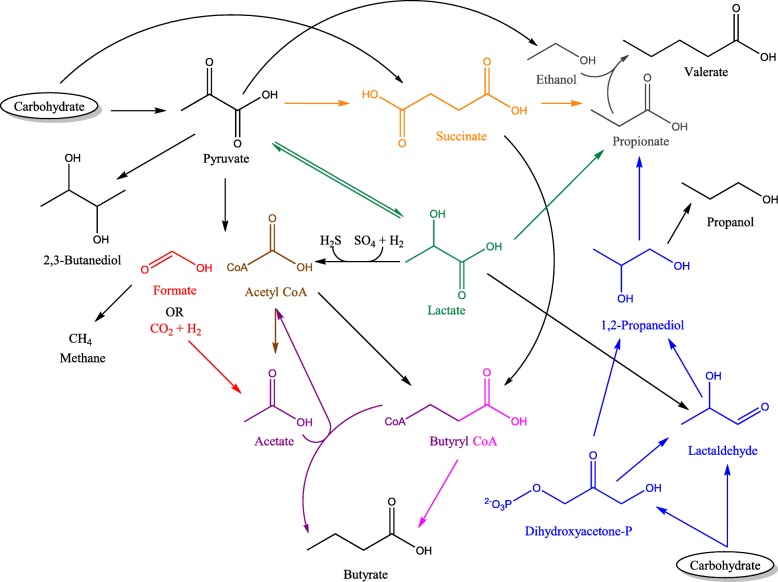
“Valerate, a rather poorly studied metabolite, can be produced by Clostridium cluster I and its fermentation involves propionate coupling with ethanol (Oliphant and Allen-Vercoe, 2019).”
BackgroundIntestinal gas production by the gut microbiota: A review
Mutuyemungu, E., Singh, M., Liu, S. T. H., & Rose, D. J. (2022) · Journal of Functional Foods · doi:10.1016/j.jff.2022.105367 · Cited by 129
Health benefits of edible mushroom polysaccharides and associated gut microbiota regulation
Ma, G., Du, H., Hu, Q., Yang, W., Pei, F., & Xiao, H. (2021) · Critical Reviews in Food Science and Nutrition · doi:10.1080/10408398.2021.1903385 · Cited by 117
“…absorption and metabolism, immune system maintenance, regulation and development (Kolodziejczyk, Zheng, and Elinav 2019; Hills et al. 2019; Oliphant and Allen-Vercoe 2019), as well as certain disease, i.e., obesity (Avolio et al. 2020), inflammatory bowel disease (IBD) (Schirmer et al.…”
BackgroundImpact of Plant-Based Meat Alternatives on the Gut Microbiota of Consumers: A Real-World Study
Toribio-Mateas, M. A., Bester, A., & Klimenko, N. S. (2021) · Foods · doi:10.3390/foods10092040 · Cited by 124
Characterizing the gut microbiota in patients with chronic kidney disease
Hu, X., Ouyang, S., Xie, Y., Gong, Z., & Du, J. (2020) · Postgraduate Medicine · doi:10.1080/00325481.2020.1744335 · Cited by 114
Alonso‐Román, R., Last, A., Mirhakkak, M. H., Sprague, J. L., Möller, L., Großmann, P., Graf, K., Gratz, R., Mogavero, S., Vylkova, S., et al. (2022) · Nature Communications · doi:10.1038/s41467-022-30661-5 · Cited by 119
The gut microbiome and dietary fibres: implications in obesity, cardiometabolic diseases and cancer
Delzenne, N. M., Bindels, L. B., Neyrinck, A. M., & Walter, J. (2024) · Nature Reviews Microbiology · doi:10.1038/s41579-024-01108-z · Cited by 126
Horrocks, V., King, O. G., Yip, A. Y. G., Marques, I. M., & McDonald, J. A. K. (2023) · Microbiology · doi:10.1099/mic.0.001377 · Cited by 104
The role of dietary proteins and carbohydrates in gut microbiome composition and activity: A review
Peled, S., & Livney, Y. D. (2021) · Food Hydrocolloids · doi:10.1016/j.foodhyd.2021.106911 · Cited by 118
Mouradov, D., Greenfield, P. A., Li, S., In, E.-J., Storey, C., Sakthianandeswaren, A., Georgeson, P., Buchanan, D. D., Ward, R. L., Hawkins, N. J., et al. (2023) · Gastroenterology · doi:10.1053/j.gastro.2023.03.205 · Cited by 116
Alterations of the Gut Microbiome Composition and Lipid Metabolic Profile in Radiation Enteritis
Li, Y., Yan, H., Zhang, Y., Li, Q., Yu, L., Li, Q., Liu, C., Xie, Y., Chen, K., Ye, F., et al. (2020) · Frontiers in Cellular and Infection Microbiology · doi:10.3389/fcimb.2020.541178 · Cited by 107
Settanni, C. R., Ianiro, G., Bibbò, S., Cammarota, G., & Gasbarrini, A. (2021) · Progress in Neuro-Psychopharmacology and Biological Psychiatry · doi:10.1016/j.pnpbp.2021.110258 · Cited by 102
Gut microbiota-derived metabolites in CRC progression and causation
Dalal, N., Jalandra, R., Bayal, N., Yadav, A. K., Harshulika, Sharma, M., Makharia, G. K., Kumar, P., Singh, R. K., Solanki, P. R., et al. (2021) · Journal of Cancer Research and Clinical Oncology · doi:10.1007/s00432-021-03729-w · Cited by 113
Gut microbiome and prostate cancer
Fujita, K., Matsushita, M., Banno, E., Velasco, M. A. D., Hatano, K., Nonomura, N., & Uemura, H. (2022) · International Journal of Urology · doi:10.1111/iju.14894 · Cited by 115
The human milk microbiome: who, what, when, where, why, and how?
Stinson, L. F., Sindi, A. S., Cheema, A. S., Lai, C. T., Mühlhäusler, B. S., Wlodek, M. E., Payne, M. S., & Geddes, D. T. (2020) · Nutrition Reviews · doi:10.1093/nutrit/nuaa029 · Cited by 106
Impact of Protein Intake in Older Adults with Sarcopenia and Obesity: A Gut Microbiota Perspective
Prokopidis, K., Cervo, M. M., Gandham, A., & Scott, D. (2020) · Nutrients · doi:10.3390/nu12082285 · Cited by 99
“Nutrition may be a pivotal contributor to gut microbiota regulation, although different macronutrients promote distinct properties on the microbiome [22].”
BackgroundLinking Gut Microbiome and Lipid Metabolism: Moving beyond Associations
Lamichhane, S., Sen, P., Alves, M. A., Ribeiro, H. C., Raunioniemi, P., Hyötyläinen, T., & Orešič, M. (2021) · Metabolites · doi:10.3390/metabo11010055 · Cited by 109
“Despite a wide range of metabolite classes being produced by the gut microbiota [34,35], only a few metabolites have lipophilic characteristics, that is, they are able to pass through the epithelial barrier and thus directly impact the host metabolism.”
BackgroundXie, L., Cai, S., Lu, H.-Y., Tang, F., Zhu, R., Tian, Y., & Li, M. (2024) · Gut Microbes · doi:10.1080/19490976.2024.2347722 · Cited by 122
“10 By leveraging these metabolites, the gut microbiota can directly or indirectly regulate the functions of both local and distant organs in the host, thus influencing the pathophysiological processes of hosts.”
BackgroundLevi, I., Gurevich, M., Perlman, G., Magalashvili, D., Menascu, S., Bar, N., Godneva, A., Zahavi, L., Chermon, D., Kosower, N., et al. (2021) · Cell Reports Medicine · doi:10.1016/j.xcrm.2021.100246 · Cited by 111
“Although most of our dietary protein intake is absorbed in the small intestine, some of it reaches the colon, where it can be degraded by the microbiome.(85) If the diet contains low levels of tryptophan, then not enough tryptophan will reach the colon, low levels of tryptophan catabolites will be produced, and the an…”
BackgroundYeast β-glucan, a potential prebiotic, showed a similar probiotic activity to inulin
Wang, H., Chen, G., Li, X., Zheng, F., & Zeng, X. (2020) · Food & Function · doi:10.1039/d0fo02224a · Cited by 108
The Role of Intestinal Bacteria and Gut–Brain Axis in Hepatic Encephalopathy
Chen, Z., Ruan, J., Li, D., Wang, M., Han, Z., Qiu, W., & Wu, G. (2021) · Frontiers in Cellular and Infection Microbiology · doi:10.3389/fcimb.2020.595759 · Cited by 103
“The gut–liver–brain axis comprehensive treatment concept can be used to manage cognitive–behavioral disorders in HE (Oliphant and Allen-Vercoe, 2019).”
BackgroundChen, Y., Wang, H., Lu, W., Wu, T., Yuan, W., Zhu, J., Lee, Y. K., Zhao, J., Zhang, H., & Chen, W. (2022) · Gut Microbes · doi:10.1080/19490976.2021.2025016 · Cited by 94
“31,32 It should be noted that the consumption of branched-chain amino acids (BCAAs) is increased with age, especially the enrichment of the leucine metabolism and loss of the isoleucine synthesis pathway (Supplementary Table S4).”
BackgroundYe, M., Yu, J., Shi, X., Zhu, J., Gao, X., & Liu, W. Y. (2020) · Critical Reviews in Food Science and Nutrition · doi:10.1080/10408398.2020.1803198 · Cited by 102
Health benefits of cyanidin-3-glucoside as a potent modulator of Nrf2-mediated oxidative stress
Rahman, S., Mathew, S., Nair, P. N. M., Ramadan, W. S. H., & Vazhappilly, C. G. (2021) · Inflammopharmacology · doi:10.1007/s10787-021-00799-7 · Cited by 107
Effect of processing on in vitro digestibility (IVPD) of food proteins
Orlien, V., Aalaei, K., Poojary, M. M., Nielsen, D. S., Ahrné, L., & Ruiz, J. (2021) · Critical Reviews in Food Science and Nutrition · doi:10.1080/10408398.2021.1980763 · Cited by 123
“Here protein breakdown can give rise to unwanted products such as indoles, ammonia, and nitroso compounds (Korpela 2018; Oliphant and Allen-Vercoe 2019).”
Background
Metadata
- Authors
- Oliphant, K., & Allen-Vercoe, E.
- Affiliations
- University of Guelph (CA)
- Corresponding author
- Oliphant, Kaitlyn
- ORCID
- Oliphant, Kaitlyn
- Venue
- Microbiome
- Published
- 2019-06-13
- Volume
- 7
- Issue
- 1
- Pages
- 91-91
- ISSN
- 2049-2618 (ISSN-L)
- PMC
- PMC6567490
- OpenAlex
- W2952437732
- Cited by
- 1,327
- References
- 188
- Citations by year
- 2026: 155 · 2025: 218 · 2024: 218 · 2023: 225 · 2022: 200 · 2021: 204 · 2020: 100 · 2019: 6
- FWCI
- 11.32
- Type
- journal article
- Language
- en
- Open access
- gold
- doi.org
- Licence
- cc-by
- creativecommons.org/licenses/by/4.0/ (tdm)
- creativecommons.org/licenses/by/4.0/ (vor)
- Locations
- Microbiome (publishedVersion, cc-by)
- Europe PMC (PubMed Central) (publishedVersion, cc-by)
- PubMed Central (publishedVersion, cc-by)
- PubMed (publishedVersion)
- DOAJ (DOAJ: Directory of Open Access Journals) (submittedVersion, cc-by-sa)
- Funders
- National Institutes of Health (4R33AI121575-03)
- Topics
- Life Sciences › Biochemistry, Genetics and Molecular Biology › Molecular Biology › Gut microbiota and health
- Health Sciences › Medicine › Gastroenterology › Gastrointestinal motility and disorders
- Health Sciences › Dentistry › Periodontics › Oral microbiology and periodontitis research
- Keywords
- gut microbiota, macronutrient metabolism, microbial fermentation, short-chain fatty acids, microbial metabolites, ammonia, branched-chain fatty acids, amines, sulfur compounds, phenols, indole, glycerol, choline derivatives, hydrogen cycling, host health, disease states
- MeSH terms
- Gastrointestinal Microbiome, Host Microbial Interactions, Nutrients, Alcohols, Animals, Bacteria, Dietary Carbohydrates, Fatty Acids, Fermentation, Health, Humans, Mice, Rats
About these checks
Registry, retraction, Cites and statistics results are computed, not judged, with one exception: a printed reference that no index lists is read once by a model before it counts as a citation error. Claims are extracted by a model and kept only when their quote appears verbatim in the text; each cited source is then checked, with a model’s help, for whether it says what the claim relies on. Those verdicts can be wrong — read the claim’s quote and the cited source before relying on one.
Statistics and arithmetic are recomputed, not judged.
Confidence bands are shown only for fields calibrated on our annotated test set. None is calibrated yet, so no band is shown.
What counts as a claim ›How we measure confidence ›How we check this ›
Are you an author, or do you see a problem with this page? Request a review
Data sources
Bibliographic data: Semantic Scholar, OpenAlex, Crossref.
Contains information from the Semantic Scholar Academic Graph Datasets, made available under the ODC Attribution License (ODC-BY 1.0).
Semantic Scholar’s data is described in: Kinney, R., et al. (2023). The Semantic Scholar Open Data Platform. arXiv:2301.10140.
