

Psychological status and behavior changes of the public during the COVID-19 epidemic in China
Open accessThe DOI matches its Crossref record; 39 of the 39 references it cites were found in a registry or an index.
Abstract
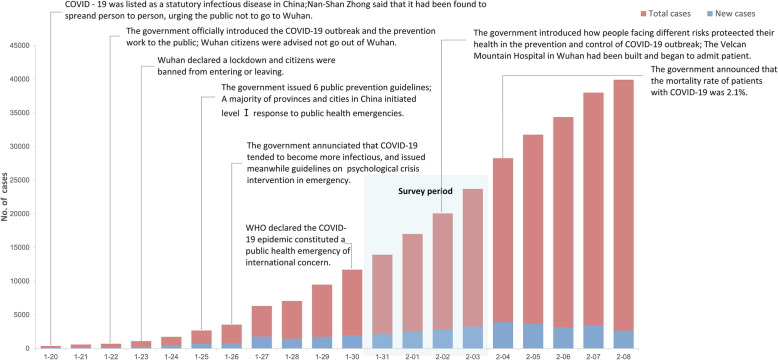
Background: A cluster of pneumonia cases were reported by Wuhan Municipal Health Commission, China in December 2019. A novel coronavirus was eventually identified, and became the COVID-19 epidemic that affected public health and life. We investigated the psychological status and behavior changes of the general public in China from January 30 to February 3, 2020. Methods: Respondents were recruited via social media (WeChat) and completed an online questionnaire. We used the State-Trait Anxiety Inventory, Self-rating Depression Scale, and Symptom Checklist-90 to evaluate psychological status. We also investigated respondents’ behavior changes. Quantitative data were analyzed by t-tests or analysis of variance, and classified data were analyzed with chi-square tests. Results: In total, 608 valid questionnaires were obtained. More respondents had state anxiety than trait anxiety (15.8% vs 4.0%). Depression was found among 27.1% of respondents and 7.7% had psychological abnormalities. About 10.1% of respondents suffered from phobia. Our analysis of the relationship between subgroup characteristics and psychological status showed that age, gender, knowledge about COVID-19, degree of worry about epidemiological infection, and confidence about overcoming the outbreak significantly influenced psychological status. Around 93.3% of respondents avoided going to public places and almost all respondents reduced Spring Festival-related activities. At least 70.9% of respondents chose to take three or more preventive measures to avoid infection. The three most commonly used prevention measures were making fewer trips outside and avoiding contact (98.0%), wearing a mask (83.7%), and hand hygiene (82.4%). Conclusions: We need to pay more attention to public psychological stress, especially among young people, as they are likely to experience anxiety, depression, and psychological abnormalities. Different psychological interventions could be formulated according to the psychological characteristics of different gender and age groups. The majority of respondents followed specific behaviors required by the authorities, but it will take time to observe the effects of these behaviors on the epidemic.
Overview
The claims and statistics of this paper haven’t been checked yet.
Free: it reads the open-access text and checks the first 5 claims that cite a source we can check. Create a free account to check every claim.
Integrity signals
Registry
Cites
Statistics
Figures
Verification
Claims the paper makes
The claims and statistics of this paper haven’t been checked yet.
Free: it reads the open-access text and checks the first 5 claims that cite a source we can check. Create a free account to check every claim.
Claims other papers make about this one
Each is checked against this paper’s own text: does it say what the citing paper says it does?
The cited source doesn’t support the claim as written.
In the citing paper
“No conclusions can be drawn from the studies with very small sample sizes of young people [37,40,43,44].”
From Exploring the Impact of COVID-19 on Mental Health Outcomes in Children and Adolescents: A Systematic Review (2020) · cites this paper as [37]
Checked by a reasoning model — may be wrong.
Experimental — accuracy not yet measuredThe source backs part of the claim, not all of it — or backs it for a different population, condition or comparison.
In the citing paper
“Specifically, one study conducted in the general population but including a subgroup of individuals younger than 18 years (n = 34) found that this younger group did not differ from older groups in the reported levels of psychological distress [37].”
From Exploring the Impact of COVID-19 on Mental Health Outcomes in Children and Adolescents: A Systematic Review (2020) · cites this paper as [37]
Experimental — accuracy not yet measuredThe source backs part of the claim, not all of it — or backs it for a different population, condition or comparison.
In the citing paper
“Depression and anxiety were higher among children and adolescents in other pandemics, and specifically COVID‑19 [22,23,24,25,26,27,28,29,30,31,32,33,34].”
From Mental Health of Children and Adolescents Amidst COVID-19 and Past Pandemics: A Rapid Systematic Review (2021) · cites this paper as [28]
Experimental — accuracy not yet measuredThe source backs part of the claim, not all of it — or backs it for a different population, condition or comparison.
In the citing paper
“on the COVID‑19 pandemic reported that the current pandemic has significantly affected the emotional and behavioral experience of children and adolescents [22,23,24,25,26,27,28,29,30,31,32,33,34].”
From Mental Health of Children and Adolescents Amidst COVID-19 and Past Pandemics: A Rapid Systematic Review (2021) · cites this paper as [28]
Experimental — accuracy not yet measuredThe source backs part of the claim, not all of it — or backs it for a different population, condition or comparison.
In the citing paper
“Specifically, impairments in mental health leave children and adolescents with increased emotional stress, feelings of helplessness, and fear, which can evolve into mental illnesses such as anxiety, depression, and posttraumatic stress symptoms [18,20,21,22,23,24,25,26,27,28,29,30,31,32,33,34].”
From Mental Health of Children and Adolescents Amidst COVID-19 and Past Pandemics: A Rapid Systematic Review (2021) · cites this paper as [28]
Experimental — accuracy not yet measured
14 more claims about this paper
Create a free account to see every claim other papers make about this one.
Self-check
Percentages, sums and reported differences re-computed from the paper’s own numbers.
The self-check needs the paper’s full text.
Citations
Cites
Clinical features of patients infected with 2019 novel coronavirus in Wuhan, China
Huang, C., Wang, Y., Li, X., Ren, L., Zhao, J., Hu, Y., Zhang, L., Fan, G., Xu, J., Gu, X., et al. (2020) · The Lancet · doi:10.1016/s0140-6736(20)30183-5 · Cited by 48,884
Self-citationA novel coronavirus from patients with pneumonia in China, 2019
Zhu, N., Zhang, D., Wang, W., Li, X., Yang, B., Song, J., Zhao, X., Huang, B., Shi, W., Lu, R., et al. (2020) · New England Journal of Medicine · doi:10.1056/nejmoa2001017 · Cited by 28,244
(1970) · Cited by 24,983
Chen, N., Zhou, M., Dong, X., Qu, J., Gong, F., Han, Y., Qiu, Y., Wang, J., Liu, Y., Wei, Y., et al. (2020) · The Lancet · doi:10.1016/s0140-6736(20)30211-7 · Cited by 21,415
Self-citationEarly transmission dynamics in Wuhan, China, of novel coronavirus-infected pneumonia
Li, Q., Guan, X., Wu, P., Wang, X., Zhou, L., Tong, Y., Ren, R., Leung, K. S. M., Lau, E. H. Y., Wong, J. Y., et al. (2020) · New England Journal of Medicine · doi:10.1056/nejmoa2001316 · Cited by 16,575
Self-citationLu, R., Zhao, X., Li, J., Niu, P., Yang, B., Wu, H., Wang, W., Song, H., Huang, B., Zhu, N., et al. (2020) · The Lancet · doi:10.1016/s0140-6736(20)30251-8 · Cited by 11,907
Wang, C., Pan, R., Wan, X., Tan, Y., Xu, L., Ho, C. S., & Ho, R. C. (2020) · International Journal of Environmental Research and Public Health · doi:10.3390/ijerph17051729 · Cited by 9,923
A self-rating depression scale
ZUNG, W. W. K. (1965) · Archives of General Psychiatry · doi:10.1001/archpsyc.1965.01720310065008 · Cited by 9,813
First case of 2019 novel coronavirus in the United States
Holshue, M. L., DeBolt, C., Lindquist, S., Lofy, K. H., Wiesman, J., Bruce, H., Spitters, C., Ericson, K., Wilkerson, S., Tural, A., et al. (2020) · New England Journal of Medicine · doi:10.1056/nejmoa2001191 · Cited by 6,030
Isolation of a Novel Coronavirus from a Man with Pneumonia in Saudi Arabia
Zaki, A. M., van Boheemen, S., Bestebroer, T. M., Osterhaus, A. D. M. E., & Fouchier, R. A. M. (2012) · New England Journal of Medicine · doi:10.1056/nejmoa1211721 · Cited by 5,735
Research works printed but not linked: 5
- 20. Speilberger CD. Manual for the StateTrait anxiety inventory (form Y). Palo Alto: Consulting Psychologists Press; 1983.
- 23. Zheng X, Shu L, Zhang A, Huang G, Zhang J, Sun M, et al. The test report of state-trait anxiety inventory in Changchun. Chin Mental Health J. 1992;7(02): 60-2 (in Chinese).
- 24. Wang C, Cai Z, Xu Q. Self-rating depression scale -SDS assessment and analysis of 1340 normal subjects. Chin J Nervous Mental Dis. 1986;12(5):267- 8 (in Chinese).
- 25. Jin H, Wu W, Zhang M. Preliminary analysis of evaluation results of SCL-90 in Chinese normal subjects. Chin J Nervous Mental Dis. 1986;05:260-3 (in Chinese).
- 26. Hua J, Wenyuan W, Mingyuan Z. Primary analysis for evaluation results of SCL-90 from Chinese norm. Chin J Nervous Mental Dis. 1986;5:260-3.
Cited by
Meherali, S., Punjani, N., Louie-Poon, S., Abdul Rahim, K., Das, J. K., Salam, R. A., & Lassi, Z. S. (2021) · International Journal of Environmental Research and Public Health · doi:10.3390/ijerph18073432 · Cited by 900
“The consequences of the decline in mental health in young populations lead to engagement in unhealthy behaviors such as substance abuse, absenteeism from work, and school interruptions [22,24,27,28,33].”
BackgroundResultInfluentialNochaiwong, S., Ruengorn, C., Thavorn, K., Hutton, B., Awiphan, R., Phosuya, C., Ruanta, Y., Wongpakaran, N., & Wongpakaran, T. (2021) · Scientific Reports · doi:10.1038/s41598-021-89700-8 · Cited by 681
“of studies (participant) 75 (280,607) 2 (723) 10 (17,148) 8 (10,908) 19 (126,355) 5 (7236) 31 (118,237) 9 (8540) 34 (113,688) 32 (158,379)”
Nearchou, F., Flinn, C., Niland, R., Subramaniam, S. S., & Hennessy, E. (2020) · International Journal of Environmental Research and Public Health · doi:10.3390/ijerph17228479 · Cited by 577
“Two studies applied convenience sampling [33,34], one study applied cluster sampling [35], one study recruited students aged 12–18 years old across the country (China) [36], one study applied snowball sampling [37], one study recruited students from four key universities in Wuhan [38], one study recruited students fro…”
BackgroundMethodInfluentialMa, L., Mazidi, M., Li, K., Li, Y., Chen, S., Kirwan, R., Zhou, H., Yan, N., Rahman, A., Wang, W., et al. (2021) · Journal of Affective Disorders · doi:10.1016/j.jad.2021.06.021 · Cited by 515
Self-citationPrevalence of anxiety in the COVID-19 pandemic: An updated meta-analysis of community-based studies
Santabárbara, J., Lasheras, I., Lipnicki, D. M., Bueno-Notivol, J., Pérez-Moreno, M., López-Antón, R., De la Cámara, C., Lobo, A., & Gracia-García, P. (2021) · Progress in Neuro-Psychopharmacology and Biological Psychiatry · doi:10.1016/j.pnpbp.2020.110207 · Cited by 426
Jones, D. L., Baluja, M. Q., Graham, D. W., Corbishley, A., McDonald, J. E., Malham, S. K., Hillary, L. S., Connor, T. R., Gaze, W. H., Moura, I. B., et al. (2020) · Science of The Total Environment · doi:10.1016/j.scitotenv.2020.141364 · Cited by 397
Impact of the COVID-19 Pandemic on Older Adults: Rapid Review
Lebrasseur, A., Fortin-Bédard, N., Lettre, J., Raymond, E., Bussières, E.-L., Lapierre, N., Faieta, J., Vincent, C., Duchesne, L., Ouellet, M.-C., et al. (2021) · JMIR Aging · doi:10.2196/26474 · Cited by 383
Mohamadou, Y., Halidou, A., & Kapen, P. T. (2020) · Applied Intelligence · doi:10.1007/s10489-020-01770-9 · Cited by 333
SEIR model for COVID-19 dynamics incorporating the environment and social distancing
Mwalili, S., Kimathi, M., Ojiambo, V., Gathungu, D., & Mbogo, R. (2020) · BMC Research Notes · doi:10.1186/s13104-020-05192-1 · Cited by 306
Varga, T. V., Bu, F., Dissing, A. S., Elsenburg, L. K., Bustamante, J. J. H., Matta, J., van Zon, S. K. R., Brouwer, S., Bültmann, U., Fancourt, D., et al. (2021) · The Lancet Regional Health - Europe · doi:10.1016/j.lanepe.2020.100020 · Cited by 266
“For many people, the COVID-19 pandemic prompted feelings of social isolation, uncertainty, depression, stress reaction, generalised anxiety, and fear of the virus.[1,2] As depression and anxiety have been linked to COVID-19-related news in smaller samples, [5] it is likely that certain political interventions and publ…”
COVID-19 and SARS-CoV-2. Modeling the present, looking at the future
Estrada, E. (2020) · Physics Reports · doi:10.1016/j.physrep.2020.07.005 · Cited by 199
Tahir ul Qamar, M., Rehman, A., Tusleem, K., Ashfaq, U. A., Qasim, M., Zhu, X., Fatima, I., Shahid, F., & Chen, L.-L. (2020) · PLOS ONE · doi:10.1371/journal.pone.0244176 · Cited by 186
Das, R., Hasan, M. R., Daria, S., & Islam, M. R. (2021) · BMJ Open · doi:10.1136/bmjopen-2020-045727 · Cited by 171
Stability and optimal control strategies for a novel epidemic model of COVID-19
Lü, X., Hui, H.-W., Liu, F.-F., & Bai, Y.-L. (2021) · Nonlinear Dynamics · doi:10.1007/s11071-021-06524-x · Cited by 165
Singh, S., Parmar, K. S., Kumar, J., & Makkhan, S. J. S. (2020) · Chaos, Solitons & Fractals · doi:10.1016/j.chaos.2020.109866 · Cited by 164
Addressing male sexual and reproductive health in the wake of COVID-19 outbreak
Sansone, A., Mollaioli, D., Ciocca, G., Limoncin, E., Colonnello, E., Vena, W., & Jannini, E. A. (2021) · Journal of Endocrinological Investigation · doi:10.1007/s40618-020-01350-1 · Cited by 160
Gibson, B., Schneider, J., Talamonti, D., & Forshaw, M. (2021) · Canadian Psychology / Psychologie canadienne · doi:10.1037/cap0000272 · Cited by 158
Anxiety and Resilience of Healthcare Workers During COVID-19 Pandemic in Indonesia
Setiawati, Y., Wahyuhadi, J., Joestandari, F., Maramis, M. M., & Atika, A. (2021) · Journal of Multidisciplinary Healthcare · doi:10.2147/jmdh.s276655 · Cited by 210
Wright, L., Steptoe, A., & Fancourt, D. (2021) · The Lancet Regional Health - Europe · doi:10.1016/j.lanepe.2021.100061 · Cited by 136
“This is at odds with some previous studies, which have suggested associations, albeit often in opposite directions [10,13,17,18].”
MethodResultMass quarantine and mental health during COVID-19: A meta-analysis
Jin, Y., Sun, T., Zheng, P., & An, J. (2021) · Journal of Affective Disorders · doi:10.1016/j.jad.2021.08.067 · Cited by 135
“The results of this study did not support (Bai et al., 2020; Al Sulais, 2020; Liu, 2020), who all found that anxiety levels decreased with quarantine time.”
ResultTransmission dynamics of COVID-19 in Wuhan, China: effects of lockdown and medical resources
Sun, G., Wang, S., Li, M., Li, L., Zhang, J., Zhang, W., Jin, Z., & Feng, G.-L. (2020) · Nonlinear Dynamics · doi:10.1007/s11071-020-05770-9 · Cited by 146
Short-term predictions and prevention strategies for COVID-19: A model-based study
Nadim, S. S., Ghosh, I., & Chattopadhyay, J. (2021) · Applied Mathematics and Computation · doi:10.1016/j.amc.2021.126251 · Cited by 142
Effects of Covid-19 confinement on the mental health of children and adolescents in Spain
Pizarro-Ruiz, J. P., & Ordóñez-Camblor, N. (2021) · Scientific Reports · doi:10.1038/s41598-021-91299-9 · Cited by 157
Singh, S., Parmar, K. S., Makkhan, S. J. S., Kaur, J. K., Peshoria, S., & Kumar, J. (2020) · Chaos Solitons & Fractals · doi:10.1016/j.chaos.2020.110086 · Cited by 124
Hamouda, M. A., Mustafa, F., Maraqa, M. A., Rizvi, T. A., & Hassan, A. A. (2020) · The Science of The Total Environment · doi:10.1016/j.scitotenv.2020.143493 · Cited by 127
Study of transmission dynamics of COVID-19 mathematical model under ABC fractional order derivative
Thabet, S. T. M., Abdo, M. S., Shah, K., & Abdeljawad, T. (2020) · Results in Physics · doi:10.1016/j.rinp.2020.103507 · Cited by 114
Memon, Z.-N., Qureshi, S., & Memon, B. R. (2021) · Chaos Solitons & Fractals · doi:10.1016/j.chaos.2021.110655 · Cited by 125
Zhu, Y., Zhang, L., Zhou, X., Li, C., & Yang, D. (2020) · Journal of Affective Disorders · doi:10.1016/j.jad.2020.12.004 · Cited by 131
Self-citationAngiotensin-converting enzyme 2 (ACE2): COVID 19 gate way to multiple organ failure syndromes
Loganathan, S., Kuppusamy, M., Wankhar, W., Gurugubelli, K. R., Mahadevappa, V. H., Lepcha, L., & Choudhary, A. K. (2020) · Respiratory Physiology & Neurobiology · doi:10.1016/j.resp.2020.103548 · Cited by 116
A Cross-Cultural Exploratory Study of Health Behaviors and Wellbeing During COVID-19
Ruiz, M. C., Devonport, T. J., Chen‐Wilson, J., Nicholls, W., Cagas, J. Y., Fernández‐Montalvo, J., Choi, Y., & Robazza, C. (2021) · Frontiers in Psychology · doi:10.3389/fpsyg.2020.608216 · Cited by 123
Psychological and psychiatric impact of COVID-19 pandemic among children and adolescents.
Deolmi, M., & Pisani, F. (2020) · PubMed · doi:10.23750/abm.v91i4.10870 · Cited by 106
“Evidence reveal that, during COVID-19 pandemic, feeling of fear, nervousness, sadness and anxiety- related insomnia are higher in quarantined children and adolescent compared to their peers not quarantined.[6,7,8] The COVID-19 pandemic caused huge changes in everyday life of children and adolescents and it is known th…”
BackgroundTeng, Z., Wei, Z., Qiu, Y., Tan, Y., Chen, J., Tang, H., Wu, H., Wu, R., & Huang, J. (2020) · Journal of Affective Disorders · doi:10.1016/j.jad.2020.06.032 · Cited by 103
Alam, M. S., & Czajkowsky, D. M. (2021) · Cytokine & Growth Factor Reviews · doi:10.1016/j.cytogfr.2021.11.001 · Cited by 121
SARS-CoV-2 genomics: An Indian perspective on sequencing viral variants
Srivastava, S., Banu, S., Singh, P., Sowpati, D. T., & Mishra, R. K. (2021) · Journal of Biosciences · doi:10.1007/s12038-021-00145-7 · Cited by 103
Maurya, R., Sebastian, P., Namdeo, M., Devender, M., & Gertler, A. (2021) · Frontiers in Immunology · doi:10.3389/fimmu.2021.649359 · Cited by 110
Nagasu, M., Muto, K., & Yamamoto, I. (2021) · PLoS ONE · doi:10.1371/journal.pone.0247705 · Cited by 111
“1% of respondents, and life satisfaction was decreased [7, 8].”
BackgroundXiao, J., Dai, J., Hu, J., Liu, T., Gong, D., Li, X., Kang, M., Zhou, Y., Li, Y., Quan, Y., et al. (2021) · The Lancet Regional Health - Western Pacific · doi:10.1016/j.lanwpc.2021.100282 · Cited by 106
Self-citationOshima, T., Siah, K. T. H., Yoshimoto, T., Miura, K., Tomita, T., Fukui, H., & Miwa, H. (2020) · Journal of Gastroenterology and Hepatology · doi:10.1111/jgh.15346 · Cited by 101
Psychological distress, fear and coping among Malaysians during the COVID-19 pandemic
Moni, A. S. B., Abdullah, S., Abdullah, M. F. I. L. B., Kabir, M. S., Alif, S. M., Sultana, F., Salehin, M., Islam, S. M. S., Cross, W. M., & Rahman, M. A. (2021) · PLoS ONE · doi:10.1371/journal.pone.0257304 · Cited by 111
Stangier, U., Kananian, S., & Schüller, J. S. (2021) · Current Psychology · doi:10.1007/s12144-021-01456-6 · Cited by 100
A Saliva-Based RNA Extraction-Free Workflow Integrated With Cas13a for SARS-CoV-2 Detection
Azmi, I., Faizan, M. I., Kumar, R., Yadav, S. R., Chaudhary, N., Singh, D. K., Butola, R., Ganotra, A., Joshi, G. D., Jhingan, G. D., et al. (2021) · Frontiers in Cellular and Infection Microbiology · doi:10.3389/fcimb.2021.632646 · Cited by 80
COVID-19 prevention and control in China: grid governance
Wei, Y., Ye, Z., Cui, M., & Wei, X. (2020) · Journal of Public Health · doi:10.1093/pubmed/fdaa175 · Cited by 84
Woon, L. S.-C., Sidi, H., Nik Jaafar, N. R., & Leong Bin Abdullah, M. F. I. (2020) · doi:10.20944/preprints202011.0422.v1 · Cited by 76
“This indicated the importance of obtaining sufficient information regarding COVID-19, particularly in one’s neighborhood, as this may play a role in reducing the odds of anxiety [31-33].”
BackgroundModeling and optimal control analysis of transmission dynamics of COVID-19: The case of Ethiopia
Deressa, C. T., & Duressa, G. F. (2020) · Alexandria Engineering Journal · doi:10.1016/j.aej.2020.10.004 · Cited by 95
Gong, J., Said, F., Ting, H., Firdaus, A., Aksar, I. A., & Xu, J. (2023) · Current Psychology · doi:10.1007/s12144-022-02857-x · Cited by 74
Mer, A., & Virdi, A. S. (2023) · Emerald Group Publishing Limited eBooks · doi:10.1108/978-1-80382-027-920231007 · Cited by 116
Maggi, G., Baldassarre, I., Barbaro, A., Cavallo, N. D., Cropano, M., Nappo, R., & Santangelo, G. (2021) · Psychogeriatrics · doi:10.1111/psyg.12703 · Cited by 82
Jamwal, S., Gautam, A., Elsworth, J. D., Kumar, M., Chawla, R., & Kumar, P. (2020) · Life Sciences · doi:10.1016/j.lfs.2020.118105 · Cited by 83
Study of transmission dynamics of novel COVID-19 by using mathematical model
Din, R. U., Shah, K., Ahmad, I., & Abdeljawad, T. (2020) · Advances in Difference Equations · doi:10.1186/s13662-020-02783-x · Cited by 70
Watson, G. L., Xiong, D., Zhang, L., Zoller, J. A., Shamshoian, J., Sundin, P., Bufford, T., Rimoin, A. W., Suchard, M. A., & Ramirez, C. M. (2021) · PLoS Computational Biology · doi:10.1371/journal.pcbi.1008837 · Cited by 83
A novel fractional mathematical model of COVID-19 epidemic considering quarantine and latent time
Pandey, P., Chu, Y., Gómez-Aguilar, J. F., Jahanshahi, H., & Aly, A. A. (2021) · Results in Physics · doi:10.1016/j.rinp.2021.104286 · Cited by 66
Retinal changes in COVID-19 hospitalized cases
Lani‐Louzada, R., Ramos, C. D. V. F., Cordeiro, R. M., & Sadun, A. A. (2020) · PLoS ONE · doi:10.1371/journal.pone.0243346 · Cited by 68
The Association of Subacute Thyroiditis with COVID-19: a Systematic Review
Rehman, M. A. U., Farooq, H., Ali, M. M., Rehman, M. E. U., Dar, Q. A., & Hussain, A. (2021) · SN Comprehensive Clinical Medicine · doi:10.1007/s42399-021-00912-5 · Cited by 71
Stickley, A., Matsubayashi, T., Sueki, H., & Ueda, M. (2020) · Public Health · doi:10.1016/j.puhe.2020.09.017 · Cited by 65
AL-Omiri, M. K., Alzoubi, I. A., Nazeh, A. A. A., Alomiri, A. K., Maswady, M. N., & Lynch, E. J. (2021) · Frontiers in Psychiatry · doi:10.3389/fpsyt.2021.608730 · Cited by 69
“Healthcare professionals, persons of younger age, and people thinking for a long time concerning the infection were also associated with higher risk of anxiety, depression, and insomnia (4, 17, 18).”
BackgroundResultInfluentialKhoshnaw, S. H. A., Salih, R. H., & Sulaimany, S. (2020) · Mathematical Modelling of Natural Phenomena · doi:10.1051/mmnp/2020020 · Cited by 59
Adak, D., Majumder, A., & Bairagi, N. (2020) · Chaos Solitons & Fractals · doi:10.1016/j.chaos.2020.110381 · Cited by 65
The Impact of Social Support on Public Anxiety amidst the COVID-19 Pandemic in China
Ao, Y., Zhu, H., Meng, F., Wang, Y., Ye, G., Yang, L., Dong, N., & Martek, I. (2020) · International Journal of Environmental Research and Public Health · doi:10.3390/ijerph17239097 · Cited by 64
“This is a common weakness of early COVID-19 social science studies [42,45].”
BackgroundYan, Y., Du, X., Lai, L., Ren, Z., & Li, H. (2022) · Journal of Geriatric Psychiatry and Neurology · doi:10.1177/08919887221078556 · Cited by 58
Dubey, N., Podder, P., & Pandey, D. (2020) · Frontiers in Psychology · doi:10.3389/fpsyg.2020.589365 · Cited by 56
Afzal, A., Saleel, C. A., Bhattacharyya, S., Satish, N., Samuel, O. D., & Badruddin, I. A. (2021) · Archives of Computational Methods in Engineering · doi:10.1007/s11831-021-09634-2 · Cited by 66
Efficacy and practice of facemask use in general population: a systematic review and meta-analysis
Li, H., Yuan, K., Sun, Y., Zheng, Y., Xu, Y., Su, S., Zhang, Y., Zhong, Y., Wang, Y., Tian, S.-S., et al. (2022) · Translational Psychiatry · doi:10.1038/s41398-022-01814-3 · Cited by 65
The emerging role of probiotics as a mitigation strategy against coronavirus disease 2019 (COVID-19)
Mirzaei, R., Attar, A., Papizadeh, S., Jeda, A. S., Hosseini‐Fard, S. R., Jamasbi, E., Kazemi, S., Amerkani, S., Talei, G. R., Moradi, P., et al. (2021) · Archives of Virology · doi:10.1007/s00705-021-05036-8 · Cited by 66
Rahman, M. A., Das, P., Lam, L., Alif, S. M., Sultana, F., Salehin, M., Banik, B., Joseph, B., Parul, P., Lewis, A. P., et al. (2024) · BMC Public Health · doi:10.1186/s12889-024-19365-1 · Cited by 106
Optimal control and sensitivity analysis for transmission dynamics of Coronavirus
Deressa, C. T., Mussa, Y. O., & Duressa, G. F. (2020) · Results in Physics · doi:10.1016/j.rinp.2020.103642 · Cited by 53
Impact of COVID-19 First Wave on Psychological and Psychosocial Dimensions: A Systematic Review
Filindassi, V., Pedrini, C., Sabadini, C., Duradoni, M., & Guazzini, A. (2022) · COVID · doi:10.3390/covid2030022 · Cited by 62
“Resilience resulted in stress [259,311], anxiety [24,57,133], and depression [157] protective factors, and has a positive relationship with wellbeing [329].”
BackgroundInfluentialLiu, P.-Y., He, S., Rong, L.-B., & Tang, S.-Y. (2020) · Infectious Diseases of Poverty · doi:10.1186/s40249-020-00730-2 · Cited by 52
Nashiry, M. A., Sumi, S. S., Islam, S., Quinn, J. M. W., & Moni, M. A. (2020) · Briefings in Bioinformatics · doi:10.1093/bib/bbaa426 · Cited by 54
COVID-19 Induced Economic Slowdown and Mental Health Issues
Gong, Y.-M., Liu, X., Zheng, Y., Mei, H., Que, J., Yuan, K., Yan, W., Shi, L., Meng, S., Bao, Y., et al. (2022) · Frontiers in Psychology · doi:10.3389/fpsyg.2022.777350 · Cited by 60
“…and patients or between teachers and students have been limited, productivity by embracing digital manufacturing technologies can be increased in a more cost-effective marketing strategy in order to keep the balance of healthcare and education systems (Lodha and De Sousa, 2020; Kim and Lee, 2021).”
BackgroundSelf-citationNoor, M. A., Raza, A., Arif, M. S., Rafiq, M., Nisar, K. S., Khan, I., & Abdelwahab, S. F. (2021) · Alexandria Engineering Journal · doi:10.1016/j.aej.2021.06.039 · Cited by 46
Longitudinal impact of COVID-19 pandemic on mental health of children in the ABCD study cohort
Hamatani, S., Hiraoka, D., Makita, K., Tomoda, A., & Mizuno, Y. (2022) · Scientific Reports · doi:10.1038/s41598-022-22694-z · Cited by 55
Tibubos, A. N., Otten, D., Ernst, M., & Beutel, M. E. (2021) · Frontiers in Psychiatry · doi:10.3389/fpsyt.2021.712492 · Cited by 62
Anxiety and depression during the COVID-19 pandemic in Kuwait: the importance of physical activity
Alsharji, K. E. (2020) · Middle East Current Psychiatry · doi:10.1186/s43045-020-00065-6 · Cited by 47
Tutsoy, Ö., Balıkçı, K., & Ozdil, N. F. T. (2021) · Digital Signal Processing · doi:10.1016/j.dsp.2021.103058 · Cited by 44
Velikonja, N. K., Erjavec, K., Verdenik, I., Hussein, M., & Velikonja, V. G. (2020) · Slovenian Journal of Public Health · doi:10.2478/sjph-2021-0004 · Cited by 50
“Increased anxiety during the Covid-19 epidemic has also been described by other authors (32, 34).”
BackgroundResultImpact of mobility restriction in COVID-19 superspreading events using agent-based model
Lima, L. L., & Atman, A. P. F. (2021) · PLoS ONE · doi:10.1371/journal.pone.0248708 · Cited by 51
Mechanisms of sex hormones in autoimmunity: focus on EAE
Lasrado, N., Jia, T., Massilamany, C., Franco, R., Illés, Z., & Reddy, J. (2020) · Biology of Sex Differences · doi:10.1186/s13293-020-00325-4 · Cited by 51
Elhessewi, G. M. S., Almoayad, F. A., Mahboub, S. M., Alhashem, A. M., & Fiala, L. (2021) · Middle East Current Psychiatry · doi:10.1186/s43045-021-00089-6 · Cited by 46
“This result seems normal that people are more prone to anxiety, depression, and fear when confronting unfamiliar diseases, as the number of confirmed cases and deaths from COVID-19 increase, the public’s psychological state is likely to worsen [20].”
BackgroundWang, S., Zhang, Y., Guan, Y., Ding, W., Meng, Y., Hu, H., Liu, Z., Zeng, X., & Wang, M. (2021) · Social Psychiatry and Psychiatric Epidemiology · doi:10.1007/s00127-021-02046-4 · Cited by 47
Youssef, H. M., Alghamdi, N. A., Ezzat, M. A., El‐Bary, A. A., & Shawky, A. M. (2021) · Infectious Disease Modelling · doi:10.1016/j.idm.2021.04.005 · Cited by 42
Hatta, M. H., Sidi, H., Koon, C. S., Roos, N. A. C., Sharip, S., Samad, F. D. A., Xi, O. W., Das, S., & Saini, S. M. (2022) · International Journal of Environmental Research and Public Health · doi:10.3390/ijerph19095389 · Cited by 58
Sarkar, M. S., Madabhavi, I., Quy, P. N., & Govindagoudar, M. B. (2021) · The Clinical Respiratory Journal · doi:10.1111/crj.13438 · Cited by 47
What predicts adherence to COVID-19 government guidelines? Longitudinal analyses of 51,000 UK adultsPreprint
Wright, L., Steptoe, A., & Fancourt, D. E. (2020) · medRxiv · doi:10.1101/2020.10.19.20215376 · Cited by 39
Prospective role of thyroid disorders in monitoring COVID-19 pandemic
Kumari, K., Chainy, G. B. N., & Subudhi, U. (2020) · Heliyon · doi:10.1016/j.heliyon.2020.e05712 · Cited by 43
Redhwan, S. S., Abdo, M. S., Shah, K., Abdeljawad, T., Dawood, S., Abdo, H. A., & Shaikh, S. L. (2020) · Results in Physics · doi:10.1016/j.rinp.2020.103610 · Cited by 37
Xu, Z., Fan, J., Ding, J., Feng, X., Tao, S., Zhou, J., Qian, L., Tao, K., Hambly, B. D., & Bao, S. (2021) · Frontiers in Medicine · doi:10.3389/fmed.2021.642496 · Cited by 43
“It has been reported that psychological factors contribute to the choice of activities undertaken by people generally, including decisions concerning visiting doctors (28).”
BackgroundNapolitano, F., Xu, X., & Gao, X. (2021) · Briefings in Bioinformatics · doi:10.1093/bib/bbab456 · Cited by 43
Cai, G., Lin, Y., Lu, Y., He, F., Morita, K., Yamamoto, T., Aoyagi, K., Taguri, T., Hu, Z., Alias, H., et al. (2021) · Journal of Psychiatric Research · doi:10.1016/j.jpsychires.2021.02.008 · Cited by 44
Islam, A., Ferdous, J., Islam, S., Sayeed, M. A., Rahman, M. K., Saha, O., Hassan, M. M., & Shirin, T. (2021) · Transboundary and Emerging Diseases · doi:10.1111/tbed.14356 · Cited by 43
Siemińska, I., Węglarczyk, K., Surmiak, M., Kurowska-Baran, D., Sanak, M., Siedlar, M., & Baran, J. (2021) · Frontiers in Immunology · doi:10.3389/fimmu.2021.748097 · Cited by 44
Martindale, J. M., & Mink, J. W. (2022) · Frontiers in Pediatrics · doi:10.3389/fped.2022.863919 · Cited by 34
Liu, R., Chen, X., Qi, H., Feng, Y., Xiao, L., Yuan, X.-F., Li, Y.-Q., Huang, H.-H., Pao, C., Zheng, Y., et al. (2021) · Journal of Affective Disorders · doi:10.1016/j.jad.2021.02.020 · Cited by 42
Self-citationBioinformatics Analysis of SARS-CoV-2 to Approach an Effective Vaccine Candidate Against COVID-19
Sadat, S. M., Aghasadeghi, M. R., Yousefi, M., Khodaei, A., Larijani, M. S., & Bahramali, G. (2021) · Molecular Biotechnology · doi:10.1007/s12033-021-00303-0 · Cited by 36
COVID-19 induced impact on informal migrants in Bangladesh: a qualitative study
Sohel, M. S., Hossain, B., Alam, M. K., Shi, G., Shabbir, R., Sifullah, M. K., & Mamy, M. M. B. (2021) · International Journal of Sociology and Social Policy · doi:10.1108/ijssp-02-2021-0046 · Cited by 39
Evaluation of COVID‐19 phobia and the feeling of loneliness in the geriatric age group
Cihan, F. G., & Durmaz, F. G. (2021) · International Journal of Clinical Practice · doi:10.1111/ijcp.14089 · Cited by 40
Fractional optimal control problem for an age-structured model of COVID-19 transmission
Khajji, B., Kouidere, A., Elhia, M., Balatif, O., & Rachik, M. (2021) · Chaos Solitons & Fractals · doi:10.1016/j.chaos.2020.110625 · Cited by 35
Li, Q., Tarimo, C. S., Miao, Y., Zeng, X. Y., Wu, C., & Wu, J. (2020) · Journal of Affective Disorders · doi:10.1016/j.jad.2020.11.113 · Cited by 35
Prevalence of dysphonia due to COVID-19 at Salahaddin General Hospital, Tikrit City, Iraq
Al-Ani, R. M., & Rashid, R. A. (2021) · American Journal of Otolaryngology · doi:10.1016/j.amjoto.2021.103157 · Cited by 34
Li, W., Zhang, H., Zhang, C., Luo, J., Wang, H., Wu, H., Zhu, Y., Cui, H., Wang, J., Li, H., et al. (2021) · Frontiers in Psychology · doi:10.3389/fpsyg.2021.614964 · Cited by 35
“…from Hubei province (Cao H. et al., 2020; Fu et al., 2020; Huo et al., 2020; Luo F. et al., 2020; Yang T. et al., 2020; Yu et al., 2020; Zhou and Liu, 2020); the respondents of the thirteen studies came from provinces and cities other than Hubei province (Cao H. et al., 2020; Deng and Lei,…”
BackgroundSelf-citationThe Role of Illness Behavior in the COVID-19 Pandemic
Cosci, F., & Guidi, J. (2021) · Psychotherapy and Psychosomatics · doi:10.1159/000513968 · Cited by 34
Metadata
- Authors
- Liu, X., Luo, W.-T., Li, Y., Li, C.-N., Hong, Z.-S., Chen, H.-L., Xiao, F., & Xia, J.-Y.
- Affiliations
- Sun Yat-sen University (CN)
- Corresponding author
- Xia, Jin-Yu
- Venue
- Infectious Diseases of Poverty
- Published
- 2020-05-29
- Volume
- 9
- Issue
- 1
- Pages
- 58-58
- ISSN
- 2049-9957 (ISSN-L)
- PMC
- PMC7256340
- OpenAlex
- W3030171511
- Semantic Scholar
- 3c9fa44ee594409c9067a6a4aa84ee0f5e943dd6
- Cited by
- 375
- References
- 39
- Citations by year
- 2026: 4 · 2025: 7 · 2024: 22 · 2023: 35 · 2022: 69 · 2021: 173 · 2020: 64
- FWCI
- 34.13
- Type
- journal article
- Language
- en
- Open access
- gold
- doi.org
- Licence
- cc-by
- creativecommons.org/licenses/by/4.0 (tdm)
- creativecommons.org/licenses/by/4.0 (vor)
- Locations
- Infectious Diseases of Poverty (publishedVersion, cc-by)
- PubMed Central (publishedVersion, cc-by)
- PubMed (publishedVersion)
- DOAJ (DOAJ: Directory of Open Access Journals) (submittedVersion, cc-by-sa)
- Funders
- The “Three Major” constructions emergency projects for the new coronavirus prevention and control in 2020 of Sun Yat-sen University
- Topics
- Social Sciences › Psychology › Clinical Psychology › COVID-19 and Mental Health
- Social Sciences › Sociology and Political Science › COVID-19 Prevention and Impact
- Social Sciences › Communication › Communication and COVID-19 Impact
- Keywords
- COVID-19 pandemic, anxiety, depression, mental abnormality, phobia, behavior change, infection control, masking, hand hygiene, Chinese New Year, youth, gender differences, age differences, psychological intervention
- MeSH terms
- Betacoronavirus, COVID-19, SARS-CoV-2, Adolescent, Adult, Aged, China, Cross-Sectional Studies, Depression, Female, Humans, Male, Middle Aged, Phobic Disorders, Pneumonia, Viral, Surveys and Questionnaires, Stress, Psychological, Coronavirus Infections, Young Adult, Pandemics
About these checks
Registry, retraction, Cites and statistics results are computed, not judged, with one exception: a printed reference that no index lists is read once by a model before it counts as a citation error. Claims are extracted by a model and kept only when their quote appears verbatim in the text; each cited source is then checked, with a model’s help, for whether it says what the claim relies on. Those verdicts can be wrong — read the claim’s quote and the cited source before relying on one.
Statistics and arithmetic are recomputed, not judged.
Confidence bands are shown only for fields calibrated on our annotated test set. None is calibrated yet, so no band is shown.
What counts as a claim ›How we measure confidence ›How we check this ›
Are you an author, or do you see a problem with this page? Request a review
Data sources
Bibliographic data: Semantic Scholar, OpenAlex, Crossref.
Contains information from the Semantic Scholar Academic Graph Datasets, made available under the ODC Attribution License (ODC-BY 1.0).
Semantic Scholar’s data is described in: Kinney, R., et al. (2023). The Semantic Scholar Open Data Platform. arXiv:2301.10140.
