

Metabolic communication in tumors: a new layer of immunoregulation for immune evasion
Open accessThe DOI matches its Crossref record; 68 of the 68 references it cites were found in a registry or an index.
Abstract
The success of cancer immunotherapy reveals the power of host immunity on killing cancer cells and the feasibility to unleash restraints of anti-tumor immunity. However, the immunosuppressive tumor microenvironment and low immunogenicity of cancer cells restrict the therapeutic efficacy of cancer immunotherapies in a small fraction of patients. Therefore deciphering the underlying mechanisms promoting the generation of an immunosuppressive tumor microenvironment is direly needed to better harness host anti-tumor immunity. Early works revealed that deregulated metabolic activities in cancer cells support unrestricted proliferation and survival by producing macromolecules. Intriguingly, recent studies uncovered that metabolic switch in immune and endothelial cells modulate cellular activities and contribute to the progression of several diseases, including cancers. Herein, we review the progress on immunometabolic regulations on fine-tuning activities of immune cells and discuss how metabolic communication between cancer and infiltrating immune cells contributes to cancer immune evasion. Moreover, we would like to discuss how we might exploit this knowledge to improve current immunotherapies and the unresolved issues in this field.
Overview
The claims and statistics of this paper haven’t been checked yet.
Free: it reads the open-access text and checks the first 5 claims that cite a source we can check. Create a free account to check every claim.
Integrity signals
Registry
Cites
Statistics
Figures
Verification
Claims the paper makes
The claims and statistics of this paper haven’t been checked yet.
Free: it reads the open-access text and checks the first 5 claims that cite a source we can check. Create a free account to check every claim.
Claims other papers make about this one
Each is checked against this paper’s own text: does it say what the citing paper says it does?
In the citing paper
“However AMPK is also a central regulator of cell function and many different cell types including T cells may be affected [73].”
From Senescence of T Lymphocytes: Implications for Enhancing Human Immunity (2016) · cites this paper as [73]
Self-check
Percentages, sums and reported differences re-computed from the paper’s own numbers.
The self-check needs the paper’s full text.
Citations
Cites
Hallmarks of Cancer: The Next Generation
Hanahan, D., & Weinberg, R. A. (2011) · Cell · doi:10.1016/j.cell.2011.02.013 · Cited by 66,590
PD-1 and PD-L1 Immune Checkpoint Blockade to Treat Breast Cancer
Hartkopf, A. D., Taran, F.-A., Wallwiener, M., Walter, C. B., Krämer, B., Grischke, E.-M., & Brucker, S. Y. (2016) · Breast Care · doi:10.1159/000453569 · Cited by 30,845
The blockade of immune checkpoints in cancer immunotherapy
Pardoll, D. M. (2012) · Nature Reviews Cancer · doi:10.1038/nrc3239 · Cited by 13,838
Exploring the full spectrum of macrophage activation
Mosser, D. M., & Edwards, J. P. (2008) · Nature Reviews Immunology · doi:10.1038/nri2448 · Cited by 9,144 · cited 1×
“stimulatory proteins to T cells as well as demonstrating a reduced antigen-presenting ability [31].”
BackgroundAccessories to the Crime: Functions of Cells Recruited to the Tumor Microenvironment
Hanahan, D., & Coussens, L. M. (2012) · Cancer Cell · doi:10.1016/j.ccr.2012.02.022 · Cited by 4,632
Succinate is an inflammatory signal that induces IL-1β through HIF-1α
Tannahill, G. M., Curtis, A. M., Adamik, J., Palsson-McDermott, E. M., McGettrick, A. F., Goel, G., Frezza, C., Bernard, N. J., Kelly, B., Foley, N. H., et al. (2013) · Nature · doi:10.1038/nature11986 · Cited by 4,176
Cancer immunotherapy comes of age
Mellman, I., Coukos, G., & Dranoff, G. (2011) · Nature · doi:10.1038/nature10673 · Cited by 3,893 · cited 4×
“Treg depletion therapy and checkpoint blockade, including PD-1 and PD-L1/L2 inhibition [1, 12, 13].”
BackgroundInfluentialMetabolic Competition in the Tumor Microenvironment Is a Driver of Cancer Progression
Chang, C.-H., Qiu, J., O’Sullivan, D., Buck, M. D., Noguchi, T., Curtis, J. D., Chen, Q., Gindin, M., Gubin, M. M., van der Windt, G. J. W., et al. (2015) · Cell · doi:10.1016/j.cell.2015.08.016 · Cited by 3,331 · cited 1×
“Additionally, two recent studies have independently demonstrated that the tumor microenvironment is glucose-depleted contributing to diminished T cell anti-tumor responses [29, 46].”
BackgroundMetabolic Reprogramming: A Cancer Hallmark Even Warburg Did Not Anticipate
Ward, P. S., & Thompson, C. B. (2012) · Cancer Cell · doi:10.1016/j.ccr.2012.02.014 · Cited by 3,233 · cited 2×
“Additionally, how the unrestricted proliferation and survival of cancer cells is sustained via the deregulation of cellular energetic pathways has been expounded upon [3, 4].”
BackgroundFunctional Polarization of Tumour-Associated Macrophages by Tumour-Derived Lactic Acid
Colegio, O. R., Chu, N.-Q., Szabo, A. L., Chu, T., Rhebergen, A. M., Jairam, V., Cyrus, N., Brokowski, C. E., Eisenbarth, S. C., Phillips, G. M., et al. (2014) · Nature · doi:10.1038/nature13490 · Cited by 3,046
Uyttenhove, C., Pilotte, L., Théate, I., Stroobant, V., Colau, D., Parmentier, N., Boon, T., & Van den Eynde, B. J. (2003) · Nature Medicine · doi:10.1038/nm934 · Cited by 2,305 · cited 1×
“Expression of indoleamine 2,3-dioxygenase (IDO) in antigen presenting cells (APCs) and cancer cells, promotes tumor progression and associates with poor responses to cancer immunotherapies in both clinical reports and murine cancer models [26, 51].”
BackgroundAdipocytes promote ovarian cancer metastasis and provide energy for rapid tumor growth
Nieman, K. M., Kenny, H. A., Penicka, C. V., Ladanyi, A., Buell-Gutbrod, R., Zillhardt, M. R., Romero, I. L., Carey, M. S., Mills, G. B., Hotamisligil, G. S., et al. (2011) · Nature Medicine · doi:10.1038/nm.2492 · Cited by 2,279
Posttranscriptional Control of T Cell Effector Function by Aerobic Glycolysis
Chang, C.-H., Curtis, J. D., Maggi, L. B., Faubert, B., Villarino, A. V., O’Sullivan, D., Huang, S. C.-C., van der Windt, G. J. W., Blagih, J., Qiu, J., et al. (2013) · Cell · doi:10.1016/j.cell.2013.05.016 · Cited by 2,204
The transcription factor Myc controls metabolic reprogramming upon T lymphocyte activation
Wang, R., Dillon, C. P., Shi, L. Z., Milasta, S., Carter, R., Finkelstein, D., McCormick, L. L., Fitzgerald, P., Chi, H., Munger, J., et al. (2011) · Immunity · doi:10.1016/j.immuni.2011.09.021 · Cited by 2,140 · cited 1×
“, Th1, Th2 and Th17) [14, 15].”
Cellular Fatty Acid Metabolism and Cancer
Currie, E., Schulze, A., Zechner, R., Walther, T. C., & Farese, R. V. (2013) · Cell Metabolism · doi:10.1016/j.cmet.2013.05.017 · Cited by 2,123 · cited 1×
“As well as consuming nutrients, cancer cells also produce massive amounts of fatty acids via de novo fatty acid synthesis, which correlates with more invasive cancer cells [54, 55].”
BackgroundMichalek, R. D., Gerriets, V. A., Jacobs, S. R., Macintyre, A. N., MacIver, N. J., Mason, E. F., Sullivan, S. A., Nichols, A. G., & Rathmell, J. C. (2011) · The Journal of Immunology · doi:10.4049/jimmunol.1003613 · Cited by 2,091 · cited 2×
“formation in both in vitro and in vitro assays [19, 20].”
BackgroundA human memory T cell subset with stem cell–like properties
Gattinoni, L., Lugli, E., Ji, Y., Pos, Z., Paulos, C. M., Quigley, M. F., Almeida, J. R., Gostick, E., Yu, Z., Carpenito, C., et al. (2011) · Nature Medicine · doi:10.1038/nm.2446 · Cited by 1,974 · cited 1×
“In addition to CAR T-cells, memory tumor-reactive T cells have been shown to elicit superior anti-tumor responses than effector T cells do [64].”
BackgroundInhibitory effect of tumor cell-derived lactic acid on human T cells
Fischer, K., Hoffmann, P., Voelkl, S., Meidenbauer, N., Ammer, J., Edinger, M., Gottfried, E., Schwarz, S., Rothe, G., Hoves, S., et al. (2007) · Blood · doi:10.1182/blood-2006-07-035972 · Cited by 1,946
CTLA-4 and PD-1 Receptors Inhibit T-Cell Activation by Distinct Mechanisms
Parry, R. V., Chemnitz, J. M., Frauwirth, K. A., Lanfranco, A. R., Braunstein, I., Kobayashi, S. V., Linsley, P. S., Thompson, C. B., & Riley, J. L. (2005) · Molecular and Cellular Biology · doi:10.1128/mcb.25.21.9543-9553.2005 · Cited by 1,931
An endogenous tumour-promoting ligand of the human aryl hydrocarbon receptor
Opitz, C. A., Litzenburger, U. M., Sahm, F., Ott, M., Tritschler, I., Trump, S., Schumacher, T., Jestaedt, L., Schrenk, D., Weller, M., et al. (2011) · Nature · doi:10.1038/nature10491 · Cited by 1,898 · cited 1×
“Moreover, the generation of kynurenine may enhance Tregs formation in tumors as it has been shown to disarm gut and neuroinflammation in other disease models [52, 53].”
BackgroundMetabolic reprogramming in macrophages and dendritic cells in innate immunity
Kelly, B., & O'Neill, L. A. (2015) · Cell Research · doi:10.1038/cr.2015.68 · Cited by 1,876 · cited 1×
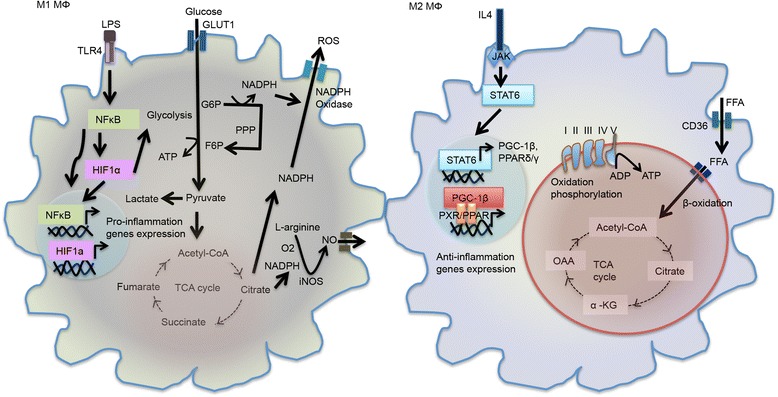
“These activities are tightly controlled by a variety of immune stimuli such as cytokines, ligands of toll-like receptors (TLRs) and other pattern recognition receptors [30].”
BackgroundMetabolic Pathways in Immune Cell Activation and Quiescence
Pearce, E. L., & Pearce, E. J. (2013) · Immunity · doi:10.1016/j.immuni.2013.04.005 · Cited by 1,692 · cited 2×
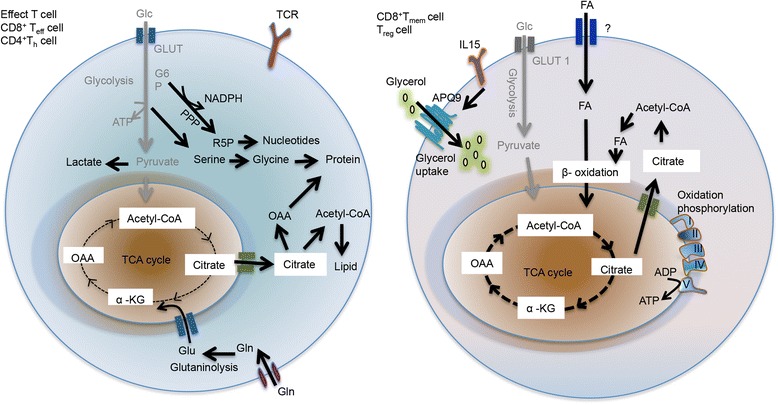
“This leads to a failure to switch T cell metabolism from catabolism into anabolism, affecting amino acid uptake and de novo synthesis of amino acids, nucleotides, and fatty acids [5, 18] (Fig.”
BackgroundAn Interaction between Kynurenine and the Aryl Hydrocarbon Receptor Can Generate Regulatory T Cells
Mezrich, J. D., Fechner, J. H., Zhang, X., Johnson, B. P., Burlingham, W. J., & Bradfield, C. A. (2010) · The Journal of Immunology · doi:10.4049/jimmunol.0903670 · Cited by 1,601
Metabolic pathways promoting cancer cell survival and growth
Boroughs, L. K., & DeBerardinis, R. J. (2015) · Nature Cell Biology · doi:10.1038/ncb3124 · Cited by 1,462
Phosphoenolpyruvate Is a Metabolic Checkpoint of Anti-tumor T Cell Responses
Ho, P.-C., Bihuniak, J. D., Macintyre, A. N., Staron, M., Liu, X., Amezquita, R., Tsui, Y.-C., Cui, G., Micevic, G., Perales, J. C., et al. (2015) · Cell · doi:10.1016/j.cell.2015.08.012 · Cited by 1,462
Self-citationOxidative metabolism and PGC-1β attenuate macrophage-mediated inflammation
Vats, D., Mukundan, L., Odegaard, J. I., Zhang, L., Smith, K. L., Morel, C. R., Greaves, D. R., Murray, P. J., & Chawla, A. (2006) · Cell Metabolism · doi:10.1016/j.cmet.2006.05.011 · Cited by 1,369 · cited 2×
“In contract to M1-like MΦs, M2-like MΦs display low glucose flux but high rates of FAO and OXOPHOS via a PGC1β–dependent metabolic switch [6, 34, 35].”
BackgroundMunn, D. H., Sharma, M. D., Baban, B., Harding, H. P., Zhang, Y., Ron, D., & Mellor, A. L. (2005) · Immunity · doi:10.1016/j.immuni.2005.03.013 · Cited by 1,272
Metabolic Regulation of T Lymphocytes
MacIver, N. J., Michalek, R. D., & Rathmell, J. C. (2013) · Annual Review of Immunology · doi:10.1146/annurev-immunol-032712-095956 · Cited by 1,244 · cited 4×
“This leads to a failure to switch T cell metabolism from catabolism into anabolism, affecting amino acid uptake and de novo synthesis of amino acids, nucleotides, and fatty acids [5, 18] (Fig.”
BackgroundInfluentialCell-intrinsic lysosomal lipolysis is essential for alternative activation of macrophages
Huang, S. C.-C., Everts, B., Ivanova, Y., O'Sullivan, D., Nascimento, M., Smith, A. M., Beatty, W., Love-Gregory, L., Lam, W. Y., O'Neill, C. M., et al. (2014) · Nature Immunology · doi:10.1038/ni.2956 · Cited by 1,214
Patsoukis, N., Bardhan, K., Chatterjee, P., Sari, D., Liu, B., Bell, L. N., Karoly, E. D., Freeman, G. J., Petkova, V., Seth, P., et al. (2015) · Nature Communications · doi:10.1038/ncomms7692 · Cited by 1,202
Macintyre, A. N., Gerriets, V. A., Nichols, A. G., Michalek, R. D., Rudolph, M. C., Deoliveira, D., Anderson, S. M., Abel, E. D., Chen, B. J., Hale, L. P., et al. (2014) · Cell Metabolism · doi:10.1016/j.cmet.2014.05.004 · Cited by 1,127
Rodríguez-Prados, J.-C., Través, P. G., Cuenca, J., Rico, D., Aragonés, J., Martín-Sanz, P., Cascante, M., & Boscá, L. (2010) · The Journal of Immunology · doi:10.4049/jimmunol.0901698 · Cited by 1,022
Monoacylglycerol lipase regulates a fatty acid network that promotes cancer pathogenesis
Nomura, D. K., Long, J. Z., Niessen, S., Hoover, H. S., Ng, S.-W., & Cravatt, B. F. (2010) · Cell · doi:10.1016/j.cell.2009.11.027 · Cited by 1,002 · cited 1×
“As well as consuming nutrients, cancer cells also produce massive amounts of fatty acids via de novo fatty acid synthesis, which correlates with more invasive cancer cells [54, 55].”
BackgroundVousden, K. H., & Ryan, K. M. (2009) · Nature Reviews Cancer · doi:10.1038/nrc2715 · Cited by 959 · cited 1×
“tion of tumor suppressor, such as p53, in these cancer cells contribute to their abnormal cellular energetics [3, 39, 40].”
BackgroundExpanding roles for CD4+ T cells in immunity to viruses
Swain, S. L., McKinstry, K. K., & Strutt, T. M. (2012) · Nature Reviews Immunology · doi:10.1038/nri3152 · Cited by 956
Metabolic Reprogramming of Macrophages
Freemerman, A. J., Johnson, A. R., Sacks, G. N., Milner, J. J., Kirk, E. L., Troester, M. A., Macintyre, A. N., Goraksha-Hicks, P., Rathmell, J. C., & Makowski, L. (2014) · Journal of Biological Chemistry · doi:10.1074/jbc.m113.522037 · Cited by 947
ER Stress Sensor XBP1 Controls Anti-tumor Immunity by Disrupting Dendritic Cell Homeostasis
Cubillos-Ruiz, J. R., Silberman, P. C., Rutkowski, M. R., Chopra, S., Perales-Puchalt, A., Song, M., Zhang, S., Bettigole, S. E., Gupta, D., Holcomb, K., et al. (2015) · Cell · doi:10.1016/j.cell.2015.05.025 · Cited by 933 · cited 1×
“In support of this, tumor infiltrating MDSCs and dendritic cells displayed higher lipid contents that associate with strong immunosuppressive activity and weak antigen presentation, respectively [57–60].”
BackgroundSinclair, L. V., Rolf, J., Emslie, E., Shi, Y.-B., Taylor, P. M., & Cantrell, D. A. (2013) · Nature Immunology · doi:10.1038/ni.2556 · Cited by 930
Nakaya, M., Xiao, Y., Zhou, X., Chang, J.-H., Chang, M., Cheng, X., Blonska, M., Lin, X., & Sun, S.-C. (2014) · Immunity · doi:10.1016/j.immuni.2014.04.007 · Cited by 866
Jacobs, S. R., Herman, C. E., MacIver, N. J., Wofford, J. A., Wieman, H. L., Hammen, J. J., & Rathmell, J. C. (2008) · The Journal of Immunology · doi:10.4049/jimmunol.180.7.4476 · Cited by 850
Exhaustion of tumor-specific CD8+ T cells in metastases from melanoma patients
Baitsch, L., Baumgaertner, P., Devêvre, E., Raghav, S. K., Legat, A., Barba, L., Wieckowski, S., Bouzourene, H., Deplancke, B., Romero, P., et al. (2011) · Journal of Clinical Investigation · doi:10.1172/jci46102 · Cited by 845 · cited 1×
“Of note, the Speiser’s group demonstrated that tumor-reactive T cells, upon migrating into tumors, lose their effector functions and increase the expression of co-inhibitory receptors compared to circulating cells [10].”
BackgroundCarr, E. L., Kelman, A., Wu, G. S., Gopaul, R., Senkevitch, E., Aghvanyan, A., Turay, A. M., & Frauwirth, K. A. (2010) · The Journal of Immunology · doi:10.4049/jimmunol.0903586 · Cited by 830 · cited 1×
“In addition to aerobic glycolysis, TCR signaling initiates robust amino acid uptake and metabolism in T cells that strengthen mTOR activity and instruct the Th cell differentiation program [21–26].”
BackgroundLeucyl-tRNA Synthetase Is an Intracellular Leucine Sensor for the mTORC1-Signaling Pathway
Han, J. M., Jeong, S. J., Park, M. C., Kim, G., Kwon, N. H., Kim, H. K., Ha, S. H., Ryu, S. H., & Kim, S. (2012) · Cell · doi:10.1016/j.cell.2012.02.044 · Cited by 824
Rodriguez, P. C., Ernstoff, M. S., Hernandez, C., Atkins, M., Zabaleta, J., Sierra, R., & Ochoa, A. C. (2009) · Cancer Research · doi:10.1158/0008-5472.can-08-1921 · Cited by 773
Lipid accumulation and dendritic cell dysfunction in cancer
Herber, D. L., Cao, W., Nefedova, Y., Novitskiy, S. V., Nagaraj, S., Tyurin, V. A., Corzo, A., Cho, H.-I., Celis, E., Lennox, B., et al. (2010) · Nature Medicine · doi:10.1038/nm.2172 · Cited by 735
John, L. B., Devaud, C., Duong, C. P. M., Yong, C. S., Beavis, P. A., Haynes, N. M., Chow, M. T., Smyth, M. J., Kershaw, M. H., & Darcy, P. K. (2013) · Clinical Cancer Research · doi:10.1158/1078-0432.ccr-13-0458 · Cited by 694
The Energy Sensor AMPK Regulates T Cell Metabolic Adaptation and Effector Responses In Vivo
Blagih, J., Coulombe, F., Vincent, E. E., Dupuy, F., Galicia-Vázquez, G., Yurchenko, E., Raissi, T. C., van der Windt, G. J. W., Viollet, B., Pearce, E. L., et al. (2015) · Immunity · doi:10.1016/j.immuni.2014.12.030 · Cited by 664
Hypoxia-inducible factors enhance the effector responses of CD8(+) T cells to persistent antigen
Doedens, A. L., Phan, A. T., Stradner, M. H., Fujimoto, J. K., Nguyen, J. V., Yang, E., Johnson, R. S., & Goldrath, A. W. (2013) · Nature Immunology · doi:10.1038/ni.2714 · Cited by 660 · cited 5×
“However, as a trade-off for metabolic adaptation, T cells decrease the production of effector molecules, including as IFNγ, CD40L, and IL-2.”
BackgroundInfluentialHossain, F., Al-Khami, A. A., Wyczechowska, D., Hernandez, C., Zheng, L., Reiss, K., Valle, L. D., Trillo-Tinoco, J., Maj, T., Zou, W., et al. (2015) · Cancer Immunology Research · doi:10.1158/2326-6066.cir-15-0036 · Cited by 588
Checkpoint Blockade in Cancer Immunotherapy
Korman, A. J., Peggs, K. S., & Allison, J. P. (2006) · Advances in Immunology · doi:10.1016/s0065-2776(06)90008-x · Cited by 570
CD8 memory T cells have a bioenergetic advantage that underlies their rapid recall ability
van der Windt, G. J. W., O’Sullivan, D., Everts, B., Huang, S. C.-C., Buck, M. D., Curtis, J. D., Chang, C.-H., Smith, A. M., Ai, T., Faubert, B., et al. (2013) · Proceedings of the National Academy of Sciences · doi:10.1073/pnas.1221740110 · Cited by 523
Rapid effector function of memory CD8+ T cells requires an immediate-early glycolytic switch
Gubser, P. M., Bantug, G. R., Razik, L., Fischer, M., Dimeloe, S., Hoenger, G., Durovic, B., Jauch, A., & Hess, C. (2013) · Nature Immunology · doi:10.1038/ni.2687 · Cited by 493
Engineering CAR-T cells: Design concepts
Srivastava, S., & Riddell, S. R. (2015) · Trends in Immunology · doi:10.1016/j.it.2015.06.004 · Cited by 485
Pearce, E. J., & Everts, B. (2015) · Nature Reviews Immunology · doi:10.1038/nri3771 · Cited by 483
Staron, M. M., Gray, S. M., Marshall, H. D., Parish, I. A., Chen, J. H., Perry, C. J., Cui, G., Li, M. O., & Kaech, S. M. (2014) · Immunity · doi:10.1016/j.immuni.2014.10.013 · Cited by 385
Lactate Activates HIF-1 in Oxidative but Not in Warburg-Phenotype Human Tumor Cells
De Saedeleer, C. J., Copetti, T., Porporato, P. E., Verrax, J., Feron, O., & Sonveaux, P. (2012) · PLoS ONE · doi:10.1371/journal.pone.0046571 · Cited by 277
Impaired Cholesterol Efflux in Senescent Macrophages Promotes Age-Related Macular Degeneration
Sene, A., Khan, A. A., Cox, D., Nakamura, R. E. I., Santeford, A., Kim, B. M., Sidhu, R., Onken, M. D., Harbour, J. W., Hagbi-Levi, S., et al. (2013) · Cell Metabolism · doi:10.1016/j.cmet.2013.03.009 · Cited by 277
Oxidized LDL Induces Alternative Macrophage Phenotype through Activation of CD36 and PAFR
Rios, F. J., Koga, M. M., Pecenin, M., Ferracini, M., Gidlund, M., & Jancar, S. (2013) · Mediators of Inflammation · doi:10.1155/2013/198193 · Cited by 232
Son, H.-J., Lee, J., Lee, S.-Y., Kim, E.-K., Park, M.-J., Kim, K.-W., Park, S.-H., & Cho, M.-L. (2014) · Mediators of Inflammation · doi:10.1155/2014/973986 · Cited by 206
Hayashi, K., Jutabha, P., Endou, H., Sagara, H., & Anzai, N. (2013) · The Journal of Immunology · doi:10.4049/jimmunol.1300923 · Cited by 202
The three main stumbling blocks for anticancer T cells
Baitsch, L., Marraco, S. A. F., Legat, A., Meyer, C., & Speiser, D. E. (2012) · Trends in Immunology · doi:10.1016/j.it.2012.02.006 · Cited by 167
Nishi, K., Oda, T., Takabuchi, S., Oda, S., Fukuda, K., Adachi, T., Semenza, G. L., Shingu, K., & Hirota, K. (2008) · Antioxidants & Redox Signaling · doi:10.1089/ars.2007.1825 · Cited by 155
西, 憲. (2008) · Medical Entomology and Zoology · Cited by 93
Radiation-driven lipid accumulation and dendritic cell dysfunction in cancer
Gao, F., Liu, C., Guo, J., Sun, W., Xian, L., Bai, D., Liu, H., Cheng, Y., Li, B., Cui, J., et al. (2015) · Scientific Reports · doi:10.1038/srep09613 · Cited by 79
Ho, P.-C., Chang, K.-C., Chuang, Y.-S., & Wei, L.-N. (2011) · The FASEB Journal · doi:10.1096/fj.10-179267 · Cited by 73
Self-citationMonu, N., & Frey, A. B. (2007) · Cancer Research · doi:10.1158/0008-5472.can-07-1441 · Cited by 66
Immunotherapy with gene-modified T cells: limiting side effects provides new challenges
Stauss, H. J., & Morris, E. C. (2013) · Gene Therapy · doi:10.1038/gt.2013.34 · Cited by 58
Role of macrophage-derived hypoxia-inducible factor (HIF)-1α as a mediator of vascular remodelling
Nakayama, T., Kurobe, H., Sugasawa, N., Kinoshita, H., Higashida, M., Matsuoka, Y., Yoshida, Y., Hirata, Y., Sakata, M., Maxfield, M. W., et al. (2013) · Cardiovascular Research · doi:10.1093/cvr/cvt146 · Cited by 55
Cited by
Targeting Metabolism to Improve the Tumor Microenvironment for Cancer Immunotherapy
Bader, J. E., Voss, K., & Rathmell, J. C. (2020) · Molecular Cell · doi:10.1016/j.molcel.2020.05.034 · Cited by 1,030
Metabolic and epigenetic regulation of T-cell exhaustion
Franco, F., Jaccard, A., Romero, P., Yu, Y.-R., & Ho, P.-C. (2020) · Nature Metabolism · doi:10.1038/s42255-020-00280-9 · Cited by 455
Self-citationTumor immunoevasion via acidosis-dependent induction of regulatory tumor-associated macrophages
Bohn, T., Rapp, S., Luther, N., Klein, M., Bruehl, T.-J., Kojima, N., Aranda Lopez, P., Hahlbrock, J., Muth, S., Endo, S., et al. (2018) · Nature Immunology · doi:10.1038/s41590-018-0226-8 · Cited by 436
A Pan-cancer Landscape of Interactions between Solid Tumors and Infiltrating Immune Cell Populations
Tamborero, D., Rubio-Perez, C., Muiños, F., Sabarinathan, R., Piulats, J. M., Muntasell, A., Dienstmann, R., Lopez-Bigas, N., & Gonzalez-Perez, A. (2018) · Clinical Cancer Research · doi:10.1158/1078-0432.ccr-17-3509 · Cited by 359
Macrophage Metabolism As Therapeutic Target for Cancer, Atherosclerosis, and Obesity
Geeraerts, X., Bolli, E., Fendt, S.-M., & Van Ginderachter, J. A. (2017) · Frontiers in Immunology · doi:10.3389/fimmu.2017.00289 · Cited by 312
Metadata
- Authors
- Ho, P.-C., & Liu, P.-S.
- Affiliations
- University of Lausanne (CH)
- Corresponding author
- Ho, Ping-Chih
- ORCID
- Ho, Ping-Chih
- Venue
- Journal for ImmunoTherapy of Cancer
- Publisher
- BMJ
- Published
- 2016-02-16
- Volume
- 4
- Issue
- 1
- Pages
- 4-4
- ISSN
- 2051-1426 (ISSN-L)
- PMC
- PMC4754991
- OpenAlex
- W2281741663
- Cited by
- 124
- References
- 68
- Citations by year
- 2026: 6 · 2025: 5 · 2024: 15 · 2023: 15 · 2022: 16 · 2021: 16 · 2020: 16 · 2019: 10 · 2018: 13 · 2017: 9 · 2016: 3
- FWCI
- 6.28
- Type
- journal article
- Language
- en
- Open access
- gold
- doi.org
- Licence
- cc-by
- creativecommons.org/licenses/by/4.0/ (tdm)
- Locations
- Journal for ImmunoTherapy of Cancer (publishedVersion, cc-by)
- PubMed Central (publishedVersion, cc-by)
- PubMed (publishedVersion)
- IRIS (submittedVersion)
- SERVAL (Université de Lausanne) (submittedVersion, other-oa)
- Funders
- ISREC (26075483)
- Ludwig Center for Cancer Research
- Université de Lausanne
- Topics
- Health Sciences › Medicine › Oncology › Cancer Immunotherapy and Biomarkers
- Life Sciences › Immunology and Microbiology › Immunology › Immune cells in cancer
- Life Sciences › Biochemistry, Genetics and Molecular Biology › Cancer Research › Cancer, Hypoxia, and Metabolism
- Keywords
- tumor immunometabolism, tumor immune evasion, immunosuppressive tumor microenvironment, immune cell metabolism, endothelial cell metabolism, cancer immunotherapy, antitumor immunity, metabolic reprogramming
About these checks
Registry, retraction, Cites and statistics results are computed, not judged, with one exception: a printed reference that no index lists is read once by a model before it counts as a citation error. Claims are extracted by a model and kept only when their quote appears verbatim in the text; each cited source is then checked, with a model’s help, for whether it says what the claim relies on. Those verdicts can be wrong — read the claim’s quote and the cited source before relying on one.
Statistics and arithmetic are recomputed, not judged.
Confidence bands are shown only for fields calibrated on our annotated test set. None is calibrated yet, so no band is shown.
What counts as a claim ›How we measure confidence ›How we check this ›
Are you an author, or do you see a problem with this page? Request a review
Data sources
Bibliographic data: Semantic Scholar, OpenAlex, Crossref.
Contains information from the Semantic Scholar Academic Graph Datasets, made available under the ODC Attribution License (ODC-BY 1.0).
Semantic Scholar’s data is described in: Kinney, R., et al. (2023). The Semantic Scholar Open Data Platform. arXiv:2301.10140.
