

The effect of culinary interventions (cooking classes) on dietary intake and behavioral change: a systematic review and evidence map
Open accessThe DOI matches its Crossref record; 46 of the 47 references it cites were found in a registry or an index.
Abstract
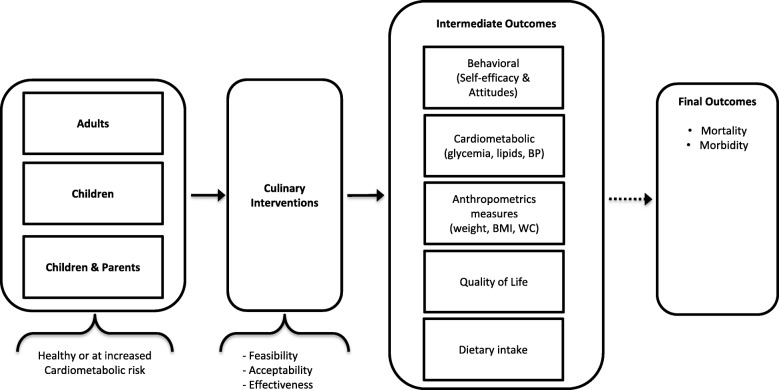
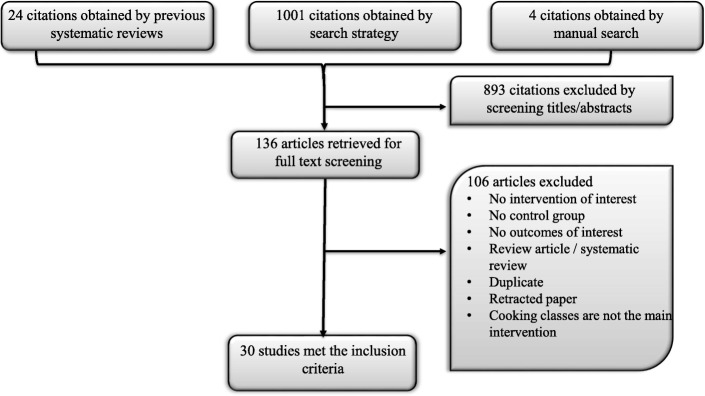
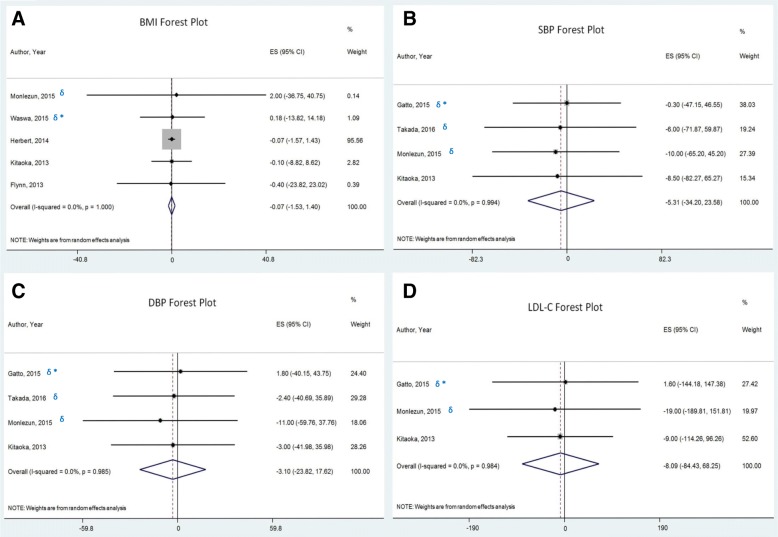
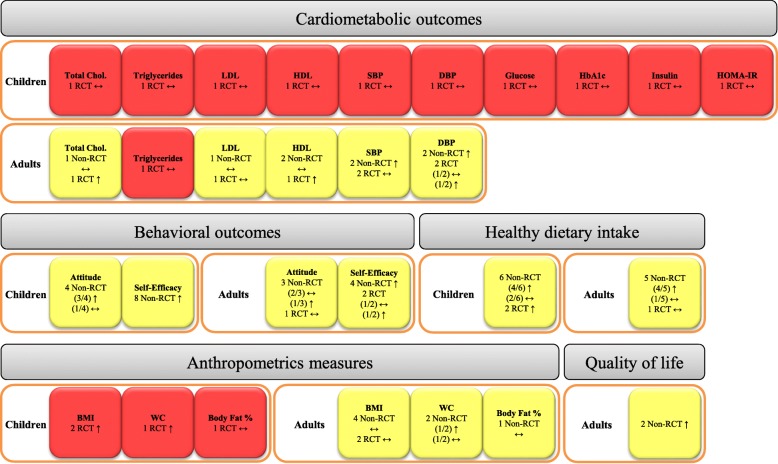
BACKGROUND: Culinary interventions (cooking classes) have been used to improve the quality of dietary intake and change behavior. The aim of this systematic review is to investigate the effects of culinary interventions on dietary intake and behavioral and cardiometabolic outcomes. METHODS: We conducted a systematic review of MEDLINE, EMBASE, Cochrane Central Register of Controlled Trials, Cochrane Database of Systematic Reviews, and Scopus for comparative studies that evaluated culinary interventions to a control group or baseline values. The intervention was defined as a cooking class regardless of its length or delivery approach. Studies included populations of children, healthy adults or adults with morbidities. The risk of bias was assessed using the Cochrane Risk of Bias tool and the Newcastle-Ottawa Scale. Outcomes were pooled using the random-effects model and descriptive statistics and depicted in an evidence map. Simple logistic regression was used to evaluate factors associated with intervention success. RESULTS: , 95% CI: -1.53, 1.40), systolic (- 5.31 mmHg, 95% CI: -34.2, 23.58) or diastolic blood pressure (- 3.1 mmHg, 95% CI: -23.82, 17.62) or LDL cholesterol (- 8.09 mg/dL, 95% CI: -84.43, 68.25). Culinary interventions were associated with improved attitudes, self-efficacy and healthy dietary intake in adults and children. We were unable to demonstrate whether the effect of a culinary intervention was modified by various characteristics of the intervention such as its delivery or intensity. Interventions with additional components such as education on nutrition, physical activity or gardening were particularly effective. CONCLUSIONS: Culinary interventions were not associated with a significant change in cardiometabolic risk factors, but were associated with improved attitudes, self-efficacy and a healthier dietary intake in adults and children.
Overview
The claims and statistics of this paper haven’t been checked yet.
Free: it reads the open-access text and checks the first 5 claims that cite a source we can check. Create a free account to check every claim.
Integrity signals
Registry
Cites
Statistics
Figures
Verification
Claims the paper makes
The claims and statistics of this paper haven’t been checked yet.
Free: it reads the open-access text and checks the first 5 claims that cite a source we can check. Create a free account to check every claim.
Claims other papers make about this one
Each is checked against this paper’s own text: does it say what the citing paper says it does?
The source backs part of the claim, not all of it — or backs it for a different population, condition or comparison.
In the citing paper
“Teaching kitchen curricula for clinicians and individuals has emerging evidence for enhancing nutrition knowledge, culinary skills, and dietary pattern change [[254], [255], [256]].”
From Nutritional priorities to support GLP-1 therapy for obesity: A joint advisory from the American College of Lifestyle Medicine, the American Society for Nutrition, the Obesity Medicine Association, and the Obesity Society (2025) · cites this paper as [254]
Experimental — accuracy not yet measuredThe source backs part of the claim, not all of it — or backs it for a different population, condition or comparison.
In the citing paper
“Teaching kitchen curricula for clinicians and individuals has emerging evidence for enhancing nutrition knowledge, culinary skills, and dietary pattern change [262, 263, 264].”
From Nutritional priorities to support GLP ‐1 therapy for obesity: A joint Advisory from the American College of Lifestyle Medicine, the American Society for Nutrition, the Obesity Medicine Association, and The Obesity Society (2025) · cites this paper as [262]
Experimental — accuracy not yet measuredThe source backs part of the claim, not all of it — or backs it for a different population, condition or comparison.
In the citing paper
“Systematic reviews assessing CM outcomes indicate short‐term improvements in cooking skills and nutrition intake [16, 17].”
From One‐Year Weight Loss Following a Remote Culinary Medicine Program: A Bi‐Center Randomized Controlled Trial (2026) · cites this paper as [16]
Experimental — accuracy not yet measuredThe source backs part of the claim, not all of it — or backs it for a different population, condition or comparison.
In the citing paper
“Among young adults without ID, cooking skills and meal preparation interventions have been shown to improve diet quality19, increase fruit and vegetable consumption20, and reduce fast food intake21.”
From A cooking skills intervention for long-term weight loss in young adults with intellectual disabilities: Rationale and design for a randomized trial (2026) · cites this paper as [19]
Experimental — accuracy not yet measured
Self-check
Percentages, sums and reported differences re-computed from the paper’s own numbers.
The self-check needs the paper’s full text.
Citations
Cites
Preferred Reporting Items for Systematic Reviews and Meta-Analyses: the PRISMA statement
Moher, D., Liberati, A., Tetzlaff, J., Altman, D. G., & for the PRISMA Group (2009) · BMJ · doi:10.1136/bmj.b2535 · Cited by 83,823
Measuring inconsistency in meta-analyses
Higgins, J. P. T., Thompson, S. G., Deeks, J. J., & Altman, D. G. (2003) · BMJ · doi:10.1136/bmj.327.7414.557 · Cited by 63,139
Preferred reporting items for systematic reviews and meta-analyses: the PRISMA Statement.
(2009) · PubMed Central · Cited by 44,859
Meta-analysis in clinical trials
DerSimonian, R., & Laird, N. (1986) · Controlled Clinical Trials · doi:10.1016/0197-2456(86)90046-2 · Cited by 39,552
Quantifying heterogeneity in a meta‐analysis
Higgins, J. P. T., & Thompson, S. G. (2002) · Statistics in Medicine · doi:10.1002/sim.1186 · Cited by 36,763
(2014) · Medical Entomology and Zoology · Cited by 17,633
Heart Disease and Stroke Statistics—2017 Update: A Report From the American Heart Association
Benjamin, E. J., Blaha, M. J., Chiuve, S. E., Cushman, M., Das, S. R., Deo, R., de Ferranti, S. D., Floyd, J., Fornage, M., Gillespie, C., et al. (2017) · Circulation · doi:10.1161/cir.0000000000000485 · Cited by 12,591
Rating the certainty in evidence in the absence of a single estimate of effect
Murad, M. H., Mustafa, R. A., Schünemann, H. J., Sultan, S., & Santesso, N. (2017) · Evidence Based Medicine · doi:10.1136/ebmed-2017-110668 · Cited by 717
Self-citationMiake-Lye, I. M., Hempel, S., Shanman, R., & Shekelle, P. G. (2016) · Systematic Reviews · doi:10.1186/s13643-016-0204-x · Cited by 660
Schwingshackl, L., Schwedhelm, C., Hoffmann, G., Lampousi, A.-M., Knüppel, S., Iqbal, K., Bechthold, A., Schlesinger, S., & Boeing, H. (2017) · The American Journal of Clinical Nutrition · doi:10.3945/ajcn.117.153148 · Cited by 600 · cited 1×
“and nuts and less red meat and sweets/desserts [1].”
Background
Research works printed but not linked: 1
- Higgins J Green S Cochrane handbook for systematic reviews of interventions version 5.1.0 2011
Cited by
Mozaffarian, D., Agarwal, M., Aggarwal, M., Alexander, L., Apovian, C. M., Bindlish, S., Bonnet, J., Butsch, W. S., Christensen, S., Gianos, E., et al. (2025) · The American Journal of Clinical Nutrition · doi:10.1016/j.ajcnut.2025.04.023 · Cited by 154
“Teaching kitchen curricula for clinicians and individuals has emerging evidence for enhancing nutrition knowledge, culinary skills, and dietary pattern change [254 – 256].”
Mozaffarian, D., Agarwal, M., Aggarwal, M., Alexander, L., Apovian, C. M., Bindlish, S., Bonnet, J., Butsch, W. S., Christensen, S., Gianos, E., et al. (2025) · Obesity · doi:10.1002/oby.24336 · Cited by 143
“Teaching kitchen curricula for clinicians and individuals has emerging evidence for enhancing nutrition knowledge, culinary skills, and dietary pattern change [262 – 264].”
Charlton, K., Comerford, T., Deavin, N., & Walton, K. (2021) · Public Health Nutrition · doi:10.1017/s1368980020004024 · Cited by 90
“These benefits are coherent with similar research on culinary interventions in other settings(90,91).”
ResultTani, Y., Fujiwara, T., & Kondo, K. (2020) · International Journal of Behavioral Nutrition and Physical Activity · doi:10.1186/s12966-020-00986-9 · Cited by 81
“A systematic review demonstrated associations between culinary interventions and improved dietary factors, including attitudes, self-efficacy, and healthy dietary intake among adults [19].”
BackgroundFarmer, N. M., & Cotter, E. W. (2021) · Frontiers in Psychology · doi:10.3389/fpsyg.2021.560578 · Cited by 107
Teaching Kitchens in the Learning and Work Environments: The Future Is Now
Eisenberg, D. M., & Imamura, B. (2020) · Global Advances in Health and Medicine · doi:10.1177/2164956120962442 · Cited by 48
Maíz, E., Urkia-Susín, I., Urdaneta, E., & Allirot, X. (2021) · Journal of Nutrition Education and Behavior · doi:10.1016/j.jneb.2020.12.015 · Cited by 59
Taylor, R. M., Wolfson, J. A., Lavelle, F., Dean, M., Frawley, J., Hutchesson, M. J., Collins, C. E., & Shrewsbury, V. A. (2021) · Nutrition Reviews · doi:10.1093/nutrit/nuaa124 · Cited by 36
The East Side Table Make-at-Home Meal-Kit Program is feasible and acceptable: A pilot study
Horning, M. L., Hill, T., Martin, C. L., Hassan, A., Petrovskis, A., & Bohen, L. (2020) · Appetite · doi:10.1016/j.appet.2020.105087 · Cited by 39
Wood, N. I., Stone, T. A., Siler, M. D., Goldstein, M., & Albin, J. L. (2023) · Journal of Healthcare Leadership · doi:10.2147/jhl.s389429 · Cited by 36
Vaughan, K. L., Cade, J. E., Hetherington, M. M., Webster, J., & Evans, C. (2024) · Appetite · doi:10.1016/j.appet.2024.107238 · Cited by 62
“Diet quality is important for children ’ s health as vegetable intakes are generally low, and this is thought to be an intermediate outcome leading to improved health (Hasan et al., 2019; Nekitsing & Hetherington, 2022; Upton, Upton, & Taylor, 2012; World Health Organization, 2002).”
BackgroundBernardo, G. L., Rodrigues, V. M., Bastos, B. S., Uggioni, P. L., Hauschild, D. B., Fernandes, A. C., Martinelli, S. S., Cavalli, S. B., Bray, J., Hartwell, H. J., et al. (2021) · Appetite · doi:10.1016/j.appet.2021.105432 · Cited by 35
Wolfson, J. A., Steele, E. M., Tucker, A. C., & Leung, C. W. (2024) · Journal of the Academy of Nutrition and Dietetics · doi:10.1016/j.jand.2024.03.005 · Cited by 44
Evaluating nutrition education interventions for medical students: A rapid review
Patel, P., & Kassam, S. (2021) · Journal of Human Nutrition and Dietetics · doi:10.1111/jhn.12972 · Cited by 38
“Furthermore, a recent systematic review concluded that culinary interventions delivered to patients were associated with improved attitudes and a healthier dietary intake.(42) The increasing application of culinary medicine is highlighted by the recent formation of organisations such as Culinary Medicine(43) in the UK…”
BackgroundMozaffarian, D., Agarwal, M., Aggarwal, M., Alexander, L., Apovian, C. M., Bindlish, S., Bonnet, J., Butsch, W. S., Christensen, S., Gianos, E., et al. (2025) · Obesity Pillars · doi:10.1016/j.obpill.2025.100181 · Cited by 28
Lavelle, F. (2022) · Nutrition Bulletin · doi:10.1111/nbu.12596 · Cited by 32
Cooking skills during the Covid-19 pandemic
Uggioni, P. L., Clarice Mariano Fernandes, E. L. P. O., Geraldo, A. P. G., Fernandes, A. C., Mazzonetto, A. C., & Bernardo, G. L. (2020) · Revista de Nutrição · doi:10.1590/1678-9865202033e200172 · Cited by 29
Mozaffarian, D., Agarwal, M., Aggarwal, M., Alexander, L., Apovian, C. M., Bindlish, S., Bonnet, J. P., Butsch, W. S., Christensen, S. M., Gianos, E., et al. (2025) · Obesity Pillars · doi:10.1016/j.obpill.2026.100269 · Cited by 41
Eating disorders and disordered eating in servicemen and women: A narrative review
Gaviria, D., & Ammerman, A. (2022) · Journal of Clinical Psychology · doi:10.1002/jclp.23424 · Cited by 27
Kuroko, S., Black, K. E., Chryssidis, T., Finigan, R., Hann, C., Haszard, J. J., Jackson, R., Mahn, K., Robinson, C., Thomson, C., et al. (2020) · Nutrients · doi:10.3390/nu12030796 · Cited by 31
“Our findings concur with the many other interventions which reported improved aspects of diet quality [61].”
MethodResultIsanaka, S., Garba, S., Plikaytis, B. D., McNeal, M., Guindo, O., Langendorf, C., Adehossi, E. O., Ciglenečki, I., & Grais, R. F. (2021) · PLoS Medicine · doi:10.1371/journal.pmed.1003720 · Cited by 26
Culinary Medicine or Culinary Nutrition? Defining Terms for Use in Education and Practice
Croxford, S., Stirling, E., MacLaren, J., McWhorter, J., Frederick, L., & Thomas, O. (2024) · Nutrients · doi:10.3390/nu16050603 · Cited by 21
Karpouzis, F., Anastasiou, K., Lindberg, R., Walsh, A. D., Shah, S., & Ball, K. (2025) · Journal of Nutrition Education and Behavior · doi:10.1016/j.jneb.2025.02.008 · Cited by 45
Culinary Nutrition Education Programs in Community-Dwelling Older Adults: A Scoping Review
Alghamdi, M. M., Burrows, T. L., Barclay, B., Baines, S., & Chojenta, C. (2023) · The journal of nutrition health & aging · doi:10.1007/s12603-022-1876-7 · Cited by 34
Wang, X., Wu, Y., Fu, L., Fu, X., Pang, C., & Zang, S. (2023) · Appetite · doi:10.1016/j.appet.2023.107120 · Cited by 24
The Challenging Task of Measuring Home Cooking Behavior
Raber, M. R., & Wolfson, J. A. (2021) · Journal of Nutrition Education and Behavior · doi:10.1016/j.jneb.2020.11.012 · Cited by 21
Culinary medicine and healthy ageing: a comprehensive review
Domper, J., Gayoso, L., Goñi, L., Víctor de la, O., Etxeberría, U., & Ruiz‐Canela, M. (2023) · Nutrition Research Reviews · doi:10.1017/s0954422423000148 · Cited by 21
Household Food Waste Intervention Is Feasible, Acceptable, and Effective
Laila, A., Gallant, M., Bain, M., Alexander, C., Reis, L., Welboren, A. C., von Massow, M., Parizeau, K., Walton, K., David, W. L., et al. (2024) · Journal of Nutrition Education and Behavior · doi:10.1016/j.jneb.2023.11.004 · Cited by 22
“24,25 Table 1 provides an overview of the key theoretical constructs addressed in the intervention.”
BackgroundKarpouzis, F., Lindberg, R., Walsh, A., Shah, S., Abbott, G., & Ball, K. (2024) · BMC Public Health · doi:10.1186/s12889-024-18079-8 · Cited by 15
Outcomes of Children's Cooking Programs: A Systematic Review of Intervention Studies
van der Horst, K., Smith, S., Blom, A., Catalano, L., Costa, A. I. D. A., Haddad, J., & Cunningham-Sabo, L. D. (2024) · Journal of Nutrition Education and Behavior · doi:10.1016/j.jneb.2024.08.002 · Cited by 31
“2 Despite the importance and ubiquity of cooking, many researchers have struggled to define cooking and cooking skills, and defini-tions have been limited in the literature.”
BackgroundResultInfluentialHartmann, A. M., D'Urso, M., Dell’Oro, M., Koppold, D. A., Steckhan, N., Michalsen, A., Kandil, F. I., & Keßler, C. S. (2023) · Nutrients · doi:10.3390/nu15040851 · Cited by 19
Haynes, E. H., Augustus, E., Brown, C. R., Guell, C., Iese, V., Jia, L., Morrissey, K., & Unwin, N. C. (2022) · BMJ Nutrition Prevention & Health · doi:10.1136/bmjnph-2021-000410 · Cited by 18
Mötteli, S., & Hotzy, F. (2022) · Nutrients · doi:10.3390/nu14153157 · Cited by 24
Domper, J., Gayoso, L., Goni, L., Perezábad, L., Razquin, C., de la O, V., Etxeberria, U., & Ruiz-Canela, M. (2024) · Nutrients · doi:10.3390/nu16111735 · Cited by 13
“This strategy could be useful for the promotion of healthy habits in the long term.”
BackgroundBuckner, L., Carter, H., Crocombe, D., Kargbo, S., Korre, M., Bhar, S., Bhat, S., Chakraborty, D., Douglas, P., Gupta, M., et al. (2021) · BMJ Nutrition Prevention & Health · doi:10.1136/bmjnph-2020-000181 · Cited by 16
Asher, R., Jakstas, T., Lavelle, F., Wolfson, J., Rose, A. J., Bucher, T., Dean, M., Duncanson, K., van der Horst, K., Schonberg, S., et al. (2022) · Nutrients · doi:10.3390/nu14091778 · Cited by 13
“Similarly, program providers may consider other social and physical activities, such as gardening, grocery store tours, or physical activity sessions that can enhance program outcomes [15].”
BackgroundNutrition Education Models for Patients With Chronic Kidney Disease
Khor, B., Sumida, K., Scholes-Robertson, N. J., Chan, M., Lambert, K., Kramer, H., Lui, S., & Wang, A. Y.-M. (2023) · Seminars in Nephrology · doi:10.1016/j.semnephrol.2023.151404 · Cited by 19
Behavioral Frameworks and Translational Applications of Culinary Medicine and Culinary Nutrition
Krenek, A. M., Mobley, A. R., Andrade, J., Dahl, W. J., & Mathews, A. (2024) · Journal of Nutrition Education and Behavior · doi:10.1016/j.jneb.2024.07.001 · Cited by 13
Cooking and Its Impact on Childhood Obesity: A Systematic Review
Dimple, D., & Ramesh, G. (2023) · Journal of Nutrition Education and Behavior · doi:10.1016/j.jneb.2023.06.004 · Cited by 19
A Scoping Review of Group Nutrition Education and Cooking Programs for People Affected by Cancer
Johnston, E. A., Ayre, S. K., Au-Yeung, Y. T., & Goodwin, B. C. (2024) · Journal of the Academy of Nutrition and Dietetics · doi:10.1016/j.jand.2024.02.011 · Cited by 12
Revising Diabetes Programming for Black Men and Their Families
Hurt, T. R., Francis, S. L., Seawell, A. H., Krisco, M. P., Flynn, M. H., O’Connor, M. C., Rudolph, C. S., & Hill, A. (2020) · Global Qualitative Nursing Research · doi:10.1177/2333393620960183 · Cited by 10
“In another study, a meta-analysis found that the incorporation of cooking demonstrations/ classes were correlated with improved self-efficacy, attitudes, and a healthier dietary intake in adults and children (Hasan et al., 2019).”
BackgroundFarmer, N. M., Powell‐Wiley, T. M., Middleton, K. R., Roberson, B. D., Flynn, S. L., Brooks, A. T., Kazmi, N., Mitchell, V. M., Collins, B. S., Hingst, R. G., et al. (2020) · Pilot and Feasibility Studies · doi:10.1186/s40814-020-00697-9 · Cited by 11
“Recent systematic reviews of community level cooking interventions found significant improvements in attitudes, cooking self-efficacy, and healthy dietary intake and participation in cooking interventions [18, 19].”
BackgroundJans, L., Koudenburg, N., & Grosse, L. (2023) · Environmental Education Research · doi:10.1080/13504622.2023.2182750 · Cited by 11
“…with previous findings on the impact of cooking workshops, and cooking more generally, on food preferences, and dietary motivations of adults and children (see for reviews; Farmer, Touchton-Leonard, and Ross 2018; Hasan et al. 2019; Reicks, Kocher, and Reeder 2018; Carahar et al., 2010).”
BackgroundParticipatory cooking demonstrations: A distinctive learning approach towards positive health
Ali, S. I., Begum, J., Badusha, M. R. S., Reddy, E. S., Rali, P., & Lalitha, D. L. (2022) · Journal of Family Medicine and Primary Care · doi:10.4103/jfmpc.jfmpc_998_22 · Cited by 9
Occupational therapy and cooking: A scoping review and future directions
Hingst, R. G., Alvarado, D. C., Bardin, L., & Farmer, N. M. (2023) · Scandinavian Journal of Occupational Therapy · doi:10.1080/11038128.2023.2267081 · Cited by 9
“With regard to biological and physical health benefits, cooking interventions conducted in clinical and community settings are reported to improve dietary intake and related chronic disease risk factors, such as weight, blood pressure, and cholesterol levels [9].”
French, M. L., Christensen, J. T., Estabrooks, P. A., Hernández, A. M., Metos, J., Marcus, R. L., Thorpe, A., Dvorak, T. E., & Jordan, K. C. (2024) · Nutrients · doi:10.3390/nu16050618 · Cited by 15
“One potential explanation between our findings of effectiveness and the overall lack of effect of culinary interventions on metabolic outcomes could be the intensity of the intervention [40].”
BackgroundResultInfluentialFamily Characteristics Associated with Preparing and Eating More Family Evening Meals at Home
Horning, M. L., Friend, S. E., Lee, J., Flattum, C. F., & Fulkerson, J. A. (2021) · Journal of the Academy of Nutrition and Dietetics · doi:10.1016/j.jand.2021.07.002 · Cited by 10
MASSA, J. S., Sapp, C., Janisch, K., Adeyemo, M. A., McClure, A. C., Heredia, N. I., Hoelscher, D. M., Moin, T., Malik, S., Slusser, W. M., et al. (2025) · Nutrients · doi:10.3390/nu17020314 · Cited by 10
Navratilova, H. F., Whetton, A. D., & Geifman, N. (2025) · Journal of Medical Internet Research · doi:10.2196/75106 · Cited by 10
“Although such interventions have not been significantly associated with changes in cardiometabolic risk factors [21], this feature specifically aims to address barriers related to limited cooking skills and potential increased costs.”
Torna, E., Fitzgerald, J. D., Nelson, D. S., & Andrade, J. (2021) · SN Comprehensive Clinical Medicine · doi:10.1007/s42399-020-00674-6 · Cited by 11
“Evidence suggests that patients who attend cooking classes that discuss nutrition information are able to increase their knowledge, skills, and behaviors related to healthy eating [43, 44].”
BackgroundFernandes, C. M., Bernardo, G. L., Fernandes, A. C., Geraldo, A. P. G., Hauschild, D. B., Rieger, D. K., Medeiros, F. L., Proença, R. P. D. C., & Uggioni, P. L. (2024) · Nutrients · doi:10.3390/nu16111657 · Cited by 12
“Studies show that the promotion of cooking skills may contribute to healthier eating [10,11] and assist in diabetes management [12–15].”
BackgroundHome Cooking Quality Assessment Tool Validation Using Community Science and Crowdsourcing Approaches
Raber, M. R., Ranjit, N., Strong, L. L., & Basen‐Engquist, K. (2022) · Journal of Nutrition Education and Behavior · doi:10.1016/j.jneb.2021.10.002 · Cited by 8
Goh, L. M. L., Chow, L. M., Ng, S. Y., Chow, D. W. S., & Lim, R. B. T. (2022) · International Journal of Environmental Research and Public Health · doi:10.3390/ijerph191811488 · Cited by 7
“Therefore, cooking skill interventions that have the potential to improve dietary quality [8,9] are required.”
BackgroundMcClure, A. C., Fenn, M., Lebby, S. R., Mecchella, J. N., Brilling, H. K., Finn, S. H., Dovin, K. A., Chinburg, E. L., MASSA, J. S., Janisch, K., et al. (2025) · Nutrients · doi:10.3390/nu17111854 · Cited by 8
Novotny, D., Urich, S. M., & Roberts, H. L. (2022) · American Journal of Health Education · doi:10.1080/19325037.2022.2142337 · Cited by 8
Vasques, A. C. J., Capitani, C. D., Eisenberg, D. M., Velloso, L. A., & Geloneze, B. (2024) · Archives of Endocrinology and Metabolism · doi:10.20945/2359-4292-2023-0491 · Cited by 11
“Moreover, some of these culinary skills can be taught in cooking classes, including knife handling, meal-planning, grocery shopping, food budgeting, prepping and cross-utilizing ingredients, cooking techniques (searing, roasting, etc.), nutrition label interpretation, and proper food storage (41).”
BackgroundMacias-Navarro, L., McWhorter, J. W., Guevara, D. C., Bentley, S. S., Sharma, S. V., Torres, J. H., Ai, D., & Heredia, N. I. (2024) · Frontiers in Nutrition · doi:10.3389/fnut.2024.1383621 · Cited by 11
Koyratty, N., Azupogo, F., Smith, T. J., Hinnouho, G., Tharaney, M., Bliznashka, L., Olney, D. K., & Hess, S. Y. (2025) · Food and Nutrition Bulletin · doi:10.1177/03795721251350208 · Cited by 13
Association between fine motor function and fundamental cooking skills in preschool-aged children
Harmon, R., Beerse, M., & Castellanos, D. K. C. (2025) · Human Movement Science · doi:10.1016/j.humov.2025.103340 · Cited by 10
Siddiqui, N. Z., de Pinho, M. G. M., Rutters, F., Beulens, J. W. J., & Mackenbach, J. D. (2023) · Public Health Nutrition · doi:10.1017/s1368980023002148 · Cited by 10
“Previous research has shown that adults with better nutrition knowledge and cooking skills have better quality diets (20 – 22) .”
Heredia, N. I., Macias-Navarro, L., Guevara, D. C., Sharma, S. V., Chow, J., Bentley, S. S., Chukuigwe, O., Pappa, A., & McWhorter, J. W. (2025) · Journal of Nutrition Education and Behavior · doi:10.1016/j.jneb.2024.11.006 · Cited by 7
Determining the Effectiveness of an Adult Food Literacy Program Using a Matched Control Group
Begley, A. M., Fisher, I., Butcher, L. M., Foulkes‐Taylor, F., Giglia, R. C., & Dhaliwal, S. S. (2023) · Journal of Nutrition Education and Behavior · doi:10.1016/j.jneb.2023.06.001 · Cited by 11
Policies Affecting Food Environments and Consumer Behavior
Fanzo, J., & Davis, C. (2021) · Palgrave studies in agricultural economics and food policy · doi:10.1007/978-3-030-72763-5_9 · Cited by 8
A Novel Culinary Medicine Service Line: Practical Strategy for Food as Medicine
Albin, J. L., Wong, W., Siler, M. D., Bowen, M. E., & Kitzman, H. E. (2025) · NEJM Catalyst · doi:10.1056/cat.24.0347 · Cited by 5
Best practice recommendations for the management of anxiety during the pegvaliase journey
Bjoraker, K., Eggerding, C., Ellenberg, E., Hollander, S., Holmes, B. M., Lindstrom, K., McNutt, M., Miller, S. M., Northrup, H., Rogers, M., et al. (2023) · Molecular Genetics and Metabolism · doi:10.1016/j.ymgme.2023.107737 · Cited by 5
Schönberg, S., Asher, R. C., Stewart, S. J., Fenwick, M. J., Ashton, L., Bucher, T., van der Horst, K., Oldmeadow, C. J., Collins, C. E., & Shrewsbury, V. A. (2020) · Nutrients · doi:10.3390/nu12061853 · Cited by 7
Rozga, M., & Handu, D. (2021) · Journal of the Academy of Nutrition and Dietetics · doi:10.1016/j.jand.2020.12.014 · Cited by 6
Sijangga, M. O., Pack, D. V., Yokota, N. O., Vien, M. H., Dryland, A. D. G., & Ivey, S. L. (2023) · Frontiers in Nutrition · doi:10.3389/fnut.2023.1114919 · Cited by 8
Muhammad, H., Reeves, S., Ishaq, S., & Jeanes, Y. (2020) · Gastrointestinal Disorders · doi:10.3390/gidisord2030029 · Cited by 7
“Cooking-based interventions have been shown to improve attitudes, self-efficacy, and a healthier dietary intake in both adults and children [53].”
BackgroundCooking Skills and Mediterranean Diet Adherence: Societal Insights from the iMC SALT Trial
Gonçalves, C., Padrão, P., Pinho, O., Silva-Santos, T., & Moreira, P. A. M. (2025) · Societies · doi:10.3390/soc15060164 · Cited by 4
Fredlund, M., Rogers, M., Orr, N., Kneale, D., Allen, K., & Coon, J. T. (2024) · Cochrane Evidence Synthesis and Methods · doi:10.1002/cesm.12096 · Cited by 12
The Effectiveness of Online Culinary Nutrition Courses on Cooking Skills: A Systematic Review
Sanaan, W., Lavelle, F., Taylor, R., Bucher, T., Asher, R., & Collins, C. E. (2026) · Critical Reviews in Food Science and Nutrition · doi:10.1080/10408398.2025.2526680 · Cited by 4
“Hasan et al.’s review study showed that culinary nutrition interventions are associated with improved attitudes, self-efficacy and healthier dietary intakes in adults and children (Hasan et al. 2019; Lavelle 2023; Vaughan et al. 2024).”
da Fonseca, P. G., Siqueira, L. D. C., Raposo, A., Alslamah, T., Albaridi, N. A., Saraiva, A., & Guimarães, N. S. (2025) · Frontiers in Nutrition · doi:10.3389/fnut.2025.1653406 · Cited by 7
Teunissen, L., Cuykx, I., Decorte, P., Vandebosch, H., Matthys, C., Pabian, S., Royen, K. V., & Backer, C. J. S. D. (2023) · Communications · doi:10.1515/commun-2022-0051 · Cited by 8
Wolfson, J. A., Tse, J., Ho, A., Bowie, J. V., Maruthur, N. M., Richardson, C. R., & Trubek, A. (2023) · Journal of Nutrition Education and Behavior · doi:10.1016/j.jneb.2023.02.010 · Cited by 4
Watts, S., Lloyd‐Williams, F., Bromley, H., & Capewell, S. (2023) · Journal of Public Health · doi:10.1093/pubmed/fdad152 · Cited by 6
Karpouzis, F., Walsh, A., Shah, S., Ball, K., & Lindberg, R. (2024) · BMC Pediatrics · doi:10.1186/s12887-024-04643-z · Cited by 6
“Because culinary interventions that include cooking and tasting are known to improve healthy dietary intake [98–100] and self-efficacy [98] among school-aged children, ordering F&V recipes in a particular sequence could well be a pragmatic strategy to investigate in future research studies of this…”
BackgroundLafeuille, B., Turcotte, M., Tamigneaux, É., Berger, K., Beaulieu, L., & Provencher, V. (2023) · Food Quality and Preference · doi:10.1016/j.foodqual.2023.105074 · Cited by 5
Moura, A. F., & Aschemann‐Witzel, J. (2022) · Health Care For Women International · doi:10.1080/07399332.2022.2096887 · Cited by 6
Ito, N., Konno, K., Nozaki, K., Fukushi, K., Kanno, K., Kawamura, H., Nakamura, Y., Yamada, M., Kuroda, A., Kuchii, T., et al. (2024) · Frontiers in Public Health · doi:10.3389/fpubh.2024.1414480 · Cited by 3
Impact of cooking knowledge refresher classes on improving the cooking skills of university students
Vidal, L. A., Petry, L., Fogolari, N., Fernandes, A. C., Geraldo, A. P. G., Rodrigues, V. M., Rockenbach, G., Uggioni, P. L., Condrasky, M. D., Proença, R. P. D. C., et al. (2024) · Journal of American College Health · doi:10.1080/07448481.2024.2418529 · Cited by 3
Carvalhal, M. M. D. L., Dias, J. L. L., Reis, A. L., Berino, T. N., Uliana, G. C., & Gomes, D. L. (2021) · Revista de Nutrição · doi:10.1590/1678-9865202134e210043 · Cited by 3
Acceptability of a Brief, Intensive Adolescent Obesity Intervention With Wellness Coaching
Biggs, B. K., Vickers, K. S., Hathaway, J. C., Hofschulte, D. R., Clark, M. M., Mapes, M. D., Murad, A. L., Peterson, N. W., Prigge, B., Kumar, S., et al. (2023) · Clinical Practice in Pediatric Psychology · doi:10.1037/cpp0000449 · Cited by 4
“Families engaged in cooking and mindful eating practice, interventions that promote self-ef fi cacy, improve dietary intake, and improve awareness while eating (Barnes & Kris-teller, 2016; Hasan et al., 2019; Kumar & Venka-tasubramanian,2018).”
Self-citationPolak, R., Budd, M. A., Finkelstein, A., Goldsmith, R., Goldstein, R., Gray, B. E., Keshet, R., & Tirosh, A. (2026) · Obesity · doi:10.1002/oby.70193 · Cited by 3
“Consistent with other CM studies, this program demonstrated improved self-efficacy in various home cooking skills [16, 17] and added a 12-month follow-up of maintaining these positive changes.”
InfluentialOur lives with PKU: German patient voices - “Nothing about us without us”
Lange, K., Böhmer, J., Deich, Y., Dickneite, D., Fuchs, P., Naunheim, V., Scholz, A., & Heimbold, C. (2025) · Molecular Genetics and Metabolism Reports · doi:10.1016/j.ymgmr.2025.101201 · Cited by 2
“Meetings for individuals with PKU and caregivers offering seminars (e.g., on calculating amount of Phe in food) and workshops (e.g., cooking classes) are valuable to acquire the necessary knowledge and practical skill set required to maintain metabolic control [49,55].”
Husain, S., Anand, C., Weber, R.-M., Hengst, K., Gellner, R., Bordewick-Dell, U., & Englert, H. S. (2025) · American Journal of Lifestyle Medicine · doi:10.1177/15598276251348197 · Cited by 2
“37 These workshops provided practical skills and strategies to facilitate lifestyle changes.”
Tate, K. E., Bassett, A., Gavras, H., Toner, C. D., & Petersen, K. S. (2025) · Frontiers in Public Health · doi:10.3389/fpubh.2025.1648218 · Cited by 6
How Do French Adults Consume Their Dairy Foods? A Characterisation Study Using the INCA3 Database
Franzon, C., Dougkas, A., Memery, J., & Appleton, K. M. (2025) · Gastronomy · doi:10.3390/gastronomy3040018 · Cited by 2
“Yoghurt can be used to prepare a refreshing side sauce for spicy recipes [96], replacing cr è me fraiche, which is notably higher in fat content [97,98], or may be used in sweet dishes, in non-traditional food combinations [97], e.g., yoghurt with fruit, nuts, and chocolate or caramel for a…”
Building Flavor and Confidence in the Kitchen: A Pilot Virtual Cooking Class on Healthy Snacking
Doxey, R. S., Wolferz, R. H., Stewart, K. L., Goossen, R., & Imber, L. (2022) · American Journal of Lifestyle Medicine · doi:10.1177/15598276221125686 · Cited by 3
Designing a Digital Culinary Education Intervention for Parents With Low Income
Raber, M. R., Villarreal, I., Vazquez, M., & Thompson, D. I. (2023) · Journal of Nutrition Education and Behavior · doi:10.1016/j.jneb.2023.06.002 · Cited by 4
Syah, J., Abdullah, A. D., Fauziah, F., Rahmaniah, R., Sari, R. M., & Zakiah, N. (2024) · Jurnal Abmas Negeri (JAGRI) · doi:10.36590/jagri.v5i1.882 · Cited by 2
Sustained impact of a culinary intervention with university students: a multimethod approach
Jorge, L. L., Kraemer, M. V. D. S., Fernandes, A. C., Geraldo, A. P. G., Hauschild, D. B., Uggioni, P. L., Condrasky, M. D., Proença, R. P. D. C., & Bernardo, G. L. (2025) · Academia Nutrition and Dietetics · doi:10.20935/acadnutr7577 · Cited by 3
Tucker, A. C., Raber, M. R., Ammerman, A. S., & Wolfson, J. A. (2025) · Journal of Nutrition Education and Behavior · doi:10.1016/j.jneb.2025.02.002 · Cited by 2
Galyean, S., Alcorn, M., Chavez, J., Niraula, S. R., & Childress, A. (2025) · Aging Clinical and Experimental Research · doi:10.1007/s40520-025-03075-8 · Cited by 6
“A systematic review concluded that culinary interventions such as cooking classes effectively improved attitudes, self-efficacy, and healthy eat - ing in children and adults [11].”
Olgacher, D., Aldukair, S., Clarke, M. J., McCarthy, D., & Woodside, J. V. (2025) · Nutrition Reviews · doi:10.1093/nutrit/nuaf144 · Cited by 11
Orta, L., Yepez, E., Nguyen, N. T., Rico, R., & Trieu, S. L. (2020) · Health Promotion Practice · doi:10.1177/1524839920963583 · Cited by 2
Cultivating Healthier Habits: The Impact of Workplace Teaching Kitchens on Employee Food Literacy
Daker, R. J., Challamel, G. A., Hanson, C., & Upritchard, J. E. (2024) · Nutrients · doi:10.3390/nu16060865 · Cited by 4
“However, the specific impact of these classes, as distinct from other elements within these multidisciplinary interventions, remained unclear [71].”
BackgroundNational food strategy: what’s in it for population health?
Adams, J. M. (2021) · BMJ · doi:10.1136/bmj.n1865 · Cited by 2
Raber, M. R., Robertson, M. C., Le, T., Gatus, L. A., Rechis, R., Oestman, K. B., & Basen‐Engquist, K. (2023) · Appetite · doi:10.1016/j.appet.2023.106504 · Cited by 1
Total Force Kitchen: Exploring Active-Duty Service Member Performance Optimization Through Cooking
Kirkpatrick, K. M., Kleinberger, C. A., Kazman, J. B., Libretto, S., Boyd, C. C., & Deuster, P. A. (2023) · Journal of Integrative and Complementary Medicine · doi:10.1089/jicm.2023.0025 · Cited by 1
Metadata
- Authors
- Hasan, B., Thompson, W. G., Almasri, J., Wang, Z., Lakis, S., Prokop, L. J., Hensrud, D. D., Frie, K. S., Wirtz, M. J., Murad, A. L., Ewoldt, J. S., & Murad, M. H.
- Affiliations
- Mayo Clinic (US)
- Corresponding author
- Murad, M. Hassan
- ORCID
- Venue
- BMC Nutrition
- Published
- 2019-05-10
- Volume
- 5
- Issue
- 1
- Pages
- 29-29
- ISSN
- 2055-0928 (ISSN-L)
- PMC
- PMC7050805
- OpenAlex
- W2947461269
- Cited by
- 162
- References
- 47
- Citations by year
- 2026: 20 · 2025: 35 · 2024: 40 · 2023: 25 · 2022: 15 · 2021: 14 · 2020: 13
- FWCI
- 1.43
- Type
- journal article
- Language
- en
- Open access
- gold
- doi.org
- Licence
- cc-by
- creativecommons.org/licenses/by/4.0/ (tdm)
- Locations
- BMC Nutrition (publishedVersion, cc-by)
- Europe PMC (PubMed Central) (publishedVersion, cc-by)
- PubMed Central (publishedVersion, cc-by)
- PubMed (publishedVersion)
- DOAJ (DOAJ: Directory of Open Access Journals) (submittedVersion, cc-by-sa)
- Funders
- American Heart Association
- Topics
- Health Sciences › Nursing › Nutrition and Dietetics › Nutrition, Health and Food Behavior
- Health Sciences › Medicine › Public Health, Environmental and Occupational Health › Nutritional Studies and Diet
- Health Sciences › Medicine › Public Health, Environmental and Occupational Health › Obesity, Physical Activity, Diet
- Keywords
- cooking classes, dietary intake, dietary behavior change, cardiometabolic risk factors, blood pressure, LDL cholesterol, self-efficacy, nutrition education, gardening, children, adults
About these checks
Registry, retraction, Cites and statistics results are computed, not judged, with one exception: a printed reference that no index lists is read once by a model before it counts as a citation error. Claims are extracted by a model and kept only when their quote appears verbatim in the text; each cited source is then checked, with a model’s help, for whether it says what the claim relies on. Those verdicts can be wrong — read the claim’s quote and the cited source before relying on one.
Statistics and arithmetic are recomputed, not judged.
Confidence bands are shown only for fields calibrated on our annotated test set. None is calibrated yet, so no band is shown.
What counts as a claim ›How we measure confidence ›How we check this ›
Are you an author, or do you see a problem with this page? Request a review
Data sources
Bibliographic data: Semantic Scholar, OpenAlex, Crossref.
Contains information from the Semantic Scholar Academic Graph Datasets, made available under the ODC Attribution License (ODC-BY 1.0).
Semantic Scholar’s data is described in: Kinney, R., et al. (2023). The Semantic Scholar Open Data Platform. arXiv:2301.10140.
