

Social phobia and evasiveness: trial protocol for a randomized controlled feasibility and superiority trial of the effect of Modified Collaborative Assessment vs. standard assessment on patients’ readiness for psychotherapy (CO-ASSM-RCT)
Open accessPublished version of a preprint
The DOI matches its Crossref record; 56 of the 56 references it cites were found in a registry or an index; 3 of the 29 sources its claims cite were checked for support.
Abstract
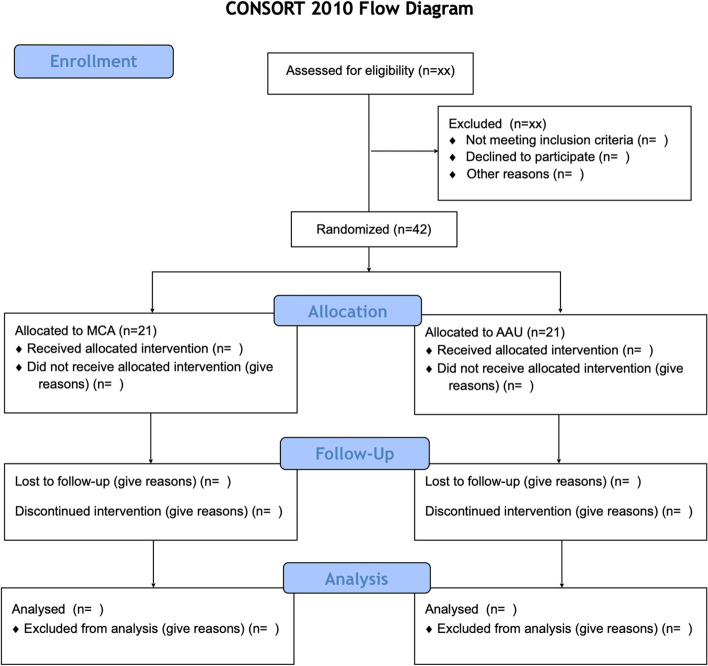
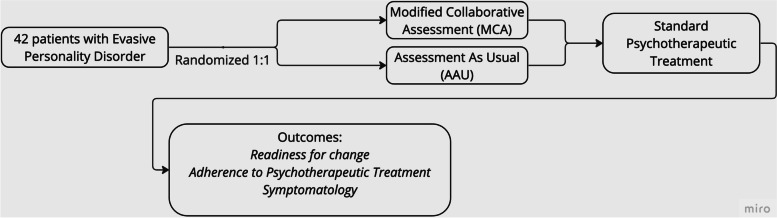
Background: Evasive personality disorder (AvPD) and social phobia (SP) have substantial costs for patients and their families and great economic costs to the society. While psychotherapy can be an efficacious treatment, many patients drop out during treatment. Increased knowledge on how to decrease dropout from psychotherapy is warranted, including how to increase a patient’s readiness for psychotherapy. Methods: We describe a randomized controlled feasibility and superiority trial of 42 individuals with a clinical diagnosis of either SP or AvPD, who are to initiate psychotherapeutic treatment in Danish outpatient mental health services. They will be randomized in a 1:1 ratio to either assessment-as-usual and receive no further assessment or to a Modified Collaborative Assessment (MCA) provided as a pre-treatment intervention before psychotherapy initiation. MCA will include a battery of psychological tests designed to thoroughly assess the patients’ psychopathology. The tests are administered in collaboration with the patient, including detailed oral and written feedback. We hypothesize that the intervention is feasible regarding patient’s acceptance and adherence. We further hypothesize that patients randomized to MCA will reach higher levels of readiness for psychotherapy as assessed with the University of Rhode Island Change Assessment Scale (URICA). Discussion: This protocol assesses the feasibility, efficacy, acceptability, and safety of an intervention aimed at changing the readiness for participation in psychotherapy of patients with SP and AvPD. Results from this feasibility study could guide the development of future large-scale trials of MCA and procedures for MCA treatment fidelity assessment. Trial registration: NCT2021001. © 2023, The Author(s).
Overview
CoChat Summary
## TL;DR
This is a trial protocol for a two-armed randomized controlled feasibility and superiority study testing whether Modified Collaborative Assessment (MCA) before psychotherapy improves readiness for psychotherapy compared with assessment-as-usual (AAU) in patients with social phobia (SP) or avoidant personality disorder (AvPD). The planned sample is 42 adults in Danish outpatient mental health services, with the primary outcome being the URICA Contemplation score.
## Key findings
- The trial will enroll 42 individuals with a clinical diagnosis of SP or AvPD in a 1:1 randomized design comparing MCA vs AAU.
- The primary outcome is readiness for psychotherapy measured by the URICA Contemplation score at end of intervention (T1), with follow-up at 1 month (T2).
- Feasibility will be judged using thresholds including 25% of eligible/informed patients agreeing to participate, 75% completing MCA, and a mean CSQ-8 score ≥ 3.
- The sample size target is 42 to allow for about 15% attrition; the paper states a calculation based on prior data yielded 36 total participants (18 per arm) for the primary outcome.
## Methods
- Design: Two-armed, parallel randomized controlled feasibility and superiority trial; reporting follows SPIRIT and feasibility-trial guidance.
- Sample/setting: 42 adults aged 18–65 with tentative ICD-10 SP or AvPD referred for treatment in Danish outpatient mental health services (Psychiatry South, Region Zealand); exclusions include high/moderate suicide risk, alcohol/drug dependency, eating disorder with BMI < 18, or psychotic illness.
- Analysis: Outcomes will be analyzed with intention-to-treat analyses, missing data handled by multiple imputation, and pre/post effects assessed using repeated measures ANOVAs; analyses will be performed on masked data, with conclusions formulated before unblinding.
## Limitations
- The paper explicitly notes this is a feasibility study in a small clinical sample and that the study is designed to inform a possible future full-scale RCT rather than provide definitive efficacy evidence.
- The authors state that the intervention may not benefit patients and could increase dropout if patients become overwhelmed or upset by the additional assessment; this is presented as a potential risk, not a demonstrated limitation.
- Evident from the protocol text: because this is a protocol, the paper reports planned methods and outcomes, not results; therefore no empirical effectiveness or feasibility findings are available in the text itself.
Model-written summary. Check it against the paper before relying on it.
Integrity signals
Registry
Cites
Statistics
Figures
Verification
Claims the paper makes
2 Valid · 1 Not valid · 19 Not checked · 12 Own results and interpretations
The cited sources that could be checked couldn’t confirm or dispute this claim.
In the paper
“The Diagnostic and Statistical Manual of Mental Disorders, fifth edition (DSM-5) [12], recognizes a considerable overlap between AvPD and SP.”
§ Social phobia and evasiveness: trial protocol for a randomized controlled feasibility and superiority trial of the effect of Modified Collaborative Assessment vs. standard assessment on patients’ readiness for psychotherapy (CO-ASSM-RCT) > Background > Introduction and rationale
What the sources say
- Could not verifycites [12] Association, A.P., The Diagnostic and Statistical Manual of Mental Disorders (DSM-5). Fifth Edition 2013. 2013: American Psychiatric Publishing; 5th edition. sourceExperimental — accuracy not yet measured
The supplied passages (section dated 11 September 2026, no page given) discuss depression, not avoidant personality disorder or social phobia. Searches for their overlap and comorbidity returned no relevant passage. The indexed copy therefore does not establish what DSM-5 says about their overlap. (LLM, conf=0.78)
plainstates an association- Asserted: passes — The authors put it forward as true.
- Checkable: passes — It can be checked against evidence.
- Load-bearing: passes — The paper’s conclusions depend on it.
- Based: passes — The paper gives a reason why it holds.
- Could not verify
The cited sources support only part of this claim — read each source’s verdict below.
In the paper
“In this trial, 291 patients with anxiety disorders or depression received standardized treatment programs from three Danish mental health services, and the results suggested that only half of the patients no longer met diagnostic criteria for their principal diagnosis by the end of treatment [22].”
§ Social phobia and evasiveness: trial protocol for a randomized controlled feasibility and superiority trial of the effect of Modified Collaborative Assessment vs. standard assessment on patients’ readiness for psychotherapy (CO-ASSM-RCT) > Background > Introduction and rationale
What the sources say
- Partly supportedcites [21] Arnfred SM, A.R., Hvenegaard M, Poulsen S, Bach B, Arendt M, Rosenberg NK and Reinholt N, Transdiagnostic group CBT vs. standard group CBT for depression, social anxiety disorder and agoraphobia/panic disorder: study protocol for a pragmatic, multicenter non-inferiority randomized controlled trial. BMC Psychiatry volume 17, Article number: 37 (2017), 2017. PMC5260024 28114915 sourceExperimental — accuracy not yet measured
The Abstract (Methods/design; page unavailable) describes a multicenter randomized trial at three Danish mental health centers involving patients with depression or anxiety disorders. But this is a study protocol planning to recruit 248 patients, not a report of a completed trial of 291 patients. The Secondary outcomes section says diagnostic recovery will be assessed at the end of therapy; it does not report that half the patients no longer met diagnostic criteria. (LLM, conf=0.88)
- Not checked — no full text of the sourcecites [22] Reinholt N, H.M., Christensen AB, Eskildsen A, Hjorthøj C, Poulsen S, Arendt MB, Rosenberg NK, Gryesten JR, Aharoni RN, Alrø AJ, Christensen CW and Arnfred SM., Transdiagnostic versus diagnosis-specific group cognitive behavioral therapy for anxiety disorders and depression: a randomized controlled trial. Psychother Psychosom. 2021 Jun 10;1–14., 2021. 34111874 source
hedgedn = 291- Asserted: passes — The authors put it forward as true.
- Checkable: passes — It can be checked against evidence.
- Load-bearing: passes — The paper’s conclusions depend on it.
- Based: passes — The paper gives a reason why it holds.
- Partly supported
In the paper
“In the upcoming revision of the International Classification of Diseases, tenth edition (ICD-10), AvPD will be removed as an independent diagnosis [15]”
§ Social phobia and evasiveness: trial protocol for a randomized controlled feasibility and superiority trial of the effect of Modified Collaborative Assessment vs. standard assessment on patients’ readiness for psychotherapy (CO-ASSM-RCT) > Background > Introduction and rationale
What the sources say
- Not matchedcites [15] (WHO), W.H.O., ICD-11. International Classification of Diseases 11th Revision. 2019.
We searched by its title and found no matching paper.
plain- Asserted: passes — The authors put it forward as true.
- Checkable: passes — It can be checked against evidence.
- Load-bearing: unclear — It is unclear whether the paper’s conclusions depend on it.
- Based: passes — The paper gives a reason why it holds.
- Not matched
In the paper
“recent meta-analytic data suggest that only 45% of patients suffering from social phobia remit from their principal diagnosis after treatment”
§ Social phobia and evasiveness: trial protocol for a randomized controlled feasibility and superiority trial of the effect of Modified Collaborative Assessment vs. standard assessment on patients’ readiness for psychotherapy (CO-ASSM-RCT) > Background > Introduction and rationale
What the sources say
- Not checked — no full text of the sourcecites [19] Springer KS Levy HC Tolin DF Remission in CBT for adult anxiety disorders: a meta-analysis Clin Psychol Rev 2018 61 1 8 10.1016/j.cpr.2018.03.002 29576326 source
hedged- Asserted: passes — The authors put it forward as true.
- Checkable: passes — It can be checked against evidence.
- Load-bearing: passes — The paper’s conclusions depend on it.
- Based: passes — The paper gives a reason why it holds.
In the paper
“the remission rates vary substantially from 40 to 80% [20]”
§ Social phobia and evasiveness: trial protocol for a randomized controlled feasibility and superiority trial of the effect of Modified Collaborative Assessment vs. standard assessment on patients’ readiness for psychotherapy (CO-ASSM-RCT) > Background > Introduction and rationale
What the sources say
- Not checked — no full text of the sourcecites [20] Weinbrecht A Schulze L Boettcher J Avoidant personality disorder: a current review Curr Psychiatry Rep 2016 18 29 2016 26830887 source
plain- Asserted: passes — The authors put it forward as true.
- Checkable: passes — It can be checked against evidence.
- Load-bearing: unclear — It is unclear whether the paper’s conclusions depend on it.
- Based: passes — The paper gives a reason why it holds.
9 more claims
Create a free account to see all 34 claims and every source verdict.
- Probably not a substantial claim. 16
- It may state two separate claims as one. 10
Claims other papers make about this one
Each is checked against this paper’s own text: does it say what the citing paper says it does?
The cited source says what the claim attributes to it.
In the citing paper
“A protocol for the current trial was published prior to its finalization [49].”
Citations
Cites
Diagnostic and Statistical Manual of Mental Disorders
American Psychiatric Association (2013) · doi:10.1176/appi.books.9780890425596 · Cited by 116,369
Harris, P. A., Taylor, R., Thielke, R., Payne, J., Gonzalez, N., & Conde, J. G. (2009) · Journal of Biomedical Informatics · doi:10.1016/j.jbi.2008.08.010 · Cited by 51,384 · cited 4×
“Self-ratings will also be collected on the web-based REDCap platform.”
MethodInfluentialZhang, Q., Wang, C., Zheng, M., Li, Y., Li, J., Zhang, L., Shang, X., & Yan, C. (2015) · Cerebrovascular Diseases · doi:10.1159/000369778 · Cited by 11,533
Projections of Global Mortality and Burden of Disease from 2002 to 2030
Mathers, C. D., & Loncar, D. (2006) · PLoS Medicine · doi:10.1371/journal.pmed.0030442 · Cited by 11,386
Developing and evaluating complex interventions: the new Medical Research Council guidance
Craig, P., Dieppe, P., Macintyre, S., Michie, S., Nazareth, I., & Petticrew, M. (2008) · BMJ · doi:10.1136/bmj.a1655 · Cited by 10,995
SPIRIT 2013 Statement: Defining Standard Protocol Items for Clinical Trials
Chan, A.-W., Tetzlaff, J. M., Altman, D. G., Laupacis, A., Gøtzsche, P. C., Krleža-Jerić, K., Hróbjartsson, A., Mann, H., Dickersin, K., Berlin, J. A., et al. (2013) · Annals of Internal Medicine · doi:10.7326/0003-4819-158-3-201302050-00583 · Cited by 7,363 · cited 2×
“Design The present protocol is based on reporting guidelines from the SPIRIT guideline for Standard Protocol Items for Clinical Trials [45] adapted as recommended when reporting protocols of feasibility trials [46].”
MethodWhiteford, H. A., Degenhardt, L., Rehm, J., Baxter, A. J., Ferrari, A. J., Erskine, H. E., Charlson, F. J., Norman, R. E., Flaxman, A. D., Johns, N., et al. (2013) · The Lancet · doi:10.1016/s0140-6736(13)61611-6 · Cited by 6,006
A tutorial on pilot studies: the what, why and how
Thabane, L., Ma, J., Chu, R., Cheng, J., Ismaila, A., Rios, L. P., Robson, R., Thabane, M., Giangregorio, L., & Goldsmith, C. H. (2010) · BMC Medical Research Methodology · doi:10.1186/1471-2288-10-1 · Cited by 3,384
Kessler, R. C., Petukhova, M., Sampson, N. A., Zaslavsky, A. M., & Wittchen, H. (2012) · International Journal of Methods in Psychiatric Research · doi:10.1002/mpr.1359 · Cited by 2,947
CONSORT 2010 statement: extension to randomised pilot and feasibility trials
on behalf of the PAFS consensus group, Eldridge, S. M., Chan, C. L., Campbell, M. J., Bond, C. M., Hopewell, S., Thabane, L., & Lancaster, G. A. (2016) · Pilot and Feasibility Studies · doi:10.1186/s40814-016-0105-8 · Cited by 2,843
The Work and Social Adjustment Scale: a simple measure of impairment in functioning
Mundt, J. C., Marks, I. M., Shear, M. K., & Greist, J. M. (2002) · British Journal of Psychiatry · doi:10.1192/bjp.180.5.461 · Cited by 2,515
Wechsler Adult Intelligence Scale--Fourth Edition
Wechsler, D. (2012) · PsycTESTS Dataset · doi:10.1037/t15169-000 · Cited by 2,232
International Classification of Diseases, 10th Revision
(2018) · The SAGE Encyclopedia of Intellectual and Developmental Disorders · doi:10.4135/9781483392271.n276 · Cited by 1,917
The ESEMeD/MHEDEA 2000 Investigators, Alonso, J., Angermeyer, M. C., Bernert, S., Bruffaerts, R., Brugha, T. S., Bryson, H., de Girolamo, G., de Graaf, R., Demyttenaere, K., et al. (2004) · Acta Psychiatrica Scandinavica · doi:10.1111/j.1600-0047.2004.00327.x · Cited by 1,819 · cited 1×
“Estimates from a large European epidemiological survey suggest that 14% of the European population will meet the criteria for an anxiety disorder within their lifetime [3].”
BackgroundCost of disorders of the brain in Europe 2010
Gustavsson, A., Svensson, M., Jacobi, F., Allgulander, C., Alonso, J., Beghi, E., Dodel, R., Ekman, M., Faravelli, C., Fratiglioni, L., et al. (2011) · European Neuropsychopharmacology · doi:10.1016/j.euroneuro.2011.08.008 · Cited by 1,723
Is General Self-Efficacy a Universal Construct?1
Scholz, U., Gutiérrez Doña, B., Sud, S., & Schwarzer, R. (2002) · European Journal of Psychological Assessment · doi:10.1027//1015-5759.18.3.242 · Cited by 1,637
EASE: Examination of Anomalous Self-Experience
Parnas, J., Møller, P., Kircher, T., Thalbitzer, J., Jansson, L., Handest, P., & Zahavi, D. (2005) · Psychopathology · doi:10.1159/000088441 · Cited by 905 · cited 1×
“Scores are summed up in a global score, with five sub-scores: Cognition and stream of consciousness, Self-awareness and presence, Bodily experiences, Demarcation/transitivism, and Existential reorientation [52].”
BackgroundFRESCO, D. M., COLES, M. E., HEIMBERG, R. G., LIEBOWITZ, M. R., HAMI, S., STEIN, M. B., & GOETZ, D. (2001) · Psychological Medicine · doi:10.1017/s0033291701004056 · Cited by 874 · cited 1×
“The LSAS-SR has shown to have good convergent, discriminant validity, and reliability [62].”
BackgroundStages of change profiles in outpatient alcoholism treatment
DiClemente, C. C., & Hughes, S. O. (1990) · Journal of Substance Abuse · doi:10.1016/s0899-3289(05)80057-4 · Cited by 659
The Liebowitz social anxiety scale as a self-report instrument: a preliminary psychometric analysis
Baker, S. L., Heinrichs, N., Kim, H.-J., & Hofmann, S. G. (2002) · Behaviour Research and Therapy · doi:10.1016/s0005-7967(01)00060-2 · Cited by 640 · cited 1×
“The Liebowitz Social Anxiety Scale‐Self‐Report (LSAS) The self-administered 24-item LSAS-SR [60], which is highly correlated with the clinician-administered version [61], includes questions pertaining to social interaction and performance situations.”
MethodProchaska, J. O., & Diclemente, C. C. (2005) · Handbook of Psychotherapy Integration · doi:10.1093/med:psych/9780195165791.003.0007 · Cited by 499 · cited 1×
“The overall concept refers to the intentional aspect of change, the internal drive preceding behavioral change before the initiation of therapy, and the ongoing engagement throughout therapy [40].”
BackgroundRemission in CBT for adult anxiety disorders: A meta-analysis
Springer, K. S., Levy, H. C., & Tolin, D. F. (2018) · Clinical Psychology Review · doi:10.1016/j.cpr.2018.03.002 · Cited by 364 · cited 1×
“However, despite a solid evidence base for the efficacy of cognitive-behavioral therapy for social phobia, recent meta-analytic data suggest that only 45% of patients suffering from social phobia remit from their principal diagnosis after treatment and patients with social phobia have a worse outcome than patients wit…”
BackgroundA paradigm shift in psychiatric classification: the Hierarchical Taxonomy Of Psychopathology (HiTOP)
Kotov, R., Krueger, R. F., & Watson, D. (2018) · World Psychiatry · doi:10.1002/wps.20478 · Cited by 318 · cited 1×
“The present study is further designed to establish diagnosis adhering to the current diagnostic systems (ICD-10 and DSM-5), but we expect it would also be applicable if the Mental Health Service introduced the dimensional [37, 38] model of psychopathology, since the current MCA also includes a thorough personality ass…”
MethodMeta-analysis of psychological assessment as a therapeutic intervention
Poston, J. M., & Hanson, W. E. (2010) · Psychological Assessment · doi:10.1037/a0018679 · Cited by 276 · cited 1×
“In addition, Poston and Hanson [36] published a meta-analysis on 17 published C/TA studies, which found favorable effects of this intervention in terms of overall effectiveness when compared to assessment as usual.”
ResultTherapeutic effects of providing MMPI-2 test feedback to college students awaiting therapy.
Finn, S. E., & Tonsager, M. E. (1992) · Psychological Assessment · doi:10.1037/1040-3590.4.3.278 · Cited by 271
Stages of change and psychotherapy outcomes: A review and meta‐analysis
Krebs, P., Norcross, J. C., Nicholson, J. M., & Prochaska, J. O. (2018) · Journal of Clinical Psychology · doi:10.1002/jclp.22683 · Cited by 236 · cited 1×
“Studies have consistently found patients’ readiness to change to be an important factor in predicting and moderating their psychotherapy outcomes [42].”
BackgroundLong-term disability in anxiety disorders
Hendriks, S. M., Spijker, J., Licht, C. M. M., Hardeveld, F., de Graaf, R., Batelaan, N. M., Penninx, B. W. J. H., & Beekman, A. T. F. (2016) · BMC Psychiatry · doi:10.1186/s12888-016-0946-y · Cited by 234
Comer, J. S., Blanco, C., Hasin, D. S., Liu, S.-M., Grant, B. F., Turner, J. B., & Olfson, M. (2011) · The Journal of Clinical Psychiatry · doi:10.4088/jcp.09m05094blu · Cited by 214
A guide to the reporting of protocols of pilot and feasibility trials
Thabane, L., & Lancaster, G. (2019) · Pilot and Feasibility Studies · doi:10.1186/s40814-019-0423-8 · Cited by 209
Childhood trauma and current psychological functioning in adults with social anxiety disorder
Kuo, J. R., Goldin, P. R., Werner, K., Heimberg, R. G., & Gross, J. J. (2011) · Journal of Anxiety Disorders · doi:10.1016/j.janxdis.2010.11.011 · Cited by 194 · cited 1×
“In general, the RSES has demonstrated good convergent validity and good test–retest reliability, and in similar populations of adults with social phobia, the RSES has demonstrated high internal consistency [64].”
BackgroundInteraction of Therapeutic Process and Alliance During Psychological Assessment
Ackerman, S. J., Hilsenroth, M. J., Baity, M. R., & Blagys, M. D. (2000) · Journal of Personality Assessment · doi:10.1207/s15327752jpa7501_7 · Cited by 192 · cited 1×
“This includes self-esteem [26–29], compliance with treatment recommendations [30], therapeutic alliance with subsequent therapist [31, 32], and satisfaction with treatment [33], as well as decreased anxiety symptoms [34, 35] and levels of self-criticism [34].”
BackgroundHutsebaut, J., Feenstra, D. J., & Kamphuis, J. H. (2016) · Personality Disorders: Theory, Research, and Treatment · doi:10.1037/per0000159 · Cited by 190 · cited 1×
“It measures impairment in personality functioning within the domains of self-functioning and interpersonal functioning [58].”
BackgroundHilsenroth, M. J., Peters, E. J., & Ackerman, S. J. (2004) · Journal of Personality Assessment · doi:10.1207/s15327752jpa8303_14 · Cited by 176 · cited 1×
“This includes self-esteem [26–29], compliance with treatment recommendations [30], therapeutic alliance with subsequent therapist [31, 32], and satisfaction with treatment [33], as well as decreased anxiety symptoms [34, 35] and levels of self-criticism [34].”
BackgroundProchaska, J. O., Norcross, J. C., & DiClemente, C. C. (2013) · Psychologists' Desk Reference · doi:10.1093/med:psych/9780199845491.003.0034 · Cited by 165 · cited 1×
“However, data suggests that up to 80% of patients are not ready for change (to pursue treatment goals) when they enter treatment and possess ambivalence about therapy [44].”
BackgroundDozois, D. J. A., Westra, H. A., Collins, K. A., Fung, T. S., & Garry, J. K. F. (2004) · Behaviour Research and Therapy · doi:10.1016/s0005-7967(03)00193-1 · Cited by 163 · cited 1×
“[71] of patients with panic/anxiety, where the primary outcome “Contemplation stage score” in readiness for change was mean 37.”
BackgroundNewman, M. L., & Greenway, P. (1997) · Psychological Assessment · doi:10.1037/1040-3590.9.2.122 · Cited by 146
Vogel, P. A., Hansen, B., Stiles, T. C., & Götestam, K. G. (2006) · Journal of Behavior Therapy and Experimental Psychiatry · doi:10.1016/j.jbtep.2005.12.001 · Cited by 135 · cited 1×
“Readiness for psychotherapy The fundamental role of patients’ readiness for psychotherapy change (or client motivation) in the outcome of therapy is widely recognized [39].”
BackgroundOtt, C. V., Bjertrup, A. J., Jensen, J. H., Ullum, H., Sjælland, R., Purdon, S. E., Vieta, E., Kessing, L. V., & Miskowiak, K. W. (2016) · Journal of Affective Disorders · doi:10.1016/j.jad.2015.10.059 · Cited by 128 · cited 1×
“The Danish translation has demonstrated validity for the detection of objective cognitive impairment [53].”
BackgroundSvendsen, A. M., Kessing, L. V., Munkholm, K., Vinberg, M., & Miskowiak, K. W. (2012) · Nordic Journal of Psychiatry · doi:10.3109/08039488.2011.626870 · Cited by 126 · cited 1×
“It assesses verbal learning and memory, delayed memory, working memory, word mobilization, and processing speed [54].”
BackgroundMarker, I., & Norton, P. J. (2018) · Clinical Psychology Review · doi:10.1016/j.cpr.2018.04.004 · Cited by 112 · cited 1×
“Regarding anxiety disorders, research indicates that patients’ readiness to change reduces symptoms and improves other process variables, such as working alliance and adherence to treatment [43].”
BackgroundAvoidant Personality Disorder: a Current Review
Weinbrecht, A., Schulze, L., Boettcher, J., & Renneberg, B. (2016) · Current Psychiatry Reports · doi:10.1007/s11920-016-0665-6 · Cited by 110 · cited 1×
“The evidence-based psychological treatment for avoidant personality is limited in terms of number and quality of studies and the remission rates vary substantially from 40 to 80% [20].”
BackgroundIntroducing a New Intervention: An Overview of Research Phases and Common Challenges
Gitlin, L. N. (2013) · American Journal of Occupational Therapy · doi:10.5014/ajot.2013.006742 · Cited by 90 · cited 3×
“Personality Inventory for DSM‑5, 36‑item version (PID‑36) The PID-36 is an abbreviated version of the originally 100-item version of the Personality Inventory for DSM-5 (PID-5), which was developed to measure the pathological trait specifiers listed in the alternative model for personality disorders in DSM-5 Section I…”
BackgroundHilsenroth, M. J., Ackerman, S. J., Clemence, A. J., Strassle, C. G., & Handler, L. (2002) · Psychotherapy: Theory, Research, Practice, Training · doi:10.1037/0033-3204.39.4.309 · Cited by 88
Chambless, D. L., Fydrich, T., & Rodebaugh, T. L. (2008) · Depression and Anxiety · doi:10.1002/da.20266 · Cited by 69
The Effects of Assessment Feedback on Rapport-Building and Self-Enhancement Processes
Allen, A., Montgomery, M., Tubman, J., Frazier, L., & Escovar, L. (2003) · Journal of Mental Health Counseling · doi:10.17744/mehc.25.3.lw7h84q861dw6ytj · Cited by 63
Isomura, K., Boman, M., Rück, C., Serlachius, E., Larsson, H., Lichtenstein, P., & Mataix-Cols, D. (2015) · Psychological Medicine · doi:10.1017/s0033291714002116 · Cited by 61 · cited 1×
“Similar to the anxiety disorders, AvPD is associated with profound impairment in daily life for the affected individual, as well as high socio-economic costs [16].”
BackgroundParenting practices and adolescent social anxiety: A direct or indirect relationship?
Gómez-Ortiz, O., Romera, E. M., Jiménez-Castillejo, R., Ortega-Ruiz, R., & García-López, L. J. (2019) · International Journal of Clinical and Health Psychology · doi:10.1016/j.ijchp.2019.04.001 · Cited by 60 · cited 1×
“This evasiveness severely impacts the social functioning and quality of life of affected individuals [10, 11].”
BackgroundReinholt, N., Hvenegaard, M., Christensen, A. B., Eskildsen, A., Hjorthøj, C., Poulsen, S., Arendt, M. B., Rosenberg, N. K., Gryesten, J. R., Aharoni, R. N., et al. (2022) · Psychotherapy and Psychosomatics · doi:10.1159/000516380 · Cited by 55 · cited 1×
“In this trial, 291 patients with anxiety disorders or depression received standardized treatment programs from three Danish mental health services, and the results suggested that only half of the patients no longer met diagnostic criteria for their principal diagnosis by the end of treatment [22].”
BackgroundSelf-citationRole of social skills training in adolescents with social anxiety disorder
Olivares-Olivares, P. J., Ortiz-González, P. F., & Olivares, J. (2019) · International Journal of Clinical and Health Psychology · doi:10.1016/j.ijchp.2018.11.002 · Cited by 54
Aldea, M. A., Rice, K. G., Gormley, B., & Rojas, A. (2010) · Behaviour Research and Therapy · doi:10.1016/j.brat.2010.09.003 · Cited by 40
Aschieri, F., & Smith, J. D. (2012) · Journal of Personality Assessment · doi:10.1080/00223891.2011.627964 · Cited by 38 · cited 1×
“This includes self-esteem [26–29], compliance with treatment recommendations [30], therapeutic alliance with subsequent therapist [31, 32], and satisfaction with treatment [33], as well as decreased anxiety symptoms [34, 35] and levels of self-criticism [34].”
BackgroundSocial anxiety disorder and avoidant personality disorder from an interpersonal perspective
Frandsen, F. W., Simonsen, S., Poulsen, S., Sørensen, P. S., & Lau, M. E. (2019) · Psychology and Psychotherapy Theory Research and Practice · doi:10.1111/papt.12214 · Cited by 38
Development of the Readiness for Psychotherapy Index
Ogrodniczuk, J. S., Joyce, A. S., & Piper, W. E. (2009) · Journal of Nervous & Mental Disease · doi:10.1097/nmd.0b013e3181a61c56 · Cited by 36
Smith, J. D., & George, C. (2012) · Journal of Personality Assessment · doi:10.1080/00223891.2012.656860 · Cited by 31 · cited 1×
“This includes self-esteem [26–29], compliance with treatment recommendations [30], therapeutic alliance with subsequent therapist [31, 32], and satisfaction with treatment [33], as well as decreased anxiety symptoms [34, 35] and levels of self-criticism [34].”
BackgroundArnfred, S. M., Aharoni, R., Hvenegaard, M., Poulsen, S., Bach, B., Arendt, M., Rosenberg, N. K., & Reinholt, N. (2017) · BMC Psychiatry · doi:10.1186/s12888-016-1175-0 · Cited by 31 · cited 1×
“Data from a recently finalized multicenter randomized controlled trial [21] investigating the relative efficacy of group diagnosis-specific versus transdiagnostic cognitive-behavioral therapy for anxiety disorders or depression supports the meta-analytic findings on social phobia.”
BackgroundSelf-citationConway, C., & Simms, L. J. (2020) · Personality and Mental Health · doi:10.1002/pmh.1474 · Cited by 22 · cited 1×
“The present study is further designed to establish diagnosis adhering to the current diagnostic systems (ICD-10 and DSM-5), but we expect it would also be applicable if the Mental Health Service introduced the dimensional [37, 38] model of psychopathology, since the current MCA also includes a thorough personality ass…”
Method
Research works printed but not linked: 9
- Finn, S.E., Manual for using the MMPI–2 as a therapeutic intervention. 1996, Minneapolis, MN: University of Minnesota Press.
- Finn, S.E., In our clients’ shoes: Theory and techniques of Therapeutic Assessment Mahwah 2007 NJ Erlbaum
- Finn, S.E., Fischer, C. T., Handler, L. (Eds.). Collaborative/therapeutic assessment: a casebook and guide. 2012: John Wiley Sons Inc.
- J., L., Collaborative assessment, supportive psychotherapy or treatment as usual: an analysis of ultra-brief individualized intervention for psychiatric inpatients. Santa Barbara 2009 CA University of California
- M., L.C.a.R., (ADOS™-2) Autism Diagnostic Observation Schedule™, Second Edition. 2012, Torrance, CA: Western Psychological Services.
- Conners CK E.D.a.S.E., Conners’ Adult ADHD Rating Scales–Self-Report: Long Version. North Tonawanda 1998 NY Multi-Health Systems
- M., R., Society and the adolescent self-image Princeton 1965 NJ Princeton University
- M., S.R.a.J., Generalized Self-Efficacy scale. In J. Weinman, S. Wright, & M. Johnston, Measures in health psychology: a user’s portfolio. Causal and control beliefs (pp. 35–37). 1995, Windsor, England: NFER-NELSON.
- K, A.C.a.G., The Client Satisfaction Questionnaire-8 and the Service Satisfaction Questionnaire-30. In M. E. Maruish (Ed.), The use of psychological testing for treatment planning and outcomes assessment (pp. 402–420). 1994, Hillsdale: Lawrence Erlbaum Associates.
Cited by
Hovmand, O. R., Reinholt, N., Dichmann, K., Borisov, R., Hjorthøj, C., & Arnfred, S. (2024) · Trials · doi:10.1186/s13063-024-08517-8
“A protocol for the current trial was published prior to its finalization [49].”
MethodSelf-citationHovmand, O. R., Reinholt, N., Christensen, A. B., Bjørnholm, K., Dilling-Hansen, D., & Arnfred, S. (2025) · Nordic Journal of Psychiatry · doi:10.1080/08039488.2025.2507737
Self-citationHovmand, O. R., Reinholt, N., Christensen, A. B., Bach, B., & Arnfred, S. (2025) · Frontiers in Psychology · doi:10.3389/fpsyg.2025.1530713 · Cited by 1
Self-citation
Metadata
- Authors
- Hovmand, O. R., Reinholt, N., Dichmann, K., Borisov, R., & Arnfred, S.
- Affiliations
- University of Copenhagen (DK)
- Region Zealand (DK)
- Corresponding author
- Hovmand, Oliver Rumle
- Venue
- Pilot and Feasibility Studies
- Published
- 2023-06-20
- Volume
- 9
- Issue
- 1
- Pages
- 102-102
- ISSN
- 2055-5784 (ISSN-L)
- PMC
- PMC10280871
- OpenAlex
- W4381470428
- Semantic Scholar
- 2bca0736b01aff1f71c25b3723cb881244d4b430
- Cited by
- 3
- References
- 55
- Citations by year
- 2025: 2 · 2024: 1
- FWCI
- 0.80
- Type
- journal article
- Language
- en
- Open access
- gold
- doi.org
- Licence
- cc-by
- creativecommons.org/licenses/by/4.0 (tdm)
- creativecommons.org/licenses/by/4.0 (vor)
- Locations
- Pilot and Feasibility Studies (publishedVersion, cc-by)
- PubMed (publishedVersion)
- PubMed Central (submittedVersion, cc-by)
- DOAJ (DOAJ: Directory of Open Access Journals) (submittedVersion, cc-by-sa)
- Research at the University of Copenhagen (University of Copenhagen) (submittedVersion, other-oa)
- Funders
- Psychiatry South, Region Zealand Mental Health Service
- TrygFonden
- Region Zealand Phd Tuition and Annuum fund
- A.P. Møller Lægefond
- Royal Library, Copenhagen University Library
- Topics
- Social Sciences › Psychology › Clinical Psychology › Personality Disorders and Psychopathology
- Social Sciences › Psychology › Clinical Psychology › Psychotherapy Techniques and Applications
- Social Sciences › Psychology › Applied Psychology › Digital Mental Health Interventions
- Keywords
- social anxiety disorder, collaborative assessment, psychotherapy dropout, patient feedback, medication adherence, treatment acceptability, psychopathology assessment
About these checks
Registry, retraction, Cites and statistics results are computed, not judged, with one exception: a printed reference that no index lists is read once by a model before it counts as a citation error. Claims are extracted by a model and kept only when their quote appears verbatim in the text; each cited source is then checked, with a model’s help, for whether it says what the claim relies on. Those verdicts can be wrong — read the claim’s quote and the cited source before relying on one.
The claim verdicts this report counts are experimental: their accuracy is not yet measured.
A language model drew the claims from the paper on 2026-10-11, under version 3 of the claim definition (model deepseek-v4.1-flash, prompt extract-v3).
A second model labelled each claim on 2026-10-11 (model jev-1.13-20260917, definition revision gold-guideline-v0.2).
Cited sources are checked with a language model’s help (gpt-6-sol).
Statistics and arithmetic are recomputed, not judged.
Confidence bands are shown only for fields calibrated on our annotated test set. None is calibrated yet, so no band is shown.
What counts as a claim ›How we measure confidence ›How we check this ›
Are you an author, or do you see a problem with this page? Request a review
Data sources
Bibliographic data: Semantic Scholar, OpenAlex, Crossref.
Contains information from the Semantic Scholar Academic Graph Datasets, made available under the ODC Attribution License (ODC-BY 1.0).
Semantic Scholar’s data is described in: Kinney, R., et al. (2023). The Semantic Scholar Open Data Platform. arXiv:2301.10140.
