

Diagnosis and management of dementia with Lewy bodies: Fourth consensus report of the DLB Consortium
Open accessThe DOI matches its Crossref record; 150 of the 150 references it cites were found in a registry or an index.
Abstract
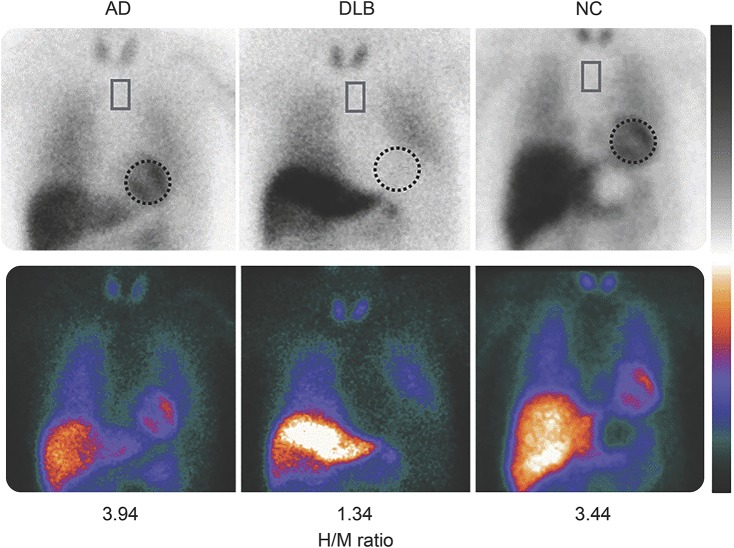
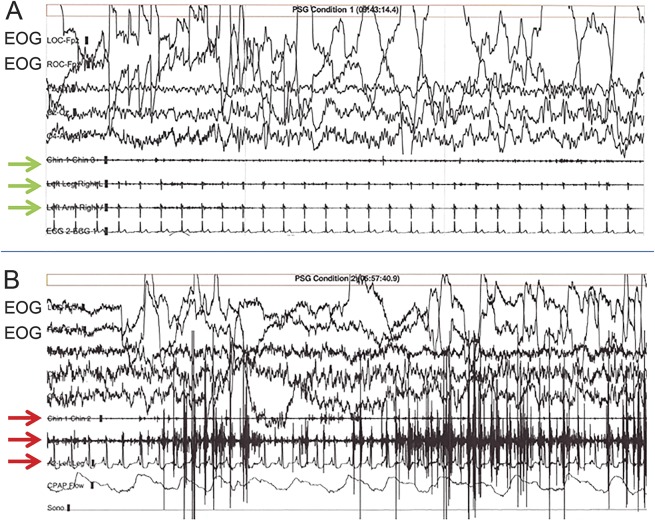
The Dementia with Lewy Bodies (DLB) Consortium has refined its recommendations about the clinical and pathologic diagnosis of DLB, updating the previous report, which has been in widespread use for the last decade. The revised DLB consensus criteria now distinguish clearly between clinical features and diagnostic biomarkers, and give guidance about optimal methods to establish and interpret these. Substantial new information has been incorporated about previously reported aspects of DLB, with increased diagnostic weighting given to REM sleep behavior disorder and 123iodine-metaiodobenzylguanidine (MIBG) myocardial scintigraphy. The diagnostic role of other neuroimaging, electrophysiologic, and laboratory investigations is also described. Minor modifications to pathologic methods and criteria are recommended to take account of Alzheimer disease neuropathologic change, to add previously omitted Lewy-related pathology categories, and to include assessments for substantia nigra neuronal loss. Recommendations about clinical management are largely based upon expert opinion since randomized controlled trials in DLB are few. Substantial progress has been made since the previous report in the detection and recognition of DLB as a common and important clinical disorder. During that period it has been incorporated into DSM-5, as major neurocognitive disorder with Lewy bodies. There remains a pressing need to understand the underlying neurobiology and pathophysiology of DLB, to develop and deliver clinical trials with both symptomatic and disease-modifying agents, and to help patients and carers worldwide to inform themselves about the disease, its prognosis, best available treatments, ongoing research, and how to get adequate support.
Overview
The claims and statistics of this paper haven’t been checked yet.
Free: it reads the open-access text and checks the first 5 claims that cite a source we can check. Create a free account to check every claim.
Integrity signals
Registry
Cites
Statistics
Figures
Verification
Claims the paper makes
The claims and statistics of this paper haven’t been checked yet.
Free: it reads the open-access text and checks the first 5 claims that cite a source we can check. Create a free account to check every claim.
Claims other papers make about this one
Each is checked against this paper’s own text: does it say what the citing paper says it does?
The cited source doesn’t support the claim as written.
In the citing paper
“Larger studies however have shown that FDG-PET has sensitivity of 74% and specificity of 70% for DLB and therefore cannot be used as an indicative biomarker [21, 110].”
From The use of neuroimaging techniques in the early and differential diagnosis of dementia (2023) · cites this paper as [21]
Checked by a reasoning model — may be wrong.
Experimental — accuracy not yet measuredThe source backs part of the claim, not all of it — or backs it for a different population, condition or comparison.
In the citing paper
“Alternatively, lesions of the Alzheimer type are frequently observed as copathology in post-mortem examination of people who had other neurodegenerative diseases.40,41,94,96”
From Clinical diagnosis of Alzheimer’s disease: Recommendations of the International Working Group (2021) · cites this paper as [41]
Experimental — accuracy not yet measuredThe source backs part of the claim, not all of it — or backs it for a different population, condition or comparison.
In the citing paper
“The positivity of both amyloid and tau biomarkers is required because an amnestic phenotype with only amyloid positivity is not specific to Alzheimer’s disease and is seen in other neurodegenerative diseases with amyloid copathology (including LATE and dementia with Lewy bodies1,40,41,100) or in patients with cerebral amyloid angiopathy and amnestic vascular cognitive impairment101 (appendix p 2).”
From Clinical diagnosis of Alzheimer’s disease: Recommendations of the International Working Group (2021) · cites this paper as [41]
Experimental — accuracy not yet measuredThe source backs part of the claim, not all of it — or backs it for a different population, condition or comparison.
In the citing paper
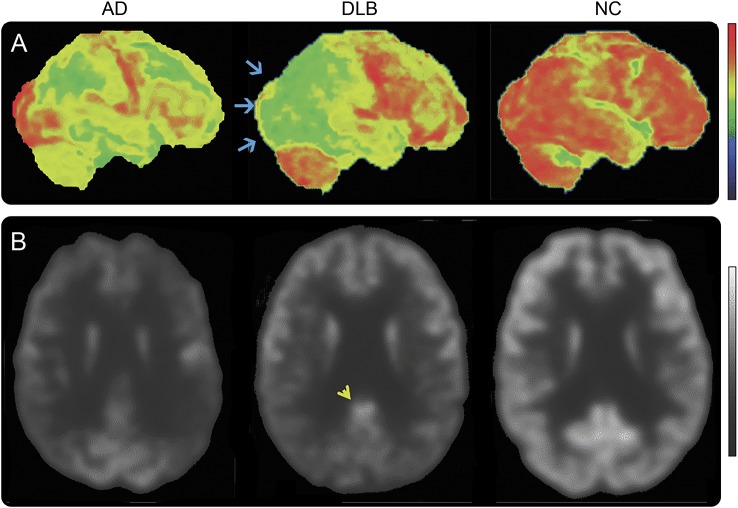
“FDG-PET changes are a supportive feature in the AD and DLB diagnostic criteria and FDG-PET is widely used clinically for the diagnosis of AD and the differential diagnosis of different subtypes of dementia [21, 102, 103].”
From The use of neuroimaging techniques in the early and differential diagnosis of dementia (2023) · cites this paper as [21]
Experimental — accuracy not yet measuredThe source backs part of the claim, not all of it — or backs it for a different population, condition or comparison.
In the citing paper
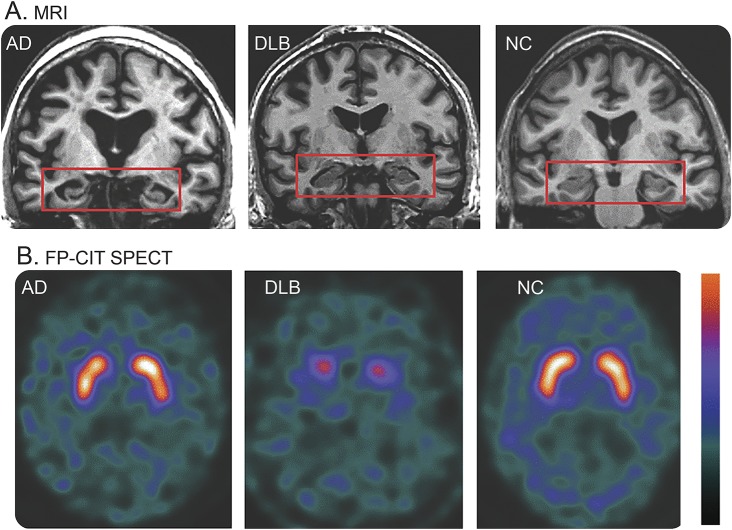
“In terms of structural changes in LBD, brain atrophy is seen but the relative preservation (compared to the marked atrophy in AD) of cortical structures and the medial temporal lobe is well established (Fig. 1) and is a supportive feature in the diagnostic criteria for DLB [19–21].”
From The use of neuroimaging techniques in the early and differential diagnosis of dementia (2023) · cites this paper as [21]
Experimental — accuracy not yet measured
8 more claims about this paper
Create a free account to see every claim other papers make about this one.
Self-check
Percentages, sums and reported differences re-computed from the paper’s own numbers.
The self-check needs the paper’s full text.
Citations
Cites
Staging of brain pathology related to sporadic Parkinson’s disease
Braak, H., Tredici, K. D., Rüb, U., de Vos, R. A. I., Jansen Steur, E. N. H., & Braak, E. (2003) · Neurobiology of Aging · doi:10.1016/s0197-4580(02)00065-9 · Cited by 10,777
MDS clinical diagnostic criteria for Parkinson’s disease
Postuma, R. B., Berg, D., Stern, M., Poewe, W., Olanow, C. W., Oertel, W., Obeso, J., Marek, K., Litvan, I., Lang, A. E., et al. (2015) · Movement Disorders · doi:10.1002/mds.26424 · Cited by 7,653 · cited 1×
“Parkinsonism in Parkinson disease (PD) is defined as bradykinesia in combination with rest tremor, rigidity, or both.(18) Many DLB patients’ parkinsonism falls short of this, so documentation of only one of these cardinal features is required.”
BackgroundSelf-citationThe Neuropsychiatric Inventory: Comprehensive assessment of psychopathology in dementia
Cummings, J. L., Mega, M., Gray, K., Rosenberg-Thompson, S., Carusi, D. A., & Gornbein, J. (1994) · Neurology · doi:10.1212/wnl.44.12.2308 · Cited by 7,568
Diagnosis and management of dementia with Lewy bodies: Third report of the DLB consortium
McKeith, I. G., Dickson, D. W., Lowe, J., Emre, M., O'Brien, J. T., Feldman, H., Cummings, J., Duda, J. E., Lippa, C., Perry, E. K., et al. (2005) · Neurology · doi:10.1212/01.wnl.0000187889.17253.b1 · Cited by 5,069
Self-citationMirra, S. S., Heyman, A., McKeel, D., Sumi, S. M., Crain, B. J., Brownlee, L. M., Vogel, F. S., Hughes, J. P., Belle, G. V., Berg, L., et al. (1991) · Neurology · doi:10.1212/wnl.41.4.479 · Cited by 4,961
McKeith, I. G., Galasko, D., Kosaka, K., Perry, E. K., Dickson, D. W., Hansen, L. A., Salmon, D. P., Lowe, J., Mirra, S. S., Byrne, E. J., et al. (1996) · Neurology · doi:10.1212/wnl.47.5.1113 · Cited by 3,960 · cited 1×
“The Dementia with Lewy Bodies (DLB) Consortium last reported on diagnosis and management in December 2005, and its recommendations have been widely cited for both clinical and research use.(1,2) Changes made to the diagnostic criteria at that time increased diagnostic sensitivity for DLB, but detection rates in clinic…”
Self-citationUnified Parkinson's Disease Rating Scale
(2012) · SpringerReference · doi:10.1007/springerreference_184495 · Cited by 3,066
Montine, T. J., Phelps, C. H., Beach, T. G., Bigio, E. H., Cairns, N. J., Dickson, D. W., Duyckaerts, C., Frosch, M. P., Masliah, E., Mirra, S. S., et al. (2012) · Acta Neuropathologica · doi:10.1007/s00401-011-0910-3 · Cited by 2,894
Self-citationPrevalence and Characteristics of Dementia in Parkinson Disease: An 8-Year Prospective Study
Aarsland, D., Andersen, K., Larsen, J. P., & Lolk, A. (2003) · Archives of Neurology · doi:10.1001/archneur.60.3.387 · Cited by 1,401
Self-citationRivastigmine for Dementia Associated with Parkinson's Disease
Emre, M., Aarsland, D., Albanese, A., Byrne, E. J., Deuschl, G., De Deyn, P. P., Durif, F., Kulisevsky, J., van Laar, T., Lees, A., et al. (2004) · New England Journal of Medicine · doi:10.1056/nejmoa041470 · Cited by 1,223
Self-citation
Cited by
Neuropathological alterations in Alzheimer disease
Serrano-Pozo, A., Frosch, M. P., Masliah, E., & Hyman, B. T. (2011) · Cold Spring Harbor Perspectives in Medicine · doi:10.1101/cshperspect.a006189 · Cited by 3,345
Self-citationKnopman, D. S., Amieva, H., Petersen, R. C., Chételat, G., Holtzman, D. M., Hyman, B. T., Nixon, R. A., & Jones, D. T. (2021) · Nature Reviews Disease Primers · doi:10.1038/s41572-021-00269-y · Cited by 2,606
Microglia in neurodegenerative diseases: mechanism and potential therapeutic targets
Gao, C., Jiang, J., Tan, Y., & Chen, S. (2023) · Signal Transduction and Targeted Therapy · doi:10.1038/s41392-023-01588-0 · Cited by 1,616
Apolipoprotein E and Alzheimer disease: pathobiology and targeting strategies
Yamazaki, Y., Zhao, N., Caulfield, T. R., Liu, C.-C., & Bu, G. (2019) · Nature Reviews Neurology · doi:10.1038/s41582-019-0228-7 · Cited by 1,425
Diagnosis and Management of Dementia: Review
Arvanitakis, Z., Shah, R. C., & Bennett, D. A. (2019) · JAMA · doi:10.1001/jama.2019.4782 · Cited by 1,403
Parkinson disease-associated cognitive impairment
Aarsland, D., Batzu, L., Halliday, G. M., Geurtsen, G. J., Ballard, C., Ray Chaudhuri, K., & Weintraub, D. (2021) · Nature Reviews Disease Primers · doi:10.1038/s41572-021-00280-3 · Cited by 1,371
Self-citationProtein misfolding, aggregation, and conformational strains in neurodegenerative diseases
Soto, C., & Pritzkow, S. (2018) · Nature Neuroscience · doi:10.1038/s41593-018-0235-9 · Cited by 1,180
Biomarkers for neurodegenerative diseases
Hansson, O. (2021) · Nature Medicine · doi:10.1038/s41591-021-01382-x · Cited by 1,159
Postuma, R. B., Iranzo, A., Hu, M., Högl, B., Boeve, B. F., Manni, R., Oertel, W. H., Arnulf, I., Ferini-Strambi, L., Puligheddu, M., et al. (2019) · Brain · doi:10.1093/brain/awz030 · Cited by 1,106
“For dementia conversions, all patients had polysomnogram-diagnosed RBD; therefore, they met 2017 criteria for probable dementia with Lewy bodies with a clinical core symptom plus biomarker loss of REM atonia (McKeith et al., 2017).”
MethodSelf-citationClinical diagnosis of Alzheimer’s disease: Recommendations of the International Working Group
Dubois, B., Villain, N., Frisoni, G. B., Rabinovici, G. D., Sabbagh, M., Cappa, S., Bejanin, A., Bombois, S., Epelbaum, S., Teichmann, M., et al. (2021) · The Lancet Neurology · doi:10.1016/s1474-4422(21)00066-1 · Cited by 1,051
Self-citationBrain Imaging in Alzheimer Disease
Johnson, K. A., Fox, N. C., Sperling, R. A., & Klunk, W. E. (2012) · Cold Spring Harbor Perspectives in Medicine · doi:10.1101/cshperspect.a006213 · Cited by 875
Calabresi, P., Mechelli, A., Natale, G., Volpicelli-Daley, L., Di Lazzaro, G., & Ghiglieri, V. (2023) · Cell Death & Disease · doi:10.1038/s41419-023-05672-9 · Cited by 817
McKeith, I. G. (2004) · Dialogues in Clinical Neuroscience · doi:10.1383/psyt.4.1.52.58314 · Cited by 809
Self-citationResearch criteria for the diagnosis of prodromal dementia with Lewy bodies
McKeith, I. G., Ferman, T. J., Thomas, A. J., Blanc, F., Boeve, B. F., Fujishiro, H., Kantarci, K., Muscio, C., O'Brien, J. T., Postuma, R. B., et al. (2020) · Neurology · doi:10.1212/wnl.0000000000009323 · Cited by 777
“It is characterized by dementia together with varying combinations of the core clinical features of parkinsonism, REM sleep behavior disorder (RBD), fluctuating cognition/alertness, and visual hallucinations.(2) There is a variable progression of α-synuclein aggregationmany years before the full DLB syndrome develops,…”
BackgroundMethodInfluentialSelf-citationBridel, C., van Wieringen, W. N., Zetterberg, H., Tijms, B. M., Teunissen, C. E., and the NFL Group, Alvarez-Cermeño, J. C., Andreasson, U., Axelsson, M., Bäckström, D. C., et al. (2019) · JAMA Neurology · doi:10.1001/jamaneurol.2019.1534 · Cited by 764
Robinson, J. L., Lee, E. B., Xie, S. X., Rennert, L., Suh, E., Bredenberg, C., Caswell, C., Van Deerlin, V. M., Yan, N., Yousef, A., et al. (2018) · Brain · doi:10.1093/brain/awy146 · Cited by 729
Self-citationGale, S. A., Acar, D., & Daffner, K. R. (2018) · The American Journal of Medicine · doi:10.1016/j.amjmed.2018.01.022 · Cited by 680
Alzheimer’s Disease: Past, Present, and Future
Bondi, M. W., Edmonds, E. C., & Salmon, D. P. (2017) · Journal of the International Neuropsychological Society · doi:10.1017/s135561771700100x · Cited by 649
Self-citationSimuni, T., Chahine, L. M., Poston, K., Brumm, M., Buracchio, T., Campbell, M., Chowdhury, S., Coffey, C., Concha-Marambio, L., Dam, T., et al. (2024) · The Lancet Neurology · doi:10.1016/s1474-4422(23)00405-2 · Cited by 629
Self-citationNeuropathology of Parkinson disease
Dickson, D. W. (2018) · Parkinsonism & Related Disorders · doi:10.1016/j.parkreldis.2017.07.033 · Cited by 623
Self-citationThijssen, E. H., La Joie, R., Strom, A., Fonseca, C., Iaccarino, L., Wolf, A., Spina, S., Allen, I. E., Cobigo, Y., Heuer, H., et al. (2021) · The Lancet Neurology · doi:10.1016/s1474-4422(21)00214-3 · Cited by 607
Self-citationA Quarter Century of APOE and Alzheimer’s Disease: Progress to Date and the Path Forward
Belloy, M. E., Napolioni, V., & Greicius, M. D. (2019) · Neuron · doi:10.1016/j.neuron.2019.01.056 · Cited by 570
The Neuropsychological Profile of Alzheimer Disease
Weintraub, S., Wicklund, A. H., & Salmon, D. P. (2012) · Cold Spring Harbor Perspectives in Medicine · doi:10.1101/cshperspect.a006171 · Cited by 569
Self-citationParkinson’s Disease: Biomarkers, Treatment, and Risk Factors
Emamzadeh, F. N., & Surguchov, A. (2018) · Frontiers in Neuroscience · doi:10.3389/fnins.2018.00612 · Cited by 568
Sleep disorders in the elderly: a growing challenge
Gulia, K. K., & Kumar, V. M. (2018) · Psychogeriatrics · doi:10.1111/psyg.12319 · Cited by 555
A biological classification of Parkinson's disease: the SynNeurGe research diagnostic criteria
Höglinger, G. U., Adler, C. H., Berg, D., Klein, C., Outeiro, T. F., Poewe, W., Postuma, R., Stoessl, A. J., & Lang, A. E. (2024) · The Lancet Neurology · doi:10.1016/s1474-4422(23)00404-0 · Cited by 549
Self-citationNeurodegenerative Disorder Risk in Idiopathic REM Sleep Behavior Disorder: Study in 174 Patients
Iranzo, A., Fernández-Arcos, A., Tolosa, E., Serradell, M., Molinuevo, J. L., Valldeoriola, F., Gelpi, E., Vilaseca, I., Sánchez-Valle, R., Lladó, A., et al. (2014) · PLoS ONE · doi:10.1371/journal.pone.0089741 · Cited by 548
Invited Article: Nervous system pathology in sporadic Parkinson disease
Braak, H., & Del Tredici, K. (2008) · Neurology · doi:10.1212/01.wnl.0000312279.49272.9f · Cited by 538
Chételat, G., Arbizu, J., Barthel, H., Garibotto, V., Law, I., Morbelli, S., van de Giessen, E., Agosta, F., Barkhof, F., Brooks, D. J., et al. (2020) · The Lancet Neurology · doi:10.1016/s1474-4422(20)30314-8 · Cited by 526
Dauvilliers, Y., Schenck, C. H., Postuma, R. B., Iranzo, A., Luppi, P.-H., Plazzi, G., Montplaisir, J., & Boeve, B. (2018) · Nature Reviews Disease Primers · doi:10.1038/s41572-018-0016-5 · Cited by 492
Self-citationReich, S. G., & Savitt, J. M. (2019) · Medical Clinics of North America · doi:10.1016/j.mcna.2018.10.014 · Cited by 483
Structures of α-synuclein filaments from human brains with Lewy pathology
Yang, Y., Shi, Y., Schweighauser, M., Zhang, X., Kotecha, A., Murzin, A. G., Garringer, H. J., Cullinane, P. W., Saito, Y., Foroud, T., et al. (2022) · Nature · doi:10.1038/s41586-022-05319-3 · Cited by 475
“A diagnosis of PDD is made when cognitive impairment develops in a patient with long-standing idiopathic PD, whereas dementia that develops within a year of PD is called DLB (1,4).”
BackgroundOssenkoppele, R., Rabinovici, G. D., Smith, R., Cho, H., Schöll, M., Strandberg, O., Palmqvist, S., Mattsson, N., Janelidze, S., Santillo, A., et al. (2018) · JAMA · doi:10.1001/jama.2018.12917 · Cited by 472
Reynolds, C. F., Jeste, D. V., Sachdev, P. S., & Blazer, D. G. (2022) · World Psychiatry · doi:10.1002/wps.20996 · Cited by 465
Rossi, M., Candelise, N., Baiardi, S., Capellari, S., Giannini, G., Orrù, C. D., Antelmi, E., Mammana, A., Hughson, A. G., Calandra-Buonaura, G., et al. (2020) · Acta Neuropathologica · doi:10.1007/s00401-020-02160-8 · Cited by 451
Neuropsychological Assessment of Dementia
Salmon, D. P., & Bondi, M. W. (2009) · Annual Review of Psychology · doi:10.1146/annurev.psych.57.102904.190024 · Cited by 442
Self-citationChia, R., Sabir, M. S., Bandres-Ciga, S., Saez-Atienzar, S., Reynolds, R. H., Gustavsson, E., Walton, R. L., Ahmed, S., Viollet, C., Ding, J., et al. (2021) · Nature Genetics · doi:10.1038/s41588-021-00785-3 · Cited by 438
Self-citationEmre, M., Tsolaki, M., Bonuccelli, U., Destée, A., Tolosa, E., Kutzelnigg, A., Ceballos-Baumann, A., Zdravkovic, S., Bladström, A., & Jones, R. (2010) · The Lancet Neurology · doi:10.1016/s1474-4422(10)70194-0 · Cited by 436
Rolinski, M., Fox, C., Maidment, I., & McShane, R. (2012) · Cochrane Database of Systematic Reviews · doi:10.1002/14651858.cd006504.pub2 · Cited by 418
Blood Biomarkers to Detect Alzheimer Disease in Primary Care and Secondary Care
Palmqvist, S., Tideman, P., Mattsson-Carlgren, N., Schindler, S. E., Smith, R., Ossenkoppele, R., Calling, S., West, T., Monane, M., Verghese, P. B., et al. (2024) · JAMA · doi:10.1001/jama.2024.13855 · Cited by 416
Genetics and Pathogenesis of Parkinson's Syndrome
Ye, H., Robak, L. A., Yu, M., Cykowski, M., & Shulman, J. M. (2023) · Annual Review of Pathology: Mechanisms of Disease · doi:10.1146/annurev-pathmechdis-031521-034145 · Cited by 416
Prodromal Parkinson disease subtypes — key to understanding heterogeneity
Berg, D., Borghammer, P., Fereshtehnejad, S.-M., Heinzel, S., Horsager, J., Schaeffer, E., & Postuma, R. B. (2021) · Nature Reviews Neurology · doi:10.1038/s41582-021-00486-9 · Cited by 409
Self-citationOptimizing Patient Care and Research: The Amsterdam Dementia Cohort
van der Flier, W. M., Pijnenburg, Y. A. L., Prins, N., Lemstra, A. W., Bouwman, F. H., Teunissen, C. E., van Berckel, B. N. M., Stam, C. J., Barkhof, F., Visser, P. J., et al. (2014) · Journal of Alzheimer's Disease · doi:10.3233/jad-132306 · Cited by 398
Amsterdam Dementia Cohort: Performing Research to Optimize Care
van der Flier, W. M., & Scheltens, P. (2018) · Journal of Alzheimer’s Disease · doi:10.3233/jad-170850 · Cited by 390
Are dementia with Lewy bodies and Parkinson’s disease dementia the same disease?
Jellinger, K. A., & Korczyn, A. D. (2018) · BMC Medicine · doi:10.1186/s12916-018-1016-8 · Cited by 385
Dementia with Lewy bodies: an update and outlook
Outeiro, T. F., Koss, D. J., Erskine, D., Walker, L., Kurzawa-Akanbi, M., Burn, D., Donaghy, P., Morris, C., Taylor, J.-P., Thomas, A., et al. (2019) · Molecular Neurodegeneration · doi:10.1186/s13024-019-0306-8 · Cited by 381
Self-citationNeuropathology of Alzheimer's Disease
Trejo-Lopez, J. A., Yachnis, A. T., & Prokop, S. (2022) · Neurotherapeutics · doi:10.1007/s13311-021-01146-y · Cited by 378
Galbiati, A., Verga, L., Giora, E., Zucconi, M., & Ferini-Strambi, L. (2019) · Sleep Medicine Reviews · doi:10.1016/j.smrv.2018.09.008 · Cited by 367
Behavioral and Psychological Effects of Coronavirus Disease-19 Quarantine in Patients With Dementia
Cagnin, A., Di Lorenzo, R., Marra, C., Bonanni, L., Cupidi, C., Laganà, V., Rubino, E., Vacca, A., Provero, P., Isella, V., et al. (2020) · Frontiers in Psychiatry · doi:10.3389/fpsyt.2020.578015 · Cited by 364
Self-citationO’Brien, J. T., Holmes, C., Jones, M., Jones, R., Livingston, G., McKeith, I., Mittler, P., Passmore, P., Ritchie, C., Robinson, L., et al. (2017) · Journal of Psychopharmacology · doi:10.1177/0269881116680924 · Cited by 354
Self-citationNew evidence on the management of Lewy body dementia
Taylor, J.-P., McKeith, I. G., Burn, D. J., Boeve, B. F., Weintraub, D., Bamford, C., Allan, L. M., Thomas, A. J., & O'Brien, J. T. (2020) · The Lancet Neurology · doi:10.1016/s1474-4422(19)30153-x · Cited by 347
Self-citationNeuropathology and molecular diagnosis of Synucleinopathies
Koga, S., Sekiya, H., Kondru, N., Ross, O. A., & Dickson, D. W. (2021) · Molecular Neurodegeneration · doi:10.1186/s13024-021-00501-z · Cited by 347
Self-citationCognitive training for people with mild to moderate dementia
Bahar-Fuchs, A., Martyr, A., Goh, A. M., Sabates, J., & Clare, L. (2019) · Cochrane Database of Systematic Reviews · doi:10.1002/14651858.cd013069.pub2 · Cited by 342
Katz, D. I., Bernick, C., Dodick, D. W., Mez, J., Mariani, M. L., Adler, C. H., Alosco, M. L., Balcer, L. J., Banks, S. J., Barr, W. B., et al. (2021) · Neurology · doi:10.1212/wnl.0000000000011850 · Cited by 337
Immune Signaling in Neurodegeneration
Hammond, T. R., Marsh, S. E., & Stevens, B. (2019) · Immunity · doi:10.1016/j.immuni.2019.03.016 · Cited by 336
Prognosis and neuropathologic correlation of clinical subtypes of Parkinson disease
De Pablo-Fernández, E., Lees, A. J., Holton, J. L., & Warner, T. T. (2019) · JAMA Neurology · doi:10.1001/jamaneurol.2018.4377 · Cited by 332
Iranzo, A., Fairfoul, G., Ayudhaya, A. C. N., Serradell, M., Gelpi, E., Vilaseca, I., Sanchez-Valle, R., Gaig, C., Santamaria, J., Tolosa, E., et al. (2021) · The Lancet Neurology · doi:10.1016/s1474-4422(20)30449-x · Cited by 327
Sampathu, D. M., Neumann, M., Kwong, L. K., Chou, T. T., Micsenyi, M., Truax, A., Bruce, J., Grossman, M., Trojanowski, J. Q., & Lee, V. M.-Y. (2006) · The American Journal of Pathology · doi:10.2353/ajpath.2006.060438 · Cited by 322
Self-citationAducanumab: Appropriate Use Recommendations
Cummings, J., Aisen, P., Apostolova, L. G., Atri, A., Salloway, S., & Weiner, M. (2021) · The Journal of Prevention of Alzheimer's Disease · doi:10.14283/jpad.2021.41 · Cited by 316
Babiloni, C., Barry, R. J., Başar, E., Blinowska, K. J., Cichocki, A., Drinkenburg, W. H. I. M., Klimesch, W., Knight, R. T., Lopes da Silva, F., Nunez, P., et al. (2020) · Clinical Neurophysiology · doi:10.1016/j.clinph.2019.06.234 · Cited by 314
Propagative α-synuclein seeds as serum biomarkers for synucleinopathies
Okuzumi, A., Hatano, T., Matsumoto, G., Nojiri, S., Ueno, S.-I., Imamichi-Tatano, Y., Kimura, H., Kakuta, S., Kondo, A., Fukuhara, T., et al. (2023) · Nature Medicine · doi:10.1038/s41591-023-02358-9 · Cited by 313
Knudsen, K., Fedorova, T. D., Hansen, A. K., Sommerauer, M., Otto, M., Svendsen, K. B., Nahimi, A., Stokholm, M. G., Pavese, N., Beier, C. P., et al. (2018) · The Lancet Neurology · doi:10.1016/s1474-4422(18)30162-5 · Cited by 309
“PD 21/8 67±9 6·2±4·2 37 (11-51) 2/26/1/0 - 26 (23-30) 10/16 6 (2-14) 7 (1-19)”
InfluentialBreton, A., Casey, D., & Arnaoutoglou, N. A. (2019) · International Journal of Geriatric Psychiatry · doi:10.1002/gps.5016 · Cited by 297
α-Synuclein pathology in Parkinson’s disease and related α-synucleinopathies
Henderson, M. X., Trojanowski, J. Q., & Lee, V. M.-Y. (2019) · Neuroscience Letters · doi:10.1016/j.neulet.2019.134316 · Cited by 291
Self-citationIranzo, A., Santamaria, J., & Tolosa, E. (2009) · Sleep Medicine Reviews · doi:10.1016/j.smrv.2008.11.003 · Cited by 290
Ramesh, S., & Arachchige, A. S. P. M. (2023) · AIMS Neuroscience · doi:10.3934/neuroscience.2023017 · Cited by 289
Attems, J., Toledo, J. B., Walker, L., Gelpi, E., Gentleman, S., Halliday, G., Hortobagyi, T., Jellinger, K., Kovacs, G. G., Lee, E. B., et al. (2021) · Acta Neuropathologica · doi:10.1007/s00401-020-02255-2 · Cited by 280
Self-citationComorbid neuropathological diagnoses in early versus late-onset Alzheimer's disease
Spina, S., La Joie, R., Petersen, C., Nolan, A. L., Cuevas, D., Cosme, C., Hepker, M., Hwang, J.-H., Miller, Z. A., Huang, E. J., et al. (2021) · Brain · doi:10.1093/brain/awab099 · Cited by 278
Serum neuronal exosomes predict and differentiate Parkinson’s disease from atypical parkinsonism
Jiang, C., Hopfner, F., Katsikoudi, A., Hein, R., Catli, C., Evetts, S., Huang, Y., Wang, H., Ryder, J. W., Kuhlenbaeumer, G., et al. (2020) · Journal of Neurology, Neurosurgery & Psychiatry · doi:10.1136/jnnp-2019-322588 · Cited by 275
Morbelli, S., Esposito, G., Arbizu, J., Barthel, H., Boellaard, R., Bohnen, N. I., Brooks, D. J., Darcourt, J., Dickson, J. C., Douglas, D., et al. (2020) · European Journal of Nuclear Medicine and Molecular Imaging · doi:10.1007/s00259-020-04817-8 · Cited by 273
Self-citationDementia with Lewy bodies and Parkinson’s disease-dementia: current concepts and controversies
Jellinger, K. A. (2018) · Journal of Neural Transmission · doi:10.1007/s00702-017-1821-9 · Cited by 264
Leung, D. K. Y., Chan, W. C., Spector, A., & Wong, G. H. Y. (2021) · International Journal of Geriatric Psychiatry · doi:10.1002/gps.5556 · Cited by 259
The clinical characteristics of dementia with Lewy bodies and a consideration of prodromal diagnosis
Donaghy, P. C., & McKeith, I. G. (2014) · Alzheimer's Research & Therapy · doi:10.1186/alzrt274 · Cited by 249
Self-citationEvolving concepts on bradykinesia
Bologna, M., Paparella, G., Fasano, A., Hallett, M., & Berardelli, A. (2020) · Brain · doi:10.1093/brain/awz344 · Cited by 248
“Finally, according to the clinical criteria for dementia with Lewy bodies diagnosis (McKeith et al., 2017), bradykinesia indicates slowness of movement and decrement in amplitude or speed as in Parkinson’s disease, although this assumption only relies on clinical observations and there has not been a neurophysiologica…”
MethodClinical prevalence of Lewy body dementia
Kane, J. P. M., Surendranathan, A., Bentley, A., Barker, S. A. H., Taylor, J.-P., Thomas, A. J., Allan, L. M., McNally, R. J., James, P. W., McKeith, I. G., et al. (2018) · Alzheimer's Research & Therapy · doi:10.1186/s13195-018-0350-6 · Cited by 248
Self-citationRecommendations of the 5th Canadian Consensus Conference on the diagnosis and treatment of dementia
Ismail, Z., Black, S. E., Camicioli, R., Chertkow, H., Herrmann, N., Laforce, R., Montero‐Odasso, M., Rockwood, K., Rosa‐Neto, P., Seitz, D., et al. (2020) · Alzheimer's & Dementia · doi:10.1002/alz.12105 · Cited by 245
Patterns and stages of α-synucleinopathy: Relevance in a population-based cohort
Zaccai, J., Brayne, C., McKeith, I., Matthews, F., & Ince, P. G. (2008) · Neurology · doi:10.1212/01.wnl.0000306697.48738.b6 · Cited by 244
Self-citationMarsili, L., Rizzo, G., & Colosimo, C. (2018) · Frontiers in Neurology · doi:10.3389/fneur.2018.00156 · Cited by 243
Norcliffe‐Kaufmann, L., Kaufmann, H., Palma, J., Shibao, C. A., Biaggioni, I., Peltier, A. C., Singer, W., Low, P. A., Goldstein, D. S., Gibbons, C. H., et al. (2018) · Annals of Neurology · doi:10.1002/ana.25170 · Cited by 242
Snowden, J. S., Thompson, J. C., Stopford, C. L., Richardson, A. M. T., Gerhard, A., Neary, D., & Mann, D. M. A. (2011) · Brain · doi:10.1093/brain/awr189 · Cited by 238
First, M. B., Gaebel, W., Maj, M., Stein, D. J., Kogan, C. S., Saunders, J. B., Poznyak, V. B., Gureje, O., Lewis‐Fernández, R., Maercker, A., et al. (2021) · World Psychiatry · doi:10.1002/wps.20825 · Cited by 236
Imaging biomarkers in neurodegeneration: current and future practices
Young, P. N. E., Estarellas, M., Coomans, E., Srikrishna, M., Beaumont, H., Maass, A., Venkataraman, A. V., Lissaman, R., Jiménez, D., Betts, M. J., et al. (2020) · Alzheimer's Research & Therapy · doi:10.1186/s13195-020-00612-7 · Cited by 225
“[114] Relative preservation of the medial temporal lobe structures”
BackgroundProdromal Parkinson's Disease: The Decade Past, the Decade to Come
Postuma, R. B., & Berg, D. (2019) · Movement Disorders · doi:10.1002/mds.27670 · Cited by 223
Self-citationThe use of neuroimaging techniques in the early and differential diagnosis of dementia
Chouliaras, L., & O’Brien, J. T. (2023) · Molecular Psychiatry · doi:10.1038/s41380-023-02215-8 · Cited by 221
Self-citationFernández-Arcos, A., Iranzo, A., Serradell, M., Gaig, C., & Santamaria, J. (2016) · Sleep · doi:10.5665/sleep.5332 · Cited by 221
Mild Cognitive Impairment: the Manchester consensus
Dunne, R. A., Aarsland, D., O’Brien, J. T., Ballard, C., Banerjee, S., Fox, N. C., Isaacs, J. D., Underwood, B. R., Perry, R. J., Chan, D., et al. (2021) · Age and Ageing · doi:10.1093/ageing/afaa228 · Cited by 216
Self-citationCerebral Glucose Metabolic Features of Parkinson Disease and Incident Dementia: Longitudinal Study
Bohnen, N. I., Koeppe, R. A., Minoshima, S., Giordani, B., Albin, R. L., Frey, K. A., & Kuhl, D. E. (2011) · Journal of Nuclear Medicine · doi:10.2967/jnumed.111.089946 · Cited by 216
Self-citationNeuropathological evidence of body-first vs. brain-first Lewy body disease
Borghammer, P., Horsager, J., Andersen, K., Van Den Berge, N., Raunio, A., Murayama, S., Parkkinen, L., & Myllykangas, L. (2021) · Neurobiology of Disease · doi:10.1016/j.nbd.2021.105557 · Cited by 214
Plasma phospho-tau in Alzheimer’s disease: towards diagnostic and therapeutic trial applications
Gonzalez-Ortiz, F., Kac, P. R., Brum, W. S., Zetterberg, H., Blennow, K., & Karikari, T. K. (2023) · Molecular Neurodegeneration · doi:10.1186/s13024-023-00605-8 · Cited by 214
CD4 + T cells contribute to neurodegeneration in Lewy body dementia
Gate, D., Tapp, E., Leventhal, O., Shahid, M., Nonninger, T. J., Yang, A. C., Strempfl, K., Unger, M. S., Fehlmann, T., Oh, H., et al. (2021) · Science · doi:10.1126/science.abf7266 · Cited by 214
Self-citationVucic, S., Stanley Chen, K.-H., Kiernan, M. C., Hallett, M., Benninger, D. H., Di Lazzaro, V., Rossini, P. M., Benussi, A., Berardelli, A., Currà, A., et al. (2023) · Clinical Neurophysiology · doi:10.1016/j.clinph.2023.03.010 · Cited by 212
Nobili, F., Arbizu, J., Bouwman, F., Drzezga, A., Agosta, F., Nestor, P., Walker, Z., Boccardi, M., & the EANM‐EAN Task Force for the Prescription of FDG‐PET for Dementing Neurodegenerative Disorders (2018) · European Journal of Neurology · doi:10.1111/ene.13728 · Cited by 211
“hypometabolism positively contributing to diagnosis, as in the case of frontotemporal lobar degeneration (FTLD) [6,7], dementia with Lewy bodies (DLB) [8]”
BackgroundInfluentialSelf-citationAPOE ε4 is associated with severity of Lewy body pathology independent of Alzheimer pathology
Dickson, D. W., Heckman, M. G., Murray, M. E., Soto, A. I., Walton, R. L., Diehl, N. N., van Gerpen, J. A., Uitti, R. J., Wszolek, Z. K., Ertekin-Taner, N., et al. (2018) · Neurology · doi:10.1212/wnl.0000000000006212 · Cited by 210
“Entorhinal 2 (0, 6) 7 (1, 20) 14 (3, 27) 2 (1, 5) 8 (3, 16) 18 (4, 40) 3 (0, 10) 8 (1, 35) 22 (4, 45)”
Self-citationEffects of curcumin on mitochondria in neurodegenerative diseases
Bagheri, H., Ghasemi, F., Barreto, G. E., Rafiee, R., Sathyapalan, T., & Sahebkar, A. (2020) · BioFactors · doi:10.1002/biof.1566 · Cited by 209
Prevalence and clinical phenotype of quadruple misfolded proteins in older adults
Karanth, S., Nelson, P. T., Katsumata, Y., Kryscio, R. J., Schmitt, F. A., Fardo, D. W., Cykowski, M. D., Jicha, G. A., Van Eldik, L. J., & Abner, E. L. (2020) · JAMA Neurology · doi:10.1001/jamaneurol.2020.1741 · Cited by 206
Deep learning-based brain age prediction in normal aging and dementia
Lee, J., Burkett, B. J., Min, H.-K., Senjem, M. L., Lundt, E. S., Botha, H., Graff-Radford, J., Barnard, L. R., Gunter, J. L., Schwarz, C. G., et al. (2022) · Nature Aging · doi:10.1038/s43587-022-00219-7 · Cited by 206
Self-citationTau-positron emission tomography correlates with neuropathology findings.
Lowe, V. J., Lundt, E. S., Albertson, S. M., Min, H., Fang, P., Przybelski, S. A., Senjem, M. L., Schwarz, C. G., Kantarci, K., Boeve, B., et al. (2020) · Alzheimer's & Dementia · doi:10.1016/j.jalz.2019.09.079 · Cited by 203
Self-citationThe development and convergence of co-pathologies in Alzheimer’s disease
Robinson, J. L., Richardson, H., Xie, S. X., Suh, E., Van Deerlin, V. M., Alfaro, B., Loh, N., Porras-Paniagua, M., Nirschl, J. J., Wolk, D., et al. (2021) · Brain · doi:10.1093/brain/awaa438 · Cited by 203
“Lewy pathology was classified into brainstem (stage 1), limbic (stage 2), neocortical (stage 3), or amygdala predominant distributions for both cohorts as described in the ‘Fourth Consensus Report Of The DLB Consortium’ (McKeith et al., 2017).”
BackgroundSelf-citationRabinovici, G. D., Knopman, D. S., Arbizu, J., Benzinger, T. L. S., Donohoe, K. J., Hansson, O., Herscovitch, P., Kuo, P. H., Lingler, J. H., Minoshima, S., et al. (2025) · Alzheimer s & Dementia · doi:10.1002/alz.14338 · Cited by 206
Self-citationJack, C. R., Wiste, H. J., Botha, H., Weigand, S. D., Therneau, T. M., Knopman, D. S., Graff-Radford, J., Jones, D. T., Ferman, T. J., Boeve, B. F., et al. (2019) · Brain · doi:10.1093/brain/awz268 · Cited by 200
“Probable DLB participants were distributed between the A T and A + T quadrants (Fig.”
InfluentialSelf-citation
Metadata
- Authors
- McKeith, I. G., Boeve, B. F., Dickson, D. W., Halliday, G., Taylor, J.-P., Weintraub, D., Aarsland, D., Galvin, J., Attems, J., Ballard, C. G., Bayston, A., Beach, T. G., Blanc, F., Bohnen, N., Bonanni, L., Bras, J., Brundin, P., Burn, D., Chen-Plotkin, A., Duda, J. E., El-Agnaf, O., Feldman, H., Ferman, T. J., ffytche, D., Fujishiro, H., Galasko, D., Goldman, J. G., Gomperts, S. N., Graff-Radford, N. R., Honig, L. S., Iranzo, A., Kantarci, K., Kaufer, D., Kukull, W., Lee, V. M. Y., Leverenz, J. B., Lewis, S., Lippa, C., Lunde, A., Masellis, M., Masliah, E., McLean, P., Mollenhauer, B., Montine, T. J., Moreno, E., Mori, E., Murray, M., O'Brien, J. T., Orimo, S., Postuma, R. B., Ramaswamy, S., Ross, O. A., Salmon, D. P., Singleton, A., Taylor, A., Thomas, A., Tiraboschi, P., Toledo, J. B., Trojanowski, J. Q., Tsuang, D., Walker, Z., Yamada, M., & Kosaka, K.
- Affiliations
- Author affiliations are provided at the end of the article.
- Corresponding author
- McKeith, Ian G.
- ORCID
- McKeith, Ian G.
- Boeve, Bradley F.
- Dickson, Dennis W.
- Halliday, Glenda
- Taylor, John-Paul
- Weintraub, Daniel
- Aarsland, Dag
- Galvin, James
- Attems, Johannes
- Ballard, Clive G.
- Beach, Thomas G.
- Blanc, Frédéric
- Bohnen, Nicolaas
- Bonanni, Laura
- Brundin, Patrik
- Burn, David
- Duda, John E.
- Feldman, Howard
- Ferman, Tanis J.
- ffytche, Dominic
- Fujishiro, Hiroshige
- Galasko, Douglas
- Goldman, Jennifer G.
- Gomperts, Stephen N.
- Honig, Lawrence S.
- Kantarci, Kejal
- Kaufer, Daniel
- Kukull, Walter
- Lee, Virginia M.Y.
- Leverenz, James B.
- Lewis, Simon
- Lippa, Carol
- Lunde, Angela
- Masellis, Mario
- Masliah, Eliezer
- McLean, Pamela
- Mollenhauer, Brit
- Montine, Thomas J.
- Mori, Etsuro
- Murray, Melissa
- O'Brien, John T.
- Postuma, Ronald B.
- Ramaswamy, Shankar
- Ross, Owen A.
- Salmon, David P.
- Singleton, Andrew
- Taylor, Angela
- Thomas, Alan
- Tiraboschi, Pietro
- Toledo, Jon B.
- Trojanowski, John Q.
- Tsuang, Debby
- Walker, Zuzana
- Yamada, Masahito
- Venue
- Neurology
- Published
- 2017-07-04
- Volume
- 89
- Issue
- 1
- Pages
- 88-100
- ISSN
- 0028-3878 (ISSN-L)
- 1526-632X
- PMC
- PMC5496518
- OpenAlex
- W2623521763
- Semantic Scholar
- bf09b8b7b436f0623374afe18d037751599ad186
- Cited by
- 4,476
- References
- 146
- Citations by year
- 2026: 453 · 2025: 619 · 2024: 546 · 2023: 469 · 2022: 558 · 2021: 500 · 2020: 491 · 2019: 371 · 2018: 244 · 2017: 43
- FWCI
- 218.92
- Type
- journal article
- Language
- en
- Open access
- hybrid
- doi.org
- Licence
- cc-by
- Locations
- Neurology (publishedVersion, cc-by)
- Europe PMC (PubMed Central) (publishedVersion, cc-by)
- PubMed Central (publishedVersion, cc-by)
- PubMed (publishedVersion)
- HAL (submittedVersion, other-oa)
- eScholarship@McGill (McGill) (submittedVersion)
- eScholarship (California Digital Library) (submittedVersion)
- Figshare (submittedVersion, cc-by)
- Research Portal (King's College London) (submittedVersion, cc-by)
- GRO (submittedVersion)
- Newcastle University ePrints (Newcastle Univesity) (cc-by)
- Funders
- U.S. Department of Health and Human Services
- U.S. Department of Veterans Affairs
- California Institute for Regenerative Medicine
- Bristol-Myers Squibb
- Alzheimer's Drug Discovery Foundation
- Eli Lilly and Company
- Pfizer
- GlaxoSmithKline
- Sanofi
- Heart and Stroke Foundation of Canada
- Massachusetts General Hospital
- Van Andel Research Institute
- Biogen
- CHDI Foundation
- Teva Pharmaceutical Industries
- Florida Department of Health
- University of Pennsylvania
- Cleveland Clinic
- University of Washington
- International Parkinson and Movement Disorder Society
- Thomas Jefferson University
- CurePSP
- Rush University
- Florida Atlantic University
- Fondation Brain Canada
- Little Family Foundation
- Demensförbundet
- Weston Brain Institute
- ACADIA Pharmaceuticals
- Houston Methodist Hospital
- Universidad del Atlántico
- Kanazawa University
- Sunnybrook Foundation
- TauRx Pharmaceuticals
- National Institute for Health and Care Research (RP-PG-0610-10100, NF-SI-0611-10048)
- University of Exeter
- King's College London
- University College London
- University of Oxford
- Newcastle University
- Bundesministerium für Bildung und Forschung
- Ministero della Salute
- University of Toronto
- Université de Strasbourg
- Eisai
- Newcastle upon Tyne Hospitals NHS Foundation Trust
- Centre National de la Recherche Scientifique
- Ministero dello Sviluppo Economico
- Stifterverband
- H. Lundbeck A/S
- Deutsche Parkinson Vereinigung
- National Institutes of Health
- Genentech
- University of North Carolina at Chapel Hill
- University of California, San Diego
- Perelman School of Medicine, University of Pennsylvania
- Avid Radiopharmaceuticals
- Houston Methodist Research Institute
- Qatar Biomedical Research Institute, Hamad Bin Khalifa University
- Canadian Institutes of Health Research
- Medical Research Council (MR/L016451/1)
- National Health and Medical Research Council
- Programme Grants for Applied Research
- NIHR Newcastle Biomedical Research Centre
- National Institute on Aging (U01AG016976, P50AG005131, P01AG003949, P30AG010124, P50AG005136, P50AG016574)
- National Institute of Neurological Disorders and Stroke (R01NS078086, P50NS053488, P50NS091856, U01NS082134, R13NS095618, R01NS082265, P50NS072187, U01NS097056)
- National Institute for Dementia Research
- Topics
- Health Sciences › Medicine › Clinical Neurology › Parkinson's Disease Mechanisms and Treatments
- Health Sciences › Medicine › Psychiatry and Mental health › Dementia and Cognitive Impairment Research
- Life Sciences › Neuroscience › Neurology › Neurological diseases and metabolism
- Keywords
- dementia with Lewy bodies, diagnosis, diagnostic biomarkers, REM sleep behavior disorder, MIBG myocardial scintigraphy, Lewy bodies, disease management, caregiver support
- MeSH terms
- Humans, Biomarkers, Practice Guidelines as Topic, Lewy Body Disease
About these checks
Registry, retraction, Cites and statistics results are computed, not judged, with one exception: a printed reference that no index lists is read once by a model before it counts as a citation error. Claims are extracted by a model and kept only when their quote appears verbatim in the text; each cited source is then checked, with a model’s help, for whether it says what the claim relies on. Those verdicts can be wrong — read the claim’s quote and the cited source before relying on one.
Statistics and arithmetic are recomputed, not judged.
Confidence bands are shown only for fields calibrated on our annotated test set. None is calibrated yet, so no band is shown.
What counts as a claim ›How we measure confidence ›How we check this ›
Are you an author, or do you see a problem with this page? Request a review
Data sources
Bibliographic data: Semantic Scholar, OpenAlex, Crossref.
Contains information from the Semantic Scholar Academic Graph Datasets, made available under the ODC Attribution License (ODC-BY 1.0).
Semantic Scholar’s data is described in: Kinney, R., et al. (2023). The Semantic Scholar Open Data Platform. arXiv:2301.10140.
