

Efficient Reverse-Engineering of a Developmental Gene Regulatory Network
Open accessThe DOI matches its Crossref record; 111 of the 113 references it cites were found in a registry or an index.
Abstract
Understanding the complex regulatory networks underlying development and evolution of multi-cellular organisms is a major problem in biology. Computational models can be used as tools to extract the regulatory structure and dynamics of such networks from gene expression data. This approach is called reverse engineering. It has been successfully applied to many gene networks in various biological systems. However, to reconstitute the structure and non-linear dynamics of a developmental gene network in its spatial context remains a considerable challenge. Here, we address this challenge using a case study: the gap gene network involved in segment determination during early development of Drosophila melanogaster. A major problem for reverse-engineering pattern-forming networks is the significant amount of time and effort required to acquire and quantify spatial gene expression data. We have developed a simplified data processing pipeline that considerably increases the throughput of the method, but results in data of reduced accuracy compared to those previously used for gap gene network inference. We demonstrate that we can infer the correct network structure using our reduced data set, and investigate minimal data requirements for successful reverse engineering. Our results show that timing and position of expression domain boundaries are the crucial features for determining regulatory network structure from data, while it is less important to precisely measure expression levels. Based on this, we define minimal data requirements for gap gene network inference. Our results demonstrate the feasibility of reverse-engineering with much reduced experimental effort. This enables more widespread use of the method in different developmental contexts and organisms. Such systematic application of data-driven models to real-world networks has enormous potential. Only the quantitative investigation of a large number of developmental gene regulatory networks will allow us to discover whether there are rules or regularities governing development and evolution of complex multi-cellular organisms.
Overview
The claims and statistics of this paper haven’t been checked yet.
Free: it reads the open-access text and checks the first 5 claims that cite a source we can check. Create a free account to check every claim.
Integrity signals
Registry
Cites
Statistics
Figures



Verification
Claims the paper makes
The claims and statistics of this paper haven’t been checked yet.
Free: it reads the open-access text and checks the first 5 claims that cite a source we can check. Create a free account to check every claim.
Claims other papers make about this one
Each is checked against this paper’s own text: does it say what the citing paper says it does?
In the citing paper
“In the case of evolutionary and developmental biology, reverse engineering of gene regulatory networks (GRNs) and numerical (in silico) evolutionary simulations have been used [15,16] to explain observed phenomena and, more importantly, to suggest new hypotheses and future experimental work.”
From Reverse engineering and identification in systems biology: strategies, perspectives and challenges (2014) · cites this paper as [16]
Self-check
Percentages, sums and reported differences re-computed from the paper’s own numbers.
The self-check needs the paper’s full text.
Citations
Cites
System Identification: Theory for the User
Lennart Ljung, A. (1987) · Cited by 17,690
Principal warps: thin-plate splines and the decomposition of deformations
Bookstein, F. L. (1989) · IEEE Transactions on Pattern Analysis and Machine Intelligence · doi:10.1109/34.24792 · Cited by 4,913
Computer graphics: principles and practice
(2014) · Choice Reviews Online · doi:10.5860/choice.51-2713 · Cited by 4,651
Ljung, L. (1999) · Wiley Encyclopedia of Electrical and Electronics Engineering · doi:10.1002/047134608x.w1046 · Cited by 3,778
Gonzalez, R. C., & Woods, R. E. (1977) · SDÜ Bilgi Merkezi · Cited by 3,736
Morphological Image Analysis: Principles and Applications
(2000) · Sensor Review · doi:10.1108/sr.2000.08720cae.001 · Cited by 3,537
Modeling and Simulation of Genetic Regulatory Systems: A Literature Review
de Jong, H. (2002) · Journal of Computational Biology · doi:10.1089/10665270252833208 · Cited by 2,663
SUNDIALS: Suite of nonlinear and differential/algebraic equation solvers
Hindmarsh, A. C., Brown, P. N., Grant, K. E., Lee, S. L., Serban, R., Shumaker, D. E., & Woodward, C. S. (2005) · ACM Transactions on Mathematical Software · doi:10.1145/1089014.1089020 · Cited by 2,556 · cited 2×
“equations that is generated at each integration step [68].”
BackgroundTautz, D., & Pfeifle, C. (1989) · Chromosoma · doi:10.1007/bf00291041 · Cited by 2,523 · cited 1×
“Wild-type blastoderm-stage Drosophila embryos were collected after 4 hrs of egg laying and stained with a colorimetric in situ hybridisation protocol adapted from [52] and [53].”
MethodMargolin, A. A., Nemenman, I., Basso, K., Wiggins, C., Stolovitzky, G., Favera, R. D., & Califano, A. (2006) · BMC Bioinformatics · doi:10.1186/1471-2105-7-s1-s7 · Cited by 2,420
Margolin, A. A., Nemenman, I. M., Basso, K., Wiggins, C. H., Stolovitzky, G. A., Favera, R. D., & Califano, A. (2006) · BMC Bioinformatics · doi:10.7916/d8g15zbp · Cited by 2,246
Parameter Estimation and Inverse Problems
(2013) · Elsevier eBooks · doi:10.1016/c2009-0-61134-x · Cited by 1,987
Segal, E., Shapira, M., Regev, A., Pe'er, D., Botstein, D., Koller, D., & Friedman, N. (2003) · Nature Genetics · doi:10.1038/ng1165 · Cited by 1,670
Thompson, M., Gonzalez, R. C., & Wintz, P. (1981) · Leonardo · doi:10.2307/1574313 · Cited by 1,623
Faith, J. J., Hayete, B., Thaden, J. T., Mogno, I., Wierzbowski, J., Cottarel, G., Kasif, S., Collins, J. J., & Gardner, T. S. (2007) · PLoS Biology · doi:10.1371/journal.pbio.0050008 · Cited by 1,563
Reverse engineering of regulatory networks in human B cells
Basso, K., Margolin, A. A., Stolovitzky, G., Klein, U., Dalla-Favera, R., & Califano, A. (2005) · Nature Genetics · doi:10.1038/ng1532 · Cited by 1,404
Modelling and analysis of gene regulatory networks
Karlebach, G., & Shamir, R. (2008) · Nature Reviews Molecular Cell Biology · doi:10.1038/nrm2503 · Cited by 1,296
Inferring Cellular Networks Using Probabilistic Graphical Models
Friedman, N. (2004) · Science · doi:10.1126/science.1094068 · Cited by 1,202 · cited 1×
“). This approach has two significant limitations: first, spatial information on gene expression is lost, since homogenised tissue samples or disaggregated cells are studied. And second, most resulting models are of a static and probabilistic nature, which cannot be used to investigate network dynamics (for example”
BackgroundInferring Genetic Networks and Identifying Compound Mode of Action via Expression Profiling
Gardner, T. S., di Bernardo, D., Lorenz, D., & Collins, J. J. (2003) · Science · doi:10.1126/science.1081900 · Cited by 1,117
The molecular genetics of embryonic pattern formation in Drosophila
Ingham, P. W. (1988) · Nature · doi:10.1038/335025a0 · Cited by 1,045 · cited 1×
“Together they regulate pair-rule and segment-polarity genes, the latter forming a molecular pre-pattern that leads to morphological segmentation at later stages of development (see, [36,37], for review).”
BackgroundThe molecular basis for metameric pattern in the Drosophila embryo
Akam, M. (1987) · Development · doi:10.1242/dev.101.1.1 · Cited by 1,022
Reveal, a general reverse engineering algorithm for inference of genetic network architectures.
Liang, S., Fuhrman, S., & Somogyi, R. (1998) · PubMed · Cited by 951
Genetic network inference: from co-expression clustering to reverse engineering
D’haeseleer, P., Liang, S., & Somogyi, R. (2000) · Bioinformatics · doi:10.1093/bioinformatics/16.8.707 · Cited by 944
Parameter Estimation and Inverse Problems
(2005) · International Geophysics · doi:10.1016/s0074-6142(05)x8014-7 · Cited by 902
How to infer gene networks from expression profiles
Bansal, M., Belcastro, V., Ambesi‐Impiombato, A., & di Bernardo, D. (2007) · Molecular Systems Biology · doi:10.1038/msb4100120 · Cited by 766 · cited 1×
“Network inference using complex non-linear dynamical models is deemed a considerable technical challenge [6,17,24].”
MethodGene regulatory network inference: Data integration in dynamic models—A review
Hecker, M., Lambeck, S., Toepfer, S., van Someren, E., & Guthke, R. (2009) · Biosystems · doi:10.1016/j.biosystems.2008.12.004 · Cited by 755 · cited 2×
“Network inference using complex non-linear dynamical models is deemed a considerable technical challenge [6,17,24].”
BackgroundMethodDessaud, E., McMahon, A. P., & Briscoe, J. (2008) · Development · doi:10.1242/dev.009324 · Cited by 734
Systematic determination of patterns of gene expression during Drosophila embryogenesis
Tomancak, P., Beaton, A., Weiszmann, R., Kwan, E., Shu, S., Lewis, S. E., Richards, S., Ashburner, M., Hartenstein, V., Celniker, S. E., et al. (2002) · Genome Biology · doi:10.1186/gb-2002-3-12-research0088 · Cited by 725 · cited 1×
“Therefore, the effort required to quantify hundreds or thousands of spatial gene expression patterns is still considerable, even if robust and fast methods are used (see, for example, [83,84]).”
MethodReverse engineering gene networks using singular value decomposition and robust regression
Yeung, M. K. S., Tegnér, J., & Collins, J. J. (2002) · Proceedings of the National Academy of Sciences · doi:10.1073/pnas.092576199 · Cited by 667 · cited 1×
“). If dynamical models are used, they are often linear (for example”
MethodButte, A. J., Tamayo, P., Slonim, D., Golub, T. R., & Kohane, I. S. (2000) · Proceedings of the National Academy of Sciences · doi:10.1073/pnas.220392197 · Cited by 605
Computer Graphics — Principles and Practice
Ertl, T. (1996) · Data Acquisition and Analysis for Multimedia GIS · doi:10.1007/978-3-7091-2684-4_31 · Cited by 561
Dynamic control of positional information in the early Drosophila embryo
Jaeger, J., Surkova, S., Blagov, M., Janssens, H., Kosman, D., Kozlov, K. N., Manu, Myasnikova, E., Vanario-Alonso, C. E., Samsonova, M., et al. (2004) · Nature · doi:10.1038/nature02678 · Cited by 557 · cited 1×
“. Later efforts uncovered a mechanism for the dynamic anterior shift of gap domains over time”
BackgroundSelf-citationEstablishment of developmental precision and proportions in the early Drosophila embryo
Houchmandzadeh, B., Wieschaus, E., & Leibler, S. (2002) · Nature · doi:10.1038/415798a · Cited by 481 · cited 1×
“The experimental evidence on which of these alternative mechanisms applies in the embryo remains inconclusive: while the potential presence of Kr auto-activation [76] favours the first, the absence of any defect in the posterior hb boundary in Kr mutants supports the second mechanism [77,78].”
BackgroundGlobal analysis of patterns of gene expression during Drosophilaembryogenesis
Tomancak, P., Berman, B. P., Beaton, A., Weiszmann, R., Kwan, E., Hartenstein, V., Celniker, S. E., & Rubin, G. M. (2007) · Genome Biology · doi:10.1186/gb-2007-8-7-r145 · Cited by 454 · cited 1×
“Therefore, the effort required to quantify hundreds or thousands of spatial gene expression patterns is still considerable, even if robust and fast methods are used (see, for example, [83,84]).”
MethodA connectionist model of development
Mjolsness, E., Sharp, D. H., & Reinitz, J. (1991) · Journal of Theoretical Biology · doi:10.1016/s0022-5193(05)80391-1 · Cited by 434 · cited 2×
“The particular reverse-engineering approach we use to investigate the gap gene network is called the gene circuit method [1,38,39] (Figure 1).”
BackgroundMethodReverse engineering gene networks: integrating genetic perturbations with dynamical modeling
Tegnér, J., Yeung, M. K. S., Hasty, J., & Collins, J. J. (2003) · Proceedings of the National Academy of Sciences · doi:10.1073/pnas.0933416100 · Cited by 433
Bansal, M., Gatta, G. D., & di Bernardo, D. (2006) · Bioinformatics · doi:10.1093/bioinformatics/btl003 · Cited by 382
A Yeast Synthetic Network for In Vivo Assessment of Reverse-Engineering and Modeling Approaches
Cantone, I., Marucci, L., Iorio, F., Ricci, M. A., Belcastro, V., Bansal, M., Santini, S., di Bernardo, M., di Bernardo, D., & Cosma, M. P. (2009) · Cell · doi:10.1016/j.cell.2009.01.055 · Cited by 376
Tautz, D., Lehmann, R., Schnürch, H., Schuh, R., Seifert, E., Kienlin, A., Jones, K., & Jäckle, H. (1987) · Nature · doi:10.1038/327383a0 · Cited by 366 · cited 1×
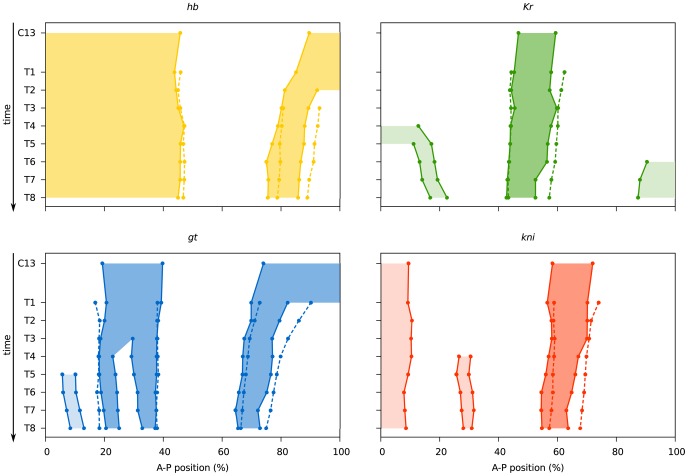
“domain only appears at C13, with much lower intensity of expression”
BackgroundMultiplex Detection of RNA Expression in Drosophila Embryos
Kosman, D., Mizutani, C. M., Lemons, D., Cox, W. G., McGinnis, W., & Bier, E. (2004) · Science · doi:10.1126/science.1099247 · Cited by 363 · cited 1×
“Wild-type blastoderm-stage Drosophila embryos were collected after 4 hrs of egg laying and stained with a colorimetric in situ hybridisation protocol adapted from [52] and [53].”
MethodChemogenomic profiling on a genome-wide scale using reverse-engineered gene networks
di Bernardo, D., Thompson, M. J., Gardner, T. S., Chobot, S. E., Eastwood, E. L., Wojtovich, A. P., Elliott, S. J., Schaus, S. E., & Collins, J. J. (2005) · Nature Biotechnology · doi:10.1038/nbt1075 · Cited by 344
Systems biology: parameter estimation for biochemical models
Ashyraliyev, M., Fomekong‐Nanfack, Y., Kaandorp, J. A., & Blom, J. G. (2009) · The FEBS Journal · doi:10.1111/j.1742-4658.2008.06844.x · Cited by 323 · cited 1×
“methods [7,30,31], which are suitable for this task.”
MethodSelf-citationA Predictive Model for Transcriptional Control of Physiology in a Free Living Cell
Bonneau, R., Facciotti, M. T., Reiss, D. J., Schmid, A. K., Pan, M., Kaur, A., Thorsson, V., Shannon, P., Johnson, M. H., Bare, J. C., et al. (2007) · Cell · doi:10.1016/j.cell.2007.10.053 · Cited by 298
Shaping BMP morphogen gradients in the Drosophila embryo and pupal wing
O'Connor, M. B., Umulis, D., Othmer, H. G., & Blair, S. S. (2006) · Development · doi:10.1242/dev.02214 · Cited by 294
Jaeger, J. (2011) · Cellular and Molecular Life Sciences · doi:10.1007/s00018-010-0536-y · Cited by 280
Self-citationCanalization of Gene Expression in the Drosophila Blastoderm by Gap Gene Cross Regulation
Manu, Surkova, S., Spirov, A. V., Gursky, V. V., Janssens, H., Kim, A.-R., Radulescu, O., Vanario-Alonso, C. E., Sharp, D. H., Samsonova, M., et al. (2009) · PLoS Biology · doi:10.1371/journal.pbio.1000049 · Cited by 279 · cited 2×
“Later efforts uncovered a mechanism for the dynamic anterior shift of gap domains over time [46,47], removed ambiguities in the published experimental evidence [48,49], identified core mechanisms for gap gene regulation [48,50], and explained the robustness of the system against variable levels of maternal inputs [47,…”
BackgroundMethodOptimization in computational systems biology
Banga, J. R. (2008) · BMC Systems Biology · doi:10.1186/1752-0509-2-47 · Cited by 278
Mechanism of eve stripe formation
Reinitz, J., & Sharp, D. H. (1995) · Mechanisms of Development · doi:10.1016/0925-4773(94)00310-j · Cited by 273 · cited 2×
“The particular reverse-engineering approach we use to investigate the gap gene network is called the gene circuit method [1,38,39] (Figure 1).”
BackgroundMethodRapid preparation of a panel of polyclonal antibodies to Drosophila segmentation proteins
Kosman, D., Small, S., & Reinitz, J. (1998) · Development Genes and Evolution · doi:10.1007/s004270050184 · Cited by 265 · cited 1×
“It took years of effort by several researchers to establish the protein data set [41,43].”
BackgroundSystems biology: experimental design
Kreutz, C., & Timmer, J. (2009) · The FEBS Journal · doi:10.1111/j.1742-4658.2008.06843.x · Cited by 257 · cited 1×
“It should be corroborated and extended in the future by more systematic and rigorous approaches based on methods for optimal experimental design (OED, reviewed in [79]).”
MethodDynamical Analysis of Regulatory Interactions in the Gap Gene System of Drosophila melanogaster
Jaeger, J., Blagov, M., Kosman, D., Kozlov, K. N., Manu, Myasnikova, E., Surkova, S., Vanario-Alonso, C. E., Samsonova, M., Sharp, D. H., et al. (2004) · Genetics · doi:10.1534/genetics.104.027334 · Cited by 248 · cited 9×
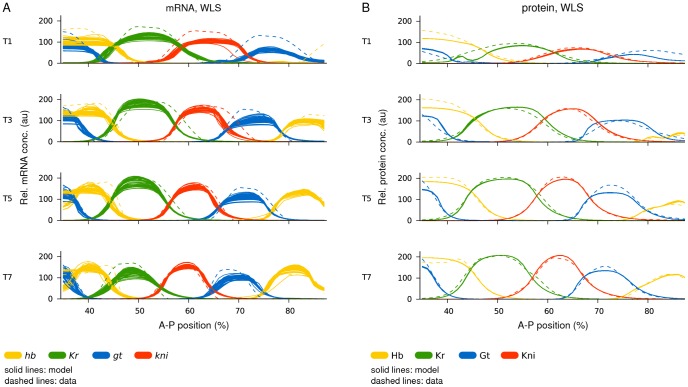
“In accordance with this, both mRNA- and protein-based circuits predict that the effect of Kr on kni, Kni on gt, as well as that of Gt on hb, is extremely weak (Figure 6A, and [48,49]).”
BackgroundMethodResultInfluentialSelf-citationDorsoventral Axis Formation in the Drosophila Embryo—Shaping and Transducing a Morphogen Gradient
Moussian, B., & Roth, S. (2005) · Current Biology · doi:10.1016/j.cub.2005.10.026 · Cited by 245
Linking data to models: data regression
Jaqaman, K., & Danuser, G. (2006) · Nature Reviews Molecular Cell Biology · doi:10.1038/nrm2030 · Cited by 243
Reverse engineering the genotype–phenotype map with natural genetic variation
Rockman, M. V. (2008) · Nature · doi:10.1038/nature07633 · Cited by 237 · cited 1×
“engineering studies aim to determine regulatory structure from large-scale perturbation- or time-series data based on microarray or transcriptome-sequencing technology (reviewed in [5,17]).”
BackgroundReverse-engineering transcription control networks
GARDNER, T., & FAITH, J. (2005) · Physics of Life Reviews · doi:10.1016/j.plrev.2005.01.001 · Cited by 234
Manu, Surkova, S., Spirov, A. V., Gursky, V. V., Janssens, H., Kim, A.-R., Radulescu, O., Vanario-Alonso, C. E., Sharp, D. H., Samsonova, M., et al. (2009) · PLoS Computational Biology · doi:10.1371/journal.pcbi.1000303 · Cited by 213 · cited 2×
“Later efforts uncovered a mechanism for the dynamic anterior shift of gap domains over time [46,47], removed ambiguities in the published experimental evidence [48,49], identified core mechanisms for gap gene regulation [48,50], and explained the robustness of the system against variable levels of maternal inputs [47,…”
BackgroundMethodA self-organizing system of repressor gradients establishes segmental complexity in Drosophila
Clyde, D. E., Corado, M. S. G., Wu, X., Paré, A., Papatsenko, D., & Small, S. (2003) · Nature · doi:10.1038/nature02189 · Cited by 208 · cited 1×
“by Kr, which is in accordance with the experimental literature”
ResultThe extracellular regulation of bone morphogenetic protein signaling
Umulis, D., O'Connor, M. B., & Blair, S. S. (2009) · Development · doi:10.1242/dev.031534 · Cited by 200 · cited 1×
“There are several examples of tractable cellular patterning systems in Drosophila: mesoderm and heart development [88,89], morphogen-based patterning in wing imaginal discs [87,90], or the thoracic bristle patterning system [91,92].”
BackgroundCharacterization of the Drosophila segment determination morphome
Surkova, S., Kosman, D., Kozlov, K., Manu, Myasnikova, E., Samsonova, A. A., Spirov, A., Vanario-Alonso, C. E., Samsonova, M., & Reinitz, J. (2008) · Developmental Biology · doi:10.1016/j.ydbio.2007.10.037 · Cited by 196 · cited 11×
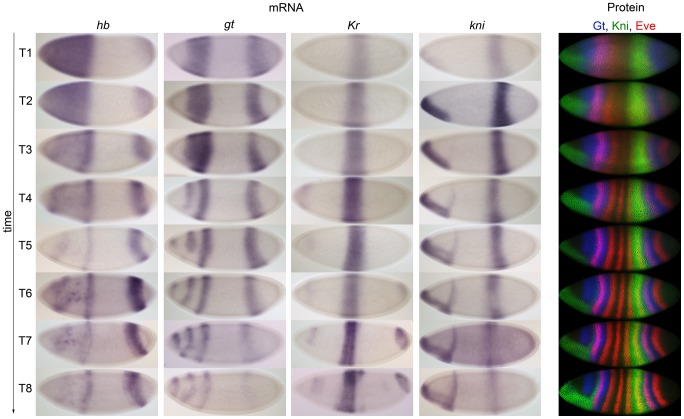
“While central gap domains arise early, and show intense staining levels by C14A, more terminal ones arise later, and show less intense staining [43].”
BackgroundMethodResultInfluentialDorsal Gradient Networks in the Drosophila Embryo
Stathopoulos, A., & Levine, M. (2002) · Developmental Biology · doi:10.1006/dbio.2002.0652 · Cited by 194 · cited 1×
“is the dorso-ventral patterning system in the early embryo”
BackgroundReverse Engineering the Gap Gene Network of Drosophila melanogaster
Perkins, T. J., Jaeger, J., Reinitz, J., & Glass, L. (2006) · PLoS Computational Biology · doi:10.1371/journal.pcbi.0020051 · Cited by 187
Self-citationCross-regulatory interactions among the gap genes of Drosophila
Jäckle, H., Tautz, D., Schuh, R., Seifert, E., & Lehmann, R. (1986) · Nature · doi:10.1038/324668a0 · Cited by 163
Spatial regulation of the gap gene giant during Drosophila development
Kraut, R. S., & Levine, M. (1991) · Development · doi:10.1242/dev.111.2.601 · Cited by 149
Reinitz, J., Mjolsness, E., & Sharp, D. H. (1995) · Journal of Experimental Zoology · doi:10.1002/jez.1402710106 · Cited by 148
Differential regulation of the two transcripts from the Drosophila gap segmentation gene hunchback.
Schröder, C., Tautz, D., Seifert, E., & Jäckle, H. (1988) · The EMBO Journal · doi:10.1002/j.1460-2075.1988.tb03145.x · Cited by 146
Interactions of the Drosophila gap gene giant with maternal and zygotic pattern-forming genes
Eldon, E. D., & Pirrotta, V. (1991) · Development · doi:10.1242/dev.111.2.367 · Cited by 142
Parameter estimation and optimal experimental design
Banga, J. R., & Balsa-Canto, E. (2008) · Essays in Biochemistry · doi:10.1042/bse0450195 · Cited by 141 · cited 1×
“OED uses algorithms for global optimisation and calculation of confidence intervals similar to those used here to predict which measurements in a data set are most relevant to accurately estimate parameter values (see, for example, [80,81]).”
MethodPosterior stripe expression of hunchback is driven from two promoters by a common enhancer element
Margolis, J. S., Borowsky, M. L., Steingrı́msson, E., Shim, C. W., Lengyel, J. A., & Posakony, J. W. (1995) · Development · doi:10.1242/dev.121.9.3067 · Cited by 136
Optimal Experimental Design for Parameter Estimation of a Cell Signaling Model
Bandara, S., Schlöder, J. P., Eils, R., Bock, H. G., & Meyer, T. (2009) · PLoS Computational Biology · doi:10.1371/journal.pcbi.1000558 · Cited by 135 · cited 1×
“However, applying OED to realworld, complex, non-linear systems remains challenging, and has only be achieved in exceptional cases (see [82]).”
BackgroundFlyEx, the quantitative atlas on segmentation gene expression at cellular resolution
Pisarev, A. S., Poustelnikova, E., Samsonova, M., & Reinitz, J. (2008) · Nucleic Acids Research · doi:10.1093/nar/gkn717 · Cited by 130 · cited 1×
“ru/flyex; [69,70]; column 5 to the right).”
Registration of the expression patterns of Drosophila segmentation genes by two independent methods
Myasnikova, E., Samsonova, A., Kozlov, K., Samsonova, M., & Reinitz, J. (2001) · Bioinformatics · doi:10.1093/bioinformatics/17.1.3 · Cited by 127
Computational procedures for optimal experimental design in biological systems
Balsa-Canto, E., Alonso, A. A., & Banga, J. R. (2008) · IET Systems Biology · doi:10.1049/iet-syb:20070069 · Cited by 124 · cited 1×
“OED uses algorithms for global optimisation and calculation of confidence intervals similar to those used here to predict which measurements in a data set are most relevant to accurately estimate parameter values (see, for example, [80,81]).”
MethodA database for management of gene expression data in situ
Poustelnikova, E., Pisarev, A., Blagov, M., Samsonova, M., & Reinitz, J. (2004) · Bioinformatics · doi:10.1093/bioinformatics/bth222 · Cited by 121 · cited 1×
“ru/flyex; [69,70]; column 5 to the right).”
Reverse engineering of gene regulatory networks
Cho, K.-H., Choo, S.-M., Jung, S. H., Kim, J.-R., Choi, H.-S., & Kim, J. (2007) · IET Systems Biology · doi:10.1049/iet-syb:20060075 · Cited by 119
Heart development in Drosophila
Tao, Y., & Schulz, R. A. (2006) · Seminars in Cell and Developmental Biology · doi:10.1016/j.semcdb.2006.12.001 · Cited by 114
The development and evolution of bristle patterns in Diptera
Simpson, P., Woehl, R., & Usui, K. (1999) · Development · doi:10.1242/dev.126.7.1349 · Cited by 111
Fourier analysis and systems identification of the p53 feedback loop
Geva‐Zatorsky, N., Dekel, E., Batchelor, E., Lahav, G., & Alon, U. S. (2010) · Proceedings of the National Academy of Sciences · doi:10.1073/pnas.1001107107 · Cited by 110
Capovilla, M., Eldon, E. D., & Pirrotta, V. (1992) · Development · doi:10.1242/dev.114.1.99 · Cited by 107
Dynamics of the Dorsal morphogen gradient
Kanodia, J. S., Rikhy, R., Kim, Y., Lund, V. K., DeLotto, R., Lippincott-Schwartz, J., & Shvartsman, S. Y. (2009) · Proceedings of the National Academy of Sciences · doi:10.1073/pnas.0912395106 · Cited by 106
Gene Circuit Analysis of the Terminal Gap Gene huckebein
Ashyraliyev, M., Siggens, K., Janssens, H., Blom, J., Akam, M., & Jaeger, J. (2009) · PLoS Computational Biology · doi:10.1371/journal.pcbi.1000548 · Cited by 102 · cited 10×
“We follow a reverse engineering protocol as described in [46,48,49].”
BackgroundMethodInfluentialSelf-citationParallel Simulated Annealing by Mixing of States
Chu, K.-W., Deng, Y., & Reinitz, J. (1999) · Journal of Computational Physics · doi:10.1006/jcph.1998.6134 · Cited by 102
Porcher, A., Abu-Arish, A., Huart, S., Roelens, B., Fradin, C., & Dostatni, N. (2010) · Development · doi:10.1242/dev.051300 · Cited by 92
A novel spatial transcription pattern associated with the segmentation gene, giant, of Drosophila.
Mohler, J. D., Eldon, E. D., & Pirrotta, V. (1989) · The EMBO Journal · doi:10.1002/j.1460-2075.1989.tb03538.x · Cited by 90
Soyer, O. S. (2012) · Advances in experimental medicine and biology · doi:10.1007/978-1-4614-3567-9 · Cited by 90
Quantifying the Gurken Morphogen Gradient in Drosophila Oogenesis
Goentoro, L. A., Reeves, G. T., Kowal, C. P., Martinelli, L., Schüpbach, T., & Shvartsman, S. Y. (2006) · Developmental Cell · doi:10.1016/j.devcel.2006.07.004 · Cited by 90 · cited 1×
“So far, only a small number of developmental systems have been reverse-engineered using dynamical models (see, for example,”
BackgroundParameter estimation and determinability analysis applied to Drosophila gap gene circuits
Ashyraliyev, M., Jaeger, J., & Blom, J. G. (2008) · BMC Systems Biology · doi:10.1186/1752-0509-2-83 · Cited by 89
Self-citationHeFeng, F. Q., Balling, R., & Zeng, A. (2009) · Journal of Biotechnology · doi:10.1016/j.jbiotec.2009.07.013 · Cited by 82 · cited 1×
“Network inference using complex non-linear dynamical models is deemed a considerable technical challenge [6,17,24].”
MethodThe Inheritance of Process: A Dynamical Systems Approach
Jaeger, J., Irons, D., & Monk, N. (2012) · Journal of Experimental Zoology Part B Molecular and Developmental Evolution · doi:10.1002/jez.b.22468 · Cited by 80 · cited 1×
“how these patterns evolve through changes in the underlying structure of the network [25,26].”
BackgroundSelf-citationJaeger, J., Sharp, D. H., & Reinitz, J. (2006) · Mechanisms of Development · doi:10.1016/j.mod.2006.11.001 · Cited by 79 · cited 9×
“This assumption is mainly based on methodological reasoning (although it is also supported by experimental evidence on protein expression patterns [40,43]).”
BackgroundMethodInfluentialSelf-citationHoyos, E., Kim, K., Milloz, J., Barkoulas, M., Pénigault, J.-B., Munro, E., & Félix, M. (2011) · Current Biology · doi:10.1016/j.cub.2011.02.040 · Cited by 71
Reverse engineering gene regulatory networks
Huang, Y., Tienda-Luna, I. M., & Wang, Y. (2009) · IEEE Signal Processing Magazine · doi:10.1109/msp.2008.930647 · Cited by 69
Fomekong-Nanfack, Y., Kaandorp, J. A., & Blom, J. (2007) · Bioinformatics · doi:10.1093/bioinformatics/btm433 · Cited by 68
Learning and inference in computational systems biology
Lawrence, N. D., Girolami, M., Rattray, M., & Sanguinetti, G. (2010) · Research Explorer (The University of Manchester) · Cited by 67
Cardiac gene regulatory networks in Drosophila
Bryantsev, A. L., & Cripps, R. M. (2008) · Biochimica et Biophysica Acta (BBA) - Gene Regulatory Mechanisms · doi:10.1016/j.bbagrm.2008.09.002 · Cited by 67 · cited 1×
“There are several examples of tractable cellular patterning systems in Drosophila: mesoderm and heart development [88,89], morphogen-based patterning in wing imaginal discs [87,90], or the thoracic bristle patterning system [91,92].”
BackgroundHülskamp, M., Lukowitz, W., Beermann, A., Glaser, G., & Tautz, D. (1994) · Genetics · doi:10.1093/genetics/138.1.125 · Cited by 66
Wu, X., Vakani, R., & Small, S. (1998) · Development · doi:10.1242/dev.125.19.3765 · Cited by 66
A high-throughput method for quantifying gene expression data from early Drosophila embryos
Janssens, H., Kosman, D., Vanario‐Alonso, C. E., Jaeger, J., Samsonova, M. G., & Reinitz, J. (2005) · Development Genes and Evolution · doi:10.1007/s00427-005-0484-y · Cited by 64 · cited 1×
“This mask and all raw images (A–C) were rotated and cropped as described in [56] such that the embryo’s major, or antero-posterior (A–P) axis is horizontal.”
MethodSelf-citationThe Tailless Nuclear Receptor Acts as a Dedicated Repressor in the Early Drosophila Embryo
Morán, É., & Jiménez, G. (2006) · Molecular and Cellular Biology · doi:10.1128/mcb.26.9.3446-3454.2006 · Cited by 62 · cited 1×
“Repression of hb in the posterior is overcome in these circuits by strong activation of hb by Tll (data not shown), an interaction which is likely to be indirect, and therefore not supported by experimental evidence [75].”
Jaeger, J., & Crombach, A. (2012) · Advances in experimental medicine and biology · doi:10.1007/978-1-4614-3567-9_5 · Cited by 60
Self-citationComputational and Experimental Approaches for Modeling Gene Regulatory Networks
Goutsias, J. I., & Lee, N. (2007) · Current Pharmaceutical Design · doi:10.2174/138161207780765945 · Cited by 59
Regulation of Krüppel expression in the anlage of the Malpighian tubules in the Drosophila embryo
Gaul, U., & Weigel, D. (1990) · Mechanisms of Development · doi:10.1016/0925-4773(90)90135-9 · Cited by 59 · cited 1×
“This domain is known to be under regulatory control of the terminal gap genes with additional inputs from the Forkhead (Fkh) transcription factor (not included in this study), and it does not participate in segment determination [58].”
BackgroundWarrior, R., & Levine, M. (1990) · Development · doi:10.1242/dev.110.3.759 · Cited by 57
Simpson, P. (2007) · Trends in Genetics · doi:10.1016/j.tig.2007.04.006 · Cited by 51 · cited 1×
“There are several examples of tractable cellular patterning systems in Drosophila: mesoderm and heart development [88,89], morphogen-based patterning in wing imaginal discs [87,90], or the thoracic bristle patterning system [91,92].”
BackgroundIntegrative approaches to molecular biology
(1997) · Choice Reviews Online · doi:10.5860/choice.34-5071 · Cited by 49
Pipeline for acquisition of quantitative data on segmentation gene expression from confocal images
Surkova, S. Y., Марковна, М. Е., Janssens, H., Kozlov, K. N., Samsonova, A. A., Reinitz, J., & Samsonova, M. G. (2008) · Fly · doi:10.4161/fly.6060 · Cited by 45 · cited 3×
“ogy as previously described [44] (see also Materials and Methods).”
MethodInfluentialRole of CtBP in Transcriptional Repression by the Drosophila giant Protein
Strunk, B. S., Struffi, P., Wright, K. J., Pabst, B. A., Thomas, J., Qin, L., & Arnosti, D. N. (2001) · Developmental Biology · doi:10.1006/dbio.2001.0454 · Cited by 37 · cited 1×
“Also, the posterior hb domain appears normal in embryos over-expressing or mutant for gt [99,101,102].”
BackgroundDewar, M., Kadirkamanathan, V., Opper, M., & Sanguinetti, G. (2010) · BMC Systems Biology · doi:10.1186/1752-0509-4-21 · Cited by 29
Vermeirssen, V., Joshi, A., Michoel, T., Bonnet, É., Casneuf, T., & de Peer, Y. V. (2009) · Molecular BioSystems · doi:10.1039/b908108a · Cited by 28
Data Pushing: A Fly-Centric Guide to Bioinformatics Tools
Costello, J. C., Cash, A., Dalkilic, M. M., & Andrews, J. (2008) · Fly · doi:10.4161/fly.5864 · Cited by 21
Reverse Engineering of Gene Regulatory Networks.
Jaeger, J., & Monk, N. (2010) · Cited by 10
Self-citationReinitz, J., & Sharp, D. H. (1996) · The MIT Press eBooks · doi:10.7551/mitpress/3824.003.0016 · Cited by 8 · cited 1×
“The particular reverse-engineering approach we use to investigate the gap gene network is called the gene circuit method [1,38,39] (Figure 1).”
Method
Research works printed but not linked: 2
- J Lam, 1988, An efficient simulated annealing schedule: derivation. New Haven, CT: Yale Electrical Engineering Department., Technical Report, 8816
- J Lam, 1988, An efficient simulated annealing schedule: implementation and evaluation. New Haven, CT: Yale Electrical Engineering Department., Technical Report, 8817
Cited by
Structure and dynamics of molecular networks: A novel paradigm of drug discovery
Csermely, P., Korcsmáros, T., Kiss, H. J. M., London, G., & Nussinov, R. (2013) · Pharmacology & Therapeutics · doi:10.1016/j.pharmthera.2013.01.016 · Cited by 892
“This is one reason, why combination of various methods (or the use of iterative approaches) may outperform individual methodologies (Liang et al., 1998a; Akutsu et al., 1999; Ideker et al., 2000; Kholodenko et al., 2002; Yeung et al., 2002; Segal et al., 2003; Tegnér et al., 2003; Friedman, 2004; Tegnér & Bjorkegren,…”
MethodInfluentialReverse engineering and identification in systems biology: strategies, perspectives and challenges
Villaverde, A. F., & Banga, J. R. (2014) · Journal of The Royal Society Interface · doi:10.1098/rsif.2013.0505 · Cited by 229
“In the case of evolutionary and developmental biology, reverse engineering of gene regulatory networks (GRNs) and numerical (in silico) evolutionary simulations have been used [15,16] to explain observed phenomena”
Accurate measurements of dynamics and reproducibility in small genetic networks
Dubuis, J. O., Samanta, R., & Gregor, T. (2013) · Molecular Systems Biology · doi:10.1038/msb.2012.72 · Cited by 172
Biosystems Design by Machine Learning
Volk, M., Lourentzou, I., Mishra, S., Vo, L. T., Zhai, C., & Zhao, H. (2020) · ACS Synthetic Biology · doi:10.1021/acssynbio.0c00129 · Cited by 164
Janssens, H., Siggens, K., Cicin-Sain, D., Jiménez-Guri, E., Musy, M., Akam, M. E., & Jaeger, J. (2014) · EvoDevo · doi:10.1186/2041-9139-5-1 · Cited by 114
“These networks can then be analyzed to gain insights into the regulatory processes underlying observed gene expression or phenotypic traits (for example, see [42-49]).”
BackgroundSelf-citation
Metadata
- Authors
- Crombach, A., Wotton, K. R., Cicin-Sain, D., Ashyraliyev, M., & Jaeger, J.
- Affiliations
- Universitat Pompeu Fabra (ES)
- Bahçeşehir University (TR)
- Corresponding author
- Jaeger, Johannes
- Venue
- PLoS Computational Biology
- Publisher
- Public Library of Science (PLoS)
- Published
- 2012-07-12
- Volume
- 8
- Issue
- 7
- Pages
- e1002589
- ISSN
- 1553-734X (ISSN-L)
- 1553-7358
- PMC
- PMC3395622
- OpenAlex
- W2051676319
- Cited by
- 83
- References
- 113
- Citations by year
- 2026: 1 · 2025: 1 · 2024: 3 · 2023: 4 · 2022: 1 · 2021: 4 · 2020: 4 · 2019: 4 · 2018: 4 · 2017: 8 · 2016: 9 · 2015: 13 · 2014: 14 · 2013: 11 · 2012: 2
- FWCI
- 5.15
- Type
- journal article
- Language
- en
- Open access
- gold
- doi.org
- Locations
- PLoS Computational Biology (publishedVersion, cc-by)
- Europe PMC (PubMed Central) (publishedVersion, cc-by)
- PubMed Central (publishedVersion, cc-by)
- PubMed (publishedVersion)
- DOAJ (DOAJ: Directory of Open Access Journals) (submittedVersion, cc-by-sa)
- Figshare (submittedVersion, cc-by)
- Figshare (submittedVersion)
- Open Research Exeter (University of Exeter) (submittedVersion, other-oa)
- Funders
- European Commission (KBBE-2011-5, FP7-KBBE-2011–5, 289434, FP7-KBBE)
- Ministerio de Economía y Competitividad (BFU2009-10184)
- Agència de Gestió d'Ajuts Universitaris i de Recerca (BFU2009-10184, SGR Grant 406)
- FP7 Food, Agriculture and Fisheries, Biotechnology (289434)
- Topics
- Life Sciences › Biochemistry, Genetics and Molecular Biology › Molecular Biology › Gene Regulatory Network Analysis
- Life Sciences › Biochemistry, Genetics and Molecular Biology › Molecular Biology › Developmental Biology and Gene Regulation
- Life Sciences › Biochemistry, Genetics and Molecular Biology › Molecular Biology › Genomics and Chromatin Dynamics
- Keywords
- gene regulatory network inference, reverse engineering, Drosophila melanogaster, spatial gene expression, developmental gene regulation
- MeSH terms
- Animals, Computer Simulation, Drosophila melanogaster, Hybridization, Genetic, Models, Genetic, RNA, Messenger, Gene Expression, Genes, Insect, Computational Biology, Drosophila Proteins, Gene Regulatory Networks
About these checks
Registry, retraction, Cites and statistics results are computed, not judged, with one exception: a printed reference that no index lists is read once by a model before it counts as a citation error. Claims are extracted by a model and kept only when their quote appears verbatim in the text; each cited source is then checked, with a model’s help, for whether it says what the claim relies on. Those verdicts can be wrong — read the claim’s quote and the cited source before relying on one.
Statistics and arithmetic are recomputed, not judged.
Confidence bands are shown only for fields calibrated on our annotated test set. None is calibrated yet, so no band is shown.
What counts as a claim ›How we measure confidence ›How we check this ›
Are you an author, or do you see a problem with this page? Request a review
Data sources
Bibliographic data: Semantic Scholar, OpenAlex, Crossref.
Contains information from the Semantic Scholar Academic Graph Datasets, made available under the ODC Attribution License (ODC-BY 1.0).
Semantic Scholar’s data is described in: Kinney, R., et al. (2023). The Semantic Scholar Open Data Platform. arXiv:2301.10140.
