

Credibility assessment of patient-specific computational modeling using patient-specific cardiac modeling as an exemplar
Open accessThe DOI matches its Crossref record; 54 of the 54 references it cites were found in a registry or an index.
Abstract
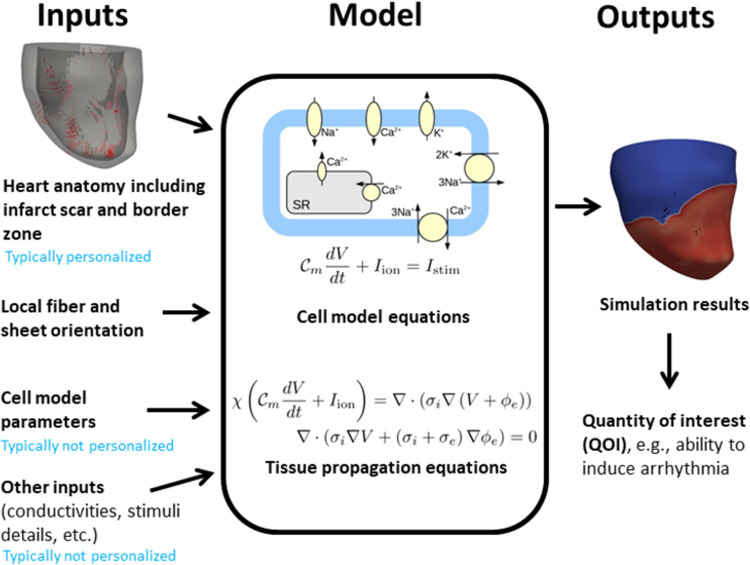
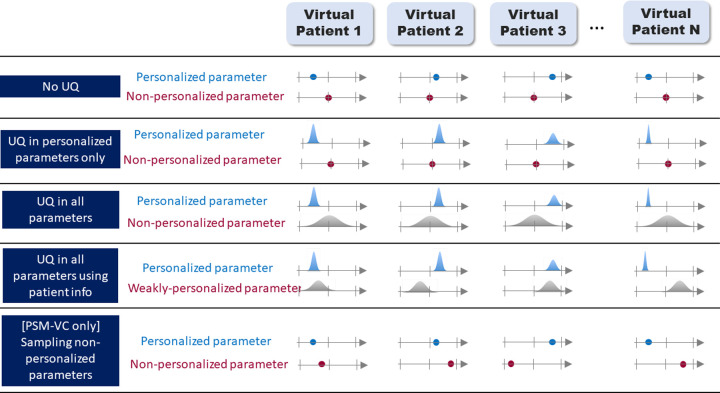
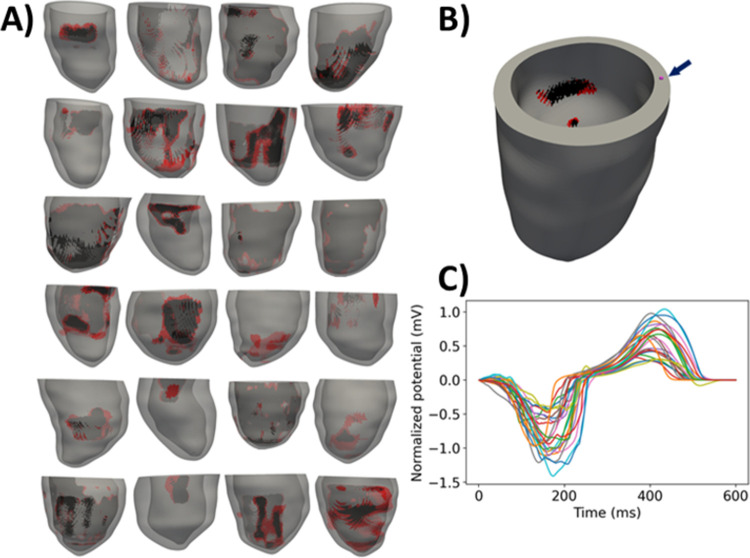
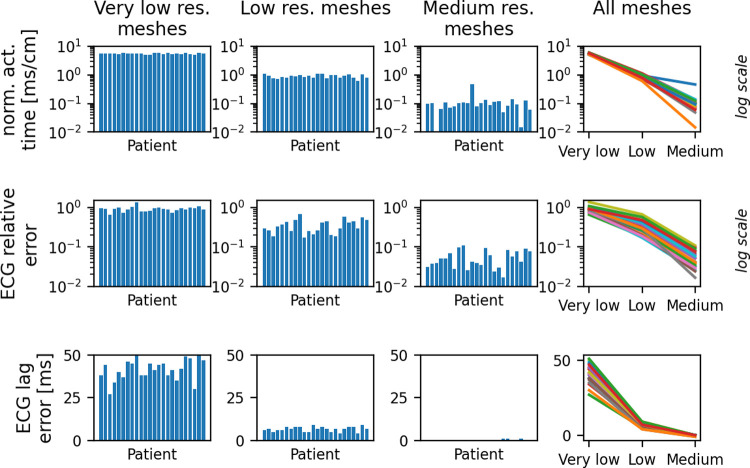
Reliable and robust simulation of individual patients using patient-specific models (PSMs) is one of the next frontiers for modeling and simulation (M&S) in healthcare. PSMs, which form the basis of digital twins, can be employed as clinical tools to, for example, assess disease state, predict response to therapy, or optimize therapy. They may also be used to construct virtual cohorts of patients, for in silico evaluation of medical product safety and/or performance. Methods and frameworks have recently been proposed for evaluating the credibility of M&S in healthcare applications. However, such efforts have generally been motivated by models of medical devices or generic patient models; how best to evaluate the credibility of PSMs has largely been unexplored. The aim of this paper is to understand and demonstrate the credibility assessment process for PSMs using patient-specific cardiac electrophysiological (EP) modeling as an exemplar. We first review approaches used to generate cardiac PSMs and consider how verification, validation, and uncertainty quantification (VVUQ) apply to cardiac PSMs. Next, we execute two simulation studies using a publicly available virtual cohort of 24 patient-specific ventricular models, the first a multi-patient verification study, the second investigating the impact of uncertainty in personalized and non-personalized inputs in a virtual cohort. We then use the findings from our analyses to identify how important characteristics of PSMs can be considered when assessing credibility with the approach of the ASME V&V40 Standard, accounting for PSM concepts such as inter- and intra-user variability, multi-patient and "every-patient" error estimation, uncertainty quantification in personalized vs non-personalized inputs, clinical validation, and others. The results of this paper will be useful to developers of cardiac and other medical image based PSMs, when assessing PSM credibility.
Overview
The claims and statistics of this paper haven’t been checked yet.
Free: it reads the open-access text and checks the first 5 claims that cite a source we can check. Create a free account to check every claim.
Integrity signals
Registry
Cites
Statistics
Figures
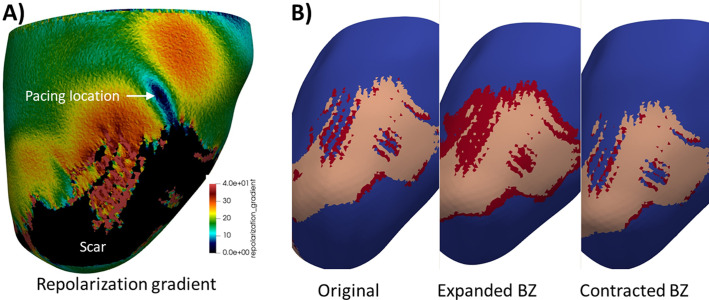
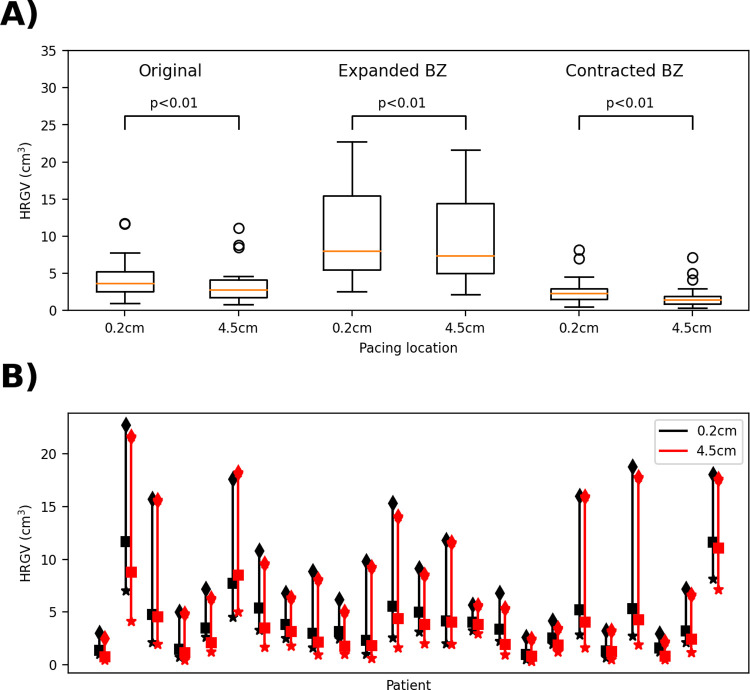
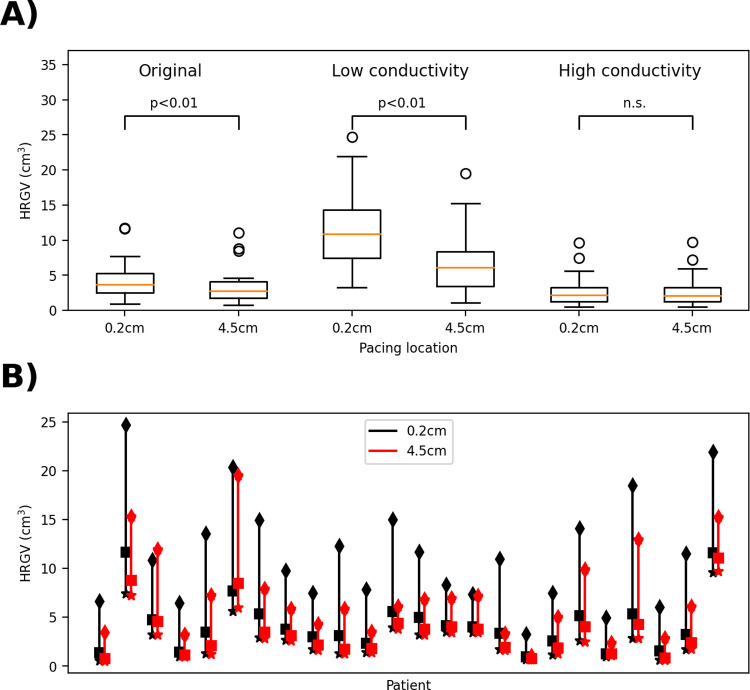
Verification
Claims the paper makes
The claims and statistics of this paper haven’t been checked yet.
Free: it reads the open-access text and checks the first 5 claims that cite a source we can check. Create a free account to check every claim.
Claims other papers make about this one
Each is checked against this paper’s own text: does it say what the citing paper says it does?
The cited source says what the claim attributes to it.
In the citing paper
“In previous work, we explored credibility of patient-specific models [9]. We considered what verification, validation and uncertainty quantification each mean for PSMs, unique considerations that arise for PSM credibility assessment, and discussed how to apply ASME V&V40 2018 to PSMs.”
From Credibility assessment of in silico clinical trials for medical devices (2024) · cites this paper as [9]
The cited source says what the claim attributes to it.
In the citing paper
“First, we noted that with PSMs it is common to perform calculation verification studies such as grid refinement studies using a single, assumed representative, patient.”
From Credibility assessment of in silico clinical trials for medical devices (2024) · cites this paper as [9]
The cited source says what the claim attributes to it.
In the citing paper
“User variability was also identified in [9] as a potential source of error for PSMs.”
From Credibility assessment of in silico clinical trials for medical devices (2024) · cites this paper as [9]
The cited source says what the claim attributes to it.
In the citing paper
“In our previous work for patient-specific models we identified unique calculation verification considerations that arise for PSMs [9].”
From Credibility assessment of in silico clinical trials for medical devices (2024) · cites this paper as [9]
The cited source says what the claim attributes to it.
In the citing paper
“As an example, in [9] we performed UQ for a cardiac virtual cohort simulation study and demonstrated that the study conclusion is not affected by uncertainty in personalized anatomic regions.”
From Credibility assessment of in silico clinical trials for medical devices (2024) · cites this paper as [9]
1 more claim about this paper
Create a free account to see every claim other papers make about this one.
Self-check
Percentages, sums and reported differences re-computed from the paper’s own numbers.
The self-check needs the paper’s full text.
Citations
Cites
Christ, A., Kainz, W., Hahn, E. G., Honegger, K., Zefferer, M., Neufeld, E., Rascher, W., Janka, R., Bautz, W., Chen, J., et al. (2010) · Physics in Medicine and Biology · doi:10.1088/0031-9155/55/2/n01 · Cited by 1,439 · cited 1×
“However, all publications reviewed fell into one of these categories, and important PSMs from other fields do so as well, for example Heartflow [1] is a PSM-CT and the Virtual Family [60] is a PSM-VC.”
BackgroundA model for human ventricular tissue
ten Tusscher, K. H. W. J., Noble, D., Noble, P. J., & Panfilov, A. V. (2004) · American Journal of Physiology-Heart and Circulatory Physiology · doi:10.1152/ajpheart.00794.2003 · Cited by 1,416 · cited 1×
“cell model [37], using the cardiac EP simulator Chaste [52].”
MethodO'Hara, T., Virág, L., Varró, A., & Rudy, Y. (2011) · PLoS Computational Biology · doi:10.1371/journal.pcbi.1002061 · Cited by 1,196
Alternans and spiral breakup in a human ventricular tissue model
ten Tusscher, K. H. W. J., & Panfilov, A. V. (2006) · American Journal of Physiology-Heart and Circulatory Physiology · doi:10.1152/ajpheart.00109.2006 · Cited by 1,122
The ‘Digital Twin’ to enable the vision of precision cardiology
Corral-Acero, J., Margara, F., Marciniak, M., Rodero, C., Loncaric, F., Feng, Y., Gilbert, A., Fernandes, J. F., Bukhari, H. A., Wajdan, A., et al. (2020) · European Heart Journal · doi:10.1093/eurheartj/ehaa159 · Cited by 932 · cited 1×
“Alternatively, it has been defined more precisely as a “comprehensive, virtual tool that integrates coherently and dynamically the clinical data acquired over time for an individual using mechanistic and statistical models” [5].”
BackgroundModels of cardiac tissue electrophysiology: Progress, challenges and open questions
Clayton, R. H., Bernus, O., Cherry, E. M., Dierckx, H., Fenton, F. H., Mirabella, L., Panfilov, A. V., Sachse, F. B., Seemann, G., & Zhang, H. (2011) · Progress in Biophysics and Molecular Biology · doi:10.1016/j.pbiomolbio.2010.05.008 · Cited by 585
Bayer, J. D., Blake, R. C., Plank, G., & Trayanova, N. A. (2012) · Annals of Biomedical Engineering · doi:10.1007/s10439-012-0593-5 · Cited by 557 · cited 1×
“Each model has fibers generated using a rule-based method [51].”
MethodArevalo, H. J., Vadakkumpadan, F., Guallar, E., Jebb, A., Malamas, P., Wu, K. C., & Trayanova, N. A. (2016) · Nature Communications · doi:10.1038/ncomms11437 · Cited by 465 · cited 3×
“For example, a study comparing model-based ablation targets against clinician-chosen ablation targets [13] or a study evaluating the performance of a PSM arrhythmia risk stratification tool that compares the model risk score against a clinical study endpoint of appropriate ICD firing or cardiac death [16].”
BackgroundA novel computational model of the human ventricular action potential and Ca transient
Grandi, E., Pasqualini, F. S., & Bers, D. M. (2010) · Journal of Molecular and Cellular Cardiology · doi:10.1016/j.yjmcc.2009.09.019 · Cited by 450
Chaste: An Open Source C++ Library for Computational Physiology and Biology
Mirams, G. R., Arthurs, C. J., Bernabeu, M. O., Bordas, R., Cooper, J., Corrias, A., Davit, Y., Dunn, S.-J., Fletcher, A. G., Harvey, D. G., et al. (2013) · PLoS Computational Biology · doi:10.1371/journal.pcbi.1002970 · Cited by 423
Ionic Current Basis of Electrocardiographic Waveforms: A Model Study
Gima, K., & Rudy, Y. (2002) · Circulation Research · doi:10.1161/01.res.0000016960.61087.86 · Cited by 396 · cited 1×
“The ECG at the V1 lead was computed using the method of [54].”
MethodA two-current model for the dynamics of cardiac membrane
Mitchell, C. (2003) · Bulletin of Mathematical Biology · doi:10.1016/s0092-8240(03)00041-7 · Cited by 363 · cited 1×
“Another important choice is the cell model, typically either an established human cell model [37–40], or a phenomenological model such as [41,42].”
BackgroundComputationally guided personalized targeted ablation of persistent atrial fibrillation
Boyle, P. M., Zghaib, T., Zahid, S., Ali, R. L., Deng, D., Franceschi, W. H., Hakim, J. B., Murphy, M. J., Prakosa, A., Zimmerman, S. L., et al. (2019) · Nature Biomedical Engineering · doi:10.1038/s41551-019-0437-9 · Cited by 312 · cited 1×
“Examples include PSMs for guiding cardiac ablation [13,14], risk stratification [15,16], cardiac resynchronization therapy (CRT) lead placement [17] and non-invasive mapping [18].”
BackgroundPrakosa, A., Arevalo, H. J., Deng, D., Boyle, P. M., Nikolov, P. P., Ashikaga, H., Blauer, J. J. E., Ghafoori, E., Park, C. J., Blake, R. C., et al. (2018) · Nature Biomedical Engineering · doi:10.1038/s41551-018-0282-2 · Cited by 297 · cited 5×
“Computational meshes of the atria, ventricles or whole heart are generated from either MR [13,22] or CT [27,28] images through image segmentation and mesh generation.”
BackgroundMethodInfluentialVerification of cardiac tissue electrophysiology simulators using an N -version benchmark
Niederer, S. A., Kerfoot, E., Benson, A. P., Bernabeu, M. O., Bernus, O., Bradley, C., Cherry, E. M., Clayton, R., Fenton, F. H., Garny, A., et al. (2011) · Philosophical Transactions of the Royal Society A Mathematical Physical and Engineering Sciences · doi:10.1098/rsta.2011.0139 · Cited by 275 · cited 2×
“Similarly, methods developed for demonstrating the monodomain and bidomain equations have been implemented correctly [11,47] apply directly to PSM software.”
BackgroundMethodSermesant, M., Chabiniok, R., Chinchapatnam, P., Mansi, T., Billet, F., Moireau, P., Peyrat, J. M., Wong, K., Relan, J., Rhode, K., et al. (2012) · Medical Image Analysis · doi:10.1016/j.media.2011.07.003 · Cited by 232
Gillette, K., Gsell, M. A. F., Prassl, A. J., Karabelas, E., Reiter, U., Reiter, G., Grandits, T., Payer, C., Štern, D., Urschler, M., et al. (2021) · Medical Image Analysis · doi:10.1016/j.media.2021.102080 · Cited by 194 · cited 1×
“[35] personalized multiple cell model, conductivity and other parameters using ECG recordings.”
MethodNeic, A., Campos, F. O., Prassl, A. J., Niederer, S. A., Bishop, M. J., Vigmond, E. J., & Plank, G. (2017) · Journal of Computational Physics · doi:10.1016/j.jcp.2017.06.020 · Cited by 191 · cited 1×
“Some options include the monodomain or bidomain [8], pseudo-bidomain [23], Eikonal [24] or reaction-Eikonal [25] formulations.”
BackgroundPatient-Specific Cardiovascular Computational Modeling: Diversity of Personalization and Challenges
Gray, R. A., & Pathmanathan, P. (2018) · Journal of Cardiovascular Translational Research · doi:10.1007/s12265-018-9792-2 · Cited by 160 · cited 1×
“Other applications of PSMs with devices on the market include preoperational planning and sizing for neurovascular surgery [2], and non-invasive mapping of heart surface electrical activity [3]; for more information see [4].”
MethodAn eikonal-curvature equation for action potential propagation in myocardium
Keener, J. P. (1991) · Journal of Mathematical Biology · doi:10.1007/bf00163916 · Cited by 158 · cited 2×
“For example, cardiac PSMs often use the Eikonal (e.g., [26]), reaction Eikonal (e.g. [22]) or monodomain (e.g., [13]) formulations.”
BackgroundTrabelsi, N., Zohar Yosibash, A., Wutte, C., Augat, P., & Eberle, S. (2011) · Journal of Biomechanics · doi:10.1016/j.jbiomech.2011.03.024 · Cited by 127
Gräni, C., Eichhorn, C., Bière, L., Kaneko, K., Murthy, V. L., Agarwal, V., Aghayev, A., Steigner, M. L., Blankstein, R., Jerosch‐Herold, M., et al. (2019) · Journal of Cardiovascular Magnetic Resonance · doi:10.1186/s12968-019-0520-0 · Cited by 126 · cited 1×
“A common approach is for an analyst to manually identify a region of myocardium, from which voxel intensity mean and standard deviation are computed, and the other voxels are then assigned scar or BZ if voxel intensity is above 3 (scar) or 2 (BZ) times the standard deviation above the mean, although other thresholds o…”
MethodLinking statistical shape models and simulated function in the healthy adult human heart
Rodero, C., Strocchi, M., Marciniak, M., Longobardi, S., Whitaker, J., O'Neill, M. D., Gillette, K. K., Augustin, C. M., Plank, G., Vigmond, E. J., et al. (2021) · PLoS Computational Biology · doi:10.1371/journal.pcbi.1008851 · Cited by 122 · cited 1×
“Computational meshes of the atria, ventricles or whole heart are generated from either MR [13,22] or CT [27,28] images through image segmentation and mesh generation.”
Strocchi, M., Augustin, C. M., Gsell, M. A. F., Karabelas, E., Neic, A., Gillette, K., Razeghi, O., Prassl, A. J., Vigmond, E. J., Behar, J. M., et al. (2020) · PLoS ONE · doi:10.1371/journal.pone.0235145 · Cited by 112 · cited 1×
“Computational meshes of the atria, ventricles or whole heart are generated from either MR [13,22] or CT [27,28] images through image segmentation and mesh generation.”
Self-citationHow the Hodgkin–Huxley equations inspired the Cardiac Physiome Project
Noble, D., Garny, A., & Noble, P. J. (2012) · The Journal of Physiology · doi:10.1113/jphysiol.2011.224238 · Cited by 110 · cited 1×
“Many cell models have been developed, differing in which sub-cellular processes are included [7].”
BackgroundTowards Personalized Cardiology: Multi-Scale Modeling of the Failing Heart
Kayvanpour, E., Mansi, T., Sedaghat-Hamedani, F., Amr, A., Neumann, D., Georgescu, B., Seegerer, P., Kamen, A., Haas, J., Frese, K. S., et al. (2015) · PLOS ONE · doi:10.1371/journal.pone.0134869 · Cited by 88 · cited 1×
“For example, [34] personalized a time constant in their cell model using the QT PLOS COMPUTATIONAL BIOLOGY Credibility assessment of patient-specific computational modeling”
MethodPathmanathan, P., Cordeiro, J. M., & Gray, R. A. (2019) · Frontiers in Physiology · doi:10.3389/fphys.2019.00721 · Cited by 86
Constructing a Human Atrial Fibre Atlas
Roney, C. H., Bendikas, R., Pashakhanloo, F., Corrado, C., Vigmond, E. J., McVeigh, E. R., Trayanova, N. A., & Niederer, S. (2020) · Annals of Biomedical Engineering · doi:10.1007/s10439-020-02525-w · Cited by 82 · cited 1×
“An alternative method is to generate fibers for a different heart using DT-MRI and map those fibers to the patient’s anatomy [19,32].”
MethodStrocchi, M., Lee, A. W. C., Neic, A., Bouyssier, J., Gillette, K., Plank, G., Elliott, M. K., Gould, J., Behar, J. M., Sidhu, B., et al. (2020) · Heart Rhythm · doi:10.1016/j.hrthm.2020.06.028 · Cited by 73 · cited 2×
“Second, for each patient, the electrode locations for the 12 lead ECG were approximated by aligning the hearts (by the long- and short-axes, based on Universal Ventricular Coordinate system) with a heart within an existing full torso computational model [53] for which 12-lead ECG electrode locations were already defin…”
BackgroundMethodImage-Based Personalization of Cardiac Anatomy for Coupled Electromechanical Modeling
Crozier, A., Augustin, C. M., Neic, A., Prassl, A. J., Höller, M., Fastl, T. E., Hennemuth, A., Bredies, K., Kühne, T., Bishop, M. J., et al. (2015) · Annals of Biomedical Engineering · doi:10.1007/s10439-015-1474-5 · Cited by 70
Personalized computational modeling of left atrial geometry and transmural myofiber architecture
Fastl, T. E., Tobon‐Gomez, C., Crozier, A., Whitaker, J., Rajani, R., McCarthy, K. P., Sánchez‐Quintana, D., Ho, S. Y., O'Neill, M. D., Plank, G., et al. (2018) · Medical Image Analysis · doi:10.1016/j.media.2018.04.001 · Cited by 70
Mendonca Costa, C., Neic, A., Kerfoot, E., Porter, B., Sieniewicz, B., Gould, J., Sidhu, B., Chen, Z., Plank, G., Rinaldi, C. A., et al. (2019) · Heart Rhythm · doi:10.1016/j.hrthm.2019.03.027 · Cited by 65 · cited 10×
“We conclude that the findings of [22] are likely robust to uncertainty in tissue conductivity.”
BackgroundMethodInfluentialBishop, M. J., & Plank, G. (2011) · IEEE Transactions on Biomedical Engineering · doi:10.1109/tbme.2010.2096425 · Cited by 64 · cited 1×
“Some options include the monodomain or bidomain [8], pseudo-bidomain [23], Eikonal [24] or reaction-Eikonal [25] formulations.”
BackgroundValidation and Trustworthiness of Multiscale Models of Cardiac Electrophysiology
Pathmanathan, P., & Gray, R. A. (2018) · Frontiers in Physiology · doi:10.3389/fphys.2018.00106 · Cited by 63 · cited 1×
“) or the system-as-a-whole; see [12] for a discussion.”
BackgroundSelf-citationLombardo, D. M., Fenton, F. H., Narayan, S. M., & Rappel, W. (2016) · PLoS Computational Biology · doi:10.1371/journal.pcbi.1005060 · Cited by 60
Shade, J. K., Cartoski, M. J., Nikolov, P. P., Prakosa, A., Doshi, A. N., Binka, E., Olivieri, L., Boyle, P. M., Spevak, P. J., & Trayanova, N. A. (2019) · Heart Rhythm · doi:10.1016/j.hrthm.2019.10.002 · Cited by 59
Pezzuto, S., Prinzen, F. W., Potse, M., Maffessanti, F., Regoli, F. D., Caputo, M. L., Conte, G., Krause, R., & Auricchio, A. (2020) · EP Europace · doi:10.1093/europace/euaa330 · Cited by 58
Verification of computational models of cardiac electro‐physiology
Pathmanathan, P., & Gray, R. A. (2014) · International Journal for Numerical Methods in Biomedical Engineering · doi:10.1002/cnm.2615 · Cited by 53
Corrado, C., Williams, S., Karim, R., Plank, G., O’Neill, M., & Niederer, S. (2018) · Medical Image Analysis · doi:10.1016/j.media.2018.04.005 · Cited by 50 · cited 2×
“For a phenomenological cell model with a limited total number of parameters, it can be feasible to personalize most or all cell model parameters, for example, recent work in atrial models where all tissue and cell model parameters were simultaneous calibrated for each patient using mapping-system derived local activat…”
MethodLee, A., Nguyên, U. C., Razeghi, O., Gould, J., Sidhu, B. S., Sieniewicz, B., Behar, J. M., Mafi-Rad, M., Plank, G., Prinzen, F. W., et al. (2019) · Medical Image Analysis · doi:10.1016/j.media.2019.06.017 · Cited by 47 · cited 2×
“For example, a clinical study to validate model predictions of activation patterns, for a tool that computes optimal ablation targets [48], or validation of activation patterns for a tool for guiding CRT lead placement [17].”
BackgroundA two-variable model robust to pacemaker behaviour for the dynamics of the cardiac action potential
Corrado, C., & Niederer, S. (2016) · Mathematical Biosciences · doi:10.1016/j.mbs.2016.08.010 · Cited by 33 · cited 1×
“Another important choice is the cell model, typically either an established human cell model [37–40], or a phenomenological model such as [41,42].”
BackgroundLarsson, D., Spühler, J. H., Petersson, S., Nordenfur, T., Colarieti-Tosti, M., Hoffman, J., Winter, R., & Larsson, M. (2017) · IEEE Transactions on Medical Imaging · doi:10.1109/tmi.2017.2718218 · Cited by 29
Bayesian Calibration of Electrophysiology Models Using Restitution Curve Emulators
Coveney, S., Corrado, C., Oakley, J. E., Wilkinson, R., Niederer, S., & Clayton, R. H. (2021) · Frontiers in Physiology · doi:10.3389/fphys.2021.693015 · Cited by 29 · cited 1×
“For a phenomenological cell model with a limited total number of parameters, it can be feasible to personalize most or all cell model parameters, for example, recent work in atrial models where all tissue and cell model parameters were simultaneous calibrated for each patient using mapping-system derived local activat…”
Methodde Vecchi, A., Marlevi, D., Nordsletten, D., Ntalas, I. V., Leipsic, J. A., Bapat, V., Rajani, R., & Niederer, S. (2018) · Scientific Reports · doi:10.1038/s41598-018-33836-7 · Cited by 28 · cited 1×
“For example, in [49] personalized models were developed for seven transcatheter mitral wave replacement patients.”
BackgroundPathmanathan, P., Galappaththige, S. K., Cordeiro, J. M., Kaboudian, A., Fenton, F. H., & Gray, R. A. (2020) · Frontiers in Physiology · doi:10.3389/fphys.2020.585400 · Cited by 26
Self-citationKariya, T., Washio, T., Okada, J., Nakagawa, M., WATANABE, M., Kadooka, Y., Sano, S., Nagai, R., Sugiura, S., & Hisada, T. (2020) · Annals of Biomedical Engineering · doi:10.1007/s10439-020-02488-y · Cited by 23
Gemmell, P. M., Gillette, K. K., Balaban, G., Rajani, R., Vigmond, E. J., Plank, G., & Bishop, M. J. (2020) · Computers in Biology and Medicine · doi:10.1016/j.compbiomed.2020.103895 · Cited by 20
Eslami, P., Hartman, E. M. J., Albaghadai, M., Karády, J., Jin, Z., Thondapu, V., Cefalo, N. V., Lu, M. T., Coskun, A. U., Stone, P. H., et al. (2020) · Annals of Biomedical Engineering · doi:10.1007/s10439-020-02631-9 · Cited by 20
Mesubi, O. O., Ego-Osuala, K., Jeudy, J. J., Purtilo, J. M., Synowski, S. J., Abutaleb, A., Niekoop, M., Abdulghani, M., Asoğlu, R., See, V. Y., et al. (2014) · International journal of cardiac imaging · doi:10.1007/s10554-014-0555-0 · Cited by 19
Integration of activation maps of epicardial veins in computational cardiac electrophysiology
Stella, S., Vergara, C., Maines, M., Catanzariti, D., Africa, P. C., Demattè, C., Centonze, M., Nobile, F., Greco, M. D., & Quarteroni, A. M. (2020) · Computers in Biology and Medicine · doi:10.1016/j.compbiomed.2020.104047 · Cited by 19 · cited 1×
“, non-invasive ECG recordings [33–35] or invasively-gathered intra-cardiac activation maps [36].”
BackgroundCorrado, C., Williams, S. E., Roney, C. H., Plank, G., O'Neill, M. D., & Niederer, S. (2021) · EP Europace · doi:10.1093/europace/euaa386 · Cited by 18 · cited 2×
“For example, a clinical study to validate model predictions of activation patterns, for a tool that computes optimal ablation targets [48], or validation of activation patterns for a tool for guiding CRT lead placement [17].”
BackgroundPoncelas, M. L., Barbera, L. L., Rawlinson, J., Crandall, D. G., & Aubin, C. (2021) · Computer Methods in Biomechanics & Biomedical Engineering · doi:10.1080/10255842.2021.1968380 · Cited by 17
Plancke, A.-M., Connolly, A. J., Gemmell, P. M., Neic, A., McSpadden, L. C., Whitaker, J., O'Neill, M. D., Rinaldi, C. A., Rajani, R., Niederer, S., et al. (2019) · Computers in Biology and Medicine · doi:10.1016/j.compbiomed.2019.103368 · Cited by 16 · cited 1×
“Examples include investigating ventricular fibrillation (VF) mechanisms [19], CRT efficacy [20], implantable cardioverter defibrillator efficacy [21], or to understand mechanisms related to CRT safety [22]”
BackgroundHo, G., Villongco, C., Yousefian, O., Bradshaw, A. W., Nguyen, A., Faiwiszewski, Y., Hayase, J. H., Rappel, W., McCulloch, A. D., & Krummen, D. E. (2017) · Journal of Cardiovascular Electrophysiology · doi:10.1111/jce.13283 · Cited by 11 · cited 2×
“An alternative method is to generate fibers for a different heart using DT-MRI and map those fibers to the patient’s anatomy [19,32].”
BackgroundMethod
Research works printed but not linked: 3
- ASME. V&V 40–2018 Assessing Credibility of Com putational Modeling through Verification and Validation: Application to Medical Devices. 2018.
- Costa CM. A Virtual Cohort of Twenty-four Left-ventricular Models of Ischemic Cardiomyopathy Patients. 2020.
- Kreinovich V, Nguyen HT, Niwitpong S-a. Statistical hypothesis testing under interval uncertainty: An overview. International Journal of Intelligent Technologies and Applied Statistics. 2008; 1(1): 1– 32.
Cited by
Building Digital Twins for Cardiovascular Health: From Principles to Clinical Impact
Sel, K., Osman, D., Zare, F., Shahrbabak, S. M., Brattain, L. J., Hahn, J., Inan, O. T., Mukkamala, R., Palmer, J., Paydarfar, D., et al. (2024) · Journal of the American Heart Association · doi:10.1161/jaha.123.031981 · Cited by 210
“102,105 Yet, given the diverse nature of data and sensor types, statistical and mechanistic models, and underlying assumptions in building a digital twin, validation proves to be difficult.”
BackgroundA scoping review of human digital twins in healthcare applications and usage patterns
Tudor, B. H., Shargo, R., Gray, G. M., Fierstein, J. L., Kuo, F. H., Burton, R., Johnson, J. T., Scully, B. B., Asante‐Korang, A., Rehman, M., et al. (2025) · npj Digital Medicine · doi:10.1038/s41746-025-01910-w · Cited by 149
“For instance, Galappaththige et al. outline a comprehensive roadmap for incorporating VVUQ practices into the development of personalized digital models 162 .”
Strocchi, M., Longobardi, S., Augustin, C. M., Gsell, M. A. F., Petras, A., Rinaldi, C. A., Vigmond, E. J., Plank, G., Oates, C. J., Wilkinson, R. D., et al. (2023) · PLoS Computational Biology · doi:10.1371/journal.pcbi.1011257 · Cited by 67
Credibility assessment of in silico clinical trials for medical devices
Pathmanathan, P., Aycock, K., Badal, A., Bighamian, R., Bodner, J., Craven, B. A., & Niederer, S. (2024) · PLOS Computational Biology · doi:10.1371/journal.pcbi.1012289 · Cited by 62
Viceconti, M., & Emili, L. (2024) · Synthesis lectures on biomedical engineering · doi:10.1007/978-3-031-48284-7 · Cited by 56
Metadata
- Authors
- Galappaththige, S., Gray, R. A., Costa, C. M., Niederer, S., & Pathmanathan, P.
- Affiliations
- United States Food and Drug Administration (US)
- King's College London (GB)
- Corresponding author
- Pathmanathan, Pras
- Venue
- PLoS Computational Biology
- Publisher
- Public Library of Science (PLoS)
- Published
- 2022-10-10
- Volume
- 18
- Issue
- 10
- Pages
- e1010541
- ISSN
- 1553-734X (ISSN-L)
- 1553-7358
- PMC
- PMC9550052
- OpenAlex
- W4304092601
- Cited by
- 45
- References
- 54
- Citations by year
- 2026: 13 · 2025: 15 · 2024: 14 · 2023: 3
- FWCI
- 5.61
- Type
- journal article
- Language
- en
- Open access
- gold
- doi.org
- Licence
- public-domain
- creativecommons.org/publicdomain/zero/1.0/ (vor)
- Locations
- PLoS Computational Biology (publishedVersion, public-domain)
- PubMed Central (publishedVersion, public-domain)
- PubMed (publishedVersion)
- DOAJ (DOAJ: Directory of Open Access Journals) (submittedVersion, cc-by-sa)
- Funders
- U.S. Food and Drug Administration
- Topics
- Health Sciences › Medicine › Cardiology and Cardiovascular Medicine › Cardiac electrophysiology and arrhythmias
- Social Sciences › Education › Simulation-Based Education in Healthcare
- Social Sciences › Decision Sciences › Management Science and Operations Research › Simulation Techniques and Applications
- Keywords
- patient-specific models, credibility assessment, digital twin, verification and validation, uncertainty quantification, virtual patient cohorts, ventricular model, clinical validation
- MeSH terms
- Computer Simulation, Heart, Humans, Cohort Studies, Uncertainty, Patient-Specific Modeling
About these checks
Registry, retraction, Cites and statistics results are computed, not judged, with one exception: a printed reference that no index lists is read once by a model before it counts as a citation error. Claims are extracted by a model and kept only when their quote appears verbatim in the text; each cited source is then checked, with a model’s help, for whether it says what the claim relies on. Those verdicts can be wrong — read the claim’s quote and the cited source before relying on one.
Statistics and arithmetic are recomputed, not judged.
Confidence bands are shown only for fields calibrated on our annotated test set. None is calibrated yet, so no band is shown.
What counts as a claim ›How we measure confidence ›How we check this ›
Are you an author, or do you see a problem with this page? Request a review
Data sources
Bibliographic data: Semantic Scholar, OpenAlex, Crossref.
Contains information from the Semantic Scholar Academic Graph Datasets, made available under the ODC Attribution License (ODC-BY 1.0).
Semantic Scholar’s data is described in: Kinney, R., et al. (2023). The Semantic Scholar Open Data Platform. arXiv:2301.10140.
